Spandidos Publications Logo
  • About
    • About Spandidos
    • Aims and Scopes
    • Abstracting and Indexing
    • Editorial Policies
    • Reprints and Permissions
    • Job Opportunities
    • Terms and Conditions
    • Contact
  • Journals
    • All Journals
    • Oncology Letters
      • Oncology Letters
      • Information for Authors
      • Editorial Policies
      • Editorial Board
      • Aims and Scope
      • Abstracting and Indexing
      • Bibliographic Information
      • Archive
    • International Journal of Oncology
      • International Journal of Oncology
      • Information for Authors
      • Editorial Policies
      • Editorial Board
      • Aims and Scope
      • Abstracting and Indexing
      • Bibliographic Information
      • Archive
    • Molecular and Clinical Oncology
      • Molecular and Clinical Oncology
      • Information for Authors
      • Editorial Policies
      • Editorial Board
      • Aims and Scope
      • Abstracting and Indexing
      • Bibliographic Information
      • Archive
    • Experimental and Therapeutic Medicine
      • Experimental and Therapeutic Medicine
      • Information for Authors
      • Editorial Policies
      • Editorial Board
      • Aims and Scope
      • Abstracting and Indexing
      • Bibliographic Information
      • Archive
    • International Journal of Molecular Medicine
      • International Journal of Molecular Medicine
      • Information for Authors
      • Editorial Policies
      • Editorial Board
      • Aims and Scope
      • Abstracting and Indexing
      • Bibliographic Information
      • Archive
    • Biomedical Reports
      • Biomedical Reports
      • Information for Authors
      • Editorial Policies
      • Editorial Board
      • Aims and Scope
      • Abstracting and Indexing
      • Bibliographic Information
      • Archive
    • Oncology Reports
      • Oncology Reports
      • Information for Authors
      • Editorial Policies
      • Editorial Board
      • Aims and Scope
      • Abstracting and Indexing
      • Bibliographic Information
      • Archive
    • Molecular Medicine Reports
      • Molecular Medicine Reports
      • Information for Authors
      • Editorial Policies
      • Editorial Board
      • Aims and Scope
      • Abstracting and Indexing
      • Bibliographic Information
      • Archive
    • World Academy of Sciences Journal
      • World Academy of Sciences Journal
      • Information for Authors
      • Editorial Policies
      • Editorial Board
      • Aims and Scope
      • Abstracting and Indexing
      • Bibliographic Information
      • Archive
    • International Journal of Functional Nutrition
      • International Journal of Functional Nutrition
      • Information for Authors
      • Editorial Policies
      • Editorial Board
      • Aims and Scope
      • Abstracting and Indexing
      • Bibliographic Information
      • Archive
    • International Journal of Epigenetics
      • International Journal of Epigenetics
      • Information for Authors
      • Editorial Policies
      • Editorial Board
      • Aims and Scope
      • Abstracting and Indexing
      • Bibliographic Information
      • Archive
    • Medicine International
      • Medicine International
      • Information for Authors
      • Editorial Policies
      • Editorial Board
      • Aims and Scope
      • Abstracting and Indexing
      • Bibliographic Information
      • Archive
  • Articles
  • Information
    • Information for Authors
    • Information for Reviewers
    • Information for Librarians
    • Information for Advertisers
    • Conferences
  • Language Editing
Spandidos Publications Logo
  • About
    • About Spandidos
    • Aims and Scopes
    • Abstracting and Indexing
    • Editorial Policies
    • Reprints and Permissions
    • Job Opportunities
    • Terms and Conditions
    • Contact
  • Journals
    • All Journals
    • Biomedical Reports
      • Information for Authors
      • Editorial Policies
      • Editorial Board
      • Aims and Scope
      • Abstracting and Indexing
      • Bibliographic Information
      • Archive
    • Experimental and Therapeutic Medicine
      • Information for Authors
      • Editorial Policies
      • Editorial Board
      • Aims and Scope
      • Abstracting and Indexing
      • Bibliographic Information
      • Archive
    • International Journal of Epigenetics
      • Information for Authors
      • Editorial Policies
      • Editorial Board
      • Aims and Scope
      • Abstracting and Indexing
      • Bibliographic Information
      • Archive
    • International Journal of Functional Nutrition
      • Information for Authors
      • Editorial Policies
      • Editorial Board
      • Aims and Scope
      • Abstracting and Indexing
      • Bibliographic Information
      • Archive
    • International Journal of Molecular Medicine
      • Information for Authors
      • Editorial Policies
      • Editorial Board
      • Aims and Scope
      • Abstracting and Indexing
      • Bibliographic Information
      • Archive
    • International Journal of Oncology
      • Information for Authors
      • Editorial Policies
      • Editorial Board
      • Aims and Scope
      • Abstracting and Indexing
      • Bibliographic Information
      • Archive
    • Medicine International
      • Information for Authors
      • Editorial Policies
      • Editorial Board
      • Aims and Scope
      • Abstracting and Indexing
      • Bibliographic Information
      • Archive
    • Molecular and Clinical Oncology
      • Information for Authors
      • Editorial Policies
      • Editorial Board
      • Aims and Scope
      • Abstracting and Indexing
      • Bibliographic Information
      • Archive
    • Molecular Medicine Reports
      • Information for Authors
      • Editorial Policies
      • Editorial Board
      • Aims and Scope
      • Abstracting and Indexing
      • Bibliographic Information
      • Archive
    • Oncology Letters
      • Information for Authors
      • Editorial Policies
      • Editorial Board
      • Aims and Scope
      • Abstracting and Indexing
      • Bibliographic Information
      • Archive
    • Oncology Reports
      • Information for Authors
      • Editorial Policies
      • Editorial Board
      • Aims and Scope
      • Abstracting and Indexing
      • Bibliographic Information
      • Archive
    • World Academy of Sciences Journal
      • Information for Authors
      • Editorial Policies
      • Editorial Board
      • Aims and Scope
      • Abstracting and Indexing
      • Bibliographic Information
      • Archive
  • Articles
  • Information
    • For Authors
    • For Reviewers
    • For Librarians
    • For Advertisers
    • Conferences
  • Language Editing
Login Register Submit
  • This site uses cookies
  • You can change your cookie settings at any time by following the instructions in our Cookie Policy. To find out more, you may read our Privacy Policy.

    I agree
Search articles by DOI, keyword, author or affiliation
Search
Advanced Search
presentation
Molecular Medicine Reports
Join Editorial Board Propose a Special Issue
Print ISSN: 1791-2997 Online ISSN: 1791-3004
Journal Cover
November-2017 Volume 16 Issue 5

Full Size Image

Sign up for eToc alerts
Recommend to Library

Journals

International Journal of Molecular Medicine

International Journal of Molecular Medicine

International Journal of Molecular Medicine is an international journal devoted to molecular mechanisms of human disease.

International Journal of Oncology

International Journal of Oncology

International Journal of Oncology is an international journal devoted to oncology research and cancer treatment.

Molecular Medicine Reports

Molecular Medicine Reports

Covers molecular medicine topics such as pharmacology, pathology, genetics, neuroscience, infectious diseases, molecular cardiology, and molecular surgery.

Oncology Reports

Oncology Reports

Oncology Reports is an international journal devoted to fundamental and applied research in Oncology.

Experimental and Therapeutic Medicine

Experimental and Therapeutic Medicine

Experimental and Therapeutic Medicine is an international journal devoted to laboratory and clinical medicine.

Oncology Letters

Oncology Letters

Oncology Letters is an international journal devoted to Experimental and Clinical Oncology.

Biomedical Reports

Biomedical Reports

Explores a wide range of biological and medical fields, including pharmacology, genetics, microbiology, neuroscience, and molecular cardiology.

Molecular and Clinical Oncology

Molecular and Clinical Oncology

International journal addressing all aspects of oncology research, from tumorigenesis and oncogenes to chemotherapy and metastasis.

World Academy of Sciences Journal

World Academy of Sciences Journal

Multidisciplinary open-access journal spanning biochemistry, genetics, neuroscience, environmental health, and synthetic biology.

International Journal of Functional Nutrition

International Journal of Functional Nutrition

Open-access journal combining biochemistry, pharmacology, immunology, and genetics to advance health through functional nutrition.

International Journal of Epigenetics

International Journal of Epigenetics

Publishes open-access research on using epigenetics to advance understanding and treatment of human disease.

Medicine International

Medicine International

An International Open Access Journal Devoted to General Medicine.

Journal Cover
November-2017 Volume 16 Issue 5

Full Size Image

Sign up for eToc alerts
Recommend to Library

  • Article
  • Citations
    • Cite This Article
    • Download Citation
    • Create Citation Alert
    • Remove Citation Alert
    • Cited By
  • Similar Articles
    • Related Articles (in Spandidos Publications)
    • Similar Articles (Google Scholar)
    • Similar Articles (PubMed)
  • Download PDF
  • Download XML
  • View XML
Article

Sulforaphane induces p53‑deficient SW480 cell apoptosis via the ROS‑MAPK signaling pathway

  • Authors:
    • Hai Lan
    • Hongyin Yuan
    • Congyao Lin
  • View Affiliations / Copyright

    Affiliations: Department of Oncology, Zhongnan Hospital of Wuhan University, Wuhan, Hubei 430071, P.R. China
  • Pages: 7796-7804
    |
    Published online on: September 20, 2017
       https://doi.org/10.3892/mmr.2017.7558
  • Expand metrics +
Metrics: Total Views: 0 (Spandidos Publications: | PMC Statistics: )
Metrics: Total PDF Downloads: 0 (Spandidos Publications: | PMC Statistics: )
Cited By (CrossRef): 0 citations Loading Articles...

This article is mentioned in:


Abstract

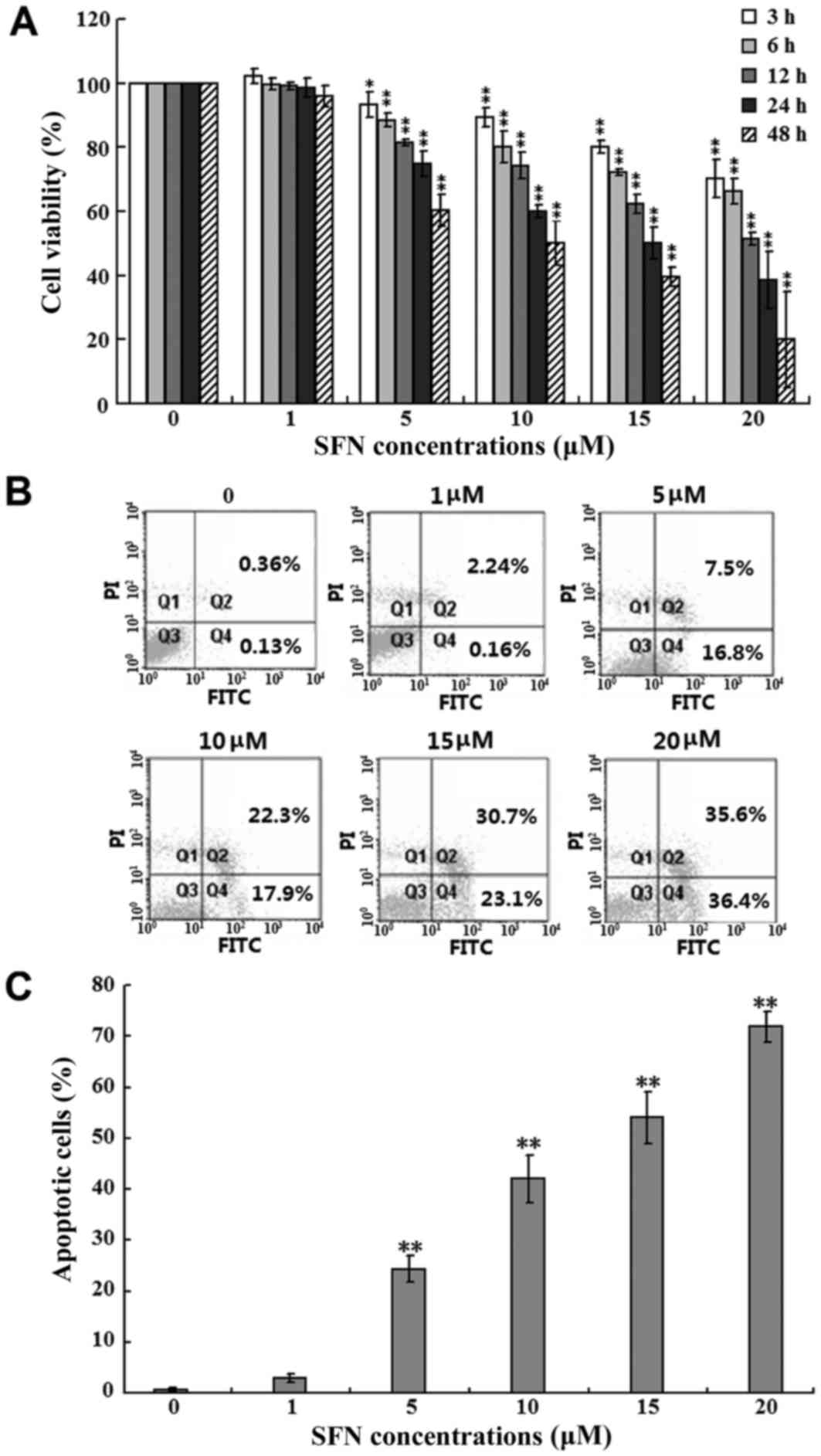
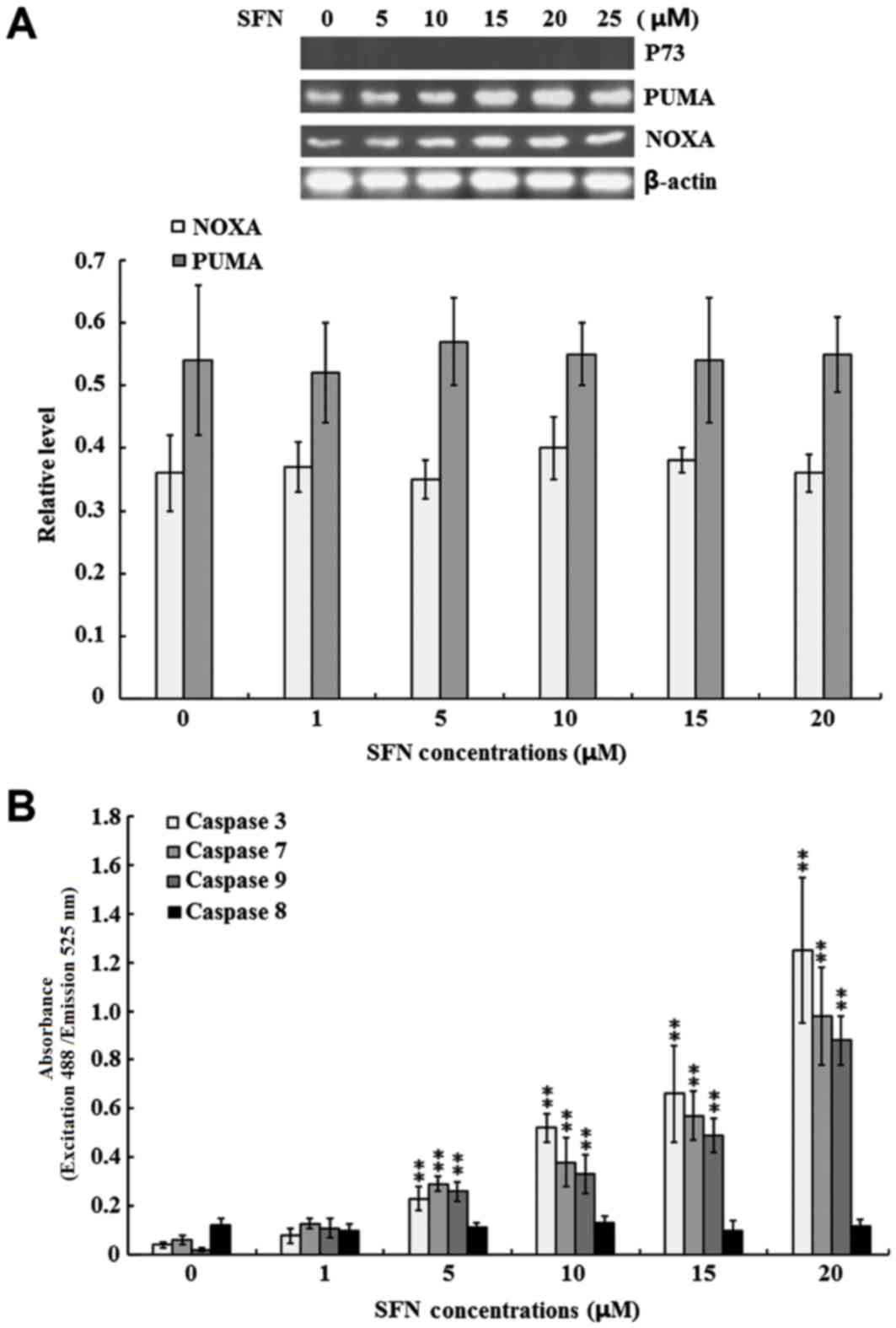
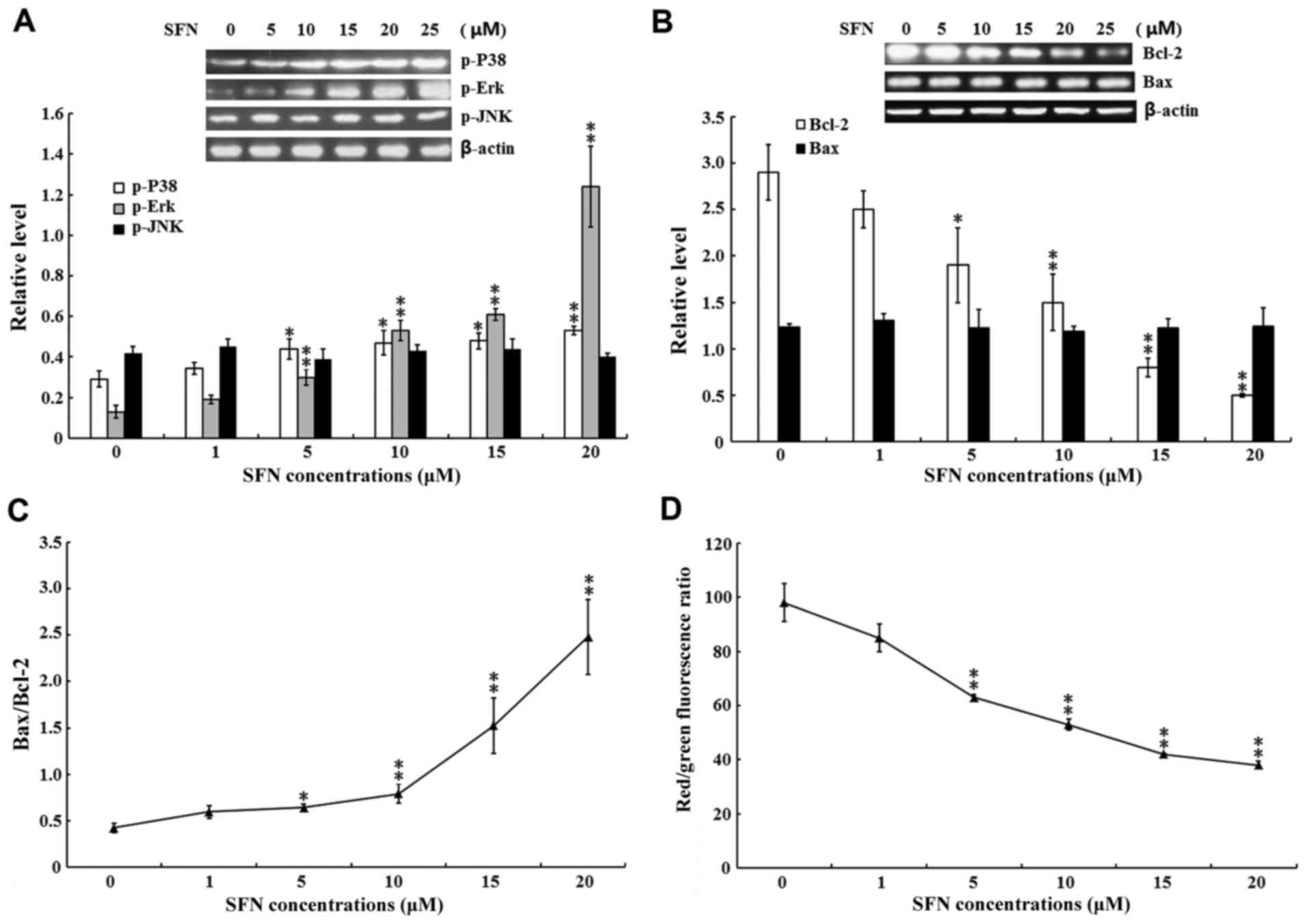
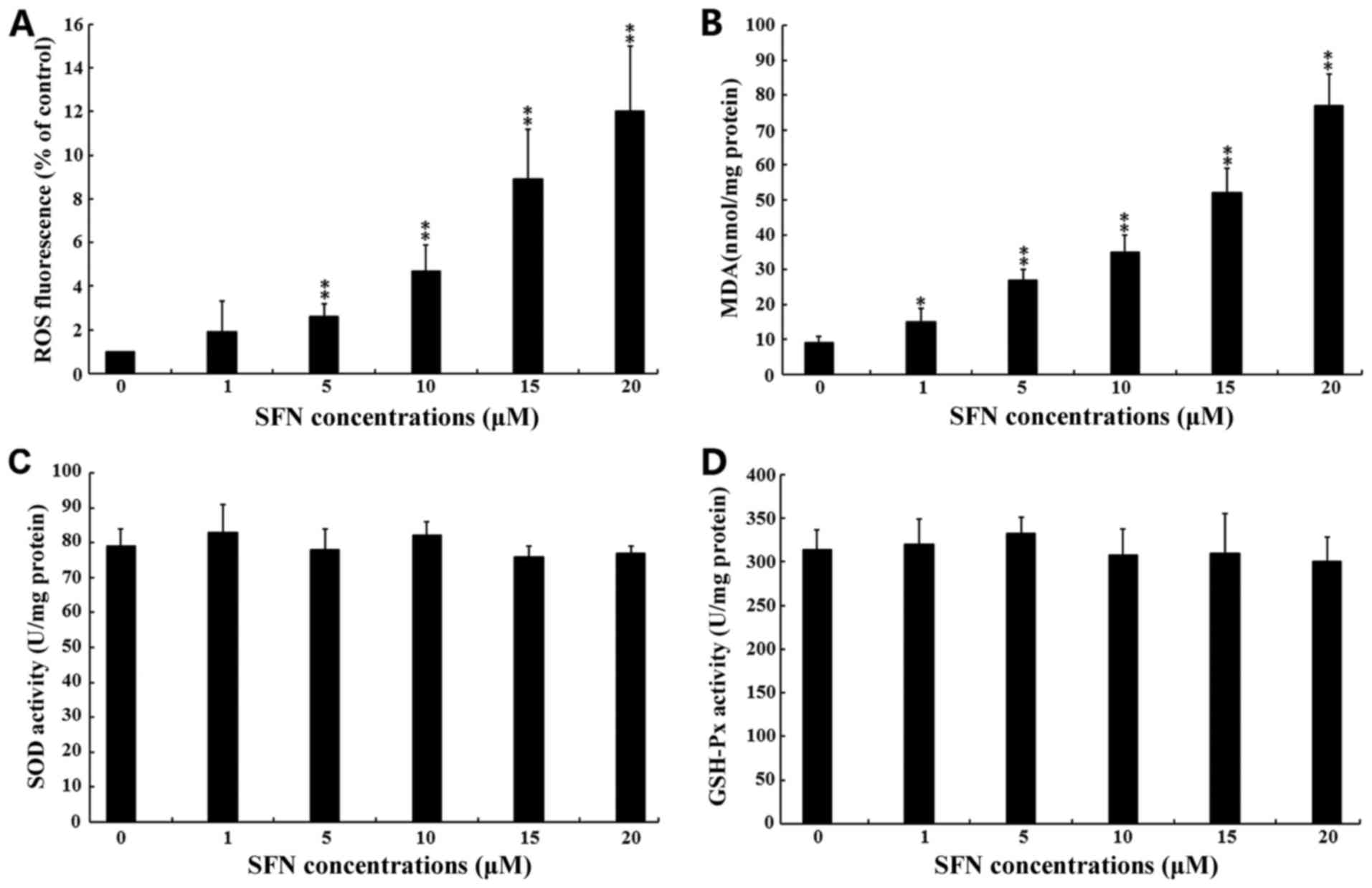
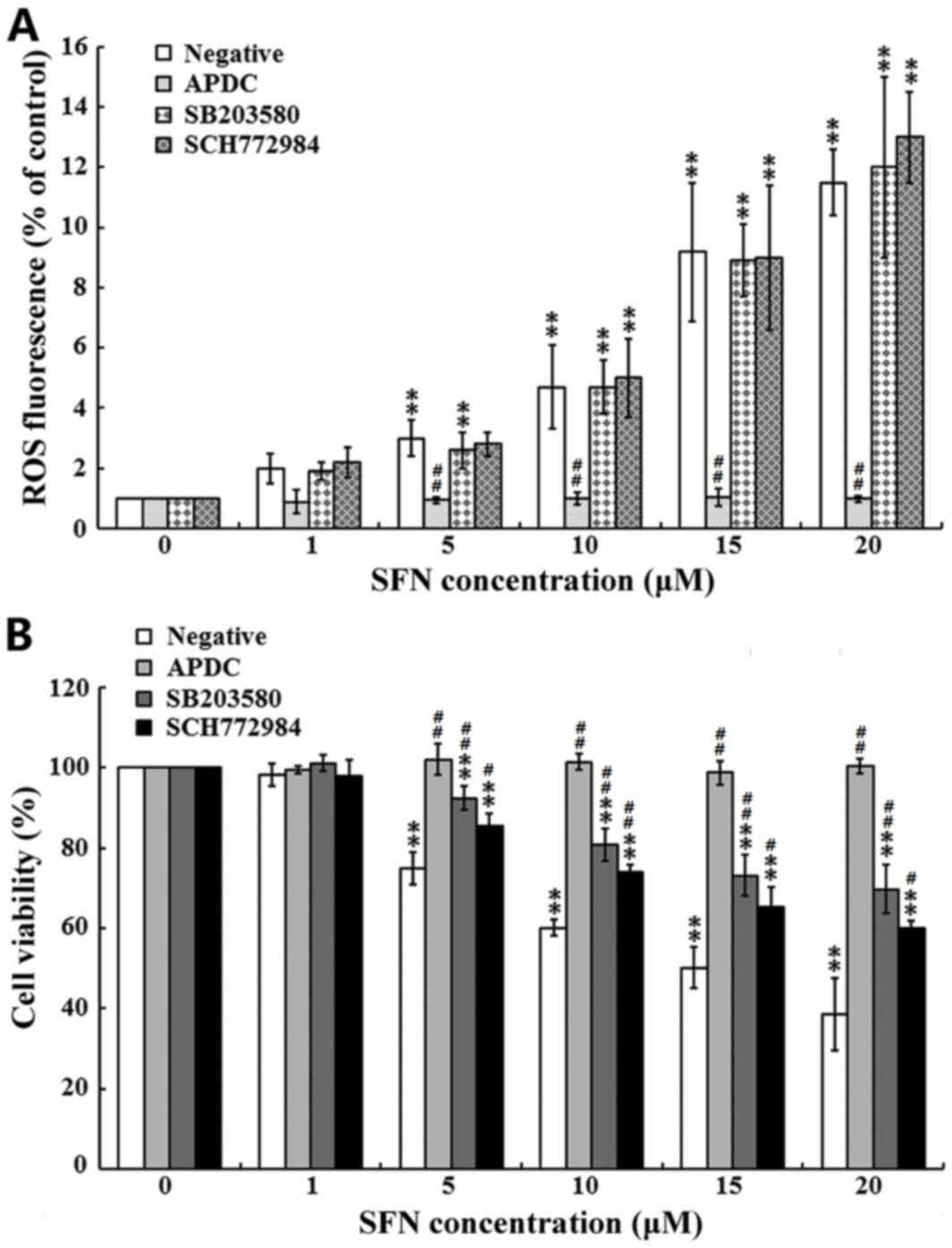
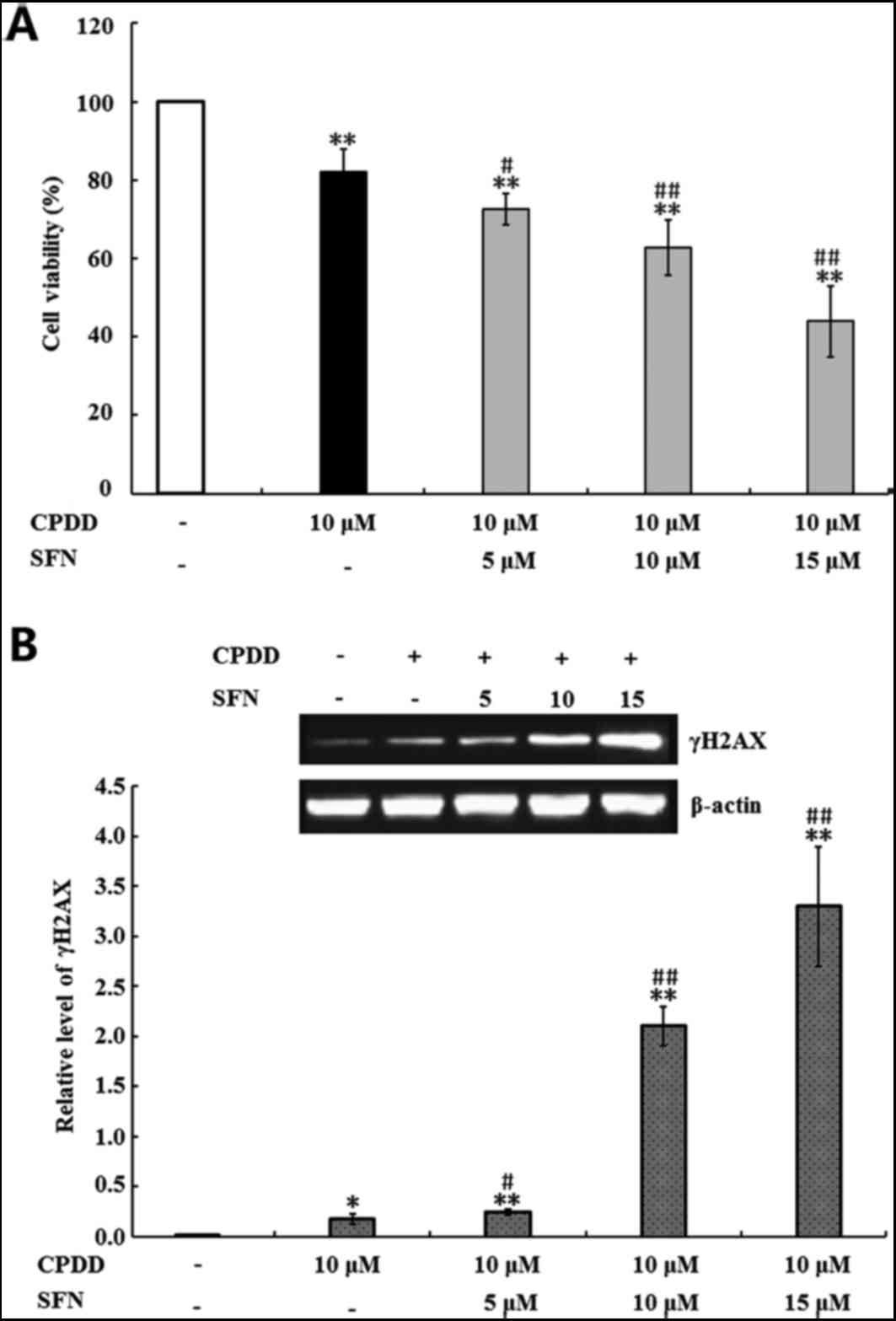
Sulforaphane (SFN) has been revealed to inhibit the growth and induce apoptosis of cancer cells. However, the detailed anticancer effects of SFN on p53‑deficient colon cancer cells has yet to be clearly elucidated. The present study employed p53‑deficient SW480 cells to establish an SFN‑induced in vitro model of apoptosis. The critical events leading to apoptosis were then evaluated in SFN‑treated p53‑deficient SW480 cells, by performing an MTT assay, flow cytometry, western blotting and ELISA. The results demonstrated that SFN at concentrations of 5, 10, 15 and 20 µM induced mitochondria‑associated cell apoptosis, which was further confirmed by disruption of the mitochondrial membrane potential, an increase in the Bax/Bcl‑2 ratio, as well as activation of caspase‑3, ‑7 and ‑9. In addition, SFN‑induced apoptosis was associated with an increase in the generation of reactive oxygen species (ROS), and the activation of extracellular signal‑regulated kinases (Erk) and p38 mitogen‑activated protein kinases. However, SFN did not induce expression of the p53 family member, p73. SFN‑induced apoptosis was subsequently confirmed to be ROS‑dependent and associated with Erk/p38, as the specific inhibitors for ROS, phosphorylated (p)‑Erk and p‑p38, completely or partially attenuated the SFN‑induced reduction in SW480 cell viability. In addition, the results demonstrated that even at the lowest concentrations (5 µM), SFN increased the sensitivity of p53‑proficient HCT‑116 cells to cisplatin. In conclusion, the results suggest that SFN may induce apoptosis in p53‑deficient SW480 cells via p53/p73‑independent and ROS‑Erk/p38‑dependent signaling pathways.
View Figures

Figure 1

Figure 2

Figure 3

Figure 4

Figure 5

Figure 6

View References

1 

Bauman JE, Zang Y, Sen M, Li C, Wang L, Egner PA, Fahey JW, Normolle DP, Grandis JR, Kensler TW and Johnson DE: Prevention of carcinogen-induced oral cancer by sulforaphane. Cancer Prev Res (Phila). 9:547–557. 2016. View Article : Google Scholar : PubMed/NCBI

2 

Amjad AI, Parikh RA, Appleman LJ, Hahm ER, Singh K and Singh SV: Broccoli-derived sulforaphane and chemoprevention of prostate cancer: From bench to bedside. Curr Pharmacol Rep. 1:382–390. 2015. View Article : Google Scholar : PubMed/NCBI

3 

Traka MH, Melchini A and Mithen RF: Sulforaphane and prostate cancer interception. Drug Discov Today. 19:1488–1492. 2014. View Article : Google Scholar : PubMed/NCBI

4 

Folkard DL, Marlow G, Mithen RF and Ferguson LR: Effect of Sulforaphane on NOD2 via NF-κB: Implications for Crohn's disease. J Inflamm (Lond). 12:62015. View Article : Google Scholar : PubMed/NCBI

5 

Sun CC, Li SJ, Yang CL, Xue RL, Xi YY, Wang L, Zhao QL and Li DJ: Sulforaphane attenuates muscle inflammation in dystrophin-deficient mdx mice via NF-E2-related factor 2 (Nrf2)-mediated Inhibition of NF-κB signaling pathway. J Biol Chem. 290:17784–17795. 2015. View Article : Google Scholar : PubMed/NCBI

6 

Jang M and Cho IH: Sulforaphane ameliorates 3-nitropropionic acid-induced striatal toxicity by activating the keap1-Nrf2-ARE pathway and Inhibiting the MAPKs and NF-κB pathways. Mol Neurobiol. 53:2619–2635. 2016. View Article : Google Scholar : PubMed/NCBI

7 

Tammali R, Reddy AB, Saxena A, Rychahou PG, Evers BM, Qiu S, Awasthi S, Ramana KV and Srivastava SK: Inhibition of aldose reductase prevents colon cancer metastasis. Carcinogenesis. 32:1259–1267. 2011. View Article : Google Scholar : PubMed/NCBI

8 

Coriat R, Marut W, Leconte M, Ba LB, Vienne A, Chéreau C, Alexandre J, Weill B, Doering M, Jacob C, et al: The organotelluride catalyst LAB027 prevents colon cancer growth in the mice. Cell Death Dis. 2:e1912011. View Article : Google Scholar : PubMed/NCBI

9 

Hu T, Wang L, Zhang L, Lu L, Shen J, Chan RL, Li M, Wu WK, To KK and Cho CH: Sensitivity of apoptosis-resistant colon cancer cells to tanshinones is mediated by autophagic cell death and p53-independent cytotoxicity. Phytomedicine. 22:536–544. 2015. View Article : Google Scholar : PubMed/NCBI

10 

Acedo P and Zawacka-Pankau J: p53 family members-important messengers in cell death signaling in photodynamic therapy of cancer? Photochem Photobiol Sci. 14:1390–1396. 2015. View Article : Google Scholar : PubMed/NCBI

11 

Basu S and Murphy ME: p53 family members regulate cancer stem cells. Cell Cycle. 15:1403–1404. 2016. View Article : Google Scholar : PubMed/NCBI

12 

Pflaum J, Schlosser S and Müller M: p53 family and cellular stress responses in cancer. Front Oncol. 4:2852014. View Article : Google Scholar : PubMed/NCBI

13 

Tu HC, Ren D, Wang GX, Chen DY, Westergard TD, Kim H, Sasagawa S, Hsieh JJ and Cheng EH: The p53-cathepsin axis cooperates with ROS to activate programmed necrotic death upon DNA damage. Proc Natl Acad Sci USA. 106:1093–1098. 2009; View Article : Google Scholar : PubMed/NCBI

14 

Wiseman A: p53 protein or BID protein select the route to either apoptosis (programmed cell death) or to cell cycle arrest opposing carcinogenesis after DNA damage by ROS. Med Hypotheses. 67:296–299. 2006. View Article : Google Scholar : PubMed/NCBI

15 

Yang Y, Jiang L, She Y, Chen M, Li Q, Yang G, Geng C, Tang L, Zhong L, Jiang L and Liu X: Olaquindox induces DNA damage via the lysosomal and mitochondrial pathway involving ROS production and p53 activation in HEK293 cells. Environ Toxicol Pharmacol. 40:792–799. 2015. View Article : Google Scholar : PubMed/NCBI

16 

Dueñas M, Santos M, Aranda JF, Bielza C, Martínez-Cruz AB, Lorz C, Taron M, Ciruelos EM, Rodríguez-Peralto JL, Martín M, et al: Mouse p53-deficient cancer models as platforms for obtaining genomic predictors of human cancer clinical outcomes. PLoS One. 7:e424942012. View Article : Google Scholar : PubMed/NCBI

17 

Zhou S, Kachhap S and Singh KK: Mitochondrial impairment in p53-deficient human cancer cells. Mutagenesis. 18:287–292. 2003. View Article : Google Scholar : PubMed/NCBI

18 

Robles AI and Harris CC: Clinical outcomes and correlates of TP53 mutations and cancer. Cold Spring Harb Perspect Biol. 2:a0010162010. View Article : Google Scholar : PubMed/NCBI

19 

Oren M, Tal P and Rotter V: Targeting mutant p53 for cancer therapy. Aging (Albany NY). 8:1159–1160. 2016. View Article : Google Scholar : PubMed/NCBI

20 

Zhang Q, Zeng SX and Lu H: Targeting p53-MDM2-MDMX loop for cancer therapy. Subcell Biochem. 85:281–319. 2014. View Article : Google Scholar : PubMed/NCBI

21 

Xiang JF, Wang WQ, Liu L, Xu HX, Wu CT, Yang JX, Qi ZH, Wang YQ, Xu J, Liu C, et al: Mutant p53 determines pancreatic cancer poor prognosis to pancreatectomy through upregulation of cavin-1 in patients with preoperative serum CA19-9 ≥1,000 U/ml. Sci Rep. 6:192222016. View Article : Google Scholar : PubMed/NCBI

22 

Shi Y, Nikulenkov F, Zawacka-Pankau J, Li H, Gabdoulline R, Xu J, Eriksson S, Hedström E, Issaeva N, Kel A, et al: ROS-dependent activation of JNK converts p53 into an efficient inhibitor of oncogenes leading to robust apoptosis. Cell Death Differ. 21:612–623. 2014. View Article : Google Scholar : PubMed/NCBI

23 

Liu B, Yuan B, Zhang L, Mu W and Wang C: ROS/p38/p53/Puma signaling pathway is involved in emodin-induced apoptosis of human colorectal cancer cells. Int J Clin Exp Med. 8:15413–15422. 2015.PubMed/NCBI

24 

Panieri E and Santoro MM: ROS homeostasis and metabolism: A dangerous liason in cancer cells. Cell Death Dis. 7:e22532016. View Article : Google Scholar : PubMed/NCBI

25 

Prasad S, Gupta SC and Tyagi AK: Reactive oxygen species (ROS) and cancer: Role of antioxidative nutraceuticals. Cancer Lett. 387:95–105. 2017. View Article : Google Scholar : PubMed/NCBI

26 

Walton EL: The dual role of ROS, antioxidants and autophagy in cancer. Biomed J. 39:89–92. 2016. View Article : Google Scholar : PubMed/NCBI

27 

Nogueira V and Hay N: Molecular pathways: Reactive oxygen species homeostasis in cancer cells and implications for cancer therapy. Clin Cancer Res. 19:4309–4314. 2013. View Article : Google Scholar : PubMed/NCBI

28 

Santabárbara-Ruiz P, López-Santillán M, Martínez-Rodríguez I, Binagui-Casas A, Pérez L, Milán M, Corominas M and Serras F: ROS-Induced JNK and p38 signaling is required for unpaired cytokine activation during Drosophila regeneration. PLoS Genet. 11:e10055952015. View Article : Google Scholar : PubMed/NCBI

29 

Amin PJ and Shankar BS: Sulforaphane induces ROS mediated induction of NKG2D ligands in human cancer cell lines and enhances susceptibility to NK cell mediated lysis. Life Sci. 126:19–27. 2015. View Article : Google Scholar : PubMed/NCBI

30 

Zhai JW, Gao C, Ma WD, Wang W, Yao LP, Xia XX, Luo M, Zu YG and Fu YJ: Geraniin induces apoptosis of human breast cancer cells MCF-7 via ROS-mediated stimulation of p38 MAPK. Toxicol Mech Methods. 26:311–318. 2016. View Article : Google Scholar : PubMed/NCBI

31 

Youn GS, Lee KW, Choi SY and Park J: Overexpression of HDAC6 induces pro-inflammatory responses by regulating ROS-MAPK-NF-κB/AP-1 signaling pathways in macrophages. Free Radic Biol Med. 97:14–23. 2016. View Article : Google Scholar : PubMed/NCBI

32 

Wang H, Li D, Hu Z, Zhao S, Zheng Z and Li W: Protective effects of green tea polyphenol against renal injury through ROS-Mediated JNK-MAPK pathway in lead exposed rats. Mol Cells. 39:508–513. 2016. View Article : Google Scholar : PubMed/NCBI

33 

Zhang S, Xu R, Luo X, Jiang Z and Shu H: Genome-wide identification and expression analysis of MAPK and MAPKK gene family in Malus domestica. Gene. 531:377–387. 2013. View Article : Google Scholar : PubMed/NCBI

34 

Rhim JH, Luo X, Gao D, Xu X, Zhou T, Li F, Wang P, Wong ST and Xia X: Cell type-dependent Erk-Akt pathway crosstalk regulates the proliferation of fetal neural progenitor cells. Sci Rep. 6:265472016. View Article : Google Scholar : PubMed/NCBI

35 

Liu E, Li J, Shi S, Wang X, Liang T, Wu B and Li Q: Sustained ERK activation-mediated proliferation inhibition of farrerol on human gastric carcinoma cell line by G0/G1-phase cell-cycle arrest. Eur J Cancer Prev. 25:490–499. 2016. View Article : Google Scholar : PubMed/NCBI

36 

Hsu YC, Chang SJ, Wang MY, Chen YL and Huang TY: Growth inhibition and apoptosis of neuroblastoma cells through ROS-independent MEK/ERK activation by sulforaphane. Cell Biochem Biophys. 66:765–774. 2013. View Article : Google Scholar : PubMed/NCBI

37 

Chen YJ, Liu WH, Kao PH, Wang JJ and Chang LS: Involvement of p38 MAPK- and JNK-modulated expression of Bcl-2 and Bax in Naja nigricollis CMS-9-induced apoptosis of human leukemia K562 cells. Toxicon. 55:1306–1316. 2010. View Article : Google Scholar : PubMed/NCBI

38 

Smaili SS, Hsu YT, Sanders KM, Russell JT and Youle RJ: Bax translocation to mitochondria subsequent to a rapid loss of mitochondrial membrane potential. Cell Death Differ. 8:909–920. 2001. View Article : Google Scholar : PubMed/NCBI

39 

Benadiba M, Dos Santos RR, Dde O Silva and Colquhoun A: Inhibition of C6 rat glioma proliferation by [Ru2Cl(Ibp)4] depends on changes in p21, p27, Bax/Bcl2 ratio and mitochondrial membrane potential. J Inorg Biochem. 104:928–935. 2010. View Article : Google Scholar : PubMed/NCBI

40 

Ray G, Batra S, Shukla NK, Deo S, Raina V, Ashok S and Husain SA: Lipid peroxidation, free radical production and antioxidant status in breast cancer. Breast Cancer Res Treat. 59:163–170. 2000. View Article : Google Scholar : PubMed/NCBI

41 

Rebillard A, Lagadic-Gossmann D and Dimanche-Boitrel MT: Cisplatin cytotoxicity: DNA and plasma membrane targets. Curr Med Chem. 5:2656–2663. 2008. View Article : Google Scholar

42 

Redon CE, Dickey JS, Bonner WM and Sedelnikova OA: γ-H2AX as a biomarker of DNA damage induced by ionizing radiation in human peripheral blood lymphocytes and artificial skin. Adv Space Res. 43:1171–1178. 2009. View Article : Google Scholar : PubMed/NCBI

43 

Buenz EJ: Aloin induces apoptosis in Jurkat cells. Toxicol In Vitro. 22:422–429. 2008. View Article : Google Scholar : PubMed/NCBI

44 

Tabolacci C, Rossi S, Lentini A, Provenzano B, Turcano L, Facchiano F and Beninati S: Aloin enhances cisplatin antineoplastic activity in B16-F10 melanoma cells by transglutaminase-induced differentiation. Amino Acids. 44:293–300. 2013. View Article : Google Scholar : PubMed/NCBI

45 

Jing S, Jiang WH and Sun W: Effects of smoking on serum SOD and GSH-PX activities and MDA contents in rats with gastric ulcer. Appl Mech Mater 675–677. 1–129. 2014.

46 

Bragado P, Armesilla A, Silva A and Porras A: Apoptosis by cisplatin requires p53 mediated p38alpha MAPK activation through ROS generation. Apoptosis. 12:1733–1742. 2007. View Article : Google Scholar : PubMed/NCBI

47 

Hao W, Wang S and Zhou Z: Tubeimoside-1 (TBMS1) inhibits lung cancer cell growth and induces cells apoptosis through activation of MAPK-JNK pathway. Int J Clin Exp Pathol. 8:12075–12083. 2015.PubMed/NCBI

48 

Bao FK: The bcl-2 gene family, an important regulator of apoptosis. Sheng Li Ke Xue Jin Zhan. 27:67–69. 1996.(In Chinese). PubMed/NCBI

49 

Wu Y and Tang L: Bcl-2 family proteins regulate apoptosis and epithelial to mesenchymal transition by calcium signals. Curr Pharm Des. 22:4700–4704. 2016. View Article : Google Scholar : PubMed/NCBI

50 

Carpio MA, Michaud M, Zhou W, Fisher JK, Walensky LD and Katz SG: BCL-2 family member BOK promotes apoptosis in response to endoplasmic reticulum stress. Proc Natl Acad Sci USA. 112:7201–7206. 2015; View Article : Google Scholar : PubMed/NCBI

51 

Gallenne T, Gautier F, Oliver L, Hervouet E, Noël B, Hickman JA, Geneste O, Cartron PF, Vallette FM, Manon S and Juin P: Bax activation by the BH3-only protein Puma promotes cell dependence on antiapoptotic Bcl-2 family members. J Cell Biol. 185:279–290. 2009. View Article : Google Scholar : PubMed/NCBI

52 

Cory S, Huang DC and Adams JM: The Bcl-2 family: Roles in cell survival and oncogenesis. Oncogene. 22:8590–8607. 2003. View Article : Google Scholar : PubMed/NCBI

53 

Melino G, Bernassola F, Ranalli M, Yee K, Zong WX, Corazzari M, Knight RA, Green DR, Thompson C and Vousden KH: p73 Induces apoptosis via PUMA transactivation and Bax mitochondrial translocation. J Biol Chem. 279:8076–8083. 2004. View Article : Google Scholar : PubMed/NCBI

54 

Haddad JJ: The role of Bax/Bcl-2 and pro-caspase peptides in hypoxia/reperfusion-dependent regulation of MAPK(ERK): Discordant proteomic effect of MAPK(p38). Protein Pept Lett. 14:361–371. 2007. View Article : Google Scholar : PubMed/NCBI

55 

Pan MH, Chiou YS, Cheng AC, Bai N, Lo CY, Tan D and Ho CT: Involvement of MAPK, Bcl-2 family, cytochrome c, and caspases in induction of apoptosis by 1,6-O,O-diacetylbritannilactone in human leukemia cells. Mol Nutr Food Res. 51:229–238. 2007. View Article : Google Scholar : PubMed/NCBI

56 

He G, He G, Zhou R, Pi Z, Zhu T, Jiang L and Xie Y: Enhancement of cisplatin-induced colon cancer cells apoptosis by shikonin, a natural inducer of ROS in vitro and in vivo. Biochem Biophys Res Commun. 469:1075–1082. 2016. View Article : Google Scholar : PubMed/NCBI

Related Articles

  • Abstract
  • View
  • Download
  • Twitter
Copy and paste a formatted citation
Spandidos Publications style
Lan H, Yuan H and Lin C: Sulforaphane induces p53‑deficient SW480 cell apoptosis via the ROS‑MAPK signaling pathway. Mol Med Rep 16: 7796-7804, 2017.
APA
Lan, H., Yuan, H., & Lin, C. (2017). Sulforaphane induces p53‑deficient SW480 cell apoptosis via the ROS‑MAPK signaling pathway. Molecular Medicine Reports, 16, 7796-7804. https://doi.org/10.3892/mmr.2017.7558
MLA
Lan, H., Yuan, H., Lin, C."Sulforaphane induces p53‑deficient SW480 cell apoptosis via the ROS‑MAPK signaling pathway". Molecular Medicine Reports 16.5 (2017): 7796-7804.
Chicago
Lan, H., Yuan, H., Lin, C."Sulforaphane induces p53‑deficient SW480 cell apoptosis via the ROS‑MAPK signaling pathway". Molecular Medicine Reports 16, no. 5 (2017): 7796-7804. https://doi.org/10.3892/mmr.2017.7558
Copy and paste a formatted citation
x
Spandidos Publications style
Lan H, Yuan H and Lin C: Sulforaphane induces p53‑deficient SW480 cell apoptosis via the ROS‑MAPK signaling pathway. Mol Med Rep 16: 7796-7804, 2017.
APA
Lan, H., Yuan, H., & Lin, C. (2017). Sulforaphane induces p53‑deficient SW480 cell apoptosis via the ROS‑MAPK signaling pathway. Molecular Medicine Reports, 16, 7796-7804. https://doi.org/10.3892/mmr.2017.7558
MLA
Lan, H., Yuan, H., Lin, C."Sulforaphane induces p53‑deficient SW480 cell apoptosis via the ROS‑MAPK signaling pathway". Molecular Medicine Reports 16.5 (2017): 7796-7804.
Chicago
Lan, H., Yuan, H., Lin, C."Sulforaphane induces p53‑deficient SW480 cell apoptosis via the ROS‑MAPK signaling pathway". Molecular Medicine Reports 16, no. 5 (2017): 7796-7804. https://doi.org/10.3892/mmr.2017.7558
Follow us
  • Twitter
  • LinkedIn
  • Facebook
About
  • Spandidos Publications
  • Careers
  • Cookie Policy
  • Privacy Policy
How can we help?
  • Help
  • Live Chat
  • Contact
  • Email to our Support Team