Spandidos Publications Logo
  • About
    • About Spandidos
    • Aims and Scopes
    • Abstracting and Indexing
    • Editorial Policies
    • Reprints and Permissions
    • Job Opportunities
    • Terms and Conditions
    • Contact
  • Journals
    • All Journals
    • Oncology Letters
      • Oncology Letters
      • Information for Authors
      • Editorial Policies
      • Editorial Board
      • Aims and Scope
      • Abstracting and Indexing
      • Bibliographic Information
      • Archive
    • International Journal of Oncology
      • International Journal of Oncology
      • Information for Authors
      • Editorial Policies
      • Editorial Board
      • Aims and Scope
      • Abstracting and Indexing
      • Bibliographic Information
      • Archive
    • Molecular and Clinical Oncology
      • Molecular and Clinical Oncology
      • Information for Authors
      • Editorial Policies
      • Editorial Board
      • Aims and Scope
      • Abstracting and Indexing
      • Bibliographic Information
      • Archive
    • Experimental and Therapeutic Medicine
      • Experimental and Therapeutic Medicine
      • Information for Authors
      • Editorial Policies
      • Editorial Board
      • Aims and Scope
      • Abstracting and Indexing
      • Bibliographic Information
      • Archive
    • International Journal of Molecular Medicine
      • International Journal of Molecular Medicine
      • Information for Authors
      • Editorial Policies
      • Editorial Board
      • Aims and Scope
      • Abstracting and Indexing
      • Bibliographic Information
      • Archive
    • Biomedical Reports
      • Biomedical Reports
      • Information for Authors
      • Editorial Policies
      • Editorial Board
      • Aims and Scope
      • Abstracting and Indexing
      • Bibliographic Information
      • Archive
    • Oncology Reports
      • Oncology Reports
      • Information for Authors
      • Editorial Policies
      • Editorial Board
      • Aims and Scope
      • Abstracting and Indexing
      • Bibliographic Information
      • Archive
    • Molecular Medicine Reports
      • Molecular Medicine Reports
      • Information for Authors
      • Editorial Policies
      • Editorial Board
      • Aims and Scope
      • Abstracting and Indexing
      • Bibliographic Information
      • Archive
    • World Academy of Sciences Journal
      • World Academy of Sciences Journal
      • Information for Authors
      • Editorial Policies
      • Editorial Board
      • Aims and Scope
      • Abstracting and Indexing
      • Bibliographic Information
      • Archive
    • International Journal of Functional Nutrition
      • International Journal of Functional Nutrition
      • Information for Authors
      • Editorial Policies
      • Editorial Board
      • Aims and Scope
      • Abstracting and Indexing
      • Bibliographic Information
      • Archive
    • International Journal of Epigenetics
      • International Journal of Epigenetics
      • Information for Authors
      • Editorial Policies
      • Editorial Board
      • Aims and Scope
      • Abstracting and Indexing
      • Bibliographic Information
      • Archive
    • Medicine International
      • Medicine International
      • Information for Authors
      • Editorial Policies
      • Editorial Board
      • Aims and Scope
      • Abstracting and Indexing
      • Bibliographic Information
      • Archive
  • Articles
  • Information
    • Information for Authors
    • Information for Reviewers
    • Information for Librarians
    • Information for Advertisers
    • Conferences
  • Language Editing
Spandidos Publications Logo
  • About
    • About Spandidos
    • Aims and Scopes
    • Abstracting and Indexing
    • Editorial Policies
    • Reprints and Permissions
    • Job Opportunities
    • Terms and Conditions
    • Contact
  • Journals
    • All Journals
    • Biomedical Reports
      • Information for Authors
      • Editorial Policies
      • Editorial Board
      • Aims and Scope
      • Abstracting and Indexing
      • Bibliographic Information
      • Archive
    • Experimental and Therapeutic Medicine
      • Information for Authors
      • Editorial Policies
      • Editorial Board
      • Aims and Scope
      • Abstracting and Indexing
      • Bibliographic Information
      • Archive
    • International Journal of Epigenetics
      • Information for Authors
      • Editorial Policies
      • Editorial Board
      • Aims and Scope
      • Abstracting and Indexing
      • Bibliographic Information
      • Archive
    • International Journal of Functional Nutrition
      • Information for Authors
      • Editorial Policies
      • Editorial Board
      • Aims and Scope
      • Abstracting and Indexing
      • Bibliographic Information
      • Archive
    • International Journal of Molecular Medicine
      • Information for Authors
      • Editorial Policies
      • Editorial Board
      • Aims and Scope
      • Abstracting and Indexing
      • Bibliographic Information
      • Archive
    • International Journal of Oncology
      • Information for Authors
      • Editorial Policies
      • Editorial Board
      • Aims and Scope
      • Abstracting and Indexing
      • Bibliographic Information
      • Archive
    • Medicine International
      • Information for Authors
      • Editorial Policies
      • Editorial Board
      • Aims and Scope
      • Abstracting and Indexing
      • Bibliographic Information
      • Archive
    • Molecular and Clinical Oncology
      • Information for Authors
      • Editorial Policies
      • Editorial Board
      • Aims and Scope
      • Abstracting and Indexing
      • Bibliographic Information
      • Archive
    • Molecular Medicine Reports
      • Information for Authors
      • Editorial Policies
      • Editorial Board
      • Aims and Scope
      • Abstracting and Indexing
      • Bibliographic Information
      • Archive
    • Oncology Letters
      • Information for Authors
      • Editorial Policies
      • Editorial Board
      • Aims and Scope
      • Abstracting and Indexing
      • Bibliographic Information
      • Archive
    • Oncology Reports
      • Information for Authors
      • Editorial Policies
      • Editorial Board
      • Aims and Scope
      • Abstracting and Indexing
      • Bibliographic Information
      • Archive
    • World Academy of Sciences Journal
      • Information for Authors
      • Editorial Policies
      • Editorial Board
      • Aims and Scope
      • Abstracting and Indexing
      • Bibliographic Information
      • Archive
  • Articles
  • Information
    • For Authors
    • For Reviewers
    • For Librarians
    • For Advertisers
    • Conferences
  • Language Editing
Login Register Submit
  • This site uses cookies
  • You can change your cookie settings at any time by following the instructions in our Cookie Policy. To find out more, you may read our Privacy Policy.

    I agree
Search articles by DOI, keyword, author or affiliation
Search
Advanced Search
presentation
Molecular Medicine Reports
Join Editorial Board Propose a Special Issue
Print ISSN: 1791-2997 Online ISSN: 1791-3004
Journal Cover
January-2018 Volume 17 Issue 1

Full Size Image

Sign up for eToc alerts
Recommend to Library

Journals

International Journal of Molecular Medicine

International Journal of Molecular Medicine

International Journal of Molecular Medicine is an international journal devoted to molecular mechanisms of human disease.

International Journal of Oncology

International Journal of Oncology

International Journal of Oncology is an international journal devoted to oncology research and cancer treatment.

Molecular Medicine Reports

Molecular Medicine Reports

Covers molecular medicine topics such as pharmacology, pathology, genetics, neuroscience, infectious diseases, molecular cardiology, and molecular surgery.

Oncology Reports

Oncology Reports

Oncology Reports is an international journal devoted to fundamental and applied research in Oncology.

Experimental and Therapeutic Medicine

Experimental and Therapeutic Medicine

Experimental and Therapeutic Medicine is an international journal devoted to laboratory and clinical medicine.

Oncology Letters

Oncology Letters

Oncology Letters is an international journal devoted to Experimental and Clinical Oncology.

Biomedical Reports

Biomedical Reports

Explores a wide range of biological and medical fields, including pharmacology, genetics, microbiology, neuroscience, and molecular cardiology.

Molecular and Clinical Oncology

Molecular and Clinical Oncology

International journal addressing all aspects of oncology research, from tumorigenesis and oncogenes to chemotherapy and metastasis.

World Academy of Sciences Journal

World Academy of Sciences Journal

Multidisciplinary open-access journal spanning biochemistry, genetics, neuroscience, environmental health, and synthetic biology.

International Journal of Functional Nutrition

International Journal of Functional Nutrition

Open-access journal combining biochemistry, pharmacology, immunology, and genetics to advance health through functional nutrition.

International Journal of Epigenetics

International Journal of Epigenetics

Publishes open-access research on using epigenetics to advance understanding and treatment of human disease.

Medicine International

Medicine International

An International Open Access Journal Devoted to General Medicine.

Journal Cover
January-2018 Volume 17 Issue 1

Full Size Image

Sign up for eToc alerts
Recommend to Library

  • Article
  • Citations
    • Cite This Article
    • Download Citation
    • Create Citation Alert
    • Remove Citation Alert
    • Cited By
  • Similar Articles
    • Related Articles (in Spandidos Publications)
    • Similar Articles (Google Scholar)
    • Similar Articles (PubMed)
  • Download PDF
  • Download XML
  • View XML
Article Open Access

Aconitine induces apoptosis in H9c2 cardiac cells via mitochondria‑mediated pathway

  • Authors:
    • Xiangting Gao
    • Xincai Zhang
    • Jun Hu
    • Xuehua Xu
    • Yuanyi Zuo
    • Yun Wang
    • Jingfeng Ding
    • Hongfei Xu
    • Shaohua Zhu
  • View Affiliations / Copyright

    Affiliations: Department of Forensic Medicine, Medical College of Soochow University, Suzhou, Jiangsu 215123, P.R. China, Department of Forensic Medicine, Jiangsu Vocational College of Medicine, Yancheng, Jiangsu 224005, P.R. China
    Copyright: © Gao et al. This is an open access article distributed under the terms of Creative Commons Attribution License.
  • Pages: 284-292
    |
    Published online on: October 26, 2017
       https://doi.org/10.3892/mmr.2017.7894
  • Expand metrics +
Metrics: Total Views: 0 (Spandidos Publications: | PMC Statistics: )
Metrics: Total PDF Downloads: 0 (Spandidos Publications: | PMC Statistics: )
Cited By (CrossRef): 0 citations Loading Articles...

This article is mentioned in:


Abstract

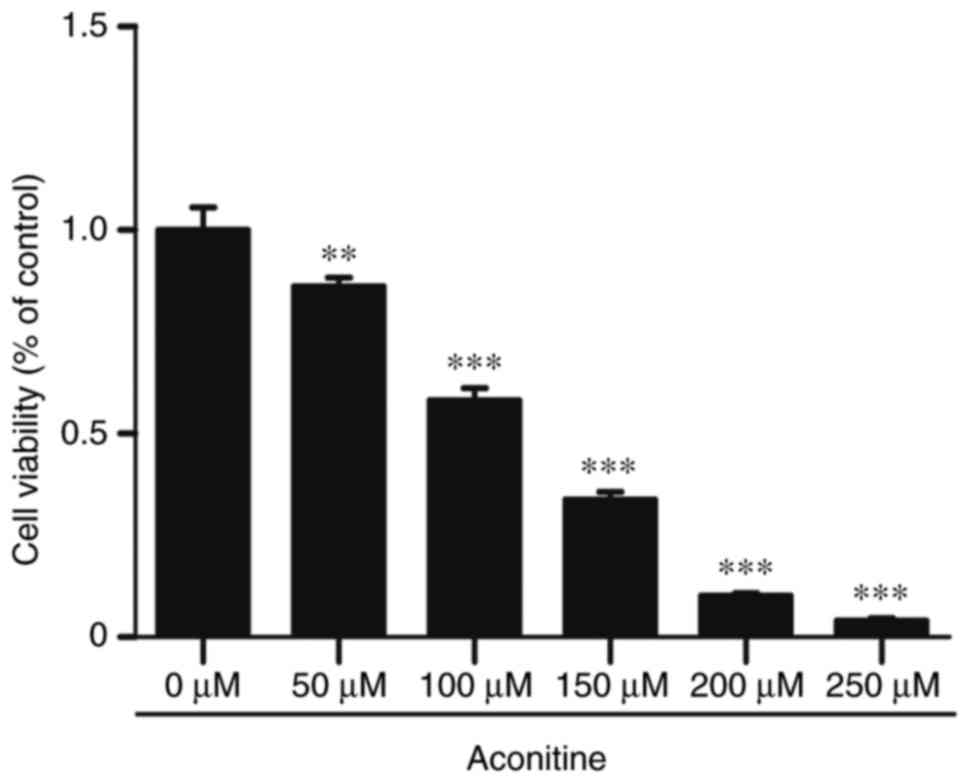
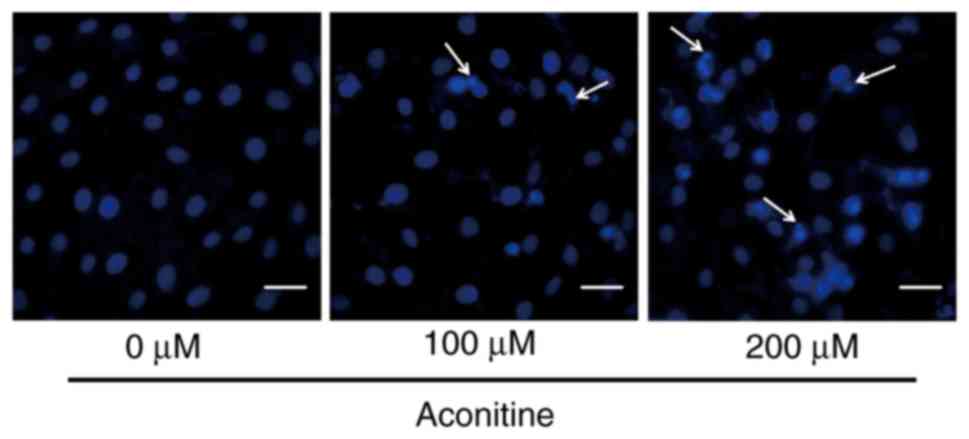
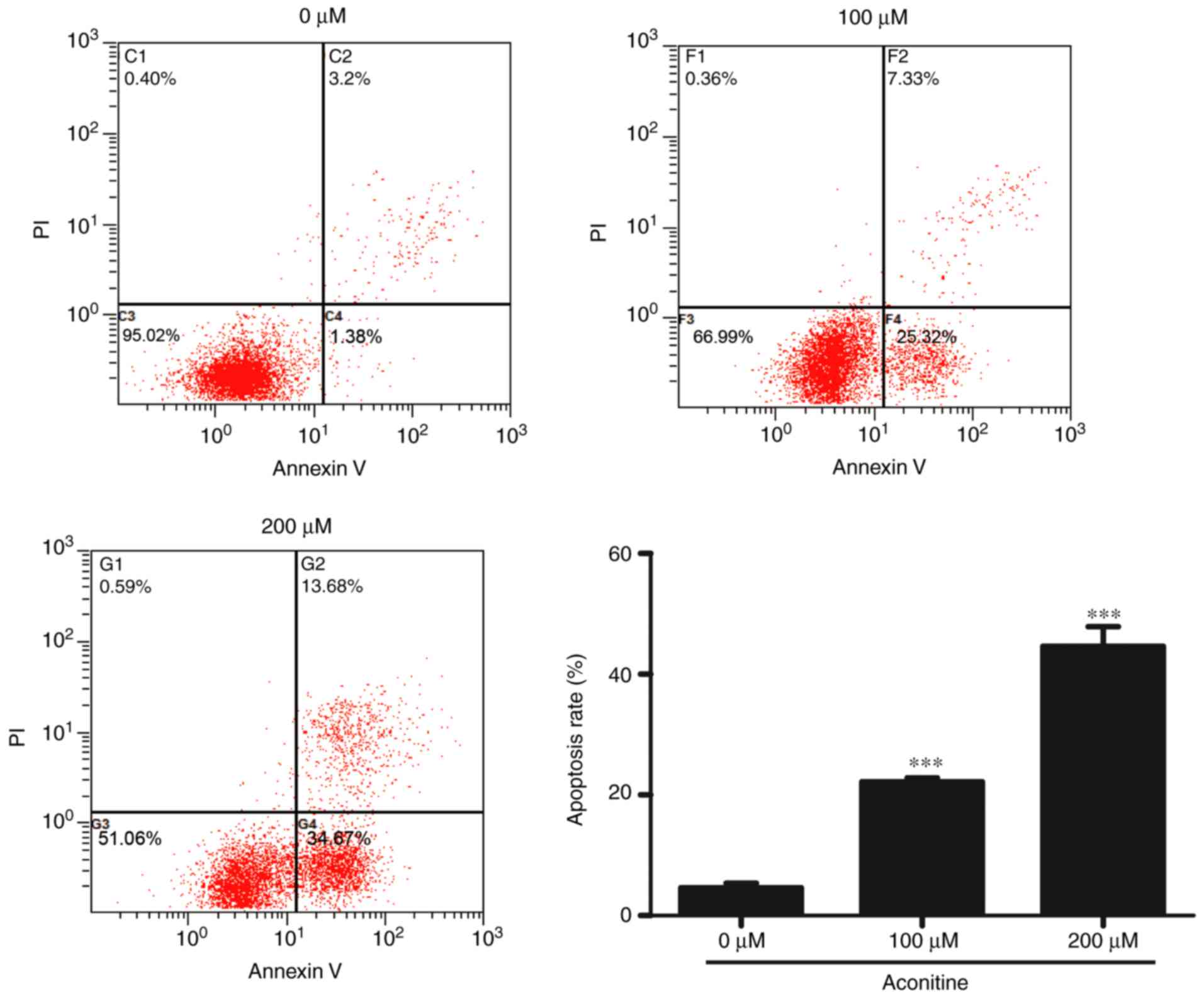
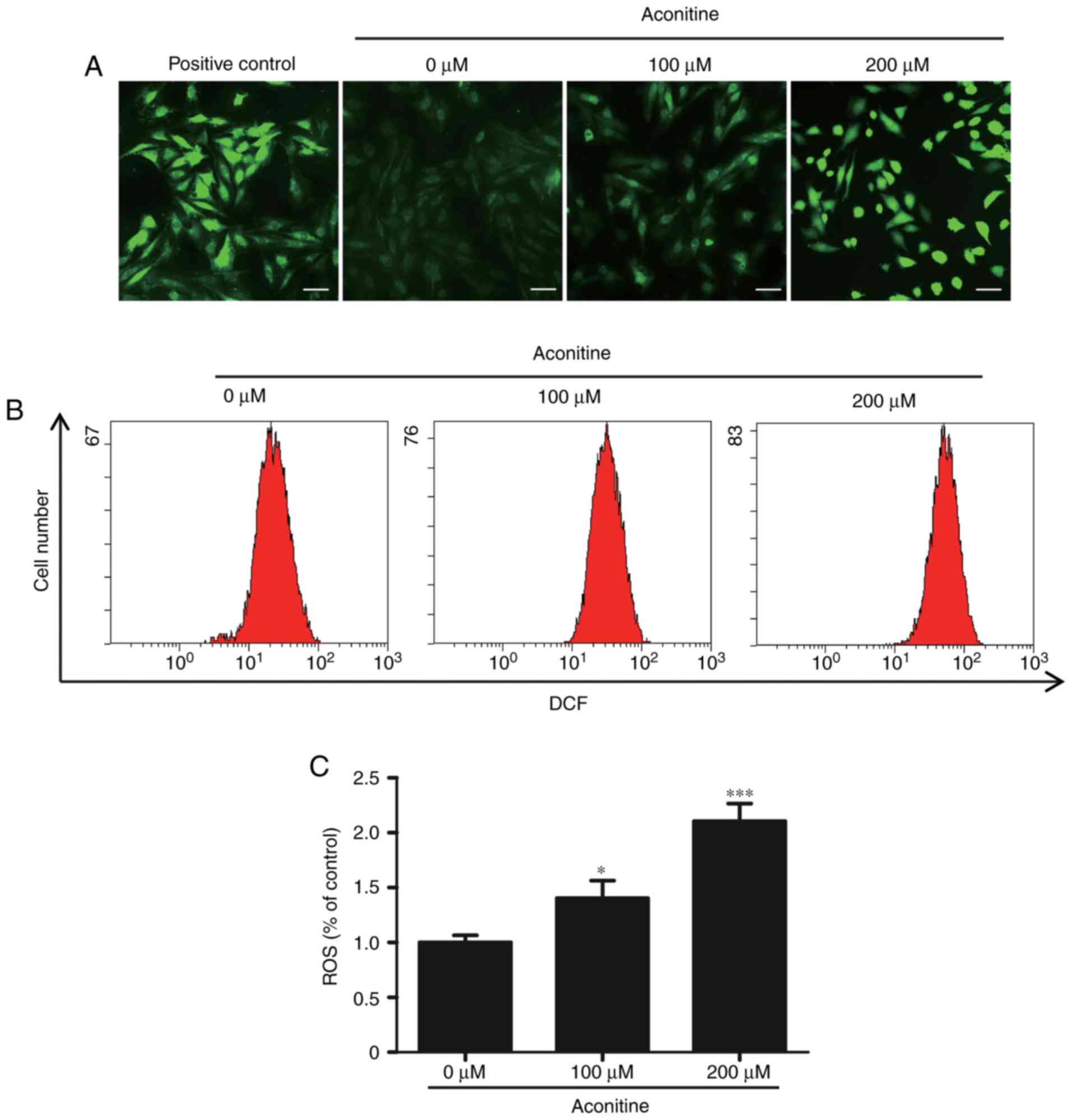
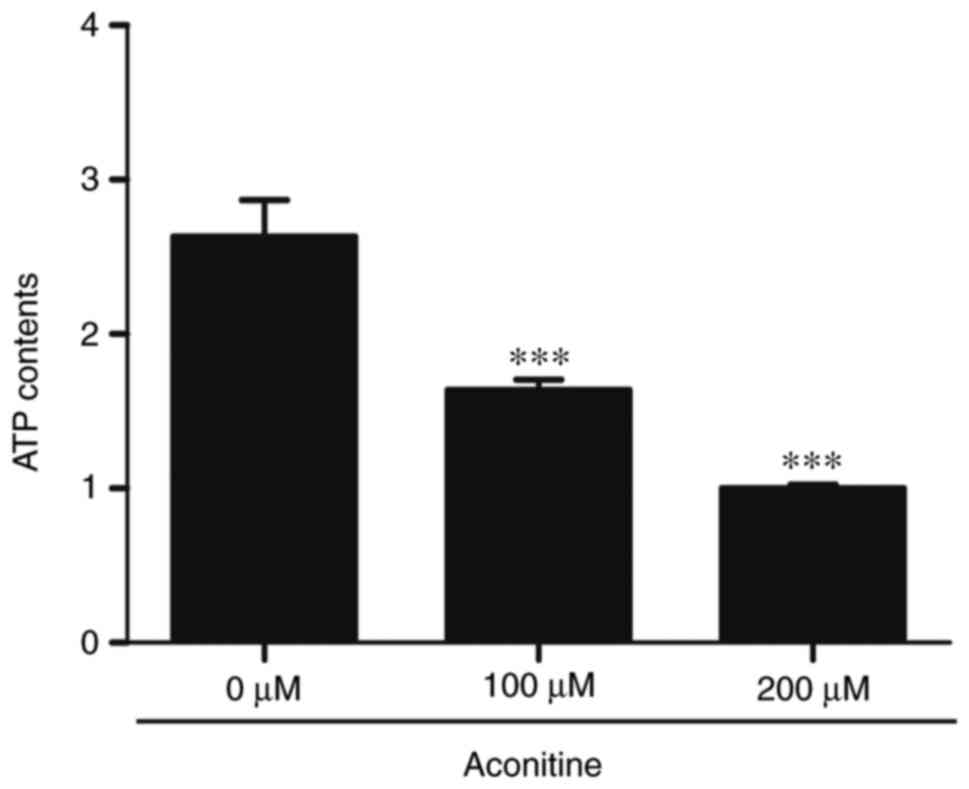
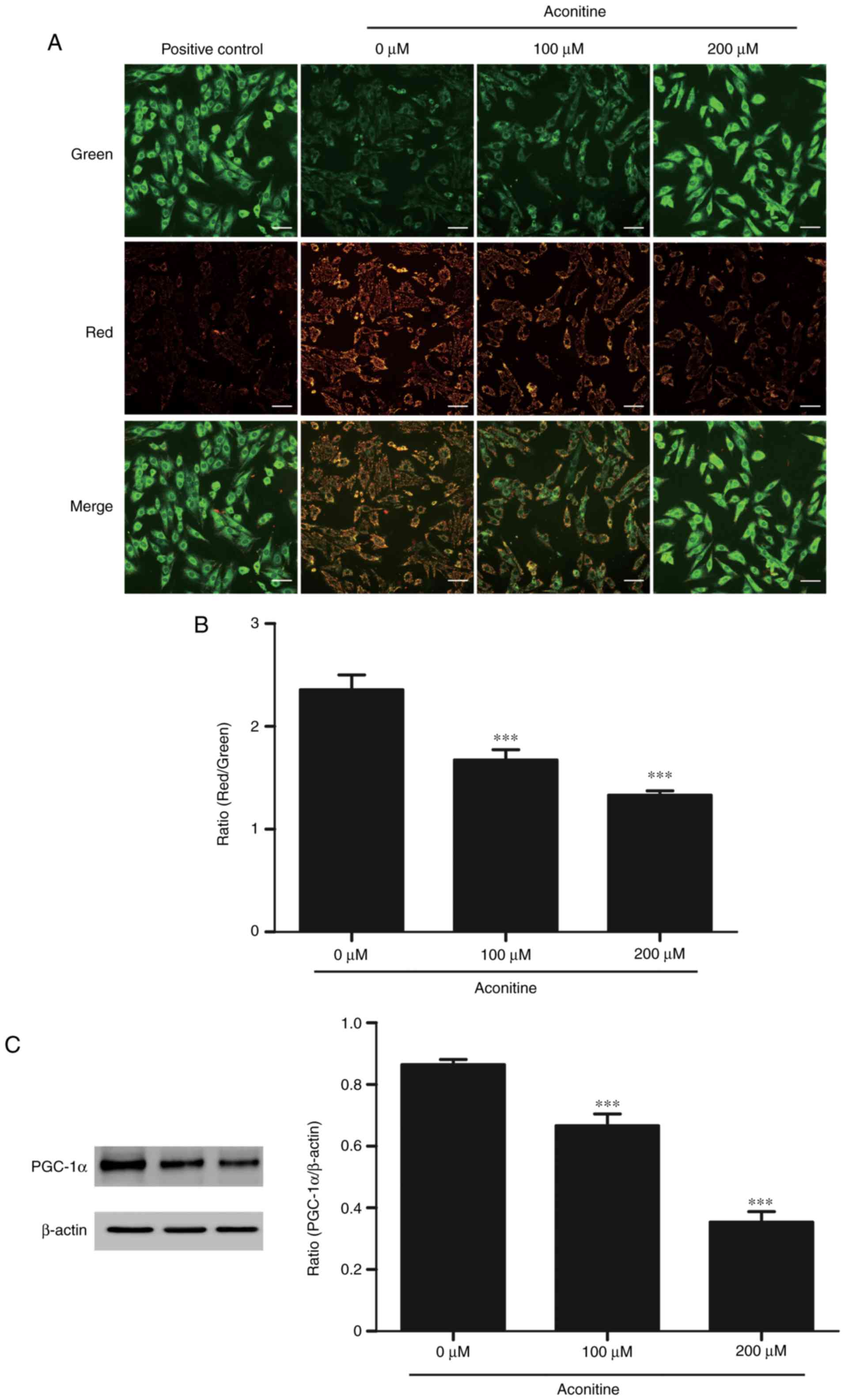
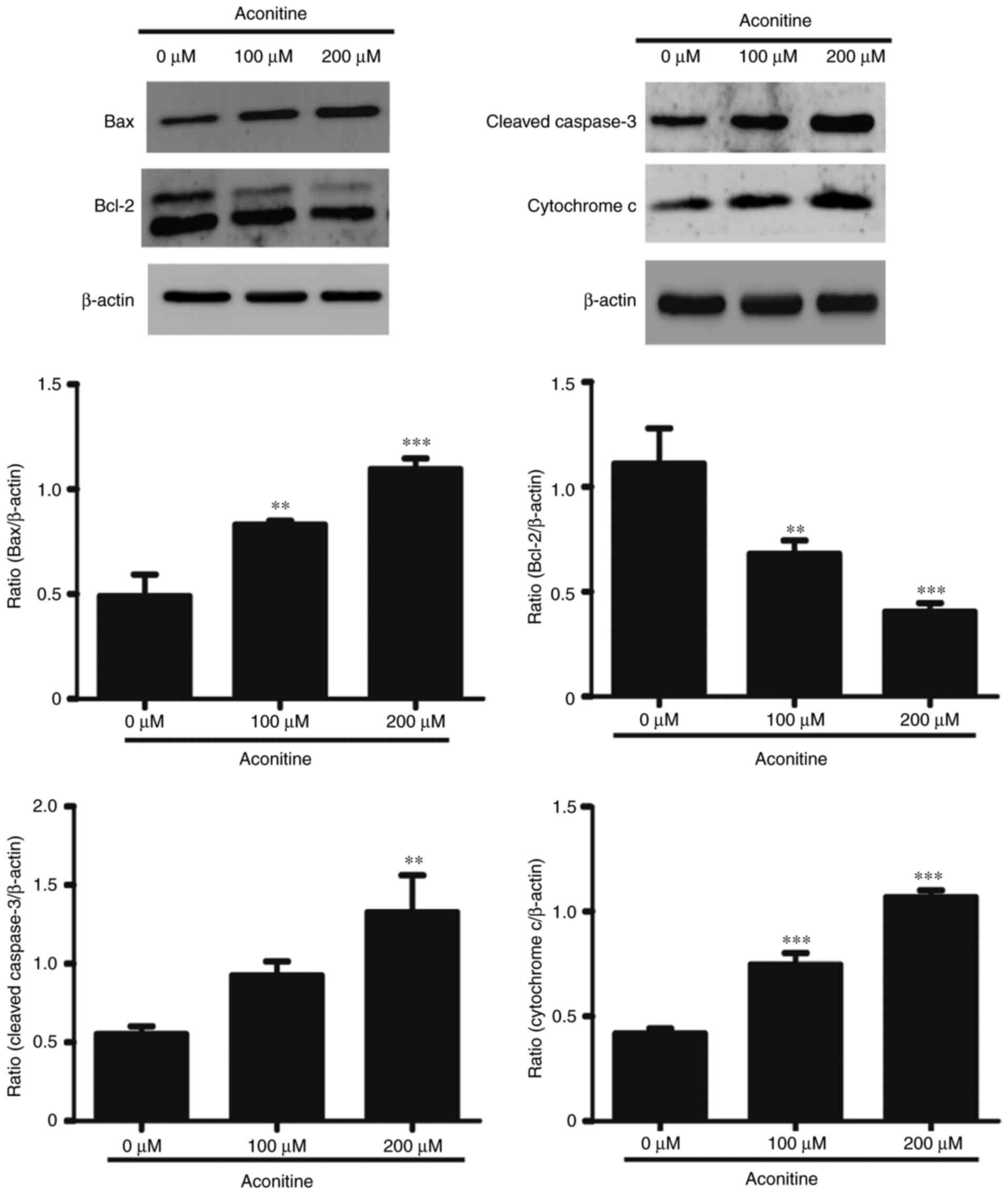
Aconitine, a diterpenoid alkaloids derived from Aconitum plants, is widely employed to treat various diseases. The aim of the present study was to investigate the apoptotic effect of aconitine in H9c2 cardiac cells. H9c2 cell apoptosis induced by aconitine was detected by a Cell Counting kit‑8 assay, DAPI staining, Annexin V‑FITC/propidium iodide double staining and western blotting. The effects of aconitine on reactive oxygen species levels and mitochondrial membrane potential were confirmed by fluorescence microscopy and flow cytometry. In addition, ATP contents were determined using a ATP‑dependent bioluminescence assay kit. The levels of peroxisome proliferator activated receptor γ co‑activator 1α (PGC‑1α) expression and apoptosis‑associated proteins including Caspase‑3, B‑cell lymphoma 2 (Bcl‑2), Bcl‑2‑associated X protein (Bax) and Cytochrome c were also assessed. Taken together, the results indicated that aconitine may inhibit cell viability, decrease PGC‑1α expression, induce mitochondrial dysfunctions, upregulate Cytochrome c, Bax and Caspase‑3, and downregulate Bcl‑2, suggesting that aconitine may induce apoptosis through mitochondria‑mediated signaling pathways in H9c2 cells.
View Figures

Figure 1

Figure 2

Figure 3

Figure 4

Figure 5

Figure 6

Figure 7

View References

1 

Chen JH, Lee CY, Liau BC, Lee MR, Jong TT and Chiang ST: Determination of aconitine-type alkaloids as markers in fuzi (Aconitum carmichaeli) by LC/(+)ESI/MS(3). J Pharm Biomed Anal. 48:1105–1111. 2008. View Article : Google Scholar : PubMed/NCBI

2 

Hikino H, Murakami M, Konno C and Watanabe H: Determination of aconitine alkaloids in aconitum roots. Planta Med. 48:67–71. 1983. View Article : Google Scholar : PubMed/NCBI

3 

Li X, Gu L, Yang L, Zhang D and Shen J: Aconitine: A potential novel treatment for systemic lupus erythematosus. J Pharmacol Sci. 133:115–121. 2017. View Article : Google Scholar : PubMed/NCBI

4 

Wang X, Wang H, Zhang A, Lu X, Sun H, Dong H and Wang P: Metabolomics study on the toxicity of aconite root and its processed products using ultraperformance liquid-chromatography/electrospray-ionization synapt high-definition mass spectrometry coupled with pattern recognition approach and ingenuity pathways analysis. J Proteome Res. 11:1284–1301. 2012. View Article : Google Scholar : PubMed/NCBI

5 

Li TF, Gong N and Wang YX: Ester hydrolysis differentially reduces aconitine-induced anti-hypersensitivity and acute neurotoxicity: Involvement of spinal microglial dynorphin expression and implications for aconitum processing. Front Pharmacol. 7:3672016. View Article : Google Scholar : PubMed/NCBI

6 

Fujita Y, Terui K, Fujita M, Kakizaki A, Sato N, Oikawa K, Aoki H, Takahashi K and Endo S: Five cases of aconite poisoning: Toxicokinetics of aconitines. J Anal Toxicol. 31:132–137. 2007. View Article : Google Scholar : PubMed/NCBI

7 

Pullela R, Young L, Gallagher B, Avis SP and Randell EW: A case of fatal aconitine poisoning by Monkshood ingestion. J Forensic Sci. 53:491–494. 2008. View Article : Google Scholar : PubMed/NCBI

8 

Arlt EM, Keller T, Wittmann H and Monticelli F: Fatal aconitine intoxication or thyroid storm? A case report. Leg Med (Tokyo). 14:154–156. 2012. View Article : Google Scholar : PubMed/NCBI

9 

Liu XX, Jian XX, Cai XF, Chao RB, Chen QH, Chen DL, Wang XL and Wang FP: Cardioactive C19-diterpenoid alkaloids from the lateral roots of Aconitum carmichaeli ‘Fu Zi’. Chem Pharm Bull (Tokyo). 60:144–149. 2012. View Article : Google Scholar : PubMed/NCBI

10 

Zhu L, Wu J, Zhao M, Song W, Qi X, Wang Y, Lu L and Liu Z: Mdr1a plays a crucial role in regulating the analgesic effect and toxicity of aconitine by altering its pharmacokinetic characteristics. Toxicol Appl Pharmacol. 320:32–39. 2017. View Article : Google Scholar : PubMed/NCBI

11 

Ono T, Hayashida M, Tezuka A, Hayakawa H and Ohno Y: Antagonistic effects of tetrodotoxin on aconitine-induced cardiac toxicity. J Nippon Med Sch. 80:350–361. 2013. View Article : Google Scholar : PubMed/NCBI

12 

Wright SN: Comparison of aconitine-modified human heart (hH1) and rat skeletal (mu1) muscle Na+ channels: An important role for external Na+ ions. J Physiol. 538:759–771. 2002. View Article : Google Scholar : PubMed/NCBI

13 

Wang SY and Wang GK: Voltage-gated sodium channels as primary targets of diverse lipid-soluble neurotoxins. Cell Signal. 15:151–159. 2003. View Article : Google Scholar : PubMed/NCBI

14 

Wu SN, Chen BS and Lo YC: Evidence for aconitine-induced inhibition of delayed rectifier K(+) current in Jurkat T-lymphocytes. Toxicology. 289:11–18. 2011. View Article : Google Scholar : PubMed/NCBI

15 

Fu M, Wu M, Wang JF, Qiao YJ and Wang Z: Disruption of the intracellular Ca2+ homeostasis in the cardiac excitation-contraction coupling is a crucial mechanism of arrhythmic toxicity in aconitine-induced cardiomyocytes. Biochem Biophys Res Commun. 354:929–936. 2007. View Article : Google Scholar : PubMed/NCBI

16 

Zhou YH, Piao XM, Liu X, Liang HH, Wang LM, Xiong XH, Wang L, Lu YJ and Shan HL: Arrhythmogenesis toxicity of aconitine is related to intracellular ca(2+) signals. Int J Med Sci. 10:1242–1249. 2013. View Article : Google Scholar : PubMed/NCBI

17 

Sun GB, Sun H, Meng XB, Hu J, Zhang Q, Liu B, Wang M, Xu HB and Sun XB: Aconitine-induced Ca2+ overload causes arrhythmia and triggers apoptosis through p38 MAPK signaling pathway in rats. Toxicol Appl Pharmacol. 279:8–22. 2014. View Article : Google Scholar : PubMed/NCBI

18 

Ji BL, Xia LP, Zhou FX, Mao GZ and Xu LX: Aconitine induces cell apoptosis in human pancreatic cancer via NF-κB signaling pathway. Eur Rev Med Pharmacol Sci. 20:4955–4964. 2016.PubMed/NCBI

19 

Kakkar P and Singh BK: Mitochondria: A hub of redox activities and cellular distress control. Mol Cell Biochem. 305:235–253. 2007. View Article : Google Scholar : PubMed/NCBI

20 

Kroemer G, Dallaporta B and Resche-Rigon M: The mitochondrial death/life regulator in apoptosis and necrosis. Annu Rev Physiol. 60:619–642. 1998. View Article : Google Scholar : PubMed/NCBI

21 

Won JC, Park JY, Kim YM, Koh EH, Seol S, Jeon BH, Han J, Kim JR, Park TS, Choi CS, et al: Peroxisome proliferator-activated receptor-gamma coactivator 1-alpha overexpression prevents endothelial apoptosis by increasing ATP/ADP translocase activity. Arterioscler Thromb Vasc Biol. 30:290–297. 2010. View Article : Google Scholar : PubMed/NCBI

22 

Garnier A, Fortin D, Deloménie C, Momken I, Veksler V and Ventura-Clapier R: Depressed mitochondrial transcription factors and oxidative capacity in rat failing cardiac and skeletal muscles. J Physiol. 551:491–501. 2003. View Article : Google Scholar : PubMed/NCBI

23 

Patten IS and Arany Z: PGC-1 coactivators in the cardiovascular system. Trends Endocrinol Metab. 23:90–97. 2012. View Article : Google Scholar : PubMed/NCBI

24 

Sihag S, Cresci S, Li AY, Sucharov CC and Lehman JJ: PGC-1alpha and ERRalpha target gene downregulation is a signature of the failing human heart. J Mol Cell Cardiol. 46:201–212. 2009. View Article : Google Scholar : PubMed/NCBI

25 

Ding F, Shao ZW, Yang SH, Wu Q, Gao F and Xiong LM: Role of mitochondrial pathway in compression-induced apoptosis of nucleus pulposus cells. Apoptosis. 17:579–590. 2012. View Article : Google Scholar : PubMed/NCBI

26 

Babbitt SE, Sutherland MC, Francisco San B, Mendez DL and Kranz RG: Mitochondrial cytochrome c biogenesis: No longer an enigma. Ternds Biochem Sci. 40:446–455. 2015. View Article : Google Scholar

27 

Wei H, Li Z, Hu S, Chen X and Cong X: Apoptosis of mesenchymal stem cells induced by hydrogen peroxide concerns both endoplasmic reticulum stress and mitochondrial death pathway through regulation of caspases, p38 and JNK. J Cell Biochem. 111:967–978. 2010. View Article : Google Scholar : PubMed/NCBI

28 

Zhang P, Zhang F, Wang Z, Jiang Y and Lu Y: Simultaneous determination of four trace aconitum alkaloids in urine using ultra performance liquid chromatography-mass spectrometry. Se Pu. 31:211–217. 2013.(In Chinese). PubMed/NCBI

29 

Lin CC, Chan TY and Deng JF: Clinical features and management of herb-induced aconitine poisoning. Ann Emerg Med. 43:574–579. 2004. View Article : Google Scholar : PubMed/NCBI

30 

Riba A, Deres L, Eros K, Szabo A, Magyar K, Sumegi B, Toth K, Halmosi R and Szabados E: Doxycycline protects against ROS-induced mitochondrial fragmentation and ISO-induced heart failure. PLoS One. 12:e01751952017. View Article : Google Scholar : PubMed/NCBI

31 

Schilling JD: The mitochondria in diabetic heart failure: From pathogenesis to therapeutic promise. Antioxid Redox Signal. 22:1515–1526. 2015. View Article : Google Scholar : PubMed/NCBI

32 

Ong SB, Subrayan S, Lim SY, Yellon DM, Davidson SM and Hausenloy DJ: Inhibiting mitochondrial fission protects the heart against ischemia/reperfusion injury. Circulation. 121:2012–2022. 2010. View Article : Google Scholar : PubMed/NCBI

33 

Jayaraman S: Flow cytometric determination of mitochondrial membrane potential changes during apoptosis of T lymphocytic and pancreatic beta cell lines: Comparison of tetramethylrhodamineethylester (TMRE), chloromethyl-X-rosamine (H2-CMX-Ros) and MitoTracker Red 580 (MTR580). J Immunol Methods. 306:68–79. 2005. View Article : Google Scholar : PubMed/NCBI

34 

Pourahmad J and O'Brien PJ: A comparison of hepatocyte cytotoxic mechanisms for Cu2+ and Cd2+. Toxicology. 143:263–273. 2000. View Article : Google Scholar : PubMed/NCBI

35 

Shih CM, Ko WC, Wu JS, Wei YH, Wang LF, Chang EE, Lo TY, Cheng HH and Chen CT: Mediating of caspase-independent apoptosis by cadmium through the mitochondria-ROS pathway in MRC-5 fibroblasts. J Cell Biochem. 91:384–397. 2004. View Article : Google Scholar : PubMed/NCBI

36 

Huss JM and Kelly DP: Nuclear receptor signaling and cardiac energetics. Circ Res. 95:568–578. 2004. View Article : Google Scholar : PubMed/NCBI

37 

Russell LK, Mansfield CM, Lehman JJ, Kovacs A, Courtois M, Saffitz JE, Medeiros DM, Valencik ML, McDonald JA and Kelly DP: Cardiac-specific induction of the transcriptional coactivator peroxisome proliferator-activated receptor gamma coactivator-1 alpha promotes mitochondrial biogenesis and reversible cardiomyopathy in a developmental stage-dependent manner. Circ Res. 94:525–533. 2004. View Article : Google Scholar : PubMed/NCBI

38 

Luo G, Xu X, Guo W, Luo C, Wang H, Meng X, Zhu S and Wei Y: Neuropeptide Y damages the integrity of mitochondrial structure and disrupts energy metabolism in cultured neonatal rat cardiomyocytes. Peptides. 71:162–169. 2015. View Article : Google Scholar : PubMed/NCBI

39 

Hou Q, Cymbalyuk E, Hsu SC, Xu M and Hsu YT: Apoptosis modulatory activities of transiently expressed Bcl-2: Roles in cytochrome C release and Bax regulation. Apoptosis. 8:617–629. 2003. View Article : Google Scholar : PubMed/NCBI

40 

Won SJ, Chung KS, Ki YS, Choi JH, Cho WJ and Lee KT: CWJ-081, a novel 3-arylisoquinoline derivative, induces apoptosis in human leukemia HL-60 cells partially involves reactive oxygen species through c-Jun NH2-terminal kinase pathway. Bioorg Med Chem Lett. 20:6447–6451. 2010. View Article : Google Scholar : PubMed/NCBI

41 

Zhao YY, Shen X, Chao X, Ho CC, Cheng XL, Zhang Y, Lin RC, Du KJ, Luo WJ, Chen JY and Sun WJ: Ergosta-4,6,8(14),22-tetraen-3-one induces G2/M cell cycle arrest and apoptosis in human hepatocellular carcinoma HepG2 cells. Biochim Biophys Acta. 1810:384–390. 2011. View Article : Google Scholar : PubMed/NCBI

42 

Olson M and Kornbluth S: Mitochondria in apoptosis and human disease. Curr Mol Med. 1:91–122. 2001. View Article : Google Scholar : PubMed/NCBI

43 

Elmore S: Apoptosis: A review of programmed cell death. Toxicol Pathol. 35:495–516. 2007. View Article : Google Scholar : PubMed/NCBI

44 

Khazaei S, Ramachandran V, Hamid Abdul R, Mohd Esa N, Etemad A, Moradipoor S and Ismail P: Flower extract of Allium atroviolaceum triggered apoptosis, activated caspase-3 and down-regulated antiapoptotic Bcl-2 gene in HeLa cancer cell line. Biomed Pharmacother. 89:1216–1226. 2017. View Article : Google Scholar : PubMed/NCBI

45 

Hardwick JM, Chen YB and Jonas EA: Multipolar functions of BCL-2 proteins link energetics to apoptosis. Trends Cell Biol. 22:318–328. 2012. View Article : Google Scholar : PubMed/NCBI

46 

Rao SR, Sundararajan S, Subbarayan R and Girija Murugan D: Cyclosporine-A induces endoplasmic reticulum stress and influences pro-apoptotic factors in human gingival fibroblasts. Mol Cell Biochem. 429:179–185. 2017. View Article : Google Scholar : PubMed/NCBI

47 

Saelens X, Festjens N, Vande Walle L, van Gurp M, van Loo G and Vandenabeele P: Toxic proteins released from mitochondria in cell death. Oncogene. 23:2861–2874. 2004. View Article : Google Scholar : PubMed/NCBI

48 

Huang QR, Li Q, Chen YH, Li L, Liu LL, Lei SH, Chen HP, Peng WJ and He M: Involvement of anion exchanger-2 in apoptosis of endothelial cells induced by high glucose through an mPTP-ROS-Caspase-3 dependent pathway. Apoptosis. 15:693–704. 2010. View Article : Google Scholar : PubMed/NCBI

49 

Ravindran J, Gupta N, Agrawal M, Bhaskar Bala AS and Rao Lakshmana PV: Modulation of ROS/MAPK signaling pathways by okadaic acid leads to cell death via, mitochondrial mediated caspase-dependent mechanism. Apoptosis. 16:145–161. 2011. View Article : Google Scholar : PubMed/NCBI

50 

Feilchenfeldt J, Bründler MA, Soravia C, Tötsch M and Meier CA: Peroxisome proliferator-activated receptors (PPARs) and associated transcription factors in colon cancer: Reduced expression of PPARgamma-coactivator 1 (PGC-1). Cancer Lett. 203:25–33. 2004. View Article : Google Scholar : PubMed/NCBI

51 

Jiang WG, Douglas-Jones A and Mansel RE: Expression of peroxisome-proliferator activated receptor-gamma (PPARgamma) and the PPARgamma co-activator, PGC-1, in human breast cancer correlates with clinical outcomes. Int J Cancer. 106:752–757. 2003. View Article : Google Scholar : PubMed/NCBI

52 

Zhang Y, Ba Y, Liu C, Sun G, Ding L, Gao S, Hao J, Yu Z, Zhang J, Zen K, et al: PGC-1alpha induces apoptosis in human epithelial ovarian cancer cells through a PPARgamma-dependent pathway. Cell Res. 17:363–373. 2007. View Article : Google Scholar : PubMed/NCBI

53 

Yang Y, Zhang H, Li X, Yang T and Jiang Q: Effects of PPARα/PGC-1α on the myocardial energy metabolism during heart failure in the doxorubicin induced dilated cardiomyopathy in mice. Int J Clin Exp Med. 7:2435–2442. 2014.PubMed/NCBI

54 

Yang Y, Zhang H, Li X, Yang T and Jiang Q: Effects of PPARα/PGC-1α on the energy metabolism remodeling and apoptosis in the doxorubicin induced mice cardiomyocytes in vitro. Int J Clin Exp Pathol. 8:12216–12224. 2015.PubMed/NCBI

Related Articles

  • Abstract
  • View
  • Download
  • Twitter
Copy and paste a formatted citation
Spandidos Publications style
Gao X, Zhang X, Hu J, Xu X, Zuo Y, Wang Y, Ding J, Xu H and Zhu S: Aconitine induces apoptosis in H9c2 cardiac cells via mitochondria‑mediated pathway. Mol Med Rep 17: 284-292, 2018.
APA
Gao, X., Zhang, X., Hu, J., Xu, X., Zuo, Y., Wang, Y. ... Zhu, S. (2018). Aconitine induces apoptosis in H9c2 cardiac cells via mitochondria‑mediated pathway. Molecular Medicine Reports, 17, 284-292. https://doi.org/10.3892/mmr.2017.7894
MLA
Gao, X., Zhang, X., Hu, J., Xu, X., Zuo, Y., Wang, Y., Ding, J., Xu, H., Zhu, S."Aconitine induces apoptosis in H9c2 cardiac cells via mitochondria‑mediated pathway". Molecular Medicine Reports 17.1 (2018): 284-292.
Chicago
Gao, X., Zhang, X., Hu, J., Xu, X., Zuo, Y., Wang, Y., Ding, J., Xu, H., Zhu, S."Aconitine induces apoptosis in H9c2 cardiac cells via mitochondria‑mediated pathway". Molecular Medicine Reports 17, no. 1 (2018): 284-292. https://doi.org/10.3892/mmr.2017.7894
Copy and paste a formatted citation
x
Spandidos Publications style
Gao X, Zhang X, Hu J, Xu X, Zuo Y, Wang Y, Ding J, Xu H and Zhu S: Aconitine induces apoptosis in H9c2 cardiac cells via mitochondria‑mediated pathway. Mol Med Rep 17: 284-292, 2018.
APA
Gao, X., Zhang, X., Hu, J., Xu, X., Zuo, Y., Wang, Y. ... Zhu, S. (2018). Aconitine induces apoptosis in H9c2 cardiac cells via mitochondria‑mediated pathway. Molecular Medicine Reports, 17, 284-292. https://doi.org/10.3892/mmr.2017.7894
MLA
Gao, X., Zhang, X., Hu, J., Xu, X., Zuo, Y., Wang, Y., Ding, J., Xu, H., Zhu, S."Aconitine induces apoptosis in H9c2 cardiac cells via mitochondria‑mediated pathway". Molecular Medicine Reports 17.1 (2018): 284-292.
Chicago
Gao, X., Zhang, X., Hu, J., Xu, X., Zuo, Y., Wang, Y., Ding, J., Xu, H., Zhu, S."Aconitine induces apoptosis in H9c2 cardiac cells via mitochondria‑mediated pathway". Molecular Medicine Reports 17, no. 1 (2018): 284-292. https://doi.org/10.3892/mmr.2017.7894
Follow us
  • Twitter
  • LinkedIn
  • Facebook
About
  • Spandidos Publications
  • Careers
  • Cookie Policy
  • Privacy Policy
How can we help?
  • Help
  • Live Chat
  • Contact
  • Email to our Support Team