Spandidos Publications Logo
  • About
    • About Spandidos
    • Aims and Scopes
    • Abstracting and Indexing
    • Editorial Policies
    • Reprints and Permissions
    • Job Opportunities
    • Terms and Conditions
    • Contact
  • Journals
    • All Journals
    • Oncology Letters
      • Oncology Letters
      • Information for Authors
      • Editorial Policies
      • Editorial Board
      • Aims and Scope
      • Abstracting and Indexing
      • Bibliographic Information
      • Archive
    • International Journal of Oncology
      • International Journal of Oncology
      • Information for Authors
      • Editorial Policies
      • Editorial Board
      • Aims and Scope
      • Abstracting and Indexing
      • Bibliographic Information
      • Archive
    • Molecular and Clinical Oncology
      • Molecular and Clinical Oncology
      • Information for Authors
      • Editorial Policies
      • Editorial Board
      • Aims and Scope
      • Abstracting and Indexing
      • Bibliographic Information
      • Archive
    • Experimental and Therapeutic Medicine
      • Experimental and Therapeutic Medicine
      • Information for Authors
      • Editorial Policies
      • Editorial Board
      • Aims and Scope
      • Abstracting and Indexing
      • Bibliographic Information
      • Archive
    • International Journal of Molecular Medicine
      • International Journal of Molecular Medicine
      • Information for Authors
      • Editorial Policies
      • Editorial Board
      • Aims and Scope
      • Abstracting and Indexing
      • Bibliographic Information
      • Archive
    • Biomedical Reports
      • Biomedical Reports
      • Information for Authors
      • Editorial Policies
      • Editorial Board
      • Aims and Scope
      • Abstracting and Indexing
      • Bibliographic Information
      • Archive
    • Oncology Reports
      • Oncology Reports
      • Information for Authors
      • Editorial Policies
      • Editorial Board
      • Aims and Scope
      • Abstracting and Indexing
      • Bibliographic Information
      • Archive
    • Molecular Medicine Reports
      • Molecular Medicine Reports
      • Information for Authors
      • Editorial Policies
      • Editorial Board
      • Aims and Scope
      • Abstracting and Indexing
      • Bibliographic Information
      • Archive
    • World Academy of Sciences Journal
      • World Academy of Sciences Journal
      • Information for Authors
      • Editorial Policies
      • Editorial Board
      • Aims and Scope
      • Abstracting and Indexing
      • Bibliographic Information
      • Archive
    • International Journal of Functional Nutrition
      • International Journal of Functional Nutrition
      • Information for Authors
      • Editorial Policies
      • Editorial Board
      • Aims and Scope
      • Abstracting and Indexing
      • Bibliographic Information
      • Archive
    • International Journal of Epigenetics
      • International Journal of Epigenetics
      • Information for Authors
      • Editorial Policies
      • Editorial Board
      • Aims and Scope
      • Abstracting and Indexing
      • Bibliographic Information
      • Archive
    • Medicine International
      • Medicine International
      • Information for Authors
      • Editorial Policies
      • Editorial Board
      • Aims and Scope
      • Abstracting and Indexing
      • Bibliographic Information
      • Archive
  • Articles
  • Information
    • Information for Authors
    • Information for Reviewers
    • Information for Librarians
    • Information for Advertisers
    • Conferences
  • Language Editing
Spandidos Publications Logo
  • About
    • About Spandidos
    • Aims and Scopes
    • Abstracting and Indexing
    • Editorial Policies
    • Reprints and Permissions
    • Job Opportunities
    • Terms and Conditions
    • Contact
  • Journals
    • All Journals
    • Biomedical Reports
      • Information for Authors
      • Editorial Policies
      • Editorial Board
      • Aims and Scope
      • Abstracting and Indexing
      • Bibliographic Information
      • Archive
    • Experimental and Therapeutic Medicine
      • Information for Authors
      • Editorial Policies
      • Editorial Board
      • Aims and Scope
      • Abstracting and Indexing
      • Bibliographic Information
      • Archive
    • International Journal of Epigenetics
      • Information for Authors
      • Editorial Policies
      • Editorial Board
      • Aims and Scope
      • Abstracting and Indexing
      • Bibliographic Information
      • Archive
    • International Journal of Functional Nutrition
      • Information for Authors
      • Editorial Policies
      • Editorial Board
      • Aims and Scope
      • Abstracting and Indexing
      • Bibliographic Information
      • Archive
    • International Journal of Molecular Medicine
      • Information for Authors
      • Editorial Policies
      • Editorial Board
      • Aims and Scope
      • Abstracting and Indexing
      • Bibliographic Information
      • Archive
    • International Journal of Oncology
      • Information for Authors
      • Editorial Policies
      • Editorial Board
      • Aims and Scope
      • Abstracting and Indexing
      • Bibliographic Information
      • Archive
    • Medicine International
      • Information for Authors
      • Editorial Policies
      • Editorial Board
      • Aims and Scope
      • Abstracting and Indexing
      • Bibliographic Information
      • Archive
    • Molecular and Clinical Oncology
      • Information for Authors
      • Editorial Policies
      • Editorial Board
      • Aims and Scope
      • Abstracting and Indexing
      • Bibliographic Information
      • Archive
    • Molecular Medicine Reports
      • Information for Authors
      • Editorial Policies
      • Editorial Board
      • Aims and Scope
      • Abstracting and Indexing
      • Bibliographic Information
      • Archive
    • Oncology Letters
      • Information for Authors
      • Editorial Policies
      • Editorial Board
      • Aims and Scope
      • Abstracting and Indexing
      • Bibliographic Information
      • Archive
    • Oncology Reports
      • Information for Authors
      • Editorial Policies
      • Editorial Board
      • Aims and Scope
      • Abstracting and Indexing
      • Bibliographic Information
      • Archive
    • World Academy of Sciences Journal
      • Information for Authors
      • Editorial Policies
      • Editorial Board
      • Aims and Scope
      • Abstracting and Indexing
      • Bibliographic Information
      • Archive
  • Articles
  • Information
    • For Authors
    • For Reviewers
    • For Librarians
    • For Advertisers
    • Conferences
  • Language Editing
Login Register Submit
  • This site uses cookies
  • You can change your cookie settings at any time by following the instructions in our Cookie Policy. To find out more, you may read our Privacy Policy.

    I agree
Search articles by DOI, keyword, author or affiliation
Search
Advanced Search
presentation
Molecular Medicine Reports
Join Editorial Board Propose a Special Issue
Print ISSN: 1791-2997 Online ISSN: 1791-3004
Journal Cover
February-2018 Volume 17 Issue 2

Full Size Image

Sign up for eToc alerts
Recommend to Library

Journals

International Journal of Molecular Medicine

International Journal of Molecular Medicine

International Journal of Molecular Medicine is an international journal devoted to molecular mechanisms of human disease.

International Journal of Oncology

International Journal of Oncology

International Journal of Oncology is an international journal devoted to oncology research and cancer treatment.

Molecular Medicine Reports

Molecular Medicine Reports

Covers molecular medicine topics such as pharmacology, pathology, genetics, neuroscience, infectious diseases, molecular cardiology, and molecular surgery.

Oncology Reports

Oncology Reports

Oncology Reports is an international journal devoted to fundamental and applied research in Oncology.

Experimental and Therapeutic Medicine

Experimental and Therapeutic Medicine

Experimental and Therapeutic Medicine is an international journal devoted to laboratory and clinical medicine.

Oncology Letters

Oncology Letters

Oncology Letters is an international journal devoted to Experimental and Clinical Oncology.

Biomedical Reports

Biomedical Reports

Explores a wide range of biological and medical fields, including pharmacology, genetics, microbiology, neuroscience, and molecular cardiology.

Molecular and Clinical Oncology

Molecular and Clinical Oncology

International journal addressing all aspects of oncology research, from tumorigenesis and oncogenes to chemotherapy and metastasis.

World Academy of Sciences Journal

World Academy of Sciences Journal

Multidisciplinary open-access journal spanning biochemistry, genetics, neuroscience, environmental health, and synthetic biology.

International Journal of Functional Nutrition

International Journal of Functional Nutrition

Open-access journal combining biochemistry, pharmacology, immunology, and genetics to advance health through functional nutrition.

International Journal of Epigenetics

International Journal of Epigenetics

Publishes open-access research on using epigenetics to advance understanding and treatment of human disease.

Medicine International

Medicine International

An International Open Access Journal Devoted to General Medicine.

Journal Cover
February-2018 Volume 17 Issue 2

Full Size Image

Sign up for eToc alerts
Recommend to Library

  • Article
  • Citations
    • Cite This Article
    • Download Citation
    • Create Citation Alert
    • Remove Citation Alert
    • Cited By
  • Similar Articles
    • Related Articles (in Spandidos Publications)
    • Similar Articles (Google Scholar)
    • Similar Articles (PubMed)
  • Download PDF
  • Download XML
  • View XML
Article Open Access

TLR4 promotes the expression of HIF-1α by triggering reactive oxygen species in cervical cancer cells in vitro-implications for therapeutic intervention

  • Authors:
    • Xiao Yang
    • Gan Tao Chen
    • Yan Qing Wang
    • Shu Xian
    • Li Zhang
    • Shao Ming Zhu
    • Feng Pan
    • Yan Xiang Cheng
  • View Affiliations / Copyright

    Affiliations: Department of Obstetrics and Gynecology, Renmin Hospital of Wuhan University, Wuhan, Hubei 430060, P.R. China, Department of Gastroenterology, The Third Renmin Hospital of Xiantao City, Xiantao, Hubei 433000, P.R. China, Department of Urology, Renmin Hospital of Wuhan University, Wuhan, Hubei 430060, P.R. China, Department of Orthopedics, Renmin Hospital of Wuhan University, Wuhan, Hubei 430060, P.R. China
    Copyright: © Yang et al. This is an open access article distributed under the terms of Creative Commons Attribution License.
  • Pages: 2229-2238
    |
    Published online on: November 20, 2017
       https://doi.org/10.3892/mmr.2017.8108
  • Expand metrics +
Metrics: Total Views: 0 (Spandidos Publications: | PMC Statistics: )
Metrics: Total PDF Downloads: 0 (Spandidos Publications: | PMC Statistics: )
Cited By (CrossRef): 0 citations Loading Articles...

This article is mentioned in:


Abstract

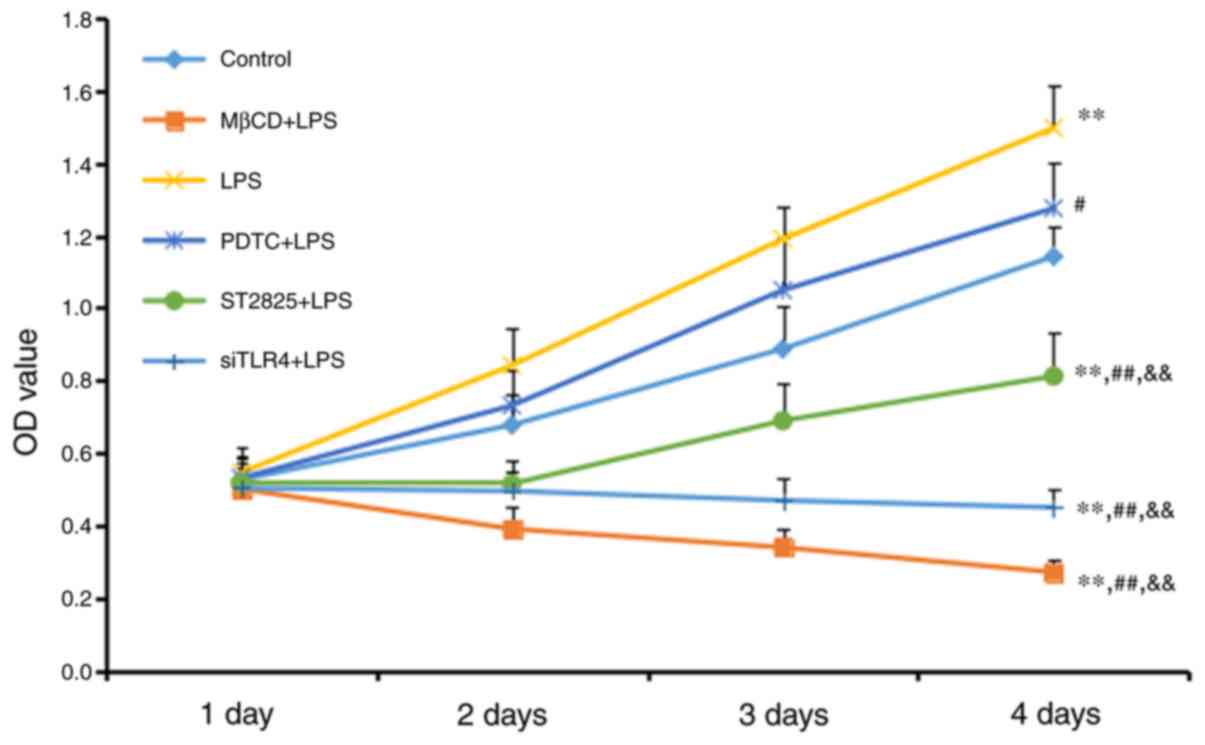
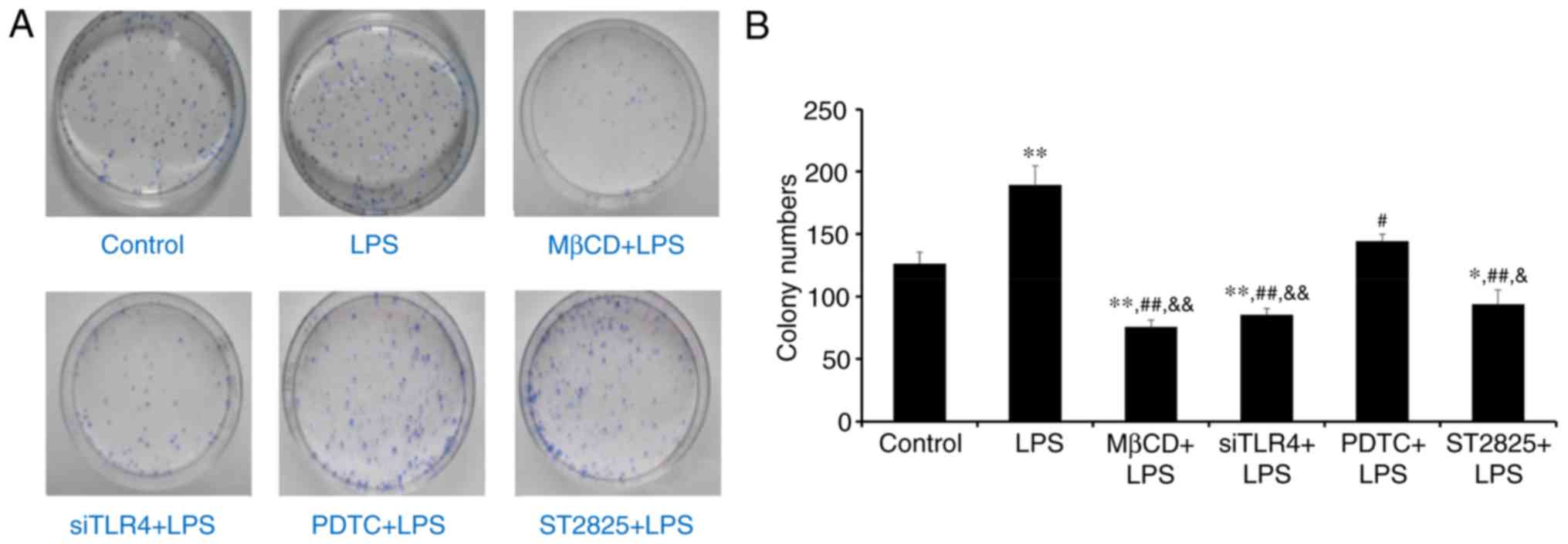
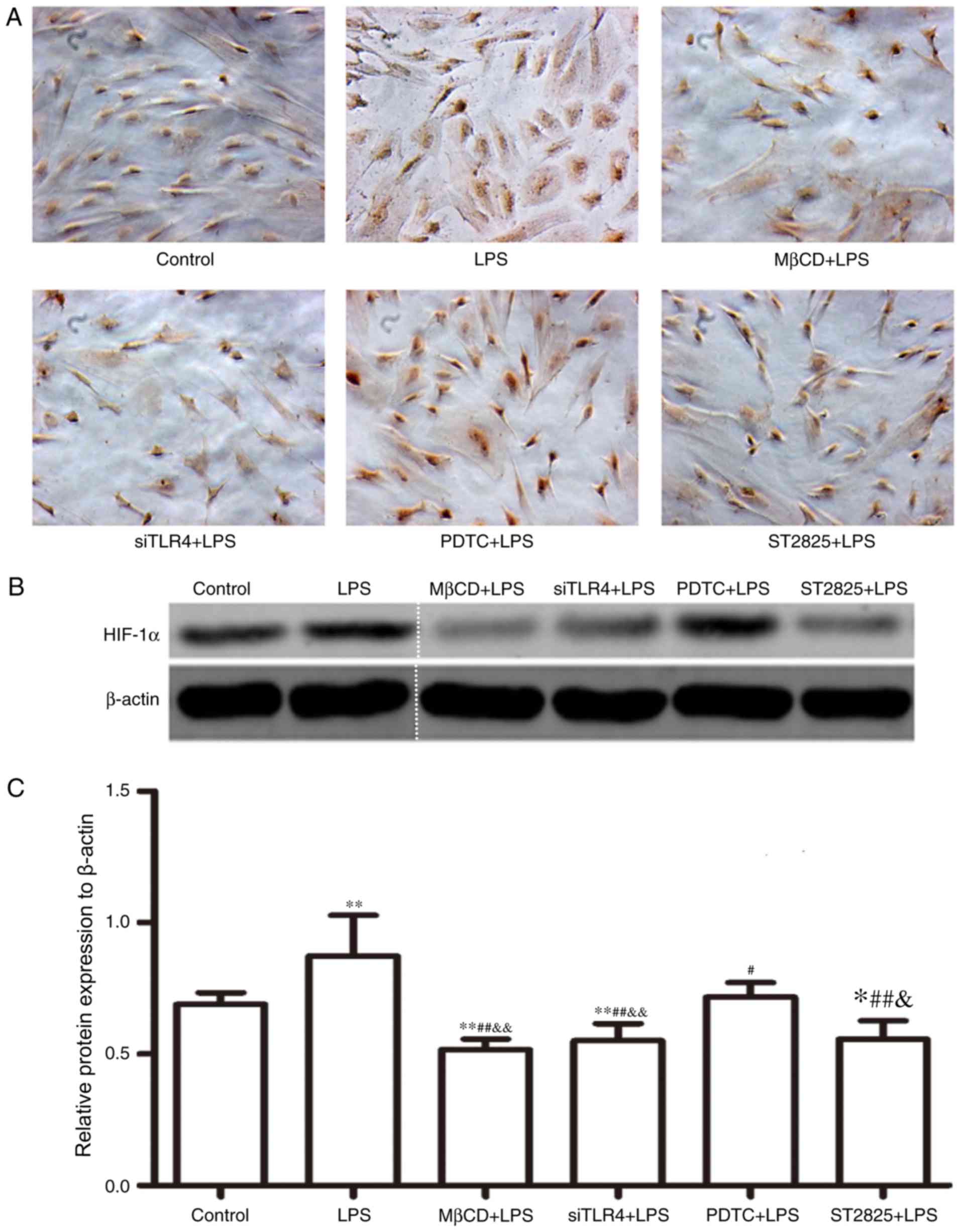
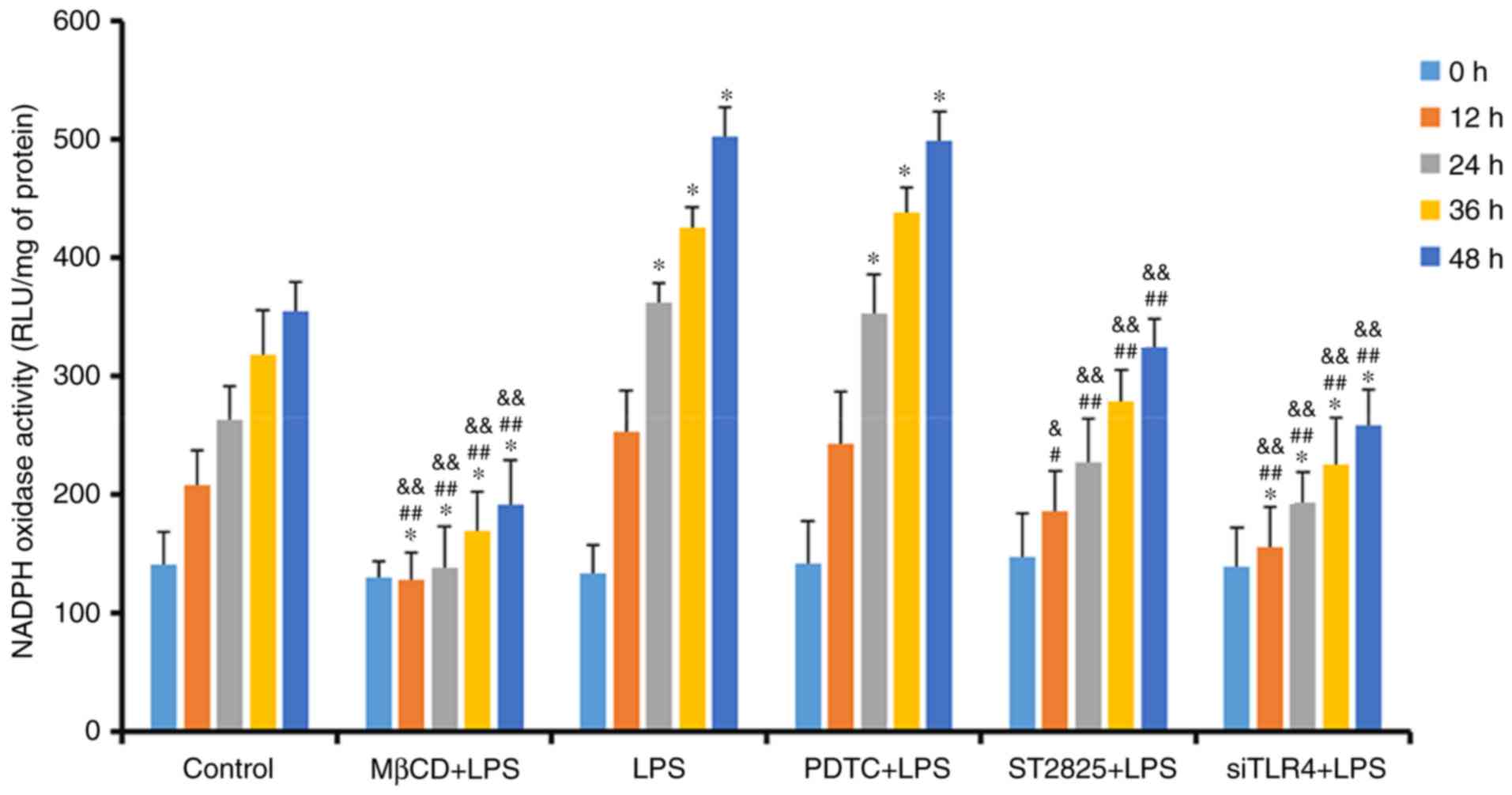
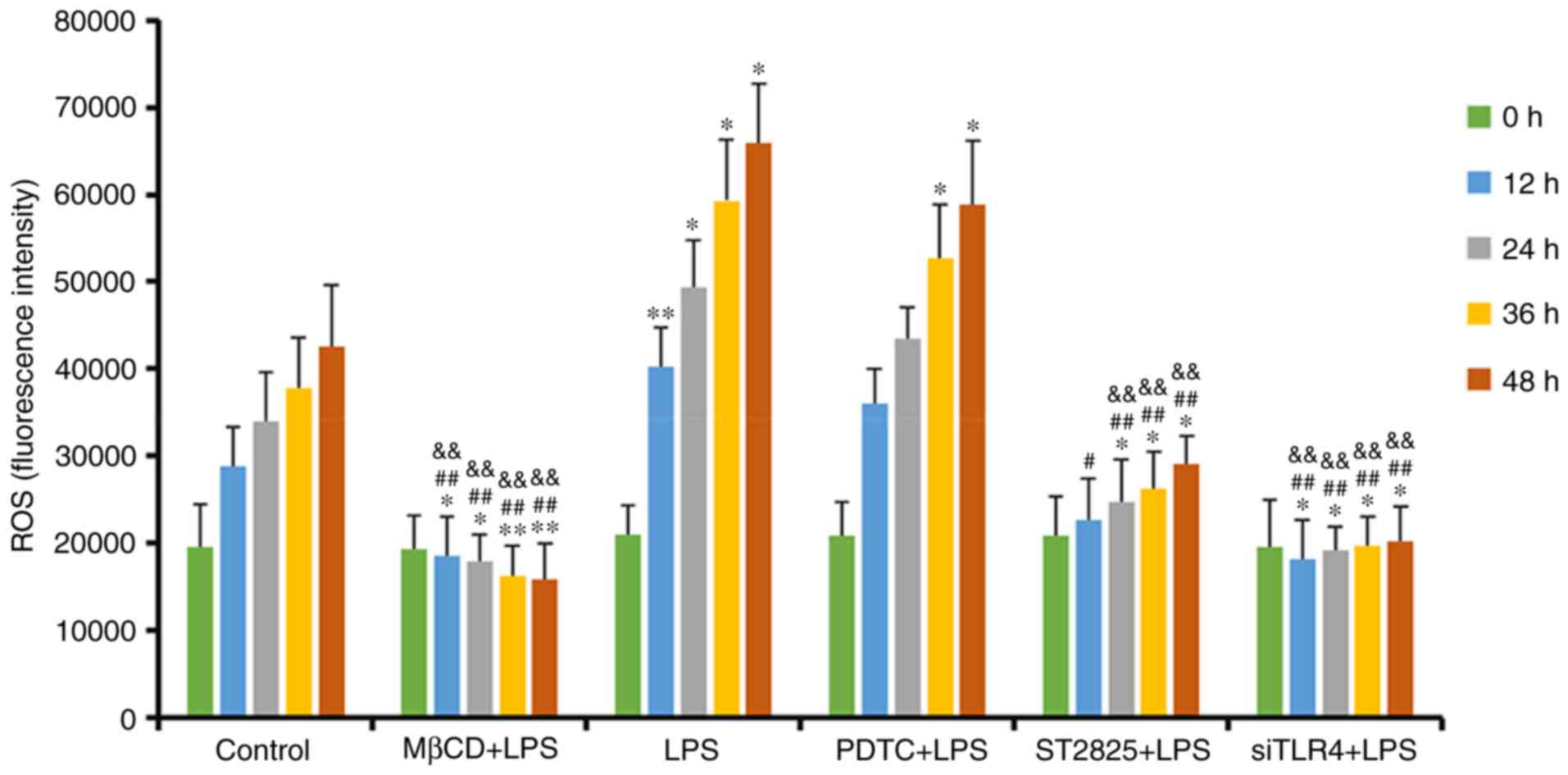
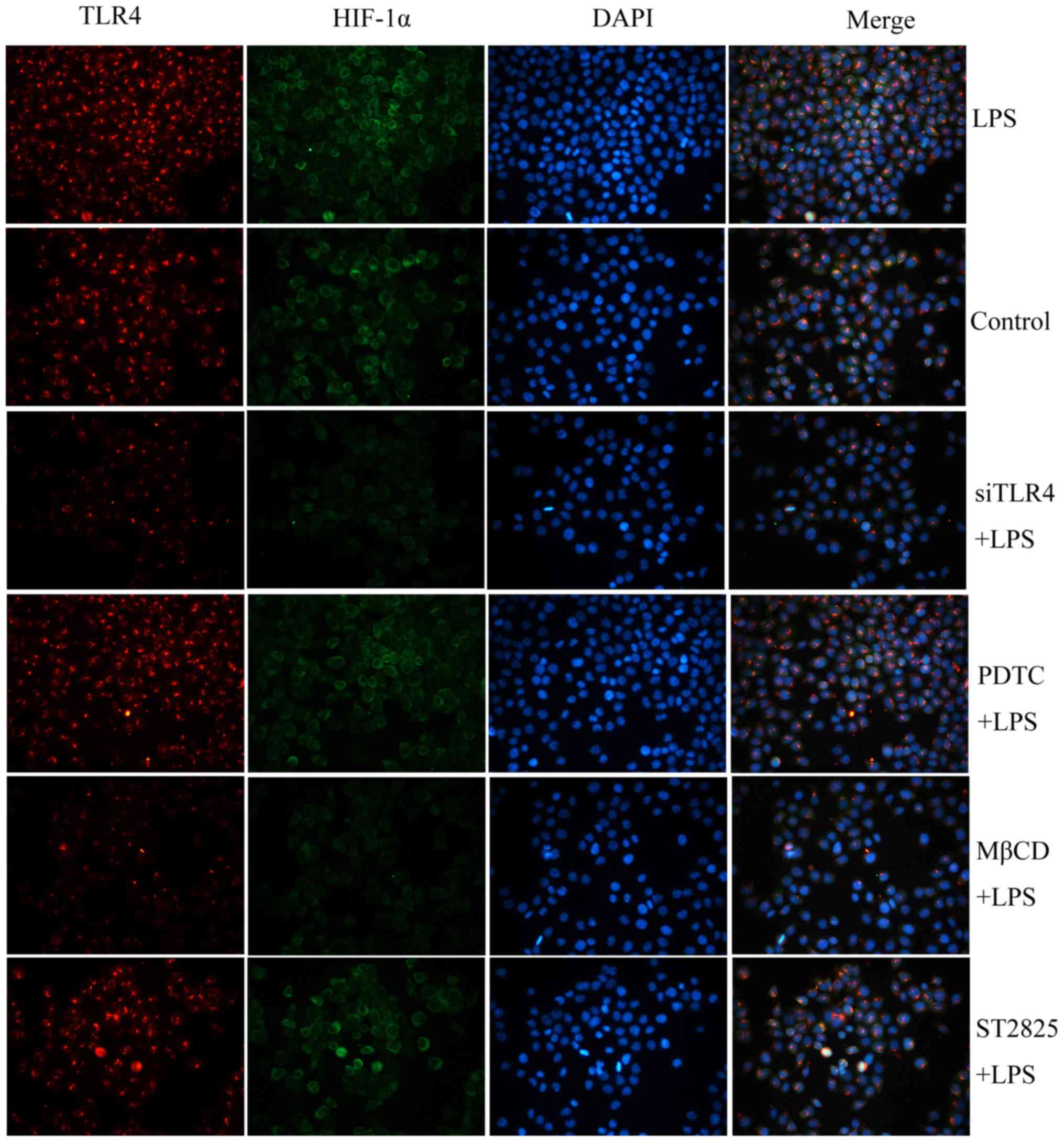
The present study investigated the mechanism underlying Toll-like receptor 4 (TLR4)-mediated stimulation of hypoxia-inducible factor-1α (HIF-1α) activity and its association with reactive oxygen species (ROS) in cervical cancer cells. SiHa cells were cultured and randomized to control, lipopolysaccharide (LPS), methyl-β-cyclodextrin (MβCD)+LPS, ammonium pyrrolidinedithiocarbamate (PDTC)+LPS, ST2825+LPS and small interfering (si) RNA TLR4+LPS treatment groups. Cell proliferation was quantified using an MTT assay, cell cloning was performed using soft agar colony formation and HIF-1α expression was detected by immunocytochemical staining and western blot analyses. Dichloro-dihydro-fluorescein diacetate and lucigenin luminescence assays were used to detect alterations in ROS and nicotinamide-adenine dinucleotide phosphate (NADPH) oxidase content, respectively. Co-localization of TLR4 and HIF-1α was detected by immunofluorescence staining and observed using fluorescence microscopy. Compared with the control group, cell proliferation was enhanced in the LPS-treated group and was not altered in the PDTC+LPS treatment group. Cell proliferation was reduced in all other treatment groups (P<0.05). Compared with the LPS group, cell proliferation decreased in all other groups. Compared with the PDTC+LPS treatment group, cell proliferation significantly decreased when LPS was co-administered with ST2825, siTLR4 and MβCD (P<0.01). Treatment with MβCD+LPS exhibited an increased inhibitory effect on cell activity and proliferation. Compared with the control group, HIF-1α expression was enhanced following treatment with LPS, although it decreased when LPS was co-administered with ST2825, siTLR4 and MβCD (P<0.05). HIF-1α expression decreased following treatment with ST2825, siTLR4, MβCD and PDTC+LPS, compared with treatment with LPS alone. Compared with the PDTC+LPS group, HIF-1α activity decreased when LPS was co-administered with ST2825, siTLR4 and MβCD. NADPH oxidase and ROS levels increased in cells treated with LPS, compared with the control group, at 24 and 12 h following treatment, respectively, and decreased at 12 h when LPS was co-administered with ST2825, siTLR4 and MβCD. There was no difference between the LPS and PDTC+LPS groups with respect to NADPH and ROS levels. Compared with the PDTC+LPS group, NADPH oxidase activity and ROS content decreased when LPS was co-administered with ST2825, siTLR4 and MβCD. NADPH oxidase activity and ROS content were lowest in the MβCD+LPS treatment group, and immunofluorescent staining demonstrated that TLR4 was localized to the cell surface and HIF-1α was primarily localized to the cytoplasm. TLR4 was co-expressed with HIF-1α in cervical cancer cells. The results of the present study suggested that TLR4 signaling primarily promoted HIF-1α activity via activation of lipid rafts/NADPH oxidase redox signaling and may be associated with the initiation and progression of cervical cancer. This promoting effect was stronger in TLR4/lipid rafts/NADPH oxidase pathway than that in TLR4-NF-κB signaling pathway. Therefore, the TLR4/lipid raft-associated redox signal may be a target for therapeutic intervention to prevent the growth of cervical cancer.
View Figures

Figure 1

Figure 2

Figure 3

Figure 4

Figure 5

Figure 6

View References

1 

Wei KR, Chen WQ, Zhang SW, Zheng RS, Wang YN and Liang ZH: Epidemiology of uterine corpus cancer in some cancer registering areas of China from 2003–2007. Zhonghua Fu Chan Ke Za Zhi. 47:445–451. 2012.(In Chinese). PubMed/NCBI

2 

Sharma N, Akhade AS and Qadri A: Src kinases central to T-cell receptor signaling regulate TLR-activated innate immune responses from human T cells. Innate Immun. 22:238–244. 2016. View Article : Google Scholar : PubMed/NCBI

3 

Galli R, Starace D, Busà R, Angelini DF, Paone A, De Cesaris P, Filippini A, Sette C, Battistini L, Ziparo E and Riccioli A: TLR stimulation of prostate tumor cells induces chemokine-mediated recruitment of specific immune cell types. J Immunol. 184:6658–6669. 2010. View Article : Google Scholar : PubMed/NCBI

4 

Molteni M, Marabella D, Orlandi C and Rossetti C: Melanoma cell lines are responsive in vitro to lipopolysaccharide and express TLR-4. Cancer Lett. 235:75–83. 2006. View Article : Google Scholar : PubMed/NCBI

5 

MacRedmond R, Greene C, Taggart CC, McElvaney N and O'Neill S: Respiratory epithelial cells require Toll-like receptor 4 for induction of human beta-defensin 2 by lipopolysaccharide. Respir Res. 6:1162005. View Article : Google Scholar : PubMed/NCBI

6 

Oblak A and Jerala R: Toll-like receptor 4 activation in cancer progression and therapy. Clin Dev Immunol. 2011:6095792011. View Article : Google Scholar : PubMed/NCBI

7 

Roxburgh CS and McMillan DC: The role of the in situ local inflammatory response in predicting recurrence and survival in patients with primary operable colorectal cancer. Cancer Treat Rev. 38:451–466. 2012. View Article : Google Scholar : PubMed/NCBI

8 

Woo JK, Kang JH, Jang YS, Ro S, Cho JM, Kim HM, Lee SJ and Oh SH: Evaluation of preventive and therapeutic activity of novel non-steroidal anti-inflammatory drug, CG100649, in colon cancer: Increased expression of TNF-related apoptosis-inducing ligand receptors enhance the apoptotic response to combination treatment with TRAIL. Oncol Rep. 33:1947–1955. 2015. View Article : Google Scholar : PubMed/NCBI

9 

Goto Y, Arigami T, Kitago M, Nguyen SL, Narita N, Ferrone S, Ferrone S, Morton DL, Irie RF and Hoon DS: Activation of Toll-like receptors 2, 3, and 4 on human melanoma cells induces inflammatory factors. Mol Cancer Ther. 7:3642–3653. 2008. View Article : Google Scholar : PubMed/NCBI

10 

Yu L and Chen S: Toll-like receptors expressed in tumor cells: Targets for therapy. Cancer Immunol Immunother. 57:1271–1278. 2008. View Article : Google Scholar : PubMed/NCBI

11 

Nishimura M and Naito S: Tissue-specific mRNA expression profiles of human toll-like receptors and related genes. Biol Pharm Bull. 28:886–892. 2005. View Article : Google Scholar : PubMed/NCBI

12 

Wang Y, Weng Y, Shi Y, Xia X, Wang S and Duan H: Expression and functional analysis of Toll-like receptor 4 in human cervical carcinoma. J Membr Biol. 247:591–599. 2014. View Article : Google Scholar : PubMed/NCBI

13 

Song J, Fan HJ, Li H, Ding H, Lv Q and Hou SK: Zingerone ameliorates lipopolysaccharide-induced acute kidney injury by inhibiting Toll-like receptor 4 signaling pathway. Eur J Pharmacol. 772:108–114. 2016. View Article : Google Scholar : PubMed/NCBI

14 

Fessler MB and Parks JS: Intracellular lipid flux and membrane microdomains as organizing principles in inflammatory cell signaling. J Immunol. 187:1529–1535. 2011. View Article : Google Scholar : PubMed/NCBI

15 

Semenza GL: Targeting HIF-1 for cancer therapy. Nat Rev Cancer. 3:721–732. 2003. View Article : Google Scholar : PubMed/NCBI

16 

Nishi H, Sasaki T, Nagamitsu Y, Terauchi F, Nagai T, Nagao T and Isaka K: Hypoxia inducible factor-1 mediates upregulation of urokinase-type plasminogen activator receptor gene transcription during hypoxia in cervical cancer cells. Oncol Rep. 35:992–998. 2016. View Article : Google Scholar : PubMed/NCBI

17 

Myllyharju J and Koivunen P: Hypoxia-inducible factor prolyl 4-hydroxylases: Common and specific roles. Biol Chem. 394:435–448. 2013. View Article : Google Scholar : PubMed/NCBI

18 

Yatabe N, Kyo S, Maida Y, Nishi H, Nakamura M, Kanaya T, Tanaka M, Isaka K, Ogawa S and Inoue M: HIF-1-mediated activation of telomerase in cervical cancer cells. Oncogene. 23:3708–3715. 2004. View Article : Google Scholar : PubMed/NCBI

19 

Jing S, Xu Q, Jing S, Zhao Z, Zhao Z, Wu F, Liu Q, Cheng Y and Wang J: Effect of silencing HIF-1α by RNA interference on adhesion and invasion of the human nasopharyngeal carcinoma cell line CNE-1. Zhonghua Er Bi Yan Hou Tou Jing Wai Ke Za Zhi. 50:929–933. 2015.(In Chinese). PubMed/NCBI

20 

Tong Y, Yang H, Xu X, Ruan J, Liang M, Wu J and Luo B: Effect of a hypoxic microenvironment after radiofrequency ablation on residual hepatocellular cell migration and invasion. Cancer Sci. 108:753–762. 2017. View Article : Google Scholar : PubMed/NCBI

21 

Jiang JH, Wang ZR, Jiang L, Bao Y and Cheng YX: Mechanism of anti-tumor effect of HIF-1alpha silencing on cervical cancer in nude mice. Zhonghua Zhong Liu Za Zhi. 31:820–825. 2009.(In Chinese). PubMed/NCBI

22 

Peyssonnaux C, Cejudo-Martin P, Doedens A, Zinkernagel AS, Johnson RS and Nizet V: Cutting edge: Essential role of hypoxia inducible factor-1alpha in development of lipopolysaccharide-induced sepsis. J Immunol. 178:7516–7519. 2007. View Article : Google Scholar : PubMed/NCBI

23 

Cheng YX, Hu M, Chen L, Huang JL, Xia LB, Li BS, Zhou LM and Hong L: The mechanism of lipid raft mediating chemoresistance of cervical cancer. Saudi Med J. 33:508–514. 2012.PubMed/NCBI

24 

Niecknig H, Tug S, Reyes BD, Kirsch M, Fandrey J and Berchner-Pfannschmidt U: Role of reactive oxygen species in the regulation of HIF-1 by prolyl hydroxylase 2 under mild hypoxia. Free Radic Res. 46:705–717. 2012. View Article : Google Scholar : PubMed/NCBI

25 

Cheng Y, Chen G, Hong L, Zhou L, Hu M, Li B, Huang J, Xia L and Li C: How does hypoxia inducible factor-1α participate in enhancing the glycolysis activity in cervical cancer? Ann Diagn Pathol. 17:305–311. 2013. View Article : Google Scholar : PubMed/NCBI

26 

Cheng YX, Qi XY, Huang JL, Hu M, Zhou LM, Li BS and Xu XX: Toll-like receptor 4 signaling promotes the immunosuppressive cytokine production of human cervical cancer. Eur J Gynaecol Oncol. 33:291–294. 2012.PubMed/NCBI

27 

Feng Z, Wang Z, Yang M, Zhou L and Bao Y: Polysaccharopeptide exerts immunoregulatory effects via MyD88-dependent signaling pathway. Int J Biol Macromol. 82:201–207. 2015. View Article : Google Scholar : PubMed/NCBI

28 

Carlson CG, Stein L, Dole E, Potter RM and Bayless D: Agents which inhibit NF-κB signaling block spontaneous contractile activity and negatively influence survival of developing myotubes. J Cell Physiol. 231:788–797. 2016. View Article : Google Scholar : PubMed/NCBI

29 

Sághy É, Szőke É, Payrits M, Helyes Z, Börzsei R, Erostyák J, Jánosi TZ, Sétáló G Jr and Szolcsányi J: Evidence for the role of lipid rafts and sphingomyelin in Ca2+-gating of Transient Receptor Potential channels in trigeminal sensory neurons and peripheral nerve terminals. Pharmacol Res. 100:101–106. 2015. View Article : Google Scholar : PubMed/NCBI

30 

Zhan Z, Xie X, Cao H, Zhou X, Zhang XD, Fan H and Liu Z: Autophagy facilitates TLR4- and TLR3-triggered migration and invasion of lung cancer cells through the promotion of TRAF6 ubiquitination. Autophagy. 10:257–268. 2013. View Article : Google Scholar : PubMed/NCBI

31 

Yu L, Wang L, Li M, Zhong J, Wang Z and Chen S: Expression of toll-like receptor 4 is downregulated during progression of cervical neoplasia. Cancer Immunol Immunother. 59:1021–1028. 2010. View Article : Google Scholar : PubMed/NCBI

32 

Szczepanski MJ, Czystowska M, Szajnik M, Harasymczuk M, Boyiadzis M, Kruk-Zagajewska A, Szyfter W, Zeromski J and Whiteside TL: Triggering of Toll-like receptor 4 expressed on human head and neck squamous cell carcinoma promotes tumor development and protects the tumor from immune attack. Cancer Res. 69:3105–3113. 2009. View Article : Google Scholar : PubMed/NCBI

33 

Huang B, Zhao J, Li H, He KL, Chen Y, Chen SH, Mayer L, Unkeless JC and Xiong H: Toll-like receptors on tumor cells facilitate evasion of immune surveillance. Cancer Res. 65:5009–5014. 2005. View Article : Google Scholar : PubMed/NCBI

34 

Wang EL, Qian ZR, Nakasono M, Tanahashi T, Yoshimoto K, Bando Y, Kudo E, Shimada M and Sano T: High expression of Toll-like receptor 4/myeloid differentiation factor 88 signals correlates with poor prognosis in colorectal cancer. Br J Cancer. 102:908–915. 2010. View Article : Google Scholar : PubMed/NCBI

35 

Iovine B, Guardia F, Irace C and Bevilacqua MA: l-carnosine dipeptide overcomes acquired resistance to 5-fluorouracil in HT29 human colon cancer cells via downregulation of HIF1-alpha and induction of apoptosis. Biochimie. 127:196–204. 2016. View Article : Google Scholar : PubMed/NCBI

36 

Acker T, Fandrey J and Acker H: The good, the bad and the ugly in oxygen-sensing: ROS, cytochromes and prolyl-hydroxylases. Cardiovasc Res. 71:195–207. 2006. View Article : Google Scholar : PubMed/NCBI

37 

Nishi K, Oda T, Takabuchi S, Oda S, Fukuda K, Adachi T, Semenza GL, Shingu K and Hirota K: LPS induces hypoxia-inducible factor 1 activation in macrophage-differentiated cells in a reactive oxygen species-dependent manner. Antioxid Redox Signal. 10:983–995. 2008. View Article : Google Scholar : PubMed/NCBI

38 

Tewari R, Choudhury SR, Ghosh S, Mehta VS and Sen E: Involvement of TNFα-induced TLR4-NF-κB and TLR4-HIF-1α feed-forward loops in the regulation of inflammatory responses in glioma. Journal of Molecular Medicine. 2012.90(1): 67–80. View Article : Google Scholar : PubMed/NCBI

39 

Lai FB, Liu WT, Jing YY, Yu GF, Han ZP, Yang X, Zeng JX, Zhang HJ, Shi RY, Li XY, et al: Lipopolysaccharide supports maintaining the stemness of CD133(+) hepatoma cells through activation of the NF-κB/HIF-1α pathway. Cancer Lett. 378:131–141. 2016. View Article : Google Scholar : PubMed/NCBI

40 

Patra SK: Dissecting lipid raft facilitated cell signaling pathways in cancer. Biochim Biophys Acta. 1785:182–206. 2008.PubMed/NCBI

41 

Wickström SA, Alitalo K and Keski-Oja J: Endostatin associates with lipid rafts and induces reorganization of the actin cytoskeleton via down-regulation of RhoA activity. J Biol Chem. 278:37895–37901. 2003. View Article : Google Scholar : PubMed/NCBI

42 

Chansrichavala P, Chantharaksri U, Sritara P, Ngaosuwankul N and Chaiyaroj SC: Atorvastatin affects TLR4 clustering via lipid raft modulation. Int Immunopharmacol. 10:892–899. 2010. View Article : Google Scholar : PubMed/NCBI

43 

Das S, Alhasson F, Dattaroy D, Pourhoseini S, Seth RK, Nagarkatti M, Nagarkatti PS, Michelotti GA, Diehl AM, Kalyanaraman B and Chatterjee S: NADPH oxidase-derived peroxynitrite drives inflammation in mice and human nonalcoholic steatohepatitis via TLR4-Lipid raft recruitment. Am J Pathol. 185:1944–1957. 2015. View Article : Google Scholar : PubMed/NCBI

44 

Gorudko IV, Mukhortava AV, Caraher B, Ren M, Cherenkevich SN, Kelly GM and Timoshenko AV: Lectin-induced activation of plasma membrane NADPH oxidase in cholesterol-depleted human neutrophils. Arch Biochem Biophys. 516:173–181. 2011. View Article : Google Scholar : PubMed/NCBI

45 

Bieberich E: It's a lipid's world: Bioactive lipid metabolism and signaling in neural stem cell differentiation. Neurochem Res. 37:1208–1229. 2012. View Article : Google Scholar : PubMed/NCBI

46 

Eum SY, Andras I, Hennig B and Toborek M: NADPH oxidase and lipid raft-associated redox signaling are required for PCB153-induced upregulation of cell adhesion molecules in human brain endothelial cells. Toxicol Appl Pharmacol. 240:299–305. 2009. View Article : Google Scholar : PubMed/NCBI

47 

Gribar SC, Anand RJ, Sodhi CP and Hackam DJ: The role of epithelial Toll-like receptor signaling in the pathogenesis of intestinal inflammation. J Leukoc Biol. 83:493–498. 2008. View Article : Google Scholar : PubMed/NCBI

48 

Tanaka T, Legat A, Adam E, Steuve J, Gatot JS, Vandenbranden M, Ulianov L, Lonez C, Ruysschaert JM, Muraille E, et al: DiC14-amidine cationic liposomes stimulate myeloid dendritic cells through Toll-like receptor 4. Eur J Immunol. 38:1351–1357. 2008. View Article : Google Scholar : PubMed/NCBI

49 

Kim D and Kim JY: Anti-CD14 antibody reduces LPS responsiveness via TLR4 internalization in human monocytes. Mol Immunol. 57:210–215. 2014. View Article : Google Scholar : PubMed/NCBI

50 

Campbell JS, Riehle KJ, Brooling JT, Bauer RL, Mitchell C and Fausto N: Proinflammatory cytokine production in liver regeneration is Myd88-dependent, but independent of Cd14, Tlr2, and Tlr4. J Immunol. 176:2522–2528. 2006. View Article : Google Scholar : PubMed/NCBI

Related Articles

  • Abstract
  • View
  • Download
  • Twitter
Copy and paste a formatted citation
Spandidos Publications style
Yang X, Chen GT, Wang YQ, Xian S, Zhang L, Zhu SM, Pan F and Cheng YX: TLR4 promotes the expression of HIF-1α by triggering reactive oxygen species in cervical cancer cells in vitro-implications for therapeutic intervention. Mol Med Rep 17: 2229-2238, 2018.
APA
Yang, X., Chen, G.T., Wang, Y.Q., Xian, S., Zhang, L., Zhu, S.M. ... Cheng, Y.X. (2018). TLR4 promotes the expression of HIF-1α by triggering reactive oxygen species in cervical cancer cells in vitro-implications for therapeutic intervention. Molecular Medicine Reports, 17, 2229-2238. https://doi.org/10.3892/mmr.2017.8108
MLA
Yang, X., Chen, G. T., Wang, Y. Q., Xian, S., Zhang, L., Zhu, S. M., Pan, F., Cheng, Y. X."TLR4 promotes the expression of HIF-1α by triggering reactive oxygen species in cervical cancer cells in vitro-implications for therapeutic intervention". Molecular Medicine Reports 17.2 (2018): 2229-2238.
Chicago
Yang, X., Chen, G. T., Wang, Y. Q., Xian, S., Zhang, L., Zhu, S. M., Pan, F., Cheng, Y. X."TLR4 promotes the expression of HIF-1α by triggering reactive oxygen species in cervical cancer cells in vitro-implications for therapeutic intervention". Molecular Medicine Reports 17, no. 2 (2018): 2229-2238. https://doi.org/10.3892/mmr.2017.8108
Copy and paste a formatted citation
x
Spandidos Publications style
Yang X, Chen GT, Wang YQ, Xian S, Zhang L, Zhu SM, Pan F and Cheng YX: TLR4 promotes the expression of HIF-1α by triggering reactive oxygen species in cervical cancer cells in vitro-implications for therapeutic intervention. Mol Med Rep 17: 2229-2238, 2018.
APA
Yang, X., Chen, G.T., Wang, Y.Q., Xian, S., Zhang, L., Zhu, S.M. ... Cheng, Y.X. (2018). TLR4 promotes the expression of HIF-1α by triggering reactive oxygen species in cervical cancer cells in vitro-implications for therapeutic intervention. Molecular Medicine Reports, 17, 2229-2238. https://doi.org/10.3892/mmr.2017.8108
MLA
Yang, X., Chen, G. T., Wang, Y. Q., Xian, S., Zhang, L., Zhu, S. M., Pan, F., Cheng, Y. X."TLR4 promotes the expression of HIF-1α by triggering reactive oxygen species in cervical cancer cells in vitro-implications for therapeutic intervention". Molecular Medicine Reports 17.2 (2018): 2229-2238.
Chicago
Yang, X., Chen, G. T., Wang, Y. Q., Xian, S., Zhang, L., Zhu, S. M., Pan, F., Cheng, Y. X."TLR4 promotes the expression of HIF-1α by triggering reactive oxygen species in cervical cancer cells in vitro-implications for therapeutic intervention". Molecular Medicine Reports 17, no. 2 (2018): 2229-2238. https://doi.org/10.3892/mmr.2017.8108
Follow us
  • Twitter
  • LinkedIn
  • Facebook
About
  • Spandidos Publications
  • Careers
  • Cookie Policy
  • Privacy Policy
How can we help?
  • Help
  • Live Chat
  • Contact
  • Email to our Support Team