Spandidos Publications Logo
  • About
    • About Spandidos
    • Aims and Scopes
    • Abstracting and Indexing
    • Editorial Policies
    • Reprints and Permissions
    • Job Opportunities
    • Terms and Conditions
    • Contact
  • Journals
    • All Journals
    • Oncology Letters
      • Oncology Letters
      • Information for Authors
      • Editorial Policies
      • Editorial Board
      • Aims and Scope
      • Abstracting and Indexing
      • Bibliographic Information
      • Archive
    • International Journal of Oncology
      • International Journal of Oncology
      • Information for Authors
      • Editorial Policies
      • Editorial Board
      • Aims and Scope
      • Abstracting and Indexing
      • Bibliographic Information
      • Archive
    • Molecular and Clinical Oncology
      • Molecular and Clinical Oncology
      • Information for Authors
      • Editorial Policies
      • Editorial Board
      • Aims and Scope
      • Abstracting and Indexing
      • Bibliographic Information
      • Archive
    • Experimental and Therapeutic Medicine
      • Experimental and Therapeutic Medicine
      • Information for Authors
      • Editorial Policies
      • Editorial Board
      • Aims and Scope
      • Abstracting and Indexing
      • Bibliographic Information
      • Archive
    • International Journal of Molecular Medicine
      • International Journal of Molecular Medicine
      • Information for Authors
      • Editorial Policies
      • Editorial Board
      • Aims and Scope
      • Abstracting and Indexing
      • Bibliographic Information
      • Archive
    • Biomedical Reports
      • Biomedical Reports
      • Information for Authors
      • Editorial Policies
      • Editorial Board
      • Aims and Scope
      • Abstracting and Indexing
      • Bibliographic Information
      • Archive
    • Oncology Reports
      • Oncology Reports
      • Information for Authors
      • Editorial Policies
      • Editorial Board
      • Aims and Scope
      • Abstracting and Indexing
      • Bibliographic Information
      • Archive
    • Molecular Medicine Reports
      • Molecular Medicine Reports
      • Information for Authors
      • Editorial Policies
      • Editorial Board
      • Aims and Scope
      • Abstracting and Indexing
      • Bibliographic Information
      • Archive
    • World Academy of Sciences Journal
      • World Academy of Sciences Journal
      • Information for Authors
      • Editorial Policies
      • Editorial Board
      • Aims and Scope
      • Abstracting and Indexing
      • Bibliographic Information
      • Archive
    • International Journal of Functional Nutrition
      • International Journal of Functional Nutrition
      • Information for Authors
      • Editorial Policies
      • Editorial Board
      • Aims and Scope
      • Abstracting and Indexing
      • Bibliographic Information
      • Archive
    • International Journal of Epigenetics
      • International Journal of Epigenetics
      • Information for Authors
      • Editorial Policies
      • Editorial Board
      • Aims and Scope
      • Abstracting and Indexing
      • Bibliographic Information
      • Archive
    • Medicine International
      • Medicine International
      • Information for Authors
      • Editorial Policies
      • Editorial Board
      • Aims and Scope
      • Abstracting and Indexing
      • Bibliographic Information
      • Archive
  • Articles
  • Information
    • Information for Authors
    • Information for Reviewers
    • Information for Librarians
    • Information for Advertisers
    • Conferences
  • Language Editing
Spandidos Publications Logo
  • About
    • About Spandidos
    • Aims and Scopes
    • Abstracting and Indexing
    • Editorial Policies
    • Reprints and Permissions
    • Job Opportunities
    • Terms and Conditions
    • Contact
  • Journals
    • All Journals
    • Biomedical Reports
      • Information for Authors
      • Editorial Policies
      • Editorial Board
      • Aims and Scope
      • Abstracting and Indexing
      • Bibliographic Information
      • Archive
    • Experimental and Therapeutic Medicine
      • Information for Authors
      • Editorial Policies
      • Editorial Board
      • Aims and Scope
      • Abstracting and Indexing
      • Bibliographic Information
      • Archive
    • International Journal of Epigenetics
      • Information for Authors
      • Editorial Policies
      • Editorial Board
      • Aims and Scope
      • Abstracting and Indexing
      • Bibliographic Information
      • Archive
    • International Journal of Functional Nutrition
      • Information for Authors
      • Editorial Policies
      • Editorial Board
      • Aims and Scope
      • Abstracting and Indexing
      • Bibliographic Information
      • Archive
    • International Journal of Molecular Medicine
      • Information for Authors
      • Editorial Policies
      • Editorial Board
      • Aims and Scope
      • Abstracting and Indexing
      • Bibliographic Information
      • Archive
    • International Journal of Oncology
      • Information for Authors
      • Editorial Policies
      • Editorial Board
      • Aims and Scope
      • Abstracting and Indexing
      • Bibliographic Information
      • Archive
    • Medicine International
      • Information for Authors
      • Editorial Policies
      • Editorial Board
      • Aims and Scope
      • Abstracting and Indexing
      • Bibliographic Information
      • Archive
    • Molecular and Clinical Oncology
      • Information for Authors
      • Editorial Policies
      • Editorial Board
      • Aims and Scope
      • Abstracting and Indexing
      • Bibliographic Information
      • Archive
    • Molecular Medicine Reports
      • Information for Authors
      • Editorial Policies
      • Editorial Board
      • Aims and Scope
      • Abstracting and Indexing
      • Bibliographic Information
      • Archive
    • Oncology Letters
      • Information for Authors
      • Editorial Policies
      • Editorial Board
      • Aims and Scope
      • Abstracting and Indexing
      • Bibliographic Information
      • Archive
    • Oncology Reports
      • Information for Authors
      • Editorial Policies
      • Editorial Board
      • Aims and Scope
      • Abstracting and Indexing
      • Bibliographic Information
      • Archive
    • World Academy of Sciences Journal
      • Information for Authors
      • Editorial Policies
      • Editorial Board
      • Aims and Scope
      • Abstracting and Indexing
      • Bibliographic Information
      • Archive
  • Articles
  • Information
    • For Authors
    • For Reviewers
    • For Librarians
    • For Advertisers
    • Conferences
  • Language Editing
Login Register Submit
  • This site uses cookies
  • You can change your cookie settings at any time by following the instructions in our Cookie Policy. To find out more, you may read our Privacy Policy.

    I agree
Search articles by DOI, keyword, author or affiliation
Search
Advanced Search
presentation
Molecular Medicine Reports
Join Editorial Board Propose a Special Issue
Print ISSN: 1791-2997 Online ISSN: 1791-3004
Journal Cover
May-2018 Volume 17 Issue 5

Full Size Image

Sign up for eToc alerts
Recommend to Library

Journals

International Journal of Molecular Medicine

International Journal of Molecular Medicine

International Journal of Molecular Medicine is an international journal devoted to molecular mechanisms of human disease.

International Journal of Oncology

International Journal of Oncology

International Journal of Oncology is an international journal devoted to oncology research and cancer treatment.

Molecular Medicine Reports

Molecular Medicine Reports

Covers molecular medicine topics such as pharmacology, pathology, genetics, neuroscience, infectious diseases, molecular cardiology, and molecular surgery.

Oncology Reports

Oncology Reports

Oncology Reports is an international journal devoted to fundamental and applied research in Oncology.

Experimental and Therapeutic Medicine

Experimental and Therapeutic Medicine

Experimental and Therapeutic Medicine is an international journal devoted to laboratory and clinical medicine.

Oncology Letters

Oncology Letters

Oncology Letters is an international journal devoted to Experimental and Clinical Oncology.

Biomedical Reports

Biomedical Reports

Explores a wide range of biological and medical fields, including pharmacology, genetics, microbiology, neuroscience, and molecular cardiology.

Molecular and Clinical Oncology

Molecular and Clinical Oncology

International journal addressing all aspects of oncology research, from tumorigenesis and oncogenes to chemotherapy and metastasis.

World Academy of Sciences Journal

World Academy of Sciences Journal

Multidisciplinary open-access journal spanning biochemistry, genetics, neuroscience, environmental health, and synthetic biology.

International Journal of Functional Nutrition

International Journal of Functional Nutrition

Open-access journal combining biochemistry, pharmacology, immunology, and genetics to advance health through functional nutrition.

International Journal of Epigenetics

International Journal of Epigenetics

Publishes open-access research on using epigenetics to advance understanding and treatment of human disease.

Medicine International

Medicine International

An International Open Access Journal Devoted to General Medicine.

Journal Cover
May-2018 Volume 17 Issue 5

Full Size Image

Sign up for eToc alerts
Recommend to Library

  • Article
  • Citations
    • Cite This Article
    • Download Citation
    • Create Citation Alert
    • Remove Citation Alert
    • Cited By
  • Similar Articles
    • Related Articles (in Spandidos Publications)
    • Similar Articles (Google Scholar)
    • Similar Articles (PubMed)
  • Download PDF
  • Download XML
  • View XML
Article Open Access

TIPE‑2 suppresses growth and aggressiveness of hepatocellular carcinoma cells through downregulation of the phosphoinositide 3‑kinase/AKT signaling pathway

  • Authors:
    • Lin Wang
    • Chen Chen
    • Shuzhi Feng
    • Jianli Tian
  • View Affiliations / Copyright

    Affiliations: Department of Geriatrics, Tianjin Medical University General Hospital, Tianjin Geriatrics Institute, Tianjin 300052, P.R. China
    Copyright: © Wang et al. This is an open access article distributed under the terms of Creative Commons Attribution License.
  • Pages: 7017-7026
    |
    Published online on: March 20, 2018
       https://doi.org/10.3892/mmr.2018.8789
  • Expand metrics +
Metrics: Total Views: 0 (Spandidos Publications: | PMC Statistics: )
Metrics: Total PDF Downloads: 0 (Spandidos Publications: | PMC Statistics: )
Cited By (CrossRef): 0 citations Loading Articles...

This article is mentioned in:


Abstract

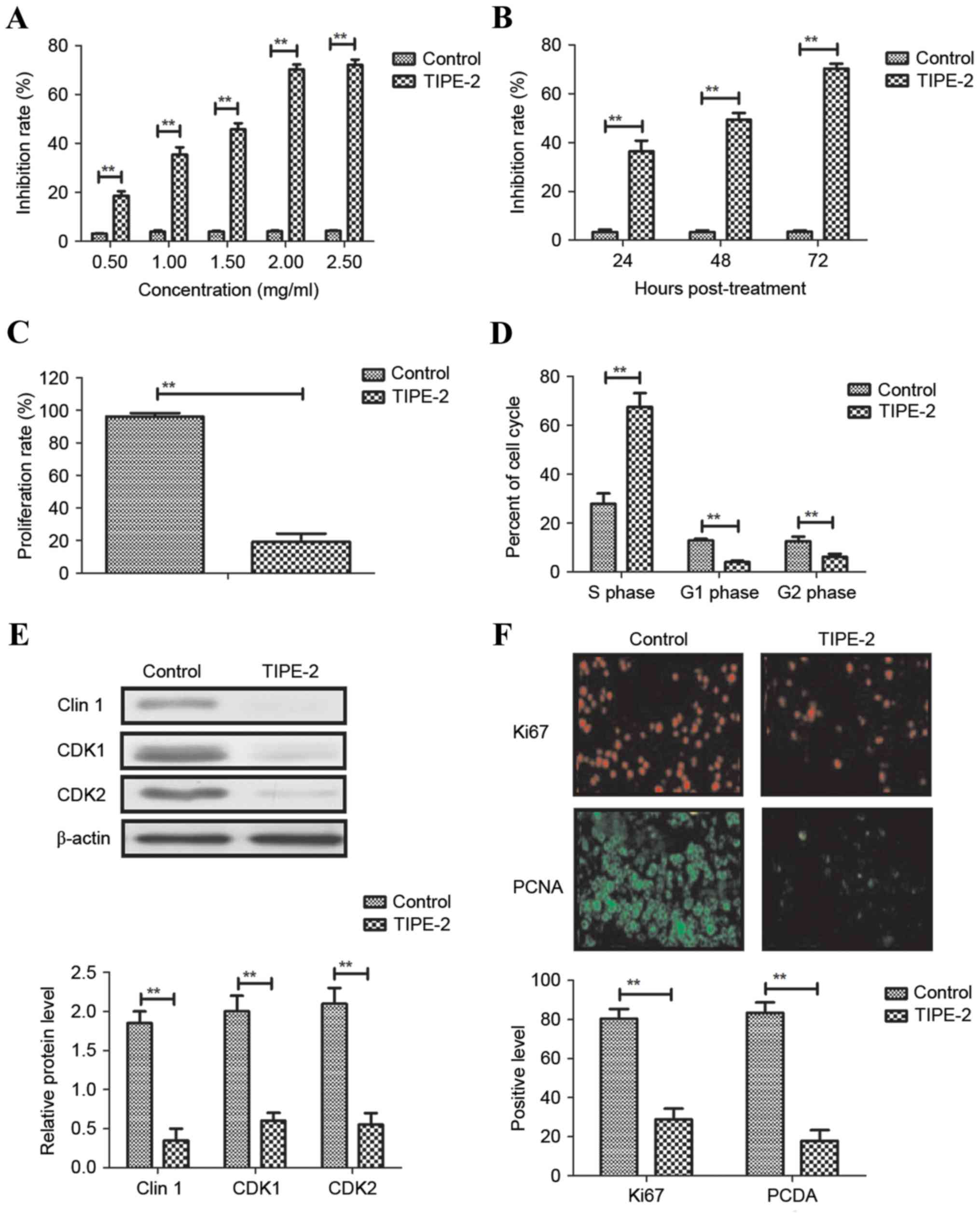
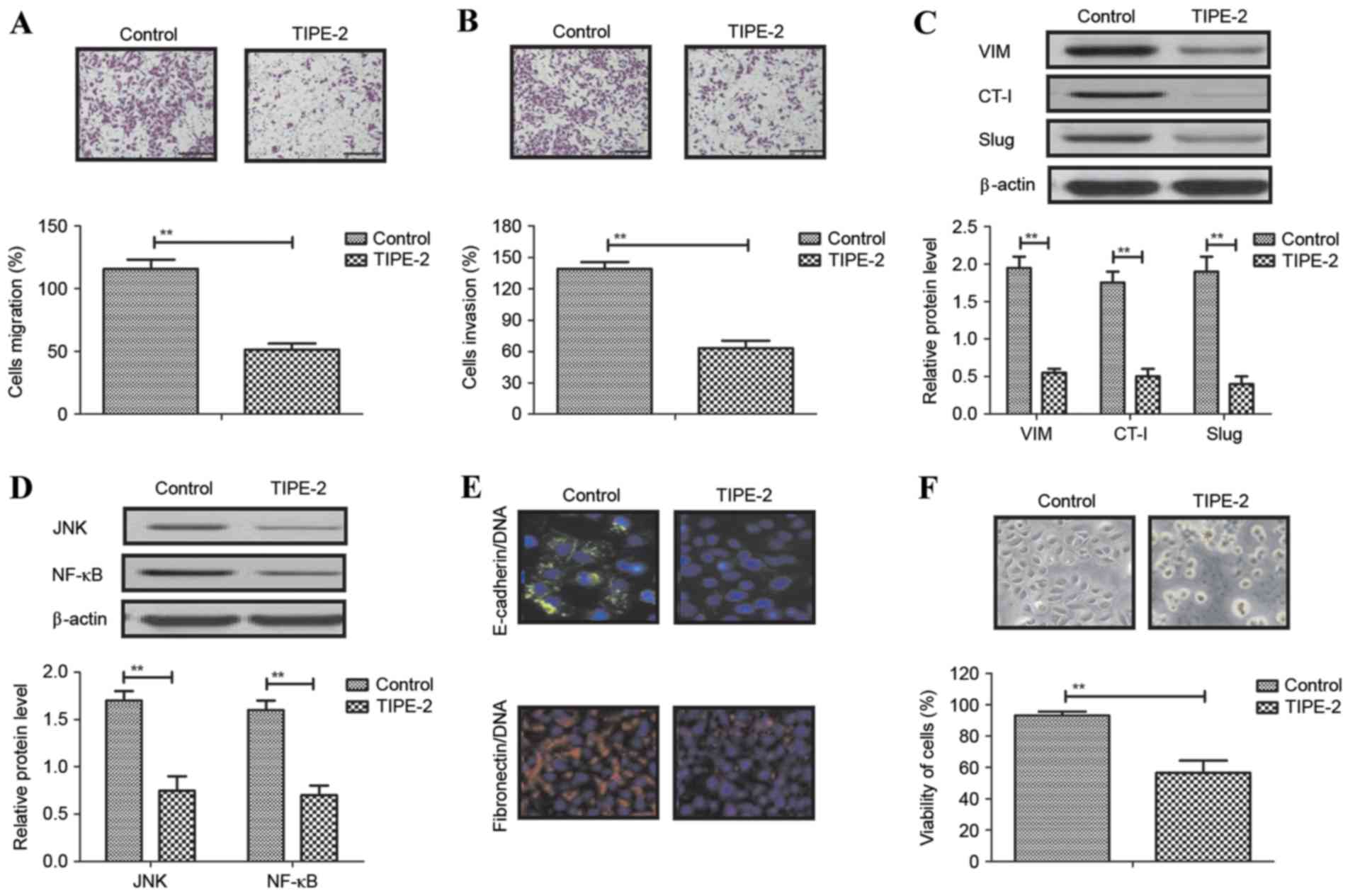
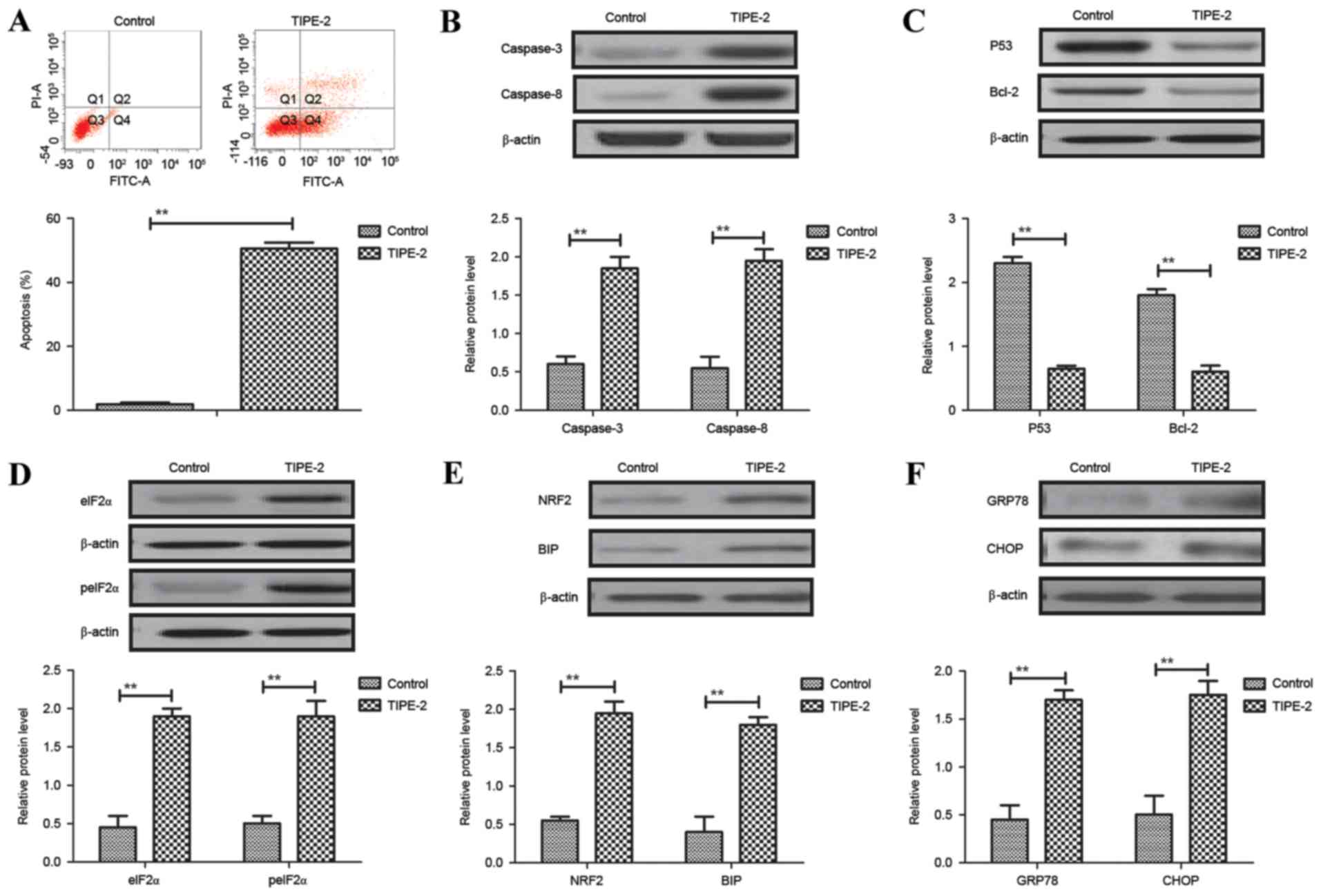
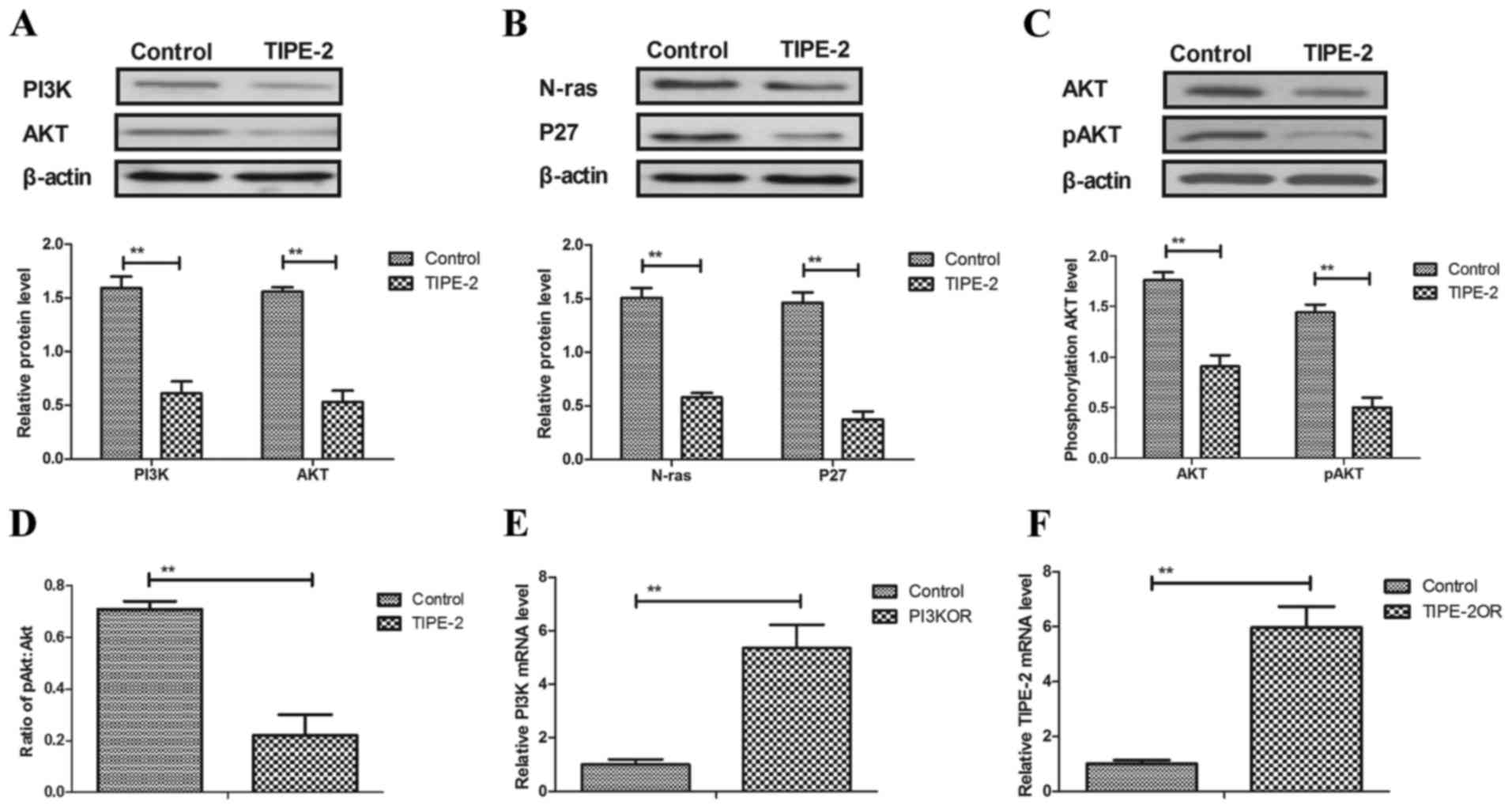
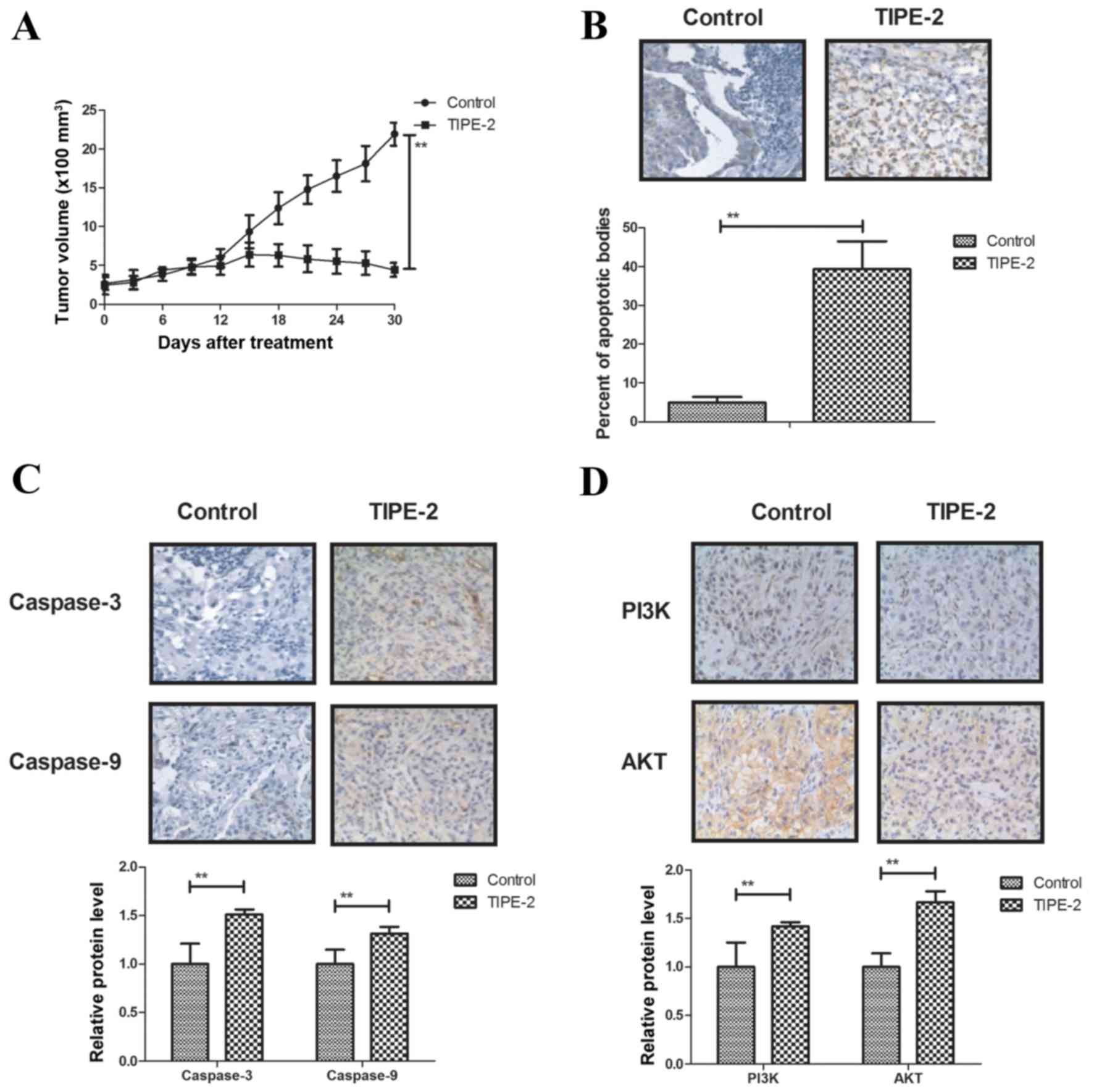
Rapid proliferation and migration are the main features of hepatocellular carcinoma (HCC) cells, which serve an essential role in carcinogenesis and are a hallmark of cancer therapy resistance. Previous studies have reported that tumor necrosis factor‑α‑induced protein‑8 like‑2 (TIPE‑2) is involved in cancer initiation and the progression of HCC. The present study aimed to clarify the role of TIPE‑2 in HCC carcinogenesis, growth and aggressiveness. The effects of TIPE‑2 on HCC were determined using colony forming and cell cycle analyses. Cell apoptosis, and growth and aggressiveness of HCC cells, were investigated following TIPE‑2 treatment. Treatment with TIPE‑2 markedly suppressed HCC cell proliferation and increased the number of cells in S phase of the cell cycle. The results demonstrated that TIPE‑2 significantly inhibited growth, migration and invasion of HCC cells via the downregulation of tumor metastasis-associated genes. Flow cytometric analysis indicated that TIPE‑2 promoted apoptosis of HCC cells via regulation of apoptosis‑associated gene transcription. In addition, TIPE‑2 administration downregulated the expression of phosphoinositide 3‑kinase (PI3K) and protein kinase B (AKT) in HCC cells. In addition, TIPE‑2 selectively decreased neuroblastoma Ras viral oncogene and p27 expression in HCC cells. In vivo assays revealed that TIPE‑2 significantly inhibited tumor growth and prolonged animal survival by promoting apoptosis of tumor cells. The results of the present study indicated that TIPE‑2 acts as an inhibitor of HCC cell growth and aggressiveness, and promotes apoptosis, thus suggesting that TIPE‑2 may inhibit the metastasis‑associated PI3K/AKT signaling cascade and may arrest the tumor cell cycle. These findings provide a potential molecular mechanism by which TIPE‑2 promotes apoptosis of HCC cells.
View Figures

Figure 1

Figure 2

Figure 3

Figure 4

Figure 5

View References

1 

Menon KV, Hakeem AR and Heaton ND: Review article: Liver transplantation for hepatocellular carcinoma-a critical appraisal of the current worldwide listing criteria. Aliment Pharmacol Ther. 40:893–902. 2014. View Article : Google Scholar : PubMed/NCBI

2 

Shariff MI, Cox IJ, Gomaa AI, Khan SA, Gedroyc W and Taylor-Robinson SD: Hepatocellular carcinoma: Current trends in worldwide epidemiology, risk factors, diagnosis and therapeutics. Expert Rev Gastroenterol Hepatol. 3:353–367. 2009. View Article : Google Scholar : PubMed/NCBI

3 

Fung SK and Lok AS: Management of patients with hepatitis B virus-induced cirrhosis. J Hepatol. 42 Suppl:S54–S64. 2005. View Article : Google Scholar : PubMed/NCBI

4 

Chinnaratha MA, Chuang MY, Fraser RJ, Woodman RJ and Wigg AJ: Percutaneous thermal ablation for primary hepatocellular carcinoma: A systematic review and meta-analysis. J Gastroenterol Hepatol. 31:294–301. 2016. View Article : Google Scholar : PubMed/NCBI

5 

Huang YH, Wu JC, Chen SC, Chen CH, Chiang JH, Huo TI, Lee PC, Chang FY and Lee SD: Survival benefit of transcatheter arterial chemoembolization in patients with hepatocellular carcinoma larger than 10 cm in diameter. Aliment Pharmacol Ther. 23:129–135. 2006. View Article : Google Scholar : PubMed/NCBI

6 

Kim SS, Cho HJ, Lee HY, Park JH, Noh CK, Shin SJ, Lee KM, Yoo BM, Lee KJ, Cho SW and Cheong JY: Genetic polymorphisms in the Wnt/β-catenin pathway genes as predictors of tumor development and survival in patients with hepatitis B virus-associated hepatocellular carcinoma. Clin Biochem. 49:792–801. 2016. View Article : Google Scholar : PubMed/NCBI

7 

Dhir M, Melin AA, Douaiher J, Lin C, Zhen WK, Hussain SM, Geschwind JF, Doyle MB, Abou-Alfa GK and Are C: A review and update of treatment options and controversies in the management of hepatocellular carcinoma. Ann Surg. 263:1112–1125. 2016. View Article : Google Scholar : PubMed/NCBI

8 

Simonetti RG, Cammà C, Fiorello F, Politi F, D'Amico G and Pagliaro L: Hepatocellular carcinoma. A worldwide problem and the major risk factors. Dig Dis Sci. 36:962–972. 1991. View Article : Google Scholar : PubMed/NCBI

9 

Zidan A, Scheuerlein H, Schüle S, Settmacher U and Rauchfuss F: Epidemiological pattern of hepatitis B and hepatitis C as etiological agents for hepatocellular carcinoma in iran and worldwide. Hepat Mon. 12:e68942012.PubMed/NCBI

10 

Guo Z, Yu H, Liu C, Si T, Yang X, Zhang W, Xu Y and Li Y: Advances in endovascular therapy to treat primary hepatocellular carcinoma. Drug Discov Ther. 9:342–351. 2015. View Article : Google Scholar : PubMed/NCBI

11 

Jiang J, Yu C, Chen M, Tian S and Sun C: Over-expression of TRIM37 promotes cell migration and metastasis in hepatocellular carcinoma by activating Wnt/beta-catenin signaling. Biochem Biophys Res Commun. 464:1120–1127. 2015. View Article : Google Scholar : PubMed/NCBI

12 

Forner A, Reig M, Varela M, Burrel M, Feliu J, Briceño J, Sastre J, Martí-Bonmati L, Llovet JM, Bilbao JI, et al: Diagnosis and treatment of hepatocellular carcinoma. Update consensus document from the AEEH, SEOM, SERAM, SERVEI and SETH. Med Clin (Barc). 146:511.e1–511.e22. 2016.(In Spanish). View Article : Google Scholar

13 

Kim JH, Badawi M, Park JK, Jiang J, Mo X, Roberts LR and Schmittgen TD: Anti-invasion and anti-migration effects of miR-199a-3p in hepatocellular carcinoma are due in part to targeting CD151. Int J Oncol. 49:2037–2045. 2016. View Article : Google Scholar : PubMed/NCBI

14 

Xu M, Liu Q, Jia Y, Tu K, Yao Y and Guo C: BCAT1 promotes tumor cell migration and invasion in hepatocellular carcinoma. Oncol Lett. 12:2648–2656. 2016. View Article : Google Scholar : PubMed/NCBI

15 

Cheng XS, Sun SB, Zhong F, He K and Zhou J: Knockdown of histone methyltransferase hSETD1A inhibits progression, migration, and invasion in human hepatocellular carcinoma. Oncol Res. 24:239–245. 2016. View Article : Google Scholar : PubMed/NCBI

16 

Xu L, Zhang M, Zheng X, Yi P, Lan C and Xu M: The circular RNA ciRS-7 (Cdr1as) acts as a risk factor of hepatic microvascular invasion in hepatocellular carcinoma. J Cancer Res Clin Oncol. 143:17–27. 2017. View Article : Google Scholar : PubMed/NCBI

17 

Chen YJ, Chen CC and Huang HL: Induction of apoptosis by Armillaria mellea constituent armillarikin in human hepatocellular carcinoma. Onco Targets Ther. 9:4773–4783. 2016. View Article : Google Scholar : PubMed/NCBI

18 

Banjerdpongchai R, Wudtiwai B and Khawon P: Induction of human hepatocellular carcinoma HepG2 cell apoptosis by naringin. Asian Pac J Cancer Prev. 17:3289–3294. 2016.PubMed/NCBI

19 

Wang K, Ren Y, Liu Y, Zhang J and He JJ: Tumor necrosis factor (TNF)-α-induced protein 8-like-2 (TIPE2) inhibits proliferation and tumorigenesis in breast cancer cells. Oncol Res. 25:55–63. 2017. View Article : Google Scholar : PubMed/NCBI

20 

Cao X, Zhang L, Shi Y, Sun Y, Dai S, Guo C, Zhu F, Wang Q, Wang J, Wang X, et al: Human tumor necrosis factor (TNF)-alpha-induced protein 8-like 2 suppresses hepatocellular carcinoma metastasis through inhibiting Rac1. Mol Cancer. 12:1492013. View Article : Google Scholar : PubMed/NCBI

21 

Li XM, Su JR, Yan SP, Cheng ZL, Yang TT and Zhu Q: A novel inflammatory regulator TIPE2 inhibits TLR4-mediated development of colon cancer via caspase-8. Cancer Biomark. 14:233–240. 2014. View Article : Google Scholar : PubMed/NCBI

22 

Zhao Q, Zhao M, Dong T, Zhou C, Peng Y, Zhou X, Fan B, Ma W, Han M and Liu S: Tumor necrosis factor-α-induced protein-8 like-2 (TIPE2) upregulates p27 to decrease gastic cancer cell proliferation. J Cell Biochem. 116:1121–1129. 2015. View Article : Google Scholar : PubMed/NCBI

23 

Ruan Q, Wang P, Wang T, Qi J, Wei M, Wang S, Fan T, Johnson D, Wan X, Shi W, et al: MicroRNA-21 regulates T-cell apoptosis by directly targeting the tumor suppressor gene Tipe2. Cell Death Dis. 5:e10952014. View Article : Google Scholar : PubMed/NCBI

24 

Renshaw A and Elsheikh TM: A validation study of the Focalpoint GS imaging system for gynecologic cytology screening. Cancer Cytopathol. 121:737–738. 2013. View Article : Google Scholar : PubMed/NCBI

25 

Livak KJ and Schmittgen TD: Analysis of relative gene expression data using real-time quantitative PCR and the 2(-Delta Delta C(T)) method. Methods. 25:402–408. 2001. View Article : Google Scholar : PubMed/NCBI

26 

Poon RT, Fan ST, O'Suilleabhain CB and Wong J: Aggressive management of patients with extrahepatic and intrahepatic recurrences of hepatocellular carcinoma by combined resection and locoregional therapy. J Am Coll Surg. 195:311–318. 2002. View Article : Google Scholar : PubMed/NCBI

27 

Au WY, Lie AK, Liang R, Liu CL, Shek TW and Lau GK: Aggressive hepatocellular carcinoma complicating pregnancy after autologous bone marrow transplantation for non-Hodgkin's lymphoma. Bone Marrow Transplant. 29:177–179. 2002. View Article : Google Scholar : PubMed/NCBI

28 

Lubienski A, Bitsch RG, Schemmer P, Grenacher L, Dux M and Kauffmann GW: Long-term results of interventional treatment of large unresectable hepatocellular carcinoma (HCC): Significant survival benefit from combined transcatheter arterial chemoembolization (TACE) and percutaneous ethanol injection (PEI) compared to TACE monotherapy. Rofo. 176:1794–1802. 2004. View Article : Google Scholar : PubMed/NCBI

29 

Yeh ML, Huang CI, Huang CF, Hsieh MY, Huang JF, Dai CY, Lin ZY, Chen SC, Yu ML and Chuang WL: Neoadjuvant transcatheter arterial chemoembolization does not provide survival benefit compared to curative therapy alone in single hepatocellular carcinoma. Kaohsiung J Med Sci. 31:77–82. 2015. View Article : Google Scholar : PubMed/NCBI

30 

Liu QQ, Zhang FF, Wang F, Qiu JH, Luo CH, Zhu GY and Liu YF: TIPE2 inhibits lung cancer growth attributing to promotion of apoptosis by regulating some apoptotic molecules expression. PLoS One. 10:e01261762015. View Article : Google Scholar : PubMed/NCBI

31 

López-Terrada D, Cheung SW, Finegold MJ and Knowles BB: Hep G2 is a hepatoblastoma-derived cell line. Hum Pathol. 40:1512–1515. 2009. View Article : Google Scholar

32 

Huang CS, Lee YR, Chen CS, Tu SH, Wang YJ, Lee CH, Chen LC, Chang HW, Chang CH, Chih-Ming S, et al: Long-term ethanol exposure causes human liver cancer cells to become resistant to mitomycin C treatment through the inactivation of bad-mediated apoptosis. Mol Carcinog. 49:728–738. 2010.PubMed/NCBI

33 

Zhang YH, Yan HQ, Wang F, Wang YY, Jiang YN, Wang YN and Gao FG: TIPE2 inhibits TNF-α-induced hepatocellular carcinoma cell metastasis via Erk1/2 downregulation and NF-κB activation. Int J Oncol. 46:254–264. 2015. View Article : Google Scholar : PubMed/NCBI

34 

Handayani T, Sakinah S, Nallappan M and Pihie AH: Regulation of p53-, Bcl-2- and caspase-dependent signaling pathway in xanthorrhizol-induced apoptosis of HepG2 hepatoma cells. Anticancer Res. 27:965–971. 2007.PubMed/NCBI

35 

Zhang LJ, Li ZQ, Yang YP, Li XW and Ji JF: Tunicamycin suppresses cisplatin-induced HepG2 cell apoptosis via enhancing p53 protein nuclear export. Mol Cell Biochem. 327:171–182. 2009. View Article : Google Scholar : PubMed/NCBI

36 

Baiz D, Pozzato G, Dapas B, Farra R, Scaggiante B, Grassi M, Uxa L, Giansante C, Zennaro C, Guarnieri G and Grassi G: Bortezomib arrests the proliferation of hepatocellular carcinoma cells HepG2 and JHH6 by differentially affecting E2F1, p21 and p27 levels. Biochimie. 91:373–382. 2009. View Article : Google Scholar : PubMed/NCBI

37 

Lin YW and Chiang BH: 4-acetylantroquinonol B isolated from Antrodia cinnamomea arrests proliferation of human hepatocellular carcinoma HepG2 cell by affecting p53, p21 and p27 levels. J Agric Food Chem. 59:8625–8631. 2011. View Article : Google Scholar : PubMed/NCBI

38 

Shin DY, Kim GY, Hwang HJ, Kim WJ and Choi YH: Diallyl trisulfide-induced apoptosis of bladder cancer cells is caspase-dependent and regulated by PI3K/Akt and JNK pathways. Environ Toxicol Pharmacol. 37:74–83. 2014. View Article : Google Scholar : PubMed/NCBI

39 

Hatashita M, Taniguchi M, Baba K, Koshiba K, Sato T, Jujo Y, Suzuki R and Hayashi S: Sinodielide A exerts thermosensitizing effects and induces apoptosis and G2/M cell cycle arrest in DU145 human prostate cancer cells via the Ras/Raf/MAPK and PI3K/Akt signaling pathways. Int J Mol Med. 33:406–414. 2014. View Article : Google Scholar : PubMed/NCBI

40 

Yue S, Li J, Lee SY, Lee HJ, Shao T, Song B, Cheng L, Masterson TA, Liu X, Ratliff TL and Cheng JX: Cholesteryl ester accumulation induced by PTEN loss and PI3K/AKT activation underlies human prostate cancer aggressiveness. Cell Metab. 19:393–406. 2014. View Article : Google Scholar : PubMed/NCBI

41 

de SàBacelar T, da Silva AJ, Costa PR and Rumjanek VM: The pterocarpanquinone LQB 118 induces apoptosis in tumor cells through the intrinsic pathway and the endoplasmic reticulum stress pathway. Anticancer Drugs. 24:73–83. 2013. View Article : Google Scholar : PubMed/NCBI

42 

Edagawa M, Kawauchi J, Hirata M, Goshima H, Inoue M, Okamoto T, Murakami A, Maehara Y and Kitajima S: Role of activating transcription factor 3 (ATF3) in endoplasmic reticulum (ER) stress-induced sensitization of p53-deficient human colon cancer cells to tumor necrosis factor (TNF)-related apoptosis-inducing ligand (TRAIL)-mediated apoptosis through up-regulation of death receptor 5 (DR5) by zerumbone and celecoxib. J Biol Chem. 289:21544–21561. 2014. View Article : Google Scholar : PubMed/NCBI

43 

Lu Q, Liu Z, Li Z, Chen J, Liao Z, Wu WR and Li YW: TIPE2 overexpression suppresses the proliferation, migration and invasion in prostate cancer cells by inhibiting PI3K/Akt signaling pathway. Oncol Res. 24:305–313. 2016. View Article : Google Scholar : PubMed/NCBI

44 

Li Z, Guo C, Liu X, Zhou C, Zhu F, Wang X, Wang Q, Shi Y, Wang J, Zhao W and Zhang L: TIPE2 suppresses angiogenesis and non-small cell lung cancer (NSCLC) invasiveness via inhibiting Rac1 activation and VEGF expression. Oncotarget. 7:62224–62239. 2016.PubMed/NCBI

45 

Tang J, Guo YS, Zhang Y, Yu XL, Li L, Huang W, Li Y, Chen B, Jiang JL and Chen ZN: CD147 induces UPR to inhibit apoptosis and chemosensitivity by increasing the transcription of Bip in hepatocellular carcinoma. Cell Death Differ. 19:1779–1790. 2012. View Article : Google Scholar : PubMed/NCBI

Related Articles

  • Abstract
  • View
  • Download
  • Twitter
Copy and paste a formatted citation
Spandidos Publications style
Wang L, Chen C, Feng S and Tian J: TIPE‑2 suppresses growth and aggressiveness of hepatocellular carcinoma cells through downregulation of the phosphoinositide 3‑kinase/AKT signaling pathway. Mol Med Rep 17: 7017-7026, 2018.
APA
Wang, L., Chen, C., Feng, S., & Tian, J. (2018). TIPE‑2 suppresses growth and aggressiveness of hepatocellular carcinoma cells through downregulation of the phosphoinositide 3‑kinase/AKT signaling pathway. Molecular Medicine Reports, 17, 7017-7026. https://doi.org/10.3892/mmr.2018.8789
MLA
Wang, L., Chen, C., Feng, S., Tian, J."TIPE‑2 suppresses growth and aggressiveness of hepatocellular carcinoma cells through downregulation of the phosphoinositide 3‑kinase/AKT signaling pathway". Molecular Medicine Reports 17.5 (2018): 7017-7026.
Chicago
Wang, L., Chen, C., Feng, S., Tian, J."TIPE‑2 suppresses growth and aggressiveness of hepatocellular carcinoma cells through downregulation of the phosphoinositide 3‑kinase/AKT signaling pathway". Molecular Medicine Reports 17, no. 5 (2018): 7017-7026. https://doi.org/10.3892/mmr.2018.8789
Copy and paste a formatted citation
x
Spandidos Publications style
Wang L, Chen C, Feng S and Tian J: TIPE‑2 suppresses growth and aggressiveness of hepatocellular carcinoma cells through downregulation of the phosphoinositide 3‑kinase/AKT signaling pathway. Mol Med Rep 17: 7017-7026, 2018.
APA
Wang, L., Chen, C., Feng, S., & Tian, J. (2018). TIPE‑2 suppresses growth and aggressiveness of hepatocellular carcinoma cells through downregulation of the phosphoinositide 3‑kinase/AKT signaling pathway. Molecular Medicine Reports, 17, 7017-7026. https://doi.org/10.3892/mmr.2018.8789
MLA
Wang, L., Chen, C., Feng, S., Tian, J."TIPE‑2 suppresses growth and aggressiveness of hepatocellular carcinoma cells through downregulation of the phosphoinositide 3‑kinase/AKT signaling pathway". Molecular Medicine Reports 17.5 (2018): 7017-7026.
Chicago
Wang, L., Chen, C., Feng, S., Tian, J."TIPE‑2 suppresses growth and aggressiveness of hepatocellular carcinoma cells through downregulation of the phosphoinositide 3‑kinase/AKT signaling pathway". Molecular Medicine Reports 17, no. 5 (2018): 7017-7026. https://doi.org/10.3892/mmr.2018.8789
Follow us
  • Twitter
  • LinkedIn
  • Facebook
About
  • Spandidos Publications
  • Careers
  • Cookie Policy
  • Privacy Policy
How can we help?
  • Help
  • Live Chat
  • Contact
  • Email to our Support Team