Spandidos Publications Logo
  • About
    • About Spandidos
    • Aims and Scopes
    • Abstracting and Indexing
    • Editorial Policies
    • Reprints and Permissions
    • Job Opportunities
    • Terms and Conditions
    • Contact
  • Journals
    • All Journals
    • Oncology Letters
      • Oncology Letters
      • Information for Authors
      • Editorial Policies
      • Editorial Board
      • Aims and Scope
      • Abstracting and Indexing
      • Bibliographic Information
      • Archive
    • International Journal of Oncology
      • International Journal of Oncology
      • Information for Authors
      • Editorial Policies
      • Editorial Board
      • Aims and Scope
      • Abstracting and Indexing
      • Bibliographic Information
      • Archive
    • Molecular and Clinical Oncology
      • Molecular and Clinical Oncology
      • Information for Authors
      • Editorial Policies
      • Editorial Board
      • Aims and Scope
      • Abstracting and Indexing
      • Bibliographic Information
      • Archive
    • Experimental and Therapeutic Medicine
      • Experimental and Therapeutic Medicine
      • Information for Authors
      • Editorial Policies
      • Editorial Board
      • Aims and Scope
      • Abstracting and Indexing
      • Bibliographic Information
      • Archive
    • International Journal of Molecular Medicine
      • International Journal of Molecular Medicine
      • Information for Authors
      • Editorial Policies
      • Editorial Board
      • Aims and Scope
      • Abstracting and Indexing
      • Bibliographic Information
      • Archive
    • Biomedical Reports
      • Biomedical Reports
      • Information for Authors
      • Editorial Policies
      • Editorial Board
      • Aims and Scope
      • Abstracting and Indexing
      • Bibliographic Information
      • Archive
    • Oncology Reports
      • Oncology Reports
      • Information for Authors
      • Editorial Policies
      • Editorial Board
      • Aims and Scope
      • Abstracting and Indexing
      • Bibliographic Information
      • Archive
    • Molecular Medicine Reports
      • Molecular Medicine Reports
      • Information for Authors
      • Editorial Policies
      • Editorial Board
      • Aims and Scope
      • Abstracting and Indexing
      • Bibliographic Information
      • Archive
    • World Academy of Sciences Journal
      • World Academy of Sciences Journal
      • Information for Authors
      • Editorial Policies
      • Editorial Board
      • Aims and Scope
      • Abstracting and Indexing
      • Bibliographic Information
      • Archive
    • International Journal of Functional Nutrition
      • International Journal of Functional Nutrition
      • Information for Authors
      • Editorial Policies
      • Editorial Board
      • Aims and Scope
      • Abstracting and Indexing
      • Bibliographic Information
      • Archive
    • International Journal of Epigenetics
      • International Journal of Epigenetics
      • Information for Authors
      • Editorial Policies
      • Editorial Board
      • Aims and Scope
      • Abstracting and Indexing
      • Bibliographic Information
      • Archive
    • Medicine International
      • Medicine International
      • Information for Authors
      • Editorial Policies
      • Editorial Board
      • Aims and Scope
      • Abstracting and Indexing
      • Bibliographic Information
      • Archive
  • Articles
  • Information
    • Information for Authors
    • Information for Reviewers
    • Information for Librarians
    • Information for Advertisers
    • Conferences
  • Language Editing
Spandidos Publications Logo
  • About
    • About Spandidos
    • Aims and Scopes
    • Abstracting and Indexing
    • Editorial Policies
    • Reprints and Permissions
    • Job Opportunities
    • Terms and Conditions
    • Contact
  • Journals
    • All Journals
    • Biomedical Reports
      • Information for Authors
      • Editorial Policies
      • Editorial Board
      • Aims and Scope
      • Abstracting and Indexing
      • Bibliographic Information
      • Archive
    • Experimental and Therapeutic Medicine
      • Information for Authors
      • Editorial Policies
      • Editorial Board
      • Aims and Scope
      • Abstracting and Indexing
      • Bibliographic Information
      • Archive
    • International Journal of Epigenetics
      • Information for Authors
      • Editorial Policies
      • Editorial Board
      • Aims and Scope
      • Abstracting and Indexing
      • Bibliographic Information
      • Archive
    • International Journal of Functional Nutrition
      • Information for Authors
      • Editorial Policies
      • Editorial Board
      • Aims and Scope
      • Abstracting and Indexing
      • Bibliographic Information
      • Archive
    • International Journal of Molecular Medicine
      • Information for Authors
      • Editorial Policies
      • Editorial Board
      • Aims and Scope
      • Abstracting and Indexing
      • Bibliographic Information
      • Archive
    • International Journal of Oncology
      • Information for Authors
      • Editorial Policies
      • Editorial Board
      • Aims and Scope
      • Abstracting and Indexing
      • Bibliographic Information
      • Archive
    • Medicine International
      • Information for Authors
      • Editorial Policies
      • Editorial Board
      • Aims and Scope
      • Abstracting and Indexing
      • Bibliographic Information
      • Archive
    • Molecular and Clinical Oncology
      • Information for Authors
      • Editorial Policies
      • Editorial Board
      • Aims and Scope
      • Abstracting and Indexing
      • Bibliographic Information
      • Archive
    • Molecular Medicine Reports
      • Information for Authors
      • Editorial Policies
      • Editorial Board
      • Aims and Scope
      • Abstracting and Indexing
      • Bibliographic Information
      • Archive
    • Oncology Letters
      • Information for Authors
      • Editorial Policies
      • Editorial Board
      • Aims and Scope
      • Abstracting and Indexing
      • Bibliographic Information
      • Archive
    • Oncology Reports
      • Information for Authors
      • Editorial Policies
      • Editorial Board
      • Aims and Scope
      • Abstracting and Indexing
      • Bibliographic Information
      • Archive
    • World Academy of Sciences Journal
      • Information for Authors
      • Editorial Policies
      • Editorial Board
      • Aims and Scope
      • Abstracting and Indexing
      • Bibliographic Information
      • Archive
  • Articles
  • Information
    • For Authors
    • For Reviewers
    • For Librarians
    • For Advertisers
    • Conferences
  • Language Editing
Login Register Submit
  • This site uses cookies
  • You can change your cookie settings at any time by following the instructions in our Cookie Policy. To find out more, you may read our Privacy Policy.

    I agree
Search articles by DOI, keyword, author or affiliation
Search
Advanced Search
presentation
Molecular Medicine Reports
Join Editorial Board Propose a Special Issue
Print ISSN: 1791-2997 Online ISSN: 1791-3004
Journal Cover
July-2018 Volume 18 Issue 1

Full Size Image

Sign up for eToc alerts
Recommend to Library

Journals

International Journal of Molecular Medicine

International Journal of Molecular Medicine

International Journal of Molecular Medicine is an international journal devoted to molecular mechanisms of human disease.

International Journal of Oncology

International Journal of Oncology

International Journal of Oncology is an international journal devoted to oncology research and cancer treatment.

Molecular Medicine Reports

Molecular Medicine Reports

Covers molecular medicine topics such as pharmacology, pathology, genetics, neuroscience, infectious diseases, molecular cardiology, and molecular surgery.

Oncology Reports

Oncology Reports

Oncology Reports is an international journal devoted to fundamental and applied research in Oncology.

Experimental and Therapeutic Medicine

Experimental and Therapeutic Medicine

Experimental and Therapeutic Medicine is an international journal devoted to laboratory and clinical medicine.

Oncology Letters

Oncology Letters

Oncology Letters is an international journal devoted to Experimental and Clinical Oncology.

Biomedical Reports

Biomedical Reports

Explores a wide range of biological and medical fields, including pharmacology, genetics, microbiology, neuroscience, and molecular cardiology.

Molecular and Clinical Oncology

Molecular and Clinical Oncology

International journal addressing all aspects of oncology research, from tumorigenesis and oncogenes to chemotherapy and metastasis.

World Academy of Sciences Journal

World Academy of Sciences Journal

Multidisciplinary open-access journal spanning biochemistry, genetics, neuroscience, environmental health, and synthetic biology.

International Journal of Functional Nutrition

International Journal of Functional Nutrition

Open-access journal combining biochemistry, pharmacology, immunology, and genetics to advance health through functional nutrition.

International Journal of Epigenetics

International Journal of Epigenetics

Publishes open-access research on using epigenetics to advance understanding and treatment of human disease.

Medicine International

Medicine International

An International Open Access Journal Devoted to General Medicine.

Journal Cover
July-2018 Volume 18 Issue 1

Full Size Image

Sign up for eToc alerts
Recommend to Library

  • Article
  • Citations
    • Cite This Article
    • Download Citation
    • Create Citation Alert
    • Remove Citation Alert
    • Cited By
  • Similar Articles
    • Related Articles (in Spandidos Publications)
    • Similar Articles (Google Scholar)
    • Similar Articles (PubMed)
  • Download PDF
  • Download XML
  • View XML
Article Open Access

Lysophosphatidic acid enhances neointimal hyperplasia following vascular injury through modulating proliferation, autophagy, inflammation and oxidative stress

  • Authors:
    • Xuhui Shen
    • Jianjun Zou
    • Fuyong Li
    • Tianhe Zhang
    • Tongqi Guo
  • View Affiliations / Copyright

    Affiliations: Third Department of Neurosurgery, The People's Hospital of China Medical University, The People's Hospital of Liaoning Province, Shenyang, Liaoning 110016, P.R. China
    Copyright: © Shen et al. This is an open access article distributed under the terms of Creative Commons Attribution License.
  • Pages: 87-96
    |
    Published online on: April 27, 2018
       https://doi.org/10.3892/mmr.2018.8937
  • Expand metrics +
Metrics: Total Views: 0 (Spandidos Publications: | PMC Statistics: )
Metrics: Total PDF Downloads: 0 (Spandidos Publications: | PMC Statistics: )
Cited By (CrossRef): 0 citations Loading Articles...

This article is mentioned in:


Abstract

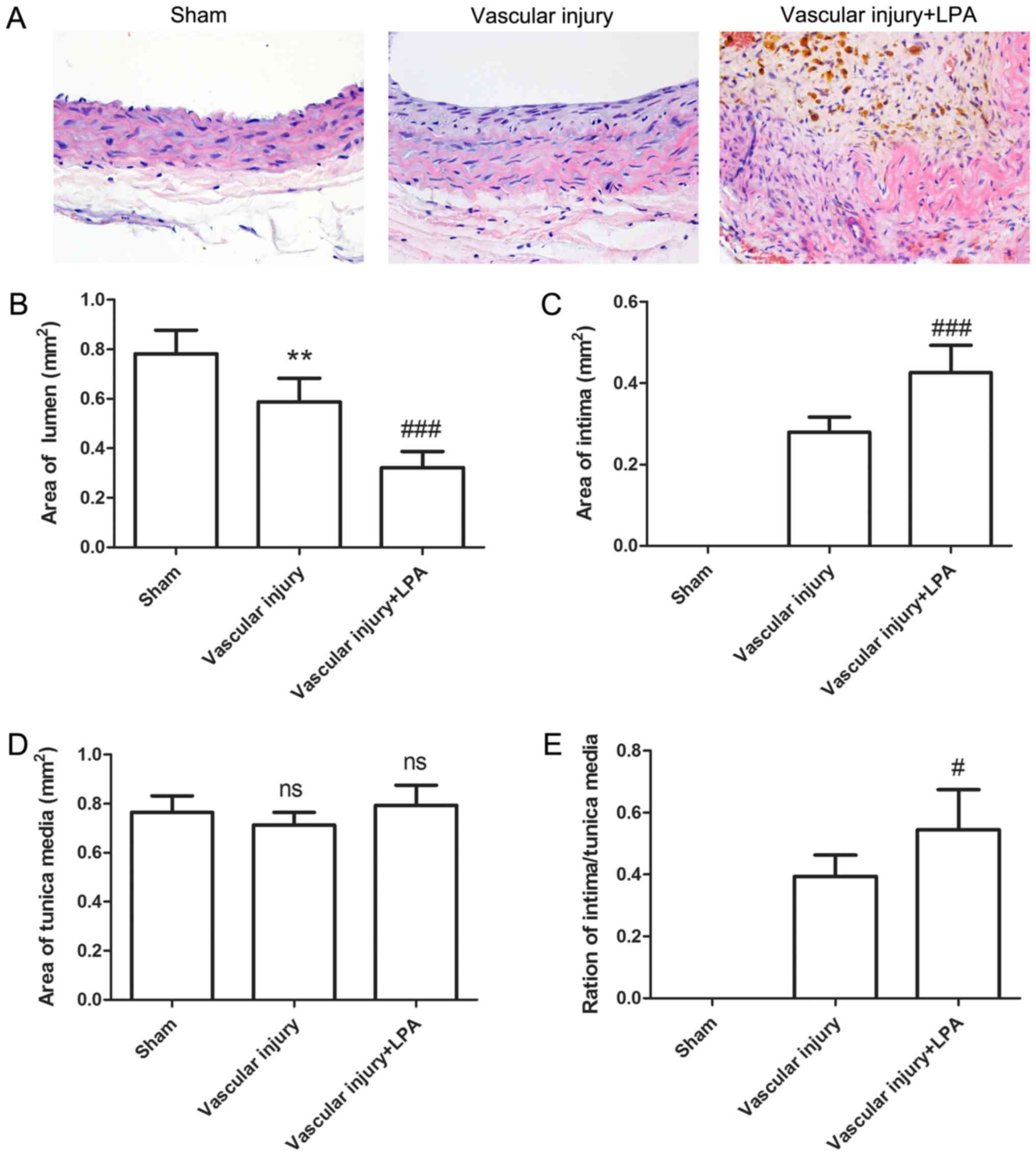
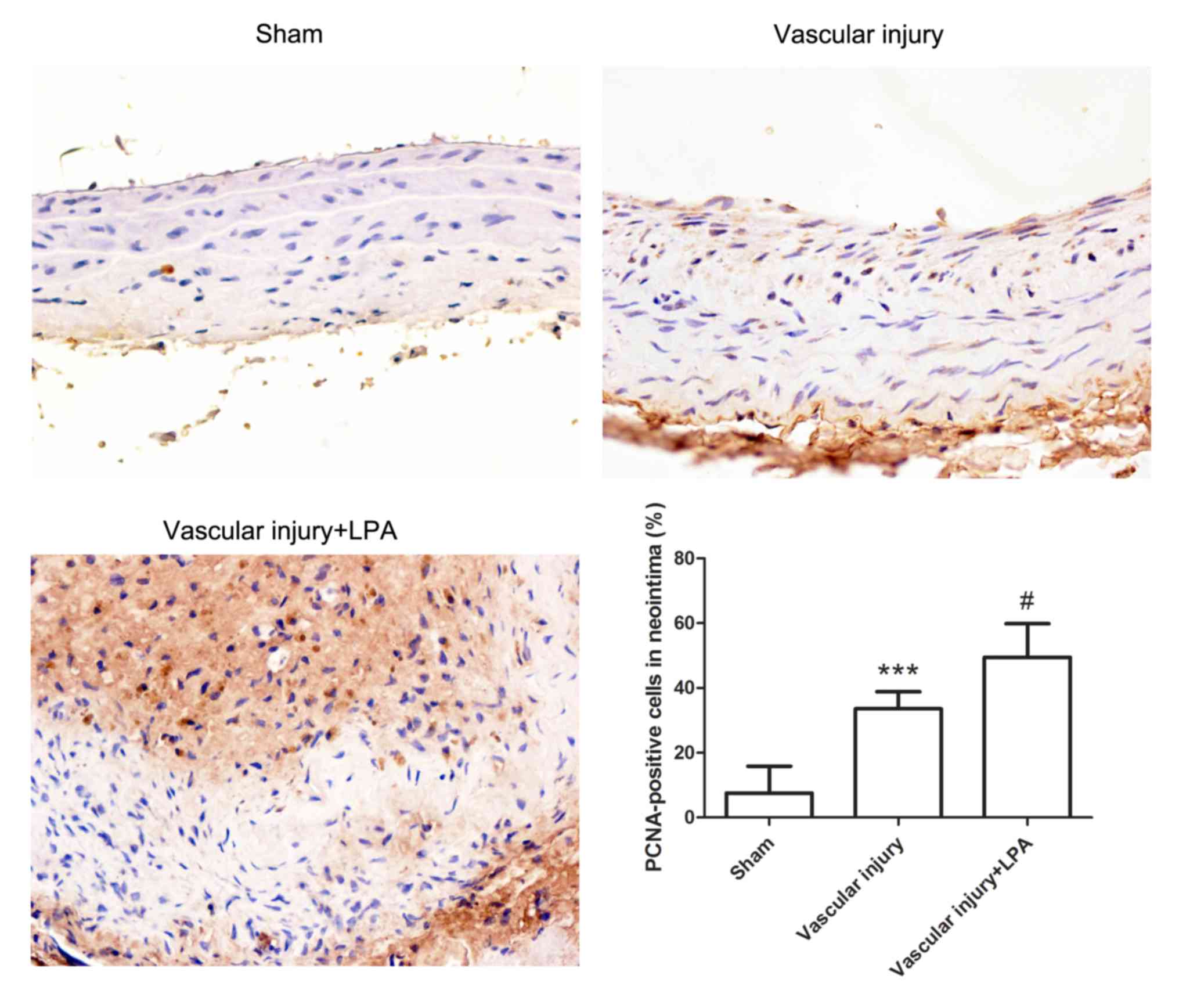
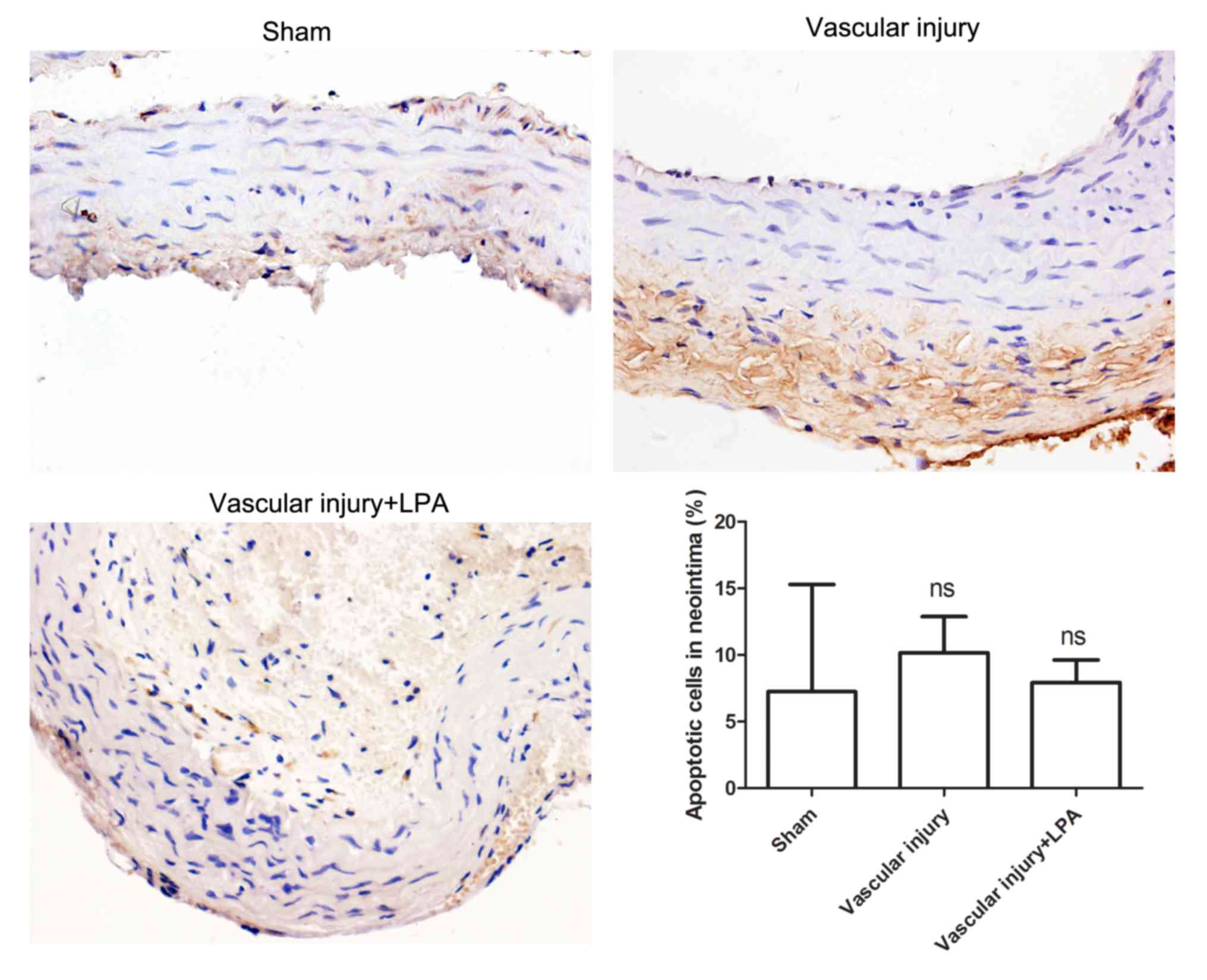
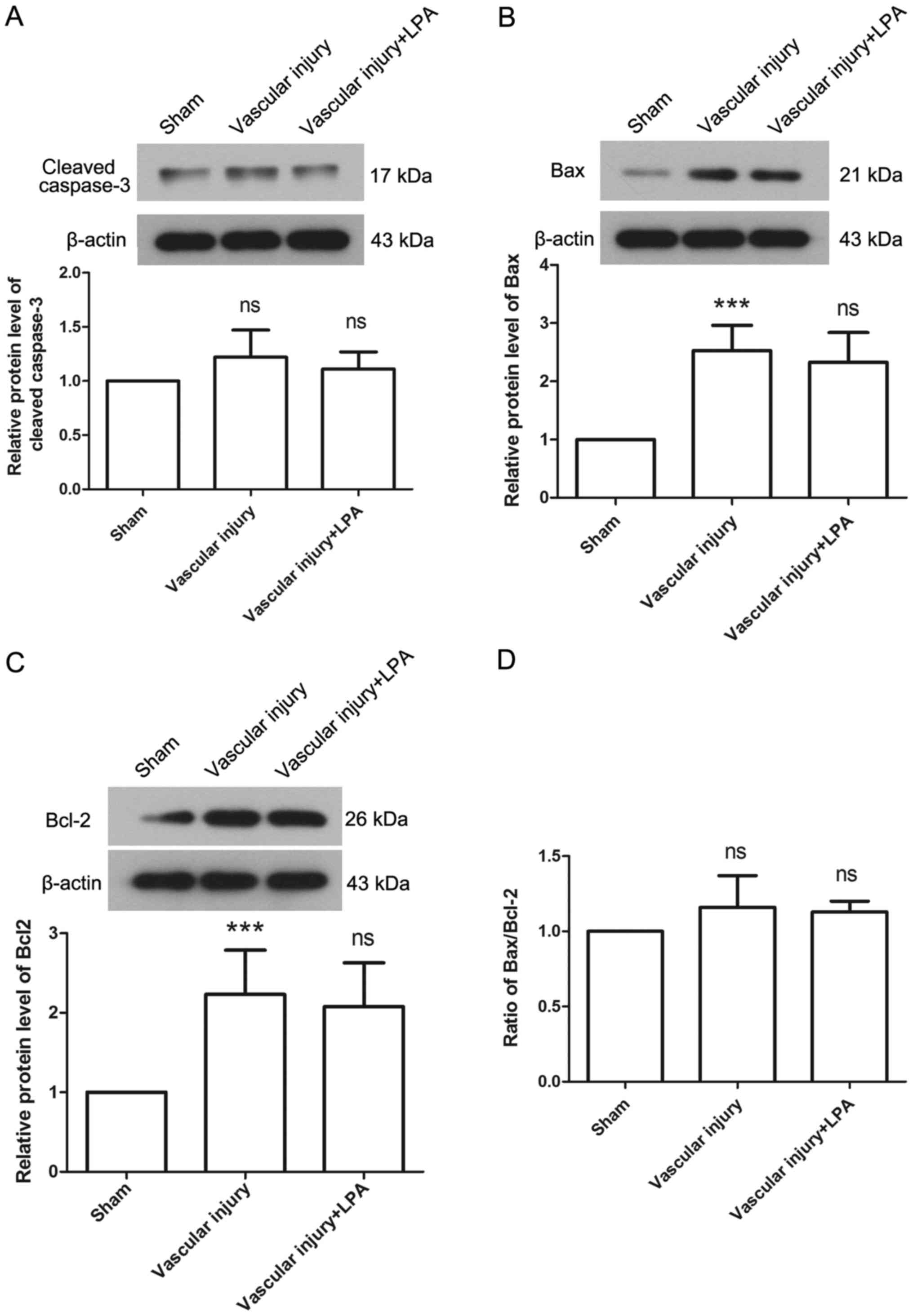
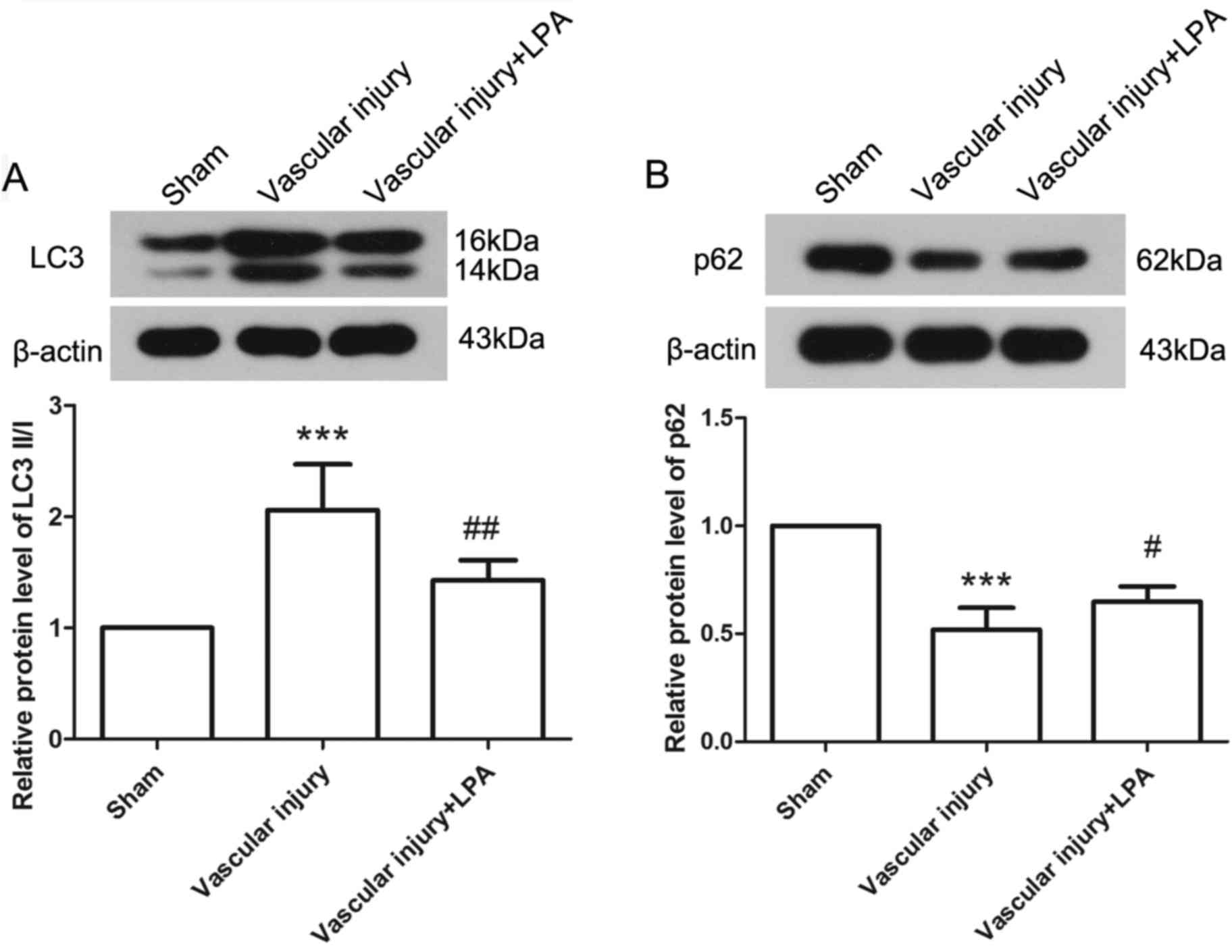
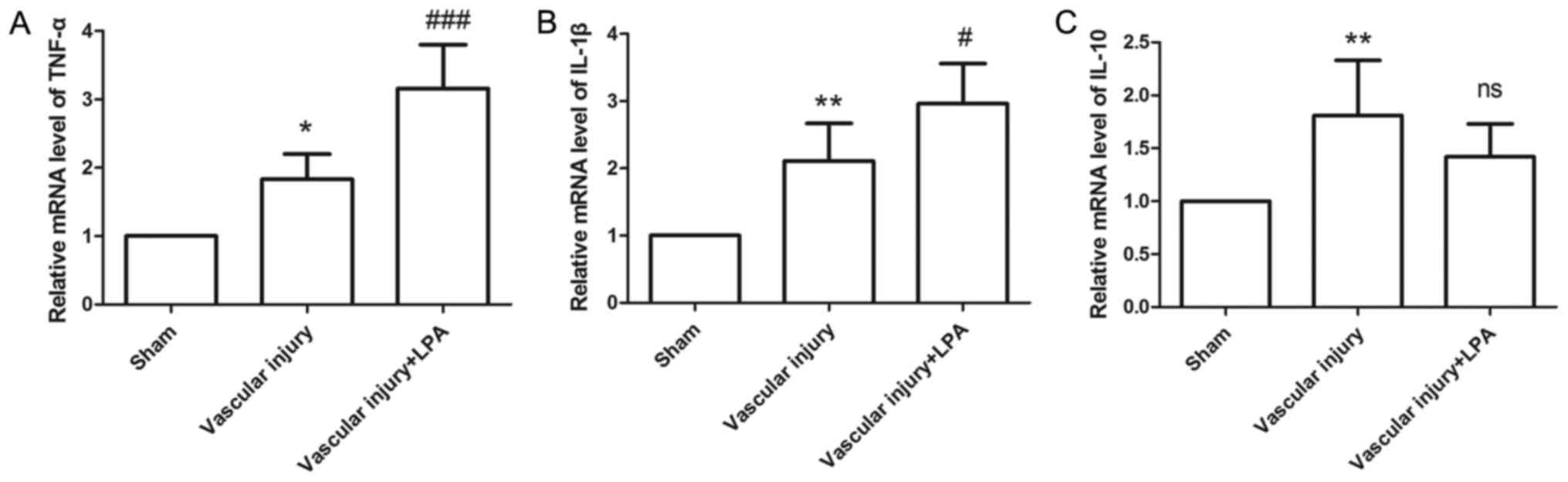
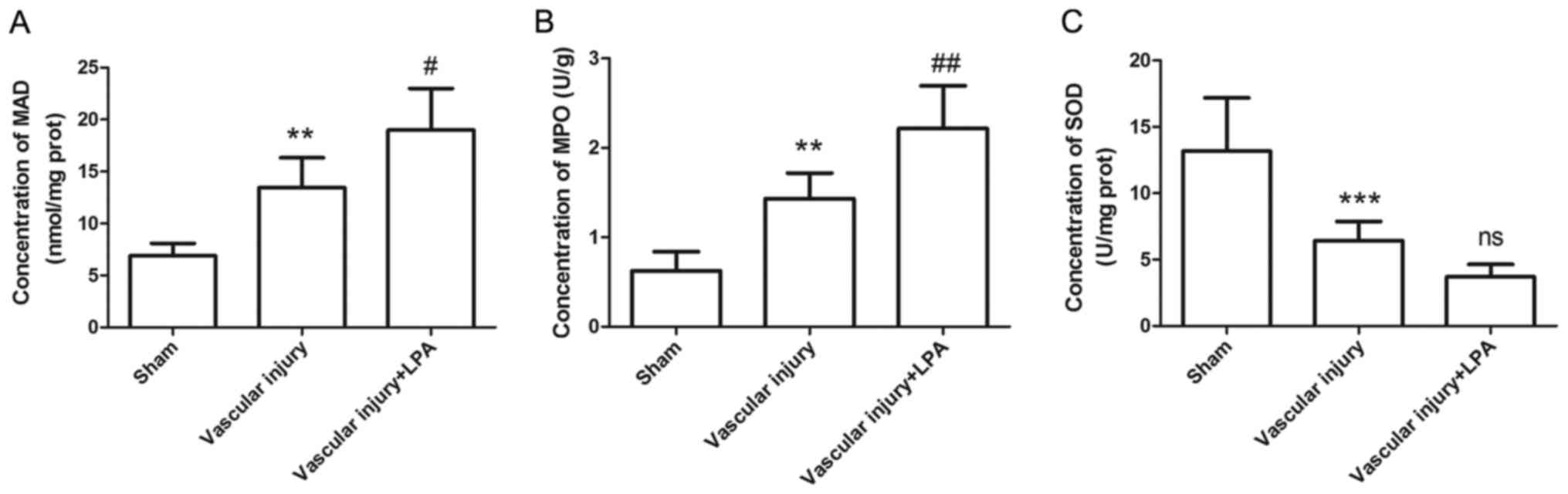
Lysophosphatidic acid (LPA), which is one of the intermediate products of membrane phospholipid metabolism, is a bioactive phospholipid that possesses diverse activities. In the present study, the effects of LPA on neointimal formation following vascular injury were investigated. A carotid artery balloon injury model was employed in the present study, and following vascular injury, rats received an intraperitoneal injection of 1 mg/kg LPA. Subsequently, histopathological alterations were assessed by hematoxylin and eosin staining, the expression levels of proliferating cell nuclear antigen (PCNA) were detected by immunohistochemistry, apoptosis was assessed via a terminal deoxynucleotidyl transferase‑mediated dUTP nick end labeling assay, and the expression levels of apoptosis‑associated and autophagy‑associated proteins were detected by western blotting. In addition, inflammatory and oxidative stress‑associated factors were assessed by reverse transcription‑quantitative polymerase chain reaction or corresponding kits. The results of the present study demonstrated that LPA enhanced vascular injury‑induced neointimal hyperplasia. LPA further elevated the expression levels of PCNA in the injured carotid artery tissues. LPA exhibited no effect on apoptosis in carotid artery tissues, whereas it modulated autophagy in the injured carotid artery tissues. Furthermore, LPA enhanced vascular injury‑induced inflammation and oxidative stress. The present study demonstrated that LPA may enhance neointimal hyperplasia following vascular injury by modulating proliferation, autophagy, inflammation and oxidative stress, but not apoptosis. Furthermore LPA may contribute to the pathology of atherosclerosis and may be considered a promising therapeutic target for the treatment of atherosclerosis.
View Figures

Figure 1

Figure 2

Figure 3

Figure 4

Figure 5

Figure 6

Figure 7

View References

1 

Weber C and Noels H: Atherosclerosis: Current pathogenesis and therapeutic options. Nat Med. 17:1410–1422. 2011. View Article : Google Scholar : PubMed/NCBI

2 

Schober A and Siess W: Lysophosphatidic acid in atherosclerotic diseases. Br J Pharmacol. 167:465–482. 2012. View Article : Google Scholar : PubMed/NCBI

3 

Zhang C, Baker DL, Yasuda S, Makarova N, Balazs L, Johnson LR, Marathe GK, McIntyre TM, Xu Y, Prestwich GD, et al: Lysophosphatidic acid induces neointima formation through PPARgamma activation. J Exp Med. 199:763–774. 2004. View Article : Google Scholar : PubMed/NCBI

4 

Clowes AW, Clowes MM, Fingerle J and Reidy MA: Regulation of smooth muscle cell growth in injured artery. J Cardiovasc Pharmacol. 14 Suppl 6:S12–S15. 1989. View Article : Google Scholar : PubMed/NCBI

5 

Fuster JJ, Fernandez P, Gonzalez-Navarro H, Silvestre C, Nabah YN and Andres V: Control of cell proliferation in atherosclerosis: Insights from animal models and human studies. Cardiovasc Res. 86:254–264. 2010. View Article : Google Scholar : PubMed/NCBI

6 

Lusis AJ: Atherosclerosis. Nature. 407:233–241. 2000. View Article : Google Scholar : PubMed/NCBI

7 

Sheng X, Yung YC, Chen A and Chun J: Lysophosphatidic acid signalling in development. Development. 142:1390–1395. 2015. View Article : Google Scholar : PubMed/NCBI

8 

Choi JW, Herr DR, Noguchi K, Yung YC, Lee CW, Mutoh T, Lin ME, Teo ST, Park KE, Mosley AN and Chun J: LPA receptors: Subtypes and biological actions. Annu Rev Pharmacol Toxicol. 50:157–186. 2010. View Article : Google Scholar : PubMed/NCBI

9 

Lin ME, Herr DR and Chun J: Lysophosphatidic acid (LPA) receptors: Signaling properties and disease relevance. Prostaglandins Other Lipid Mediat. 91:130–138. 2010. View Article : Google Scholar : PubMed/NCBI

10 

Smyth SS, Cheng HY, Miriyala S, Panchatcharam M and Morris AJ: Roles of lysophosphatidic acid in cardiovascular physiology and disease. Biochim Biophys Acta. 1781:563–570. 2008. View Article : Google Scholar : PubMed/NCBI

11 

Siess W and Tigyi G: Thrombogenic and atherogenic activities of lysophosphatidic acid. J Cell Biochem. 92:1086–1094. 2004. View Article : Google Scholar : PubMed/NCBI

12 

Yoshida K, Nishida W, Hayashi K, Ohkawa Y, Ogawa A, Aoki J, Arai H and Sobue K: Vascular remodeling induced by naturally occurring unsaturated lysophosphatidic acid in vivo. Circulation. 108:1746–1752. 2003. View Article : Google Scholar : PubMed/NCBI

13 

Subramanian P, Karshovska E, Reinhard P, Megens RT, Zhou Z, Akhtar S, Schumann U, Li X, van Zandvoort M, Ludin C, et al: Lysophosphatidic acid receptors LPA1 and LPA3 promote CXCL12-mediated smooth muscle progenitor cell recruitment in neointima formation. Circ Res. 107:96–105. 2010. View Article : Google Scholar : PubMed/NCBI

14 

Kritikou E, van Puijvelde GH, van der Heijden T, van Santbrink PJ, Swart M, Schaftenaar FH, Kröner MJ, Kuiper J and Bot I: Inhibition of lysophosphatidic acid receptors 1 and 3 attenuates atherosclerosis development in LDL-receptor deficient mice. Sci Rep. 6:375852016. View Article : Google Scholar : PubMed/NCBI

15 

Research NRCUIfLA, . Guide for the care and use of laboratory animals. Washington (DC): National Academies Press (US); 1996

16 

Livak KJ and Schmittgen TD: Analysis of relative gene expression data using real-time quantitative PCR and the 2(-Delta Delta C(T)) method. Methods. 25:402–408. 2001. View Article : Google Scholar : PubMed/NCBI

17 

Yu H, Clarke MC, Figg N, Littlewood TD and Bennett MR: Smooth muscle cell apoptosis promotes vessel remodeling and repair via activation of cell migration, proliferation and collagen synthesis. Arterioscler Thromb Vasc Biol. 31:2402–2409. 2011. View Article : Google Scholar : PubMed/NCBI

18 

Bot M, Bot I, Lopez-Vales R, van de Lest CH, Saulnier-Blache JS, Helms JB, David S, van Berkel TJ and Biessen EA: Atherosclerotic lesion progression changes lysophosphatidic acid homeostasis to favor its accumulation. Am J Pathol. 176:3073–3084. 2010. View Article : Google Scholar : PubMed/NCBI

19 

Rother E, Brandl R, Baker DL, Goyal P, Gebhard H, Tigyi G and Siess W: Subtype-selective antagonists of lysophosphatidic Acid receptors inhibit platelet activation triggered by the lipid core of atherosclerotic plaques. Circulation. 108:741–747. 2003. View Article : Google Scholar : PubMed/NCBI

20 

Sweat RS, Azimi MS, Suarez-Martinez AD, Katakam P and Murfee WL: Lysophosphatidic acid does not cause blood/lymphatic vessel plasticity in the rat mesentery culture model. Physiol Rep. 4:e128572016. View Article : Google Scholar : PubMed/NCBI

21 

Rivera-Lopez CM, Tucker AL and Lynch KR: Lysophosphatidic acid (LPA) and angiogenesis. Angiogenesis. 11:301–310. 2008. View Article : Google Scholar : PubMed/NCBI

22 

Kim J, Keys JR and Eckhart AD: Vascular smooth muscle migration and proliferation in response to lysophosphatidic acid (LPA) is mediated by LPA receptors coupling to Gq. Cell Signal. 18:1695–1701. 2006. View Article : Google Scholar : PubMed/NCBI

23 

Xu YJ, Rathi SS, Chapman DC, Arneja AS and Dhalla NS: Mechanisms of lysophosphatidic acid-induced DNA synthesis in vascular smooth muscle cells. J Cardiovasc Pharmacol. 41:381–387. 2003. View Article : Google Scholar : PubMed/NCBI

24 

Chappell J, Harman JL, Narasimhan VM, Yu H, Foote K, Simons BD, Bennett MR and Jørgensen HF: Extensive proliferation of a subset of differentiated, yet plastic, medial vascular smooth muscle cells contributes to neointimal formation in mouse injury and atherosclerosis models. Circ Res. 119:1313–1323. 2016. View Article : Google Scholar : PubMed/NCBI

25 

Komachi M, Damirin A, Malchinkhuu E, Mogi C, Tobo M, Ohta H, Sato K, Tomura H and Okajima F: Signaling pathways involved in DNA synthesis and migration in response to lysophosphatidic acid and low-density lipoprotein in coronary artery smooth muscle cells. Vascul Pharmacol. 50:178–184. 2009. View Article : Google Scholar : PubMed/NCBI

26 

Teo ST, Yung YC, Herr DR and Chun J: Lysophosphatidic acid in vascular development and disease. IUBMB Life. 61:791–799. 2009. View Article : Google Scholar : PubMed/NCBI

27 

Lee H, Goetzl EJ and An S: Lysophosphatidic acid and sphingosine 1-phosphate stimulate endothelial cell wound healing. Am J Physiol Cell Physiol. 278:C612–C618. 2000. View Article : Google Scholar : PubMed/NCBI

28 

Lee H, Lin CI, Liao JJ, Lee YW, Yang HY, Lee CY, Hsu HY and Wu HL: Lysophospholipids increase ICAM-1 expression in HUVEC through a Gi- and NF-kappaB-dependent mechanism. Am J Physiol Cell Physiol. 287:C1657–C1666. 2004. View Article : Google Scholar : PubMed/NCBI

29 

Lin CI, Chen CN, Chen JH and Lee H: Lysophospholipids increase IL-8 and MCP-1 expressions in human umbilical cord vein endothelial cells through an IL-1-dependent mechanism. J Cell Biochem. 99:1216–1232. 2006. View Article : Google Scholar : PubMed/NCBI

30 

Pilquil C, Dewald J, Cherney A, Gorshkova I, Tigyi G, English D, Natarajan V and Brindley DN: Lipid phosphate phosphatase-1 regulates lysophosphatidate-induced fibroblast migration by controlling phospholipase D2-dependent phosphatidate generation. J Biol Chem. 281:38418–38429. 2006. View Article : Google Scholar : PubMed/NCBI

31 

Sartore S, Chiavegato A, Faggin E, Franch R, Puato M, Ausoni S and Pauletto P: Contribution of adventitial fibroblasts to neointima formation and vascular remodeling: From innocent bystander to active participant. Circ Res. 89:1111–1121. 2001. View Article : Google Scholar : PubMed/NCBI

32 

Leve F, Peres-Moreira RJ, Binato R, Abdelhay E and Morgado-Diaz JA: LPA induces colon cancer cell proliferation through a cooperation between the ROCK and STAT-3 pathways. PLoS One. 10:e01390942015. View Article : Google Scholar : PubMed/NCBI

33 

Dong Y, Wu Y, Cui MZ and Xu X: Lysophosphatidic acid triggers apoptosis in HeLa cells through the upregulation of tumor necrosis factor receptor superfamily member 21. Mediators Inflamm. 2017:27547562017. View Article : Google Scholar : PubMed/NCBI

34 

Sui Y, Yang Y, Wang J, Li Y, Ma H, Cai H, Liu X, Zhang Y, Wang S, Li Z, et al: Lysophosphatidic acid inhibits apoptosis induced by cisplatin in cervical cancer cells. Biomed Res Int. 2015:5983862015. View Article : Google Scholar : PubMed/NCBI

35 

Funke M, Zhao Z, Xu Y, Chun J and Tager AM: The lysophosphatidic acid receptor LPA1 promotes epithelial cell apoptosis after lung injury. Am J Respir Cell Mol Biol. 46:355–364. 2012. View Article : Google Scholar : PubMed/NCBI

36 

Koh JS, Lieberthal W, Heydrick S and Levine JS: Lysophosphatidic acid is a major serum noncytokine survival factor for murine macrophages which acts via the phosphatidylinositol 3-kinase signaling pathway. J Clin Invest. 102:716–727. 1998. View Article : Google Scholar : PubMed/NCBI

37 

Rajawat YS and Bossis I: Autophagy in aging and in neurodegenerative disorders. Hormones (Athens). 7:46–61. 2008. View Article : Google Scholar : PubMed/NCBI

38 

Ouimet M, Ediriweera H, Afonso MS, Ramkhelawon B, Singaravelu R, Liao X, Bandler RC, Rahman K, Fisher EA, Rayner KJ, et al: microRNA-33 regulates macrophage autophagy in atherosclerosis. Arterioscler Thromb Vasc Biol. 37:1058–1067. 2017. View Article : Google Scholar : PubMed/NCBI

39 

Perrotta I and Aquila S: The role of oxidative stress and autophagy in atherosclerosis. Oxid Med Cell Longev. 2015:1303152015. View Article : Google Scholar : PubMed/NCBI

40 

Ye LX, Yu J, Liang YX, Zeng JS, Huang RX and Liao SJ: Beclin 1 knockdown retards re-endothelialization and exacerbates neointimal formation via a crosstalk between autophagy and apoptosis. Atherosclerosis. 237:146–154. 2014. View Article : Google Scholar : PubMed/NCBI

41 

Grootaert MO, da Costa Martins PA, Bitsch N, Pintelon I, De Meyer GR, Martinet W and Schrijvers DM: Defective autophagy in vascular smooth muscle cells accelerates senescence and promotes neointima formation and atherogenesis. Autophagy. 11:2014–2032. 2015. View Article : Google Scholar : PubMed/NCBI

42 

Kirii H, Niwa T, Yamada Y, Wada H, Saito K, Iwakura Y, Asano M, Moriwaki H and Seishima M: Lack of interleukin-1beta decreases the severity of atherosclerosis in ApoE-deficient mice. Arterioscler Thromb Vasc Biol. 23:656–660. 2003. View Article : Google Scholar : PubMed/NCBI

43 

Chang CL, Lin ME, Hsu HY, Yao CL, Hwang SM, Pan CY, Hsu CY and Lee H: Lysophosphatidic acid-induced interleukin-1 beta expression is mediated through Gi/Rho and the generation of reactive oxygen species in macrophages. J Biomed Sci. 15:357–363. 2008. View Article : Google Scholar : PubMed/NCBI

44 

Zhang D, Zhang Y, Zhao C, Zhang W, Shao G and Zhang H: Effect of lysophosphatidic acid on the immune inflammatory response and the connexin 43 protein in myocardial infarction. Exp Ther Med. 11:1617–1624. 2016. View Article : Google Scholar : PubMed/NCBI

45 

Oslund Pinderski LJ, Hedrick CC, Olvera T, Hagenbaugh A, Territo M, Berliner JA and Fyfe AI: Interleukin-10 blocks atherosclerotic events in vitro and in vivo. Arterioscler Thromb Vasc Biol. 19:2847–2853. 1999. View Article : Google Scholar : PubMed/NCBI

46 

Pinderski LJ, Fischbein MP, Subbanagounder G, Fishbein MC, Kubo N, Cheroutre H, Curtiss LK, Berliner JA and Boisvert WA: Overexpression of interleukin-10 by activated T lymphocytes inhibits atherosclerosis in LDL receptor-deficient Mice by altering lymphocyte and macrophage phenotypes. Circ Res. 90:1064–1071. 2002. View Article : Google Scholar : PubMed/NCBI

47 

Mallat Z, Besnard S, Duriez M, Deleuze V, Emmanuel F, Bureau MF, Soubrier F, Esposito B, Duez H, Fievet C, et al: Protective role of interleukin-10 in atherosclerosis. Circ Res. 85:e17–e24. 1999. View Article : Google Scholar : PubMed/NCBI

48 

Mallat Z, Heymes C, Ohan J, Faggin E, Leseche G and Tedgui A: Expression of interleukin-10 in advanced human atherosclerotic plaques: Relation to inducible nitric oxide synthase expression and cell death. Arterioscler Thromb Vasc Biol. 19:611–616. 1999. View Article : Google Scholar : PubMed/NCBI

49 

Nishihira K, Imamura T, Yamashita A, Hatakeyama K, Shibata Y, Nagatomo Y, Date H, Kita T, Eto T and Asada Y: Increased expression of interleukin-10 in unstable plaque obtained by directional coronary atherectomy. Eur Heart J. 27:1685–1689. 2006. View Article : Google Scholar : PubMed/NCBI

50 

Zhou Z, Subramanian P, Sevilmis G, Globke B, Soehnlein O, Karshovska E, Megens R, Heyll K, Chun J, Saulnier-Blache JS, et al: Lipoprotein-derived lysophosphatidic acid promotes atherosclerosis by releasing CXCL1 from the endothelium. Cell Metab. 13:592–600. 2011. View Article : Google Scholar : PubMed/NCBI

51 

Gustin C, Van Steenbrugge M and Raes M: LPA modulates monocyte migration directly and via LPA-stimulated endothelial cells. Am J Physiol Cell Physiol. 295:C905–C914. 2008. View Article : Google Scholar : PubMed/NCBI

52 

Bot M, de Jager SC, MacAleese L, Lagraauw HM, van Berkel TJ, Quax PH, Kuiper J, Heeren RM, Biessen EA and Bot I: Lysophosphatidic acid triggers mast cell-driven atherosclerotic plaque destabilization by increasing vascular inflammation. J Lipid Res. 54:1265–1274. 2013. View Article : Google Scholar : PubMed/NCBI

53 

Sparrow CP and Olszewski J: Cellular oxidative modification of low density lipoprotein does not require lipoxygenases. Proc Natl Acad Sci USA. 89:128–131. 1992. View Article : Google Scholar : PubMed/NCBI

54 

Brault S, Gobeil F Jr, Fortier A, Honore JC, Joyal JS, Sapieha PS, Kooli A, Martin E, Hardy P, Ribeiro-da-Silva A, et al: Lysophosphatidic acid induces endothelial cell death by modulating the redox environment. Am J Physiol Regul Integr Comp Physiol. 292:R1174–R1183. 2007. View Article : Google Scholar : PubMed/NCBI

Related Articles

  • Abstract
  • View
  • Download
  • Twitter
Copy and paste a formatted citation
Spandidos Publications style
Shen X, Zou J, Li F, Zhang T and Guo T: Lysophosphatidic acid enhances neointimal hyperplasia following vascular injury through modulating proliferation, autophagy, inflammation and oxidative stress. Mol Med Rep 18: 87-96, 2018.
APA
Shen, X., Zou, J., Li, F., Zhang, T., & Guo, T. (2018). Lysophosphatidic acid enhances neointimal hyperplasia following vascular injury through modulating proliferation, autophagy, inflammation and oxidative stress. Molecular Medicine Reports, 18, 87-96. https://doi.org/10.3892/mmr.2018.8937
MLA
Shen, X., Zou, J., Li, F., Zhang, T., Guo, T."Lysophosphatidic acid enhances neointimal hyperplasia following vascular injury through modulating proliferation, autophagy, inflammation and oxidative stress". Molecular Medicine Reports 18.1 (2018): 87-96.
Chicago
Shen, X., Zou, J., Li, F., Zhang, T., Guo, T."Lysophosphatidic acid enhances neointimal hyperplasia following vascular injury through modulating proliferation, autophagy, inflammation and oxidative stress". Molecular Medicine Reports 18, no. 1 (2018): 87-96. https://doi.org/10.3892/mmr.2018.8937
Copy and paste a formatted citation
x
Spandidos Publications style
Shen X, Zou J, Li F, Zhang T and Guo T: Lysophosphatidic acid enhances neointimal hyperplasia following vascular injury through modulating proliferation, autophagy, inflammation and oxidative stress. Mol Med Rep 18: 87-96, 2018.
APA
Shen, X., Zou, J., Li, F., Zhang, T., & Guo, T. (2018). Lysophosphatidic acid enhances neointimal hyperplasia following vascular injury through modulating proliferation, autophagy, inflammation and oxidative stress. Molecular Medicine Reports, 18, 87-96. https://doi.org/10.3892/mmr.2018.8937
MLA
Shen, X., Zou, J., Li, F., Zhang, T., Guo, T."Lysophosphatidic acid enhances neointimal hyperplasia following vascular injury through modulating proliferation, autophagy, inflammation and oxidative stress". Molecular Medicine Reports 18.1 (2018): 87-96.
Chicago
Shen, X., Zou, J., Li, F., Zhang, T., Guo, T."Lysophosphatidic acid enhances neointimal hyperplasia following vascular injury through modulating proliferation, autophagy, inflammation and oxidative stress". Molecular Medicine Reports 18, no. 1 (2018): 87-96. https://doi.org/10.3892/mmr.2018.8937
Follow us
  • Twitter
  • LinkedIn
  • Facebook
About
  • Spandidos Publications
  • Careers
  • Cookie Policy
  • Privacy Policy
How can we help?
  • Help
  • Live Chat
  • Contact
  • Email to our Support Team