Spandidos Publications Logo
  • About
    • About Spandidos
    • Aims and Scopes
    • Abstracting and Indexing
    • Editorial Policies
    • Reprints and Permissions
    • Job Opportunities
    • Terms and Conditions
    • Contact
  • Journals
    • All Journals
    • Oncology Letters
      • Oncology Letters
      • Information for Authors
      • Editorial Policies
      • Editorial Board
      • Aims and Scope
      • Abstracting and Indexing
      • Bibliographic Information
      • Archive
    • International Journal of Oncology
      • International Journal of Oncology
      • Information for Authors
      • Editorial Policies
      • Editorial Board
      • Aims and Scope
      • Abstracting and Indexing
      • Bibliographic Information
      • Archive
    • Molecular and Clinical Oncology
      • Molecular and Clinical Oncology
      • Information for Authors
      • Editorial Policies
      • Editorial Board
      • Aims and Scope
      • Abstracting and Indexing
      • Bibliographic Information
      • Archive
    • Experimental and Therapeutic Medicine
      • Experimental and Therapeutic Medicine
      • Information for Authors
      • Editorial Policies
      • Editorial Board
      • Aims and Scope
      • Abstracting and Indexing
      • Bibliographic Information
      • Archive
    • International Journal of Molecular Medicine
      • International Journal of Molecular Medicine
      • Information for Authors
      • Editorial Policies
      • Editorial Board
      • Aims and Scope
      • Abstracting and Indexing
      • Bibliographic Information
      • Archive
    • Biomedical Reports
      • Biomedical Reports
      • Information for Authors
      • Editorial Policies
      • Editorial Board
      • Aims and Scope
      • Abstracting and Indexing
      • Bibliographic Information
      • Archive
    • Oncology Reports
      • Oncology Reports
      • Information for Authors
      • Editorial Policies
      • Editorial Board
      • Aims and Scope
      • Abstracting and Indexing
      • Bibliographic Information
      • Archive
    • Molecular Medicine Reports
      • Molecular Medicine Reports
      • Information for Authors
      • Editorial Policies
      • Editorial Board
      • Aims and Scope
      • Abstracting and Indexing
      • Bibliographic Information
      • Archive
    • World Academy of Sciences Journal
      • World Academy of Sciences Journal
      • Information for Authors
      • Editorial Policies
      • Editorial Board
      • Aims and Scope
      • Abstracting and Indexing
      • Bibliographic Information
      • Archive
    • International Journal of Functional Nutrition
      • International Journal of Functional Nutrition
      • Information for Authors
      • Editorial Policies
      • Editorial Board
      • Aims and Scope
      • Abstracting and Indexing
      • Bibliographic Information
      • Archive
    • International Journal of Epigenetics
      • International Journal of Epigenetics
      • Information for Authors
      • Editorial Policies
      • Editorial Board
      • Aims and Scope
      • Abstracting and Indexing
      • Bibliographic Information
      • Archive
    • Medicine International
      • Medicine International
      • Information for Authors
      • Editorial Policies
      • Editorial Board
      • Aims and Scope
      • Abstracting and Indexing
      • Bibliographic Information
      • Archive
  • Articles
  • Information
    • Information for Authors
    • Information for Reviewers
    • Information for Librarians
    • Information for Advertisers
    • Conferences
  • Language Editing
Spandidos Publications Logo
  • About
    • About Spandidos
    • Aims and Scopes
    • Abstracting and Indexing
    • Editorial Policies
    • Reprints and Permissions
    • Job Opportunities
    • Terms and Conditions
    • Contact
  • Journals
    • All Journals
    • Biomedical Reports
      • Information for Authors
      • Editorial Policies
      • Editorial Board
      • Aims and Scope
      • Abstracting and Indexing
      • Bibliographic Information
      • Archive
    • Experimental and Therapeutic Medicine
      • Information for Authors
      • Editorial Policies
      • Editorial Board
      • Aims and Scope
      • Abstracting and Indexing
      • Bibliographic Information
      • Archive
    • International Journal of Epigenetics
      • Information for Authors
      • Editorial Policies
      • Editorial Board
      • Aims and Scope
      • Abstracting and Indexing
      • Bibliographic Information
      • Archive
    • International Journal of Functional Nutrition
      • Information for Authors
      • Editorial Policies
      • Editorial Board
      • Aims and Scope
      • Abstracting and Indexing
      • Bibliographic Information
      • Archive
    • International Journal of Molecular Medicine
      • Information for Authors
      • Editorial Policies
      • Editorial Board
      • Aims and Scope
      • Abstracting and Indexing
      • Bibliographic Information
      • Archive
    • International Journal of Oncology
      • Information for Authors
      • Editorial Policies
      • Editorial Board
      • Aims and Scope
      • Abstracting and Indexing
      • Bibliographic Information
      • Archive
    • Medicine International
      • Information for Authors
      • Editorial Policies
      • Editorial Board
      • Aims and Scope
      • Abstracting and Indexing
      • Bibliographic Information
      • Archive
    • Molecular and Clinical Oncology
      • Information for Authors
      • Editorial Policies
      • Editorial Board
      • Aims and Scope
      • Abstracting and Indexing
      • Bibliographic Information
      • Archive
    • Molecular Medicine Reports
      • Information for Authors
      • Editorial Policies
      • Editorial Board
      • Aims and Scope
      • Abstracting and Indexing
      • Bibliographic Information
      • Archive
    • Oncology Letters
      • Information for Authors
      • Editorial Policies
      • Editorial Board
      • Aims and Scope
      • Abstracting and Indexing
      • Bibliographic Information
      • Archive
    • Oncology Reports
      • Information for Authors
      • Editorial Policies
      • Editorial Board
      • Aims and Scope
      • Abstracting and Indexing
      • Bibliographic Information
      • Archive
    • World Academy of Sciences Journal
      • Information for Authors
      • Editorial Policies
      • Editorial Board
      • Aims and Scope
      • Abstracting and Indexing
      • Bibliographic Information
      • Archive
  • Articles
  • Information
    • For Authors
    • For Reviewers
    • For Librarians
    • For Advertisers
    • Conferences
  • Language Editing
Login Register Submit
  • This site uses cookies
  • You can change your cookie settings at any time by following the instructions in our Cookie Policy. To find out more, you may read our Privacy Policy.

    I agree
Search articles by DOI, keyword, author or affiliation
Search
Advanced Search
presentation
Molecular Medicine Reports
Join Editorial Board Propose a Special Issue
Print ISSN: 1791-2997 Online ISSN: 1791-3004
Journal Cover
July-2018 Volume 18 Issue 1

Full Size Image

Sign up for eToc alerts
Recommend to Library

Journals

International Journal of Molecular Medicine

International Journal of Molecular Medicine

International Journal of Molecular Medicine is an international journal devoted to molecular mechanisms of human disease.

International Journal of Oncology

International Journal of Oncology

International Journal of Oncology is an international journal devoted to oncology research and cancer treatment.

Molecular Medicine Reports

Molecular Medicine Reports

Covers molecular medicine topics such as pharmacology, pathology, genetics, neuroscience, infectious diseases, molecular cardiology, and molecular surgery.

Oncology Reports

Oncology Reports

Oncology Reports is an international journal devoted to fundamental and applied research in Oncology.

Experimental and Therapeutic Medicine

Experimental and Therapeutic Medicine

Experimental and Therapeutic Medicine is an international journal devoted to laboratory and clinical medicine.

Oncology Letters

Oncology Letters

Oncology Letters is an international journal devoted to Experimental and Clinical Oncology.

Biomedical Reports

Biomedical Reports

Explores a wide range of biological and medical fields, including pharmacology, genetics, microbiology, neuroscience, and molecular cardiology.

Molecular and Clinical Oncology

Molecular and Clinical Oncology

International journal addressing all aspects of oncology research, from tumorigenesis and oncogenes to chemotherapy and metastasis.

World Academy of Sciences Journal

World Academy of Sciences Journal

Multidisciplinary open-access journal spanning biochemistry, genetics, neuroscience, environmental health, and synthetic biology.

International Journal of Functional Nutrition

International Journal of Functional Nutrition

Open-access journal combining biochemistry, pharmacology, immunology, and genetics to advance health through functional nutrition.

International Journal of Epigenetics

International Journal of Epigenetics

Publishes open-access research on using epigenetics to advance understanding and treatment of human disease.

Medicine International

Medicine International

An International Open Access Journal Devoted to General Medicine.

Journal Cover
July-2018 Volume 18 Issue 1

Full Size Image

Sign up for eToc alerts
Recommend to Library

  • Article
  • Citations
    • Cite This Article
    • Download Citation
    • Create Citation Alert
    • Remove Citation Alert
    • Cited By
  • Similar Articles
    • Related Articles (in Spandidos Publications)
    • Similar Articles (Google Scholar)
    • Similar Articles (PubMed)
  • Download PDF
  • Download XML
  • View XML
Article Open Access

Matrine inhibits prostate cancer via activation of the unfolded protein response/endoplasmic reticulum stress signaling and reversal of epithelial to mesenchymal transition

  • Authors:
    • Junli Chang
    • Shaopu Hu
    • Wenyi Wang
    • Yimian Li
    • Wenlan Zhi
    • Sheng Lu
    • Qi Shi
    • Yongjun Wang
    • Yanping Yang
  • View Affiliations / Copyright

    Affiliations: Department Orthopedics and Traumatology, Longhua Hospital, Shanghai University of Traditional Chinese Medicine, Shanghai 200032, P.R. China
    Copyright: © Chang et al. This is an open access article distributed under the terms of Creative Commons Attribution License.
  • Pages: 945-957
    |
    Published online on: May 23, 2018
       https://doi.org/10.3892/mmr.2018.9061
  • Expand metrics +
Metrics: Total Views: 0 (Spandidos Publications: | PMC Statistics: )
Metrics: Total PDF Downloads: 0 (Spandidos Publications: | PMC Statistics: )
Cited By (CrossRef): 0 citations Loading Articles...

This article is mentioned in:


Abstract

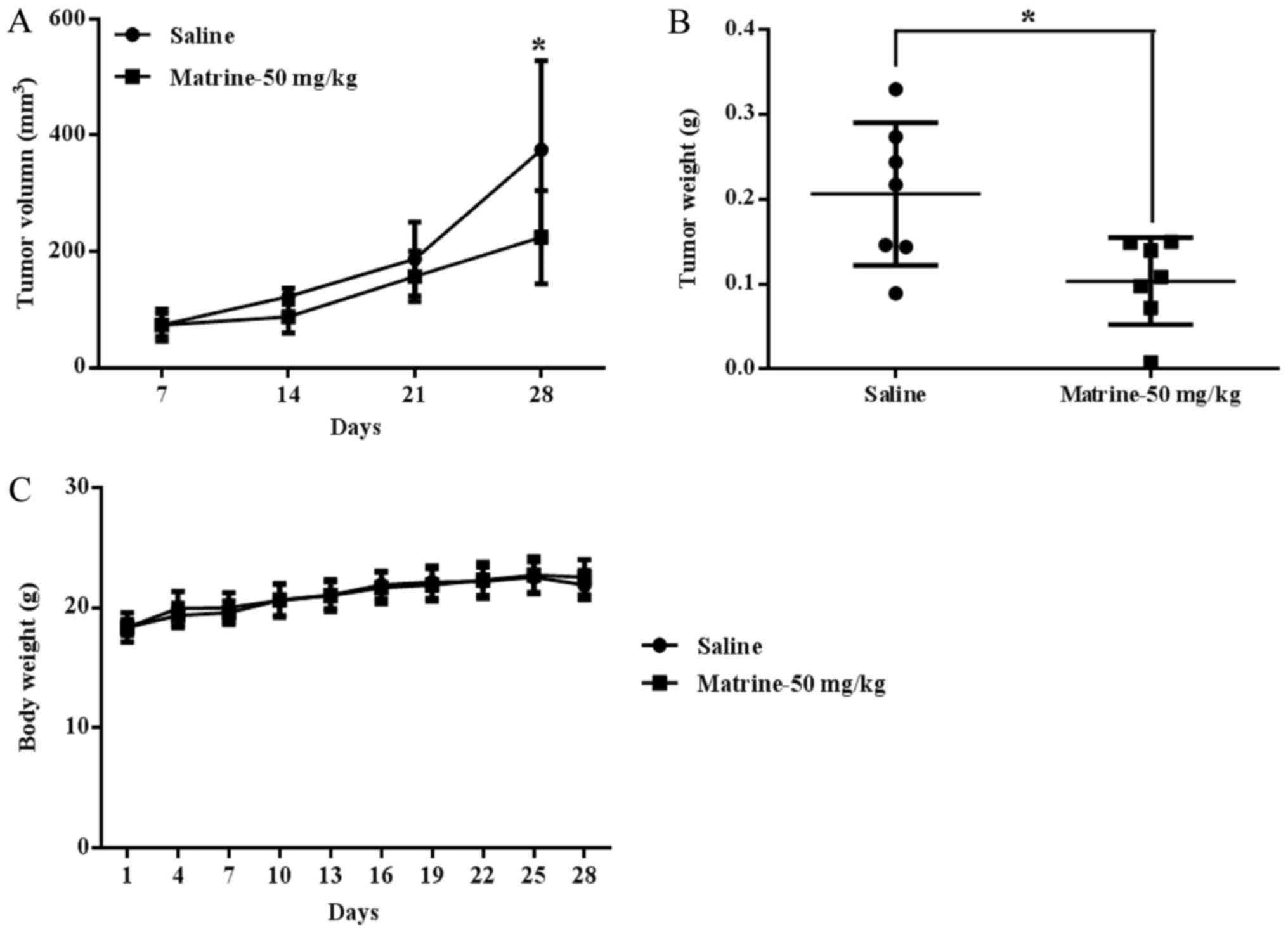
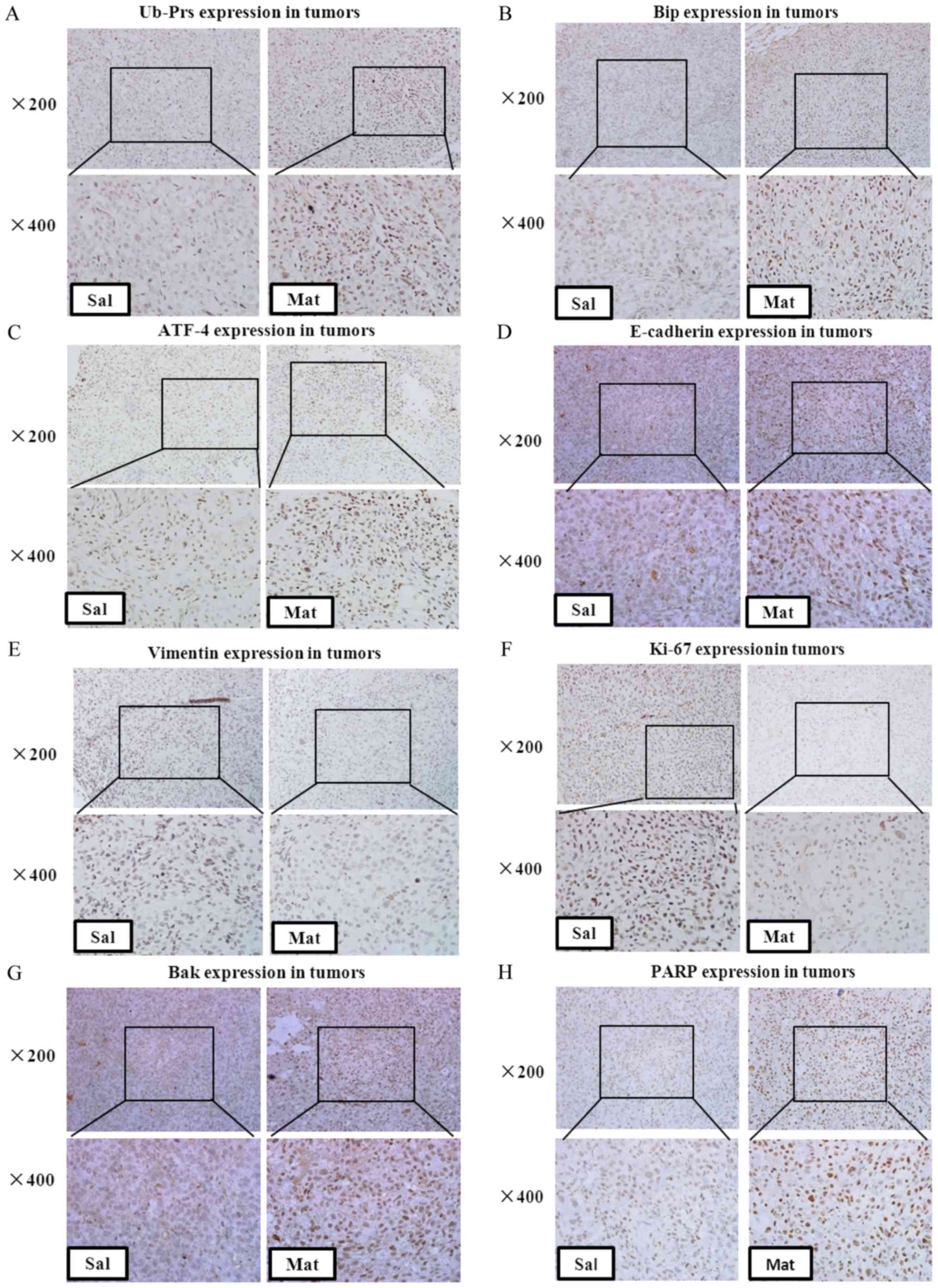
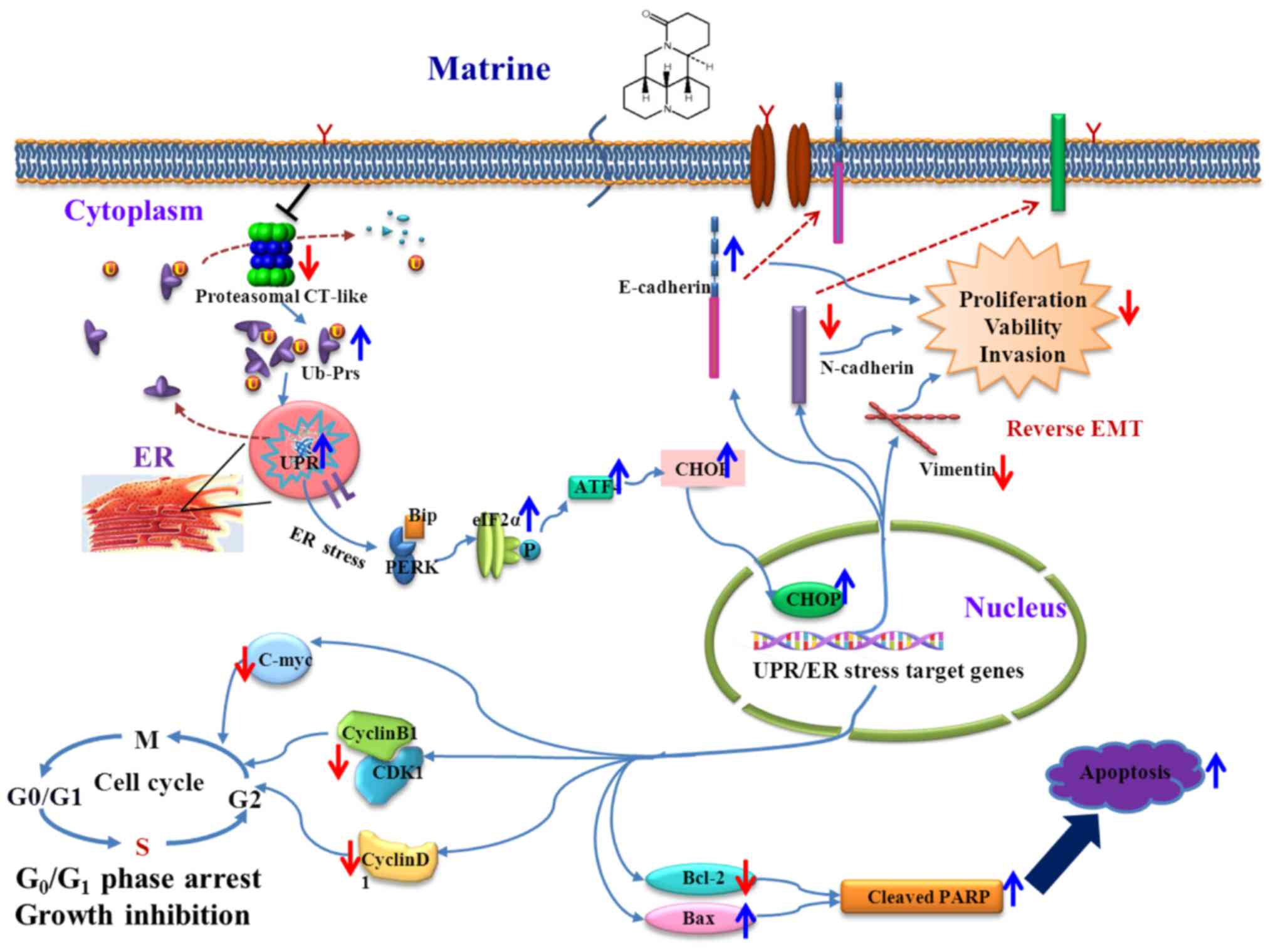
Prostate cancer is the second most commonly diagnosed malignancy and the sixth global primary cause of malignancy‑associated fatality. Increased invasiveness and motility in prostate cancer cells are associated with ubiquitin proteasome system‑regulated epithelial to mesenchymal transition (EMT). Impairment of the endoplasmic reticulum (ER) causes ER stress due to the accumulation of unfolded proteins and altered cell survival. In the current study, the effect and mechanism of matrine on cell apoptosis, viability, migration and invasion of human prostate cancer cells in vivo and in vitro through the unfolded protein response (UPR)/ER stress pathway were investigated. Matrine inhibited proteasomal chymotrypsin‑like (CT‑like) activity in the prostate carcinoma cellular proteasome. Upregulated vimentin and N‑cadherin and downregulated E‑cadherin were also observed in vitro and in vivo. In vitro analyses showed that matrine repressed cell motility, viability and invasion, arrested the cell cycle at the G0/G1 phase and induced prostate cancer cell apoptosis. Furthermore, matrine activated the UPR/ER stress signaling cascade in prostate cancer cells and tumor tissues of xenograft‑bearing nude mice. Results also demonstrated that the anti‑apoptotic protein Bcl‑2 was downregulated, the pro‑apoptotic protein Bak was upregulated and the cell growth and cell cycle‑related proteins c‑Myc, Cyclin B1, Cyclin D1 and CDK1 were downregulated. Moreover, matrine inhibited tumor growth and Ki‑67 expression in xenograft‑bearing nude mice. To the best of our knowledge, the present study indicated for the first time that matrine exerted marked anticancer functions in human prostate carcinoma in vivo and in vitro through activation of the proteasomal CT‑like activity inhibition mediated by the UPR/ER stress signaling pathway.
View Figures

Figure 1

Figure 2

Figure 3

Figure 4

Figure 5

Figure 6

Figure 7

View References

1 

Xu S, Zhou W, Ge J and Zhang Z: Prostaglandin E2 receptor EP4 is involved in the cell growth and invasion of prostate cancer via the cAMP-PKA/PI3K-Akt signaling pathway. Mol Med Rep. 17:4702–4712. 2018.PubMed/NCBI

2 

Zhu Y, Shao S, Pan H, Cheng Z and Rui X: MicroRNA-136 inhibits prostate cancer cell proliferation and invasion by directly targeting mitogen-activated protein kinase kinase 4. Mol Med Rep. 17:4803–4810. 2018.PubMed/NCBI

3 

Siegel R, Naishadham D and Jemal A: Cancer statistics, 2012. CA Cancer J Clin. 62:10–29. 2012. View Article : Google Scholar : PubMed/NCBI

4 

Xie D, Gore C, Liu J, Pong RC, Mason R, Hao G, Long M, Kabbani W, Yu L, Zhang H, et al: Role of DAB2IP in modulating epithelial-to-mesenchymal transition and prostate cancer metastasis. Proc Natl Acad Sci USA. 107:2485–2490. 2010. View Article : Google Scholar : PubMed/NCBI

5 

Chen X, Cheng H, Pan T, Liu Y, Su Y, Ren C, Huang D, Zha X and Liang C: mTOR regulate EMT through RhoA and Rac1 pathway in prostate cancer. Mol Carcinog. 54:1086–1095. 2015. View Article : Google Scholar : PubMed/NCBI

6 

Hanahan D and Weinberg RA: Hallmarks of cancer: The next generation. Cell. 144:646–674. 2011. View Article : Google Scholar : PubMed/NCBI

7 

Thiery JP: Epithelial-mesenchymal transitions in tumour progression. Nat Rev Cancer. 2:442–454. 2002. View Article : Google Scholar : PubMed/NCBI

8 

Thiery JP and Sleeman JP: Complex networks orchestrate epithelial-mesenchymal transitions. Nat Rev Mol Cell Biol. 7:131–142. 2006. View Article : Google Scholar : PubMed/NCBI

9 

Mani SA, Guo W, Liao MJ, Eaton EN, Ayyanan A, Zhou AY, Brooks M, Reinhard F, Zhang CC, Shipitsin M, et al: The epithelial-mesenchymal transition generates cells with properties of stem cells. Cell. 133:704–715. 2008. View Article : Google Scholar : PubMed/NCBI

10 

Voutsadakis IA: The ubiquitin-proteasome system and signal transduction pathways regulating Epithelial Mesenchymal transition of cancer. J Biomed Sci. 19:672012. View Article : Google Scholar : PubMed/NCBI

11 

Adams J, Palombella VJ, Sausville EA, Johnson J, Destree A, Lazarus DD, Maas J, Pien CS, Prakash S and Elliott PJ: Proteasome inhibitors: A novel class of potent and effective antitumor agents. Cancer Res. 59:2615–2622. 1999.PubMed/NCBI

12 

Mani A and Gelmann EP: The ubiquitin-proteasome pathway and its role in cancer. J Clin Oncol. 23:4776–4789. 2005. View Article : Google Scholar : PubMed/NCBI

13 

Wu WK, Cho CH, Lee CW, Wu K, Fan D, Yu J and Sung JJ: Proteasome inhibition: A new therapeutic strategy to cancer treatment. Cancer Lett. 293:15–22. 2010. View Article : Google Scholar : PubMed/NCBI

14 

Huang T, Zhu Y, Fang X, Chi Y, Kitamura M and Yao J: Gap junctions sensitize cancer cells to proteasome inhibitor MG132-induced apoptosis. Cancer Sci. 101:713–721. 2010. View Article : Google Scholar : PubMed/NCBI

15 

Seeger JM, Schmidt P, Brinkmann K, Hombach AA, Coutelle O, Zigrino P, Wagner-Stippich D, Mauch C, Abken H, Krönke M and Kashkar H: The proteasome inhibitor bortezomib sensitizes melanoma cells toward adoptive CTL attack. Cancer Res. 70:1825–1834. 2010. View Article : Google Scholar : PubMed/NCBI

16 

Tagoug I, Jordheim LP, Herveau S, Matera EL, Huber AL, Chettab K, Manié S and Dumontet C: Therapeutic enhancement of ER stress by insulin-like growth factor I sensitizes myeloma cells to proteasomal inhibitors. Clin Cancer Res. 19:3556–3566. 2013. View Article : Google Scholar : PubMed/NCBI

17 

Orlowski M and Wilk S: Catalytic activities of the 20 S proteasome, a multicatalytic proteinase complex. Arch Biochem Biophys. 383:1–16. 2000. View Article : Google Scholar : PubMed/NCBI

18 

Arendt CS and Hochstrasser M: Identification of the yeast 20S proteasome catalytic centers and subunit interactions required for active-site formation. Proc Natl Acad Sci USA. 94:7156–7161. 1997. View Article : Google Scholar : PubMed/NCBI

19 

Dick TP, Nussbaum AK, Deeg M, Heinemeyer W, Groll M, Schirle M, Keilholz W, Stevanović S, Wolf DH, Huber R, et al: Contribution of proteasomal beta-subunits to the cleavage of peptide substrates analyzed with yeast mutants. J Biol Chem. 273:25637–25646. 1998. View Article : Google Scholar : PubMed/NCBI

20 

Lopes UG, Erhardt P, Yao R and Cooper GM: p53-dependent induction of apoptosis by proteasome inhibitors. J Biol Chem. 272:12893–12896. 1997. View Article : Google Scholar : PubMed/NCBI

21 

Shi G, Chen D, Zhai G, Chen MS, Cui QC, Zhou Q, He B, Dou QP and Jiang G: The proteasome is a molecular target of environmental toxic organotins. Environ Health Perspect. 117:379–386. 2009. View Article : Google Scholar : PubMed/NCBI

22 

Long Y, Lin XT, Zeng KL and Zhang L: Long Y, Lin XT, Zeng KL and Zhang L: Efficacy of intramuscular matrine in the treatment of chronic hepatitis B. Hepatobiliary Pancreat Dis Int. 3:69–72. 2004.PubMed/NCBI

23 

Liu JY, Hu JH, Zhu QG, Li FQ, Wang J and Sun HJ: Effect of matrine on the expression of substance P receptor and inflammatory cytokines production in human skin keratinocytes and fibroblasts. Int Immunopharmacol. 7:816–823. 2007. View Article : Google Scholar : PubMed/NCBI

24 

Yu P, Liu Q, Liu K, Yagasaki K, Wu E and Zhang G: Matrine suppresses breast cancer cell proliferation and invasion via VEGF-Akt-NF-kappaB signaling. Cytotechnology. 59:219–229. 2009. View Article : Google Scholar : PubMed/NCBI

25 

Liu T, Song Y, Chen H, Pan S and Sun X: Matrine inhibits proliferation and induces apoptosis of pancreatic cancer cells in vitro and in vivo. Biol Pharm Bull. 33:1740–1745. 2010. View Article : Google Scholar : PubMed/NCBI

26 

Nava MB, Rocco N, Catanuto G, Falco G, Capalbo E, Marano L, Bordoni D, Spano A and Scaperrotta G: Impact of contra-lateral breast reshaping on mammographic surveillance in women undergoing breast reconstruction following mastectomy for breast cancer. Breast. 24:434–439. 2015. View Article : Google Scholar : PubMed/NCBI

27 

Obeng EA, Carlson LM, Gutman DM, Harrington WJ Jr, Lee KP and Boise LH: Proteasome inhibitors induce a terminal unfolded protein response in multiple myeloma cells. Blood. 107:4907–4916. 2006. View Article : Google Scholar : PubMed/NCBI

28 

Walter P and Ron D: The unfolded protein response: From stress pathway to homeostatic regulation. Science. 334:1081–1086. 2011. View Article : Google Scholar : PubMed/NCBI

29 

Tabas I and Ron D: Integrating the mechanisms of apoptosis induced by endoplasmic reticulum stress. Nat Cell Biol. 13:184–190. 2011. View Article : Google Scholar : PubMed/NCBI

30 

Hetz C, Chevet E and Harding HP: Targeting the unfolded protein response in disease. Nat Rev Drug Discov. 12:703–719. 2013. View Article : Google Scholar : PubMed/NCBI

31 

Fan P, Griffith OL, Agboke FA, Anur P, Zou X, McDaniel RE, Creswell K, Kim SH, Katzenellenbogen JA, Gray JW and Jordan VC: c-Src modulates estrogen-induced stress and apoptosis in estrogen-deprived breast cancer cells. Cancer Res. 73:4510–4520. 2013. View Article : Google Scholar : PubMed/NCBI

32 

Huber AL, Lebeau J, Guillaumot P, Pétrilli V, Malek M, Chilloux J, Fauvet F, Payen L, Kfoury A, Renno T, et al: p58(IPK)-mediated attenuation of the proapoptotic PERK-CHOP pathway allows malignant progression upon low glucose. Mol Cell. 49:1049–1059. 2013. View Article : Google Scholar : PubMed/NCBI

33 

Jwa M and Chang P: PARP16 is a tail-anchored endoplasmic reticulum protein required for the PERK- and IRE1α-mediated unfolded protein response. Nat Cell Biol. 14:1223–1230. 2012. View Article : Google Scholar : PubMed/NCBI

34 

McCullough KD, Martindale JL, Klotz LO, Aw TY and Holbrook NJ: Gadd153 sensitizes cells to endoplasmic reticulum stress by down-regulating Bcl2 and perturbing the cellular redox state. Mol Cell Biol. 21:1249–1259. 2001. View Article : Google Scholar : PubMed/NCBI

35 

Gallerne C, Prola A and Lemaire C: Hsp90 inhibition by PU-H71 induces apoptosis through endoplasmic reticulum stress and mitochondrial pathway in cancer cells and overcomes the resistance conferred by Bcl-2. Biochim Biophys Acta. 1833:1356–1366. 2013. View Article : Google Scholar : PubMed/NCBI

36 

Chang J, Wang H, Wang X, Zhao Y, Zhao D, Wang C, Li Y, Yang Z, Lu S, Zeng Q, et al: Molecular mechanisms of Polyphyllin I-induced apoptosis and reversal of the epithelial-mesenchymal transition in human osteosarcoma cells. J Ethnopharmacol. 170:117–127. 2015. View Article : Google Scholar : PubMed/NCBI

37 

Shiota M, Bishop JL, Nip KM, Zardan A, Takeuchi A, Cordonnier T, Beraldi E, Bazov J, Fazli L, Chi K, et al: Hsp27 regulates epithelial mesenchymal transition, metastasis, and circulating tumor cells in prostate cancer. Cancer Res. 73:3109–3119. 2013. View Article : Google Scholar : PubMed/NCBI

38 

Dromparis P, Paulin R, Stenson TH, Haromy A, Sutendra G and Michelakis ED: Attenuating endoplasmic reticulum stress as a novel therapeutic strategy in pulmonary hypertension. Circulation. 127:115–125. 2013. View Article : Google Scholar : PubMed/NCBI

39 

Welch WJ and Brown CR: Influence of molecular and chemical chaperones on protein folding. Cell Stress Chaperones. 1:109–115. 1996. View Article : Google Scholar : PubMed/NCBI

40 

Rastogi N and Mishra DP: Therapeutic targeting of cancer cell cycle using proteasome inhibitors. Cell Div. 7:262012. View Article : Google Scholar : PubMed/NCBI

41 

Nauseef JT and Henry MD: Epithelial-to-mesenchymal transition in prostate cancer: Paradigm or puzzle? Nat Rev Urol. 8:428–439. 2011. View Article : Google Scholar : PubMed/NCBI

42 

King TE Jr, Pardo A and Selman M: Idiopathic pulmonary fibrosis. Lancet. 378:1949–1961. 2011. View Article : Google Scholar : PubMed/NCBI

43 

van Rooij E and Olson EN: MicroRNA therapeutics for cardiovascular disease: opportunities and obstacles. Nat Rev Drug Discov. 11:860–872. 2012. View Article : Google Scholar : PubMed/NCBI

44 

Nicolopoulou A, Cortina KS, Ilgaz H, Cates CB and de Sá AB: Using a narrative- and play-based activity to promote low-income preschoolers' oral language, emergent literacy, and social competence. Early Child Res Q. 31:147–162. 2015. View Article : Google Scholar : PubMed/NCBI

45 

Catov JM, Abatemarco D, Althouse A, Davis EM and Hubel C: Patterns of gestational weight gain related to fetal growth among women with overweight and obesity. Obesity (Silver Spring). 23:1071–1078. 2015. View Article : Google Scholar : PubMed/NCBI

46 

Keating SE, Hackett DA, Parker HM, O'Connor HT, Gerofi JA, Sainsbury A, Baker MK, Chuter VH, Caterson ID, George J and Johnson NA: Effect of aerobic exercise training dose on liver fat and visceral adiposity. J Hepatol. 63:174–182. 2015. View Article : Google Scholar : PubMed/NCBI

47 

Mortensen DS, Fultz KE, Xu S, Xu W, Packard G, Khambatta G, Gamez JC, Leisten J, Zhao J, Apuy J, et al: CC-223, a potent and selective inhibitor of mTOR kinase: In vitro and in vivo characterization. Mol Cancer Ther. 14:1295–1305. 2015. View Article : Google Scholar : PubMed/NCBI

48 

Kruse CR, Nuutila K, Lee CC, Kiwanuka E, Singh M, Caterson EJ, Eriksson E and Sørensen JA: The external microenvironment of healing skin wounds. Wound Repair Regen. 23:456–464. 2015. View Article : Google Scholar : PubMed/NCBI

49 

Woolcott OO, Richey JM, Kabir M, Chow RH, Iyer MS, Kirkman EL, Stefanovski D, Lottati M, Kim SP, Harrison LN, et al: High-fat diet-induced insulin resistance does not increase plasma anandamide levels or potentiate anandamide insulinotropic effect in isolated canine islets. PLoS One. 10:e01235582015. View Article : Google Scholar : PubMed/NCBI

50 

Merlino A, Caterino M, Krauss Russo I and Vergara A: Missing gold atoms in lysozyme crystals used to grow gold nanoparticles. Nat Nanotechnol. 10:2852015. View Article : Google Scholar : PubMed/NCBI

51 

Zimarino M, Ricci F, Romanello M, Di Nicola M, Corazzini A and De Caterina R: Complete myocardial revascularization confers a larger clinical benefit when performed with state-of-the-art techniques in high-risk patients with multivessel coronary artery disease: A meta-analysis of randomized and observational studies. Catheter Cardiovasc Interv. 87:3–12. 2016. View Article : Google Scholar : PubMed/NCBI

52 

Yan H, Catania C and Bazan GC: Membrane-intercalating conjugated oligoelectrolytes: Impact on bioelectrochemical systems. Adv Mater. 27:2958–3973. 2015. View Article : Google Scholar : PubMed/NCBI

53 

Niemczyk NA, Catov JM, Barinas-Mitchell E, McClure CK, Roberts JM, Tepper PG and Sutton-Tyrrell K: Nulliparity is associated with less healthy markers of subclinical cardiovascular disease in young women with overweight and obesity. Obesity (Silver Spring). 23:1085–1091. 2015. View Article : Google Scholar : PubMed/NCBI

Related Articles

  • Abstract
  • View
  • Download
  • Twitter
Copy and paste a formatted citation
Spandidos Publications style
Chang J, Hu S, Wang W, Li Y, Zhi W, Lu S, Shi Q, Wang Y and Yang Y: Matrine inhibits prostate cancer via activation of the unfolded protein response/endoplasmic reticulum stress signaling and reversal of epithelial to mesenchymal transition. Mol Med Rep 18: 945-957, 2018.
APA
Chang, J., Hu, S., Wang, W., Li, Y., Zhi, W., Lu, S. ... Yang, Y. (2018). Matrine inhibits prostate cancer via activation of the unfolded protein response/endoplasmic reticulum stress signaling and reversal of epithelial to mesenchymal transition. Molecular Medicine Reports, 18, 945-957. https://doi.org/10.3892/mmr.2018.9061
MLA
Chang, J., Hu, S., Wang, W., Li, Y., Zhi, W., Lu, S., Shi, Q., Wang, Y., Yang, Y."Matrine inhibits prostate cancer via activation of the unfolded protein response/endoplasmic reticulum stress signaling and reversal of epithelial to mesenchymal transition". Molecular Medicine Reports 18.1 (2018): 945-957.
Chicago
Chang, J., Hu, S., Wang, W., Li, Y., Zhi, W., Lu, S., Shi, Q., Wang, Y., Yang, Y."Matrine inhibits prostate cancer via activation of the unfolded protein response/endoplasmic reticulum stress signaling and reversal of epithelial to mesenchymal transition". Molecular Medicine Reports 18, no. 1 (2018): 945-957. https://doi.org/10.3892/mmr.2018.9061
Copy and paste a formatted citation
x
Spandidos Publications style
Chang J, Hu S, Wang W, Li Y, Zhi W, Lu S, Shi Q, Wang Y and Yang Y: Matrine inhibits prostate cancer via activation of the unfolded protein response/endoplasmic reticulum stress signaling and reversal of epithelial to mesenchymal transition. Mol Med Rep 18: 945-957, 2018.
APA
Chang, J., Hu, S., Wang, W., Li, Y., Zhi, W., Lu, S. ... Yang, Y. (2018). Matrine inhibits prostate cancer via activation of the unfolded protein response/endoplasmic reticulum stress signaling and reversal of epithelial to mesenchymal transition. Molecular Medicine Reports, 18, 945-957. https://doi.org/10.3892/mmr.2018.9061
MLA
Chang, J., Hu, S., Wang, W., Li, Y., Zhi, W., Lu, S., Shi, Q., Wang, Y., Yang, Y."Matrine inhibits prostate cancer via activation of the unfolded protein response/endoplasmic reticulum stress signaling and reversal of epithelial to mesenchymal transition". Molecular Medicine Reports 18.1 (2018): 945-957.
Chicago
Chang, J., Hu, S., Wang, W., Li, Y., Zhi, W., Lu, S., Shi, Q., Wang, Y., Yang, Y."Matrine inhibits prostate cancer via activation of the unfolded protein response/endoplasmic reticulum stress signaling and reversal of epithelial to mesenchymal transition". Molecular Medicine Reports 18, no. 1 (2018): 945-957. https://doi.org/10.3892/mmr.2018.9061
Follow us
  • Twitter
  • LinkedIn
  • Facebook
About
  • Spandidos Publications
  • Careers
  • Cookie Policy
  • Privacy Policy
How can we help?
  • Help
  • Live Chat
  • Contact
  • Email to our Support Team