Spandidos Publications Logo
  • About
    • About Spandidos
    • Aims and Scopes
    • Abstracting and Indexing
    • Editorial Policies
    • Reprints and Permissions
    • Job Opportunities
    • Terms and Conditions
    • Contact
  • Journals
    • All Journals
    • Oncology Letters
      • Oncology Letters
      • Information for Authors
      • Editorial Policies
      • Editorial Board
      • Aims and Scope
      • Abstracting and Indexing
      • Bibliographic Information
      • Archive
    • International Journal of Oncology
      • International Journal of Oncology
      • Information for Authors
      • Editorial Policies
      • Editorial Board
      • Aims and Scope
      • Abstracting and Indexing
      • Bibliographic Information
      • Archive
    • Molecular and Clinical Oncology
      • Molecular and Clinical Oncology
      • Information for Authors
      • Editorial Policies
      • Editorial Board
      • Aims and Scope
      • Abstracting and Indexing
      • Bibliographic Information
      • Archive
    • Experimental and Therapeutic Medicine
      • Experimental and Therapeutic Medicine
      • Information for Authors
      • Editorial Policies
      • Editorial Board
      • Aims and Scope
      • Abstracting and Indexing
      • Bibliographic Information
      • Archive
    • International Journal of Molecular Medicine
      • International Journal of Molecular Medicine
      • Information for Authors
      • Editorial Policies
      • Editorial Board
      • Aims and Scope
      • Abstracting and Indexing
      • Bibliographic Information
      • Archive
    • Biomedical Reports
      • Biomedical Reports
      • Information for Authors
      • Editorial Policies
      • Editorial Board
      • Aims and Scope
      • Abstracting and Indexing
      • Bibliographic Information
      • Archive
    • Oncology Reports
      • Oncology Reports
      • Information for Authors
      • Editorial Policies
      • Editorial Board
      • Aims and Scope
      • Abstracting and Indexing
      • Bibliographic Information
      • Archive
    • Molecular Medicine Reports
      • Molecular Medicine Reports
      • Information for Authors
      • Editorial Policies
      • Editorial Board
      • Aims and Scope
      • Abstracting and Indexing
      • Bibliographic Information
      • Archive
    • World Academy of Sciences Journal
      • World Academy of Sciences Journal
      • Information for Authors
      • Editorial Policies
      • Editorial Board
      • Aims and Scope
      • Abstracting and Indexing
      • Bibliographic Information
      • Archive
    • International Journal of Functional Nutrition
      • International Journal of Functional Nutrition
      • Information for Authors
      • Editorial Policies
      • Editorial Board
      • Aims and Scope
      • Abstracting and Indexing
      • Bibliographic Information
      • Archive
    • International Journal of Epigenetics
      • International Journal of Epigenetics
      • Information for Authors
      • Editorial Policies
      • Editorial Board
      • Aims and Scope
      • Abstracting and Indexing
      • Bibliographic Information
      • Archive
    • Medicine International
      • Medicine International
      • Information for Authors
      • Editorial Policies
      • Editorial Board
      • Aims and Scope
      • Abstracting and Indexing
      • Bibliographic Information
      • Archive
  • Articles
  • Information
    • Information for Authors
    • Information for Reviewers
    • Information for Librarians
    • Information for Advertisers
    • Conferences
  • Language Editing
Spandidos Publications Logo
  • About
    • About Spandidos
    • Aims and Scopes
    • Abstracting and Indexing
    • Editorial Policies
    • Reprints and Permissions
    • Job Opportunities
    • Terms and Conditions
    • Contact
  • Journals
    • All Journals
    • Biomedical Reports
      • Information for Authors
      • Editorial Policies
      • Editorial Board
      • Aims and Scope
      • Abstracting and Indexing
      • Bibliographic Information
      • Archive
    • Experimental and Therapeutic Medicine
      • Information for Authors
      • Editorial Policies
      • Editorial Board
      • Aims and Scope
      • Abstracting and Indexing
      • Bibliographic Information
      • Archive
    • International Journal of Epigenetics
      • Information for Authors
      • Editorial Policies
      • Editorial Board
      • Aims and Scope
      • Abstracting and Indexing
      • Bibliographic Information
      • Archive
    • International Journal of Functional Nutrition
      • Information for Authors
      • Editorial Policies
      • Editorial Board
      • Aims and Scope
      • Abstracting and Indexing
      • Bibliographic Information
      • Archive
    • International Journal of Molecular Medicine
      • Information for Authors
      • Editorial Policies
      • Editorial Board
      • Aims and Scope
      • Abstracting and Indexing
      • Bibliographic Information
      • Archive
    • International Journal of Oncology
      • Information for Authors
      • Editorial Policies
      • Editorial Board
      • Aims and Scope
      • Abstracting and Indexing
      • Bibliographic Information
      • Archive
    • Medicine International
      • Information for Authors
      • Editorial Policies
      • Editorial Board
      • Aims and Scope
      • Abstracting and Indexing
      • Bibliographic Information
      • Archive
    • Molecular and Clinical Oncology
      • Information for Authors
      • Editorial Policies
      • Editorial Board
      • Aims and Scope
      • Abstracting and Indexing
      • Bibliographic Information
      • Archive
    • Molecular Medicine Reports
      • Information for Authors
      • Editorial Policies
      • Editorial Board
      • Aims and Scope
      • Abstracting and Indexing
      • Bibliographic Information
      • Archive
    • Oncology Letters
      • Information for Authors
      • Editorial Policies
      • Editorial Board
      • Aims and Scope
      • Abstracting and Indexing
      • Bibliographic Information
      • Archive
    • Oncology Reports
      • Information for Authors
      • Editorial Policies
      • Editorial Board
      • Aims and Scope
      • Abstracting and Indexing
      • Bibliographic Information
      • Archive
    • World Academy of Sciences Journal
      • Information for Authors
      • Editorial Policies
      • Editorial Board
      • Aims and Scope
      • Abstracting and Indexing
      • Bibliographic Information
      • Archive
  • Articles
  • Information
    • For Authors
    • For Reviewers
    • For Librarians
    • For Advertisers
    • Conferences
  • Language Editing
Login Register Submit
  • This site uses cookies
  • You can change your cookie settings at any time by following the instructions in our Cookie Policy. To find out more, you may read our Privacy Policy.

    I agree
Search articles by DOI, keyword, author or affiliation
Search
Advanced Search
presentation
Molecular Medicine Reports
Join Editorial Board Propose a Special Issue
Print ISSN: 1791-2997 Online ISSN: 1791-3004
Journal Cover
August-2018 Volume 18 Issue 2

Full Size Image

Sign up for eToc alerts
Recommend to Library

Journals

International Journal of Molecular Medicine

International Journal of Molecular Medicine

International Journal of Molecular Medicine is an international journal devoted to molecular mechanisms of human disease.

International Journal of Oncology

International Journal of Oncology

International Journal of Oncology is an international journal devoted to oncology research and cancer treatment.

Molecular Medicine Reports

Molecular Medicine Reports

Covers molecular medicine topics such as pharmacology, pathology, genetics, neuroscience, infectious diseases, molecular cardiology, and molecular surgery.

Oncology Reports

Oncology Reports

Oncology Reports is an international journal devoted to fundamental and applied research in Oncology.

Experimental and Therapeutic Medicine

Experimental and Therapeutic Medicine

Experimental and Therapeutic Medicine is an international journal devoted to laboratory and clinical medicine.

Oncology Letters

Oncology Letters

Oncology Letters is an international journal devoted to Experimental and Clinical Oncology.

Biomedical Reports

Biomedical Reports

Explores a wide range of biological and medical fields, including pharmacology, genetics, microbiology, neuroscience, and molecular cardiology.

Molecular and Clinical Oncology

Molecular and Clinical Oncology

International journal addressing all aspects of oncology research, from tumorigenesis and oncogenes to chemotherapy and metastasis.

World Academy of Sciences Journal

World Academy of Sciences Journal

Multidisciplinary open-access journal spanning biochemistry, genetics, neuroscience, environmental health, and synthetic biology.

International Journal of Functional Nutrition

International Journal of Functional Nutrition

Open-access journal combining biochemistry, pharmacology, immunology, and genetics to advance health through functional nutrition.

International Journal of Epigenetics

International Journal of Epigenetics

Publishes open-access research on using epigenetics to advance understanding and treatment of human disease.

Medicine International

Medicine International

An International Open Access Journal Devoted to General Medicine.

Journal Cover
August-2018 Volume 18 Issue 2

Full Size Image

Sign up for eToc alerts
Recommend to Library

  • Article
  • Citations
    • Cite This Article
    • Download Citation
    • Create Citation Alert
    • Remove Citation Alert
    • Cited By
  • Similar Articles
    • Related Articles (in Spandidos Publications)
    • Similar Articles (Google Scholar)
    • Similar Articles (PubMed)
  • Download PDF
  • Download XML
  • View XML
Article

PEP‑1‑glutaredoxin 1 protects against hippocampal neuronal cell damage from oxidative stress via regulation of MAPK and apoptotic signaling pathways

  • Authors:
    • Eun Ji Ryu
    • Dae Won Kim
    • Min Jea Shin
    • Hyo Sang Jo
    • Jung Hwan Park
    • Su Bin Cho
    • Chi Hern Lee
    • Hyeon Ji Yeo
    • Eun Ji Yeo
    • Yeon Joo Choi
    • Duk‑Soo Kim
    • Sung‑Woo Cho
    • Yong‑Jun Cho
    • Eun Jeong Sohn
    • Ora Son
    • Keun Wook Lee
    • Kyu Hyung Han
    • Jinseu Park
    • Won Sik Eum
    • Soo Young Choi
  • View Affiliations / Copyright

    Affiliations: Department of Biomedical Science and Research Institute of Bioscience and Biotechnology, Hallym University, Chuncheon, Gangwon 24252, Republic of South Korea, Department of Biochemistry and Molecular Biology, Research Institute of Oral Sciences, College of Dentistry, Gangneung‑Wonju National University, Gangneung, Gangwon 25457, Republic of South Korea, Department of Anatomy, College of Medicine, Soonchunhyang University, Cheonan‑Si, South Chungcheong 31538, Republic of South Korea, Department of Biochemistry and Molecular Biology, University of Ulsan College of Medicine, Seoul 05505, Republic of South Korea, Department of Neurosurgery, Hallym University Medical Center, Chuncheon, Gangwon 24253, Republic of South Korea
  • Pages: 2216-2228
    |
    Published online on: June 15, 2018
       https://doi.org/10.3892/mmr.2018.9176
  • Expand metrics +
Metrics: Total Views: 0 (Spandidos Publications: | PMC Statistics: )
Metrics: Total PDF Downloads: 0 (Spandidos Publications: | PMC Statistics: )
Cited By (CrossRef): 0 citations Loading Articles...

This article is mentioned in:


Abstract

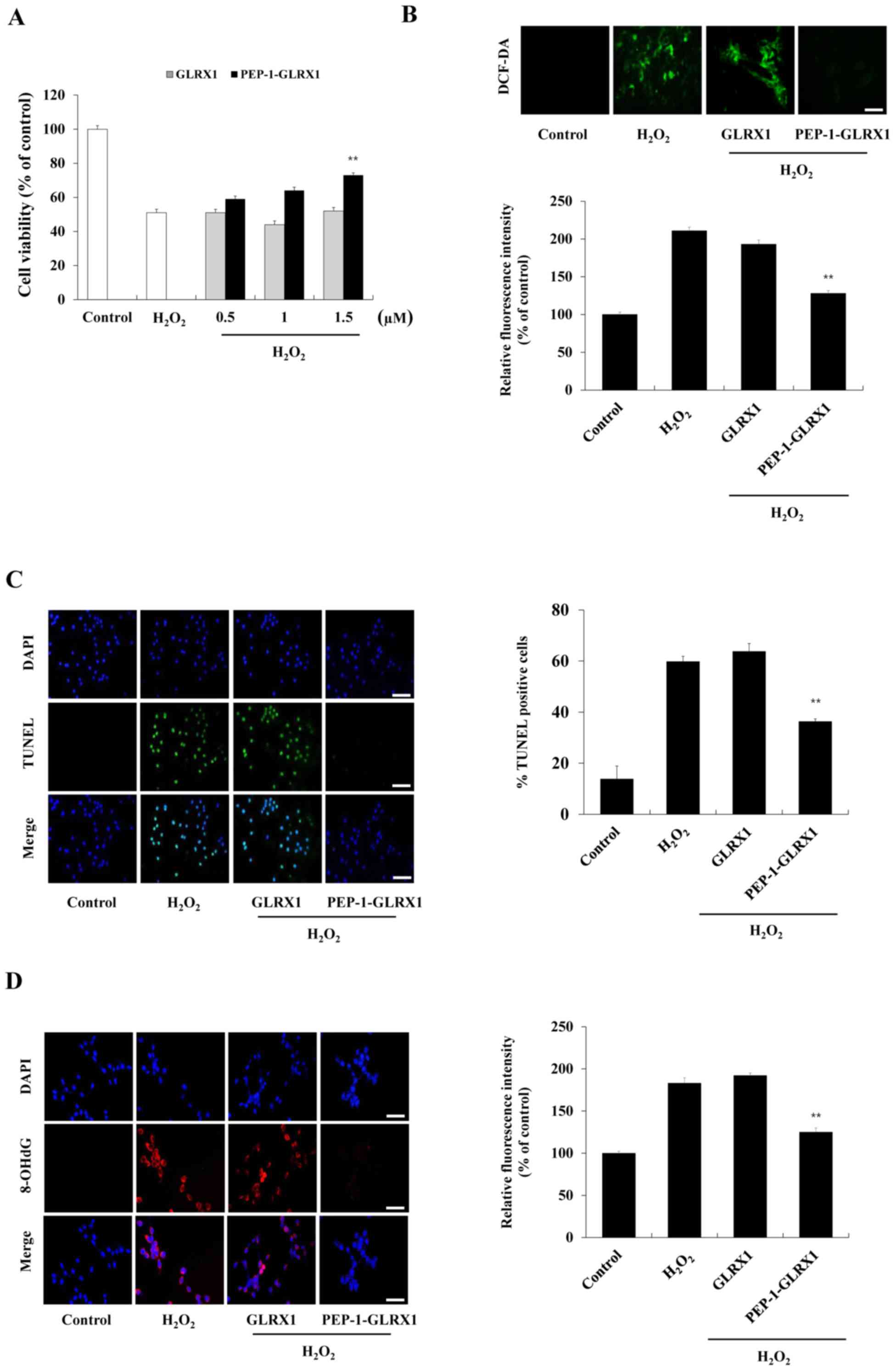
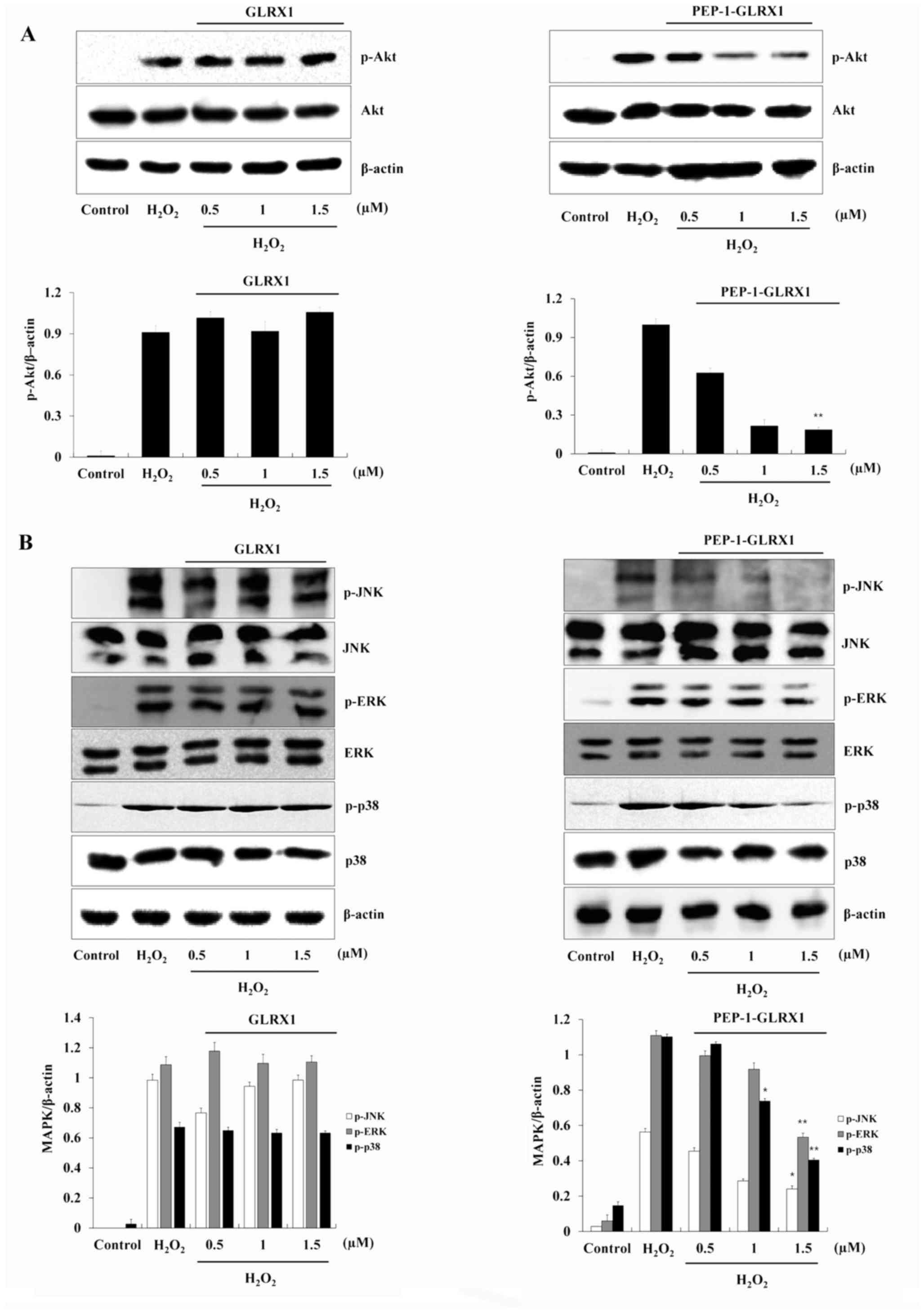
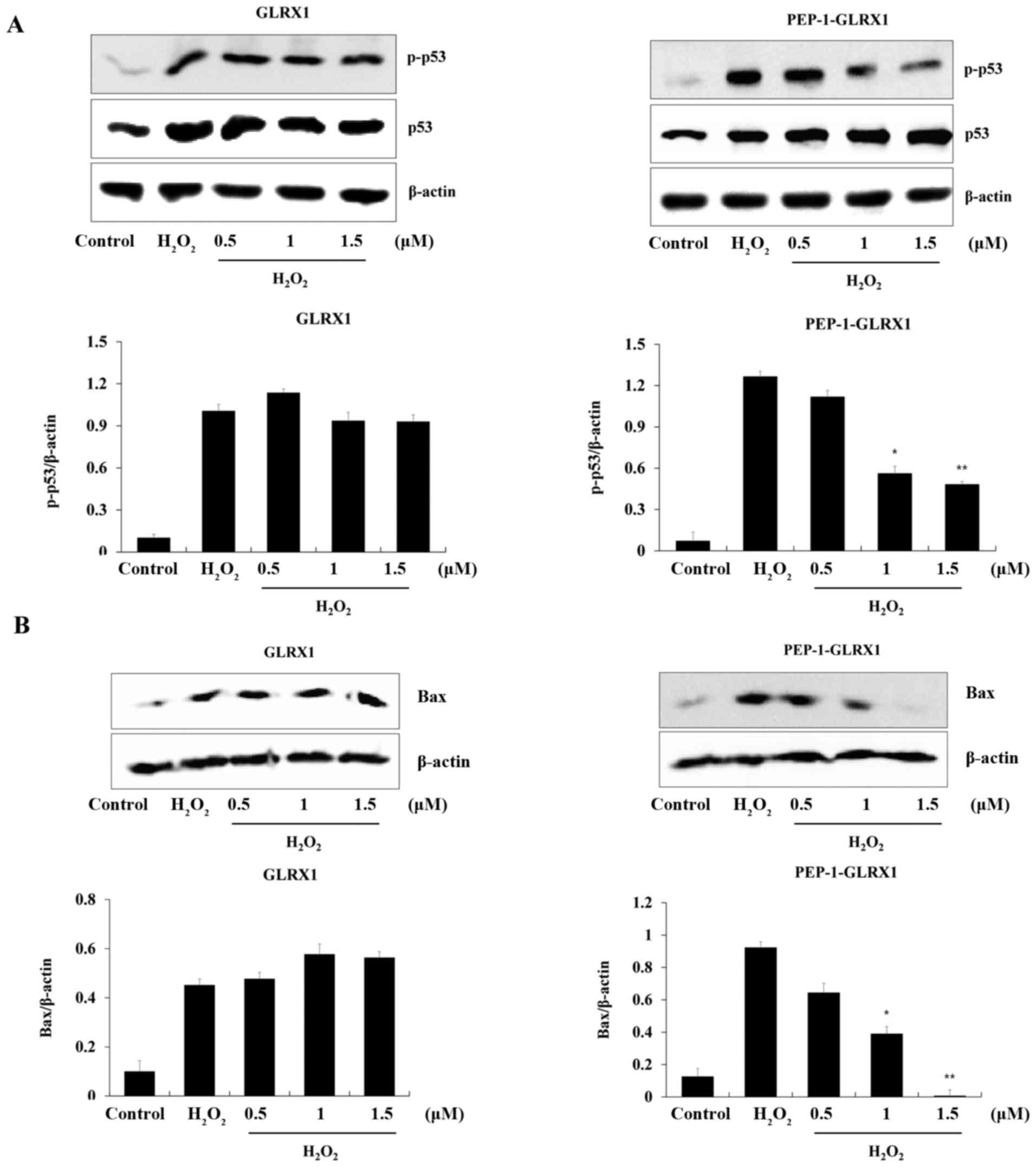
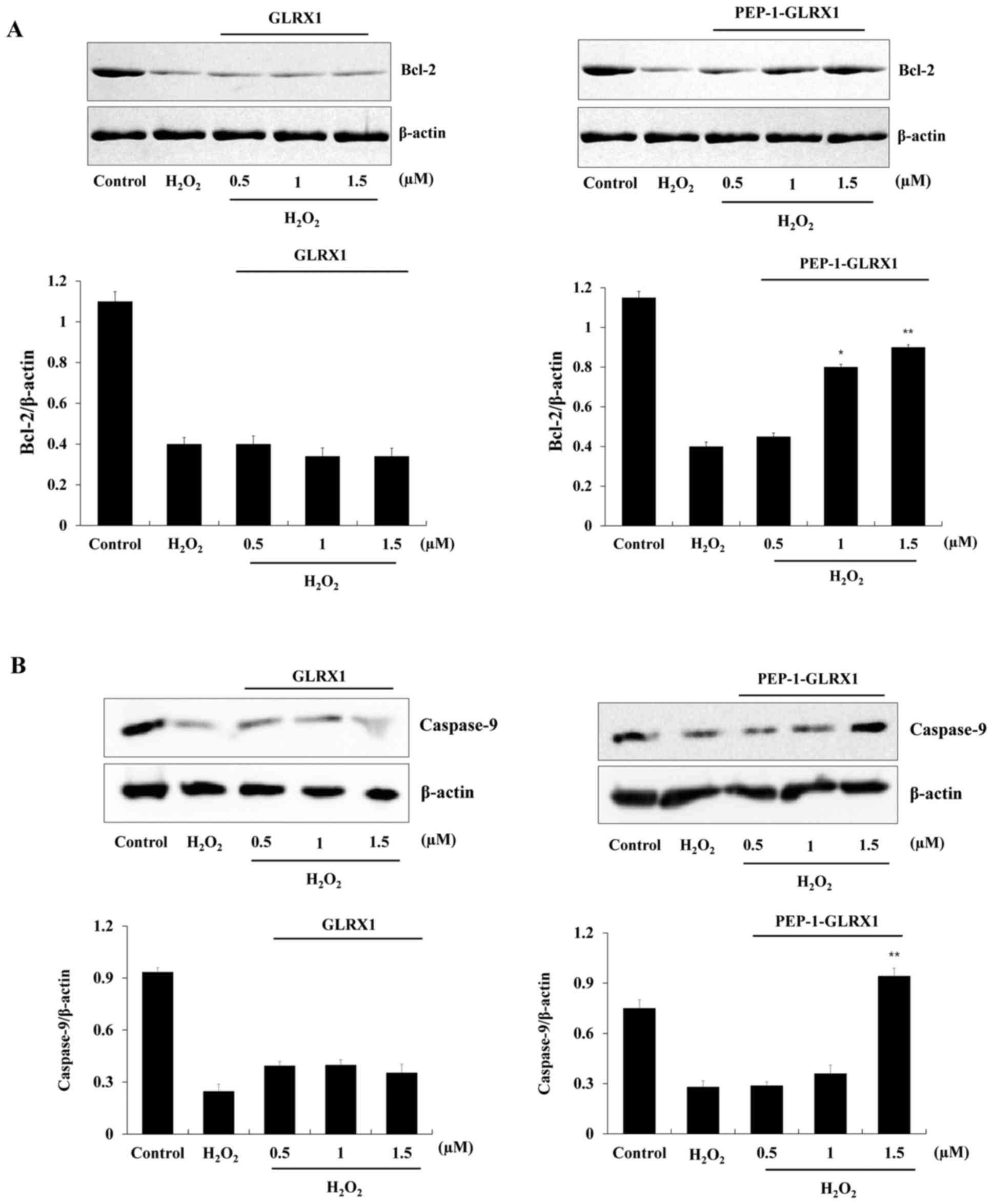
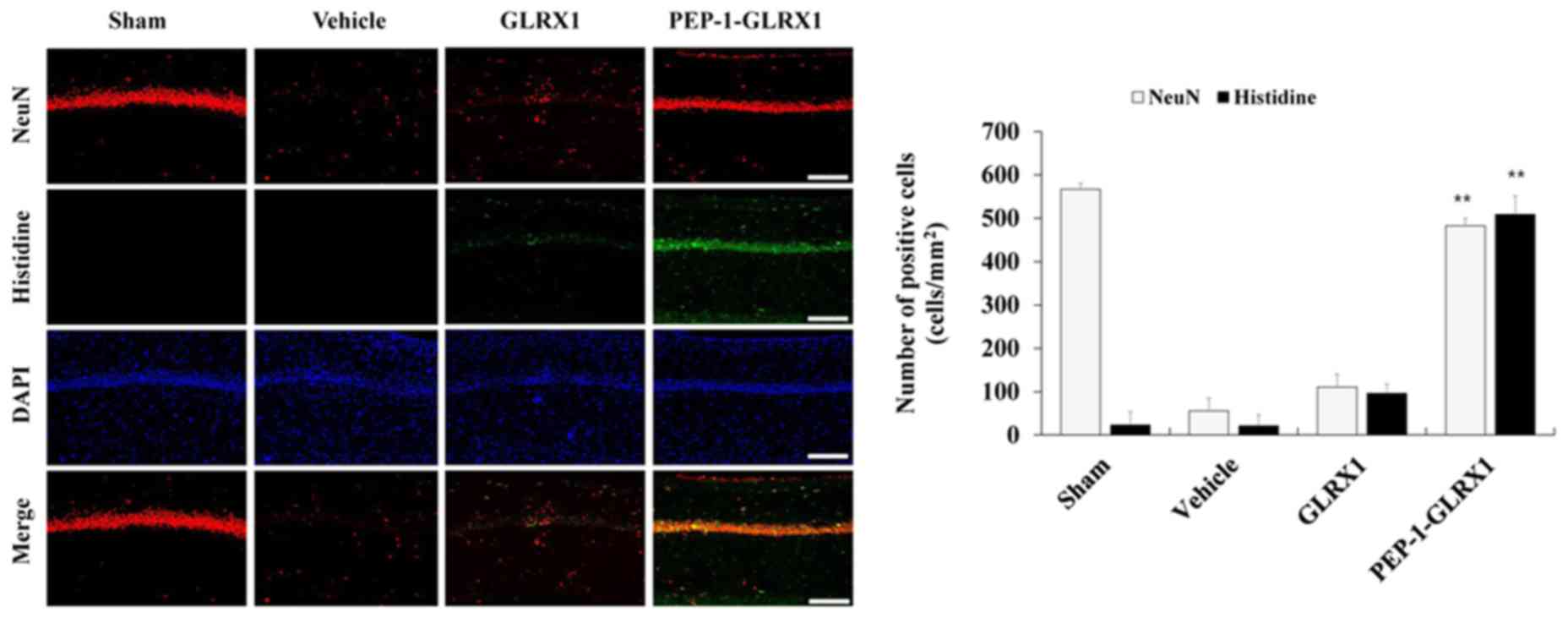
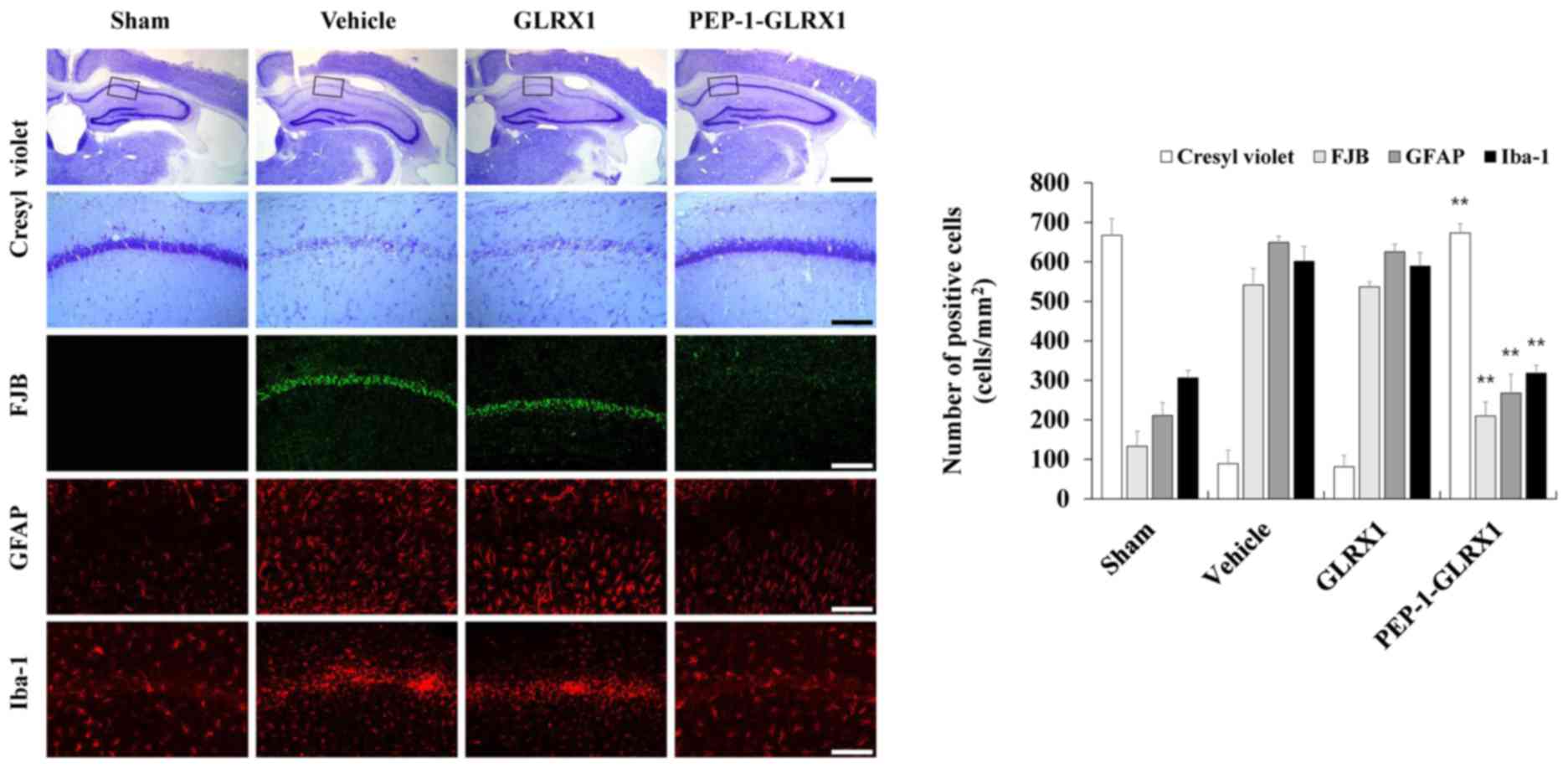
Oxidative stress is known to be a primary risk factor for neuronal diseases. Glutaredoxin (GLRX)‑1, a redox‑regulator of the thioredoxin superfamily, is known to exhibit an important role in cell survival via various cellular functions. However, the precise roles of GLRX1 in brain ischemia are still not fully understood. The present study investigated whether transduced PEP‑1‑GLRX1 protein has protective effects against oxidative stress in cells and in an animal model. Transduced PEP‑1‑GLRX1 protein increased HT‑22 cell viability under oxidative stress and this fusion protein significantly reduced intracellular reactive oxygen species and levels of DNA damage. In addition, PEP‑1‑GLRX1 protein regulated RAC‑a serine/threonine‑protein kinase and mitogen‑activated protein kinase signaling, in addition to apoptotic signaling including B cell lymphoma (Bcl)‑2, Bcl‑2 associated X, apoptosis regulator, pro‑caspase‑9 and p53 expression levels. In an ischemic animal model, it was verified that PEP‑1‑GLRX1 transduced into the Cornu Ammonis 1 region of the animal brain, where it markedly protected against ischemic injury. These results indicate that PEP‑1‑GLRX1 attenuates neuronal cell death resulting from oxidative stress in vitro and in vivo. Therefore, PEP‑1‑GLRX1 may exhibit a beneficial role in the treatment of neuronal disorders, including ischemic injury.
View Figures

Figure 1

Figure 2

Figure 3

Figure 4

Figure 5

Figure 6

Figure 7

Figure 8

View References

1 

Kirkinezos IG and Moraes CT: Reactive oxygen species and mitochondrial diseases. Semin Cell Dev Biol. 12:449–457. 2001. View Article : Google Scholar : PubMed/NCBI

2 

Matés JM: Effects of antioxidant enzymes in the molecular control of reactive oxygen species toxicology. Toxicology. 153:83–104. 2000. View Article : Google Scholar : PubMed/NCBI

3 

Rice ME, Forman RE, Chen BT, Avshalumov MV, Cragg SJ and Drew KL: Brain antioxidant regulation in mammals and anoxia-tolerant reptiles: Balanced for neuroprotection and neuromodulation. Comp Biochem Physiol C Toxicol Phamacol. 133:515–525. 2002. View Article : Google Scholar

4 

Poljsak B, Šuput D and Milisav I: Achieving the balance between ROS and antioxidants: When to use the synthetic antioxidants. Oxid Med Cell Longev. 2013:9567922013. View Article : Google Scholar : PubMed/NCBI

5 

Son Y, Cheong YK, Kim NH, Chung HT, Kang DG and Pae HO: Mitogen-activated protein kinases and reactive oxygen species: How can ROS activate MAPK pathways? J Signal Transduct. 2011:7926392011. View Article : Google Scholar : PubMed/NCBI

6 

Saeed U, Durgadoss L, Valli RK, Joshi DC, Joshi PG and Ravindranath V: Knockdown of cytosolic Glutaredoxin 1 leads to loss of mitochondrial membrane potential: Implication in neurodegenerative diseases. PLoS One. 3:e24592008. View Article : Google Scholar : PubMed/NCBI

7 

Sanderson TH, Reynolds CA, Kumar R, Przyklenk K and Hüttemann M: Molecular mechanisms of ischemia-reperfusion injury in brain: Pivotal role of the mitochondrial membrane potential in reactive oxygen species generation. Nol Neurobiol. 47:9–23. 2013. View Article : Google Scholar

8 

Jao SC, Ospina English SM, Berdis AJ, Starke DW, Post CB and Mieyal JJ: Computational and mutational analysis of human glutaredoxin (thioltransferase): Probing the molecular basis of the low pKa of cysteine 22 and its role in catalysis. Biochemistry. 45:4785–4796. 2006. View Article : Google Scholar : PubMed/NCBI

9 

Okuda M, Inoue N, Azumi H, Seno T, Sumi Y, Hirata KI, Kawashima S, Hayashi Y, Itoh H, Yodoi J and Yokoyama M: Expression of glutaredoxin in human coronary arteries: Its potential role in antioxidant protection against atherosclerosis. Arterioscler Thromb Vasc Biol. 21:1483–1487. 2001. View Article : Google Scholar : PubMed/NCBI

10 

Pai HV, Starke DW, Lesnefsky EJ, Hoppel CL and Mieyal JJ: What is the functional significance of the unique location of glutaredoxin 1 (GRx1) in the intermembrane space of mitochondria? Antioxid Redox Signal. 9:2027–2033. 2007. View Article : Google Scholar : PubMed/NCBI

11 

Peltoniemi M, Kaarteenaho-Wiik R, Säily M, Sormunen R, Pääkkö P, Holmgren A, Soini Y and Kinnula VL: Expression of glutaredoxin is highly cell specific in human lung and is decreased by transforming growth factor-beta in vitro and in interstitial lung diseases in vivo. Hum Pathol. 35:1000–1007. 2004. View Article : Google Scholar : PubMed/NCBI

12 

Cater MA, Materia S, Xiao Z, Wolyniec K, Ackland SM, Yap YW, Cheung NS and La Fontaine S: Glutaredoxin1 protects neuronal cells from copper-induced toxicity. Biometals. 27:661–672. 2014. View Article : Google Scholar : PubMed/NCBI

13 

El-Andaloussi S, Holm T and Langel U: Cell-penetrating peptides: Mechanisms and applications. Curr Pharm Des. 11:3597–3611. 2005. View Article : Google Scholar : PubMed/NCBI

14 

Beerens AM, Al Hadithy AF, Rots MG and Haisma HJ: Protein transduction domains and their utility in gene therapy. Curr Gene Ther. 3:486–494. 2003. View Article : Google Scholar : PubMed/NCBI

15 

Morris MC, Depollier J, Mery J, Heitz F and Divita G: A peptide carrier for the delivery of biologically active proteins into mammalian cells. Nat Biotechonol. 19:1173–1176. 2001. View Article : Google Scholar

16 

Ahn EH, Kim DW, Shin MJ, Kim HR, Kim SM, Woo SJ, Eom SA, Jo HS, Kim DS, Cho SW, et al: PEP-1-PEA-15 protects against toxin-induced neuronal damage in a mouse model of Parkinson's disease. Biochim Biophys Acta. 1840:1686–1700. 2014. View Article : Google Scholar : PubMed/NCBI

17 

Kim DW, Lee SH, Shin MJ, Kim K, Ku SK, Youn JK, Cho SB, Park JH, Lee CH, Son O, et al: PEP-1-FK506BP inhibits alkali burn-induced corneal inflammation on the rat model of corneal alkali injury. BMB Rep. 48:618–623. 2015. View Article : Google Scholar : PubMed/NCBI

18 

Kim HR, Kim DW, Jo HS, Cho SB, Park JH, Lee CH, Choi YJ, Yeo EJ, Park SY, Kim ST, et al: Tat-biliverdin reductase A inhibits inflammatory response by regulation of MAPK and NF-κB pathways in Raw 264.7 cells and edema mouse model. Mol Immunol. 63:355–366. 2015. View Article : Google Scholar : PubMed/NCBI

19 

Kim MJ, Park M, Kim DW, Shin MJ, Son O, Jo HS, Yeo HJ, Cho SB, Park JH, Lee CH, et al: Transduced PEP-1-PON1 proteins regulate microglial activation and dopaminergic neuronal death in a Parkinson's disease model. Biomaterials. 64:45–56. 2015. View Article : Google Scholar : PubMed/NCBI

20 

Kim YN, Jung HY, Eum WS, Kim DW, Shin MJ, Ahn EH, Kim SJ, Lee CH, Yong JI, Ryu EJ, et al: Neuroprotective effects of PEP-1-carbonyl reductase 1 against oxidative-stress-induced ischemic neuronal cell damage. Free Radic Biol Med. 69:181–196. 2014. View Article : Google Scholar : PubMed/NCBI

21 

Jo HS, Yeo HJ, Cha HJ, Kim SJ, Cho SB, Park JH, Lee CH, Yeo EJ, Choi YJ, Eum WS and Choi SY: Transduced Tat-DJ-1 protein inhibits cytokines-induced pancreatic RINm5F cell death. BMB Rep. 49:297–302. 2016. View Article : Google Scholar : PubMed/NCBI

22 

Shin MJ, Kim DW, Jo HS, Cho SB, Park JH, Lee CH, Yeo EJ, Choi YJ, Kim JA, Hwang JS, et al: Tat-PRAS40 prevent hippocampal HT-22 cell death and oxidative stress induced animal brain ischemic insults. Free Radic Biol Med. 97:250–262. 2016. View Article : Google Scholar : PubMed/NCBI

23 

Bradford MM: A rapid and sensitive method for the quantitation of microgram quantities of protein utilizing the principle of protein-dye binding. Anal Biochem. 72:248–254. 1976. View Article : Google Scholar : PubMed/NCBI

24 

An SY, Youn GS, Kim H, Choi SY and Park J: Celastrol suppresses expression of adhesion molecules and chemokines by inhibiting JNK-STAT1/NF-κB activation in poly(I:C)-stimulated astrocytes. BMB Rep. 50:25–30. 2017. View Article : Google Scholar : PubMed/NCBI

25 

Jo HS, Kim DS, Ahn EH, Kim DW, Shim MJ, Cho SB, Park JH, Lee CH, Yeo EJ, Choi YJ, et al: Protective effects of Tat-NQO1 against oxidative stress-induced HT-22 cell damage, and ischemic injury in animals. BMB Rep. 49:617–622. 2016. View Article : Google Scholar : PubMed/NCBI

26 

Sohn EJ, Shin MJ, Kim DW, Son O, Jo HS, Cho SB, Park JH, Lee CH, Yeo EJ, Choi YJ, et al: PEP-1-GSTpi protein enhanced hippocampal neuronal cell survival after oxidative damage. BMB Rep. 49:382–387. 2016. View Article : Google Scholar : PubMed/NCBI

27 

Niizuma K, Yoshioka H, Chen H, Kim GS, Jung JE, Katsu M, Okami N and Chan PH: Mitochondrial and apoptotic neuronal death signaling pathways in cerebral ischemia. Biochim Biophys Acta. 1802:92–99. 2010. View Article : Google Scholar : PubMed/NCBI

28 

Pradeep H, Diya JB, Shashikumar S and Rajanikant GK: Oxidative stress-assassin behind the ischemic stroke. Folia Neuropathol. 50:219–230. 2012. View Article : Google Scholar : PubMed/NCBI

29 

Yu JT, Lee CH, Yoo KY, Choi JH, Li H, Park OK, Yan B, Hwang IK, Kwon YG, Kim YM, et al: Maintenance of anti-inflammatory cytokines and reduction of glial activation in the ischemic hippocampal CA1 region preconditioned with lipopolysaccharide. J Neurol Sci. 296:69–78. 2010. View Article : Google Scholar : PubMed/NCBI

30 

Bachschmid MM, Xu S, Maitland-Toolan KA, Ho YS, Cohen RA and Matsui R: Attenuated cardiovascular hypertrophy and oxidant generation in response to angiotensin II infusion in glutaredoxin-1 knockout mice. Free Radic Biol Med. 49:1221–1229. 2010. View Article : Google Scholar : PubMed/NCBI

31 

Murata H, Ihara Y, Nakamura H, Yodoi J, Sumikawa K and Kondo T: Glutaredoxin exerts an antiapoptotic effect by regulating the redox state of Akt. J Biol Chem. 278:50226–50233. 2003. View Article : Google Scholar : PubMed/NCBI

32 

Akterin S, Cowburn RF, Miranda-Vizuete A, Jiménez A, Bogdanovic N, Winblad B and Cedazo-Minguez A: Involvement of glutaredoxin-1 and thioredoxin-1 in beta-amyloid toxicity and Alzheimer's disease. Cell Death Differ. 13:1454–1465. 2006. View Article : Google Scholar : PubMed/NCBI

33 

Joliot A and Prochiantz A: Transduction peptides: From technology to physiology. Nat Cell Biol. 6:189–196. 2004. View Article : Google Scholar : PubMed/NCBI

34 

Dietz GP: Cell-penetrating peptide technology to deliver chaperones and associated factors in diseases and basic research. Curr Pharm Biotechnol. 11:167–174. 2010. View Article : Google Scholar : PubMed/NCBI

35 

Popiel HA, Nagai Y, Fujikake N and Toda T: Protein transduction domain-mediated delivery of QBP1 suppresses polyglutamine-induced neurodegeneration in vivo. Mol Ther. 15:303–309. 2007. View Article : Google Scholar : PubMed/NCBI

36 

Barrera G: Oxidative stress and lipid peroxidation products in cancer progression and therapy. ISRN Oncol. 2012:1372892012.PubMed/NCBI

37 

Emerit J, Edeas M and Bricaire F: Neurodegenerative diseases and oxidative stress. Biomed Pharmacother. 58:39–46. 2004. View Article : Google Scholar : PubMed/NCBI

38 

Ho YS, Xiong Y, Ho DS, Gao J, Chua BH, Pai H and Mieyal JJ: Targeted disruption of the glutaredoxin 1 gene does not sensitize adult mice to tissue injury induced by ischemia/reperfusion and hyperoxia. Free Radic Biol Med. 43:1299–1312. 2007. View Article : Google Scholar : PubMed/NCBI

39 

Valavanidis A, Vlachogianni T and Fiotakis C: 8-hydroxy-2′-deoxyguanosine (8-OHdG): A critical biomarker of oxidative stress and carcinogenesis. J Environ Sci Health C Environ Carcinog Ecotoxicol Rev. 27:120–139. 2009. View Article : Google Scholar : PubMed/NCBI

40 

Lahair MM, Howe CJ, Rodriguez-Mora O, McCubrey JA and Franklin RA: Molecular pathways leading to oxidative stress-induced phosphorylation of Akt. Antioxid Redox signal. 8:1749–1756. 2006. View Article : Google Scholar : PubMed/NCBI

41 

Kwon SH, Hong SI, Kim JA, Jung YH, Kim SY, Kim HC, Lee SY and Jang CG: The neuroprotective effects of Lonicera japonica THUNB. Against hydrogen peroxide-induced apoptosis via phosphorylation of MAPKs and PI3K/Akt in SH-SY5Y cells. Food Chem Toxicol. 49:1011–1019. 2011. View Article : Google Scholar : PubMed/NCBI

42 

Hwang SL and Yen GC: Modulation of Akt, JNK, and p38 activation is involved in citrus flavonoid-mediated cytoprotection of PC12 cells challenged by hydrogen peroxide. J Agric Food Chem. 57:2576–2582. 2009. View Article : Google Scholar : PubMed/NCBI

43 

Yang B, Oo TN and Rizzo V: Lipid rafts mediate H2O2 prosurvival effects in cultured endothelial cells. FASEB J. 20:1501–1503. 2006. View Article : Google Scholar : PubMed/NCBI

44 

Ruffels J, Griffin M and Dickenson JM: Activation of ERK1/2, JNK and PKB by hydrogen peroxide in human SH-SY5Y neuroblastoma cells: Role of ERK1/2 in H2O2-induced cell death. Eur J Pharmacol. 483:163–173. 2004. View Article : Google Scholar : PubMed/NCBI

45 

Liu X, Jann J, Xavier C and Wu H: Glutaredoxin 1 (Grx1) protects human retinal pigment epithelial cells from oxidative damage by preventing AKT glutathionylation. Invest Ophtalmol Vis Sci. 56:2821–2832. 2015. View Article : Google Scholar

46 

Fulda S, Gorman AM, Hori O and Samali A: Cellular stress responses: Cell survival and cell death. Int J Cell Biol. 2010:2140742010. View Article : Google Scholar : PubMed/NCBI

47 

Villegas SN, Njaine B, Linden R and Carri NG: Glial-derived neurotrophic factor (GDNF) prevents ethanol (EtOH) induced B92 glial cell death by both PI3K/AKT and MEK/ERK signaling pathways. Brain Res Bull. 71:116–126. 2006. View Article : Google Scholar : PubMed/NCBI

48 

Reddy PH: Role of mitochondria in neurodegenerative diseases: Mitochondria as a therapeutic target in Alzheimer's disease. CNS Spectr. 14 8 Suppl 7:8–13; discussion 16-8. 2009. View Article : Google Scholar : PubMed/NCBI

49 

Gupta S, Kass GE, Szeqezdi E and Joseph B: The mitochondrial death pathway: A promising therapeutic target in diseases. J Cell Mol Med. 13:1004–1033. 2009. View Article : Google Scholar : PubMed/NCBI

50 

Gu ZT, Wang H, Li L, Liu YS, Deng XB, Huo SF, Yuan FF, Liu ZF, Tong HS and Su L: Heat stress induces apoptosis through transcription-independent p53-mediated mitochondrial pathways in human umbilical vein endothelial cell. Sci Rep. 4:44692014. View Article : Google Scholar : PubMed/NCBI

51 

Niizuma K, Endo H and Chan PH: Oxidative stress and mitochondrial dysfunction as determinants of ischemic neuronal death and survival. J Neurochem. 1 109 Suppl:133–138. 2009. View Article : Google Scholar

52 

Zhang S, Ong CN and Shen HM: Involvement of proapoptotic Bcl-2 family members in parthenolide-induced mitochondrial dysfunction and apoptosis. Cancer Lett. 211:175–188. 2004. View Article : Google Scholar : PubMed/NCBI

53 

Würstle ML, Laussmann MA and Rehm M: The central role of initiator caspase-9 in apoptosis signal transduction and the regulation of its activation and activity on the apoptosome. Exp Cell Res. 318:1213–1220. 2012. View Article : Google Scholar : PubMed/NCBI

54 

Kalogeris T, Baines CP, Krenz M and Korthuis RJ: Cell biology of ischemia/reperfusion injury. Int Rev Cell Mol Biol. 298:229–317. 2012. View Article : Google Scholar : PubMed/NCBI

55 

Ito D, Tanaka K, Suzuki S, Dembo T and Fukuuchi Y: Enhanced expression of Iba1, ionized calcium-binding adapter molecule 1, after transient focal cerebral ischemia in rat brain. Stroke. 32:1208–1215. 2001. View Article : Google Scholar : PubMed/NCBI

56 

Chen Y and Swanson RA: Astrocytes and brain Injury. J Cereb Blood Flow Metab. 23:137–149. 2003. View Article : Google Scholar : PubMed/NCBI

Related Articles

  • Abstract
  • View
  • Download
  • Twitter
Copy and paste a formatted citation
Spandidos Publications style
Ryu EJ, Kim DW, Shin MJ, Jo HS, Park JH, Cho SB, Lee CH, Yeo HJ, Yeo EJ, Choi YJ, Choi YJ, et al: PEP‑1‑glutaredoxin 1 protects against hippocampal neuronal cell damage from oxidative stress via regulation of MAPK and apoptotic signaling pathways. Mol Med Rep 18: 2216-2228, 2018.
APA
Ryu, E.J., Kim, D.W., Shin, M.J., Jo, H.S., Park, J.H., Cho, S.B. ... Choi, S.Y. (2018). PEP‑1‑glutaredoxin 1 protects against hippocampal neuronal cell damage from oxidative stress via regulation of MAPK and apoptotic signaling pathways. Molecular Medicine Reports, 18, 2216-2228. https://doi.org/10.3892/mmr.2018.9176
MLA
Ryu, E. J., Kim, D. W., Shin, M. J., Jo, H. S., Park, J. H., Cho, S. B., Lee, C. H., Yeo, H. J., Yeo, E. J., Choi, Y. J., Kim, D., Cho, S., Cho, Y., Sohn, E. J., Son, O., Lee, K. W., Han, K. H., Park, J., Eum, W. S., Choi, S. Y."PEP‑1‑glutaredoxin 1 protects against hippocampal neuronal cell damage from oxidative stress via regulation of MAPK and apoptotic signaling pathways". Molecular Medicine Reports 18.2 (2018): 2216-2228.
Chicago
Ryu, E. J., Kim, D. W., Shin, M. J., Jo, H. S., Park, J. H., Cho, S. B., Lee, C. H., Yeo, H. J., Yeo, E. J., Choi, Y. J., Kim, D., Cho, S., Cho, Y., Sohn, E. J., Son, O., Lee, K. W., Han, K. H., Park, J., Eum, W. S., Choi, S. Y."PEP‑1‑glutaredoxin 1 protects against hippocampal neuronal cell damage from oxidative stress via regulation of MAPK and apoptotic signaling pathways". Molecular Medicine Reports 18, no. 2 (2018): 2216-2228. https://doi.org/10.3892/mmr.2018.9176
Copy and paste a formatted citation
x
Spandidos Publications style
Ryu EJ, Kim DW, Shin MJ, Jo HS, Park JH, Cho SB, Lee CH, Yeo HJ, Yeo EJ, Choi YJ, Choi YJ, et al: PEP‑1‑glutaredoxin 1 protects against hippocampal neuronal cell damage from oxidative stress via regulation of MAPK and apoptotic signaling pathways. Mol Med Rep 18: 2216-2228, 2018.
APA
Ryu, E.J., Kim, D.W., Shin, M.J., Jo, H.S., Park, J.H., Cho, S.B. ... Choi, S.Y. (2018). PEP‑1‑glutaredoxin 1 protects against hippocampal neuronal cell damage from oxidative stress via regulation of MAPK and apoptotic signaling pathways. Molecular Medicine Reports, 18, 2216-2228. https://doi.org/10.3892/mmr.2018.9176
MLA
Ryu, E. J., Kim, D. W., Shin, M. J., Jo, H. S., Park, J. H., Cho, S. B., Lee, C. H., Yeo, H. J., Yeo, E. J., Choi, Y. J., Kim, D., Cho, S., Cho, Y., Sohn, E. J., Son, O., Lee, K. W., Han, K. H., Park, J., Eum, W. S., Choi, S. Y."PEP‑1‑glutaredoxin 1 protects against hippocampal neuronal cell damage from oxidative stress via regulation of MAPK and apoptotic signaling pathways". Molecular Medicine Reports 18.2 (2018): 2216-2228.
Chicago
Ryu, E. J., Kim, D. W., Shin, M. J., Jo, H. S., Park, J. H., Cho, S. B., Lee, C. H., Yeo, H. J., Yeo, E. J., Choi, Y. J., Kim, D., Cho, S., Cho, Y., Sohn, E. J., Son, O., Lee, K. W., Han, K. H., Park, J., Eum, W. S., Choi, S. Y."PEP‑1‑glutaredoxin 1 protects against hippocampal neuronal cell damage from oxidative stress via regulation of MAPK and apoptotic signaling pathways". Molecular Medicine Reports 18, no. 2 (2018): 2216-2228. https://doi.org/10.3892/mmr.2018.9176
Follow us
  • Twitter
  • LinkedIn
  • Facebook
About
  • Spandidos Publications
  • Careers
  • Cookie Policy
  • Privacy Policy
How can we help?
  • Help
  • Live Chat
  • Contact
  • Email to our Support Team