Spandidos Publications Logo
  • About
    • About Spandidos
    • Aims and Scopes
    • Abstracting and Indexing
    • Editorial Policies
    • Reprints and Permissions
    • Job Opportunities
    • Terms and Conditions
    • Contact
  • Journals
    • All Journals
    • Oncology Letters
      • Oncology Letters
      • Information for Authors
      • Editorial Policies
      • Editorial Board
      • Aims and Scope
      • Abstracting and Indexing
      • Bibliographic Information
      • Archive
    • International Journal of Oncology
      • International Journal of Oncology
      • Information for Authors
      • Editorial Policies
      • Editorial Board
      • Aims and Scope
      • Abstracting and Indexing
      • Bibliographic Information
      • Archive
    • Molecular and Clinical Oncology
      • Molecular and Clinical Oncology
      • Information for Authors
      • Editorial Policies
      • Editorial Board
      • Aims and Scope
      • Abstracting and Indexing
      • Bibliographic Information
      • Archive
    • Experimental and Therapeutic Medicine
      • Experimental and Therapeutic Medicine
      • Information for Authors
      • Editorial Policies
      • Editorial Board
      • Aims and Scope
      • Abstracting and Indexing
      • Bibliographic Information
      • Archive
    • International Journal of Molecular Medicine
      • International Journal of Molecular Medicine
      • Information for Authors
      • Editorial Policies
      • Editorial Board
      • Aims and Scope
      • Abstracting and Indexing
      • Bibliographic Information
      • Archive
    • Biomedical Reports
      • Biomedical Reports
      • Information for Authors
      • Editorial Policies
      • Editorial Board
      • Aims and Scope
      • Abstracting and Indexing
      • Bibliographic Information
      • Archive
    • Oncology Reports
      • Oncology Reports
      • Information for Authors
      • Editorial Policies
      • Editorial Board
      • Aims and Scope
      • Abstracting and Indexing
      • Bibliographic Information
      • Archive
    • Molecular Medicine Reports
      • Molecular Medicine Reports
      • Information for Authors
      • Editorial Policies
      • Editorial Board
      • Aims and Scope
      • Abstracting and Indexing
      • Bibliographic Information
      • Archive
    • World Academy of Sciences Journal
      • World Academy of Sciences Journal
      • Information for Authors
      • Editorial Policies
      • Editorial Board
      • Aims and Scope
      • Abstracting and Indexing
      • Bibliographic Information
      • Archive
    • International Journal of Functional Nutrition
      • International Journal of Functional Nutrition
      • Information for Authors
      • Editorial Policies
      • Editorial Board
      • Aims and Scope
      • Abstracting and Indexing
      • Bibliographic Information
      • Archive
    • International Journal of Epigenetics
      • International Journal of Epigenetics
      • Information for Authors
      • Editorial Policies
      • Editorial Board
      • Aims and Scope
      • Abstracting and Indexing
      • Bibliographic Information
      • Archive
    • Medicine International
      • Medicine International
      • Information for Authors
      • Editorial Policies
      • Editorial Board
      • Aims and Scope
      • Abstracting and Indexing
      • Bibliographic Information
      • Archive
  • Articles
  • Information
    • Information for Authors
    • Information for Reviewers
    • Information for Librarians
    • Information for Advertisers
    • Conferences
  • Language Editing
Spandidos Publications Logo
  • About
    • About Spandidos
    • Aims and Scopes
    • Abstracting and Indexing
    • Editorial Policies
    • Reprints and Permissions
    • Job Opportunities
    • Terms and Conditions
    • Contact
  • Journals
    • All Journals
    • Biomedical Reports
      • Information for Authors
      • Editorial Policies
      • Editorial Board
      • Aims and Scope
      • Abstracting and Indexing
      • Bibliographic Information
      • Archive
    • Experimental and Therapeutic Medicine
      • Information for Authors
      • Editorial Policies
      • Editorial Board
      • Aims and Scope
      • Abstracting and Indexing
      • Bibliographic Information
      • Archive
    • International Journal of Epigenetics
      • Information for Authors
      • Editorial Policies
      • Editorial Board
      • Aims and Scope
      • Abstracting and Indexing
      • Bibliographic Information
      • Archive
    • International Journal of Functional Nutrition
      • Information for Authors
      • Editorial Policies
      • Editorial Board
      • Aims and Scope
      • Abstracting and Indexing
      • Bibliographic Information
      • Archive
    • International Journal of Molecular Medicine
      • Information for Authors
      • Editorial Policies
      • Editorial Board
      • Aims and Scope
      • Abstracting and Indexing
      • Bibliographic Information
      • Archive
    • International Journal of Oncology
      • Information for Authors
      • Editorial Policies
      • Editorial Board
      • Aims and Scope
      • Abstracting and Indexing
      • Bibliographic Information
      • Archive
    • Medicine International
      • Information for Authors
      • Editorial Policies
      • Editorial Board
      • Aims and Scope
      • Abstracting and Indexing
      • Bibliographic Information
      • Archive
    • Molecular and Clinical Oncology
      • Information for Authors
      • Editorial Policies
      • Editorial Board
      • Aims and Scope
      • Abstracting and Indexing
      • Bibliographic Information
      • Archive
    • Molecular Medicine Reports
      • Information for Authors
      • Editorial Policies
      • Editorial Board
      • Aims and Scope
      • Abstracting and Indexing
      • Bibliographic Information
      • Archive
    • Oncology Letters
      • Information for Authors
      • Editorial Policies
      • Editorial Board
      • Aims and Scope
      • Abstracting and Indexing
      • Bibliographic Information
      • Archive
    • Oncology Reports
      • Information for Authors
      • Editorial Policies
      • Editorial Board
      • Aims and Scope
      • Abstracting and Indexing
      • Bibliographic Information
      • Archive
    • World Academy of Sciences Journal
      • Information for Authors
      • Editorial Policies
      • Editorial Board
      • Aims and Scope
      • Abstracting and Indexing
      • Bibliographic Information
      • Archive
  • Articles
  • Information
    • For Authors
    • For Reviewers
    • For Librarians
    • For Advertisers
    • Conferences
  • Language Editing
Login Register Submit
  • This site uses cookies
  • You can change your cookie settings at any time by following the instructions in our Cookie Policy. To find out more, you may read our Privacy Policy.

    I agree
Search articles by DOI, keyword, author or affiliation
Search
Advanced Search
presentation
Molecular Medicine Reports
Join Editorial Board Propose a Special Issue
Print ISSN: 1791-2997 Online ISSN: 1791-3004
Journal Cover
August-2018 Volume 18 Issue 2

Full Size Image

Sign up for eToc alerts
Recommend to Library

Journals

International Journal of Molecular Medicine

International Journal of Molecular Medicine

International Journal of Molecular Medicine is an international journal devoted to molecular mechanisms of human disease.

International Journal of Oncology

International Journal of Oncology

International Journal of Oncology is an international journal devoted to oncology research and cancer treatment.

Molecular Medicine Reports

Molecular Medicine Reports

Covers molecular medicine topics such as pharmacology, pathology, genetics, neuroscience, infectious diseases, molecular cardiology, and molecular surgery.

Oncology Reports

Oncology Reports

Oncology Reports is an international journal devoted to fundamental and applied research in Oncology.

Experimental and Therapeutic Medicine

Experimental and Therapeutic Medicine

Experimental and Therapeutic Medicine is an international journal devoted to laboratory and clinical medicine.

Oncology Letters

Oncology Letters

Oncology Letters is an international journal devoted to Experimental and Clinical Oncology.

Biomedical Reports

Biomedical Reports

Explores a wide range of biological and medical fields, including pharmacology, genetics, microbiology, neuroscience, and molecular cardiology.

Molecular and Clinical Oncology

Molecular and Clinical Oncology

International journal addressing all aspects of oncology research, from tumorigenesis and oncogenes to chemotherapy and metastasis.

World Academy of Sciences Journal

World Academy of Sciences Journal

Multidisciplinary open-access journal spanning biochemistry, genetics, neuroscience, environmental health, and synthetic biology.

International Journal of Functional Nutrition

International Journal of Functional Nutrition

Open-access journal combining biochemistry, pharmacology, immunology, and genetics to advance health through functional nutrition.

International Journal of Epigenetics

International Journal of Epigenetics

Publishes open-access research on using epigenetics to advance understanding and treatment of human disease.

Medicine International

Medicine International

An International Open Access Journal Devoted to General Medicine.

Journal Cover
August-2018 Volume 18 Issue 2

Full Size Image

Sign up for eToc alerts
Recommend to Library

  • Article
  • Citations
    • Cite This Article
    • Download Citation
    • Create Citation Alert
    • Remove Citation Alert
    • Cited By
  • Similar Articles
    • Related Articles (in Spandidos Publications)
    • Similar Articles (Google Scholar)
    • Similar Articles (PubMed)
  • Download PDF
  • Download XML
  • View XML
Article Open Access

Tanshinone IIA improves hypoxic ischemic encephalopathy through TLR‑4‑mediated NF‑κB signal pathway

Retraction in: /10.3892/mmr.2025.13428
  • Authors:
    • Chengzhi Fang
    • Lili Xie
    • Chunmei Liu
    • Chunhua Fu
    • Wei Ye
    • Hong Liu
    • Binghong Zhang
  • View Affiliations / Copyright

    Affiliations: Department of Neonatology, Renmin Hospital of Wuhan University, Wuhan, Hubei 430060, P.R. China
    Copyright: © Fang et al. This is an open access article distributed under the terms of Creative Commons Attribution License.
  • Pages: 1899-1908
    |
    Published online on: June 26, 2018
       https://doi.org/10.3892/mmr.2018.9227
  • Expand metrics +
Metrics: Total Views: 0 (Spandidos Publications: | PMC Statistics: )
Metrics: Total PDF Downloads: 0 (Spandidos Publications: | PMC Statistics: )
Cited By (CrossRef): 0 citations Loading Articles...

This article is mentioned in:


Abstract

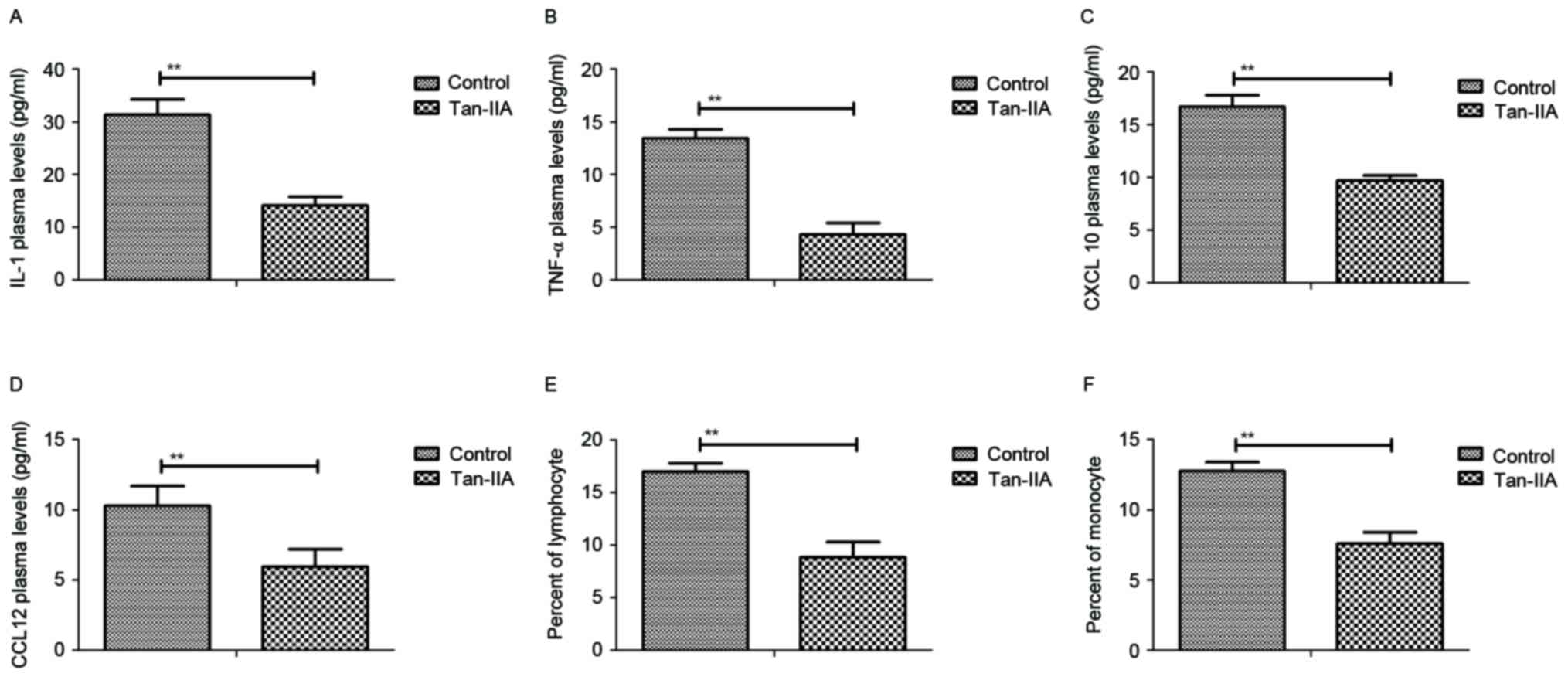
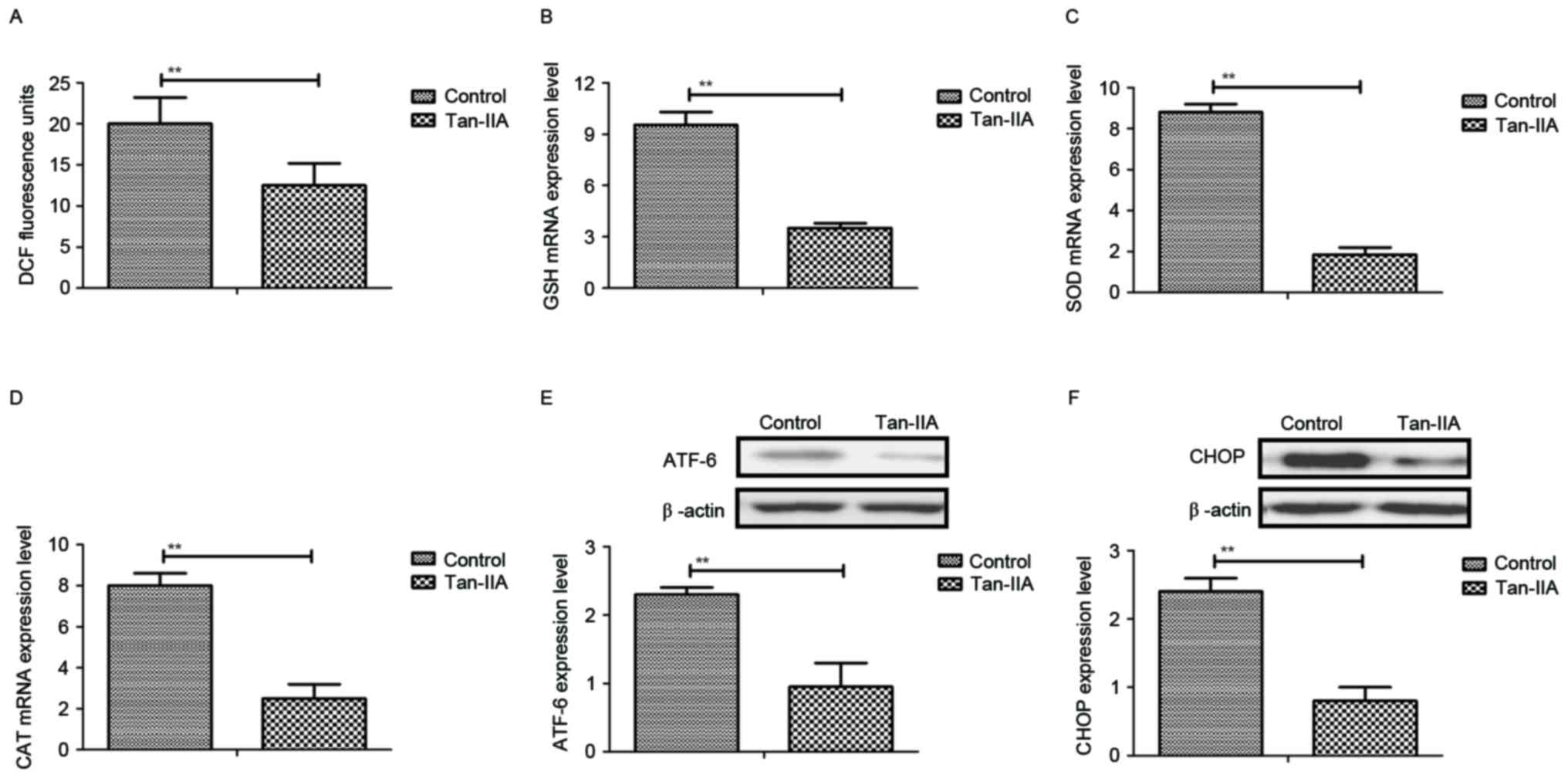
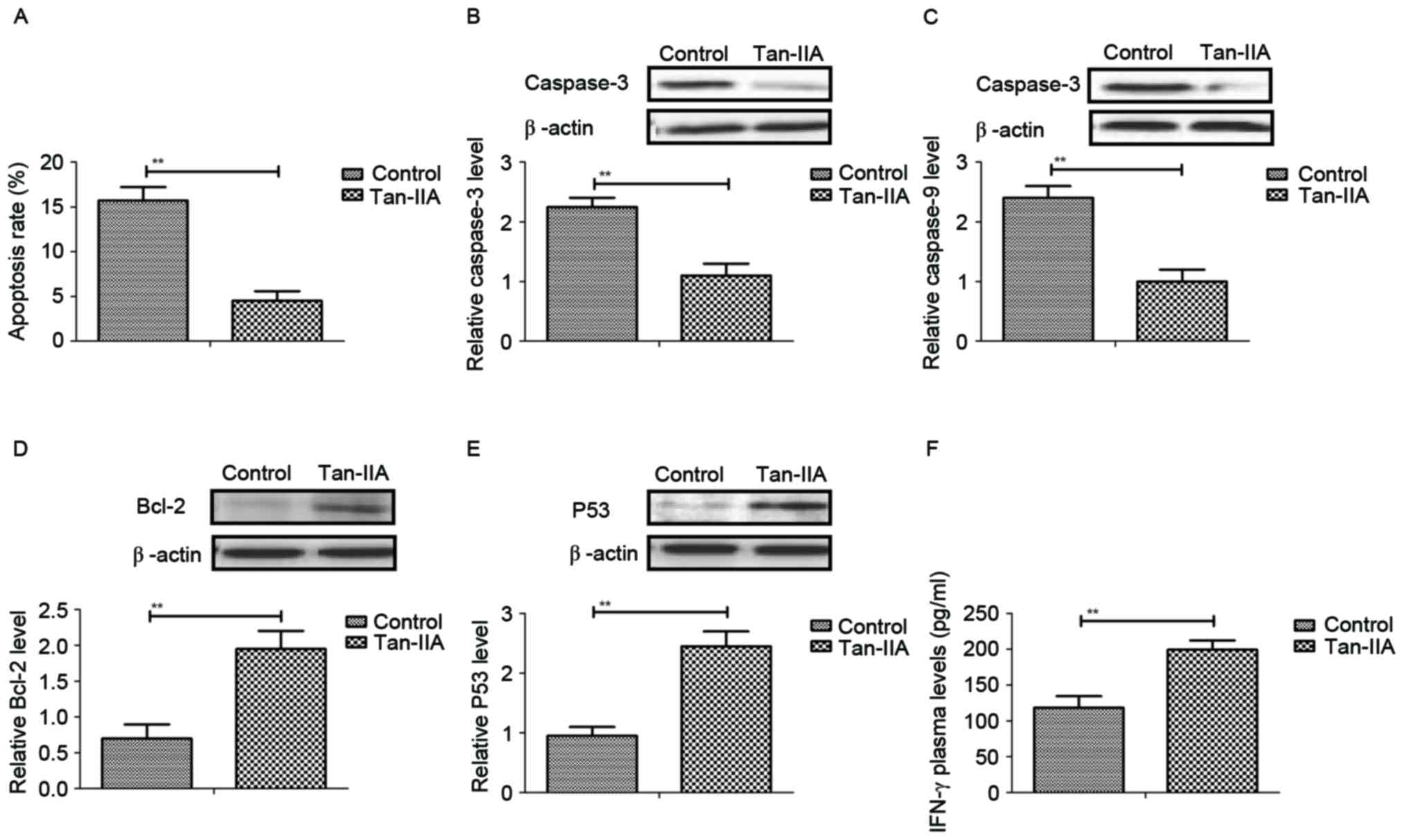
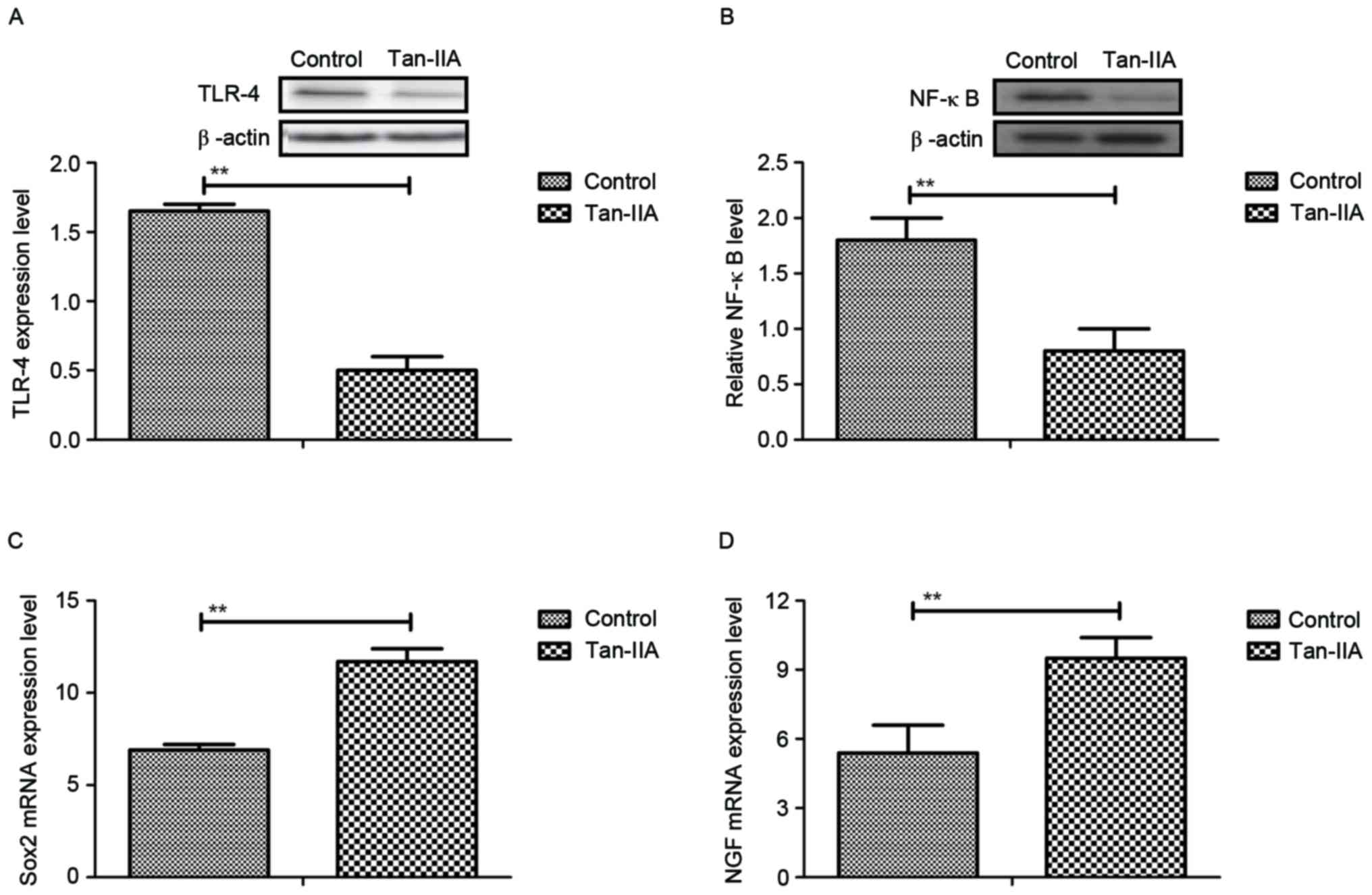
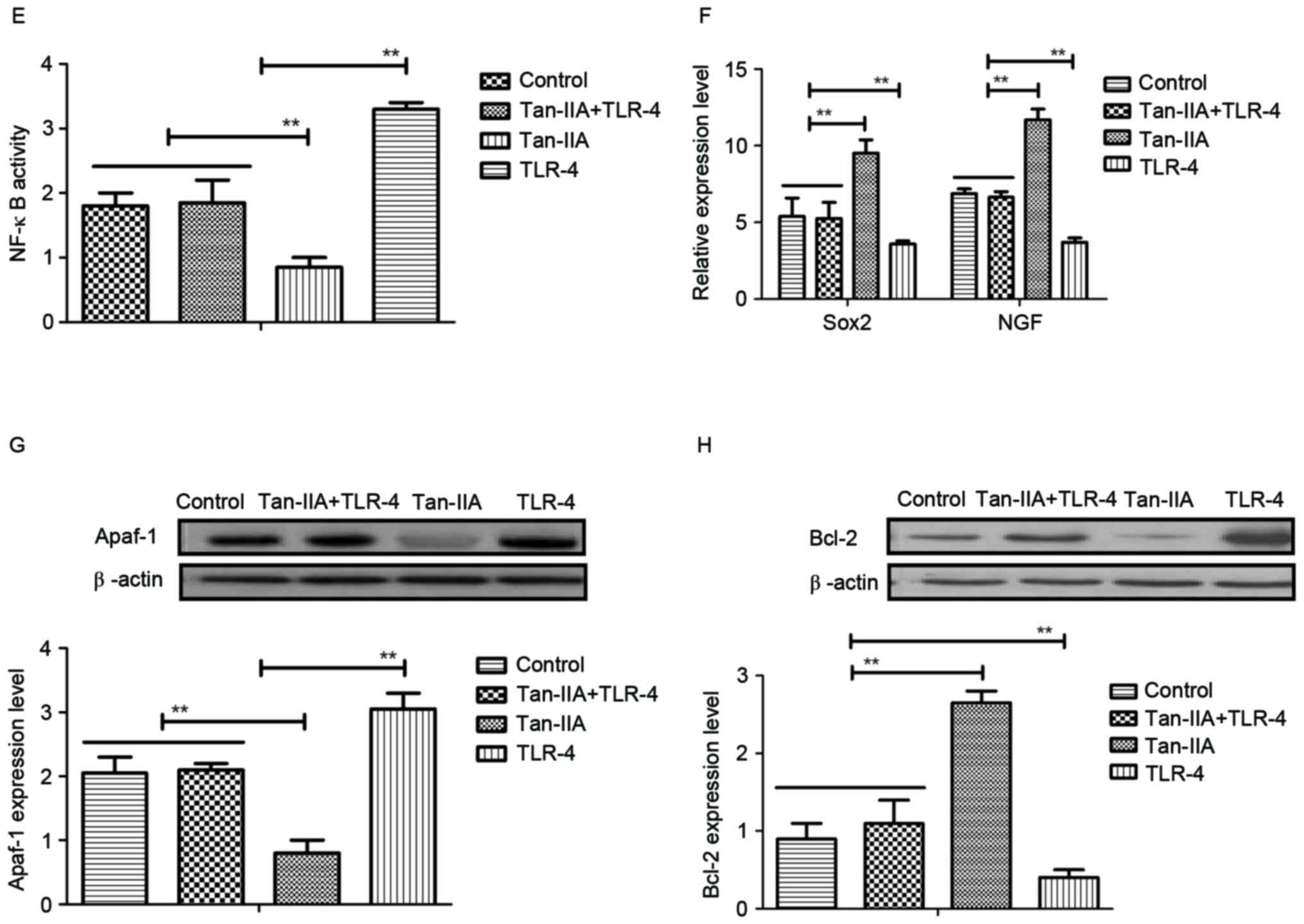
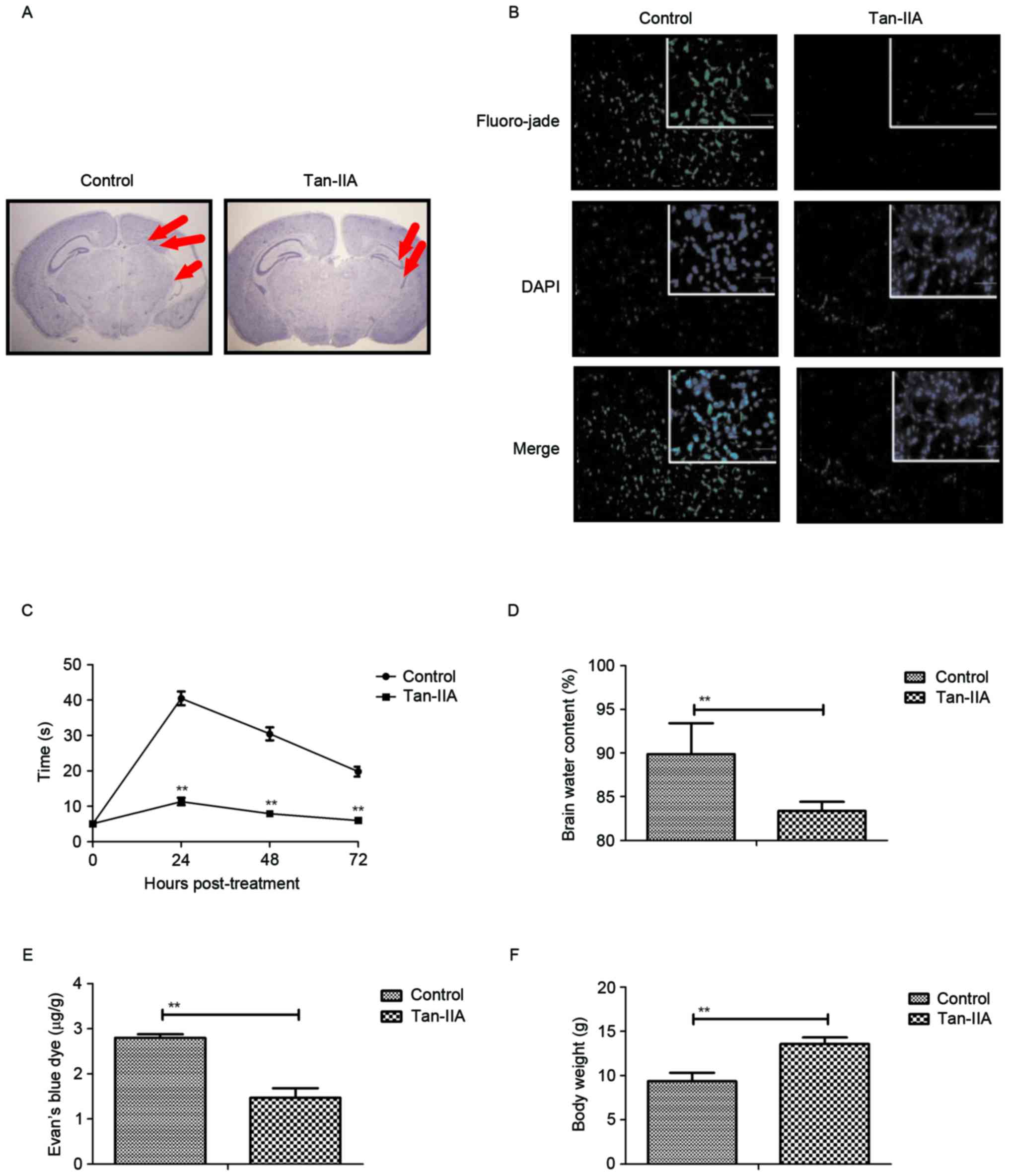
Hypoxic ischemic encephalopathy (HIE) is the most common brain injury following hypoxia and/or ischemia caused by various factors during the perinatal period, resulting in detrimental neurological deficits in the nervous system. Tanshinone IIA (Tan‑IIA) is a potential agent for the treatment of cardiovascular and cerebrovascular diseases. In this study, the efficacy of Tan‑IIA was investigated in a newborn mouse model of HIE. The dynamic mechanism of Tan‑IIA was also investigated in the central nervous system of neonate mice. Intravenous injection of Tan‑IIA (5 mg/kg) was administered and changes in oxidative stress, inflammation and apoptosis‑associated proteins in neurons. Histology and immunohistochemistry was used to determine infarct volume and the number of damaged neurons by Fluoro‑Jade C staining. The effects of Tan‑IIA on mice with HIE were evaluated by body weight, brain water content, neurobehavioral tests and blood‑brain barrier permeability. The results demonstrated that the apoptosis rate was decreased following Tan‑IIA administration. Expression levels of pro‑apoptotic proteins, caspase‑3 and caspase‑9 and P53 were downregulated. Expression of Bcl‑2 anti‑apoptotic proteins was upregulated by Tan‑IIA treatment in neuro. Results also found that Tan‑IIA treatment decreased production of inflammatory cytokines such as interleukin‑1, tumor necrosis factor‑α, C‑X‑C motif chemokine 10, and chemokine (C‑C motif) ligand 12. Oxidative stress was also reduced by Tan‑IIA in neurons, as determined by the expression levels of superoxide dismutase, glutathione and catalase, and the production of reactive oxygen species. The results demonstrated that Tan‑IIA treatment reduced the infarct volume and the number of damaged neurons. Furthermore, body weight, brain water content and blood‑brain barrier permeability were markedly improved by Tan‑IIA treatment of newborn mice following HIE. Furthermore, the results indicated that Tan‑IIA decreased Toll‑like receptor‑4 (TLR‑4) and nuclear factor‑κB (NF‑κB) expression in neurons. TLR‑4 treatment of neuronal cell in vitro addition stimulated NF‑κB activity, and further enhanced the production of inflammatory cytokines and oxidative stress levels in neurons. In conclusion, these results suggest that Tan‑IIA treatment is beneficial for improvement of HIE through TLR‑4‑mediated NF‑κB signaling.
View Figures

Figure 1

Figure 2

Figure 3

Figure 4

Figure 5

Figure 6

View References

1 

Hochwald O, Jabr M, Osiovich H, Miller SP, McNamara PJ and Lavoie PM: Preferential cephalic redistribution of left ventricular cardiac output during therapeutic hypothermia for perinatal hypoxic-ischemic encephalopathy. J Pediatr. 164:999–1004.e1. 2014. View Article : Google Scholar : PubMed/NCBI

2 

Looney AM, Ahearne C, Boylan GB and Murray DM: Glial Fibrillary acidic protein is not an early marker of injury in perinatal asphyxia and Hypoxic-ischemic encephalopathy. Front Neurol. 6:2642015. View Article : Google Scholar : PubMed/NCBI

3 

Khan RH, Islam MS, Haque SA, Hossain MA, Islam MN, Khaleque MA, Chowdhury B and Chowdhury MA: Correlation between grades of intraventricular hemorrhage and severity of hypoxic ischemic encephalopathy in perinatal asphyxia. Mymensingh Med J. 23:7–12. 2014.PubMed/NCBI

4 

Tagin M, Abdel-Hady H, Rahman Ur S, Azzopardi DV and Gunn AJ: Neuroprotection for perinatal hypoxic ischemic encephalopathy in low-and Middle-income countries. J Pediatr. 167:25–28. 2015. View Article : Google Scholar : PubMed/NCBI

5 

Li H, Han W, Wang H, Ding F, Xiao L, Shi R, Ai L and Huang Z: Tanshinone IIA inhibits Glutamate-induced oxidative toxicity through prevention of mitochondrial dysfunction and suppression of MAPK activation in SH-SY5Y human neuroblastoma cells. Oxid Med Cell Longev. 2017:45174862017. View Article : Google Scholar : PubMed/NCBI

6 

Kim EO, Kang SE, Im CR, Lee JH, Ahn KS, Yang WM, Um JY, Lee SG and Yun M: Tanshinone IIA induces TRAIL sensitization of human lung cancer cells through selective ER stress induction. Int J Oncol. 48:2205–2212. 2016. View Article : Google Scholar : PubMed/NCBI

7 

Mao C, Zhang Y, Zhang Y, Cao L, Shao H, Wang L, Zhu L and Xu Z: The effect of tanshinone IIA on the cardiovascular system in ovine fetus in utero. Am J Chin Med. 37:1031–1044. 2009. View Article : Google Scholar : PubMed/NCBI

8 

Gao S, Liu Z, Li H, Little PJ, Liu P and Xu S: Cardiovascular actions and therapeutic potential of tanshinone IIA. Atherosclerosis. 220:3–10. 2012. View Article : Google Scholar : PubMed/NCBI

9 

Shen JL, Chen YS, Lin JY, Tien YC, Peng WH, Kuo CH, Tzang BS, Wang HL, Tsai FJ, Chou MC, et al: Neuron regeneration and proliferation effects of Danshen and Tanshinone IIA. Evid Based Complement Alternat Med. 2011:3789072011. View Article : Google Scholar : PubMed/NCBI

10 

Hernandez-Jimenez M, Sacristan S, Morales C, García-Villanueva M, García-Fernández E, Alcázar A, González VM and Martín ME: Apoptosis-related proteins are potential markers of neonatal hypoxic-ischemic encephalopathy (HIE) injury. Neurosci Lett. 558:143–148. 2014. View Article : Google Scholar : PubMed/NCBI

11 

Li SJ, Liu W, Wang JL, Zhang Y, Zhao DJ, Wang TJ and Li YY: The role of TNF-α, IL-6, IL-10, and GDNF in neuronal apoptosis in neonatal rat with hypoxic-ischemic encephalopathy. Eur Rev Med Pharmacol Sci. 18:905–909. 2014.PubMed/NCBI

12 

Liu L, Liu C, Lu Y and Jiang Y: ER stress related factor ATF6 and caspase-12 trigger apoptosis in neonatal hypoxic-ischemic encephalopathy. Int J Clin Exp Pathol. 8:6960–6966. 2015.PubMed/NCBI

13 

Johnson CT, Burd I, Raghunathan R, Northington FJ and Graham EM: Perinatal inflammation/infection and its association with correction of metabolic acidosis in hypoxic-ischemic encephalopathy. J Perinatol. 36:448–452. 2016. View Article : Google Scholar : PubMed/NCBI

14 

Chapados I and Cheung PY: Not all models are created equal: Animal models to study hypoxic-ischemic encephalopathy of the newborn. Commentary on Gelfand SL et al: A new model of oxidative stress in rat pups (Neonatology 2008;94:293-299). Neonatology. 94:300–303. 2008. View Article : Google Scholar : PubMed/NCBI

15 

Cikla U, Chanana V, Kintner DB, Udho E, Eickhoff J, Sun W, Marquez S, Covert L, Otles A, Shapiro RA, et al: ERα signaling is required for TrkB-mediated hippocampal neuroprotection in female neonatal mice after hypoxic ischemic encephalopathy(1,2,3). eNeuro. 3:pii2016. View Article : Google Scholar

16 

Can MM, Tanboğa IH, Türkyilmaz E, Karabay CY, Akgun T, Koca F, Tokgoz HC, Keles N, Ozkan A, Bezgin T, et al: The risk of false results in the assessment of platelet function in the absence of antiplatelet medication: Comparison of the PFA-100, multiplate electrical impedance aggregometry and verify now assays. Thromb Res. 125:e132–e137. 2010. View Article : Google Scholar : PubMed/NCBI

17 

Livak KJ and Schmittgen TD: Analysis of relative gene expression data using real-time. quantitative PCR and the 2(-Delta Delta C(T)) method. Methods. 25:402–408. 2001. View Article : Google Scholar : PubMed/NCBI

18 

Hashiguchi A, Yano S, Nitta K, Ide W, Hashimoto I, Kamada H and Kuratsu J: Hemisplenial-accompanied by internal border-zone infarction: Clinical relevance of the splenium of the corpus callosum as a border-zone area between anterior and posterior cerebral arteries. J Neurol Neurosurg Psychiatry. 81:704–706. 2010. View Article : Google Scholar : PubMed/NCBI

19 

Bechet S, Hill F, Gilheaney Ó and Walshe M: Diagnostic accuracy of the modified Evan's blue dye test in detecting aspiration in patients with tracheostomy: A systematic review of the evidence. Dysphagia. 31:721–729. 2016. View Article : Google Scholar : PubMed/NCBI

20 

Farahat FM, Rohlman DS, Storzbach D, Ammerman T and Anger WK: Measures of short-term test-retest reliability of computerized neurobehavioral tests. Neurotoxicology. 24:513–521. 2003. View Article : Google Scholar : PubMed/NCBI

21 

Sant'Anna G, Laptook AR, Shankaran S, Bara R, McDonald SA, Higgins RD, Tyson JE, Ehrenkranz RA, Das A, Goldberg RN, et al: Phenobarbital and temperature profile during hypothermia for hypoxic-ischemic encephalopathy. J Child Neurol. 27:451–457. 2012. View Article : Google Scholar : PubMed/NCBI

22 

Shankaran S: Hypoxic-ischemic encephalopathy and novel strategies for neuroprotection. Clin Perinatol. 39:919–929. 2012. View Article : Google Scholar : PubMed/NCBI

23 

Peliowski-Davidovich A: Hypothermia for newborns with hypoxic ischemic encephalopathy. Paediat Child Health. 17:41–43. 2012. View Article : Google Scholar

24 

Barks JD, Liu YQ, Shangguan Y, Li J, Pfau J and Silverstein FS: Impact of indolent inflammation on neonatal hypoxic-ischemic brain injury in mice. Int J Dev Neurosci. 26:57–65. 2008. View Article : Google Scholar : PubMed/NCBI

25 

Girard S, Sebire H, Brochu ME, Briota S, Sarret P and Sébire G: Postnatal administration of IL-1Ra exerts neuroprotective effects following perinatal inflammation and/or hypoxic-ischemic injuries. Brain Behav Immun. 26:1331–1339. 2012. View Article : Google Scholar : PubMed/NCBI

26 

Aly H, Khashaba MT, El-Ayouty M, El-Sayed O and Hasanein BM: IL-1beta, IL-6 and TNF-alpha and outcomes of neonatal hypoxic ischemic encephalopathy. Brain Dev. 28:178–182. 2006. View Article : Google Scholar : PubMed/NCBI

27 

Gotsch F, Romero R, Friel L, Kusanovic JP, Espinoza J, Erez O, Than NG, Mittal P, Edwin S, Yoon BH, et al: CXCL10/IP-10: A missing link between inflammation and anti-angiogenesis in preeclampsia? J Matern Fetal Neonatal Med. 20:777–792. 2007. View Article : Google Scholar : PubMed/NCBI

28 

Tomita K, Freeman BL, Bronk SF, LeBrasseur NK, White TA, Hirsova P and Ibrahim SH: CXCL10-mediates macrophage, but not other innate immune cells-associated inflammation in murine nonalcoholic steatohepatitis. Sci Rep. 6:287862016. View Article : Google Scholar : PubMed/NCBI

29 

Kurian GA, Rajagopal R, Vedantham S and Rajesh M: The role of oxidative stress in myocardial ischemia and reperfusion injury and remodeling: Revisited. Oxid Med Cell Longev. 2016:16564502016. View Article : Google Scholar : PubMed/NCBI

30 

Perrone S, Szabo M, Bellieni CV, Longini M, Bangó M, Kelen D, Treszl A, Negro S, Tataranno ML and Buonocore G: Whole body hypothermia and oxidative stress in babies with hypoxic-ischemic brain injury. Pediatr Neurol. 43:236–240. 2010. View Article : Google Scholar : PubMed/NCBI

31 

Ten VS, Yao J, Ratner V, Sosunov S, Fraser DA, Botto M, Sivasankar B, Morgan BP, Silverstein S, Stark R, et al: Complement component c1q mediates mitochondria-driven oxidative stress in neonatal hypoxic-ischemic brain injury. J Neurosci. 30:2077–2087. 2010. View Article : Google Scholar : PubMed/NCBI

32 

Demarest TG, Schuh RA, Waddell J, McKenna MC and Fiskum G: Sex-dependent mitochondrial respiratory impairment and oxidative stress in a rat model of neonatal hypoxic-ischemic encephalopathy. J Neurochem. 137:714–729. 2016. View Article : Google Scholar : PubMed/NCBI

33 

Wang Y, Tu L, Li Y, Chen D and Wang S: Notoginsenoside R1 protects against neonatal cerebral Hypoxic-ischemic injury through estrogen Receptor-dependent activation of endoplasmic reticulum stress pathways. J Pharmacol Exp Ther. 357:591–605. 2016. View Article : Google Scholar : PubMed/NCBI

34 

Kong D, Zhu J, Liu Q, Jiang Y, Xu L, Luo N, Zhao Z, Zhai Q, Zhang H, Zhu M and Liu X: Mesenchymal stem cells protect neurons against hypoxic-ischemic injury via inhibiting parthanatos, necroptosis, and apoptosis, but not autophagy. Cell Mol Neurobiol. 37:303–313. 2017. View Article : Google Scholar : PubMed/NCBI

35 

Yan SZ, Wang XL, Wang HY, Dong P and Zhao YS: Effects of umbilical cord blood mononuclear cells transplantation via lateral ventricle on the neural apoptosis and the expression of Bax and Bcl-2 proteins in neonatal rats with hypoxic-ischemic brain damage. Zhongguo Dang Dai Er Ke Za Zhi. 18:862–866. 2016.(In Chinese). PubMed/NCBI

36 

Liang ZQ, Li YL, Zhao XL, Han R, Wang XX, Wang Y, Chase TN, Bennett MC and Qin ZH: NF-kappaB contributes to 6-hydroxydopamine-induced apoptosis of nigral dopaminergic neurons through p53. Brain Res. 1145:190–203. 2007. View Article : Google Scholar : PubMed/NCBI

37 

Kairisalo M, Korhonen L, Sepp M, Pruunsild P, Kukkonen JP, Kivinen J, Timmusk T, Blomgren K and Lindholm D: NF-kappaB-dependent regulation of brain-derived neurotrophic factor in hippocampal neurons by X-linked inhibitor of apoptosis protein. Eur J Neurosci. 30:958–966. 2009. View Article : Google Scholar : PubMed/NCBI

38 

Ulbrich F, Lerach T, Biermann J, Kaufmann KB, Lagreze WA, Buerkle H, Loop T and Goebel U: Argon mediates protection by interleukin-8 suppression via a TLR2/TLR4/STAT3/NF-κB pathway in a model of apoptosis in neuroblastoma cells in vitro and following ischemia-reperfusion injury in rat retina in vivo. J Neurochem. 138:859–873. 2016. View Article : Google Scholar : PubMed/NCBI

Related Articles

  • Abstract
  • View
  • Download
  • Twitter
Copy and paste a formatted citation
Spandidos Publications style
Fang C, Xie L, Liu C, Fu C, Ye W, Liu H and Zhang B: Tanshinone IIA improves hypoxic ischemic encephalopathy through TLR‑4‑mediated NF‑κB signal pathway Retraction in /10.3892/mmr.2025.13428. Mol Med Rep 18: 1899-1908, 2018.
APA
Fang, C., Xie, L., Liu, C., Fu, C., Ye, W., Liu, H., & Zhang, B. (2018). Tanshinone IIA improves hypoxic ischemic encephalopathy through TLR‑4‑mediated NF‑κB signal pathway Retraction in /10.3892/mmr.2025.13428. Molecular Medicine Reports, 18, 1899-1908. https://doi.org/10.3892/mmr.2018.9227
MLA
Fang, C., Xie, L., Liu, C., Fu, C., Ye, W., Liu, H., Zhang, B."Tanshinone IIA improves hypoxic ischemic encephalopathy through TLR‑4‑mediated NF‑κB signal pathway Retraction in /10.3892/mmr.2025.13428". Molecular Medicine Reports 18.2 (2018): 1899-1908.
Chicago
Fang, C., Xie, L., Liu, C., Fu, C., Ye, W., Liu, H., Zhang, B."Tanshinone IIA improves hypoxic ischemic encephalopathy through TLR‑4‑mediated NF‑κB signal pathway Retraction in /10.3892/mmr.2025.13428". Molecular Medicine Reports 18, no. 2 (2018): 1899-1908. https://doi.org/10.3892/mmr.2018.9227
Copy and paste a formatted citation
x
Spandidos Publications style
Fang C, Xie L, Liu C, Fu C, Ye W, Liu H and Zhang B: Tanshinone IIA improves hypoxic ischemic encephalopathy through TLR‑4‑mediated NF‑κB signal pathway Retraction in /10.3892/mmr.2025.13428. Mol Med Rep 18: 1899-1908, 2018.
APA
Fang, C., Xie, L., Liu, C., Fu, C., Ye, W., Liu, H., & Zhang, B. (2018). Tanshinone IIA improves hypoxic ischemic encephalopathy through TLR‑4‑mediated NF‑κB signal pathway Retraction in /10.3892/mmr.2025.13428. Molecular Medicine Reports, 18, 1899-1908. https://doi.org/10.3892/mmr.2018.9227
MLA
Fang, C., Xie, L., Liu, C., Fu, C., Ye, W., Liu, H., Zhang, B."Tanshinone IIA improves hypoxic ischemic encephalopathy through TLR‑4‑mediated NF‑κB signal pathway Retraction in /10.3892/mmr.2025.13428". Molecular Medicine Reports 18.2 (2018): 1899-1908.
Chicago
Fang, C., Xie, L., Liu, C., Fu, C., Ye, W., Liu, H., Zhang, B."Tanshinone IIA improves hypoxic ischemic encephalopathy through TLR‑4‑mediated NF‑κB signal pathway Retraction in /10.3892/mmr.2025.13428". Molecular Medicine Reports 18, no. 2 (2018): 1899-1908. https://doi.org/10.3892/mmr.2018.9227
Follow us
  • Twitter
  • LinkedIn
  • Facebook
About
  • Spandidos Publications
  • Careers
  • Cookie Policy
  • Privacy Policy
How can we help?
  • Help
  • Live Chat
  • Contact
  • Email to our Support Team