Spandidos Publications Logo
  • About
    • About Spandidos
    • Aims and Scopes
    • Abstracting and Indexing
    • Editorial Policies
    • Reprints and Permissions
    • Job Opportunities
    • Terms and Conditions
    • Contact
  • Journals
    • All Journals
    • Oncology Letters
      • Oncology Letters
      • Information for Authors
      • Editorial Policies
      • Editorial Board
      • Aims and Scope
      • Abstracting and Indexing
      • Bibliographic Information
      • Archive
    • International Journal of Oncology
      • International Journal of Oncology
      • Information for Authors
      • Editorial Policies
      • Editorial Board
      • Aims and Scope
      • Abstracting and Indexing
      • Bibliographic Information
      • Archive
    • Molecular and Clinical Oncology
      • Molecular and Clinical Oncology
      • Information for Authors
      • Editorial Policies
      • Editorial Board
      • Aims and Scope
      • Abstracting and Indexing
      • Bibliographic Information
      • Archive
    • Experimental and Therapeutic Medicine
      • Experimental and Therapeutic Medicine
      • Information for Authors
      • Editorial Policies
      • Editorial Board
      • Aims and Scope
      • Abstracting and Indexing
      • Bibliographic Information
      • Archive
    • International Journal of Molecular Medicine
      • International Journal of Molecular Medicine
      • Information for Authors
      • Editorial Policies
      • Editorial Board
      • Aims and Scope
      • Abstracting and Indexing
      • Bibliographic Information
      • Archive
    • Biomedical Reports
      • Biomedical Reports
      • Information for Authors
      • Editorial Policies
      • Editorial Board
      • Aims and Scope
      • Abstracting and Indexing
      • Bibliographic Information
      • Archive
    • Oncology Reports
      • Oncology Reports
      • Information for Authors
      • Editorial Policies
      • Editorial Board
      • Aims and Scope
      • Abstracting and Indexing
      • Bibliographic Information
      • Archive
    • Molecular Medicine Reports
      • Molecular Medicine Reports
      • Information for Authors
      • Editorial Policies
      • Editorial Board
      • Aims and Scope
      • Abstracting and Indexing
      • Bibliographic Information
      • Archive
    • World Academy of Sciences Journal
      • World Academy of Sciences Journal
      • Information for Authors
      • Editorial Policies
      • Editorial Board
      • Aims and Scope
      • Abstracting and Indexing
      • Bibliographic Information
      • Archive
    • International Journal of Functional Nutrition
      • International Journal of Functional Nutrition
      • Information for Authors
      • Editorial Policies
      • Editorial Board
      • Aims and Scope
      • Abstracting and Indexing
      • Bibliographic Information
      • Archive
    • International Journal of Epigenetics
      • International Journal of Epigenetics
      • Information for Authors
      • Editorial Policies
      • Editorial Board
      • Aims and Scope
      • Abstracting and Indexing
      • Bibliographic Information
      • Archive
    • Medicine International
      • Medicine International
      • Information for Authors
      • Editorial Policies
      • Editorial Board
      • Aims and Scope
      • Abstracting and Indexing
      • Bibliographic Information
      • Archive
  • Articles
  • Information
    • Information for Authors
    • Information for Reviewers
    • Information for Librarians
    • Information for Advertisers
    • Conferences
  • Language Editing
Spandidos Publications Logo
  • About
    • About Spandidos
    • Aims and Scopes
    • Abstracting and Indexing
    • Editorial Policies
    • Reprints and Permissions
    • Job Opportunities
    • Terms and Conditions
    • Contact
  • Journals
    • All Journals
    • Biomedical Reports
      • Information for Authors
      • Editorial Policies
      • Editorial Board
      • Aims and Scope
      • Abstracting and Indexing
      • Bibliographic Information
      • Archive
    • Experimental and Therapeutic Medicine
      • Information for Authors
      • Editorial Policies
      • Editorial Board
      • Aims and Scope
      • Abstracting and Indexing
      • Bibliographic Information
      • Archive
    • International Journal of Epigenetics
      • Information for Authors
      • Editorial Policies
      • Editorial Board
      • Aims and Scope
      • Abstracting and Indexing
      • Bibliographic Information
      • Archive
    • International Journal of Functional Nutrition
      • Information for Authors
      • Editorial Policies
      • Editorial Board
      • Aims and Scope
      • Abstracting and Indexing
      • Bibliographic Information
      • Archive
    • International Journal of Molecular Medicine
      • Information for Authors
      • Editorial Policies
      • Editorial Board
      • Aims and Scope
      • Abstracting and Indexing
      • Bibliographic Information
      • Archive
    • International Journal of Oncology
      • Information for Authors
      • Editorial Policies
      • Editorial Board
      • Aims and Scope
      • Abstracting and Indexing
      • Bibliographic Information
      • Archive
    • Medicine International
      • Information for Authors
      • Editorial Policies
      • Editorial Board
      • Aims and Scope
      • Abstracting and Indexing
      • Bibliographic Information
      • Archive
    • Molecular and Clinical Oncology
      • Information for Authors
      • Editorial Policies
      • Editorial Board
      • Aims and Scope
      • Abstracting and Indexing
      • Bibliographic Information
      • Archive
    • Molecular Medicine Reports
      • Information for Authors
      • Editorial Policies
      • Editorial Board
      • Aims and Scope
      • Abstracting and Indexing
      • Bibliographic Information
      • Archive
    • Oncology Letters
      • Information for Authors
      • Editorial Policies
      • Editorial Board
      • Aims and Scope
      • Abstracting and Indexing
      • Bibliographic Information
      • Archive
    • Oncology Reports
      • Information for Authors
      • Editorial Policies
      • Editorial Board
      • Aims and Scope
      • Abstracting and Indexing
      • Bibliographic Information
      • Archive
    • World Academy of Sciences Journal
      • Information for Authors
      • Editorial Policies
      • Editorial Board
      • Aims and Scope
      • Abstracting and Indexing
      • Bibliographic Information
      • Archive
  • Articles
  • Information
    • For Authors
    • For Reviewers
    • For Librarians
    • For Advertisers
    • Conferences
  • Language Editing
Login Register Submit
  • This site uses cookies
  • You can change your cookie settings at any time by following the instructions in our Cookie Policy. To find out more, you may read our Privacy Policy.

    I agree
Search articles by DOI, keyword, author or affiliation
Search
Advanced Search
presentation
Molecular Medicine Reports
Join Editorial Board Propose a Special Issue
Print ISSN: 1791-2997 Online ISSN: 1791-3004
Journal Cover
September-2018 Volume 18 Issue 3

Full Size Image

Sign up for eToc alerts
Recommend to Library

Journals

International Journal of Molecular Medicine

International Journal of Molecular Medicine

International Journal of Molecular Medicine is an international journal devoted to molecular mechanisms of human disease.

International Journal of Oncology

International Journal of Oncology

International Journal of Oncology is an international journal devoted to oncology research and cancer treatment.

Molecular Medicine Reports

Molecular Medicine Reports

Covers molecular medicine topics such as pharmacology, pathology, genetics, neuroscience, infectious diseases, molecular cardiology, and molecular surgery.

Oncology Reports

Oncology Reports

Oncology Reports is an international journal devoted to fundamental and applied research in Oncology.

Experimental and Therapeutic Medicine

Experimental and Therapeutic Medicine

Experimental and Therapeutic Medicine is an international journal devoted to laboratory and clinical medicine.

Oncology Letters

Oncology Letters

Oncology Letters is an international journal devoted to Experimental and Clinical Oncology.

Biomedical Reports

Biomedical Reports

Explores a wide range of biological and medical fields, including pharmacology, genetics, microbiology, neuroscience, and molecular cardiology.

Molecular and Clinical Oncology

Molecular and Clinical Oncology

International journal addressing all aspects of oncology research, from tumorigenesis and oncogenes to chemotherapy and metastasis.

World Academy of Sciences Journal

World Academy of Sciences Journal

Multidisciplinary open-access journal spanning biochemistry, genetics, neuroscience, environmental health, and synthetic biology.

International Journal of Functional Nutrition

International Journal of Functional Nutrition

Open-access journal combining biochemistry, pharmacology, immunology, and genetics to advance health through functional nutrition.

International Journal of Epigenetics

International Journal of Epigenetics

Publishes open-access research on using epigenetics to advance understanding and treatment of human disease.

Medicine International

Medicine International

An International Open Access Journal Devoted to General Medicine.

Journal Cover
September-2018 Volume 18 Issue 3

Full Size Image

Sign up for eToc alerts
Recommend to Library

  • Article
  • Citations
    • Cite This Article
    • Download Citation
    • Create Citation Alert
    • Remove Citation Alert
    • Cited By
  • Similar Articles
    • Related Articles (in Spandidos Publications)
    • Similar Articles (Google Scholar)
    • Similar Articles (PubMed)
  • Download PDF
  • Download XML
  • View XML
Article Open Access

Protective effects of compound ammonium glycyrrhizin, L‑arginine, silymarin and glucurolactone against liver damage induced by ochratoxin A in primary chicken hepatocytes

  • Authors:
    • Zugong Yu
    • Feng Wu
    • Jing Tian
    • Xuewen Guo
    • Ran An
  • View Affiliations / Copyright

    Affiliations: Laboratory of Veterinary Pharmacology and Toxicology, College of Veterinary Medicine, Nanjing Agricultural University, Nanjing, Jiangsu 210095, P.R. China
    Copyright: © Yu et al. This is an open access article distributed under the terms of Creative Commons Attribution License.
  • Pages: 2551-2560
    |
    Published online on: July 16, 2018
       https://doi.org/10.3892/mmr.2018.9285
  • Expand metrics +
Metrics: Total Views: 0 (Spandidos Publications: | PMC Statistics: )
Metrics: Total PDF Downloads: 0 (Spandidos Publications: | PMC Statistics: )
Cited By (CrossRef): 0 citations Loading Articles...

This article is mentioned in:


Abstract

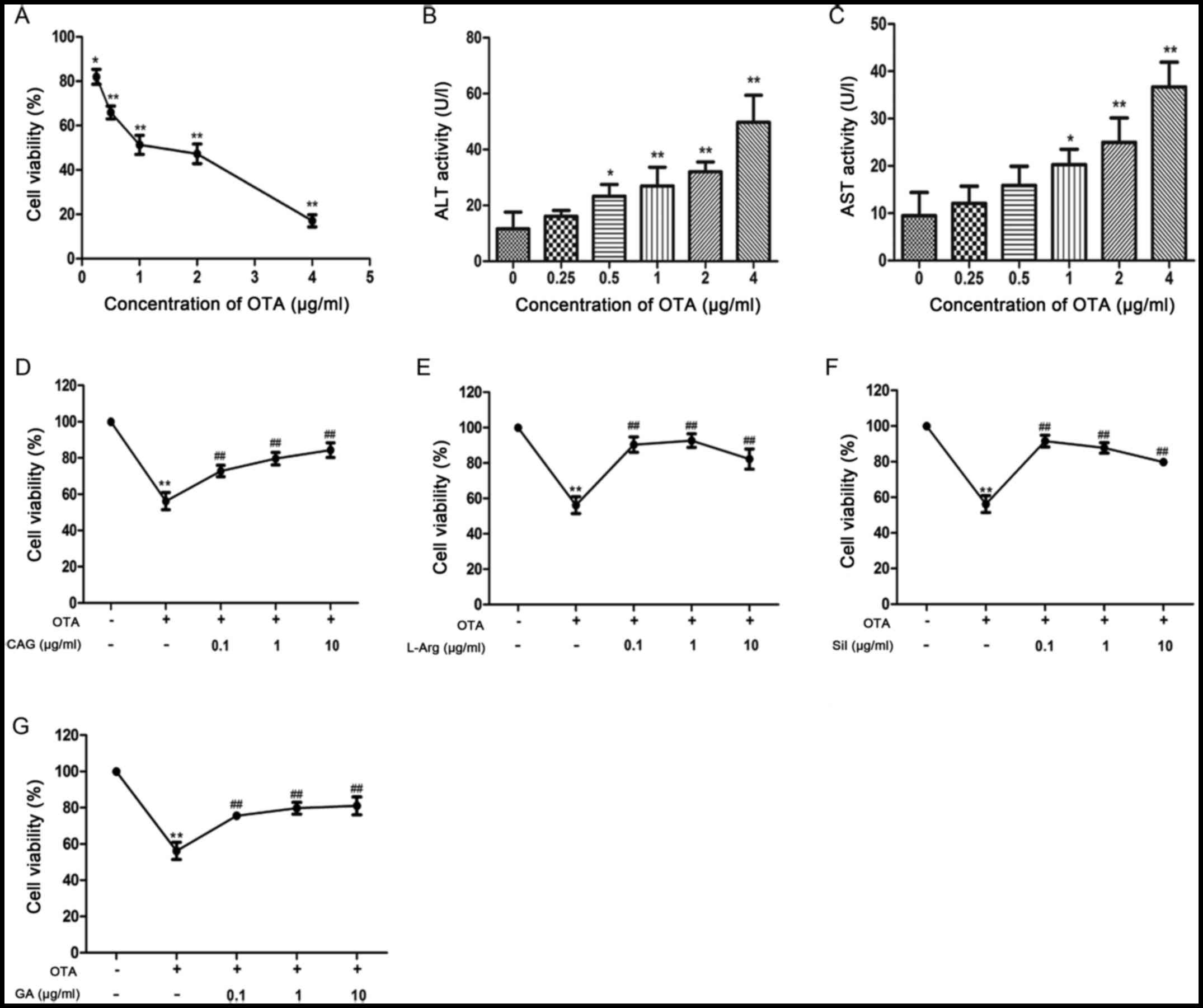
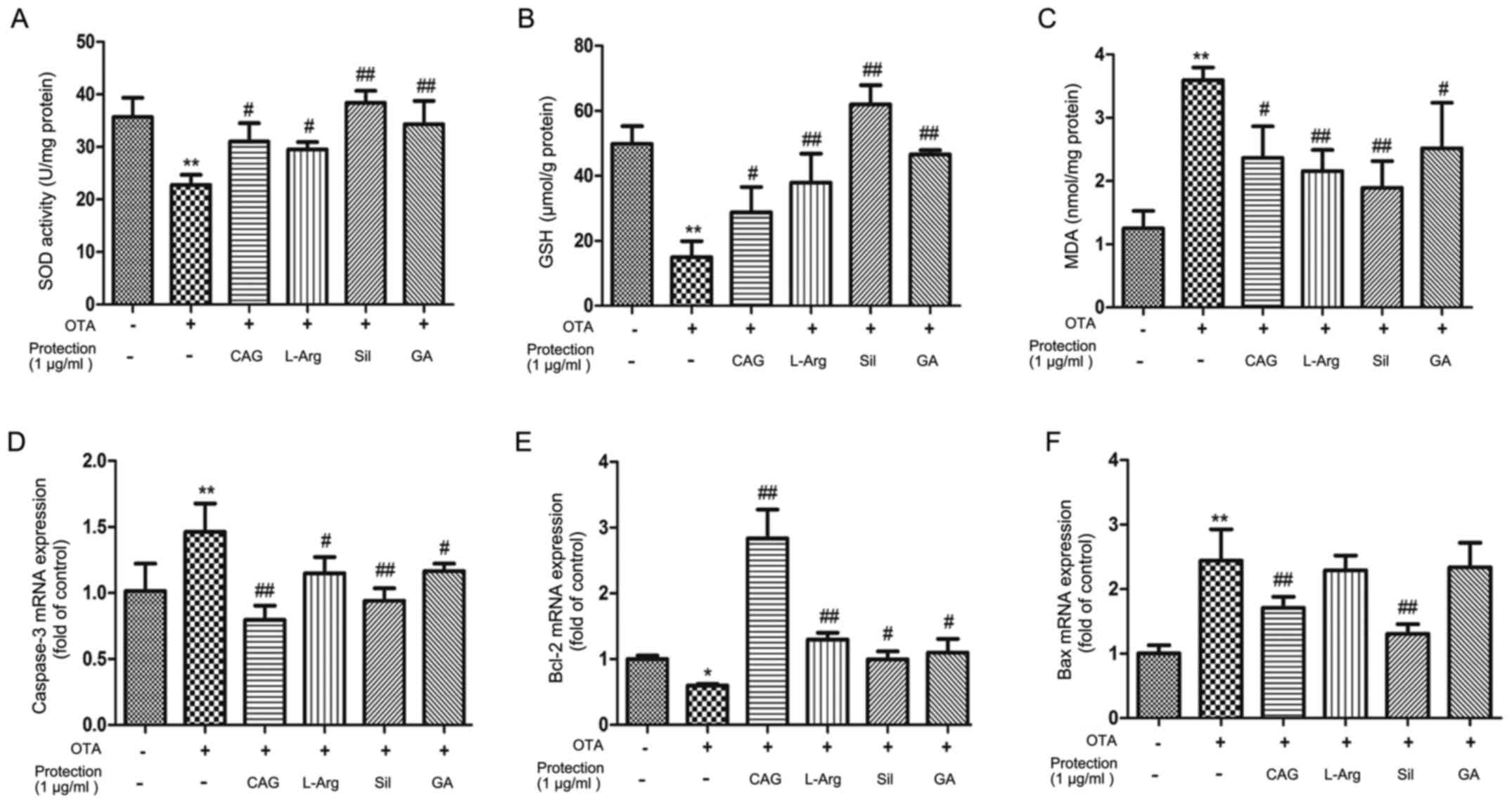
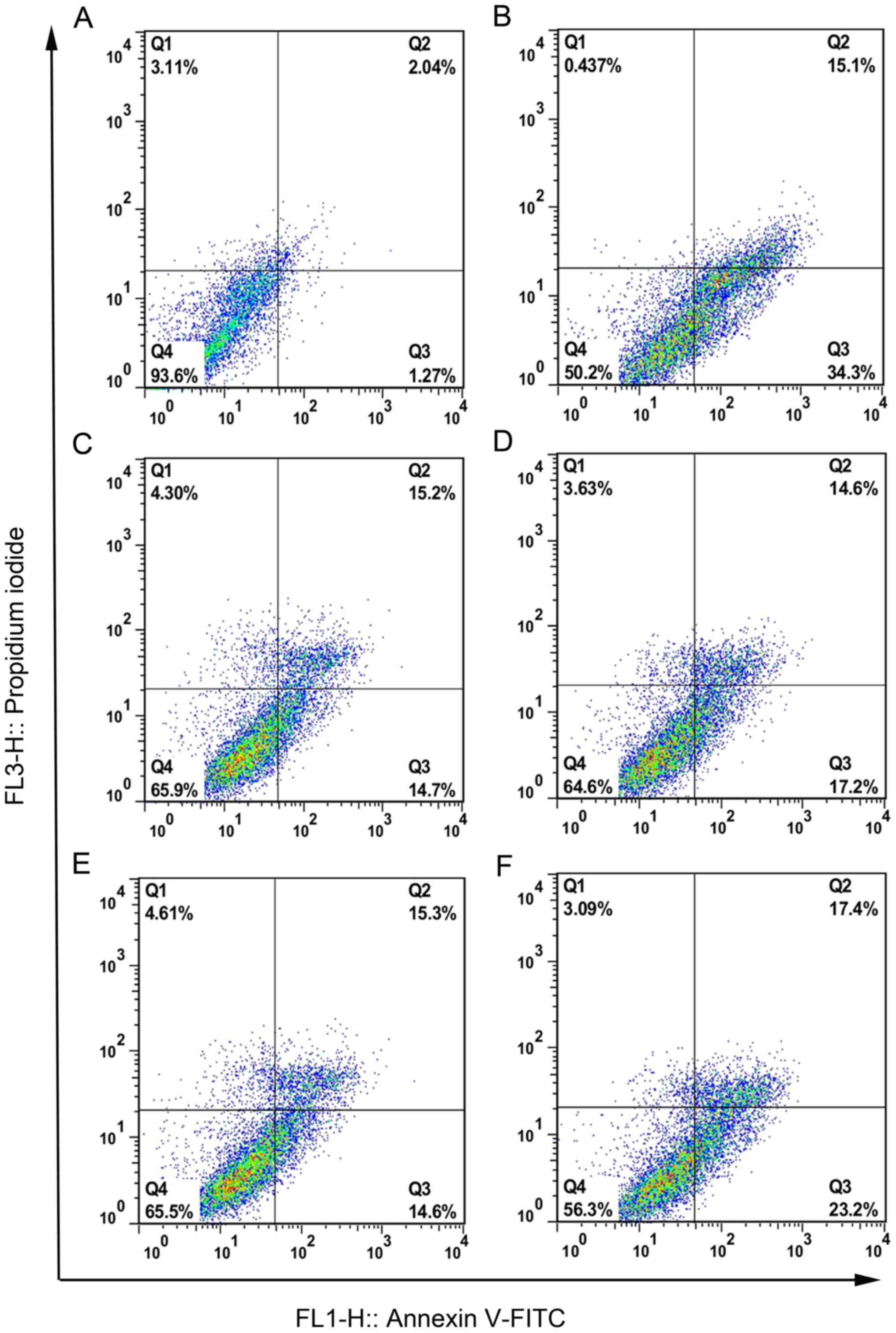
Ochratoxin A (OTA) is a mycotoxin that is produced by fungi in improperly stored food and animal feed. It exhibits nephrotoxic, hepatotoxic, embryotoxic, teratogenic, neurotoxic, immunotoxic and carcinogenic effects in laboratory and farm animals. In the present study, the hepatotoxicity of OPA was investigated in chicken primary hepatocytes. On this basis, the cytoprotective effects of compound ammonium glycyrrhizin (CAG), L‑arginine (L‑Arg), silymarin (Sil) and glucurolactone (GA) were investigated in vitro. Hepatocytes were treated with OTA, which resulted in a significant decrease in cell viability and increases in serum aspartate transaminase and alanine transaminase activities, as determined by an MTT assay and commercial kits, respectively. Furthermore, following OTA treatment, the levels of hepatic antioxidants, such as superoxide dismutase and glutathione, were decreased, and the lipid peroxidation product malondialdehyde was increased, compared with the control group. However, pretreatment with CAG, L‑Arg, Sil and GA significantly ameliorated these alterations and Sil exerted the optimum hepatoprotective effect. The apoptotic rates were measured by flow cytometry and the results revealed that OTA increased cell apoptosis. The four types of hepatoprotective compounds employed in the present study decreased the apoptosis rate and significantly reversed OTA‑induced increases in the mRNA expression levels of caspase‑3, which was determined by reverse transcription‑quantitative polymerase chain reaction. Furthermore, B‑cell lymphoma‑2 (Bcl‑2) mRNA expression was increased in OTA‑treated cells when pretreated with CAG, L‑Arg, Sil and GA. However, no alterations in the mRNA expression of Bcl‑2‑associated X were observed in the L‑Arg and GA groups, compared with the OTA‑only group. These results indicate that OTA may exhibit hepatotoxicity in chickens and that CAG, L‑Arg, Sil and GA may protect the liver against this via anti‑oxidative and antiapoptosis mechanisms. In addition, CAG and GA are likely to mediate their effects through the mitochondrion‑dependent apoptosis pathway; however, the exact hepatoprotective mechanism of L‑Arg and GA require further investigation. Therefore, CAG, L‑Arg, Sil and GA are potential candidates for the prevention and treatment of chicken liver injury.
View Figures

Figure 1

Figure 2

Figure 3

Figure 4

View References

1 

Coronel MB, Sanchis V, Ramos AJ and Marin S: Review. Ochratoxin A: Presence in human plasma and intake estimation. Food Sci Technol Int. 16:5–18. 2010. View Article : Google Scholar : PubMed/NCBI

2 

O'Brien E and Dietrich DR: Ochratoxin A: The continuing enigma. Crit Rev Toxicol. 35:33–60. 2005. View Article : Google Scholar : PubMed/NCBI

3 

Ringot D, Chango A, Schneider YJ and Larondelle Y: Toxicokinetics and toxicodynamics of ochratoxin A, an update. Chem Biol Interact. 159:18–46. 2006. View Article : Google Scholar : PubMed/NCBI

4 

Skaug MA, Helland I, Solvoll K and Saugstad OD: Presence of ochratoxin A in human milk in relation to dietary intake. Food Addit Contam. 18:321–327. 2001. View Article : Google Scholar : PubMed/NCBI

5 

International Agency for Research on Cancer: Some naturally occurring substances: Food items and constituents, heterocyclic aromatic amines and mycotoxins, . Apresentado em: IARC Working Group on the Evaluation of Carcinogenic Risks to Humans: Some Naturally Occurring Substances: Food Items and Constituents. Lyon: 1992

6 

Malir F, Ostry V, Pfohl-Leszkowicz A and Novotna E: Ochratoxin A: Developmental and reproductive toxicity-an overview. Birth Defects Res B Dev Reprod Toxicol. 98:493–502. 2013. View Article : Google Scholar : PubMed/NCBI

7 

Dopp E, Müller J, Hahnel C and Schiffmann D: Induction of genotoxic effects and modulation of the intracellular calcium level in syrian hamster embryo (SHE) fibroblasts caused by ochratoxin A. Food Chem Toxicol. 37:713–721. 1999. View Article : Google Scholar : PubMed/NCBI

8 

Eder S, Benesic A, Freudinger R, Engert J, Schwerdt G, Drumm K and Gekle M: Nephritogenic ochratoxin A interferes with mitochondrial function and pH homeostasis in immortalized human kidney epithelial cells. Pflugers Arch. 440:521–529. 2000. View Article : Google Scholar : PubMed/NCBI

9 

Schaaf GJ, Nijmeijer SM, Maas RF, Roestenberg P, de Groene EM and Fink-Gremmels J: The role of oxidative stress in the ochratoxin A-mediated toxicity in proximal tubular cells. Biochim Biophys Acta. 1588:149–158. 2002. View Article : Google Scholar : PubMed/NCBI

10 

Ehrlich V, Darroudi F, Uhl M, Steinkellner H, Gann M, Majer BJ, Eisenbauer M and Knasmüller S: Genotoxic effects of ochratoxin A in human-derived hepatoma (HepG2) cells. Food Chem Toxicol. 40:1085–1090. 2002. View Article : Google Scholar : PubMed/NCBI

11 

Hundhausen C, Bösch-Saadatmandi C, Augustin K, Blank R, Wolffram S and Rimbach G: Effect of vitamin E and polyphenols on ochratoxin A-induced cytotoxicity in liver (HepG2) cells. J Plant Physiol. 162:818–822. 2005. View Article : Google Scholar : PubMed/NCBI

12 

Arbillaga L, Azqueta A, Ezpeleta O and de Cerain López A: Oxidative DNA damage induced by ochratoxin A in the HK-2 human kidney cell line: Evidence of the relationship with cytotoxicity. Mutagenesis. 22:35–42. 2006. View Article : Google Scholar : PubMed/NCBI

13 

Guerra M, Galvano F, Bonsi L, Speroni E, Costa S, Renzulli C and Cervellati R: Cyanidin-3-O-beta-glucopyranoside, a natural free-radical scavenger against aflatoxin B1-and ochratoxin A-induced cell damage in a human hepatoma cell line (Hep G2) and a human colonic adenocarcinoma cell line (CaCo-2). Br J Nutr. 94:211–220. 2005. View Article : Google Scholar : PubMed/NCBI

14 

Kamp HG, Eisenbrand G, Schlatter J, Würth K and Janzowski C: Ochratoxin A: Induction of (oxidative) DNA damage, cytotoxicity and apoptosis in mammalian cell lines and primary cells. Toxicology. 206:413–425. 2005. View Article : Google Scholar : PubMed/NCBI

15 

Li J, Yin S, Dong Y, Fan L and Hu H: p53 activation inhibits ochratoxin A-induced apoptosis in monkey and human kidney epithelial cells via suppression of JNK activation. Biochem Biophys Res Commun. 411:458–463. 2011. View Article : Google Scholar : PubMed/NCBI

16 

Li JY, Cao HY, Liu P, Cheng GH and Sun MY: Glycyrrhizic acid in the treatment of liver diseases: Literature review. Biomed Res Int. 2014:8721392014.PubMed/NCBI

17 

Arase Y, Ikeda K, Murashima N, Chayama K, Tsubota A, Koida I, Suzuki Y, Saitoh S, Kobayashi M and Kumada H: The long term efficacy of glycyrrhizin in chronic hepatitis C patients. Cancer. 79:1494–1500. 1997. View Article : Google Scholar : PubMed/NCBI

18 

Nishimoto Y, Hisatsune A, Katsuki H, Miyata T, Yokomizo K and Isohama Y: Glycyrrhizin attenuates mucus production by inhibition of MUC5AC mRNA expression in vivo and in vitro. J Pharmacol Sci. 113:76–83. 2010. View Article : Google Scholar : PubMed/NCBI

19 

Visavadiya NP and Narasimhacharya AV: Hypocholesterolaemic and antioxidant effects of Glycyrrhiza glabra (Linn) in rats. Mol Nutr Food Res. 50:1080–1086. 2006. View Article : Google Scholar : PubMed/NCBI

20 

Oh HM, Lee S, Park YN, Choi EJ, Choi JY, Kim JA, Kweon JH, Han WC, Choi SC, Han JK, et al: Ammonium glycyrrhizinate protects gastric epithelial cells from hydrogen peroxide-induced cell death. Exp Biol Med (Maywood). 234:263–277. 2009. View Article : Google Scholar : PubMed/NCBI

21 

Račková L, Jančinová V, Petríková M, Drábiková K, Nosál R, Stefek M, Kostálová D, Prónayová N and Kovácová M: Mechanism of anti-inflammatory action of liquorice extract and glycyrrhizin. Nat Prod Res. 21:1234–1241. 2007. View Article : Google Scholar : PubMed/NCBI

22 

Yim SB, Park SE and Lee CS: Protective effect of glycyrrhizin on 1-methyl-4-phenylpyridinium-induced mitochondrial damage and cell death in differentiated PC12 cells. J Pharmacol Exp Ther. 321:816–822. 2007. View Article : Google Scholar : PubMed/NCBI

23 

Lass A, Suessenbacher A, Wölkart G, Mayer B and Brunner F: Functional and analytical evidence for scavenging of oxygen radicals by L-arginine. Mol Pharmacol. 61:1081–1088. 2002. View Article : Google Scholar : PubMed/NCBI

24 

Wu G, Bazer FW, Davis TA, Kim SW, Li P, Rhoads Marc J, Satterfield Carey M, Smith SB, Spencer TE and Yin Y: Arginine metabolism and nutrition in growth, health and disease. Amino Acids. 37:153–168. 2009. View Article : Google Scholar : PubMed/NCBI

25 

Wu G, Davis PK, Flynn NE, Knabe DA and Davidson JT: Endogenous synthesis of arginine plays an important role in maintaining arginine homeostasis in postweaning growing pigs. J Nutr. 127:2342–2349. 1997. View Article : Google Scholar : PubMed/NCBI

26 

Chen CH, Huang TS, Wong CH, Hong CL, Tsai YH, Liang CC, Lu FJ and Chang WH: Synergistic anti-cancer effect of baicalein and silymarin on human hepatoma HepG2 cells. Food Chem Toxicol. 47:638–644. 2009. View Article : Google Scholar : PubMed/NCBI

27 

Jose MA, Abraham A and Narmadha M: Effect of silymarin in diabetes mellitus patients with liver diseases. J Pharmacol Pharmacother. 2:287–289. 2011. View Article : Google Scholar : PubMed/NCBI

28 

Guan S, Gong M, Yin Y, Huang R, Ruan Z, Zhou T and Xie M: Occurrence of mycotoxins in feeds and feed ingredients in China. J Food Agric Environ. 9:163–167. 2011.

29 

Yu Z, Wu F, Tian J, Guo X, An R and Guo Y: Ammonium glycyrrhizin counteracts liver injury caused by lipopolysaccharide/amoxicillin-clavulanate potassium. Oncotarget. 8:96837–96851. 2017.PubMed/NCBI

30 

Mosmann T: Rapid colorimetric assay for cellular growth and survival: Application to proliferation and cytotoxicity assays. J Immunol Methods. 65:55–63. 1983. View Article : Google Scholar : PubMed/NCBI

31 

Schefe JH, Lehmann KE, Buschmann IR, Unger T and Funke-Kaiser H: Quantitative real-time RT-PCR data analysis: Current concepts and the novel ‘gene expression's C T difference’ formula. J Mol Med (Berl). 84:901–910. 2006. View Article : Google Scholar : PubMed/NCBI

32 

Petzinger E and Ziegler K: Ochratoxin A from a toxicological perspective. J Vet Pharmacol Ther. 23:91–98. 2000. View Article : Google Scholar : PubMed/NCBI

33 

Li Y, Zhang B, He X, Cheng WH, Xu W, Luo Y, Liang R, Luo H and Huang K: Analysis of individual and combined effects of ochratoxin A and zearalenone on HepG2 and KK-1 cells with mathematical models. Toxins (Basel). 6:1177–1192. 2014. View Article : Google Scholar : PubMed/NCBI

34 

Li Y, He X, Yang X, Huang K, Luo Y, Zhu L, Li Y and Xu W: Zinc inhibits the reproductive toxicity of Zearalenone in immortalized murine ovarian granular KK-1 cells. Sci Rep. 5:142772015. View Article : Google Scholar : PubMed/NCBI

35 

Klarić MŠ, Želježić D, Rumora L, Peraica M, Pepeljnjak S and Domijan AM: A potential role of calcium in apoptosis and aberrant chromatin forms in porcine kidney PK15 cells induced by individual and combined ochratoxin A and citrinin. Arch Toxicol. 86:97–107. 2012. View Article : Google Scholar : PubMed/NCBI

36 

Wilk-Zasadna I and Minta M: Developmental toxicity of ochratoxin A in rat embryo midbrain micromass cultures. Int J Mol Sci. 10:37–49. 2008. View Article : Google Scholar : PubMed/NCBI

37 

Hassen W, Ayed-Boussema I, Oscoz AA, Ade Lopez C and Bacha H: The role of oxidative stress in zearalenone-mediated toxicity in Hep G2 cells: Oxidative DNA damage, gluthatione depletion and stress proteins induction. Toxicology. 232:294–302. 2007. View Article : Google Scholar : PubMed/NCBI

38 

Abid-Essefi S, Ouanes Z, Hassen W, Baudrimont I, Creppy E and Bacha H: Cytotoxicity, inhibition of DNA and protein syntheses and oxidative damage in cultured cells exposed to zearalenone. Toxicol In Vitro. 18:467–474. 2004. View Article : Google Scholar : PubMed/NCBI

39 

Zheng J, Zhang Y, Xu W, Luo Y, Hao J, Shen XL, Yang X, Li X and Huang K: Zinc protects HepG2 cells against the oxidative damage and DNA damage induced by ochratoxin A. Toxicol Appl Pharmacol. 268:123–131. 2013. View Article : Google Scholar : PubMed/NCBI

40 

Klarić MS, Pepeljnjak S, Domijan A-M and Petrik J: Lipid peroxidation and glutathione levels in porcine kidney PK15 cells after individual and combined treatment with fumonisin B1, beauvericin and ochratoxin A. Basic Clin Pharmacol Toxicol. 100:157–164. 2007. View Article : Google Scholar : PubMed/NCBI

41 

Lawen A: Apoptosis-an introduction. Bioessays. 25:888–896. 2003. View Article : Google Scholar : PubMed/NCBI

42 

Bouaziz C, el dein Sharaf O, Martel C, El Golli E, Abid-Essefi S, Brenner C, Lemaire C and Bacha H: Molecular events involved in ochratoxin A induced mitochondrial pathway of apoptosis, modulation by Bcl-2 family members. Environ Toxicol. 26:579–590. 2011. View Article : Google Scholar : PubMed/NCBI

43 

El Golli Bennour E, Rodriguez-Enfedaque A, Bouaziz C, Ladjimi M, Renaud F and Bacha H: Toxicities induced in cultured human hepatocarcinoma cells exposed to ochratoxin A: Oxidative stress and apoptosis status. J Biochem Mol Toxicol. 23:87–96. 2009. View Article : Google Scholar : PubMed/NCBI

44 

Ming LJ and Yin A: Therapeutic effects of glycyrrhizic acid. Nat Prod Commun. 8:415–418. 2013.PubMed/NCBI

45 

Lee CH, Park SW, Kim YS, Kang SS, Kim JA, Lee SH and Lee SM: Protective mechanism of glycyrrhizin on acute liver injury induced by carbon tetrachloride in mice. Biol Pharm Bull. 30:1898–1904. 2007. View Article : Google Scholar : PubMed/NCBI

46 

Van Rossum T, Vulto AG, de Man RA, Brouwer JT and Schalm SW: Review article: Glycyrrhizin as a potential treatment for chronic hepatitis C. Aliment Pharmacol Ther. 12:199–205. 1998. View Article : Google Scholar : PubMed/NCBI

47 

Tapiero H, Mathé G, Couvreur P and Tew K: I. Arginine. Biomed Pharmacother. 56:439–445. 2002. View Article : Google Scholar : PubMed/NCBI

48 

Andrew PJ and Mayer B: Enzymatic function of nitric oxide synthases. Cardiovasc Res. 43:521–531. 1999. View Article : Google Scholar : PubMed/NCBI

49 

Soto C, Pérez J, García V, Uría E, Vadillo M and Raya L: Effect of silymarin on kidneys of rats suffering from alloxan-induced diabetes mellitus. Phytomedicine. 17:1090–1094. 2010. View Article : Google Scholar : PubMed/NCBI

50 

Stanford D and Stachulski AV: Convenient syntheses of deoxypyranose sugars from glucuronolactone. Tetrahedron Lett. 48:2361–2364. 2007. View Article : Google Scholar

51 

Yin G, Cao L, Xu P, Jeney G, Nakao M and Lu C: Hepatoprotective and antioxidant effects of Glycyrrhiza glabra extract against carbon tetrachloride (CCl(4))-induced hepatocyte damage in common carp (Cyprinus carpio). Fish Physiol Biochem. 37:209–216. 2011. View Article : Google Scholar : PubMed/NCBI

52 

Dr S and Khanna A: The effect of antenatal L-arginine and antioxidant supplementation on oxidative stress marker levels in newborns. J Clin Diagn Res. 8:OC10–OC12. 2014.PubMed/NCBI

53 

Kumar N, Rai A, Reddy ND, Raj PV, Jain P, Deshpande P, Mathew G, Kutty NG, Udupa N and Rao CM: Silymarin liposomes improves oral bioavailability of silybin besides targeting hepatocytes, and immune cells. Pharmacol Rep. 66:788–798. 2014. View Article : Google Scholar : PubMed/NCBI

54 

El-Tahawy NF, Ali AH, Saied SR and Abdel-Wahab Z: Effect of glycyrrhizin on lipopolysaccharide/D-galactosamine-induced acute hepatitis in albino rats: A histological and immunohistochemical study. Egypt J Histol. 34:518–527. 2011. View Article : Google Scholar

55 

Tuorkey MJ, El-Desouki NI and Kamel RA: Cytoprotective effect of silymarin against diabetes-induced cardiomyocyte apoptosis in diabetic rats. Biomed Environ Sci. 28:36–43. 2015.PubMed/NCBI

Related Articles

  • Abstract
  • View
  • Download
  • Twitter
Copy and paste a formatted citation
Spandidos Publications style
Yu Z, Wu F, Tian J, Guo X and An R: Protective effects of compound ammonium glycyrrhizin, L‑arginine, silymarin and glucurolactone against liver damage induced by ochratoxin A in primary chicken hepatocytes. Mol Med Rep 18: 2551-2560, 2018.
APA
Yu, Z., Wu, F., Tian, J., Guo, X., & An, R. (2018). Protective effects of compound ammonium glycyrrhizin, L‑arginine, silymarin and glucurolactone against liver damage induced by ochratoxin A in primary chicken hepatocytes. Molecular Medicine Reports, 18, 2551-2560. https://doi.org/10.3892/mmr.2018.9285
MLA
Yu, Z., Wu, F., Tian, J., Guo, X., An, R."Protective effects of compound ammonium glycyrrhizin, L‑arginine, silymarin and glucurolactone against liver damage induced by ochratoxin A in primary chicken hepatocytes". Molecular Medicine Reports 18.3 (2018): 2551-2560.
Chicago
Yu, Z., Wu, F., Tian, J., Guo, X., An, R."Protective effects of compound ammonium glycyrrhizin, L‑arginine, silymarin and glucurolactone against liver damage induced by ochratoxin A in primary chicken hepatocytes". Molecular Medicine Reports 18, no. 3 (2018): 2551-2560. https://doi.org/10.3892/mmr.2018.9285
Copy and paste a formatted citation
x
Spandidos Publications style
Yu Z, Wu F, Tian J, Guo X and An R: Protective effects of compound ammonium glycyrrhizin, L‑arginine, silymarin and glucurolactone against liver damage induced by ochratoxin A in primary chicken hepatocytes. Mol Med Rep 18: 2551-2560, 2018.
APA
Yu, Z., Wu, F., Tian, J., Guo, X., & An, R. (2018). Protective effects of compound ammonium glycyrrhizin, L‑arginine, silymarin and glucurolactone against liver damage induced by ochratoxin A in primary chicken hepatocytes. Molecular Medicine Reports, 18, 2551-2560. https://doi.org/10.3892/mmr.2018.9285
MLA
Yu, Z., Wu, F., Tian, J., Guo, X., An, R."Protective effects of compound ammonium glycyrrhizin, L‑arginine, silymarin and glucurolactone against liver damage induced by ochratoxin A in primary chicken hepatocytes". Molecular Medicine Reports 18.3 (2018): 2551-2560.
Chicago
Yu, Z., Wu, F., Tian, J., Guo, X., An, R."Protective effects of compound ammonium glycyrrhizin, L‑arginine, silymarin and glucurolactone against liver damage induced by ochratoxin A in primary chicken hepatocytes". Molecular Medicine Reports 18, no. 3 (2018): 2551-2560. https://doi.org/10.3892/mmr.2018.9285
Follow us
  • Twitter
  • LinkedIn
  • Facebook
About
  • Spandidos Publications
  • Careers
  • Cookie Policy
  • Privacy Policy
How can we help?
  • Help
  • Live Chat
  • Contact
  • Email to our Support Team