Spandidos Publications Logo
  • About
    • About Spandidos
    • Aims and Scopes
    • Abstracting and Indexing
    • Editorial Policies
    • Reprints and Permissions
    • Job Opportunities
    • Terms and Conditions
    • Contact
  • Journals
    • All Journals
    • Oncology Letters
      • Oncology Letters
      • Information for Authors
      • Editorial Policies
      • Editorial Board
      • Aims and Scope
      • Abstracting and Indexing
      • Bibliographic Information
      • Archive
    • International Journal of Oncology
      • International Journal of Oncology
      • Information for Authors
      • Editorial Policies
      • Editorial Board
      • Aims and Scope
      • Abstracting and Indexing
      • Bibliographic Information
      • Archive
    • Molecular and Clinical Oncology
      • Molecular and Clinical Oncology
      • Information for Authors
      • Editorial Policies
      • Editorial Board
      • Aims and Scope
      • Abstracting and Indexing
      • Bibliographic Information
      • Archive
    • Experimental and Therapeutic Medicine
      • Experimental and Therapeutic Medicine
      • Information for Authors
      • Editorial Policies
      • Editorial Board
      • Aims and Scope
      • Abstracting and Indexing
      • Bibliographic Information
      • Archive
    • International Journal of Molecular Medicine
      • International Journal of Molecular Medicine
      • Information for Authors
      • Editorial Policies
      • Editorial Board
      • Aims and Scope
      • Abstracting and Indexing
      • Bibliographic Information
      • Archive
    • Biomedical Reports
      • Biomedical Reports
      • Information for Authors
      • Editorial Policies
      • Editorial Board
      • Aims and Scope
      • Abstracting and Indexing
      • Bibliographic Information
      • Archive
    • Oncology Reports
      • Oncology Reports
      • Information for Authors
      • Editorial Policies
      • Editorial Board
      • Aims and Scope
      • Abstracting and Indexing
      • Bibliographic Information
      • Archive
    • Molecular Medicine Reports
      • Molecular Medicine Reports
      • Information for Authors
      • Editorial Policies
      • Editorial Board
      • Aims and Scope
      • Abstracting and Indexing
      • Bibliographic Information
      • Archive
    • World Academy of Sciences Journal
      • World Academy of Sciences Journal
      • Information for Authors
      • Editorial Policies
      • Editorial Board
      • Aims and Scope
      • Abstracting and Indexing
      • Bibliographic Information
      • Archive
    • International Journal of Functional Nutrition
      • International Journal of Functional Nutrition
      • Information for Authors
      • Editorial Policies
      • Editorial Board
      • Aims and Scope
      • Abstracting and Indexing
      • Bibliographic Information
      • Archive
    • International Journal of Epigenetics
      • International Journal of Epigenetics
      • Information for Authors
      • Editorial Policies
      • Editorial Board
      • Aims and Scope
      • Abstracting and Indexing
      • Bibliographic Information
      • Archive
    • Medicine International
      • Medicine International
      • Information for Authors
      • Editorial Policies
      • Editorial Board
      • Aims and Scope
      • Abstracting and Indexing
      • Bibliographic Information
      • Archive
  • Articles
  • Information
    • Information for Authors
    • Information for Reviewers
    • Information for Librarians
    • Information for Advertisers
    • Conferences
  • Language Editing
Spandidos Publications Logo
  • About
    • About Spandidos
    • Aims and Scopes
    • Abstracting and Indexing
    • Editorial Policies
    • Reprints and Permissions
    • Job Opportunities
    • Terms and Conditions
    • Contact
  • Journals
    • All Journals
    • Biomedical Reports
      • Information for Authors
      • Editorial Policies
      • Editorial Board
      • Aims and Scope
      • Abstracting and Indexing
      • Bibliographic Information
      • Archive
    • Experimental and Therapeutic Medicine
      • Information for Authors
      • Editorial Policies
      • Editorial Board
      • Aims and Scope
      • Abstracting and Indexing
      • Bibliographic Information
      • Archive
    • International Journal of Epigenetics
      • Information for Authors
      • Editorial Policies
      • Editorial Board
      • Aims and Scope
      • Abstracting and Indexing
      • Bibliographic Information
      • Archive
    • International Journal of Functional Nutrition
      • Information for Authors
      • Editorial Policies
      • Editorial Board
      • Aims and Scope
      • Abstracting and Indexing
      • Bibliographic Information
      • Archive
    • International Journal of Molecular Medicine
      • Information for Authors
      • Editorial Policies
      • Editorial Board
      • Aims and Scope
      • Abstracting and Indexing
      • Bibliographic Information
      • Archive
    • International Journal of Oncology
      • Information for Authors
      • Editorial Policies
      • Editorial Board
      • Aims and Scope
      • Abstracting and Indexing
      • Bibliographic Information
      • Archive
    • Medicine International
      • Information for Authors
      • Editorial Policies
      • Editorial Board
      • Aims and Scope
      • Abstracting and Indexing
      • Bibliographic Information
      • Archive
    • Molecular and Clinical Oncology
      • Information for Authors
      • Editorial Policies
      • Editorial Board
      • Aims and Scope
      • Abstracting and Indexing
      • Bibliographic Information
      • Archive
    • Molecular Medicine Reports
      • Information for Authors
      • Editorial Policies
      • Editorial Board
      • Aims and Scope
      • Abstracting and Indexing
      • Bibliographic Information
      • Archive
    • Oncology Letters
      • Information for Authors
      • Editorial Policies
      • Editorial Board
      • Aims and Scope
      • Abstracting and Indexing
      • Bibliographic Information
      • Archive
    • Oncology Reports
      • Information for Authors
      • Editorial Policies
      • Editorial Board
      • Aims and Scope
      • Abstracting and Indexing
      • Bibliographic Information
      • Archive
    • World Academy of Sciences Journal
      • Information for Authors
      • Editorial Policies
      • Editorial Board
      • Aims and Scope
      • Abstracting and Indexing
      • Bibliographic Information
      • Archive
  • Articles
  • Information
    • For Authors
    • For Reviewers
    • For Librarians
    • For Advertisers
    • Conferences
  • Language Editing
Login Register Submit
  • This site uses cookies
  • You can change your cookie settings at any time by following the instructions in our Cookie Policy. To find out more, you may read our Privacy Policy.

    I agree
Search articles by DOI, keyword, author or affiliation
Search
Advanced Search
presentation
Molecular Medicine Reports
Join Editorial Board Propose a Special Issue
Print ISSN: 1791-2997 Online ISSN: 1791-3004
Journal Cover
October-2018 Volume 18 Issue 4

Full Size Image

Sign up for eToc alerts
Recommend to Library

Journals

International Journal of Molecular Medicine

International Journal of Molecular Medicine

International Journal of Molecular Medicine is an international journal devoted to molecular mechanisms of human disease.

International Journal of Oncology

International Journal of Oncology

International Journal of Oncology is an international journal devoted to oncology research and cancer treatment.

Molecular Medicine Reports

Molecular Medicine Reports

Covers molecular medicine topics such as pharmacology, pathology, genetics, neuroscience, infectious diseases, molecular cardiology, and molecular surgery.

Oncology Reports

Oncology Reports

Oncology Reports is an international journal devoted to fundamental and applied research in Oncology.

Experimental and Therapeutic Medicine

Experimental and Therapeutic Medicine

Experimental and Therapeutic Medicine is an international journal devoted to laboratory and clinical medicine.

Oncology Letters

Oncology Letters

Oncology Letters is an international journal devoted to Experimental and Clinical Oncology.

Biomedical Reports

Biomedical Reports

Explores a wide range of biological and medical fields, including pharmacology, genetics, microbiology, neuroscience, and molecular cardiology.

Molecular and Clinical Oncology

Molecular and Clinical Oncology

International journal addressing all aspects of oncology research, from tumorigenesis and oncogenes to chemotherapy and metastasis.

World Academy of Sciences Journal

World Academy of Sciences Journal

Multidisciplinary open-access journal spanning biochemistry, genetics, neuroscience, environmental health, and synthetic biology.

International Journal of Functional Nutrition

International Journal of Functional Nutrition

Open-access journal combining biochemistry, pharmacology, immunology, and genetics to advance health through functional nutrition.

International Journal of Epigenetics

International Journal of Epigenetics

Publishes open-access research on using epigenetics to advance understanding and treatment of human disease.

Medicine International

Medicine International

An International Open Access Journal Devoted to General Medicine.

Journal Cover
October-2018 Volume 18 Issue 4

Full Size Image

Sign up for eToc alerts
Recommend to Library

  • Article
  • Citations
    • Cite This Article
    • Download Citation
    • Create Citation Alert
    • Remove Citation Alert
    • Cited By
  • Similar Articles
    • Related Articles (in Spandidos Publications)
    • Similar Articles (Google Scholar)
    • Similar Articles (PubMed)
  • Download PDF
  • Download XML
  • View XML
Article

Renoprotection of dapagliflozin in human renal proximal tubular cells via the inhibition of the high mobility group box 1‑receptor for advanced glycation end products‑nuclear factor‑κB signaling pathway

  • Authors:
    • Di Yao
    • Suyu Wang
    • Min Wang
    • Weiping Lu
  • View Affiliations / Copyright

    Affiliations: Department of Endocrinology and Metabolism, The Affiliated Huai'an No. 1 People's Hospital of Nanjing Medical University, Huai'an, Jiangsu 223300, P.R. China
  • Pages: 3625-3630
    |
    Published online on: August 17, 2018
       https://doi.org/10.3892/mmr.2018.9393
  • Expand metrics +
Metrics: Total Views: 0 (Spandidos Publications: | PMC Statistics: )
Metrics: Total PDF Downloads: 0 (Spandidos Publications: | PMC Statistics: )
Cited By (CrossRef): 0 citations Loading Articles...

This article is mentioned in:


Abstract

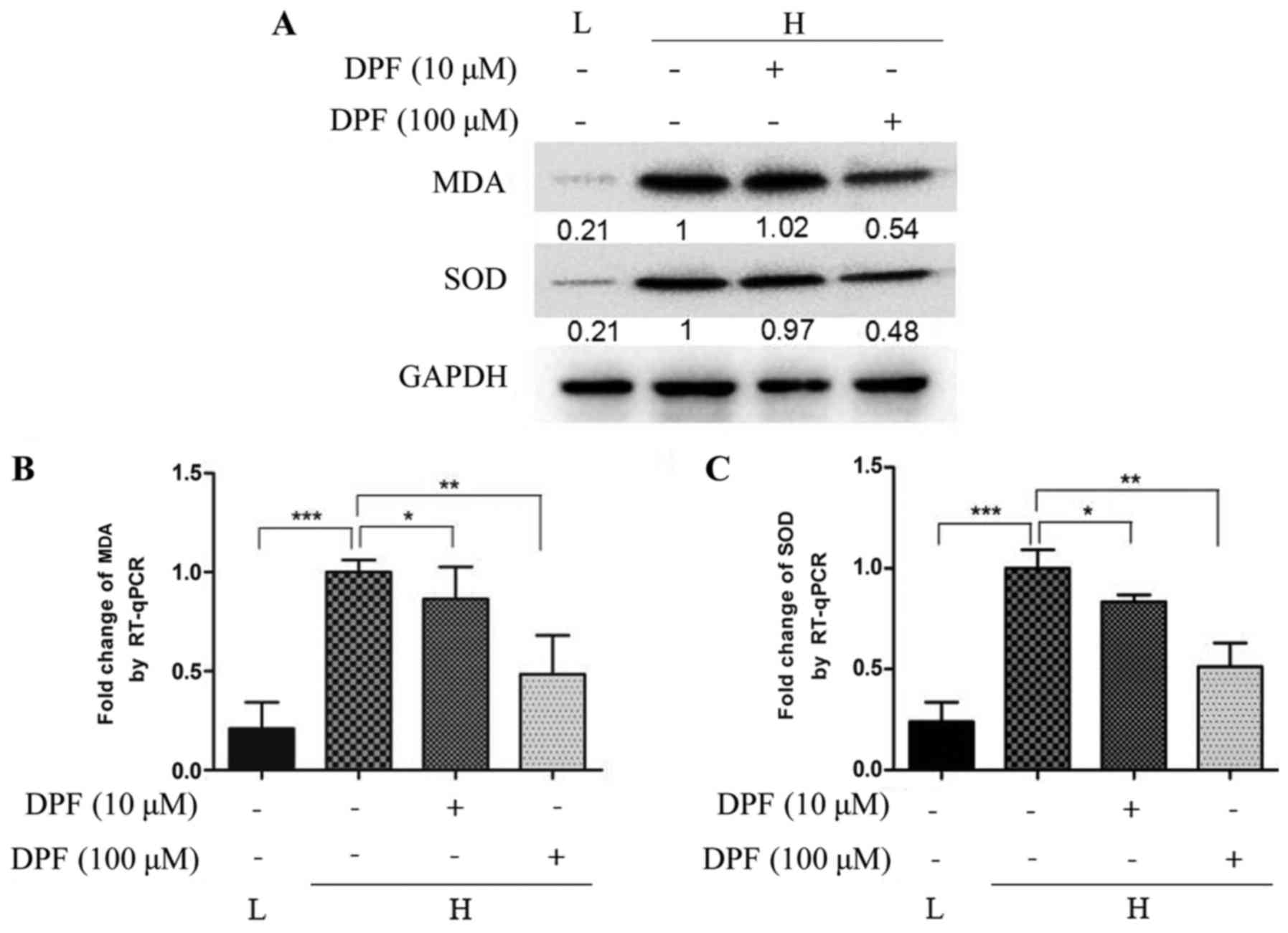
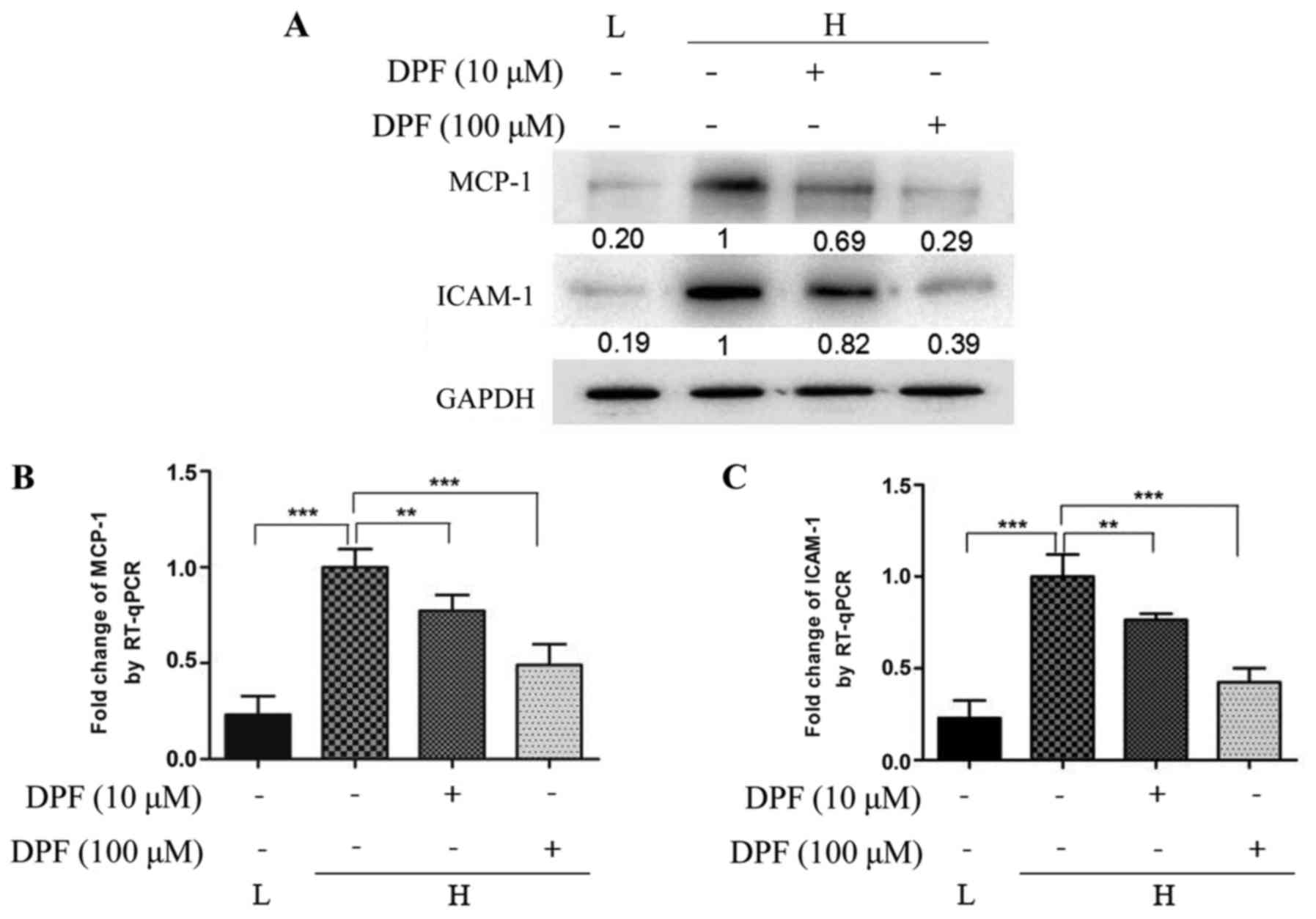
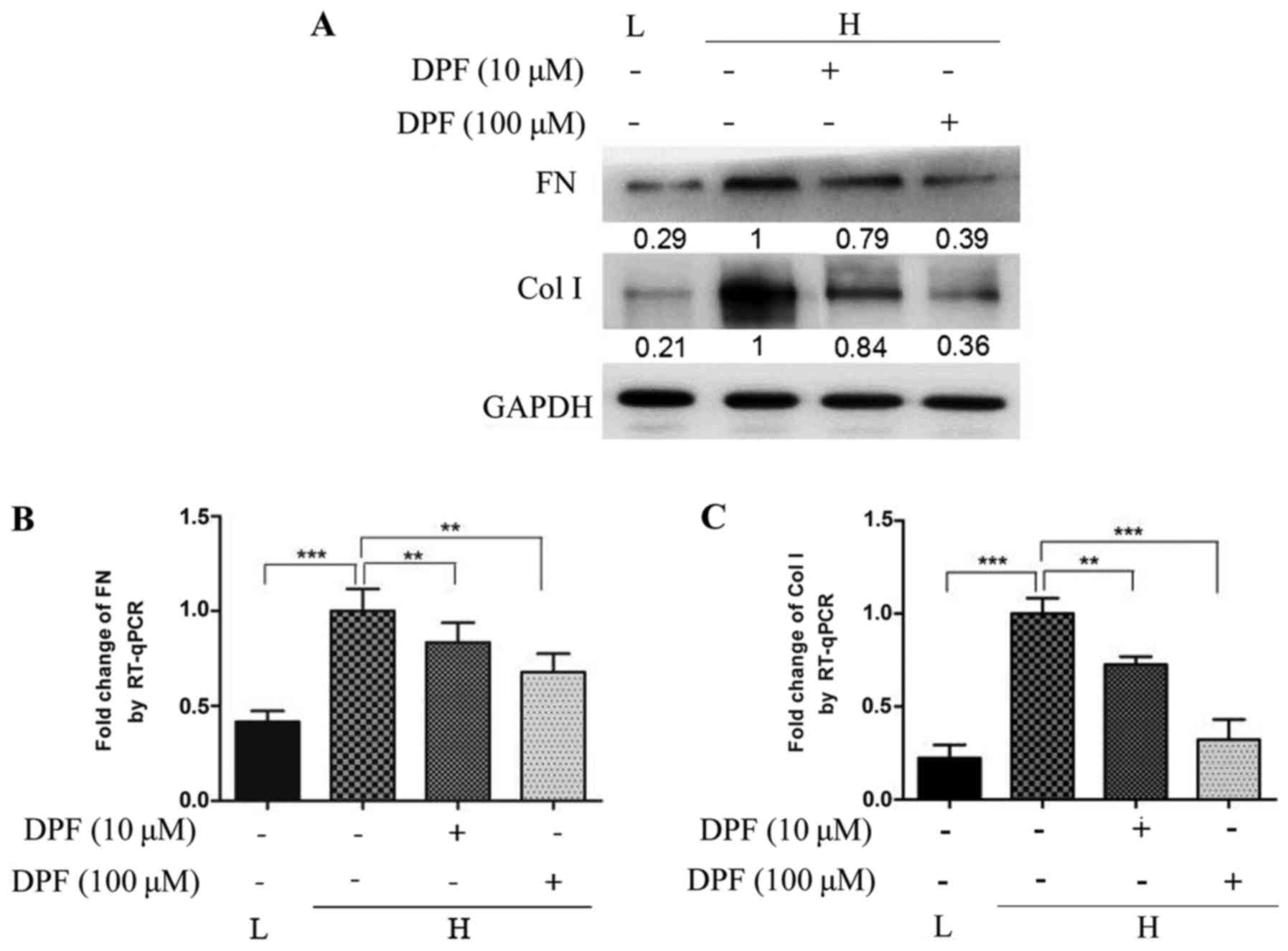
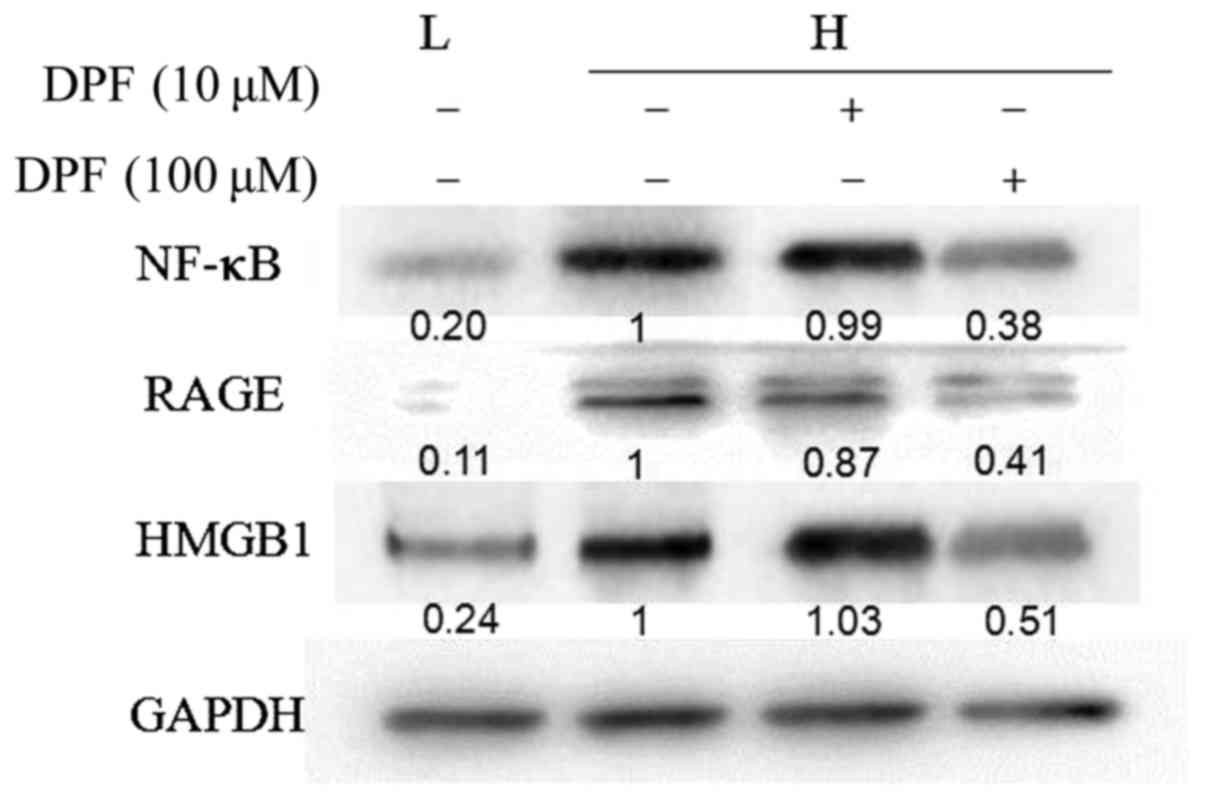
Sodium‑glucose co‑transporter 2 (SGLT2) inhibitors are recently developed oral hypoglycemic agents, which act on renal proximal tubules by reducing the reabsorption of glucose and increasing the excretion of glucose in the urine. However, the mechanism underlying renoprotection has not been fully elucidated. Previous studies have indicated that the expression of high mobility group box 1 (HMGB1) increased in patients with kidney disease, and may result in renal damage through the activation of nuclear factor‑κB (NF‑κB) and an increase in receptor for advanced glycation end products (RAGE) expression. The aim of the present study was to evaluate the effects of the SGLT‑2 inhibitor dapagliflozin on cultured human proximal tubular epithelial cells (HK‑2). HK‑2 cells were grown under high glucose conditions for 48 h in the presence or absence of dapagliflozin. The markers of oxidative stress, inflammation and fibrillation levels were then detected by reverse transcription‑quantitative polymerase chain reaction and western blotting. Hyperglycemia increased the mRNA expression and protein levels of malondialdehyde (MDA), superoxide dismutase (SOD), monocyte chemoattractant protein‑1 (MCP‑1), intercellular adhesion molecule‑1 (ICAM‑1), fibronectin (FN), collagenase type 1 (COL‑1), HMGB1, RAGE and NF‑κB, and the effects could be reversed by dapagliflozin in a concentration‑dependent manner. The results of the present study suggested that HMGB1 increased the expression and secretion of markers of inflammation, oxidative stress and fibrillation, including MDA, SOD, MCP‑1, ICAM‑1, FN and COL‑1, in diabetic nephropathy. However, dapagliflozin significantly reduced the levels of inflammatory markers and postponed the progression of renal injury. It was therefore suggested this may be mediated through the inhibition of HMGB1‑RAGE-NF‑κB signaling pathway.
View Figures

Figure 1

Figure 2

Figure 3

Figure 4

View References

1 

Xue R, Gui D, Zheng L, Zhai R, Wang F and Wang N: Mechanistic insight and management of diabetic nephropathy: Recent progress and future perspective. J Diabetes Res. 2017:18398092017. View Article : Google Scholar : PubMed/NCBI

2 

Zhu P, Xie L, Ding HS, Gong Q, Yang J and Yang L: High mobility group box 1 and kidney diseases (Review). Int J Mol Med. 31:763–768. 2013. View Article : Google Scholar : PubMed/NCBI

3 

Kim J, Sohn E, Kim CS, Jo K and Kim JS: The role of high-mobility group box-1 protein in the development of diabetic nephropathy. Am J Nephrol. 33:524–529. 2011. View Article : Google Scholar : PubMed/NCBI

4 

Scaffidi P, Misteli T and Bianchi ME: Release of chromatin protein HMGB1 by necrotic cells triggers inflammation. Nature. 418:191–195. 2002. View Article : Google Scholar : PubMed/NCBI

5 

Xie J, Méndez JD, Méndez-Valenzuela V and Aguilar-Hernández MM: Cellular signalling of the receptor for advanced glycation end products (RAGE). Cell Signal. 25:2185–2197. 2013. View Article : Google Scholar : PubMed/NCBI

6 

Kawanami D, Matoba K, Takeda Y, Nagai Y, Akamine T, Yokota T, Sango K and Utsunomiya K: SGLT2 inhibitors as a therapeutic option for diabetic nephropathy. Int J Mol Sci. 18(pii): E10832017. View Article : Google Scholar : PubMed/NCBI

7 

Komala MG, Panchapakesan U, Pollock C and Mather A: Sodium glucose cotransporter 2 and the diabetic kidney. Curr Opin Nephrol Hypertens. 22:113–119. 2013. View Article : Google Scholar : PubMed/NCBI

8 

Moses RG, Colagiuri S and Pollock C: SGLT2 inhibitors: New medicines for addressing unmet needs in type 2 diabetes. Australas Med J. 7:405–415. 2014. View Article : Google Scholar : PubMed/NCBI

9 

Panchapakesan U, Pegg K, Gross S, Komala MG, Mudaliar H, Forbes J, Pollock C and Mather A: Effects of SGLT2 inhibition in human kidney proximal tubular cells-renoprotection in diabetic nephropathy? PLoS One. 8:e544422013. View Article : Google Scholar : PubMed/NCBI

10 

Livak KJ and Schmittgen TD: Analysis of relative gene expression data using real-time quantitative PCR and the 2(-Delta Delta C(T)) method. Methods. 25:402–408. 2001. View Article : Google Scholar : PubMed/NCBI

11 

Gallagher H and Suckling RJ: Diabetic nephropathy: Where are we on the journey from pathophysiology to treatment? Diabetes Obes Metab. 18:641–647. 2016. View Article : Google Scholar : PubMed/NCBI

12 

Penfold SA, Coughlan MT, Patel SK, Srivastava PM, Sourris KC, Steer D, Webster DE, Thomas MC, MacIsaac RJ, Jerums G, et al: Circulating high-molecular-weight RAGE ligands activate pathways implicated in the development of diabetic nephropathy. Kidney Int. 78:287–295. 2010. View Article : Google Scholar : PubMed/NCBI

13 

Karin M and Ben-Neriah Y: Phosphorylation meets ubiquitination: The control of NF-[kappa]B activity. Annu Rev Immunol. 18:621–663. 2000. View Article : Google Scholar : PubMed/NCBI

14 

Yan SD, Schmidt AM, Anderson GM, Zhang J, Brett J, Zou YS, Pinsky D and Stern D: Enhanced cellular oxidant stress by the interaction of advanced glycation end products with their receptors/binding proteins. J Biol Chem. 269:9889–9897. 1994.PubMed/NCBI

15 

Morcos M, Sayed AA, Bierhaus A, Yard B, Waldherr R, Merz W, Kloeting I, Schleicher E, Mentz S, Abd el Baki RF, et al: Activation of tubular epithelial cells in diabetic nephropathy. Diabetes. 51:3532–3544. 2002. View Article : Google Scholar : PubMed/NCBI

16 

Zoungas S, Chalmers J, Neal B, Billot L, Li Q, Hirakawa Y, Arima H, Monaghan H, Joshi R, Colagiuri S, et al: Follow-up of blood-pressure lowering and glucose control in type 2 diabetes. N Engl J Med. 371:1392–1406. 2014. View Article : Google Scholar : PubMed/NCBI

17 

Lytvyn Y, Škrtić M, Yang GK, Yip PM, Perkins BA and Cherney DZ: Glycosuria-mediated urinary uric acid excretion in patients with uncomplicated type 1 diabetes mellitus. Am J Physiol Renal Physiol. 308:F77–F83. 2015. View Article : Google Scholar : PubMed/NCBI

18 

Hovind P, Rossing P, Johnson RJ and Parving HH: Serum uric acid as a new player in the development of diabetic nephropathy. J Ren Nutr. 21:124–127. 2011. View Article : Google Scholar : PubMed/NCBI

19 

Satirapoj B, Supasyndh O, Chaiprasert A, Ruangkanchanasetr P, Kanjanakul I, Phulsuksombuti D, Utainam D and Choovichian P: Relationship between serum uric acid levels with chronic kidney disease in a Southeast Asian population. Nephrology (Carlton). 15:253–258. 2010. View Article : Google Scholar : PubMed/NCBI

20 

Heerspink HJ, Johnsson E, Gause-Nilsson I, Cain VA and Sjöström CD: Dapagliflozin reduces albuminuria in patients with diabetes and hypertension receiving renin-angiotensin blockers. Diabetes Obes Metab. 18:590–597. 2016. View Article : Google Scholar : PubMed/NCBI

21 

Inoguchi T and Nawata H: NAD(P)H oxidase activation: A potential target mechanism for diabetic vascular complications, progressive beta-cell dysfunction and metabolic syndrome. Curr Drug Targets. 6:495–501. 2005. View Article : Google Scholar : PubMed/NCBI

22 

Noronha IL, Niemir Z, Stein H and Waldherr R: Cytokines and growth factors in renal disease. Nephrol Dial Transplant. 10:775–786. 1995.PubMed/NCBI

23 

Navarro-González JF and Mora-Fernández C: The role of inflammatory cytokines in diabetic nephropathy. J Am Soc Nephrol. 19:433–442. 2008. View Article : Google Scholar : PubMed/NCBI

Related Articles

  • Abstract
  • View
  • Download
  • Twitter
Copy and paste a formatted citation
Spandidos Publications style
Yao D, Wang S, Wang M and Lu W: Renoprotection of dapagliflozin in human renal proximal tubular cells via the inhibition of the high mobility group box 1‑receptor for advanced glycation end products‑nuclear factor‑κB signaling pathway. Mol Med Rep 18: 3625-3630, 2018.
APA
Yao, D., Wang, S., Wang, M., & Lu, W. (2018). Renoprotection of dapagliflozin in human renal proximal tubular cells via the inhibition of the high mobility group box 1‑receptor for advanced glycation end products‑nuclear factor‑κB signaling pathway. Molecular Medicine Reports, 18, 3625-3630. https://doi.org/10.3892/mmr.2018.9393
MLA
Yao, D., Wang, S., Wang, M., Lu, W."Renoprotection of dapagliflozin in human renal proximal tubular cells via the inhibition of the high mobility group box 1‑receptor for advanced glycation end products‑nuclear factor‑κB signaling pathway". Molecular Medicine Reports 18.4 (2018): 3625-3630.
Chicago
Yao, D., Wang, S., Wang, M., Lu, W."Renoprotection of dapagliflozin in human renal proximal tubular cells via the inhibition of the high mobility group box 1‑receptor for advanced glycation end products‑nuclear factor‑κB signaling pathway". Molecular Medicine Reports 18, no. 4 (2018): 3625-3630. https://doi.org/10.3892/mmr.2018.9393
Copy and paste a formatted citation
x
Spandidos Publications style
Yao D, Wang S, Wang M and Lu W: Renoprotection of dapagliflozin in human renal proximal tubular cells via the inhibition of the high mobility group box 1‑receptor for advanced glycation end products‑nuclear factor‑κB signaling pathway. Mol Med Rep 18: 3625-3630, 2018.
APA
Yao, D., Wang, S., Wang, M., & Lu, W. (2018). Renoprotection of dapagliflozin in human renal proximal tubular cells via the inhibition of the high mobility group box 1‑receptor for advanced glycation end products‑nuclear factor‑κB signaling pathway. Molecular Medicine Reports, 18, 3625-3630. https://doi.org/10.3892/mmr.2018.9393
MLA
Yao, D., Wang, S., Wang, M., Lu, W."Renoprotection of dapagliflozin in human renal proximal tubular cells via the inhibition of the high mobility group box 1‑receptor for advanced glycation end products‑nuclear factor‑κB signaling pathway". Molecular Medicine Reports 18.4 (2018): 3625-3630.
Chicago
Yao, D., Wang, S., Wang, M., Lu, W."Renoprotection of dapagliflozin in human renal proximal tubular cells via the inhibition of the high mobility group box 1‑receptor for advanced glycation end products‑nuclear factor‑κB signaling pathway". Molecular Medicine Reports 18, no. 4 (2018): 3625-3630. https://doi.org/10.3892/mmr.2018.9393
Follow us
  • Twitter
  • LinkedIn
  • Facebook
About
  • Spandidos Publications
  • Careers
  • Cookie Policy
  • Privacy Policy
How can we help?
  • Help
  • Live Chat
  • Contact
  • Email to our Support Team