Spandidos Publications Logo
  • About
    • About Spandidos
    • Aims and Scopes
    • Abstracting and Indexing
    • Editorial Policies
    • Reprints and Permissions
    • Job Opportunities
    • Terms and Conditions
    • Contact
  • Journals
    • All Journals
    • Oncology Letters
      • Oncology Letters
      • Information for Authors
      • Editorial Policies
      • Editorial Board
      • Aims and Scope
      • Abstracting and Indexing
      • Bibliographic Information
      • Archive
    • International Journal of Oncology
      • International Journal of Oncology
      • Information for Authors
      • Editorial Policies
      • Editorial Board
      • Aims and Scope
      • Abstracting and Indexing
      • Bibliographic Information
      • Archive
    • Molecular and Clinical Oncology
      • Molecular and Clinical Oncology
      • Information for Authors
      • Editorial Policies
      • Editorial Board
      • Aims and Scope
      • Abstracting and Indexing
      • Bibliographic Information
      • Archive
    • Experimental and Therapeutic Medicine
      • Experimental and Therapeutic Medicine
      • Information for Authors
      • Editorial Policies
      • Editorial Board
      • Aims and Scope
      • Abstracting and Indexing
      • Bibliographic Information
      • Archive
    • International Journal of Molecular Medicine
      • International Journal of Molecular Medicine
      • Information for Authors
      • Editorial Policies
      • Editorial Board
      • Aims and Scope
      • Abstracting and Indexing
      • Bibliographic Information
      • Archive
    • Biomedical Reports
      • Biomedical Reports
      • Information for Authors
      • Editorial Policies
      • Editorial Board
      • Aims and Scope
      • Abstracting and Indexing
      • Bibliographic Information
      • Archive
    • Oncology Reports
      • Oncology Reports
      • Information for Authors
      • Editorial Policies
      • Editorial Board
      • Aims and Scope
      • Abstracting and Indexing
      • Bibliographic Information
      • Archive
    • Molecular Medicine Reports
      • Molecular Medicine Reports
      • Information for Authors
      • Editorial Policies
      • Editorial Board
      • Aims and Scope
      • Abstracting and Indexing
      • Bibliographic Information
      • Archive
    • World Academy of Sciences Journal
      • World Academy of Sciences Journal
      • Information for Authors
      • Editorial Policies
      • Editorial Board
      • Aims and Scope
      • Abstracting and Indexing
      • Bibliographic Information
      • Archive
    • International Journal of Functional Nutrition
      • International Journal of Functional Nutrition
      • Information for Authors
      • Editorial Policies
      • Editorial Board
      • Aims and Scope
      • Abstracting and Indexing
      • Bibliographic Information
      • Archive
    • International Journal of Epigenetics
      • International Journal of Epigenetics
      • Information for Authors
      • Editorial Policies
      • Editorial Board
      • Aims and Scope
      • Abstracting and Indexing
      • Bibliographic Information
      • Archive
    • Medicine International
      • Medicine International
      • Information for Authors
      • Editorial Policies
      • Editorial Board
      • Aims and Scope
      • Abstracting and Indexing
      • Bibliographic Information
      • Archive
  • Articles
  • Information
    • Information for Authors
    • Information for Reviewers
    • Information for Librarians
    • Information for Advertisers
    • Conferences
  • Language Editing
Spandidos Publications Logo
  • About
    • About Spandidos
    • Aims and Scopes
    • Abstracting and Indexing
    • Editorial Policies
    • Reprints and Permissions
    • Job Opportunities
    • Terms and Conditions
    • Contact
  • Journals
    • All Journals
    • Biomedical Reports
      • Information for Authors
      • Editorial Policies
      • Editorial Board
      • Aims and Scope
      • Abstracting and Indexing
      • Bibliographic Information
      • Archive
    • Experimental and Therapeutic Medicine
      • Information for Authors
      • Editorial Policies
      • Editorial Board
      • Aims and Scope
      • Abstracting and Indexing
      • Bibliographic Information
      • Archive
    • International Journal of Epigenetics
      • Information for Authors
      • Editorial Policies
      • Editorial Board
      • Aims and Scope
      • Abstracting and Indexing
      • Bibliographic Information
      • Archive
    • International Journal of Functional Nutrition
      • Information for Authors
      • Editorial Policies
      • Editorial Board
      • Aims and Scope
      • Abstracting and Indexing
      • Bibliographic Information
      • Archive
    • International Journal of Molecular Medicine
      • Information for Authors
      • Editorial Policies
      • Editorial Board
      • Aims and Scope
      • Abstracting and Indexing
      • Bibliographic Information
      • Archive
    • International Journal of Oncology
      • Information for Authors
      • Editorial Policies
      • Editorial Board
      • Aims and Scope
      • Abstracting and Indexing
      • Bibliographic Information
      • Archive
    • Medicine International
      • Information for Authors
      • Editorial Policies
      • Editorial Board
      • Aims and Scope
      • Abstracting and Indexing
      • Bibliographic Information
      • Archive
    • Molecular and Clinical Oncology
      • Information for Authors
      • Editorial Policies
      • Editorial Board
      • Aims and Scope
      • Abstracting and Indexing
      • Bibliographic Information
      • Archive
    • Molecular Medicine Reports
      • Information for Authors
      • Editorial Policies
      • Editorial Board
      • Aims and Scope
      • Abstracting and Indexing
      • Bibliographic Information
      • Archive
    • Oncology Letters
      • Information for Authors
      • Editorial Policies
      • Editorial Board
      • Aims and Scope
      • Abstracting and Indexing
      • Bibliographic Information
      • Archive
    • Oncology Reports
      • Information for Authors
      • Editorial Policies
      • Editorial Board
      • Aims and Scope
      • Abstracting and Indexing
      • Bibliographic Information
      • Archive
    • World Academy of Sciences Journal
      • Information for Authors
      • Editorial Policies
      • Editorial Board
      • Aims and Scope
      • Abstracting and Indexing
      • Bibliographic Information
      • Archive
  • Articles
  • Information
    • For Authors
    • For Reviewers
    • For Librarians
    • For Advertisers
    • Conferences
  • Language Editing
Login Register Submit
  • This site uses cookies
  • You can change your cookie settings at any time by following the instructions in our Cookie Policy. To find out more, you may read our Privacy Policy.

    I agree
Search articles by DOI, keyword, author or affiliation
Search
Advanced Search
presentation
Molecular Medicine Reports
Join Editorial Board Propose a Special Issue
Print ISSN: 1791-2997 Online ISSN: 1791-3004
Journal Cover
January-2019 Volume 19 Issue 1

Full Size Image

Sign up for eToc alerts
Recommend to Library

Journals

International Journal of Molecular Medicine

International Journal of Molecular Medicine

International Journal of Molecular Medicine is an international journal devoted to molecular mechanisms of human disease.

International Journal of Oncology

International Journal of Oncology

International Journal of Oncology is an international journal devoted to oncology research and cancer treatment.

Molecular Medicine Reports

Molecular Medicine Reports

Covers molecular medicine topics such as pharmacology, pathology, genetics, neuroscience, infectious diseases, molecular cardiology, and molecular surgery.

Oncology Reports

Oncology Reports

Oncology Reports is an international journal devoted to fundamental and applied research in Oncology.

Experimental and Therapeutic Medicine

Experimental and Therapeutic Medicine

Experimental and Therapeutic Medicine is an international journal devoted to laboratory and clinical medicine.

Oncology Letters

Oncology Letters

Oncology Letters is an international journal devoted to Experimental and Clinical Oncology.

Biomedical Reports

Biomedical Reports

Explores a wide range of biological and medical fields, including pharmacology, genetics, microbiology, neuroscience, and molecular cardiology.

Molecular and Clinical Oncology

Molecular and Clinical Oncology

International journal addressing all aspects of oncology research, from tumorigenesis and oncogenes to chemotherapy and metastasis.

World Academy of Sciences Journal

World Academy of Sciences Journal

Multidisciplinary open-access journal spanning biochemistry, genetics, neuroscience, environmental health, and synthetic biology.

International Journal of Functional Nutrition

International Journal of Functional Nutrition

Open-access journal combining biochemistry, pharmacology, immunology, and genetics to advance health through functional nutrition.

International Journal of Epigenetics

International Journal of Epigenetics

Publishes open-access research on using epigenetics to advance understanding and treatment of human disease.

Medicine International

Medicine International

An International Open Access Journal Devoted to General Medicine.

Journal Cover
January-2019 Volume 19 Issue 1

Full Size Image

Sign up for eToc alerts
Recommend to Library

  • Article
  • Citations
    • Cite This Article
    • Download Citation
    • Create Citation Alert
    • Remove Citation Alert
    • Cited By
  • Similar Articles
    • Related Articles (in Spandidos Publications)
    • Similar Articles (Google Scholar)
    • Similar Articles (PubMed)
  • Download PDF
  • Download XML
  • View XML
Article Open Access

Hyperoside decreases the apoptosis and autophagy rates of osteoblast MC3T3‑E1 cells by regulating TNF‑like weak inducer of apoptosis and the p38mitogen activated protein kinase pathway

  • Authors:
    • Qing Zhang
    • Xiao‑Feng Zhang
  • View Affiliations / Copyright

    Affiliations: Division of Hand and Foot Surgery, Department of Orthopedics, Huai'an Second People's Hospital, The Affiliated Huai'an Hospital of Xuzhou Medical University, Huai'an, Jiangsu 223002, P.R. China, Department of Central Pharmacy, Huai'an Second People's Hospital, The Affiliated Huai'an Hospital of Xuzhou Medical University, Huai'an, Jiangsu 223002, P.R. China
    Copyright: © Zhang et al. This is an open access article distributed under the terms of Creative Commons Attribution License.
  • Pages: 41-50
    |
    Published online on: November 2, 2018
       https://doi.org/10.3892/mmr.2018.9622
  • Expand metrics +
Metrics: Total Views: 0 (Spandidos Publications: | PMC Statistics: )
Metrics: Total PDF Downloads: 0 (Spandidos Publications: | PMC Statistics: )
Cited By (CrossRef): 0 citations Loading Articles...

This article is mentioned in:


Abstract

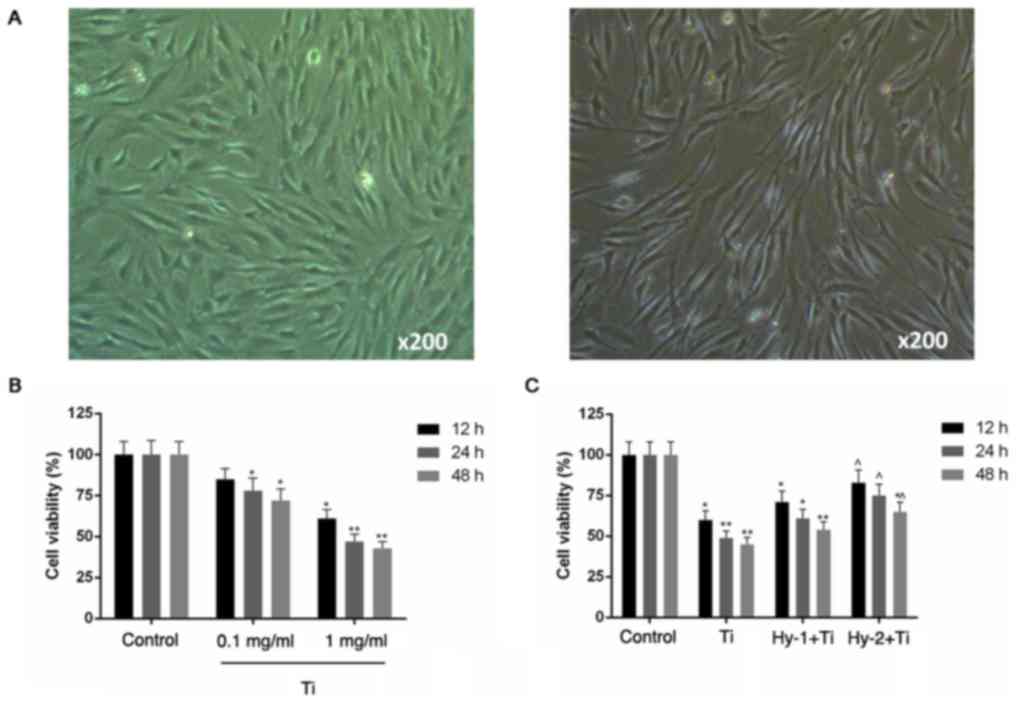
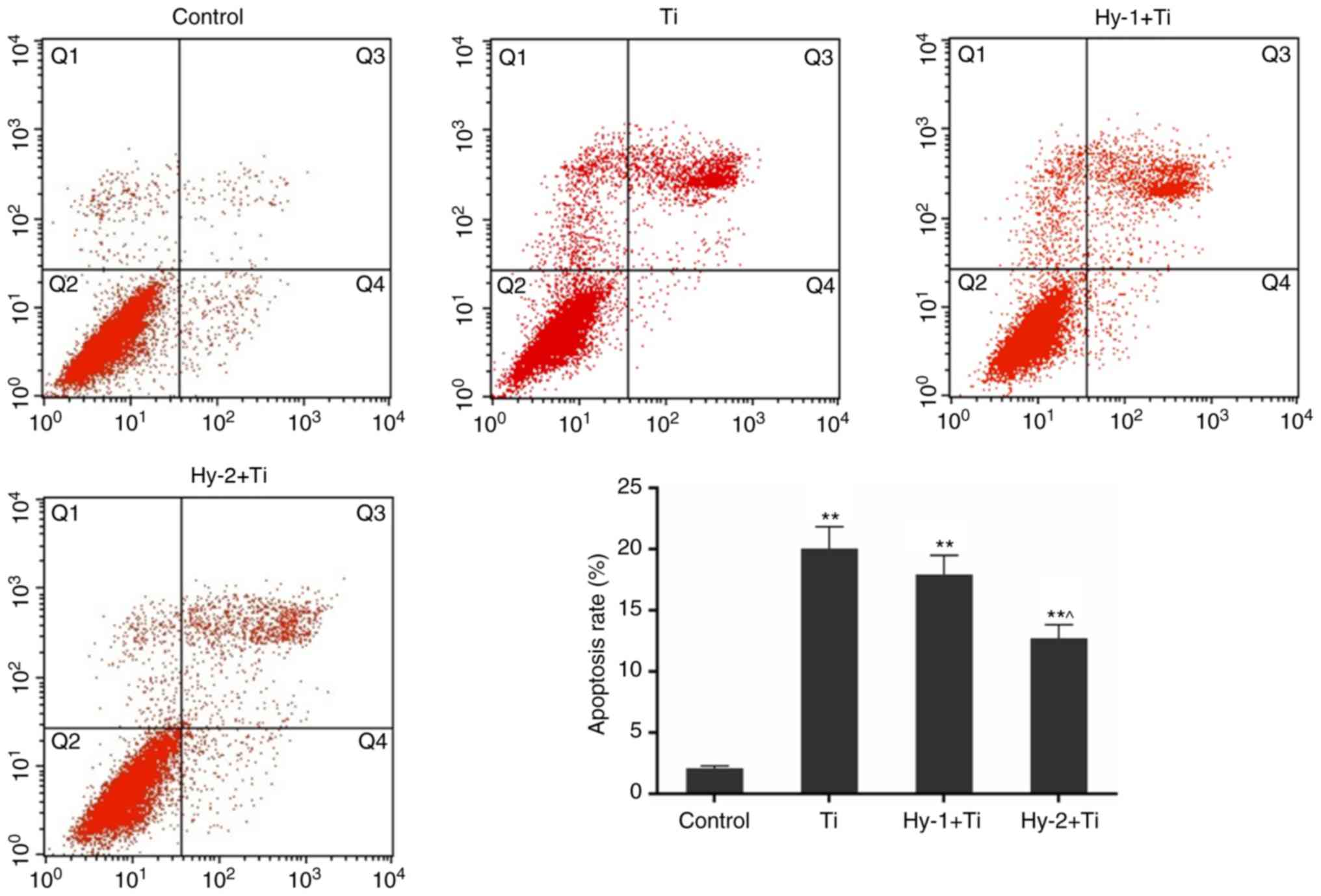
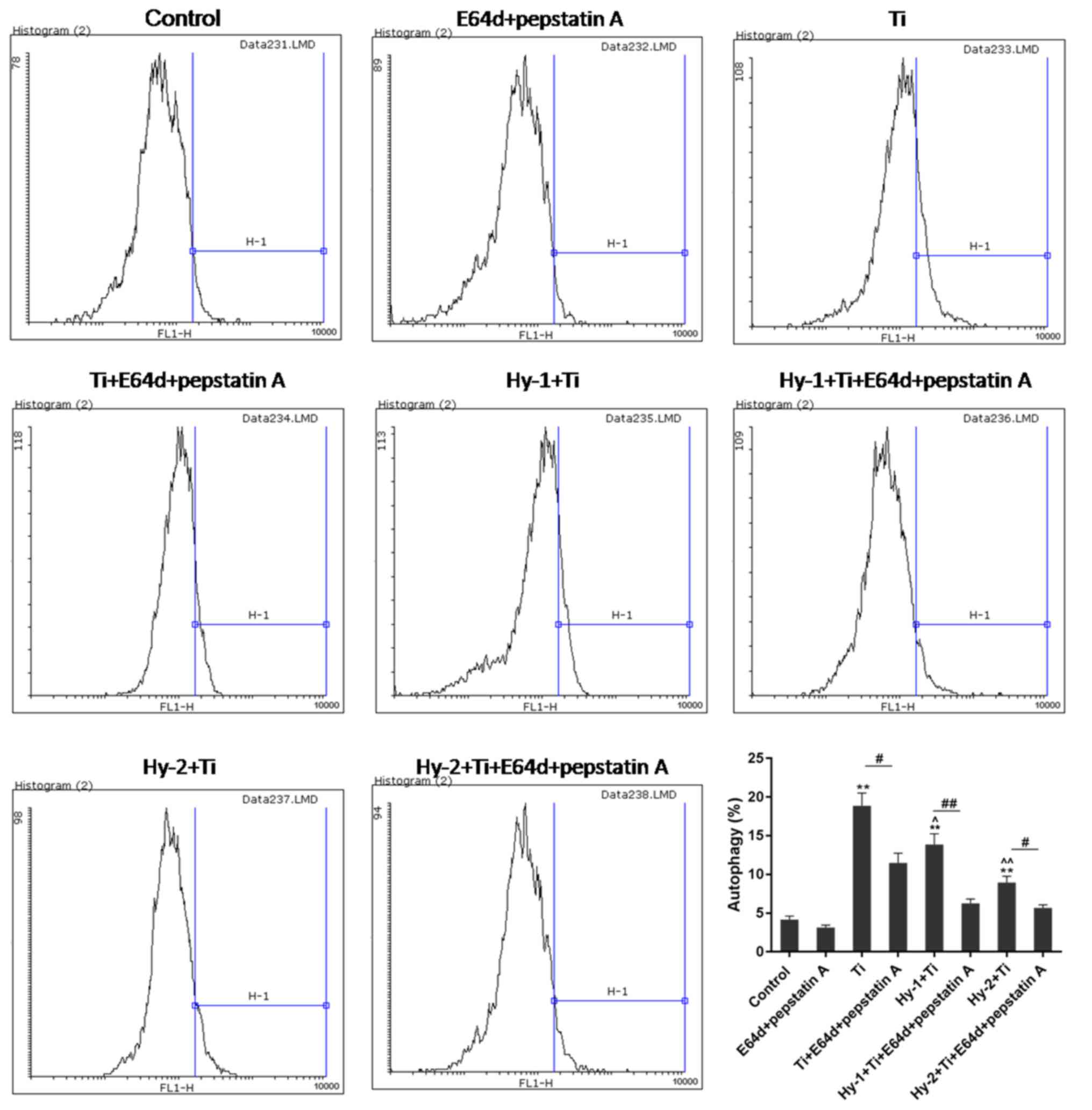
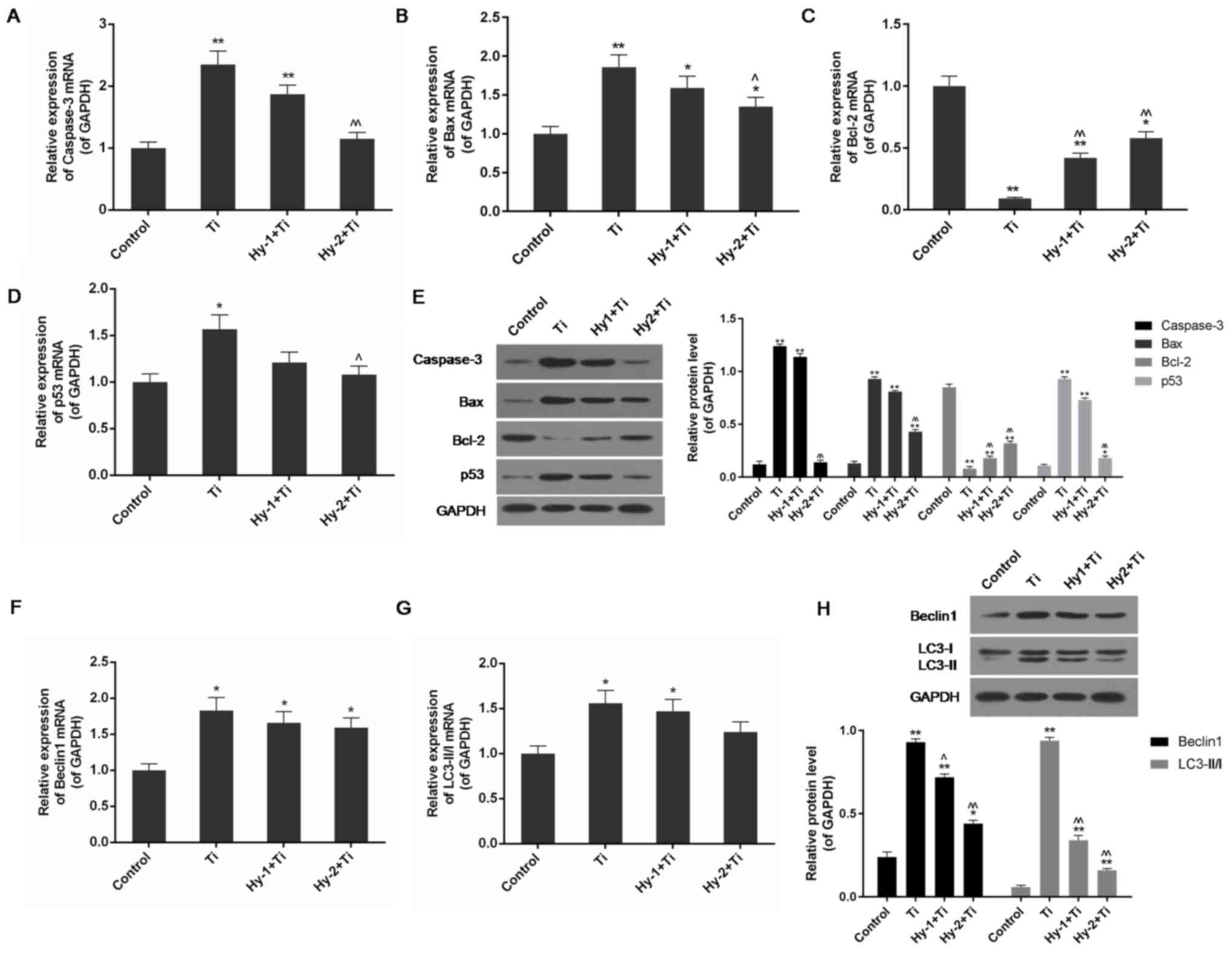
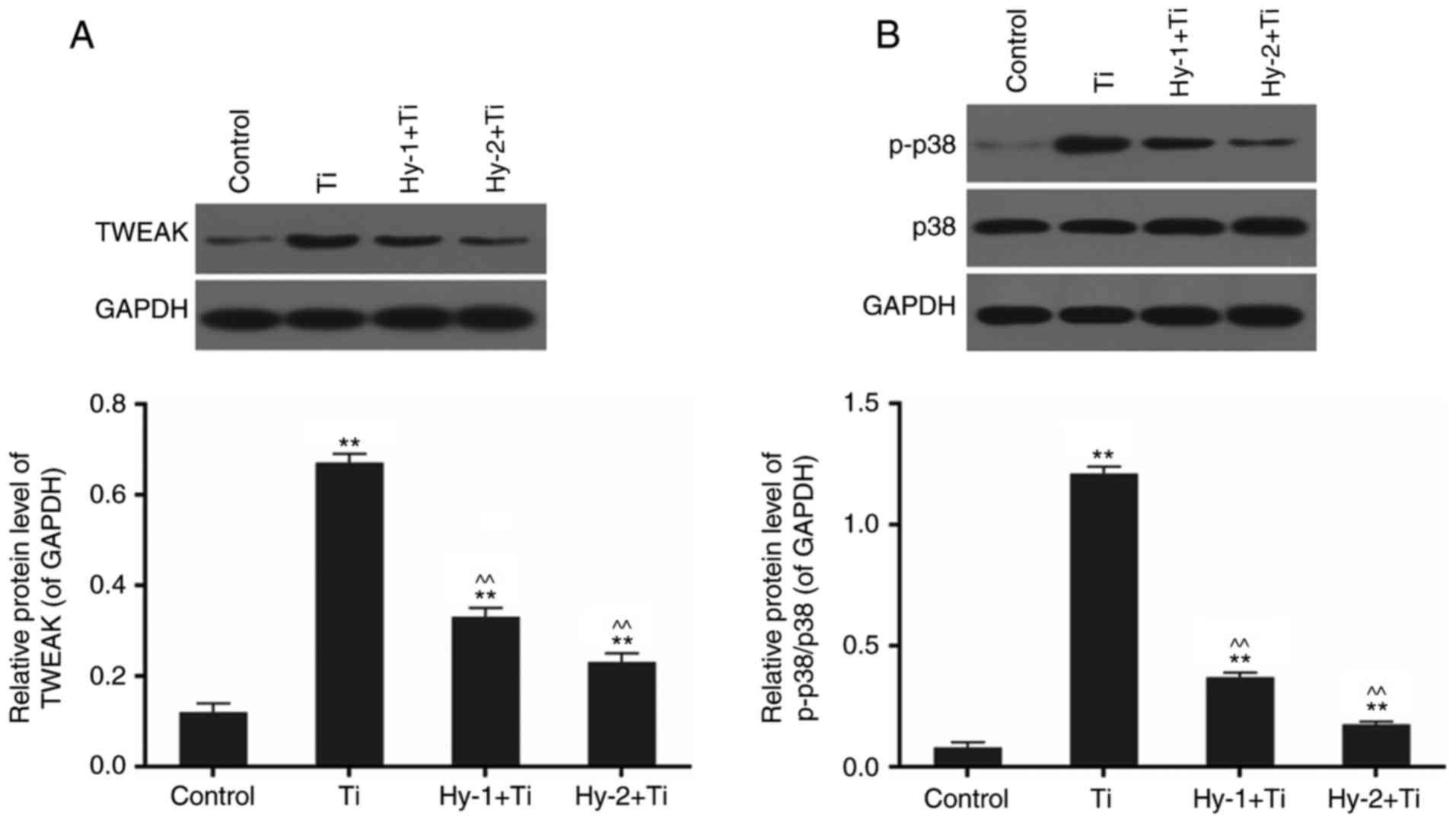
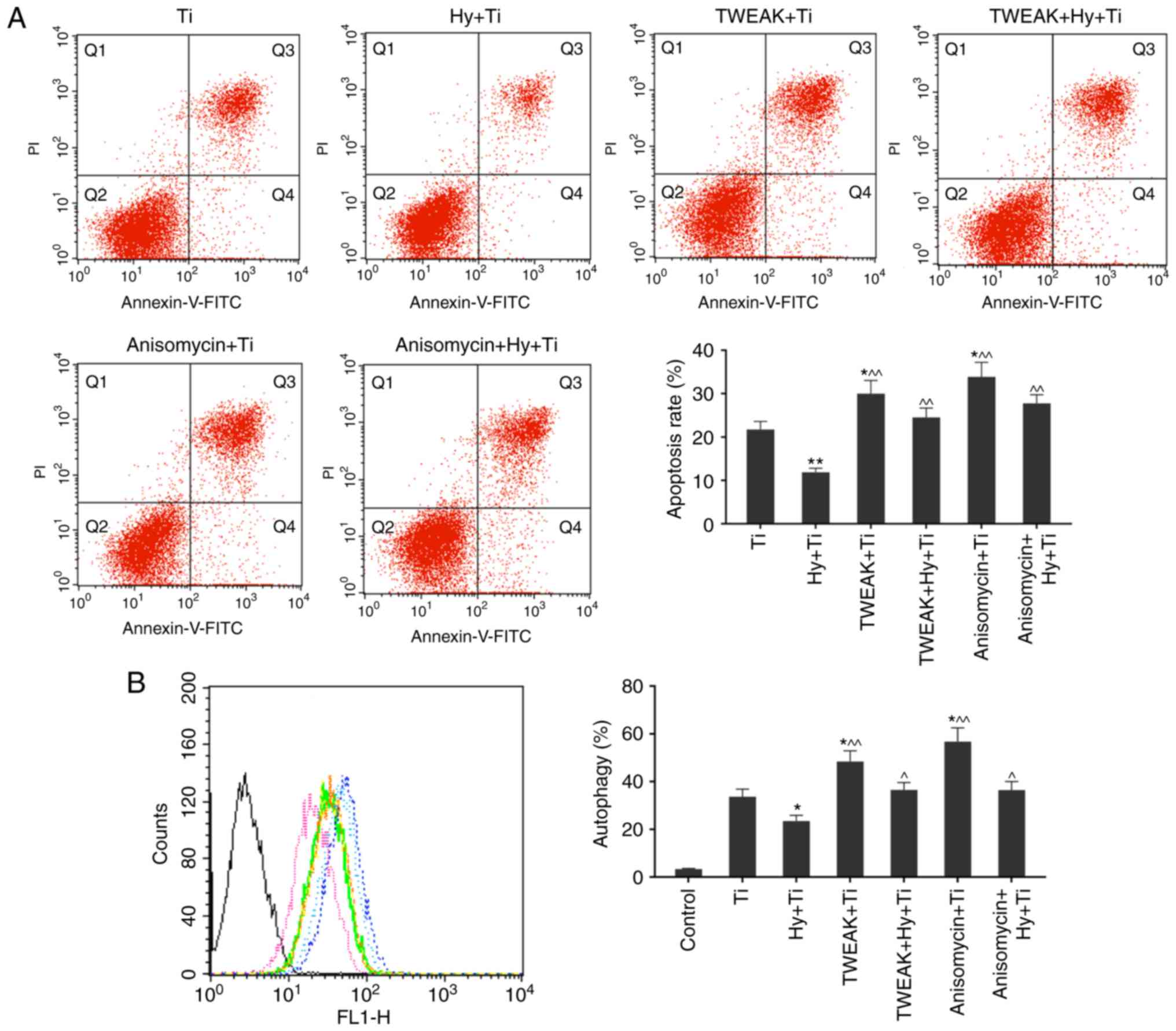
Wear particles generated between the interface of joints and artificial joint replacements are one of the primary causes of aseptic loosening. The aim of the present study was to investigate the influence of titanium (Ti) particles on the apoptosis and autophagy of osteoblasts, and probe into the potential use of hyperoside (Hy) as a protector for osteoblasts in Ti particle‑induced injury. MC3T3‑E1 cells were divided into control, Ti, Hy‑1+Ti and Hy‑2+Ti groups. Cell viability was detected using a Cell Counting Kit‑8 assay. Apoptosis and autophagy rates were determined using flow cytometry. Expression levels of apoptosis‑associated genes, including caspase‑3, apoptosis regulator BAX, apoptosis regulator Bcl‑2 and cellular tumor antigen p53, in addition to autophagy‑associated genes, including Beclin1 and microtubule‑associated protein light chain 3 conversion LC3‑II/I, were measured using reverse transcription‑quantitative polymerase chain reaction and western blotting. Activation of the tumor necrosis factor ligand superfamily member 12 (TWEAK)‑mitogen activated protein kinase 11 (p38) mitogen activated protein kinase (MAPK) pathway was observed by western blotting. The present study demonstrated that pretreatment with Hy was able to increase cell viability and proliferation, and decrease apoptosis and autophagy to protect MC3T3‑E1 cells against Ti particle‑induced damage. Activation of the TWEAK‑p38 pathway contributed to the repair processes of treatment with Hy. The present results suggested that Hy protected osteoblasts against Ti particle‑induced damage by regulating the TWEAK‑p38 pathway, which suggested the potential of Hy as a protective agent for bones.
View Figures

Figure 1

Figure 2

Figure 3

Figure 4

Figure 5

Figure 6

View References

1 

Amirhosseini M, Andersson G, Aspenberg P and Fahlgren A: Mechanical instability and titanium particles induce similar transcriptomic changes in a rat model for periprosthetic osteolysis and aseptic loosening. Bone Rep. 7:17–25. 2017. View Article : Google Scholar : PubMed/NCBI

2 

Haynes DR, Crotti TN and Zreiqat H: Regulation of osteoclast activity in peri-implant tissues. Biomaterials. 25:4877–4885. 2004. View Article : Google Scholar : PubMed/NCBI

3 

Lochner K, Fritsche A, Jonitz A, Hansmann D, Mueller P, Mueller-Hilke B and Bader R: The potential role of human osteoblasts for periprosthetic osteolysis following exposure to wear particles. Int J Mol Med. 28:1055–1063. 2011.PubMed/NCBI

4 

Piao MJ, Kang KA, Zhang R, Ko DO, Wang ZH, You HJ, Kim HS, Kim JS, Kang SS and Hyun JW: Hyperoside prevents oxidative damage induced by hydrogen peroxide in lung fibroblast cells via an antioxidant effect. Biochim Biophys Acta. 1780:1448–1457. 2008. View Article : Google Scholar : PubMed/NCBI

5 

Zhang XN, Li JM, Yang Q, Feng B, Liu SB, Xu ZH, Guo YY and Zhao MG: Anti-apoptotic effects of hyperoside via inhibition of NR2B-containing NMDA receptors. Pharmacol Rep. 62:949–955. 2010. View Article : Google Scholar : PubMed/NCBI

6 

Choi JH, Kim DW, Yun N, Choi JS, Islam MN, Kim YS and Lee SM: Protective effects of hyperoside against carbon tetrachloride-induced liver damage in mice. J Nat Prod. 74:1055–1060. 2011. View Article : Google Scholar : PubMed/NCBI

7 

Haas JS, Stolz ED, Betti AH, Stein AC, Schripsema J, Poser GL and Rates SM: The anti-immobility effect of hyperoside on the forced swimming test in rats is mediated by the D2-like receptors activation. Planta Med. 77:334–339. 2011. View Article : Google Scholar : PubMed/NCBI

8 

Ku SK, Kwak S, Kwon OJ and Bae JS: Hyperoside inhibits high-glucose-induced vascular inflammation in vitro and in vivo. Inflammation. 37:1389–1400. 2014. View Article : Google Scholar : PubMed/NCBI

9 

Li W, Liu M, Xu YF, Feng Y, Che JP, Wang GC and Zheng JH: Combination of quercetin and hyperoside has anticancer effects on renal cancer cells through inhibition of oncogenic microRNA-27a. Oncol Rep. 31:117–124. 2014. View Article : Google Scholar : PubMed/NCBI

10 

Zhang Y, Wang M, Dong H, Yu X and Zhang J: Anti-hypoglycemic and hepatocyte-protective effects of hyperoside from Zanthoxylum bungeanum leaves in mice with high-carbohydrate/high-fat diet and alloxan-induced diabetes. Int J Mol Med. 41:77–86. 2018.PubMed/NCBI

11 

Liu Q, Xiao S and Xia Y: TWEAK/Fn14 activation participates in skin inflammation. Mediators Inflamm. 2017:67468702017. View Article : Google Scholar : PubMed/NCBI

12 

Tallroth K, Eskola A, Santavirta S, Konttinen YT and Lindholm TS: Aggressive granulomatous lesions after hip arthroplasty. J Bone Joint Surg Br. 71:571–575. 1989. View Article : Google Scholar : PubMed/NCBI

13 

Harris WH: Osteolysis and particle disease in hip replacement. A review. Acta Orthop Scand. 65:113–123. 1994. View Article : Google Scholar : PubMed/NCBI

14 

Santavirta S, Takagi M, Gomez-Barrena E, Nevalainen J, Lassus J, Salo J and Konttinen YT: Studies of host response to orthopedic implants and biomaterials. J Long Term Eff Med Implants. 9:67–76. 1999.PubMed/NCBI

15 

Knowles HJ and Athanasou NA: Acute hypoxia and osteoclast activity: A balance between enhanced resorption and increased apoptosis. J Pathol. 218:256–264. 2009. View Article : Google Scholar : PubMed/NCBI

16 

Schmalzried TP, Jasty M and Harris WH: Periprosthetic bone loss in total hip arthroplasty. Polyethylene wear debris and the concept of the effective joint space. J Bone Joint Surg Am. 74:849–863. 1992. View Article : Google Scholar : PubMed/NCBI

17 

Wataha JC: Predicting clinical biological responses to dental materials. Dent Mater. 28:23–40. 2012. View Article : Google Scholar : PubMed/NCBI

18 

Cooper HJ, Ranawat AS, Potter HG, Foo LF, Koob TW and Ranawat CS: Early reactive synovitis and osteolysis after total hip arthroplasty. Clin Orthop Relat Res. 468:3278–3285. 2010. View Article : Google Scholar : PubMed/NCBI

19 

Matzinger P: Tolerance, danger, and the extended family. Annu Rev Immunol. 12:991–1045. 1994. View Article : Google Scholar : PubMed/NCBI

20 

Konttinen Y, Imai S and Suda A: Neuropeptides and the puzzle of bone remodeling. State of the art. Acta Orthop Scand. 67:632–639. 1996. View Article : Google Scholar : PubMed/NCBI

21 

King KY and Goodell MA: Inflammatory modulation of HSCs: Viewing the HSC as a foundation for the immune response. Nat Rev Immunol. 11:685–692. 2011. View Article : Google Scholar : PubMed/NCBI

22 

Murray PJ and Wynn TA: Protective and pathogenic functions of macrophage subsets. Nat Rev Immunol. 11:723–737. 2011. View Article : Google Scholar : PubMed/NCBI

23 

Lee YH, Cheng FY, Chiu HW, Tsai JC, Fang CY, Chen CW and Wang YJ: Cytotoxicity, oxidative stress, apoptosis and the autophagic effects of silver nanoparticles in mouse embryonic fibroblasts. Biomaterials. 35:4706–4715. 2014. View Article : Google Scholar : PubMed/NCBI

24 

Livak KJ and Schmittgen TD: Analysis of relative gene expression data using real-time quantitative PCR and the 2(-Delta Delta C(T)) method. Methods. 25:402–408. 2001. View Article : Google Scholar : PubMed/NCBI

25 

Buckley CD: Why does chronic inflammation persist: An unexpected role for fibroblasts. Immunol Lett. 138:12–14. 2011. View Article : Google Scholar : PubMed/NCBI

26 

Nathan C and Ding A: Nonresolving inflammation. Cell. 140:871–882. 2010. View Article : Google Scholar : PubMed/NCBI

27 

Vermes C, Chandrasekaran R, Jacobs JJ, Galante JO, Roebuck KA and Glant TT: The effects of particulate wear debris, cytokines, and growth factors on the functions of MG-63 osteoblasts. J Bone Joint Surg Am. 83-A:201–211. 2001. View Article : Google Scholar : PubMed/NCBI

28 

Fritz EA, Glant TT, Vermes C, Jacobs JJ and Roebuck KA: Titanium particles induce the immediate early stress responsive chemokines IL-8 and MCP-1 in osteoblasts. J Orthop Res. 20:490–498. 2002. View Article : Google Scholar : PubMed/NCBI

29 

Kusano K, Miyaura C, Inada M, Tamura T, Ito A, Nagase H, Kamoi K and Suda T: Regulation of matrix metalloproteinases (MMP-2, −3, −9, and −13) by interleukin-1 and interleukin-6 in mouse calvaria: Association of MMP induction with bone resorption. Endocrinology. 139:1338–1345. 1998. View Article : Google Scholar : PubMed/NCBI

30 

Takei H, Pioletti DP, Kwon SY and Sung KL: Combined effect of titanium particles and TNF-alpha on the production of IL-6 by osteoblast-like cells. J Biomed Mater Res. 52:382–387. 2000. View Article : Google Scholar : PubMed/NCBI

31 

Landgraeber S, von Knoch M, Löer F, Wegner A, Tsokos M, Hussmann B and Totsch M: Extrinsic and intrinsic pathways of apoptosis in aseptic loosening after total hip replacement. Biomaterials. 29:3444–3450. 2008. View Article : Google Scholar : PubMed/NCBI

32 

Huk OL, Zukor DJ, Ralston W, Lisbona A and Petit A: Apoptosis in interface membranes of aseptically loose total hip arthroplasty. J Mater Sci Mater Med. 12:653–658. 2001. View Article : Google Scholar : PubMed/NCBI

33 

Cho DH, Jo YK, Hwang JJ, Lee YM, Roh SA and Kim JC: Caspase-mediated cleavage of ATG6/Beclin-1 links apoptosis to autophagy in HeLa cells. Cancer Lett. 274:95–100. 2009. View Article : Google Scholar : PubMed/NCBI

34 

Yoo BH, Wu X, Derouet M, Haniff M, Eskelinen EL and Rosen K: Hypoxia-induced downregulation of autophagy mediator Beclin 1 reduces the susceptibility of malignant intestinal epithelial cells to hypoxia-dependent apoptosis. Autophagy. 5:1166–1179. 2009. View Article : Google Scholar : PubMed/NCBI

35 

She C, Zhu LQ, Zhen YF, Wang XD and Dong QR: Activation of AMPK protects against hydrogen peroxide-induced osteoblast apoptosis through autophagy induction and NADPH maintenance: New implications for osteonecrosis treatment? Cell Signal. 26:1–8. 2014. View Article : Google Scholar : PubMed/NCBI

36 

Lai EH, Hong CY, Kok SH, Hou KL, Chao LH, Lin LD, Chen MH, Wu PH and Lin SK: Simvastatin alleviates the progression of periapical lesions by modulating autophagy and apoptosis in osteoblasts. J Endod. 38:757–763. 2012. View Article : Google Scholar : PubMed/NCBI

37 

Allaeys I, Marceau F and Poubelle PE: NLRP3 promotes autophagy of urate crystals phagocytized by human osteoblasts. Arthritis Res Ther. 15:R1762013. View Article : Google Scholar : PubMed/NCBI

38 

Xia X, Kar R, Gluhak-Heinrich J, Yao W, Lane NE, Bonewald LF, Biswas SK, Lo WK and Jiang JX: Glucocorticoid-induced autophagy in osteocytes. J Bone Miner Res. 25:2479–2488. 2010. View Article : Google Scholar : PubMed/NCBI

39 

Jia J, Yao W, Guan M, Dai W, Shahnazari M, Kar R, Bonewald L, Jiang JX and Lane NE: Glucocorticoid dose determines osteocyte cell fate. FASEB J. 25:3366–3376. 2011. View Article : Google Scholar : PubMed/NCBI

40 

Colell A, Ricci JE, Tait S, Milasta S, Maurer U, Bouchier-Hayes L, Fitzgerald P, Guio-Carrion A, Waterhouse NJ, Li CW, et al: GAPDH and autophagy preserve survival after apoptotic cytochrome c release in the absence of caspase activation. Cell. 129:983–997. 2007. View Article : Google Scholar : PubMed/NCBI

41 

Zhang C, Yu H, Shen Y, Ni X, Shen S and Das UN: Polyunsaturated fatty acids trigger apoptosis of colon cancer cells through a mitochondrial pathway. Arch Med Sci. 11:1081–1094. 2015.PubMed/NCBI

42 

Kertmen H, Gurer B, Yilmaz ER, Kanat MA, Arikok AT, Ergüder BI, Hasturk AE, Ergil J and Sekerci Z: Antioxidant and antiapoptotic effects of darbepoetin-α against traumatic brain injury in rats. Arch Med Sci. 11:1119–1128. 2015.PubMed/NCBI

43 

Schendel SL and Reed JC: Measuring pore formation by Bcl-2 family proteins. Methods Enzymol. 322:274–282. 2000. View Article : Google Scholar : PubMed/NCBI

44 

Shimizu S, Narita M and Tsujimoto Y: Bcl-2 family proteins regulate the release of apoptogenic cytochrome c by the mitochondrial channel VDAC. Nature. 399:483–487. 1999. View Article : Google Scholar : PubMed/NCBI

45 

Kubicka-Sierszen A and Grzegorczyk JŁ: The influence of infectious factors on dendritic cell apoptosis. Arch Med Sci. 11:1044–1051. 2015.PubMed/NCBI

46 

Lauwers GY, Wahl SJ, Melamed J and Rojas-Corona RR: p53 expression in precancerous gastric lesions: An immunohistochemical study of PAb 1801 monoclonal antibody on adenomatous and hyperplastic gastric polyps. Am J Gastroenterol. 88:1916–1919. 1993.PubMed/NCBI

47 

Yue Y, Yang Y, Shi L and Wang Z: Suppression of human hepatocellular cancer cell proliferation by Brucea javanica oil-loaded liposomes via induction of apoptosis. Arch Med Sci. 11:856–862. 2015. View Article : Google Scholar : PubMed/NCBI

48 

Olivares-Illana V and Fahraeus R: p53 isoforms gain functions. Oncogene. 29:5113–5119. 2010. View Article : Google Scholar : PubMed/NCBI

49 

Chen Y, McMillan-Ward E, Kong J, Israels SJ and Gibson SB: Oxidative stress induces autophagic cell death independent of apoptosis in transformed and cancer cells. Cell Death Differ. 15:171–182. 2008. View Article : Google Scholar : PubMed/NCBI

50 

Tassa A, Roux MP, Attaix D and Bechet DM: Class III phosphoinositide 3-kinase--Beclin1 complex mediates the amino acid-dependent regulation of autophagy in C2C12 myotubes. Biochem J. 376:577–586. 2003. View Article : Google Scholar : PubMed/NCBI

51 

Liang XH, Kleeman LK, Jiang HH, Gordon G, Goldman JE, Berry G, Herman B and Levine B: Protection against fatal Sindbis virus encephalitis by beclin, a novel Bcl-2-interacting protein. J Virol. 72:8586–8596. 1998.PubMed/NCBI

52 

Arsov I, Li X, Matthews G, Coradin J, Hartmann B, Simon AK, Sealfon SC and Yue Z: BAC-mediated transgenic expression of fluorescent autophagic protein Beclin 1 reveals a role for Beclin 1 in lymphocyte development. Cell Death Differ. 15:1385–1395. 2008. View Article : Google Scholar : PubMed/NCBI

53 

Li R, Ma M, Li L, Zhao L, Zhang T, Gao X, Zhang D, Zhu Y, Peng Q, Luo X and Wang M: The protective effect of autophagy on DNA damage in mouse spermatocyte-derived cells exposed to 1800 MHz radiofrequency electromagnetic fields. Cell Physiol Biochem. 48:29–41. 2018. View Article : Google Scholar : PubMed/NCBI

54 

Mizushima N: Methods for monitoring autophagy. Int J Biochem Cell Biol. 36:2491–2502. 2004. View Article : Google Scholar : PubMed/NCBI

55 

Konttinen YT, Zhao D, Beklen A, Ma G, Takagi M, Kivelä-Rajamäki M, Ashammakhi N and Santavirta S: The microenvironment around total hip replacement prostheses. Clin Orthop Relat Res. 28–38. 2005. View Article : Google Scholar : PubMed/NCBI

56 

Ren PG, Irani A, Huang Z, Ma T, Biswal S and Goodman SB: Continuous infusion of UHMWPE particles induces increased bone macrophages and osteolysis. Clin Orthop Relat Res. 469:113–122. 2011. View Article : Google Scholar : PubMed/NCBI

57 

Gallo J, Raska M, Mrázek F and Petrek M: Bone remodeling, particle disease and individual susceptibility to periprosthetic osteolysis. Physiol Res. 57:339–349. 2008.PubMed/NCBI

58 

Gross TS, King KA, Rabaia NA, Pathare P and Srinivasan S: Upregulation of osteopontin by osteocytes deprived of mechanical loading or oxygen. J Bone Miner Res. 20:250–256. 2005. View Article : Google Scholar : PubMed/NCBI

59 

Chen D, Guo Y, Mao X and Zhang X: Inhibition of p38 mitogen-activated protein kinase down-regulates the inflammatory osteolysis response to titanium particles in a murine osteolysis model. Inflammation. 35:1798–1806. 2012. View Article : Google Scholar : PubMed/NCBI

60 

Iwata Y, Wada T, Furuichi K, Sakai N, Matsushima K, Yokoyama H and Kobayashi K: p38 Mitogen-activated protein kinase contributes to autoimmune renal injury in MRL-Fas lpr mice. J Am Soc Nephrol. 14:57–67. 2003. View Article : Google Scholar : PubMed/NCBI

61 

Zhang L, Bao D, Li P, Lu Z, Pang L, Chen Z, Guo H, Gao Z and Jin Q: Particle-induced SIRT1 downregulation promotes osteoclastogenesis and osteolysis through ER stress regulation. Biomed Pharmacother. 104:300–306. 2018. View Article : Google Scholar : PubMed/NCBI

62 

Feng W, Li J, Liao S, Ma S, Li F, Zhong C, Li G, Wei Y, Huang H, Wei Q, et al: Gö6983 attenuates titanium particle-induced osteolysis and RANKL mediated osteoclastogenesis through the suppression of NFκB/JNK/p38 pathways. Biochem Biophys Res Commun. 503:62–70. 2018. View Article : Google Scholar : PubMed/NCBI

Related Articles

  • Abstract
  • View
  • Download
  • Twitter
Copy and paste a formatted citation
Spandidos Publications style
Zhang Q and Zhang XF: Hyperoside decreases the apoptosis and autophagy rates of osteoblast MC3T3‑E1 cells by regulating TNF‑like weak inducer of apoptosis and the p38mitogen activated protein kinase pathway. Mol Med Rep 19: 41-50, 2019.
APA
Zhang, Q., & Zhang, X. (2019). Hyperoside decreases the apoptosis and autophagy rates of osteoblast MC3T3‑E1 cells by regulating TNF‑like weak inducer of apoptosis and the p38mitogen activated protein kinase pathway. Molecular Medicine Reports, 19, 41-50. https://doi.org/10.3892/mmr.2018.9622
MLA
Zhang, Q., Zhang, X."Hyperoside decreases the apoptosis and autophagy rates of osteoblast MC3T3‑E1 cells by regulating TNF‑like weak inducer of apoptosis and the p38mitogen activated protein kinase pathway". Molecular Medicine Reports 19.1 (2019): 41-50.
Chicago
Zhang, Q., Zhang, X."Hyperoside decreases the apoptosis and autophagy rates of osteoblast MC3T3‑E1 cells by regulating TNF‑like weak inducer of apoptosis and the p38mitogen activated protein kinase pathway". Molecular Medicine Reports 19, no. 1 (2019): 41-50. https://doi.org/10.3892/mmr.2018.9622
Copy and paste a formatted citation
x
Spandidos Publications style
Zhang Q and Zhang XF: Hyperoside decreases the apoptosis and autophagy rates of osteoblast MC3T3‑E1 cells by regulating TNF‑like weak inducer of apoptosis and the p38mitogen activated protein kinase pathway. Mol Med Rep 19: 41-50, 2019.
APA
Zhang, Q., & Zhang, X. (2019). Hyperoside decreases the apoptosis and autophagy rates of osteoblast MC3T3‑E1 cells by regulating TNF‑like weak inducer of apoptosis and the p38mitogen activated protein kinase pathway. Molecular Medicine Reports, 19, 41-50. https://doi.org/10.3892/mmr.2018.9622
MLA
Zhang, Q., Zhang, X."Hyperoside decreases the apoptosis and autophagy rates of osteoblast MC3T3‑E1 cells by regulating TNF‑like weak inducer of apoptosis and the p38mitogen activated protein kinase pathway". Molecular Medicine Reports 19.1 (2019): 41-50.
Chicago
Zhang, Q., Zhang, X."Hyperoside decreases the apoptosis and autophagy rates of osteoblast MC3T3‑E1 cells by regulating TNF‑like weak inducer of apoptosis and the p38mitogen activated protein kinase pathway". Molecular Medicine Reports 19, no. 1 (2019): 41-50. https://doi.org/10.3892/mmr.2018.9622
Follow us
  • Twitter
  • LinkedIn
  • Facebook
About
  • Spandidos Publications
  • Careers
  • Cookie Policy
  • Privacy Policy
How can we help?
  • Help
  • Live Chat
  • Contact
  • Email to our Support Team