Spandidos Publications Logo
  • About
    • About Spandidos
    • Aims and Scopes
    • Abstracting and Indexing
    • Editorial Policies
    • Reprints and Permissions
    • Job Opportunities
    • Terms and Conditions
    • Contact
  • Journals
    • All Journals
    • Oncology Letters
      • Oncology Letters
      • Information for Authors
      • Editorial Policies
      • Editorial Board
      • Aims and Scope
      • Abstracting and Indexing
      • Bibliographic Information
      • Archive
    • International Journal of Oncology
      • International Journal of Oncology
      • Information for Authors
      • Editorial Policies
      • Editorial Board
      • Aims and Scope
      • Abstracting and Indexing
      • Bibliographic Information
      • Archive
    • Molecular and Clinical Oncology
      • Molecular and Clinical Oncology
      • Information for Authors
      • Editorial Policies
      • Editorial Board
      • Aims and Scope
      • Abstracting and Indexing
      • Bibliographic Information
      • Archive
    • Experimental and Therapeutic Medicine
      • Experimental and Therapeutic Medicine
      • Information for Authors
      • Editorial Policies
      • Editorial Board
      • Aims and Scope
      • Abstracting and Indexing
      • Bibliographic Information
      • Archive
    • International Journal of Molecular Medicine
      • International Journal of Molecular Medicine
      • Information for Authors
      • Editorial Policies
      • Editorial Board
      • Aims and Scope
      • Abstracting and Indexing
      • Bibliographic Information
      • Archive
    • Biomedical Reports
      • Biomedical Reports
      • Information for Authors
      • Editorial Policies
      • Editorial Board
      • Aims and Scope
      • Abstracting and Indexing
      • Bibliographic Information
      • Archive
    • Oncology Reports
      • Oncology Reports
      • Information for Authors
      • Editorial Policies
      • Editorial Board
      • Aims and Scope
      • Abstracting and Indexing
      • Bibliographic Information
      • Archive
    • Molecular Medicine Reports
      • Molecular Medicine Reports
      • Information for Authors
      • Editorial Policies
      • Editorial Board
      • Aims and Scope
      • Abstracting and Indexing
      • Bibliographic Information
      • Archive
    • World Academy of Sciences Journal
      • World Academy of Sciences Journal
      • Information for Authors
      • Editorial Policies
      • Editorial Board
      • Aims and Scope
      • Abstracting and Indexing
      • Bibliographic Information
      • Archive
    • International Journal of Functional Nutrition
      • International Journal of Functional Nutrition
      • Information for Authors
      • Editorial Policies
      • Editorial Board
      • Aims and Scope
      • Abstracting and Indexing
      • Bibliographic Information
      • Archive
    • International Journal of Epigenetics
      • International Journal of Epigenetics
      • Information for Authors
      • Editorial Policies
      • Editorial Board
      • Aims and Scope
      • Abstracting and Indexing
      • Bibliographic Information
      • Archive
    • Medicine International
      • Medicine International
      • Information for Authors
      • Editorial Policies
      • Editorial Board
      • Aims and Scope
      • Abstracting and Indexing
      • Bibliographic Information
      • Archive
  • Articles
  • Information
    • Information for Authors
    • Information for Reviewers
    • Information for Librarians
    • Information for Advertisers
    • Conferences
  • Language Editing
Spandidos Publications Logo
  • About
    • About Spandidos
    • Aims and Scopes
    • Abstracting and Indexing
    • Editorial Policies
    • Reprints and Permissions
    • Job Opportunities
    • Terms and Conditions
    • Contact
  • Journals
    • All Journals
    • Biomedical Reports
      • Information for Authors
      • Editorial Policies
      • Editorial Board
      • Aims and Scope
      • Abstracting and Indexing
      • Bibliographic Information
      • Archive
    • Experimental and Therapeutic Medicine
      • Information for Authors
      • Editorial Policies
      • Editorial Board
      • Aims and Scope
      • Abstracting and Indexing
      • Bibliographic Information
      • Archive
    • International Journal of Epigenetics
      • Information for Authors
      • Editorial Policies
      • Editorial Board
      • Aims and Scope
      • Abstracting and Indexing
      • Bibliographic Information
      • Archive
    • International Journal of Functional Nutrition
      • Information for Authors
      • Editorial Policies
      • Editorial Board
      • Aims and Scope
      • Abstracting and Indexing
      • Bibliographic Information
      • Archive
    • International Journal of Molecular Medicine
      • Information for Authors
      • Editorial Policies
      • Editorial Board
      • Aims and Scope
      • Abstracting and Indexing
      • Bibliographic Information
      • Archive
    • International Journal of Oncology
      • Information for Authors
      • Editorial Policies
      • Editorial Board
      • Aims and Scope
      • Abstracting and Indexing
      • Bibliographic Information
      • Archive
    • Medicine International
      • Information for Authors
      • Editorial Policies
      • Editorial Board
      • Aims and Scope
      • Abstracting and Indexing
      • Bibliographic Information
      • Archive
    • Molecular and Clinical Oncology
      • Information for Authors
      • Editorial Policies
      • Editorial Board
      • Aims and Scope
      • Abstracting and Indexing
      • Bibliographic Information
      • Archive
    • Molecular Medicine Reports
      • Information for Authors
      • Editorial Policies
      • Editorial Board
      • Aims and Scope
      • Abstracting and Indexing
      • Bibliographic Information
      • Archive
    • Oncology Letters
      • Information for Authors
      • Editorial Policies
      • Editorial Board
      • Aims and Scope
      • Abstracting and Indexing
      • Bibliographic Information
      • Archive
    • Oncology Reports
      • Information for Authors
      • Editorial Policies
      • Editorial Board
      • Aims and Scope
      • Abstracting and Indexing
      • Bibliographic Information
      • Archive
    • World Academy of Sciences Journal
      • Information for Authors
      • Editorial Policies
      • Editorial Board
      • Aims and Scope
      • Abstracting and Indexing
      • Bibliographic Information
      • Archive
  • Articles
  • Information
    • For Authors
    • For Reviewers
    • For Librarians
    • For Advertisers
    • Conferences
  • Language Editing
Login Register Submit
  • This site uses cookies
  • You can change your cookie settings at any time by following the instructions in our Cookie Policy. To find out more, you may read our Privacy Policy.

    I agree
Search articles by DOI, keyword, author or affiliation
Search
Advanced Search
presentation
Molecular Medicine Reports
Join Editorial Board Propose a Special Issue
Print ISSN: 1791-2997 Online ISSN: 1791-3004
Journal Cover
February-2019 Volume 19 Issue 2

Full Size Image

Sign up for eToc alerts
Recommend to Library

Journals

International Journal of Molecular Medicine

International Journal of Molecular Medicine

International Journal of Molecular Medicine is an international journal devoted to molecular mechanisms of human disease.

International Journal of Oncology

International Journal of Oncology

International Journal of Oncology is an international journal devoted to oncology research and cancer treatment.

Molecular Medicine Reports

Molecular Medicine Reports

Covers molecular medicine topics such as pharmacology, pathology, genetics, neuroscience, infectious diseases, molecular cardiology, and molecular surgery.

Oncology Reports

Oncology Reports

Oncology Reports is an international journal devoted to fundamental and applied research in Oncology.

Experimental and Therapeutic Medicine

Experimental and Therapeutic Medicine

Experimental and Therapeutic Medicine is an international journal devoted to laboratory and clinical medicine.

Oncology Letters

Oncology Letters

Oncology Letters is an international journal devoted to Experimental and Clinical Oncology.

Biomedical Reports

Biomedical Reports

Explores a wide range of biological and medical fields, including pharmacology, genetics, microbiology, neuroscience, and molecular cardiology.

Molecular and Clinical Oncology

Molecular and Clinical Oncology

International journal addressing all aspects of oncology research, from tumorigenesis and oncogenes to chemotherapy and metastasis.

World Academy of Sciences Journal

World Academy of Sciences Journal

Multidisciplinary open-access journal spanning biochemistry, genetics, neuroscience, environmental health, and synthetic biology.

International Journal of Functional Nutrition

International Journal of Functional Nutrition

Open-access journal combining biochemistry, pharmacology, immunology, and genetics to advance health through functional nutrition.

International Journal of Epigenetics

International Journal of Epigenetics

Publishes open-access research on using epigenetics to advance understanding and treatment of human disease.

Medicine International

Medicine International

An International Open Access Journal Devoted to General Medicine.

Journal Cover
February-2019 Volume 19 Issue 2

Full Size Image

Sign up for eToc alerts
Recommend to Library

  • Article
  • Citations
    • Cite This Article
    • Download Citation
    • Create Citation Alert
    • Remove Citation Alert
    • Cited By
  • Similar Articles
    • Related Articles (in Spandidos Publications)
    • Similar Articles (Google Scholar)
    • Similar Articles (PubMed)
  • Download PDF
  • Download XML
  • View XML
Article

A GLP‑1 receptor agonist attenuates human islet amyloid polypeptide‑induced autophagy and apoptosis in MIN6 cells

  • Authors:
    • Xiong Chen
    • Tingting Huang
    • Yujuan Shi
    • Luyin Wang
    • Wei Li
    • Feixia Shen
    • Xuemei Gu
  • View Affiliations / Copyright

    Affiliations: Department of Endocrinology, The First Affiliated Hospital of Wenzhou Medical University, Wenzhou, Zhejiang 325000, P.R. China, Department of Life Sciences, Wenzhou Medical University, Wenzhou, Zhejiang 325000, P.R. China
  • Pages: 1365-1371
    |
    Published online on: December 11, 2018
       https://doi.org/10.3892/mmr.2018.9741
  • Expand metrics +
Metrics: Total Views: 0 (Spandidos Publications: | PMC Statistics: )
Metrics: Total PDF Downloads: 0 (Spandidos Publications: | PMC Statistics: )
Cited By (CrossRef): 0 citations Loading Articles...

This article is mentioned in:


Abstract

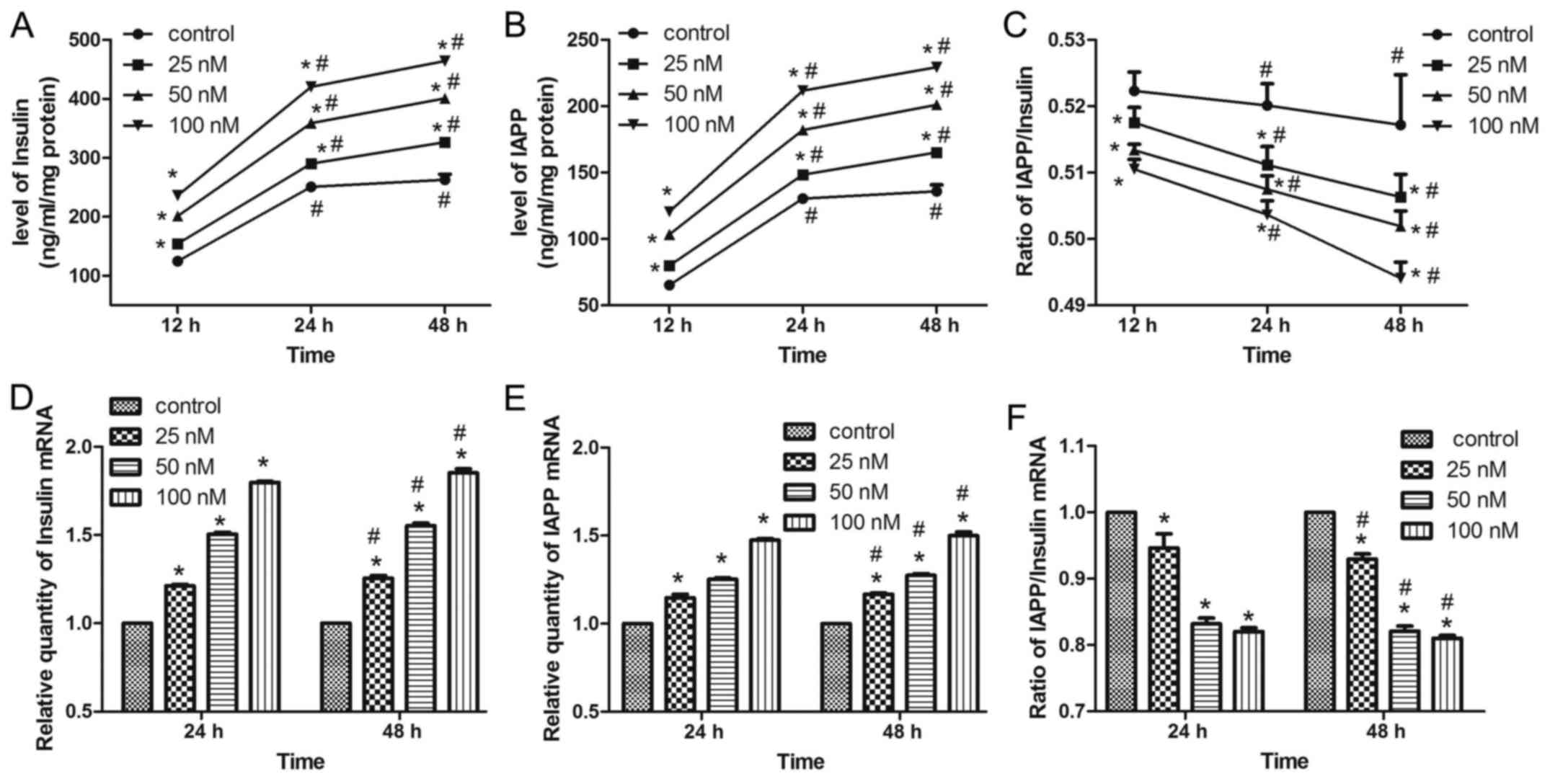
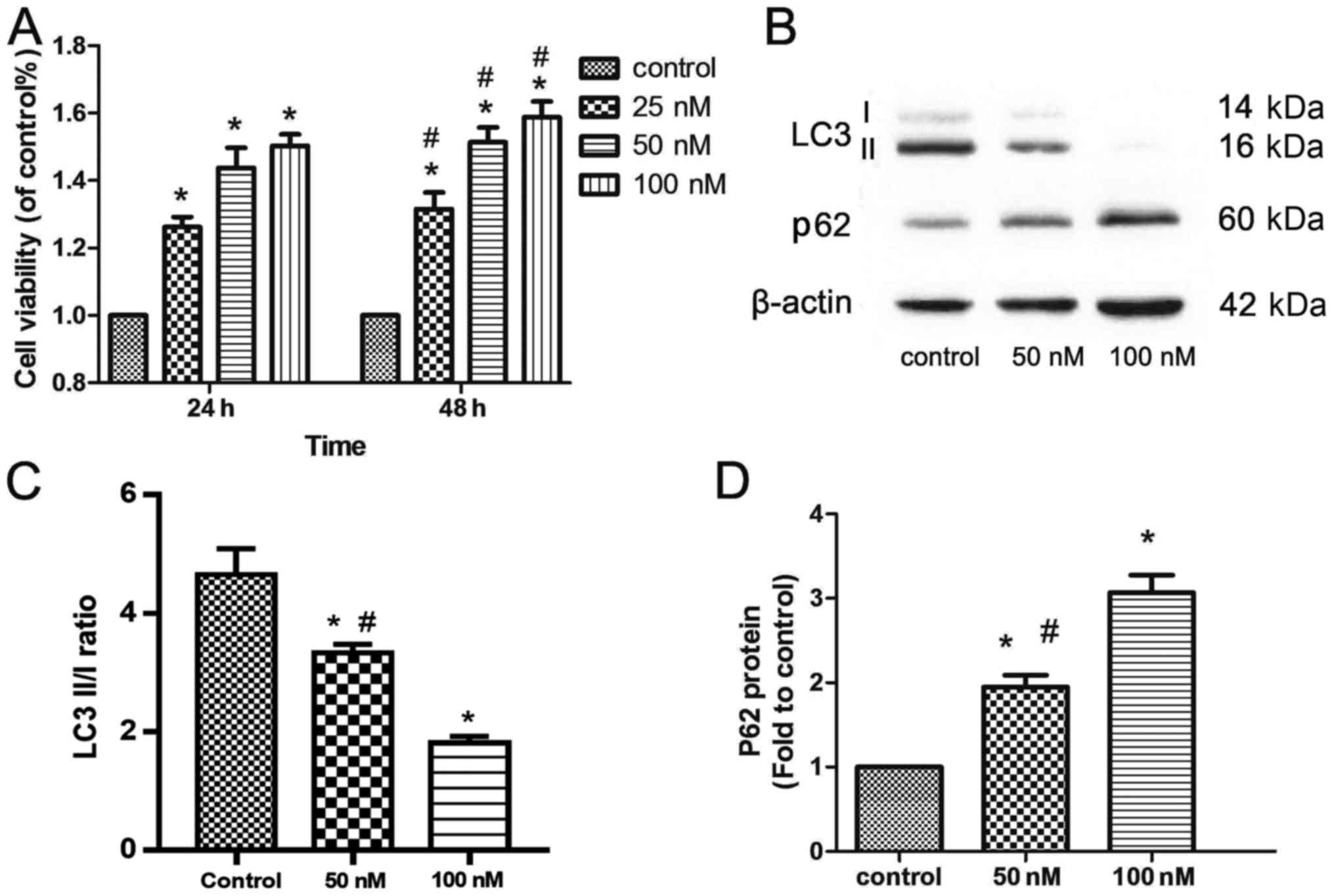
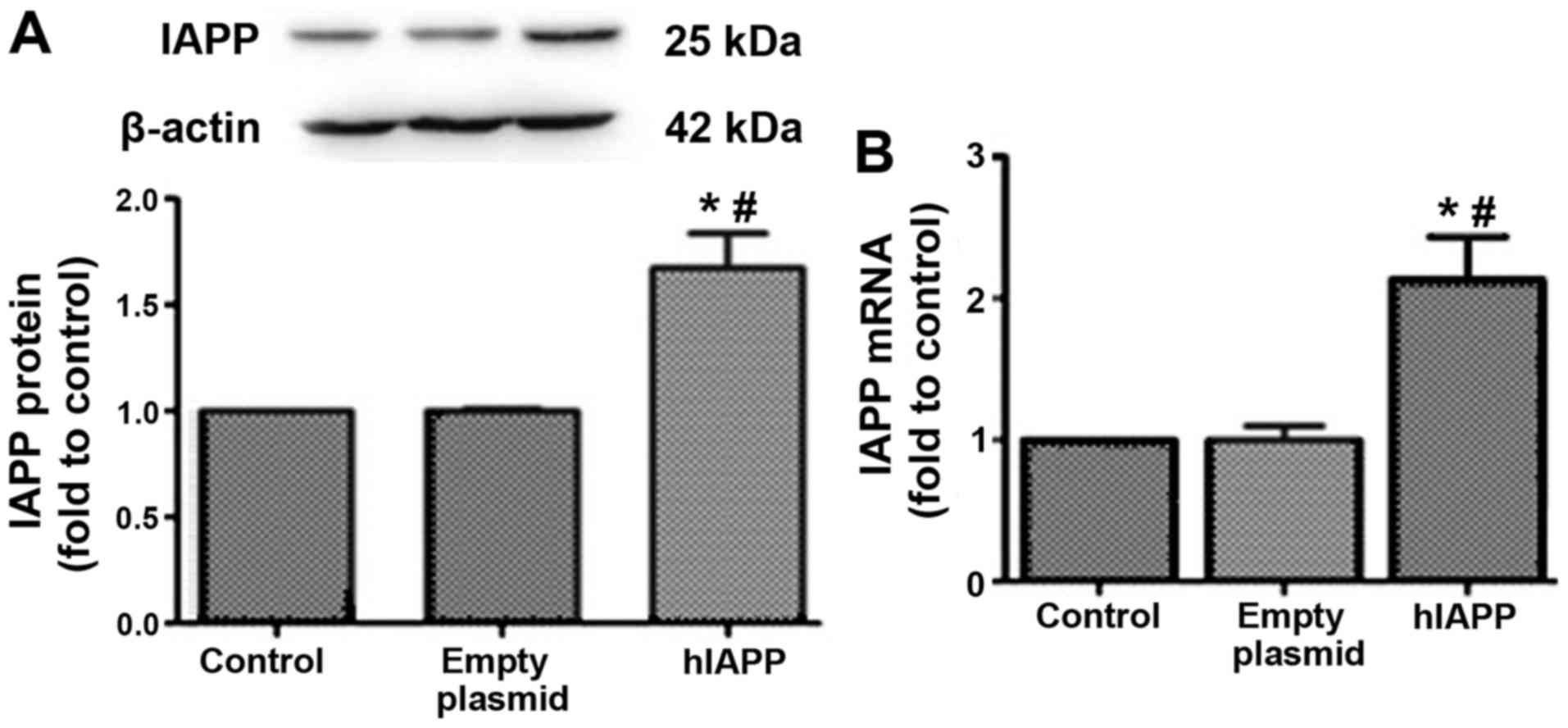
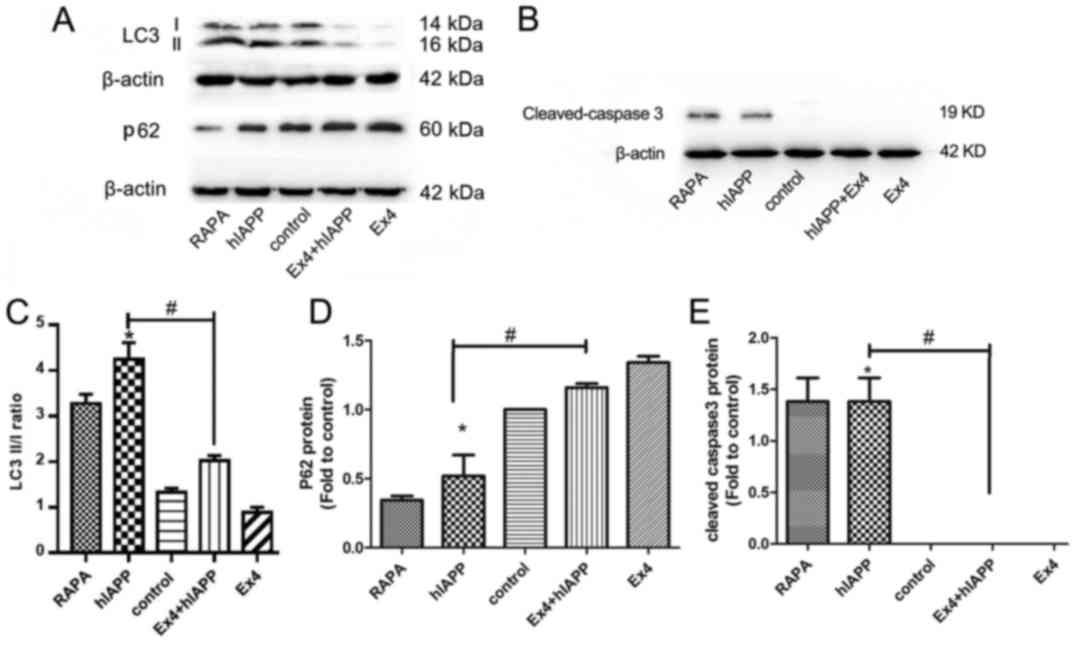
Type 2 diabetes mellitus (T2DM) is characterized by the dysfunction and loss of pancreatic islet β‑cells, in part due to islet amyloid deposits derived from islet amyloid polypeptide (IAPP). The glucagon‑like peptide‑1 (GLP‑1) receptor agonist exendin‑4 enhances the insulin secretory response by increasing β‑cell mass in T2DM. However, it is unknown whether exendin‑4 protects β‑cells from IAPP‑mediated autophagy and apoptosis. In the present study, reverse transcription‑quantitative polymerase chain reaction, ELISA and western blotting were used to detected the mRNA and protein expression of insulin/hIAPP and other signaling molecules, while the mechanisms underlying these effects were also determined. Exendin‑4 increased the level of insulin secretion, which was greater than that of IAPP, leading to a beneficial IAPP/insulin secretion pattern. In MIN6 cells incubated with 25 mM glucose, exendin‑4 decreased the ratio of light chain 3 (LC3)‑II/I, which was accompanied by an increase in p62 protein. In a hIAPP‑overexpressing MIN6 cell model, exendin‑4 prevented the hIAPP‑induced increase in the LC3II/I ratio and decrease in p62 expression. In addition, exendin‑4 pretreatment reduced hIAPP‑induced activation of cleaved caspase‑3, suggesting that exendin‑4 may protect MIN6 cells against apoptosis. Taken together, the results highlight hIAPP as a critical mediator of β‑cell loss and suggest that the GLP‑1 receptor agonist exendin‑4 may be a potential therapeutic agent for hIAPP‑induced β‑cell damage.
View Figures

Figure 1

Figure 2

Figure 3

Figure 4

View References

1 

Butler AE, Janson J, Bonner-Weir S, Ritzel R, Rizza RA and Butler PC: Beta-cell deficit and increased beta-cell apoptosis in humans with type 2 diabetes. Diabetes. 52:102–110. 2003. View Article : Google Scholar : PubMed/NCBI

2 

Haataja L, Gurlo T, Huang CJ and Butler PC: Islet amyloid in type 2 diabetes and the toxic oligomer hypothesis. Endocr Rev. 29:303–316. 2008. View Article : Google Scholar : PubMed/NCBI

3 

Gurlo T, Ryazantsev S, Huang CJ, Yeh MW, Reber HA, Hines OJ, O'Brien TD, Glabe CG and Butler PC: Evidence for proteotoxicity in beta cells in type 2 diabetes: Toxic islet amyloid polypeptide oligomers form intracellularly in the secretory pathway. Am J Pathol. 176:861–869. 2010. View Article : Google Scholar : PubMed/NCBI

4 

Fernández MS: Human IAPP amyloidogenic properties and pancreatic β-cell death. Cell Calcium. 56:416–427. 2014. View Article : Google Scholar : PubMed/NCBI

5 

Akter R, Cao P, Noor H, Ridgway Z, Tu LH, Wang H, Wong AG, Zhang X, Abedini A, Schmidt AM and Raleigh DP: Islet amyloid polypeptide: Structure, function, and pathophysiology. J Diabetes Res. 2016:27982692016. View Article : Google Scholar : PubMed/NCBI

6 

Lavine JA and Attie AD: Gastrointestinal hormones and the regulation of β-cell mass. Ann N Y Acad Sci. 1212:41–58. 2010. View Article : Google Scholar : PubMed/NCBI

7 

Lotfy M, Singh J, Rashed H, Tariq S, Zilahi E and Adeghate E: Mechanism of the beneficial and protective effects of exenatide in diabetic rats. J Endocrinol. 220:291–304. 2014. View Article : Google Scholar : PubMed/NCBI

8 

Huang C, Yuan L and Cao S: Endogenous GLP-1 as a key self-defense molecule against lipotoxicity in pancreatic islets. Int J Mol Med. 36:173–185. 2015. View Article : Google Scholar : PubMed/NCBI

9 

Lim SW, Jin L, Jin J and Yang CW: Effect of exendin-4 on autophagy clearance in beta cell of rats with tacrolimus-induced diabetes mellitus. Sci Rep. 6:299212016. View Article : Google Scholar : PubMed/NCBI

10 

Lamont BJ and Andrikopoulos S: Hope and fear for new classes of type 2 diabetes drugs: Is there preclinical evidence that incretin-based therapies alter pancreatic morphology? J Endocrinol. 221:T43–T61. 2014. View Article : Google Scholar : PubMed/NCBI

11 

Göke R, McGregor GP and Göke B: Amylin alters the biological action of the incretin hormone GLP-1(7–36)amide. Life Sci. 53:1367–1372. 1993. View Article : Google Scholar : PubMed/NCBI

12 

Bak AM, Egefjord L, Gejl M, Steffensen C, Stecher CW, Smidt K, Brock B and Rungby J: Targeting amyloid-beta by glucagon-like peptide-1 (GLP-1) in Alzheimer's disease and diabetes. Expert Opin Ther Targets. 15:1153–1162. 2011. View Article : Google Scholar : PubMed/NCBI

13 

Qin Z, Sun Z, Huang J, Hu Y, Wu Z and Mei B: Mutated recombinant human glucagon-like peptide-1 protects SH-SY5Y cells from apoptosis induced by amyloid-beta peptide (1–42). Neurosci Lett. 444:217–221. 2008. View Article : Google Scholar : PubMed/NCBI

14 

Park YJ, Ao Z, Kieffer TJ, Chen H, Safikhan N, Thompson DM, Meloche M, Warnock GL and Marzban L: The glucagon-like peptide-1 receptor agonist exenatide restores impaired pro-islet amyloid polypeptide processing in cultured human islets: Implications in type 2 diabetes and islet transplantation. Diabetologia. 56:508–519. 2013. View Article : Google Scholar : PubMed/NCBI

15 

Fan R, Li X, Gu X, Chan JC and Xu G: Exendin-4 protects pancreatic beta cells from human islet amyloid polypeptide-induced cell damage: Potential involvement of AKT and mitochondria biogenesis. Diabetes Obes Metab. 12:815–824. 2010. View Article : Google Scholar : PubMed/NCBI

16 

Aston-Mourney K, Hull RL, Zraika S, Udayasankar J, Subramanian SL and Kahn SE: Exendin-4 increases islet amyloid deposition but offsets the resultant beta cell toxicity in human islet amyloid polypeptide transgenic mouse islets. Diabetologia. 54:1756–1765. 2011. View Article : Google Scholar : PubMed/NCBI

17 

Levine B and Klionsky DJ: Development by self-digestion: Molecular mechanisms and biological functions of autophagy. Dev Cell. 6:463–477. 2004. View Article : Google Scholar : PubMed/NCBI

18 

Nakai A, Yamaguchi O, Takeda T, Higuchi Y, Hikoso S, Taniike M, Omiya S, Mizote I, Matsumura Y, Asahi M, et al: The role of autophagy in cardiomyocytes in the basal state and in response to hemodynamic stress. Nat Med. 13:619–624. 2007. View Article : Google Scholar : PubMed/NCBI

19 

Rivera JF, Costes S, Gurlo T, Glabe CG and Butler PC: Autophagy defends pancreatic β cells from human islet amyloid polypeptide-induced toxicity. J Clin Invest. 124:3489–3500. 2014. View Article : Google Scholar : PubMed/NCBI

20 

Morita S, Sakagashira S, Shimajiri Y, Eberhardt NL, Kondo T, Kondo T and Sanke T: Autophagy protects against human islet amyloid polypeptide-associated apoptosis. J Diabetes Investig. 2:48–55. 2011. View Article : Google Scholar : PubMed/NCBI

21 

Livak KJ and Schmittgen TD: Analysis of relative gene expression data using real-time quantitative PCR and the 2(-Delta Delta C(T)) method. Methods. 25:402–408. 2001. View Article : Google Scholar : PubMed/NCBI

22 

Asmar M and Holst JJ: Glucagon-like peptide 1 and glucose-dependent insulinotropic polypeptide: New advances. Curr Opin Endocrinol Diabetes Obes. 17:57–62. 2010. View Article : Google Scholar : PubMed/NCBI

23 

Bachar-Wikstrom E, Wikstrom JD, Ariav Y, Tirosh B, Kaiser N, Cerasi E and Leibowitz G: Stimulation of autophagy improves endoplasmic reticulum stress-induced diabetes. Diabetes. 62:1227–1237. 2013. View Article : Google Scholar : PubMed/NCBI

24 

Mir SU, George NM, Zahoor L, Harms R, Guinn Z and Sarvetnick NE: Inhibition of autophagic turnover in β-cells by fatty acids and glucose leads to apoptotic cell death. J Biol Chem. 290:6071–6085. 2015. View Article : Google Scholar : PubMed/NCBI

25 

Xiao J, Li X, Zhao X, He B, Shang X, Han L, Wu G, Ding X and Zhu T: The effects and mechanism of islet amyloid polypeptide on insulin secretion in INS-1 cells stimulated by glibenclamide. Zhonghua Nei Ke Za Zhi. 54:214–218. 2015.PubMed/NCBI

26 

Westermark P, Andersson A and Westermark GT: Islet amyloid polypeptide, islet amyloid, and diabetes mellitus. Physiol Rev. 91:795–826. 2011. View Article : Google Scholar : PubMed/NCBI

27 

Krizhanovskii C, Fred RG, Oskarsson ME, Westermark GT and Welsh N: Addition of exogenous sodium palmitate increases the IAPP/insulin mRNA ratio via GPR40 in human EndoC-βH1 cells. Ups J Med Sci. 122:149–159. 2017. View Article : Google Scholar : PubMed/NCBI

28 

Shigeto M, Ramracheya R, Tarasov AI, Cha CY, Chibalina MV, Hastoy B, Philippaert K, Reinbothe T, Rorsman N, Salehi A, et al: GLP-1 stimulates insulin secretion by PKC-dependent TRPM4 and TRPM5 activation. J Clin Invest. 125:4714–4728. 2015. View Article : Google Scholar : PubMed/NCBI

29 

Sheng Q, Xiao X, Prasadan K, Chen C, Ming Y, Fusco J, Gangopadhyay NN, Ricks D and Gittes GK: Autophagy protects pancreatic beta cell mass and function in the setting of a high-fat and high-glucose diet. Sci Rep. 7:163482017. View Article : Google Scholar : PubMed/NCBI

30 

Fujitani Y, Kawamori R and Watada H: The role of autophagy in pancreatic beta-cell and diabetes. Autophagy. 5:280–282. 2009. View Article : Google Scholar : PubMed/NCBI

31 

Zhao X, Liu G, Shen H, Gao B, Li X, Fu J, Zhou J and Ji Q: Liraglutide inhibits autophagy and apoptosis induced by high glucose through GLP-1R in renal tubular epithelial cells. Int J Mol Med. 35:684–692. 2015. View Article : Google Scholar : PubMed/NCBI

32 

Wang J, Wu J, Wu H, Liu X, Chen Y, Wu J, Hu C and Zou D: Liraglutide protects pancreatic β-cells against free fatty acids in vitro and affects glucolipid metabolism in apolipoprotein E-/- mice by activating autophagy. Mol Med Rep. 12:4210–4218. 2015. View Article : Google Scholar : PubMed/NCBI

33 

Shigihara N, Fukunaka A, Hara A, Komiya K, Honda A, Uchida T, Abe H, Toyofuku Y, Tamaki M, Ogihara T, et al: Human IAPP-induced pancreatic β cell toxicity and its regulation by autophagy. J Clin Invest. 124:3634–3644. 2014. View Article : Google Scholar : PubMed/NCBI

34 

Guo H, Wang B, Li H, Ling L, Niu J and Gu Y: Glucagon-like peptide-1 analog prevents obesity-related glomerulopathy by inhibiting excessive autophagy in podocytes. Am J Physiol Renal Physiol. 314:F181–F189. 2018. View Article : Google Scholar : PubMed/NCBI

35 

Cai X, Li J, Wang M, She M, Tang Y, Li J, Li H and Hui H: GLP-1 treatment improves diabetic retinopathy by alleviating autophagy through GLP-1R-ERK1/2-HDAC6 signaling pathway. Int J Med Sci. 14:1203–1212. 2017. View Article : Google Scholar : PubMed/NCBI

36 

Ferdaoussi M, Abdelli S, Yang JY, Cornu M, Niederhauser G, Favre D, Widmann C, Regazzi R, Thorens B, Waeber G and Abderrahmani A: Exendin-4 protects beta-cells from interleukin-1 beta-induced apoptosis by interfering with the c-Jun NH2-terminal kinase pathway. Diabetes. 57:1205–1215. 2008. View Article : Google Scholar : PubMed/NCBI

37 

Kim MH, Kim EH, Jung HS, Yang D, Park EY and Jun HS: EX4 stabilizes and activates Nrf2 via PKCδ, contributing to the prevention of oxidative stress-induced pancreatic beta cell damage. Toxicol Appl Pharmacol. 315:60–69. 2017. View Article : Google Scholar : PubMed/NCBI

38 

Zeng Z, Yu R, Zuo F, Zhang B, Ma H and Chen S: Recombinant Lactococcus lactis expressing bioactive exendin-4 to promote insulin secretion and beta-cell proliferation in vitro. Appl Microbiol Biotechnol. 101:7177–7186. 2017. View Article : Google Scholar : PubMed/NCBI

39 

Petersen M, Hofius D and Andersen SU: Signaling unmasked: Autophagy and catalase promote programmed cell death. Autophagy. 10:520–521. 2014. View Article : Google Scholar : PubMed/NCBI

40 

Zhu J, Wang KZ and Chu CT: After the banquet: Mitochondrial biogenesis, mitophagy, and cell survival. Autophagy. 9:1663–1676. 2013. View Article : Google Scholar : PubMed/NCBI

41 

Law BY, Wang M, Ma DL, Al-Mousa F, Michelangeli F, Cheng SH, Ng MH, To KF, Mok AY, Ko RY, et al: Alisol B, a novel inhibitor of the sarcoplasmic/endoplasmic reticulum Ca(2+) ATPase pump, induces autophagy, endoplasmic reticulum stress, and apoptosis. Mol Cancer Ther. 9:718–730. 2010. View Article : Google Scholar : PubMed/NCBI

42 

Abedini A and Schmidt AM: Mechanisms of islet amyloidosis toxicity in type 2 diabetes. FEBS Lett. 587:1119–1127. 2013. View Article : Google Scholar : PubMed/NCBI

43 

Ahrén B, Winzell MS, Wierup N, Sundler F, Burkey B and Hughes TE: DPP-4 inhibition improves glucose tolerance and increases insulin and GLP-1 responses to gastric glucose in association with normalized islet topography in mice with beta-cell-specific overexpression of human islet amyloid polypeptide. Regul Pept. 143:97–103. 2007. View Article : Google Scholar : PubMed/NCBI

Related Articles

  • Abstract
  • View
  • Download
  • Twitter
Copy and paste a formatted citation
Spandidos Publications style
Chen X, Huang T, Shi Y, Wang L, Li W, Shen F and Gu X: A GLP‑1 receptor agonist attenuates human islet amyloid polypeptide‑induced autophagy and apoptosis in MIN6 cells. Mol Med Rep 19: 1365-1371, 2019.
APA
Chen, X., Huang, T., Shi, Y., Wang, L., Li, W., Shen, F., & Gu, X. (2019). A GLP‑1 receptor agonist attenuates human islet amyloid polypeptide‑induced autophagy and apoptosis in MIN6 cells. Molecular Medicine Reports, 19, 1365-1371. https://doi.org/10.3892/mmr.2018.9741
MLA
Chen, X., Huang, T., Shi, Y., Wang, L., Li, W., Shen, F., Gu, X."A GLP‑1 receptor agonist attenuates human islet amyloid polypeptide‑induced autophagy and apoptosis in MIN6 cells". Molecular Medicine Reports 19.2 (2019): 1365-1371.
Chicago
Chen, X., Huang, T., Shi, Y., Wang, L., Li, W., Shen, F., Gu, X."A GLP‑1 receptor agonist attenuates human islet amyloid polypeptide‑induced autophagy and apoptosis in MIN6 cells". Molecular Medicine Reports 19, no. 2 (2019): 1365-1371. https://doi.org/10.3892/mmr.2018.9741
Copy and paste a formatted citation
x
Spandidos Publications style
Chen X, Huang T, Shi Y, Wang L, Li W, Shen F and Gu X: A GLP‑1 receptor agonist attenuates human islet amyloid polypeptide‑induced autophagy and apoptosis in MIN6 cells. Mol Med Rep 19: 1365-1371, 2019.
APA
Chen, X., Huang, T., Shi, Y., Wang, L., Li, W., Shen, F., & Gu, X. (2019). A GLP‑1 receptor agonist attenuates human islet amyloid polypeptide‑induced autophagy and apoptosis in MIN6 cells. Molecular Medicine Reports, 19, 1365-1371. https://doi.org/10.3892/mmr.2018.9741
MLA
Chen, X., Huang, T., Shi, Y., Wang, L., Li, W., Shen, F., Gu, X."A GLP‑1 receptor agonist attenuates human islet amyloid polypeptide‑induced autophagy and apoptosis in MIN6 cells". Molecular Medicine Reports 19.2 (2019): 1365-1371.
Chicago
Chen, X., Huang, T., Shi, Y., Wang, L., Li, W., Shen, F., Gu, X."A GLP‑1 receptor agonist attenuates human islet amyloid polypeptide‑induced autophagy and apoptosis in MIN6 cells". Molecular Medicine Reports 19, no. 2 (2019): 1365-1371. https://doi.org/10.3892/mmr.2018.9741
Follow us
  • Twitter
  • LinkedIn
  • Facebook
About
  • Spandidos Publications
  • Careers
  • Cookie Policy
  • Privacy Policy
How can we help?
  • Help
  • Live Chat
  • Contact
  • Email to our Support Team