Spandidos Publications Logo
  • About
    • About Spandidos
    • Aims and Scopes
    • Abstracting and Indexing
    • Editorial Policies
    • Reprints and Permissions
    • Job Opportunities
    • Terms and Conditions
    • Contact
  • Journals
    • All Journals
    • Oncology Letters
      • Oncology Letters
      • Information for Authors
      • Editorial Policies
      • Editorial Board
      • Aims and Scope
      • Abstracting and Indexing
      • Bibliographic Information
      • Archive
    • International Journal of Oncology
      • International Journal of Oncology
      • Information for Authors
      • Editorial Policies
      • Editorial Board
      • Aims and Scope
      • Abstracting and Indexing
      • Bibliographic Information
      • Archive
    • Molecular and Clinical Oncology
      • Molecular and Clinical Oncology
      • Information for Authors
      • Editorial Policies
      • Editorial Board
      • Aims and Scope
      • Abstracting and Indexing
      • Bibliographic Information
      • Archive
    • Experimental and Therapeutic Medicine
      • Experimental and Therapeutic Medicine
      • Information for Authors
      • Editorial Policies
      • Editorial Board
      • Aims and Scope
      • Abstracting and Indexing
      • Bibliographic Information
      • Archive
    • International Journal of Molecular Medicine
      • International Journal of Molecular Medicine
      • Information for Authors
      • Editorial Policies
      • Editorial Board
      • Aims and Scope
      • Abstracting and Indexing
      • Bibliographic Information
      • Archive
    • Biomedical Reports
      • Biomedical Reports
      • Information for Authors
      • Editorial Policies
      • Editorial Board
      • Aims and Scope
      • Abstracting and Indexing
      • Bibliographic Information
      • Archive
    • Oncology Reports
      • Oncology Reports
      • Information for Authors
      • Editorial Policies
      • Editorial Board
      • Aims and Scope
      • Abstracting and Indexing
      • Bibliographic Information
      • Archive
    • Molecular Medicine Reports
      • Molecular Medicine Reports
      • Information for Authors
      • Editorial Policies
      • Editorial Board
      • Aims and Scope
      • Abstracting and Indexing
      • Bibliographic Information
      • Archive
    • World Academy of Sciences Journal
      • World Academy of Sciences Journal
      • Information for Authors
      • Editorial Policies
      • Editorial Board
      • Aims and Scope
      • Abstracting and Indexing
      • Bibliographic Information
      • Archive
    • International Journal of Functional Nutrition
      • International Journal of Functional Nutrition
      • Information for Authors
      • Editorial Policies
      • Editorial Board
      • Aims and Scope
      • Abstracting and Indexing
      • Bibliographic Information
      • Archive
    • International Journal of Epigenetics
      • International Journal of Epigenetics
      • Information for Authors
      • Editorial Policies
      • Editorial Board
      • Aims and Scope
      • Abstracting and Indexing
      • Bibliographic Information
      • Archive
    • Medicine International
      • Medicine International
      • Information for Authors
      • Editorial Policies
      • Editorial Board
      • Aims and Scope
      • Abstracting and Indexing
      • Bibliographic Information
      • Archive
  • Articles
  • Information
    • Information for Authors
    • Information for Reviewers
    • Information for Librarians
    • Information for Advertisers
    • Conferences
  • Language Editing
Spandidos Publications Logo
  • About
    • About Spandidos
    • Aims and Scopes
    • Abstracting and Indexing
    • Editorial Policies
    • Reprints and Permissions
    • Job Opportunities
    • Terms and Conditions
    • Contact
  • Journals
    • All Journals
    • Biomedical Reports
      • Information for Authors
      • Editorial Policies
      • Editorial Board
      • Aims and Scope
      • Abstracting and Indexing
      • Bibliographic Information
      • Archive
    • Experimental and Therapeutic Medicine
      • Information for Authors
      • Editorial Policies
      • Editorial Board
      • Aims and Scope
      • Abstracting and Indexing
      • Bibliographic Information
      • Archive
    • International Journal of Epigenetics
      • Information for Authors
      • Editorial Policies
      • Editorial Board
      • Aims and Scope
      • Abstracting and Indexing
      • Bibliographic Information
      • Archive
    • International Journal of Functional Nutrition
      • Information for Authors
      • Editorial Policies
      • Editorial Board
      • Aims and Scope
      • Abstracting and Indexing
      • Bibliographic Information
      • Archive
    • International Journal of Molecular Medicine
      • Information for Authors
      • Editorial Policies
      • Editorial Board
      • Aims and Scope
      • Abstracting and Indexing
      • Bibliographic Information
      • Archive
    • International Journal of Oncology
      • Information for Authors
      • Editorial Policies
      • Editorial Board
      • Aims and Scope
      • Abstracting and Indexing
      • Bibliographic Information
      • Archive
    • Medicine International
      • Information for Authors
      • Editorial Policies
      • Editorial Board
      • Aims and Scope
      • Abstracting and Indexing
      • Bibliographic Information
      • Archive
    • Molecular and Clinical Oncology
      • Information for Authors
      • Editorial Policies
      • Editorial Board
      • Aims and Scope
      • Abstracting and Indexing
      • Bibliographic Information
      • Archive
    • Molecular Medicine Reports
      • Information for Authors
      • Editorial Policies
      • Editorial Board
      • Aims and Scope
      • Abstracting and Indexing
      • Bibliographic Information
      • Archive
    • Oncology Letters
      • Information for Authors
      • Editorial Policies
      • Editorial Board
      • Aims and Scope
      • Abstracting and Indexing
      • Bibliographic Information
      • Archive
    • Oncology Reports
      • Information for Authors
      • Editorial Policies
      • Editorial Board
      • Aims and Scope
      • Abstracting and Indexing
      • Bibliographic Information
      • Archive
    • World Academy of Sciences Journal
      • Information for Authors
      • Editorial Policies
      • Editorial Board
      • Aims and Scope
      • Abstracting and Indexing
      • Bibliographic Information
      • Archive
  • Articles
  • Information
    • For Authors
    • For Reviewers
    • For Librarians
    • For Advertisers
    • Conferences
  • Language Editing
Login Register Submit
  • This site uses cookies
  • You can change your cookie settings at any time by following the instructions in our Cookie Policy. To find out more, you may read our Privacy Policy.

    I agree
Search articles by DOI, keyword, author or affiliation
Search
Advanced Search
presentation
Molecular Medicine Reports
Join Editorial Board Propose a Special Issue
Print ISSN: 1791-2997 Online ISSN: 1791-3004
Journal Cover
February-2019 Volume 19 Issue 2

Full Size Image

Sign up for eToc alerts
Recommend to Library

Journals

International Journal of Molecular Medicine

International Journal of Molecular Medicine

International Journal of Molecular Medicine is an international journal devoted to molecular mechanisms of human disease.

International Journal of Oncology

International Journal of Oncology

International Journal of Oncology is an international journal devoted to oncology research and cancer treatment.

Molecular Medicine Reports

Molecular Medicine Reports

Covers molecular medicine topics such as pharmacology, pathology, genetics, neuroscience, infectious diseases, molecular cardiology, and molecular surgery.

Oncology Reports

Oncology Reports

Oncology Reports is an international journal devoted to fundamental and applied research in Oncology.

Experimental and Therapeutic Medicine

Experimental and Therapeutic Medicine

Experimental and Therapeutic Medicine is an international journal devoted to laboratory and clinical medicine.

Oncology Letters

Oncology Letters

Oncology Letters is an international journal devoted to Experimental and Clinical Oncology.

Biomedical Reports

Biomedical Reports

Explores a wide range of biological and medical fields, including pharmacology, genetics, microbiology, neuroscience, and molecular cardiology.

Molecular and Clinical Oncology

Molecular and Clinical Oncology

International journal addressing all aspects of oncology research, from tumorigenesis and oncogenes to chemotherapy and metastasis.

World Academy of Sciences Journal

World Academy of Sciences Journal

Multidisciplinary open-access journal spanning biochemistry, genetics, neuroscience, environmental health, and synthetic biology.

International Journal of Functional Nutrition

International Journal of Functional Nutrition

Open-access journal combining biochemistry, pharmacology, immunology, and genetics to advance health through functional nutrition.

International Journal of Epigenetics

International Journal of Epigenetics

Publishes open-access research on using epigenetics to advance understanding and treatment of human disease.

Medicine International

Medicine International

An International Open Access Journal Devoted to General Medicine.

Journal Cover
February-2019 Volume 19 Issue 2

Full Size Image

Sign up for eToc alerts
Recommend to Library

  • Article
  • Citations
    • Cite This Article
    • Download Citation
    • Create Citation Alert
    • Remove Citation Alert
    • Cited By
  • Similar Articles
    • Related Articles (in Spandidos Publications)
    • Similar Articles (Google Scholar)
    • Similar Articles (PubMed)
  • Download PDF
  • Download XML
  • View XML
Article

miR‑340‑5p: A potential direct regulator of Nrf2 expression in the post‑exercise skeletal muscle of mice

  • Authors:
    • Tao Mei
    • Yujia Liu
    • Jianxiong Wang
    • Ying Zhang
  • View Affiliations / Copyright

    Affiliations: School of Sport Science, Beijing Sport University, Beijing 100084, P.R. China, Faculty of Health, Engineering and Sciences, University of Southern Queensland, Toowoomba, Queensland 4350, Australia
  • Pages: 1340-1348
    |
    Published online on: December 13, 2018
       https://doi.org/10.3892/mmr.2018.9762
  • Expand metrics +
Metrics: Total Views: 0 (Spandidos Publications: | PMC Statistics: )
Metrics: Total PDF Downloads: 0 (Spandidos Publications: | PMC Statistics: )
Cited By (CrossRef): 0 citations Loading Articles...

This article is mentioned in:


Abstract

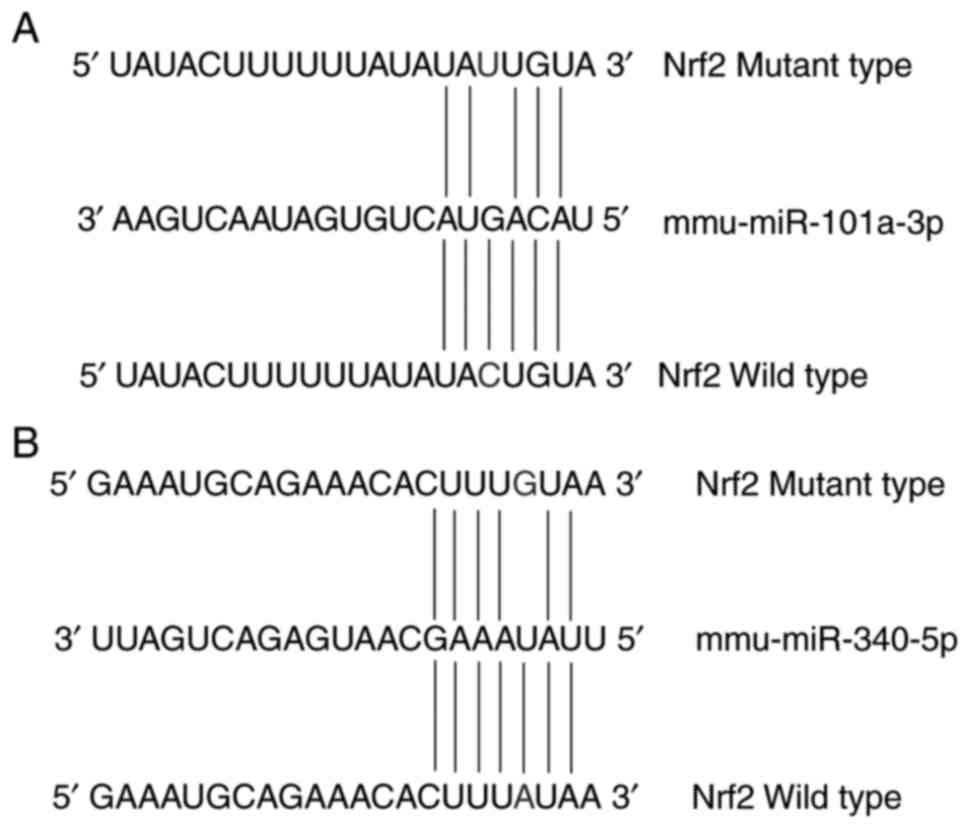
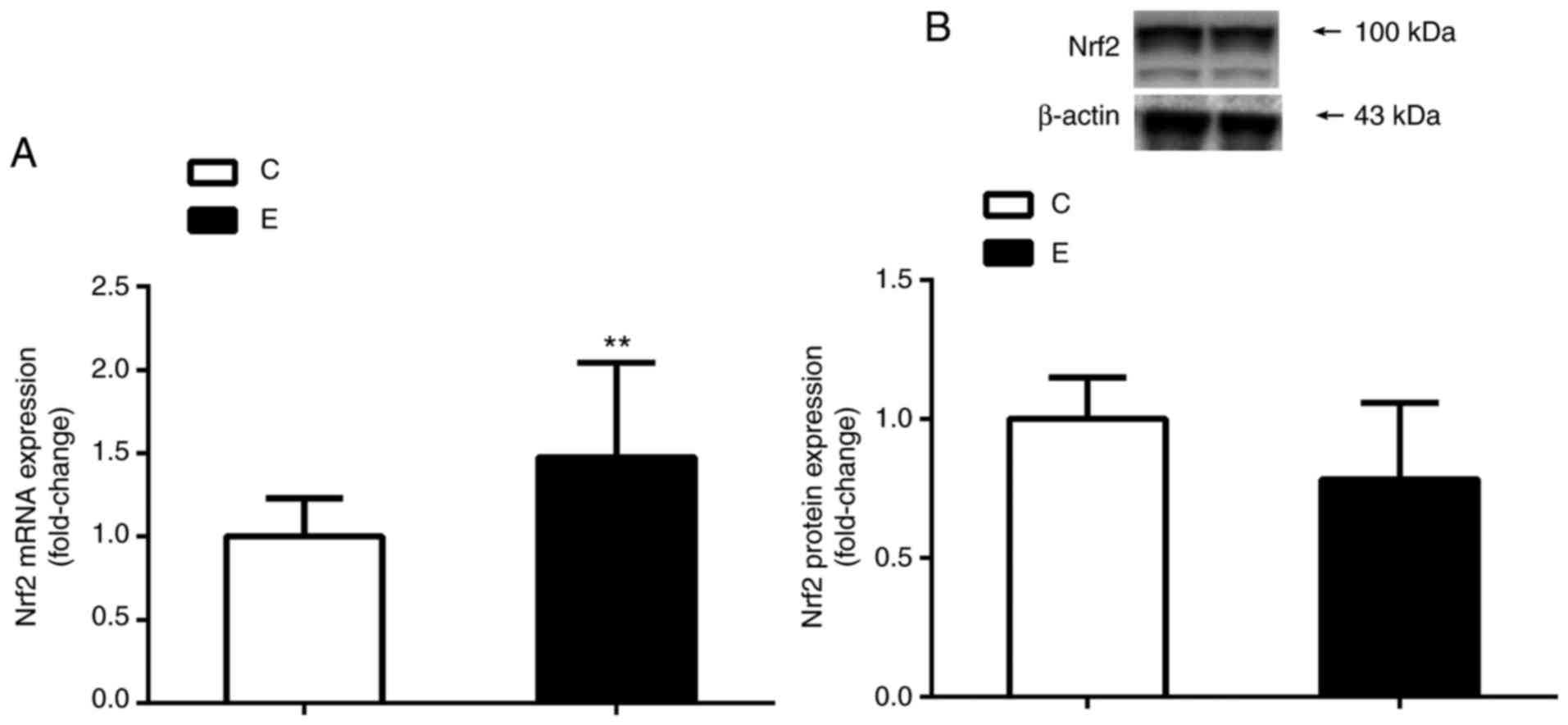
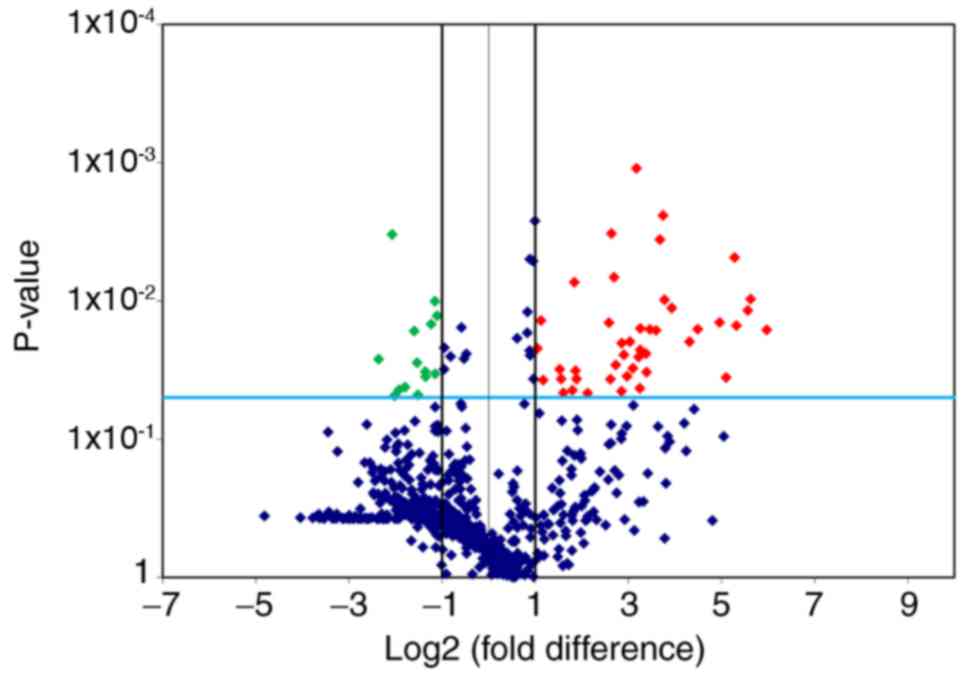
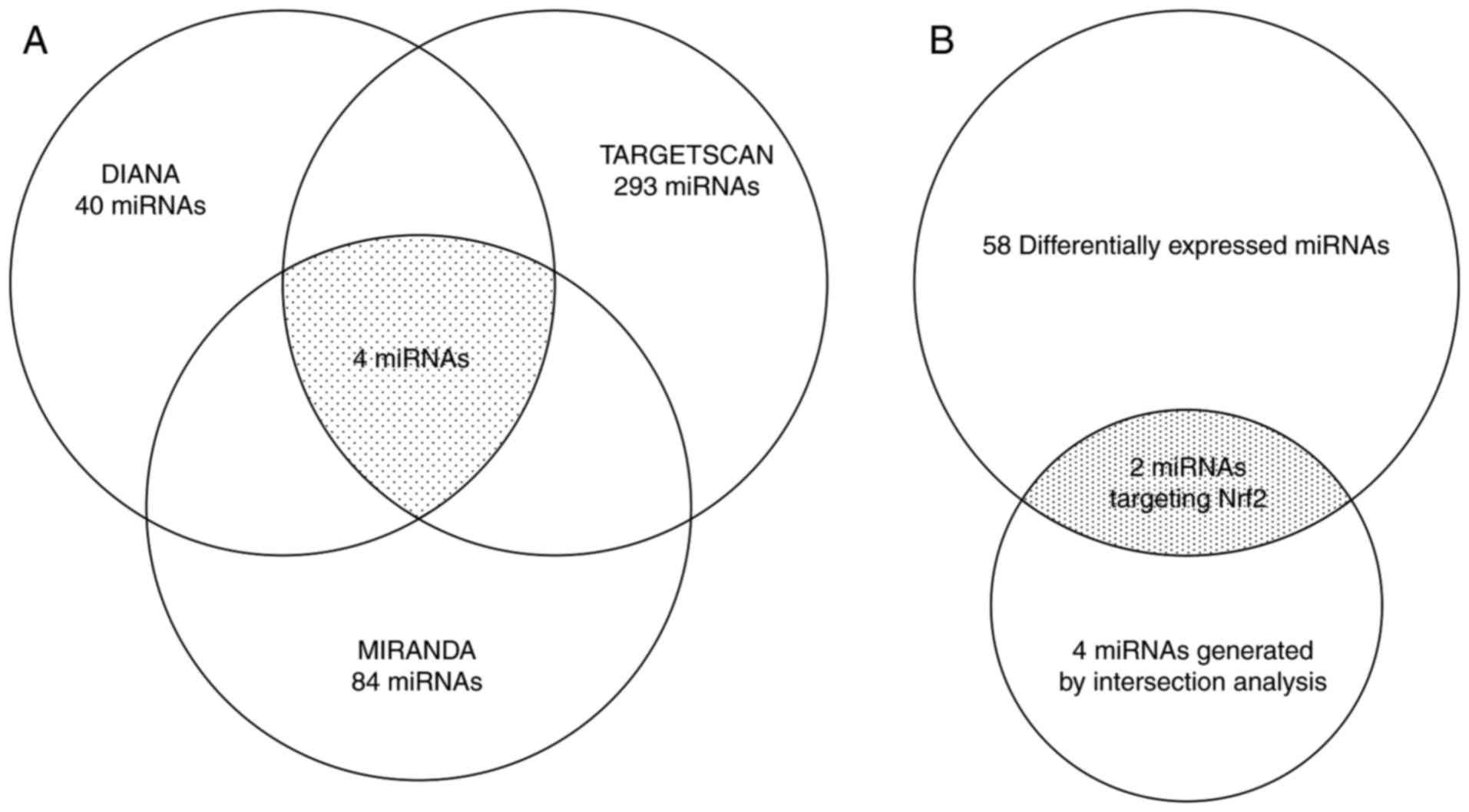
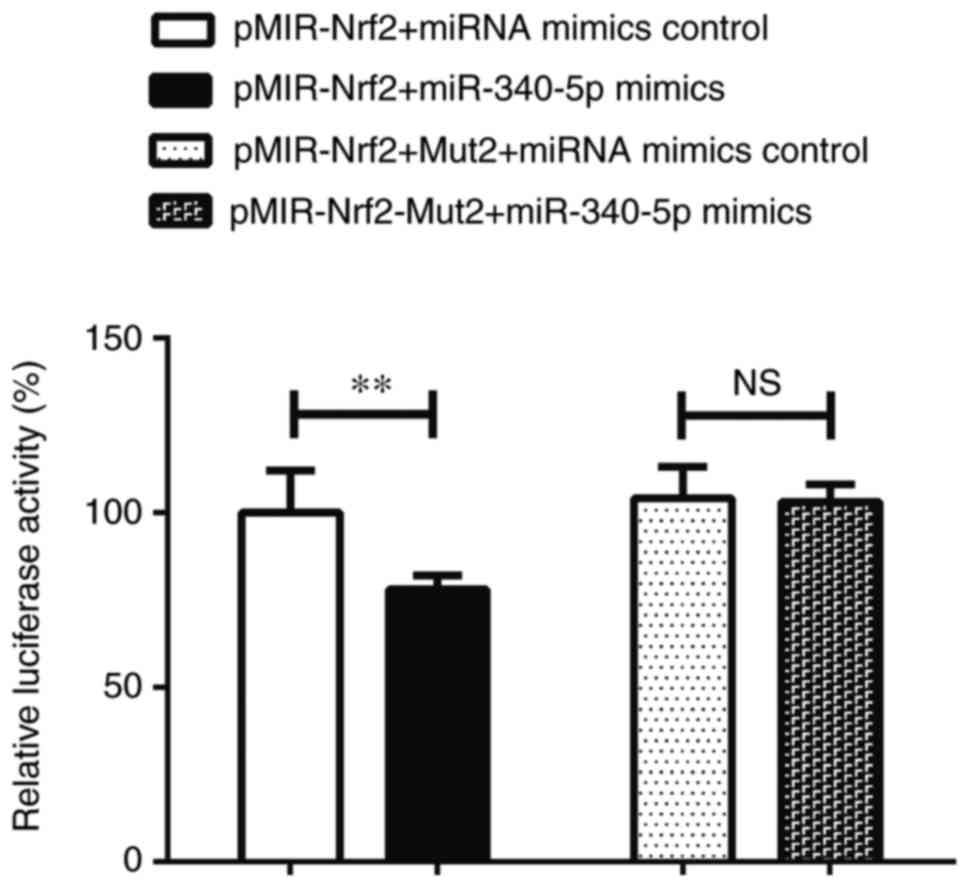
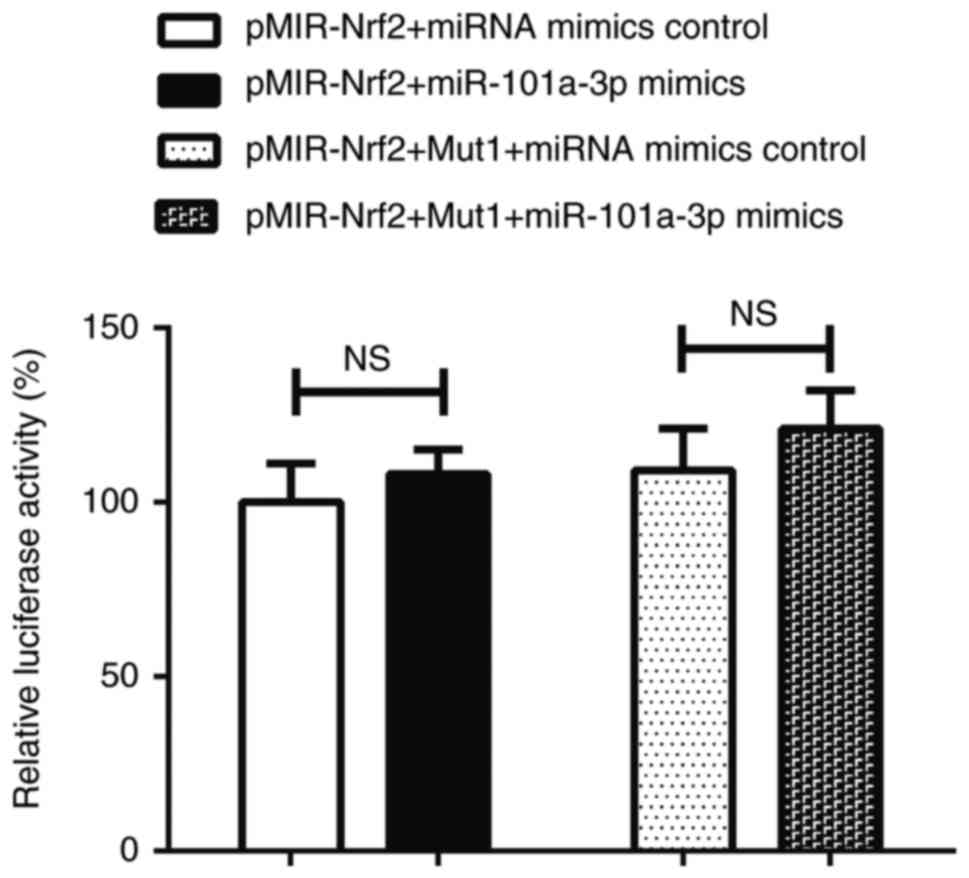
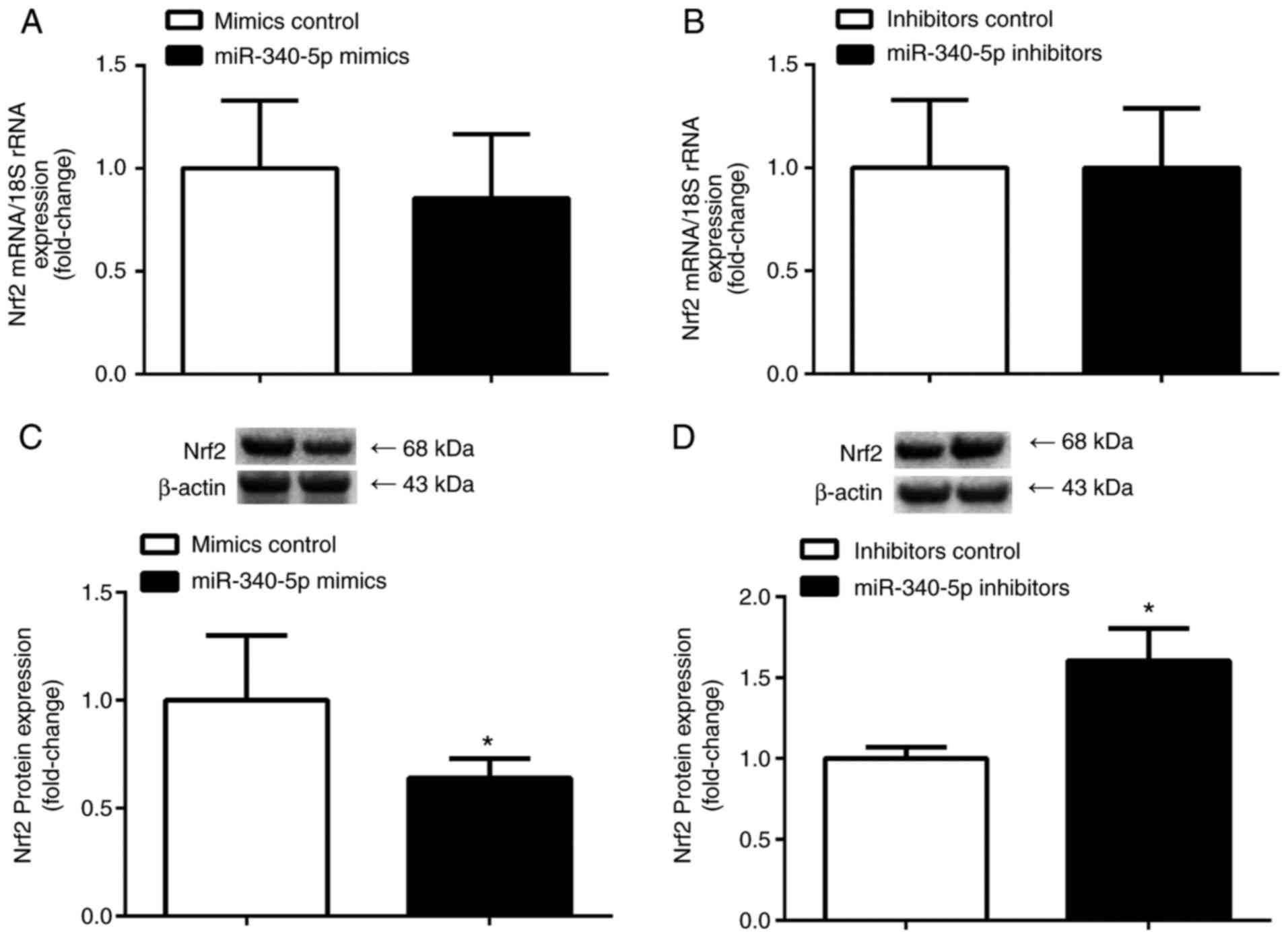
Nuclear factor erythroid 2‑related factor 2 (Nrf2) is a key transcription factor that serves a critical role in protecting against cellular stress induced by exercise. The effects of exercise training on Nrf2 expression have been widely studied; however, the post‑transcriptional/translational regulation of Nrf2 is poorly understood. The aim of the present study was to identify the exercise‑induced microRNAs (miRNAs/miRs) targeting Nrf2. A total of 20 C57BL/6J mice were divided into the control (n=10) and exercise (n=10) groups. Following eight weeks of aerobic exercise training, Nrf2 mRNA expression in the hind‑limb muscles was significantly increased in the exercise group, while that of Nrf2 protein remained unchanged. In addition, 58 differentially expressed miRNAs have been detected; among them, miR‑101a‑3p and miR‑340‑5p were predicted to target the 3' untranslated region of Nrf2 mRNA by analysis with three bioinformatics tools. The binding affinity of the two miRNAs were verified via a dual luciferase reporter assay; only miR‑340‑5p was determined to bind directly to Nrf2 mRNA. Additionally, miR‑340‑5p mimics and inhibitors were transfected into C2C12 cells to investigate the biological effects of endogenous miR‑340‑5p on the expression of Nrf2. The results revealed that the expression levels of Nrf2 protein in C2C12 cells were significantly decreased in the miR‑340‑5p mimics group and significantly increased in the miR‑340‑5p inhibitors group, while Nrf2 mRNA expression levels were unchanged. The results indicated that miR‑340‑5p serves a role in the post‑transcriptional regulation of Nrf2 expression. In conclusion, the novel findings of the present study were that miR‑340‑5p may be a potential direct regulator of Nrf2 gene expression and might be involved in the regulation of Nrf2 protein expression in mouse skeletal muscles following aerobic exercise. These results may provide insight into the underlying regulatory mechanisms of Nrf2 protein expression in skeletal muscle during aerobic exercise.
View Figures

Figure 1

Figure 2

Figure 3

Figure 4

Figure 5

Figure 6

Figure 7

View References

1 

Kobayashi A, Ohta T and Yamamoto M: Unique function of the Nrf2-Keap1 pathway in the inducible expression of antioxidant and detoxifying enzymes. Methods Enzymol. 378:273–286. 2004. View Article : Google Scholar : PubMed/NCBI

2 

Wakabayashi N, Itoh K, Wakabayashi J, Motohashi H, Noda S, Takahashi S, Imakado S, Kotsuji T, Otsuka F, Roop DR, et al: Keap1-null mutation leads to postnatal lethality due to constitutive Nrf2 activation. Nat Genet. 35:238–245. 2003. View Article : Google Scholar : PubMed/NCBI

3 

Heiss EH, Schachner D, Werner ER and Dirsch VM: Active NF-E2-related factor (Nrf2) contributes to keep endothelial NO synthase (eNOS) in the coupled state: Role of reactive oxygen species (ROS), eNOS, and heme oxygenase (HO-1) levels. J Biol Chem. 284:31579–31586. 2009. View Article : Google Scholar : PubMed/NCBI

4 

Kobayashi A, Kang MI, Okawa H, Ohtsuji M, Zenke Y, Chiba T, Igarashi K and Yamamoto M: Oxidative stress sensor Keap1 functions as an adaptor for Cul3-based E3 ligase to regulate proteasomal degradation of Nrf2. Mol Cell Biol. 24:7130–7139. 2004. View Article : Google Scholar : PubMed/NCBI

5 

Wang P, Li CG, Qi Z, Cui D and Ding S: Acute exercise stress promotes Ref1/Nrf2 signalling and increases mitochondrial antioxidant activity in skeletal muscle. Exp Physiol. 101:410–420. 2016. View Article : Google Scholar : PubMed/NCBI

6 

Tsou YH, Shih CT, Ching CH, Huang JY, Jen CJ, Yu L, Kuo YM, Wu FS and Chuang JI: Treadmill exercise activates Nrf2 antioxidant system to protect the nigrostriatal dopaminergic neurons from MPP+ toxicity. Exp Neurol. 263:50–62. 2015. View Article : Google Scholar : PubMed/NCBI

7 

Merry TL and Ristow M: Nuclear factor erythroid-derived 2-like 2 (NFE2L2, Nrf2) mediates exercise-induced mitochondrial biogenesis and the anti-oxidant response in mice. J Physiol. 594:5195–5207. 2016. View Article : Google Scholar : PubMed/NCBI

8 

Kumar RR, Narasimhan M, Shanmugam G, Hong J, Devarajan A, Palaniappan S, Zhang J, Halade GV, Darley-Usmar VM, Hoidal JR and Rajasekaran NS: Abrogation of Nrf2 impairs antioxidant signaling and promotes atrial hypertrophy in response to high-intensity exercise stress. J Transl Med. 14:862016. View Article : Google Scholar : PubMed/NCBI

9 

Done AJ and Traustadottir T: Nrf2 mediates redox adaptations to exercise. Redox Biol. 10:191–199. 2016. View Article : Google Scholar : PubMed/NCBI

10 

Ying SY, Chang DC and Lin SL: The microRNA (miRNA): Overview of the RNA genes that modulate gene function. Mol Biotechnol. 38:257–268. 2008. View Article : Google Scholar : PubMed/NCBI

11 

Alvarez-Garcia I and Miska EA: MicroRNA functions in animal development and human disease. Development. 132:4653–4662. 2005. View Article : Google Scholar : PubMed/NCBI

12 

Bushati N and Cohen SM: microRNA functions. Annu Rev Cell Dev Biol. 23:175–205. 2007. View Article : Google Scholar : PubMed/NCBI

13 

Bartel DP: MicroRNAs: Target recognition and regulatory functions. Cell. 136:215–233. 2009. View Article : Google Scholar : PubMed/NCBI

14 

Yang M, Yao Y, Eades G, Zhang Y and Zhou Q: miR-28 regulates Nrf2 expression through a Keap1-independent mechanism. Breast Cancer Res Treat. 129:983–991. 2011. View Article : Google Scholar : PubMed/NCBI

15 

Zhou S, Ye W, Zhang Y, Yu D, Shao Q, Liang J and Zhang M: miR-144 reverses chemoresistance of hepatocellular carcinoma cell lines by targeting Nrf2-dependent antioxidant pathway. Am J Transl Res. 8:2992–3002. 2016.PubMed/NCBI

16 

Narasimhan M, Patel D, Vedpathak D, Rathinam M, Henderson G and Mahimainathan L: Identification of novel microRNAs in post-transcriptional control of Nrf2 expression and redox homeostasis in neuronal, SH-SY5Y cells. PLoS One. 7:e511112012. View Article : Google Scholar : PubMed/NCBI

17 

Khan AUH, Rathore MG, Allende-Vega N, Vo DN, Belkhala S, Orecchioni S, Talarico G, Bertolini F, Cartron G, Lecellier CH and Villalba M: Human leukemic cells performing oxidative phosphorylation (OXPHOS) generate an antioxidant response independently of reactive oxygen species (ROS) production. EBioMedicine. 3:43–53. 2015. View Article : Google Scholar : PubMed/NCBI

18 

van Jaarsveld MT, Helleman J, Boersma AW, van Kuijk PF, van Ijcken WF, Despierre E, Vergote I, Mathijssen RH, Berns EM, Verweij J, et al: miR-141 regulates KEAP1 and modulates cisplatin sensitivity in ovarian cancer cells. Oncogene. 32:4284–4293. 2013. View Article : Google Scholar : PubMed/NCBI

19 

Shi L, Wu L, Chen Z, Yang J, Chen X, Yu F, Zheng F and Lin X: miR-141 activates Nrf2-dependent antioxidant pathway via down-regulating the expression of keap1 conferring the resistance of hepatocellular carcinoma cells to 5-fluorouracil. Cell Physiol Biochem. 35:2333–2348. 2015. View Article : Google Scholar : PubMed/NCBI

20 

Aguiar AS Jr, Duzzioni M, Remor AP, Tristão FS, Matheus FC, Raisman-Vozari R, Latini A and Prediger RD: Moderate-intensity physical exercise protects against experimental 6-hydroxydopamine-induced hemiparkinsonism through Nrf2-antioxidant response element pathway. Neurochem Res. 41:64–72. 2016. View Article : Google Scholar : PubMed/NCBI

21 

Wan C, Han R, Liu L, Zhang F, Li F, Xiang M and Ding W: Role of miR-155 in fluorooctane sulfonate-induced oxidative hepatic damage via the Nrf2-dependent pathway. Toxicol Appl Pharmacol. 295:85–93. 2016. View Article : Google Scholar : PubMed/NCBI

22 

Safdar A, Abadi A, Akhtar M, Hettinga BP and Tarnopolsky MA: miRNA in the regulation of skeletal muscle adaptation to acute endurance exercise in C57Bl/6J male mice. PLoS One. 4:e56102009. View Article : Google Scholar : PubMed/NCBI

23 

Aoi W, Ichikawa H, Mune K, Tanimura Y, Mizushima K, Naito Y and Yoshikawa T: Muscle-enriched microRNA miR-486 decreases in circulation in response to exercise in young men. Front Physiol. 4:802013. View Article : Google Scholar : PubMed/NCBI

24 

Gong H, Xie J, Zhang N, Yao L and Zhang Y: MEF2A binding to the Glut4 promoter occurs via an AMPKα2-dependent mechanism. Med Sci Sports Exerc. 43:1441–1450. 2011. View Article : Google Scholar : PubMed/NCBI

25 

Livak KJ and Schmittgen TD: Analysis of relative gene expression data using real-time quantitative PCR and the 2(-Delta Delta C(T)) method. Methods. 25:402–408. 2001. View Article : Google Scholar : PubMed/NCBI

26 

Agarwal V, Bell GW, Nam JW and Bartel DP: Predicting effective microRNA target sites in mammalian mRNAs. ELife. 4:2015. View Article : Google Scholar

27 

Lewis BP, Burge CB and Bartel DP: Conserved seed pairing, often flanked by adenosines, indicates that thousands of human genes are microRNA targets. Cell. 120:15–20. 2005. View Article : Google Scholar : PubMed/NCBI

28 

Friedman RC, Farh KK, Burge CB and Bartel DP: Most mammalian mRNAs are conserved targets of microRNAs. Genome Res. 19:92–105. 2009. View Article : Google Scholar : PubMed/NCBI

29 

Betel D, Wilson M, Gabow A, Marks DS and Sander C: The microRNA.org resource: Targets and expression. Nucleic Acids Res. 36:(Database Issue). D149–D153. 2008. View Article : Google Scholar : PubMed/NCBI

30 

Enright AJ, John B, Gaul U, Tuschl T, Sander C and Marks DS: MicroRNA targets in drosophila. Genome Biol. 5:R12003. View Article : Google Scholar : PubMed/NCBI

31 

Paraskevopoulou MD, Georgakilas G, Kostoulas N, Vlachos IS, Vergoulis T, Reczko M, Filippidis C, Dalamagas T and Hatzigeorgiou AG: DIANA-microT web server v5.0: Service integration into miRNA functional analysis workflows. Nucleic Acids Res. 41:(Web Server Issue). W169–W173. 2013. View Article : Google Scholar : PubMed/NCBI

32 

Reczko M, Maragkakis M, Alexiou P, Grosse I and Hatzigeorgiou AG: Functional microRNA targets in protein coding sequences. Bioinformatics. 28:771–776. 2012. View Article : Google Scholar : PubMed/NCBI

33 

Wang Z: The guideline of the design and validation of miRNA mimics. Methods Mol Biol. 676:211–223. 2011. View Article : Google Scholar : PubMed/NCBI

34 

Betel D, Koppal A, Agius P, Sander C and Leslie C: Comprehensive modeling of microRNA targets predicts functional non-conserved and non-canonical sites. Genome Biol. 11:R902010. View Article : Google Scholar : PubMed/NCBI

35 

Tang L, Chen HY, Hao NB, Tang B, Guo H, Yong X, Dong H and Yang SM: microRNA inhibitors: Natural and artificial sequestration of microRNA. Cancer Lett. 407:139–147. 2017. View Article : Google Scholar : PubMed/NCBI

36 

Jiang HK, Miao Y, Wang YH, Zhao M, Feng ZH, Yu XJ, Liu JK and Zang WJ: Aerobic interval training protects against myocardial infarction-induced oxidative injury by enhancing antioxidase system and mitochondrial biosynthesis. Clin Exp Pharmacol Physiol. 41:192–201. 2014. View Article : Google Scholar : PubMed/NCBI

37 

Tutakhail A, Nazary QA, Lebsir D, Kerdine-Romer S and Coudore F: Induction of brain Nrf2-HO-1 pathway and antinociception after different physical training paradigms in mice. Life Sci. 209:149–156. 2018. View Article : Google Scholar : PubMed/NCBI

38 

Done AJ, Newell MJ and Traustadottir T: Effect of exercise intensity on Nrf2 signalling in young men. Free Radic Res. 51:646–655. 2017. View Article : Google Scholar : PubMed/NCBI

39 

Filipowicz W, Bhattacharyya SN and Sonenberg N: Mechanisms of post-transcriptional regulation by microRNAs: Are the answers in sight? Nat Rev Genet. 9:102–114. 2008. View Article : Google Scholar : PubMed/NCBI

40 

Bartel DP: MicroRNAs: Genomics, biogenesis, mechanism, and function. Cell. 116:281–297. 2004. View Article : Google Scholar : PubMed/NCBI

41 

Furukawa M and Xiong Y: BTB protein Keap1 targets antioxidant transcription factor Nrf2 for ubiquitination by the Cullin 3-Roc1 ligase. Mol Cell Biol. 25:162–171. 2005. View Article : Google Scholar : PubMed/NCBI

42 

Kim JH, Lee KS, Lee DK, Kim J, Kwak SN, Ha KS, Choe J, Won MH, Cho BR, Jeoung D, et al: Hypoxia-responsive microRNA-101 promotes angiogenesis via heme oxygenase-1/vascular endothelial growth factor axis by targeting cullin 3. Antioxid Redox Signal. 21:2469–2482. 2014. View Article : Google Scholar : PubMed/NCBI

43 

Sihvola V and Levonen AL: Keap1 as the redox sensor of the antioxidant response. Arch Biochem Biophys. 617:94–100. 2017. View Article : Google Scholar : PubMed/NCBI

44 

Villeneuve NF, Lau A and Zhang DD: Regulation of the Nrf2-Keap1 antioxidant response by the ubiquitin proteasome system: An insight into cullin-ring ubiquitin ligases. Antioxid Redox Signal. 13:1699–1712. 2010. View Article : Google Scholar : PubMed/NCBI

45 

Li W, Yu S, Liu T, Kim JH, Blank V, Li H and Kong AN: Heterodimerization with small Maf proteins enhances nuclear retention of Nrf2 via masking the NESzip motif. Biochim Biophys Acta. 1783:1847–1856. 2008. View Article : Google Scholar : PubMed/NCBI

Related Articles

  • Abstract
  • View
  • Download
  • Twitter
Copy and paste a formatted citation
Spandidos Publications style
Mei T, Liu Y, Wang J and Zhang Y: miR‑340‑5p: A potential direct regulator of Nrf2 expression in the post‑exercise skeletal muscle of mice. Mol Med Rep 19: 1340-1348, 2019.
APA
Mei, T., Liu, Y., Wang, J., & Zhang, Y. (2019). miR‑340‑5p: A potential direct regulator of Nrf2 expression in the post‑exercise skeletal muscle of mice. Molecular Medicine Reports, 19, 1340-1348. https://doi.org/10.3892/mmr.2018.9762
MLA
Mei, T., Liu, Y., Wang, J., Zhang, Y."miR‑340‑5p: A potential direct regulator of Nrf2 expression in the post‑exercise skeletal muscle of mice". Molecular Medicine Reports 19.2 (2019): 1340-1348.
Chicago
Mei, T., Liu, Y., Wang, J., Zhang, Y."miR‑340‑5p: A potential direct regulator of Nrf2 expression in the post‑exercise skeletal muscle of mice". Molecular Medicine Reports 19, no. 2 (2019): 1340-1348. https://doi.org/10.3892/mmr.2018.9762
Copy and paste a formatted citation
x
Spandidos Publications style
Mei T, Liu Y, Wang J and Zhang Y: miR‑340‑5p: A potential direct regulator of Nrf2 expression in the post‑exercise skeletal muscle of mice. Mol Med Rep 19: 1340-1348, 2019.
APA
Mei, T., Liu, Y., Wang, J., & Zhang, Y. (2019). miR‑340‑5p: A potential direct regulator of Nrf2 expression in the post‑exercise skeletal muscle of mice. Molecular Medicine Reports, 19, 1340-1348. https://doi.org/10.3892/mmr.2018.9762
MLA
Mei, T., Liu, Y., Wang, J., Zhang, Y."miR‑340‑5p: A potential direct regulator of Nrf2 expression in the post‑exercise skeletal muscle of mice". Molecular Medicine Reports 19.2 (2019): 1340-1348.
Chicago
Mei, T., Liu, Y., Wang, J., Zhang, Y."miR‑340‑5p: A potential direct regulator of Nrf2 expression in the post‑exercise skeletal muscle of mice". Molecular Medicine Reports 19, no. 2 (2019): 1340-1348. https://doi.org/10.3892/mmr.2018.9762
Follow us
  • Twitter
  • LinkedIn
  • Facebook
About
  • Spandidos Publications
  • Careers
  • Cookie Policy
  • Privacy Policy
How can we help?
  • Help
  • Live Chat
  • Contact
  • Email to our Support Team