Spandidos Publications Logo
  • About
    • About Spandidos
    • Aims and Scopes
    • Abstracting and Indexing
    • Editorial Policies
    • Reprints and Permissions
    • Job Opportunities
    • Terms and Conditions
    • Contact
  • Journals
    • All Journals
    • Oncology Letters
      • Oncology Letters
      • Information for Authors
      • Editorial Policies
      • Editorial Board
      • Aims and Scope
      • Abstracting and Indexing
      • Bibliographic Information
      • Archive
    • International Journal of Oncology
      • International Journal of Oncology
      • Information for Authors
      • Editorial Policies
      • Editorial Board
      • Aims and Scope
      • Abstracting and Indexing
      • Bibliographic Information
      • Archive
    • Molecular and Clinical Oncology
      • Molecular and Clinical Oncology
      • Information for Authors
      • Editorial Policies
      • Editorial Board
      • Aims and Scope
      • Abstracting and Indexing
      • Bibliographic Information
      • Archive
    • Experimental and Therapeutic Medicine
      • Experimental and Therapeutic Medicine
      • Information for Authors
      • Editorial Policies
      • Editorial Board
      • Aims and Scope
      • Abstracting and Indexing
      • Bibliographic Information
      • Archive
    • International Journal of Molecular Medicine
      • International Journal of Molecular Medicine
      • Information for Authors
      • Editorial Policies
      • Editorial Board
      • Aims and Scope
      • Abstracting and Indexing
      • Bibliographic Information
      • Archive
    • Biomedical Reports
      • Biomedical Reports
      • Information for Authors
      • Editorial Policies
      • Editorial Board
      • Aims and Scope
      • Abstracting and Indexing
      • Bibliographic Information
      • Archive
    • Oncology Reports
      • Oncology Reports
      • Information for Authors
      • Editorial Policies
      • Editorial Board
      • Aims and Scope
      • Abstracting and Indexing
      • Bibliographic Information
      • Archive
    • Molecular Medicine Reports
      • Molecular Medicine Reports
      • Information for Authors
      • Editorial Policies
      • Editorial Board
      • Aims and Scope
      • Abstracting and Indexing
      • Bibliographic Information
      • Archive
    • World Academy of Sciences Journal
      • World Academy of Sciences Journal
      • Information for Authors
      • Editorial Policies
      • Editorial Board
      • Aims and Scope
      • Abstracting and Indexing
      • Bibliographic Information
      • Archive
    • International Journal of Functional Nutrition
      • International Journal of Functional Nutrition
      • Information for Authors
      • Editorial Policies
      • Editorial Board
      • Aims and Scope
      • Abstracting and Indexing
      • Bibliographic Information
      • Archive
    • International Journal of Epigenetics
      • International Journal of Epigenetics
      • Information for Authors
      • Editorial Policies
      • Editorial Board
      • Aims and Scope
      • Abstracting and Indexing
      • Bibliographic Information
      • Archive
    • Medicine International
      • Medicine International
      • Information for Authors
      • Editorial Policies
      • Editorial Board
      • Aims and Scope
      • Abstracting and Indexing
      • Bibliographic Information
      • Archive
  • Articles
  • Information
    • Information for Authors
    • Information for Reviewers
    • Information for Librarians
    • Information for Advertisers
    • Conferences
  • Language Editing
Spandidos Publications Logo
  • About
    • About Spandidos
    • Aims and Scopes
    • Abstracting and Indexing
    • Editorial Policies
    • Reprints and Permissions
    • Job Opportunities
    • Terms and Conditions
    • Contact
  • Journals
    • All Journals
    • Biomedical Reports
      • Information for Authors
      • Editorial Policies
      • Editorial Board
      • Aims and Scope
      • Abstracting and Indexing
      • Bibliographic Information
      • Archive
    • Experimental and Therapeutic Medicine
      • Information for Authors
      • Editorial Policies
      • Editorial Board
      • Aims and Scope
      • Abstracting and Indexing
      • Bibliographic Information
      • Archive
    • International Journal of Epigenetics
      • Information for Authors
      • Editorial Policies
      • Editorial Board
      • Aims and Scope
      • Abstracting and Indexing
      • Bibliographic Information
      • Archive
    • International Journal of Functional Nutrition
      • Information for Authors
      • Editorial Policies
      • Editorial Board
      • Aims and Scope
      • Abstracting and Indexing
      • Bibliographic Information
      • Archive
    • International Journal of Molecular Medicine
      • Information for Authors
      • Editorial Policies
      • Editorial Board
      • Aims and Scope
      • Abstracting and Indexing
      • Bibliographic Information
      • Archive
    • International Journal of Oncology
      • Information for Authors
      • Editorial Policies
      • Editorial Board
      • Aims and Scope
      • Abstracting and Indexing
      • Bibliographic Information
      • Archive
    • Medicine International
      • Information for Authors
      • Editorial Policies
      • Editorial Board
      • Aims and Scope
      • Abstracting and Indexing
      • Bibliographic Information
      • Archive
    • Molecular and Clinical Oncology
      • Information for Authors
      • Editorial Policies
      • Editorial Board
      • Aims and Scope
      • Abstracting and Indexing
      • Bibliographic Information
      • Archive
    • Molecular Medicine Reports
      • Information for Authors
      • Editorial Policies
      • Editorial Board
      • Aims and Scope
      • Abstracting and Indexing
      • Bibliographic Information
      • Archive
    • Oncology Letters
      • Information for Authors
      • Editorial Policies
      • Editorial Board
      • Aims and Scope
      • Abstracting and Indexing
      • Bibliographic Information
      • Archive
    • Oncology Reports
      • Information for Authors
      • Editorial Policies
      • Editorial Board
      • Aims and Scope
      • Abstracting and Indexing
      • Bibliographic Information
      • Archive
    • World Academy of Sciences Journal
      • Information for Authors
      • Editorial Policies
      • Editorial Board
      • Aims and Scope
      • Abstracting and Indexing
      • Bibliographic Information
      • Archive
  • Articles
  • Information
    • For Authors
    • For Reviewers
    • For Librarians
    • For Advertisers
    • Conferences
  • Language Editing
Login Register Submit
  • This site uses cookies
  • You can change your cookie settings at any time by following the instructions in our Cookie Policy. To find out more, you may read our Privacy Policy.

    I agree
Search articles by DOI, keyword, author or affiliation
Search
Advanced Search
presentation
Molecular Medicine Reports
Join Editorial Board Propose a Special Issue
Print ISSN: 1791-2997 Online ISSN: 1791-3004
Journal Cover
May-2019 Volume 19 Issue 5

Full Size Image

Sign up for eToc alerts
Recommend to Library

Journals

International Journal of Molecular Medicine

International Journal of Molecular Medicine

International Journal of Molecular Medicine is an international journal devoted to molecular mechanisms of human disease.

International Journal of Oncology

International Journal of Oncology

International Journal of Oncology is an international journal devoted to oncology research and cancer treatment.

Molecular Medicine Reports

Molecular Medicine Reports

Covers molecular medicine topics such as pharmacology, pathology, genetics, neuroscience, infectious diseases, molecular cardiology, and molecular surgery.

Oncology Reports

Oncology Reports

Oncology Reports is an international journal devoted to fundamental and applied research in Oncology.

Experimental and Therapeutic Medicine

Experimental and Therapeutic Medicine

Experimental and Therapeutic Medicine is an international journal devoted to laboratory and clinical medicine.

Oncology Letters

Oncology Letters

Oncology Letters is an international journal devoted to Experimental and Clinical Oncology.

Biomedical Reports

Biomedical Reports

Explores a wide range of biological and medical fields, including pharmacology, genetics, microbiology, neuroscience, and molecular cardiology.

Molecular and Clinical Oncology

Molecular and Clinical Oncology

International journal addressing all aspects of oncology research, from tumorigenesis and oncogenes to chemotherapy and metastasis.

World Academy of Sciences Journal

World Academy of Sciences Journal

Multidisciplinary open-access journal spanning biochemistry, genetics, neuroscience, environmental health, and synthetic biology.

International Journal of Functional Nutrition

International Journal of Functional Nutrition

Open-access journal combining biochemistry, pharmacology, immunology, and genetics to advance health through functional nutrition.

International Journal of Epigenetics

International Journal of Epigenetics

Publishes open-access research on using epigenetics to advance understanding and treatment of human disease.

Medicine International

Medicine International

An International Open Access Journal Devoted to General Medicine.

Journal Cover
May-2019 Volume 19 Issue 5

Full Size Image

Sign up for eToc alerts
Recommend to Library

  • Article
  • Citations
    • Cite This Article
    • Download Citation
    • Create Citation Alert
    • Remove Citation Alert
    • Cited By
  • Similar Articles
    • Related Articles (in Spandidos Publications)
    • Similar Articles (Google Scholar)
    • Similar Articles (PubMed)
  • Download PDF
  • Download XML
  • View XML
Article Open Access

MicroRNA‑1 downregulation induced by carvedilol protects cardiomyocytes against apoptosis by targeting heat shock protein 60

  • Authors:
    • Yingying Hu
    • Xi Chen
    • Xina Li
    • Zhange Li
    • Hongtao Diao
    • Lu Liu
    • Jia Zhang
    • Jin Ju
    • Lin Wen
    • Xin Liu
    • Zhenwei Pan
    • Chaoqian Xu
    • Xin Hai
    • Yong Zhang
  • View Affiliations / Copyright

    Affiliations: Department of Pharmacy, The First Affiliated Hospital of Harbin Medical University, Harbin, Heilongjiang 150001, P.R. China, Department of Pharmacology, The State‑Province Key Laboratories of Biomedicine‑Pharmaceutics of China, Key Laboratory of Cardiovascular Research, Ministry of Education, Harbin Medical University, Harbin, Heilongjiang 150081, P.R. China, Center of Chronic Diseases and Drug Research, Mudanjiang Medical University, Mudanjiang, Heilongjiang 157011, P.R. China
    Copyright: © Hu et al. This is an open access article distributed under the terms of Creative Commons Attribution License.
  • Pages: 3527-3536
    |
    Published online on: March 14, 2019
       https://doi.org/10.3892/mmr.2019.10034
  • Expand metrics +
Metrics: Total Views: 0 (Spandidos Publications: | PMC Statistics: )
Metrics: Total PDF Downloads: 0 (Spandidos Publications: | PMC Statistics: )
Cited By (CrossRef): 0 citations Loading Articles...

This article is mentioned in:


Abstract

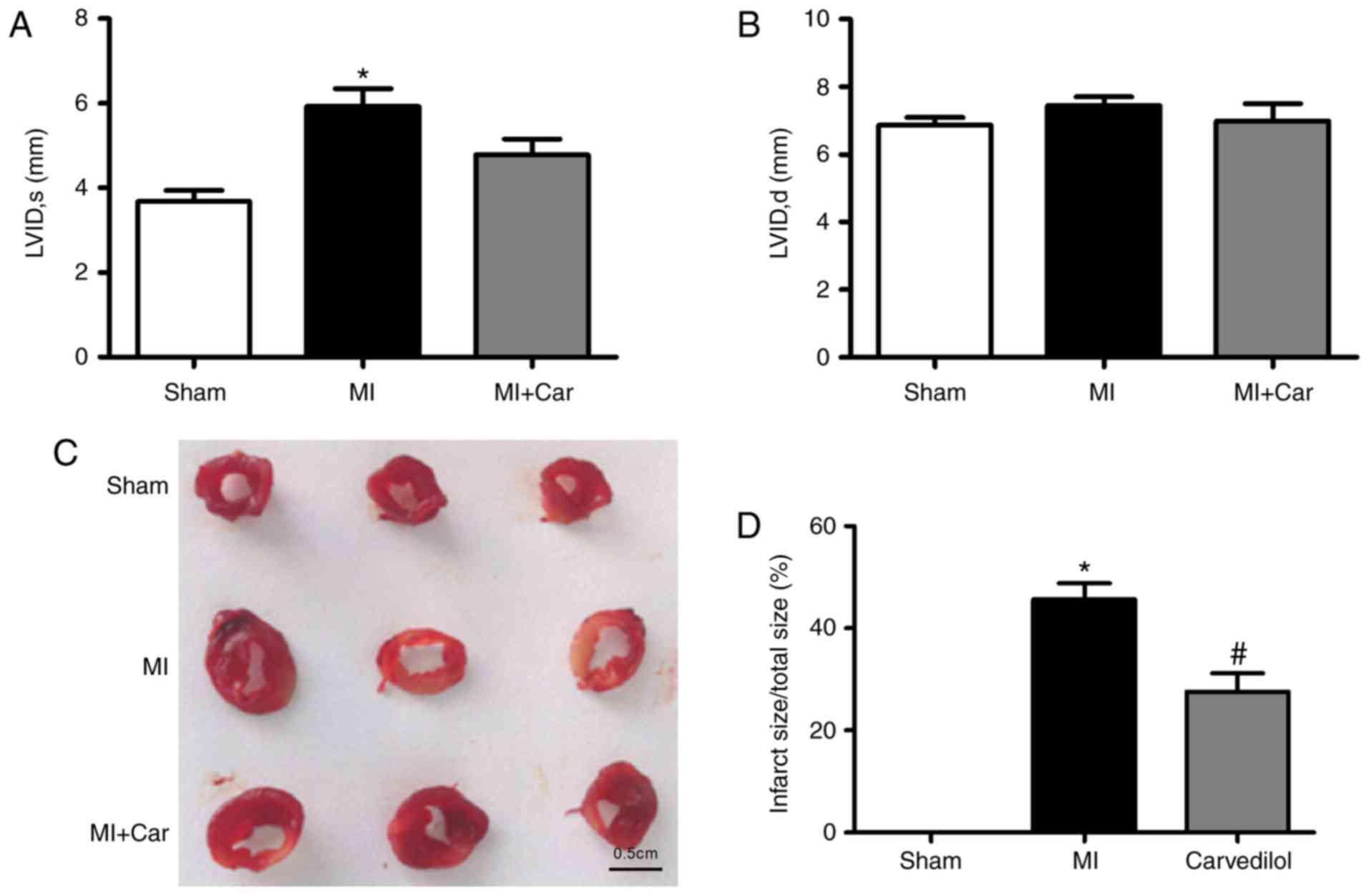
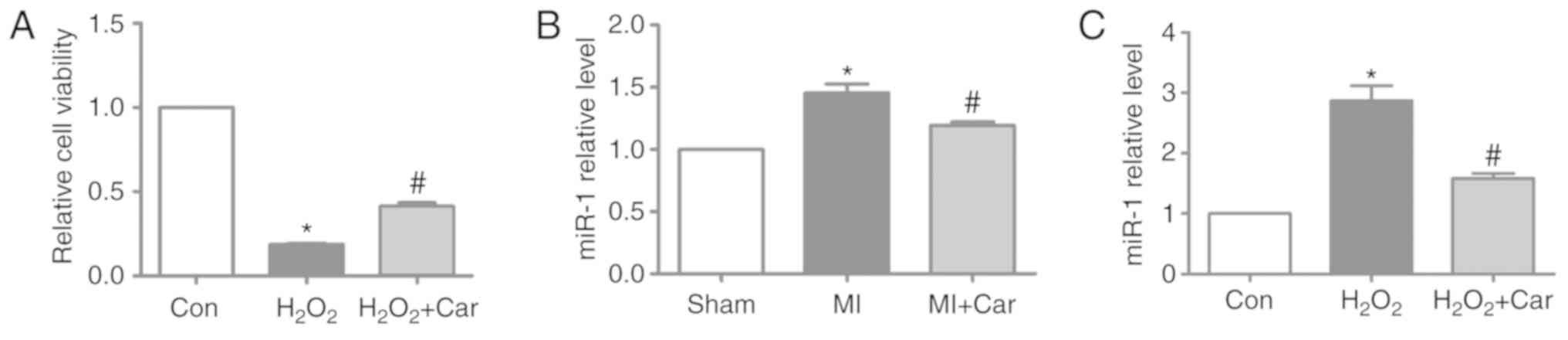
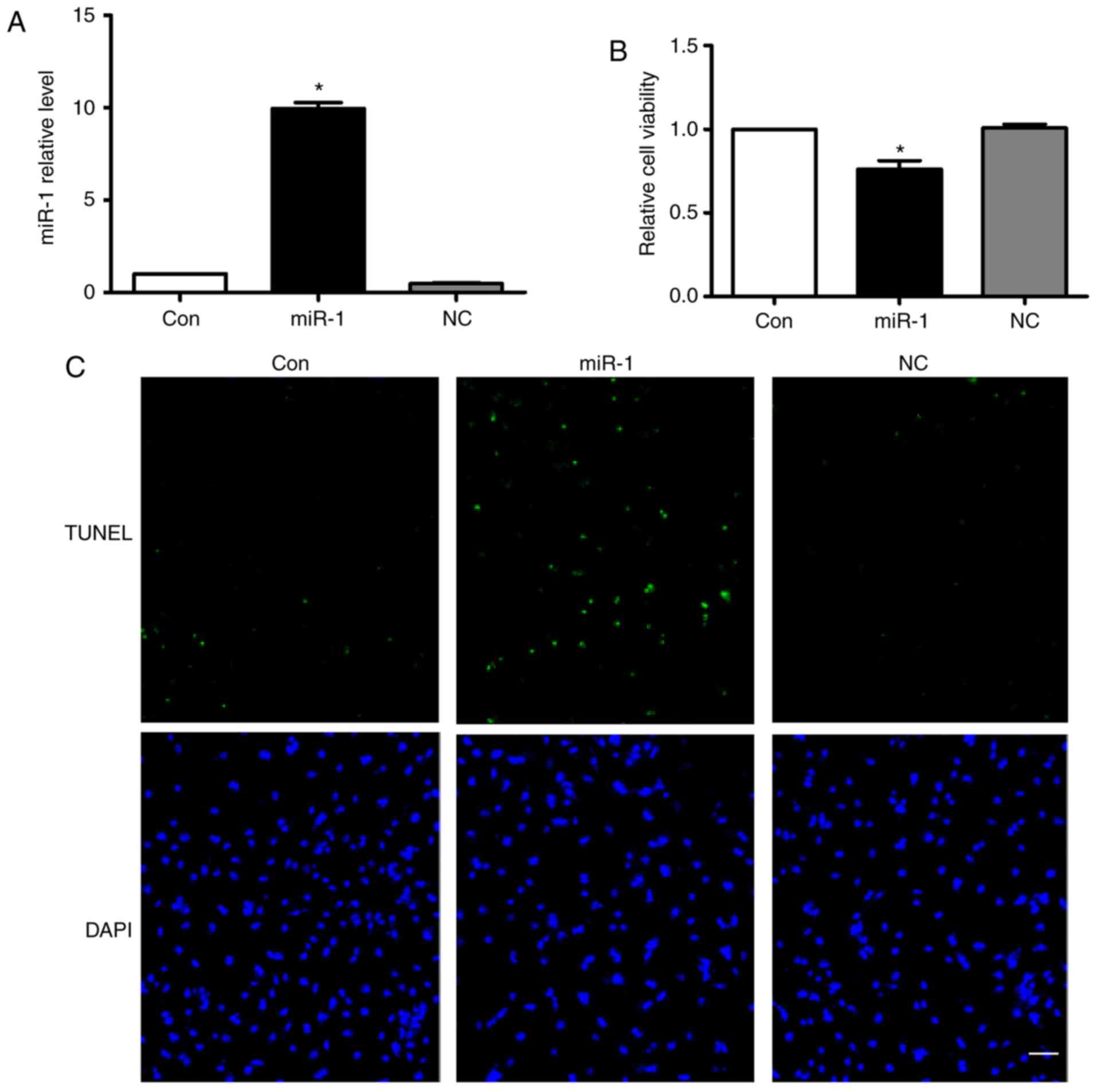
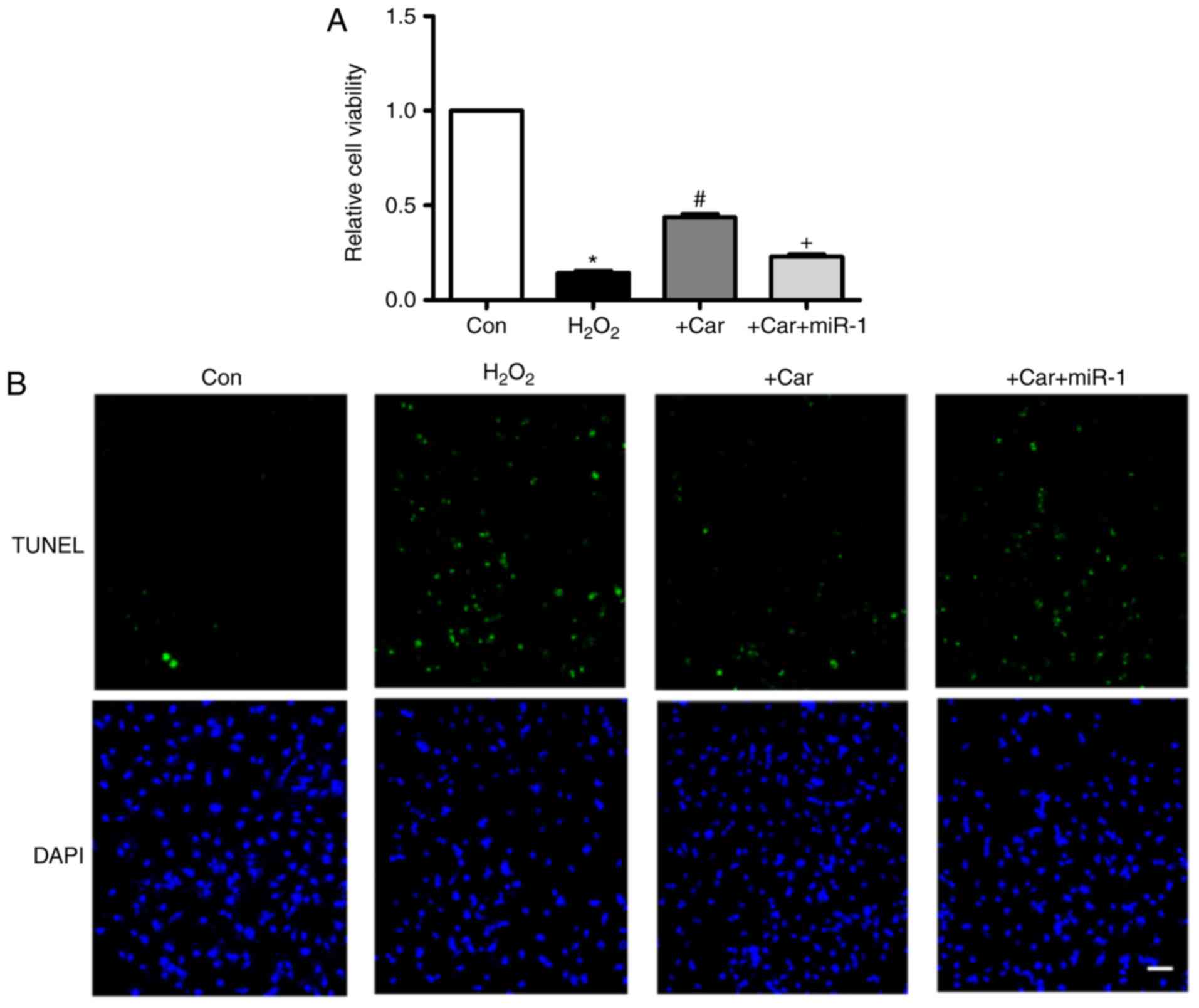
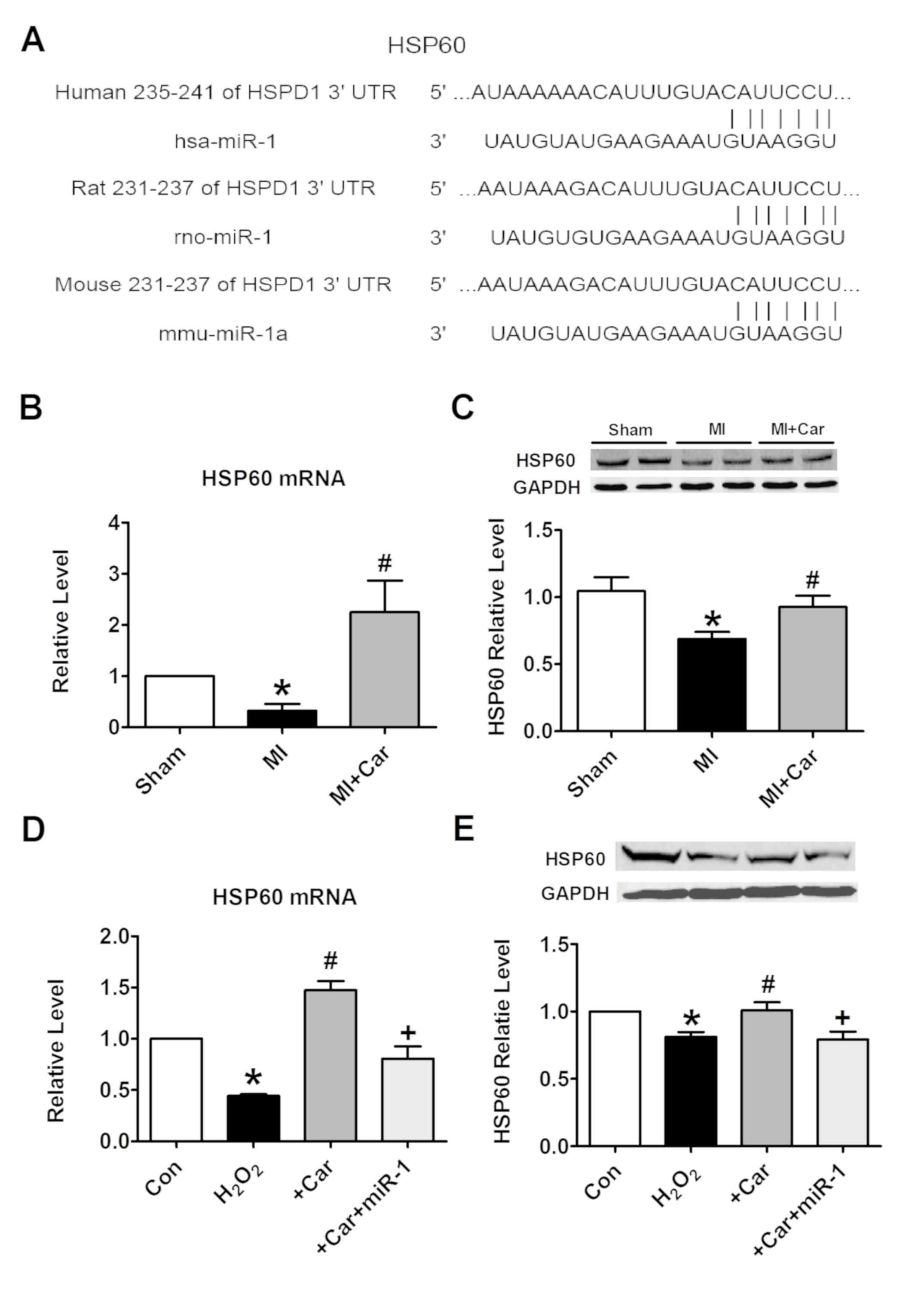
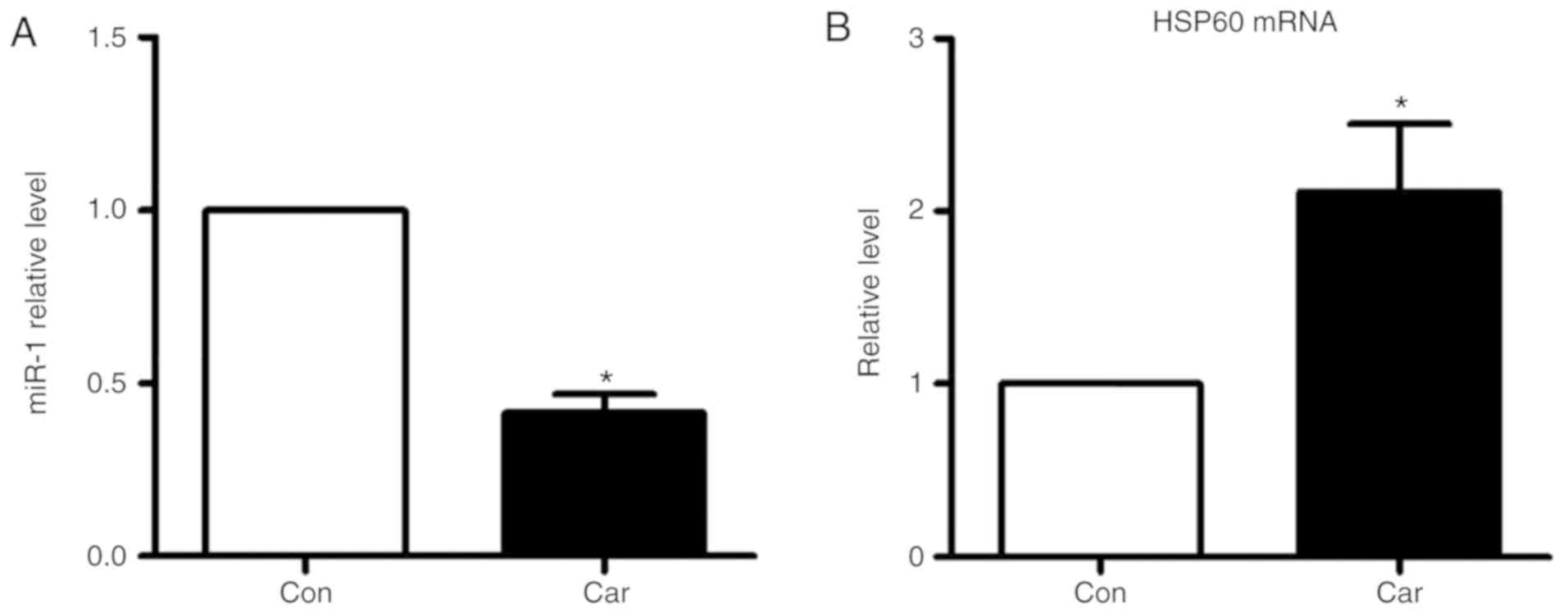
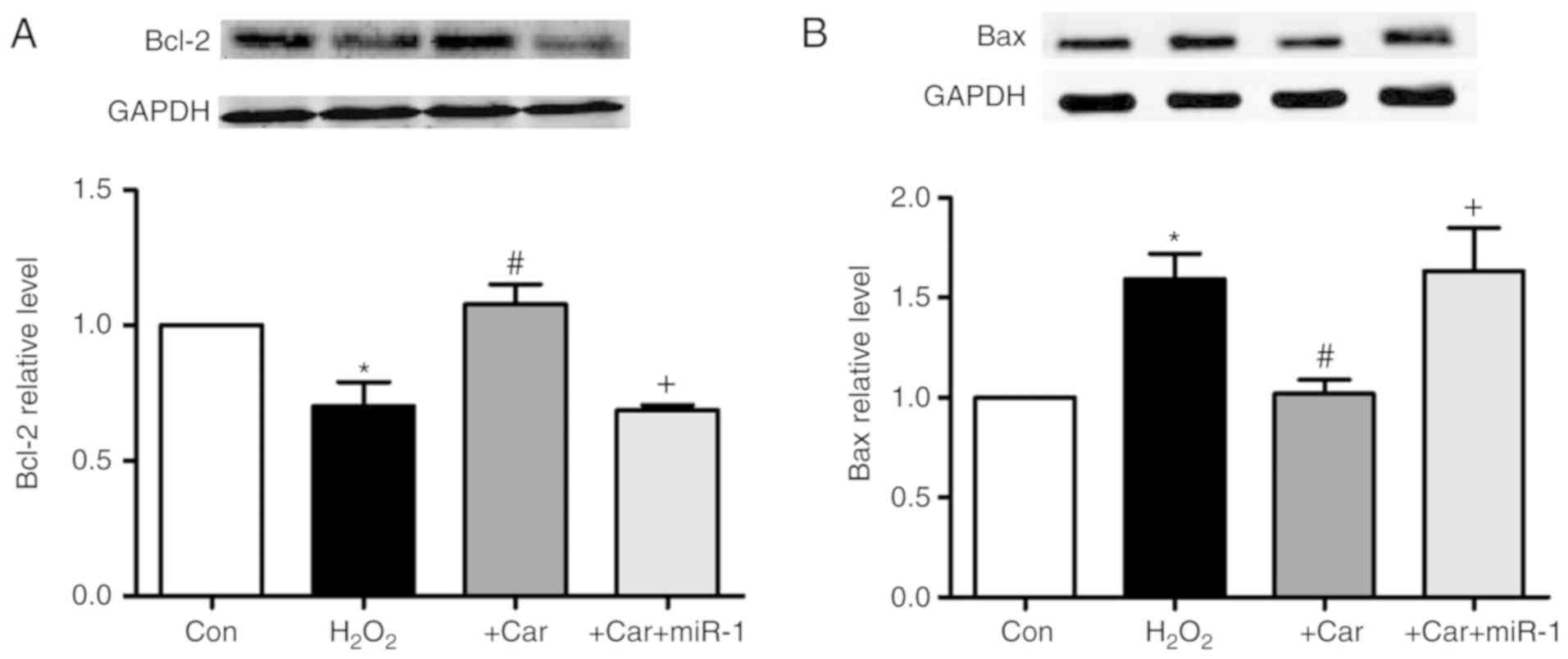
Myocardial infarction (MI) is the most common event in cardiovascular disease. Carvedilol, a β‑blocker with multiple pleiotropic actions, is widely used for the treatment cardiovascular diseases. However, the underlying mechanisms of carvedilol on alleviating MI are not fully understood. The aim of the present study was to investigate whether the beneficial effects of carvedilol were associated with regulation of microRNA‑1 (miR‑1). It was demonstrated that carvedilol ameliorated impaired cardiac function and decreased infarct size in a rat model of MI induced by coronary artery occlusion. Similarly, carvedilol reversed the H2O2‑induced decrease in cardiomyocyte viability in a dose‑dependent manner. The in vivo and in vitro models demonstrated the downregulation of miR‑1 following treatment with carvedilol. Overexpression of miR‑1, a known pro‑apoptotic miRNA, decreased cell viability and induced cell apoptosis. Transfection of miR‑1 abolished the beneficial effects of carvedilol. The expression of heat shock protein 60 (HSP60), a direct target of miR‑1, was identified to be decreased in MI and H2O2‑induced apoptosis, which was associated with a decrease in Bcl‑2 and an increase in Bax; expression was restored following treatment with carvedilol. It was concluded that carvedilol partially exhibited its beneficial effects by downregulating miR‑1 and increasing HSP60 expression. miR‑1 has become a member of the group of carvedilol‑responsive miRNAs. Future studies are required to fully elucidate the potential overlapping or compensatory effects of known carvedilol‑responsive miRNAs and their underlying mechanisms of action in the pathophysiology of cardiovascular diseases.
View Figures

Figure 1

Figure 2

Figure 3

Figure 4

Figure 5

Figure 6

Figure 7

View References

1 

Writing Group Members, Mozaffarian D, Benjamin EJ, Go AS, Arnett DK, Blaha MJ, Cushman M, Das SR, de Ferranti S, Després JP, et al: Heart disease and stroke statistics-2016 update: A report from the American Heart Association. Circulation. 133:e38–e360. 2016.PubMed/NCBI

2 

Sun T, Dong YH, Du W, Shi CY, Wang K, Tariq MA, Wang JX and Li PF: The role of microRNAs in myocardial infarction: From molecular mechanism to clinical application. Int J Mol Sci. 18(pii): E7452017. View Article : Google Scholar : PubMed/NCBI

3 

Liu Q, Zhang J, Xu Y, Huang Y and Wu C: Effect of carvedilol on cardiomyocyte apoptosis in a rat model of myocardial infarction: A role for toll-like receptor 4. Indian J Pharmacol. 45:458–463. 2013. View Article : Google Scholar : PubMed/NCBI

4 

Palojoki E, Saraste A, Eriksson A, Pulkki K, Kallajoki M, Voipio-Pulkki LM and Tikkanen I: Cardiomyocyte apoptosis and ventricular remodeling after myocardial infarction in rats. Am J Physiol Heart Circ Physiol. 280:H2726–H2731. 2001. View Article : Google Scholar : PubMed/NCBI

5 

Oliveira PJ, Marques MP, Batista de Carvalho LA and Moreno AJ: Effects of carvedilol on isolated heart mitochondria: Evidence for a protonophoretic mechanism. Biochem Biophys Res Commun. 276:82–87. 2000. View Article : Google Scholar : PubMed/NCBI

6 

Wang R, Miura T, Harada N, Kametani R, Shibuya M, Fukagawa Y, Kawamura S, Ikeda Y, Hara M and Matsuzaki M: Pleiotropic effects of the beta-adrenoceptor blocker carvedilol on calcium regulation during oxidative stress-induced apoptosis in cardiomyocytes. J Pharmacol Exp Ther. 318:45–52. 2006. View Article : Google Scholar : PubMed/NCBI

7 

Nakamura K, Kusano K, Nakamura Y, Kakishita M, Ohta K, Nagase S, Yamamoto M, Miyaji K, Saito H, Morita H, et al: Carvedilol decreases elevated oxidative stress in human failing myocardium. Circulation. 105:2867–2871. 2002. View Article : Google Scholar : PubMed/NCBI

8 

Yeh CH, Chen TP, Wang YC, Lin YM and Fang SW: Carvedilol treatment after myocardial infarct decreases cardiomyocytic apoptosis in the peri-infarct zone during cardioplegia-induced cardiac arrest. Shock. 39:343–352. 2013. View Article : Google Scholar : PubMed/NCBI

9 

De Rosa S, Curcio A and Indolfi C: Emerging role of microRNAs in cardiovascular diseases. Circ J. 78:567–575. 2014. View Article : Google Scholar : PubMed/NCBI

10 

Latronico MV and Condorelli G: MicroRNAs and cardiac pathology. Nat Rev Cardiol. 6:419–429. 2009. View Article : Google Scholar : PubMed/NCBI

11 

Pan Z, Sun X, Ren J, Li X, Gao X, Lu C, Zhang Y, Sun H, Wang Y, Wang H, et al: miR-1 exacerbates cardiac ischemia-reperfusion injury in mouse models. PLoS One. 7:e505152012. View Article : Google Scholar : PubMed/NCBI

12 

Shan ZX, Lin QX, Deng CY, Zhu JN, Mai LP, Liu JL, Fu YH, Liu XY, Li YX, Zhang YY, et al: miR-1/miR-206 regulate Hsp60 expression contributing to glucose-mediated apoptosis in cardiomyocytes. FEBS Lett. 584:3592–3600. 2010. View Article : Google Scholar : PubMed/NCBI

13 

Zhang Y, Sun L, Zhang Y, Liang H, Li X, Cai R, Wang L, Du W, Zhang R, Li J, et al: Overexpression of microRNA-1 causes atrioventricular block in rodents. Int J Biol Sci. 9:455–462. 2013. View Article : Google Scholar : PubMed/NCBI

14 

Zhang Y, Zhang L, Chu W, Wang B, Zhang J, Zhao M, Li X, Li B, Lu Y, Yang B and Shan H: Tanshinone IIA inhibits miR-1 expression through p38 MAPK signal pathway in post-infarction rat cardiomyocytes. Cell Physiol Biochem. 26:991–998. 2010. View Article : Google Scholar : PubMed/NCBI

15 

Tang Y, Zheng J, Sun Y, Wu Z, Liu Z and Huang G: MicroRNA-1 regulates cardiomyocyte apoptosis by targeting Bcl-2. Int Heart J. 50:377–387. 2009. View Article : Google Scholar : PubMed/NCBI

16 

Lu Y, Zhang Y, Shan H, Pan Z, Li X, Li B, Xu C, Zhang B, Zhang F, Dong D, et al: MicroRNA-1 downregulation by propranolol in a rat model of myocardial infarction: A new mechanism for ischaemic cardioprotection. Cardiovasc Res. 84:434–441. 2009. View Article : Google Scholar : PubMed/NCBI

17 

AVMA Quidelines for the Euthanasia of Animals, . 2013. American Veterinary Medical Association; Schaumburg, IL: 2013, https://www.avma.org/KB/Policies/Documents/euthanasia.pdfJune 15–2016

18 

Zhang Y, Li X, Zhang Q, Li J, Ju J, Du N, Liu X, Chen X, Cheng F, Yang L, et al: Berberine hydrochloride prevents postsurgery intestinal adhesion and inflammation in rats. J Pharmacol Exp Ther. 349:417–426. 2014. View Article : Google Scholar : PubMed/NCBI

19 

Livak KJ and Schmittgen TD: Analysis of relative gene expression data using real-time quantitative PCR and the 2(-Delta Delta C(T)) method. Methods. 25:402–408. 2001. View Article : Google Scholar : PubMed/NCBI

20 

Xu C, Hu Y, Hou L, Ju J, Li X, Du N, Guan X, Liu Z, Zhang T, Qin W, et al: β-Blocker carvedilol protects cardiomyocytes against oxidative stress-induced apoptosis by up-regulating miR-133 expression. J Mol Cell Cardiol. 75:111–121. 2014. View Article : Google Scholar : PubMed/NCBI

21 

Kurdi M and Booz GW: Carvedilol protects the infarcted heart by upregulating miR-133: First evidence that disease state affects β-adrenergic arrestin-biased signaling? J Mol Cell Cardiol. 76:12–14. 2014. View Article : Google Scholar : PubMed/NCBI

22 

Poirier L and Tobe SW: Contemporary use of β-blockers: Clinical relevance of subclassification. Can J Cardiol. 30 (5 Suppl):S9–S15. 2014. View Article : Google Scholar : PubMed/NCBI

23 

Poole-Wilson PA, Swedberg K, Cleland JG, Di Lenarda A, Hanrath P, Komajda M, Lubsen J, Lutiger B, Metra M, Remme WJ, et al: Comparison of carvedilol and metoprolol on clinical outcomes in patients with chronic heart failure in the carvedilol or metoprolol European trial (COMET): Randomised controlled trial. Lancet. 362:7–13. 2003. View Article : Google Scholar : PubMed/NCBI

24 

Remme WJ, Torp-Pedersen C, Cleland JG, Poole-Wilson PA, Metra M, Komajda M, Swedberg K, Di Lenarda A, Spark P, Scherhag A, et al: Carvedilol protects better against vascular events than metoprolol in heart failure: Results from COMET. J Am Coll Cardiol. 49:963–971. 2007. View Article : Google Scholar : PubMed/NCBI

25 

Budni P, Pedrosa RC, Garlet TR, Dalmarco EM, Dalmarco JB, Lino MR, Simionato EL, Amara JA, Frode TS and Wilhelm Filho D: Carvedilol attenuates oxidative stress in chronic chagasic cardiomyopathy. Arq Bras Cardiol. 98:218–224. 2012.(In English). View Article : Google Scholar : PubMed/NCBI

26 

Li YC, Ge LS, Yang PL, Tang JF, Lin JF, Chen P and Guan XQ: Carvedilol treatment ameliorates acute coxsackievirus B3-induced myocarditis associated with oxidative stress reduction. Eur J Pharmacol. 640:112–116. 2010. View Article : Google Scholar : PubMed/NCBI

27 

Zhuang XF, Yin CQ, Wang HY and Sun NL: Distinctive effects of carvedilol in the non-infarct zone: Remodelling of the ligated rat heart linked to oxidative stress. J Int Med Res. 37:1354–1364. 2009. View Article : Google Scholar : PubMed/NCBI

28 

Kim IM, Tilley DG, Chen J, Salazar NC, Whalen EJ, Violin JD and Rockman HA: Beta-blockers alprenolol and carvedilol stimulate beta-arrestin-mediated EGFR transactivation. Proc Natl Acad Sci USA. 105:14555–14560. 2008. View Article : Google Scholar : PubMed/NCBI

29 

Wisler JW, DeWire SM, Whalen EJ, Violin JD, Drake MT, Ahn S, Shenoy SK and Lefkowitz RJ: A unique mechanism of beta-blocker action: Carvedilol stimulates beta-arrestin signaling. Proc Natl Acad Sci USA. 104:16657–16662. 2007. View Article : Google Scholar : PubMed/NCBI

30 

Gupta S and Knowlton AA: HSP60, Bax, apoptosis and the heart. J Cell Mol Med. 9:51–58. 2005. View Article : Google Scholar : PubMed/NCBI

31 

Kirchhoff SR, Gupta S and Knowlton AA: Cytosolic heat shock protein 60, apoptosis, and myocardial injury. Circulation. 105:2899–2904. 2002. View Article : Google Scholar : PubMed/NCBI

32 

Hollander JM, Lin KM, Scott BT and Dillmann WH: Overexpression of PHGPx and HSP60/10 protects against ischemia/reoxygenation injury. Free Radic Biol Med. 35:742–751. 2003. View Article : Google Scholar : PubMed/NCBI

33 

Lin KM, Lin B, Lian IY, Mestril R, Scheffler IE and Dillmann WH: Combined and individual mitochondrial HSP60 and HSP10 expression in cardiac myocytes protects mitochondrial function and prevents apoptotic cell deaths induced by simulated ischemia-reoxygenation. Circulation. 103:1787–1792. 2001. View Article : Google Scholar : PubMed/NCBI

34 

Shan ZX, Lin QX, Fu YH, Deng CY, Zhou ZL, Zhu JN, Liu XY, Zhang YY, Li Y, Lin SG and Yu XY: Upregulated expression of miR-1/miR-206 in a rat model of myocardial infarction. Biochem Biophys Res Commun. 381:597–601. 2009. View Article : Google Scholar : PubMed/NCBI

35 

Yang B, Lin H, Xiao J, Lu Y, Luo X, Li B, Zhang Y, Xu C, Bai Y, Wang H, et al: The muscle-specific microRNA miR-1 regulates cardiac arrhythmogenic potential by targeting GJA1 and KCNJ2. Nat Med. 13:486–491. 2007. View Article : Google Scholar : PubMed/NCBI

36 

Kim IM, Wang Y, Park KM, Tang Y, Teoh JP, Vinson J, Traynham CJ, Pironti G, Mao L, Su H, et al: β-arrestin1-biased β1-adrenergic receptor signaling regulates microRNA processing. Circ Res. 114:833–844. 2014. View Article : Google Scholar : PubMed/NCBI

37 

Bayoumi AS, Park KM, Wang Y, Teoh JP, Aonuma T, Tang Y, Su H, Weintraub NL and Kim IM: A carvedilol-responsive microRNA, miR-125b-5p protects the heart from acute myocardial infarction by repressing pro-apoptotic bak1 and klf13 in cardiomyocytes. J Mol Cell Cardiol. 114:72–82. 2018. View Article : Google Scholar : PubMed/NCBI

38 

Teoh JP, Bayoumi AS, Aonuma T, Xu Y, Johnson JA, Su H, Weintraub NL, Tang Y and Kim IM: β-arrestin-biased agonism of β-adrenergic receptor regulates Dicer-mediated microRNA maturation to promote cardioprotective signaling. J Mol Cell Cardiol. 118:225–236. 2018. View Article : Google Scholar : PubMed/NCBI

39 

Bayoumi AS, Teoh JP, Aonuma T, Yuan Z, Ruan X, Tang Y, Su H, Weintraub NL and Kim IM: MicroRNA-532 protects the heart in acute myocardial infarction, and represses prss23, a positive regulator of endothelial-to-mesenchymal transition. Cardiovasc Res. 113:1603–1614. 2017. View Article : Google Scholar : PubMed/NCBI

40 

Zhu JN, Chen R, Fu YH, Lin QX, Huang S, Guo LL, Zhang MZ, Deng CY, Zou X, Zhong SL, et al: Smad3 inactivation and MiR-29b upregulation mediate the effect of carvedilol on attenuating the acute myocardium infarction-induced myocardial fibrosis in rat. PLoS One. 8:e755572013. View Article : Google Scholar : PubMed/NCBI

Related Articles

  • Abstract
  • View
  • Download
  • Twitter
Copy and paste a formatted citation
Spandidos Publications style
Hu Y, Chen X, Li X, Li Z, Diao H, Liu L, Zhang J, Ju J, Wen L, Liu X, Liu X, et al: MicroRNA‑1 downregulation induced by carvedilol protects cardiomyocytes against apoptosis by targeting heat shock protein 60. Mol Med Rep 19: 3527-3536, 2019.
APA
Hu, Y., Chen, X., Li, X., Li, Z., Diao, H., Liu, L. ... Zhang, Y. (2019). MicroRNA‑1 downregulation induced by carvedilol protects cardiomyocytes against apoptosis by targeting heat shock protein 60. Molecular Medicine Reports, 19, 3527-3536. https://doi.org/10.3892/mmr.2019.10034
MLA
Hu, Y., Chen, X., Li, X., Li, Z., Diao, H., Liu, L., Zhang, J., Ju, J., Wen, L., Liu, X., Pan, Z., Xu, C., Hai, X., Zhang, Y."MicroRNA‑1 downregulation induced by carvedilol protects cardiomyocytes against apoptosis by targeting heat shock protein 60". Molecular Medicine Reports 19.5 (2019): 3527-3536.
Chicago
Hu, Y., Chen, X., Li, X., Li, Z., Diao, H., Liu, L., Zhang, J., Ju, J., Wen, L., Liu, X., Pan, Z., Xu, C., Hai, X., Zhang, Y."MicroRNA‑1 downregulation induced by carvedilol protects cardiomyocytes against apoptosis by targeting heat shock protein 60". Molecular Medicine Reports 19, no. 5 (2019): 3527-3536. https://doi.org/10.3892/mmr.2019.10034
Copy and paste a formatted citation
x
Spandidos Publications style
Hu Y, Chen X, Li X, Li Z, Diao H, Liu L, Zhang J, Ju J, Wen L, Liu X, Liu X, et al: MicroRNA‑1 downregulation induced by carvedilol protects cardiomyocytes against apoptosis by targeting heat shock protein 60. Mol Med Rep 19: 3527-3536, 2019.
APA
Hu, Y., Chen, X., Li, X., Li, Z., Diao, H., Liu, L. ... Zhang, Y. (2019). MicroRNA‑1 downregulation induced by carvedilol protects cardiomyocytes against apoptosis by targeting heat shock protein 60. Molecular Medicine Reports, 19, 3527-3536. https://doi.org/10.3892/mmr.2019.10034
MLA
Hu, Y., Chen, X., Li, X., Li, Z., Diao, H., Liu, L., Zhang, J., Ju, J., Wen, L., Liu, X., Pan, Z., Xu, C., Hai, X., Zhang, Y."MicroRNA‑1 downregulation induced by carvedilol protects cardiomyocytes against apoptosis by targeting heat shock protein 60". Molecular Medicine Reports 19.5 (2019): 3527-3536.
Chicago
Hu, Y., Chen, X., Li, X., Li, Z., Diao, H., Liu, L., Zhang, J., Ju, J., Wen, L., Liu, X., Pan, Z., Xu, C., Hai, X., Zhang, Y."MicroRNA‑1 downregulation induced by carvedilol protects cardiomyocytes against apoptosis by targeting heat shock protein 60". Molecular Medicine Reports 19, no. 5 (2019): 3527-3536. https://doi.org/10.3892/mmr.2019.10034
Follow us
  • Twitter
  • LinkedIn
  • Facebook
About
  • Spandidos Publications
  • Careers
  • Cookie Policy
  • Privacy Policy
How can we help?
  • Help
  • Live Chat
  • Contact
  • Email to our Support Team