Spandidos Publications Logo
  • About
    • About Spandidos
    • Aims and Scopes
    • Abstracting and Indexing
    • Editorial Policies
    • Reprints and Permissions
    • Job Opportunities
    • Terms and Conditions
    • Contact
  • Journals
    • All Journals
    • Oncology Letters
      • Oncology Letters
      • Information for Authors
      • Editorial Policies
      • Editorial Board
      • Aims and Scope
      • Abstracting and Indexing
      • Bibliographic Information
      • Archive
    • International Journal of Oncology
      • International Journal of Oncology
      • Information for Authors
      • Editorial Policies
      • Editorial Board
      • Aims and Scope
      • Abstracting and Indexing
      • Bibliographic Information
      • Archive
    • Molecular and Clinical Oncology
      • Molecular and Clinical Oncology
      • Information for Authors
      • Editorial Policies
      • Editorial Board
      • Aims and Scope
      • Abstracting and Indexing
      • Bibliographic Information
      • Archive
    • Experimental and Therapeutic Medicine
      • Experimental and Therapeutic Medicine
      • Information for Authors
      • Editorial Policies
      • Editorial Board
      • Aims and Scope
      • Abstracting and Indexing
      • Bibliographic Information
      • Archive
    • International Journal of Molecular Medicine
      • International Journal of Molecular Medicine
      • Information for Authors
      • Editorial Policies
      • Editorial Board
      • Aims and Scope
      • Abstracting and Indexing
      • Bibliographic Information
      • Archive
    • Biomedical Reports
      • Biomedical Reports
      • Information for Authors
      • Editorial Policies
      • Editorial Board
      • Aims and Scope
      • Abstracting and Indexing
      • Bibliographic Information
      • Archive
    • Oncology Reports
      • Oncology Reports
      • Information for Authors
      • Editorial Policies
      • Editorial Board
      • Aims and Scope
      • Abstracting and Indexing
      • Bibliographic Information
      • Archive
    • Molecular Medicine Reports
      • Molecular Medicine Reports
      • Information for Authors
      • Editorial Policies
      • Editorial Board
      • Aims and Scope
      • Abstracting and Indexing
      • Bibliographic Information
      • Archive
    • World Academy of Sciences Journal
      • World Academy of Sciences Journal
      • Information for Authors
      • Editorial Policies
      • Editorial Board
      • Aims and Scope
      • Abstracting and Indexing
      • Bibliographic Information
      • Archive
    • International Journal of Functional Nutrition
      • International Journal of Functional Nutrition
      • Information for Authors
      • Editorial Policies
      • Editorial Board
      • Aims and Scope
      • Abstracting and Indexing
      • Bibliographic Information
      • Archive
    • International Journal of Epigenetics
      • International Journal of Epigenetics
      • Information for Authors
      • Editorial Policies
      • Editorial Board
      • Aims and Scope
      • Abstracting and Indexing
      • Bibliographic Information
      • Archive
    • Medicine International
      • Medicine International
      • Information for Authors
      • Editorial Policies
      • Editorial Board
      • Aims and Scope
      • Abstracting and Indexing
      • Bibliographic Information
      • Archive
  • Articles
  • Information
    • Information for Authors
    • Information for Reviewers
    • Information for Librarians
    • Information for Advertisers
    • Conferences
  • Language Editing
Spandidos Publications Logo
  • About
    • About Spandidos
    • Aims and Scopes
    • Abstracting and Indexing
    • Editorial Policies
    • Reprints and Permissions
    • Job Opportunities
    • Terms and Conditions
    • Contact
  • Journals
    • All Journals
    • Biomedical Reports
      • Information for Authors
      • Editorial Policies
      • Editorial Board
      • Aims and Scope
      • Abstracting and Indexing
      • Bibliographic Information
      • Archive
    • Experimental and Therapeutic Medicine
      • Information for Authors
      • Editorial Policies
      • Editorial Board
      • Aims and Scope
      • Abstracting and Indexing
      • Bibliographic Information
      • Archive
    • International Journal of Epigenetics
      • Information for Authors
      • Editorial Policies
      • Editorial Board
      • Aims and Scope
      • Abstracting and Indexing
      • Bibliographic Information
      • Archive
    • International Journal of Functional Nutrition
      • Information for Authors
      • Editorial Policies
      • Editorial Board
      • Aims and Scope
      • Abstracting and Indexing
      • Bibliographic Information
      • Archive
    • International Journal of Molecular Medicine
      • Information for Authors
      • Editorial Policies
      • Editorial Board
      • Aims and Scope
      • Abstracting and Indexing
      • Bibliographic Information
      • Archive
    • International Journal of Oncology
      • Information for Authors
      • Editorial Policies
      • Editorial Board
      • Aims and Scope
      • Abstracting and Indexing
      • Bibliographic Information
      • Archive
    • Medicine International
      • Information for Authors
      • Editorial Policies
      • Editorial Board
      • Aims and Scope
      • Abstracting and Indexing
      • Bibliographic Information
      • Archive
    • Molecular and Clinical Oncology
      • Information for Authors
      • Editorial Policies
      • Editorial Board
      • Aims and Scope
      • Abstracting and Indexing
      • Bibliographic Information
      • Archive
    • Molecular Medicine Reports
      • Information for Authors
      • Editorial Policies
      • Editorial Board
      • Aims and Scope
      • Abstracting and Indexing
      • Bibliographic Information
      • Archive
    • Oncology Letters
      • Information for Authors
      • Editorial Policies
      • Editorial Board
      • Aims and Scope
      • Abstracting and Indexing
      • Bibliographic Information
      • Archive
    • Oncology Reports
      • Information for Authors
      • Editorial Policies
      • Editorial Board
      • Aims and Scope
      • Abstracting and Indexing
      • Bibliographic Information
      • Archive
    • World Academy of Sciences Journal
      • Information for Authors
      • Editorial Policies
      • Editorial Board
      • Aims and Scope
      • Abstracting and Indexing
      • Bibliographic Information
      • Archive
  • Articles
  • Information
    • For Authors
    • For Reviewers
    • For Librarians
    • For Advertisers
    • Conferences
  • Language Editing
Login Register Submit
  • This site uses cookies
  • You can change your cookie settings at any time by following the instructions in our Cookie Policy. To find out more, you may read our Privacy Policy.

    I agree
Search articles by DOI, keyword, author or affiliation
Search
Advanced Search
presentation
Molecular Medicine Reports
Join Editorial Board Propose a Special Issue
Print ISSN: 1791-2997 Online ISSN: 1791-3004
Journal Cover
July-2019 Volume 20 Issue 1

Full Size Image

Sign up for eToc alerts
Recommend to Library

Journals

International Journal of Molecular Medicine

International Journal of Molecular Medicine

International Journal of Molecular Medicine is an international journal devoted to molecular mechanisms of human disease.

International Journal of Oncology

International Journal of Oncology

International Journal of Oncology is an international journal devoted to oncology research and cancer treatment.

Molecular Medicine Reports

Molecular Medicine Reports

Covers molecular medicine topics such as pharmacology, pathology, genetics, neuroscience, infectious diseases, molecular cardiology, and molecular surgery.

Oncology Reports

Oncology Reports

Oncology Reports is an international journal devoted to fundamental and applied research in Oncology.

Experimental and Therapeutic Medicine

Experimental and Therapeutic Medicine

Experimental and Therapeutic Medicine is an international journal devoted to laboratory and clinical medicine.

Oncology Letters

Oncology Letters

Oncology Letters is an international journal devoted to Experimental and Clinical Oncology.

Biomedical Reports

Biomedical Reports

Explores a wide range of biological and medical fields, including pharmacology, genetics, microbiology, neuroscience, and molecular cardiology.

Molecular and Clinical Oncology

Molecular and Clinical Oncology

International journal addressing all aspects of oncology research, from tumorigenesis and oncogenes to chemotherapy and metastasis.

World Academy of Sciences Journal

World Academy of Sciences Journal

Multidisciplinary open-access journal spanning biochemistry, genetics, neuroscience, environmental health, and synthetic biology.

International Journal of Functional Nutrition

International Journal of Functional Nutrition

Open-access journal combining biochemistry, pharmacology, immunology, and genetics to advance health through functional nutrition.

International Journal of Epigenetics

International Journal of Epigenetics

Publishes open-access research on using epigenetics to advance understanding and treatment of human disease.

Medicine International

Medicine International

An International Open Access Journal Devoted to General Medicine.

Journal Cover
July-2019 Volume 20 Issue 1

Full Size Image

Sign up for eToc alerts
Recommend to Library

  • Article
  • Citations
    • Cite This Article
    • Download Citation
    • Create Citation Alert
    • Remove Citation Alert
    • Cited By
  • Similar Articles
    • Related Articles (in Spandidos Publications)
    • Similar Articles (Google Scholar)
    • Similar Articles (PubMed)
  • Download PDF
  • Download XML
  • View XML
Article

Bioinformatics‑based identification of key pathways and candidate genes for estrogen‑induced intrahepatic cholestasis using DNA microarray analysis

  • Authors:
    • Dong Xiang
    • Yanjiao Xu
    • Wenxi He
    • Jinyu Yang
    • Chengliang Zhang
    • Dong Liu
  • View Affiliations / Copyright

    Affiliations: Department of Pharmacy, Tongji Hospital Affiliated with Tongji Medical College, Huazhong University of Science and Technology, Wuhan, Hubei 430030, P.R. China
  • Pages: 303-311
    |
    Published online on: May 16, 2019
       https://doi.org/10.3892/mmr.2019.10256
  • Expand metrics +
Metrics: Total Views: 0 (Spandidos Publications: | PMC Statistics: )
Metrics: Total PDF Downloads: 0 (Spandidos Publications: | PMC Statistics: )
Cited By (CrossRef): 0 citations Loading Articles...

This article is mentioned in:


Abstract

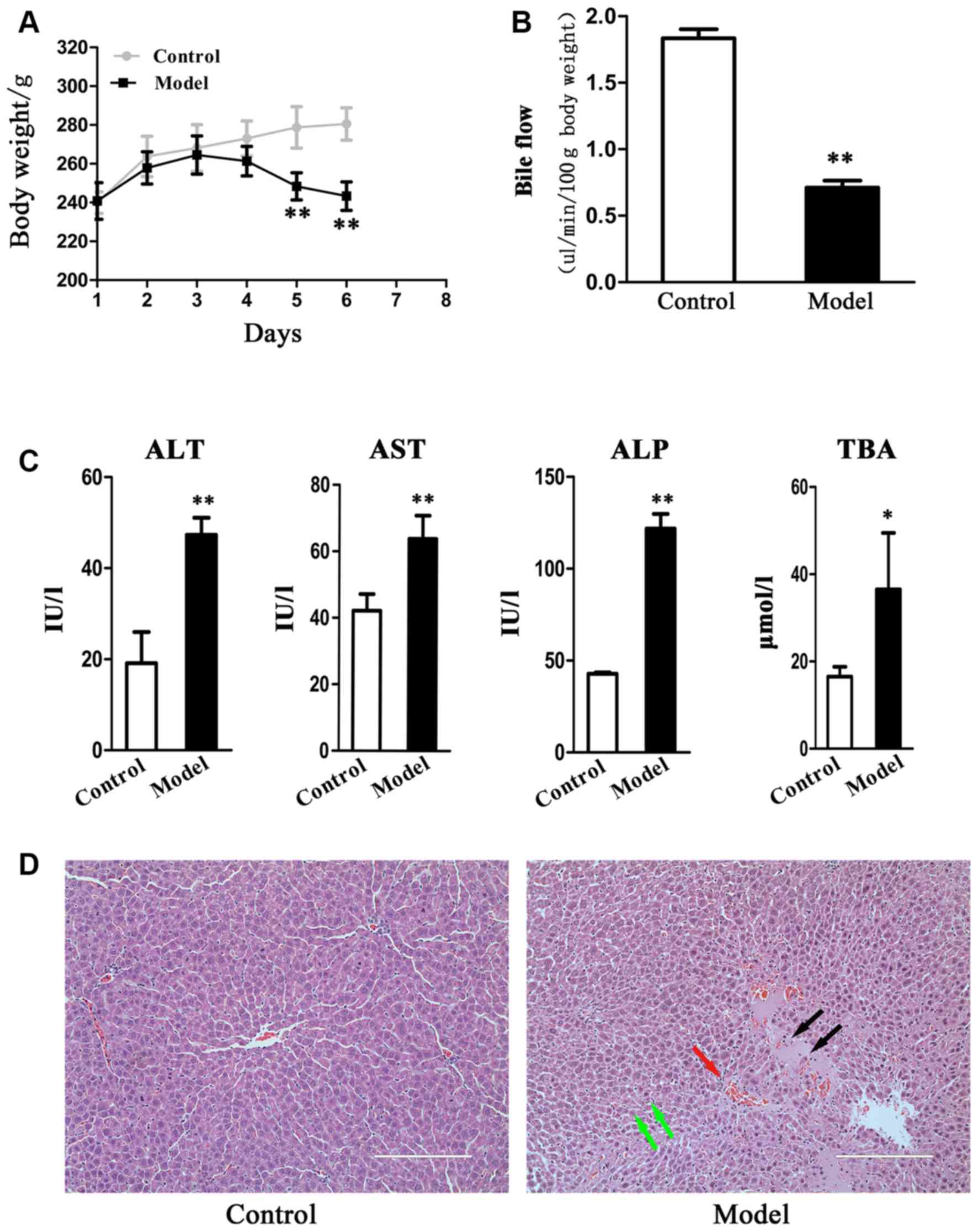
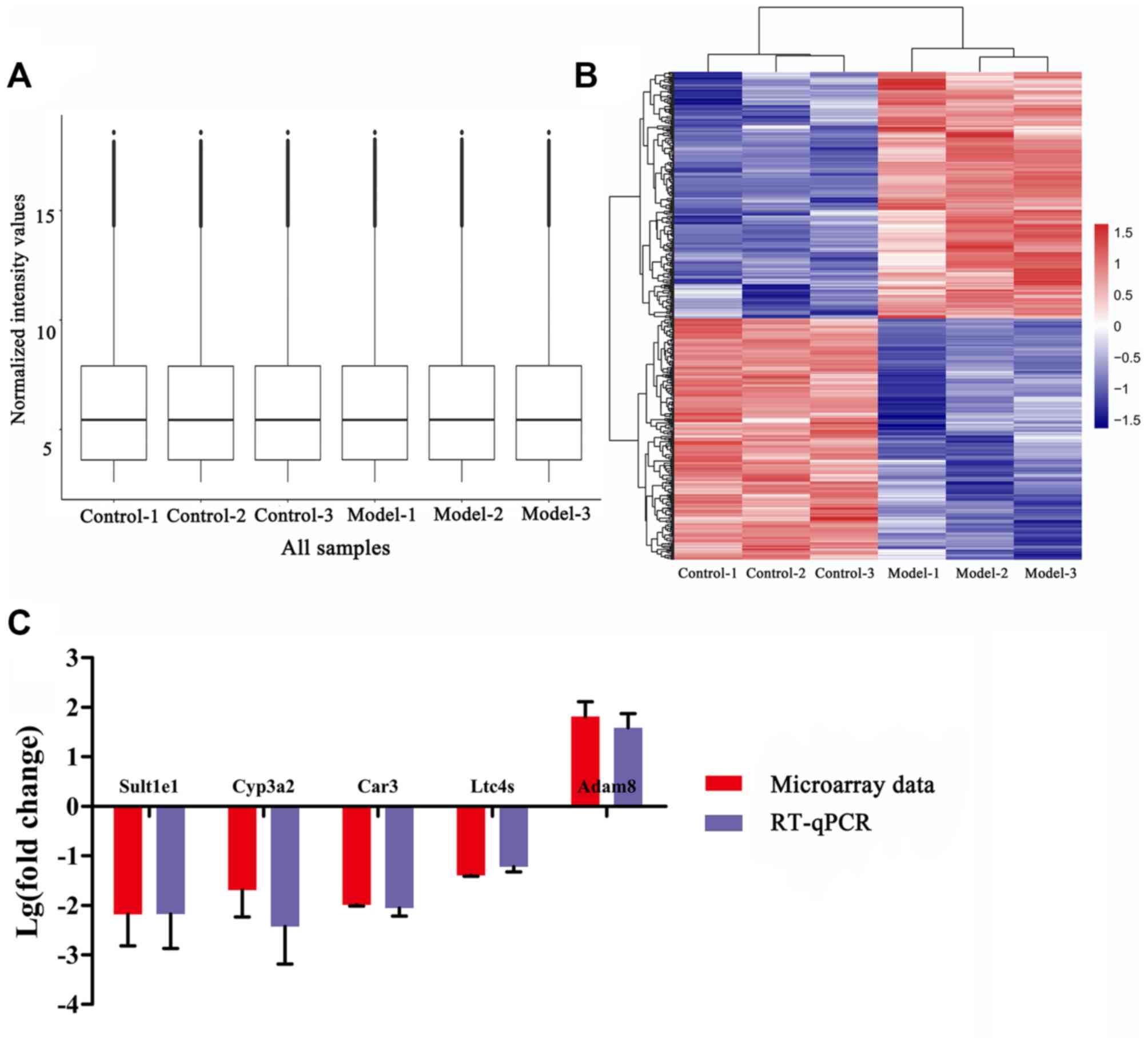
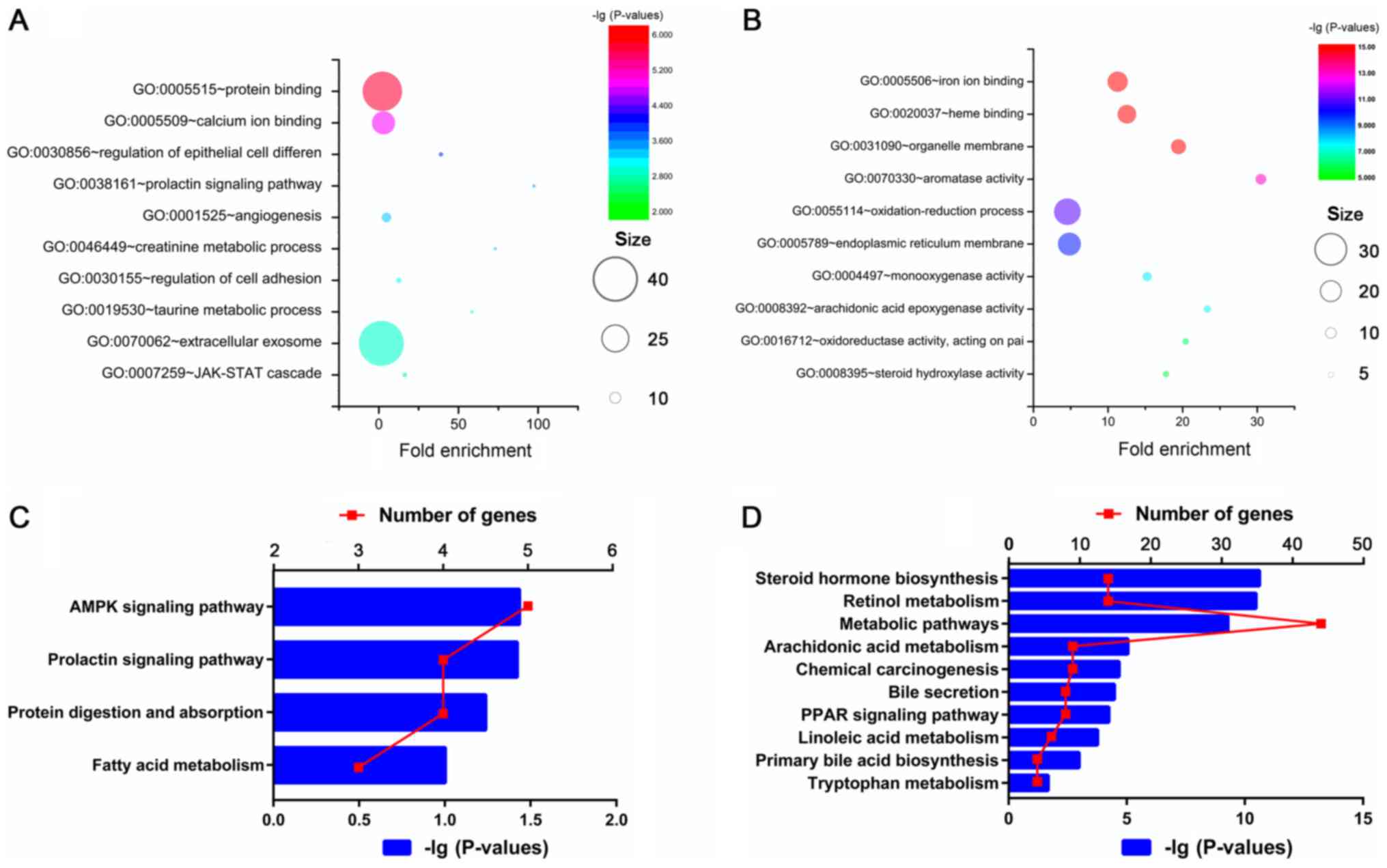
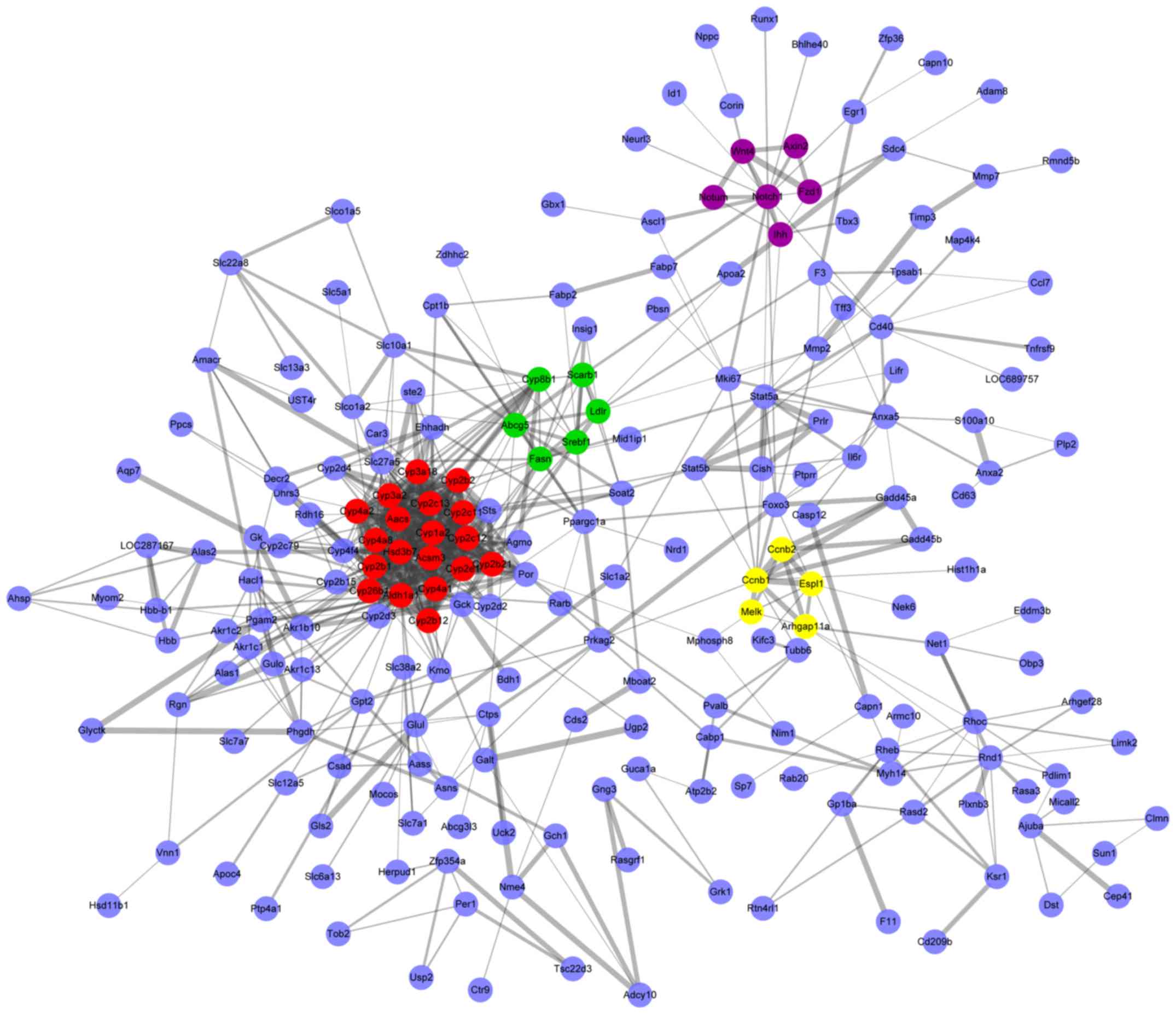
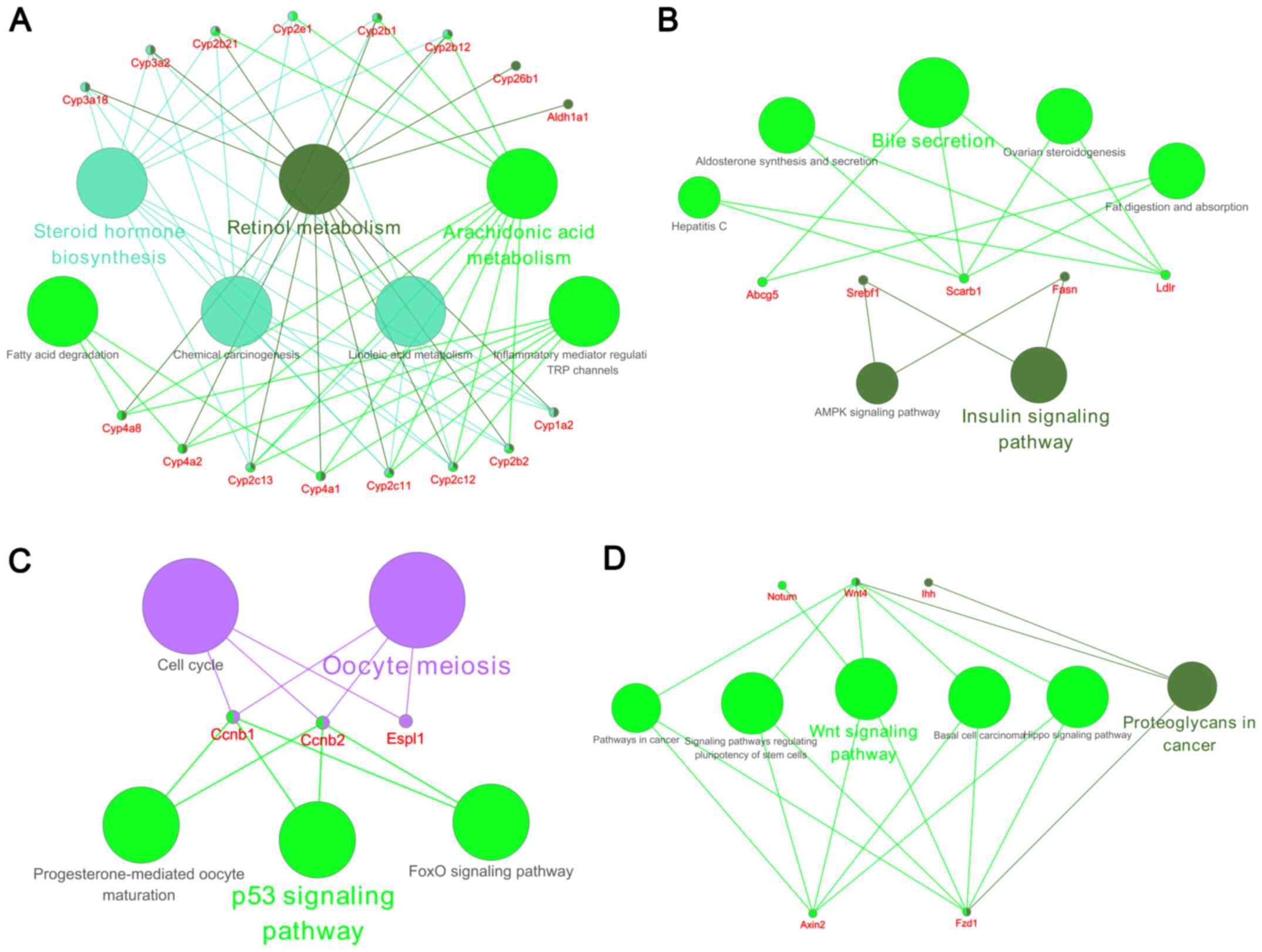
Estrogen‑induced intrahepatic cholestasis (EIC) has increased incidence during pregnancy, and within women taking oral contraception and postmenopausal hormone replacement therapy. However, the pathology underlying EIC is not well understood. The aim of the present study was to identify key pathways and candidate genes in estrogen‑induced intrahepatic cholestasis (EIC) that may be potential targets for diagnosis and treatment. A whole‑genome microarray (4x44K) analysis of a 17α‑ethinylestradiol (EE)‑induced EIC rat liver model was performed. Bioinformatics‑based methods were used to identify key pathways and candidate genes associated with EIC. The candidate genes were validated using a reverse transcription quantitative polymerase chain reaction assay. A total of 455 genes were differentially expressed (P<0.05 and fold change >2.0) following EE treatment, including 225 downregulated genes and 230 upregulated genes. Sulfotransferase family 1E member 1, cytochrome P450 family 3 subfamily A member 2, carbonic anhydrase 3, leukotriene C4 synthase and ADAM metallopeptidase domain 8 were the 5 candidate genes identified to be differentially expressed and involved in the metabolism of estrogens and bile acids and the regulation of inflammation and oxidative stress. The Analyses of Gene Ontology enrichment, Kyoto Encyclopedia of Genes and Genomes pathways and protein‑protein interaction network associated‑modules identified several key pathways involved in the homeostasis of lipids and bile acids and in AMPK, p53 and Wnt signaling. These key pathways and candidate genes may have critical roles in the pathogenesis of EIC. In addition, reversing the abnormal expression of candidate genes or restoring the dysfunction of key pathways may provide therapeutic opportunities for patients with EIC.
View Figures

Figure 1

Figure 2

Figure 3

Figure 4

Figure 5

View References

1 

Marrone J, Soria LR, Danielli M, Lehmann GL, Larocca MC and Marinelli RA: Hepatic gene transfer of human aquaporin-1 improves bile salt secretory failure in rats with estrogen-induced cholestasis. Hepatology. 64:535–548. 2016. View Article : Google Scholar : PubMed/NCBI

2 

Schreiber AJ and Simon FR: Estrogen-induced cholestasis: Clues to pathogenesis and treatment. Hepatology. 3:607–613. 1983. View Article : Google Scholar : PubMed/NCBI

3 

Stieger B, Fattinger K, Madon J, Kullak-Ublick GA and Meier PJ: Drug- and estrogen-induced cholestasis through inhibition of the hepatocellular bile salt export pump (Bsep) of rat liver. Gastroenterology. 118:422–430. 2000. View Article : Google Scholar : PubMed/NCBI

4 

Hillman SC, Stokes-Lampard H and Kilby MD: Intrahepatic cholestasis of pregnancy. BMJ. 353:i12362016. View Article : Google Scholar : PubMed/NCBI

5 

Kondrackiene J and Kupcinskas L: Intrahepatic cholestasis of pregnancy-current achievements and unsolved problems. World J Gastroenterol. 14:5781–5788. 2008. View Article : Google Scholar : PubMed/NCBI

6 

Zhang Y, Lu L, Victor DW, Xin Y and Xuan S: Ursodeoxycholic acid and S-adenosylmethionine for the treatment of intrahepatic cholestasis of pregnancy: A meta-analysis. Hepat Mon. 16:e385582016. View Article : Google Scholar : PubMed/NCBI

7 

Zucchetti AE, Barosso IR, Boaglio AC, Basiglio CL, Miszczuk G, Larocca MC, Ruiz ML, Davio CA, Roma MG, Crocenzi FA and Pozzi EJ: G-protein-coupled receptor 30/adenylyl cyclase/protein kinase A pathway is involved in estradiol 17ss-D-glucuronide-induced cholestasis. Hepatology. 59:1016–1029. 2014. View Article : Google Scholar : PubMed/NCBI

8 

Reyes H and Simon FR: Intrahepatic cholestasis of pregnancy: An estrogen-related disease. Semin Liver Dis. 13:289–301. 1993. View Article : Google Scholar : PubMed/NCBI

9 

Copple BL, Jaeschke H and Klaassen CD: Oxidative stress and the pathogenesis of cholestasis. Semin Liver Dis. 30:195–204. 2010. View Article : Google Scholar : PubMed/NCBI

10 

Ozler A, Ucmak D, Evsen MS, Kaplan I, Elbey B, Arica M and Kaya M: Immune mechanisms and the role of oxidative stress in intrahepatic cholestasis of pregnancy. Cent Eur J Immunol. 39:198–202. 2014. View Article : Google Scholar : PubMed/NCBI

11 

Sanhal CY, Daglar K, Kara O, Yilmaz ZV, Turkmen GG, Erel O, Uygur D and Yucel A: An alternative method for measuring oxidative stress in intrahepatic cholestasis of pregnancy: Thiol/disulphide homeostasis. J Matern Fetal Neonatal Med. 31:1477–1482. 2018. View Article : Google Scholar : PubMed/NCBI

12 

Biberoglu E, Kirbas A, Daglar K, Kara O, Karabulut E, Yakut HI and Danisman N: Role of inflammation in intrahepatic cholestasis of pregnancy. J Obstet Gynaecol Res. 42:252–257. 2016. View Article : Google Scholar : PubMed/NCBI

13 

Kirbas A, Biberoglu E, Ersoy AO, Dikmen AU, Koca C, Erdinc S, Uygur D, Caglar T and Biberoglu K: The role of interleukin-17 in intrahepatic cholestasis of pregnancy. J Matern Fetal Neonatal Med. 29:977–981. 2016. View Article : Google Scholar : PubMed/NCBI

14 

Liu D, Wu T, Zhang CL, Xu YJ, Chang MJ, Li XP and Cai HJ: Beneficial effect of Calculus Bovis Sativus on 17α-ethynylestradiol-induced cholestasis in the rat. Life Sci. 113:22–30. 2014. View Article : Google Scholar : PubMed/NCBI

15 

Yamamoto Y, Moore R, Hess HA, Guo GL, Gonzalez FJ, Korach KS, Maronpot RR and Negishi M: Estrogen receptor alpha mediates 17alpha-ethynylestradiol causing hepatotoxicity. J Biol Chem. 281:16625–16631. 2006. View Article : Google Scholar : PubMed/NCBI

16 

Nakagawa R, Muroyama R, Saeki C, Goto K, Kaise Y, Koike K, Nakano M, Matsubara Y, Takano K, Ito S, et al: miR-425 regulates inflammatory cytokine production in CD4(+) T cells via N-Ras upregulation in primary biliary cholangitis. J Hepatol. 66:1223–1230. 2017. View Article : Google Scholar : PubMed/NCBI

17 

Wang H, Vohra BP, Zhang Y and Heuckeroth RO: Transcriptional profiling after bile duct ligation identifies PAI-1 as a contributor to cholestatic injury in mice. Hepatology. 42:1099–1108. 2005. View Article : Google Scholar : PubMed/NCBI

18 

Sakamoto T, Morishita A, Nomura T, Tani J, Miyoshi H, Yoneyama H, Iwama H, Himoto T and Masaki T: Identification of microRNA profiles associated with refractory primary biliary cirrhosis. Mol Med Rep. 14:3350–3356. 2016. View Article : Google Scholar : PubMed/NCBI

19 

Carreras FI, Lehmann GL, Ferri D, Tioni MF, Calamita G and Marinelli RA: Defective hepatocyte aquaporin-8 expression and reduced canalicular membrane water permeability in estrogen-induced cholestasis. Am J Physiol Gastrointest Liver Physiol. 292:G905–G912. 2007. View Article : Google Scholar : PubMed/NCBI

20 

Crocenzi FA, Sánchez PE, Pellegrino JM, Favre CO, Rodríguez GE, Mottino AD, Coleman R and Roma MG: Beneficial effects of silymarin on estrogen-induced cholestasis in the rat: A study in vivo and in isolated hepatocyte couplets. Hepatology. 34:329–339. 2001. View Article : Google Scholar : PubMed/NCBI

21 

Livak JK and Schmittgen DT: Analysis of relative gene expression data using real-time quantitative PCR and the 2(-Delta Delta C(T)) method. Methods. 25:402–408. 2001. View Article : Google Scholar : PubMed/NCBI

22 

Shannon P, Markiel A, Ozier O, Baliga NS, Wang JT, Ramage D, Amin N, Schwikowski B and Ideker T: Cytoscape: A software environment for integrated models of biomolecular interaction networks. Genome Res. 13:2498–2504. 2003. View Article : Google Scholar : PubMed/NCBI

23 

Chen J, Zhao KN and Liu GB: Estrogen-induced cholestasis: Pathogenesis and therapeuticimplications. Hepatogastroenterology. 60:1289–1296. 2013.PubMed/NCBI

24 

Glantz A, Marschall HU and Mattsson LA: Intrahepatic cholestasis of pregnancy: Relationships between bile acid levels and fetal complication rates. Hepatology. 40:467–474. 2004. View Article : Google Scholar : PubMed/NCBI

25 

Lammert F, Marschall HU, Glantz A and Matern S: Intrahepatic cholestasis of pregnancy: Molecular pathogenesis, diagnosis and management. J Hepatol. 33:1012–1021. 2000. View Article : Google Scholar : PubMed/NCBI

26 

Xu Y, Yang X, Wang Z, Li M, Ning Y, Chen S, Yin L and Li X: Estrogen sulfotransferase (SULT1E1) regulates inflammatory response and lipid metabolism of human endothelial cells via PPARgamma. Mol Cell Endocrinol. 369:140–149. 2013. View Article : Google Scholar : PubMed/NCBI

27 

Liu X, Xue R, Yang C, Gu J, Chen S and Zhang S: Cholestasis-induced bile acid elevates estrogen level via farnesoid X receptor-mediated suppression of the estrogen sulfotransferase SULT1E1. J Biol Chem. 293:12759–12769. 2018. View Article : Google Scholar : PubMed/NCBI

28 

Yalcin EB, More V, Neira KL, Lu ZJ, Cherrington NJ, Slitt AL and King RS: Downregulation of sulfotransferase expression and activity in diseased human livers. Drug Metab Dispos. 41:1642–1650. 2013. View Article : Google Scholar : PubMed/NCBI

29 

Li L and Falany CN: Elevated hepatic SULT1E1 activity in mouse models of cystic fibrosis alters the regulation of estrogen responsive proteins. J Cyst Fibros. 6:23–30. 2007. View Article : Google Scholar : PubMed/NCBI

30 

Deo AK and Bandiera SM: Identification of human hepatic cytochrome p450 enzymes involved in the biotransformation of cholic and chenodeoxycholic acid. Drug Metab Dispos. 36:1983–1991. 2008. View Article : Google Scholar : PubMed/NCBI

31 

Saini SP, Sonoda J, Xu L, Toma D, Uppal H, Mu Y, Ren S, Moore DD, Evans RM and Xie W: A novel constitutive androstane receptor-mediated and CYP3A-independent pathway of bile acid detoxification. Mol Pharmacol. 65:292–300. 2004. View Article : Google Scholar : PubMed/NCBI

32 

Li T and Chiang JY: Rifampicin induction of CYP3A4 requires pregnane X receptor cross talk with hepatocyte nuclear factor 4alpha and coactivators, and suppression of small heterodimer partner gene expression. Drug Metab Dispos. 34:756–764. 2006. View Article : Google Scholar : PubMed/NCBI

33 

Honda A, Ikegami T, Nakamuta M, Miyazaki T, Iwamoto J, Hirayama T, Saito Y, Takikawa H, Imawari M and Matsuzaki Y: Anticholestatic effects of bezafibrate in patients with primary biliary cirrhosis treated with ursodeoxycholic acid. Hepatology. 57:1931–1941. 2013. View Article : Google Scholar : PubMed/NCBI

34 

Back P: Therapeutic use of phenobarbital in intrahepatic cholestasis. Inductions in bile acid metabolism. Pharmacol Ther. 33:153–155. 1987. View Article : Google Scholar : PubMed/NCBI

35 

Zhao X, Sheng L, Wang L, Hong J, Yu X, Sang X, Sun Q, Ze Y and Hong F: Mechanisms of nanosized titanium dioxide-induced testicular oxidative stress and apoptosis in male mice. Part Fibre Toxicol. 11:472014. View Article : Google Scholar : PubMed/NCBI

36 

Räisänen SR, Lehenkari P, Tasanen M, Rahkila P, Harkonen PL and Väänänen HK: Carbonic anhydrase III protects cells from hydrogen peroxide-induced apoptosis. FASEB J. 13:513–522. 1999. View Article : Google Scholar : PubMed/NCBI

37 

Miethke AG, Zhang W, Simmons J, Taylor AE, Shi T, Shanmukhappa SK, Karns R, White S, Jegga AG, Lages CS, et al: Pharmacological inhibition of apical sodium-dependent bile acid transporter changes bile composition and blocks progression of sclerosing cholangitis in multidrug resistance 2 knockout mice. Hepatology. 63:512–523. 2016. View Article : Google Scholar : PubMed/NCBI

38 

Parkkila S, Halsted CH, Villanueva JA, Väänänen HK and Niemelä O: Expression of testosterone-dependent enzyme, carbonic anhydrase III, and oxidative stress in experimental alcoholic liver disease. Dig Dis Sci. 44:2205–2213. 1999. View Article : Google Scholar : PubMed/NCBI

39 

Zimmerman UJ, Wang P, Zhang X, Bogdanovich S and Forster R: Anti-oxidative response of carbonic anhydrase III in skeletal muscle. IUBMB Life. 56:343–347. 2004. View Article : Google Scholar : PubMed/NCBI

40 

Cabiscol E and Levine RL: Carbonic anhydrase III. Oxidative modification in vivo and loss of phosphatase activity during aging. J Biol Chem. 270:14742–14747. 1995. View Article : Google Scholar : PubMed/NCBI

41 

Hong F and Yang S: Ischemic preconditioning decreased leukotriene C4 formation by depressing leukotriene C4 synthase expression and activity during hepatic I/R injury in rats. J Surg Res. 178:1015–1021. 2012. View Article : Google Scholar : PubMed/NCBI

42 

Martínez-Clemente M, Ferré N, González-Périz A, López-Parra M, Horrillo R, Titos E, Morán-Salvador E, Miquel R, Arroyo V, Funk CD and Clària J: 5-lipoxygenase deficiency reduces hepatic inflammation and tumor necrosis factor α-induced hepatocyte damage in hyperlipidemia-prone ApoE-null mice. Hepatology. 51:817–827. 2010. View Article : Google Scholar : PubMed/NCBI

43 

Li SQ, Zhu S, Wan XD, Xu ZS and Ma Z: Neutralization of ADAM8 ameliorates liver injury and accelerates liver repair in carbon tetrachloride-induced acute liver injury. J Toxicol Sci. 39:339–351. 2014. View Article : Google Scholar : PubMed/NCBI

44 

Higuchi Y, Yasui A, Matsuura K and Yamamoto S: CD156 transgenic mice. Different responses between inflammatory types. Pathobiology. 70:47–54. 2002. View Article : Google Scholar : PubMed/NCBI

45 

Li X, Liu R, Luo L, Yu L, Chen X, Sun L, Wang T, Hylemon PB, Zhou H, Jiang Z and Zhang L: Role of AMP-activated protein kinase α1 in 17α-ethinylestradiol-induced cholestasis in rats. Arch Toxicol. 91:481–494. 2017. View Article : Google Scholar : PubMed/NCBI

46 

Li X, Liu R, Zhang L and Jiang Z: The emerging role of AMP-activated protein kinase in cholestatic liver diseases. Pharmacol Res. 125:105–113. 2017. View Article : Google Scholar : PubMed/NCBI

47 

Moustafa T, Fickert P, Magnes C, Guelly C, Thueringer A, Frank S, Kratky D, Sattler W, Reicher H, Sinner F, et al: Alterations in lipid metabolism mediate inflammation, fibrosis, and proliferation in a mouse model of chronic cholestatic liver injury. Gastroenterology. 142:140–151.e12. 2012. View Article : Google Scholar : PubMed/NCBI

48 

Leuenberger N, Pradervand S and Wahli W: Sumoylated PPARalpha mediates sex-specific gene repression and protects the liver from estrogen-induced toxicity in mice. J Clin Invest. 119:3138–3148. 2009. View Article : Google Scholar : PubMed/NCBI

49 

Li T and Chiang JY: Nuclear receptors in bile acid metabolism. Drug Metab Rev. 45:145–155. 2013. View Article : Google Scholar : PubMed/NCBI

50 

Chen P, Li D, Chen Y, Sun J, Fu K, Guan L, Zhang H, Jiang Y, Li X, Zeng X, et al: p53-mediated regulation of bile acid disposition attenuates cholic acid-induced cholestasis in mice. Br J Pharmacol. 174:4345–4361. 2017. View Article : Google Scholar : PubMed/NCBI

51 

Yang H, Li TW, Ko KS, Xia M and Lu SC: Switch from Mnt-Max to Myc-Max induces p53 and cyclin D1 expression and apoptosis during cholestasis in mouse and human hepatocytes. Hepatology. 49:860–870. 2009. View Article : Google Scholar : PubMed/NCBI

52 

Wilkins BJ, Lorent K, Matthews RP and Pack M: p53-mediated biliary defects caused by knockdown of cirh1a, the zebrafish homolog of the gene responsible for North American Indian Childhood Cirrhosis. PLoS One. 8:e776702013. View Article : Google Scholar : PubMed/NCBI

53 

So J, Khaliq M, Evason K, Ninov N, Martin BL, Stainier D and Shin D: Wnt/β-catenin signaling controls intrahepatic biliary network formation in zebrafish by regulating notch activity. Hepatology. 67:2352–2366. 2018. View Article : Google Scholar : PubMed/NCBI

54 

Okabe H, Yang J, Sylakowski K, Yovchev M, Miyagawa Y, Nagarajan S, Chikina M, Thompson M, Oertel M, Baba H, et al: Wnt signaling regulates hepatobiliary repair following cholestatic liver injury in mice. Hepatology. 64:1652–1666. 2016. View Article : Google Scholar : PubMed/NCBI

Related Articles

  • Abstract
  • View
  • Download
  • Twitter
Copy and paste a formatted citation
Spandidos Publications style
Xiang D, Xu Y, He W, Yang J, Zhang C and Liu D: Bioinformatics‑based identification of key pathways and candidate genes for estrogen‑induced intrahepatic cholestasis using DNA microarray analysis. Mol Med Rep 20: 303-311, 2019.
APA
Xiang, D., Xu, Y., He, W., Yang, J., Zhang, C., & Liu, D. (2019). Bioinformatics‑based identification of key pathways and candidate genes for estrogen‑induced intrahepatic cholestasis using DNA microarray analysis. Molecular Medicine Reports, 20, 303-311. https://doi.org/10.3892/mmr.2019.10256
MLA
Xiang, D., Xu, Y., He, W., Yang, J., Zhang, C., Liu, D."Bioinformatics‑based identification of key pathways and candidate genes for estrogen‑induced intrahepatic cholestasis using DNA microarray analysis". Molecular Medicine Reports 20.1 (2019): 303-311.
Chicago
Xiang, D., Xu, Y., He, W., Yang, J., Zhang, C., Liu, D."Bioinformatics‑based identification of key pathways and candidate genes for estrogen‑induced intrahepatic cholestasis using DNA microarray analysis". Molecular Medicine Reports 20, no. 1 (2019): 303-311. https://doi.org/10.3892/mmr.2019.10256
Copy and paste a formatted citation
x
Spandidos Publications style
Xiang D, Xu Y, He W, Yang J, Zhang C and Liu D: Bioinformatics‑based identification of key pathways and candidate genes for estrogen‑induced intrahepatic cholestasis using DNA microarray analysis. Mol Med Rep 20: 303-311, 2019.
APA
Xiang, D., Xu, Y., He, W., Yang, J., Zhang, C., & Liu, D. (2019). Bioinformatics‑based identification of key pathways and candidate genes for estrogen‑induced intrahepatic cholestasis using DNA microarray analysis. Molecular Medicine Reports, 20, 303-311. https://doi.org/10.3892/mmr.2019.10256
MLA
Xiang, D., Xu, Y., He, W., Yang, J., Zhang, C., Liu, D."Bioinformatics‑based identification of key pathways and candidate genes for estrogen‑induced intrahepatic cholestasis using DNA microarray analysis". Molecular Medicine Reports 20.1 (2019): 303-311.
Chicago
Xiang, D., Xu, Y., He, W., Yang, J., Zhang, C., Liu, D."Bioinformatics‑based identification of key pathways and candidate genes for estrogen‑induced intrahepatic cholestasis using DNA microarray analysis". Molecular Medicine Reports 20, no. 1 (2019): 303-311. https://doi.org/10.3892/mmr.2019.10256
Follow us
  • Twitter
  • LinkedIn
  • Facebook
About
  • Spandidos Publications
  • Careers
  • Cookie Policy
  • Privacy Policy
How can we help?
  • Help
  • Live Chat
  • Contact
  • Email to our Support Team