Spandidos Publications Logo
  • About
    • About Spandidos
    • Aims and Scopes
    • Abstracting and Indexing
    • Editorial Policies
    • Reprints and Permissions
    • Job Opportunities
    • Terms and Conditions
    • Contact
  • Journals
    • All Journals
    • Oncology Letters
      • Oncology Letters
      • Information for Authors
      • Editorial Policies
      • Editorial Board
      • Aims and Scope
      • Abstracting and Indexing
      • Bibliographic Information
      • Archive
    • International Journal of Oncology
      • International Journal of Oncology
      • Information for Authors
      • Editorial Policies
      • Editorial Board
      • Aims and Scope
      • Abstracting and Indexing
      • Bibliographic Information
      • Archive
    • Molecular and Clinical Oncology
      • Molecular and Clinical Oncology
      • Information for Authors
      • Editorial Policies
      • Editorial Board
      • Aims and Scope
      • Abstracting and Indexing
      • Bibliographic Information
      • Archive
    • Experimental and Therapeutic Medicine
      • Experimental and Therapeutic Medicine
      • Information for Authors
      • Editorial Policies
      • Editorial Board
      • Aims and Scope
      • Abstracting and Indexing
      • Bibliographic Information
      • Archive
    • International Journal of Molecular Medicine
      • International Journal of Molecular Medicine
      • Information for Authors
      • Editorial Policies
      • Editorial Board
      • Aims and Scope
      • Abstracting and Indexing
      • Bibliographic Information
      • Archive
    • Biomedical Reports
      • Biomedical Reports
      • Information for Authors
      • Editorial Policies
      • Editorial Board
      • Aims and Scope
      • Abstracting and Indexing
      • Bibliographic Information
      • Archive
    • Oncology Reports
      • Oncology Reports
      • Information for Authors
      • Editorial Policies
      • Editorial Board
      • Aims and Scope
      • Abstracting and Indexing
      • Bibliographic Information
      • Archive
    • Molecular Medicine Reports
      • Molecular Medicine Reports
      • Information for Authors
      • Editorial Policies
      • Editorial Board
      • Aims and Scope
      • Abstracting and Indexing
      • Bibliographic Information
      • Archive
    • World Academy of Sciences Journal
      • World Academy of Sciences Journal
      • Information for Authors
      • Editorial Policies
      • Editorial Board
      • Aims and Scope
      • Abstracting and Indexing
      • Bibliographic Information
      • Archive
    • International Journal of Functional Nutrition
      • International Journal of Functional Nutrition
      • Information for Authors
      • Editorial Policies
      • Editorial Board
      • Aims and Scope
      • Abstracting and Indexing
      • Bibliographic Information
      • Archive
    • International Journal of Epigenetics
      • International Journal of Epigenetics
      • Information for Authors
      • Editorial Policies
      • Editorial Board
      • Aims and Scope
      • Abstracting and Indexing
      • Bibliographic Information
      • Archive
    • Medicine International
      • Medicine International
      • Information for Authors
      • Editorial Policies
      • Editorial Board
      • Aims and Scope
      • Abstracting and Indexing
      • Bibliographic Information
      • Archive
  • Articles
  • Information
    • Information for Authors
    • Information for Reviewers
    • Information for Librarians
    • Information for Advertisers
    • Conferences
  • Language Editing
Spandidos Publications Logo
  • About
    • About Spandidos
    • Aims and Scopes
    • Abstracting and Indexing
    • Editorial Policies
    • Reprints and Permissions
    • Job Opportunities
    • Terms and Conditions
    • Contact
  • Journals
    • All Journals
    • Biomedical Reports
      • Information for Authors
      • Editorial Policies
      • Editorial Board
      • Aims and Scope
      • Abstracting and Indexing
      • Bibliographic Information
      • Archive
    • Experimental and Therapeutic Medicine
      • Information for Authors
      • Editorial Policies
      • Editorial Board
      • Aims and Scope
      • Abstracting and Indexing
      • Bibliographic Information
      • Archive
    • International Journal of Epigenetics
      • Information for Authors
      • Editorial Policies
      • Editorial Board
      • Aims and Scope
      • Abstracting and Indexing
      • Bibliographic Information
      • Archive
    • International Journal of Functional Nutrition
      • Information for Authors
      • Editorial Policies
      • Editorial Board
      • Aims and Scope
      • Abstracting and Indexing
      • Bibliographic Information
      • Archive
    • International Journal of Molecular Medicine
      • Information for Authors
      • Editorial Policies
      • Editorial Board
      • Aims and Scope
      • Abstracting and Indexing
      • Bibliographic Information
      • Archive
    • International Journal of Oncology
      • Information for Authors
      • Editorial Policies
      • Editorial Board
      • Aims and Scope
      • Abstracting and Indexing
      • Bibliographic Information
      • Archive
    • Medicine International
      • Information for Authors
      • Editorial Policies
      • Editorial Board
      • Aims and Scope
      • Abstracting and Indexing
      • Bibliographic Information
      • Archive
    • Molecular and Clinical Oncology
      • Information for Authors
      • Editorial Policies
      • Editorial Board
      • Aims and Scope
      • Abstracting and Indexing
      • Bibliographic Information
      • Archive
    • Molecular Medicine Reports
      • Information for Authors
      • Editorial Policies
      • Editorial Board
      • Aims and Scope
      • Abstracting and Indexing
      • Bibliographic Information
      • Archive
    • Oncology Letters
      • Information for Authors
      • Editorial Policies
      • Editorial Board
      • Aims and Scope
      • Abstracting and Indexing
      • Bibliographic Information
      • Archive
    • Oncology Reports
      • Information for Authors
      • Editorial Policies
      • Editorial Board
      • Aims and Scope
      • Abstracting and Indexing
      • Bibliographic Information
      • Archive
    • World Academy of Sciences Journal
      • Information for Authors
      • Editorial Policies
      • Editorial Board
      • Aims and Scope
      • Abstracting and Indexing
      • Bibliographic Information
      • Archive
  • Articles
  • Information
    • For Authors
    • For Reviewers
    • For Librarians
    • For Advertisers
    • Conferences
  • Language Editing
Login Register Submit
  • This site uses cookies
  • You can change your cookie settings at any time by following the instructions in our Cookie Policy. To find out more, you may read our Privacy Policy.

    I agree
Search articles by DOI, keyword, author or affiliation
Search
Advanced Search
presentation
Molecular Medicine Reports
Join Editorial Board Propose a Special Issue
Print ISSN: 1791-2997 Online ISSN: 1791-3004
Journal Cover
September-2019 Volume 20 Issue 3

Full Size Image

Sign up for eToc alerts
Recommend to Library

Journals

International Journal of Molecular Medicine

International Journal of Molecular Medicine

International Journal of Molecular Medicine is an international journal devoted to molecular mechanisms of human disease.

International Journal of Oncology

International Journal of Oncology

International Journal of Oncology is an international journal devoted to oncology research and cancer treatment.

Molecular Medicine Reports

Molecular Medicine Reports

Covers molecular medicine topics such as pharmacology, pathology, genetics, neuroscience, infectious diseases, molecular cardiology, and molecular surgery.

Oncology Reports

Oncology Reports

Oncology Reports is an international journal devoted to fundamental and applied research in Oncology.

Experimental and Therapeutic Medicine

Experimental and Therapeutic Medicine

Experimental and Therapeutic Medicine is an international journal devoted to laboratory and clinical medicine.

Oncology Letters

Oncology Letters

Oncology Letters is an international journal devoted to Experimental and Clinical Oncology.

Biomedical Reports

Biomedical Reports

Explores a wide range of biological and medical fields, including pharmacology, genetics, microbiology, neuroscience, and molecular cardiology.

Molecular and Clinical Oncology

Molecular and Clinical Oncology

International journal addressing all aspects of oncology research, from tumorigenesis and oncogenes to chemotherapy and metastasis.

World Academy of Sciences Journal

World Academy of Sciences Journal

Multidisciplinary open-access journal spanning biochemistry, genetics, neuroscience, environmental health, and synthetic biology.

International Journal of Functional Nutrition

International Journal of Functional Nutrition

Open-access journal combining biochemistry, pharmacology, immunology, and genetics to advance health through functional nutrition.

International Journal of Epigenetics

International Journal of Epigenetics

Publishes open-access research on using epigenetics to advance understanding and treatment of human disease.

Medicine International

Medicine International

An International Open Access Journal Devoted to General Medicine.

Journal Cover
September-2019 Volume 20 Issue 3

Full Size Image

Sign up for eToc alerts
Recommend to Library

  • Article
  • Citations
    • Cite This Article
    • Download Citation
    • Create Citation Alert
    • Remove Citation Alert
    • Cited By
  • Similar Articles
    • Related Articles (in Spandidos Publications)
    • Similar Articles (Google Scholar)
    • Similar Articles (PubMed)
  • Download PDF
  • Download XML
  • View XML
Article

The antidepressant effects of apigenin are associated with the promotion of autophagy via the mTOR/AMPK/ULK1 pathway

  • Authors:
    • Xiaolong Zhang
    • Hongmin Bu
    • Yan Jiang
    • Guangda Sun
    • Ruizhi Jiang
    • Xiaoyan Huang
    • Huifang Duan
    • Zhiheng Huang
    • Qinan Wu
  • View Affiliations / Copyright

    Affiliations: College of Pharmacy, Nanjing University of Chinese Medicine, Nanjing, Jiangsu 210023, P.R. China, Lianyungang Food and Drug Inspection Center, Lianyungang, Jiangsu 222000, P.R. China, Jiangsu Collaborative Innovation Center of Chinese Medicinal Resources Industrialization, Nanjing, Jiangsu 210023, P.R. China
  • Pages: 2867-2874
    |
    Published online on: July 12, 2019
       https://doi.org/10.3892/mmr.2019.10491
  • Expand metrics +
Metrics: Total Views: 0 (Spandidos Publications: | PMC Statistics: )
Metrics: Total PDF Downloads: 0 (Spandidos Publications: | PMC Statistics: )
Cited By (CrossRef): 0 citations Loading Articles...

This article is mentioned in:


Abstract

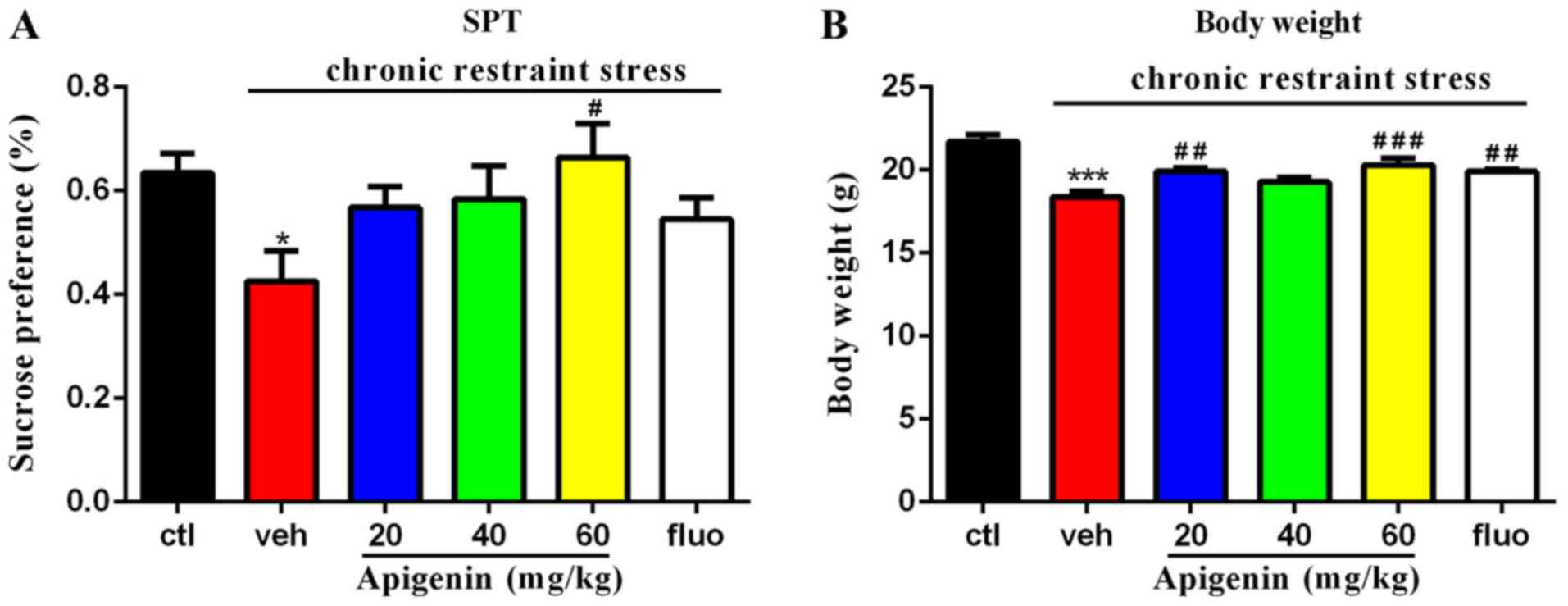
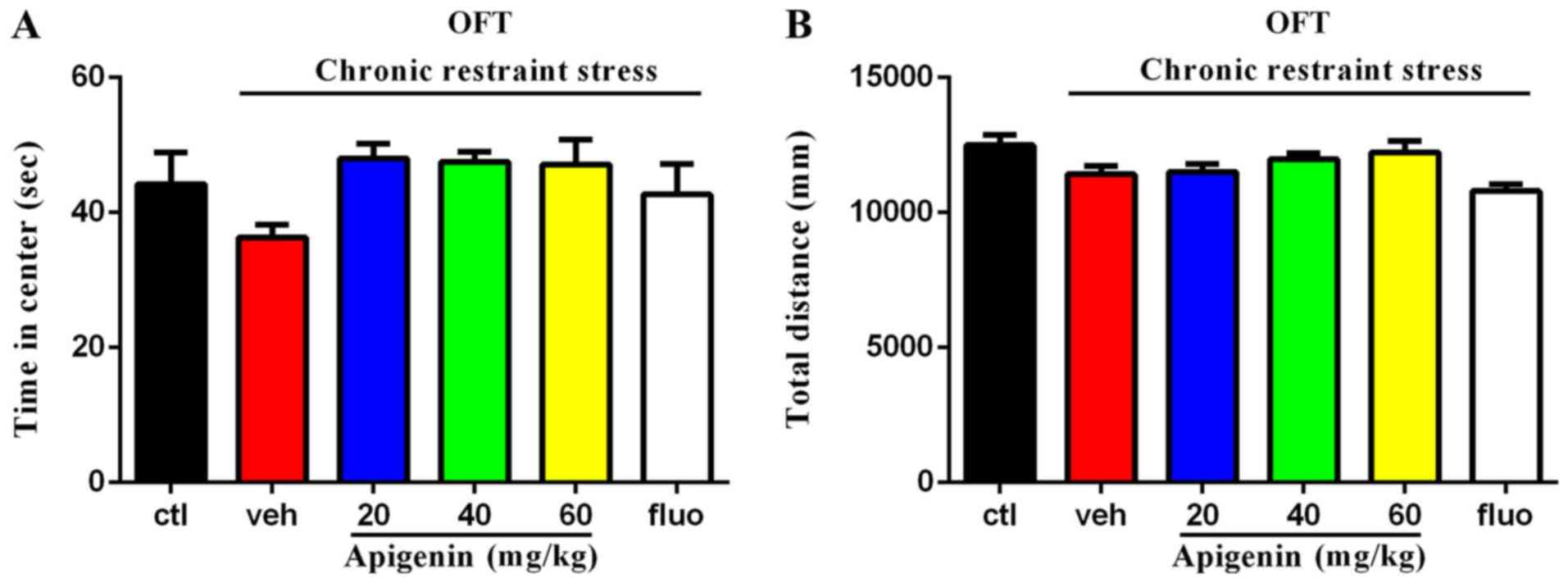
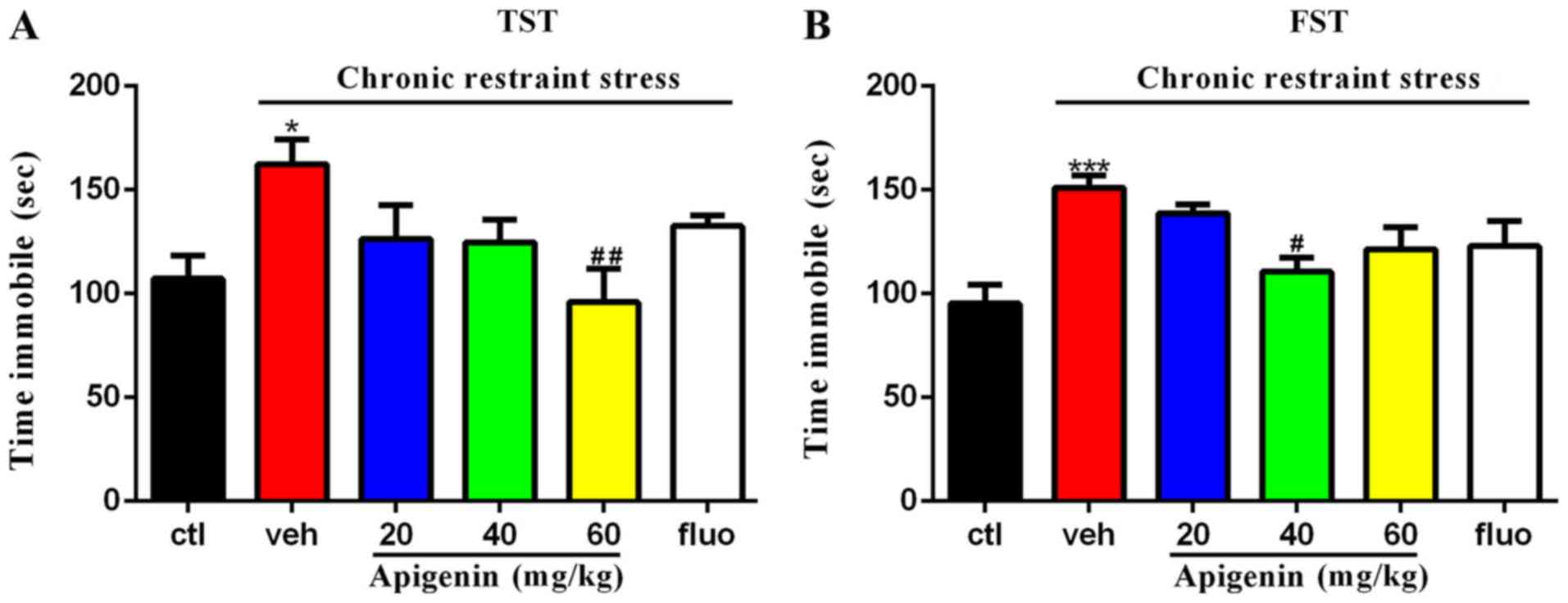
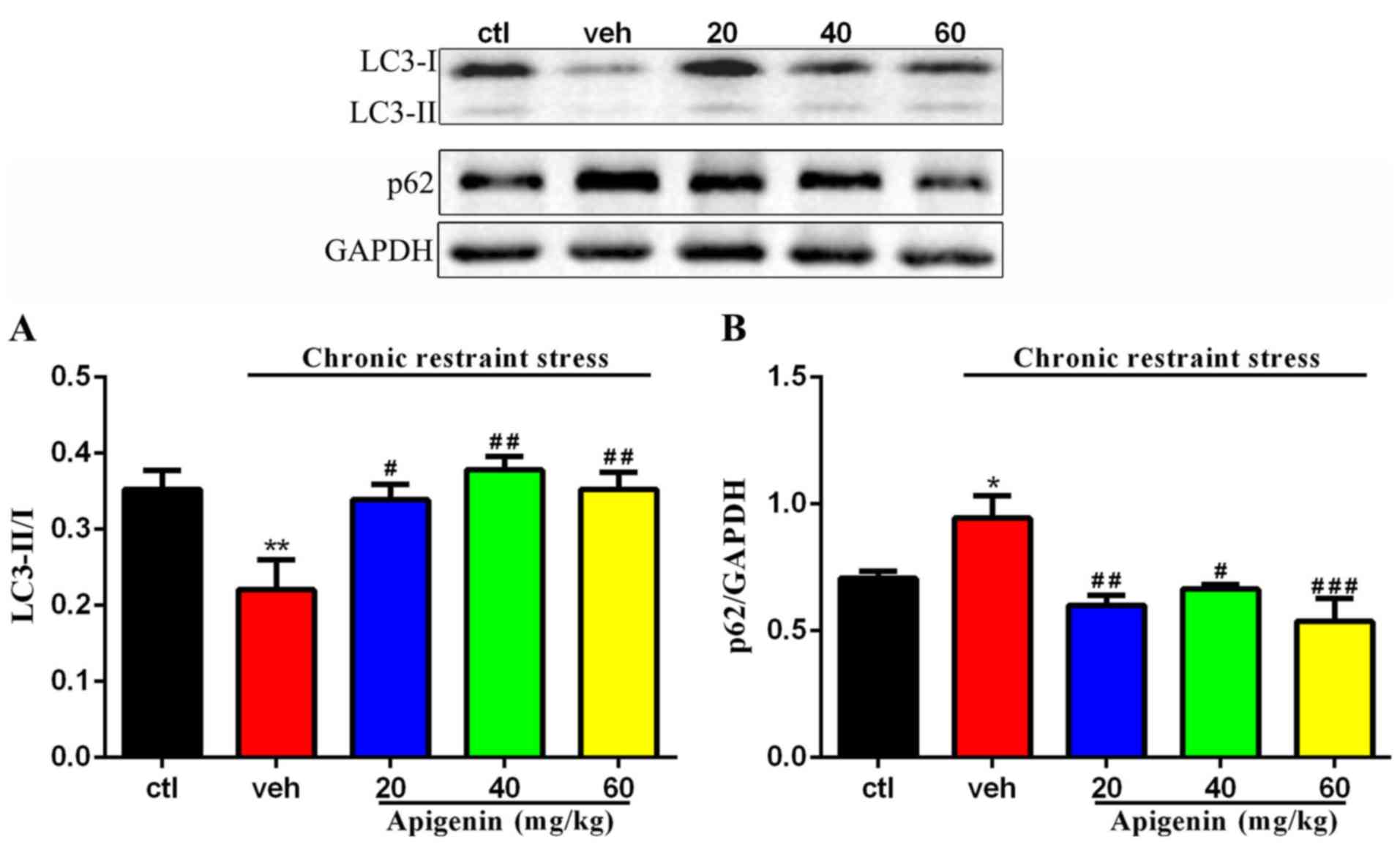
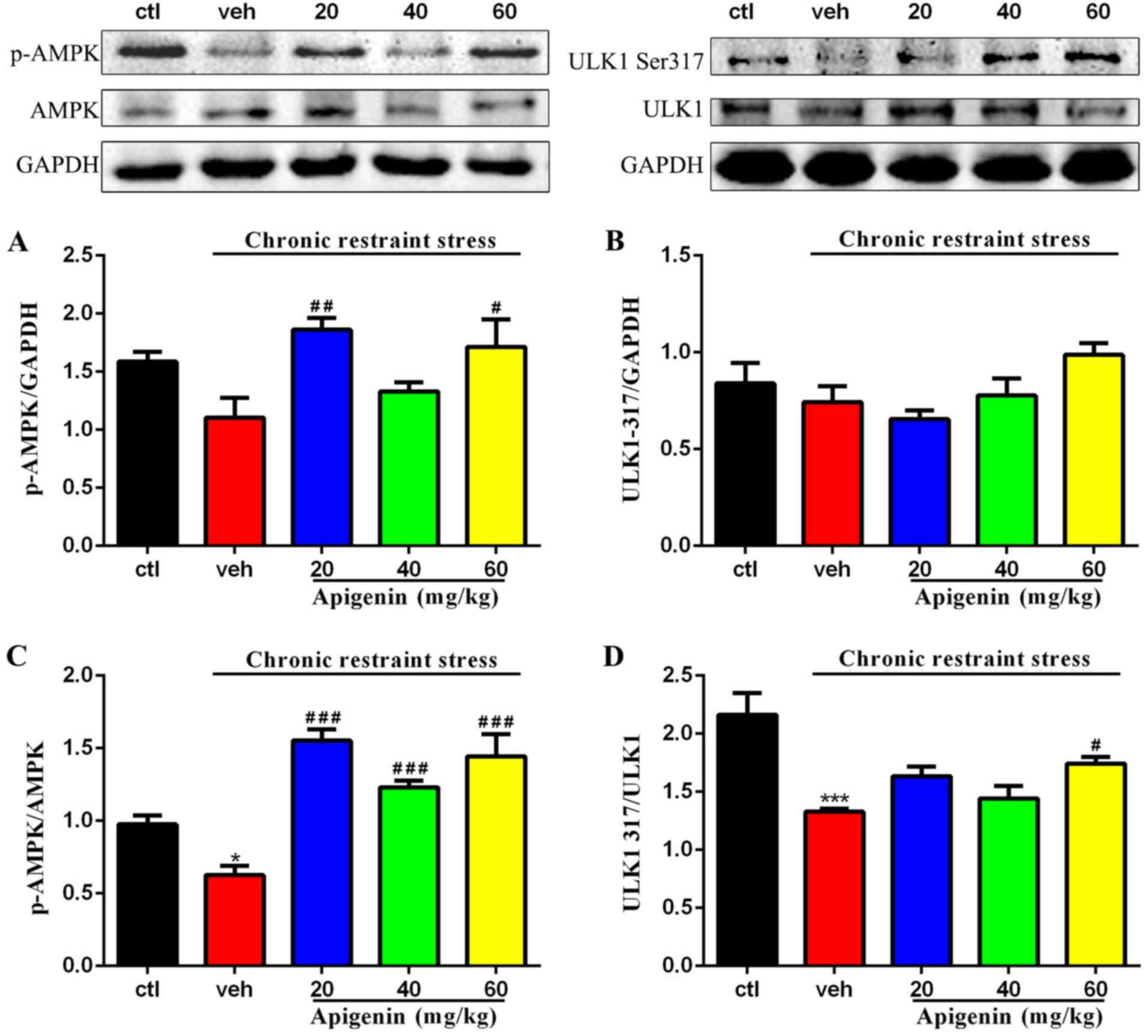
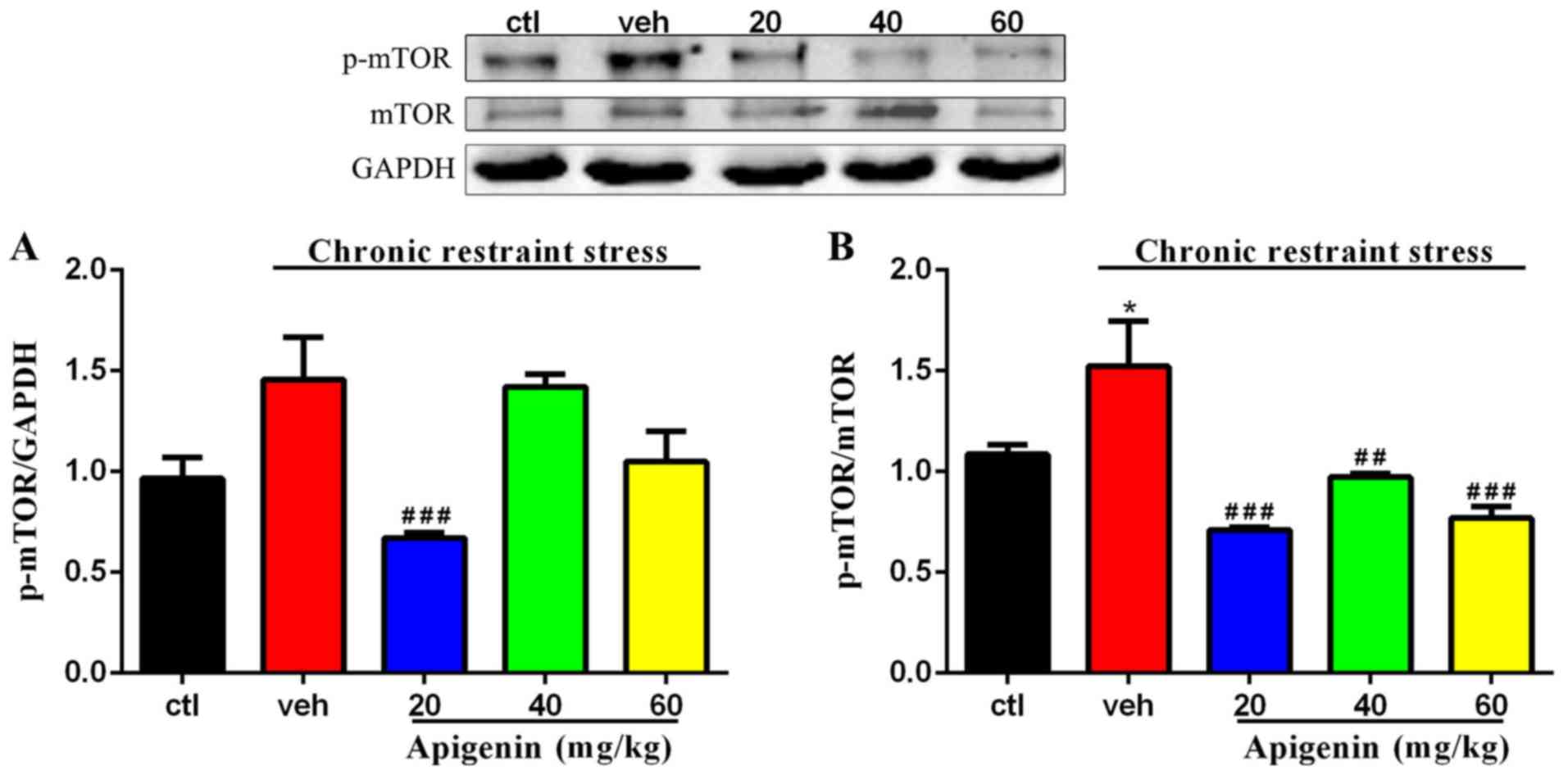
The present study aimed to investigate whether apigenin elicits antidepressant effects in depressant‑like mice via the regulation of autophagy. The depressant‑like behaviors were established in a chronic restraint stress model. Male BALB/c mice were subjected to restraint stress for 6 h/day for a period of 21 days, and deficits in sucrose preference, tail suspension and forced swim tests were confirmed to be improved following oral apigenin. To investigate the underlining mechanisms, the hippocampal levels of p62 and microtubule‑associated protein light chain 3‑II/I (LC3‑II/I) were measured using western blot analysis. The expression levels of LC3‑II/I and p62 indicated that the significantly inhibited autophagy level induced by chronic restraint stress can be increased following apigenin treatment. Similar to the level of autophagy, the expression levels of adenosine monophosphate‑activated protein kinase (AMPK) and Unc‑51 like autophagy activating kinase‑1 were downregulated after chronic restraint stress stimulation and, subsequently upregulated following treatment with apigenin. Conversely, the levels of mammalian target of rapamycin (mTOR) were increased in chronic restraint stress mice and inhibited by apigenin. Collectively, the present findings indicated that apigenin potentially promotes autophagy via the AMPK/mTOR pathway and induces antidepressive effects in chronic restraint stress mice.
View Figures

Figure 1

Figure 2

Figure 3

Figure 4

Figure 5

Figure 6

Figure 7

Figure 8

View References

1 

Steel N, Ford JA, Newton JN, Davis ACJ, Vos T, Naghavi M, Glenn S, Hughes A, Dalton AM, Stockton D, et al: Changes in health in the countries of the UK and 150 English local authority areas 1990-2016: A systematic analysis for the Global Burden of Disease Study 2016. Lancet. 392:1647–1661. 2018. View Article : Google Scholar : PubMed/NCBI

2 

Ogbo FA, Mathsyaraja S, Koti RK, Perz J and Page A: The burden of depressive disorders in South Asia, 1990–2016: Findings from the global burden of disease study. BMC Psychiatry. 18:3332018. View Article : Google Scholar : PubMed/NCBI

3 

Castellano S, Ventimiglia A, Salomone S, Ventimiglia A, De Vivo S, Signorelli MS, Bellelli E, Santagati M, Cantarella RA, Fazio E, et al: Selective serotonin reuptake inhibitors and serotonin and noradrenaline reuptake inhibitors improve cognitive function in partial responders depressed patients: Results from a prospective observational cohort study. CNS Neurol Disord Drug Targets. 15:1290–1298. 2016. View Article : Google Scholar : PubMed/NCBI

4 

Vaswani M, Linda FK and Ramesh S: Role of selective serotonin reuptake inhibitors in psychiatric disorders: A comprehensive review. Prog Neuropsychopharmacol Biol Psychiatry. 27:85–102. 2003. View Article : Google Scholar : PubMed/NCBI

5 

Stahl SM: Mechanism of action of serotonin selective reuptake inhibitors. Serotonin receptors and pathways mediate therapeutic effects and side effects. J Affect Disord. 51:215–235. 1998. View Article : Google Scholar : PubMed/NCBI

6 

Nørr L, Bennedsen B, Fedder J and Larsen ER: Use of selective serotonin reuptake inhibitors reduces fertility in men. Andrology. 4:389–394. 2016. View Article : Google Scholar : PubMed/NCBI

7 

Li YJ and Li YM: Gestational exposure to selective serotonin reuptake inhibitors and offspring psychiatric disorders: Need for further investigation. J Am Acad Child Adolesc Psychiatry. 55:7262016. View Article : Google Scholar : PubMed/NCBI

8 

Charney DS, Grothe DR, Smith SL, Brady KT, Kaltsounis-Puckett J, Wright CW, Laird LK and Rush AJ: Overview of psychiatric disorders and the role of newer antidepressants. J Clin Psychiatry. 63 (Suppl 1):S3–S9. 2002.

9 

Barros GO, Woodard SL and Nikolov ZL: Phenolics removal from transgenic Lemna minor extracts expressing mAb and impact on mAb production cost. Biotechnol Prog. 27:410–418. 2011. View Article : Google Scholar : PubMed/NCBI

10 

Tan GF, Ma J, Zhang XY, Xu ZS and Xiong AS: AgFNS overexpression increase apigenin and decrease anthocyanins in petioles of transgenic celery. Plant Sci. 263:31–38. 2017. View Article : Google Scholar : PubMed/NCBI

11 

Nabavi SF, Khan H, D'Onofrio G, Šamec D, Shirooie S, Dehpour AR, Argüelles S, Habtemariam S and Sobarzo- Sanchez E: Apigenin as neuroprotective agent: Of mice and men. Pharmacol Res. 128:359–365. 2018. View Article : Google Scholar : PubMed/NCBI

12 

Li F, Lang F, Zhang H, Xu L, Wang Y, Zhai C and Hao E: Apigenin alleviates endotoxin-induced myocardial toxicity by modulating inflammation, oxidative stress, and autophagy. Oxid Med Cell Longev. 2017:23028962017. View Article : Google Scholar : PubMed/NCBI

13 

Soyman Z, Kelekçi S, Sal V, Şevket O, Bayindir N and Uzun H: Effects of Apigenin on experimental Ischemia/Reperfusion injury in the rat ovary. Balkan Med J. 34:444–449. 2017. View Article : Google Scholar : PubMed/NCBI

14 

Li R, Wang X, Qin T, Qu R and Ma S: Apigenin ameliorates chronic mild stress-induced depressive behavior by inhibiting interleukin-1β production and NLRP3 inflammasome activation in the rat brain. Behav Brain Res. 296:318–325. 2016. View Article : Google Scholar : PubMed/NCBI

15 

Weng L, Guo X, Li Y, Yang X and Han Y: Apigenin reverses depression-like behavior induced by chronic corticosterone treatment in mice. Eur J Pharmacol. 774:50–54. 2016. View Article : Google Scholar : PubMed/NCBI

16 

Tan X, Du X, Jiang Y, Botchway BOA, Hu Z and Fang M: Inhibition of autophagy in microglia alters Depressive-like behavior via BDNF pathway in postpartum depression. Front Psychiatry. 9:4342018. View Article : Google Scholar : PubMed/NCBI

17 

Anding AL and Baehrecke EH: Autophagy in cell life and cell death. Curr Top Dev Biol. 114:67–91. 2015. View Article : Google Scholar : PubMed/NCBI

18 

Muller S, Brun S, René F, de Séze J, Loeffler JP and Jeltsch-David H: Autophagy in neuroinflammatory diseases. Autoimmun Rev. 16:856–874. 2017. View Article : Google Scholar : PubMed/NCBI

19 

Salmani JMM, Zhang XP, Jacob JA and Chen BA: Apigenin's anticancer properties andmolecular mechanisms of action: Recent advances and future prospectives. Chin J Nat Med. 15:321–329. 2017.PubMed/NCBI

20 

Yang J, Pi C and Wang G: Inhibition of PI3K/Akt/mTOR pathway by apigenin induces apoptosis and autophagy in hepatocellular carcinoma cells. Biomed Pharmacother. 103:699–707. 2018. View Article : Google Scholar : PubMed/NCBI

21 

Huang Z, Huang X, Wang Q, Jiang R, Sun G, Xu Y and Wu Q: Extract of Euryale ferox Salisb exerts antidepressant effects and regulates autophagy through the adenosine monophosphate-activated protein kinase-UNC-51-like kinase 1 pathway. IUBMB Life. 70:300–309. 2018. View Article : Google Scholar : PubMed/NCBI

22 

Huang X, Wu H, Jiang R, Sun G, Shen J, Ma M, Ma C, Zhang S, Huang Z, Wu Q, et al: The antidepressant effects of a-tocopherol are related to activation of autophagy via the AMPK/mTOR pathway. Eur J Pharmacol. 833:1–7. 2018. View Article : Google Scholar : PubMed/NCBI

23 

Kim YR, Park BK, Kim YH, Shim I, Kang IC and Lee MY: Antidepressant Effect of Fraxinus rhynchophylla hance extract in a mouse model of chronic Stress-induced depression. Biomed Res Int. 2018:82495632018. View Article : Google Scholar : PubMed/NCBI

24 

Xue W, Wang W, Gong T, Zhang H, Tao W, Xue L, Sun Y, Wang F and Chen G: PKA-CREB-BDNF signaling regulated long lasting antidepressant activities of Yueju but not ketamine. Sci Rep. 6:263312016. View Article : Google Scholar : PubMed/NCBI

25 

Castagné V, Moser P, Roux S and Porsolt RD: Rodent models of depression: Forced swim and tail suspension behavioral despair tests in rats and mice. Curr Protoc Neurosc: Chapter 8: Unit 8.10A. 2011.doi: 10.1002/0471142301.ns0810as55. View Article : Google Scholar

26 

Zhang S, Xu S, Duan H, Zhu Z, Yang Z, Cao J, Zhao Y, Huang Z, Wu Q and Duan J: A novel, highly-water-soluble apigenin derivative provides neuroprotection following ischemia in male rats by regulating the ERK/Nrf2/HO-1 pathway. Eur J Pharmacol. 855:208–215. 2019. View Article : Google Scholar : PubMed/NCBI

27 

Zhang J, Chao L, Liu X, Shi Y, Zhang C, Kong L and Li R: The potential application of strategic released apigenin from polymeric carrier in pulmonary fibrosis. Exp Lung Res. 43:359–369. 2017. View Article : Google Scholar : PubMed/NCBI

28 

Bauer D, Redmon N, Mazzio E and Soliman KF: Apigenin inhibits TNFα/IL-1α-induced CCL2 release through IKBK-epsilon signaling in MDA-MB-231 human breast cancer cells. PLoS One. 12:e01755582017. View Article : Google Scholar : PubMed/NCBI

29 

Ai XY, Qin Y, Liu HJ, Cui ZH, Li M, Yang JH, Zhong WL, Liu YR, Chen S, Sun T, et al: Apigenin inhibits colonic inflammation and tumorigenesis by suppressing STAT3-NF-κB signaling. Oncotarget. 8:100216–100226. 2017. View Article : Google Scholar : PubMed/NCBI

30 

Han Y, Zhang T, Su J, Zhao Y, ChenchenWan g and Li X: Apigenin attenuates oxidative stress and neuronal apoptosis in early brain injury following subarachnoid hemorrhage. J Clin Neurosci. 40:157–162. 2017. View Article : Google Scholar : PubMed/NCBI

31 

Zhang T, Su J, Guo B, Wang K, Li X and Liang G: Apigenin protects blood-brain barrier and ameliorates early brain injury by inhibiting TLR4-mediated inflammatory pathway in subarachnoid hemorrhage rats. Int Immunopharmacol. 28:79–87. 2015. View Article : Google Scholar : PubMed/NCBI

32 

Hernandez ME, Martinez-Mota L, Salinas C, Marquez-Velasco R, Hernandez-Chan NG, Morales-Montor J, Pérez-Tapia M, Streber ML, Granados-Camacho I, Becerril E, et al: Chronic stress induces structural alterations in splenic lymphoid tissue that are associated with changes in corticosterone levels in wistar-kyoto rats. Biomed Res Int. 2013:8687422013. View Article : Google Scholar : PubMed/NCBI

33 

Pang Q, Zhang H, Chen Z, Wu Y, Bai M, Liu Y, Zhao Y, Tu F, Liu C and Chen X: Role of caveolin-1/vascular endothelial growth factor pathway in basic fibroblast growth factor-induced angiogenesis and neurogenesis after treadmill training following focal cerebral ischemia in rats. Brain Res. 1663:9–19. 2017. View Article : Google Scholar : PubMed/NCBI

34 

Zhang Q, Wang X, Bai X, Xie Y, Zhang T, Bo S and Chen X: Resveratrol reversed chronic restraint stress-induced impaired cognitive function in rats. Mol Med Rep. 16:2095–2100. 2017. View Article : Google Scholar : PubMed/NCBI

35 

Gassen NC, Hartmann J, Zschocke J, Stepan J, Hafner K, Zellner A, Kirmeier T, Kollmannsberger L, Wagner KV, Dedic N, et al: Association of FKBP51 with priming of autophagy pathways and mediation of antidepressant treatment response: Evidence in cells, mice, and humans. PLoS Med. 11:e10017552014. View Article : Google Scholar : PubMed/NCBI

36 

Alcocer-Gomez E, Casas-Barquero N, Williams MR, Romero-Guillena SL, Cañadas-Lozano D, Bullón P, Sánchez-Alcazar JA, Navarro-Pando JM and Cordero MD: Antidepressants induce autophagy dependent-NLRP3-inflammasome inhibition in Major depressive disorder. Pharmacol Res. 121:114–121. 2017. View Article : Google Scholar : PubMed/NCBI

37 

Li Q, Liu Y and Sun M: Autophagy and Alzheimer's disease. Cell Mol Neurobiol. 37:377–388. 2017. View Article : Google Scholar : PubMed/NCBI

38 

Karabiyik C, Lee MJ and Rubinsztein DC: Autophagy impairment in Parkinson's disease. Essays Biochem. 61:711–720. 2017. View Article : Google Scholar : PubMed/NCBI

39 

Jia J and Le W: Molecular network of neuronal autophagy in the pathophysiology and treatment of depression. Neurosci Bull. 31:427–434. 2015. View Article : Google Scholar : PubMed/NCBI

40 

Huang R and Liu W: Identifying an essential role of nuclear LC3 for autophagy. Autophagy. 11:852–853. 2015. View Article : Google Scholar : PubMed/NCBI

41 

Dunlop EA and Tee AR: mTOR and autophagy: A dynamic relationship governed by nutrients and energy. Semin Cell Dev Biol. 36:121–129. 2014. View Article : Google Scholar : PubMed/NCBI

42 

Kim J, Kundu M, Viollet B and Guan KL: AMPK and mTOR regulate autophagy through direct phosphorylation of Ulk1. Nat Cell Biol. 13:132–141. 2011. View Article : Google Scholar : PubMed/NCBI

43 

Rabanal-Ruiz Y, Otten EG and Korolchuk VI: mTORC1 as the main gateway to autophagy. Essays Biochem. 61:565–584. 2017. View Article : Google Scholar : PubMed/NCBI

44 

Xu S, Li L, Li M, Zhang M, Ju M, Chen X and Gu H: Impact on autophagy and Ultraviolet B induced responses of treatment with the MTOR inhibitors rapamycin, everolimus, Torin 1, and pp242 in human keratinocytes. Oxid Med Cell Longev. 2017:59306392017. View Article : Google Scholar : PubMed/NCBI

45 

Hau AM, Greenwood JA, Löhr CV, Serrill JD, Proteau PJ, Ganley IG, McPhail KL and Ishmael JE: Coibamide A induces mTOR-independent autophagy and cell death in human glioblastoma cells. PLoS One. 8:e652502013. View Article : Google Scholar : PubMed/NCBI

Related Articles

  • Abstract
  • View
  • Download
  • Twitter
Copy and paste a formatted citation
Spandidos Publications style
Zhang X, Bu H, Jiang Y, Sun G, Jiang R, Huang X, Duan H, Huang Z and Wu Q: The antidepressant effects of apigenin are associated with the promotion of autophagy via the mTOR/AMPK/ULK1 pathway. Mol Med Rep 20: 2867-2874, 2019.
APA
Zhang, X., Bu, H., Jiang, Y., Sun, G., Jiang, R., Huang, X. ... Wu, Q. (2019). The antidepressant effects of apigenin are associated with the promotion of autophagy via the mTOR/AMPK/ULK1 pathway. Molecular Medicine Reports, 20, 2867-2874. https://doi.org/10.3892/mmr.2019.10491
MLA
Zhang, X., Bu, H., Jiang, Y., Sun, G., Jiang, R., Huang, X., Duan, H., Huang, Z., Wu, Q."The antidepressant effects of apigenin are associated with the promotion of autophagy via the mTOR/AMPK/ULK1 pathway". Molecular Medicine Reports 20.3 (2019): 2867-2874.
Chicago
Zhang, X., Bu, H., Jiang, Y., Sun, G., Jiang, R., Huang, X., Duan, H., Huang, Z., Wu, Q."The antidepressant effects of apigenin are associated with the promotion of autophagy via the mTOR/AMPK/ULK1 pathway". Molecular Medicine Reports 20, no. 3 (2019): 2867-2874. https://doi.org/10.3892/mmr.2019.10491
Copy and paste a formatted citation
x
Spandidos Publications style
Zhang X, Bu H, Jiang Y, Sun G, Jiang R, Huang X, Duan H, Huang Z and Wu Q: The antidepressant effects of apigenin are associated with the promotion of autophagy via the mTOR/AMPK/ULK1 pathway. Mol Med Rep 20: 2867-2874, 2019.
APA
Zhang, X., Bu, H., Jiang, Y., Sun, G., Jiang, R., Huang, X. ... Wu, Q. (2019). The antidepressant effects of apigenin are associated with the promotion of autophagy via the mTOR/AMPK/ULK1 pathway. Molecular Medicine Reports, 20, 2867-2874. https://doi.org/10.3892/mmr.2019.10491
MLA
Zhang, X., Bu, H., Jiang, Y., Sun, G., Jiang, R., Huang, X., Duan, H., Huang, Z., Wu, Q."The antidepressant effects of apigenin are associated with the promotion of autophagy via the mTOR/AMPK/ULK1 pathway". Molecular Medicine Reports 20.3 (2019): 2867-2874.
Chicago
Zhang, X., Bu, H., Jiang, Y., Sun, G., Jiang, R., Huang, X., Duan, H., Huang, Z., Wu, Q."The antidepressant effects of apigenin are associated with the promotion of autophagy via the mTOR/AMPK/ULK1 pathway". Molecular Medicine Reports 20, no. 3 (2019): 2867-2874. https://doi.org/10.3892/mmr.2019.10491
Follow us
  • Twitter
  • LinkedIn
  • Facebook
About
  • Spandidos Publications
  • Careers
  • Cookie Policy
  • Privacy Policy
How can we help?
  • Help
  • Live Chat
  • Contact
  • Email to our Support Team