Spandidos Publications Logo
  • About
    • About Spandidos
    • Aims and Scopes
    • Abstracting and Indexing
    • Editorial Policies
    • Reprints and Permissions
    • Job Opportunities
    • Terms and Conditions
    • Contact
  • Journals
    • All Journals
    • Oncology Letters
      • Oncology Letters
      • Information for Authors
      • Editorial Policies
      • Editorial Board
      • Aims and Scope
      • Abstracting and Indexing
      • Bibliographic Information
      • Archive
    • International Journal of Oncology
      • International Journal of Oncology
      • Information for Authors
      • Editorial Policies
      • Editorial Board
      • Aims and Scope
      • Abstracting and Indexing
      • Bibliographic Information
      • Archive
    • Molecular and Clinical Oncology
      • Molecular and Clinical Oncology
      • Information for Authors
      • Editorial Policies
      • Editorial Board
      • Aims and Scope
      • Abstracting and Indexing
      • Bibliographic Information
      • Archive
    • Experimental and Therapeutic Medicine
      • Experimental and Therapeutic Medicine
      • Information for Authors
      • Editorial Policies
      • Editorial Board
      • Aims and Scope
      • Abstracting and Indexing
      • Bibliographic Information
      • Archive
    • International Journal of Molecular Medicine
      • International Journal of Molecular Medicine
      • Information for Authors
      • Editorial Policies
      • Editorial Board
      • Aims and Scope
      • Abstracting and Indexing
      • Bibliographic Information
      • Archive
    • Biomedical Reports
      • Biomedical Reports
      • Information for Authors
      • Editorial Policies
      • Editorial Board
      • Aims and Scope
      • Abstracting and Indexing
      • Bibliographic Information
      • Archive
    • Oncology Reports
      • Oncology Reports
      • Information for Authors
      • Editorial Policies
      • Editorial Board
      • Aims and Scope
      • Abstracting and Indexing
      • Bibliographic Information
      • Archive
    • Molecular Medicine Reports
      • Molecular Medicine Reports
      • Information for Authors
      • Editorial Policies
      • Editorial Board
      • Aims and Scope
      • Abstracting and Indexing
      • Bibliographic Information
      • Archive
    • World Academy of Sciences Journal
      • World Academy of Sciences Journal
      • Information for Authors
      • Editorial Policies
      • Editorial Board
      • Aims and Scope
      • Abstracting and Indexing
      • Bibliographic Information
      • Archive
    • International Journal of Functional Nutrition
      • International Journal of Functional Nutrition
      • Information for Authors
      • Editorial Policies
      • Editorial Board
      • Aims and Scope
      • Abstracting and Indexing
      • Bibliographic Information
      • Archive
    • International Journal of Epigenetics
      • International Journal of Epigenetics
      • Information for Authors
      • Editorial Policies
      • Editorial Board
      • Aims and Scope
      • Abstracting and Indexing
      • Bibliographic Information
      • Archive
    • Medicine International
      • Medicine International
      • Information for Authors
      • Editorial Policies
      • Editorial Board
      • Aims and Scope
      • Abstracting and Indexing
      • Bibliographic Information
      • Archive
  • Articles
  • Information
    • Information for Authors
    • Information for Reviewers
    • Information for Librarians
    • Information for Advertisers
    • Conferences
  • Language Editing
Spandidos Publications Logo
  • About
    • About Spandidos
    • Aims and Scopes
    • Abstracting and Indexing
    • Editorial Policies
    • Reprints and Permissions
    • Job Opportunities
    • Terms and Conditions
    • Contact
  • Journals
    • All Journals
    • Biomedical Reports
      • Information for Authors
      • Editorial Policies
      • Editorial Board
      • Aims and Scope
      • Abstracting and Indexing
      • Bibliographic Information
      • Archive
    • Experimental and Therapeutic Medicine
      • Information for Authors
      • Editorial Policies
      • Editorial Board
      • Aims and Scope
      • Abstracting and Indexing
      • Bibliographic Information
      • Archive
    • International Journal of Epigenetics
      • Information for Authors
      • Editorial Policies
      • Editorial Board
      • Aims and Scope
      • Abstracting and Indexing
      • Bibliographic Information
      • Archive
    • International Journal of Functional Nutrition
      • Information for Authors
      • Editorial Policies
      • Editorial Board
      • Aims and Scope
      • Abstracting and Indexing
      • Bibliographic Information
      • Archive
    • International Journal of Molecular Medicine
      • Information for Authors
      • Editorial Policies
      • Editorial Board
      • Aims and Scope
      • Abstracting and Indexing
      • Bibliographic Information
      • Archive
    • International Journal of Oncology
      • Information for Authors
      • Editorial Policies
      • Editorial Board
      • Aims and Scope
      • Abstracting and Indexing
      • Bibliographic Information
      • Archive
    • Medicine International
      • Information for Authors
      • Editorial Policies
      • Editorial Board
      • Aims and Scope
      • Abstracting and Indexing
      • Bibliographic Information
      • Archive
    • Molecular and Clinical Oncology
      • Information for Authors
      • Editorial Policies
      • Editorial Board
      • Aims and Scope
      • Abstracting and Indexing
      • Bibliographic Information
      • Archive
    • Molecular Medicine Reports
      • Information for Authors
      • Editorial Policies
      • Editorial Board
      • Aims and Scope
      • Abstracting and Indexing
      • Bibliographic Information
      • Archive
    • Oncology Letters
      • Information for Authors
      • Editorial Policies
      • Editorial Board
      • Aims and Scope
      • Abstracting and Indexing
      • Bibliographic Information
      • Archive
    • Oncology Reports
      • Information for Authors
      • Editorial Policies
      • Editorial Board
      • Aims and Scope
      • Abstracting and Indexing
      • Bibliographic Information
      • Archive
    • World Academy of Sciences Journal
      • Information for Authors
      • Editorial Policies
      • Editorial Board
      • Aims and Scope
      • Abstracting and Indexing
      • Bibliographic Information
      • Archive
  • Articles
  • Information
    • For Authors
    • For Reviewers
    • For Librarians
    • For Advertisers
    • Conferences
  • Language Editing
Login Register Submit
  • This site uses cookies
  • You can change your cookie settings at any time by following the instructions in our Cookie Policy. To find out more, you may read our Privacy Policy.

    I agree
Search articles by DOI, keyword, author or affiliation
Search
Advanced Search
presentation
Molecular Medicine Reports
Join Editorial Board Propose a Special Issue
Print ISSN: 1791-2997 Online ISSN: 1791-3004
Journal Cover
November-2019 Volume 20 Issue 5

Full Size Image

Sign up for eToc alerts
Recommend to Library

Journals

International Journal of Molecular Medicine

International Journal of Molecular Medicine

International Journal of Molecular Medicine is an international journal devoted to molecular mechanisms of human disease.

International Journal of Oncology

International Journal of Oncology

International Journal of Oncology is an international journal devoted to oncology research and cancer treatment.

Molecular Medicine Reports

Molecular Medicine Reports

Covers molecular medicine topics such as pharmacology, pathology, genetics, neuroscience, infectious diseases, molecular cardiology, and molecular surgery.

Oncology Reports

Oncology Reports

Oncology Reports is an international journal devoted to fundamental and applied research in Oncology.

Experimental and Therapeutic Medicine

Experimental and Therapeutic Medicine

Experimental and Therapeutic Medicine is an international journal devoted to laboratory and clinical medicine.

Oncology Letters

Oncology Letters

Oncology Letters is an international journal devoted to Experimental and Clinical Oncology.

Biomedical Reports

Biomedical Reports

Explores a wide range of biological and medical fields, including pharmacology, genetics, microbiology, neuroscience, and molecular cardiology.

Molecular and Clinical Oncology

Molecular and Clinical Oncology

International journal addressing all aspects of oncology research, from tumorigenesis and oncogenes to chemotherapy and metastasis.

World Academy of Sciences Journal

World Academy of Sciences Journal

Multidisciplinary open-access journal spanning biochemistry, genetics, neuroscience, environmental health, and synthetic biology.

International Journal of Functional Nutrition

International Journal of Functional Nutrition

Open-access journal combining biochemistry, pharmacology, immunology, and genetics to advance health through functional nutrition.

International Journal of Epigenetics

International Journal of Epigenetics

Publishes open-access research on using epigenetics to advance understanding and treatment of human disease.

Medicine International

Medicine International

An International Open Access Journal Devoted to General Medicine.

Journal Cover
November-2019 Volume 20 Issue 5

Full Size Image

Sign up for eToc alerts
Recommend to Library

  • Article
  • Citations
    • Cite This Article
    • Download Citation
    • Create Citation Alert
    • Remove Citation Alert
    • Cited By
  • Similar Articles
    • Related Articles (in Spandidos Publications)
    • Similar Articles (Google Scholar)
    • Similar Articles (PubMed)
  • Download PDF
  • Download XML
  • View XML
Article Open Access

Quinalizarin induces ROS‑mediated apoptosis via the MAPK, STAT3 and NF‑κB signaling pathways in human breast cancer cells

  • Authors:
    • Yan‑Qing Zang
    • Yan‑Yu Feng
    • Ying‑Hua Luo
    • Yu‑Qing Zhai
    • Xue‑Ying Ju
    • Yu‑Chao Feng
    • Ya‑Nan Sheng
    • Jia‑Ru Wang
    • Chang‑Qing Yu
    • Cheng‑Hao Jin
  • View Affiliations / Copyright

    Affiliations: Department of Food Science and Engineering, College of Food Science, Heilongjiang Bayi Agricultural University, Daqing, Heilongjiang 163319, P.R. China, Department of Grass Science, College of Animal Science and Veterinary Medicine, Heilongjiang Bayi Agricultural University, Daqing, Heilongjiang 163319, P.R. China, Department of Biochemistry and Molecular Biology, College of Life Science and Technology, Heilongjiang Bayi Agricultural University, Daqing, Heilongjiang 163319, P.R. China
    Copyright: © Zang et al. This is an open access article distributed under the terms of Creative Commons Attribution License.
  • Pages: 4576-4586
    |
    Published online on: October 2, 2019
       https://doi.org/10.3892/mmr.2019.10725
  • Expand metrics +
Metrics: Total Views: 0 (Spandidos Publications: | PMC Statistics: )
Metrics: Total PDF Downloads: 0 (Spandidos Publications: | PMC Statistics: )
Cited By (CrossRef): 0 citations Loading Articles...

This article is mentioned in:


Abstract

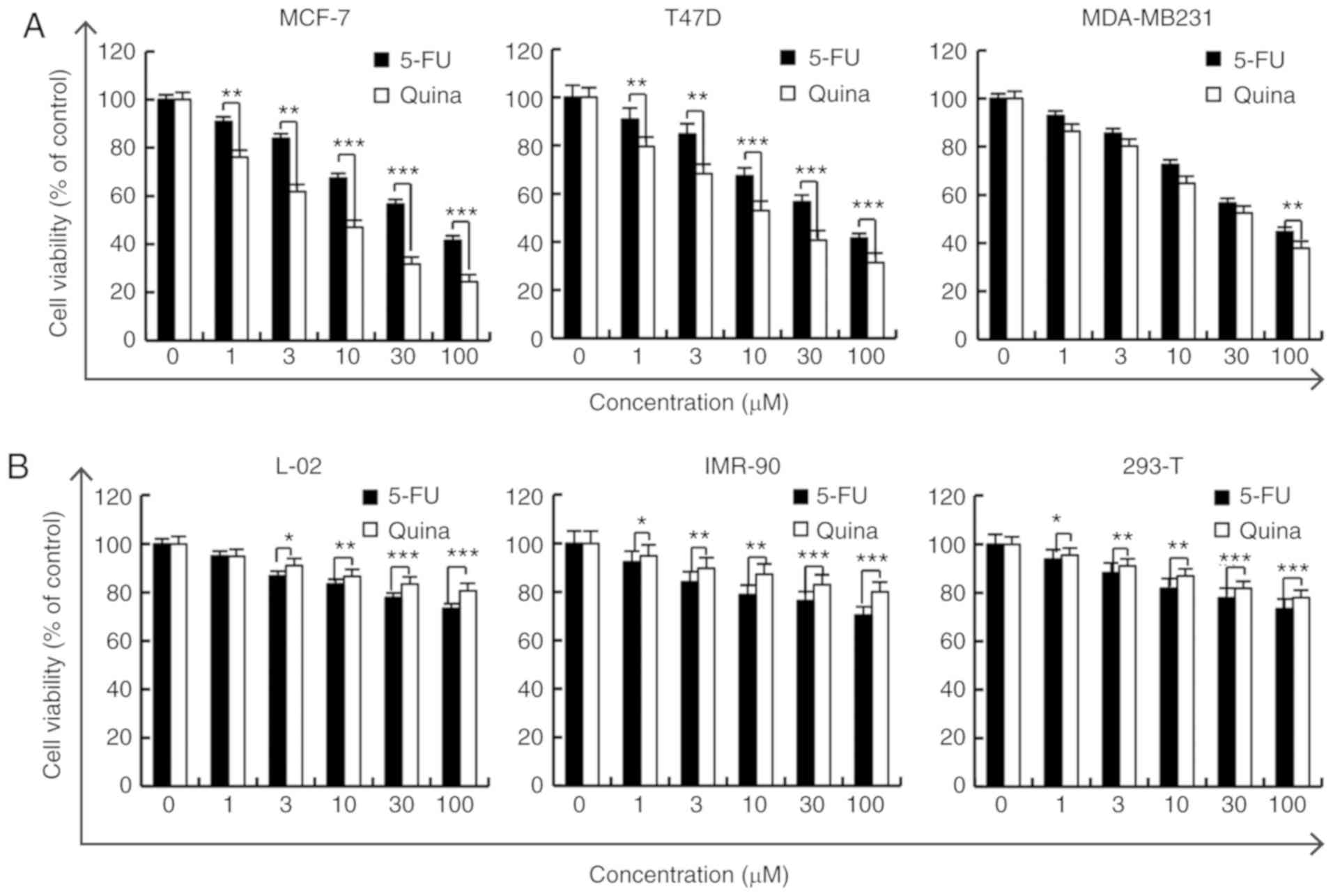
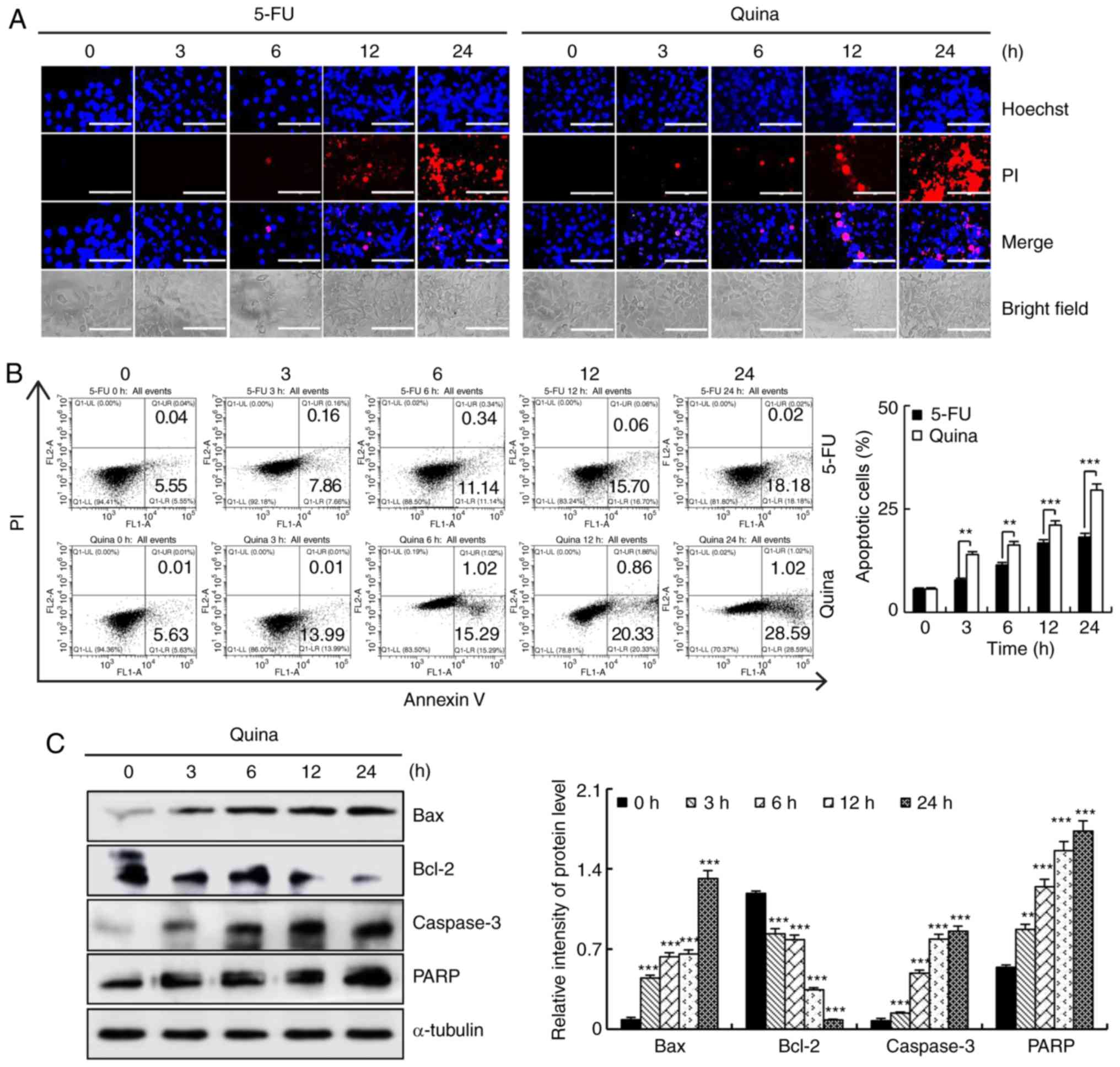
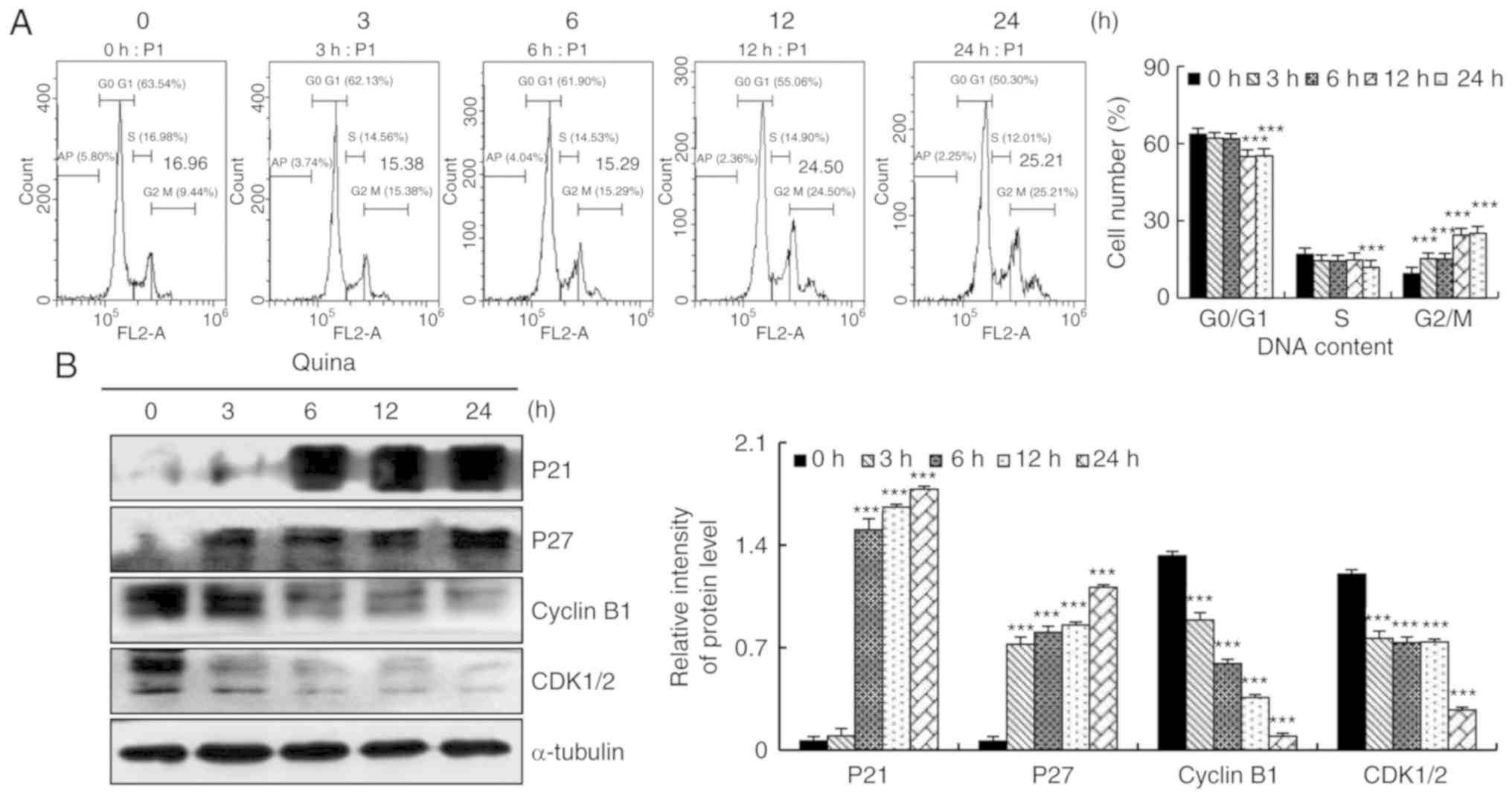
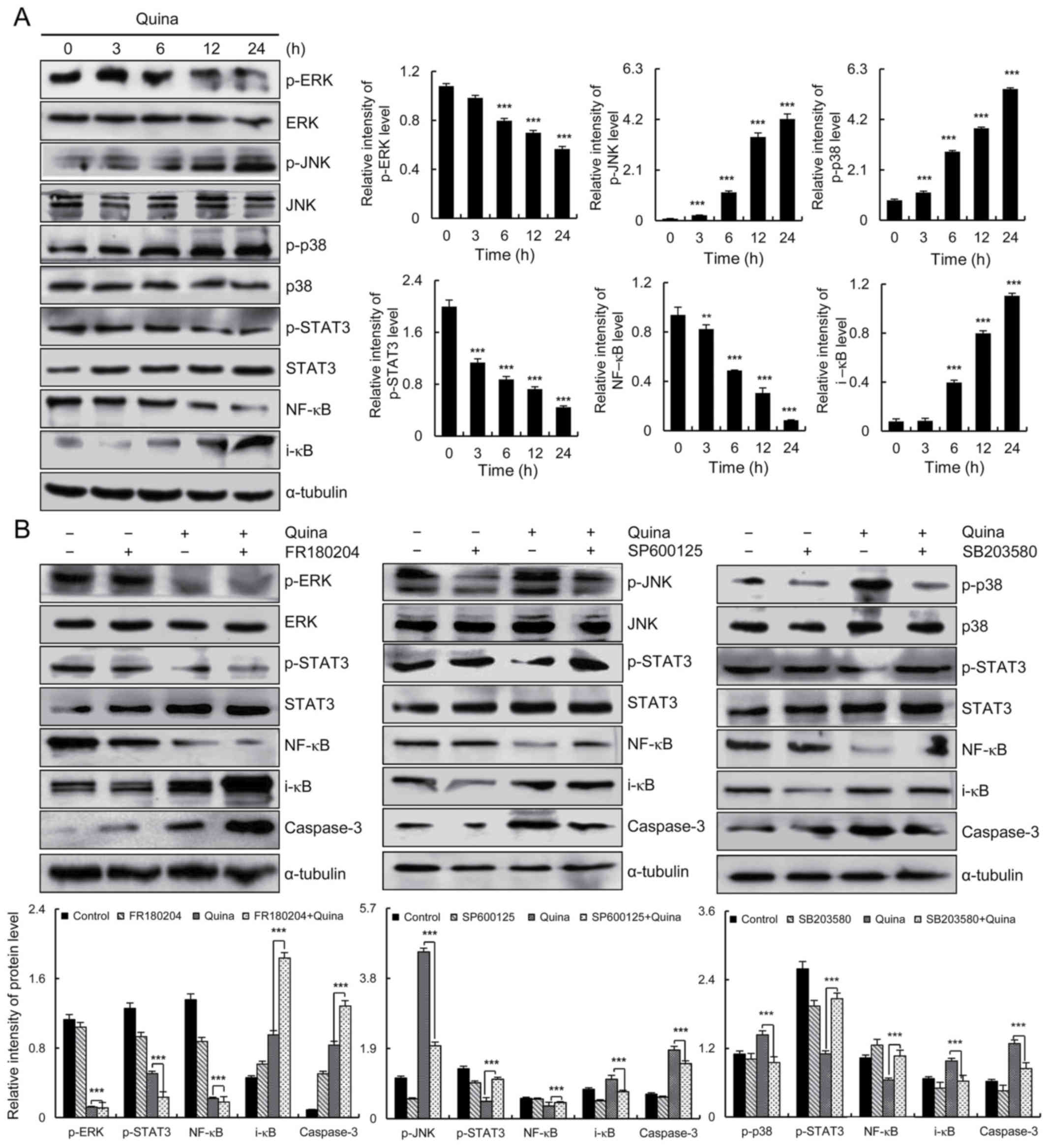
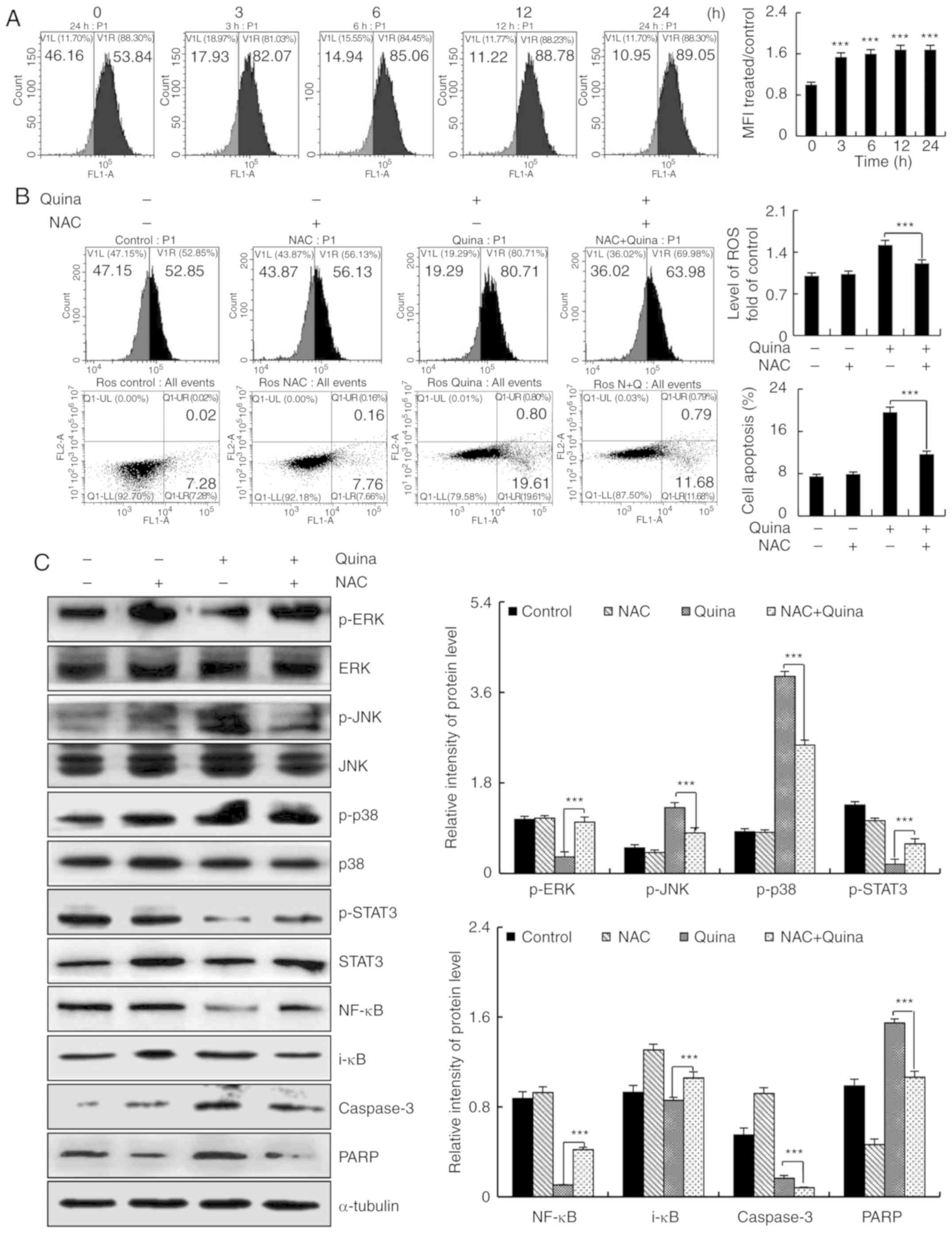
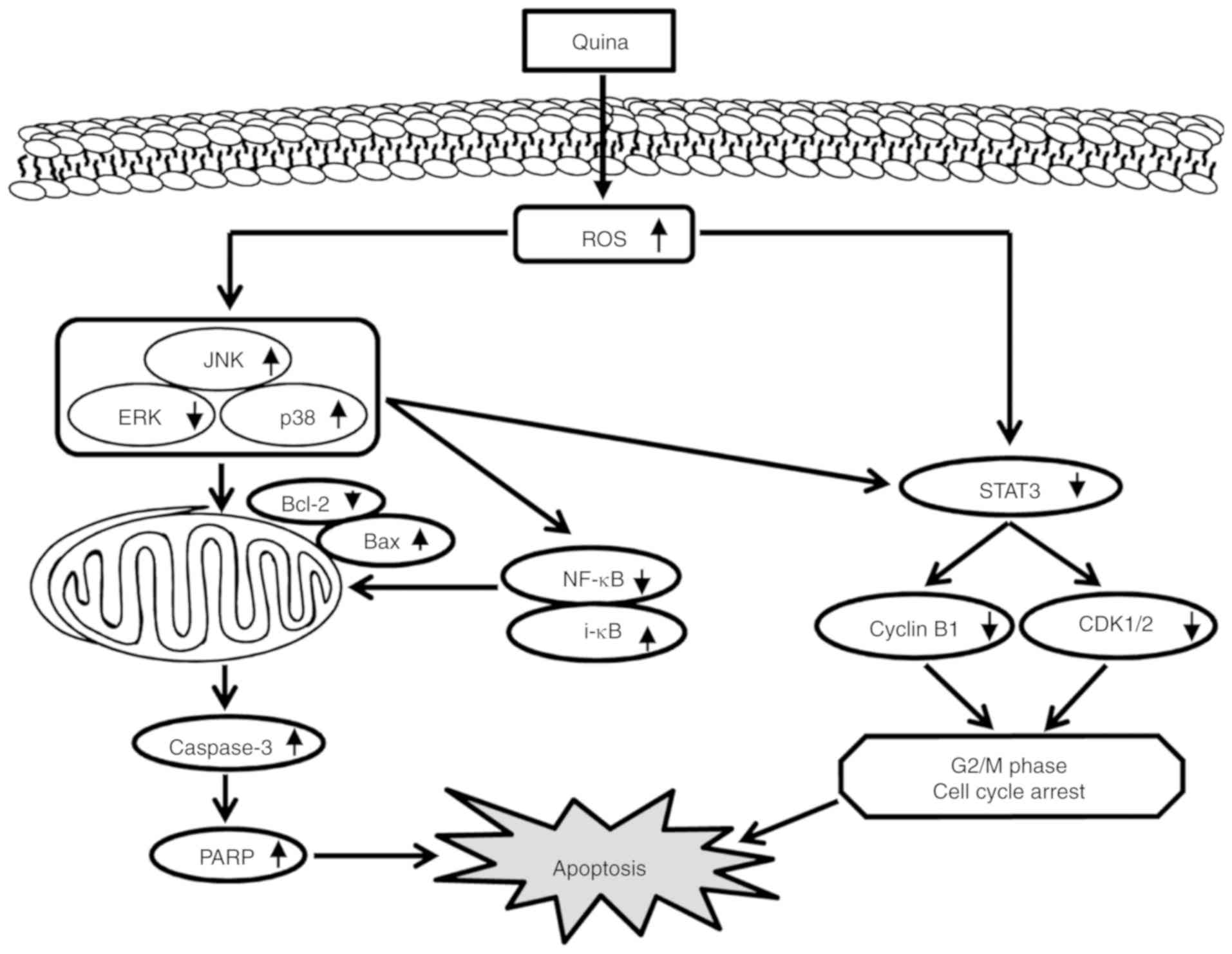
Quinalizarin has been demonstrated to exhibit potent antitumor activities in lung cancer and gastric cancer cells, but currently, little is known regarding its anticancer mechanisms in human breast cancer cells. The aim of the present study was to investigate the apoptotic effects of quinalizarin in MCF‑7 cells and to analyze its molecular mechanisms. The MTT assay was used to evaluate the viability of human breast cancer cells that had been treated with quinalizarin and 5‑fluorouracil. Flow cytometric analyses and western blotting were used to investigate the effects of quinalizarin on apoptosis and cycle arrest in MCF‑7 cells with focus on reactive oxygen species (ROS) production. The results demonstrated that quinalizarin exhibited significant cytotoxic effects on human breast cancer cells in a dose‑dependent manner. Accompanying ROS, quinalizarin induced MCF‑7 cell mitochondrial‑associated apoptosis by regulating mitochondrial‑associated apoptosis, and caused cell cycle arrest at the G2/M phase in a time‑dependent manner. Furthermore, quinalizarin can activate p38 kinase and JNK, and inhibit the extracellular signal‑regulated kinase, signal transducer and activator of transcription 3 (STAT3) and NF‑κB signaling pathways. These effects were blocked by mitogen‑activated protein kinase (MAPK) inhibitor and N‑acetyl‑L‑cysteine. The results from the present study suggested that quinalizarin induced G2/M phase cell cycle arrest and apoptosis in MCF‑7 cells through ROS‑mediated MAPK, STAT3 and NF‑κB signaling pathways. Thus, quinalizarin may be useful for human breast cancer treatment, as well as the treatment of other cancer types.
View Figures

Figure 1

Figure 2

Figure 3

Figure 4

Figure 5

Figure 6

View References

1 

Elzawawy A: Breast cancer systemic therapy: The need for more economically sustainable scientific strategies in the world. Breast Care (Base). 3:434–438. 2008. View Article : Google Scholar

2 

Bray F, Mccarron P and Parkin DM: The changing global patterns of female breast cancer incidence and mortality. Breast Cancer Res. 6:229–239. 2004. View Article : Google Scholar : PubMed/NCBI

3 

Van Agthoven T, Sieuwerts AM, Meijer D, Meijer-van Gelder ME, van Agthoven TL, Sarwari R, Sleijfer S, Foekens JA and Dorssers LC: Selective recruitment of breast cancer anti-estrogen resistance genes and relevance for breast cancer progression and tamoxifen therapy response. Endocr Relat Cancer. 17:215–230. 2010. View Article : Google Scholar : PubMed/NCBI

4 

Feiten S, Dünnebacke J, Heymanns J, Köppler H, Thomalla J, Van Roye C, Wey D and Weide R: Breast cancer morbidity: Questionnaire survey of patients on the long term effects of disease and adjuvant therapy. Dtsch Arztebl Int. 111:537–544. 2014.PubMed/NCBI

5 

Van Cutsem E, Moiseyenko VM, Tjulandin S, Majlis A, Constenla M, Boni C, Rodrigues A, Fodor M, Chao Y, Voznyi E, et al: Phase III study of docetaxel and cisplatin plus fluorouracil compared with cisplatin and fluorouracil as first-line therapy for advanced gastric cancer: A report of the V325 study group. J Clin Oncol. 24:4991–4997. 2006. View Article : Google Scholar : PubMed/NCBI

6 

Fesik SW: Promoting apoptosis as a strategy for cancer drug discovery. Nat Rev Cancer. 5:876–885. 2005. View Article : Google Scholar : PubMed/NCBI

7 

Yu I and Cheung WY: Comparison of 5-FU versus capecitabine in combination with mitomycin or cisplatin in the treatment of anal cancer. J Clin Oncol. 35:680. 2017. View Article : Google Scholar

8 

Haagenson KK and Wu GS: Mitogen activated protein kinase phosphatases and cancer. Cancer Biol Ther. 9:337–340. 2010. View Article : Google Scholar : PubMed/NCBI

9 

Shao Y and Aplin AE: ERK2 phosphorylation of serine 77 regulates Bmf pro-apoptotic activity. Cell Death Dis. 3:e2532012. View Article : Google Scholar : PubMed/NCBI

10 

Inoue J, Gohda J, Akiyama T and Semba K: NF-kappaB activation in development and progression of cancer. Cancer Sci. 98:268–274. 2007. View Article : Google Scholar : PubMed/NCBI

11 

Tang X, Soch E, Shishodia S, Diane LJ, Jack L, Waun KH, Bharat A and Ignacio IW: Immunohistochemical analysis indicates that nuclear factor-κB (NF-alysis frequently activated in lung cancer. Cancer Res. 46:1–5. 2005.

12 

Grivennikov SI and Karin M: Dangerous liaisons: STAT3 and NF-kappaB collaboration and crosstalk in cancer. Cytokine Growth Factor Rev. 21:11–19. 2010. View Article : Google Scholar : PubMed/NCBI

13 

Zhang J, Wang X, Vikash V, Ye Q, Wu D, Liu Y and Dong W: ROS and ROS-mediated cellular signaling. Oxid Med Cell Longev. 2016:43509652016. View Article : Google Scholar : PubMed/NCBI

14 

Jacquemin G, Margiotta D, Kasahara A, Bassoy EY, Walch M, Thiery J, Lieberman J and Martinvalet D: Granzyme B-induced mitochondrial ROS are required for apoptosis. Cell Death Differ. 22:862–874. 2015. View Article : Google Scholar : PubMed/NCBI

15 

Redzadutordoir M and Averillbates DA: Activation of apoptosis signalling pathways by reactive oxygen species. Biochim Biophys Acta. 1863:2977–2992. 2016. View Article : Google Scholar : PubMed/NCBI

16 

Wen L, Lu X, Wang R, Jin X, Hu L and You C: Pyrroloquinoline quinone induces chondrosarcoma cell apoptosis by increasing intracellular reactive oxygen species. Mol Med Rep. 17:7184–7190. 2018.PubMed/NCBI

17 

Bu HQ, Cai K, Shen F, Bao XD, Xu Y, Yu F, Pan HQ, Chen CH, Du ZJ and Cui JH: Induction of apoptosis by capsaicin in hepatocellular cancer cell line SMMC-7721 is mediated through ROS generation and activation of JNK and p38 MAPK pathways. Neoplasma. 62:582–591. 2015. View Article : Google Scholar : PubMed/NCBI

18 

Vogel J, Bumgarner J, Espinosa N and Young W: An evaluation of the use of resistivity counters in the touchet river in washington and the imnaha river in oregon. Am Fish Soc. 33:6953–6960. 2011.

19 

Piska K, Koczurkiewicz P, Bucki A, Wójcik-Pszczoła K, Kołaczkowski M and Pękala E: Metabolic carbonyl reduction of anthracyclines-role in cardiotoxicity and cancer resistance. Reducing enzymes as putative targets for novel cardioprotective and chemosensitizing agents. Invest New Drugs. 35:375–385. 2017. View Article : Google Scholar : PubMed/NCBI

20 

Cozza G, Venerando A, Sarno S and Pinna LA: The selectivity of CK2 inhibitor quinalizarin: A reevaluation. Biomed Res Int. 2015:1–9. 2015. View Article : Google Scholar

21 

Meng LQ, Liu C, Luo YH, Piao XJ, Wang Y, Zhang Y, Wang JR, Wang H, Xu WT, Liu Y, et al: Quinalizarin exerts an anti-tumour effect on lung cancer A549 cells by modulating the Akt, MAPK, STAT3 and p53 signaling pathways. Mol Med Rep. 17:2626–2634. 2018.PubMed/NCBI

22 

Zhou Y, Li K, Zhang S, Li Q, Li Z, Zhou F, Dong X, Liu L, Wu G and Meng R: Quinalizarin, a specific CK2 inhibitor, reduces cell viability and suppresses migration and accelerates apoptosis in different human lung cancer cell lines. Indian J Cancer. 52 (Suppl 2):e119–e124. 2015. View Article : Google Scholar : PubMed/NCBI

23 

Malik EM and Müller CE: Anthraquinones as pharmacological tools and drugs. Med Res Rev. 36:705–748. 2016. View Article : Google Scholar : PubMed/NCBI

24 

Lordan S, O'Neill C and O'Brien NM: Effects of apigenin, lycopene and astaxanthin on 7 beta-hydroxycholesterol-induced apoptosis and Akt phosphorylation in U937 cells. Br J Nutr. 100:287–296. 2008. View Article : Google Scholar : PubMed/NCBI

25 

Chen YY, Chiang SY, Lin JG, Ma YS, Liao CL, Weng SW, Lai TY and Chung JG: Emodin, aloe-emodin and rhein inhibit migration and invasion in human tongue cancer SCC-4 cells through the inhibition of gene expression of matrix metalloproteinase-9. Int J Oncol. 36:1113–1120. 2010.PubMed/NCBI

26 

Zhang YY, Li ZC, Zhu JK, Yang ZY, Wang QJ, He PG, Hang YZ, Pin JW, Yu GH and Fang Z: Simultaneous determination of flavonoids and anthraquinones in chrysanthemum by capillary electrophoresis with amperometry detection. Chin Chem Lett. 21:1231–1234. 2010. View Article : Google Scholar

27 

Zong JR, Chao ZM, Liu ZL and Wang J: Review about structure-function relationships of anthraquinone derivatives from Radix et Rhizoma Rhei. Zhongguo Zhong Yao Za Zhi. 33:2424–2427. 2008.(In Chinese). PubMed/NCBI

28 

Martin KR: Using nutrigenomics to evaluate apoptosis as a preemptive target in cancer prevention. Curr Cancer Drug Targets. 7:438–446. 2007. View Article : Google Scholar : PubMed/NCBI

29 

Zheng JH, Viacava Follis A, Kriwacki RW and Moldoveanu T: Discoveries and controversies in BCL-2 proteins-mediated apoptosis. FEBS J. 283:2690–2700. 2016. View Article : Google Scholar : PubMed/NCBI

30 

Alenzi FQ, Lotfy M and Wyse R: Swords of cell death: Caspase activation and regulation. Asian Pac J Cancer Prev. 11:271–280. 2010.PubMed/NCBI

31 

Zu C, Zhang M, Xue H, Cai X, Zhao L, He A, Qin G, Yang C and Zheng X: Emodin induces apoptosis of human breast cancer cells by modulating the expression of apoptosis-related genes. Oncol Lett. 10:2919–2924. 2015. View Article : Google Scholar : PubMed/NCBI

32 

Antonsson A and Persson JL: Induction of apoptosis by staurosporine involves the inhibition of expression of the major cell cycle proteins at the G(2)/m checkpoint accompanied by alterations in Erk and Akt kinase activities. Anticancer Res. 29:2893–2898. 2009.PubMed/NCBI

33 

Gao SY, Li J, Qu XY, Zhu N and Ji YB: Downregulation of Cdk1 and cyclinB1 expression contributes to oridonin-induced cell cycle arrest at G2/M phase and growth inhibition in SGC-7901 gastric cancer cells. Asian Pac J Cancer Prev. 15:6437–6441. 2014. View Article : Google Scholar : PubMed/NCBI

34 

Nasheuer HP, Smith R, Bauerschmidt C, Grosse F and Weisshart K: Initiation of eukaryotic DNA replication: Regulation and mechanisms. Prog Nucleic Acid Res Mol Biol. 72:41–70. 2002. View Article : Google Scholar : PubMed/NCBI

35 

Santamaria D and Ortega S: Cyclins and CDKS in development and cancer: Lessons from genetically modified mice. Front Biosci. 11:1164–1188. 2006. View Article : Google Scholar : PubMed/NCBI

36 

Zhang Z, Leonard SS, Huang C, Castranova V and Shi X: Role of reactive oxygen species and MAPKs in vanadate-induced G(2)/M phase arrest. Free Radic Biol Med. 34:1333–1342. 2003. View Article : Google Scholar : PubMed/NCBI

37 

Wang XH, Liu BR, Qu B, Xing H, Gao SL, Yin JM, Wang XF and Cheng YQ: Silencing STAT3 may inhibit cell growth through regulating signaling pathway, telomerase, cell cycle, apoptosis and angiogenesis in hepatocellular carcinoma: Potential uses for gene therapy. Neoplasma. 58:158–171. 2011. View Article : Google Scholar : PubMed/NCBI

38 

Clotet J, Vendrell J and Escoté X: Control of the cell cycle progression by the MAPK Hog1. MAP Kinase. 2:e32013. View Article : Google Scholar

39 

Chiu TH, Lai WW, Hsia TC, Yang JS, Lai TY, Wu PP, Ma CY, Yeh CC, Ho CC, Lu HF, et al: Aloe-emodin induces cell death through S-phase arrest and caspase-dependent pathways in human tongue squamous cancer SCC-4 cells. Anticancer Res. 29:4503–4511. 2009.PubMed/NCBI

40 

Su Y, Li G, Zhang X, Gu J, Zhang C, Tian Z and Zhang J: JSI-124 inhibits glioblastoma multiforme cell proliferation through G(2)/M cell cycle arrest and apoptosis augment. Cancer Biol Ther. 7:1243–1249. 2008. View Article : Google Scholar : PubMed/NCBI

41 

Guo Y, Lin D, Zhang M, Zhang X, Li Y, Yang R, Lu Y, Jin X, Yang M, Wang M, et al: CLDN6-induced apoptosis via regulating ASK1-p38/JNK signaling in breast cancer MCF-7 cells. Int J Oncol. 48:2435–2444. 2016. View Article : Google Scholar : PubMed/NCBI

42 

Cook SJ, Stuart K, Gilley R and Sale MJ: Control of cell death and mitochondrial fission by ERK1/2 MAP Kinase signaling. FEBS J. 284:4177–4195. 2017. View Article : Google Scholar : PubMed/NCBI

43 

Tang N, Chang J, Lu HC, Zhuang Z, Cheng HL, Shi JX and Rao J: Rhein induces apoptosis and autophagy in human and rat glioma cells and mediates cell differentiation by ERK inhibition. Microb Pathog. 113:168–175. 2017. View Article : Google Scholar : PubMed/NCBI

44 

Degoricija M, Situm M, Korać J, Miljković A, Matić K, Paradžik M, Marinović Terzić I, Jerončić A, Tomić S and Terzić J: High NF-κB and STAT3 activity in human urothelial carcinoma: A pilot study. World J Urol. 32:1469–1475. 2014. View Article : Google Scholar : PubMed/NCBI

45 

Seo HS, Choi HS, Kim SR, Choi YK, Woo SM, Shin I, Woo JK, Park SY, Shin YC and Ko SG: Apigenin induces apoptosis via extrinsic pathway, inducing p53 and inhibiting STAT3 and NFκB signaling in HER2-overexpressing breast cancer cells. Mol Cell Biochem. 366:319–334. 2012. View Article : Google Scholar : PubMed/NCBI

46 

Morier-Teissier E: Effect of a copper-chelating peptide on the anticancer activity of anthraquinones. J Pharm Belg. 45:347–354. 1990.(In French). PubMed/NCBI

47 

Morier-Teissier E, Bernier JL, Lohez M, Catteau JP and Hénichart JP: Free radical production and DNA cleavage by copper chelating peptide-anthraquinones. Anticancer Drug Des. 5:291–305. 1990.PubMed/NCBI

48 

Cozza G, Mazzorana M, Papinutto E, Bain J, Elliott M, di Maira G, Gianoncelli A, Pagano MA, Sarno S, Ruzzene M, et al: Quinalizarin as a potent, selective and cell-permeable inhibitor of protein kinase CK2. Biochem J. 421:387–395. 2009. View Article : Google Scholar : PubMed/NCBI

49 

Prosperini A, Juan-García A, Font G and Ruiz MJ: Beauvericin-induced cytotoxicity via, ROS production and mitochondrial damage in Caco-2 cells. Toxicol Lett. 222:204–211. 2013. View Article : Google Scholar : PubMed/NCBI

50 

Conway GE, Casey A, Milosavljevic V, Liu Y, Howe O, Cullen PJ and Curtin JF: Non-thermal atmospheric plasma induces ROS-independent cell death in U373MG glioma cells and augments the cytotoxicity of temozolomide. Br J Cancer. 114:435–443. 2016. View Article : Google Scholar : PubMed/NCBI

51 

Wang CH, Wu SB, Wu YT and Wei YH: Oxidative stress response elicited by mitochondrial dysfunction: Implication in the pathophysiology of aging. Exp Biol Med (Maywood). 238:450–460. 2013. View Article : Google Scholar : PubMed/NCBI

52 

Loor G, Kondapalli J, Schriewer JM, Chandel NS, Vanden Hoek TL and Schumacker PT: Menadione triggers cell death through ROS-dependent mechanisms involving PARP activation without requiring apoptosis. Free Radic Biol Med. 49:1925–1936. 2010. View Article : Google Scholar : PubMed/NCBI

53 

Lo YL and Wang W: Formononetin potentiates epirubicin-induced apoptosis via ROS production in HeLa cells in vitro. Chem Biol Interact. 205:188–197. 2013. View Article : Google Scholar : PubMed/NCBI

54 

Kim KY, Park KI, Kim SH, Yu SN, Lee D, Kim YW, Noh KT, Ma JY, Seo YK and Ahn SC: Salinomycin induces reactive oxygen species and apoptosis in aggressive breast cancer cells as mediated with regulation of autophagy. Anticancer Res. 37:1747–1758. 2017. View Article : Google Scholar : PubMed/NCBI

55 

He G and Karin M: NF-κB and STAT3-key players in liver inflammation and cancer. Cell Res. 21:159–168. 2011. View Article : Google Scholar : PubMed/NCBI

56 

Wang Y, Luo Q, He X, Wei H, Wang T, Shao J and Jiang X: Emodin induces apoptosis of colon cancer cells via induction of autophagy in a ROS-Dependent manner. Oncol Res. 26:889–899. 2018. View Article : Google Scholar : PubMed/NCBI

57 

Su YT, Chang HL, Shyue SK and Hsu SL: Emodin induces apoptosis in human lung adenocarcinoma cells through a reactive oxygen species-dependent mitochondrial signaling pathway. Biochem Pharmacol. 70:229–241. 2005. View Article : Google Scholar : PubMed/NCBI

58 

Eruslanov E and Kusmartsev S: Identification of ROS using oxidized DCFDA and flow-cytometry. Methods Mol Biol. 594:57–72. 2010. View Article : Google Scholar : PubMed/NCBI

Related Articles

  • Abstract
  • View
  • Download
  • Twitter
Copy and paste a formatted citation
Spandidos Publications style
Zang YQ, Feng YY, Luo YH, Zhai YQ, Ju XY, Feng YC, Sheng YN, Wang JR, Yu CQ, Jin CH, Jin CH, et al: Quinalizarin induces ROS‑mediated apoptosis via the MAPK, STAT3 and NF‑κB signaling pathways in human breast cancer cells. Mol Med Rep 20: 4576-4586, 2019.
APA
Zang, Y., Feng, Y., Luo, Y., Zhai, Y., Ju, X., Feng, Y. ... Jin, C. (2019). Quinalizarin induces ROS‑mediated apoptosis via the MAPK, STAT3 and NF‑κB signaling pathways in human breast cancer cells. Molecular Medicine Reports, 20, 4576-4586. https://doi.org/10.3892/mmr.2019.10725
MLA
Zang, Y., Feng, Y., Luo, Y., Zhai, Y., Ju, X., Feng, Y., Sheng, Y., Wang, J., Yu, C., Jin, C."Quinalizarin induces ROS‑mediated apoptosis via the MAPK, STAT3 and NF‑κB signaling pathways in human breast cancer cells". Molecular Medicine Reports 20.5 (2019): 4576-4586.
Chicago
Zang, Y., Feng, Y., Luo, Y., Zhai, Y., Ju, X., Feng, Y., Sheng, Y., Wang, J., Yu, C., Jin, C."Quinalizarin induces ROS‑mediated apoptosis via the MAPK, STAT3 and NF‑κB signaling pathways in human breast cancer cells". Molecular Medicine Reports 20, no. 5 (2019): 4576-4586. https://doi.org/10.3892/mmr.2019.10725
Copy and paste a formatted citation
x
Spandidos Publications style
Zang YQ, Feng YY, Luo YH, Zhai YQ, Ju XY, Feng YC, Sheng YN, Wang JR, Yu CQ, Jin CH, Jin CH, et al: Quinalizarin induces ROS‑mediated apoptosis via the MAPK, STAT3 and NF‑κB signaling pathways in human breast cancer cells. Mol Med Rep 20: 4576-4586, 2019.
APA
Zang, Y., Feng, Y., Luo, Y., Zhai, Y., Ju, X., Feng, Y. ... Jin, C. (2019). Quinalizarin induces ROS‑mediated apoptosis via the MAPK, STAT3 and NF‑κB signaling pathways in human breast cancer cells. Molecular Medicine Reports, 20, 4576-4586. https://doi.org/10.3892/mmr.2019.10725
MLA
Zang, Y., Feng, Y., Luo, Y., Zhai, Y., Ju, X., Feng, Y., Sheng, Y., Wang, J., Yu, C., Jin, C."Quinalizarin induces ROS‑mediated apoptosis via the MAPK, STAT3 and NF‑κB signaling pathways in human breast cancer cells". Molecular Medicine Reports 20.5 (2019): 4576-4586.
Chicago
Zang, Y., Feng, Y., Luo, Y., Zhai, Y., Ju, X., Feng, Y., Sheng, Y., Wang, J., Yu, C., Jin, C."Quinalizarin induces ROS‑mediated apoptosis via the MAPK, STAT3 and NF‑κB signaling pathways in human breast cancer cells". Molecular Medicine Reports 20, no. 5 (2019): 4576-4586. https://doi.org/10.3892/mmr.2019.10725
Follow us
  • Twitter
  • LinkedIn
  • Facebook
About
  • Spandidos Publications
  • Careers
  • Cookie Policy
  • Privacy Policy
How can we help?
  • Help
  • Live Chat
  • Contact
  • Email to our Support Team