Spandidos Publications Logo
  • About
    • About Spandidos
    • Aims and Scopes
    • Abstracting and Indexing
    • Editorial Policies
    • Reprints and Permissions
    • Job Opportunities
    • Terms and Conditions
    • Contact
  • Journals
    • All Journals
    • Oncology Letters
      • Oncology Letters
      • Information for Authors
      • Editorial Policies
      • Editorial Board
      • Aims and Scope
      • Abstracting and Indexing
      • Bibliographic Information
      • Archive
    • International Journal of Oncology
      • International Journal of Oncology
      • Information for Authors
      • Editorial Policies
      • Editorial Board
      • Aims and Scope
      • Abstracting and Indexing
      • Bibliographic Information
      • Archive
    • Molecular and Clinical Oncology
      • Molecular and Clinical Oncology
      • Information for Authors
      • Editorial Policies
      • Editorial Board
      • Aims and Scope
      • Abstracting and Indexing
      • Bibliographic Information
      • Archive
    • Experimental and Therapeutic Medicine
      • Experimental and Therapeutic Medicine
      • Information for Authors
      • Editorial Policies
      • Editorial Board
      • Aims and Scope
      • Abstracting and Indexing
      • Bibliographic Information
      • Archive
    • International Journal of Molecular Medicine
      • International Journal of Molecular Medicine
      • Information for Authors
      • Editorial Policies
      • Editorial Board
      • Aims and Scope
      • Abstracting and Indexing
      • Bibliographic Information
      • Archive
    • Biomedical Reports
      • Biomedical Reports
      • Information for Authors
      • Editorial Policies
      • Editorial Board
      • Aims and Scope
      • Abstracting and Indexing
      • Bibliographic Information
      • Archive
    • Oncology Reports
      • Oncology Reports
      • Information for Authors
      • Editorial Policies
      • Editorial Board
      • Aims and Scope
      • Abstracting and Indexing
      • Bibliographic Information
      • Archive
    • Molecular Medicine Reports
      • Molecular Medicine Reports
      • Information for Authors
      • Editorial Policies
      • Editorial Board
      • Aims and Scope
      • Abstracting and Indexing
      • Bibliographic Information
      • Archive
    • World Academy of Sciences Journal
      • World Academy of Sciences Journal
      • Information for Authors
      • Editorial Policies
      • Editorial Board
      • Aims and Scope
      • Abstracting and Indexing
      • Bibliographic Information
      • Archive
    • International Journal of Functional Nutrition
      • International Journal of Functional Nutrition
      • Information for Authors
      • Editorial Policies
      • Editorial Board
      • Aims and Scope
      • Abstracting and Indexing
      • Bibliographic Information
      • Archive
    • International Journal of Epigenetics
      • International Journal of Epigenetics
      • Information for Authors
      • Editorial Policies
      • Editorial Board
      • Aims and Scope
      • Abstracting and Indexing
      • Bibliographic Information
      • Archive
    • Medicine International
      • Medicine International
      • Information for Authors
      • Editorial Policies
      • Editorial Board
      • Aims and Scope
      • Abstracting and Indexing
      • Bibliographic Information
      • Archive
  • Articles
  • Information
    • Information for Authors
    • Information for Reviewers
    • Information for Librarians
    • Information for Advertisers
    • Conferences
  • Language Editing
Spandidos Publications Logo
  • About
    • About Spandidos
    • Aims and Scopes
    • Abstracting and Indexing
    • Editorial Policies
    • Reprints and Permissions
    • Job Opportunities
    • Terms and Conditions
    • Contact
  • Journals
    • All Journals
    • Biomedical Reports
      • Information for Authors
      • Editorial Policies
      • Editorial Board
      • Aims and Scope
      • Abstracting and Indexing
      • Bibliographic Information
      • Archive
    • Experimental and Therapeutic Medicine
      • Information for Authors
      • Editorial Policies
      • Editorial Board
      • Aims and Scope
      • Abstracting and Indexing
      • Bibliographic Information
      • Archive
    • International Journal of Epigenetics
      • Information for Authors
      • Editorial Policies
      • Editorial Board
      • Aims and Scope
      • Abstracting and Indexing
      • Bibliographic Information
      • Archive
    • International Journal of Functional Nutrition
      • Information for Authors
      • Editorial Policies
      • Editorial Board
      • Aims and Scope
      • Abstracting and Indexing
      • Bibliographic Information
      • Archive
    • International Journal of Molecular Medicine
      • Information for Authors
      • Editorial Policies
      • Editorial Board
      • Aims and Scope
      • Abstracting and Indexing
      • Bibliographic Information
      • Archive
    • International Journal of Oncology
      • Information for Authors
      • Editorial Policies
      • Editorial Board
      • Aims and Scope
      • Abstracting and Indexing
      • Bibliographic Information
      • Archive
    • Medicine International
      • Information for Authors
      • Editorial Policies
      • Editorial Board
      • Aims and Scope
      • Abstracting and Indexing
      • Bibliographic Information
      • Archive
    • Molecular and Clinical Oncology
      • Information for Authors
      • Editorial Policies
      • Editorial Board
      • Aims and Scope
      • Abstracting and Indexing
      • Bibliographic Information
      • Archive
    • Molecular Medicine Reports
      • Information for Authors
      • Editorial Policies
      • Editorial Board
      • Aims and Scope
      • Abstracting and Indexing
      • Bibliographic Information
      • Archive
    • Oncology Letters
      • Information for Authors
      • Editorial Policies
      • Editorial Board
      • Aims and Scope
      • Abstracting and Indexing
      • Bibliographic Information
      • Archive
    • Oncology Reports
      • Information for Authors
      • Editorial Policies
      • Editorial Board
      • Aims and Scope
      • Abstracting and Indexing
      • Bibliographic Information
      • Archive
    • World Academy of Sciences Journal
      • Information for Authors
      • Editorial Policies
      • Editorial Board
      • Aims and Scope
      • Abstracting and Indexing
      • Bibliographic Information
      • Archive
  • Articles
  • Information
    • For Authors
    • For Reviewers
    • For Librarians
    • For Advertisers
    • Conferences
  • Language Editing
Login Register Submit
  • This site uses cookies
  • You can change your cookie settings at any time by following the instructions in our Cookie Policy. To find out more, you may read our Privacy Policy.

    I agree
Search articles by DOI, keyword, author or affiliation
Search
Advanced Search
presentation
Molecular Medicine Reports
Join Editorial Board Propose a Special Issue
Print ISSN: 1791-2997 Online ISSN: 1791-3004
Journal Cover
March-2019 Volume 19 Issue 3

Full Size Image

Sign up for eToc alerts
Recommend to Library

Journals

International Journal of Molecular Medicine

International Journal of Molecular Medicine

International Journal of Molecular Medicine is an international journal devoted to molecular mechanisms of human disease.

International Journal of Oncology

International Journal of Oncology

International Journal of Oncology is an international journal devoted to oncology research and cancer treatment.

Molecular Medicine Reports

Molecular Medicine Reports

Covers molecular medicine topics such as pharmacology, pathology, genetics, neuroscience, infectious diseases, molecular cardiology, and molecular surgery.

Oncology Reports

Oncology Reports

Oncology Reports is an international journal devoted to fundamental and applied research in Oncology.

Experimental and Therapeutic Medicine

Experimental and Therapeutic Medicine

Experimental and Therapeutic Medicine is an international journal devoted to laboratory and clinical medicine.

Oncology Letters

Oncology Letters

Oncology Letters is an international journal devoted to Experimental and Clinical Oncology.

Biomedical Reports

Biomedical Reports

Explores a wide range of biological and medical fields, including pharmacology, genetics, microbiology, neuroscience, and molecular cardiology.

Molecular and Clinical Oncology

Molecular and Clinical Oncology

International journal addressing all aspects of oncology research, from tumorigenesis and oncogenes to chemotherapy and metastasis.

World Academy of Sciences Journal

World Academy of Sciences Journal

Multidisciplinary open-access journal spanning biochemistry, genetics, neuroscience, environmental health, and synthetic biology.

International Journal of Functional Nutrition

International Journal of Functional Nutrition

Open-access journal combining biochemistry, pharmacology, immunology, and genetics to advance health through functional nutrition.

International Journal of Epigenetics

International Journal of Epigenetics

Publishes open-access research on using epigenetics to advance understanding and treatment of human disease.

Medicine International

Medicine International

An International Open Access Journal Devoted to General Medicine.

Journal Cover
March-2019 Volume 19 Issue 3

Full Size Image

Sign up for eToc alerts
Recommend to Library

  • Article
  • Citations
    • Cite This Article
    • Download Citation
    • Create Citation Alert
    • Remove Citation Alert
    • Cited By
  • Similar Articles
    • Related Articles (in Spandidos Publications)
    • Similar Articles (Google Scholar)
    • Similar Articles (PubMed)
  • Download PDF
  • Download XML
  • View XML
Article

Participation of the AngII/TRPC6/NFAT axis in the pathogenesis of podocyte injury in rats with type 2 diabetes

  • Authors:
    • Ruixia Ma
    • Yan Xu
    • Hanyan Zhou
    • Di Zhang
    • Dandan Yao
    • Limin Song
    • Yuan Liu
  • View Affiliations / Copyright

    Affiliations: Department of Nephrology, Affiliated Hospital of Qingdao University, Qingdao, Shandong 266000, P.R. China, Department of Special Medicine, School of Medicine, Qingdao University, Qingdao, Shandong 266071, P.R. China
  • Pages: 2421-2430
    |
    Published online on: January 17, 2019
       https://doi.org/10.3892/mmr.2019.9871
  • Expand metrics +
Metrics: Total Views: 0 (Spandidos Publications: | PMC Statistics: )
Metrics: Total PDF Downloads: 0 (Spandidos Publications: | PMC Statistics: )
Cited By (CrossRef): 0 citations Loading Articles...

This article is mentioned in:


Abstract

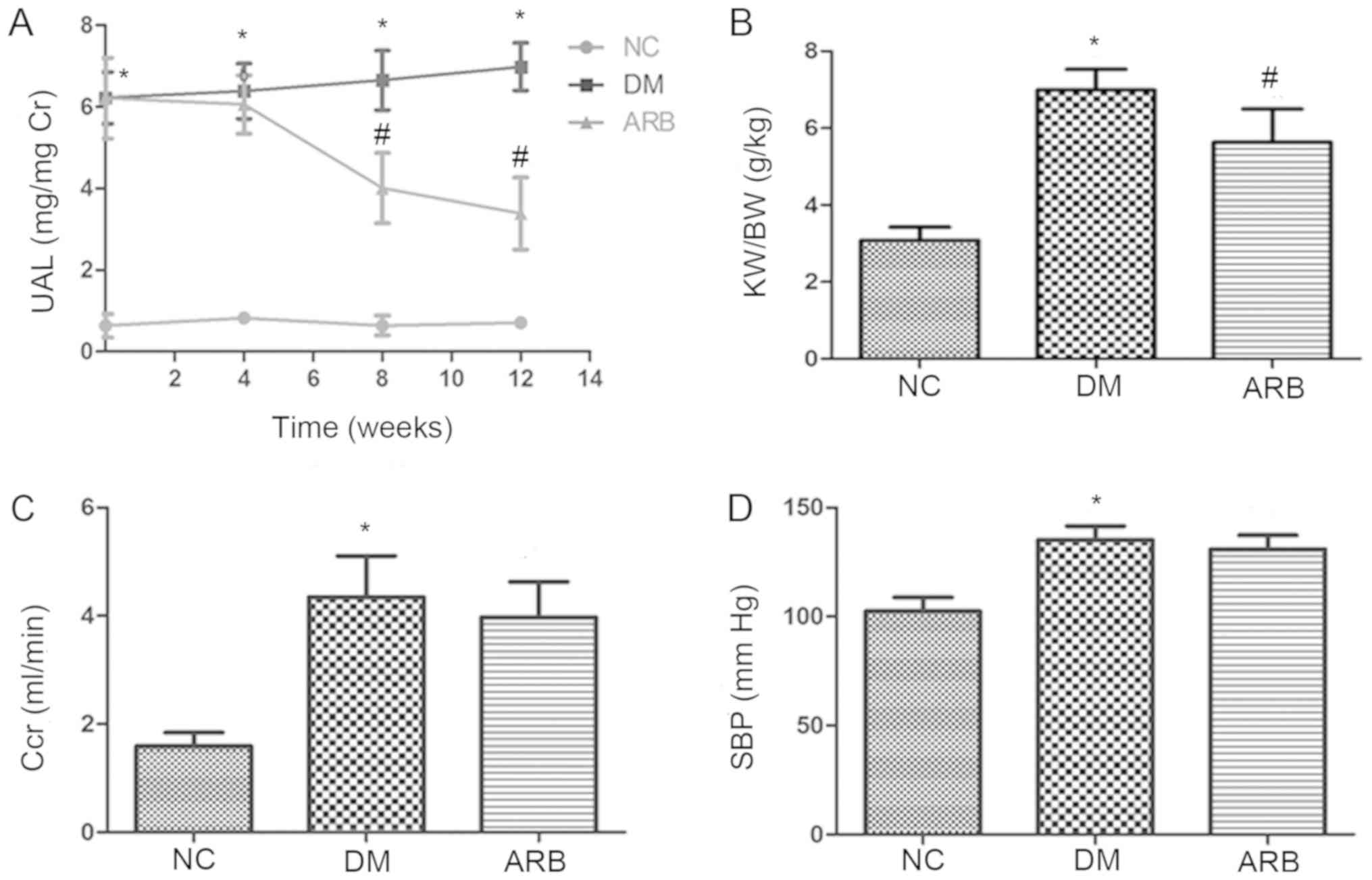
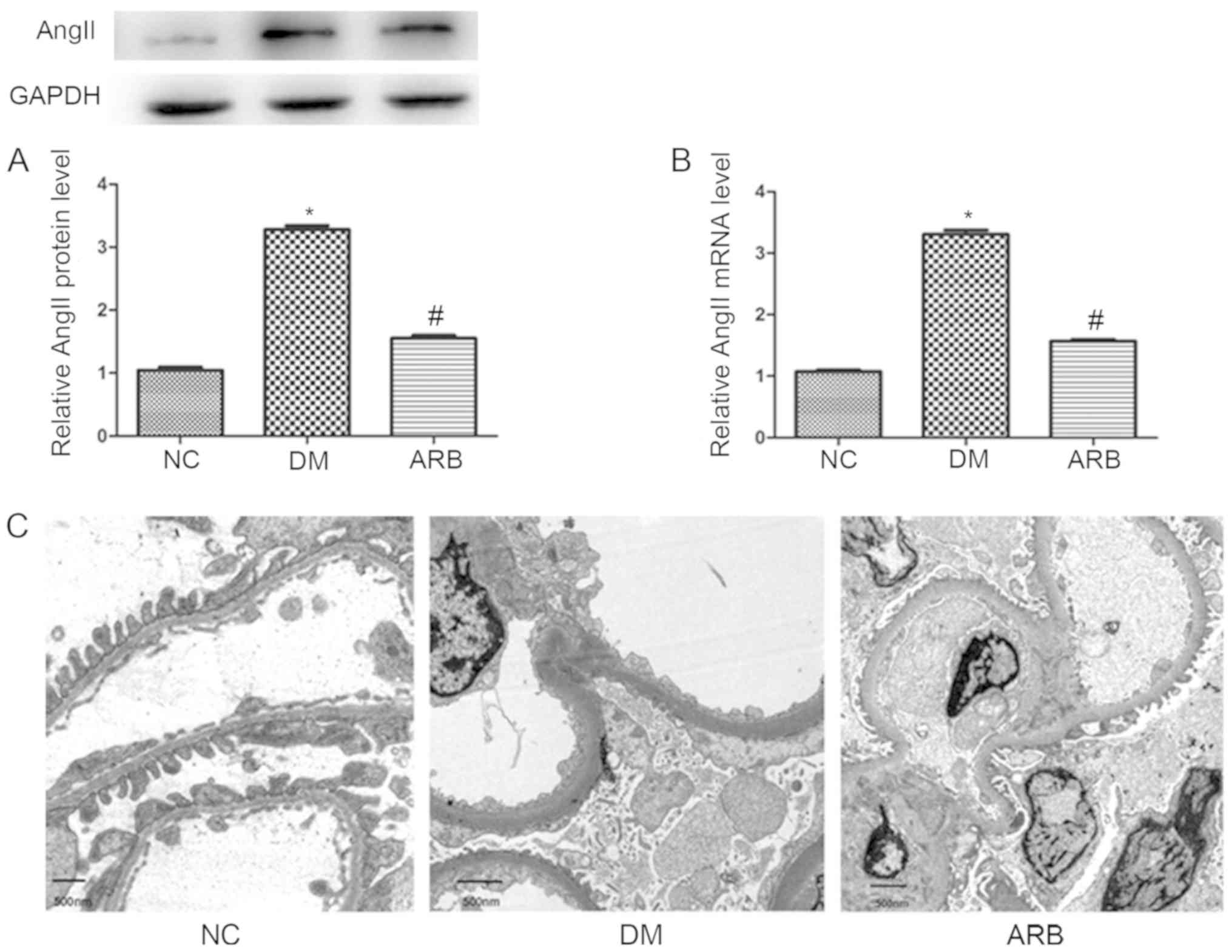
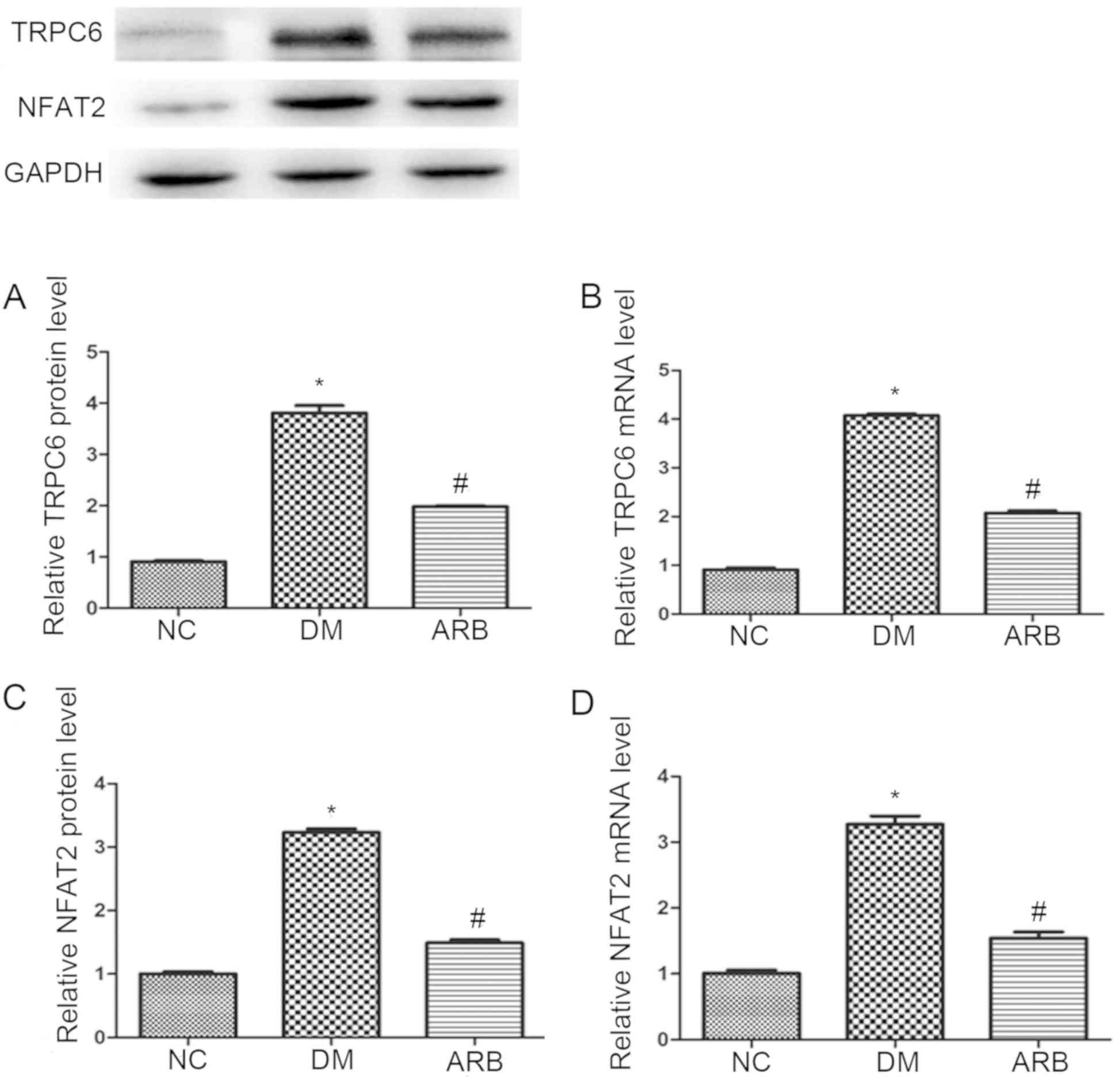
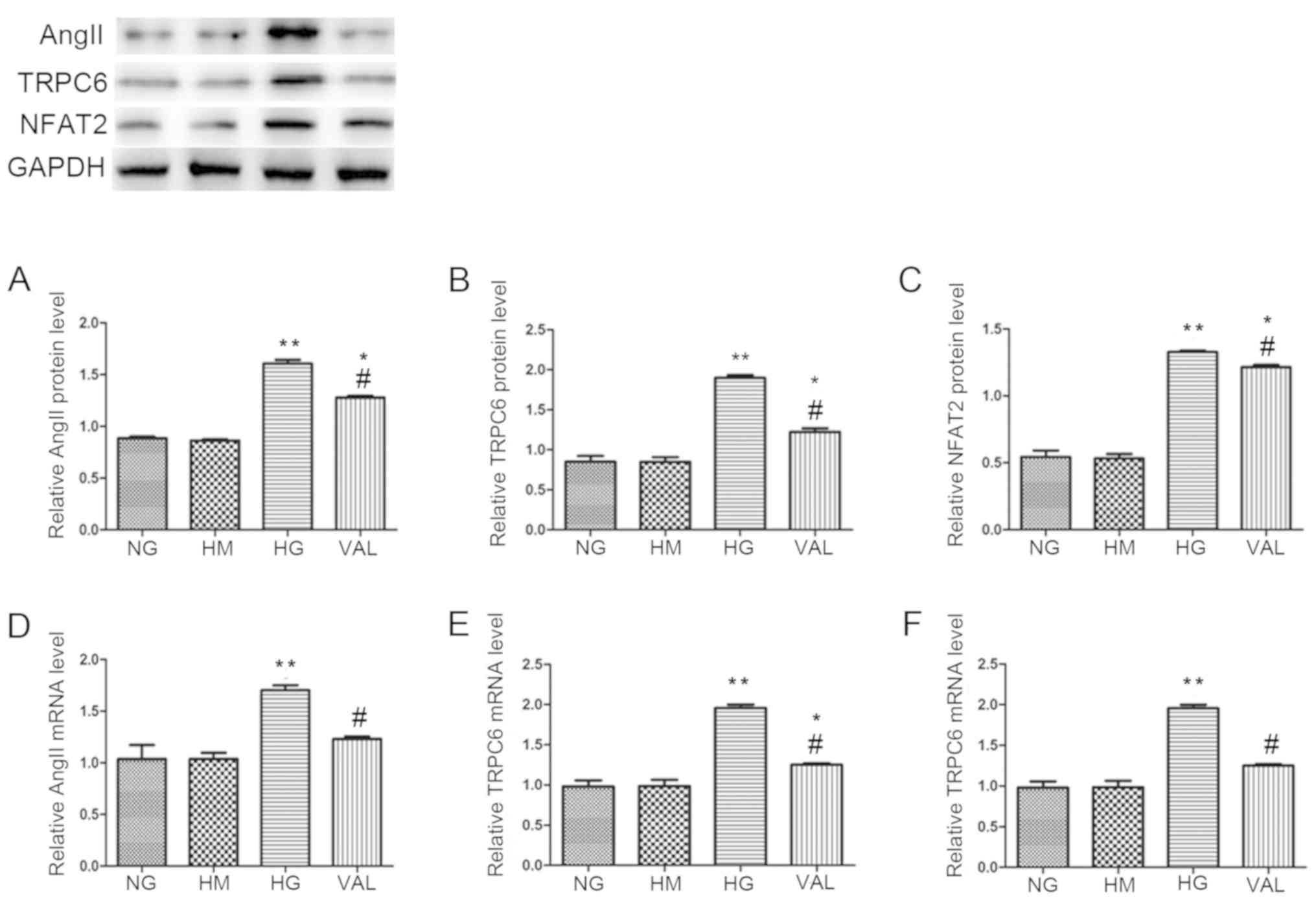
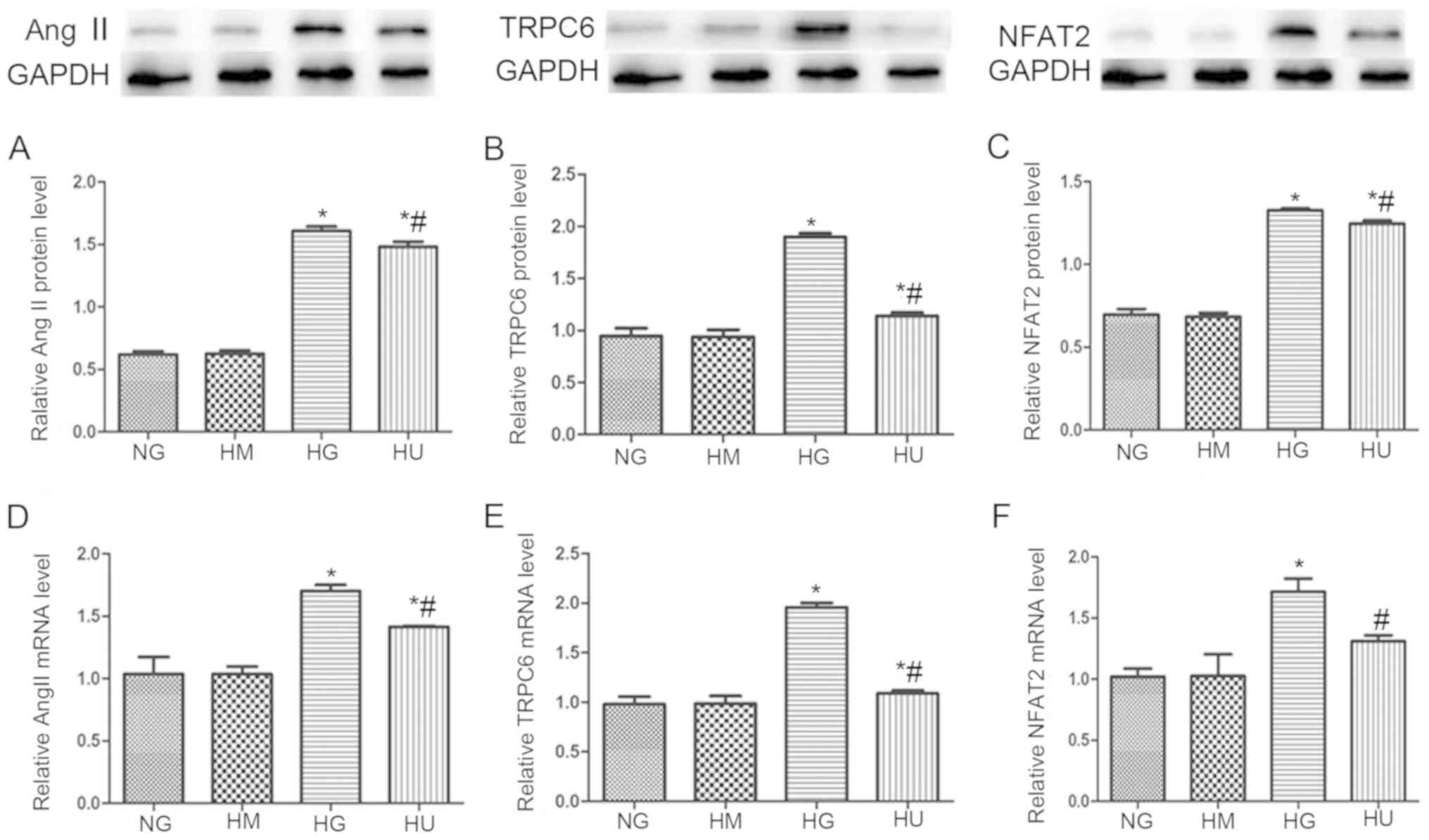
The canonical transient receptor potential channel 6 ion channel is expressed in podocytes and is an important component of the glomerular slit diaphragm. Focal segmental glomerulosclerosis is closely associated with TRPC6 gene mutations, and TRPC6 mediates podocyte injury induced by high glucose. Angiotensin II (AngII) has been revealed to enhance TRPC6 currents in certain types of cells, including podocytes and ventricular myocytes. It has been reported that glucose regulated TRPC6 expression in an AngII‑dependent manner in podocytes and that this pathway is critical in diabetic nephropathy. In the present study, the role of TRPC6 detected by western blotting and reverse transcription‑quantitative polymerase chain reaction in AngII‑mediated podocyte injury was evaluated in rats with type 2 diabetes induced by high‑calorie diets and streptozotocin. The results demonstrated that urinary albumin excretion was elevated, and morphological changes, including glomerular basement membrane thickening and podocyte process effacement, were observed. There was increased expression of AngII and TRPC6 in diabetic rats. The angiotensin receptor blocker valsartan significantly reduced TRPC6 and nuclear factor of activated T‑cells (NFAT) overexpression in diabetic rats. These results in vivo were confirmed by studies in vitro, which demonstrated that inhibition of TRPC6 ameliorated high glucose‑induced podocyte injury by decreasing NFAT mRNA levels. Taken together, the present results suggested that the AngII/TRPC6/NFAT axis may be a crucial signaling pathway in podocytes that is necessary for maintaining the integrity of the glomerular filtration barrier. In addition, TRPC6 may represent a potential therapeutic target for diabetic nephropathy.
View Figures

Figure 1

Figure 2

Figure 3

Figure 4

Figure 5

View References

1 

Fioretto P, Mauer M, Brocco E, Velussi M, Frigato F, Muollo B, Sambataro M, Abaterusso C, Baggio B, Crepaldi G and Nosadini R: Patterns of renal injury in NIDDM patients with microalbuminuria. Diabetologia. 39:1569–1576. 1996. View Article : Google Scholar : PubMed/NCBI

2 

Osterby R, Gall MA, Schmitz A, Nielsen FS, Nyberg G and Parving HH: Glomerular structure and function in proteinuric type 2 (non-insulin-dependent) diabetic patients. Diabetologia. 36:1064–1070. 1993. View Article : Google Scholar : PubMed/NCBI

3 

White KE and Bilous RW: Type 2 diabetic patients with nephropathy show structural-functional relationships that are similar to type 1 disease. J Am Soc Nephrol. 11:1667–1673. 2000.PubMed/NCBI

4 

Dalla Vestra M, Masiero A, Roiter AM, Saller A, Crepaldi G and Fioretto P: Is podocyte injury relevant in diabetic nephropathy? Studies in patients with type 2 diabetes. Diabetes. 52:1031–1035. 2003. View Article : Google Scholar : PubMed/NCBI

5 

White KE and Bilous RW; Diabiopsies Study Group, : Structural alterations to the podocyte are related to proteinuria in type 2 diabetic patients. Nephrol Dial Transplantat. 19:1437–1440. 2004. View Article : Google Scholar

6 

Meyer TW, Bennett PH and Nelson RG: Podocyte number predicts long-term urinary albumin excretion in Pima Indians with Type II diabetes and microalbuminuria. Diabetologia. 42:1341–1344. 1999. View Article : Google Scholar : PubMed/NCBI

7 

Nakamura T, Ushiyama C, Osada S, Hara M, Shimada N and Koide H: Pioglitazone reduces urinary podocyte excretion in type 2 diabetes patients with microalbuminuria. Metabolism. 50:1193–1196. 2001. View Article : Google Scholar : PubMed/NCBI

8 

Pagtalunan ME, Miller PL, Jumping-Eagle S, Nelson RG, Myers BD, Rennke HG, Coplon NS, Sun L and Meyer TW: Podocyte loss and progressive glomerular injury in type II diabetes. J Clin Invest. 99:342–348. 1997. View Article : Google Scholar : PubMed/NCBI

9 

Estacion M, Sinkins WG, Jones SW, Applegate MA and Schilling WP: Human TRPC6 expressed in HEK 293 cells forms non-selective cation channels with limited Ca2+ permeability. J Physiol. 572:359–377. 2006. View Article : Google Scholar : PubMed/NCBI

10 

Möller CC, Wei C, Altintas MM, Li J, Greka A, Ohse T, Pippin JW, Rastaldi MP, Wawersik S, Schiavi S, et al: Induction of TRPC6 channel in acquired forms of proteinuric kidney disease. J Am Soc Nephrol. 18:29–36. 2007. View Article : Google Scholar : PubMed/NCBI

11 

Onohara N, Nishida M, Inoue R, Kobayashi H, Sumimoto H, Sato Y, Mori Y, Nagao T and Kurose H: TRPC3 and TRPC6 are essential for angiotensin II-induced cardiac hypertrophy. EMBO J. 25:5305–5316. 2006. View Article : Google Scholar : PubMed/NCBI

12 

Tai Y, Feng S, Ge R, Du W, Zhang X, He Z and Wang Y: TRPC6 channels promote dendritic growth via the CaMKIV-CREB pathway. J Cell Sci. 121:2301–2307. 2008. View Article : Google Scholar : PubMed/NCBI

13 

Reiser J, Polu KR, Möller CC, Kenlan P, Altintas MM, Wei C, Faul C, Herbert S, Villegas I, Avila-Casado C, et al: TRPC6 is a glomerular slit diaphragm-associated channel required for normal renal function. Nat Genet. 37:739–744. 2005. View Article : Google Scholar : PubMed/NCBI

14 

Winn MP, Conlon PJ, Lynn KL, Farrington MK, Creazzo T, Hawkins AF, Daskalakis N, Kwan SY, Ebersviller S, Burchette JL, et al: A mutation in the TRPC6 cation channel causes familial focal segmental glomerulosclerosis. Science. 308:1801–1804. 2005. View Article : Google Scholar : PubMed/NCBI

15 

Liu BC, Song X, Lu XY, Li DT, Eaton DC, Shen BZ, Li XQ and Ma HP: High glucose induces podocyte apoptosis by stimulating TRPC6 via elevation of reactive oxygen species. Biochim Biophys Acta 1833. 1434–1442. 2013.

16 

Sonneveld R, van der Vlag J, Baltissen MP, Verkaart SA, Wetzels JF, Berden JH, Hoenderop JG and Nijenhuis T: Glucose specifically regulates TRPC6 expression in the podocyte in an AngII-dependent manner. Am J Pathol. 184:1715–1726. 2014. View Article : Google Scholar : PubMed/NCBI

17 

Brenner BM, Cooper ME, de Zeeuw D, Keane WF, Mitch WE, Parving HH, Remuzzi G, Snapinn SM, Zhang Z and Shahinfar S; RENAAL Study Investigators, : Effects of losartan on renal and cardiovascular outcomes in patients with type 2 diabetes and nephropathy. N Engl J Med. 345:861–869. 2001. View Article : Google Scholar : PubMed/NCBI

18 

Singh R, Singh AK and Leehey DJ: A novel mechanism for angiotensin II formation in streptozotocin-diabetic rat glomeruli. Am J Physiol Renal Physiol. 288:F1183–F1190. 2005. View Article : Google Scholar : PubMed/NCBI

19 

Vidotti DB, Casarini DE, Cristovam PC, Leite CA, Schor N and Boim MA: High glucose concentration stimulates intracellular renin activity and angiotensin II generation in rat mesangial cells. Am J Physiol Renal Physiol. 286:F1039–F1045. 2004. View Article : Google Scholar : PubMed/NCBI

20 

Bansal SB, Sethi SK, Jha P, Duggal R and Kher V: Remission of post-transplant focal segmental glomerulosclerosis with angiotensin receptor blockers. Indian J Nephrol. 27:154–156. 2017. View Article : Google Scholar : PubMed/NCBI

21 

Hamaguchi A, Kim S, Wanibuchi H and Iwao H: Angiotensin II and calcium blockers prevent glomerular phenotypic changes in remnant kidney model. J Am Soc Nephrol. 7:687–693. 1996.PubMed/NCBI

22 

Hayashi K, Sasamura H, Ishiguro K, Sakamaki Y, Azegami T and Itoh H: Regression of glomerulosclerosis in response to transient treatment with angiotensin II blockers is attenuated by blockade of matrix metalloproteinase-2. Kidney Int. 78:69–78. 2010. View Article : Google Scholar : PubMed/NCBI

23 

Suzuki K, Han GD, Miyauchi N, Hashimoto T, Nakatsue T, Fujioka Y, Koike H, Shimizu F and Kawachi H: Angiotensin II type 1 and type 2 receptors play opposite roles in regulating the barrier function of kidney glomerular capillary wall. Am J Pathol. 170:1841–1853. 2007. View Article : Google Scholar : PubMed/NCBI

24 

Gagliardini E, Perico N, Rizzo P, Buelli S, Longaretti L, Perico L, Tomasoni S, Zoja C, Macconi D, Morigi M, et al: Angiotensin II contributes to diabetic renal dysfunction in rodents and humans via Notch1/Snail pathway. Am J Pathol. 183:119–130. 2013. View Article : Google Scholar : PubMed/NCBI

25 

Leehey DJ, Singh AK, Alavi N and Singh R: Role of angiotensin II in diabetic nephropathy. Kidney Int. (Suppl 77):S93–S98. 2000. View Article : Google Scholar

26 

Kuwahara K, Wang Y, McAnally J, Richardson JA, Bassel-Duby R, Hill JA and Olson EN: TRPC6 fulfills a calcineurin signaling circuit during pathologic cardiac remodeling. J Clin Invest. 116:3114–3126. 2006. View Article : Google Scholar : PubMed/NCBI

27 

Saleh SN, Albert AP, Peppiatt CM and Large WA: Angiotensin II activates two cation conductances with distinct TRPC1 and TRPC6 channel properties in rabbit mesenteric artery myocytes. J Physiol. 577:479–495. 2006. View Article : Google Scholar : PubMed/NCBI

28 

Anderson M, Roshanravan H, Khine J and Dryer SE: Angiotensin II activation of TRPC6 channels in rat podocytes requires generation of reactive oxygen species. J Cell Physiol. 229:434–442. 2014. View Article : Google Scholar : PubMed/NCBI

29 

Chen S, He FF, Wang H, Fang Z, Shao N, Tian XJ, Liu JS, Zhu ZH, Wang YM, Wang S, et al: Calcium entry via TRPC6 mediates albumin overload-induced endoplasmic reticulum stress and apoptosis in podocytes. Cell Calcium. 50:523–529. 2011. View Article : Google Scholar : PubMed/NCBI

30 

Zhang H, Ding J, Fan Q and Liu S: TRPC6 up-regulation in Ang II-induced podocyte apoptosis might result from ERK activation and NF-kappaB translocation. Exp Biol Med (Maywood). 234:1029–1036. 2009. View Article : Google Scholar : PubMed/NCBI

31 

Schlöndorff J, Del Camino D, Carrasquillo R, Lacey V and Pollak MR: TRPC6 mutations associated with focal segmental glomerulosclerosis cause constitutive activation of NFAT-dependent transcription. Am J Physiol Cell Physiol. 296:C558–C569. 2009. View Article : Google Scholar : PubMed/NCBI

32 

Nijenhuis T, Sloan AJ, Hoenderop JG, Flesche J, van Goor H, Kistler AD, Bakker M, Bindels RJ, de Boer RA, Möller CC, et al: Angiotensin II contributes to podocyte injury by increasing TRPC6 expression via an NFAT-mediated positive feedback signaling pathway. Am J Pathol. 179:1719–1732. 2011. View Article : Google Scholar : PubMed/NCBI

33 

Danda RS, Habiba NM, Rincon-Choles H, Bhandari BK, Barnes JL, Abboud HE and Pergola PE: Kidney involvement in a nongenetic rat model of type 2 diabetes. Kidney Int. 68:2562–2571. 2005. View Article : Google Scholar : PubMed/NCBI

34 

Graham S, Ding M, Sours-Brothers S, Yorio T, Ma JX and Ma R: Downregulation of TRPC6 protein expression by high glucose, a possible mechanism for the impaired Ca2+ signaling in glomerular mesangial cells in diabetes. Am J Physiol Renal Physiol. 293:F1381–F1390. 2007. View Article : Google Scholar : PubMed/NCBI

35 

Ilatovskaya DV, Palygin O, Levchenko V, Endres BT and Staruschenko A: The role of angiotensin II in glomerular volume dynamics and podocyte calcium handling. Sci Rep. 7:2992017. View Article : Google Scholar : PubMed/NCBI

36 

Livak KJ and Schmittgen TD: Analysis of relative gene expression data using real-time quantitative PCR and the 2(-Delta Delta C(T)) method. Methods. 25:402–408. 2001. View Article : Google Scholar : PubMed/NCBI

37 

Su J, Li SJ, Chen ZH, Zeng CH, Zhou H, Li LS and Liu ZH: Evaluation of podocyte lesion in patients with diabetic nephropathy: Wilms' tumor-1 protein used as a podocyte marker. Diabetes Res Clin Pract. 87:167–175. 2010. View Article : Google Scholar : PubMed/NCBI

38 

Marshall SM: The podocyte: A potential therapeutic target in diabetic nephropathy? Curr Pharm Des. 13:2713–2720. 2007. View Article : Google Scholar : PubMed/NCBI

39 

Wolf G, Chen S and Ziyadeh FN: From the periphery of the glomerular capillary wall toward the center of disease: Podocyte injury comes of age in diabetic nephropathy. Diabetes. 54:1626–1634. 2005. View Article : Google Scholar : PubMed/NCBI

40 

Menè P, Punzo G and Pirozzi N: TRP channels as therapeutic targets in kidney disease and hypertension. Curr Top Med Chem. 13:386–397. 2013. View Article : Google Scholar : PubMed/NCBI

41 

Thilo F, Liu Y, Loddenkemper C, Schuelein R, Schmidt A, Yan Z, Zhu Z, Zakrzewicz A, Gollasch M and Tepel M: VEGF regulates TRPC6 channels in podocytes. Nephrol Dial Transplant. 27:921–929. 2012. View Article : Google Scholar : PubMed/NCBI

42 

Weber EW, Han F, Tauseef M, Birnbaumer L, Mehta D and Muller WA: TRPC6 is the endothelial calcium channel that regulates leukocyte transendothelial migration during the inflammatory response. J Exp Med. 212:1883–1899. 2015. View Article : Google Scholar : PubMed/NCBI

43 

Durvasula RV and Shankland SJ: Activation of a local renin angiotensin system in podocytes by glucose. Am J Physiol Renal Physiol. 294:F830–F839. 2008. View Article : Google Scholar : PubMed/NCBI

44 

Yoo TH, Li JJ, Kim JJ, Jung DS, Kwak SJ, Ryu DR, Choi HY, Kim JS, Kim HJ, Han SH, et al: Activation of the renin-angiotensin system within podocytes in diabetes. Kidney Int. 71:1019–1027. 2007. View Article : Google Scholar : PubMed/NCBI

45 

Gabriel CH, Gross F, Karl M, Stephanowitz H, Hennig AF, Weber M, Gryzik S, Bachmann I, Hecklau K, Wienands J, et al: Identification of novel nuclear factor of activated T cell (NFAT)-associated proteins in T cells. J Biol Chem. 291:24172–24187. 2016. View Article : Google Scholar : PubMed/NCBI

46 

Pachulec E, Neitzke-Montinelli V and Viola JP: NFAT2 regulates generation of innate-like CD8+ T lymphocytes and CD8+ T lymphocytes responses. Front Immunol. 7:4112016. View Article : Google Scholar : PubMed/NCBI

47 

Yang H, Zhao B, Liao C, Zhang R, Meng K, Xu J and Jiao J: High glucose-induced apoptosis in cultured podocytes involves TRPC6-dependent calcium entry via the RhoA/ROCK pathway. Biochem Biophys Res Commun. 434:394–400. 2013. View Article : Google Scholar : PubMed/NCBI

48 

Li Z, Xu J, Xu P, Liu S and Yang Z: Wnt/β-catenin signalling pathway mediates high glucose induced cell injury through activation of TRPC6 in podocytes. Cell Prolif. 46:76–85. 2013. View Article : Google Scholar : PubMed/NCBI

49 

Qiu G and Ji Z: AngII-induced glomerular mesangial cell proliferation inhibited by losartan via changes in intracellular calcium ion concentration. Clin Exp Med. 14:169–176. 2014. View Article : Google Scholar : PubMed/NCBI

50 

Lawrence MC, Bhatt HS and Easom RA: NFAT regulates insulin gene promoter activity in response to synergistic pathways induced by glucose and glucagon-like peptide-1. Diabetes. 51:691–698. 2002. View Article : Google Scholar : PubMed/NCBI

51 

Nilsson J, Nilsson LM, Chen YW, Molkentin JD, Erlinge D and Gomez MF: High glucose activates nuclear factor of activated T cells in native vascular smooth muscle. Arterioscler Thromb Vasc Biol. 26:794–800. 2006. View Article : Google Scholar : PubMed/NCBI

52 

Li R, Zhang L, Shi W, Zhang B, Liang X, Liu S and Wang W: NFAT2 mediates high glucose-induced glomerular podocyte apoptosis through increased Bax expression. Exp Cell Res. 319:992–1000. 2013. View Article : Google Scholar : PubMed/NCBI

53 

Wang L, Chang JH, Paik SY, Tang Y, Eisner W and Spurney RF: Calcineurin (CN) activation promotes apoptosis of glomerular podocytes both in vitro and in vivo. Mol Endocrinol. 25:1376–1386. 2011. View Article : Google Scholar : PubMed/NCBI

54 

Zhang L, Li R, Shi W, Liang X, Liu S, Ye Z, Yu C, Chen Y, Zhang B, Wang W, et al: NFAT2 inhibitor ameliorates diabetic nephropathy and podocyte injury in db/db mice. Br J Pharmacol. 170:426–439. 2013. View Article : Google Scholar : PubMed/NCBI

Related Articles

  • Abstract
  • View
  • Download
  • Twitter
Copy and paste a formatted citation
Spandidos Publications style
Ma R, Xu Y, Zhou H, Zhang D, Yao D, Song L and Liu Y: Participation of the AngII/TRPC6/NFAT axis in the pathogenesis of podocyte injury in rats with type 2 diabetes. Mol Med Rep 19: 2421-2430, 2019.
APA
Ma, R., Xu, Y., Zhou, H., Zhang, D., Yao, D., Song, L., & Liu, Y. (2019). Participation of the AngII/TRPC6/NFAT axis in the pathogenesis of podocyte injury in rats with type 2 diabetes. Molecular Medicine Reports, 19, 2421-2430. https://doi.org/10.3892/mmr.2019.9871
MLA
Ma, R., Xu, Y., Zhou, H., Zhang, D., Yao, D., Song, L., Liu, Y."Participation of the AngII/TRPC6/NFAT axis in the pathogenesis of podocyte injury in rats with type 2 diabetes". Molecular Medicine Reports 19.3 (2019): 2421-2430.
Chicago
Ma, R., Xu, Y., Zhou, H., Zhang, D., Yao, D., Song, L., Liu, Y."Participation of the AngII/TRPC6/NFAT axis in the pathogenesis of podocyte injury in rats with type 2 diabetes". Molecular Medicine Reports 19, no. 3 (2019): 2421-2430. https://doi.org/10.3892/mmr.2019.9871
Copy and paste a formatted citation
x
Spandidos Publications style
Ma R, Xu Y, Zhou H, Zhang D, Yao D, Song L and Liu Y: Participation of the AngII/TRPC6/NFAT axis in the pathogenesis of podocyte injury in rats with type 2 diabetes. Mol Med Rep 19: 2421-2430, 2019.
APA
Ma, R., Xu, Y., Zhou, H., Zhang, D., Yao, D., Song, L., & Liu, Y. (2019). Participation of the AngII/TRPC6/NFAT axis in the pathogenesis of podocyte injury in rats with type 2 diabetes. Molecular Medicine Reports, 19, 2421-2430. https://doi.org/10.3892/mmr.2019.9871
MLA
Ma, R., Xu, Y., Zhou, H., Zhang, D., Yao, D., Song, L., Liu, Y."Participation of the AngII/TRPC6/NFAT axis in the pathogenesis of podocyte injury in rats with type 2 diabetes". Molecular Medicine Reports 19.3 (2019): 2421-2430.
Chicago
Ma, R., Xu, Y., Zhou, H., Zhang, D., Yao, D., Song, L., Liu, Y."Participation of the AngII/TRPC6/NFAT axis in the pathogenesis of podocyte injury in rats with type 2 diabetes". Molecular Medicine Reports 19, no. 3 (2019): 2421-2430. https://doi.org/10.3892/mmr.2019.9871
Follow us
  • Twitter
  • LinkedIn
  • Facebook
About
  • Spandidos Publications
  • Careers
  • Cookie Policy
  • Privacy Policy
How can we help?
  • Help
  • Live Chat
  • Contact
  • Email to our Support Team