Spandidos Publications Logo
  • About
    • About Spandidos
    • Aims and Scopes
    • Abstracting and Indexing
    • Editorial Policies
    • Reprints and Permissions
    • Job Opportunities
    • Terms and Conditions
    • Contact
  • Journals
    • All Journals
    • Oncology Letters
      • Oncology Letters
      • Information for Authors
      • Editorial Policies
      • Editorial Board
      • Aims and Scope
      • Abstracting and Indexing
      • Bibliographic Information
      • Archive
    • International Journal of Oncology
      • International Journal of Oncology
      • Information for Authors
      • Editorial Policies
      • Editorial Board
      • Aims and Scope
      • Abstracting and Indexing
      • Bibliographic Information
      • Archive
    • Molecular and Clinical Oncology
      • Molecular and Clinical Oncology
      • Information for Authors
      • Editorial Policies
      • Editorial Board
      • Aims and Scope
      • Abstracting and Indexing
      • Bibliographic Information
      • Archive
    • Experimental and Therapeutic Medicine
      • Experimental and Therapeutic Medicine
      • Information for Authors
      • Editorial Policies
      • Editorial Board
      • Aims and Scope
      • Abstracting and Indexing
      • Bibliographic Information
      • Archive
    • International Journal of Molecular Medicine
      • International Journal of Molecular Medicine
      • Information for Authors
      • Editorial Policies
      • Editorial Board
      • Aims and Scope
      • Abstracting and Indexing
      • Bibliographic Information
      • Archive
    • Biomedical Reports
      • Biomedical Reports
      • Information for Authors
      • Editorial Policies
      • Editorial Board
      • Aims and Scope
      • Abstracting and Indexing
      • Bibliographic Information
      • Archive
    • Oncology Reports
      • Oncology Reports
      • Information for Authors
      • Editorial Policies
      • Editorial Board
      • Aims and Scope
      • Abstracting and Indexing
      • Bibliographic Information
      • Archive
    • Molecular Medicine Reports
      • Molecular Medicine Reports
      • Information for Authors
      • Editorial Policies
      • Editorial Board
      • Aims and Scope
      • Abstracting and Indexing
      • Bibliographic Information
      • Archive
    • World Academy of Sciences Journal
      • World Academy of Sciences Journal
      • Information for Authors
      • Editorial Policies
      • Editorial Board
      • Aims and Scope
      • Abstracting and Indexing
      • Bibliographic Information
      • Archive
    • International Journal of Functional Nutrition
      • International Journal of Functional Nutrition
      • Information for Authors
      • Editorial Policies
      • Editorial Board
      • Aims and Scope
      • Abstracting and Indexing
      • Bibliographic Information
      • Archive
    • International Journal of Epigenetics
      • International Journal of Epigenetics
      • Information for Authors
      • Editorial Policies
      • Editorial Board
      • Aims and Scope
      • Abstracting and Indexing
      • Bibliographic Information
      • Archive
    • Medicine International
      • Medicine International
      • Information for Authors
      • Editorial Policies
      • Editorial Board
      • Aims and Scope
      • Abstracting and Indexing
      • Bibliographic Information
      • Archive
  • Articles
  • Information
    • Information for Authors
    • Information for Reviewers
    • Information for Librarians
    • Information for Advertisers
    • Conferences
  • Language Editing
Spandidos Publications Logo
  • About
    • About Spandidos
    • Aims and Scopes
    • Abstracting and Indexing
    • Editorial Policies
    • Reprints and Permissions
    • Job Opportunities
    • Terms and Conditions
    • Contact
  • Journals
    • All Journals
    • Biomedical Reports
      • Information for Authors
      • Editorial Policies
      • Editorial Board
      • Aims and Scope
      • Abstracting and Indexing
      • Bibliographic Information
      • Archive
    • Experimental and Therapeutic Medicine
      • Information for Authors
      • Editorial Policies
      • Editorial Board
      • Aims and Scope
      • Abstracting and Indexing
      • Bibliographic Information
      • Archive
    • International Journal of Epigenetics
      • Information for Authors
      • Editorial Policies
      • Editorial Board
      • Aims and Scope
      • Abstracting and Indexing
      • Bibliographic Information
      • Archive
    • International Journal of Functional Nutrition
      • Information for Authors
      • Editorial Policies
      • Editorial Board
      • Aims and Scope
      • Abstracting and Indexing
      • Bibliographic Information
      • Archive
    • International Journal of Molecular Medicine
      • Information for Authors
      • Editorial Policies
      • Editorial Board
      • Aims and Scope
      • Abstracting and Indexing
      • Bibliographic Information
      • Archive
    • International Journal of Oncology
      • Information for Authors
      • Editorial Policies
      • Editorial Board
      • Aims and Scope
      • Abstracting and Indexing
      • Bibliographic Information
      • Archive
    • Medicine International
      • Information for Authors
      • Editorial Policies
      • Editorial Board
      • Aims and Scope
      • Abstracting and Indexing
      • Bibliographic Information
      • Archive
    • Molecular and Clinical Oncology
      • Information for Authors
      • Editorial Policies
      • Editorial Board
      • Aims and Scope
      • Abstracting and Indexing
      • Bibliographic Information
      • Archive
    • Molecular Medicine Reports
      • Information for Authors
      • Editorial Policies
      • Editorial Board
      • Aims and Scope
      • Abstracting and Indexing
      • Bibliographic Information
      • Archive
    • Oncology Letters
      • Information for Authors
      • Editorial Policies
      • Editorial Board
      • Aims and Scope
      • Abstracting and Indexing
      • Bibliographic Information
      • Archive
    • Oncology Reports
      • Information for Authors
      • Editorial Policies
      • Editorial Board
      • Aims and Scope
      • Abstracting and Indexing
      • Bibliographic Information
      • Archive
    • World Academy of Sciences Journal
      • Information for Authors
      • Editorial Policies
      • Editorial Board
      • Aims and Scope
      • Abstracting and Indexing
      • Bibliographic Information
      • Archive
  • Articles
  • Information
    • For Authors
    • For Reviewers
    • For Librarians
    • For Advertisers
    • Conferences
  • Language Editing
Login Register Submit
  • This site uses cookies
  • You can change your cookie settings at any time by following the instructions in our Cookie Policy. To find out more, you may read our Privacy Policy.

    I agree
Search articles by DOI, keyword, author or affiliation
Search
Advanced Search
presentation
Molecular Medicine Reports
Join Editorial Board Propose a Special Issue
Print ISSN: 1791-2997 Online ISSN: 1791-3004
Journal Cover
December-2020 Volume 22 Issue 6

Full Size Image

Sign up for eToc alerts
Recommend to Library

Journals

International Journal of Molecular Medicine

International Journal of Molecular Medicine

International Journal of Molecular Medicine is an international journal devoted to molecular mechanisms of human disease.

International Journal of Oncology

International Journal of Oncology

International Journal of Oncology is an international journal devoted to oncology research and cancer treatment.

Molecular Medicine Reports

Molecular Medicine Reports

Covers molecular medicine topics such as pharmacology, pathology, genetics, neuroscience, infectious diseases, molecular cardiology, and molecular surgery.

Oncology Reports

Oncology Reports

Oncology Reports is an international journal devoted to fundamental and applied research in Oncology.

Experimental and Therapeutic Medicine

Experimental and Therapeutic Medicine

Experimental and Therapeutic Medicine is an international journal devoted to laboratory and clinical medicine.

Oncology Letters

Oncology Letters

Oncology Letters is an international journal devoted to Experimental and Clinical Oncology.

Biomedical Reports

Biomedical Reports

Explores a wide range of biological and medical fields, including pharmacology, genetics, microbiology, neuroscience, and molecular cardiology.

Molecular and Clinical Oncology

Molecular and Clinical Oncology

International journal addressing all aspects of oncology research, from tumorigenesis and oncogenes to chemotherapy and metastasis.

World Academy of Sciences Journal

World Academy of Sciences Journal

Multidisciplinary open-access journal spanning biochemistry, genetics, neuroscience, environmental health, and synthetic biology.

International Journal of Functional Nutrition

International Journal of Functional Nutrition

Open-access journal combining biochemistry, pharmacology, immunology, and genetics to advance health through functional nutrition.

International Journal of Epigenetics

International Journal of Epigenetics

Publishes open-access research on using epigenetics to advance understanding and treatment of human disease.

Medicine International

Medicine International

An International Open Access Journal Devoted to General Medicine.

Journal Cover
December-2020 Volume 22 Issue 6

Full Size Image

Sign up for eToc alerts
Recommend to Library

  • Article
  • Citations
    • Cite This Article
    • Download Citation
    • Create Citation Alert
    • Remove Citation Alert
    • Cited By
  • Similar Articles
    • Related Articles (in Spandidos Publications)
    • Similar Articles (Google Scholar)
    • Similar Articles (PubMed)
  • Download PDF
  • Download XML
  • View XML
Article Open Access

Hesperidin ameliorates liver ischemia/reperfusion injury via activation of the Akt pathway

  • Authors:
    • Shilai Li
    • Quanlin Qin
    • Daqing Luo
    • Wenhui Pan
    • Yuqing  Wei
    • Yansong Xu
    • Jijin Zhu
    • Liming Shang
  • View Affiliations / Copyright

    Affiliations: Department of Emergency, The First Affiliated Hospital of Guangxi Medical University, Nanning, Guangxi 530021, P.R China, Department of Emergency, The First Affiliated Hospital of Guangxi Medical University, Nanning, Guangxi 530021, P.R China, Department of Hepatobiliary Surgery, The First Affiliated Hospital of Guangxi Medical University, Nanning, Guangxi 530021, P.R China
    Copyright: © Li et al. This is an open access article distributed under the terms of Creative Commons Attribution License.
  • Pages: 4519-4530
    |
    Published online on: October 6, 2020
       https://doi.org/10.3892/mmr.2020.11561
  • Expand metrics +
Metrics: Total Views: 0 (Spandidos Publications: | PMC Statistics: )
Metrics: Total PDF Downloads: 0 (Spandidos Publications: | PMC Statistics: )
Cited By (CrossRef): 0 citations Loading Articles...

This article is mentioned in:


Abstract

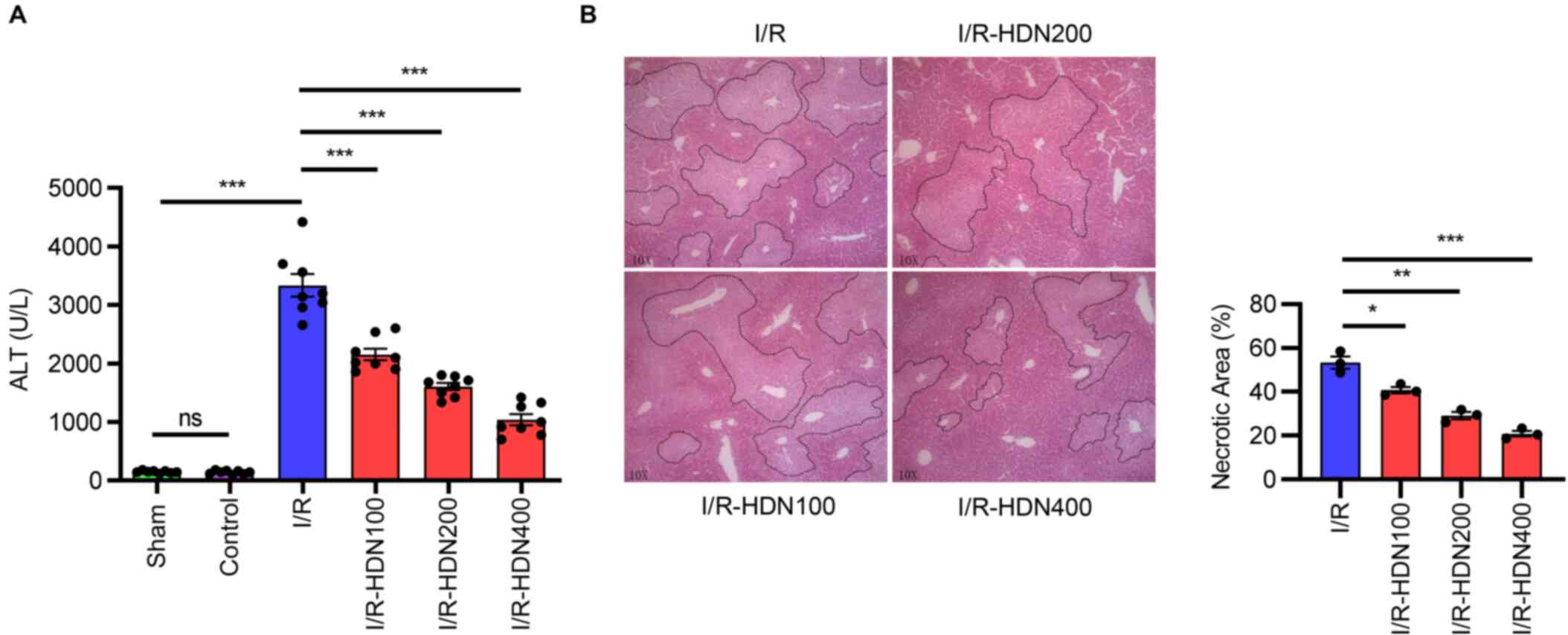
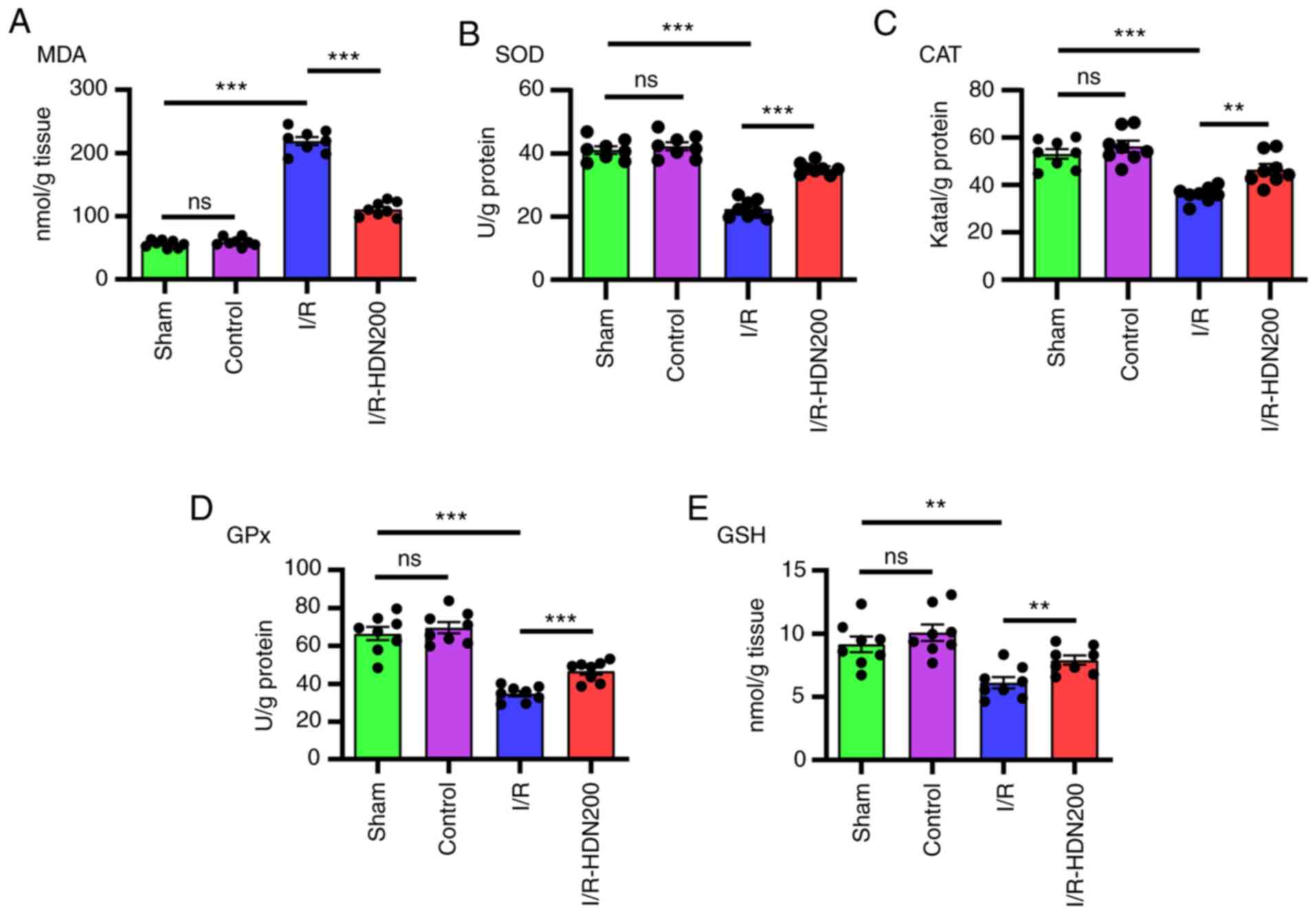
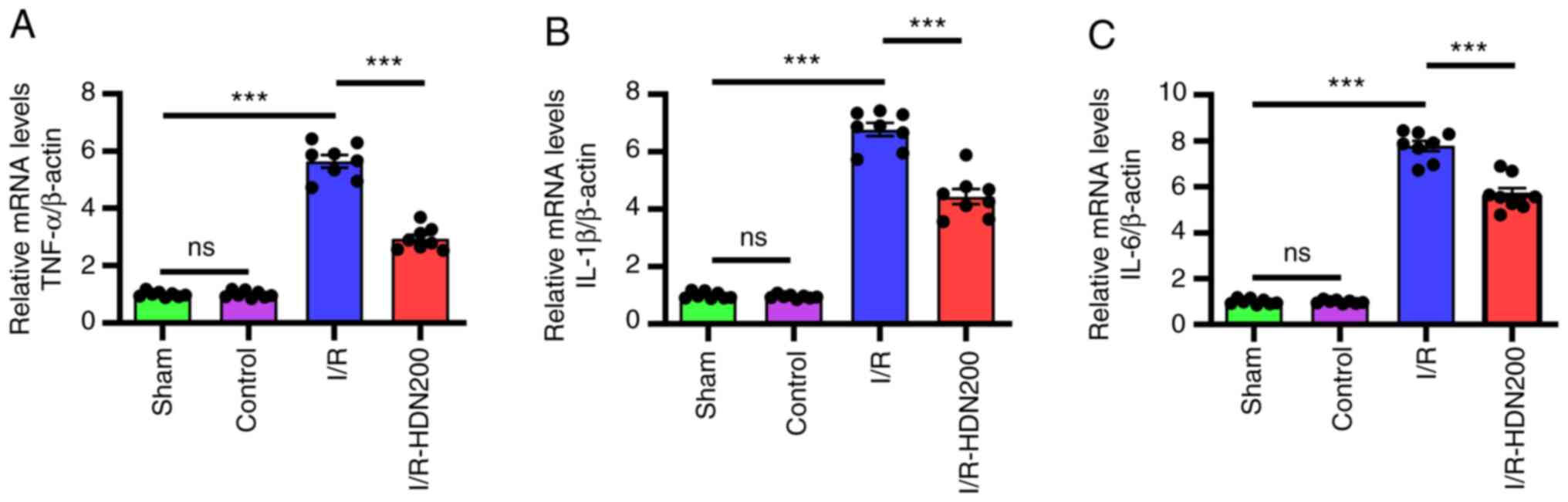
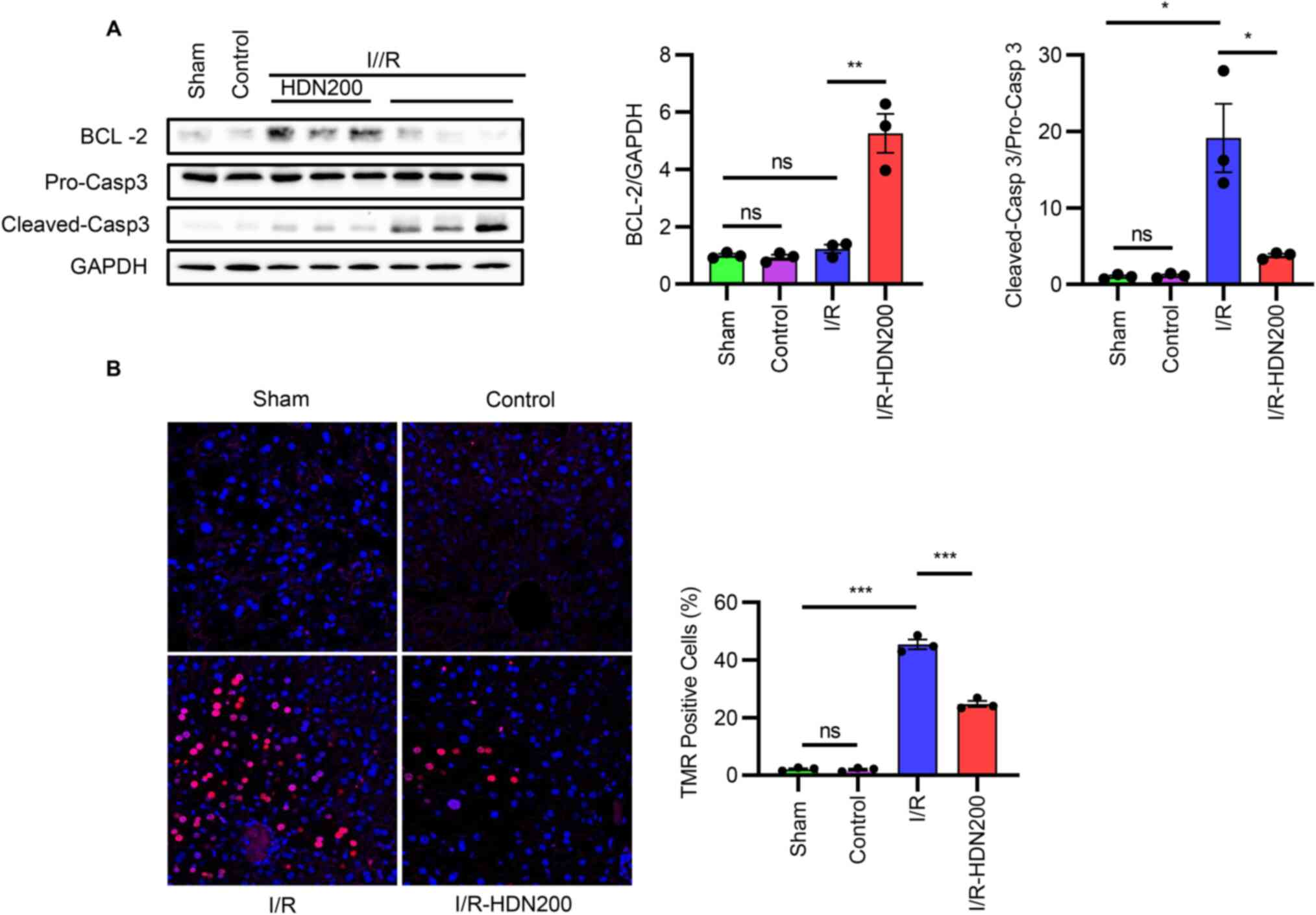
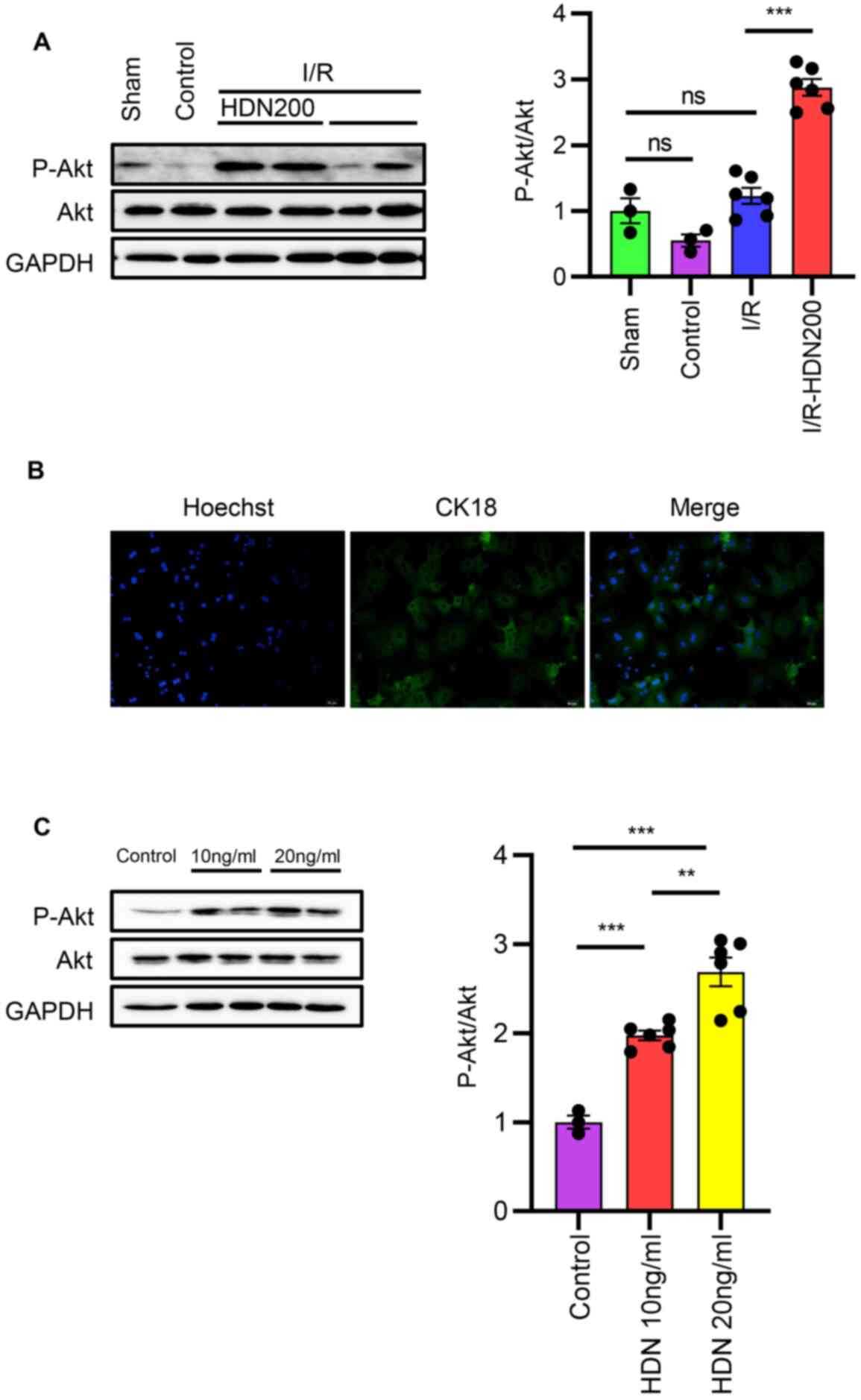
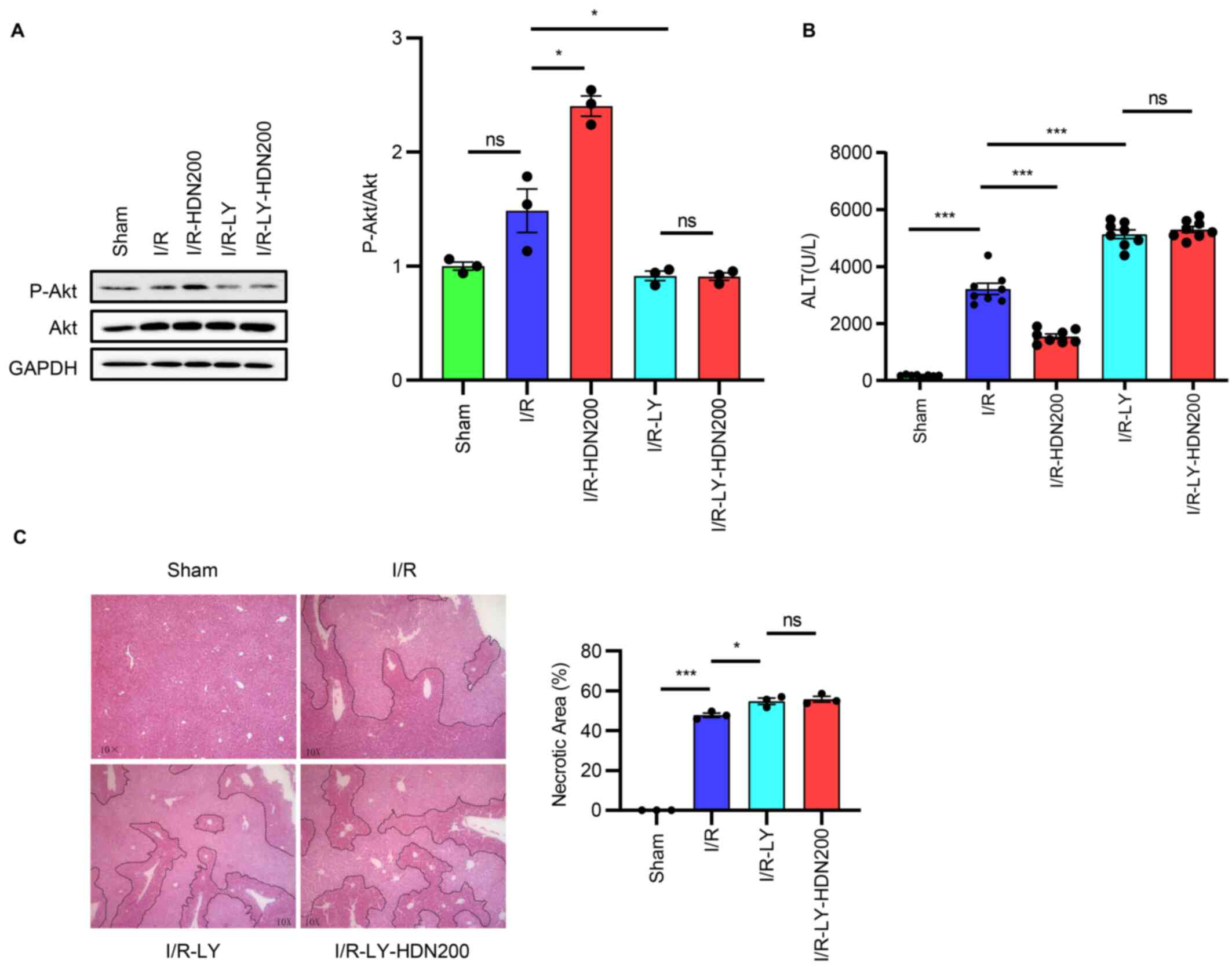
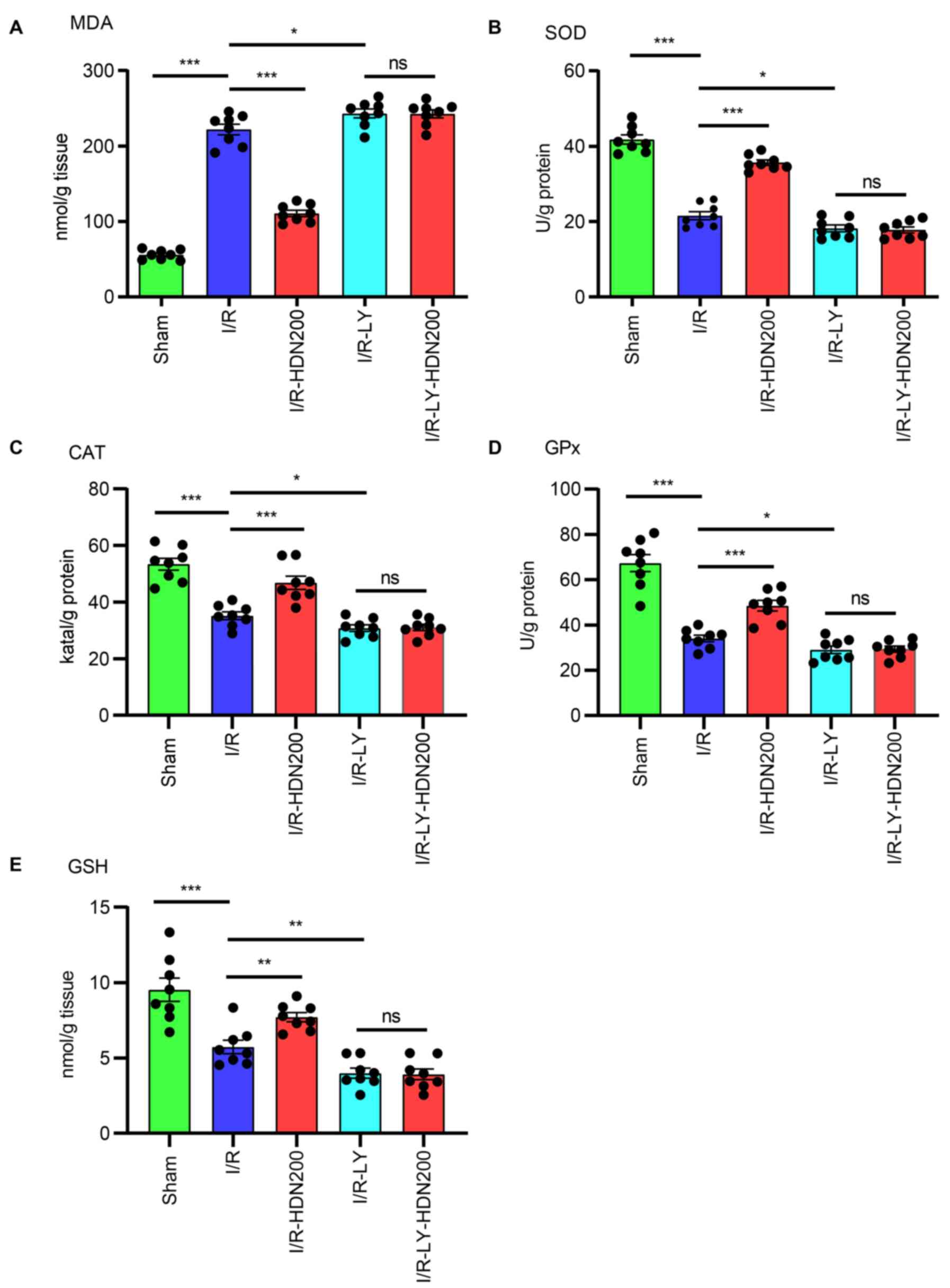
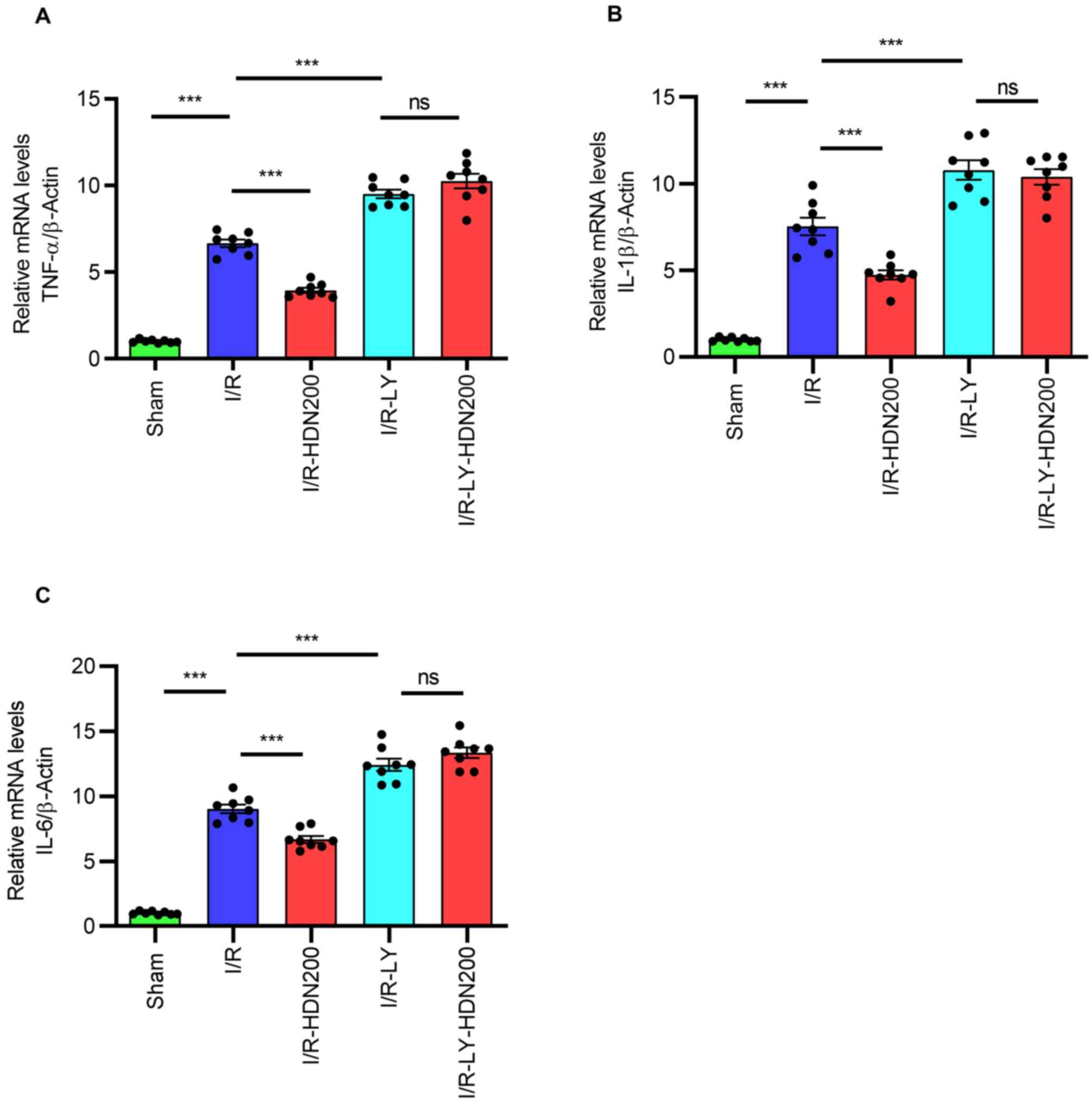
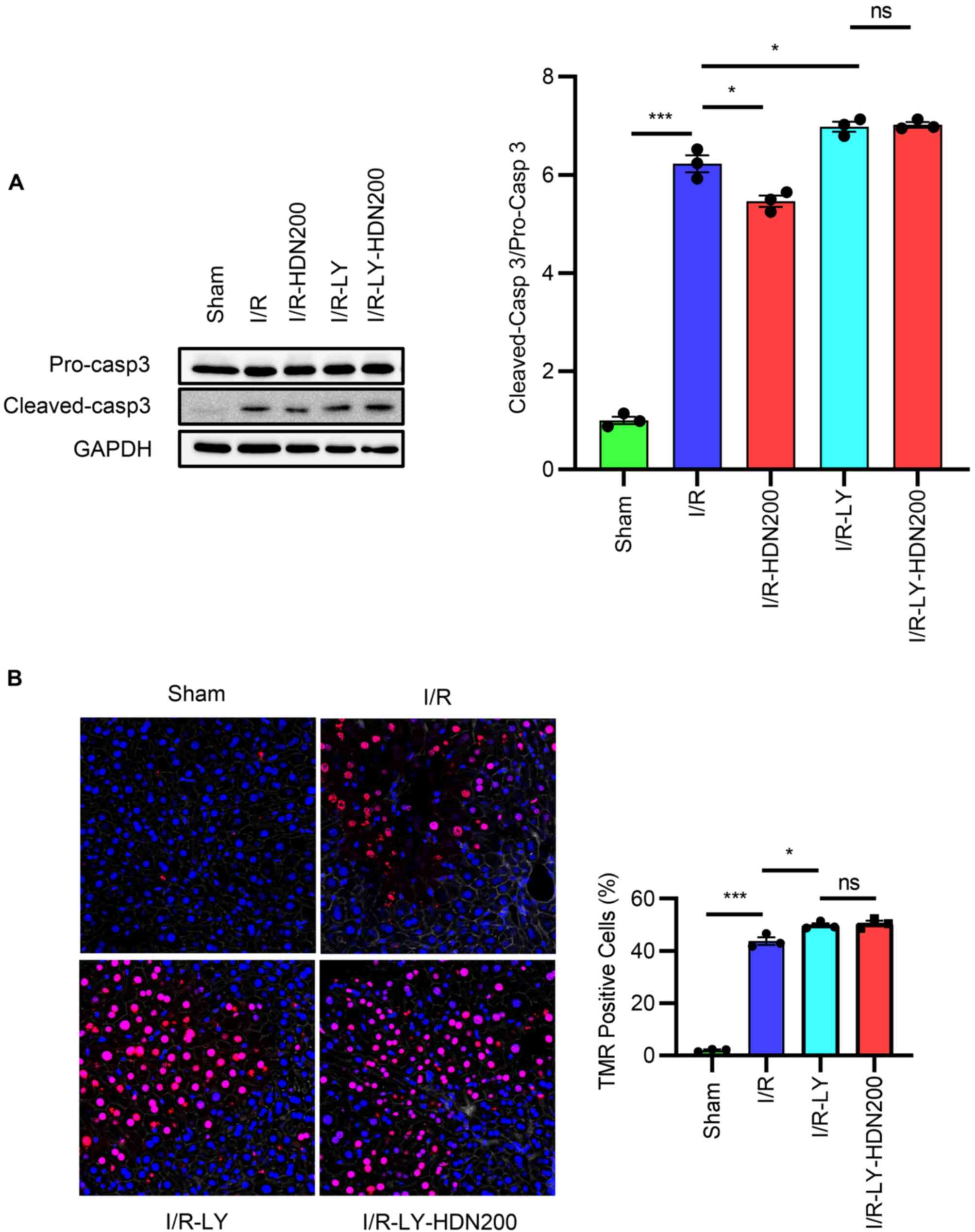
Hesperidin (HDN) is a bioflavonoid that serves a role as an antioxidant in biological systems. However, although HDN has hydrogen radical‑ and hydrogen peroxide‑removal activities, the role of HDN in liver ischemia/reperfusion (I/R) injury remains unknown. This study aimed to determine the role of HDN in liver I/R injury. Male C57BL/6J wild‑type (WT) mice were subjected to warm partial liver I/R injury. Liver damage was evaluated by measuring serum alanine aminotransferase (ALT) levels, cytokine production, oxidative stress indicators, tissue hematoxylin‑eosin staining and cell death. The Akt signaling pathway was examined to elucidate the underlying mechanisms. HDN had no effect on ALT levels and tissue damage in WT mice without liver I/R injury. However, HDN significantly ameliorated liver I/R injury as measured by serum ALT levels and necrotic tissue areas. HDN decreased malondialdehyde content, but increased the levels of superoxide dismutase, catalase, glutathione peroxidase and glutathione. In addition, HDN significantly attenuated the mRNA expression levels of TNF‑α, IL‑6 and IL‑1β after liver I/R injury. Furthermore, HDN protected the liver against apoptosis in liver I/R injury by increasing the levels of Bcl‑2 and decreasing the levels of cleaved‑caspase 3. Mechanistically, the levels of phosphorylated Akt were elevated by HDN during liver I/R injury. In addition, HDN could induce Akt activation in hepatocytes in vitro. Most importantly, treatment with the Akt inhibitor LY294002 in WT mice blocked the hepatoprotective effects of HDN in liver I/R injury. In summary, the results of the present study suggested that HDN may protect against liver I/R injury through activating the Akt pathway by ameliorating liver oxidative stress, suppressing inflammation and preventing hepatocyte apoptosis. HDN may be a useful factor for liver injury protection and a potential therapeutic treatment for liver I/R injury in the future.
View Figures

Figure 1

Figure 2

Figure 3

Figure 4

Figure 5

Figure 6

Figure 7

Figure 8

Figure 9

View References

1 

Black CK, Termanini KM, Aguirre O, Hawksworth JS and Sosin M: Solid organ transplantation in the 21st century. Ann Transl Med. 6:4092018. View Article : Google Scholar : PubMed/NCBI

2 

Czigany Z, Lurje I, Schmelzle M, Schöning W, Öllinger R, Raschzok N, Sauer IM, Tacke F, Strnad P, Trautwein C, et al: Ischemia-reperfusion injury in marginal liver grafts and the role of hypothermic machine perfusion: Molecular mechanisms and clinical implications. J Clin Med. 9:8462020. View Article : Google Scholar

3 

Kadono K, Gruszynski M, Azari K and Kupiec-Weglinski JW: Vascularized composite allotransplantation versus solid organ transplantation: Innate-adaptive immune interphase. Curr Opin Organ Transplant. 24:714–720. 2019. View Article : Google Scholar : PubMed/NCBI

4 

Nastos C, Kalimeris K, Papoutsidakis N, Tasoulis MK, Lykoudis PM, Theodoraki K, Nastou D, Smyrniotis V and Arkadopoulos N: Global consequences of liver ischemia/reperfusion injury. Oxid Med Cell Longev. 2014:9069652014. View Article : Google Scholar : PubMed/NCBI

5 

Sun P, Zhang P, Wang PX, Zhu LH, Du Y, Tian S, Zhu X and Li H: Mindin deficiency protects the liver against ischemia/reperfusion injury. J Hepatol. 63:1198–1211. 2015. View Article : Google Scholar : PubMed/NCBI

6 

van Riel WG, van Golen RF, Reiniers MJ, Heger M and van Gulik TM: How much ischemia can the liver tolerate during resection? Hepatobiliary Surg Nutr. 5:58–71. 2016.PubMed/NCBI

7 

Peralta C, Jiménez-Castro MB and Gracia-Sancho J: Hepatic ischemia and reperfusion injury: Effects on the liver sinusoidal milieu. J Hepatol. 59:1094–1106. 2013. View Article : Google Scholar : PubMed/NCBI

8 

Lu L, Zhou H, Ni M, Wang X, Busuttil R, Kupiec-Weglinski J and Zhai Y: Innate immune regulations and liver ischemia-reperfusion injury. Transplantation. 100:2601–2610. 2016. View Article : Google Scholar : PubMed/NCBI

9 

Guan LY, Fu PY, Li PD, Li ZN, Liu HY, Xin MG and Li W: Mechanisms of hepatic ischemia-reperfusion injury and protective effects of nitric oxide. World J Gastrointest Surg. 6:122–128. 2014. View Article : Google Scholar : PubMed/NCBI

10 

Zhai Y, Petrowsky H, Hong JC, Busuttil RW and Kupiec-Weglinski JW: Ischaemia-reperfusion injury in liver transplantation--from bench to bedside. Nat Rev Gastroenterol Hepatol. 10:79–89. 2013. View Article : Google Scholar : PubMed/NCBI

11 

Li S, Yi Z, Deng M, Scott MJ, Yang C, Li W, Lei Z, Santerre NM, Loughran P and Billiar TR: TSLP protects against liver I/R injury via activation of the PI3K/Akt pathway. JCI Insight. 4:1290132019. View Article : Google Scholar : PubMed/NCBI

12 

Covington SM, Bauler LD and Toledo-Pereyra LH: Akt: A therapeutic target in hepatic ischemia-reperfusion injury. J Invest Surg. 30:47–55. 2017. View Article : Google Scholar : PubMed/NCBI

13 

Parhiz H, Roohbakhsh A, Soltani F, Rezaee R and Iranshahi M: Antioxidant and anti-inflammatory properties of the citrus flavonoids hesperidin and hesperetin: An updated review of their molecular mechanisms and experimental models. Phytother Res. 29:323–331. 2015. View Article : Google Scholar : PubMed/NCBI

14 

Elhelaly AE, AlBasher G, Alfarraj S, Almeer R, Bahbah EI, Fouda MMA, Bungău SG, Aleya L and Abdel-Daim MM: Protective effects of hesperidin and diosmin against acrylamide-induced liver, kidney, and brain oxidative damage in rats. Environ Sci Pollut Res Int. 26:35151–35162. 2019. View Article : Google Scholar : PubMed/NCBI

15 

Pandey P, Sayyed U, Tiwari RK, Siddiqui MH, Pathak N and Bajpai P: Hesperidin induces ROS-mediated apoptosis along with cell cycle arrest at G2/M phase in human gall bladder carcinoma. Nutr Cancer. 71:676–687. 2019. View Article : Google Scholar : PubMed/NCBI

16 

Mo'men YS, Hussein RM and Kandeil MA: Involvement of PI3K/Akt pathway in the protective effect of hesperidin against a chemically induced liver cancer in rats. J Biochem Mol Toxicol. 33:e223052019.PubMed/NCBI

17 

Qin Z, Chen L, Liu M, Tan H and Zheng L: Hesperidin reduces adverse symptomatic intracerebral hemorrhage by promoting TGF-β1 for treating ischemic stroke using tissue plasminogen activator. Neurol Sci. 41:139–147. 2020. View Article : Google Scholar : PubMed/NCBI

18 

Qi W, Lin C, Fan K, Chen Z, Liu L, Feng X, Zhang H, Shao Y, Fang H, Zhao C, et al: Hesperidin inhibits synovial cell inflammation and macrophage polarization through suppression of the PI3K/AKT pathway in complete Freund's adjuvant-induced arthritis in mice. Chem Biol Interact. 306:19–28. 2019. View Article : Google Scholar : PubMed/NCBI

19 

Selim NM, Elgazar AA, Abdel-Hamid NM, El-Magd MRA, Yasri A, Hefnawy HME and Sobeh M: Chrysophanol, physcion, hesperidin and curcumin modulate the gene expression of pro-inflammatory mediators induced by LPS in HepG2: In silico and molecular studies. Antioxidants. 8:3712019. View Article : Google Scholar

20 

Jo SH, Kim ME, Cho JH, Lee Y, Lee J, Park YD and Lee JS: Hesperetin inhibits neuroinflammation on microglia by suppressing inflammatory cytokines and MAPK pathways. Arch Pharm Res. 42:695–703. 2019. View Article : Google Scholar : PubMed/NCBI

21 

Justin-Thenmozhi A, Dhivya Bharathi M, Kiruthika R, Manivasagam T, Borah A and Essa MM: Attenuation of aluminum chloride-induced neuroinflammation and caspase activation through the AKT/GSK-3β pathway by hesperidin in wistar rats. Neurotox Res. 34:463–476. 2018. View Article : Google Scholar : PubMed/NCBI

22 

Li X, Hu X, Wang J, Xu W, Yi C, Ma R and Jiang H: Short-term hesperidin pretreatment attenuates rat myocardial ischemia/reperfusion injury by inhibiting high mobility group box 1 protein expression via the PI3K/Akt pathway. Cell Physiol Biochem. 39:1850–1862. 2016. View Article : Google Scholar : PubMed/NCBI

23 

Park HK, Kang SW and Park MS: Hesperidin ameliorates hepatic ischemia-reperfusion injury in Sprague-Dawley rats. Transplant Proc. 51:2828–2832. 2019. View Article : Google Scholar : PubMed/NCBI

24 

Yazdani HO, Chen HW, Tohme S, Tai S, van der Windt DJ, Loughran P, Rosborough BR, Sud V, Beer-Stolz D, Turnquist HR, et al: IL-33 exacerbates liver sterile inflammation by amplifying neutrophil extracellular trap formation. J Hepatol. 68:130–139. 2017. View Article : Google Scholar

25 

Lei Z, Deng M, Yi Z, Sun Q, Shapiro RA, Xu H, Li T, Loughran PA, Griepentrog JE, Huang H, et al: cGAS-mediated autophagy protects the liver from ischemia-reperfusion injury independently of STING. Am J Physiol Gastrointest Liver Physiol. 314:G655–G667. 2018. View Article : Google Scholar : PubMed/NCBI

26 

Sun Q, Loughran P, Shapiro R, Shrivastava IH, Antoine DJ, Li T, Yan Z, Fan J, Billiar TR and Scott MJ: Redox-dependent regulation of hepatocyte absent in melanoma 2 inflammasome activation in sterile liver injury in mice. Hepatology. 65:253–268. 2017. View Article : Google Scholar : PubMed/NCBI

27 

Livak KJ and Schmittgen TD: Analysis of relative gene expression data using real-time quantitative PCR and the 2(-Delta Delta C(T)) method. Methods. 25:402–408. 2001. View Article : Google Scholar : PubMed/NCBI

28 

Konishi T and Lentsch AB: Hepatic ischemia/reperfusion: Mechanisms of tissue injury, repair, and regeneration. Gene Expr. 17:277–287. 2017. View Article : Google Scholar : PubMed/NCBI

29 

Abu-Amara M, Yang SY, Tapuria N, Fuller B, Davidson B and Seifalian A: Liver ischemia/reperfusion injury: Processes in inflammatory networks--a review. Liver Transpl. 16:1016–1032. 2010. View Article : Google Scholar : PubMed/NCBI

30 

Bral M, Pawlick R, Marfil-Garza B, Dadheech N, Hefler J, Thiesen A and Shapiro AMJ: Pan-caspase inhibitor F573 mitigates liver ischemia reperfusion injury in a murine model. PLoS One. 14:e02245672019. View Article : Google Scholar : PubMed/NCBI

31 

Li H, Chen O, Ye Z, Zhang R, Hu H, Zhang N, Huang J, Liu W and Sun X: Inhalation of high concentrations of hydrogen ameliorates liver ischemia/reperfusion injury through A2A receptor mediated PI3K-Akt pathway. Biochem Pharmacol. 130:83–92. 2017. View Article : Google Scholar : PubMed/NCBI

32 

Zhang R, Zhang L, Manaenko A, Ye Z, Liu W and Sun X: Helium preconditioning protects mouse liver against ischemia and reperfusion injury through the PI3K/Akt pathway. J Hepatol. 61:1048–1055. 2014. View Article : Google Scholar : PubMed/NCBI

33 

Ayala A, Muñoz MF and Argüelles S: Lipid peroxidation: Production, metabolism, and signaling mechanisms of malondialdehyde and 4-hydroxy-2-nonenal. Oxid Med Cell Longev. 2014:3604382014. View Article : Google Scholar : PubMed/NCBI

34 

Kurutas EB: The importance of antioxidants which play the role in cellular response against oxidative/nitrosative stress: Current state. Nutr J. 15:712016. View Article : Google Scholar : PubMed/NCBI

35 

Kuyumcu F and Aycan A: Evaluation of oxidative stress levels and antioxidant enzyme activities in burst fractures. Med Sci Monit. 24:225–234. 2018. View Article : Google Scholar : PubMed/NCBI

36 

Praveen Kumar P, Sunil Kumar KT, Kavya Nainita M, Sai Tarun A, Raghu Ramudu BG, Deepika K, Pramoda A and Yasmeen C: Cerebroprotective potential of hesperidin nanoparticles against bilateral common carotid artery occlusion reperfusion injury in rats and in silico approaches. Neurotox Res. 37:264–274. 2020. View Article : Google Scholar : PubMed/NCBI

37 

Yuan X, Zhu J, Kang Q, He X and Guo D: Protective effect of hesperidin against sepsis-induced lung injury by inducing the heat-stable protein 70 (Hsp70)/Toll-like receptor 4 (TLR4)/ Myeloid differentiation primary response 88 (MyD88) pathway. Med Sci Monit. 25:107–114. 2019. View Article : Google Scholar : PubMed/NCBI

38 

Turk E, Kandemir FM, Yildirim S, Caglayan C, Kucukler S and Kuzu M: Protective effect of hesperidin on sodium arsenite-induced nephrotoxicity and hepatotoxicity in rats. Biol Trace Elem Res. 189:95–108. 2019. View Article : Google Scholar : PubMed/NCBI

39 

Ekinci Akdemir FN, Gülçin İ, Karagöz B, Soslu R and Alwasel SH: A comparative study on the antioxidant effects of hesperidin and ellagic acid against skeletal muscle ischemia/reperfusion injury. J Enzyme Inhib Med Chem. 31 (sup4):114–118. 2016. View Article : Google Scholar : PubMed/NCBI

40 

Zhai Y, Busuttil RW and Kupiec-Weglinski JW: Liver ischemia and reperfusion injury: New insights into mechanisms of innate-adaptive immune-mediated tissue inflammation. Am J Transplant. 11:1563–1569. 2011. View Article : Google Scholar : PubMed/NCBI

41 

Huang H, Tohme S, Al-Khafaji AB, Tai S, Loughran P, Chen L, Wang S, Kim J, Billiar T, Wang Y, et al: Damage-associated molecular pattern-activated neutrophil extracellular trap exacerbates sterile inflammatory liver injury. Hepatology. 62:600–614. 2015. View Article : Google Scholar : PubMed/NCBI

42 

Yu XH, Wang YF, Dai FY, Zhao JH and Li P: The protective effects of berberine and hesperidin on inflammatory factor-stimulating cardiac fibroblasts. Eur Rev Med Pharmacol Sci. 23:5468–5476. 2019.PubMed/NCBI

43 

Ye J, Guan M, Lu Y, Zhang D, Li C, Li Y and Zhou C: Protective effects of hesperidin on lipopolysaccharide-induced acute lung injury by targeting MD2. Eur J Pharmacol. 852:151–158. 2019. View Article : Google Scholar : PubMed/NCBI

44 

Li Y, Tong L, Zhang J, Zhang Y and Zhang F: Galangin alleviates liver ischemia-reperfusion injury in a rat model by mediating the PI3K/AKT pathway. Cell Physiol Biochem. 51:1354–1363. 2018. View Article : Google Scholar : PubMed/NCBI

45 

Hanchang W, Khamchan A, Wongmanee N and Seedadee C: Hesperidin ameliorates pancreatic β-cell dysfunction and apoptosis in streptozotocin-induced diabetic rat model. Life Sci. 235:1168582019. View Article : Google Scholar : PubMed/NCBI

46 

He S, Wang X, Zhong Y, Tang L, Zhang Y, Ling Y, Tan Z, Yang P and Chen A: Hesperetin post-treatment prevents rat cardiomyocytes from hypoxia/reoxygenation injury in vitro via activating PI3K/Akt signaling pathway. Biomed Pharmacother. 91:1106–1112. 2017. View Article : Google Scholar : PubMed/NCBI

47 

Wang JJ and Cui P: Neohesperidin attenuates cerebral ischemia-reperfusion injury via inhibiting the apoptotic pathway and activating the Akt/Nrf2/HO-1 pathway. J Asian Nat Prod Res. 15:1023–1037. 2013. View Article : Google Scholar : PubMed/NCBI

48 

Naz H, Tarique M, Ahamad S, Alajmi MF, Hussain A, Rehman MT, Luqman S and Hassan MI: Hesperidin-CAMKIV interaction and its impact on cell proliferation and apoptosis in the human hepatic carcinoma and neuroblastoma cells. J Cell Biochem. 120:15119–15130. 2019. View Article : Google Scholar : PubMed/NCBI

49 

Xiao Q, Ye Q, Wang W, Xiao J, Fu B, Xia Z, Zhang X, Liu Z and Zeng X: Mild hypothermia pretreatment protects against liver ischemia reperfusion injury via the PI3K/AKT/FOXO3a pathway. Mol Med Rep. 16:7520–7526. 2017. View Article : Google Scholar : PubMed/NCBI

50 

Li X, Hu X, Wang J, Xu W, Yi C, Ma R and Jiang H: Inhibition of autophagy via activation of PI3K/Akt/mTOR pathway contributes to the protection of hesperidin against myocardial ischemia/reperfusion injury. Int J Mol Med. 42:1917–1924. 2018.PubMed/NCBI

Related Articles

  • Abstract
  • View
  • Download
  • Twitter
Copy and paste a formatted citation
Spandidos Publications style
Li S, Qin Q, Luo D, Pan W, Wei Y, Xu Y, Zhu J and Shang L: Hesperidin ameliorates liver ischemia/reperfusion injury via activation of the Akt pathway. Mol Med Rep 22: 4519-4530, 2020.
APA
Li, S., Qin, Q., Luo, D., Pan, W., Wei, Y., Xu, Y. ... Shang, L. (2020). Hesperidin ameliorates liver ischemia/reperfusion injury via activation of the Akt pathway. Molecular Medicine Reports, 22, 4519-4530. https://doi.org/10.3892/mmr.2020.11561
MLA
Li, S., Qin, Q., Luo, D., Pan, W., Wei, Y., Xu, Y., Zhu, J., Shang, L."Hesperidin ameliorates liver ischemia/reperfusion injury via activation of the Akt pathway". Molecular Medicine Reports 22.6 (2020): 4519-4530.
Chicago
Li, S., Qin, Q., Luo, D., Pan, W., Wei, Y., Xu, Y., Zhu, J., Shang, L."Hesperidin ameliorates liver ischemia/reperfusion injury via activation of the Akt pathway". Molecular Medicine Reports 22, no. 6 (2020): 4519-4530. https://doi.org/10.3892/mmr.2020.11561
Copy and paste a formatted citation
x
Spandidos Publications style
Li S, Qin Q, Luo D, Pan W, Wei Y, Xu Y, Zhu J and Shang L: Hesperidin ameliorates liver ischemia/reperfusion injury via activation of the Akt pathway. Mol Med Rep 22: 4519-4530, 2020.
APA
Li, S., Qin, Q., Luo, D., Pan, W., Wei, Y., Xu, Y. ... Shang, L. (2020). Hesperidin ameliorates liver ischemia/reperfusion injury via activation of the Akt pathway. Molecular Medicine Reports, 22, 4519-4530. https://doi.org/10.3892/mmr.2020.11561
MLA
Li, S., Qin, Q., Luo, D., Pan, W., Wei, Y., Xu, Y., Zhu, J., Shang, L."Hesperidin ameliorates liver ischemia/reperfusion injury via activation of the Akt pathway". Molecular Medicine Reports 22.6 (2020): 4519-4530.
Chicago
Li, S., Qin, Q., Luo, D., Pan, W., Wei, Y., Xu, Y., Zhu, J., Shang, L."Hesperidin ameliorates liver ischemia/reperfusion injury via activation of the Akt pathway". Molecular Medicine Reports 22, no. 6 (2020): 4519-4530. https://doi.org/10.3892/mmr.2020.11561
Follow us
  • Twitter
  • LinkedIn
  • Facebook
About
  • Spandidos Publications
  • Careers
  • Cookie Policy
  • Privacy Policy
How can we help?
  • Help
  • Live Chat
  • Contact
  • Email to our Support Team