Spandidos Publications Logo
  • About
    • About Spandidos
    • Aims and Scopes
    • Abstracting and Indexing
    • Editorial Policies
    • Reprints and Permissions
    • Job Opportunities
    • Terms and Conditions
    • Contact
  • Journals
    • All Journals
    • Oncology Letters
      • Oncology Letters
      • Information for Authors
      • Editorial Policies
      • Editorial Board
      • Aims and Scope
      • Abstracting and Indexing
      • Bibliographic Information
      • Archive
    • International Journal of Oncology
      • International Journal of Oncology
      • Information for Authors
      • Editorial Policies
      • Editorial Board
      • Aims and Scope
      • Abstracting and Indexing
      • Bibliographic Information
      • Archive
    • Molecular and Clinical Oncology
      • Molecular and Clinical Oncology
      • Information for Authors
      • Editorial Policies
      • Editorial Board
      • Aims and Scope
      • Abstracting and Indexing
      • Bibliographic Information
      • Archive
    • Experimental and Therapeutic Medicine
      • Experimental and Therapeutic Medicine
      • Information for Authors
      • Editorial Policies
      • Editorial Board
      • Aims and Scope
      • Abstracting and Indexing
      • Bibliographic Information
      • Archive
    • International Journal of Molecular Medicine
      • International Journal of Molecular Medicine
      • Information for Authors
      • Editorial Policies
      • Editorial Board
      • Aims and Scope
      • Abstracting and Indexing
      • Bibliographic Information
      • Archive
    • Biomedical Reports
      • Biomedical Reports
      • Information for Authors
      • Editorial Policies
      • Editorial Board
      • Aims and Scope
      • Abstracting and Indexing
      • Bibliographic Information
      • Archive
    • Oncology Reports
      • Oncology Reports
      • Information for Authors
      • Editorial Policies
      • Editorial Board
      • Aims and Scope
      • Abstracting and Indexing
      • Bibliographic Information
      • Archive
    • Molecular Medicine Reports
      • Molecular Medicine Reports
      • Information for Authors
      • Editorial Policies
      • Editorial Board
      • Aims and Scope
      • Abstracting and Indexing
      • Bibliographic Information
      • Archive
    • World Academy of Sciences Journal
      • World Academy of Sciences Journal
      • Information for Authors
      • Editorial Policies
      • Editorial Board
      • Aims and Scope
      • Abstracting and Indexing
      • Bibliographic Information
      • Archive
    • International Journal of Functional Nutrition
      • International Journal of Functional Nutrition
      • Information for Authors
      • Editorial Policies
      • Editorial Board
      • Aims and Scope
      • Abstracting and Indexing
      • Bibliographic Information
      • Archive
    • International Journal of Epigenetics
      • International Journal of Epigenetics
      • Information for Authors
      • Editorial Policies
      • Editorial Board
      • Aims and Scope
      • Abstracting and Indexing
      • Bibliographic Information
      • Archive
    • Medicine International
      • Medicine International
      • Information for Authors
      • Editorial Policies
      • Editorial Board
      • Aims and Scope
      • Abstracting and Indexing
      • Bibliographic Information
      • Archive
  • Articles
  • Information
    • Information for Authors
    • Information for Reviewers
    • Information for Librarians
    • Information for Advertisers
    • Conferences
  • Language Editing
Spandidos Publications Logo
  • About
    • About Spandidos
    • Aims and Scopes
    • Abstracting and Indexing
    • Editorial Policies
    • Reprints and Permissions
    • Job Opportunities
    • Terms and Conditions
    • Contact
  • Journals
    • All Journals
    • Biomedical Reports
      • Information for Authors
      • Editorial Policies
      • Editorial Board
      • Aims and Scope
      • Abstracting and Indexing
      • Bibliographic Information
      • Archive
    • Experimental and Therapeutic Medicine
      • Information for Authors
      • Editorial Policies
      • Editorial Board
      • Aims and Scope
      • Abstracting and Indexing
      • Bibliographic Information
      • Archive
    • International Journal of Epigenetics
      • Information for Authors
      • Editorial Policies
      • Editorial Board
      • Aims and Scope
      • Abstracting and Indexing
      • Bibliographic Information
      • Archive
    • International Journal of Functional Nutrition
      • Information for Authors
      • Editorial Policies
      • Editorial Board
      • Aims and Scope
      • Abstracting and Indexing
      • Bibliographic Information
      • Archive
    • International Journal of Molecular Medicine
      • Information for Authors
      • Editorial Policies
      • Editorial Board
      • Aims and Scope
      • Abstracting and Indexing
      • Bibliographic Information
      • Archive
    • International Journal of Oncology
      • Information for Authors
      • Editorial Policies
      • Editorial Board
      • Aims and Scope
      • Abstracting and Indexing
      • Bibliographic Information
      • Archive
    • Medicine International
      • Information for Authors
      • Editorial Policies
      • Editorial Board
      • Aims and Scope
      • Abstracting and Indexing
      • Bibliographic Information
      • Archive
    • Molecular and Clinical Oncology
      • Information for Authors
      • Editorial Policies
      • Editorial Board
      • Aims and Scope
      • Abstracting and Indexing
      • Bibliographic Information
      • Archive
    • Molecular Medicine Reports
      • Information for Authors
      • Editorial Policies
      • Editorial Board
      • Aims and Scope
      • Abstracting and Indexing
      • Bibliographic Information
      • Archive
    • Oncology Letters
      • Information for Authors
      • Editorial Policies
      • Editorial Board
      • Aims and Scope
      • Abstracting and Indexing
      • Bibliographic Information
      • Archive
    • Oncology Reports
      • Information for Authors
      • Editorial Policies
      • Editorial Board
      • Aims and Scope
      • Abstracting and Indexing
      • Bibliographic Information
      • Archive
    • World Academy of Sciences Journal
      • Information for Authors
      • Editorial Policies
      • Editorial Board
      • Aims and Scope
      • Abstracting and Indexing
      • Bibliographic Information
      • Archive
  • Articles
  • Information
    • For Authors
    • For Reviewers
    • For Librarians
    • For Advertisers
    • Conferences
  • Language Editing
Login Register Submit
  • This site uses cookies
  • You can change your cookie settings at any time by following the instructions in our Cookie Policy. To find out more, you may read our Privacy Policy.

    I agree
Search articles by DOI, keyword, author or affiliation
Search
Advanced Search
presentation
Molecular Medicine Reports
Join Editorial Board Propose a Special Issue
Print ISSN: 1791-2997 Online ISSN: 1791-3004
Journal Cover
August-2021 Volume 24 Issue 2

Full Size Image

Sign up for eToc alerts
Recommend to Library

Journals

International Journal of Molecular Medicine

International Journal of Molecular Medicine

International Journal of Molecular Medicine is an international journal devoted to molecular mechanisms of human disease.

International Journal of Oncology

International Journal of Oncology

International Journal of Oncology is an international journal devoted to oncology research and cancer treatment.

Molecular Medicine Reports

Molecular Medicine Reports

Covers molecular medicine topics such as pharmacology, pathology, genetics, neuroscience, infectious diseases, molecular cardiology, and molecular surgery.

Oncology Reports

Oncology Reports

Oncology Reports is an international journal devoted to fundamental and applied research in Oncology.

Experimental and Therapeutic Medicine

Experimental and Therapeutic Medicine

Experimental and Therapeutic Medicine is an international journal devoted to laboratory and clinical medicine.

Oncology Letters

Oncology Letters

Oncology Letters is an international journal devoted to Experimental and Clinical Oncology.

Biomedical Reports

Biomedical Reports

Explores a wide range of biological and medical fields, including pharmacology, genetics, microbiology, neuroscience, and molecular cardiology.

Molecular and Clinical Oncology

Molecular and Clinical Oncology

International journal addressing all aspects of oncology research, from tumorigenesis and oncogenes to chemotherapy and metastasis.

World Academy of Sciences Journal

World Academy of Sciences Journal

Multidisciplinary open-access journal spanning biochemistry, genetics, neuroscience, environmental health, and synthetic biology.

International Journal of Functional Nutrition

International Journal of Functional Nutrition

Open-access journal combining biochemistry, pharmacology, immunology, and genetics to advance health through functional nutrition.

International Journal of Epigenetics

International Journal of Epigenetics

Publishes open-access research on using epigenetics to advance understanding and treatment of human disease.

Medicine International

Medicine International

An International Open Access Journal Devoted to General Medicine.

Journal Cover
August-2021 Volume 24 Issue 2

Full Size Image

Sign up for eToc alerts
Recommend to Library

  • Article
  • Citations
    • Cite This Article
    • Download Citation
    • Create Citation Alert
    • Remove Citation Alert
    • Cited By
  • Similar Articles
    • Related Articles (in Spandidos Publications)
    • Similar Articles (Google Scholar)
    • Similar Articles (PubMed)
  • Download PDF
  • Download XML
  • View XML

  • Supplementary Files
    • Supplementary_Data.pdf
Article Open Access

Tripterygium glycoside suppresses epithelial‑to‑mesenchymal transition of diabetic kidney disease podocytes by targeting autophagy through the mTOR/Twist1 pathway

  • Authors:
    • Mei Tao
    • Danna Zheng
    • Xudong Liang
    • Diandian Wu
    • Kang Hu
    • Juan Jin
    • Qiang He
  • View Affiliations / Copyright

    Affiliations: Department of Nephrology, The Affiliated Hospital of Hangzhou Normal University, Hangzhou, Zhejiang 310015, P.R. China, Department of Nephrology, Zhejiang Provincial People's Hospital and Affiliated People's Hospital, Hangzhou Medical College, Hangzhou, Zhejiang 310014, P.R. China
    Copyright: © Tao et al. This is an open access article distributed under the terms of Creative Commons Attribution License.
  • Article Number: 592
    |
    Published online on: June 17, 2021
       https://doi.org/10.3892/mmr.2021.12231
  • Expand metrics +
Metrics: Total Views: 0 (Spandidos Publications: | PMC Statistics: )
Metrics: Total PDF Downloads: 0 (Spandidos Publications: | PMC Statistics: )
Cited By (CrossRef): 0 citations Loading Articles...

This article is mentioned in:


Abstract

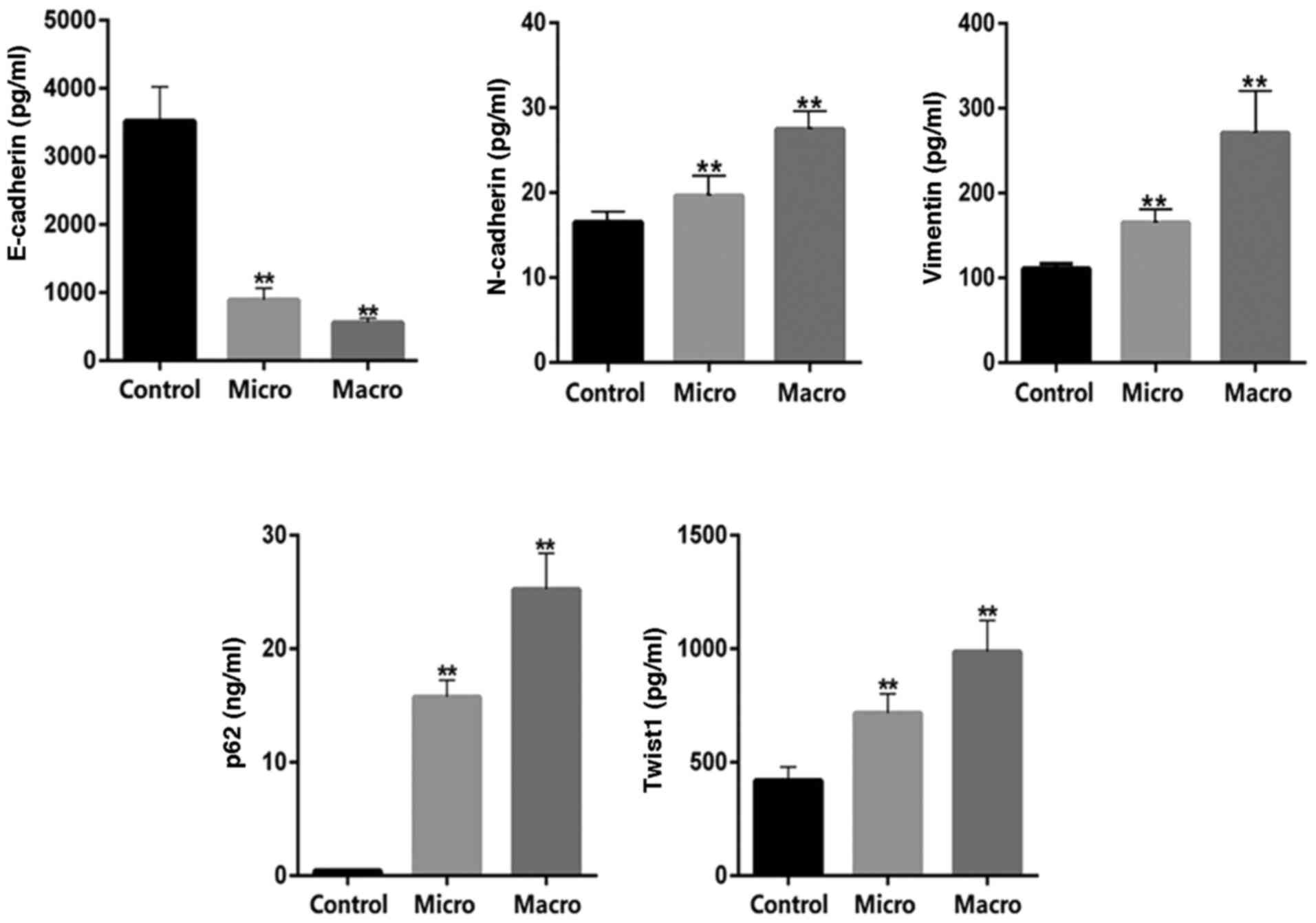
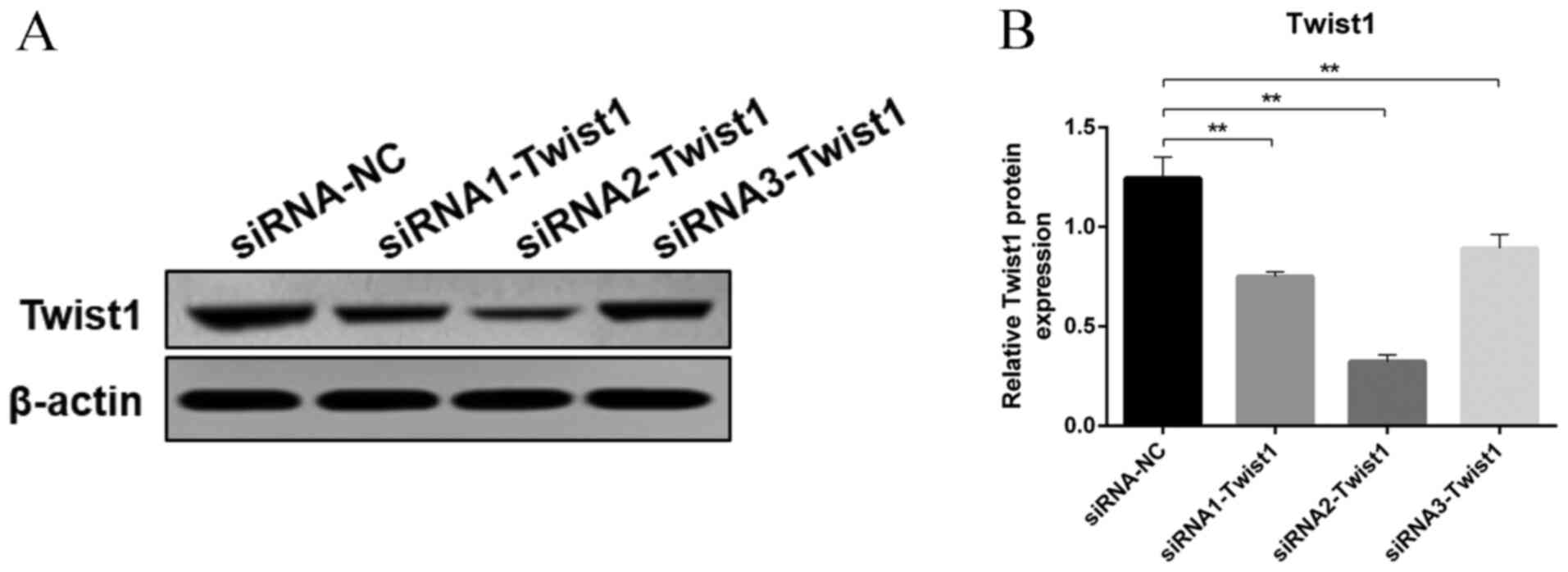
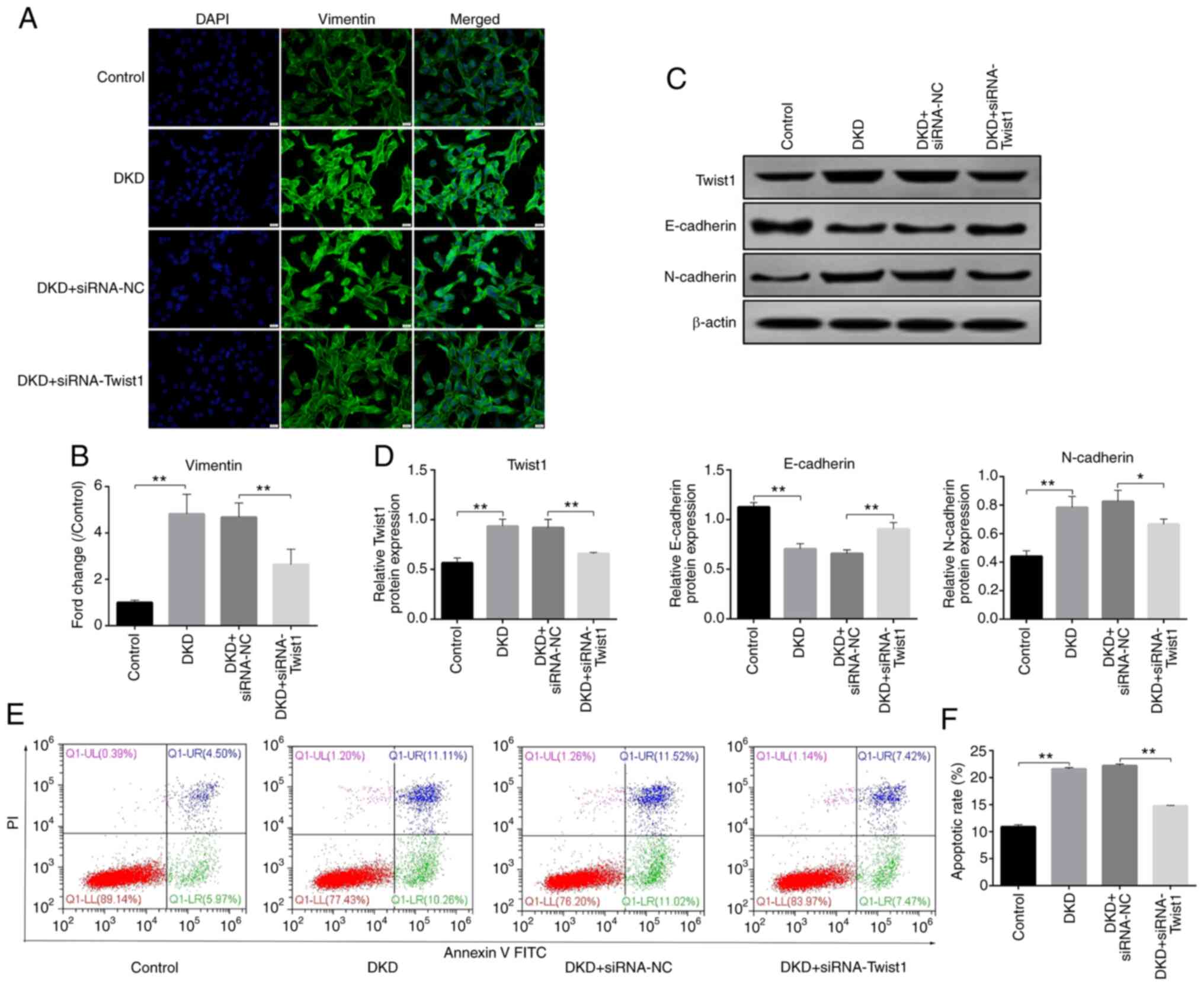
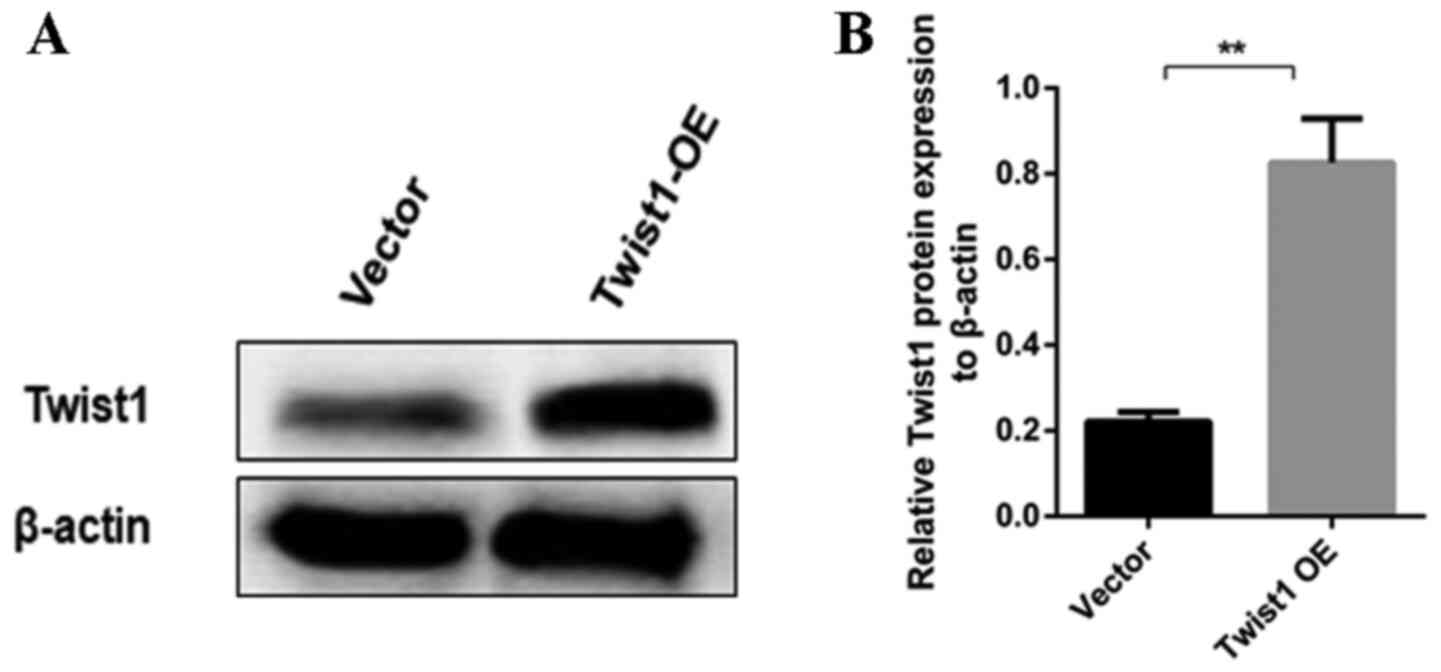
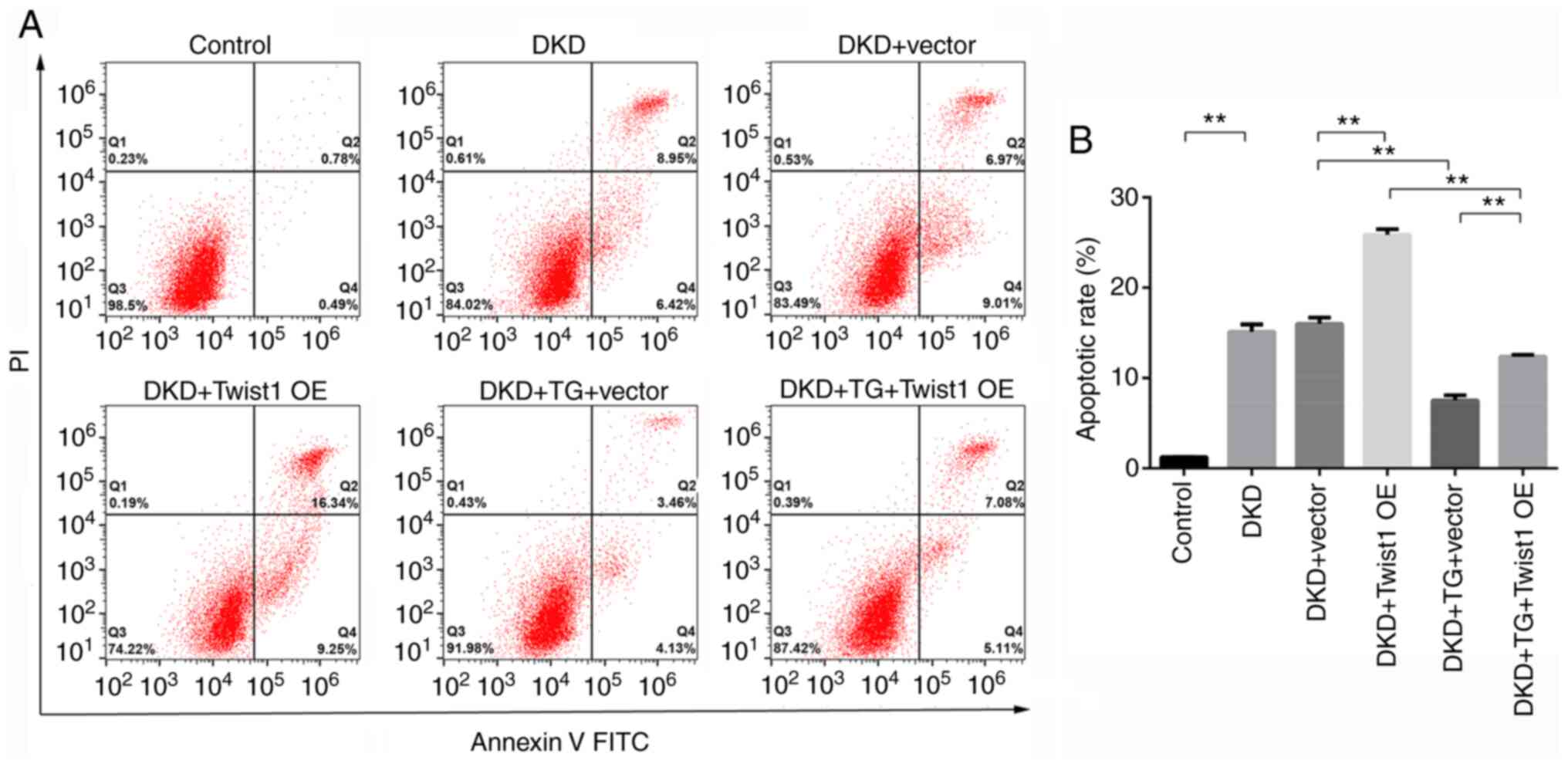
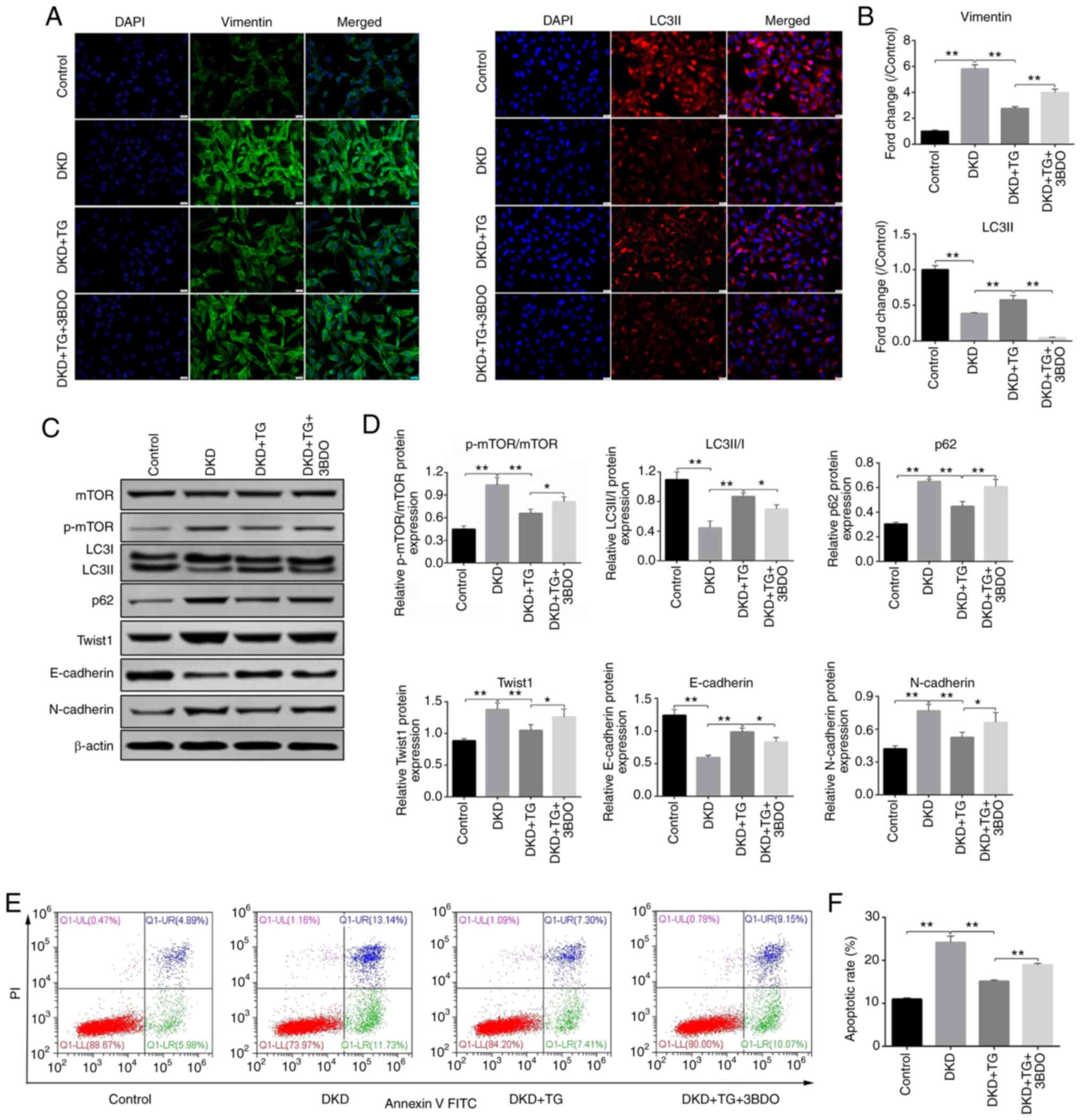
Tripterygium glycoside (TG) is a traditional Chinese medicine extract with immunosuppressive, anti‑inflammatory and anti‑renal fibrosis effects. Epithelial‑mesenchymal transition (EMT) and cell apoptosis are considered to be the major cause of podocyte injury in diabetic kidney disease (DKD). However, it remains unknown as to whether TG is able to alleviate podocyte injury to prevent DKD progression. Therefore, the present study aimed to clarify the podocyte protective effects of TG on DKD. TG, Twist1 small interfering RNA (siRNA) and Twist1 overexpression vector were added to DKD mouse serum‑induced podocytes in vitro. Autophagic and EMT activities were evaluated by immunofluorescence staining and western blot analysis. Apoptotic activity was evaluated by Annexin V‑FITC/PI flow cytometric analysis. The results revealed that after treatment with DKD mouse serum, autophagy was decreased, whereas EMT and apoptotic rate were increased, in podocytes. In addition, Twist1 expression was increased in DKD‑induced podocytes. Furthermore, following Twist1‑small interfering RNA transfection, the DKD‑induced podocyte EMT and apoptotic rate were markedly reduced, indicating that Twist1 may be a promising therapeutic target for DKD. The present results also revealed that overexpression of Twist1 increased podocyte apoptosis, although this was decreased after TG treatment, indicating that TG may exhibit a protective effect on podocytes by inhibiting the Twist1 signaling pathway. After the addition of 3‑benzyl‑5‑((2‑nitrophenoxy) methyl)‑dihydrofuran‑2(3H)‑one, an activator of mTORC1, the effects of TG on podocyte EMT, apoptosis and the autophagy were reversed. These findings indicated that TG may alleviate EMT and apoptosis by upregulating autophagy through the mTOR/Twist1 signaling pathway in DKD.
View Figures

Figure 1

Figure 2

Figure 3

Figure 4

Figure 5

Figure 6

Figure 7

View References

1 

Saran R, Robinson B, Abbott KC, Agodoa LYC, Albertus P, Ayanian J, Balkrishnan R, Bragg-Gresham J, Cao J, Chen JL, et al: US Renal Data System 2016 Annual Data Report: epidemiology of kidney disease in the United States. Am J Kidney Dis. 69 (Suppl 1):A7–A8. 2017. View Article : Google Scholar : PubMed/NCBI

2 

Matoba K, Takeda Y, Nagai Y, Kawanami D, Utsunomiya K and Nishimura R: Unraveling the role of inflammation in the pathogenesis of diabetic kidney disease. Int J Mol Sci. 20:33932019. View Article : Google Scholar : PubMed/NCBI

3 

Stitt-Cavanagh E, MacLeod L and Kennedy C: The podocyte in diabetic kidney disease. ScientificWorldJournal. 9:1127–1139. 2009. View Article : Google Scholar : PubMed/NCBI

4 

Guo J, Xia N, Yang L, Zhou S, Zhang Q, Qiao Y and Liu Z: GSK-3beta and vitamin D receptor are involved in beta-catenin and snail signaling in high glucose-induced epithelial-mesenchymal transition of mouse podocytes. Cell Physiol Biochem. 33:1087–1096. 2014. View Article : Google Scholar : PubMed/NCBI

5 

Li Y, Kang YS, Dai C, Kiss LP, Wen X and Liu Y: Epithelia-to-mesenchymal transition is a potential pathway leading to podocyte dysfunction and proteinuria. Am J Pathol. 172:299–308. 2008. View Article : Google Scholar : PubMed/NCBI

6 

Liu L, Fu W, Xu J, Shao L and Wang Y: Effect of BMP7 on podocyte transdifferentiation and Smad7 expression induced by hyperglycemia. Clin Nephrol. 84:95–99. 2015. View Article : Google Scholar : PubMed/NCBI

7 

Dai HY, Zheng M, Tang RN, Ni J, Ma KL, Li Q and Liu BC: Effects of angiotensin receptor blocker on phenotypic alterations of podocytes in early diabetic nephropathy. Am J Med Sci. 341:207–214. 2011. View Article : Google Scholar : PubMed/NCBI

8 

Kang YS, Li Y, Dai C, Kiss LP, Wu C and Liu Y: Inhibition of integrin-linked kinase blocks podocyte epithelial-mesenchymal transition and ameliorates proteinuria. Kidney Int. 78:363–373. 2010. View Article : Google Scholar : PubMed/NCBI

9 

Jin J, Zhang Z, Chen J, Liu Y, Chen Q and Wang Q: Jixuepaidu Tang-1 inhibits epithelial-mesenchymal transition and alleviates renal damage in DN mice through suppressing long non-coding RNA LOC498759. Cell Cycle. 18:3125–3136. 2019. View Article : Google Scholar : PubMed/NCBI

10 

Li CX, Xia M, Han WQ, Li XX, Zhang C, Boini KM, Liu XC and Li PL: Reversal by growth hormone of homocysteine-induced epithelial-to-mesenchymal transition through membrane raft-redox signaling in podocytes. Cell Physiol Biochem. 27:691–702. 2011. View Article : Google Scholar : PubMed/NCBI

11 

Yamaguchi Y, Iwano M, Suzuki D, Nakatani K, Kimura K, Harada K, Kubo A, Akai Y, Toyoda M, Kanauchi M, et al: Epithelial-mesenchymal transition as a potential explanation for podocyte depletion in diabetic nephropathy. Am J Kidney Dis. 54:653–664. 2009. View Article : Google Scholar : PubMed/NCBI

12 

Doublier S, Salvidio G, Lupia E, Ruotsalainen V, Verzola D, Deferrari G and Camussi G: Nephrin expression is reduced in human diabetic nephropathy: Evidence for a distinct role for glycated albumin and angiotensin II. Diabetes. 52:1023–1030. 2003. View Article : Google Scholar : PubMed/NCBI

13 

Ravikumar B, Sarkar S, Davies JE, Futter M, Garcia-Arencibia M, Green-Thompson ZW, Jimenez-Sanchez M, Korolchuk VI, Lichtenberg M, Luo S, et al: Regulation of mammalian autophagy in physiology and pathophysiology. Physiol Rev. 90:1383–1435. 2010. View Article : Google Scholar : PubMed/NCBI

14 

Yasuda-Yamahara M, Kume S, Tagawa A, Maegawa H and Uzu T: Emerging role of podocyte autophagy in the progression of diabetic nephropathy. Autophagy. 11:2385–2386. 2015. View Article : Google Scholar : PubMed/NCBI

15 

Li G, Li CX, Xia M, Ritter JK, Gehr TW, Boini K and Li PL: Enhanced epithelial-to-mesenchymal transition associated with lysosome dysfunction in podocytes: role of p62/Sequestosome 1 as a signaling hub. Cell Physiol Biochem. 35:1773–1786. 2015. View Article : Google Scholar : PubMed/NCBI

16 

Shibue T and Weinberg RA: EMT, CSCs, and drug resistance: The mechanistic link and clinical implications. Nat Rev Clin Oncol. 14:611–629. 2017. View Article : Google Scholar : PubMed/NCBI

17 

Meng J, Chen S, Han JX, Qian B, Wang XR, Zhong WL, Qin Y, Zhang H, Gao WF, Lei YY, et al: Twist1 regulates vimentin through Cul2 circular RNA to promote EMT in hepatocellular carcinoma. Cancer Res. 78:4150–4162. 2018. View Article : Google Scholar : PubMed/NCBI

18 

Liu W, Zhang B, Xu N, Wang MJ and Liu Q: miR-326 regulates EMT and metastasis of endometrial cancer through targeting TWIST1. Eur Rev Med Pharmacol Sci. 21:3787–3793. 2017.PubMed/NCBI

19 

Qiang L and He YY: Autophagy deficiency stabilizes TWIST1 to promote epithelial-mesenchymal transition. Autophagy. 10:1864–1865. 2014. View Article : Google Scholar : PubMed/NCBI

20 

Cui J, Chen X and Su JC: Advanced progress of main pharmacology activities of triptolide. Zhongguo Zhongyao Zazhi. 42:2655–2658. 2017.(In Chinese). PubMed/NCBI

21 

Zhang H, Sun W, Wan Y, Che X, He F, Pu H and Dou C: Preventive effects of multi-glycoside of Tripterygium wilfordii on glomerular lesions in experimental diabetic nephropathy. Zhongguo Zhongyao Zazhi. 35:1460–1465. 2010.(In Chinese). PubMed/NCBI

22 

Ma RX, Zhao N and Zhang W: The effects and mechanism of Tripterygium wilfordii Hook F combination with irbesartan on urinary podocyte excretion in diabetic nephropathy patients. Zhonghua Nei Ke Za Zhi. 52:469–473. 2013.(In Chinese). PubMed/NCBI

23 

Sethi S, Haas M, Markowitz GS, D'Agati VD, Rennke HG, Jennette JC, Bajema IM, Alpers CE, Chang A, Cornell LD, et al: Mayo clinic/renal pathology society consensus report on pathologic classification, diagnosis, and reporting of GN. J Am Soc Nephrol. 27:1278–1287. 2016. View Article : Google Scholar : PubMed/NCBI

24 

de Cabo R, Fürer-Galbán S, Anson RM, Gilman C, Gorospe M and Lane MA: An in vitro model of caloric restriction. Exp Gerontol. 38:631–639. 2003. View Article : Google Scholar : PubMed/NCBI

25 

National Research Council Committee for the Update of the Guide for the C and Use of Laboratory A, . The National Academies Collection: Reports funded by National Institutes of Health. Guide for the Care and Use of Laboratory Animals National Academies Press Copyright© 2011. National Academy of Sciences; Washington, DC: 2011

26 

Zhan H, Jin J, Liang S, Zhao L, Gong J and He Q: Tripterygium glycoside protects diabetic kidney disease mouse serum-induced podocyte injury by upregulating autophagy and downregulating β-arrestin-1. Histol Histopathol. 34:943–952. 2019.PubMed/NCBI

27 

Xia M, Conley SM, Li G, Li PL and Boini KM: Inhibition of hyperhomocysteinemia-induced inflammasome activation and glomerular sclerosis by NLRP3 gene deletion. Cell Physiol Biochem. 34:829–841. 2014. View Article : Google Scholar : PubMed/NCBI

28 

Rastaldi MP, Ferrario F, Giardino L, Dell'Antonio G, Grillo C, Grillo P, Strutz F, Müller GA, Colasanti G and D'Amico G: Epithelial-mesenchymal transition of tubular epithelial cells in human renal biopsies. Kidney Int. 62:137–146. 2002. View Article : Google Scholar : PubMed/NCBI

29 

Zeisberg M and Kalluri R: The role of epithelial-to-mesenchymal transition in renal fibrosis. J Mol Med (Berl). 82:175–181. 2004. View Article : Google Scholar : PubMed/NCBI

30 

Reidy K and Susztak K: Epithelial-mesenchymal transition and podocyte loss in diabetic kidney disease. Am J Kidney Dis. 54:590–593. 2009. View Article : Google Scholar : PubMed/NCBI

31 

Srivastava SP, Koya D and Kanasaki K: MicroRNAs in kidney fibrosis and diabetic nephropathy: Roles on EMT and EndMT. BioMed Res Int. 2013:1254692013. View Article : Google Scholar : PubMed/NCBI

32 

Loeffler I and Wolf G: Epithelial-to-mesenchymal transition in diabetic nephropathy: Fact or Fiction? Cells. 4:631–652. 2015. View Article : Google Scholar : PubMed/NCBI

33 

Hills CE and Squires PE: The role of TGF-β and epithelial-to mesenchymal transition in diabetic nephropathy. Cytokine Growth Factor Rev. 22:131–139. 2011.PubMed/NCBI

34 

Li XY, Wang SS, Han Z, Han F, Chang YP, Yang Y, Xue M, Sun B and Chen LM: Triptolide restores autophagy to alleviate diabetic renal fibrosis through the miR-141-3p/PTEN/Akt/mTOR pathway. Mol Ther Nucleic Acids. 9:48–56. 2017. View Article : Google Scholar : PubMed/NCBI

35 

Liu Y: New insights into epithelial-mesenchymal transition in kidney fibrosis. J Am Soc Nephrol. 21:212–222. 2010. View Article : Google Scholar : PubMed/NCBI

36 

Dai H, Liu Q and Liu B: Research progress on mechanism of podocyte depletion in diabetic nephropathy. J Diabetes Res. 2017:26152862017. View Article : Google Scholar : PubMed/NCBI

37 

Wang J, Chen N, Fang L, Feng Z, Li G, Mucelli A, Zhang X and Zhou X: A systematic review about the efficacy and safety of Tripterygium wilfordii Hook.f. preparations used for the management of rheumatoid arthritis. Evid Based Complement Alternat Med. 2018:15674632018.PubMed/NCBI

38 

Gao Q, Shen W, Qin W, Zheng C, Zhang M, Zeng C, Wang S, Wang J, Zhu X and Liu Z: Treatment of db/db diabetic mice with triptolide: A novel therapy for diabetic nephropathy. Nephrol Dial Transplant. 25:3539–3547. 2010. View Article : Google Scholar : PubMed/NCBI

39 

Ge Y, Xie H, Li S, Jin B, Hou J, Zhang H, Shi M and Liu Z: Treatment of diabetic nephropathy with Tripterygium wilfordii Hook F extract: A prospective, randomized, controlled clinical trial. J Transl Med. 11:134. 2013. View Article : Google Scholar : PubMed/NCBI

40 

Guo H, Pan C, Chang B, Wu X, Guo J, Zhou Y, Liu H, Zhu Z, Chang B and Chen L: Triptolide Improves Diabetic Nephropathy by Regulating Th Cell Balance and Macrophage Infiltration in Rat Models of Diabetic Nephropathy. Exp Clin Endocrinol Diabetes. 124:389–398. 2016. View Article : Google Scholar : PubMed/NCBI

41 

Chen ZH, Qin WS, Zeng CH, Zheng CX, Hong YM, Lu YZ, Li LS and Liu ZH: Triptolide reduces proteinuria in experimental membranous nephropathy and protects against C5b-9-induced podocyte injury in vitro. Kidney Int. 77:974–988. 2010. View Article : Google Scholar : PubMed/NCBI

42 

Gong J, Jin J, Zhao L, Li Y, Li Y and He Q: Tripterygium glycoside protects against puromycin amino nucleoside-induced podocyte injury by upregulating autophagy. Int J Mol Med. 42:115–122. 2018.PubMed/NCBI

43 

Chan SF, Chen YY, Lin JJ, Liao CL, Ko YC, Tang NY, Kuo CL, Liu KC and Chung JG: Triptolide induced cell death through apoptosis and autophagy in murine leukemia WEHI-3 cells in vitro and promoting immune responses in WEHI-3 generated leukemia mice in vivo. Environ Toxicol. 32:550–568. 2017. View Article : Google Scholar : PubMed/NCBI

44 

Zhao F, Huang W, Zhang Z, Mao L, Han Y, Yan J and Lei M: Triptolide induces protective autophagy through activation of the CaMKKβ-AMPK signaling pathway in prostate cancer cells. Oncotarget. 7:5366–5382. 2016. View Article : Google Scholar : PubMed/NCBI

45 

Xin W, Li Z, Xu Y, Yu Y, Zhou Q, Chen L and Wan Q: Autophagy protects human podocytes from high glucose-induced injury by preventing insulin resistance. Metabolism. 65:1307–1315. 2016. View Article : Google Scholar : PubMed/NCBI

46 

Rodon J, Dienstmann R, Serra V and Tabernero J: Development of PI3K inhibitors: Lessons learned from early clinical trials. Nat Rev Clin Oncol. 10:143–153. 2013. View Article : Google Scholar : PubMed/NCBI

47 

Han F, Xue M, Chang Y, Li X, Yang Y, Sun B and Chen L: Triptolide suppresses glomerular mesangial cell proliferation in diabetic nephropathy is associated with inhibition of PDK1/Akt/mTOR pathway. Int J Biol Sci. 13:1266–1275. 2017. View Article : Google Scholar : PubMed/NCBI

48 

Lamouille S and Derynck R: Cell size and invasion in TGF-beta-induced epithelial to mesenchymal transition is regulated by activation of the mTOR pathway. J Cell Biol. 178:437–451. 2007. View Article : Google Scholar : PubMed/NCBI

49 

Wang F, Li H, Yan XG, Zhou ZW, Yi ZG, He ZX, Pan ST, Yang YX, Wang ZZ, Zhang X, et al: Alisertib induces cell cycle arrest and autophagy and suppresses epithelial-to-mesenchymal transition involving PI3K/Akt/mTOR and sirtuin 1-mediated signaling pathways in human pancreatic cancer cells. Drug Des Devel Ther. 9:575–601. 2015.PubMed/NCBI

Related Articles

  • Abstract
  • View
  • Download
  • Twitter
Copy and paste a formatted citation
Spandidos Publications style
Tao M, Zheng D, Liang X, Wu D, Hu K, Jin J and He Q: Tripterygium glycoside suppresses epithelial‑to‑mesenchymal transition of diabetic kidney disease podocytes by targeting autophagy through the mTOR/Twist1 pathway. Mol Med Rep 24: 592, 2021.
APA
Tao, M., Zheng, D., Liang, X., Wu, D., Hu, K., Jin, J., & He, Q. (2021). Tripterygium glycoside suppresses epithelial‑to‑mesenchymal transition of diabetic kidney disease podocytes by targeting autophagy through the mTOR/Twist1 pathway. Molecular Medicine Reports, 24, 592. https://doi.org/10.3892/mmr.2021.12231
MLA
Tao, M., Zheng, D., Liang, X., Wu, D., Hu, K., Jin, J., He, Q."Tripterygium glycoside suppresses epithelial‑to‑mesenchymal transition of diabetic kidney disease podocytes by targeting autophagy through the mTOR/Twist1 pathway". Molecular Medicine Reports 24.2 (2021): 592.
Chicago
Tao, M., Zheng, D., Liang, X., Wu, D., Hu, K., Jin, J., He, Q."Tripterygium glycoside suppresses epithelial‑to‑mesenchymal transition of diabetic kidney disease podocytes by targeting autophagy through the mTOR/Twist1 pathway". Molecular Medicine Reports 24, no. 2 (2021): 592. https://doi.org/10.3892/mmr.2021.12231
Copy and paste a formatted citation
x
Spandidos Publications style
Tao M, Zheng D, Liang X, Wu D, Hu K, Jin J and He Q: Tripterygium glycoside suppresses epithelial‑to‑mesenchymal transition of diabetic kidney disease podocytes by targeting autophagy through the mTOR/Twist1 pathway. Mol Med Rep 24: 592, 2021.
APA
Tao, M., Zheng, D., Liang, X., Wu, D., Hu, K., Jin, J., & He, Q. (2021). Tripterygium glycoside suppresses epithelial‑to‑mesenchymal transition of diabetic kidney disease podocytes by targeting autophagy through the mTOR/Twist1 pathway. Molecular Medicine Reports, 24, 592. https://doi.org/10.3892/mmr.2021.12231
MLA
Tao, M., Zheng, D., Liang, X., Wu, D., Hu, K., Jin, J., He, Q."Tripterygium glycoside suppresses epithelial‑to‑mesenchymal transition of diabetic kidney disease podocytes by targeting autophagy through the mTOR/Twist1 pathway". Molecular Medicine Reports 24.2 (2021): 592.
Chicago
Tao, M., Zheng, D., Liang, X., Wu, D., Hu, K., Jin, J., He, Q."Tripterygium glycoside suppresses epithelial‑to‑mesenchymal transition of diabetic kidney disease podocytes by targeting autophagy through the mTOR/Twist1 pathway". Molecular Medicine Reports 24, no. 2 (2021): 592. https://doi.org/10.3892/mmr.2021.12231
Follow us
  • Twitter
  • LinkedIn
  • Facebook
About
  • Spandidos Publications
  • Careers
  • Cookie Policy
  • Privacy Policy
How can we help?
  • Help
  • Live Chat
  • Contact
  • Email to our Support Team