Spandidos Publications Logo
  • About
    • About Spandidos
    • Aims and Scopes
    • Abstracting and Indexing
    • Editorial Policies
    • Reprints and Permissions
    • Job Opportunities
    • Terms and Conditions
    • Contact
  • Journals
    • All Journals
    • Oncology Letters
      • Oncology Letters
      • Information for Authors
      • Editorial Policies
      • Editorial Board
      • Aims and Scope
      • Abstracting and Indexing
      • Bibliographic Information
      • Archive
    • International Journal of Oncology
      • International Journal of Oncology
      • Information for Authors
      • Editorial Policies
      • Editorial Board
      • Aims and Scope
      • Abstracting and Indexing
      • Bibliographic Information
      • Archive
    • Molecular and Clinical Oncology
      • Molecular and Clinical Oncology
      • Information for Authors
      • Editorial Policies
      • Editorial Board
      • Aims and Scope
      • Abstracting and Indexing
      • Bibliographic Information
      • Archive
    • Experimental and Therapeutic Medicine
      • Experimental and Therapeutic Medicine
      • Information for Authors
      • Editorial Policies
      • Editorial Board
      • Aims and Scope
      • Abstracting and Indexing
      • Bibliographic Information
      • Archive
    • International Journal of Molecular Medicine
      • International Journal of Molecular Medicine
      • Information for Authors
      • Editorial Policies
      • Editorial Board
      • Aims and Scope
      • Abstracting and Indexing
      • Bibliographic Information
      • Archive
    • Biomedical Reports
      • Biomedical Reports
      • Information for Authors
      • Editorial Policies
      • Editorial Board
      • Aims and Scope
      • Abstracting and Indexing
      • Bibliographic Information
      • Archive
    • Oncology Reports
      • Oncology Reports
      • Information for Authors
      • Editorial Policies
      • Editorial Board
      • Aims and Scope
      • Abstracting and Indexing
      • Bibliographic Information
      • Archive
    • Molecular Medicine Reports
      • Molecular Medicine Reports
      • Information for Authors
      • Editorial Policies
      • Editorial Board
      • Aims and Scope
      • Abstracting and Indexing
      • Bibliographic Information
      • Archive
    • World Academy of Sciences Journal
      • World Academy of Sciences Journal
      • Information for Authors
      • Editorial Policies
      • Editorial Board
      • Aims and Scope
      • Abstracting and Indexing
      • Bibliographic Information
      • Archive
    • International Journal of Functional Nutrition
      • International Journal of Functional Nutrition
      • Information for Authors
      • Editorial Policies
      • Editorial Board
      • Aims and Scope
      • Abstracting and Indexing
      • Bibliographic Information
      • Archive
    • International Journal of Epigenetics
      • International Journal of Epigenetics
      • Information for Authors
      • Editorial Policies
      • Editorial Board
      • Aims and Scope
      • Abstracting and Indexing
      • Bibliographic Information
      • Archive
    • Medicine International
      • Medicine International
      • Information for Authors
      • Editorial Policies
      • Editorial Board
      • Aims and Scope
      • Abstracting and Indexing
      • Bibliographic Information
      • Archive
  • Articles
  • Information
    • Information for Authors
    • Information for Reviewers
    • Information for Librarians
    • Information for Advertisers
    • Conferences
  • Language Editing
Spandidos Publications Logo
  • About
    • About Spandidos
    • Aims and Scopes
    • Abstracting and Indexing
    • Editorial Policies
    • Reprints and Permissions
    • Job Opportunities
    • Terms and Conditions
    • Contact
  • Journals
    • All Journals
    • Biomedical Reports
      • Information for Authors
      • Editorial Policies
      • Editorial Board
      • Aims and Scope
      • Abstracting and Indexing
      • Bibliographic Information
      • Archive
    • Experimental and Therapeutic Medicine
      • Information for Authors
      • Editorial Policies
      • Editorial Board
      • Aims and Scope
      • Abstracting and Indexing
      • Bibliographic Information
      • Archive
    • International Journal of Epigenetics
      • Information for Authors
      • Editorial Policies
      • Editorial Board
      • Aims and Scope
      • Abstracting and Indexing
      • Bibliographic Information
      • Archive
    • International Journal of Functional Nutrition
      • Information for Authors
      • Editorial Policies
      • Editorial Board
      • Aims and Scope
      • Abstracting and Indexing
      • Bibliographic Information
      • Archive
    • International Journal of Molecular Medicine
      • Information for Authors
      • Editorial Policies
      • Editorial Board
      • Aims and Scope
      • Abstracting and Indexing
      • Bibliographic Information
      • Archive
    • International Journal of Oncology
      • Information for Authors
      • Editorial Policies
      • Editorial Board
      • Aims and Scope
      • Abstracting and Indexing
      • Bibliographic Information
      • Archive
    • Medicine International
      • Information for Authors
      • Editorial Policies
      • Editorial Board
      • Aims and Scope
      • Abstracting and Indexing
      • Bibliographic Information
      • Archive
    • Molecular and Clinical Oncology
      • Information for Authors
      • Editorial Policies
      • Editorial Board
      • Aims and Scope
      • Abstracting and Indexing
      • Bibliographic Information
      • Archive
    • Molecular Medicine Reports
      • Information for Authors
      • Editorial Policies
      • Editorial Board
      • Aims and Scope
      • Abstracting and Indexing
      • Bibliographic Information
      • Archive
    • Oncology Letters
      • Information for Authors
      • Editorial Policies
      • Editorial Board
      • Aims and Scope
      • Abstracting and Indexing
      • Bibliographic Information
      • Archive
    • Oncology Reports
      • Information for Authors
      • Editorial Policies
      • Editorial Board
      • Aims and Scope
      • Abstracting and Indexing
      • Bibliographic Information
      • Archive
    • World Academy of Sciences Journal
      • Information for Authors
      • Editorial Policies
      • Editorial Board
      • Aims and Scope
      • Abstracting and Indexing
      • Bibliographic Information
      • Archive
  • Articles
  • Information
    • For Authors
    • For Reviewers
    • For Librarians
    • For Advertisers
    • Conferences
  • Language Editing
Login Register Submit
  • This site uses cookies
  • You can change your cookie settings at any time by following the instructions in our Cookie Policy. To find out more, you may read our Privacy Policy.

    I agree
Search articles by DOI, keyword, author or affiliation
Search
Advanced Search
presentation
Molecular Medicine Reports
Join Editorial Board Propose a Special Issue
Print ISSN: 1791-2997 Online ISSN: 1791-3004
Journal Cover
September-2022 Volume 26 Issue 3

Full Size Image

Sign up for eToc alerts
Recommend to Library

Journals

International Journal of Molecular Medicine

International Journal of Molecular Medicine

International Journal of Molecular Medicine is an international journal devoted to molecular mechanisms of human disease.

International Journal of Oncology

International Journal of Oncology

International Journal of Oncology is an international journal devoted to oncology research and cancer treatment.

Molecular Medicine Reports

Molecular Medicine Reports

Covers molecular medicine topics such as pharmacology, pathology, genetics, neuroscience, infectious diseases, molecular cardiology, and molecular surgery.

Oncology Reports

Oncology Reports

Oncology Reports is an international journal devoted to fundamental and applied research in Oncology.

Experimental and Therapeutic Medicine

Experimental and Therapeutic Medicine

Experimental and Therapeutic Medicine is an international journal devoted to laboratory and clinical medicine.

Oncology Letters

Oncology Letters

Oncology Letters is an international journal devoted to Experimental and Clinical Oncology.

Biomedical Reports

Biomedical Reports

Explores a wide range of biological and medical fields, including pharmacology, genetics, microbiology, neuroscience, and molecular cardiology.

Molecular and Clinical Oncology

Molecular and Clinical Oncology

International journal addressing all aspects of oncology research, from tumorigenesis and oncogenes to chemotherapy and metastasis.

World Academy of Sciences Journal

World Academy of Sciences Journal

Multidisciplinary open-access journal spanning biochemistry, genetics, neuroscience, environmental health, and synthetic biology.

International Journal of Functional Nutrition

International Journal of Functional Nutrition

Open-access journal combining biochemistry, pharmacology, immunology, and genetics to advance health through functional nutrition.

International Journal of Epigenetics

International Journal of Epigenetics

Publishes open-access research on using epigenetics to advance understanding and treatment of human disease.

Medicine International

Medicine International

An International Open Access Journal Devoted to General Medicine.

Journal Cover
September-2022 Volume 26 Issue 3

Full Size Image

Sign up for eToc alerts
Recommend to Library

  • Article
  • Citations
    • Cite This Article
    • Download Citation
    • Create Citation Alert
    • Remove Citation Alert
    • Cited By
  • Similar Articles
    • Related Articles (in Spandidos Publications)
    • Similar Articles (Google Scholar)
    • Similar Articles (PubMed)
  • Download PDF
  • Download XML
  • View XML
Article Open Access

Adipose‑derived mesenchymal stem cell‑derived HCAR1 regulates immune response in the attenuation of sepsis

  • Authors:
    • Hongyan Wang
    • Pengfei Xuan
    • Hongjun Tian
    • Xinyu Hao
    • Jingping Yang
    • Xiyuan Xu
    • Lixia Qiao
  • View Affiliations / Copyright

    Affiliations: Department of Respiratory and Critical Medicine, The Third Affiliated Hospital of Inner Mongolia Medical University, Baotou, Inner Mongolia Autonomous Region 014010, P.R. China
    Copyright: © Wang et al. This is an open access article distributed under the terms of Creative Commons Attribution License.
  • Article Number: 279
    |
    Published online on: July 15, 2022
       https://doi.org/10.3892/mmr.2022.12795
  • Expand metrics +
Metrics: Total Views: 0 (Spandidos Publications: | PMC Statistics: )
Metrics: Total PDF Downloads: 0 (Spandidos Publications: | PMC Statistics: )
Cited By (CrossRef): 0 citations Loading Articles...

This article is mentioned in:


Abstract

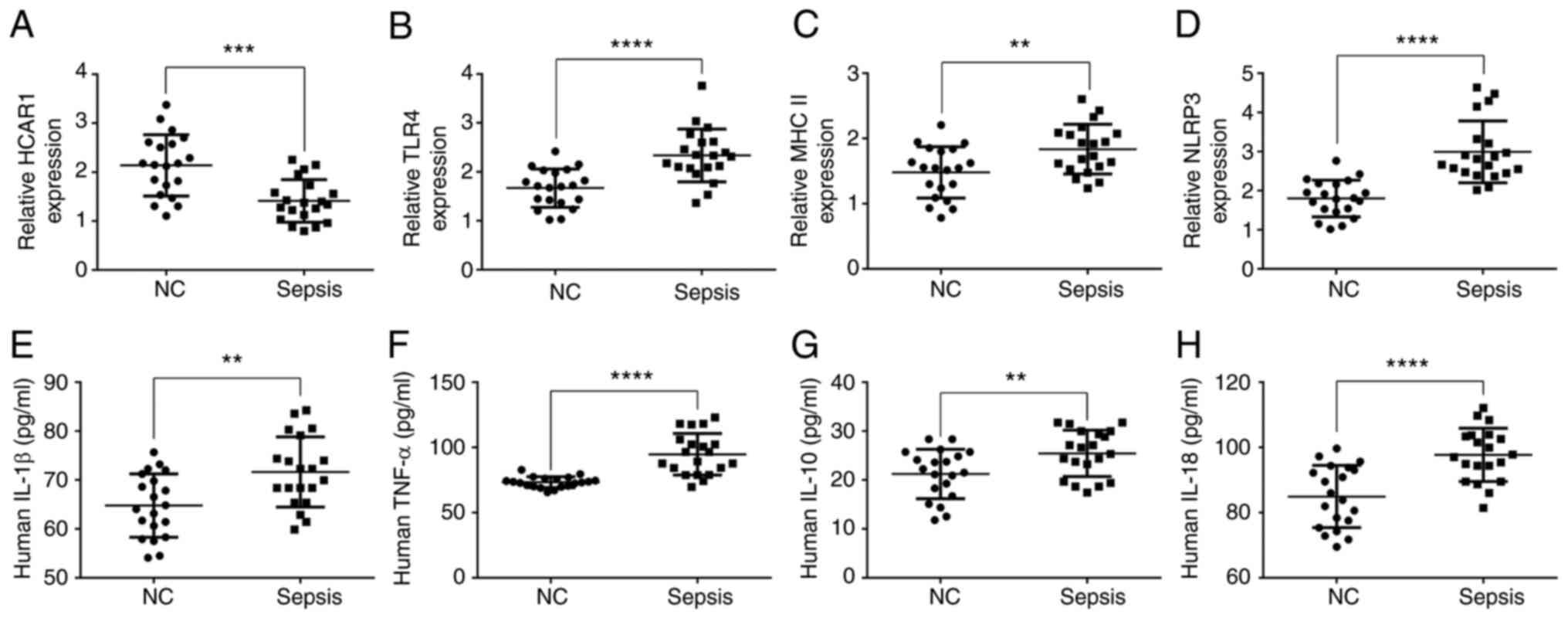
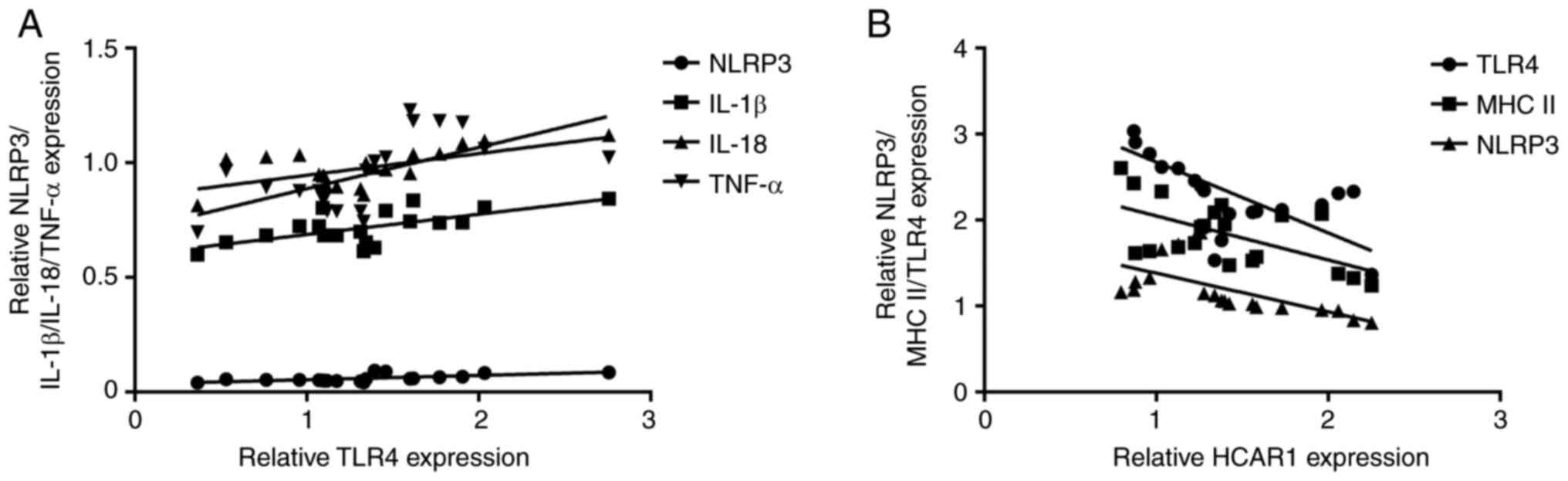
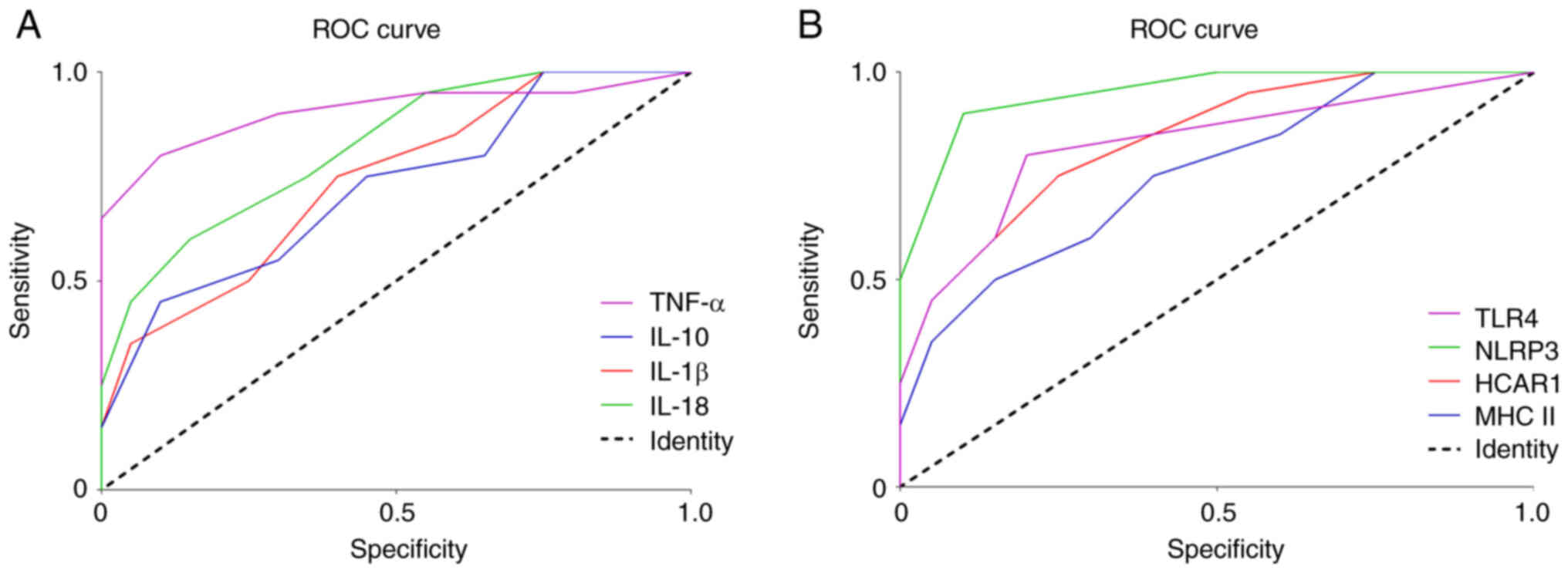
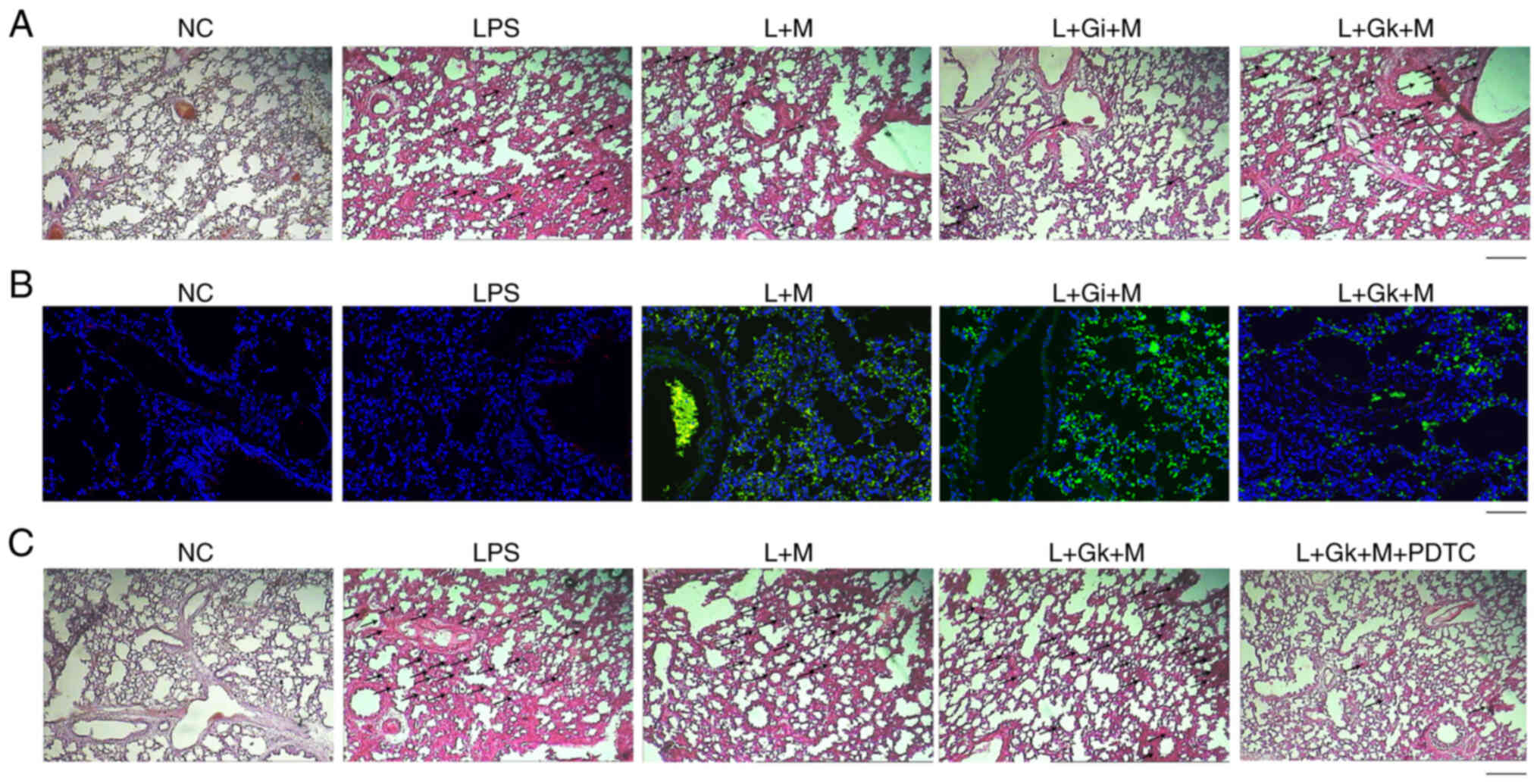
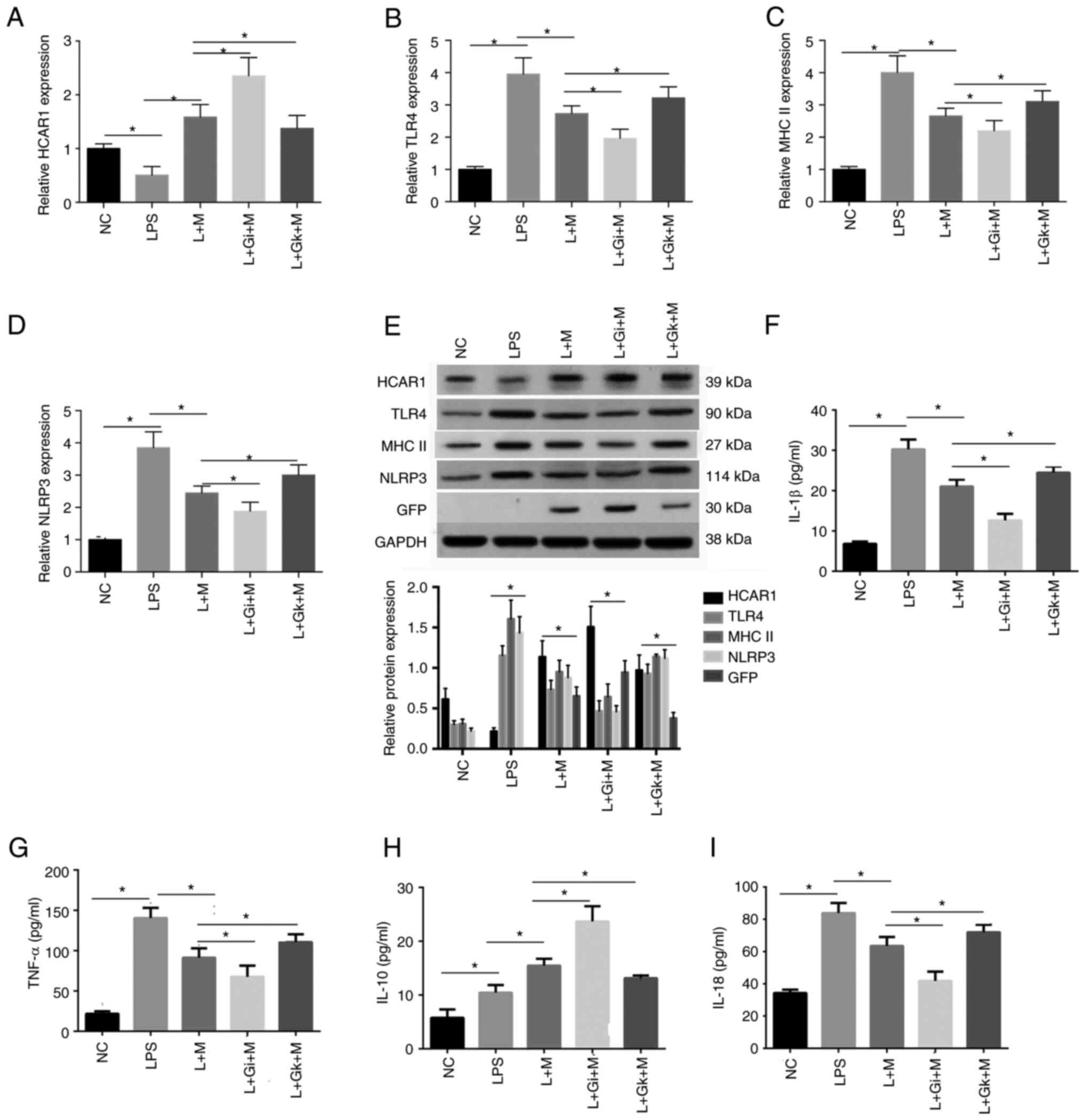
Sepsis serves as a leading cause of admission to and death of patients in the intensive care unit (ICU) and is described as a systemic inflammatory response syndrome caused by abnormal host response to infection. Adipose‑derived mesenchymal stem cells (ADSCs) have exhibited reliable and promising clinical application potential in multiple disorders. However, the function and the mechanism of ADSCs in sepsis remain elusive. In the present study, the crucial inhibitory effect of ADSC‑derived hydroxy‑carboxylic acid receptor 1 (HCAR1) on sepsis was identified. Reverse transcription quantitative‑PCR determined that the mRNA expression of HCAR1 was reduced while the mRNA expression of Toll‑like receptor 4 (TLR4), major histocompatibility complex class II (MHC II), NOD‑like receptor family pyrin domain containing 3 (NLRP3), and the levels of interleukin‑1β (IL‑1β), tumor necrosis factor‑α (TNF‑α), interleukin‑10 (IL‑10), and interleukin‑18 (IL‑18) were enhanced in the peripheral blood of patients with sepsis. The expression of HCAR1 was negatively correlated with TLR4 (r=‑0.666), MHC II (r=‑0.587), and NLRP3 (r=‑0.621) expression and the expression of TLR4 was positively correlated with NLRP3 (r=0.641), IL‑1β (r=0.666), TNF‑α (r=0.606), and IL‑18 (r=0.624) levels in the samples. Receiver operating characteristic (ROC) curve analysis revealed that the area under the ROC curve (AUC) of HCAR1, TLR4, MHC II and NLRP3 mRNA expression was 0.830, 0.853, 0.735 and 0.945, respectively, in which NLRP3 exhibited the highest diagnostic value, and the AUC values of IL‑1β, IL‑18, TNF‑α, and IL‑10 were 0.751, 0.841, 0.924 and 0.729, respectively, in which TNF‑α exhibited the highest diagnostic value. A sepsis rat model was established by injecting lipopolysaccharide (LPS) and the rats were randomly divided into 5 groups, including a normal control group (NC group; n=6), a sepsis model group (LPS group; n=6), an ADSC transplantation group (L + M group; n=6), a combined HCAR1 receptor agonist group [L + HCAR1 inducer (Gi) + M group; n=6], and a combined HCAR1 receptor inhibitor group [L + HCAR1 blocker (Gk) + M group; n=6]. Hematoxylin and eosin staining determined that ADSCs attenuated the lung injury of septic rats and ADSC‑derived HCAR1 enhanced the effect of ADSCs. The expression of HCAR1, TLR4, MHC II, NLRP3, IL‑1β, IL‑18 and TNF‑α levels were suppressed by ADSCs and the effect was further induced by ADSC‑derived HCAR1. However, ADSC‑derived HCAR1 induced the levels of anti‑inflammatory factor IL‑10. The negative correlation of HCAR1 expression with TLR4, MHC II, and NLRP3 expression in the peripheral blood and lung tissues of the rats was then identified. It is thus concluded that ADSC‑derived HCAR1 regulates immune response in the attenuation of sepsis. ADSC‑derived HCAR1 may be a promising therapeutic strategy for sepsis.
View Figures

Figure 1

Figure 2

Figure 3

Figure 4

Figure 5

Figure 6

View References

1 

Singer M, Deutschman CS, Seymour CW, Shankar-Hari M, Annane D, Bauer M, Bellomo R, Bernard GR, Chiche JD, Coopersmith CM, et al: The third international consensus definitions for sepsis and septic shock (sepsis-3). JAMA. 315:801–810. 2016. View Article : Google Scholar : PubMed/NCBI

2 

Rudd KE, Johnson SC, Agesa KM, Shackelford KA, Tsoi D, Kievlan DR, Colombara DV, Ikuta KS, Kissoon N, Finfer S, et al: Global, regional, and national sepsis incidence and mortality, 1990–2017: Analysis for the global burden of disease study. Lancet. 395:200–211. 2020. View Article : Google Scholar : PubMed/NCBI

3 

Perman SM, Goyal M and Gaieski DF: Initial emergency department diagnosis and management of adult patients with severe sepsis and septic shock. Scand J Trauma Resusc Emerg Med. 20:412012. View Article : Google Scholar : PubMed/NCBI

4 

Iwashyna TJ, Ely EW, Smith DM and Langa KM: Long-term cognitive impairment and functional disability among survivors of severe sepsis. JAMA. 304:1787–1794. 2010. View Article : Google Scholar : PubMed/NCBI

5 

Huang CY, Daniels R, Lembo A, Hartog C, O'Brien J, Heymann T, Reinhart K and Nguyen HB; Sepsis Survivors Engagement Project (SSEP), : Life after sepsis: an international survey of survivors to understand the post-sepsis syndrome. Int J Qual Health Care. 31:191–198. 2019. View Article : Google Scholar : PubMed/NCBI

6 

Kim EY, Ner-Gaon H, Varon J, Cullen AM, Guo J, Choi J, Barragan-Bradford D, Higuera A, Pinilla-Vera M, Short SA, et al: Post-sepsis immunosuppression depends on NKT cell regulation of mTOR/IFN-γ in NK cells. J Clin Invest. 130:3238–3252. 2020. View Article : Google Scholar : PubMed/NCBI

7 

Koh H, Sun HN, Xing Z, Liu R, Chandimali N, Kwon T and Lee DS: Wogonin influences osteosarcoma stem cell stemness through ROS-dependent signaling. In Vivo. 34:1077–1084. 2020. View Article : Google Scholar : PubMed/NCBI

8 

Sun W, Li H and Gu J: Up-regulation of microRNA-574 attenuates lipopolysaccharide- or cecal ligation and puncture-induced sepsis associated with acute lung injury. Cell Biochem Funct. 38:847–858. 2020. View Article : Google Scholar : PubMed/NCBI

9 

Qiu N, Xu X and He Y: LncRNA TUG1 alleviates sepsis-induced acute lung injury by targeting miR-34b-5p/GAB1. BMC Pulm Med. 20:492020. View Article : Google Scholar : PubMed/NCBI

10 

Laroye C, Gibot S, Reppel L and Bensoussan D: Concise review: Mesenchymal stromal/stem cells: A new treatment for sepsis and septic shock? Stem Cells. 35:2331–2339. 2017. View Article : Google Scholar : PubMed/NCBI

11 

Kariminekoo S, Movassaghpour A, Rahimzadeh A, Talebi M, Shamsasenjan K and Akbarzadeh A: Implications of mesenchymal stem cells in regenerative medicine. Artif Cells Nanomed Biotechnol. 44:749–757. 2016. View Article : Google Scholar : PubMed/NCBI

12 

Thomas ED: Bone marrow transplantation from the personal viewpoint. Int J Hematol. 81:89–93. 2005. View Article : Google Scholar : PubMed/NCBI

13 

Dominici M, Le Blanc K, Mueller I, Slaper-Cortenbach I, Marini F, Krause D, Deans R, Keating A, Prockop Dj and Horwitz E: Minimal criteria for defining multipotent mesenchymal stromal cells. The international society for cellular therapy position statement. Cytotherapy. 8:315–317. 2006. View Article : Google Scholar : PubMed/NCBI

14 

Perlee D, de Vos AF, Scicluna BP, Mancheño P, de la Rosa O, Dalemans W, Nürnberg P, Lombardo E and van der Poll T: Human adipose-derived mesenchymal stem cells modify lung immunity and improve antibacterial defense in pneumosepsis caused by Klebsiella pneumoniae. Stem Cells Transl Med. 8:785–796. 2019. View Article : Google Scholar : PubMed/NCBI

15 

Hackstein H, Lippitsch A, Krug P, Schevtschenko I, Kranz S, Hecker M, Dietert K, Gruber AD, Bein G, Brendel C and Baal N: Prospectively defined murine mesenchymal stem cells inhibit Klebsiella pneumoniae-induced acute lung injury and improve pneumonia survival. Respir Res. 16:1232015. View Article : Google Scholar : PubMed/NCBI

16 

Argentati C, Morena F, Bazzucchi M, Armentano I, Emiliani C and Martino S: Adipose stem cell translational applications: From bench-to-bedside. Int J Mol Sci. 19:34752018. View Article : Google Scholar : PubMed/NCBI

17 

Kapur SK and Katz AJ: Review of the adipose derived stem cell secretome. Biochimie. 95:2222–2228. 2013. View Article : Google Scholar : PubMed/NCBI

18 

Horie S, Gaynard S, Murphy M, Barry F, Scully M, O'Toole D and Laffey JG: Cytokine pre-activation of cryopreserved xenogeneic-free human mesenchymal stromal cells enhances resolution and repair following ventilator-induced lung injury potentially via a KGF-dependent mechanism. Intensive Care Med Exp. 8:82020. View Article : Google Scholar : PubMed/NCBI

19 

Jung YJ, Park YY, Huh JW and Hong SB: The effect of human adipose-derived stem cells on lipopolysaccharide-induced acute respiratory distress syndrome in mice. Ann Transl Med. 7:6742019. View Article : Google Scholar : PubMed/NCBI

20 

Turesson C: Endothelial expression of MHC class II molecules in autoimmune disease. Curr Pharm Des. 10:129–143. 2004. View Article : Google Scholar : PubMed/NCBI

21 

Brooks GA: Lactate as a fulcrum of metabolism. Redox Biol. 35:1014542020. View Article : Google Scholar : PubMed/NCBI

22 

Hoque R, Farooq A, Ghani A, Gorelick F and Mehal WZ: Lactate reduces liver and pancreatic injury in Toll-like receptor- and inflammasome-mediated inflammation via GPR81-mediated suppression of innate immunity. Gastroenterology. 146:1763–1774. 2014. View Article : Google Scholar : PubMed/NCBI

23 

Raychaudhuri D, Bhattacharya R, Sinha BP, Liu CSC, Ghosh AR, Rahaman O, Bandopadhyay P, Sarif J, D'Rozario R, Paul S, et al: Lactate induces pro-tumor reprogramming in intratumoral plasmacytoid dendritic cells. Front Immunol. 10:18782019. View Article : Google Scholar : PubMed/NCBI

24 

Liu Z, Meng Z, Li Y, Zhao J, Wu S, Gou S and Wu H: Prognostic accuracy of the serum lactate level, the SOFA score and the qSOFA score for mortality among adults with Sepsis. Scand J Trauma Resusc Emerg Med. 27:512019. View Article : Google Scholar : PubMed/NCBI

25 

Kalyanaraman B, Darley-Usmar V, Davies KJ, Dennery PA, Forman HJ, Grisham MB, Mann GE, Moore K, Roberts LJ II and Ischiropoulos H: Measuring reactive oxygen and nitrogen species with fluorescent probes: Challenges and limitations. Free Radic Biol Med. 52:1–6. 2012. View Article : Google Scholar : PubMed/NCBI

26 

Vicente-Dueñas C, González-Herrero I, García Cenador MB, García Criado FJ and Sánchez-García I: Loss of p53 exacerbates multiple myeloma phenotype by facilitating the reprogramming of hematopoietic stem/progenitor cells to malignant plasma cells by MafB. Cell Cycle. 11:3896–3900. 2012. View Article : Google Scholar : PubMed/NCBI

27 

Rosengarten B, Wolff S, Klatt S and Schermuly RT: Effects of inducible nitric oxide synthase inhibition or norepinephrine on the neurovascular coupling in an endotoxic rat shock model. Crit Care. 13:R1392009. View Article : Google Scholar : PubMed/NCBI

28 

Liang Y, Su Y, Xu C, Zhang N, Liu D, Li G, Tong T and Chen J: Protein kinase D1 phosphorylation of KAT7 enhances its protein stability and promotes replication licensing and cell proliferation. Cell Death Discov. 6:892020. View Article : Google Scholar : PubMed/NCBI

29 

Salomão R, Ferreira BL, Salomão MC, Santos SS, Azevedo LCP and Brunialti MKC: Sepsis: Evolving concepts and challenges. Braz J Med Biol Res. 52:e85952019. View Article : Google Scholar : PubMed/NCBI

30 

Korbecki J and Bajdak-Rusinek K: The effect of palmitic acid on inflammatory response in macrophages: An overview of molecular mechanisms. Inflamm Res. 68:915–932. 2019. View Article : Google Scholar : PubMed/NCBI

31 

Khatib-Massalha E, Bhattacharya S, Massalha H, Biram A, Golan K, Kollet O, Kumari A, Avemaria F, Petrovich-Kopitman E, Gur-Cohen S, et al: Lactate released by inflammatory bone marrow neutrophils induces their mobilization via endothelial GPR81 signaling. Nat Commun. 11:35472020. View Article : Google Scholar : PubMed/NCBI

32 

Xiang P, Chen T, Mou Y, Wu H, Xie P, Lu G, Gong X, Hu Q, Zhang Y and Ji H: NZ suppresses TLR4/NF-κB signalings and NLRP3 inflammasome activation in LPS-induced RAW264.7 macrophages. Inflamm Res. 64:799–808. 2015. View Article : Google Scholar : PubMed/NCBI

33 

Lee YJ, Shin KJ, Park SA, Park KS, Park S, Heo K, Seo YK, Noh DY, Ryu SH and Suh PG: G-protein-coupled receptor 81 promotes a malignant phenotype in breast cancer through angiogenic factor secretion. Oncotarget. 7:70898–70911. 2016. View Article : Google Scholar : PubMed/NCBI

34 

Xie Q, Zhu Z, He Y, Zhang Z, Zhang Y, Wang Y, Luo J, Peng T, Cheng F, Gao J, et al: A lactate-induced Snail/STAT3 pathway drives GPR81 expression in lung cancer cells. Biochim Biophys Acta Mol Basis Dis. 1866:1655762020. View Article : Google Scholar : PubMed/NCBI

35 

Popp FC, Piso P, Schlitt HJ and Dahlke MH: Therapeutic potential of bone marrow stem cells for liver diseases. Curr Stem Cell Res Ther. 1:411–418. 2006. View Article : Google Scholar : PubMed/NCBI

36 

Wang W, Zheng Y, Sun S, Li W, Song M, Ji Q, Wu Z, Liu Z, Fan Y, Liu F, et al: A genome-wide CRISPR-based screen identifies KAT7 as a driver of cellular senescence. Sci Transl Med. 13:eabd26552021. View Article : Google Scholar : PubMed/NCBI

37 

Fu YJ, Xu B, Huang SW, Luo X, Deng XL, Luo S, Liu C, Wang Q, Chen JY and Zhou L: Baicalin prevents LPS-induced activation of TLR4/NF-κB p65 pathway and inflammation in mice via inhibiting the expression of CD14. Acta Pharmacol Sin. 42:88–96. 2021. View Article : Google Scholar : PubMed/NCBI

38 

Bauer AK and Kleeberger SR: Genetic mechanisms of susceptibility to ozone-induced lung disease. Ann NY Acad Sci. 1203:113–119. 2010. View Article : Google Scholar : PubMed/NCBI

Related Articles

  • Abstract
  • View
  • Download
  • Twitter
Copy and paste a formatted citation
Spandidos Publications style
Wang H, Xuan P, Tian H, Hao X, Yang J, Xu X and Qiao L: Adipose‑derived mesenchymal stem cell‑derived HCAR1 regulates immune response in the attenuation of sepsis. Mol Med Rep 26: 279, 2022.
APA
Wang, H., Xuan, P., Tian, H., Hao, X., Yang, J., Xu, X., & Qiao, L. (2022). Adipose‑derived mesenchymal stem cell‑derived HCAR1 regulates immune response in the attenuation of sepsis. Molecular Medicine Reports, 26, 279. https://doi.org/10.3892/mmr.2022.12795
MLA
Wang, H., Xuan, P., Tian, H., Hao, X., Yang, J., Xu, X., Qiao, L."Adipose‑derived mesenchymal stem cell‑derived HCAR1 regulates immune response in the attenuation of sepsis". Molecular Medicine Reports 26.3 (2022): 279.
Chicago
Wang, H., Xuan, P., Tian, H., Hao, X., Yang, J., Xu, X., Qiao, L."Adipose‑derived mesenchymal stem cell‑derived HCAR1 regulates immune response in the attenuation of sepsis". Molecular Medicine Reports 26, no. 3 (2022): 279. https://doi.org/10.3892/mmr.2022.12795
Copy and paste a formatted citation
x
Spandidos Publications style
Wang H, Xuan P, Tian H, Hao X, Yang J, Xu X and Qiao L: Adipose‑derived mesenchymal stem cell‑derived HCAR1 regulates immune response in the attenuation of sepsis. Mol Med Rep 26: 279, 2022.
APA
Wang, H., Xuan, P., Tian, H., Hao, X., Yang, J., Xu, X., & Qiao, L. (2022). Adipose‑derived mesenchymal stem cell‑derived HCAR1 regulates immune response in the attenuation of sepsis. Molecular Medicine Reports, 26, 279. https://doi.org/10.3892/mmr.2022.12795
MLA
Wang, H., Xuan, P., Tian, H., Hao, X., Yang, J., Xu, X., Qiao, L."Adipose‑derived mesenchymal stem cell‑derived HCAR1 regulates immune response in the attenuation of sepsis". Molecular Medicine Reports 26.3 (2022): 279.
Chicago
Wang, H., Xuan, P., Tian, H., Hao, X., Yang, J., Xu, X., Qiao, L."Adipose‑derived mesenchymal stem cell‑derived HCAR1 regulates immune response in the attenuation of sepsis". Molecular Medicine Reports 26, no. 3 (2022): 279. https://doi.org/10.3892/mmr.2022.12795
Follow us
  • Twitter
  • LinkedIn
  • Facebook
About
  • Spandidos Publications
  • Careers
  • Cookie Policy
  • Privacy Policy
How can we help?
  • Help
  • Live Chat
  • Contact
  • Email to our Support Team