Spandidos Publications Logo
  • About
    • About Spandidos
    • Aims and Scopes
    • Abstracting and Indexing
    • Editorial Policies
    • Reprints and Permissions
    • Job Opportunities
    • Terms and Conditions
    • Contact
  • Journals
    • All Journals
    • Oncology Letters
      • Oncology Letters
      • Information for Authors
      • Editorial Policies
      • Editorial Board
      • Aims and Scope
      • Abstracting and Indexing
      • Bibliographic Information
      • Archive
    • International Journal of Oncology
      • International Journal of Oncology
      • Information for Authors
      • Editorial Policies
      • Editorial Board
      • Aims and Scope
      • Abstracting and Indexing
      • Bibliographic Information
      • Archive
    • Molecular and Clinical Oncology
      • Molecular and Clinical Oncology
      • Information for Authors
      • Editorial Policies
      • Editorial Board
      • Aims and Scope
      • Abstracting and Indexing
      • Bibliographic Information
      • Archive
    • Experimental and Therapeutic Medicine
      • Experimental and Therapeutic Medicine
      • Information for Authors
      • Editorial Policies
      • Editorial Board
      • Aims and Scope
      • Abstracting and Indexing
      • Bibliographic Information
      • Archive
    • International Journal of Molecular Medicine
      • International Journal of Molecular Medicine
      • Information for Authors
      • Editorial Policies
      • Editorial Board
      • Aims and Scope
      • Abstracting and Indexing
      • Bibliographic Information
      • Archive
    • Biomedical Reports
      • Biomedical Reports
      • Information for Authors
      • Editorial Policies
      • Editorial Board
      • Aims and Scope
      • Abstracting and Indexing
      • Bibliographic Information
      • Archive
    • Oncology Reports
      • Oncology Reports
      • Information for Authors
      • Editorial Policies
      • Editorial Board
      • Aims and Scope
      • Abstracting and Indexing
      • Bibliographic Information
      • Archive
    • Molecular Medicine Reports
      • Molecular Medicine Reports
      • Information for Authors
      • Editorial Policies
      • Editorial Board
      • Aims and Scope
      • Abstracting and Indexing
      • Bibliographic Information
      • Archive
    • World Academy of Sciences Journal
      • World Academy of Sciences Journal
      • Information for Authors
      • Editorial Policies
      • Editorial Board
      • Aims and Scope
      • Abstracting and Indexing
      • Bibliographic Information
      • Archive
    • International Journal of Functional Nutrition
      • International Journal of Functional Nutrition
      • Information for Authors
      • Editorial Policies
      • Editorial Board
      • Aims and Scope
      • Abstracting and Indexing
      • Bibliographic Information
      • Archive
    • International Journal of Epigenetics
      • International Journal of Epigenetics
      • Information for Authors
      • Editorial Policies
      • Editorial Board
      • Aims and Scope
      • Abstracting and Indexing
      • Bibliographic Information
      • Archive
    • Medicine International
      • Medicine International
      • Information for Authors
      • Editorial Policies
      • Editorial Board
      • Aims and Scope
      • Abstracting and Indexing
      • Bibliographic Information
      • Archive
  • Articles
  • Information
    • Information for Authors
    • Information for Reviewers
    • Information for Librarians
    • Information for Advertisers
    • Conferences
  • Language Editing
Spandidos Publications Logo
  • About
    • About Spandidos
    • Aims and Scopes
    • Abstracting and Indexing
    • Editorial Policies
    • Reprints and Permissions
    • Job Opportunities
    • Terms and Conditions
    • Contact
  • Journals
    • All Journals
    • Biomedical Reports
      • Information for Authors
      • Editorial Policies
      • Editorial Board
      • Aims and Scope
      • Abstracting and Indexing
      • Bibliographic Information
      • Archive
    • Experimental and Therapeutic Medicine
      • Information for Authors
      • Editorial Policies
      • Editorial Board
      • Aims and Scope
      • Abstracting and Indexing
      • Bibliographic Information
      • Archive
    • International Journal of Epigenetics
      • Information for Authors
      • Editorial Policies
      • Editorial Board
      • Aims and Scope
      • Abstracting and Indexing
      • Bibliographic Information
      • Archive
    • International Journal of Functional Nutrition
      • Information for Authors
      • Editorial Policies
      • Editorial Board
      • Aims and Scope
      • Abstracting and Indexing
      • Bibliographic Information
      • Archive
    • International Journal of Molecular Medicine
      • Information for Authors
      • Editorial Policies
      • Editorial Board
      • Aims and Scope
      • Abstracting and Indexing
      • Bibliographic Information
      • Archive
    • International Journal of Oncology
      • Information for Authors
      • Editorial Policies
      • Editorial Board
      • Aims and Scope
      • Abstracting and Indexing
      • Bibliographic Information
      • Archive
    • Medicine International
      • Information for Authors
      • Editorial Policies
      • Editorial Board
      • Aims and Scope
      • Abstracting and Indexing
      • Bibliographic Information
      • Archive
    • Molecular and Clinical Oncology
      • Information for Authors
      • Editorial Policies
      • Editorial Board
      • Aims and Scope
      • Abstracting and Indexing
      • Bibliographic Information
      • Archive
    • Molecular Medicine Reports
      • Information for Authors
      • Editorial Policies
      • Editorial Board
      • Aims and Scope
      • Abstracting and Indexing
      • Bibliographic Information
      • Archive
    • Oncology Letters
      • Information for Authors
      • Editorial Policies
      • Editorial Board
      • Aims and Scope
      • Abstracting and Indexing
      • Bibliographic Information
      • Archive
    • Oncology Reports
      • Information for Authors
      • Editorial Policies
      • Editorial Board
      • Aims and Scope
      • Abstracting and Indexing
      • Bibliographic Information
      • Archive
    • World Academy of Sciences Journal
      • Information for Authors
      • Editorial Policies
      • Editorial Board
      • Aims and Scope
      • Abstracting and Indexing
      • Bibliographic Information
      • Archive
  • Articles
  • Information
    • For Authors
    • For Reviewers
    • For Librarians
    • For Advertisers
    • Conferences
  • Language Editing
Login Register Submit
  • This site uses cookies
  • You can change your cookie settings at any time by following the instructions in our Cookie Policy. To find out more, you may read our Privacy Policy.

    I agree
Search articles by DOI, keyword, author or affiliation
Search
Advanced Search
presentation
Molecular Medicine Reports
Join Editorial Board Propose a Special Issue
Print ISSN: 1791-2997 Online ISSN: 1791-3004
Journal Cover
February-2023 Volume 27 Issue 2

Full Size Image

Sign up for eToc alerts
Recommend to Library

Journals

International Journal of Molecular Medicine

International Journal of Molecular Medicine

International Journal of Molecular Medicine is an international journal devoted to molecular mechanisms of human disease.

International Journal of Oncology

International Journal of Oncology

International Journal of Oncology is an international journal devoted to oncology research and cancer treatment.

Molecular Medicine Reports

Molecular Medicine Reports

Covers molecular medicine topics such as pharmacology, pathology, genetics, neuroscience, infectious diseases, molecular cardiology, and molecular surgery.

Oncology Reports

Oncology Reports

Oncology Reports is an international journal devoted to fundamental and applied research in Oncology.

Experimental and Therapeutic Medicine

Experimental and Therapeutic Medicine

Experimental and Therapeutic Medicine is an international journal devoted to laboratory and clinical medicine.

Oncology Letters

Oncology Letters

Oncology Letters is an international journal devoted to Experimental and Clinical Oncology.

Biomedical Reports

Biomedical Reports

Explores a wide range of biological and medical fields, including pharmacology, genetics, microbiology, neuroscience, and molecular cardiology.

Molecular and Clinical Oncology

Molecular and Clinical Oncology

International journal addressing all aspects of oncology research, from tumorigenesis and oncogenes to chemotherapy and metastasis.

World Academy of Sciences Journal

World Academy of Sciences Journal

Multidisciplinary open-access journal spanning biochemistry, genetics, neuroscience, environmental health, and synthetic biology.

International Journal of Functional Nutrition

International Journal of Functional Nutrition

Open-access journal combining biochemistry, pharmacology, immunology, and genetics to advance health through functional nutrition.

International Journal of Epigenetics

International Journal of Epigenetics

Publishes open-access research on using epigenetics to advance understanding and treatment of human disease.

Medicine International

Medicine International

An International Open Access Journal Devoted to General Medicine.

Journal Cover
February-2023 Volume 27 Issue 2

Full Size Image

Sign up for eToc alerts
Recommend to Library

  • Article
  • Citations
    • Cite This Article
    • Download Citation
    • Create Citation Alert
    • Remove Citation Alert
    • Cited By
  • Similar Articles
    • Related Articles (in Spandidos Publications)
    • Similar Articles (Google Scholar)
    • Similar Articles (PubMed)
  • Download PDF
  • Download XML
  • View XML

  • Supplementary Files
    • Supplementary_Data.pdf
Article Open Access

ASK1 inhibitor NQDI‑1 decreases oxidative stress and neuroapoptosis via the ASK1/p38 and JNK signaling pathway in early brain injury after subarachnoid hemorrhage in rats

  • Authors:
    • Jiajia Duan
    • Wen Yuan
    • Juan Jiang
    • Jikai Wang
    • Xiaoxin Yan
    • Fei Liu
    • Aihua Liu
  • View Affiliations / Copyright

    Affiliations: Department of Neurosurgery, Third Xiangya Hospital, Central South University, Changsha, Hunan 410000, P.R. China, Department of Neurosurgery, Zhuzhou Central Hospital, Zhuzhou, Hunan 412000, P.R. China, Department of Anatomy and Neurobiology, Xiangya Medicine School, Central South University, Changsha, Hunan 410000, P.R. China, Department of Neurosurgery, The Fifth Sun Yet‑sen Hospital, Sun Yet‑sen University, Zhuhai, Guangdong 519000, P.R. China
    Copyright: © Duan et al. This is an open access article distributed under the terms of Creative Commons Attribution License.
  • Article Number: 47
    |
    Published online on: January 9, 2023
       https://doi.org/10.3892/mmr.2023.12934
  • Expand metrics +
Metrics: Total Views: 0 (Spandidos Publications: | PMC Statistics: )
Metrics: Total PDF Downloads: 0 (Spandidos Publications: | PMC Statistics: )
Cited By (CrossRef): 0 citations Loading Articles...

This article is mentioned in:


Abstract

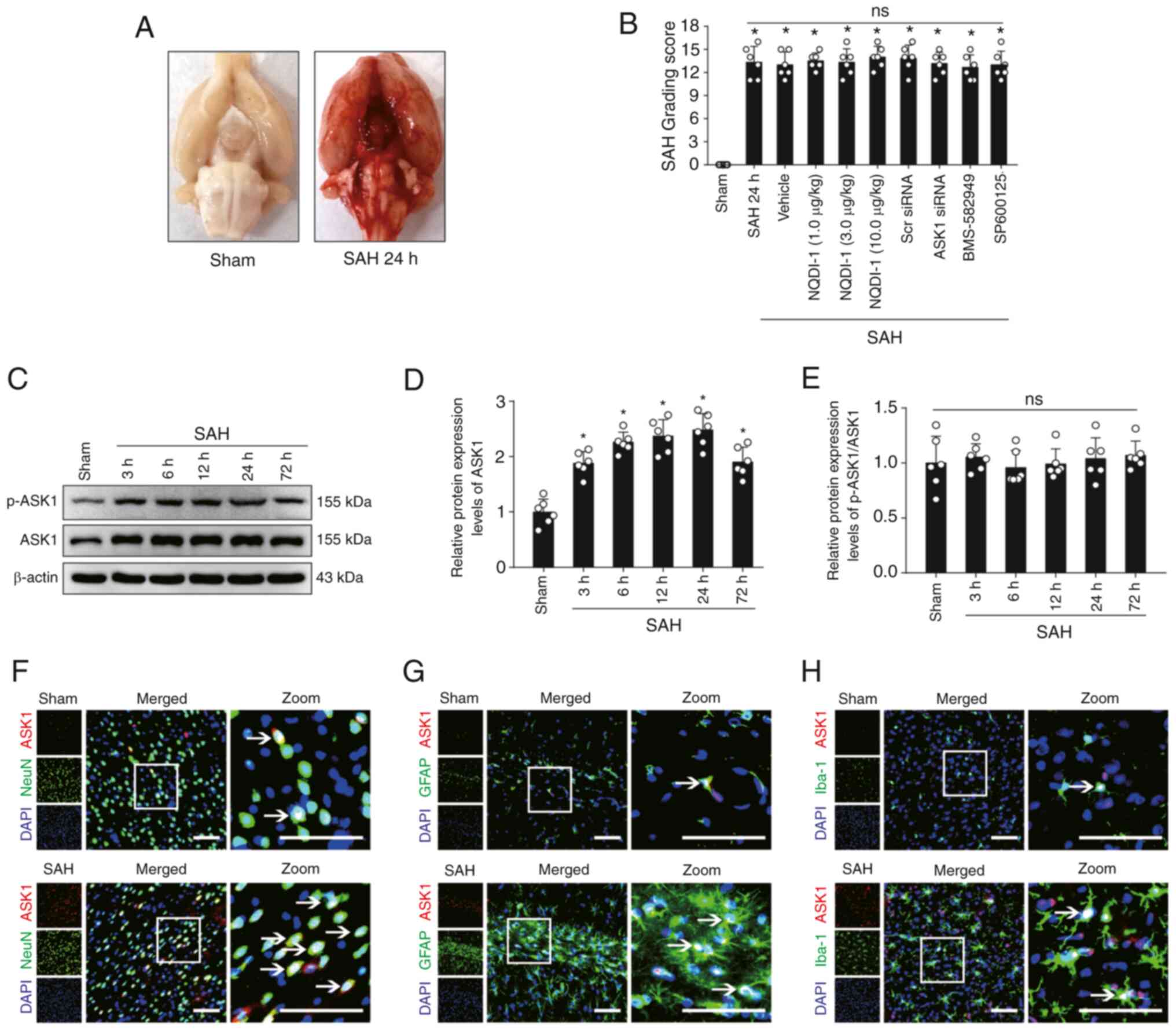
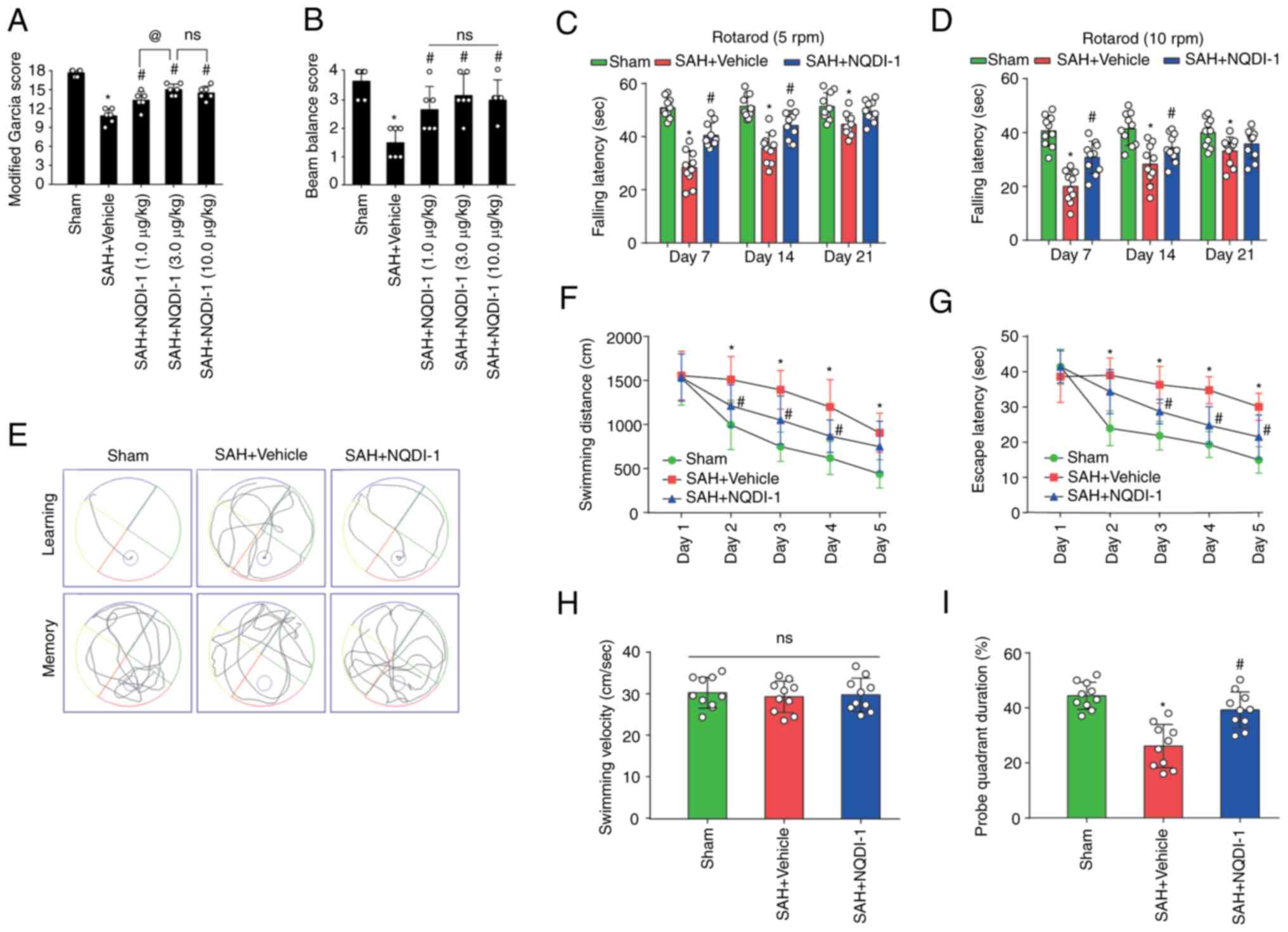
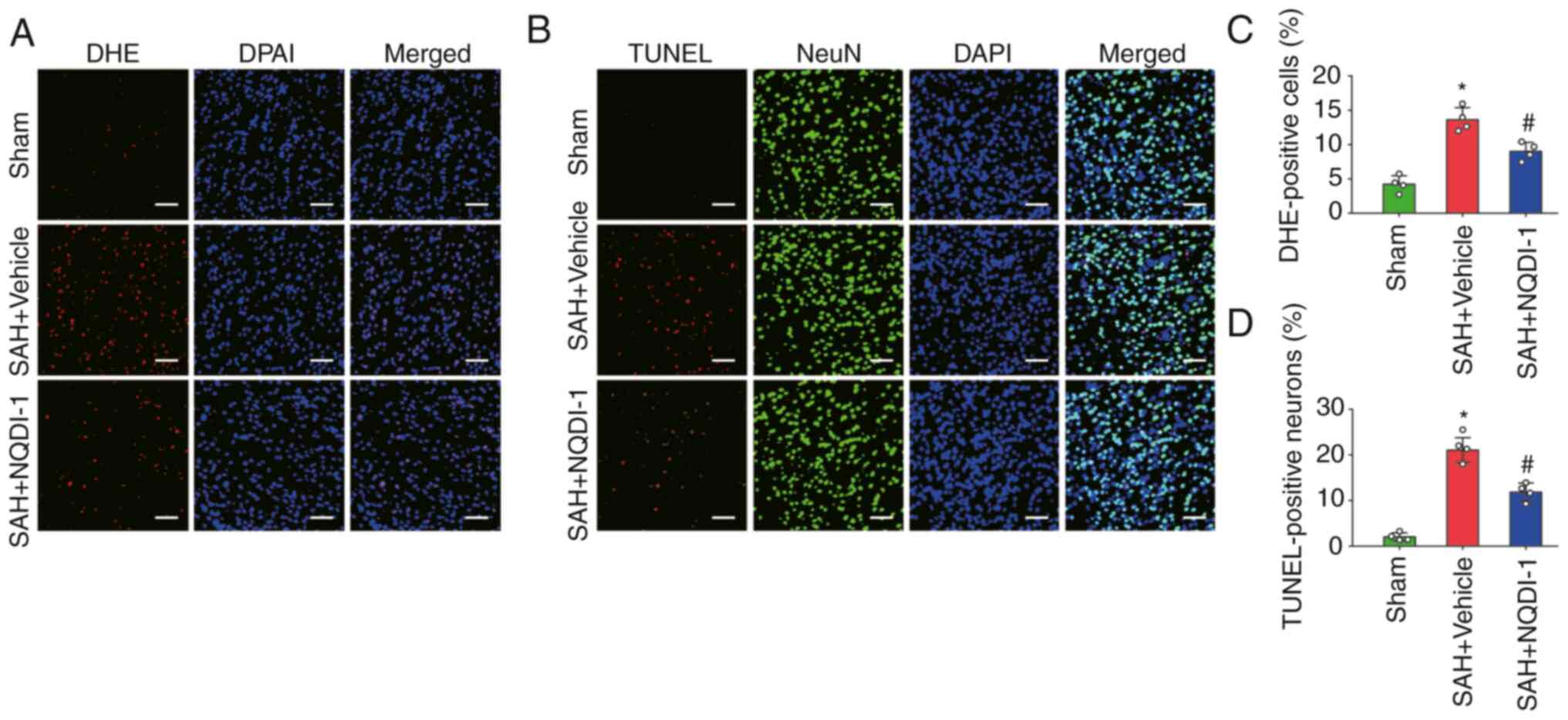
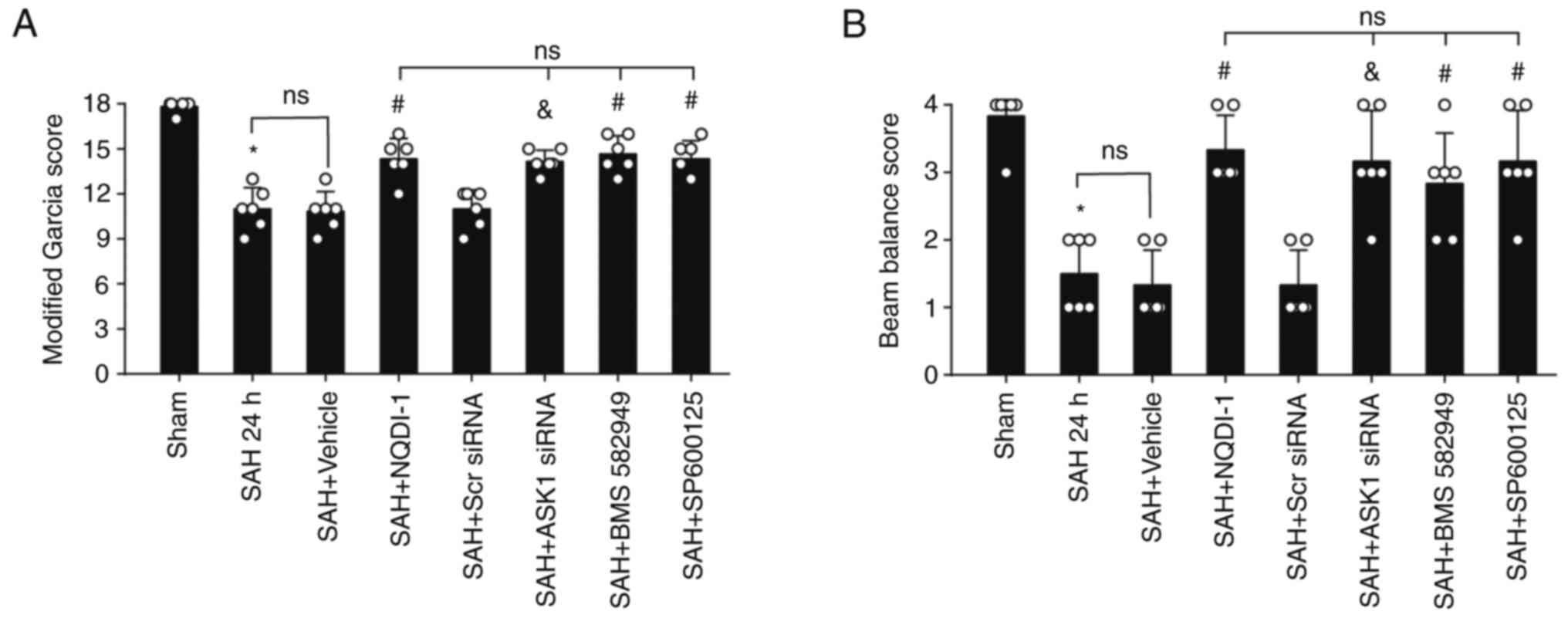
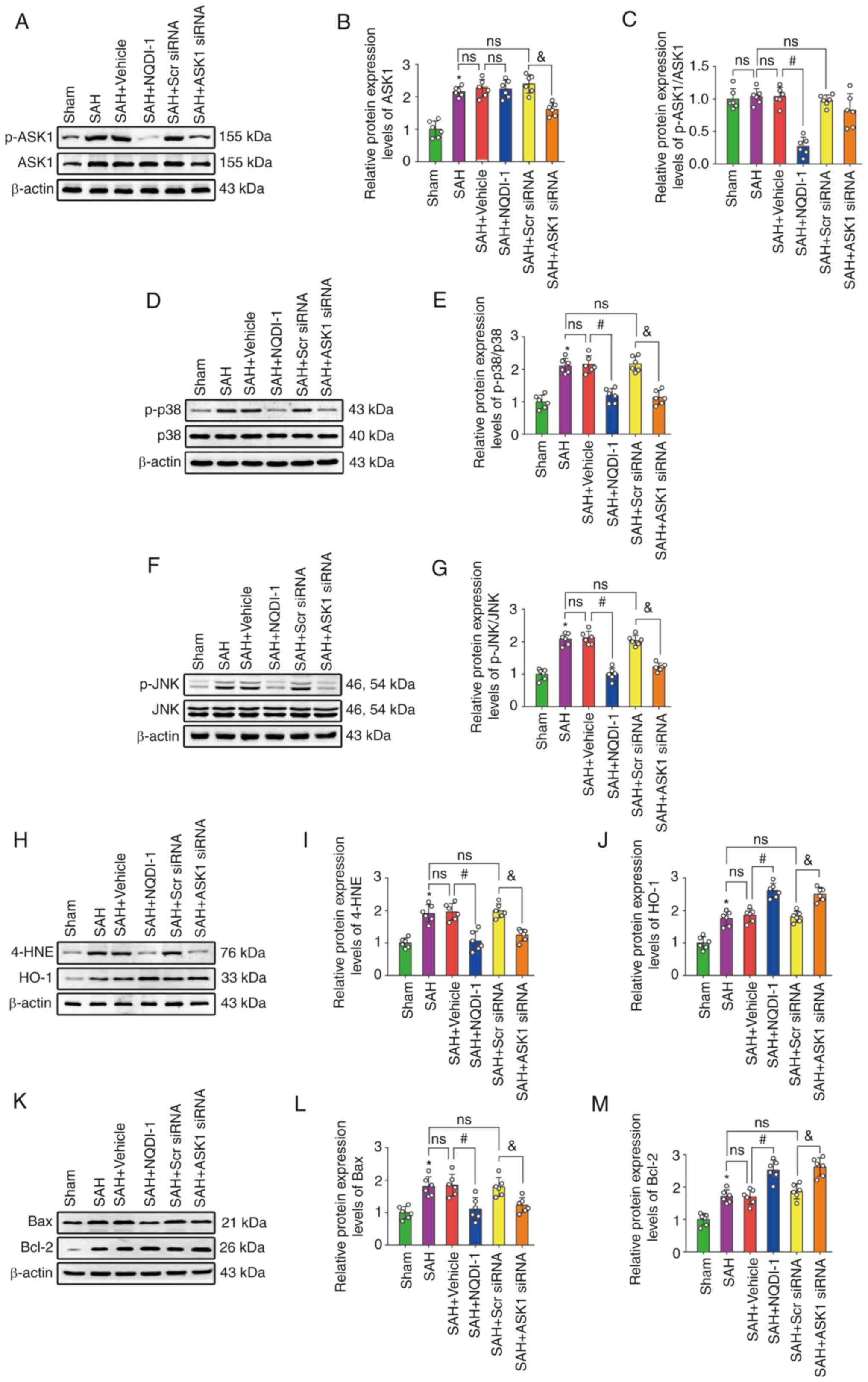
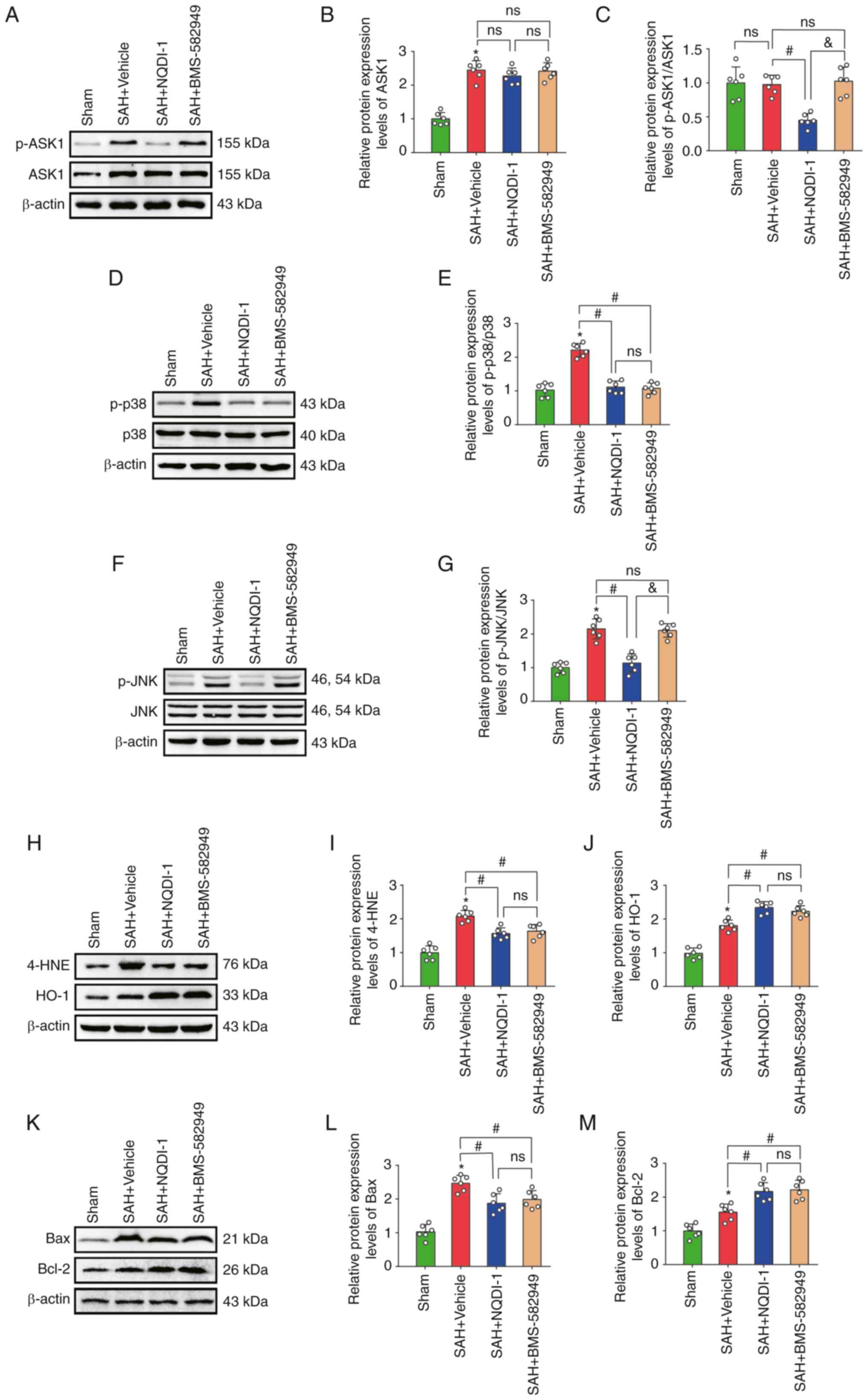
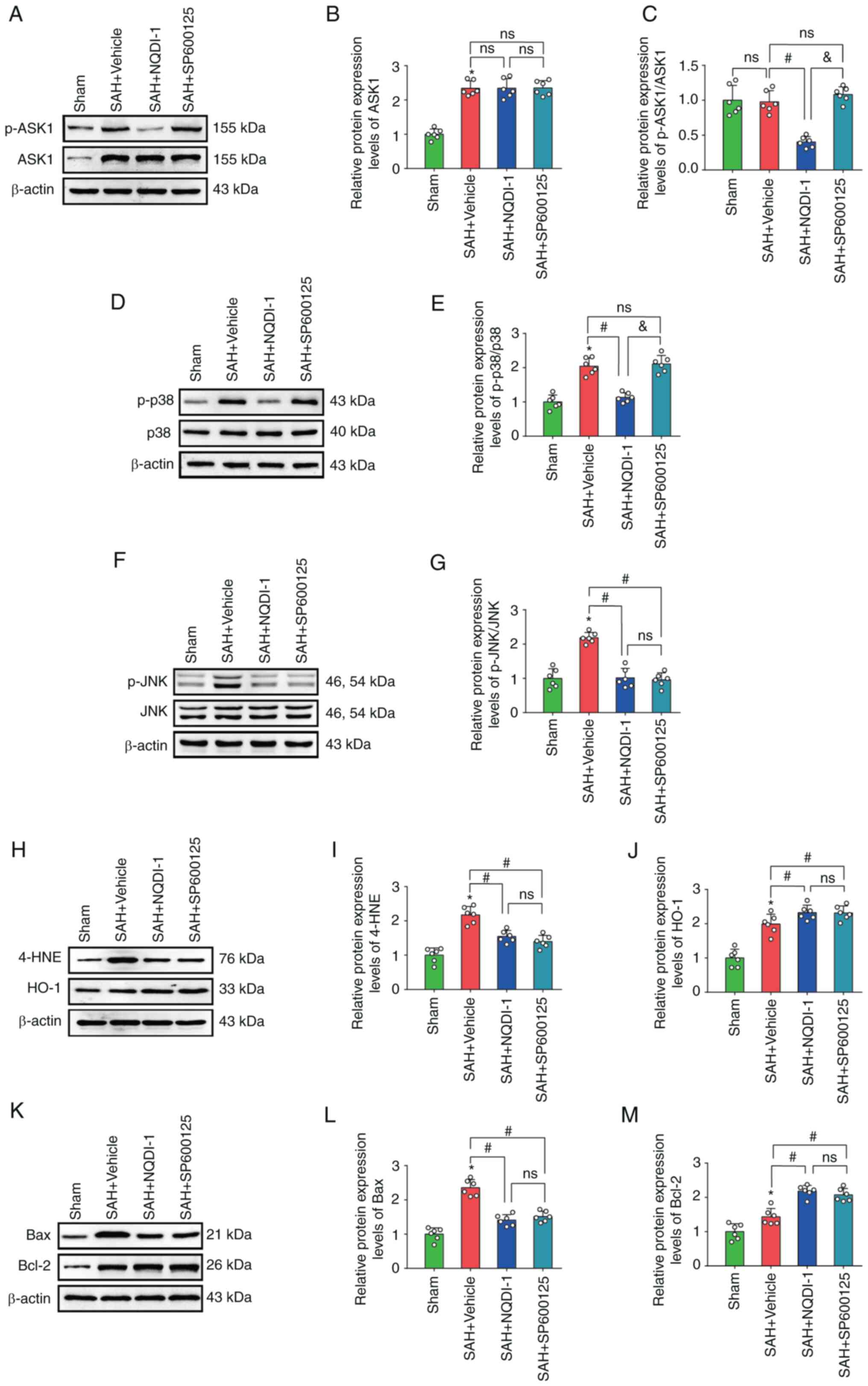
Oxidative stress and neuroapoptosis are key pathological processes after subarachnoid hemorrhage (SAH). The present study evaluated the anti‑oxidation and anti‑apoptotic neuroprotective effects of the apoptosis signal‑regulating kinase 1 (ASK1) inhibitor ethyl‑2,7‑dioxo‑2,7‑dihydro‑3H‑naphtho(1,2,3‑de)quinoline‑1‑carboxylate (NQDI‑1) in early brain injury (EBI) following SAH in a rat model. A total of 191 rats were used and the SAH model was induced using monofilament perforation. Western blotting was subsequently used to detect the endogenous expression levels of proteins. Immunofluorescence was then used to confirm the nerve cellular localization of ASK1. Short‑term neurological function was assessed using the modified Garcia scores and the beam balance test 24 h after SAH, whereas long‑term neurological function was assessed using the rotarod test and the Morris water maze test. Apoptosis of neurons was assessed by TUNEL staining and oxidative stress was assessed by dihydroethidium staining 24 h after SAH. The protein expression levels of phosphorylated (p‑)ASK1 and ASK1 rose following SAH. NQDI‑1 was intracerebroventricularly injected 1 h after SAH and demonstrated significant improvements in both short and long‑term neurological function and significantly reduced oxidative stress and neuronal apoptosis. Injection of NQDI‑1 caused a significant decrease in protein expression levels of p‑ASK1, p‑p38, p‑JNK, 4 hydroxynonenal, and Bax and significantly increased the protein expression levels of heme oxygenase 1 and Bcl‑2. The use of the p38 inhibitor BMS‑582949 or the JNK inhibitor SP600125 led to significant decreases in the protein expression levels of p‑p38 or p‑JNK, respectively, and a significant reduction in oxidative stress and neuronal apoptosis; however, these inhibitors did not demonstrate an effect on p‑ASK1 or ASK1 protein expression levels. In conclusion, treatment with NQDI‑1 improved neurological function and decreased oxidative stress and neuronal apoptosis in EBI following SAH in rats, possibly via inhibition of ASK1 phosphorylation and the ASK1/p38 and JNK signaling pathway. NQDI‑1 may be considered a potential agent for the treatment of patients with SAH.
View Figures

Figure 1

Figure 2

Figure 3

Figure 4

Figure 5

Figure 6

Figure 7

View References

1 

Lawton MT and Vates GE: Subarachnoid Hemorrhage. N Engl J Med. 377:257–266. 2017. View Article : Google Scholar : PubMed/NCBI

2 

GBD 2019 Stroke Collaborators, . Global, regional, and national burden of stroke and its risk factors, 1990–2019: A systematic analysis for the Global Burden of Disease Study 2019. Lancet Neurol. 20:795–820. 2021. View Article : Google Scholar : PubMed/NCBI

3 

Osgood ML: Aneurysmal subarachnoid hemorrhage: Review of the pathophysiology and management strategies. Curr Neurol Neurosci Rep. 21:502021. View Article : Google Scholar : PubMed/NCBI

4 

Topkoru B, Egemen E, Solaroglu I and Zhang JH: Early brain injury or vasospasm? An overview of common mechanisms. Curr Drug Targets. 18:1424–1429. 2017. View Article : Google Scholar : PubMed/NCBI

5 

Merlini E, Coleman MP and Loreto A: Mitochondrial dysfunction as a trigger of programmed axon death. Trends Neurosci. 45:53–63. 2022. View Article : Google Scholar : PubMed/NCBI

6 

Kowalczyk P, Sulejczak D, Kleczkowska P, Bukowska-Ośko I, Kucia M, Popiel M, Wietrak E, Kramkowski K, Wrzosek K and Kaczyńska K: Mitochondrial oxidative stress-A causative factor and therapeutic target in many diseases. Int J Mol Sci. 22:133842021. View Article : Google Scholar : PubMed/NCBI

7 

Matsushita M, Nakamura T, Moriizumi H, Miki H and Takekawa M: Stress-responsive MTK1 SAPKKK serves as a redox sensor that mediates delayed and sustained activation of SAPKs by oxidative stress. Sci Adv. 6:eaay97782020. View Article : Google Scholar : PubMed/NCBI

8 

Gao Y, Yan Y, Fang Q, Zhang N, Kumar G, Zhang J, Song LJ, Yu J, Zhao L, Zhang HT and Ma CG: The Rho kinase inhibitor fasudil attenuates Aβ1-42-induced apoptosis via the ASK1/JNK signal pathway in primary cultures of hippocampal neurons. Metab Brain Dis. 34:1787–1801. 2019. View Article : Google Scholar : PubMed/NCBI

9 

Volynets GP, Chekanov MO, Synyugin AR, Golub AG, Kukharenko OP, Bdzhola VG and Yarmoluk SM: Identification of 3H-naphtho[1,2,3-de]quinoline-2,7-diones as inhibitors of apoptosis signal-regulating kinase 1 (ASK1). J Med Chem. 54:2680–2686. 2011. View Article : Google Scholar : PubMed/NCBI

10 

Zhang QS, Kurpad DS, Mahoney MG, Steinbeck MJ and Freeman TA: Inhibition of apoptosis signal-regulating kinase 1 alters the wound epidermis and enhances auricular cartilage regeneration. PLoS One. 12:e01858032017. View Article : Google Scholar : PubMed/NCBI

11 

Hao H, Li S, Tang H, Liu B, Cai Y, Shi C and Xiao X: NQDI-1, an inhibitor of ASK1 attenuates acute perinatal hypoxic-ischemic cerebral injury by modulating cell death. Mol Med Rep. 13:4585–4592. 2016. View Article : Google Scholar : PubMed/NCBI

12 

Chen S, Zuo Y, Huang L, Sherchan P, Zhang J, Yu Z, Peng J, Zhang J, Zhao L, Doycheva D, et al: The MC receptor agonist RO27-3225 inhibits NLRP1-dependent neuronal pyroptosis via the ASK1/JNK/p38 MAPK pathway in a mouse model of intracerebral haemorrhage. Br J Pharmacol. 176:1341–1356. 2019. View Article : Google Scholar : PubMed/NCBI

13 

Du X, Liu H, Liu X, Chen X, Yuan L, Ma Y, Huang H, Wang Y, Wang R, Zhang S, et al: Microcystin-LR induces ovarian injury and apoptosis in mice via activating apoptosis signal-regulating kinase 1-mediated P38/JNK pathway. Ecotoxicol Environ Saf. 213:1120662021. View Article : Google Scholar : PubMed/NCBI

14 

Chang CY, Li JR, Wu CC, Wang JD, Liao SL, Chen WY, Wang WY and Chen CJ: Endoplasmic reticulum stress contributes to indomethacin-induced glioma apoptosis. Int J Mol Sci. 21:5572020. View Article : Google Scholar : PubMed/NCBI

15 

Win S, Than TA, Zhang J, Oo C, Min RWM and Kaplowitz N: New insights into the role and mechanism of c-Jun-N-terminal kinase signaling in the pathobiology of liver diseases. Hepatology. 67:2013–2024. 2018. View Article : Google Scholar : PubMed/NCBI

16 

Percie du Sert N, Ahluwalia A, Alam S, Avey MT, Baker M, Browne WJ, Clark A, Cuthill IC, Dirnagl U, Emerson M, et al: Reporting animal research: Explanation and elaboration for the ARRIVE guidelines 2.0. PLoS Biol. 18:e30004112020. View Article : Google Scholar : PubMed/NCBI

17 

McPherson C: Regulation of animal care and research? NIH's opinion. J Anim Sci. 51:492–496. 1980. View Article : Google Scholar : PubMed/NCBI

18 

Boivin GP, Hickman DL, Creamer-Hente MA, Pritchett-Corning KR and Bratcher NA: Review of CO2 as a euthanasia agent for laboratory rats and mice. J Am Assoc Lab Anim Sci. 56:491–499. 2017.PubMed/NCBI

19 

Luo K, Wang Z, Zhuang K, Yuan S, Liu F and Liu A: Suberoylanilide hydroxamic acid suppresses axonal damage and neurological dysfunction after subarachnoid hemorrhage via the HDAC1/HSP70/TDP-43 axis. Exp Mol Med. 54:1423–1433. 2022. View Article : Google Scholar : PubMed/NCBI

20 

Xie Z, Enkhjargal B, Nathanael M, Wu L, Zhu Q, Zhang T, Tang J and Zhang JH: viaExendin-4 preserves blood-brain barrier integrity glucagon-like peptide 1 receptor/activated protein kinase-dependent nuclear Factor-Kappa B/Matrix Metalloproteinase-9 inhibition after subarachnoid hemorrhage in rat. Front Mol Neurosci. 14:7507262021. View Article : Google Scholar : PubMed/NCBI

21 

Craft TK and DeVries AC: Role of IL-1 in poststroke depressive-like behavior in mice. Biol Psychiatry. 60:812–818. 2006. View Article : Google Scholar : PubMed/NCBI

22 

Xie Z, Enkhjargal B, Wu L, Zhou K, Sun C, Hu X, Gospodarev V, Tang J, You C and Zhang JH: Exendin-4 attenuates neuronal death via GLP-1R/PI3K/Akt pathway in early brain injury after subarachnoid hemorrhage in rats. Neuropharmacology. 128:142–151. 2018. View Article : Google Scholar : PubMed/NCBI

23 

Liu C, Lin J, Wrobleski ST, Lin S, Hynes J, Wu H, Dyckman AJ, Li T, Wityak J, Gillooly KM, et al: Discovery of 4-(5-(cyclopropylcarbamoyl)-2-methylphenylamino)-5-methyl-N-propylpyrrolo[1,2-f][1,2,4]triazine-6-carboxamide (BMS-582949), a clinical p38α MAP kinase inhibitor for the treatment of inflammatory diseases. J Med Chem. 53:6629–6639. 2010. View Article : Google Scholar : PubMed/NCBI

24 

Bennett BL, Sasaki DT, Murray BW, O'Leary EC, Sakata ST, Xu W, Leisten JC, Motiwala A, Pierce S, Satoh Y, et al: SP600125, an anthrapyrazolone inhibitor of Jun N-terminal kinase. Proc Natl Acad Sci USA. 98:13681–13686. 2001. View Article : Google Scholar : PubMed/NCBI

25 

Dai J, Xu S, Okada T, Liu Y, Zuo G, Tang J, Zhang JH and Shi H: T0901317, an agonist of liver X receptors, attenuates neuronal apoptosis in early brain injury after subarachnoid hemorrhage in rats via liver X receptors/interferon regulatory factor/P53 upregulated modulator of apoptosis/dynamin-1-like protein pathway. Oxid Med Cell Longev. 2021:88491312021. View Article : Google Scholar : PubMed/NCBI

26 

Xiao ZP, Lv T, Hou PP, Manaenko A, Liu Y, Jin Y, Gao L, Jia F, Tian Y, Li P, et al: Sirtuin 5-Mediated lysine desuccinylation protects mitochondrial metabolism following subarachnoid hemorrhage in mice. Stroke. 52:4043–4053. 2021. View Article : Google Scholar : PubMed/NCBI

27 

Xu W, Yan J, Ocak U, Lenahan C, Shao A, Tang J, Zhang J and Zhang JH: viaMelanocortin 1 receptor attenuates early brain injury following subarachnoid hemorrhage by controlling mitochondrial metabolism AMPK/SIRT1/PGC-1α pathway in rats. Theranostics. 11:522–539. 2021. View Article : Google Scholar : PubMed/NCBI

28 

Mo J, Enkhjargal B, Travis ZD, Zhou K, Wu P, Zhang G, Zhu Q, Zhang T, Peng J, Xu W, et al: AVE 0991 attenuates oxidative stress and neuronal apoptosis via Mas/PKA/CREB/UCP-2 pathway after subarachnoid hemorrhage in rats. Redox Biol. 20:75–86. 2019. View Article : Google Scholar : PubMed/NCBI

29 

He Y, Zheng Z, Liu C, Li W, Zhao L, Nie G and Li H: viaInhibiting DNA methylation alleviates cisplatin-induced hearing loss by decreasing oxidative stress-induced mitochondria-dependent apoptosis the LRP1-PI3K/AKT pathway. Acta Pharm Sin B. 12:1305–1321. 2022. View Article : Google Scholar : PubMed/NCBI

30 

van Lieshout JH, Marbacher S, Muhammad S, Boogaarts HD, Bartels RHMA, Dibué M, Steiger HJ, Hänggi D and Kamp MA: Proposed definition of experimental secondary ischemia for mouse subarachnoid hemorrhage. Transl Stroke Res. 11:1165–1170. 2020. View Article : Google Scholar : PubMed/NCBI

31 

Ogier JM, Nayagam BA and Lockhart PJ: ASK1 inhibition: A therapeutic strategy with multi-system benefits. J Mol Med (Berl). 98:335–348. 2020. View Article : Google Scholar : PubMed/NCBI

32 

Zhang XS, Lu Y, Li W, Tao T, Peng L, Wang WH, Gao S, Liu C, Zhuang Z, Xia DY, et al: Astaxanthin ameliorates oxidative stress and neuronal apoptosis via SIRT1/NRF2/Prx2/ASK1/p38 after traumatic brain injury in mice. Br J Pharmacol. 178:1114–1132. 2021. View Article : Google Scholar : PubMed/NCBI

33 

Chen S, Yu Q, Song Y, Cui Z, Li M, Mei C, Cui H, Cao S and Zhu C: Inhibition of macrophage migration inhibitory factor (MIF) suppresses apoptosis signal-regulating kinase 1 to protect against liver ischemia/reperfusion injury. Front Pharmacol. 13:9519062022. View Article : Google Scholar : PubMed/NCBI

34 

Xie X, Yuan C, Yin L, Zhu Q, Ma N, Chen W, Ding Y, Xiao W, Gong W, Lu G, et al: NQDI-1 protects against acinar cell necrosis in three experimental mouse models of acute pancreatitis. Biochem Biophys Res Commun. 520:211–217. 2019. View Article : Google Scholar : PubMed/NCBI

35 

Cheon SY, Cho KJ, Kim SY, Kam EH, Lee JE and Koo BN: Blockade of apoptosis signal-regulating kinase 1 attenuates matrix metalloproteinase 9 activity in brain endothelial cells and the subsequent apoptosis in neurons after ischemic injury. Front Cell Neurosci. 10:2132016. View Article : Google Scholar : PubMed/NCBI

36 

Zhu Q, Enkhjargal B, Huang L, Zhang T, Sun C, Xie Z, Wu P, Mo J, Tang J, Xie Z and Zhang JH: Aggf1 attenuates neuroinflammation and BBB disruption via PI3K/Akt/NF-κB pathway after subarachnoid hemorrhage in rats. J Neuroinflammation. 15:1782018. View Article : Google Scholar : PubMed/NCBI

37 

Wu Y, Liu Y, Zhou C, Wu Y, Sun J, Gao X and Huang Y: Biological effects and mechanisms of caspases in early brain injury after subarachnoid hemorrhage. Oxid Med Cell Longev. 2022:33456372022. View Article : Google Scholar : PubMed/NCBI

38 

Checa J and Aran JM: Reactive oxygen species: Drivers of Physiological and pathological processes. J Inflamm Res. 13:1057–1073. 2020. View Article : Google Scholar : PubMed/NCBI

39 

Zhang Z, Zhang A, Liu Y, Hu X, Fang Y, Wang X, Luo Y, Lenahan C and Chen S: New Mechanisms and Targets of Subarachnoid Hemorrhage: A Focus on Mitochondria. Curr Neuropharmacol. 20:1278–1296. 2022. View Article : Google Scholar : PubMed/NCBI

40 

Liu B, Tian Y, Li Y, Wu P, Zhang Y, Zheng J and Shi H: ACEA Attenuates Oxidative Stress by Promoting Mitophagy via CB1R/Nrf1/PINK1 Pathway after Subarachnoid Hemorrhage in Rats. Oxid Med Cell Longev. 2022:10242792022. View Article : Google Scholar : PubMed/NCBI

41 

Iroegbu JD, Ijomone OK, Femi-Akinlosotu OM and Ijomone OM: ERK/MAPK signalling in the developing brain: Perturbations and consequences. Neurosci Biobehav Rev. 131:792–805. 2021. View Article : Google Scholar : PubMed/NCBI

42 

Anjum J, Mitra S, Das R, Alam R, Mojumder A, Emran TB, Islam F, Rauf A, Hossain MJ, Aljohani ASM, et al: A renewed concept on the MAPK signaling pathway in cancers: Polyphenols as a choice of therapeutics. Pharmacol Res. 184:1063982022. View Article : Google Scholar : PubMed/NCBI

43 

Wei YX, Zhang DD, Gao YY, Hang CH and Shi JX: Inhibition of the myeloid differentiation primary response protein 88 reducres neuron injury in the early stages of subarachnoid hemorrhage in an in vitro experimental model. J Physiol Pharmacol. 73:2022.PubMed/NCBI

Related Articles

  • Abstract
  • View
  • Download
  • Twitter
Copy and paste a formatted citation
Spandidos Publications style
Duan J, Yuan W, Jiang J, Wang J, Yan X, Liu F and Liu A: ASK1 inhibitor NQDI‑1 decreases oxidative stress and neuroapoptosis via the ASK1/p38 and JNK signaling pathway in early brain injury after subarachnoid hemorrhage in rats. Mol Med Rep 27: 47, 2023.
APA
Duan, J., Yuan, W., Jiang, J., Wang, J., Yan, X., Liu, F., & Liu, A. (2023). ASK1 inhibitor NQDI‑1 decreases oxidative stress and neuroapoptosis via the ASK1/p38 and JNK signaling pathway in early brain injury after subarachnoid hemorrhage in rats. Molecular Medicine Reports, 27, 47. https://doi.org/10.3892/mmr.2023.12934
MLA
Duan, J., Yuan, W., Jiang, J., Wang, J., Yan, X., Liu, F., Liu, A."ASK1 inhibitor NQDI‑1 decreases oxidative stress and neuroapoptosis via the ASK1/p38 and JNK signaling pathway in early brain injury after subarachnoid hemorrhage in rats". Molecular Medicine Reports 27.2 (2023): 47.
Chicago
Duan, J., Yuan, W., Jiang, J., Wang, J., Yan, X., Liu, F., Liu, A."ASK1 inhibitor NQDI‑1 decreases oxidative stress and neuroapoptosis via the ASK1/p38 and JNK signaling pathway in early brain injury after subarachnoid hemorrhage in rats". Molecular Medicine Reports 27, no. 2 (2023): 47. https://doi.org/10.3892/mmr.2023.12934
Copy and paste a formatted citation
x
Spandidos Publications style
Duan J, Yuan W, Jiang J, Wang J, Yan X, Liu F and Liu A: ASK1 inhibitor NQDI‑1 decreases oxidative stress and neuroapoptosis via the ASK1/p38 and JNK signaling pathway in early brain injury after subarachnoid hemorrhage in rats. Mol Med Rep 27: 47, 2023.
APA
Duan, J., Yuan, W., Jiang, J., Wang, J., Yan, X., Liu, F., & Liu, A. (2023). ASK1 inhibitor NQDI‑1 decreases oxidative stress and neuroapoptosis via the ASK1/p38 and JNK signaling pathway in early brain injury after subarachnoid hemorrhage in rats. Molecular Medicine Reports, 27, 47. https://doi.org/10.3892/mmr.2023.12934
MLA
Duan, J., Yuan, W., Jiang, J., Wang, J., Yan, X., Liu, F., Liu, A."ASK1 inhibitor NQDI‑1 decreases oxidative stress and neuroapoptosis via the ASK1/p38 and JNK signaling pathway in early brain injury after subarachnoid hemorrhage in rats". Molecular Medicine Reports 27.2 (2023): 47.
Chicago
Duan, J., Yuan, W., Jiang, J., Wang, J., Yan, X., Liu, F., Liu, A."ASK1 inhibitor NQDI‑1 decreases oxidative stress and neuroapoptosis via the ASK1/p38 and JNK signaling pathway in early brain injury after subarachnoid hemorrhage in rats". Molecular Medicine Reports 27, no. 2 (2023): 47. https://doi.org/10.3892/mmr.2023.12934
Follow us
  • Twitter
  • LinkedIn
  • Facebook
About
  • Spandidos Publications
  • Careers
  • Cookie Policy
  • Privacy Policy
How can we help?
  • Help
  • Live Chat
  • Contact
  • Email to our Support Team