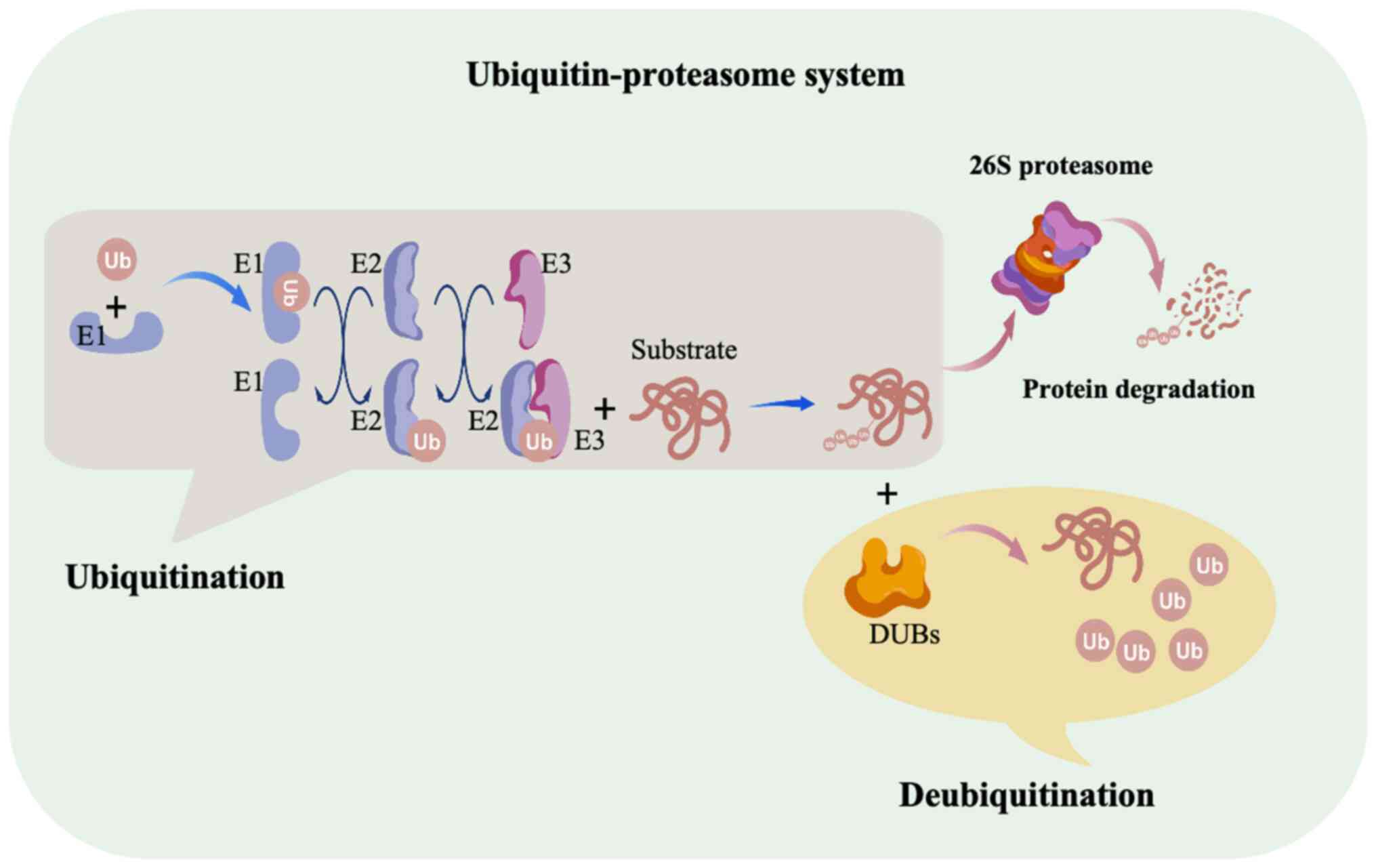
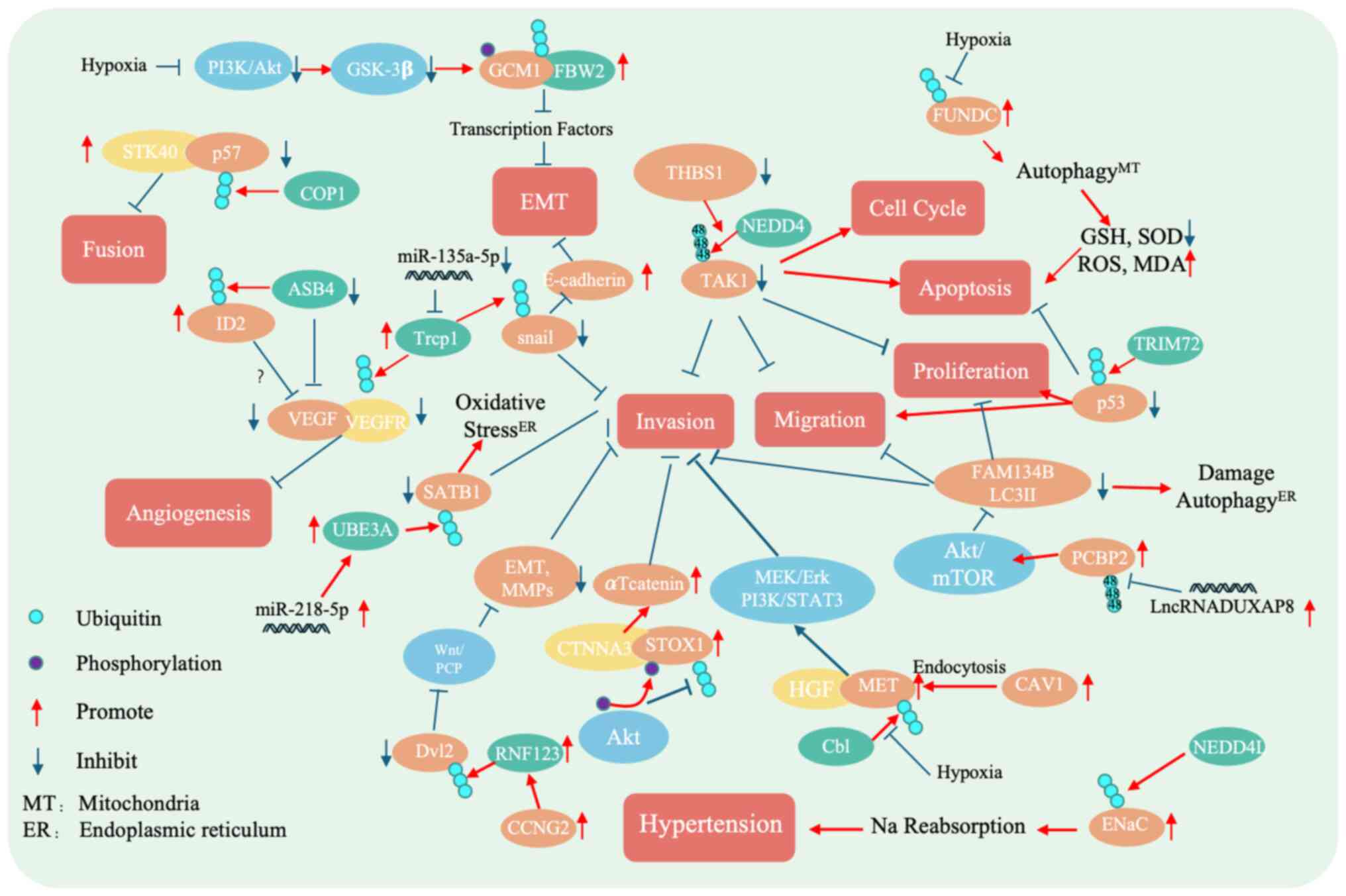
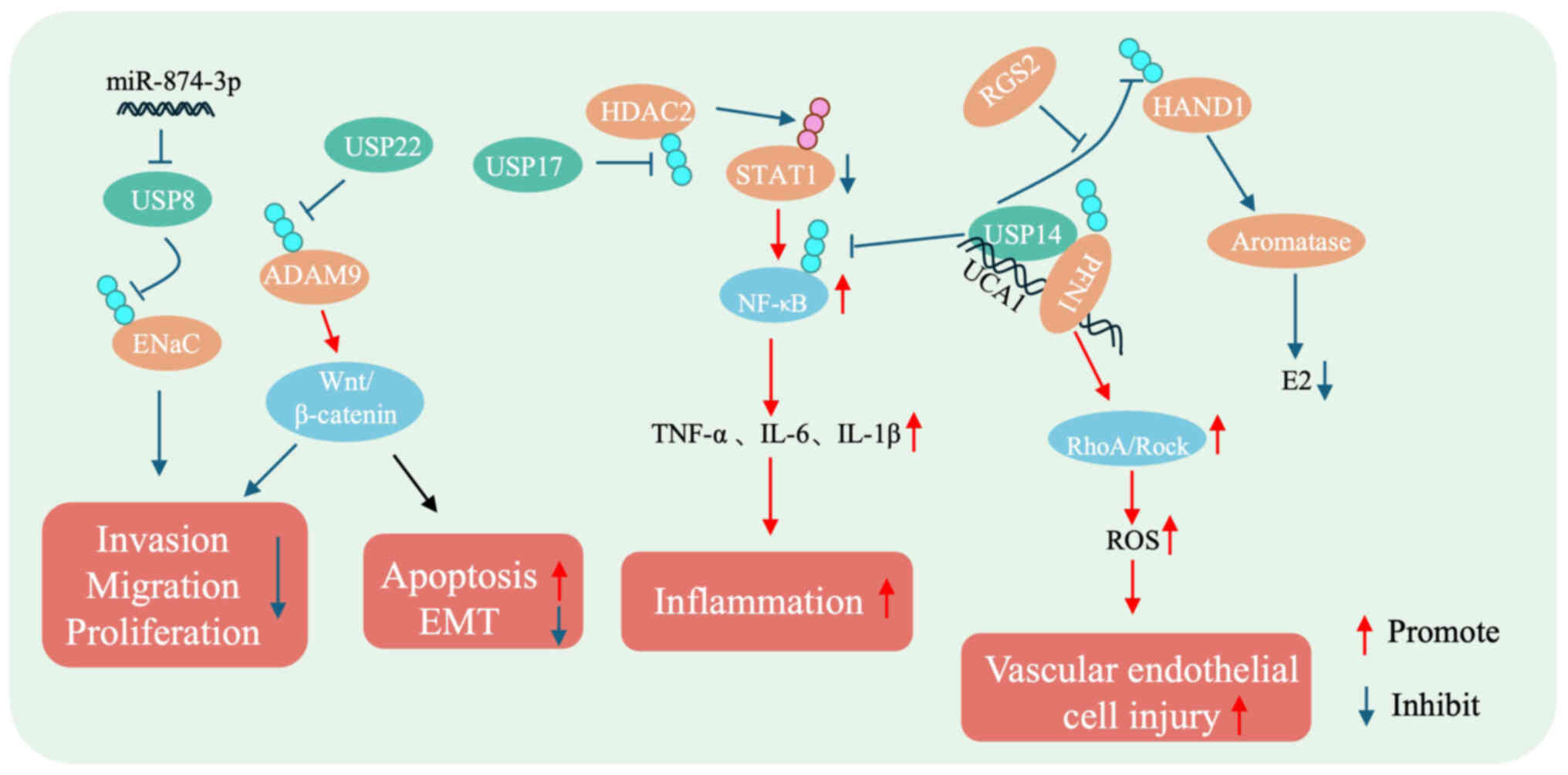
|
1
|
Takahashi M, Makino S, Oguma K, Imai H,
Takamizu A, Koizumi A and Yoshida K: Fetal growth restriction as
the initial finding of preeclampsia is a clinical predictor of
maternal and neonatal prognoses: A single-center retrospective
study. BMC Pregnancy Childbirth. 21:6782021. View Article : Google Scholar : PubMed/NCBI
|
|
2
|
Al Sherawi NN, Singhal V and Sarma U:
Chapter 7-Preeclampsia and HELLP syndrome. The kidney of the
critically Ill pregnant woman. Montufar-rueda C, Hidalgo J and
Perez-Fernandez J: Academic Press; pp. 73–83. 2025, View Article : Google Scholar
|
|
3
|
Ali M, Ahmed M, Memon M, Chandio F, Shaikh
Q, Parveen A and Phull AR: Preeclampsia: A comprehensive review.
Clin Chim Acta. 563:1199222024. View Article : Google Scholar : PubMed/NCBI
|
|
4
|
Hu H, Ma J, Peng Y, Feng R, Luo C, Zhang
M, Tao Z, Chen L, Zhang T, Chen W, et al: Thrombospondin-1
regulates trophoblast necroptosis via NEDD4-mediated ubiquitination
of TAK1 in preeclampsia. Adv Sci (Weinh). 11:e23090022024.
View Article : Google Scholar : PubMed/NCBI
|
|
5
|
Khan B, Allah Yar R, Khakwani AK, Karim S
and Arslan Ali H: Preeclampsia incidence and its maternal and
neonatal outcomes with associated risk factors. Cureus.
14:e311432022.PubMed/NCBI
|
|
6
|
Chakravarty EF and Sammaritano LR:
40-Pregnancy and reproductive health issues in systemic lupus
erythematosus. Dubois' lupus erythematosus and related syndromes.
(tenth edition). Wallace DJ, Hahn BH, Askanase A, et al: Elsevier;
New Delhi, India: pp. 557–579. 2025, View Article : Google Scholar
|
|
7
|
Serrano NC: Immunology and genetic of
preeclampsia. Clin Dev Immunol. 13:197–201. 2006.PubMed/NCBI
|
|
8
|
Stephens J, Grande ED, Roberts T, Kerr M,
Northcott C, Johnson T, Sleep J and Ryder C: Factors associated
with preeclampsia and the hypertensive disorders of pregnancy
amongst Indigenous women of Canada, Australia, New Zealand, and the
United States: A systematic review and meta-analysis. Curr
Hypertens Rep. 27:102025. View Article : Google Scholar : PubMed/NCBI
|
|
9
|
Giannubilo SR, Marzioni D, Tossetta G,
Montironi R, Meccariello ML and Ciavattini A: The ‘Bad Father’:
Paternal role in biology of pregnancy and in birth outcome. Biology
(Basel). 13:1652024.PubMed/NCBI
|
|
10
|
Zhu Y, Liu X, Xu Y and Lin Y:
Hyperglycemia disturbs trophoblast functions and subsequently leads
to failure of uterine spiral artery remodeling. Front Endocrinol
(Lausanne). 14:10602532023. View Article : Google Scholar : PubMed/NCBI
|
|
11
|
Annesi L, Tossetta G, Borghi C and Piani
F: The role of xanthine oxidase in pregnancy complications: A
systematic review. Antioxidants (Basel). 13:12342024. View Article : Google Scholar : PubMed/NCBI
|
|
12
|
Tossetta G, Fantone S, Giannubilo SR,
Ciavattini A, Senzacqua M, Frontini A and Marzioni D: HTRA1 in
placental cell models: A possible role in preeclampsia. Curr Issues
Mol Biol. 45:3815–3828. 2023. View Article : Google Scholar : PubMed/NCBI
|
|
13
|
Vilotić A, Nacka-Aleksić M, Pirković A,
Bojić-Trbojević Ž, Dekanski D and Jovanović Krivokuća M: IL-6 and
IL-8: An overview of their roles in healthy and pathological
pregnancies. Int J Mol Sci. 23:145742022. View Article : Google Scholar : PubMed/NCBI
|
|
14
|
Liu C, Wang H, Yang M, Liang Y, Jiang L,
Sun S and Fan S: Downregulation of cAMP-dependent protein kinase
inhibitor-b promotes preeclampsia by decreasing phosphorylated Akt.
Reprod Sci. 28:178–185. 2021. View Article : Google Scholar : PubMed/NCBI
|
|
15
|
Kamrani A, Alipourfard I, Ahmadi-Khiavi H,
Yousefi M, Rostamzadeh D, Izadi M and Ahmadi M: The role of
epigenetic changes in preeclampsia. Biofactors. 45:712–724. 2019.
View Article : Google Scholar : PubMed/NCBI
|
|
16
|
Li A, Wang T, Zhou S, Han J and Wu W:
USP17 regulates preeclampsia by modulating the NF-κB signaling
pathway via deubiquitinating HDAC2. Placenta. 145:9–18. 2024.
View Article : Google Scholar : PubMed/NCBI
|
|
17
|
Park HB, Hwang S and Baek KH: USP7
regulates the ERK1/2 signaling pathway through deubiquitinating
Raf-1 in lung adenocarcinoma. Cell Death Dis. 13:6982022.
View Article : Google Scholar : PubMed/NCBI
|
|
18
|
Zhang HR, Wang YH, Xiao ZP, Yang G, Xu YR,
Huang ZT, Wang WZ and He F: E3 ubiquitin ligases: Key regulators of
osteogenesis and potential therapeutic targets for bone disorders.
Front Cell Dev Biol. 12:14470932024. View Article : Google Scholar : PubMed/NCBI
|
|
19
|
Song L and Luo ZQ: Post-translational
regulation of ubiquitin signaling. J Cell Biol. 218:1776–1786.
2019. View Article : Google Scholar : PubMed/NCBI
|
|
20
|
Yang X, Yan K, Zhan Q, Chen H, Pei CZ and
Zhu L: Exploration of diagnostic deubiquitinating enzymes in
endometriosis and its immune infiltration. Biochem Genet.
62:4359–4379. 2024. View Article : Google Scholar : PubMed/NCBI
|
|
21
|
Li X, Shao LZ, Li ZH, Wang YH, Cai QY,
Wang S, Chen H, Sheng J, Luo X, Chen XM, et al: STK40 inhibits
trophoblast fusion by mediating COP1 ubiquitination to degrade
P57Kip2. J Transl Med. 22:8522024. View Article : Google Scholar : PubMed/NCBI
|
|
22
|
Song HL, Liu TH, Wang YH, Li FF, Ruan LL,
Adu-Gyamfi EA, Hu SC, Chen XM, Ding YB and Fu LJ: Appropriate
expression of P57kip2 drives trophoblast fusion via cell cycle
arrest. Reproduction. 161:633–644. 2021. View Article : Google Scholar : PubMed/NCBI
|
|
23
|
Choi HH, Guma S, Fang L, Phan L, Ivan C,
Baggerly K, Sood A and Lee MH: Regulating the stability and
localization of CDK inhibitor p27(Kip1) via CSN6-COP1 axis. Cell
Cycle. 14:2265–2273. 2015. View Article : Google Scholar : PubMed/NCBI
|
|
24
|
Ferguson JE III, Wu Y, Smith K, Charles P,
Powers K, Wang H and Patterson C: ASB4 is a hydroxylation substrate
of FIH and promotes vascular differentiation via an
oxygen-dependent mechanism. Mol Cell Biol. 27:6407–6419. 2007.
View Article : Google Scholar : PubMed/NCBI
|
|
25
|
Townley-Tilson WHD, Wu Y, Ferguson JE III
and Patterson C: The ubiquitin ligase ASB4 promotes trophoblast
differentiation through the degradation of ID2. PLoS One.
9:e894512014. View Article : Google Scholar : PubMed/NCBI
|
|
26
|
Li F, Fushima T, Oyanagi G, Townley-Tilson
HW, Sato E, Nakada H, Oe Y, Hagaman JR, Wilder J, Li M, et al:
Nicotinamide benefits both mothers and pups in two contrasting
mouse models of preeclampsia. Proc Natl Acad Sci USA.
113:13450–13455. 2016. View Article : Google Scholar : PubMed/NCBI
|
|
27
|
Kayashima Y, Townley-Tilson WHD, Vora NL,
Boggess K, Homeister JW, Maeda-Smithies N and Li F: Insulin
elevates ID2 expression in trophoblasts and aggravates preeclampsia
in obese ASB4-null mice. Int J Mol Sci. 24:21492023. View Article : Google Scholar : PubMed/NCBI
|
|
28
|
Ling F, Kang B and Sun XH: Id proteins:
Small molecules, mighty regulators. Curr Top Dev Biol. 110:189–216.
2014. View Article : Google Scholar : PubMed/NCBI
|
|
29
|
Lasorella A, Rothschild G, Yokota Y,
Russell RG and iavarone A: Id2 mediates tumor initiation,
proliferation, and angiogenesis in Rb mutant mice. Mol Cell Biol.
25:3563–3574. 2005. View Article : Google Scholar : PubMed/NCBI
|
|
30
|
Tsunedomi R, Iizuka N, Tamesa T, Sakamoto
K, Hamaguchi T, Somura H, Yamada M and Oka M: Decreased ID2
promotes metastatic potentials of hepatocellular carcinoma by
altering secretion of vascular endothelial growth factor. Clin
Cancer Res. 14:1025–1031. 2008. View Article : Google Scholar : PubMed/NCBI
|
|
31
|
Liu Y, Sun Y, Han S, Guo Y, Tian Q, Ma Q
and Zhang S: CHIP promotes the activation of NF-κB signaling
through enhancing the K63-linked ubiquitination of TAK1. Cell Death
Discov. 7:2462021. View Article : Google Scholar : PubMed/NCBI
|
|
32
|
Ulu İ, Çekmez Y, Yıldırım Köpük Ş, Özer N,
Yoğurtçuoğlu EE, Anğın P and Kıran G: Maternal serum
thrombospondin-1 is significantly altered in cases with established
preeclampsia. J Matern Fetal Neonatal Med. 32:2543–2546. 2019.
View Article : Google Scholar : PubMed/NCBI
|
|
33
|
Liu Y, Chen Y, Ding C, Zhu X, Song X, Ren
Y, Qang Q, Zhang Y and Sun X: TRIM56 positively regulates
TNFα-induced NF-κB signaling by enhancing the ubiquitination of
TAK1. Int J Biol Macromol. 219:571–578. 2022. View Article : Google Scholar : PubMed/NCBI
|
|
34
|
Murao A, Aziz M, Wang H, Brenner M and
Wang P: Release mechanisms of major DAMPs. Apoptosis. 26:152–162.
2021. View Article : Google Scholar : PubMed/NCBI
|
|
35
|
Manning JA and Kumar S: Physiological
functions of Nedd4-2: Lessons from knockout mouse models. Trends
Biochem Sci. 43:635–647. 2018. View Article : Google Scholar : PubMed/NCBI
|
|
36
|
Busst CJ: Blood pressure regulation via
the epithelial sodium channel: From gene to kidney and beyond. Clin
Exp Pharmacol Physiol. 40:495–503. 2013. View Article : Google Scholar : PubMed/NCBI
|
|
37
|
Leung PYM, Katerelos M, Choy S, Cook N,
Lee M, Paizis K, Abboud A, Manning JA, Mount PF and Power DA:
Expression of NEDD4L and ENaC in urinary extracellular vesicles in
pre-eclampsia. Hypertens Pregnancy. 42:22320292023. View Article : Google Scholar : PubMed/NCBI
|
|
38
|
Gu X, Sun X, Yu Y and Li L: MiR-218-5p
promotes trophoblast infiltration and inhibits endoplasmic
reticulum/oxidative stress by reducing UBE3A-mediated degradation
of SATB1. J Cell Commun Signal. 17:993–1008. 2023. View Article : Google Scholar : PubMed/NCBI
|
|
39
|
Wang J, Lou SS, Wang T, Wu RJ, Li G, Zhao
M, Lu B, Li YY, Zhang J, Cheng X, et al: UBE3A-mediated PTPA
ubiquitination and degradation regulate PP2A activity and dendritic
spine morphology. Proc Natl Acad Sci USA. 116:12500–12505. 2019.
View Article : Google Scholar : PubMed/NCBI
|
|
40
|
Rao H, Bai Y, Li Q, Zhuang B, Yuan Y, Liu
Y, Peng W, Baker PN, Tong C, Luo X and Qi H: SATB1 downregulation
induced by oxidative stress participates in trophoblast invasion by
regulating β-catenin. Biol Reprod. 98:810–820. 2018. View Article : Google Scholar : PubMed/NCBI
|
|
41
|
Rao H, Bai Y, Zhang F, Li Q, Zhuang B, Luo
X and Qi H: The role of SATB1 in HTR8/SVneo cells and pathological
mechanism of preeclampsia. J Matern Fetal Neonatal Med.
32:2069–2078. 2019. View Article : Google Scholar : PubMed/NCBI
|
|
42
|
Cele SB, Odun-Ayo F, Onyangunga OA,
Moodley J and Naicker T: Analysis of hepatocyte growth factor
immunostaining in the placenta of HIV-infected normotensive versus
preeclamptic pregnant women. Eur J Obstet Gynecol Reprod Biol.
227:60–66. 2018. View Article : Google Scholar : PubMed/NCBI
|
|
43
|
Lv B, Wang G, Pan Y, Yuan G and Wei L:
Construction and evaluation of machine learning-based predictive
models for early-onset preeclampsia. Pregnancy Hypertens.
39:1011982025. View Article : Google Scholar : PubMed/NCBI
|
|
44
|
Birchmeier C, Birchmeier W, Gherardi E and
Vande Woude GF: Met, metastasis, motility and more. Nat Rev Mol
Cell Biol. 4:915–925. 2003. View Article : Google Scholar : PubMed/NCBI
|
|
45
|
Uehara Y, Minowa O, Mori C, Shiota K, Kuno
J, Noda T and Kitamura N: Placental defect and embryonic lethality
in mice lacking hepatocyte growth factor/scatter factor. Nature.
373:702–705. 1995. View Article : Google Scholar : PubMed/NCBI
|
|
46
|
Genbacev O, Joslin R, Damsky CH, Polliotti
BM and Fisher SJ: Hypoxia alters early gestation human
cytotrophoblast differentiation/invasion in vitro and models the
placental defects that occur in preeclampsia. J Clin Invest.
97:540–550. 1996. View Article : Google Scholar : PubMed/NCBI
|
|
47
|
Li G, Wang Y, Cao G, Ma Y, Li YX, Zhao Y,
Shao X and Wang YL: Hypoxic stress disrupts HGF/Met signaling in
human trophoblasts: Implications for the pathogenesis of
preeclampsia. J Biomed Sci. 29:82022. View Article : Google Scholar : PubMed/NCBI
|
|
48
|
Park EC, Ghose P, Shao Z, Ye Q, Kang L, Xu
XZ, Powell-Coffman JA and Rongo C: Hypoxia regulates glutamate
receptor trafficking through an HIF-independent mechanism. EMBO J.
31:1379–1393. 2012. View Article : Google Scholar : PubMed/NCBI
|
|
49
|
Gómez-Gutiérrez AM, Parra-Sosa BE and
Bueno-Sánchez JC: Glycosylation profile of the transferrin receptor
in gestational iron deficiency and early-onset severe preeclampsia.
J Pregnancy. 2019:95145462019. View Article : Google Scholar : PubMed/NCBI
|
|
50
|
Uder C, Brückner S, Winkler S, Tautenhahn
HM and Christ B: Mammalian MSC from selected species: Features and
applications. Cytometry A. 93:32–49. 2018. View Article : Google Scholar : PubMed/NCBI
|
|
51
|
Zhaoer Y, Mingming G, Wei Z, Dan Y, Yating
Q and Ruizhe J: Extracellular vesicles for the treatment of
preeclampsia. Tissue Cell. 77:1018602022. View Article : Google Scholar : PubMed/NCBI
|
|
52
|
Li Y, Wang C, Xi HM, Li WT, Liu YJ, Feng
S, Chu YJ and Wang YH: Chorionic villus-derived mesenchymal stem
cells induce E3 ligase TRIM72 expression and regulate cell
behaviors through ubiquitination of p53 in trophoblasts. FASEB J.
35:e220052021. View Article : Google Scholar : PubMed/NCBI
|
|
53
|
Moindjie H, Santos ED, Gouesse RJ,
Swierkowski-Blanchard N, Serazin V, Barnea ER, Vialard F and
Dieudonné MN: Preimplantation factor is an anti-apoptotic effector
in human trophoblasts involving p53 signaling pathway. Cell Death
Dis. 7:e25042016. View Article : Google Scholar : PubMed/NCBI
|
|
54
|
Sun M, Gao J, Meng T, Liu S, Chen H, Liu
Q, Xing X, Zhao C and Luo Y: Cyclin G2 upregulation impairs
migration, invasion, and network formation through RNF123/Dvl2/JNK
signaling in the trophoblast cell line HTR8/SVneo, a possible role
in preeclampsia. FASEB J. 35:e211692021. View Article : Google Scholar : PubMed/NCBI
|
|
55
|
Gordon MD and Nusse R: Wnt signaling:
Multiple pathways, multiple receptors, and multiple transcription
factors. J Biol Chem. 281:22429–22433. 2006. View Article : Google Scholar : PubMed/NCBI
|
|
56
|
van Amerongen R and Nusse R: Towards an
integrated view of Wnt signaling in development. Development.
136:3205–3214. 2009. View Article : Google Scholar : PubMed/NCBI
|
|
57
|
Lerner UH and Ohlsson C: The WNT system:
Background and its role in bone. J Intern Med. 277:630–649. 2015.
View Article : Google Scholar : PubMed/NCBI
|
|
58
|
Orian A, Gonen H, Bercovich B, Fajerman I,
Eytan E, Israël A, Mercurio F, Iwai K, Schwartz AL and Ciechanover
A: SCF(beta)(−TrCP) ubiquitin ligase-mediated processing of
NF-kappaB p105 requires phosphorylation of its C-terminus by
IkappaB kinase. EMBO J. 19:2580–2591. 2000. View Article : Google Scholar : PubMed/NCBI
|
|
59
|
Vinas-Castells R, Beltran M, Valls G,
Gómez I, García JM, Montserrat-Sentís B, Baulida J, Bonilla F, de
Herreros AG and Díaz VM: The hypoxia-controlled FBXL14 ubiquitin
ligase targets SNAIL1 for proteasome degradation. J Biol Chem.
285:3794–3805. 2010. View Article : Google Scholar : PubMed/NCBI
|
|
60
|
Wu D, Shi L, Chen X, Cen H and Mao D:
β-TrCP suppresses the migration and invasion of trophoblast cells
in preeclampsia by down-regulating Snail. Exp Cell Res.
395:1122302020. View Article : Google Scholar : PubMed/NCBI
|
|
61
|
Xu Y, Lee SH, Kim HS, Kim NH, Piao S, Park
SH, Jung YS, Yook JI, Park BJ and Ha NC: Role of CK1 in
GSK3beta-mediated phosphorylation and degradation of snail.
Oncogene. 29:3124–3133. 2010. View Article : Google Scholar : PubMed/NCBI
|
|
62
|
Wu D, Shi L, Hong L, Chen X and Cen H:
MiR-135a-5p promotes the migration and invasion of trophoblast
cells in preeclampsia by targeting β-TrCP. Placenta. 99:63–69.
2020. View Article : Google Scholar : PubMed/NCBI
|
|
63
|
Anson-Cartwright L, Dawson K, Holmyard D,
Fisher SJ, Lazzarini RA and Cross JC: The glial cells missing-1
protein is essential for branching morphogenesis in the
chorioallantoic placenta. Nat Genet. 25:311–314. 2000. View Article : Google Scholar : PubMed/NCBI
|
|
64
|
Yu C, Shen K, Lin M, Chen P, Lin C, Chang
GD and Chen H: GCMa regulates the syncytin-mediated trophoblastic
fusion. J Biol Chem. 277:50062–50068. 2002. View Article : Google Scholar : PubMed/NCBI
|
|
65
|
Chang M, Mukherjea D, Gobble RM, Groesch
KA, Torry RJ and Torry DS: Glial cell missing 1 regulates placental
growth factor (PGF) gene transcription in human trophoblast. Biol
Reprod. 78:841–851. 2008. View Article : Google Scholar : PubMed/NCBI
|
|
66
|
Chiang MH, Liang FY, Chen CP, Chang CW,
Cheong ML, Wang LJ, Liang CY, Lin FY, Chou CC and Chen H: Mechanism
of hypoxia-induced GCM1 degradation: Implications for the
pathogenesis of preeclampsia. J Biol Chem. 284:17411–17419. 2009.
View Article : Google Scholar : PubMed/NCBI
|
|
67
|
Wang B, Xu W, Cai Y, Chen J, Guo C, Zhou G
and Yuan C: DUXAP8: A promising lncRNA with carcinogenic potential
in cancer. Curr Med Chem. 29:1677–1686. 2022. View Article : Google Scholar : PubMed/NCBI
|
|
68
|
Wei XH, Liao LY, Yin YX, Xu Q, Xie SS, Liu
M, Gao LB, Chen HQ and Zhou R: Overexpression of long noncoding RNA
DUXAP8 inhibits ER-phagy through activating AKT/mTOR signaling and
contributes to preeclampsia. Cell Mol Life Sci. 81:3362024.
View Article : Google Scholar : PubMed/NCBI
|
|
69
|
Lim Y, Rubio-Peña K, Sobraske PJ, Molina
PA, Brookes PS, Galy V and Nehrke K: Fndc-1 contributes to paternal
mitochondria elimination in C. elegans. Dev Biol. 454:15–20. 2019.
View Article : Google Scholar : PubMed/NCBI
|
|
70
|
Chen G, Chen L, Huang Y, Zhu X and Yu Y:
Increased FUN14 domain containing 1 (FUNDC1) ubiquitination level
inhibits mitophagy and alleviates the injury in hypoxia-induced
trophoblast cells. Bioengineered. 13:3620–3633. 2022. View Article : Google Scholar : PubMed/NCBI
|
|
71
|
van Dijk M, Mulders J, Poutsma A, Könst
AA, Lachmeijer AM, Dekker GA, Blankenstein MA and Oudejans CB:
Maternal segregation of the Dutch preeclampsia locus at 10q22 with
a new member of the winged helix gene family. Nat Genet.
37:514–519. 2005. View
Article : Google Scholar : PubMed/NCBI
|
|
72
|
Zhao X, Gan L, Pan H, Kan D, Majeski M,
Adam SA and Unterman TG: Multiple elements regulate
nuclear/cytoplasmic shuttling of FOXO1: Characterization of
phosphorylation- and 14-3-3-dependent and -independent mechanisms.
Biochem J. 378:839–849. 2004. View Article : Google Scholar : PubMed/NCBI
|
|
73
|
van Dijk M, van Bezu J, van Abel D, Dunk
C, Blankenstein MA, Oudejans CB and Lye SJ: The STOX1 genotype
associated with pre-eclampsia leads to a reduction of trophoblast
invasion by alpha-T-catenin upregulation. Hum Mol Genet.
19:2658–2667. 2010. View Article : Google Scholar : PubMed/NCBI
|
|
74
|
Hualong M, Liu J, Yin T, Cao X, Su Z, Zhao
DG and Ma YY: Discovery of a selective and orally bioavailable RET
degrader with effectiveness in various mutations. J Med Chem.
68:2657–2679. 2025. View Article : Google Scholar : PubMed/NCBI
|
|
75
|
Raina K and Crews CM: Targeted protein
knockdown using small molecule degraders. Curr Opin Chem Biol.
39:46–53. 2017. View Article : Google Scholar : PubMed/NCBI
|
|
76
|
Jin Y and Lee Y: Proteolysis targeting
chimeras (PROTACs) in breast cancer therapy. ChemMedChem.
19:2024002672024. View Article : Google Scholar
|
|
77
|
Wang T, Shi XZ and Wu WH: Crosstalk
analysis of dysregulated pathways in preeclampsia. Exp Ther Med.
17:2298–2304. 2019.PubMed/NCBI
|
|
78
|
Liang X, Ren H, Han F, Liang R, Zhao J and
Liu H: The new direction of drug development: Degradation of
undruggable targets through targeting chimera technology. Med Res
Rev. 44:632–685. 2024. View Article : Google Scholar : PubMed/NCBI
|
|
79
|
Liu J, Wang Y, Zhang S, Sun L and Shi Y:
ADAM9 deubiquitination induced by USP22 suppresses proliferation,
migration, invasion, and epithelial-mesenchymal transition of
trophoblast cells in preeclampsia. Placenta. 146:50–57. 2024.
View Article : Google Scholar : PubMed/NCBI
|
|
80
|
Chou CW, Huang YK, Kuo TT, Liu JP and Sher
YP: An overview of ADAM9: structure, activation, and regulation in
human diseases. Int J Mol Sci. 21:77902020. View Article : Google Scholar : PubMed/NCBI
|
|
81
|
Wei N and Deng XW: The COP9 signalosome.
Annu Rev Cell Dev Biol. 19:261–286. 2003. View Article : Google Scholar : PubMed/NCBI
|
|
82
|
Wei N, Serino G and Deng XW: The COP9
signalosome: More than a protease. Trends Biochem Sci. 33:592–600.
2008. View Article : Google Scholar : PubMed/NCBI
|
|
83
|
Cope GA, Suh GS, Aravind L, Schwarz SE,
Zipursky SL, Koonin EV and Deshaies RJ: Role of predicted
metalloprotease motif of Jab1/Csn5 in cleavage of Nedd8 from Cul1.
Science. 298:608–611. 2002. View Article : Google Scholar : PubMed/NCBI
|
|
84
|
Cayli S, Demirturk F, Ocakli S, Aytan H,
Caliskan AC and Cimsir H: Altered expression of COP9 signalosome
proteins in preeclampsia. Gynecol Endocrinol. 28:488–491. 2012.
View Article : Google Scholar : PubMed/NCBI
|
|
85
|
Bianchi E, Denti S, Catena R, Rossetti G,
Polo S, Gasparian S, Putignano S, Rogge L and Pardi R:
Characterization of human constitutive photomorphogenesis protein
1, a RING finger ubiquitin ligase that interacts with Jun
transcription factors and modulates their transcriptional activity.
J Biol Chem. 278:19682–19690. 2003. View Article : Google Scholar : PubMed/NCBI
|
|
86
|
Qi L, Heredia JE, Altarejos JY, Screaton
R, Goebel N, Niessen S, Macleod IX, Liew CW, Kulkarni RN, Bain J,
et al: TRB3 links the E3 ubiquitin ligase COP1 to lipid metabolism.
Science. 312:1763–1766. 2006. View Article : Google Scholar : PubMed/NCBI
|
|
87
|
Dentin R, Liu Y, Koo SH, Hedrick S, Vargas
T, Heredia J, Yates J III and Montminy M: Insulin modulates
gluconeogenesis by inhibition of the coactivator TORC2. Nature.
449:366–369. 2007. View Article : Google Scholar : PubMed/NCBI
|
|
88
|
Kato JY and Yoneda-Kato N: Mammalian COP9
signalosome. Genes Cells. 14:1209–1225. 2009. View Article : Google Scholar : PubMed/NCBI
|
|
89
|
Zhao Y and Zong F: Inhibiting USP14
ameliorates inflammatory responses in trophoblast cells by
suppressing MAPK/NF-κB signaling. Immun Inflamm Dis. 9:1016–1024.
2021. View Article : Google Scholar : PubMed/NCBI
|
|
90
|
Tang C, Jin M, Ma B, Cao B, Lin C, Xu S,
Li J and Xu Q: RGS2 promotes estradiol biosynthesis by trophoblasts
during human pregnancy. Exp Mol Med. 55:240–252. 2023. View Article : Google Scholar : PubMed/NCBI
|
|
91
|
Perschbacher KJ, Deng G, Sandgren JA,
Walsh JW, Witcher PC, Sapouckey SA, Owens CE, Zhang SY, Scroggins
SM, Pearson NA, et al: Reduced mRNA expression of RGS2 (regulator
of G protein signaling-2) in the placenta is associated with human
preeclampsia and sufficient to cause features of the disorder in
mice. Hypertension. 75:569–579. 2020. View Article : Google Scholar : PubMed/NCBI
|
|
92
|
Wu S, Cui Y, Zhao H, Xiao X, Gong L, Xu H,
Zhou Q, Ma D and Li X: Trophoblast exosomal UCA1 induces
endothelial injury through the PFN1-RhoA/ROCK pathway in
preeclampsia: A human-specific adaptive pathogenic mechanism. Oxid
Med Cell Longev. 2022:21989232022. View Article : Google Scholar : PubMed/NCBI
|
|
93
|
Zhang S, Shi Y and Dong P: USP8 targeted
by Mir-874-3p promotes trophoblastic cell invasion by stabilizing
the expression of ENaC on trophoblast membrane. Hum Immunol.
84:618–630. 2023. View Article : Google Scholar : PubMed/NCBI
|
|
94
|
Segre CV and Chiocca S: Regulating the
regulators: The post-translational code of class I HDAC1 and HDAC2.
J Biomed Biotechnol. 2011:6908482011.PubMed/NCBI
|
|
95
|
Spradlin JN, Zhang E and Nomura DK:
Reimagining druggability using chemoproteomic platforms. Acc Chem
Res. 54:1801–1813. 2021. View Article : Google Scholar : PubMed/NCBI
|
|
96
|
Henning NJ, Boike L, Spradlin JN, Ward CC,
Liu G, Zhang E, Belcher BP, Brittain SM, Hesse MJ, Dovala D, et al:
Deubiquitinase-targeting chimeras for targeted protein
stabilization. Nat Chem Biol. 18:412–421. 2022. View Article : Google Scholar : PubMed/NCBI
|
|
97
|
Jan SA, Debnath A, Singh RK, Tyagi PK,
Singh S and Singh AK: Targeting undruggable proteins: The siRNA
revolution beyond small molecules-advances, challenges, and future
prospects in therapeutic innovation. Curr Gene Ther. Feb
4–2025.(Epub ahead of print). View Article : Google Scholar : PubMed/NCBI
|
|
98
|
Ma Z, Zhou M, Chen H, Shen Q and Zhou J:
Deubiquitinase-targeting chimeras (DUBTACs) as a potential
paradigm-shifting drug discovery approach. J Med Chem.
68:6897–6915. 2025. View Article : Google Scholar : PubMed/NCBI
|
|
99
|
Podder V, Ranjan T, Gowda M, Camacho AM
and Ahluwalia MS: Emerging therapies for brain metastases in NSCLC,
breast cancer, and melanoma: A critical review. Curr Neurol
Neurosci Rep. 25:62024. View Article : Google Scholar : PubMed/NCBI
|
|
100
|
Lou Y, Chen Y, Chen L, Yang T and He L:
Novel molecular strategies for preeclampsia management: A
pathophysiological and therapeutic perspective. Hypertens
Pregnancy. 44:25402852025. View Article : Google Scholar : PubMed/NCBI
|
|
101
|
Tu Y, Dai G, Chen Y, Tan L, Liu H and Chen
M: Emerging target discovery strategies drive the decoding of
therapeutic power of natural products and further drug development:
A case study of celastrol. Exploration. e202402472025. View Article : Google Scholar : PubMed/NCBI
|
|
102
|
Wang H, Tan Y, Liu Q, Yang S and Cui L:
Ubiquitin-proteasome system: A potential participant and
therapeutic target in antiphospholipid syndrome. Front Immunol.
16:15237992025. View Article : Google Scholar : PubMed/NCBI
|