Spandidos Publications Logo
  • About
    • About Spandidos
    • Aims and Scopes
    • Abstracting and Indexing
    • Editorial Policies
    • Reprints and Permissions
    • Job Opportunities
    • Terms and Conditions
    • Contact
  • Journals
    • All Journals
    • Oncology Letters
      • Oncology Letters
      • Information for Authors
      • Editorial Policies
      • Editorial Board
      • Aims and Scope
      • Abstracting and Indexing
      • Bibliographic Information
      • Archive
    • International Journal of Oncology
      • International Journal of Oncology
      • Information for Authors
      • Editorial Policies
      • Editorial Board
      • Aims and Scope
      • Abstracting and Indexing
      • Bibliographic Information
      • Archive
    • Molecular and Clinical Oncology
      • Molecular and Clinical Oncology
      • Information for Authors
      • Editorial Policies
      • Editorial Board
      • Aims and Scope
      • Abstracting and Indexing
      • Bibliographic Information
      • Archive
    • Experimental and Therapeutic Medicine
      • Experimental and Therapeutic Medicine
      • Information for Authors
      • Editorial Policies
      • Editorial Board
      • Aims and Scope
      • Abstracting and Indexing
      • Bibliographic Information
      • Archive
    • International Journal of Molecular Medicine
      • International Journal of Molecular Medicine
      • Information for Authors
      • Editorial Policies
      • Editorial Board
      • Aims and Scope
      • Abstracting and Indexing
      • Bibliographic Information
      • Archive
    • Biomedical Reports
      • Biomedical Reports
      • Information for Authors
      • Editorial Policies
      • Editorial Board
      • Aims and Scope
      • Abstracting and Indexing
      • Bibliographic Information
      • Archive
    • Oncology Reports
      • Oncology Reports
      • Information for Authors
      • Editorial Policies
      • Editorial Board
      • Aims and Scope
      • Abstracting and Indexing
      • Bibliographic Information
      • Archive
    • Molecular Medicine Reports
      • Molecular Medicine Reports
      • Information for Authors
      • Editorial Policies
      • Editorial Board
      • Aims and Scope
      • Abstracting and Indexing
      • Bibliographic Information
      • Archive
    • World Academy of Sciences Journal
      • World Academy of Sciences Journal
      • Information for Authors
      • Editorial Policies
      • Editorial Board
      • Aims and Scope
      • Abstracting and Indexing
      • Bibliographic Information
      • Archive
    • International Journal of Functional Nutrition
      • International Journal of Functional Nutrition
      • Information for Authors
      • Editorial Policies
      • Editorial Board
      • Aims and Scope
      • Abstracting and Indexing
      • Bibliographic Information
      • Archive
    • International Journal of Epigenetics
      • International Journal of Epigenetics
      • Information for Authors
      • Editorial Policies
      • Editorial Board
      • Aims and Scope
      • Abstracting and Indexing
      • Bibliographic Information
      • Archive
    • Medicine International
      • Medicine International
      • Information for Authors
      • Editorial Policies
      • Editorial Board
      • Aims and Scope
      • Abstracting and Indexing
      • Bibliographic Information
      • Archive
  • Articles
  • Information
    • Information for Authors
    • Information for Reviewers
    • Information for Librarians
    • Information for Advertisers
    • Conferences
  • Language Editing
Spandidos Publications Logo
  • About
    • About Spandidos
    • Aims and Scopes
    • Abstracting and Indexing
    • Editorial Policies
    • Reprints and Permissions
    • Job Opportunities
    • Terms and Conditions
    • Contact
  • Journals
    • All Journals
    • Biomedical Reports
      • Information for Authors
      • Editorial Policies
      • Editorial Board
      • Aims and Scope
      • Abstracting and Indexing
      • Bibliographic Information
      • Archive
    • Experimental and Therapeutic Medicine
      • Information for Authors
      • Editorial Policies
      • Editorial Board
      • Aims and Scope
      • Abstracting and Indexing
      • Bibliographic Information
      • Archive
    • International Journal of Epigenetics
      • Information for Authors
      • Editorial Policies
      • Editorial Board
      • Aims and Scope
      • Abstracting and Indexing
      • Bibliographic Information
      • Archive
    • International Journal of Functional Nutrition
      • Information for Authors
      • Editorial Policies
      • Editorial Board
      • Aims and Scope
      • Abstracting and Indexing
      • Bibliographic Information
      • Archive
    • International Journal of Molecular Medicine
      • Information for Authors
      • Editorial Policies
      • Editorial Board
      • Aims and Scope
      • Abstracting and Indexing
      • Bibliographic Information
      • Archive
    • International Journal of Oncology
      • Information for Authors
      • Editorial Policies
      • Editorial Board
      • Aims and Scope
      • Abstracting and Indexing
      • Bibliographic Information
      • Archive
    • Medicine International
      • Information for Authors
      • Editorial Policies
      • Editorial Board
      • Aims and Scope
      • Abstracting and Indexing
      • Bibliographic Information
      • Archive
    • Molecular and Clinical Oncology
      • Information for Authors
      • Editorial Policies
      • Editorial Board
      • Aims and Scope
      • Abstracting and Indexing
      • Bibliographic Information
      • Archive
    • Molecular Medicine Reports
      • Information for Authors
      • Editorial Policies
      • Editorial Board
      • Aims and Scope
      • Abstracting and Indexing
      • Bibliographic Information
      • Archive
    • Oncology Letters
      • Information for Authors
      • Editorial Policies
      • Editorial Board
      • Aims and Scope
      • Abstracting and Indexing
      • Bibliographic Information
      • Archive
    • Oncology Reports
      • Information for Authors
      • Editorial Policies
      • Editorial Board
      • Aims and Scope
      • Abstracting and Indexing
      • Bibliographic Information
      • Archive
    • World Academy of Sciences Journal
      • Information for Authors
      • Editorial Policies
      • Editorial Board
      • Aims and Scope
      • Abstracting and Indexing
      • Bibliographic Information
      • Archive
  • Articles
  • Information
    • For Authors
    • For Reviewers
    • For Librarians
    • For Advertisers
    • Conferences
  • Language Editing
Login Register Submit
  • This site uses cookies
  • You can change your cookie settings at any time by following the instructions in our Cookie Policy. To find out more, you may read our Privacy Policy.

    I agree
Search articles by DOI, keyword, author or affiliation
Search
Advanced Search
presentation
Oncology Letters
Join Editorial Board Propose a Special Issue
Print ISSN: 1792-1074 Online ISSN: 1792-1082
Journal Cover
August-2016 Volume 12 Issue 2

Full Size Image

Sign up for eToc alerts
Recommend to Library

Journals

International Journal of Molecular Medicine

International Journal of Molecular Medicine

International Journal of Molecular Medicine is an international journal devoted to molecular mechanisms of human disease.

International Journal of Oncology

International Journal of Oncology

International Journal of Oncology is an international journal devoted to oncology research and cancer treatment.

Molecular Medicine Reports

Molecular Medicine Reports

Covers molecular medicine topics such as pharmacology, pathology, genetics, neuroscience, infectious diseases, molecular cardiology, and molecular surgery.

Oncology Reports

Oncology Reports

Oncology Reports is an international journal devoted to fundamental and applied research in Oncology.

Experimental and Therapeutic Medicine

Experimental and Therapeutic Medicine

Experimental and Therapeutic Medicine is an international journal devoted to laboratory and clinical medicine.

Oncology Letters

Oncology Letters

Oncology Letters is an international journal devoted to Experimental and Clinical Oncology.

Biomedical Reports

Biomedical Reports

Explores a wide range of biological and medical fields, including pharmacology, genetics, microbiology, neuroscience, and molecular cardiology.

Molecular and Clinical Oncology

Molecular and Clinical Oncology

International journal addressing all aspects of oncology research, from tumorigenesis and oncogenes to chemotherapy and metastasis.

World Academy of Sciences Journal

World Academy of Sciences Journal

Multidisciplinary open-access journal spanning biochemistry, genetics, neuroscience, environmental health, and synthetic biology.

International Journal of Functional Nutrition

International Journal of Functional Nutrition

Open-access journal combining biochemistry, pharmacology, immunology, and genetics to advance health through functional nutrition.

International Journal of Epigenetics

International Journal of Epigenetics

Publishes open-access research on using epigenetics to advance understanding and treatment of human disease.

Medicine International

Medicine International

An International Open Access Journal Devoted to General Medicine.

Journal Cover
August-2016 Volume 12 Issue 2

Full Size Image

Sign up for eToc alerts
Recommend to Library

  • Article
  • Citations
    • Cite This Article
    • Download Citation
    • Create Citation Alert
    • Remove Citation Alert
    • Cited By
  • Similar Articles
    • Related Articles (in Spandidos Publications)
    • Similar Articles (Google Scholar)
    • Similar Articles (PubMed)
  • Download PDF
  • Download XML
  • View XML
Article

Cordycepin induces apoptosis in human liver cancer HepG2 cells through extrinsic and intrinsic signaling pathways

  • Authors:
    • Le‑Wen Shao
    • Li‑Hua Huang
    • Sheng Yan
    • Jian‑Di Jin
    • Shao‑Yan Ren
  • View Affiliations / Copyright

    Affiliations: Nursing Department, The First Affiliated Hospital, College of Medicine, Zhejiang University, Hangzhou, Zhejiang 310003, P.R. China, Department of Hepato‑Biliary‑Pancreatic Surgery, The First Affiliated Hospital, College of Medicine, Zhejiang University, Hangzhou, Zhejiang 310003, P.R. China, Department of Infectious Disease, The First Affiliated Hospital, College of Medicine, Zhejiang University, Hangzhou, Zhejiang 310003, P.R. China
  • Pages: 995-1000
    |
    Published online on: June 13, 2016
       https://doi.org/10.3892/ol.2016.4706
  • Expand metrics +
Metrics: Total Views: 0 (Spandidos Publications: | PMC Statistics: )
Metrics: Total PDF Downloads: 0 (Spandidos Publications: | PMC Statistics: )
Cited By (CrossRef): 0 citations Loading Articles...

This article is mentioned in:


Abstract

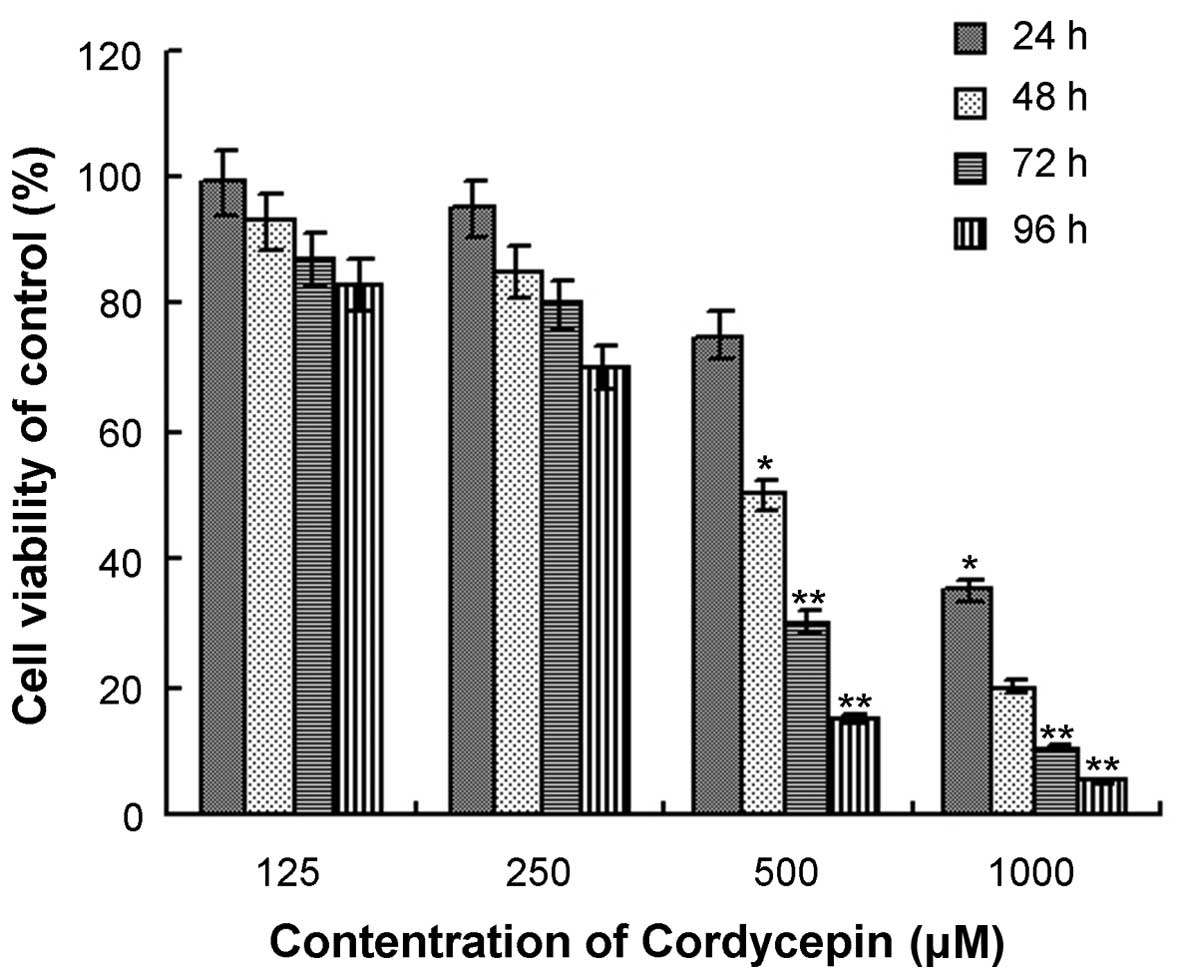
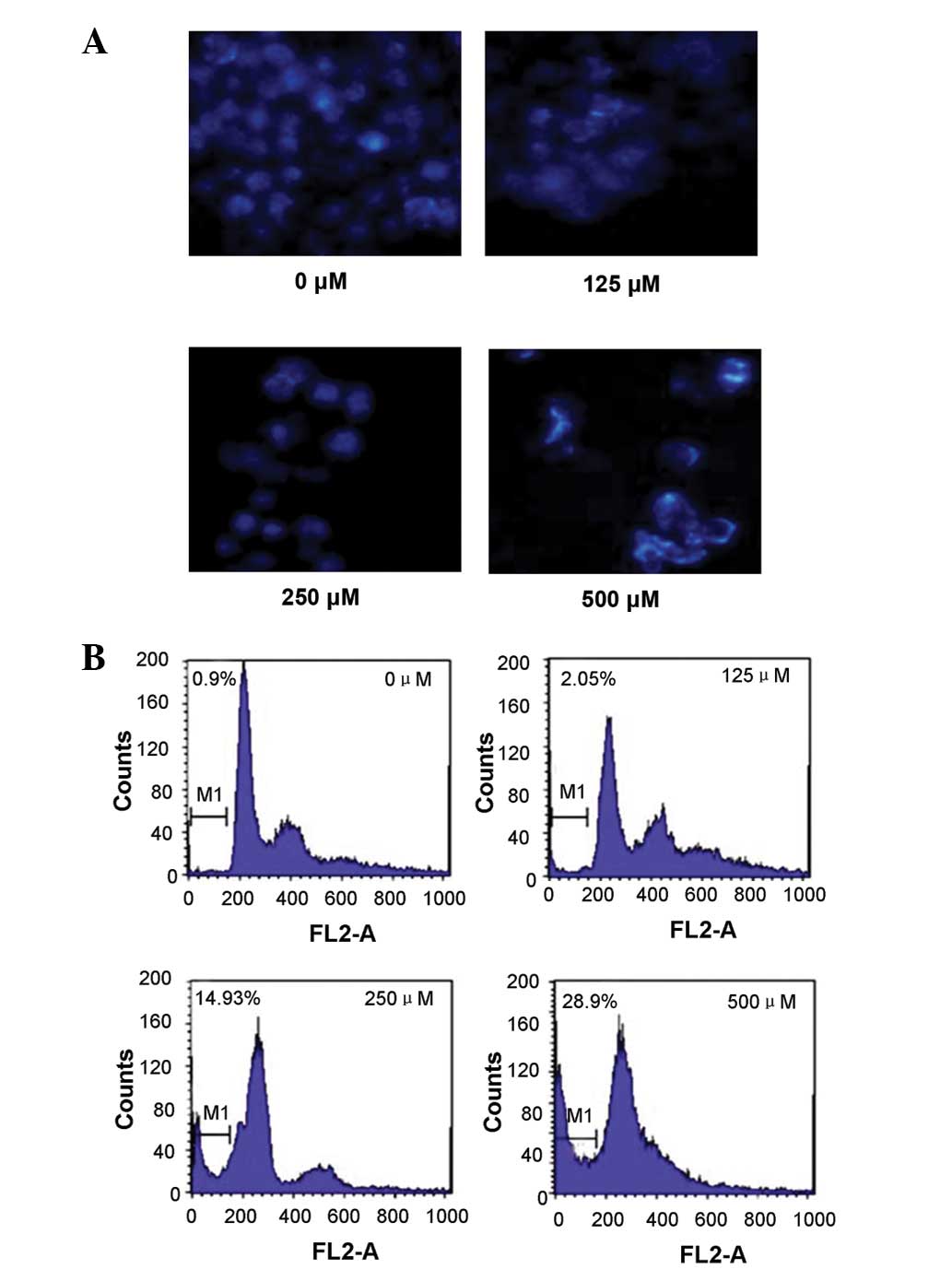
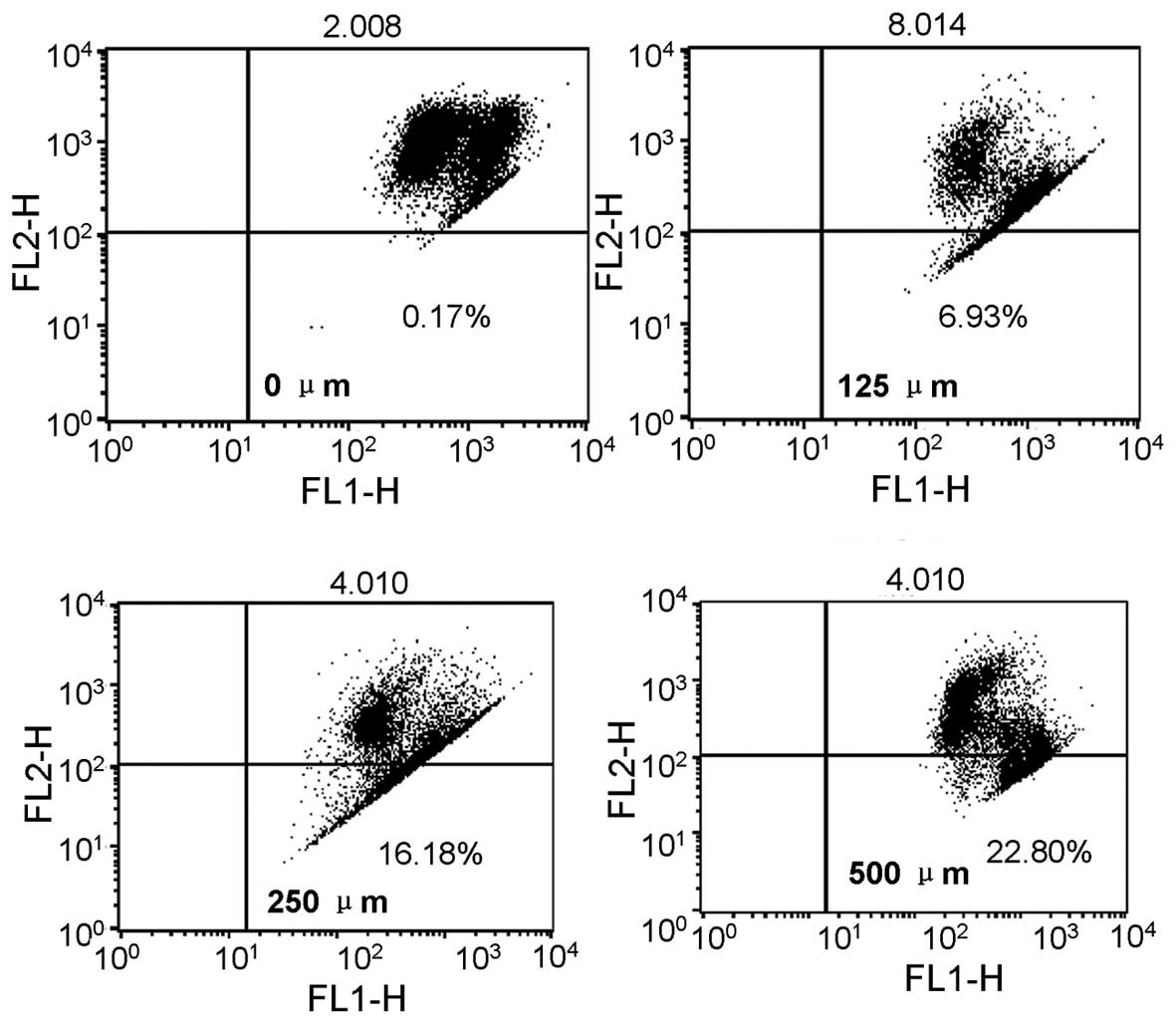
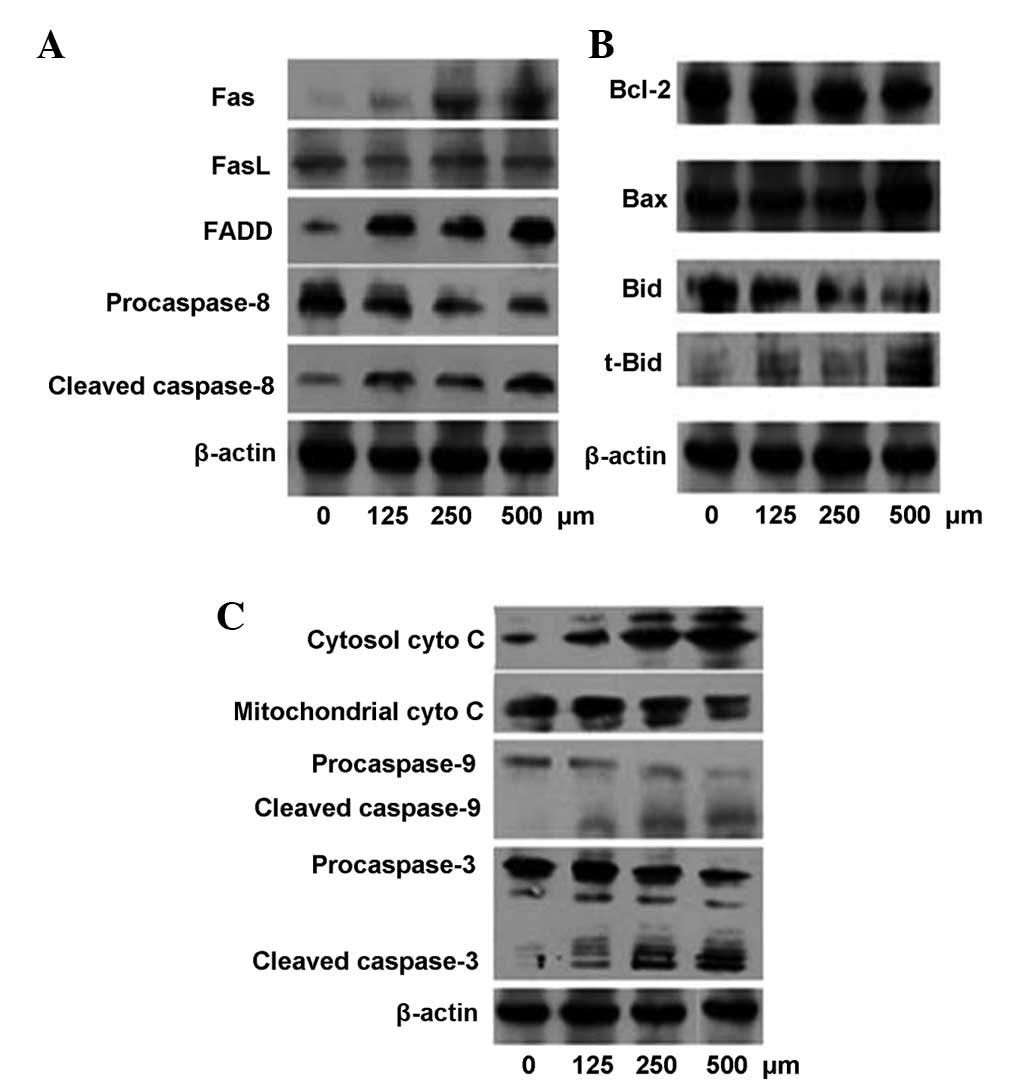
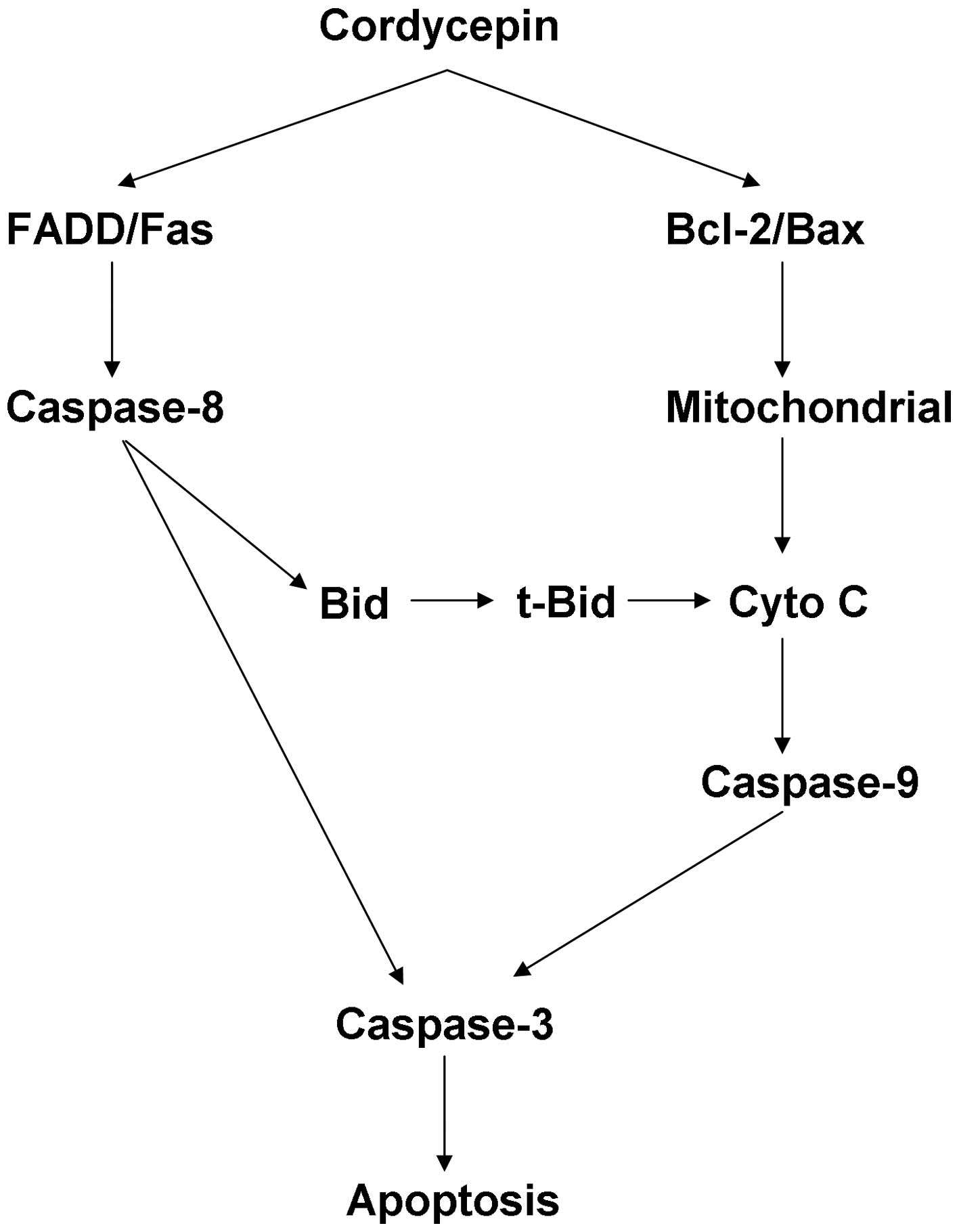
Cordycepin, also termed 3'-deoxyadenosine, is a nucleoside analogue from Cordyceps sinensis and has been reported to demonstrate numerous biological and pharmacological properties. Our previous study illustrated that the anti‑tumor effect of cordycepin may be associated with apoptosis. In the present study, the apoptotic effect of cordycepin on HepG2 cells was investigated using 4',6-diamidino-2-phenylindole, tetraethylbenzimidazolylcarbocyanine iodide and propidium iodide staining analysis and flow cytometry. The results showed that cordycepin exhibited the ability to inhibit HepG2 cells in a time‑ and dose‑dependent manner when cells produced typical apoptotic morphological changes, including chromatin condensation, the accumulation of sub‑G1 cells and change mitochondrial permeability. A potential mechanism for cordycepin-induced apoptosis of human liver cancer HepG2 cells may occur through the extrinsic signaling pathway mediated by the transmembrane Fas-associated with death domain protein. Apoptosis was also associated with Bcl-2 family protein regulation, leading to altered mitochondrial membrane permeability and resulting in the release of cytochrome c into the cytosol. The activation of the caspase cascade is responsible for the execution of apoptosis. In conclusion, cordycepin‑induced apoptosis in HepG2 cells involved the extrinsic and intrinsic signaling pathway and was primarily regulated by the Bcl-2 family proteins.
View Figures

Figure 1

Figure 2

Figure 3

Figure 4

Figure 5

Figure 6

View References

1 

Won SY and Park EH: Anti-inflammatory and related pharmacological activities of cultured mycelia and fruiting bodies of Cordyceps militaris. J Ethnopharmacol. 96:555–561. 2005. View Article : Google Scholar : PubMed/NCBI

2 

Yoo HS, Shin JW, Cho JH, Son CG, Lee YW, Park SY and Cho CK: Effects of Cordyceps militaris extract on angiogenesis and tumor growth. Acta Pharmacol Sin. 25:657–665. 2004.PubMed/NCBI

3 

Hattori M, Isomura S, Yokoyama E, Ujita M and Hara A: Extracellular trypsin-like proteases produced by Cordyceps militaris. J Biosci Bioeng. 100:631–636. 2005. View Article : Google Scholar : PubMed/NCBI

4 

Park C, Hong SH, Lee JY, Kim GY, Choi BT, Lee YT, Park DI, Park YM, Jeong YK and Choi YH: Growth inhibition of U937 leukemia cells by aqueous extract of Cordyceps militaris through induction of apoptosis. Oncol Rep. 13:1211–1216. 2005.PubMed/NCBI

5 

Zhang G, Huang Y, Bian Y, Wong JH, Ng TB and Wagn H: Hypoglycemic activity of the fungi Cordyceps militaris, Cordyceps sinensis, Tricholoma mongolicum and Omphalia lapidescens in streptozotocin-induced diabetic rats. Appl Microbiol Biotechnol. 72:1152–1156. 2006. View Article : Google Scholar : PubMed/NCBI

6 

Ohta Y, Lee JB, Hayashi K, Fujita A, Park DK and Hayashi T: In vivo anti-influenza virus activity of an immunomodulatory acidic polysaccharide isolated from Cordyceps militaris grown on germinated soybeans. J Agric Food Chem. 55:10194–10199. 2007. View Article : Google Scholar : PubMed/NCBI

7 

Lee H, Kim YJ, Kim HW, Lee DH, Sung MK and Park T: Induction of apoptosis by Cordyceps militaris through activation of caspase-3 in leukemia HL-60 cells. Biol Pharm Bull. 29:670–674. 2006. View Article : Google Scholar : PubMed/NCBI

8 

Xu FL, Lee YL, Tsai WY, Lin SJ, Yang ZQ, Yang CC, Liu HY, Cheng L, Xiao H and Wen L: Effect of cordycepin on Hantaan virus 76–118 infection of primary human embryonic pulmonary fibroblasts-characterization of apoptotic effects. Acta Virol. 49:183–193. 2005.PubMed/NCBI

9 

Nakamura K, Konoha K, Yoshikawa N, Yamaguchi Y, Kagota S, Shinozuka K and Kunitomo M: Effect of cordycepin (3′-deoxyadenosine) on hematogenic lung metastatic model mice. In Vivo. 19:137–141. 2005.PubMed/NCBI

10 

Nakamura K, Yoshikawa N, Yamaguchi Y, Kagota S, Shinozuka K and Kunitomo M: Antitumor effect of cordycepin (3′-deoxyadenosine) on mouse melanoma and lung carcinoma cells involves adenosine A3 receptor stimulation. Anticancer Res. 26:43–47. 2006.PubMed/NCBI

11 

Yoshikawa N, Nakamura K, Yamaguchi Y, Kagota S, Shinozuka K and Kunitomo M: Antitumour activity of cordycepin in mice. Clin Exp Pharmacol Physiol. 31(Suppl 2): S51–S53. 2004. View Article : Google Scholar : PubMed/NCBI

12 

Lee SJ, Kim SK, Choi WS, Kim WJ and Moon SK: Cordycepin causes p21WAF1-mediated G2/M cell-cycle arrest by regulating c-Jun N-terminal kinase activation in human bladder cancer cells. Arch Biochem Biophys. 490:103–109. 2009. View Article : Google Scholar : PubMed/NCBI

13 

Zhou X, Luo L, Dressel W, Shadier G, Krumbiegel D, Schmidtke P, Zepp F and Meyer CU: Cordycepin is an immunoregulatory active ingredient of Cordyceps sinensis. Am J Chin Med. 36:967–980. 2008. View Article : Google Scholar : PubMed/NCBI

14 

Shin S, Lee S, Kwon J, Moon S, Lee S, Lee CK, Cho K, Ha NJ and Kim K: Cordycepin suppresses expression of diabetes regulating genes by inhibition of lipopolysaccharide-induced inflammation in macrophages. Immune Netw. 9:98–105. 2009. View Article : Google Scholar : PubMed/NCBI

15 

Thomadaki H, Scorilas A, Tsiapalis CM and Havredaki M: The role of cordycepin in cancer treatment via induction or inhibition of apoptosis: Implication of polyadenylation in a cell type specific manner. Cancer Chemother Pharmacol. 61:251–265. 2008. View Article : Google Scholar : PubMed/NCBI

16 

Zhou X, Meyer CU, Schmidtke P and Zepp F: Effect of cordycepin on interleukin-10 production of human peripheral blood mononuclear cells. Eur J Pharmacol. 453:309–317. 2002. View Article : Google Scholar : PubMed/NCBI

17 

Guo P, Kai Q, Gao J, Lian ZQ, Wu CM, Wu CA and Zhu HB: Cordycepin prevents hyperlipidemia in hamsters fed a high-fat diet via activation of AMP-activated protein kinase. J Pharmacol Sci. 113:395–403. 2010. View Article : Google Scholar : PubMed/NCBI

18 

Lomonosova E and Chinnadurai G: BH3-only proteins in apoptosis and beyond: An overview. Oncogene. 27(Suppl 1): S2–S19. 2008. View Article : Google Scholar : PubMed/NCBI

19 

Seitz SJ, Schleithoff ES, Koch A, Schuster A, Teufel A, Staib F, Stremmel W, Melino G, Krammer PH, Schilling T and Müller M: Chemotherapy-induced apoptosis in hepatocellular carcinoma involves the p53 family and is mediated via the extrinsic and the intrinsic pathway. Int J Cancer. 126:2049–2066. 2010.PubMed/NCBI

20 

Lee SY, Debnath T, Kim SK and Lim BO: Anti-cancer effect and apoptosis induction of cordycepin through DR3 pathway in the human colonic cancer cell HT-29. Food Chem Toxicol. 60:439–447. 2013. View Article : Google Scholar : PubMed/NCBI

21 

Lee HH, Park C, Jeong JW, Kim MJ, Seo MJ, Kang BW, Park JU, Kim GY, Choi BT, Choi YH and Jeong YK: Apoptosis induction of human prostate carcinoma cells by cordycepin through reactive oxygen species-mediated mitochondrial death pathway. Int J Oncol. 42:1036–1044. 2013.PubMed/NCBI

22 

Chen YH, Wang JY, Pan BS, Mu YF, Lai MS, So EC, Wong TS and Huang BM: Cordycepin enhances cisplatin apoptotic effect through caspase/MAPK pathways in human head and neck tumor cells. Onco Targets Ther. 6:983–998. 2013.PubMed/NCBI

23 

Sytwu HK, Liblau RS and McDevitt HO: The roles of Fas/APO-1 (CD95) and TNF in antigen-induced programmed cell death in T cell receptor transgenic mice. Immunity. 5:17–30. 1996. View Article : Google Scholar : PubMed/NCBI

24 

Lien YC, Daosukho C and St Clair DK: TNF receptor deficiency reveals a translational control mechanism for adriamycin-induced Fas expression in cardiac tissues. Cytokine. 33:226–230. 2006. View Article : Google Scholar : PubMed/NCBI

25 

Grunert M, Gottschalk K, Kapahnke J, Gündisch S, Kieser A and Jeremias I: The adaptor protein FADD and the initiator caspase-8 mediate activation of NF-κB by TRAIL. Cell Death Dis. 3:e4142012. View Article : Google Scholar : PubMed/NCBI

26 

Saggioro FP, Neder L, Stavale JN, Paixão-Becker AN, Malheiros SM, Soares FA, Pittella JE, Matias CC, Colli BO, Carlotti CG and Franco M: Fas, FasL and cleaved caspases 8 and 3 in glioblastomas: A tissue microarray-based study. Pathol Res Pract. 210:267–273. 2014. View Article : Google Scholar : PubMed/NCBI

27 

Kaufmann T, Strasser A and Jost PJ: Fas death receptor signalling: Roles of Bid and XIAP. Cell Death Differ. 19:42–50. 2012. View Article : Google Scholar : PubMed/NCBI

28 

Vogel A, Aslan JE, Willenbring H, Klein C, Finegold M, Mount H, Thomas G and Grompe M: Sustained phosphorylation of Bid is a marker for resistance to Fas-induced apoptosis during chronic liver diseases. Gastroenterology. 130:104–119. 2006. View Article : Google Scholar : PubMed/NCBI

29 

Schmich K, Schlatter R, Corazza N, Ferreira Sá K, Ederer M, Brunner T, Borner C and Mergort I: Tumor necrosis factor α sensitizes primary murine hepatocytes to Fas/CD95-induced apoptosis in a Bim- and Bid-dependent manner. Hepatology. 53:282–292. 2011. View Article : Google Scholar : PubMed/NCBI

30 

Liu G, Wang T, Wang T, Song J and Zhou Z: Effects of apoptosis-related proteins caspase-3, Bax and Bcl-2 on cerebral ischemia rats. Biomed Rep. 1:861–867. 2013.PubMed/NCBI

31 

Hu Q, Cui X, Tao L, Xiu L, Wang T and Wang X: Staphylococcus aureus induces apoptosis in primary bovine mammary epithelial cells through Fas-FADD death receptor-linked caspase-8 signaling. DNA Cell Biol. 33:388–397. 2014. View Article : Google Scholar : PubMed/NCBI

32 

Jung EB and Lee CS: Baicalein attenuates proteasome inhibition-induced apoptosis by suppressing the activation of the mitochondrial pathway and the caspase-8- and Bid-dependent pathways. Eur J Pharmacol. 730:116–124. 2014. View Article : Google Scholar : PubMed/NCBI

33 

Wang J and Li W: Discovery of novel second mitochondria-derived activator of caspase mimetics as selective inhibitor of apoptosis protein inhibitors. J Pharmacol Exp Ther. 349:319–329. 2014. View Article : Google Scholar : PubMed/NCBI

34 

Gómez-Crisóstomo NP, López-Marure R, Zapata E, Zazueta C and Martínez-Abundis E: Bax induces cytochrome c release by multiple mechanisms in mitochondria from MCF7 cells. J Bioenerg Biomembr. 45:441–448. 2013. View Article : Google Scholar : PubMed/NCBI

35 

De Martino L, Marfé G, Longo M, Fiorito F, Montagnaro S, Iovane V, Decaro N and Pagnini U: Bid cleavage, cytochrome c release and caspase activation in canine coronavirus-induced apoptosis. Vet Microbiol. 141:36–45. 2010. View Article : Google Scholar : PubMed/NCBI

36 

Kumar P, Coltas IK, Kumar B, Chepeha DB, Bradford CR and Polverini P: Bcl-2 protects endothelial cells against gamma-radiation via a Raf-MEK-ERK-survivin signaling pathway that is independent of cytochrome c release. Cancer Res. 67:1193–1202. 2007. View Article : Google Scholar : PubMed/NCBI

37 

Lei X, Chen Y, Du G, Yu W, Wang X, Qu H, Xia B, He H, Mao J, Zong W, et al: Gossypol induces Bax/Bak-independent activation of apoptosis and cytochrome c release via a conformational change in Bcl-2. Faseb J. 20:2147–2149. 2006. View Article : Google Scholar : PubMed/NCBI

38 

Hajiahmadi S, Panjehpour M, Aghaei M and Shabani M: Activation of A2b adenosine receptor regulates ovarian cancer cell growth: involvement of Bax/Bcl-2 and caspase-3. Biochem Cell Biol. 93:321–329. 2015. View Article : Google Scholar : PubMed/NCBI

39 

Dastjerdi MN, Valiani A, Mardani M and Ra MZ: Adenosine A1 receptor modifies P53 expression and apoptosis in breast cancer cell Mcf-7. Bratisl Lek Listy. 117:242–246. 2016.PubMed/NCBI

40 

Nagaya H, Gotoh A, Kanno T and Nishizaki T: A3 adenosine receptor mediates apoptosis in invitro RCC4-VHL human renal cancer cells by up-regulation AMID expression. J Urol. 189:321–328. 2013. View Article : Google Scholar : PubMed/NCBI

Related Articles

  • Abstract
  • View
  • Download
  • Twitter
Copy and paste a formatted citation
Spandidos Publications style
Shao LW, Huang LH, Yan S, Jin JD and Ren SY: Cordycepin induces apoptosis in human liver cancer HepG2 cells through extrinsic and intrinsic signaling pathways. Oncol Lett 12: 995-1000, 2016.
APA
Shao, L., Huang, L., Yan, S., Jin, J., & Ren, S. (2016). Cordycepin induces apoptosis in human liver cancer HepG2 cells through extrinsic and intrinsic signaling pathways. Oncology Letters, 12, 995-1000. https://doi.org/10.3892/ol.2016.4706
MLA
Shao, L., Huang, L., Yan, S., Jin, J., Ren, S."Cordycepin induces apoptosis in human liver cancer HepG2 cells through extrinsic and intrinsic signaling pathways". Oncology Letters 12.2 (2016): 995-1000.
Chicago
Shao, L., Huang, L., Yan, S., Jin, J., Ren, S."Cordycepin induces apoptosis in human liver cancer HepG2 cells through extrinsic and intrinsic signaling pathways". Oncology Letters 12, no. 2 (2016): 995-1000. https://doi.org/10.3892/ol.2016.4706
Copy and paste a formatted citation
x
Spandidos Publications style
Shao LW, Huang LH, Yan S, Jin JD and Ren SY: Cordycepin induces apoptosis in human liver cancer HepG2 cells through extrinsic and intrinsic signaling pathways. Oncol Lett 12: 995-1000, 2016.
APA
Shao, L., Huang, L., Yan, S., Jin, J., & Ren, S. (2016). Cordycepin induces apoptosis in human liver cancer HepG2 cells through extrinsic and intrinsic signaling pathways. Oncology Letters, 12, 995-1000. https://doi.org/10.3892/ol.2016.4706
MLA
Shao, L., Huang, L., Yan, S., Jin, J., Ren, S."Cordycepin induces apoptosis in human liver cancer HepG2 cells through extrinsic and intrinsic signaling pathways". Oncology Letters 12.2 (2016): 995-1000.
Chicago
Shao, L., Huang, L., Yan, S., Jin, J., Ren, S."Cordycepin induces apoptosis in human liver cancer HepG2 cells through extrinsic and intrinsic signaling pathways". Oncology Letters 12, no. 2 (2016): 995-1000. https://doi.org/10.3892/ol.2016.4706
Follow us
  • Twitter
  • LinkedIn
  • Facebook
About
  • Spandidos Publications
  • Careers
  • Cookie Policy
  • Privacy Policy
How can we help?
  • Help
  • Live Chat
  • Contact
  • Email to our Support Team