Spandidos Publications Logo
  • About
    • About Spandidos
    • Aims and Scopes
    • Abstracting and Indexing
    • Editorial Policies
    • Reprints and Permissions
    • Job Opportunities
    • Terms and Conditions
    • Contact
  • Journals
    • All Journals
    • Oncology Letters
      • Oncology Letters
      • Information for Authors
      • Editorial Policies
      • Editorial Board
      • Aims and Scope
      • Abstracting and Indexing
      • Bibliographic Information
      • Archive
    • International Journal of Oncology
      • International Journal of Oncology
      • Information for Authors
      • Editorial Policies
      • Editorial Board
      • Aims and Scope
      • Abstracting and Indexing
      • Bibliographic Information
      • Archive
    • Molecular and Clinical Oncology
      • Molecular and Clinical Oncology
      • Information for Authors
      • Editorial Policies
      • Editorial Board
      • Aims and Scope
      • Abstracting and Indexing
      • Bibliographic Information
      • Archive
    • Experimental and Therapeutic Medicine
      • Experimental and Therapeutic Medicine
      • Information for Authors
      • Editorial Policies
      • Editorial Board
      • Aims and Scope
      • Abstracting and Indexing
      • Bibliographic Information
      • Archive
    • International Journal of Molecular Medicine
      • International Journal of Molecular Medicine
      • Information for Authors
      • Editorial Policies
      • Editorial Board
      • Aims and Scope
      • Abstracting and Indexing
      • Bibliographic Information
      • Archive
    • Biomedical Reports
      • Biomedical Reports
      • Information for Authors
      • Editorial Policies
      • Editorial Board
      • Aims and Scope
      • Abstracting and Indexing
      • Bibliographic Information
      • Archive
    • Oncology Reports
      • Oncology Reports
      • Information for Authors
      • Editorial Policies
      • Editorial Board
      • Aims and Scope
      • Abstracting and Indexing
      • Bibliographic Information
      • Archive
    • Molecular Medicine Reports
      • Molecular Medicine Reports
      • Information for Authors
      • Editorial Policies
      • Editorial Board
      • Aims and Scope
      • Abstracting and Indexing
      • Bibliographic Information
      • Archive
    • World Academy of Sciences Journal
      • World Academy of Sciences Journal
      • Information for Authors
      • Editorial Policies
      • Editorial Board
      • Aims and Scope
      • Abstracting and Indexing
      • Bibliographic Information
      • Archive
    • International Journal of Functional Nutrition
      • International Journal of Functional Nutrition
      • Information for Authors
      • Editorial Policies
      • Editorial Board
      • Aims and Scope
      • Abstracting and Indexing
      • Bibliographic Information
      • Archive
    • International Journal of Epigenetics
      • International Journal of Epigenetics
      • Information for Authors
      • Editorial Policies
      • Editorial Board
      • Aims and Scope
      • Abstracting and Indexing
      • Bibliographic Information
      • Archive
    • Medicine International
      • Medicine International
      • Information for Authors
      • Editorial Policies
      • Editorial Board
      • Aims and Scope
      • Abstracting and Indexing
      • Bibliographic Information
      • Archive
  • Articles
  • Information
    • Information for Authors
    • Information for Reviewers
    • Information for Librarians
    • Information for Advertisers
    • Conferences
  • Language Editing
Spandidos Publications Logo
  • About
    • About Spandidos
    • Aims and Scopes
    • Abstracting and Indexing
    • Editorial Policies
    • Reprints and Permissions
    • Job Opportunities
    • Terms and Conditions
    • Contact
  • Journals
    • All Journals
    • Biomedical Reports
      • Information for Authors
      • Editorial Policies
      • Editorial Board
      • Aims and Scope
      • Abstracting and Indexing
      • Bibliographic Information
      • Archive
    • Experimental and Therapeutic Medicine
      • Information for Authors
      • Editorial Policies
      • Editorial Board
      • Aims and Scope
      • Abstracting and Indexing
      • Bibliographic Information
      • Archive
    • International Journal of Epigenetics
      • Information for Authors
      • Editorial Policies
      • Editorial Board
      • Aims and Scope
      • Abstracting and Indexing
      • Bibliographic Information
      • Archive
    • International Journal of Functional Nutrition
      • Information for Authors
      • Editorial Policies
      • Editorial Board
      • Aims and Scope
      • Abstracting and Indexing
      • Bibliographic Information
      • Archive
    • International Journal of Molecular Medicine
      • Information for Authors
      • Editorial Policies
      • Editorial Board
      • Aims and Scope
      • Abstracting and Indexing
      • Bibliographic Information
      • Archive
    • International Journal of Oncology
      • Information for Authors
      • Editorial Policies
      • Editorial Board
      • Aims and Scope
      • Abstracting and Indexing
      • Bibliographic Information
      • Archive
    • Medicine International
      • Information for Authors
      • Editorial Policies
      • Editorial Board
      • Aims and Scope
      • Abstracting and Indexing
      • Bibliographic Information
      • Archive
    • Molecular and Clinical Oncology
      • Information for Authors
      • Editorial Policies
      • Editorial Board
      • Aims and Scope
      • Abstracting and Indexing
      • Bibliographic Information
      • Archive
    • Molecular Medicine Reports
      • Information for Authors
      • Editorial Policies
      • Editorial Board
      • Aims and Scope
      • Abstracting and Indexing
      • Bibliographic Information
      • Archive
    • Oncology Letters
      • Information for Authors
      • Editorial Policies
      • Editorial Board
      • Aims and Scope
      • Abstracting and Indexing
      • Bibliographic Information
      • Archive
    • Oncology Reports
      • Information for Authors
      • Editorial Policies
      • Editorial Board
      • Aims and Scope
      • Abstracting and Indexing
      • Bibliographic Information
      • Archive
    • World Academy of Sciences Journal
      • Information for Authors
      • Editorial Policies
      • Editorial Board
      • Aims and Scope
      • Abstracting and Indexing
      • Bibliographic Information
      • Archive
  • Articles
  • Information
    • For Authors
    • For Reviewers
    • For Librarians
    • For Advertisers
    • Conferences
  • Language Editing
Login Register Submit
  • This site uses cookies
  • You can change your cookie settings at any time by following the instructions in our Cookie Policy. To find out more, you may read our Privacy Policy.

    I agree
Search articles by DOI, keyword, author or affiliation
Search
Advanced Search
presentation
Oncology Letters
Join Editorial Board Propose a Special Issue
Print ISSN: 1792-1074 Online ISSN: 1792-1082
Journal Cover
February-2018 Volume 15 Issue 2

Full Size Image

Sign up for eToc alerts
Recommend to Library

Journals

International Journal of Molecular Medicine

International Journal of Molecular Medicine

International Journal of Molecular Medicine is an international journal devoted to molecular mechanisms of human disease.

International Journal of Oncology

International Journal of Oncology

International Journal of Oncology is an international journal devoted to oncology research and cancer treatment.

Molecular Medicine Reports

Molecular Medicine Reports

Covers molecular medicine topics such as pharmacology, pathology, genetics, neuroscience, infectious diseases, molecular cardiology, and molecular surgery.

Oncology Reports

Oncology Reports

Oncology Reports is an international journal devoted to fundamental and applied research in Oncology.

Experimental and Therapeutic Medicine

Experimental and Therapeutic Medicine

Experimental and Therapeutic Medicine is an international journal devoted to laboratory and clinical medicine.

Oncology Letters

Oncology Letters

Oncology Letters is an international journal devoted to Experimental and Clinical Oncology.

Biomedical Reports

Biomedical Reports

Explores a wide range of biological and medical fields, including pharmacology, genetics, microbiology, neuroscience, and molecular cardiology.

Molecular and Clinical Oncology

Molecular and Clinical Oncology

International journal addressing all aspects of oncology research, from tumorigenesis and oncogenes to chemotherapy and metastasis.

World Academy of Sciences Journal

World Academy of Sciences Journal

Multidisciplinary open-access journal spanning biochemistry, genetics, neuroscience, environmental health, and synthetic biology.

International Journal of Functional Nutrition

International Journal of Functional Nutrition

Open-access journal combining biochemistry, pharmacology, immunology, and genetics to advance health through functional nutrition.

International Journal of Epigenetics

International Journal of Epigenetics

Publishes open-access research on using epigenetics to advance understanding and treatment of human disease.

Medicine International

Medicine International

An International Open Access Journal Devoted to General Medicine.

Journal Cover
February-2018 Volume 15 Issue 2

Full Size Image

Sign up for eToc alerts
Recommend to Library

  • Article
  • Citations
    • Cite This Article
    • Download Citation
    • Create Citation Alert
    • Remove Citation Alert
    • Cited By
  • Similar Articles
    • Related Articles (in Spandidos Publications)
    • Similar Articles (Google Scholar)
    • Similar Articles (PubMed)
  • Download PDF
  • Download XML
  • View XML
Article Open Access

Piperlongumine induces apoptosis and autophagy in leukemic cells through targeting the PI3K/Akt/mTOR and p38 signaling pathways

  • Authors:
    • Hongfei Wang
    • Yongqiang Wang
    • Hongmei Gao
    • Bing Wang
    • Lin Dou
    • Yin Li
  • View Affiliations / Copyright

    Affiliations: Department of Intensive Care Unit, Tianjin First Center Hospital, Nankai, Tianjin 300192, P.R. China
    Copyright: © Wang et al. This is an open access article distributed under the terms of Creative Commons Attribution License.
  • Pages: 1423-1428
    |
    Published online on: November 29, 2017
       https://doi.org/10.3892/ol.2017.7498
  • Expand metrics +
Metrics: Total Views: 0 (Spandidos Publications: | PMC Statistics: )
Metrics: Total PDF Downloads: 0 (Spandidos Publications: | PMC Statistics: )
Cited By (CrossRef): 0 citations Loading Articles...

This article is mentioned in:


Abstract

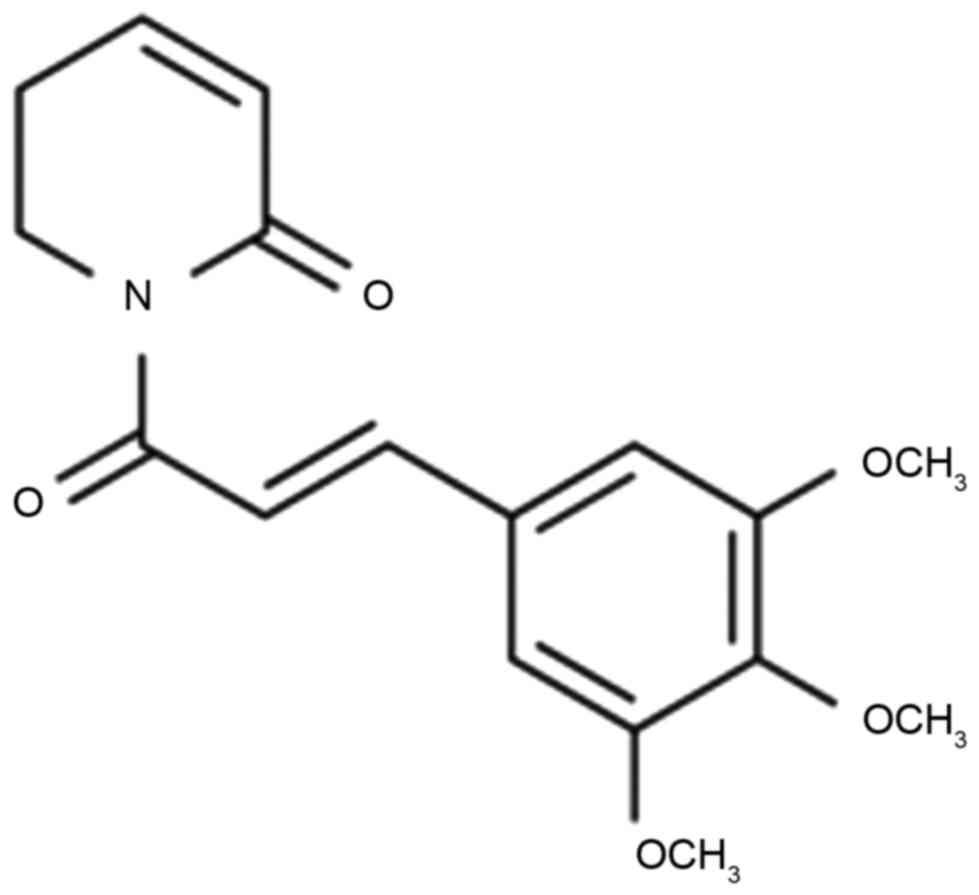
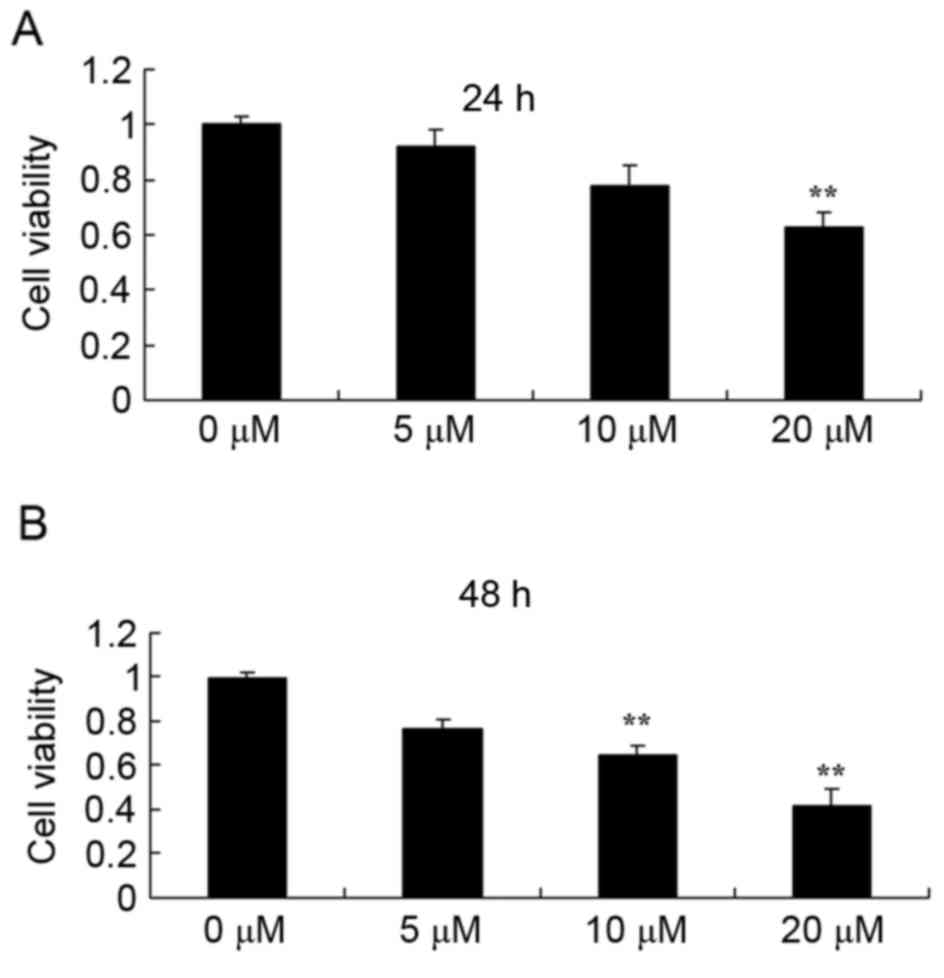
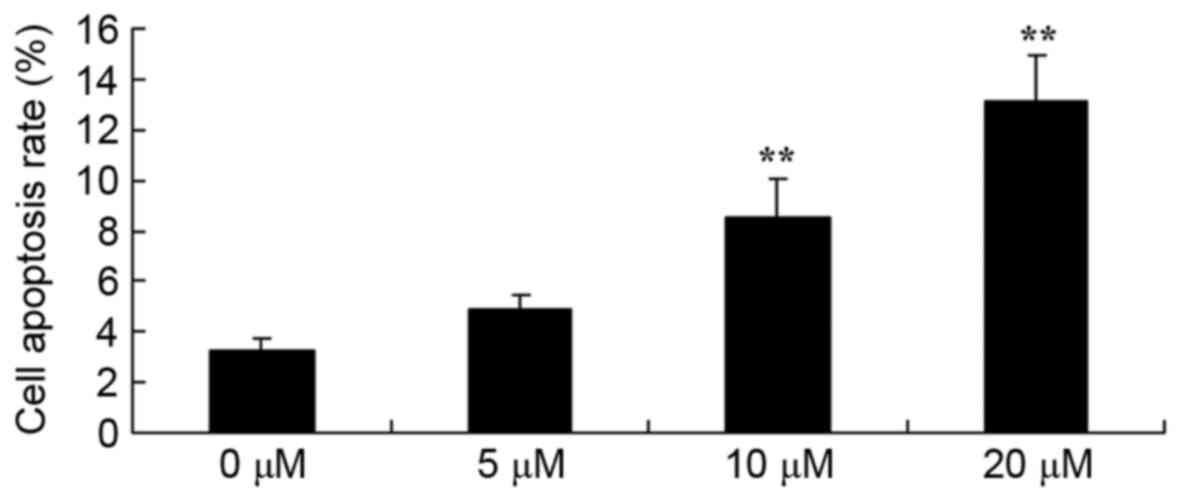
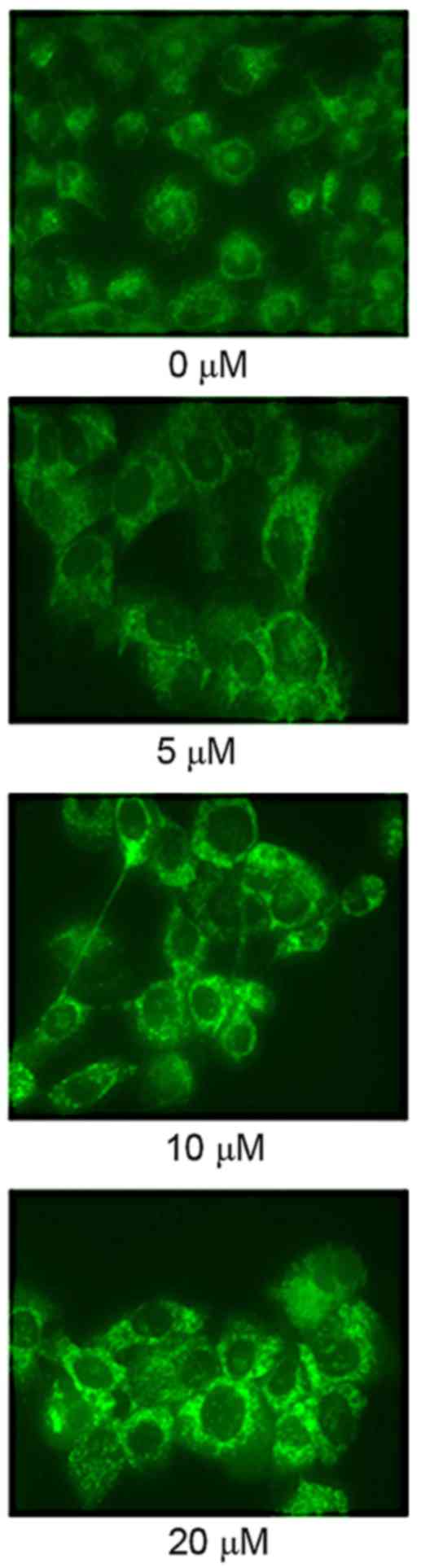
Piperlongumine is an alkaloid compound extracted from Piper longum L. It is a chemical substance with various pharmacological effects and medicinal value, including anti‑tumor, lipid metabolism regulatory, antiplatelet aggregation and analgesic properties. The present study aimed to understand whether piperlongumine induces the apoptosis and autophagy of leukemic cells, and to identify the mechanism involved. Cell viability and autophagy were detected using MTT, phenazine methyl sulfate and trypan blue exclusion assays. The apoptosis rate was calculated using flow cytometry. The protein expression levels of microtubule‑associated protein 1A/1B‑light chain 3, Akt and mechanistic target of rapamycin (mTOR) were measured using western blotting. The cell growth of leukemic cells was completely inhibited following treatment with piperlongumine, and marked apoptosis was also induced. Dead cells as a result of autophagy were stained using immunofluorescence and observed under a light microscope. Phosphoinositide 3‑kinase (PI3K)/Akt/mTOR signaling was suppressed by treatment with piperlongumine, while p38 signaling and caspase‑3 activity were induced by treatment with piperlongumine. It was concluded that piperlongumine induces apoptosis and autophagy in leukemic cells through targeting the PI3K/Akt/mTOR and p38 signaling pathways.
View Figures

Figure 1

Figure 2

Figure 3

Figure 4

Figure 5

Figure 6

Figure 7

View References

1 

Hefazi M, Siddiqui M, Patnaik M, Wolanskyj A, Alkhateeb H, Zblewski D, Elliott M, Hogan W, Litzow M and Al-Kali A: Prognostic impact of combined NPM1+/FLT3-genotype in patients with acute myeloid leukemia with intermediate risk cytogenetics stratified by age and treatment modalities. Leuk Res: Sep. 3:2015.(Epub ahead of print).

2 

Ong E, Szedlak A, Kang Y, Smith P, Smith N, McBride M, Finlay D, Vuori K, Mason J, Ball ED, et al: A scalable method for molecular network reconstruction identifies properties of targets and mutations in acute myeloid leukemia. J Comput Biol. 22:266–288. 2015. View Article : Google Scholar : PubMed/NCBI

3 

Urtishak KA, Edwards AY, Wang LS, Hudome A, Robinson BW, Barrett JS, Cao K, Cory L, Moore JS, Bantly AD, et al: Potent obatoclax cytotoxicity and activation of triple death mode killing across infant acute lymphoblastic leukemia. Blood. 121:2689–2703. 2013. View Article : Google Scholar : PubMed/NCBI

4 

Wang F, Liu Z, Zeng J, Zhu H, Li J, Cheng X, Jiang T, Zhang L, Zhang C, Chen T, et al: Metformin synergistically sensitizes FLT3-ITD-positive acute myeloid leukemia to sorafenib by promoting mTOR-mediated apoptosis and autophagy. Leuk Res. 39:1421–1427. 2015. View Article : Google Scholar : PubMed/NCBI

5 

Kim Y, Eom JI, Jeung HK, Jang JE, Kim JS, Cheong JW, Kim YS and Min YH: Induction of cytosine arabinoside-resistant human myeloid leukemia cell death through autophagy regulation by hydroxychloroquine. Biomed Pharmacother. 73:87–96. 2015. View Article : Google Scholar : PubMed/NCBI

6 

Zauli G, Celeghini C, Melloni E, Voltan R, Ongari M, Tiribelli M, di Iasio MG, Lanza F and Secchiero P: The sorafenib plus nutlin-3 combination promotes synergistic cytotoxicity in acute myeloid leukemic cells irrespectively of FLT3 and p53 status. Haematologica. 97:1722–1730. 2012. View Article : Google Scholar : PubMed/NCBI

7 

Martelli AM, Lonetti A, Amadori S, McCubrey JA and Chiarini F: Enhancing the effectiveness of nucleoside analogs with mTORC1 blockers to treat acute myeloid leukemia patients. Cell Cycle. 12:1815–1816. 2013. View Article : Google Scholar : PubMed/NCBI

8 

Liu C, Xu P, Chen D, Fan X, Xu Y, Li M, Yang X and Wang C: Roles of autophagy-related genes Beclin-1 and LC3 in the development and progression of prostate cancer and benign prostatic hyperplasia. Biomed Rep. 1:855–860. 2013.PubMed/NCBI

9 

Liu L, He J, Wei X, Wan G, Lao Y, Xu W, Li Z, Hu H, Hu Z, Luo X, et al: MicroRNA-20a-mediated loss of autophagy contributes to breast tumorigenesis by promoting genomic damage and instability. Oncogene. Jun 19–2017.(Epub ahead of print). View Article : Google Scholar

10 

Qiu S, Sun L, Jin Y, An Q, Weng C and Zheng J: Silencing of BAG3 promotes the sensitivity of ovarian cancer cells to cisplatin via inhibition of autophagy. Oncol Rep. 38:309–316. 2017. View Article : Google Scholar : PubMed/NCBI

11 

Brigger D, Proikas-Cezanne T and Tschan MP: WIPI-dependent autophagy during neutrophil differentiation of NB4 acute promyelocytic leukemia cells. Cell Death Dis. 5:e13152014. View Article : Google Scholar : PubMed/NCBI

12 

Xie N, Zhong L, Liu L, Fang Y, Qi X, Cao J, Yang B, He Q and Ying M: Autophagy contributes to dasatinib-induced myeloid differentiation of human acute myeloid leukemia cells. Biochem Pharmacol. 89:74–85. 2014. View Article : Google Scholar : PubMed/NCBI

13 

Zhang SP, Niu YN, Yuan N, Zhang AH, Chao D, Xu QP, Wang LJ, Zhang XG, Zhao WL, Zhao Y and Wang JR: Role of autophagy in acute myeloid leukemia therapy. Chin J Cancer. 32:130–135. 2013. View Article : Google Scholar : PubMed/NCBI

14 

Jin HO, Park JA, Kim HA, Chang YH, Hong YJ, Park IC and Lee JK: Piperlongumine downregulates the expression of HER family in breast cancer cells. Biochem Biophys Res Commun. 486:1083–1089. 2017. View Article : Google Scholar : PubMed/NCBI

15 

Bullova P, Cougnoux A, Abunimer L, Kopacek J, Pastorekova S and Pacak K: Hypoxia potentiates the cytotoxic effect of piperlongumine in pheochromocytoma models. Oncotarget. 7:40531–40545. 2016. View Article : Google Scholar : PubMed/NCBI

16 

Wang F, Mao Y, You Q, Hua D and Cai D: Piperlongumine induces apoptosis and autophagy in human lung cancer cells through inhibition of PI3K/Akt/mTOR pathway. Int J Immunopathol Pharmacol. 28:362–373. 2015. View Article : Google Scholar : PubMed/NCBI

17 

Malkan UY, Gunes G, Isik A, Eliacik E, Etgul S, Aslan T, Balaban MS, Haznedaroglu IC, Demiroglu H, Goker H, et al: Rebound thrombocytosis following induction chemotherapy is an independent predictor of a good prognosis in acute myeloid leukemia patients attaining first complete remission. Acta Haematol. 134:32–37. 2015. View Article : Google Scholar : PubMed/NCBI

18 

O'Hear C, Inaba H, Pounds S, Shi L, Dahl G, Bowman WP, Taub JW, Pui CH, Ribeiro RC, Coustan-Smith E, et al: Gemtuzumab ozogamicin can reduce minimal residual disease in patients with childhood acute myeloid leukemia. Cancer. 119:4036–4043. 2013. View Article : Google Scholar : PubMed/NCBI

19 

Dhillon H, Chikara S and Reindl KM: Piperlongumine induces pancreatic cancer cell death by enhancing reactive oxygen species and DNA damage. Toxicol Rep. 1:309–318. 2014. View Article : Google Scholar : PubMed/NCBI

20 

Yu J, Lan L, Lewin SJ, Rogers SA, Roy A, Wu X, Gao P, Karanicolas J, Aubé J, Sun B and Xu L: Identification of novel small molecule Beclin 1 mimetics activating autophagy. Oncotarget. May 18–2017.(Epub ahead of print).

21 

Tanios R, Bekdash A, Kassab E, Stone E, Georgiou G, Frankel AE and Abi-Habib RJ: Human recombinant arginase I(Co)-PEG5000 [HuArgI(Co)-PEG5000]-induced arginine depletion is selectively cytotoxic to human acute myeloid leukemia cells. Leuk Res. 37:1565–1571. 2013. View Article : Google Scholar : PubMed/NCBI

22 

Liu LL, Long ZJ, Wang LX, Zheng FM, Fang ZG, Yan M, Xu DF, Chen JJ, Wang SW, Lin DJ and Liu Q: Inhibition of mTOR pathway sensitizes acute myeloid leukemia cells to aurora inhibitors by suppression of glycolytic metabolism. Mol Cancer Res. 11:1326–1336. 2013. View Article : Google Scholar : PubMed/NCBI

23 

Makhov P, Golovine K, Teper E, Kutikov A, Mehrazin R, Corcoran A, Tulin A, Uzzo RG and Kolenko VM: Piperlongumine promotes autophagy via inhibition of Akt/mTOR signalling and mediates cancer cell death. Br J Cancer. 110:899–907. 2014. View Article : Google Scholar : PubMed/NCBI

24 

Wang Y, Wang JW, Xiao X, Shan Y, Xue B, Jiang G, He Q, Chen J, Xu HG, Zhao RX, et al: Piperlongumine induces autophagy by targeting p38 signaling. Cell Death Dis. 4:e8242013. View Article : Google Scholar : PubMed/NCBI

25 

Wang KF, Yang H, Jiang WQ, Li S and Cai YC: Puquitinib mesylate (XC-302) induces autophagy via inhibiting the PI3K/AKT/mTOR signaling pathway in nasopharyngeal cancer cells. Int J Mol Med. 36:1556–1562. 2015. View Article : Google Scholar : PubMed/NCBI

26 

Huang WR, Chiu HC, Liao TL, Chuang KP, Shih WL and Liu HJ: Avian reovirus protein p17 functions as a nucleoporin Tpr suppressor leading to activation of p53, p21 and PTEN and inactivation of PI3K/AKT/mTOR and ERK signaling pathways. PLoS One. 10:e01336992015. View Article : Google Scholar : PubMed/NCBI

27 

Zhou ZW, Li XX, He ZX, Pan ST, Yang Y, Zhang X, Chow K, Yang T, Qiu JX, Zhou Q, et al: Induction of apoptosis and autophagy via sirtuin1- and PI3 K/Akt/mTOR-mediated pathways by plumbagin in human prostate cancer cells. Drug Des Devel Ther. 9:1511–1554. 2015. View Article : Google Scholar : PubMed/NCBI

28 

Tsai JP, Lee CH, Ying TH, Lin CL, Lin CL, Hsueh JT and Hsieh YH: Licochalcone A induces autophagy through PI3K/Akt/mTOR inactivation and autophagy suppression enhances licochalcone A-induced apoptosis of human cervical cancer cells. Oncotarget. 6:28851–28866. 2015. View Article : Google Scholar : PubMed/NCBI

29 

Sun H, Wang Z and Yakisich JS: Natural products targeting autophagy via the PI3K/Akt/mTOR pathway as anticancer agents. Anticancer Agents Med Chem. 13:1048–1056. 2013. View Article : Google Scholar : PubMed/NCBI

30 

Li JP, Yang YX, Liu QL, Pan ST, He ZX, Zhang X, Yang T, Chen XW, Wang D, Qiu JX and Zhou SF: The investigational Aurora kinase A inhibitor alisertib (MLN8237) induces cell cycle G2/M arrest, apoptosis, and autophagy via p38 MAPK and Akt/mTOR signaling pathways in human breast cancer cells. Drug Des Devel Ther. 9:1627–1652. 2015.PubMed/NCBI

31 

Henson SM, Lanna A, Riddell NE, Franzese O, Macaulay R, Griffiths SJ, Puleston DJ, Watson AS, Simon AK, Tooze SA and Akbar AN: p38 signaling inhibits mTORC1-independent autophagy in senescent human CD8+ T cells. J Clin Invest. 124:4004–4016. 2014. View Article : Google Scholar : PubMed/NCBI

32 

Liu J, Chang F, Li F, Fu H, Wang J, Zhang S, Zhao J and Yin D: Palmitate promotes autophagy and apoptosis through ROS-dependent JNK and p38 MAPK. Biochem Biophys Res Commun. 463:262–267. 2015. View Article : Google Scholar : PubMed/NCBI

33 

Qin Y, Zhou ZW, Pan ST, He ZX, Zhang X, Qiu JX, Duan W, Yang T and Zhou SF: Graphene quantum dots induce apoptosis, autophagy, and inflammatory response via p38 mitogen-activated protein kinase and nuclear factor-κB mediated signaling pathways in activated THP-1 macrophages. Toxicology. 327:62–76. 2015. View Article : Google Scholar : PubMed/NCBI

34 

Xiong XX, Liu JM, Qiu XY, Pan F, Yu SB and Chen XQ: Piperlongumine induces apoptotic and autophagic death of the primary myeloid leukemia cells from patients via activation of ROS-p38/JNK pathways. Acta Pharmacol Sin. 36:362–374. 2015. View Article : Google Scholar : PubMed/NCBI

Related Articles

  • Abstract
  • View
  • Download
  • Twitter
Copy and paste a formatted citation
Spandidos Publications style
Wang H, Wang Y, Gao H, Wang B, Dou L and Li Y: Piperlongumine induces apoptosis and autophagy in leukemic cells through targeting the PI3K/Akt/mTOR and p38 signaling pathways. Oncol Lett 15: 1423-1428, 2018.
APA
Wang, H., Wang, Y., Gao, H., Wang, B., Dou, L., & Li, Y. (2018). Piperlongumine induces apoptosis and autophagy in leukemic cells through targeting the PI3K/Akt/mTOR and p38 signaling pathways. Oncology Letters, 15, 1423-1428. https://doi.org/10.3892/ol.2017.7498
MLA
Wang, H., Wang, Y., Gao, H., Wang, B., Dou, L., Li, Y."Piperlongumine induces apoptosis and autophagy in leukemic cells through targeting the PI3K/Akt/mTOR and p38 signaling pathways". Oncology Letters 15.2 (2018): 1423-1428.
Chicago
Wang, H., Wang, Y., Gao, H., Wang, B., Dou, L., Li, Y."Piperlongumine induces apoptosis and autophagy in leukemic cells through targeting the PI3K/Akt/mTOR and p38 signaling pathways". Oncology Letters 15, no. 2 (2018): 1423-1428. https://doi.org/10.3892/ol.2017.7498
Copy and paste a formatted citation
x
Spandidos Publications style
Wang H, Wang Y, Gao H, Wang B, Dou L and Li Y: Piperlongumine induces apoptosis and autophagy in leukemic cells through targeting the PI3K/Akt/mTOR and p38 signaling pathways. Oncol Lett 15: 1423-1428, 2018.
APA
Wang, H., Wang, Y., Gao, H., Wang, B., Dou, L., & Li, Y. (2018). Piperlongumine induces apoptosis and autophagy in leukemic cells through targeting the PI3K/Akt/mTOR and p38 signaling pathways. Oncology Letters, 15, 1423-1428. https://doi.org/10.3892/ol.2017.7498
MLA
Wang, H., Wang, Y., Gao, H., Wang, B., Dou, L., Li, Y."Piperlongumine induces apoptosis and autophagy in leukemic cells through targeting the PI3K/Akt/mTOR and p38 signaling pathways". Oncology Letters 15.2 (2018): 1423-1428.
Chicago
Wang, H., Wang, Y., Gao, H., Wang, B., Dou, L., Li, Y."Piperlongumine induces apoptosis and autophagy in leukemic cells through targeting the PI3K/Akt/mTOR and p38 signaling pathways". Oncology Letters 15, no. 2 (2018): 1423-1428. https://doi.org/10.3892/ol.2017.7498
Follow us
  • Twitter
  • LinkedIn
  • Facebook
About
  • Spandidos Publications
  • Careers
  • Cookie Policy
  • Privacy Policy
How can we help?
  • Help
  • Live Chat
  • Contact
  • Email to our Support Team