Spandidos Publications Logo
  • About
    • About Spandidos
    • Aims and Scopes
    • Abstracting and Indexing
    • Editorial Policies
    • Reprints and Permissions
    • Job Opportunities
    • Terms and Conditions
    • Contact
  • Journals
    • All Journals
    • Oncology Letters
      • Oncology Letters
      • Information for Authors
      • Editorial Policies
      • Editorial Board
      • Aims and Scope
      • Abstracting and Indexing
      • Bibliographic Information
      • Archive
    • International Journal of Oncology
      • International Journal of Oncology
      • Information for Authors
      • Editorial Policies
      • Editorial Board
      • Aims and Scope
      • Abstracting and Indexing
      • Bibliographic Information
      • Archive
    • Molecular and Clinical Oncology
      • Molecular and Clinical Oncology
      • Information for Authors
      • Editorial Policies
      • Editorial Board
      • Aims and Scope
      • Abstracting and Indexing
      • Bibliographic Information
      • Archive
    • Experimental and Therapeutic Medicine
      • Experimental and Therapeutic Medicine
      • Information for Authors
      • Editorial Policies
      • Editorial Board
      • Aims and Scope
      • Abstracting and Indexing
      • Bibliographic Information
      • Archive
    • International Journal of Molecular Medicine
      • International Journal of Molecular Medicine
      • Information for Authors
      • Editorial Policies
      • Editorial Board
      • Aims and Scope
      • Abstracting and Indexing
      • Bibliographic Information
      • Archive
    • Biomedical Reports
      • Biomedical Reports
      • Information for Authors
      • Editorial Policies
      • Editorial Board
      • Aims and Scope
      • Abstracting and Indexing
      • Bibliographic Information
      • Archive
    • Oncology Reports
      • Oncology Reports
      • Information for Authors
      • Editorial Policies
      • Editorial Board
      • Aims and Scope
      • Abstracting and Indexing
      • Bibliographic Information
      • Archive
    • Molecular Medicine Reports
      • Molecular Medicine Reports
      • Information for Authors
      • Editorial Policies
      • Editorial Board
      • Aims and Scope
      • Abstracting and Indexing
      • Bibliographic Information
      • Archive
    • World Academy of Sciences Journal
      • World Academy of Sciences Journal
      • Information for Authors
      • Editorial Policies
      • Editorial Board
      • Aims and Scope
      • Abstracting and Indexing
      • Bibliographic Information
      • Archive
    • International Journal of Functional Nutrition
      • International Journal of Functional Nutrition
      • Information for Authors
      • Editorial Policies
      • Editorial Board
      • Aims and Scope
      • Abstracting and Indexing
      • Bibliographic Information
      • Archive
    • International Journal of Epigenetics
      • International Journal of Epigenetics
      • Information for Authors
      • Editorial Policies
      • Editorial Board
      • Aims and Scope
      • Abstracting and Indexing
      • Bibliographic Information
      • Archive
    • Medicine International
      • Medicine International
      • Information for Authors
      • Editorial Policies
      • Editorial Board
      • Aims and Scope
      • Abstracting and Indexing
      • Bibliographic Information
      • Archive
  • Articles
  • Information
    • Information for Authors
    • Information for Reviewers
    • Information for Librarians
    • Information for Advertisers
    • Conferences
  • Language Editing
Spandidos Publications Logo
  • About
    • About Spandidos
    • Aims and Scopes
    • Abstracting and Indexing
    • Editorial Policies
    • Reprints and Permissions
    • Job Opportunities
    • Terms and Conditions
    • Contact
  • Journals
    • All Journals
    • Biomedical Reports
      • Information for Authors
      • Editorial Policies
      • Editorial Board
      • Aims and Scope
      • Abstracting and Indexing
      • Bibliographic Information
      • Archive
    • Experimental and Therapeutic Medicine
      • Information for Authors
      • Editorial Policies
      • Editorial Board
      • Aims and Scope
      • Abstracting and Indexing
      • Bibliographic Information
      • Archive
    • International Journal of Epigenetics
      • Information for Authors
      • Editorial Policies
      • Editorial Board
      • Aims and Scope
      • Abstracting and Indexing
      • Bibliographic Information
      • Archive
    • International Journal of Functional Nutrition
      • Information for Authors
      • Editorial Policies
      • Editorial Board
      • Aims and Scope
      • Abstracting and Indexing
      • Bibliographic Information
      • Archive
    • International Journal of Molecular Medicine
      • Information for Authors
      • Editorial Policies
      • Editorial Board
      • Aims and Scope
      • Abstracting and Indexing
      • Bibliographic Information
      • Archive
    • International Journal of Oncology
      • Information for Authors
      • Editorial Policies
      • Editorial Board
      • Aims and Scope
      • Abstracting and Indexing
      • Bibliographic Information
      • Archive
    • Medicine International
      • Information for Authors
      • Editorial Policies
      • Editorial Board
      • Aims and Scope
      • Abstracting and Indexing
      • Bibliographic Information
      • Archive
    • Molecular and Clinical Oncology
      • Information for Authors
      • Editorial Policies
      • Editorial Board
      • Aims and Scope
      • Abstracting and Indexing
      • Bibliographic Information
      • Archive
    • Molecular Medicine Reports
      • Information for Authors
      • Editorial Policies
      • Editorial Board
      • Aims and Scope
      • Abstracting and Indexing
      • Bibliographic Information
      • Archive
    • Oncology Letters
      • Information for Authors
      • Editorial Policies
      • Editorial Board
      • Aims and Scope
      • Abstracting and Indexing
      • Bibliographic Information
      • Archive
    • Oncology Reports
      • Information for Authors
      • Editorial Policies
      • Editorial Board
      • Aims and Scope
      • Abstracting and Indexing
      • Bibliographic Information
      • Archive
    • World Academy of Sciences Journal
      • Information for Authors
      • Editorial Policies
      • Editorial Board
      • Aims and Scope
      • Abstracting and Indexing
      • Bibliographic Information
      • Archive
  • Articles
  • Information
    • For Authors
    • For Reviewers
    • For Librarians
    • For Advertisers
    • Conferences
  • Language Editing
Login Register Submit
  • This site uses cookies
  • You can change your cookie settings at any time by following the instructions in our Cookie Policy. To find out more, you may read our Privacy Policy.

    I agree
Search articles by DOI, keyword, author or affiliation
Search
Advanced Search
presentation
Oncology Letters
Join Editorial Board Propose a Special Issue
Print ISSN: 1792-1074 Online ISSN: 1792-1082
Journal Cover
September-2018 Volume 16 Issue 3

Full Size Image

Sign up for eToc alerts
Recommend to Library

Journals

International Journal of Molecular Medicine

International Journal of Molecular Medicine

International Journal of Molecular Medicine is an international journal devoted to molecular mechanisms of human disease.

International Journal of Oncology

International Journal of Oncology

International Journal of Oncology is an international journal devoted to oncology research and cancer treatment.

Molecular Medicine Reports

Molecular Medicine Reports

Covers molecular medicine topics such as pharmacology, pathology, genetics, neuroscience, infectious diseases, molecular cardiology, and molecular surgery.

Oncology Reports

Oncology Reports

Oncology Reports is an international journal devoted to fundamental and applied research in Oncology.

Experimental and Therapeutic Medicine

Experimental and Therapeutic Medicine

Experimental and Therapeutic Medicine is an international journal devoted to laboratory and clinical medicine.

Oncology Letters

Oncology Letters

Oncology Letters is an international journal devoted to Experimental and Clinical Oncology.

Biomedical Reports

Biomedical Reports

Explores a wide range of biological and medical fields, including pharmacology, genetics, microbiology, neuroscience, and molecular cardiology.

Molecular and Clinical Oncology

Molecular and Clinical Oncology

International journal addressing all aspects of oncology research, from tumorigenesis and oncogenes to chemotherapy and metastasis.

World Academy of Sciences Journal

World Academy of Sciences Journal

Multidisciplinary open-access journal spanning biochemistry, genetics, neuroscience, environmental health, and synthetic biology.

International Journal of Functional Nutrition

International Journal of Functional Nutrition

Open-access journal combining biochemistry, pharmacology, immunology, and genetics to advance health through functional nutrition.

International Journal of Epigenetics

International Journal of Epigenetics

Publishes open-access research on using epigenetics to advance understanding and treatment of human disease.

Medicine International

Medicine International

An International Open Access Journal Devoted to General Medicine.

Journal Cover
September-2018 Volume 16 Issue 3

Full Size Image

Sign up for eToc alerts
Recommend to Library

  • Article
  • Citations
    • Cite This Article
    • Download Citation
    • Create Citation Alert
    • Remove Citation Alert
    • Cited By
  • Similar Articles
    • Related Articles (in Spandidos Publications)
    • Similar Articles (Google Scholar)
    • Similar Articles (PubMed)
  • Download PDF
  • Download XML
  • View XML
Article Open Access

MEG‑3‑mediated Wnt/β‑catenin signaling pathway controls the inhibition of tunicamycin‑mediated viability in glioblastoma

Retraction in: /10.3892/ol.2025.15162
  • Authors:
    • Xiangyu Cui
    • Dezhou Sun
    • Bin Shen
    • Xin Wang
  • View Affiliations / Copyright

    Affiliations: Department of Neurosurgery, Dezhou People's Hospital, Dezhou, Shandong 253045, P.R. China
    Copyright: © Cui et al. This is an open access article distributed under the terms of Creative Commons Attribution License.
  • Pages: 2797-2804
    |
    Published online on: June 28, 2018
       https://doi.org/10.3892/ol.2018.9048
  • Expand metrics +
Metrics: Total Views: 0 (Spandidos Publications: | PMC Statistics: )
Metrics: Total PDF Downloads: 0 (Spandidos Publications: | PMC Statistics: )
Cited By (CrossRef): 0 citations Loading Articles...

This article is mentioned in:


Abstract

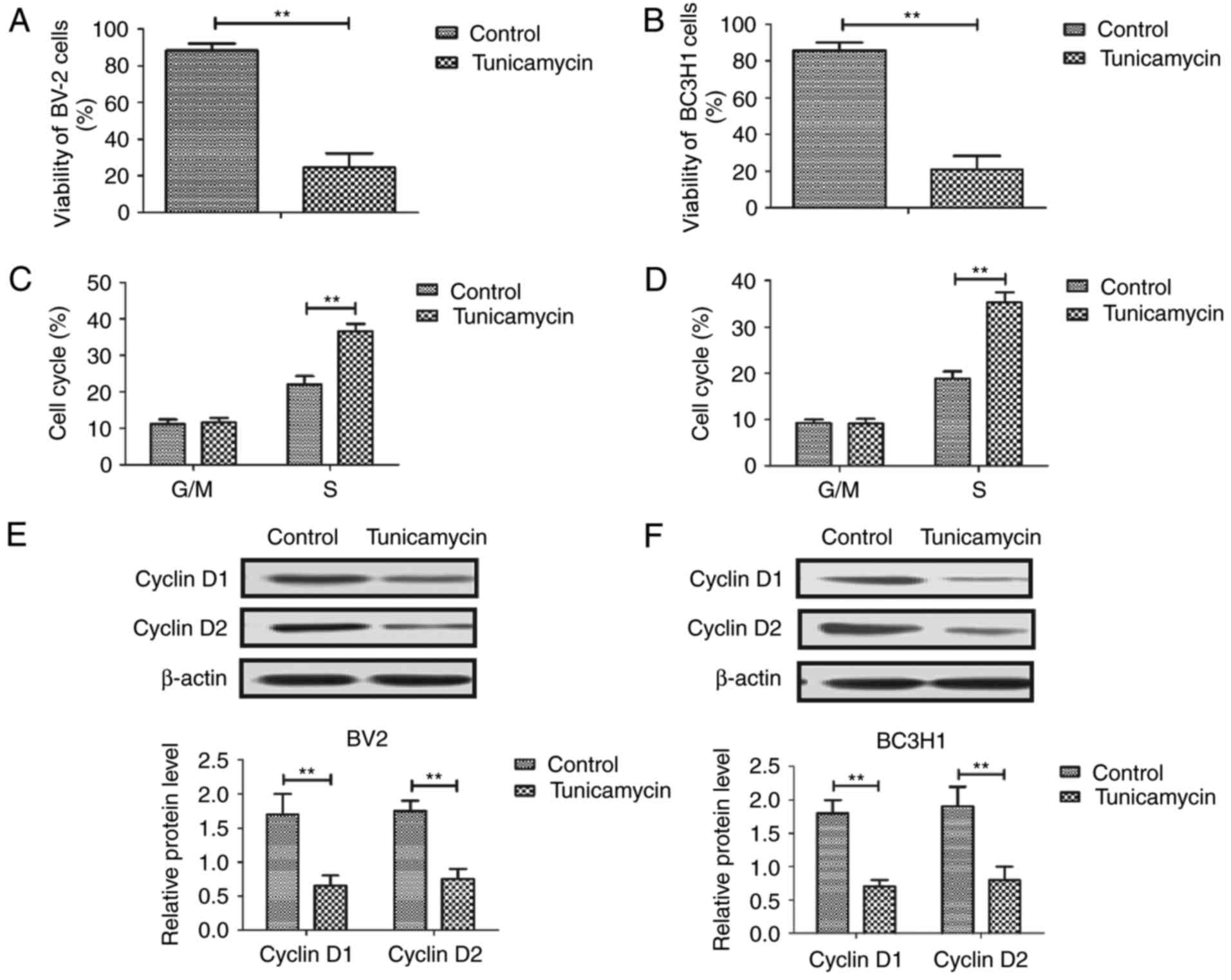
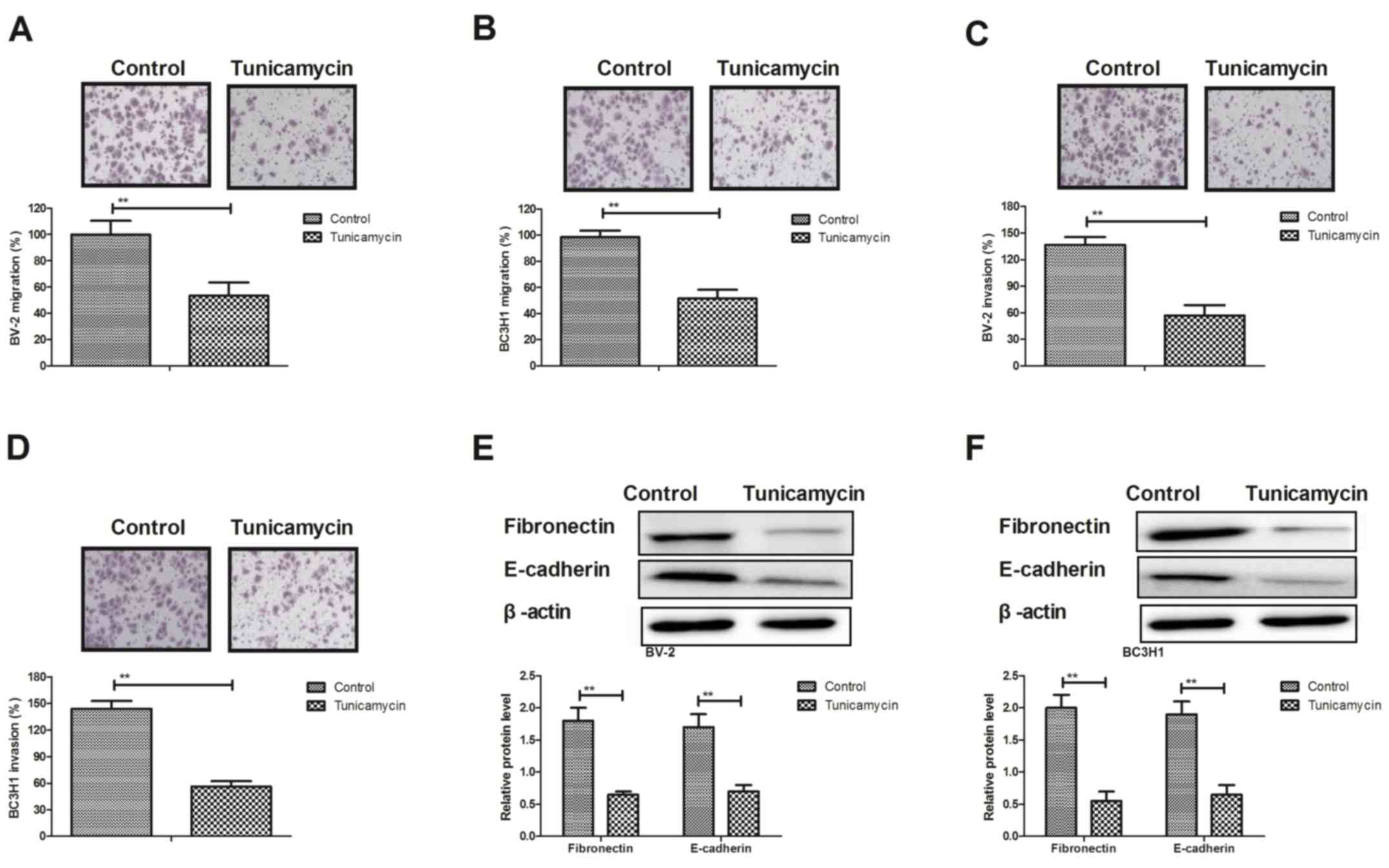
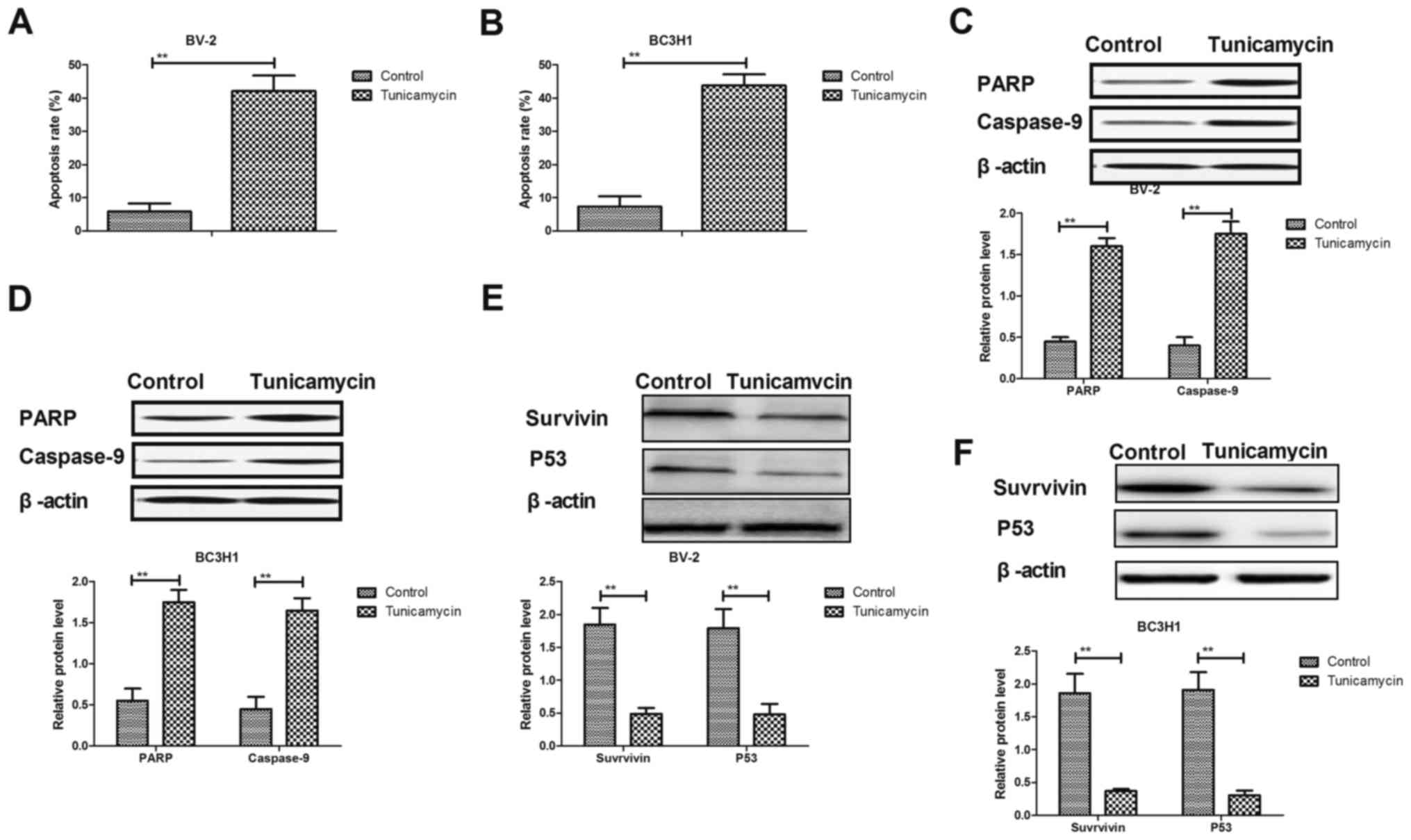
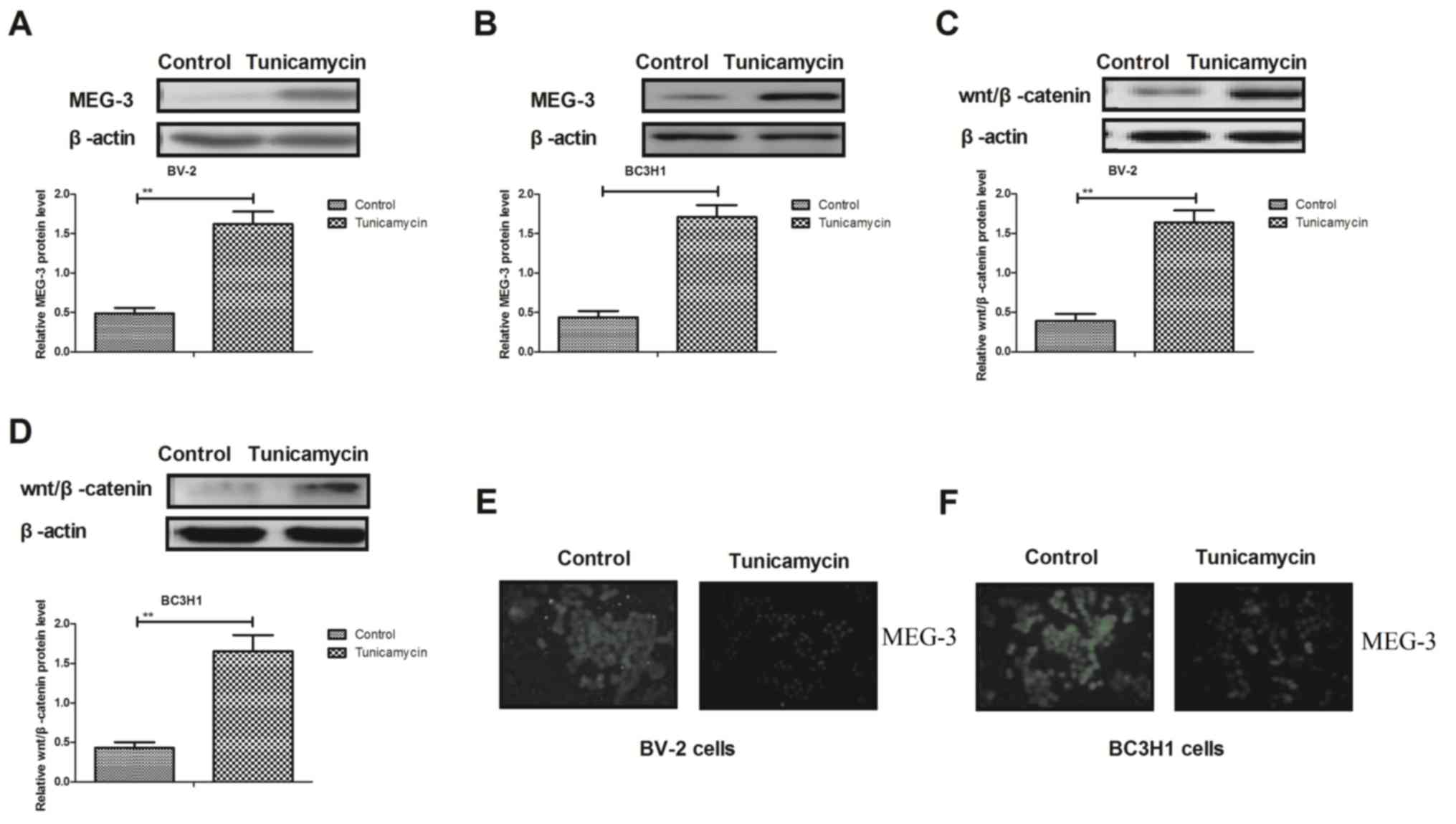
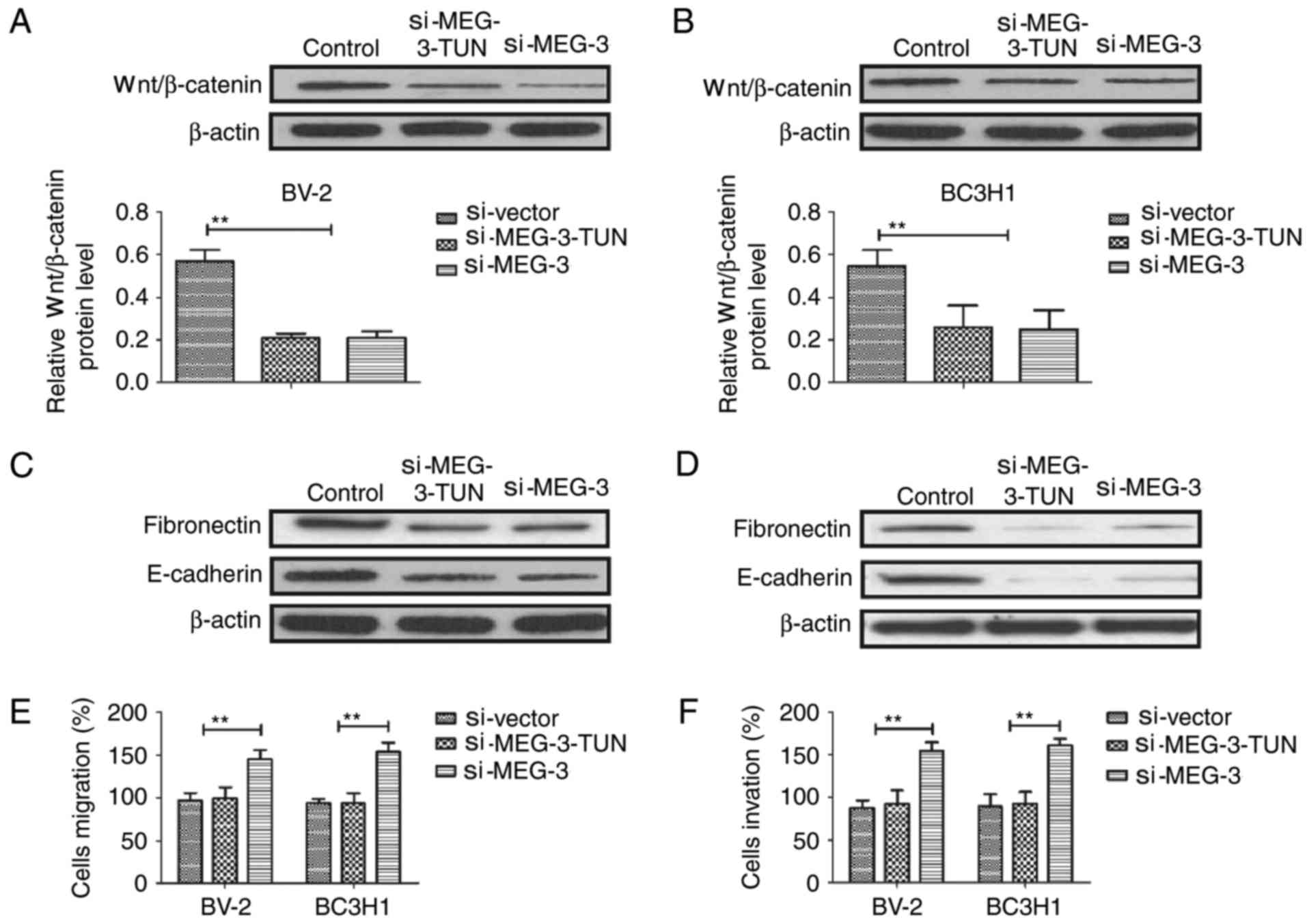
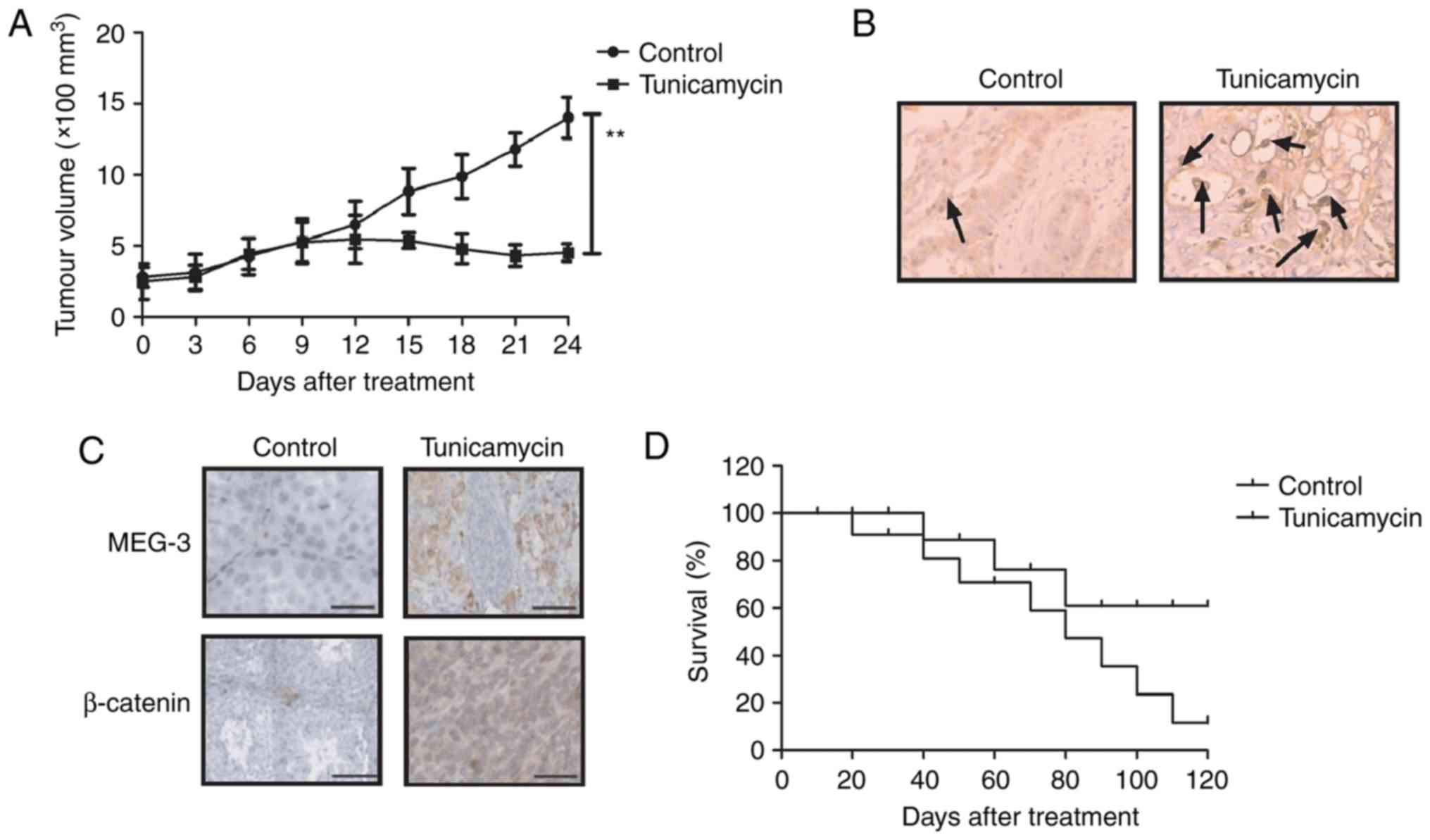
Glioblastoma is the most common primary brain carcinoma and leads to a poor survival rate of patients worldwide. Results of previous studies have suggested that tunicamycin may inhibit aggressiveness by promoting apoptosis of glioblastoma cells. In the present study, the effects of tunicamycin and its potential molecular mechanisms underlying the viability and aggressiveness of glioblastoma cells were investigated. Western blot analysis, the reverse transcription‑quantitative polymerase chain reaction, immunohistochemistry, apoptosis assays and immunofluorescence were employed to examine the effects of tunicamycin on apoptosis, viability, aggressiveness and cell cycle arrest of glioblastoma cells by downregulation of the expression levels of fibronectin and epithelial cadherin. In vitro experiments demonstrated that tunicamycin significantly inhibited the viability, migration and invasion of glioblastoma cells. Results demonstrated that tunicamycin administration promoted apoptosis of glioblastoma cells through the upregulation of poly(ADP‑ribose) polymerase and caspase‑9. Cell cycle assays revealed that tunicamycin suppressed the proliferation of, and induced cell cycle arrest at S phase in, glioblastoma cells. Additionally, tunicamycin increased the expression of maternally expressed gene‑3 (MEG‑3) and wingless/integrated (Wnt)/β‑catenin in glioblastoma cells. Results also indicated that tunicamycin administration promoted the Wnt/β‑catenin signaling pathway in glioblastoma cells. Knockdown of MEG‑3 inhibited tunicamycin‑mediated downregulation of the Wnt/β‑catenin signaling pathway, which was inhibited further by tunicamycin‑mediated inhibition of viability and aggressiveness in glioblastoma. In vivo assays demonstrated that tunicamycin treatment significantly inhibited tumor viability and promoted apoptosis, which further led to an increased survival rate of tumor‑bearing mice compared with that of the control group. In conclusion, these results indicate that tunicamycin may inhibit the viability and aggressiveness by regulating MEG‑3‑mediated Wnt/β‑catenin signaling, suggesting that tunicamycin may be a potential anticancer agent for glioblastoma therapy.
View Figures

Figure 1

Figure 2

Figure 3

Figure 4

Figure 5

Figure 6

View References

1 

Preusser M, Berghoff AS, Wick W and Weller M: Clinical Neuropathology mini-review 6–2015: PD-L1: Emerging biomarker in glioblastoma? Clin Neuropathol. 34:313–321. 2015. View Article : Google Scholar : PubMed/NCBI

2 

Nguyen HS, Doan N, Gelsomino M, Shabani S, Mueller W and Zaidat OO: Coincidence of an anterior cerebral artery aneurysm and a glioblastoma: Case report and review of literature. Int Med Case Rep J. 8:295–299. 2015. View Article : Google Scholar : PubMed/NCBI

3 

Wang K, Kievit FM, Jeon M, Silber JR, Ellenbogen RG and Zhang M: Nanoparticle-mediated target delivery of TRAIL as gene therapy for glioblastoma. Adv Healthc Mater. 4:2719–2726. 2015. View Article : Google Scholar : PubMed/NCBI

4 

Hariri OR, Quadri SA, Farr S, Gupta R, Bieber AJ, Dyurgerova A, Corsino C, Miulli D and Siddiqi J: Third ventricular glioblastoma multiforme: Case report and literature review. J Neurol Surg Rep. 76:e227–e232. 2015. View Article : Google Scholar : PubMed/NCBI

5 

Goudar RK, Shi Q, Hjelmeland MD, Keir ST, McLendon RE, Wikstrand CJ, Reese ED, Conrad CA, Traxler P, Lane HA, et al: Combination therapy of inhibitors of epidermal growth factor receptor/vascular endothelial growth factor receptor 2 (AEE788) and the mammalian target of rapamycin (RAD001) offers improved glioblastoma tumor growth inhibition. Mol Cancer Ther. 4:101–112. 2005.PubMed/NCBI

6 

Delfino KR, Serao NV, Southey BR and Rodriguez-Zas SL: Therapy-, gender- and race-specific microRNA markers, target genes and networks related to glioblastoma recurrence and survival. Cancer Genomics Proteomics. 8:173–183. 2011.PubMed/NCBI

7 

Koekkoek JA, Postma TJ, Heimans JJ, Reijneveld JC and Taphoorn MJ: Antiepileptic drug treatment in the end-of-life phase of glioma patients: A feasibility study. Support Care Cancer. 24:1633–1638. 2015. View Article : Google Scholar : PubMed/NCBI

8 

Thuy MN, Kam JK, Lee GC, Tao PL, Ling DQ, Cheng M, Goh SK, Papachristos AJ, Shukla L, Wall KL, et al: A novel literature-based approach to identify genetic and molecular predictors of survival in glioblastoma multiforme: Analysis of 14,678 patients using systematic review and meta-analytical tools. J Clin Neurosci. 22:785–799. 2015. View Article : Google Scholar : PubMed/NCBI

9 

Jiang CC, Chen LH, Gillespie S, Kiejda KA, Mhaidat N, Wang YF, Thorne R, Zhang XD and Hersey P: Tunicamycin sensitizes human melanoma cells to tumor necrosis factor-related apoptosis-inducing ligand-induced apoptosis by up-regulation of TRAIL-R2 via the unfolded protein response. Cancer Res. 67:5880–5888. 2007. View Article : Google Scholar : PubMed/NCBI

10 

Shiraishi T, Yoshida T, Nakata S, Horinaka M, Wakada M, Mizutani Y, Miki T and Sakai T: Tunicamycin enhances tumor necrosis factor-related apoptosis-inducing ligand-induced apoptosis in human prostate cancer cells. Cancer Res. 65:6364–6370. 2005. View Article : Google Scholar : PubMed/NCBI

11 

Giordano E, Davalos A, Nicod N and Visioli F: Hydroxytyrosol attenuates tunicamycin-induced endoplasmic reticulum stress in human hepatocarcinoma cells. Mol Nutr Food Res. 58:954–962. 2014. View Article : Google Scholar : PubMed/NCBI

12 

Carlisle RE, Brimble E, Werner KE, Cruz GL, Ask K, Ingram AJ and Dickhout JG: 4-Phenylbutyrate inhibits tunicamycin-induced acute kidney injury via CHOP/GADD153 repression. PLoS One. 9:e846632014. View Article : Google Scholar : PubMed/NCBI

13 

Kim SH, Shin HY, Kim YS, Kang JG, Kim CS, Ihm SH, Choi MG, Yoo HJ and Lee SJ: Tunicamycin induces paraptosis potentiated by inhibition of BRAFV600E in FRO anaplastic thyroid carcinoma cells. Anticancer Res. 34:4857–4868. 2014.PubMed/NCBI

14 

Hasegawa A, Osuga Y, Hirota Y, Hamasaki K, Kodama A, Harada M, Tajima T, Takemura Y, Hirata T, Yoshino O, et al: Tunicamycin enhances the apoptosis induced by tumor necrosis factor-related apoptosis-inducing ligand in endometriotic stromal cells. Hum Reprod. 24:408–414. 2009. View Article : Google Scholar : PubMed/NCBI

15 

Xing Y, Ge Y, Liu C, Zhang X, Jiang J and Wei Y: ER stress inducer tunicamycin suppresses the self-renewal of glioma-initiating cell partly through inhibiting Sox2 translation. Oncotarget. 7:36395–36406. 2016. View Article : Google Scholar : PubMed/NCBI

16 

Bai FL, Yu YH, Tian H, Ren GP, Wang H, Zhou B, Han XH, Yu QZ and Li DS: Genetically engineered Newcastle disease virus expressing interleukin-2 and TNF-related apoptosis-inducing ligand for cancer therapy. Cancer Biol Ther. 15:1226–1238. 2014. View Article : Google Scholar : PubMed/NCBI

17 

Suchorska B, Albert NL and Tonn JC: Usefulness of PET imaging to guide treatment options in gliomas. Curr Treat Options Neurol. 18:42016. View Article : Google Scholar : PubMed/NCBI

18 

Broggini T, Wustner M, Harms C, Stange L, Blaes J, Thomé C, Harms U, Mueller S, Weiler M, Wick W, et al: NDRG1 overexpressing gliomas are characterized by reduced tumor vascularization and resistance to antiangiogenic treatment. Cancer Lett. 380:568–576. 2016. View Article : Google Scholar : PubMed/NCBI

19 

Mesti T and Ocvirk J: Malignant gliomas: Old and new systemic treatment approaches. Radiol Oncol. 50:129–138. 2016. View Article : Google Scholar : PubMed/NCBI

20 

Kunz M, Nachbichler SB, Ertl L, Fesl G, Egensperger R, Niyazi M, Schmid I, Tonn JC, Peraud A and Kreth FW: Early treatment of complex located pediatric low-grade gliomas using iodine-125 brachytherapy alone or in combination with microsurgery. Cancer Med. 5:442–453. 2016. View Article : Google Scholar : PubMed/NCBI

21 

Miyake H, Hara I, Arakawa S and Kamidono S: Stress protein GRP78 prevents apoptosis induced by calcium ionophore, ionomycin, but not by glycosylation inhibitor, tunicamycin, in human prostate cancer cells. J Cell Biochem. 77:396–408. 2000. View Article : Google Scholar : PubMed/NCBI

22 

von dem Knesebeck A, Felsberg J, Waha A, Waha A, Hartmann W, Scheffler B, Glas M, Hammes J, Mikeska T, Yan PS, et al: RANK (TNFRSF11A) is epigenetically inactivated and induces apoptosis in gliomas. Neoplasia. 14:526–534. 2012. View Article : Google Scholar : PubMed/NCBI

23 

Johnson GG, White MC and Grimaldi M: Stressed to death: Targeting endoplasmic reticulum stress response induced apoptosis in gliomas. Curr Pharm Des. 17:284–292. 2011. View Article : Google Scholar : PubMed/NCBI

24 

Kim JT, Kim JS, Ko KW, Kong DS, Kang CM, Kim MH, Son MJ, Song HS, Shin HJ, Lee DS, et al: Metronomic treatment of temozolomide inhibits tumor cell growth through reduction of angiogenesis and augmentation of apoptosis in orthotopic models of gliomas. Oncol Rep. 16:33–39. 2006.PubMed/NCBI

25 

Davis MI, Pragani R, Fox JT, Shen M, Parmar K, Gaudiano EF, Liu L, Tanega C, McGee L, Hall MD, et al: Small molecule inhibition of the ubiquitin-specific protease USP2 accelerates cyclin D1 degradation and leads to cell cycle arrest in colorectal cancer and mantle cell lymphoma models. J Biol Chem. 29:24628–24640. 2016. View Article : Google Scholar

26 

Li J, Zhou D, Wang Z, Tan L, Zhou Y and Sheng X: Reversal effect of 5-aza-2-deoxycytidine on the maternally expressed gene 3 promoter hypermethylation and its inhibitory effect on the proliferation of epithelial ovarian cancer cells. Zhonghua Zhong Liu Za Zhi. 37:324–329. 2015.(In Chinese). PubMed/NCBI

27 

Yan-Hua L, Xiang-Lei L, Hong L and Jian-Jun W: Long noncoding ribonucleic acids maternally expressed gene 3 inhibits lung cancer tumor progression through downregulation of MYC. Ind J Cancer. 52 Suppl 3:E190–E193. 2015. View Article : Google Scholar

28 

Lv D, Sun R, Yu Q and Zhang X: The long non-coding RNA maternally expressed gene 3 activates p53 and is downregulated in esophageal squamous cell cancer. Tumour Biol. 2016.(Epub ahead of print). View Article : Google Scholar

29 

Sareddy GR, Challa S, Panigrahi M and Babu PP: Wnt/β-catenin/Tcf signaling pathway activation in malignant progression of rat gliomas induced by transplacental N-ethyl-N-nitrosourea exposure. Neurochem Res. 34:1278–1288. 2009. View Article : Google Scholar : PubMed/NCBI

30 

Abla AA, Turner JD and Sanai N: FoxM1 is vital in the Wnt/β-catenin signaling pathogenesis of gliomas. World Neurosurg. 77:594–596. 2012. View Article : Google Scholar : PubMed/NCBI

31 

Wu W, Tian Y, Wan H, Song Y, Li J and Zhang L: The expressions of Wnt/β-catenin pathway-related components in brainstem gliomas. Can J Neurol Sc. 40:355–360. 2013. View Article : Google Scholar

32 

Lu P, Wang Y, Liu X, Wang H, Zhang X, Wang K, Wang Q and Hu R: Malignant gliomas induce and exploit astrocytic mesenchymal-like transition by activating canonical Wnt/beta-catenin signaling. Med Oncol. 33:662016. View Article : Google Scholar : PubMed/NCBI

Related Articles

  • Abstract
  • View
  • Download
  • Twitter
Copy and paste a formatted citation
Spandidos Publications style
Cui X, Sun D, Shen B and Wang X: MEG‑3‑mediated Wnt/β‑catenin signaling pathway controls the inhibition of tunicamycin‑mediated viability in glioblastoma Retraction in /10.3892/ol.2025.15162. Oncol Lett 16: 2797-2804, 2018.
APA
Cui, X., Sun, D., Shen, B., & Wang, X. (2018). MEG‑3‑mediated Wnt/β‑catenin signaling pathway controls the inhibition of tunicamycin‑mediated viability in glioblastoma Retraction in /10.3892/ol.2025.15162. Oncology Letters, 16, 2797-2804. https://doi.org/10.3892/ol.2018.9048
MLA
Cui, X., Sun, D., Shen, B., Wang, X."MEG‑3‑mediated Wnt/β‑catenin signaling pathway controls the inhibition of tunicamycin‑mediated viability in glioblastoma Retraction in /10.3892/ol.2025.15162". Oncology Letters 16.3 (2018): 2797-2804.
Chicago
Cui, X., Sun, D., Shen, B., Wang, X."MEG‑3‑mediated Wnt/β‑catenin signaling pathway controls the inhibition of tunicamycin‑mediated viability in glioblastoma Retraction in /10.3892/ol.2025.15162". Oncology Letters 16, no. 3 (2018): 2797-2804. https://doi.org/10.3892/ol.2018.9048
Copy and paste a formatted citation
x
Spandidos Publications style
Cui X, Sun D, Shen B and Wang X: MEG‑3‑mediated Wnt/β‑catenin signaling pathway controls the inhibition of tunicamycin‑mediated viability in glioblastoma Retraction in /10.3892/ol.2025.15162. Oncol Lett 16: 2797-2804, 2018.
APA
Cui, X., Sun, D., Shen, B., & Wang, X. (2018). MEG‑3‑mediated Wnt/β‑catenin signaling pathway controls the inhibition of tunicamycin‑mediated viability in glioblastoma Retraction in /10.3892/ol.2025.15162. Oncology Letters, 16, 2797-2804. https://doi.org/10.3892/ol.2018.9048
MLA
Cui, X., Sun, D., Shen, B., Wang, X."MEG‑3‑mediated Wnt/β‑catenin signaling pathway controls the inhibition of tunicamycin‑mediated viability in glioblastoma Retraction in /10.3892/ol.2025.15162". Oncology Letters 16.3 (2018): 2797-2804.
Chicago
Cui, X., Sun, D., Shen, B., Wang, X."MEG‑3‑mediated Wnt/β‑catenin signaling pathway controls the inhibition of tunicamycin‑mediated viability in glioblastoma Retraction in /10.3892/ol.2025.15162". Oncology Letters 16, no. 3 (2018): 2797-2804. https://doi.org/10.3892/ol.2018.9048
Follow us
  • Twitter
  • LinkedIn
  • Facebook
About
  • Spandidos Publications
  • Careers
  • Cookie Policy
  • Privacy Policy
How can we help?
  • Help
  • Live Chat
  • Contact
  • Email to our Support Team