Introduction
Radiotherapy (RT) is the generally prescribed
treatment for localized cancer (1,2). However,
evidence from clinical and experimental data has suggested that
there may be tumor regression at non-irradiated tumor sites in
addition to at the irradiated site (so called abscopal effects)
(3–5).
The Abscopal effect is a rare phenomenon, which is probably
associated with an immune effect triggered by a high-dose of
radiation. The biological mechanism underlying this effect remain
to be elucidated. An potential mechanism involved in
radiation-induced immune response which can convert immunologically
‘cold’ tumors into ‘hot’ tumors. Including the upregulation of
immunogenic surface molecules after RT and antigen processing and
Modulation the tumor microenvironment via secreted factors
(6,7).
The combination of radiation and immunotherapy might be a useful
strategy for the treatment of malignant tumors. Esophageal cancer
has been ranked as the sixth leading cause of cancer-related death
over the world (8). Radiation is the
main treatment for esophageal cancer (8). Some clinical trials to evaluate
immunotherapy in combination with radiation are currently underway
(NCT02476123 and UMIN000021480). Here, we describe a case of a
gentleman with esophageal carcinoma and lymph node metastasis, who
received only focal radiation treatment to one metastastic lymph
node, and complete and sustained radiological regression of other
metastases.
Case report
In late March 2016, a 65-year-old male patient
presented with esophageal carcinoma and lymph node metastasis. The
patient had an upper gastrointestinal endoscopy screening, which
revealed an esophageal lesion 25 cm from the incisors. A
transthoracic esophagectomy with left cervical, mediastinal, and
abdominal lymphadenectomies was carried out. The results of the
biopsy showed undifferentiated invasive squamous cell carcinoma and
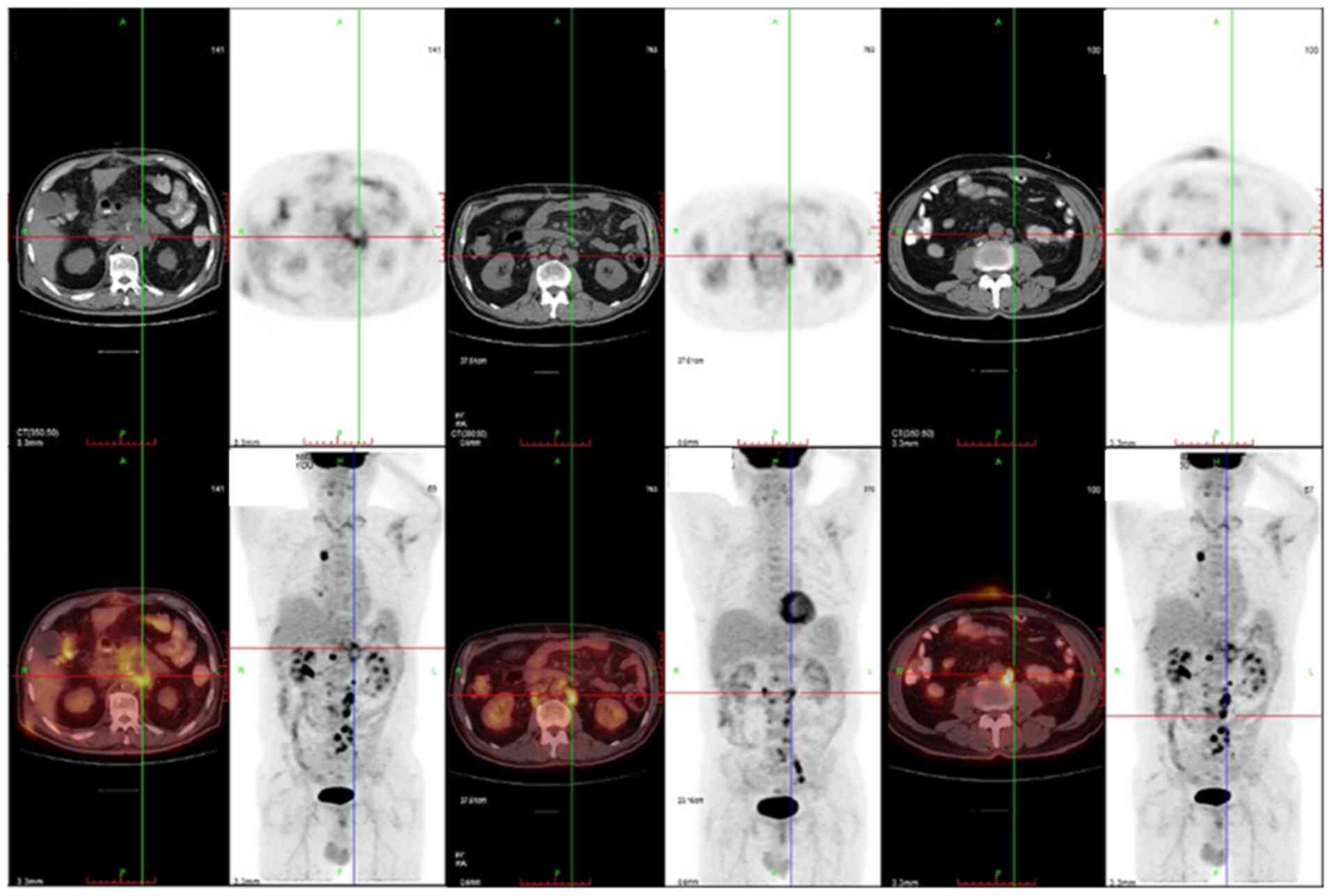
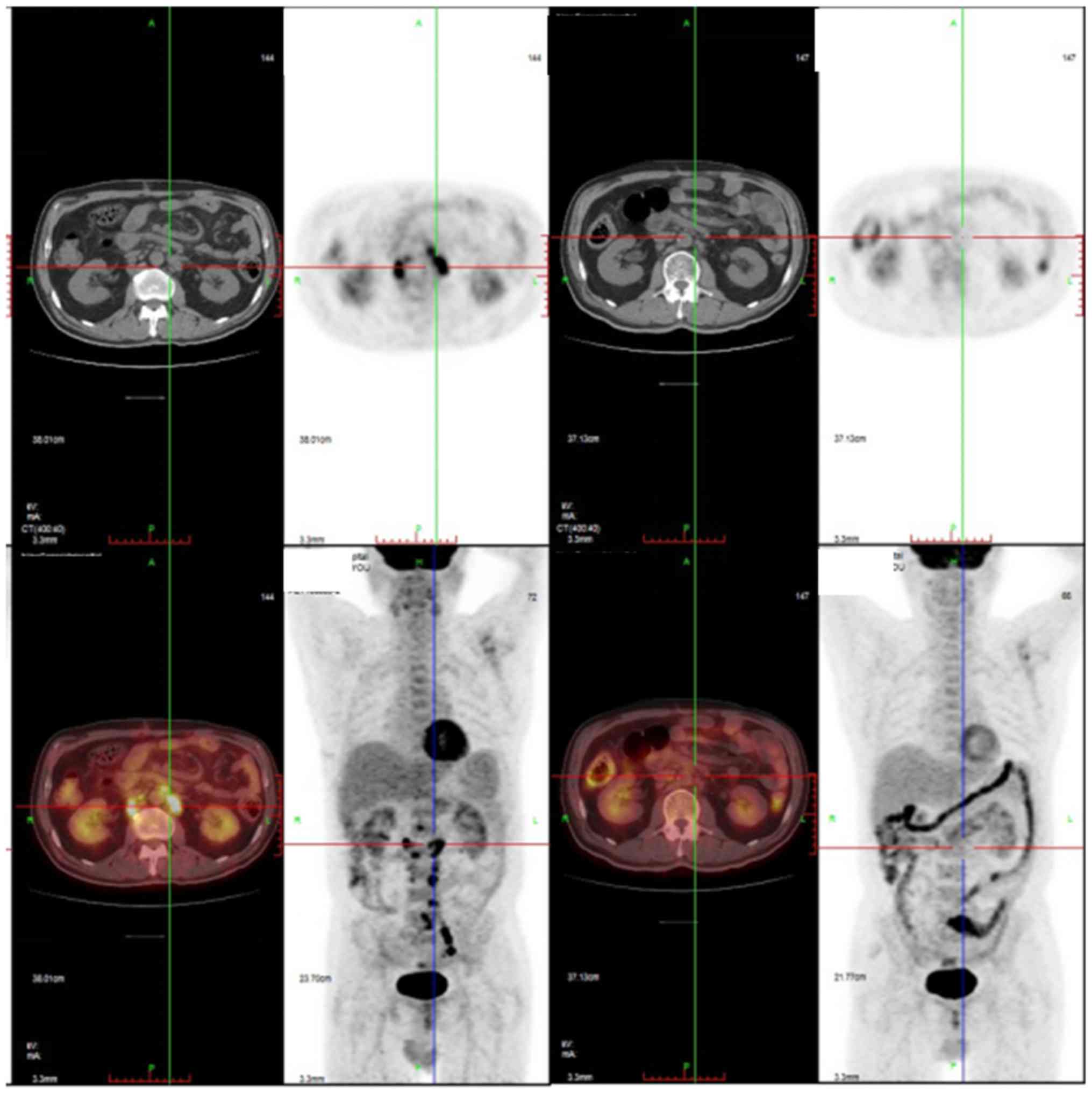
multiple lymph node metastases. A follow-up positron emission
tomography (PET) scan showed a fluorodeoxyglucose avid lesion at
the retroperitoneal lymph nodes (Fig.
1). The patient was given an intravenous chemotherapy regimen
of three weekly doses of cisplatin (80 mg/m2) and
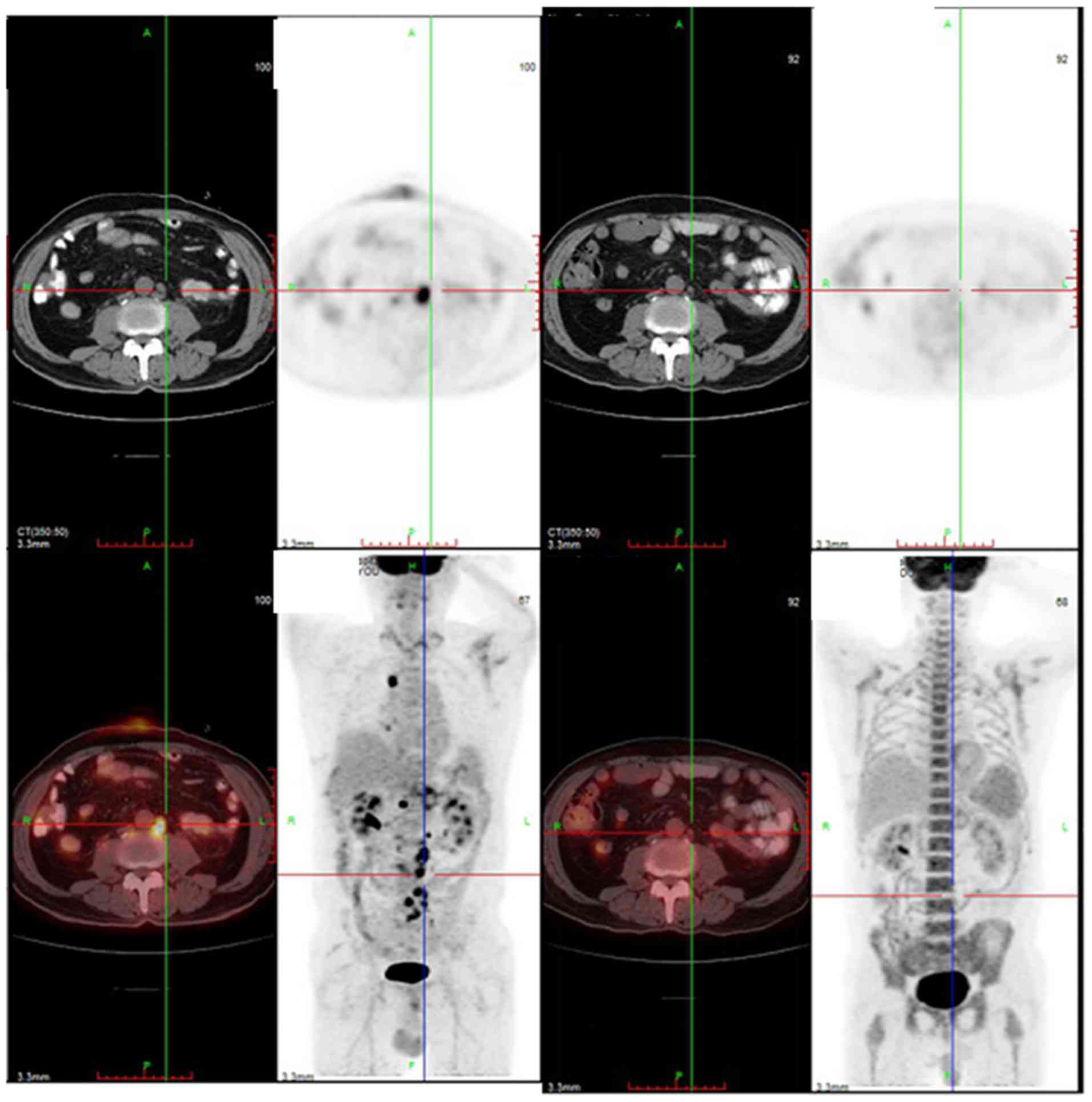
docetaxel (75 mg/m2). A subsequent PET-CT scan indicated
a complete response without tumor activity after 1 month (Fig. 2).
The patient received a total of 4 cycles of
chemotherapy until August 2016. Subsequently, maintenance therapy
was administered. Pembrolizumab was given at 2 mg/kg on day 1 of
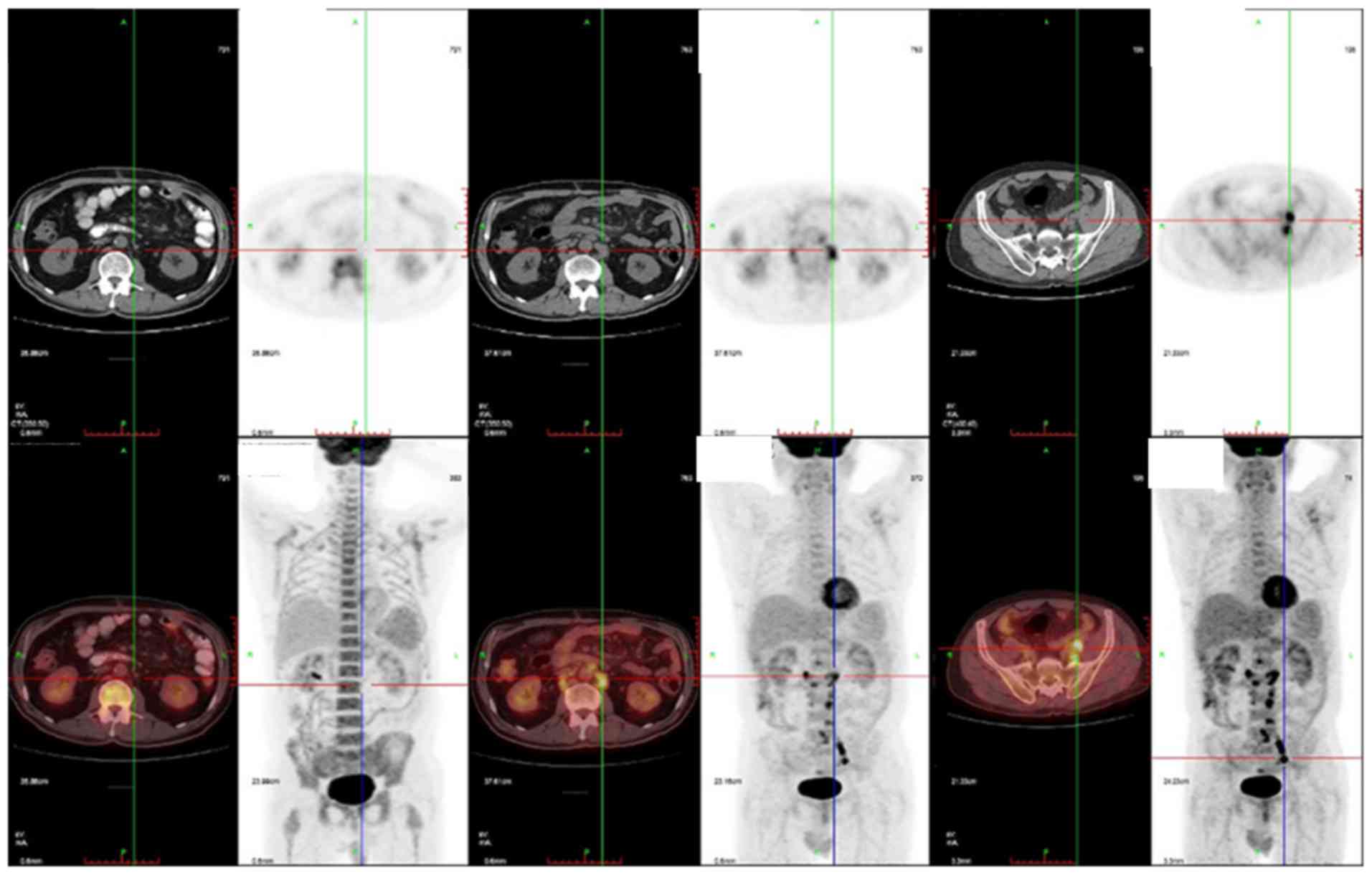
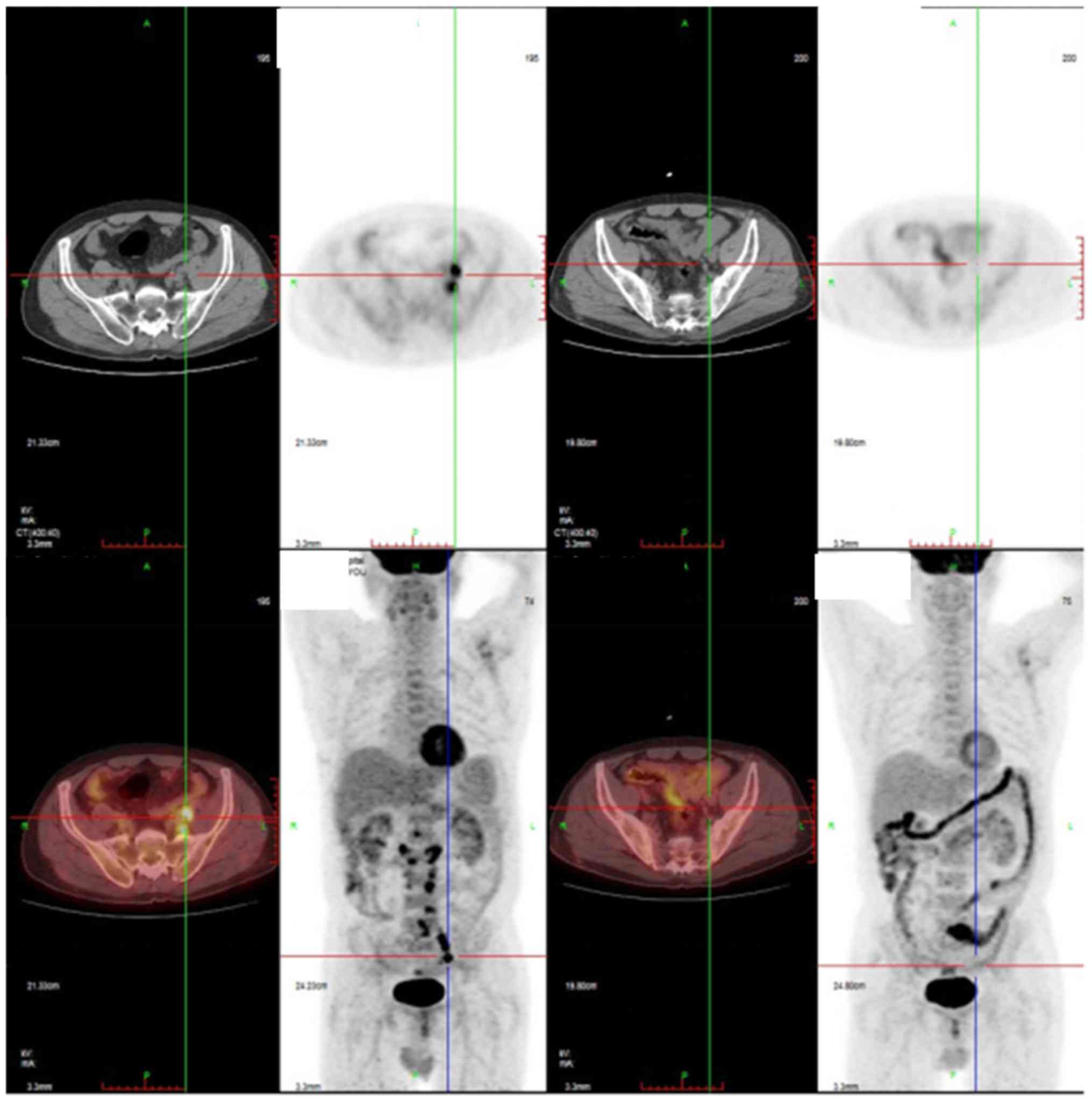
every 2-week cycle. In September 2016, lymph node metastases were
detected again. A PET-CT scan showed apparent metastases of the
left retroperitoneal lymph node in addition to extensive metastases
in the pelvic lymph node (Fig. 3).
The patient reported feeling weak and could not tolerate
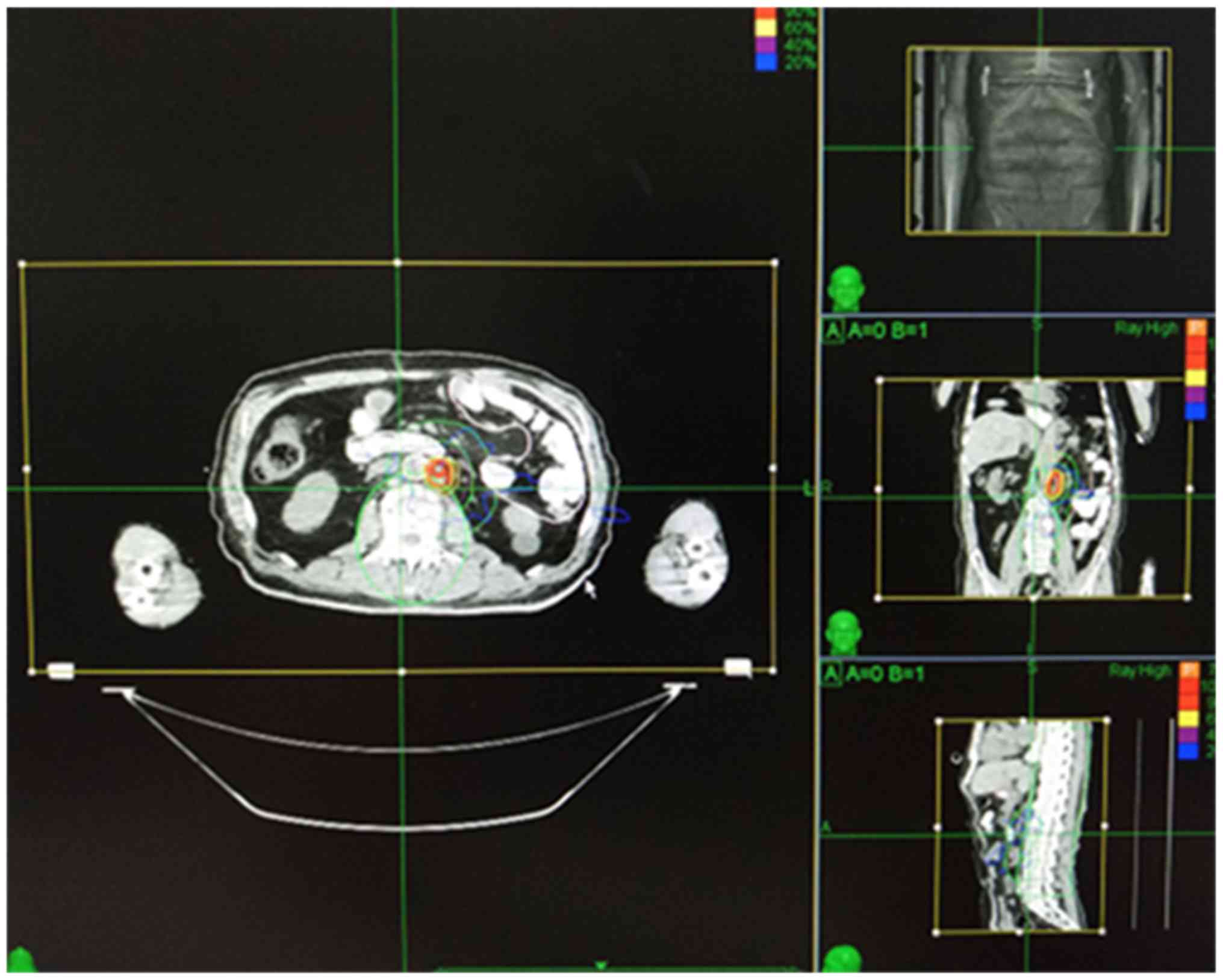
chemotherapy. The patient received Cyberknife with a dose of 42 Gy
in 6 daily fractions (Fig. 4). Two
months after radiation therapy, a PET-CT scan showed, surprisingly,
a complete regression of the lymph node metastases (Figs. 5 and 6).
At the same time, peripheral blood samples were
collected during treatment for metastases detection. The changes in
TP53 and RB1 mutations were used to quantify the circulating tumor
DNA (ctDNA) using Bio-Rad QX200 droplet digital PCR system during
treatment with radiation and Pembrolizumab. Mutant allele
concentration (copies/µl, CMUT) and wild-type allele concentration
(copies/µl, CWT) were calculated in the test. The primers and
probes were synthesized by Geneseeq Biotech (NanJing, China). The
TP53 and RB1 mutation was evaluated by mutant allele frequency
(MAF). MAF was calculated as: MAF=CMUT/(CMUT + CWT). Approximately
49 days after the start of the combination therapy, abundances of
TP53 mutation dropped from 13–4%, abundances of RB1 mutation
dropped from 9–1%. Between November 2016 to June 2017, the patient
underwent maintenance therapy with Pembrolizumab and the disease
remained stable with no imaging evidence of disease recurrence.
Discussion
It has been demonstrated that immunotherapies with
PD-1 checkpoint inhibitors may be a potent new therapeutic option
in malignant neoplasms. Kojima et al reported data on
nivolumab for patients with advanced eosophageal squamous cell
carcinoma (ESCC) who were not preselected by PD-L1 status. The
median overall survival was 12.1 months in the 64 evaluable
patients and PR rate and CR rate were 15.6 and 1.6%, respectively.
There were no treatment-related deaths (9). Another result from KEYNOTE-028 indicated
that 52.2% of patients with advanced esophageal carcinoma that were
treated by Pembrolizumab showed some degree of tumor shrinkage and
had manageable side effects (10).
In a clinical setting, despite being rare, the
benefit of a combination of immune checkpoint inhibitors and RT has
also been observed. Our patient presented with regression of the
non-irradiated lymph node metastases after treatment with
stereotactic ablative radiotherapy (SABR). This case is an example
of the so-called ‘Abscopal effect’. The phenomenon of the Abscopal
effect was first described by R.H. Mole in 1953 (11). With the recent success of
immunotherapies, using the Abscopal effect of RT has garnered
renewed clinical interest however, there is limited knowledge about
the Abscopal effect and RT in the treatment of patients with
esophageal carcinoma. However, RT alone is insufficient to induce
the Abscopal effect. Some preclinical experiments have shown that
checkpoint inhibitors could be radiosensitizing therapies that
cause at least local tumor control (12). In a case report, a patient with
metastatic non-small cell lung cancer (NSCLC) who started on
ipilimumab plus RT for a liver metastasis had a striking systemic
response (13). Of note, Grimaldi
reported a study enrolling 21 patients with advanced melanoma who
emerge disease progressed after receiving the immunoadjuvant
ipilimumab (anti-CTLA4) and then RT for cranial or extracranial
sites was executed, which resulted in an Abscopal response in 11
patients (52%), median overall survival was superior in patients
that exhibited the Abscopal effect compared with nonresponders
(14). In another study, a clinical
case series using a stereotactic radiation regimen in 16 patients,
including 12 cases of metastatic melanoma, 2 metastatic NSCLC, and
2 metastatic renal cell carcinoma was conducted. Only three
patients with melanoma developed an Abscopal effect; 18.7% of the
patients involved (15). Yazan
Abuodeh reviewed a total of 46 cases of the Abscopal effect that
had been identified from 1969 to 2014 with a median radiation dose
of 31 Gy, median follow-up time of 17.5 months, and the median
documented time to notice the Abscopal effect was 2 months
(5).
It is unclear about which dose/fractionation
regimens optimally enhance the antitumor immune response of RT
combined with immunomodulation. However some clinical studies have
investigated this. A phase I/II clinical study of 34 patients with
metastatic castration-resistant prostate cancer were treated with
ipilimumab and 8 Gy fractions in bone metastases. A complete
response was reported in one patient, stable disease in six
patients, and prostate-specific antigen decreases of ≥50% were
recorded (16). Raffaella Marconi
reviewed the Abscopal effect in preclinical models. SABR treatments
with a high biological equivalent dose (BED) could be considered to
be an effective strategy in triggering the Abscopal effect. In
particular, while a BED of 60 Gy is applied the probability of
stimulating the Abscopal effect is 50%. The article indicted the
hypothesis that the occurrence rate of Abscopal effects in
preclinical models increaseing with BED (17).
In this case study, ctDNA was used to monitor the
tumor burden. Recent clinical results reported on the use of
cell-free DNA to monitor tumor burden during anti-PD1
immunotherapy. L. Cabel reported that ctDNA was measured at the
baseline in 10 out of 15 patients with non-small cell lung cancer,
uveal melanoma or microsatellite-unstable colorectal cancer who
were treated by nivolumab or pembrolizumab monotherapy. Baseline
ctDNA was a significant prognostic factor in terms of
progression-free survival (18). In
another study, Nicolas Guibert monitored the level of KRAS-mutated
ctDNA in serial plasma samples from two patients with
adenocarcinoma who had experienced pseudo-progression. ctDNA showed
rapid and dramatic decreases in the pseudo-progressive patients,
whereas it was strongly increased in the progressive patient
(19).
We have reported a case of the Abscopal effect
treated with cyberknife RT until lymph node metastasis regression
occurred in the unirradiated lymph node in esophageal carcinoma.
There is increasing clinical evidence supporting the efficacy of
the Abscopal effect initiated by high-dose radiation treatment.
Further research to make the Abscopal effect clinically relevant is
worth exploring.
Acknowledgements
Not applicable.
Funding
No funding was received.
Availability of data and materials
All data generated or analyzed during this study are
included in this published article.
Authors' contributions
ZXF was the project leader and collected and
analysed the data. ZRG was the physician who handled the case. KJB
analyzed and interpreted PET/CT images. All authors read and
approved the final manuscript.
Ethics approval and consent to
participate
Written informed consent was obtained from the
patient and the present study was approved by the Ethics Board of
the Navy General Hospital (Beijing, China).
Patient consent for publication
Written informed consent was obtained from the
patient for the publication of their data.
Competing interests
The authors declare that they have no competing
interests.
References
|
1
|
Orth M, Lauber K, Niyazi M, Friedl AA, Li
M, Maihöfer C, Schüttrumpf L, Ernst A, Niemöller OM and Belka C:
Current concepts in clinical radiation oncology. Radiat Environ
Biophys. 53:1–29. 2014. View Article : Google Scholar : PubMed/NCBI
|
|
2
|
Hoskin PJ and Bhattacharya IS: Protons and
more: State of the art in radiotherapy. Clin Med (Lond). 14 Suppl
6:s61–s65. 2014. View Article : Google Scholar : PubMed/NCBI
|
|
3
|
Xie G, Gu D, Zhang L, Chen S and Wu D: A
rapid and systemic complete response to stereotactic body radiation
therapy and pembrolizumab in a patient with metastatic renal cell
carcinoma. Cancer Biol Ther. 18:547–551. 2017. View Article : Google Scholar : PubMed/NCBI
|
|
4
|
Sharabi A, Kim SS, Kato S, Sanders PD,
Patel SP, Sanghvi P, Weihe E and Kurzrock R: Exceptional response
to nivolumab and stereotactic body radiation therapy (SBRT) in
neuroendocrine cervical carcinoma with high tumor mutational
burden: Management considerations from the center for personalized
cancer therapy at UC San diego moores cancer center. Oncologist.
22:631–637. 2017. View Article : Google Scholar : PubMed/NCBI
|
|
5
|
Abuodeh Y, Venkat P and Kim S: Systematic
review of case reports on the abscopal effect. Cur Probl Cancer.
40:25–37. 2016. View Article : Google Scholar
|
|
6
|
Garnett C, Palena C, Chakarborty M, Tsang
KY, Schlom J and Hodge JW: Sublethal irradiation of human tumor
cells modulates phenotype resulting in enhanced killing by
cytotoxic T lymphocytes. Cancer Res. 64:7985–7994. 2004. View Article : Google Scholar : PubMed/NCBI
|
|
7
|
Coppé JP, Patil CK, Rodier F, Sun Y, Muñoz
DP, Goldstein J, Nelson PS, Desprez PY and Campisi J:
Senescence-associated secretory phenotypes reveal
cell-nonautonomous functions of oncogenic RAS and the p53 tumor
suppressor. PLoS Biol. 6:2853–2868. 2008. View Article : Google Scholar : PubMed/NCBI
|
|
8
|
Ferlay J, Soerjomataram I, Dikshit R, Eser
S, Mathers C, Rebelo M, Parkin DM, Forman D and Bray F: Cancer
incidence and mortality worldwide: Sources, methods and major
patterns in GLOBOCAN 2012. Int J Cancer. 136:E359–E386. 2015.
View Article : Google Scholar : PubMed/NCBI
|
|
9
|
Kojima T, Hara H, Yamaguchi K, Hironaka S,
Iwasa S, Kato K, Iwasa S, Kato K, Tsushima T, Yasui T, et al: Phase
II study of nivolumab (ONO-4538/BMS-936558) in patients with
esophageal cancer: Preliminary report of overall survival. J Clin
Oncol. 34 Suppl 4:TPS175. 2016. View Article : Google Scholar
|
|
10
|
Doi T, Piha-Paul SA, Jalal SI, Mai-Dang H,
Yuan S, Koshiji M, Csiki I and Bennouna J: Pembrolizumab (MK-3475)
for patients (pts) with advanced esophageal carcinoma: Preliminary
results from KEYNOTE-028. J Clin Oncol. 33 15-Suppl:S40102015.
|
|
11
|
Mole RH: Whole body irradiation;
radiobiology or medicine? Br J Radiol. 26:234–241. 1953. View Article : Google Scholar : PubMed/NCBI
|
|
12
|
Polistena A, Johnson LB, Ohiami-Masseron
S, Wittgren L, Bäck S, Thornberg C, Gadaleanu V, Adawi D and
Jeppsson B: Local radiotherapy of exposed murine small bowel:
Apoptosis and inflammation. BMC Surg. 8:12008. View Article : Google Scholar : PubMed/NCBI
|
|
13
|
Golden EB, Demaria S, Schiff PB, Chachoua
A and Formenti SC: An abscopal response to radiation and ipilimumab
in a patient with metastatic non-small cell lung cancer. Cancer
Immunol Res. 1:365–372. 2013. View Article : Google Scholar : PubMed/NCBI
|
|
14
|
Grimaldi AM, Simeone E, Giannarelli D,
Muto P, Falivene S, Borzillo V, Giugliano FM, Sandomenico F,
Petrillo A, Curvietto M, et al: Abscopal effects of radiotherapy on
advanced melanoma patients who progressed after ipilimumab
immunotherapy. Oncoimmunology. 3:e287802014. View Article : Google Scholar : PubMed/NCBI
|
|
15
|
Gomes Ribeiro J, Schmerling RA, Haddad CK,
Racy DJ, Ferrigno R, Gil E, Zanuncio P and Buzaid AC: Analysis of
the abscopal effect with anti-PD1 therapy in patients with
metastatic solid tumors. J Immunother. 39:367–372. 2016. View Article : Google Scholar : PubMed/NCBI
|
|
16
|
Slovin SF, Higano CS, Hamid O, Tejwani S,
Harzstark A, Alumkal JJ, Scher HI, Chin K, Gagnier P, McHenry MB
and Beer TM: Ipilimumab alone or in combination with radiotherapy
in metastatic castration-resistant prostate cancer: Results from an
open-label, multicenter phase I/II study. Ann Oncol. 24:1813–1821.
2013. View Article : Google Scholar : PubMed/NCBI
|
|
17
|
Marconi R, Strolin S, Bossi G and Strigari
L: A meta-analysis of the abscopal effect in preclinical models: Is
the biologically effective dose a relevant physical trigger? PLoS
One. 12:e01715592017. View Article : Google Scholar : PubMed/NCBI
|
|
18
|
Cabel L, Riva F, Servois V, Livartowski A,
Daniel C, Rampanou A, Lantz O, Romano E, Milder M, Buecher B, et
al: Circulating tumor DNA changes for early monitoring of anti-PD1
immunotherapy: A proof-of-concept study. Ann Oncol. 28:1996–2001.
2017. View Article : Google Scholar : PubMed/NCBI
|
|
19
|
Guibert N, Mazieres J, Delaunay M,
Casanova A, Farella M, Keller L, Favre G and Pradines A: Monitoring
of KRAS-mutated ctDNA to discriminate pseudo-progression from true
progression during anti-PD-1 treatment of lung adenocarcinoma.
Oncotarget. 8:38056–38060. 2017. View Article : Google Scholar : PubMed/NCBI
|