Spandidos Publications Logo
  • About
    • About Spandidos
    • Aims and Scopes
    • Abstracting and Indexing
    • Editorial Policies
    • Reprints and Permissions
    • Job Opportunities
    • Terms and Conditions
    • Contact
  • Journals
    • All Journals
    • Oncology Letters
      • Oncology Letters
      • Information for Authors
      • Editorial Policies
      • Editorial Board
      • Aims and Scope
      • Abstracting and Indexing
      • Bibliographic Information
      • Archive
    • International Journal of Oncology
      • International Journal of Oncology
      • Information for Authors
      • Editorial Policies
      • Editorial Board
      • Aims and Scope
      • Abstracting and Indexing
      • Bibliographic Information
      • Archive
    • Molecular and Clinical Oncology
      • Molecular and Clinical Oncology
      • Information for Authors
      • Editorial Policies
      • Editorial Board
      • Aims and Scope
      • Abstracting and Indexing
      • Bibliographic Information
      • Archive
    • Experimental and Therapeutic Medicine
      • Experimental and Therapeutic Medicine
      • Information for Authors
      • Editorial Policies
      • Editorial Board
      • Aims and Scope
      • Abstracting and Indexing
      • Bibliographic Information
      • Archive
    • International Journal of Molecular Medicine
      • International Journal of Molecular Medicine
      • Information for Authors
      • Editorial Policies
      • Editorial Board
      • Aims and Scope
      • Abstracting and Indexing
      • Bibliographic Information
      • Archive
    • Biomedical Reports
      • Biomedical Reports
      • Information for Authors
      • Editorial Policies
      • Editorial Board
      • Aims and Scope
      • Abstracting and Indexing
      • Bibliographic Information
      • Archive
    • Oncology Reports
      • Oncology Reports
      • Information for Authors
      • Editorial Policies
      • Editorial Board
      • Aims and Scope
      • Abstracting and Indexing
      • Bibliographic Information
      • Archive
    • Molecular Medicine Reports
      • Molecular Medicine Reports
      • Information for Authors
      • Editorial Policies
      • Editorial Board
      • Aims and Scope
      • Abstracting and Indexing
      • Bibliographic Information
      • Archive
    • World Academy of Sciences Journal
      • World Academy of Sciences Journal
      • Information for Authors
      • Editorial Policies
      • Editorial Board
      • Aims and Scope
      • Abstracting and Indexing
      • Bibliographic Information
      • Archive
    • International Journal of Functional Nutrition
      • International Journal of Functional Nutrition
      • Information for Authors
      • Editorial Policies
      • Editorial Board
      • Aims and Scope
      • Abstracting and Indexing
      • Bibliographic Information
      • Archive
    • International Journal of Epigenetics
      • International Journal of Epigenetics
      • Information for Authors
      • Editorial Policies
      • Editorial Board
      • Aims and Scope
      • Abstracting and Indexing
      • Bibliographic Information
      • Archive
    • Medicine International
      • Medicine International
      • Information for Authors
      • Editorial Policies
      • Editorial Board
      • Aims and Scope
      • Abstracting and Indexing
      • Bibliographic Information
      • Archive
  • Articles
  • Information
    • Information for Authors
    • Information for Reviewers
    • Information for Librarians
    • Information for Advertisers
    • Conferences
  • Language Editing
Spandidos Publications Logo
  • About
    • About Spandidos
    • Aims and Scopes
    • Abstracting and Indexing
    • Editorial Policies
    • Reprints and Permissions
    • Job Opportunities
    • Terms and Conditions
    • Contact
  • Journals
    • All Journals
    • Biomedical Reports
      • Information for Authors
      • Editorial Policies
      • Editorial Board
      • Aims and Scope
      • Abstracting and Indexing
      • Bibliographic Information
      • Archive
    • Experimental and Therapeutic Medicine
      • Information for Authors
      • Editorial Policies
      • Editorial Board
      • Aims and Scope
      • Abstracting and Indexing
      • Bibliographic Information
      • Archive
    • International Journal of Epigenetics
      • Information for Authors
      • Editorial Policies
      • Editorial Board
      • Aims and Scope
      • Abstracting and Indexing
      • Bibliographic Information
      • Archive
    • International Journal of Functional Nutrition
      • Information for Authors
      • Editorial Policies
      • Editorial Board
      • Aims and Scope
      • Abstracting and Indexing
      • Bibliographic Information
      • Archive
    • International Journal of Molecular Medicine
      • Information for Authors
      • Editorial Policies
      • Editorial Board
      • Aims and Scope
      • Abstracting and Indexing
      • Bibliographic Information
      • Archive
    • International Journal of Oncology
      • Information for Authors
      • Editorial Policies
      • Editorial Board
      • Aims and Scope
      • Abstracting and Indexing
      • Bibliographic Information
      • Archive
    • Medicine International
      • Information for Authors
      • Editorial Policies
      • Editorial Board
      • Aims and Scope
      • Abstracting and Indexing
      • Bibliographic Information
      • Archive
    • Molecular and Clinical Oncology
      • Information for Authors
      • Editorial Policies
      • Editorial Board
      • Aims and Scope
      • Abstracting and Indexing
      • Bibliographic Information
      • Archive
    • Molecular Medicine Reports
      • Information for Authors
      • Editorial Policies
      • Editorial Board
      • Aims and Scope
      • Abstracting and Indexing
      • Bibliographic Information
      • Archive
    • Oncology Letters
      • Information for Authors
      • Editorial Policies
      • Editorial Board
      • Aims and Scope
      • Abstracting and Indexing
      • Bibliographic Information
      • Archive
    • Oncology Reports
      • Information for Authors
      • Editorial Policies
      • Editorial Board
      • Aims and Scope
      • Abstracting and Indexing
      • Bibliographic Information
      • Archive
    • World Academy of Sciences Journal
      • Information for Authors
      • Editorial Policies
      • Editorial Board
      • Aims and Scope
      • Abstracting and Indexing
      • Bibliographic Information
      • Archive
  • Articles
  • Information
    • For Authors
    • For Reviewers
    • For Librarians
    • For Advertisers
    • Conferences
  • Language Editing
Login Register Submit
  • This site uses cookies
  • You can change your cookie settings at any time by following the instructions in our Cookie Policy. To find out more, you may read our Privacy Policy.

    I agree
Search articles by DOI, keyword, author or affiliation
Search
Advanced Search
presentation
Oncology Letters
Join Editorial Board Propose a Special Issue
Print ISSN: 1792-1074 Online ISSN: 1792-1082
Journal Cover
June-2019 Volume 17 Issue 6

Full Size Image

Sign up for eToc alerts
Recommend to Library

Journals

International Journal of Molecular Medicine

International Journal of Molecular Medicine

International Journal of Molecular Medicine is an international journal devoted to molecular mechanisms of human disease.

International Journal of Oncology

International Journal of Oncology

International Journal of Oncology is an international journal devoted to oncology research and cancer treatment.

Molecular Medicine Reports

Molecular Medicine Reports

Covers molecular medicine topics such as pharmacology, pathology, genetics, neuroscience, infectious diseases, molecular cardiology, and molecular surgery.

Oncology Reports

Oncology Reports

Oncology Reports is an international journal devoted to fundamental and applied research in Oncology.

Experimental and Therapeutic Medicine

Experimental and Therapeutic Medicine

Experimental and Therapeutic Medicine is an international journal devoted to laboratory and clinical medicine.

Oncology Letters

Oncology Letters

Oncology Letters is an international journal devoted to Experimental and Clinical Oncology.

Biomedical Reports

Biomedical Reports

Explores a wide range of biological and medical fields, including pharmacology, genetics, microbiology, neuroscience, and molecular cardiology.

Molecular and Clinical Oncology

Molecular and Clinical Oncology

International journal addressing all aspects of oncology research, from tumorigenesis and oncogenes to chemotherapy and metastasis.

World Academy of Sciences Journal

World Academy of Sciences Journal

Multidisciplinary open-access journal spanning biochemistry, genetics, neuroscience, environmental health, and synthetic biology.

International Journal of Functional Nutrition

International Journal of Functional Nutrition

Open-access journal combining biochemistry, pharmacology, immunology, and genetics to advance health through functional nutrition.

International Journal of Epigenetics

International Journal of Epigenetics

Publishes open-access research on using epigenetics to advance understanding and treatment of human disease.

Medicine International

Medicine International

An International Open Access Journal Devoted to General Medicine.

Journal Cover
June-2019 Volume 17 Issue 6

Full Size Image

Sign up for eToc alerts
Recommend to Library

  • Article
  • Citations
    • Cite This Article
    • Download Citation
    • Create Citation Alert
    • Remove Citation Alert
    • Cited By
  • Similar Articles
    • Related Articles (in Spandidos Publications)
    • Similar Articles (Google Scholar)
    • Similar Articles (PubMed)
  • Download PDF
  • Download XML
  • View XML
Article Open Access

TP53BP2 decreases cell proliferation and induces autophagy in neuroblastoma cell lines

  • Authors:
    • Yi Pang
    • Lianhong Pan
    • Yonghui Zhang
    • Guiyuan Liu
  • View Affiliations / Copyright

    Affiliations: Chongqing Engineering Research Center of Antitumor Natural Drugs, Chongqing Three Gorges Medical College, Chongqing 404110, P.R. China, National Innovation and Attracting Talents ‘111’ Base, Key Laboratory of Biorheological Science and Technology, Ministry of Education, College of Bioengineering Chongqing University, Chongqing 400030, P.R. China, General Surgery Department, The Affiliated Hospital of Chongqing Three Gorges Medical College, Chongqing 404110, P.R. China
    Copyright: © Pang et al. This is an open access article distributed under the terms of Creative Commons Attribution License.
  • Pages: 4976-4984
    |
    Published online on: March 15, 2019
       https://doi.org/10.3892/ol.2019.10148
  • Expand metrics +
Metrics: Total Views: 0 (Spandidos Publications: | PMC Statistics: )
Metrics: Total PDF Downloads: 0 (Spandidos Publications: | PMC Statistics: )
Cited By (CrossRef): 0 citations Loading Articles...

This article is mentioned in:


Abstract

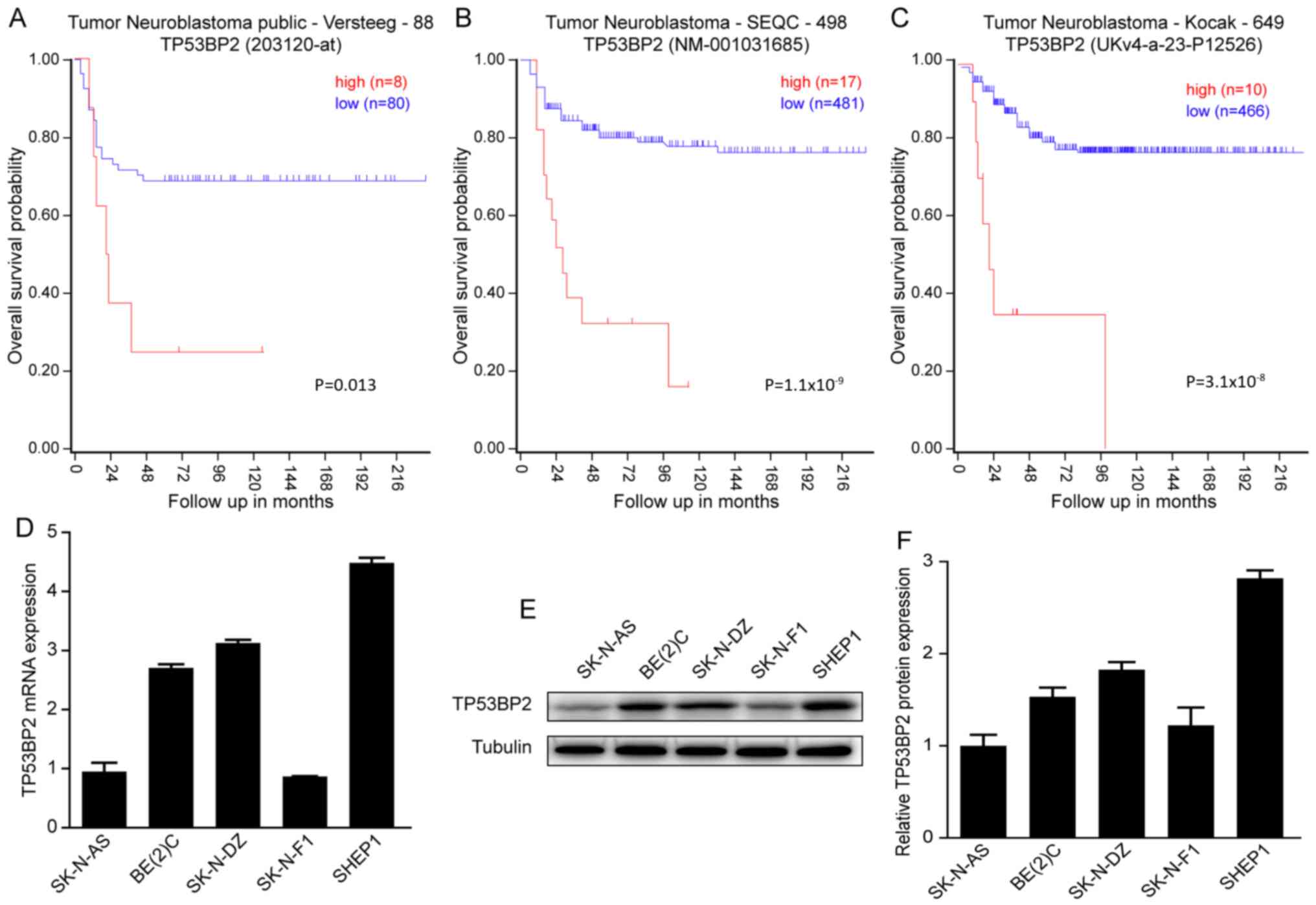
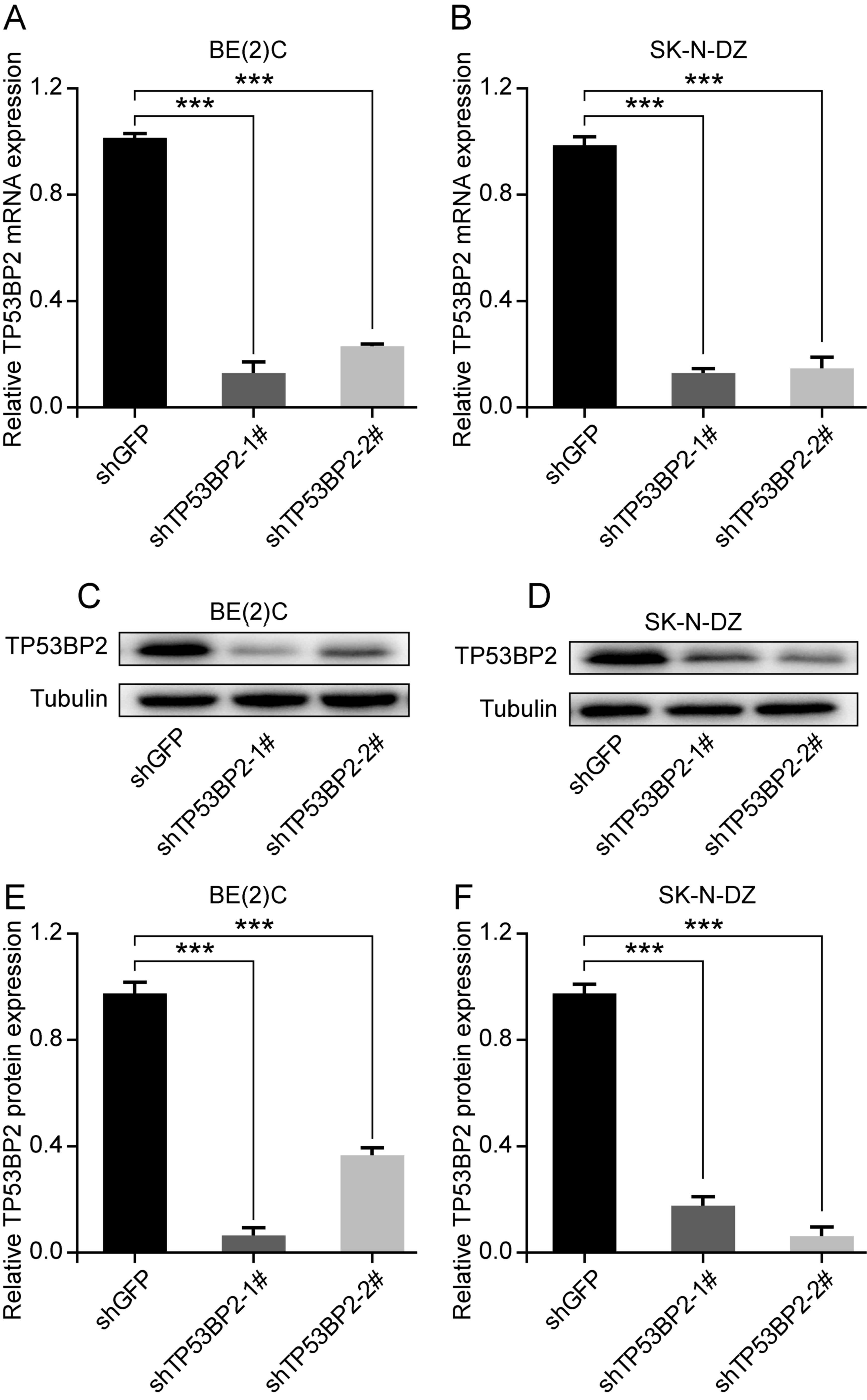
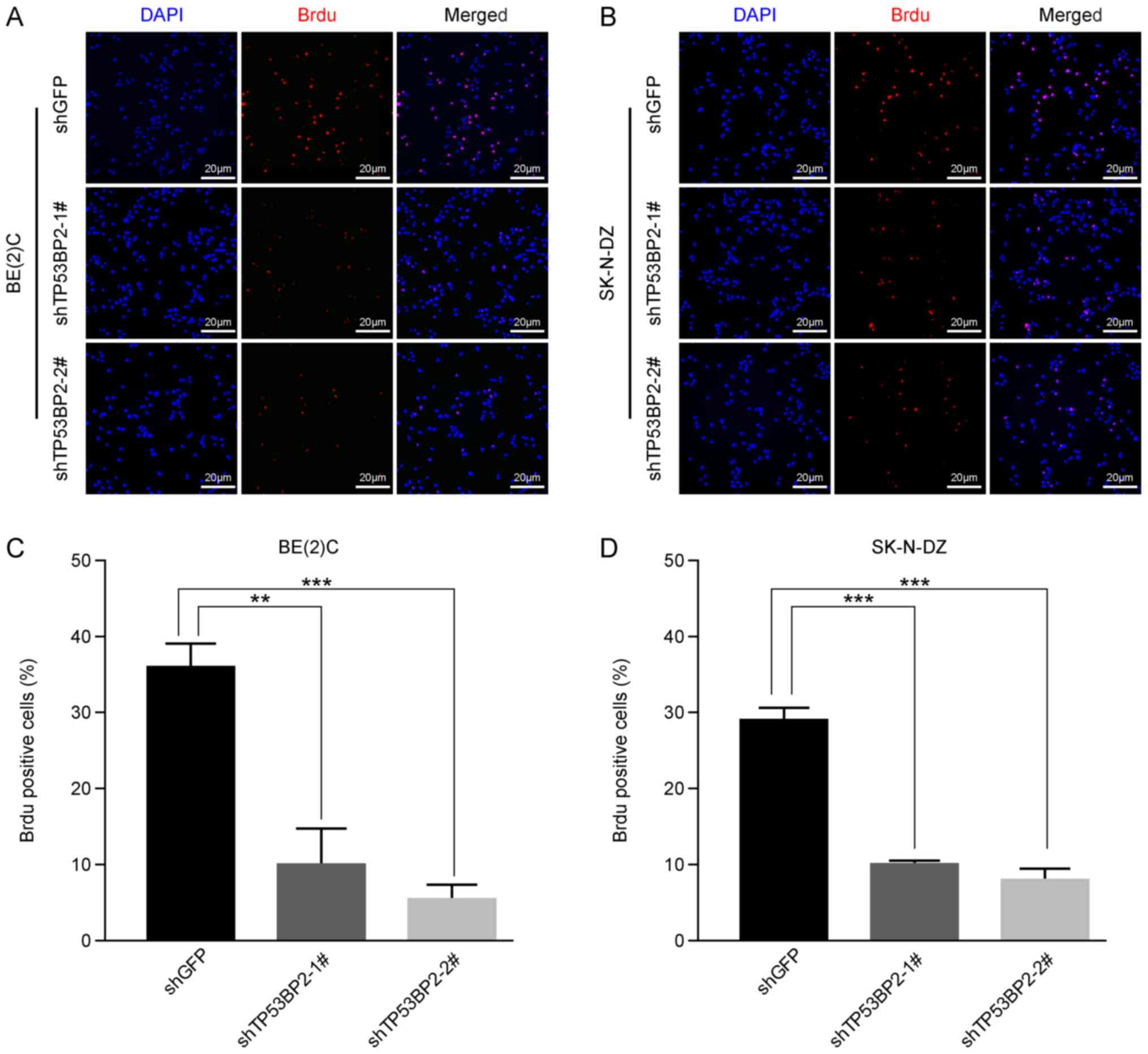
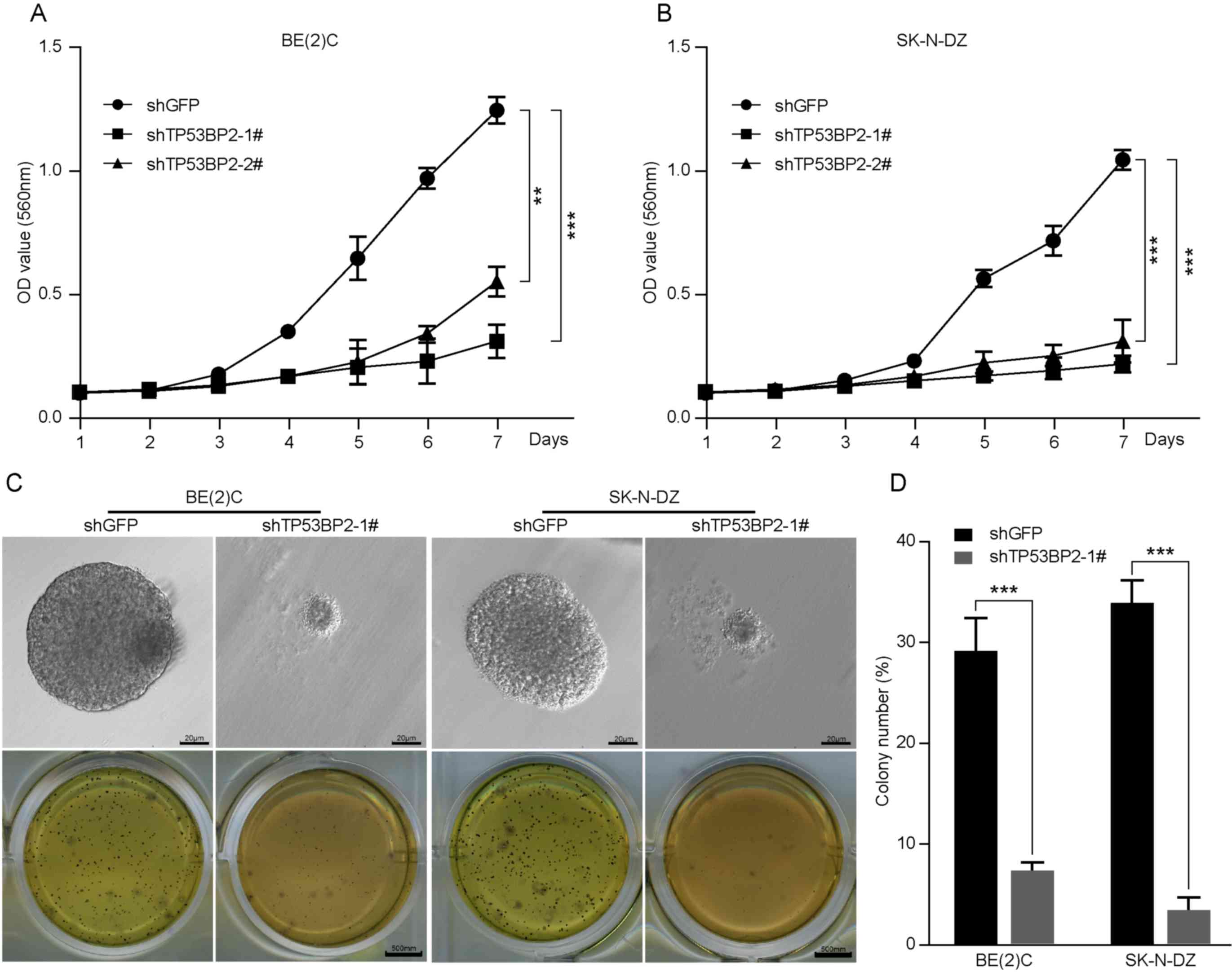
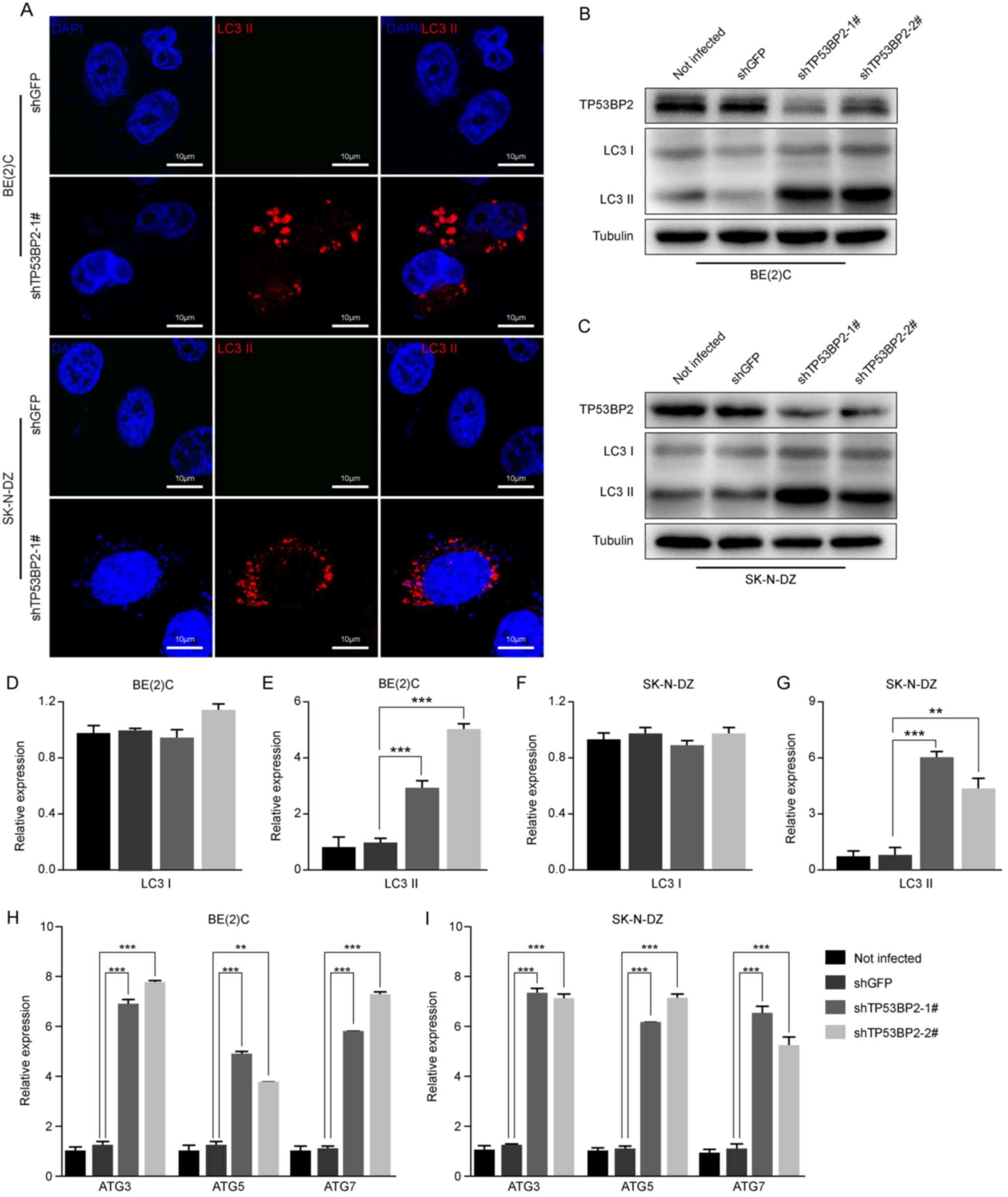
Tumor protein p53‑binding protein 2 (TP53BP2), a member of the apoptosis‑stimulating protein of p53 (ASPP) family, has previously been reported to be associated with tumor development. However, to the best of our knowledge, the role of TP53BP2 in neuroblastoma has not been elucidated. The aim of the present study was to investigate the function of TP53BP2 in the proliferation and autophagy of neuroblastoma. An expression vector that expresses TP53BP2‑specific short hairpin RNA (shTP53BP2) was used for the experimental group and green fluorescent protein short hairpin RNA was used as a control. Cell proliferation was measured using MTT assays, self‑renewal was evaluated using soft agar assays, light chain 3 (LC3) II expression level was examined by western blot and immunofluorescence analysis, and the autophagy‑related 3 homolog (ATG3), autophagy‑related 5 homolog (ATG5) and autophagy‑related 9 homolog (ATG7) expression levels were examined using the reverse transcription‑quantitative polymerase chain reaction (RT‑qPCR). A genomics analysis revealed that TP53BP2 expression was associated with the survival of patients with neuroblastoma. Western blot and RT‑qPCR assays indicated that TP53BP2 could be implicated in neuroblastoma, as the proliferative ability of the experimental group decreased compared with that of the control group (P<0.001) and the expression levels of genes associated with autophagy, including LC3 II. ATG3, ATG5 and ATG7, increased in the experimental group. In conclusion, an increased expression of TP53BP2 in patients with neuroblastoma may be associated with poor survival and shTP53BP2 may decrease the proliferative abilities of neuroblastoma cells, including BE(2)C and SK‑N‑DZ cell lines. In addition, the LC3 II, ATG3, ATG5 and ATG7 expression levels increased and were associated with increased rates of autophagy following upregulation of TP53BP2.
View Figures

Figure 1

Figure 2

Figure 3

Figure 4

Figure 5

View References

1 

Li T, Cui ZB, Ke XX, Tan J, Li FF, Li T, Wang XW and Cui HJ: Essential role for p53 and caspase-9 in DNA damaging drug-induced apoptosis in neuroblastoma IMR32 cells. DNA Cell Biol. 30:1045–1050. 2011. View Article : Google Scholar : PubMed/NCBI

2 

Li T, Wang L, Ke XX, Gong XY, Wan JH, Hao XW, Xu M, Xiang Z, Cui ZB and Cui H: DNA-damaging drug-induced apoptosis sensitized by N-myc in neuroblastoma cells. Cell Biol Int. 36:331–337. 2012. View Article : Google Scholar : PubMed/NCBI

3 

Askin FB and Perlman EJ: Neuroblastoma and peripheral neuroectodermal tumors. Am J Clin Pathol. 109 (4 Suppl 1):S23–S30. 1998.PubMed/NCBI

4 

Shah S and Ravindranath Y: Neuroblastoma. Indian J Pediatr. 65:691–705. 1998. View Article : Google Scholar : PubMed/NCBI

5 

Bessho F: Incidence of neuroblastoma. Lancet. 353:701999. View Article : Google Scholar : PubMed/NCBI

6 

Sridhar S, Al-Moallem B, Kamal H, Terrile M and Stallings RL: New insights into the genetics of neuroblastoma. Mol Diagn Ther. 17:63–69. 2013. View Article : Google Scholar : PubMed/NCBI

7 

Beckwith JB and Martin RF: Observations on the histopathology of neuroblastomas. J Pediatr Surg. 3:106–110. 1968. View Article : Google Scholar : PubMed/NCBI

8 

Zhu S, Yan X, Xiang Z, Ding HF and Cui H: Leflunomide reduces proliferation and induces apoptosis in neuroblastoma cells in vitro and in vivo. PLoS One. 8:e715552013. View Article : Google Scholar : PubMed/NCBI

9 

Cheung NK and Dyer MA: Neuroblastoma: Developmental biology, cancer genomics and immunotherapy. Nat Rev Cancer. 13:397–411. 2013. View Article : Google Scholar : PubMed/NCBI

10 

Morgenstern DA, Baruchel S and Irwin MS: Current and future strategies for relapsed neuroblastoma: Challenges on the road to precision therapy. J Pediatr Hematol Oncol. 35:337–347. 2013. View Article : Google Scholar : PubMed/NCBI

11 

Liu K, Shi Y, Guo X, Wang S, Ouyang Y, Hao M, Liu D, Qiao L, Li N, Zheng J and Chen D: CHOP mediates ASPP2-induced autophagic apoptosis in hepatoma cells by releasing Beclin-1 from Bcl-2 and inducing nuclear translocation of Bcl-2. Cell Death Dis. 5:e13232014. View Article : Google Scholar : PubMed/NCBI

12 

Ma L, Chen ZM, Li XY, Wang XJ, Shou JX and Fu XD: Nucleostemin and ASPP2 expression is correlated with pituitary adenoma proliferation. Oncol Lett. 6:1313–1318. 2013. View Article : Google Scholar : PubMed/NCBI

13 

Vives V, Slee EA and Lu X: ASPP2: A gene that controls life and death in vivo. Cell Cycle. 5:2187–2190. 2006. View Article : Google Scholar : PubMed/NCBI

14 

Tordella L, Koch S, Salter V, Pagotto A, Doondeea JB, Feller SM, Ratnayaka I, Zhong S, Goldin RD, Lozano G, et al: ASPP2 suppresses squamous cell carcinoma via RelA/p65-mediated repression of p63. Proc Natl Acad Sci USA. 110:17969–17974. 2013. View Article : Google Scholar : PubMed/NCBI

15 

Song Q, Song J, Wang Q, Ma Y, Sun N, Ma J, Chen Q, Xia G, Huo Y, Yang L and Li B: MiR-548d-3p/TP53BP2 axis regulates the proliferation and apoptosis of breast cancer cells. Cancer Med. 5:315–324. 2016. View Article : Google Scholar : PubMed/NCBI

16 

Ju H, Lee KA, Yang M, Kim HJ, Kang CP, Sohn TS, Rhee JC, Kang C and Kim JW: TP53BP2 locus is associated with gastric cancer susceptibility. Int J Cancer. 117:957–960. 2005. View Article : Google Scholar : PubMed/NCBI

17 

Berardi DE, Campodónico PB, Díaz Bessone MI, Urtreger AJ and Todaro LB: Autophagy: Friend or foe in breast cancer development, progression, and treatment. Int J Breast Cancer. 2011:5950922011. View Article : Google Scholar : PubMed/NCBI

18 

Fimia GM, Kroemer G and Piacentini M: Molecular mechanisms of selective autophagy. Cell Death Differ. 20:1–2. 2013. View Article : Google Scholar : PubMed/NCBI

19 

Klionsky DJ: Autophagy: From phenomenology to molecular understanding in less than a decade. Nat Rev Mol Cell Biol. 8:931–937. 2007. View Article : Google Scholar : PubMed/NCBI

20 

Mehrpour M, Esclatine A, Beau I and Codogno P: Overview of macroautophagy regulation in mammalian cells. Cell Res. 20:748–762. 2010. View Article : Google Scholar : PubMed/NCBI

21 

Rubinsztein DC, Codogno P and Levine B: Autophagy modulation as a potential therapeutic target for diverse diseases. Nat Rev Drug Discov. 11:709–730. 2012. View Article : Google Scholar : PubMed/NCBI

22 

Mizushima N and Komatsu M: Autophagy: Renovation of cells and tissues. Cell. 147:728–741. 2011. View Article : Google Scholar : PubMed/NCBI

23 

Wirawan E, Vanden Berghe T, Lippens S, Agostinis P and Vandenabeele P: Autophagy: For better or for worse. Cell Res. 22:43–61. 2012. View Article : Google Scholar : PubMed/NCBI

24 

Levine B, Mizushima N and Virgin HW: Autophagy in immunity and inflammation. Nature. 469:323–335. 2011. View Article : Google Scholar : PubMed/NCBI

25 

Towers CG and Thorburn A: Therapeutic targeting of autophagy. EBioMedicine. 14:15–23. 2016. View Article : Google Scholar : PubMed/NCBI

26 

Han X, Liu JX and Li XZ: Salvianolic acid B inhibits autophagy and protects starving cardiac myocytes. Acta Pharmacol Sin. 32:38–44. 2011. View Article : Google Scholar : PubMed/NCBI

27 

Livak KJ and Schmittgen TD: Analysis of relative gene expression data using real-time quantitative PCR and the 2(−Delta Delta C(T)) method. Methods. 25:402–408. 2001. View Article : Google Scholar : PubMed/NCBI

28 

Molenaar JJ, Koster J, Zwijnenburg DA, van Sluis P, Valentijn LJ, van der Ploeg I, Hamdi M, van Nes J, Westerman BA, van Arkel J, et al: Sequencing of neuroblastoma identifies chromothripsis and defects in neuritogenesis genes. Nature. 483:589–593. 2012. View Article : Google Scholar : PubMed/NCBI

29 

Yang R, Wu Y, Zou J, Zhou J, Wang M, Hao X and Cui H: The Hippo transducer TAZ promotes cell proliferation and tumor formation of glioblastoma cells through EGFR pathway. Oncotarget. 7:36255–36265. 2016.PubMed/NCBI

30 

Zhang D, Wang F, Pang Y, Ke XX, Zhu S, Zhao E, Zhang K, Chen L and Cui H: Down-regulation of CHERP inhibits neuroblastoma cell proliferation and induces apoptosis through ER stress induction. Oncotarget. 8:80956–80970. 2017.PubMed/NCBI

31 

Yang L, Huang M, Tan J, Hou J, He J, Wang F, Cui H and Yi L: Transcriptional co-activator with PDZ-binding motif overexpression promotes cell proliferation and transcriptional co-activator with PDZ-binding motif deficiency induces cell cycle arrest in neuroblastoma. Oncol Lett. 13:4295–4301. 2017. View Article : Google Scholar : PubMed/NCBI

32 

Agrez MV, Kovach JS and Lieber MM: Cell aggregates in the soft agar ‘human tumour stem-cell assay’. Br J Cancer. 46:880–887. 1982. View Article : Google Scholar : PubMed/NCBI

33 

Ke XX, Zhang D, Zhu S, Xia Q, Xiang Z and Cui H: Inhibition of H3K9 methyltransferase G9a repressed cell proliferation and induced autophagy in neuroblastoma cells. PLoS One. 9:e1069622014. View Article : Google Scholar : PubMed/NCBI

34 

Vives V, Su J, Zhong S, Ratnayaka I, Slee E, Goldin R and Lu X: ASPP2 is a haploinsufficient tumor suppressor that cooperates with p53 to suppress tumor growth. Genes Dev. 20:1262–1267. 2006. View Article : Google Scholar : PubMed/NCBI

35 

Wang Y, Bu F, Royer C, Serres S, Larkin JR, Soto MS, Sibson NR, Salter V, Fritzsche F, Turnquist C, et al: ASPP2 controls epithelial plasticity and inhibits metastasis through β-catenin-dependent regulation of ZEB1. Nat Cell Biol. 16:1092–1104. 2014. View Article : Google Scholar : PubMed/NCBI

36 

Turnquist C, Wang Y, Severson DT, Zhong S, Sun B, Ma J, Constaninescu SN, Ansorge O, Stolp HB, Molnár Z, et al: STAT1-induced ASPP2 transcription identifies a link between neuroinflammation, cell polarity, and tumor suppression. Proc Natl Acad Sci USA. 111:9834–9839. 2014. View Article : Google Scholar : PubMed/NCBI

37 

Mai S, Muster B, Bereiter-Hahn J and Jendrach M: Autophagy proteins LC3B, ATG5 and ATG12 participate in quality control after mitochondrial damage and influence lifespan. Autophagy. 8:47–62. 2012. View Article : Google Scholar : PubMed/NCBI

38 

Hale AN, Ledbetter DJ, Gawriluk TR and Rucker EB III: Autophagy: Regulation and role in development. Autophagy. 9:951–972. 2013. View Article : Google Scholar : PubMed/NCBI

39 

Zhao H, Yang M, Zhao J, Wang J, Zhang Y and Zhang Q: High expression of LC3B is associated with progression and poor outcome in triple-negative breast cancer. Med Oncol. 30:4752013. View Article : Google Scholar : PubMed/NCBI

Related Articles

  • Abstract
  • View
  • Download
  • Twitter
Copy and paste a formatted citation
Spandidos Publications style
Pang Y, Pan L, Zhang Y and Liu G: TP53BP2 decreases cell proliferation and induces autophagy in neuroblastoma cell lines. Oncol Lett 17: 4976-4984, 2019.
APA
Pang, Y., Pan, L., Zhang, Y., & Liu, G. (2019). TP53BP2 decreases cell proliferation and induces autophagy in neuroblastoma cell lines. Oncology Letters, 17, 4976-4984. https://doi.org/10.3892/ol.2019.10148
MLA
Pang, Y., Pan, L., Zhang, Y., Liu, G."TP53BP2 decreases cell proliferation and induces autophagy in neuroblastoma cell lines". Oncology Letters 17.6 (2019): 4976-4984.
Chicago
Pang, Y., Pan, L., Zhang, Y., Liu, G."TP53BP2 decreases cell proliferation and induces autophagy in neuroblastoma cell lines". Oncology Letters 17, no. 6 (2019): 4976-4984. https://doi.org/10.3892/ol.2019.10148
Copy and paste a formatted citation
x
Spandidos Publications style
Pang Y, Pan L, Zhang Y and Liu G: TP53BP2 decreases cell proliferation and induces autophagy in neuroblastoma cell lines. Oncol Lett 17: 4976-4984, 2019.
APA
Pang, Y., Pan, L., Zhang, Y., & Liu, G. (2019). TP53BP2 decreases cell proliferation and induces autophagy in neuroblastoma cell lines. Oncology Letters, 17, 4976-4984. https://doi.org/10.3892/ol.2019.10148
MLA
Pang, Y., Pan, L., Zhang, Y., Liu, G."TP53BP2 decreases cell proliferation and induces autophagy in neuroblastoma cell lines". Oncology Letters 17.6 (2019): 4976-4984.
Chicago
Pang, Y., Pan, L., Zhang, Y., Liu, G."TP53BP2 decreases cell proliferation and induces autophagy in neuroblastoma cell lines". Oncology Letters 17, no. 6 (2019): 4976-4984. https://doi.org/10.3892/ol.2019.10148
Follow us
  • Twitter
  • LinkedIn
  • Facebook
About
  • Spandidos Publications
  • Careers
  • Cookie Policy
  • Privacy Policy
How can we help?
  • Help
  • Live Chat
  • Contact
  • Email to our Support Team