Spandidos Publications Logo
  • About
    • About Spandidos
    • Aims and Scopes
    • Abstracting and Indexing
    • Editorial Policies
    • Reprints and Permissions
    • Job Opportunities
    • Terms and Conditions
    • Contact
  • Journals
    • All Journals
    • Oncology Letters
      • Oncology Letters
      • Information for Authors
      • Editorial Policies
      • Editorial Board
      • Aims and Scope
      • Abstracting and Indexing
      • Bibliographic Information
      • Archive
    • International Journal of Oncology
      • International Journal of Oncology
      • Information for Authors
      • Editorial Policies
      • Editorial Board
      • Aims and Scope
      • Abstracting and Indexing
      • Bibliographic Information
      • Archive
    • Molecular and Clinical Oncology
      • Molecular and Clinical Oncology
      • Information for Authors
      • Editorial Policies
      • Editorial Board
      • Aims and Scope
      • Abstracting and Indexing
      • Bibliographic Information
      • Archive
    • Experimental and Therapeutic Medicine
      • Experimental and Therapeutic Medicine
      • Information for Authors
      • Editorial Policies
      • Editorial Board
      • Aims and Scope
      • Abstracting and Indexing
      • Bibliographic Information
      • Archive
    • International Journal of Molecular Medicine
      • International Journal of Molecular Medicine
      • Information for Authors
      • Editorial Policies
      • Editorial Board
      • Aims and Scope
      • Abstracting and Indexing
      • Bibliographic Information
      • Archive
    • Biomedical Reports
      • Biomedical Reports
      • Information for Authors
      • Editorial Policies
      • Editorial Board
      • Aims and Scope
      • Abstracting and Indexing
      • Bibliographic Information
      • Archive
    • Oncology Reports
      • Oncology Reports
      • Information for Authors
      • Editorial Policies
      • Editorial Board
      • Aims and Scope
      • Abstracting and Indexing
      • Bibliographic Information
      • Archive
    • Molecular Medicine Reports
      • Molecular Medicine Reports
      • Information for Authors
      • Editorial Policies
      • Editorial Board
      • Aims and Scope
      • Abstracting and Indexing
      • Bibliographic Information
      • Archive
    • World Academy of Sciences Journal
      • World Academy of Sciences Journal
      • Information for Authors
      • Editorial Policies
      • Editorial Board
      • Aims and Scope
      • Abstracting and Indexing
      • Bibliographic Information
      • Archive
    • International Journal of Functional Nutrition
      • International Journal of Functional Nutrition
      • Information for Authors
      • Editorial Policies
      • Editorial Board
      • Aims and Scope
      • Abstracting and Indexing
      • Bibliographic Information
      • Archive
    • International Journal of Epigenetics
      • International Journal of Epigenetics
      • Information for Authors
      • Editorial Policies
      • Editorial Board
      • Aims and Scope
      • Abstracting and Indexing
      • Bibliographic Information
      • Archive
    • Medicine International
      • Medicine International
      • Information for Authors
      • Editorial Policies
      • Editorial Board
      • Aims and Scope
      • Abstracting and Indexing
      • Bibliographic Information
      • Archive
  • Articles
  • Information
    • Information for Authors
    • Information for Reviewers
    • Information for Librarians
    • Information for Advertisers
    • Conferences
  • Language Editing
Spandidos Publications Logo
  • About
    • About Spandidos
    • Aims and Scopes
    • Abstracting and Indexing
    • Editorial Policies
    • Reprints and Permissions
    • Job Opportunities
    • Terms and Conditions
    • Contact
  • Journals
    • All Journals
    • Biomedical Reports
      • Information for Authors
      • Editorial Policies
      • Editorial Board
      • Aims and Scope
      • Abstracting and Indexing
      • Bibliographic Information
      • Archive
    • Experimental and Therapeutic Medicine
      • Information for Authors
      • Editorial Policies
      • Editorial Board
      • Aims and Scope
      • Abstracting and Indexing
      • Bibliographic Information
      • Archive
    • International Journal of Epigenetics
      • Information for Authors
      • Editorial Policies
      • Editorial Board
      • Aims and Scope
      • Abstracting and Indexing
      • Bibliographic Information
      • Archive
    • International Journal of Functional Nutrition
      • Information for Authors
      • Editorial Policies
      • Editorial Board
      • Aims and Scope
      • Abstracting and Indexing
      • Bibliographic Information
      • Archive
    • International Journal of Molecular Medicine
      • Information for Authors
      • Editorial Policies
      • Editorial Board
      • Aims and Scope
      • Abstracting and Indexing
      • Bibliographic Information
      • Archive
    • International Journal of Oncology
      • Information for Authors
      • Editorial Policies
      • Editorial Board
      • Aims and Scope
      • Abstracting and Indexing
      • Bibliographic Information
      • Archive
    • Medicine International
      • Information for Authors
      • Editorial Policies
      • Editorial Board
      • Aims and Scope
      • Abstracting and Indexing
      • Bibliographic Information
      • Archive
    • Molecular and Clinical Oncology
      • Information for Authors
      • Editorial Policies
      • Editorial Board
      • Aims and Scope
      • Abstracting and Indexing
      • Bibliographic Information
      • Archive
    • Molecular Medicine Reports
      • Information for Authors
      • Editorial Policies
      • Editorial Board
      • Aims and Scope
      • Abstracting and Indexing
      • Bibliographic Information
      • Archive
    • Oncology Letters
      • Information for Authors
      • Editorial Policies
      • Editorial Board
      • Aims and Scope
      • Abstracting and Indexing
      • Bibliographic Information
      • Archive
    • Oncology Reports
      • Information for Authors
      • Editorial Policies
      • Editorial Board
      • Aims and Scope
      • Abstracting and Indexing
      • Bibliographic Information
      • Archive
    • World Academy of Sciences Journal
      • Information for Authors
      • Editorial Policies
      • Editorial Board
      • Aims and Scope
      • Abstracting and Indexing
      • Bibliographic Information
      • Archive
  • Articles
  • Information
    • For Authors
    • For Reviewers
    • For Librarians
    • For Advertisers
    • Conferences
  • Language Editing
Login Register Submit
  • This site uses cookies
  • You can change your cookie settings at any time by following the instructions in our Cookie Policy. To find out more, you may read our Privacy Policy.

    I agree
Search articles by DOI, keyword, author or affiliation
Search
Advanced Search
presentation
Oncology Letters
Join Editorial Board Propose a Special Issue
Print ISSN: 1792-1074 Online ISSN: 1792-1082
Journal Cover
July-2019 Volume 18 Issue 1

Full Size Image

Sign up for eToc alerts
Recommend to Library

Journals

International Journal of Molecular Medicine

International Journal of Molecular Medicine

International Journal of Molecular Medicine is an international journal devoted to molecular mechanisms of human disease.

International Journal of Oncology

International Journal of Oncology

International Journal of Oncology is an international journal devoted to oncology research and cancer treatment.

Molecular Medicine Reports

Molecular Medicine Reports

Covers molecular medicine topics such as pharmacology, pathology, genetics, neuroscience, infectious diseases, molecular cardiology, and molecular surgery.

Oncology Reports

Oncology Reports

Oncology Reports is an international journal devoted to fundamental and applied research in Oncology.

Experimental and Therapeutic Medicine

Experimental and Therapeutic Medicine

Experimental and Therapeutic Medicine is an international journal devoted to laboratory and clinical medicine.

Oncology Letters

Oncology Letters

Oncology Letters is an international journal devoted to Experimental and Clinical Oncology.

Biomedical Reports

Biomedical Reports

Explores a wide range of biological and medical fields, including pharmacology, genetics, microbiology, neuroscience, and molecular cardiology.

Molecular and Clinical Oncology

Molecular and Clinical Oncology

International journal addressing all aspects of oncology research, from tumorigenesis and oncogenes to chemotherapy and metastasis.

World Academy of Sciences Journal

World Academy of Sciences Journal

Multidisciplinary open-access journal spanning biochemistry, genetics, neuroscience, environmental health, and synthetic biology.

International Journal of Functional Nutrition

International Journal of Functional Nutrition

Open-access journal combining biochemistry, pharmacology, immunology, and genetics to advance health through functional nutrition.

International Journal of Epigenetics

International Journal of Epigenetics

Publishes open-access research on using epigenetics to advance understanding and treatment of human disease.

Medicine International

Medicine International

An International Open Access Journal Devoted to General Medicine.

Journal Cover
July-2019 Volume 18 Issue 1

Full Size Image

Sign up for eToc alerts
Recommend to Library

  • Article
  • Citations
    • Cite This Article
    • Download Citation
    • Create Citation Alert
    • Remove Citation Alert
    • Cited By
  • Similar Articles
    • Related Articles (in Spandidos Publications)
    • Similar Articles (Google Scholar)
    • Similar Articles (PubMed)
  • Download PDF
  • Download XML
  • View XML
Article

Arsenic compounds induce apoptosis through caspase pathway activation in MA‑10 Leydig tumor cells

  • Authors:
    • Yi‑Fen Mu
    • Ying‑Hui Chen
    • Ming‑Min Chang
    • Yung‑Chia Chen
    • Bu‑Miin Huang
  • View Affiliations / Copyright

    Affiliations: Department of Cell Biology and Anatomy, College of Medicine, National Cheng Kung University, Tainan 70101, Taiwan, R.O.C., Department of Anesthesia, Chi‑Mei Medical Center, Liouying, Tainan 73657, Taiwan, R.O.C., Department of Anatomy, School of Medicine, Kaohsiung Medical University, Kaohsiung 80708, Taiwan, R.O.C.
  • Pages: 944-954
    |
    Published online on: May 21, 2019
       https://doi.org/10.3892/ol.2019.10386
  • Expand metrics +
Metrics: Total Views: 0 (Spandidos Publications: | PMC Statistics: )
Metrics: Total PDF Downloads: 0 (Spandidos Publications: | PMC Statistics: )
Cited By (CrossRef): 0 citations Loading Articles...

This article is mentioned in:


Abstract

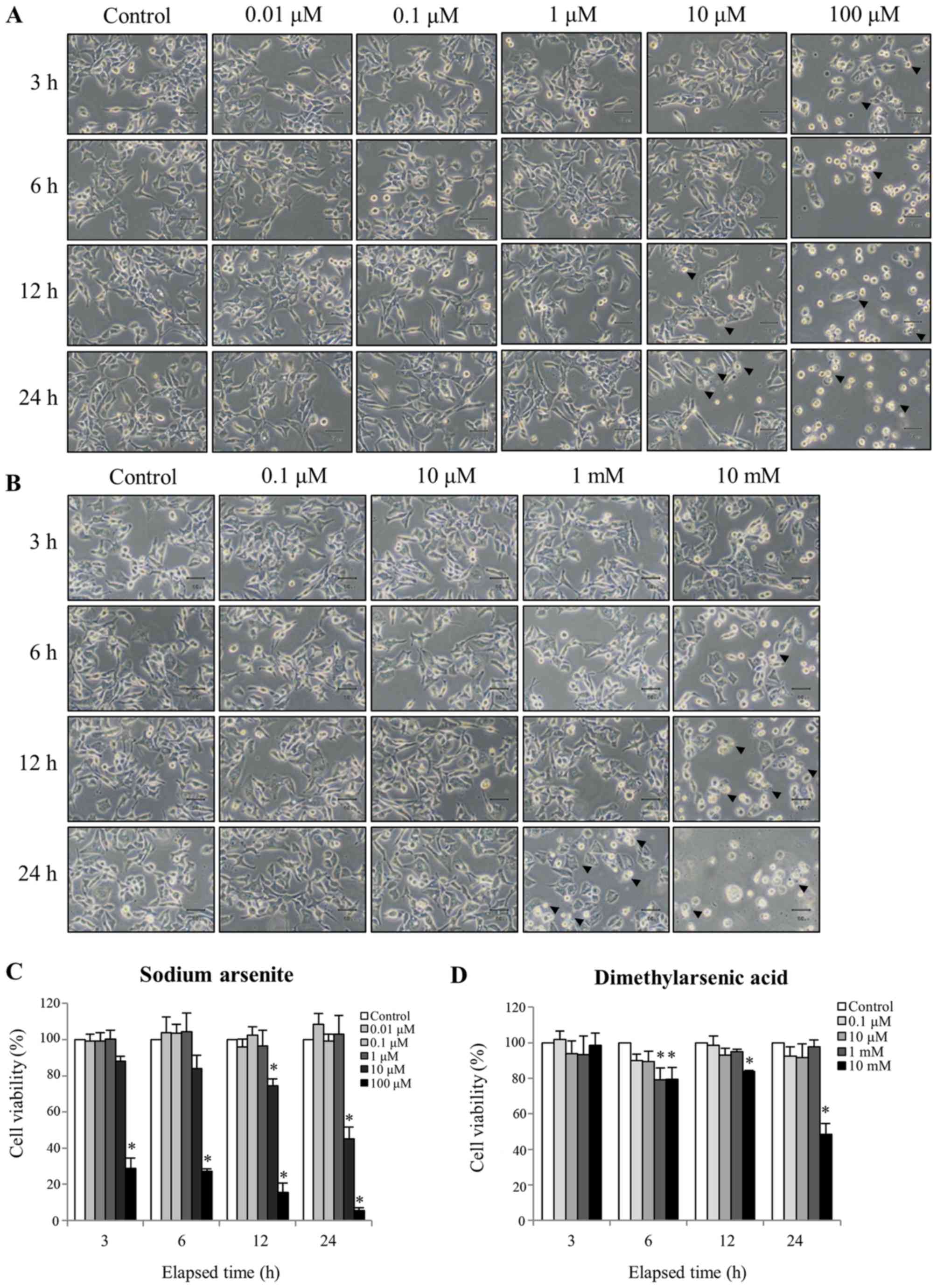
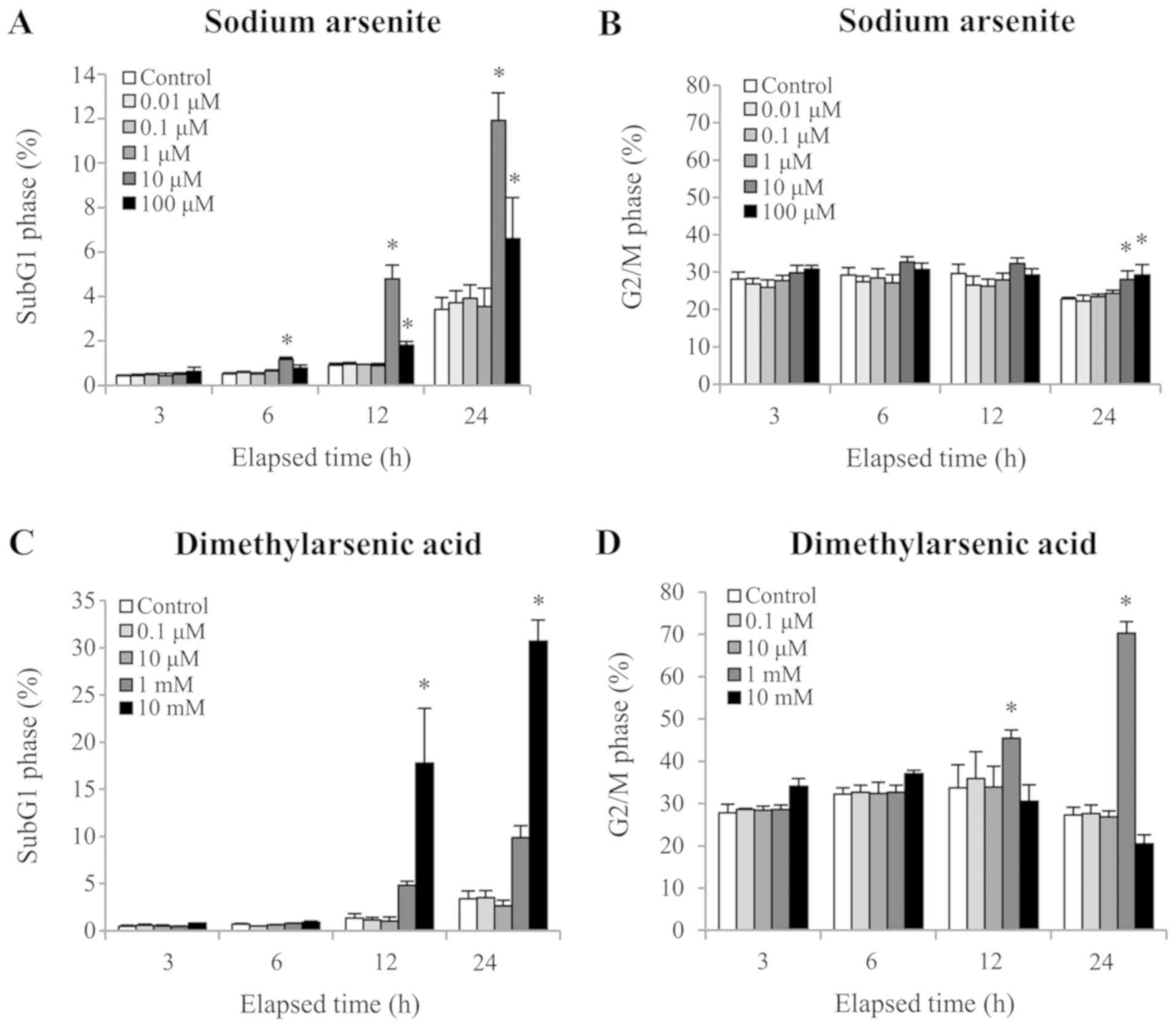
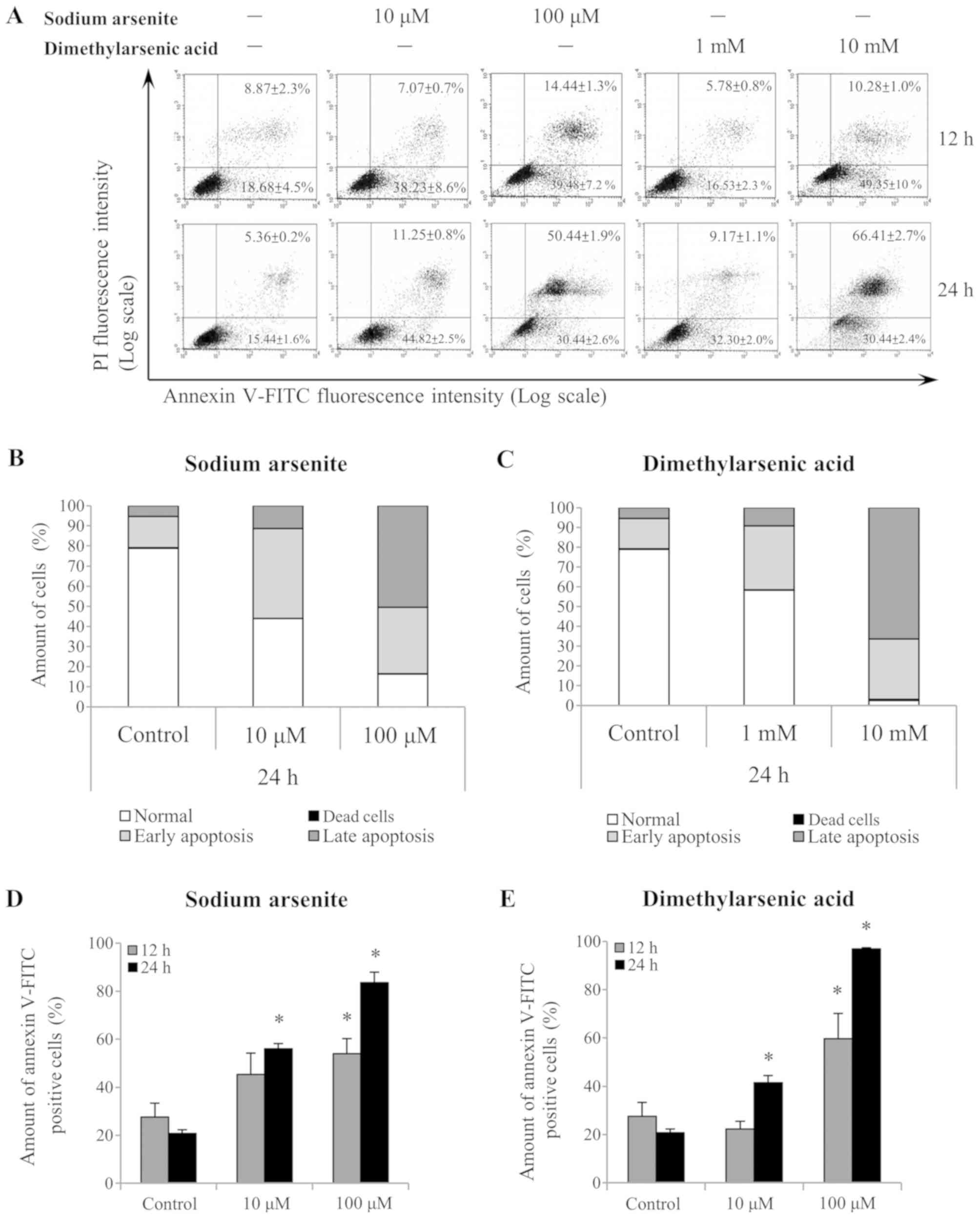
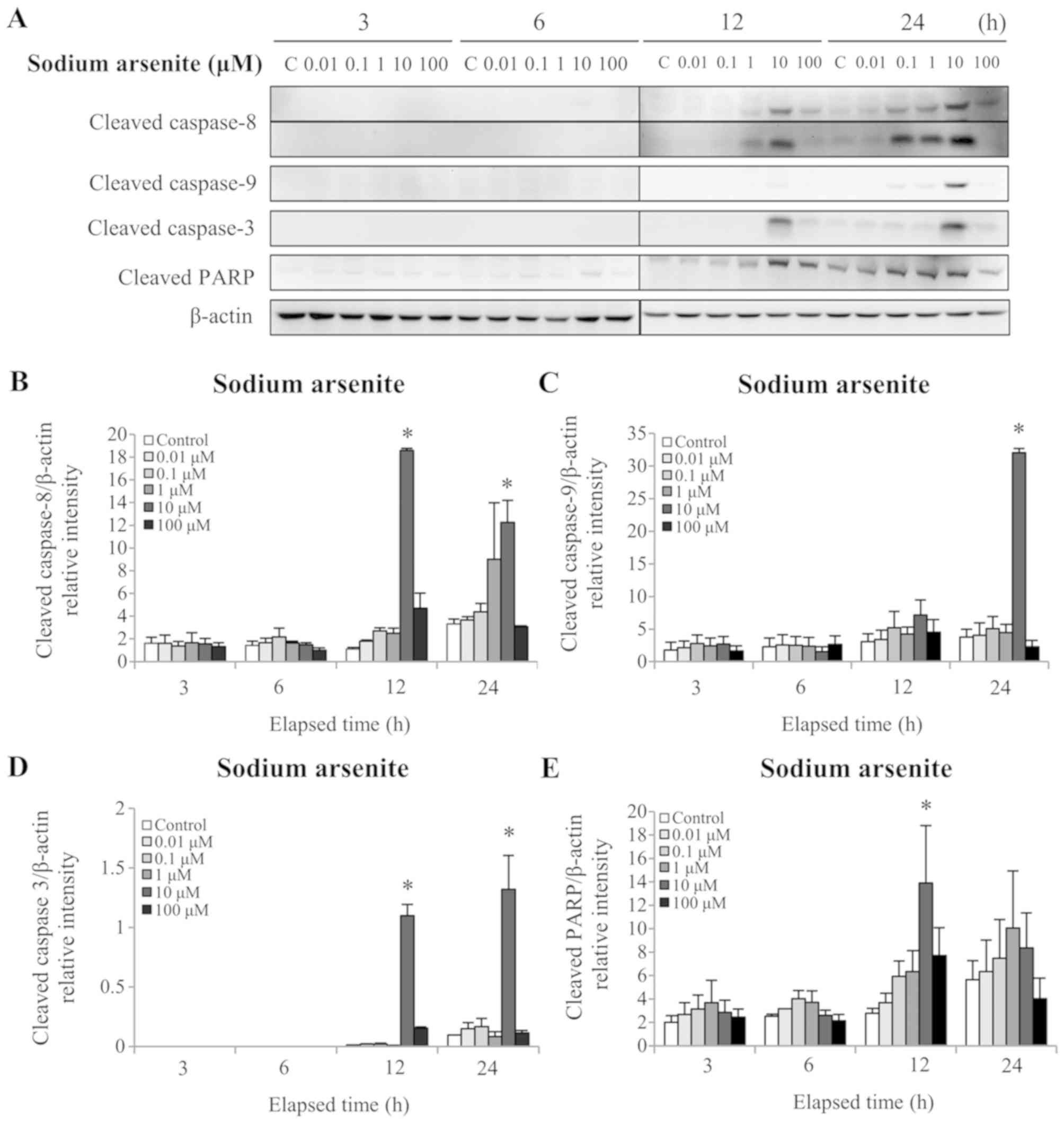
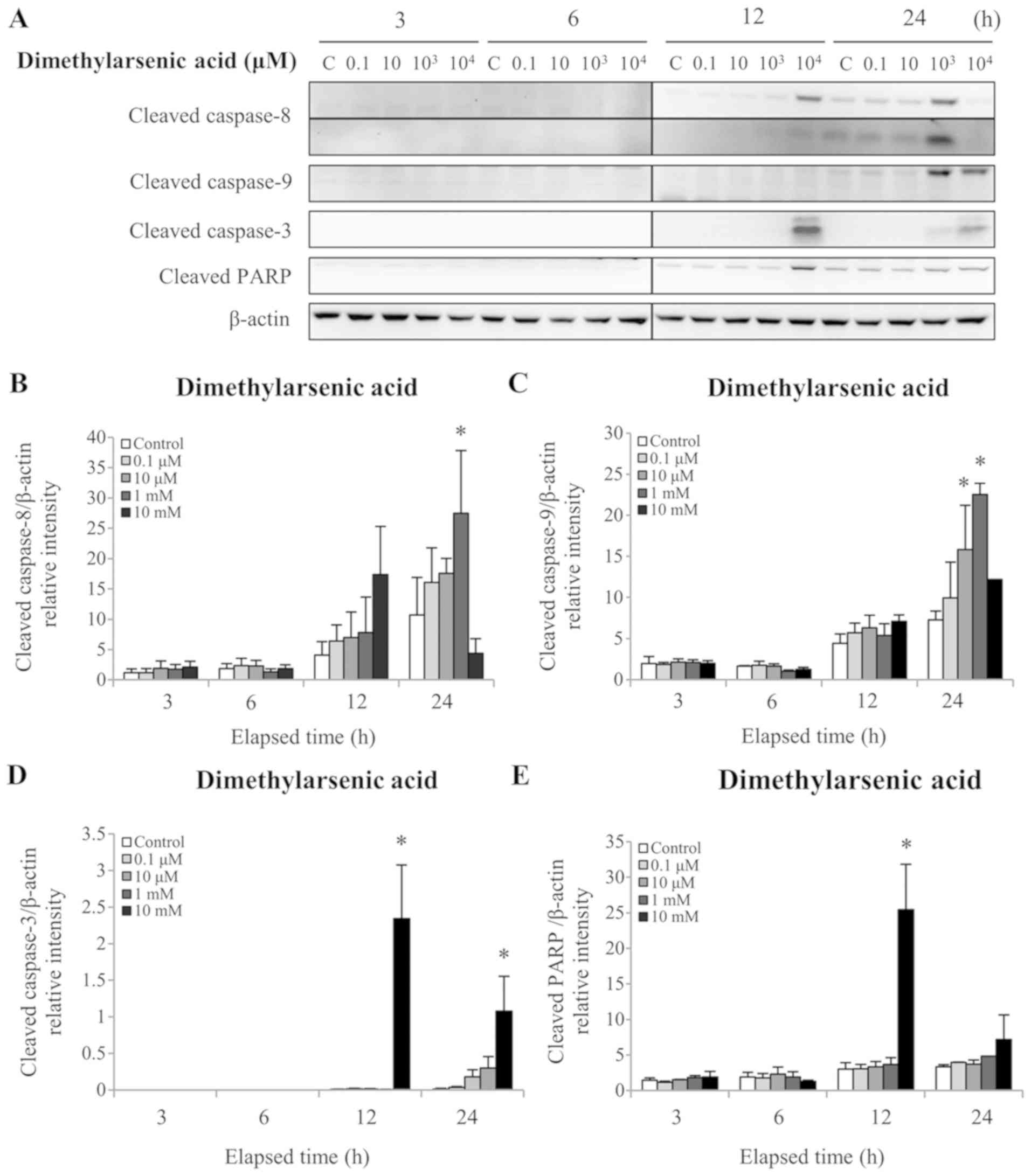
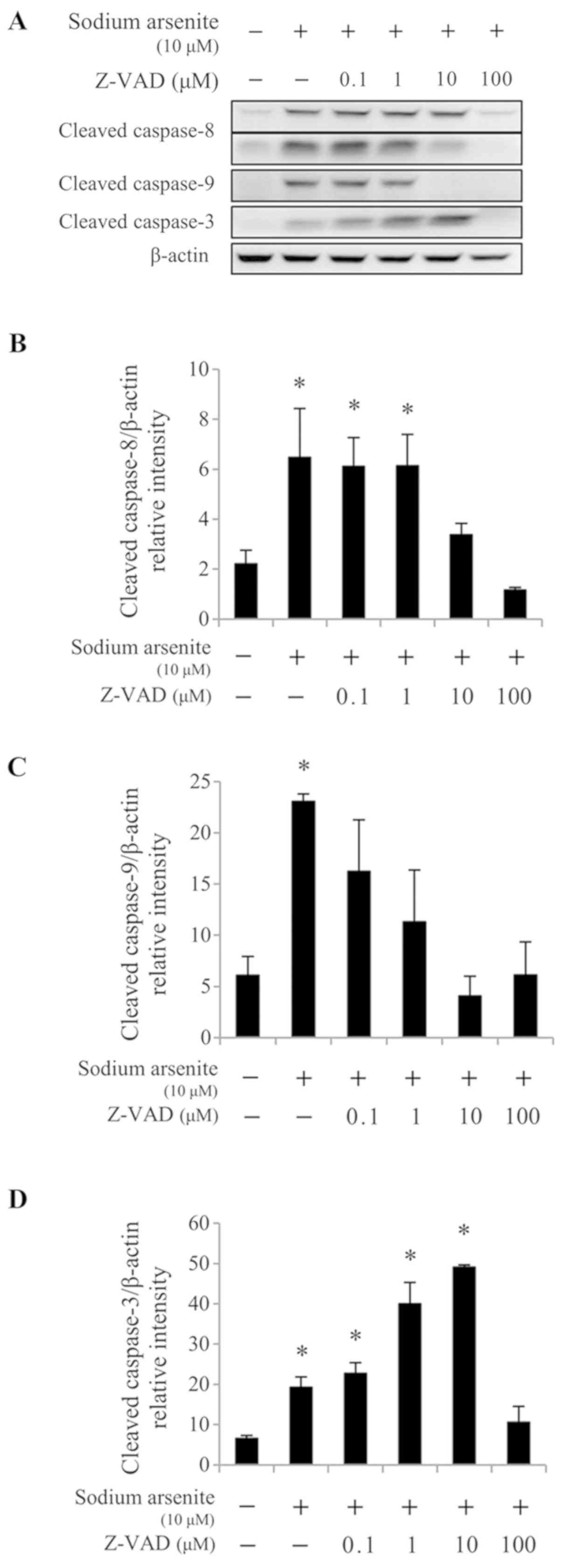
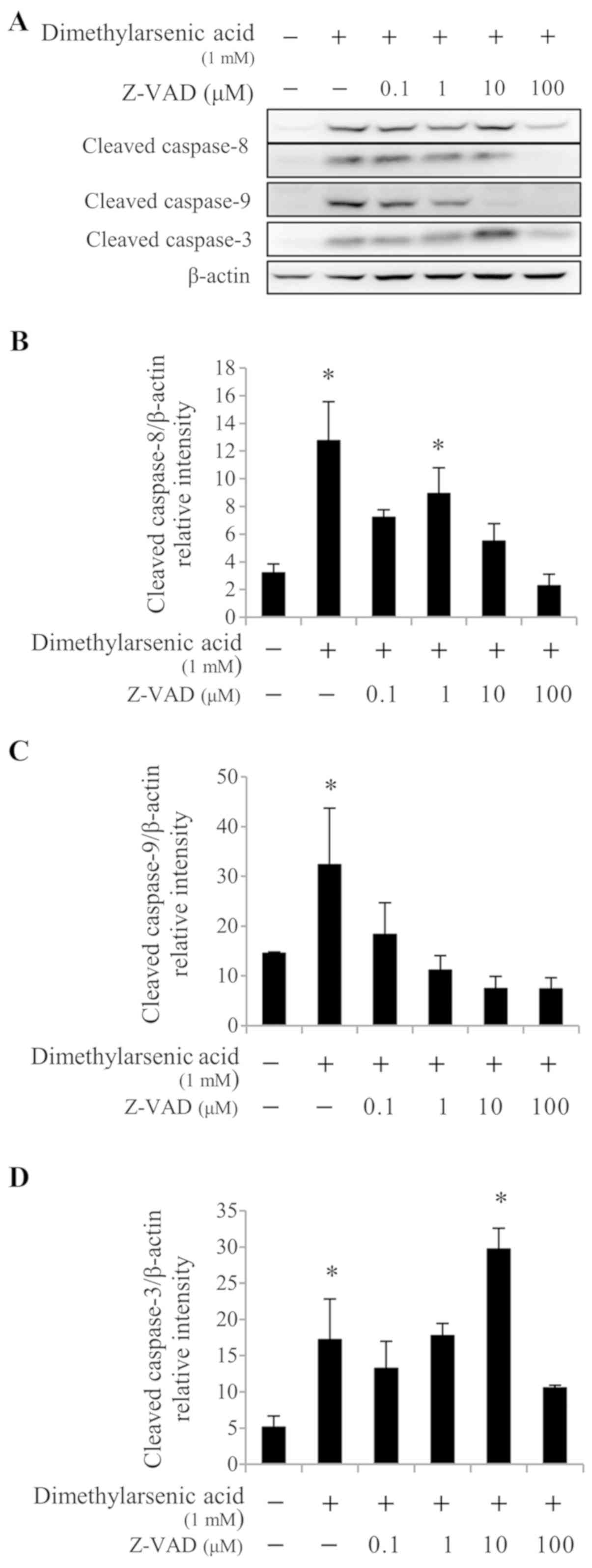
The incidence of testicular cancer is increasing worldwide. Leydig cell tumors represent one type of sex cord‑stromal testis malignancy, which tend to respond unfavorably to chemotherapies. Identifying more efficient treatment strategies is therefore crucial for patients. The present study aimed to investigate the apoptotic effects of arsenic compounds and their underlying mechanisms. The results indicated that sodium arsenite and dimethylarsenic acid induced apoptosis of the murine Leydig tumor cell line, MA‑10. These apoptotic effects were characterized morphologically by membrane blebbing and cell detachment assays, biochemically using a cell viability assay, and cytologically by flow cytometry analysis. Western blotting demonstrated that caspases‑3, ‑8 and ‑9, and poly(ADP‑ribose) polymerase protein levels were increased compared with untreated MA‑10 cells; however, the caspase inhibitor, Z‑VAD‑fmk, reversed these effects. In conclusion, the present study has shown that sodium arsenite and dimethylarsenic acid may activate the intrinsic and extrinsic caspase pathways, and induce MA‑10 cell apoptosis. These results suggest that sodium arsenite and dimethylarsenic acid may represent novel approaches to treat clinically unmanageable forms of testicular cancer.
View Figures

Figure 1

Figure 2

Figure 3

Figure 4

Figure 5

Figure 6

Figure 7

View References

1 

Styblo M, Del Razo LM, Vega L, Germolec DR, LeCluyse EL, Hamilton GA, Reed W, Wang C, Cullen WR and Thomas DJ: Comparative toxicity of trivalent and pentavalent inorganic and methylated arsenicals in rat and human cells. Arch Toxicol. 74:289–299. 2000. View Article : Google Scholar : PubMed/NCBI

2 

Rosen BP: Biochemistry of arsenic detoxification. FEBS Lett. 529:86–92. 2002. View Article : Google Scholar : PubMed/NCBI

3 

Chen GQ, Shi XG, Tang W, Xiong SM, Zhu J, Cai X, Han ZG, Ni JH, Shi GY, Jia PM, et al: Use of arsenic trioxide (As2O3) in the treatment of acute promyelocytic leukemia (APL): I. As2O3 exerts dose-dependent dual effects on APL cells. Blood. 89:3345–3353. 1997.PubMed/NCBI

4 

Singh ZN, Duong VH, Koka R, Zou Y, Sawhney S, Tang L, Baer MR, Ambulos N, El Chaer F and Emadi A: High-risk acute promyelocytic leukemia with unusual T/Myeloid immunophenotype successfully treated with ATRA and arsenic trioxide-based regimen. J Hematop. 11:67–74. 2018. View Article : Google Scholar : PubMed/NCBI

5 

Uslu R, Sanli UA, Sezgin C, Karabulut B, Terzioglu E, Omay SB and Goker E: Arsenic trioxide-mediated cytotoxicity and apoptosis in prostate and ovarian carcinoma cell lines. Clin Cancer Res. 6:4957–4964. 2000.PubMed/NCBI

6 

Kim YJ, Chung JY, Lee SG, Kim JY, Park JE, Kim WR, Joo BS, Han SH, Yoo KS, Yoo YH and Kim JM: Arsenic trioxide-induced apoptosis in TM4 Sertoli cells: The potential involvement of p21 expression and p53 phosphorylation. Toxicology. 285:142–151. 2011. View Article : Google Scholar : PubMed/NCBI

7 

Tang H, Jin Y, Jin S, Tan Z, Peng Z and Kuang Y: Arsenite inhibits the function of CD133+ CD13+ liver cancer stem cells by reducing PML and Oct4 protein expression. Tumour Biol. 37:14103–14115. 2016. View Article : Google Scholar : PubMed/NCBI

8 

Dilda PJ and Hogg PJ: Arsenical-based cancer drugs. Cancer Treat Rev. 33:542–564. 2007. View Article : Google Scholar : PubMed/NCBI

9 

Don AS, Kisker O, Dilda P, Donoghue N, Zhao X, Decollogne S, Creighton B, Flynn E, Folkman J and Hogg PJ: A peptide trivalent arsenical inhibits tumor angiogenesis by perturbing mitochondrial function in angiogenic endothelial cells. Cancer Cell. 3:497–509. 2003. View Article : Google Scholar : PubMed/NCBI

10 

Duzkale H, Jilani I, Orsolic N, Zingaro RA, Golemovic M, Giles FJ, Kantarjian H, Albitar M, Freireich EJ and Verstovsek S: In vitro activity of dimethylarsinic acid against human leukemia and multiple myeloma cell lines. Cancer Chemother Pharmacol. 51:427–432. 2003.PubMed/NCBI

11 

Velloso FJ, Bianco AF, Farias JO, Torres NE, Ferruzo PY, Anschau V, Jesus-Ferreira HC, Chang TH, Sogayar MC, Zerbini LF and Correa RG: The crossroads of breast cancer progression: Insights into the modulation of major signaling pathways. Onco Targets Ther. 10:5491–5524. 2017. View Article : Google Scholar : PubMed/NCBI

12 

Derakhshan A, Chen Z and Van Waes C: Therapeutic small molecules target inhibitor of apoptosis proteins in cancers with deregulation of extrinsic and intrinsic cell death pathways. Clin Cancer Res. 23:1379–1387. 2017. View Article : Google Scholar : PubMed/NCBI

13 

Lam M, Lawrence DA, Ashkenazi A and Walter P: Confirming a critical role for death receptor 5 and caspase-8 in apoptosis induction by endoplasmic reticulum stress. Cell Death Differ. 25:1530–1531. 2018. View Article : Google Scholar : PubMed/NCBI

14 

Zimmermann KC, Bonzon C and Green DR: The machinery of programmed cell death. Pharmacol Ther. 92:57–70. 2001. View Article : Google Scholar : PubMed/NCBI

15 

Taylor RC, Cullen SP and Martin SJ: Apoptosis: Controlled demolition at the cellular level. Nat Rev. 9:231–241. 2008. View Article : Google Scholar

16 

Cory S and Adams JM: The Bcl2 family: Regulators of the cellular life-or-death switch. Nat Rev Cancer. 2:647–656. 2002. View Article : Google Scholar : PubMed/NCBI

17 

Antonsson B, Montessuit S, Sanchez B and Martinou JC: Bax is present as a high molecular weight oligomer/complex in the mitochondrial membrane of apoptotic cells. J Biol Chem. 276:11615–11623. 2001. View Article : Google Scholar : PubMed/NCBI

18 

Huang DC and Strasser A: BH3-Only proteins-essential initiators of apoptotic cell death. Cell. 103:839–842. 2000. View Article : Google Scholar : PubMed/NCBI

19 

Andreu-Fernández V, García-Murria MJ, Bañó-Polo M, Martin J, Monticelli L, Orzáez M and Mingarro I: The C-terminal domains of apoptotic BH3-only proteins mediate their insertion into distinct biological membranes. J Biol Chem. 291:25207–25216. 2016. View Article : Google Scholar : PubMed/NCBI

20 

Morales AA, Gutman D, Lee KP and Boise LH: BH3-only proteins Noxa, Bmf, and Bim are necessary for arsenic trioxide-induced cell death in myeloma. Blood. 111:5152–5262. 2009. View Article : Google Scholar

21 

Liao WT, Chang KL, Yu CL, Chen GS, Chang LW and Yu HS: Arsenic induces human keratinocyte apoptosis by the FAS/FAS ligand pathway, which correlates with alterations in NF-kappaB and AP-1 activity. J Invest Dermatol. 122:125–129. 2004. View Article : Google Scholar : PubMed/NCBI

22 

Huyghe E, Matsuda T and Thonneau P: Increasing incidence of testicular cancer worldwide: A review. J Urol. 170:5–11. 2003. View Article : Google Scholar : PubMed/NCBI

23 

Bertram KA, Bratloff B, Hodges GF and Davidson H: Treatment of malignant Leydig cell tumor. Cancer. 68:2324–2329. 1991. View Article : Google Scholar : PubMed/NCBI

24 

Chang MM, Lai MS, Hong SY, Pan BS, Huang H, Yang SH, Wu CC, Sun HS, Chuang JI, Wang CY and Huang BM: FGF9/FGFR2 increase cell proliferation by activating ERK1/2, Rb/E2F1, and cell cycle pathways in mouse Leydig tumor cells. Cancer Sci. 109:3503–3518. 2018. View Article : Google Scholar : PubMed/NCBI

25 

Segaloff DL, Ascoli M and Puett D: Characterization of the desensitized state of Leydig tumor cells. Biochim Biophys Acta. 675:351–358. 1981. View Article : Google Scholar : PubMed/NCBI

26 

Wu WC, Hsiao JR, Lian YY, Lin CY and Huang BM: The apoptotic effect of cordycepin on human OEC-M1 oral cancer cell line. Cancer Chemother Pharmacol. 60:103–111. 2007. View Article : Google Scholar : PubMed/NCBI

27 

Green LM, Reade JL and Ware CF: Rapid colorimetric assay for cell viability: Application to the quantitation of cytotoxic and growth inhibitory lymphokines. J Immunol Methods. 70:257–268. 1984. View Article : Google Scholar : PubMed/NCBI

28 

Riccardi C and Nicoletti I: Analysis of apoptosis by propidium iodide staining and flow cytometry. Nat Protoc. 1:1458–1461. 2006. View Article : Google Scholar : PubMed/NCBI

29 

Kang FC, Wang SC, Chang MM, Pan BS, Wong KL, Cheng KS, So EC and Huang BM: Midazolam activates caspase, MAPKs and ER stress pathways, and inhibits cell cycle and Akt pathway, to induce apoptosis in TM3 mouse Leydig progenitor cells. Onco Targets Ther. 11:1475–1490. 2018. View Article : Google Scholar : PubMed/NCBI

30 

So EC, Chen YC, Wang SC, Wu CC, Huang MC, Lai MS, Pan BS, Kang FC and Huang BM: Midazolam regulated caspase pathway, endoplasmic reticulum stress, autophagy, and cell cycle to induce apoptosis in MA-10 mouse Leydig tumor cells. Onco Targets Ther. 9:2519–2533. 2016.PubMed/NCBI

31 

Lowry OH, Rosebrough NJ, Farr AL and Randall RJ: Protein measurement with the Folin phenol reagent. J Biol Chem. 193:265–275. 1951.PubMed/NCBI

32 

Chen YH, Leu SF, Jen CY and Huang BM: Effects of sesamol on apoptosis and steroidogenesis in MA-10 mouse Leydig tumor cells. J Agric Food Chem. 59:9885–9891. 2011. View Article : Google Scholar : PubMed/NCBI

33 

Pao HY, Pan BS, Leu SF and Huang BM: Cordycepin stimulated steroidogenesis in MA-10 mouse Leydig tumor cells through the protein kinase C Pathway. J Agric Food Chem. 60:4905–4913. 2012. View Article : Google Scholar : PubMed/NCBI

34 

Chen YC, Chen YH, Pan BS, Chang MM and Huang BM: Functional study of Cordyceps sinensis and cordycepin in male reproduction: A review. J Food Drug Anal. 25:197–205. 2017. View Article : Google Scholar : PubMed/NCBI

35 

Mullen P: PARP cleavage as a means of assessing apoptosis. Methods Mol Med. 88:171–181. 2004.PubMed/NCBI

36 

Hassani S, Khaleghian A, Ahmadian S, Alizadeh S, Alimoghaddam K, Ghavamzadeh A and Ghaffari SH: Redistribution of cell cycle by arsenic trioxide is associated with demethylation and expression changes of cell cycle related genes in acute promyelocytic leukemia cell line (NB4). Ann Hematol. 97:83–93. 2018. View Article : Google Scholar : PubMed/NCBI

37 

Snow ET: Metal carcinogenesis: Mechanistic implications. Pharmacol Ther. 53:31–65. 1992. View Article : Google Scholar : PubMed/NCBI

38 

Styblo M, Del Razo LM, LeCluyse EL, Hamilton GA, Wang C, Cullen WR and Thomas DJ: Metabolism of arsenic in primary cultures of human and rat hepatocytes. Chem Res Toxicol. 12:560–565. 1999. View Article : Google Scholar : PubMed/NCBI

39 

Hong SK, Wu PK and Park JI: A cellular threshold for active ERK1/2 levels determines Raf/MEK/ERK-mediated growth arrest versus death responses. Cell Signal. 42:11–20. 2018. View Article : Google Scholar : PubMed/NCBI

40 

Diepart C, Karroum O, Magat J, Feron O, Verrax J, Calderon PB, Gregoire V, Leveque P, Stockis J, Dauguet N, et al: Arsenic trioxide treatment decreases the oxygen consumption rate of tumor cells and radiosensitizes solid tumors. Cancer Res. 72:482–490. 2012. View Article : Google Scholar : PubMed/NCBI

41 

McCabe MJ, Singh KP, Reddy SA, Chelladurai B, Pounds JG, Reiners JJ and States JC: Sensitivity of myelomonocytic leukemia cells to arsenite-induced cell cycle disruption, apoptosis, and enhanced differentiation is dependent on the inter-relationship between arsenic concentration, duration of treatment, and cell cycle phase. J Pharmacol Exp Ther. 295:724–733. 2000.PubMed/NCBI

42 

Hayashi T, Hideshima T, Akiyama M, Richardson P, Schlossman RL, Chauhan D, Munshi NC, Waxman S and Anderson KC: Arsenic trioxide inhibits growth of human multiple myeloma cells in the bone marrow microenvironment. Mol Cancer Ther. 1:851–860. 2002.PubMed/NCBI

43 

Yuan Z, Wang F, Zhao Z, Zhao X, Qiu J, Nie C and Wei Y: BIM-mediated AKT phosphorylation is a key modulator of arsenic trioxide-induced apoptosis in cisplatin-sensitive and -resistant ovarian cancer cells. PLoS One. 6:e205862011. View Article : Google Scholar : PubMed/NCBI

Related Articles

  • Abstract
  • View
  • Download
  • Twitter
Copy and paste a formatted citation
Spandidos Publications style
Mu YF, Chen YH, Chang MM, Chen YC and Huang BM: Arsenic compounds induce apoptosis through caspase pathway activation in MA‑10 Leydig tumor cells. Oncol Lett 18: 944-954, 2019.
APA
Mu, Y., Chen, Y., Chang, M., Chen, Y., & Huang, B. (2019). Arsenic compounds induce apoptosis through caspase pathway activation in MA‑10 Leydig tumor cells. Oncology Letters, 18, 944-954. https://doi.org/10.3892/ol.2019.10386
MLA
Mu, Y., Chen, Y., Chang, M., Chen, Y., Huang, B."Arsenic compounds induce apoptosis through caspase pathway activation in MA‑10 Leydig tumor cells". Oncology Letters 18.1 (2019): 944-954.
Chicago
Mu, Y., Chen, Y., Chang, M., Chen, Y., Huang, B."Arsenic compounds induce apoptosis through caspase pathway activation in MA‑10 Leydig tumor cells". Oncology Letters 18, no. 1 (2019): 944-954. https://doi.org/10.3892/ol.2019.10386
Copy and paste a formatted citation
x
Spandidos Publications style
Mu YF, Chen YH, Chang MM, Chen YC and Huang BM: Arsenic compounds induce apoptosis through caspase pathway activation in MA‑10 Leydig tumor cells. Oncol Lett 18: 944-954, 2019.
APA
Mu, Y., Chen, Y., Chang, M., Chen, Y., & Huang, B. (2019). Arsenic compounds induce apoptosis through caspase pathway activation in MA‑10 Leydig tumor cells. Oncology Letters, 18, 944-954. https://doi.org/10.3892/ol.2019.10386
MLA
Mu, Y., Chen, Y., Chang, M., Chen, Y., Huang, B."Arsenic compounds induce apoptosis through caspase pathway activation in MA‑10 Leydig tumor cells". Oncology Letters 18.1 (2019): 944-954.
Chicago
Mu, Y., Chen, Y., Chang, M., Chen, Y., Huang, B."Arsenic compounds induce apoptosis through caspase pathway activation in MA‑10 Leydig tumor cells". Oncology Letters 18, no. 1 (2019): 944-954. https://doi.org/10.3892/ol.2019.10386
Follow us
  • Twitter
  • LinkedIn
  • Facebook
About
  • Spandidos Publications
  • Careers
  • Cookie Policy
  • Privacy Policy
How can we help?
  • Help
  • Live Chat
  • Contact
  • Email to our Support Team