Spandidos Publications Logo
  • About
    • About Spandidos
    • Aims and Scopes
    • Abstracting and Indexing
    • Editorial Policies
    • Reprints and Permissions
    • Job Opportunities
    • Terms and Conditions
    • Contact
  • Journals
    • All Journals
    • Oncology Letters
      • Oncology Letters
      • Information for Authors
      • Editorial Policies
      • Editorial Board
      • Aims and Scope
      • Abstracting and Indexing
      • Bibliographic Information
      • Archive
    • International Journal of Oncology
      • International Journal of Oncology
      • Information for Authors
      • Editorial Policies
      • Editorial Board
      • Aims and Scope
      • Abstracting and Indexing
      • Bibliographic Information
      • Archive
    • Molecular and Clinical Oncology
      • Molecular and Clinical Oncology
      • Information for Authors
      • Editorial Policies
      • Editorial Board
      • Aims and Scope
      • Abstracting and Indexing
      • Bibliographic Information
      • Archive
    • Experimental and Therapeutic Medicine
      • Experimental and Therapeutic Medicine
      • Information for Authors
      • Editorial Policies
      • Editorial Board
      • Aims and Scope
      • Abstracting and Indexing
      • Bibliographic Information
      • Archive
    • International Journal of Molecular Medicine
      • International Journal of Molecular Medicine
      • Information for Authors
      • Editorial Policies
      • Editorial Board
      • Aims and Scope
      • Abstracting and Indexing
      • Bibliographic Information
      • Archive
    • Biomedical Reports
      • Biomedical Reports
      • Information for Authors
      • Editorial Policies
      • Editorial Board
      • Aims and Scope
      • Abstracting and Indexing
      • Bibliographic Information
      • Archive
    • Oncology Reports
      • Oncology Reports
      • Information for Authors
      • Editorial Policies
      • Editorial Board
      • Aims and Scope
      • Abstracting and Indexing
      • Bibliographic Information
      • Archive
    • Molecular Medicine Reports
      • Molecular Medicine Reports
      • Information for Authors
      • Editorial Policies
      • Editorial Board
      • Aims and Scope
      • Abstracting and Indexing
      • Bibliographic Information
      • Archive
    • World Academy of Sciences Journal
      • World Academy of Sciences Journal
      • Information for Authors
      • Editorial Policies
      • Editorial Board
      • Aims and Scope
      • Abstracting and Indexing
      • Bibliographic Information
      • Archive
    • International Journal of Functional Nutrition
      • International Journal of Functional Nutrition
      • Information for Authors
      • Editorial Policies
      • Editorial Board
      • Aims and Scope
      • Abstracting and Indexing
      • Bibliographic Information
      • Archive
    • International Journal of Epigenetics
      • International Journal of Epigenetics
      • Information for Authors
      • Editorial Policies
      • Editorial Board
      • Aims and Scope
      • Abstracting and Indexing
      • Bibliographic Information
      • Archive
    • Medicine International
      • Medicine International
      • Information for Authors
      • Editorial Policies
      • Editorial Board
      • Aims and Scope
      • Abstracting and Indexing
      • Bibliographic Information
      • Archive
  • Articles
  • Information
    • Information for Authors
    • Information for Reviewers
    • Information for Librarians
    • Information for Advertisers
    • Conferences
  • Language Editing
Spandidos Publications Logo
  • About
    • About Spandidos
    • Aims and Scopes
    • Abstracting and Indexing
    • Editorial Policies
    • Reprints and Permissions
    • Job Opportunities
    • Terms and Conditions
    • Contact
  • Journals
    • All Journals
    • Biomedical Reports
      • Information for Authors
      • Editorial Policies
      • Editorial Board
      • Aims and Scope
      • Abstracting and Indexing
      • Bibliographic Information
      • Archive
    • Experimental and Therapeutic Medicine
      • Information for Authors
      • Editorial Policies
      • Editorial Board
      • Aims and Scope
      • Abstracting and Indexing
      • Bibliographic Information
      • Archive
    • International Journal of Epigenetics
      • Information for Authors
      • Editorial Policies
      • Editorial Board
      • Aims and Scope
      • Abstracting and Indexing
      • Bibliographic Information
      • Archive
    • International Journal of Functional Nutrition
      • Information for Authors
      • Editorial Policies
      • Editorial Board
      • Aims and Scope
      • Abstracting and Indexing
      • Bibliographic Information
      • Archive
    • International Journal of Molecular Medicine
      • Information for Authors
      • Editorial Policies
      • Editorial Board
      • Aims and Scope
      • Abstracting and Indexing
      • Bibliographic Information
      • Archive
    • International Journal of Oncology
      • Information for Authors
      • Editorial Policies
      • Editorial Board
      • Aims and Scope
      • Abstracting and Indexing
      • Bibliographic Information
      • Archive
    • Medicine International
      • Information for Authors
      • Editorial Policies
      • Editorial Board
      • Aims and Scope
      • Abstracting and Indexing
      • Bibliographic Information
      • Archive
    • Molecular and Clinical Oncology
      • Information for Authors
      • Editorial Policies
      • Editorial Board
      • Aims and Scope
      • Abstracting and Indexing
      • Bibliographic Information
      • Archive
    • Molecular Medicine Reports
      • Information for Authors
      • Editorial Policies
      • Editorial Board
      • Aims and Scope
      • Abstracting and Indexing
      • Bibliographic Information
      • Archive
    • Oncology Letters
      • Information for Authors
      • Editorial Policies
      • Editorial Board
      • Aims and Scope
      • Abstracting and Indexing
      • Bibliographic Information
      • Archive
    • Oncology Reports
      • Information for Authors
      • Editorial Policies
      • Editorial Board
      • Aims and Scope
      • Abstracting and Indexing
      • Bibliographic Information
      • Archive
    • World Academy of Sciences Journal
      • Information for Authors
      • Editorial Policies
      • Editorial Board
      • Aims and Scope
      • Abstracting and Indexing
      • Bibliographic Information
      • Archive
  • Articles
  • Information
    • For Authors
    • For Reviewers
    • For Librarians
    • For Advertisers
    • Conferences
  • Language Editing
Login Register Submit
  • This site uses cookies
  • You can change your cookie settings at any time by following the instructions in our Cookie Policy. To find out more, you may read our Privacy Policy.

    I agree
Search articles by DOI, keyword, author or affiliation
Search
Advanced Search
presentation
Oncology Letters
Join Editorial Board Propose a Special Issue
Print ISSN: 1792-1074 Online ISSN: 1792-1082
Journal Cover
September-2019 Volume 18 Issue 3

Full Size Image

Sign up for eToc alerts
Recommend to Library

Journals

International Journal of Molecular Medicine

International Journal of Molecular Medicine

International Journal of Molecular Medicine is an international journal devoted to molecular mechanisms of human disease.

International Journal of Oncology

International Journal of Oncology

International Journal of Oncology is an international journal devoted to oncology research and cancer treatment.

Molecular Medicine Reports

Molecular Medicine Reports

Covers molecular medicine topics such as pharmacology, pathology, genetics, neuroscience, infectious diseases, molecular cardiology, and molecular surgery.

Oncology Reports

Oncology Reports

Oncology Reports is an international journal devoted to fundamental and applied research in Oncology.

Experimental and Therapeutic Medicine

Experimental and Therapeutic Medicine

Experimental and Therapeutic Medicine is an international journal devoted to laboratory and clinical medicine.

Oncology Letters

Oncology Letters

Oncology Letters is an international journal devoted to Experimental and Clinical Oncology.

Biomedical Reports

Biomedical Reports

Explores a wide range of biological and medical fields, including pharmacology, genetics, microbiology, neuroscience, and molecular cardiology.

Molecular and Clinical Oncology

Molecular and Clinical Oncology

International journal addressing all aspects of oncology research, from tumorigenesis and oncogenes to chemotherapy and metastasis.

World Academy of Sciences Journal

World Academy of Sciences Journal

Multidisciplinary open-access journal spanning biochemistry, genetics, neuroscience, environmental health, and synthetic biology.

International Journal of Functional Nutrition

International Journal of Functional Nutrition

Open-access journal combining biochemistry, pharmacology, immunology, and genetics to advance health through functional nutrition.

International Journal of Epigenetics

International Journal of Epigenetics

Publishes open-access research on using epigenetics to advance understanding and treatment of human disease.

Medicine International

Medicine International

An International Open Access Journal Devoted to General Medicine.

Journal Cover
September-2019 Volume 18 Issue 3

Full Size Image

Sign up for eToc alerts
Recommend to Library

  • Article
  • Citations
    • Cite This Article
    • Download Citation
    • Create Citation Alert
    • Remove Citation Alert
    • Cited By
  • Similar Articles
    • Related Articles (in Spandidos Publications)
    • Similar Articles (Google Scholar)
    • Similar Articles (PubMed)
  • Download PDF
  • Download XML
  • View XML
Article Open Access

Ursolic acid suppresses the invasive potential of colorectal cancer cells by regulating the TGF‑β1/ZEB1/miR‑200c signaling pathway

  • Authors:
    • Ling Zhang
    • Qiao‑Yan Cai
    • Jianxin Liu
    • Jun Peng
    • You‑Qin Chen
    • Thomas J. Sferra
    • Jiu‑Mao Lin
  • View Affiliations / Copyright

    Affiliations: Academy of Integrative Medicine, Fujian University of Traditional Chinese Medicine, Fuzhou, Fujian 350122, P.R. China
    Copyright: © Zhang et al. This is an open access article distributed under the terms of Creative Commons Attribution License.
  • Pages: 3274-3282
    |
    Published online on: July 11, 2019
       https://doi.org/10.3892/ol.2019.10604
  • Expand metrics +
Metrics: Total Views: 0 (Spandidos Publications: | PMC Statistics: )
Metrics: Total PDF Downloads: 0 (Spandidos Publications: | PMC Statistics: )
Cited By (CrossRef): 0 citations Loading Articles...

This article is mentioned in:


Abstract

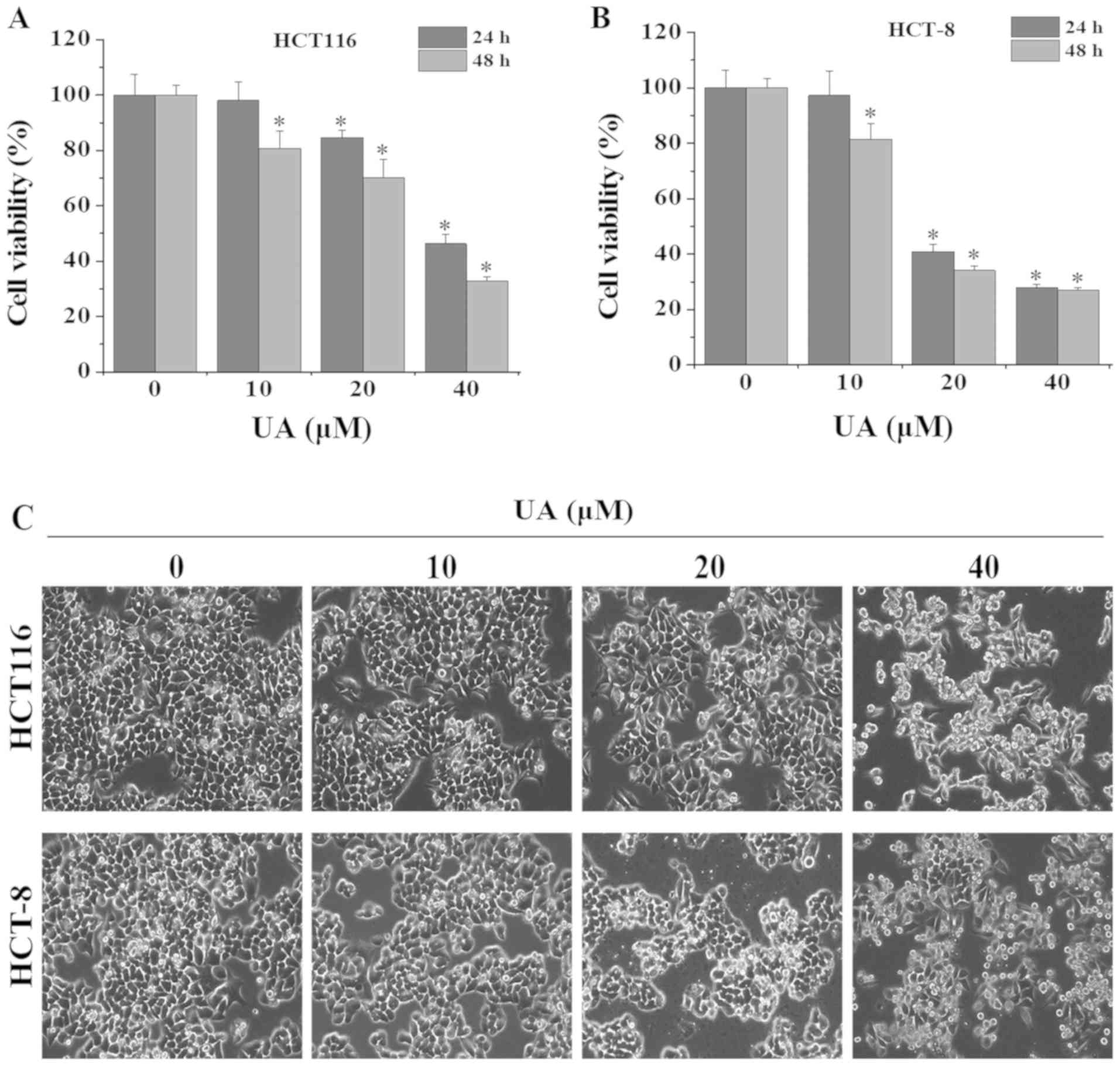
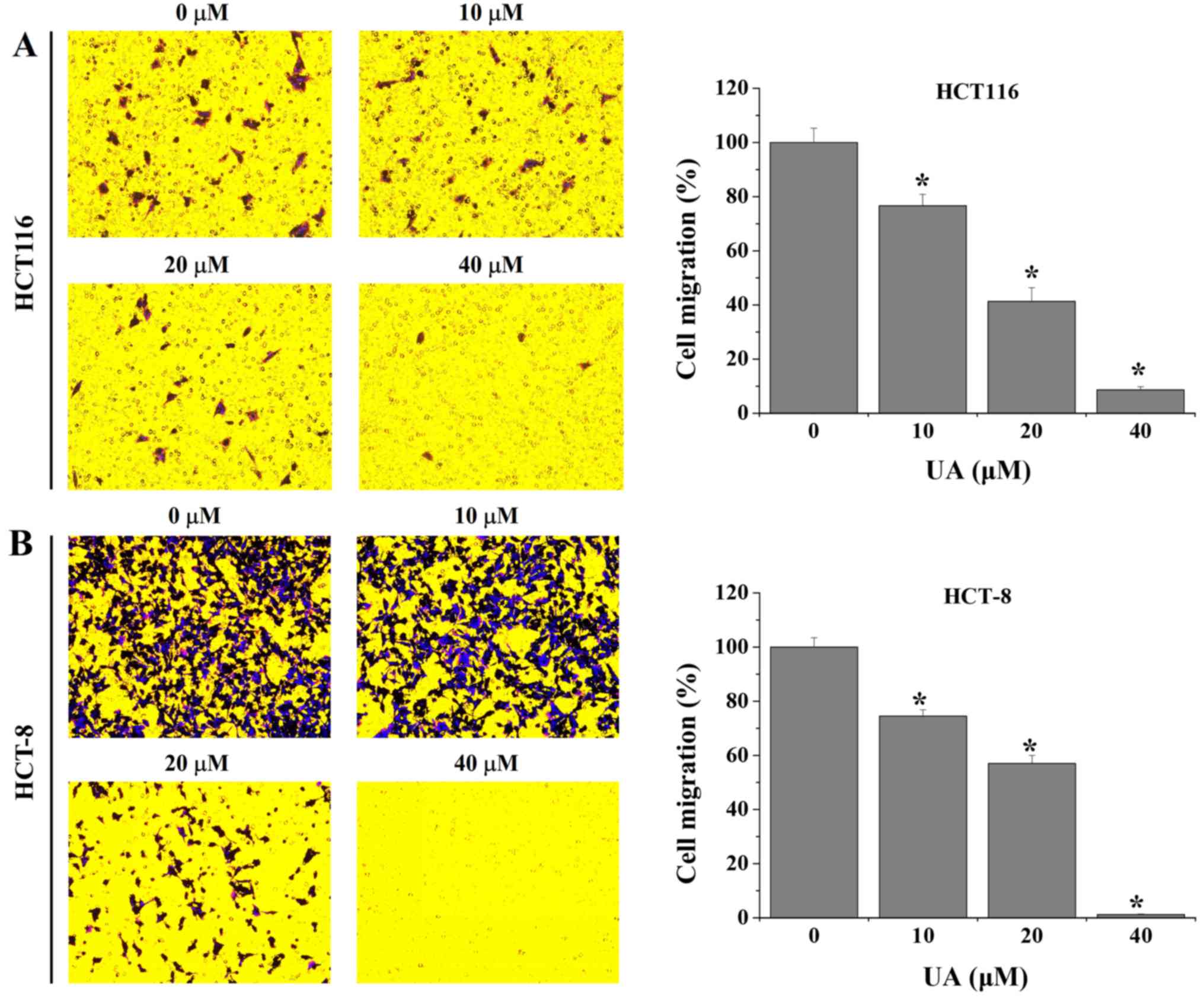
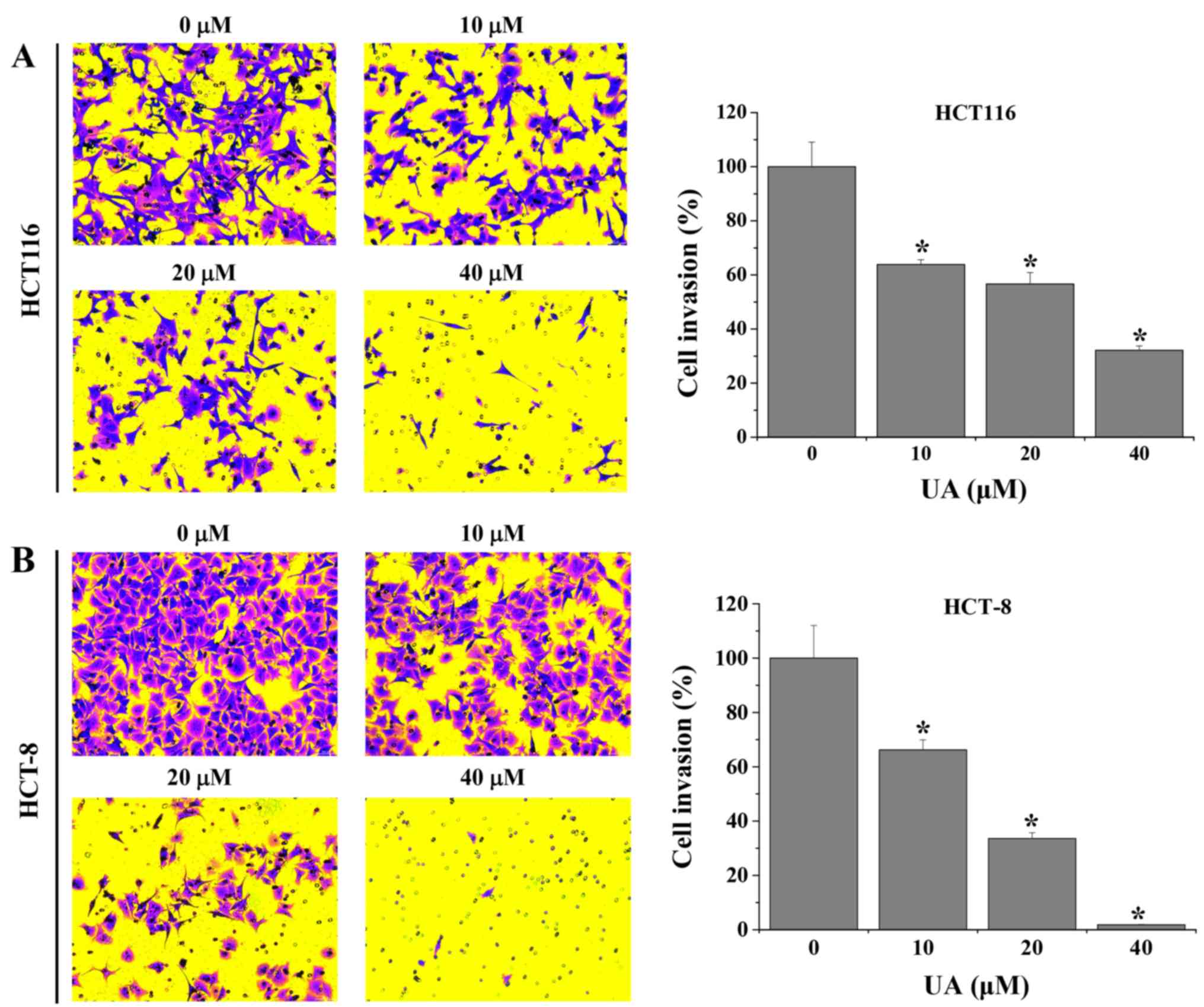
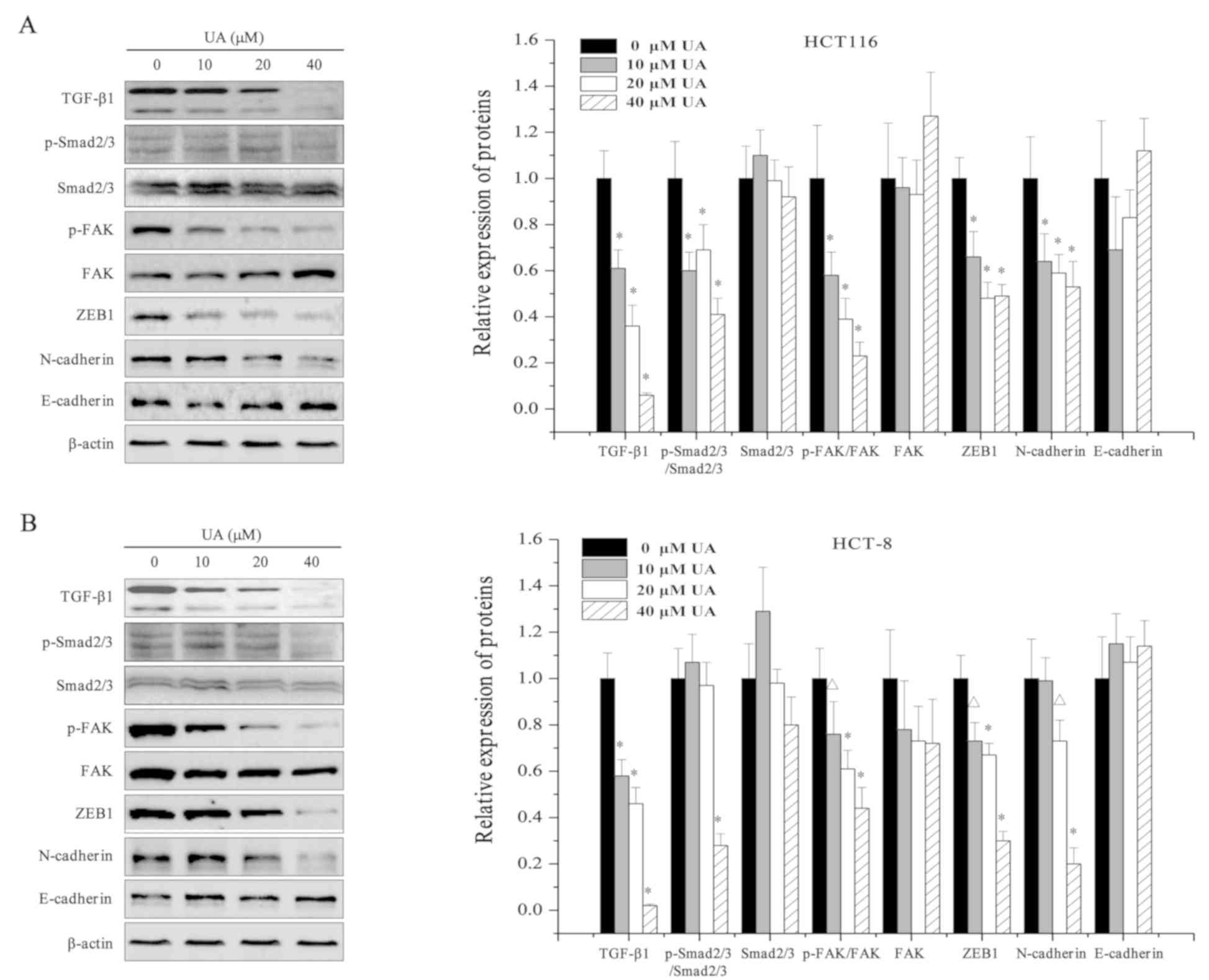
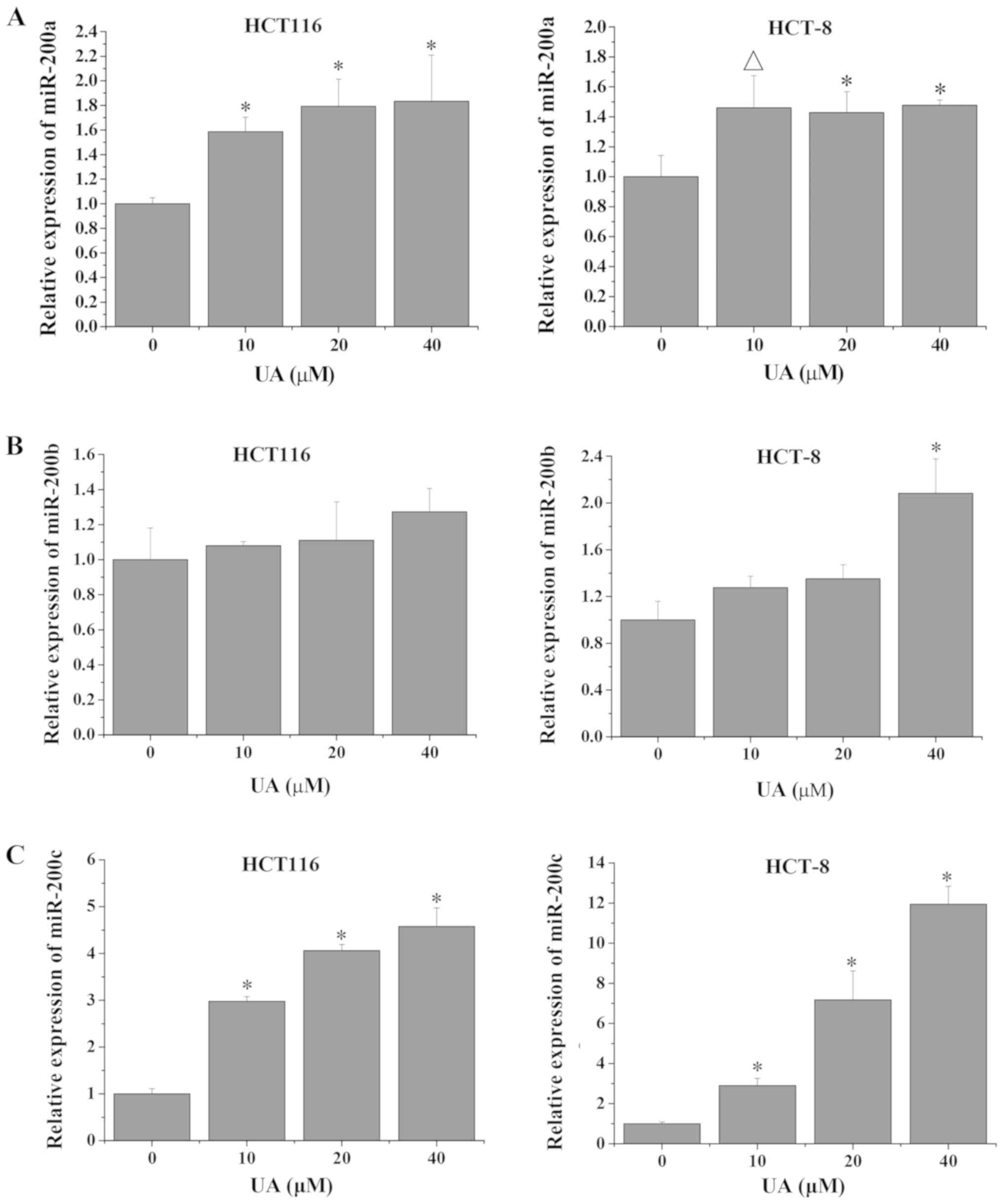
Ursolic acid (UA) is a biologically active compound, commonly used in traditional Chinese medicine (TCM). It has been reported to exhibit strong anticancer properties against a variety of cancers. Our previous studies showed that UA promoted apoptosis in colorectal cancer (CRC) cells and inhibited cellular proliferation and angiogenesis. However, the effect and underlying molecular mechanism of UA in CRC progression remain unclear. In the present study, the role of UA in suppressing the migration and invasion of human colon cancer HCT116 and HCT‑8 cells was investigated, using Transwell assays. In addition, to evaluate whether the anticancer properties of UA were mediated by the regulation of a double‑negative feedback loop consisting of the transforming growth factor‑β1 (TGF‑β1)/zinc finger E‑box‑binding homeobox (ZEB1) pathway and microRNA (miR)‑200a/b/c, reverse transcription‑quantitative PCR and western blot analysis were performed. The results indicated that UA treatment significantly suppressed cellular growth, migration and invasion in HCT116 and HCT‑8 cells in a dose‑dependent manner. Furthermore, following UA treatment, several crucial mediators of the TGF‑β1 signaling pathway, including TGF‑β1, phosphorylated (p)‑Smad2/3, p‑focal adhesion kinase and ZEB1, were significantly downregulated in the HCT116 and HCT‑8 cell lines compared with the control group. Furthermore, the ratio of N‑cadherin/E‑cadherin, two proteins directly downstream of the TGF‑β1 signaling pathway, was found to be downregulated in UA treated CRC cells. Finally, UA significantly upregulated miR200a/b/c, with miR‑200c exhibiting the highest increase in expression levels following UA treatment. Collectively, the present study suggested that inhibition of CRC cell invasion by UA occurred via regulation of the TGF‑β1/ZEB1/miR‑200c signaling network, which may be one of the mechanisms by which UA appears to be an effective therapeutic agent against colon cancer.
View Figures

Figure 1

Figure 2

Figure 3

Figure 4

Figure 5

View References

1 

Jemal A, Bray F, Center MM, Ferlay J, Ward E and Forman D: Global cancer statistics, 2012. CA Cancer J Clin. 61:69–90. 2011. View Article : Google Scholar : PubMed/NCBI

2 

Mcquade RM, Stojanovska V, Bornstein JC and Nurgali K: Colorectal cancer chemotherapy: The evolution of treatment and new approaches. Curr Med Chem. 24:1537–1557. 2017. View Article : Google Scholar : PubMed/NCBI

3 

Gupta GP and Massagué J: Cancer metastasis: Building a framework. Cell. 127:679–695. 2006. View Article : Google Scholar : PubMed/NCBI

4 

Yang J and Weinberg RA: Epithelial-mesenchymal transition: At the crossroads of development and tumor metastasis. Dev Cell. 14:818–829. 2008. View Article : Google Scholar : PubMed/NCBI

5 

López-Casillas F, Wrana JL and Massagué J: Betaglycan presents ligand to the TGF beta signaling receptor. Cell. 73:1435–1444. 1993. View Article : Google Scholar : PubMed/NCBI

6 

Franzén P, ten Dijke P, Ichijo H, Yamashita H, Schulz P, Heldin CH and Miyazono K: Cloning of a TGF beta type I receptor that forms a heteromeric complex with the TGF beta type II receptor. Cell. 75:681–692. 1993. View Article : Google Scholar : PubMed/NCBI

7 

Chen Y, Lebrun JJ and Vale W: Regulation of transforming growth factor beta- and activin-induced transcription by mammalian Mad proteins. Proc Natl Acad Sci USA. 93:12992–12997. 1996. View Article : Google Scholar : PubMed/NCBI

8 

Zhang Y, Feng X, Wu R and Derynck R: Receptor-associated mad homologues synergize as effectors of the TGF-beta response. Nature. 383:168–172. 1996. View Article : Google Scholar : PubMed/NCBI

9 

Peinado H, Olmeda D and Cano A: Snail, Zeb and bHLH factors in tumour progression: An alliance against the epithelial phenotype? Nat Rev Cancer. 7:415–428. 2007. View Article : Google Scholar : PubMed/NCBI

10 

Cicchini C, Laudadio I, Citarella F, Corazzari M, Steindler C, Conigliaro A, Fantoni A, Amicone L and Tripodi M: TGFbeta-induced EMT requires focal adhesion kinase (FAK) signaling. Exp Cell Res. 314:143–152. 2008. View Article : Google Scholar : PubMed/NCBI

11 

Chitwood DH and Timmermans MC: Small RNAs are on the move. Nature. 467:415–419. 2010. View Article : Google Scholar : PubMed/NCBI

12 

Guo Y, Bao Y and Yang W: Regulatory miRNAs in colorectal carcinogenesis and metastasis. Int J Mol Sci. 18:E8902017. View Article : Google Scholar : PubMed/NCBI

13 

Knezevic J, Pfefferle AD, Petrovic I, Greene SB, Perou CM and Rosen JM: Expression of miR-200c in claudin-low breast cancer alters stem cell functionality, enhances chemosensitivity and reduces metastatic potential. Oncogene. 34:5997–6006. 2015. View Article : Google Scholar : PubMed/NCBI

14 

Zhou X, Wang Y, Shan B, Han J, Zhu H, Lv Y, Fan X, Sang M, Liu XD and Liu W: The downregulation of miR-200c/141 promotes ZEB1/2 expression and gastric cancer progression. Med Oncol. 32:4282015. View Article : Google Scholar : PubMed/NCBI

15 

Wu WR, Sun H, Zhang R, Yu XH, Shi XD, Zhu MS, Zeng H, Yan LX, Xu LB and Liu C: Methylation-associated silencing of miR-200b facilitates human hepatocellular carcinoma progression by directly targetingBMI1. Oncotarget. 7:18684–18693. 2016.PubMed/NCBI

16 

Kumar S, Nag A and Mandal CC: A comprehensive review on miR-200c, a promising cancer biomarker with therapeutic potential. Curr Drug Targets. 16:1381–1403. 2015. View Article : Google Scholar : PubMed/NCBI

17 

Gregory PA, Bracken CP, Smith E, Bert AG, Wright JA, Roslan S, Morris M, Wyatt L, Farshid G, Lim YY, et al: An autocrine TGF-beta/ZEB/miR-200 signaling network regulates establishment and maintenance of epithelial-mesenchymal transition. Mol Biol Cell. 22:1686–1698. 2011. View Article : Google Scholar : PubMed/NCBI

18 

Xiong M, Jiang L, Zhou Y, Qiu W, Fang L, Tan R, Wen P and Yang J: The miR-200 family regulates TGF-β1-induced renal tubular epithelial to mesenchymal transition through Smad pathway by targeting ZEB1 and ZEB2 expression. Am J Physiol Renal Physiol. 302:F369–F379. 2012. View Article : Google Scholar : PubMed/NCBI

19 

Hsiao WL and Liu L: The role of traditional Chinese herbal medicines in cancer therapy-from tcm theory to mechanistic insights. Planta Med. 76:1118–1131. 2010. View Article : Google Scholar : PubMed/NCBI

20 

Lin J, Wei L, Xu W, Hong Z, Liu X and Peng J: Effect of Hedyotis Diffusa Willd extract on tumor angiogenesis. Mol Med Rep. 4:1283–1288. 2011.PubMed/NCBI

21 

Lin W, Zheng L, Zhuang Q, Zhao J, Cao Z, Zeng J, Lin S, Xu W and Peng J: Spica prunellaepromotes cancer cell apoptosis, inhibits cell proliferation and tumor angiogenesis in a mouse model of colorectal cancer via suppression of stat3 pathway. BMC Complement Altern Med. 13:1442013. View Article : Google Scholar : PubMed/NCBI

22 

Peng J, Chen Y, Lin J, Zhuang Q, Xu W, Hong Z and Sferra TJ: Patrinia scabiosaefolia extract suppresses proliferation and promotes apoptosis by inhibiting the STAT3 pathway in human multiple myeloma cells. Mol Med Rep. 4:313–318. 2011.PubMed/NCBI

23 

Zhang L, Fang Y, Feng JY, Cai QY, Wei LH, Lin S and Peng J: Chloroform fraction of Scutellaria barbata D. Don inhibits the growth of colorectal cancer cells by activating miR-34a. Oncol Rep. 37:3695–3701. 2017. View Article : Google Scholar : PubMed/NCBI

24 

Checker R, Sandur SK, Sharma D, Patwardhan RS, Jayakumar S, Kohli V, Sethi G, Aggarwal BB and Sainis KB: Potent anti-inflammatory activity of ursolic acid, a triterpenoid antioxidant, is mediated through suppression of NF-κB, AP-1 and NF-AT. PLoS One. 7:e313182012. View Article : Google Scholar : PubMed/NCBI

25 

Kong L, Li S, Liao Q, Zhang Y, Sun R, Zhu X, Zhang Q, Wang J, Wu X, Fang X and Zhu Y: Oleanolic acid and ursolic acid: Novel hepatitis C virus antivirals that inhibit NS5B activity. Antiviral Res. 98:44–53. 2013. View Article : Google Scholar : PubMed/NCBI

26 

Liobikas J, Majiene D, Trumbeckaite S, Kursvietiene L, Masteikova R, Kopustinskiene DM, Savickas A and Bernatoniene J: Uncoupling and antioxidant effects of ursolic acid in isolated rat heart mitochondria. J Nat Prod. 74:1640–1644. 2011. View Article : Google Scholar : PubMed/NCBI

27 

Ma CM, Cai SQ, Cui JR, Wang RQ, Tu PF, Hattori M and Daneshtalab M: The cytotoxic activity of ursolic acid derivatives. Eur J Med Chem. 40:582–589. 2005. View Article : Google Scholar : PubMed/NCBI

28 

Lin J, Chen Y, Wei L, Hong Z, Sferra TJ and Peng J: Ursolic acid inhibits colorectal cancer angiogenesis through suppression of multiple signaling pathways. Int J Oncol. 43:1666–1674. 2013. View Article : Google Scholar : PubMed/NCBI

29 

Lin J, Chen Y, Wei L, Shen A, Sferra TJ, Hong Z and Peng J: Ursolic acid promotes colorectal cancer cell apoptosis and inhibits cell proliferation via modulation of multiple signaling pathways. Int J Oncol. 43:1235–1243. 2013. View Article : Google Scholar : PubMed/NCBI

30 

Zhao YN, Zhang XX and Jiang H: A review on anti-diabetic effects of ursolic acid. Clin J Chin Med. 8:142–145. 2016.(In Chinese).

31 

Livak KJ and Schmittgen TD: Analysis of relative gene expression data using real-time quantitative PCR and the 2(-Delta Delta C(T)) method. Methods. 25:402–408. 2001. View Article : Google Scholar : PubMed/NCBI

32 

Heerboth S, Housman G, Leary M, Longacre M, Byler S, Lapinska K, Willbanks A and Sarkar S: EMT and tumor metastasis. Clin Transl Med. 4:62015. View Article : Google Scholar : PubMed/NCBI

33 

Pang L, Li Q, Wei C, Zou H, Li S, Cao W, He J, Zhou Y, Ju X, Lan J, et al: TGF-β1/Smad signaling pathway regulates epithelial-to-mesenchymal transition in esophageal squamous cell carcinoma: In vitro and clinical analyses of cell lines and nomadic Kazakh patients from northwest Xinjiang, China. Plos One. 9:e1123002014. View Article : Google Scholar : PubMed/NCBI

34 

Gregory PA, Bert AG, Paterson EL, Barry SC, Tsykin A, Farshid G, Vadas MA, Khew-Goodall Y and Goodall GJ: The miR-200 family and miR-205 regulate epithelial to mesenchymal transition by targeting ZEB1 and SIP1. Nat Cell Biol. 10:593–601. 2008. View Article : Google Scholar : PubMed/NCBI

35 

Jäger S, Trojan H, Kopp T, Laszczyk MN and Scheffler A: Pentacyclic triterpene distribution in various plants-rich sources for a new group of multi-potent plant extracts. Molecules. 14:2016–2031. 2009. View Article : Google Scholar : PubMed/NCBI

36 

Seo DY, Lee SR, Heo JW, No MH, Rhee BD, Ko KS, Kwak HB and Han J: Ursolic acid in health and disease. Korean J Physiol Pharmacol. 22:235–248. 2018. View Article : Google Scholar : PubMed/NCBI

37 

Kim ES and Moon A: Ursolic acid inhibits the invasive phenotype of SNU-484 human gastric cancer cells. Oncol Lett. 9:897–902. 2015. View Article : Google Scholar : PubMed/NCBI

38 

Meng Y, Lin ZM, Ge N, Zhang DL, Huang J and Kong F: Ursolic acid induces apoptosis of prostate cancer cells via the PI3K/Akt/mTOR pathway. Am J Chin Med. 43:1471–1486. 2015. View Article : Google Scholar : PubMed/NCBI

39 

Wen JH, Wei XH, Sheng XY, Zhou DQ, Peng HW, Lu YN and Zhou J: Effect of ursolic acid on breast cancer resistance protein-mediated transport of rosuvastatin in vivo and vitro. Chin Med Sci J. 30:218–225. 2015. View Article : Google Scholar : PubMed/NCBI

40 

Huang CY, Lin CY, Tsai CW and Yin MC: Inhibition of cell proliferation, invasion and migration by ursolic acid in human lung cancer cell lines. Toxicol In Vitro. 25:1274–1280. 2011. View Article : Google Scholar : PubMed/NCBI

41 

Yan SL, Huang CY, Wu ST and Yin MC: Oleanolic acid and ursolic acid induce apoptosis in four human liver cancer cell lines. Toxicol In Vitro. 24:842–848. 2010. View Article : Google Scholar : PubMed/NCBI

42 

Wu CC, Cheng CH, Lee YH, Chang IL, Chen HY, Hsieh CP and Chueh PJ: Ursolic acid triggers apoptosis in human osteosarcoma cells via caspase activation and the ERK1/2 MAPK pathway. J Agric Food Chem. 64:4220–4226. 2016. View Article : Google Scholar : PubMed/NCBI

43 

Yokota J: Tumor progression and metastasis. Carcinogenesis. 21:497–503. 2000. View Article : Google Scholar : PubMed/NCBI

44 

Langley RR and Fidler IJ: The seed and soil hypothesis revisited-the role of tumor-stroma interactions in metastasis to different organs. Int J Cancer. 128:2527–2535. 2011. View Article : Google Scholar : PubMed/NCBI

45 

Robert J: Biology of cancer metastasis. Bull Cancer. 100:333–342. 2013.(In French). PubMed/NCBI

46 

Zheng G, Shen Z, Xu A, Jiang K, Wu P, Yang X, Chen X and Shao J: Synergistic chemopreventive and therapeutic effects of co-drug ua-met: Implication in tumor metastasis. J Agric Food Chem. 65:10973–10983. 2017. View Article : Google Scholar : PubMed/NCBI

47 

Ruan JS, Zhou H, Yang L, Wang L, Jiang ZS, Sun H and Wang SM: Ursolic acid attenuates TGF-β1 induced epithelial-mesenchymal transition in NSCLC by targeting integrin αVβ5/MMPs signaling. Oncol Res. 7:593–600. 2017.

48 

Tang Q, Liu Y, Li T, Yang X, Zheng G, Chen H, Jia L and Shao J: A novel co-drug of aspirin and ursolic acid interrupts adhesion, invasion and migration of cancer cells to vascular endothelium via regulating EMT and EGFR-mediated signaling pathways: Multiple targets for cancer metastasis prevention and treatment. Oncotarget. 7:73114–73129. 2016. View Article : Google Scholar : PubMed/NCBI

49 

Burk U, Schubert J, Wellner U, Schmalhofer O, Vincan E, Spaderna S and Brabletz T: A reciprocal repression between ZEB1 and members of the miR-200 family promotes EMT and invasion in cancer cells. EMBO Rep. 9:582–589. 2008. View Article : Google Scholar : PubMed/NCBI

50 

Li Y, Zeng C, Tu M, Jiang W, Dai Z, Hu Y, Deng Z and Xiao W: MicroRNA-200b acts as a tumor suppressor in osteosarcoma via targeting ZEB1. Onco Targets Ther. 9:3101–3111. 2016.PubMed/NCBI

51 

Tang H, Deng M, Tang Y and Xie X, Guo J, Kong Y, Ye F, Su Q and Xie X: miR-200b and miR-200c as prognostic factors and mediators of gastric cancer cell progression. Clin Cancer Res. 19:5602–5612. 2013. View Article : Google Scholar : PubMed/NCBI

52 

Zhang HF, Xu LY and Li EM: A family of pleiotropically acting microRNAs in cancer progression, miR-200: Potential cancer therapeutic targets. Curr Pharm Des. 20:1896–1903. 2014. View Article : Google Scholar : PubMed/NCBI

53 

Hasegawa Y, Takanashi S, Kanehira Y, Tsushima T, Imai T and Okumura K: Transforming growth factor-beta1 level correlates with angiogenesis, tumor progression, and prognosis in patients with nonsmall cell lung carcinoma. Cancer. 91:964–971. 2001. View Article : Google Scholar : PubMed/NCBI

54 

Bracken CP, Gregory PA, Kolesnikoff N, Bert AG, Wang J, Shannon MF and Goodall GJ: A double-negative feedback loop between ZEB1-SIP1 and the microRNA-200 family regulates epithelial-mesenchymal transition. Cancer Res. 68:7846–7854. 2008. View Article : Google Scholar : PubMed/NCBI

55 

Chen D, Wang J, Zhang Y, Chen J, Yang C, Cao W, Zhang H, Liu Y and Dou J: Effect of down-regulated transcriptional repressor ZEB1 on the epithelial-mesenchymal transition of ovarian cancer cells. Int J Gynecol Cancer. 23:1357–1366. 2013. View Article : Google Scholar : PubMed/NCBI

56 

Chen D, Zhang Y, Wang J, Chen J, Yang C, Cai K, Wang X, Shi F and Dou J: MicroRNA-200c overexpression inhibits tumorigenicity and metastasis of CD117+ CD44+ ovarian cancer stem cells by regulating epithelial-mesenchymal transition. J Ovarian Res. 6:502013. View Article : Google Scholar : PubMed/NCBI

57 

Alb M, Sie C, Adam C, Chen S, Becker JC and Schrama D: Cellular and cytokine-dependent immunosuppressive mechanisms of grm1-transgenic murine melanoma. Cancer Immunol Immunother. 61:2239–2249. 2012. View Article : Google Scholar : PubMed/NCBI

Related Articles

  • Abstract
  • View
  • Download
  • Twitter
Copy and paste a formatted citation
Spandidos Publications style
Zhang L, Cai QY, Liu J, Peng J, Chen YQ, Sferra TJ and Lin JM: Ursolic acid suppresses the invasive potential of colorectal cancer cells by regulating the TGF‑β1/ZEB1/miR‑200c signaling pathway. Oncol Lett 18: 3274-3282, 2019.
APA
Zhang, L., Cai, Q., Liu, J., Peng, J., Chen, Y., Sferra, T.J., & Lin, J. (2019). Ursolic acid suppresses the invasive potential of colorectal cancer cells by regulating the TGF‑β1/ZEB1/miR‑200c signaling pathway. Oncology Letters, 18, 3274-3282. https://doi.org/10.3892/ol.2019.10604
MLA
Zhang, L., Cai, Q., Liu, J., Peng, J., Chen, Y., Sferra, T. J., Lin, J."Ursolic acid suppresses the invasive potential of colorectal cancer cells by regulating the TGF‑β1/ZEB1/miR‑200c signaling pathway". Oncology Letters 18.3 (2019): 3274-3282.
Chicago
Zhang, L., Cai, Q., Liu, J., Peng, J., Chen, Y., Sferra, T. J., Lin, J."Ursolic acid suppresses the invasive potential of colorectal cancer cells by regulating the TGF‑β1/ZEB1/miR‑200c signaling pathway". Oncology Letters 18, no. 3 (2019): 3274-3282. https://doi.org/10.3892/ol.2019.10604
Copy and paste a formatted citation
x
Spandidos Publications style
Zhang L, Cai QY, Liu J, Peng J, Chen YQ, Sferra TJ and Lin JM: Ursolic acid suppresses the invasive potential of colorectal cancer cells by regulating the TGF‑β1/ZEB1/miR‑200c signaling pathway. Oncol Lett 18: 3274-3282, 2019.
APA
Zhang, L., Cai, Q., Liu, J., Peng, J., Chen, Y., Sferra, T.J., & Lin, J. (2019). Ursolic acid suppresses the invasive potential of colorectal cancer cells by regulating the TGF‑β1/ZEB1/miR‑200c signaling pathway. Oncology Letters, 18, 3274-3282. https://doi.org/10.3892/ol.2019.10604
MLA
Zhang, L., Cai, Q., Liu, J., Peng, J., Chen, Y., Sferra, T. J., Lin, J."Ursolic acid suppresses the invasive potential of colorectal cancer cells by regulating the TGF‑β1/ZEB1/miR‑200c signaling pathway". Oncology Letters 18.3 (2019): 3274-3282.
Chicago
Zhang, L., Cai, Q., Liu, J., Peng, J., Chen, Y., Sferra, T. J., Lin, J."Ursolic acid suppresses the invasive potential of colorectal cancer cells by regulating the TGF‑β1/ZEB1/miR‑200c signaling pathway". Oncology Letters 18, no. 3 (2019): 3274-3282. https://doi.org/10.3892/ol.2019.10604
Follow us
  • Twitter
  • LinkedIn
  • Facebook
About
  • Spandidos Publications
  • Careers
  • Cookie Policy
  • Privacy Policy
How can we help?
  • Help
  • Live Chat
  • Contact
  • Email to our Support Team