Spandidos Publications Logo
  • About
    • About Spandidos
    • Aims and Scopes
    • Abstracting and Indexing
    • Editorial Policies
    • Reprints and Permissions
    • Job Opportunities
    • Terms and Conditions
    • Contact
  • Journals
    • All Journals
    • Oncology Letters
      • Oncology Letters
      • Information for Authors
      • Editorial Policies
      • Editorial Board
      • Aims and Scope
      • Abstracting and Indexing
      • Bibliographic Information
      • Archive
    • International Journal of Oncology
      • International Journal of Oncology
      • Information for Authors
      • Editorial Policies
      • Editorial Board
      • Aims and Scope
      • Abstracting and Indexing
      • Bibliographic Information
      • Archive
    • Molecular and Clinical Oncology
      • Molecular and Clinical Oncology
      • Information for Authors
      • Editorial Policies
      • Editorial Board
      • Aims and Scope
      • Abstracting and Indexing
      • Bibliographic Information
      • Archive
    • Experimental and Therapeutic Medicine
      • Experimental and Therapeutic Medicine
      • Information for Authors
      • Editorial Policies
      • Editorial Board
      • Aims and Scope
      • Abstracting and Indexing
      • Bibliographic Information
      • Archive
    • International Journal of Molecular Medicine
      • International Journal of Molecular Medicine
      • Information for Authors
      • Editorial Policies
      • Editorial Board
      • Aims and Scope
      • Abstracting and Indexing
      • Bibliographic Information
      • Archive
    • Biomedical Reports
      • Biomedical Reports
      • Information for Authors
      • Editorial Policies
      • Editorial Board
      • Aims and Scope
      • Abstracting and Indexing
      • Bibliographic Information
      • Archive
    • Oncology Reports
      • Oncology Reports
      • Information for Authors
      • Editorial Policies
      • Editorial Board
      • Aims and Scope
      • Abstracting and Indexing
      • Bibliographic Information
      • Archive
    • Molecular Medicine Reports
      • Molecular Medicine Reports
      • Information for Authors
      • Editorial Policies
      • Editorial Board
      • Aims and Scope
      • Abstracting and Indexing
      • Bibliographic Information
      • Archive
    • World Academy of Sciences Journal
      • World Academy of Sciences Journal
      • Information for Authors
      • Editorial Policies
      • Editorial Board
      • Aims and Scope
      • Abstracting and Indexing
      • Bibliographic Information
      • Archive
    • International Journal of Functional Nutrition
      • International Journal of Functional Nutrition
      • Information for Authors
      • Editorial Policies
      • Editorial Board
      • Aims and Scope
      • Abstracting and Indexing
      • Bibliographic Information
      • Archive
    • International Journal of Epigenetics
      • International Journal of Epigenetics
      • Information for Authors
      • Editorial Policies
      • Editorial Board
      • Aims and Scope
      • Abstracting and Indexing
      • Bibliographic Information
      • Archive
    • Medicine International
      • Medicine International
      • Information for Authors
      • Editorial Policies
      • Editorial Board
      • Aims and Scope
      • Abstracting and Indexing
      • Bibliographic Information
      • Archive
  • Articles
  • Information
    • Information for Authors
    • Information for Reviewers
    • Information for Librarians
    • Information for Advertisers
    • Conferences
  • Language Editing
Spandidos Publications Logo
  • About
    • About Spandidos
    • Aims and Scopes
    • Abstracting and Indexing
    • Editorial Policies
    • Reprints and Permissions
    • Job Opportunities
    • Terms and Conditions
    • Contact
  • Journals
    • All Journals
    • Biomedical Reports
      • Information for Authors
      • Editorial Policies
      • Editorial Board
      • Aims and Scope
      • Abstracting and Indexing
      • Bibliographic Information
      • Archive
    • Experimental and Therapeutic Medicine
      • Information for Authors
      • Editorial Policies
      • Editorial Board
      • Aims and Scope
      • Abstracting and Indexing
      • Bibliographic Information
      • Archive
    • International Journal of Epigenetics
      • Information for Authors
      • Editorial Policies
      • Editorial Board
      • Aims and Scope
      • Abstracting and Indexing
      • Bibliographic Information
      • Archive
    • International Journal of Functional Nutrition
      • Information for Authors
      • Editorial Policies
      • Editorial Board
      • Aims and Scope
      • Abstracting and Indexing
      • Bibliographic Information
      • Archive
    • International Journal of Molecular Medicine
      • Information for Authors
      • Editorial Policies
      • Editorial Board
      • Aims and Scope
      • Abstracting and Indexing
      • Bibliographic Information
      • Archive
    • International Journal of Oncology
      • Information for Authors
      • Editorial Policies
      • Editorial Board
      • Aims and Scope
      • Abstracting and Indexing
      • Bibliographic Information
      • Archive
    • Medicine International
      • Information for Authors
      • Editorial Policies
      • Editorial Board
      • Aims and Scope
      • Abstracting and Indexing
      • Bibliographic Information
      • Archive
    • Molecular and Clinical Oncology
      • Information for Authors
      • Editorial Policies
      • Editorial Board
      • Aims and Scope
      • Abstracting and Indexing
      • Bibliographic Information
      • Archive
    • Molecular Medicine Reports
      • Information for Authors
      • Editorial Policies
      • Editorial Board
      • Aims and Scope
      • Abstracting and Indexing
      • Bibliographic Information
      • Archive
    • Oncology Letters
      • Information for Authors
      • Editorial Policies
      • Editorial Board
      • Aims and Scope
      • Abstracting and Indexing
      • Bibliographic Information
      • Archive
    • Oncology Reports
      • Information for Authors
      • Editorial Policies
      • Editorial Board
      • Aims and Scope
      • Abstracting and Indexing
      • Bibliographic Information
      • Archive
    • World Academy of Sciences Journal
      • Information for Authors
      • Editorial Policies
      • Editorial Board
      • Aims and Scope
      • Abstracting and Indexing
      • Bibliographic Information
      • Archive
  • Articles
  • Information
    • For Authors
    • For Reviewers
    • For Librarians
    • For Advertisers
    • Conferences
  • Language Editing
Login Register Submit
  • This site uses cookies
  • You can change your cookie settings at any time by following the instructions in our Cookie Policy. To find out more, you may read our Privacy Policy.

    I agree
Search articles by DOI, keyword, author or affiliation
Search
Advanced Search
presentation
Oncology Letters
Join Editorial Board Propose a Special Issue
Print ISSN: 1792-1074 Online ISSN: 1792-1082
Journal Cover
October-2020 Volume 20 Issue 4

Full Size Image

Sign up for eToc alerts
Recommend to Library

Journals

International Journal of Molecular Medicine

International Journal of Molecular Medicine

International Journal of Molecular Medicine is an international journal devoted to molecular mechanisms of human disease.

International Journal of Oncology

International Journal of Oncology

International Journal of Oncology is an international journal devoted to oncology research and cancer treatment.

Molecular Medicine Reports

Molecular Medicine Reports

Covers molecular medicine topics such as pharmacology, pathology, genetics, neuroscience, infectious diseases, molecular cardiology, and molecular surgery.

Oncology Reports

Oncology Reports

Oncology Reports is an international journal devoted to fundamental and applied research in Oncology.

Experimental and Therapeutic Medicine

Experimental and Therapeutic Medicine

Experimental and Therapeutic Medicine is an international journal devoted to laboratory and clinical medicine.

Oncology Letters

Oncology Letters

Oncology Letters is an international journal devoted to Experimental and Clinical Oncology.

Biomedical Reports

Biomedical Reports

Explores a wide range of biological and medical fields, including pharmacology, genetics, microbiology, neuroscience, and molecular cardiology.

Molecular and Clinical Oncology

Molecular and Clinical Oncology

International journal addressing all aspects of oncology research, from tumorigenesis and oncogenes to chemotherapy and metastasis.

World Academy of Sciences Journal

World Academy of Sciences Journal

Multidisciplinary open-access journal spanning biochemistry, genetics, neuroscience, environmental health, and synthetic biology.

International Journal of Functional Nutrition

International Journal of Functional Nutrition

Open-access journal combining biochemistry, pharmacology, immunology, and genetics to advance health through functional nutrition.

International Journal of Epigenetics

International Journal of Epigenetics

Publishes open-access research on using epigenetics to advance understanding and treatment of human disease.

Medicine International

Medicine International

An International Open Access Journal Devoted to General Medicine.

Journal Cover
October-2020 Volume 20 Issue 4

Full Size Image

Sign up for eToc alerts
Recommend to Library

  • Article
  • Citations
    • Cite This Article
    • Download Citation
    • Create Citation Alert
    • Remove Citation Alert
    • Cited By
  • Similar Articles
    • Related Articles (in Spandidos Publications)
    • Similar Articles (Google Scholar)
    • Similar Articles (PubMed)
  • Download PDF
  • Download XML
  • View XML

  • Supplementary Files
    • Supplementary_Data.pdf
Article Open Access

Investigation of the association between C‑X‑C motif chemokine receptor subunits and tumor infiltration levels and prognosis in patients with early‑stage pancreatic ductal adenocarcinoma

  • Authors:
    • Qiong-Yuan Wu
    • Cheng-Kun Yang
    • Liang-Jun Rong
    • Jun-Chan Li
    • Long-Ming Lei
  • View Affiliations / Copyright

    Affiliations: Department of Tuina, The First Affiliated Hospital of Guangxi University of Chinese Medicine, Nanning, Guangxi 530023, P.R.China, Department of Hepatobiliary Surgery, The First Affiliated Hospital of Guangxi Medical University, Nanning, Guangxi 530023, P.R.China
    Copyright: © Wu et al. This is an open access article distributed under the terms of Creative Commons Attribution License.
  • Article Number: 16
    |
    Published online on: July 16, 2020
       https://doi.org/10.3892/ol.2020.11877
  • Expand metrics +
Metrics: Total Views: 0 (Spandidos Publications: | PMC Statistics: )
Metrics: Total PDF Downloads: 0 (Spandidos Publications: | PMC Statistics: )
Cited By (CrossRef): 0 citations Loading Articles...

This article is mentioned in:


Abstract

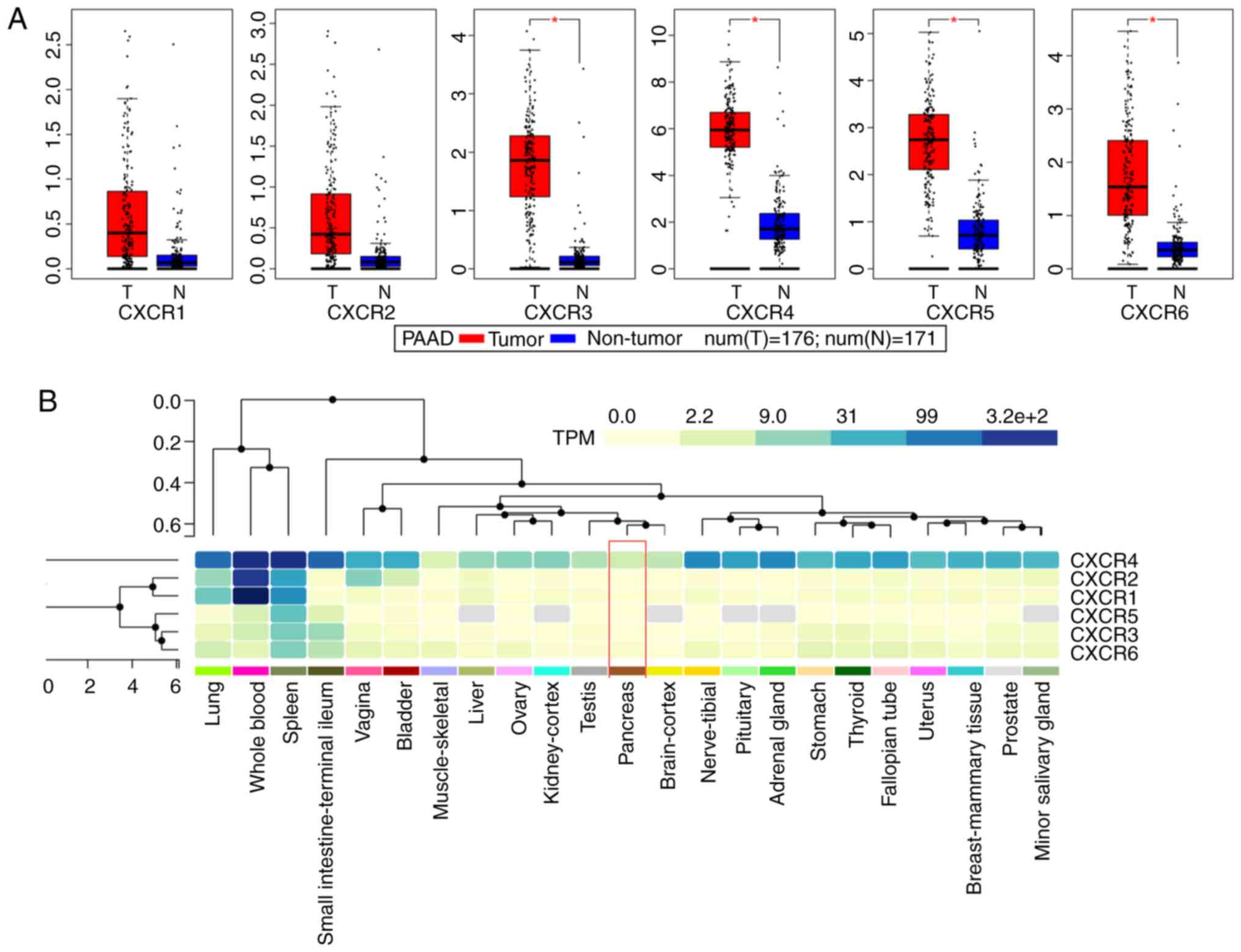
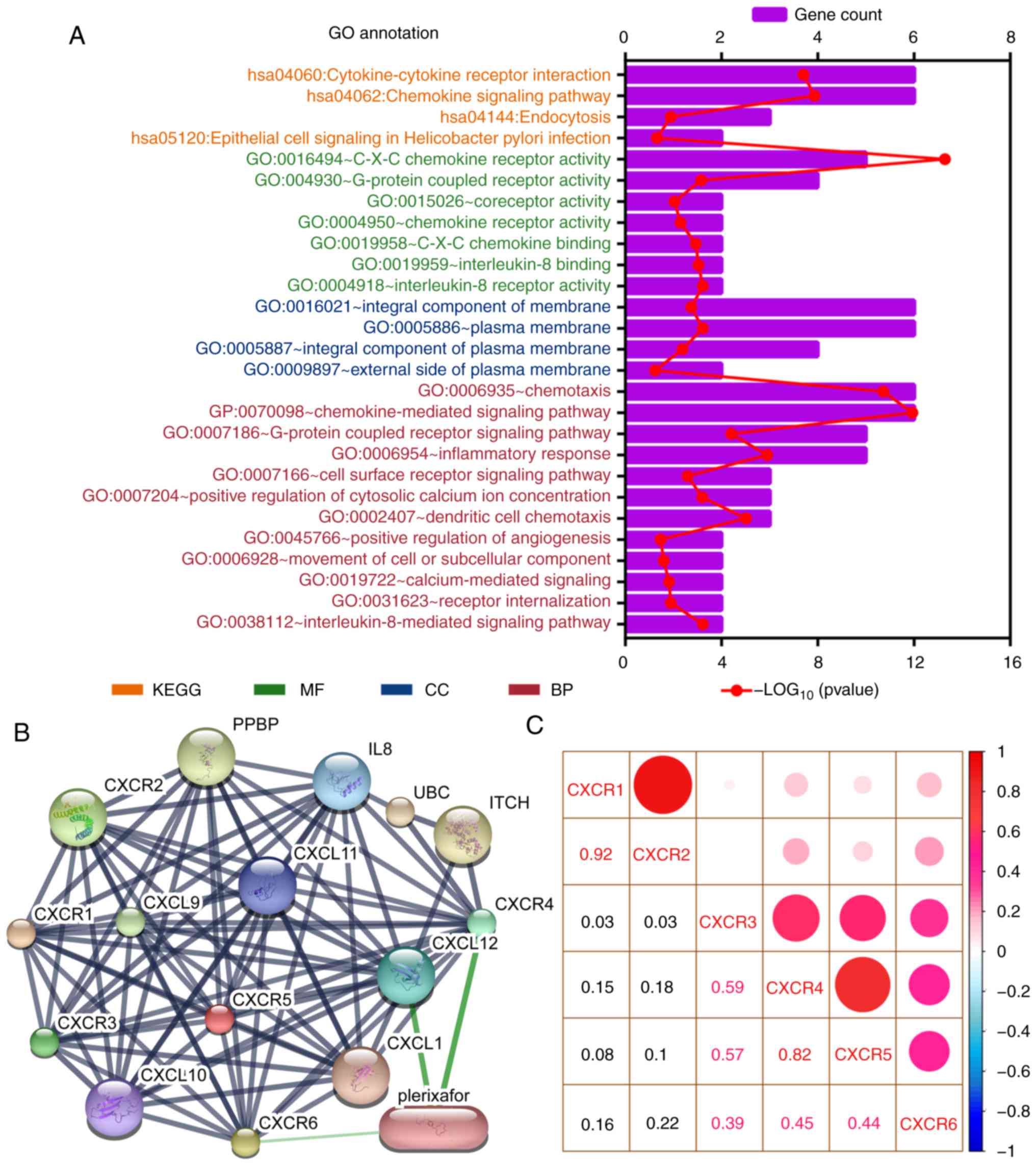
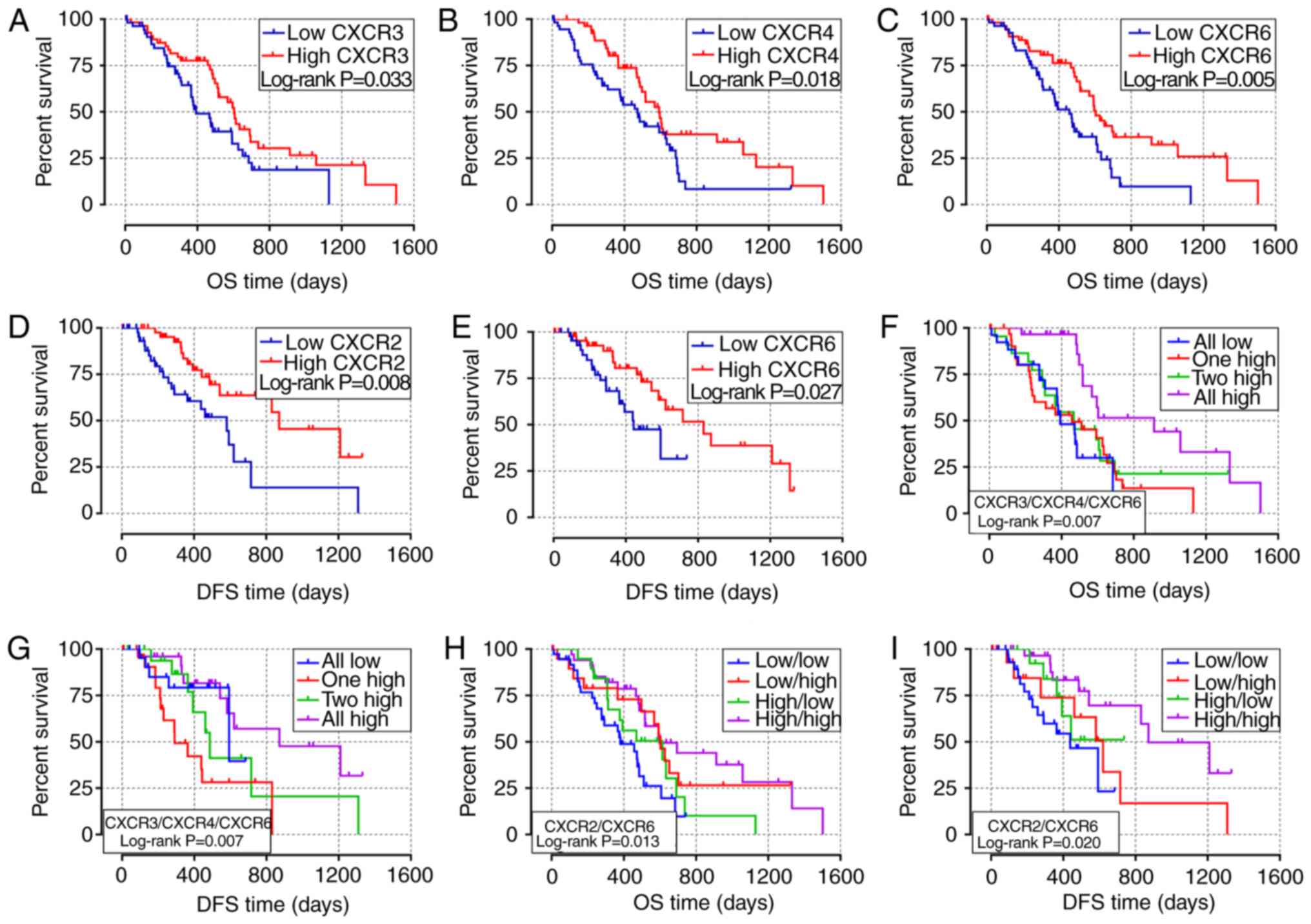
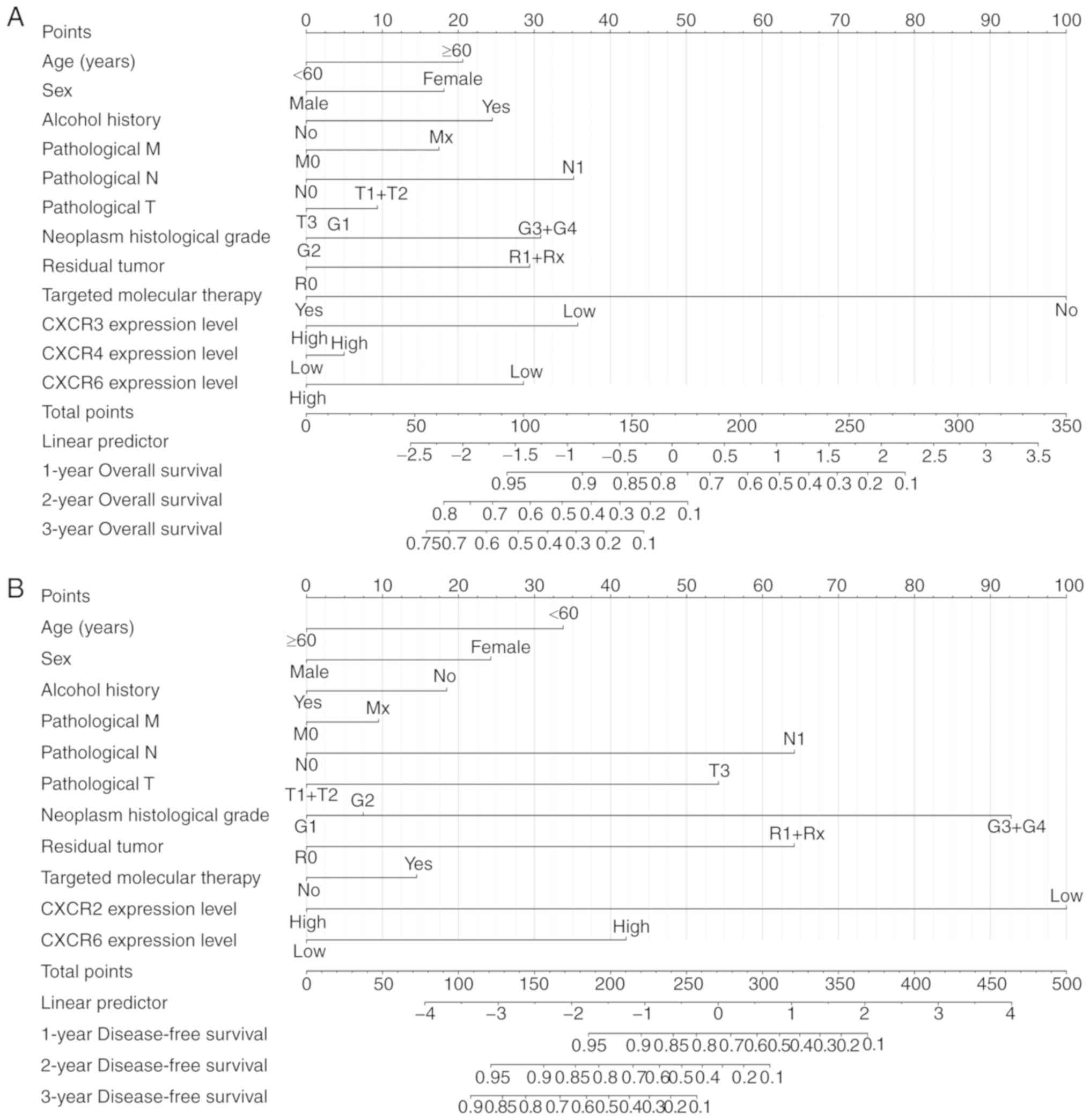
Pancreatic ductal adenocarcinoma (PDAC) is one of the malignancies with the highest morality rate due to postoperative local invasion and distant metastasis. Although C‑X‑C motif chemokine receptor (CXCR) subunits have been reported as prognostic indicators in gastric cancer, the prognostic value of CXCR subunits in PDAC remains poorly understood. In the present study, the expression levels and biological functions of CXCR subunits were investigated using multiple publicly accessible bioinformatic platforms and databases. Survival analysis was used to evaluate the prognostic value of CXCR subunits in 112 early‑stage PDAC cases by setting the median expression levels as the cut‑off values. A nomogram was constructed to combine CXCR subunit expression levels and clinical data for prognosis prediction. Moreover, the association between CXCR subunit expression levels and tumor infiltration levels were detected in PDAC. The expression levels of CXCR subunits were elevated in PDAC tumor tissues. In the multivariate Cox proportional risk regression model, high CXCR2, CXCR4 and CXCR6 expression levels in early‑stage PDAC were associated with a more favorable prognosis. Further, it was demonstrated that the differential expression levels of CXCR subunits in PDAC for combined survival analysis could contribute to risk stratification. The nomogram model demonstrated the contribution of CXCR subunits and clinical features in the prognosis of PDAC. Gene Set Enrichment Analysis suggested that CXCR subunits serve a role in immunomodulatory functions. The expression levels and somatic copy number alterations of CXCR subunits were associated with tumor infiltration levels in PDAC. CXCR subunits were associated with prognosis in patients with early‑stage PDAC and may be potential drug targets for the treatment of pancreatic cancer.
View Figures

Figure 1

Figure 2

Figure 3

Figure 4

Figure 5

Figure 6

Figure 7

View References

1 

Siegel RL, Miller KD and Jemal A: Cancer statistics, 2017. CA Cancer J Clin. 67:7–30. 2017. View Article : Google Scholar : PubMed/NCBI

2 

Chen W, Zheng R, Baade PD, Zhang S, Zeng H, Bray F, Jemal A, Yu XQ and He J: Cancer statistics in China, 2015. CA Cancer J Clin. 66:115–132. 2016. View Article : Google Scholar : PubMed/NCBI

3 

Tanaka S: Molecular pathogenesis and targeted therapy of pancreatic cancer. Ann Surg Oncol. 23 (Suppl 2):S197–S205. 2016. View Article : Google Scholar : PubMed/NCBI

4 

Hidalgo M, Cascinu S, Kleeff J, Labianca R, Löhr JM, Neoptolemos J, Real FX, Van Laethem JL and Heinemann V: Addressing the challenges of pancreatic cancer: Future directions for improving outcomes. Pancreatology. 15:8–18. 2015. View Article : Google Scholar : PubMed/NCBI

5 

D'Agostino G, Cecchinato V and Uguccioni M: Chemokine heterocomplexes and cancer: A novel chapter to be written in tumor immunity. Front Immunol. 9:21852018. View Article : Google Scholar : PubMed/NCBI

6 

Weiss SA, Han SW, Lui K, Tchack J, Shapiro R, Berman R, Zhong J, Krogsgaard M, Osman I and Darvishian F: Immunologic heterogeneity of tumor-infiltrating lymphocyte composition in primary melanoma. Hum Pathol. 57:116–125. 2016. View Article : Google Scholar : PubMed/NCBI

7 

Tumeh PC, Harview CL, Yearley JH, Shintaku IP, Taylor EJ, Robert L, Chmielowski B, Spasic M, Henry G, Ciobanu V, et al: PD-1 blockade induces responses by inhibiting adaptive immune resistance. Nature. 515:568–571. 2014. View Article : Google Scholar : PubMed/NCBI

8 

Fridman WH, Pages F, Sautes-Fridman C and Galon J: The immune contexture in human tumours: Impact on clinical outcome. Nat Rev Cancer. 12:298–306. 2012. View Article : Google Scholar : PubMed/NCBI

9 

Becht E, Giraldo NA, Dieu-Nosjean MC, Sautès-Fridman C and Fridman WH: Cancer immune contexture and immunotherapy. Curr Opin Immunol. 39:7–13. 2016. View Article : Google Scholar : PubMed/NCBI

10 

Tahkola K, Mecklin JP, Wirta EV, Ahtiainen M, Helminen O, Böhm J and Kellokumpu I: High immune cell score predicts improved survival in pancreatic cancer. Virchows Arch. 472:653–665. 2018. View Article : Google Scholar : PubMed/NCBI

11 

Lianyuan T, Dianrong X, Chunhui Y, Zhaolai M and Bin J: The predictive value and role of stromal tumor-infiltrating lymphocytes in pancreatic ductal adenocarcinoma (PDAC). Cancer Biol Ther. 19:296–305. 2018. View Article : Google Scholar : PubMed/NCBI

12 

Poschke I, Faryna M, Bergmann F, Flossdorf M, Lauenstein C, Hermes J, Hinz U, Hank T, Ehrenberg R, Volkmar M, et al: Identification of a tumor-reactive T-cell repertoire in the immune infiltrate of patients with resectable pancreatic ductal adenocarcinoma. Oncoimmunology. 5:e12408592016. View Article : Google Scholar : PubMed/NCBI

13 

Martins-Green M, Petreaca M and Wang L: Chemokines and their receptors are key players in the orchestra that regulates wound healing. Adv Wound Care (New Rochelle). 2:327–347. 2013. View Article : Google Scholar : PubMed/NCBI

14 

Palomino DCT and Marti LC: Chemokines and immunity. Einstein (Sao Paulo). 13:469–473. 2015.(In English, Portuguese). View Article : Google Scholar : PubMed/NCBI

15 

Saintigny P, Massarelli E, Lin S, Ahn YH, Chen Y, Goswami S, Erez B, O'Reilly MS, Liu D, Lee JJ, et al: CXCR2 expression in tumor cells is a poor prognostic factor and promotes invasion and metastasis in lung adenocarcinoma. Cancer Res. 73:571–582. 2013. View Article : Google Scholar : PubMed/NCBI

16 

Wang Z, Liu H, Shen Z, Wang X, Zhang H, Qin J, Xu J, Sun Y and Qin X: The prognostic value of CXC-chemokine receptor 2 (CXCR2) in gastric cancer patients. BMC Cancer. 15:7662015. View Article : Google Scholar : PubMed/NCBI

17 

Xu C, Zheng L, Li D, Chen G, Gu J, Chen J and Yao Q: CXCR4 overexpression is correlated with poor prognosis in colorectal cancer. Life Sci. 208:333–340. 2018. View Article : Google Scholar : PubMed/NCBI

18 

Gao Q, Zhao YJ, Wang XY, Qiu SJ, Shi YH, Sun J, Yi Y, Shi JY, Shi GM, Ding ZB, et al: CXCR6 upregulation contributes to a proinflammatory tumor microenvironment that drives metastasis and poor patient outcomes in hepatocellular carcinoma. Cancer Res. 72:3546–3556. 2012. View Article : Google Scholar : PubMed/NCBI

19 

Yu C and Zhang Y: Characterization of the prognostic values of CXCR family in gastric cancer. Cytokine. 123:1547852019. View Article : Google Scholar : PubMed/NCBI

20 

Tang Z, Li C, Kang B, Gao G, Li C and Zhang Z: GEPIA: A web server for cancer and normal gene expression profiling and interactive analyses. Nucleic Acids Res. 45:W98–W102. 2017. View Article : Google Scholar : PubMed/NCBI

21 

Dennis G Jr, Sherman BT, Hosack DA, Yang J, Gao W, Lane HC and Lempicki RA: DAVID: Database for annotation, visualization, and integrated discovery. Genome Biol. 4:P32003. View Article : Google Scholar : PubMed/NCBI

22 

Szklarczyk D, Santos A, Von Mering C, Jensen LJ, Bork P and Kuhn M: STITCH 5: Augmenting protein-chemical interaction networks with tissue and affinity data. Nucleic Acids Res. 44:D380–D384. 2016. View Article : Google Scholar : PubMed/NCBI

23 

Liao X, Huang K, Huang R, Liu X, Han C, Yu L, Yu T, Yang C, Wang X and Peng T: Genome-scale analysis to identify prognostic markers in patients with early-stage pancreatic ductal adenocarcinoma after pancreaticoduodenectomy. Onco Targets Ther. 10:4493–4506. 2017. View Article : Google Scholar : PubMed/NCBI

24 

Yang C, Yu T, Liu Z, Ye X, Liao X, Wang X, Han C, Zhu G, Qin W and Peng T: Cystatin F as a key family 2 cystatin subunit and prognostic biomarker for early-stage pancreatic ductal adenocarcinoma. Oncol Rep. 42:79–90. 2019.PubMed/NCBI

25 

Edge SB and Compton CC: The American joint committee on cancer: The 7th edition of the AJCC cancer staging manual and the future of TNM. Ann Surg Oncol. 17:1471–1474. 2010. View Article : Google Scholar : PubMed/NCBI

26 

Harrell FE Jr: Package ‘rms’: Regression modeling strategies. Package Version 5.1-4. 2016.

27 

Li T, Fan J, Wang B, Traugh N, Chen Q, Liu JS, Li B and Liu XS: TIMER: A Web server for comprehensive analysis of tumor-infiltrating immune cells. Cancer Res. 77:e108–e110. 2017. View Article : Google Scholar : PubMed/NCBI

28 

Mermel CH, Schumacher SE, Hill B, Meyerson ML, Beroukhim R and Getz G: GISTIC2.0 facilitates sensitive and confident localization of the targets of focal somatic copy-number alteration in human cancers. Genome Biol. 12:R412011. View Article : Google Scholar : PubMed/NCBI

29 

Thorsson V, Gibbs DL, Brown SD, Wolf D, Bortone DS, Ou Yang TH, Porta-Pardo E, Gao GF, Plaisier CL, Eddy JA, et al: The immune landscape of cancer. Immunity. 48:812–830.e14. 2018. View Article : Google Scholar : PubMed/NCBI

30 

Chow MT and Luster AD: Chemokines in cancer. Cancer Immunol Res. 2:1125–1131. 2014. View Article : Google Scholar : PubMed/NCBI

31 

Zlotnik A and Yoshie O: Chemokines: A new classification system and their role in immunity. Immunity. 12:121–127. 2000. View Article : Google Scholar : PubMed/NCBI

32 

Coffelt SB, Wellenstein MD and de Visser KE: Neutrophils in cancer: Neutral no more. Nat Rev Cancer. 16:431–446. 2016. View Article : Google Scholar : PubMed/NCBI

33 

Bronte V, Brandau S, Chen SH, Colombo MP, Frey AB, Greten TF, Mandruzzato S, Murray PJ, Ochoa A, Ostrand-Rosenberg S, et al: Recommendations for myeloid-derived suppressor cell nomenclature and characterization standards. Nat Commun. 7:121502016. View Article : Google Scholar : PubMed/NCBI

34 

Fridlender ZG and Albelda SM: Tumor-associated neutrophils: Friend or foe? Carcinogenesis. 33:949–955. 2012. View Article : Google Scholar : PubMed/NCBI

35 

Chao T, Furth EE and Vonderheide RH: CXCR2-dependent accumulation of tumor-associated neutrophils regulates T-cell immunity in pancreatic ductal adenocarcinoma. Cancer Immunol Res. 4:968–982. 2016. View Article : Google Scholar : PubMed/NCBI

36 

Ijichi H, Chytil A, Gorska AE, Aakre ME, Bierie B, Tada M, Mohri D, Miyabayashi K, Asaoka Y, Maeda S, et al: Inhibiting Cxcr2 disrupts tumor-stromal interactions and improves survival in a mouse model of pancreatic ductal adenocarcinoma. J Clin Invest. 121:4106–4117. 2011. View Article : Google Scholar : PubMed/NCBI

37 

Idorn M, Olsen M, Halldórsdóttir HR, Skadborg SK, Pedersen M, Høgdall C, Høgdall E, Met Ö and Thor Straten P: Improved migration of tumor ascites lymphocytes to ovarian cancer microenvironment by CXCR2 transduction. Oncoimmunology. 7:e14120292017. View Article : Google Scholar : PubMed/NCBI

38 

Sano M, Ijichi H, Takahashi R, Miyabayashi K, Fujiwara H, Yamada T, Kato H, Nakatsuka T, Tanaka Y, Tateishi K, et al: Blocking CXCLs-CXCR2 axis in tumor-stromal interactions contributes to survival in a mouse model of pancreatic ductal adenocarcinoma through reduced cell invasion/migration and a shift of immune-inflammatory microenvironment. Oncogenesis. 8:82019. View Article : Google Scholar : PubMed/NCBI

39 

Acosta JC, O'Loghlen A, Banito A, Guijarro MV, Augert A, Raguz S, Fumagalli M, Da Costa M, Brown C, Popov N, et al: Chemokine signaling via the CXCR2 receptor reinforces senescence. Cell. 133:1006–1018. 2008. View Article : Google Scholar : PubMed/NCBI

40 

Acosta JC and Jesús G: A role for CXCR2 in senescence, but what about in cancer? Cancer Res. 69:2167–2170. 2009. View Article : Google Scholar : PubMed/NCBI

41 

Tosolini M, Kirilovsky A, Mlecnik B, Fredriksen T, Mauger S, Bindea G, Berger A, Bruneval P, Fridman WH, Pagès F and Galon J: Clinical impact of different classes of infiltrating T cytotoxic and helper cells (Th1, th2, treg, th17) in patients with colorectal cancer. Cancer Res. 71:1263–1271. 2011. View Article : Google Scholar : PubMed/NCBI

42 

Wang J, Wang H, Cai J, Du S, Xin B, Wei W, Zhang T and Shen X: Artemin regulates CXCR4 expression to induce migration and invasion in pancreatic cancer cells through activation of NF-κB signaling. Exp Cell Res. 365:12–23. 2018. View Article : Google Scholar : PubMed/NCBI

43 

Zlotnik A, Burkhardt AM and Homey B: Homeostatic chemokine receptors and organ-specific metastasis. Nat Rev Immunol. 11:597–606. 2011. View Article : Google Scholar : PubMed/NCBI

44 

Machado ID, Spatti M, Hastreiter A, Santin JR, Fock RA, Gil CD, Oliani SM, Perretti M and Farsky SH: Annexin A1 is a physiological modulator of neutrophil maturation and recirculation acting on the CXCR4/CXCL12 pathway. J Cell Physiol. 231:2418–2427. 2016. View Article : Google Scholar : PubMed/NCBI

45 

Maréchal R, Demetter P, Nagy N, Berton A, Decaestecker C, Polus M, Closset J, Devière J, Salmon I and Van Laethem JL: High expression of CXCR4 may predict poor survival in resected pancreatic adenocarcinoma. Br J Cancer. 100:1444–1451. 2009. View Article : Google Scholar : PubMed/NCBI

46 

Gebauer F, Tachezy M, Effenberger K, von Loga K, Zander H, Marx A, Kaifi JT, Sauter G, Izbicki JR and Bockhorn M: Prognostic impact of CXCR4 and CXCR7 expression in pancreatic adenocarcinoma. J Surg Oncol. 104:140–145. 2011. View Article : Google Scholar : PubMed/NCBI

47 

Ma Q, Jones D, Borghesani PR, Segal RA, Nagasawa T, Kishimoto T, Bronson RT and Springer TA: Impaired B-lymphopoiesis, myelopoiesis, and derailed cerebellar neuron migration in CXCR4- and SDF-1-deficient mice. Proc Natl Acad Sci USA. 95:9448–9453. 1998. View Article : Google Scholar : PubMed/NCBI

48 

Tachibana K, Hirota S, Iizasa H, Yoshida H, Kawabata K, Kataoka Y, Kitamura Y, Matsushima K, Yoshida N, Nishikawa S, et al: The chemokine receptor CXCR4 is essential for vascularization of the gastrointestinal tract. Nature. 393:591–594. 1998. View Article : Google Scholar : PubMed/NCBI

49 

Schmidt M, Böhm D, Von Törne C, Steiner E, Puhl A, Pilch H, Lehr HA, Hengstler JG, Kölbl H and Gehrmann M: The humoral immune system has a key prognostic impact in node-negative breast cancer. Cancer Res. 68:5405–5413. 2008. View Article : Google Scholar : PubMed/NCBI

50 

Nedergaard BS, Ladekarl M, Nyengaard JR and Nielsen K: A comparative study of the cellular immune response in patients with stage IB cervical squamous cell carcinoma. Low numbers of several immune cell subtypes are strongly associated with relapse of disease within 5 years. Gynecol Oncol. 108:106–111. 2008. View Article : Google Scholar : PubMed/NCBI

51 

Milne K, Köbel M, Kalloger SE, Barnes RO, Gao D, Gilks CB, Watson PH and Nelson BH: Systematic analysis of immune infiltrates in high-grade serous ovarian cancer reveals CD20, FoxP3 and TIA-1 as positive prognostic factors. PLoS One. 4:e64122009. View Article : Google Scholar : PubMed/NCBI

52 

Jin JJ, Dai FX, Long ZW, Cai H, Liu XW, Zhou Y, Hong Q, Dong QZ, Wang YN and Huang H: CXCR6 predicts poor prognosis in gastric cancer and promotes tumor metastasis through epithelial-mesenchymal transition. Oncol Rep. 37:3279–3286. 2017. View Article : Google Scholar : PubMed/NCBI

53 

Chang Y, Zhou L, Xu L, Fu Q, Yang Y, Lin Z and Xu J: High expression of CXC chemokine receptor 6 associates with poor prognosis in patients with clear cell renal cell carcinoma. Urol Oncol. 35:675.e17–675.e24. 2017. View Article : Google Scholar

54 

Neesse A, Michl P, Frese KK, Feig C, Cook N, Jacobetz MA, Lolkema MP, Buchholz M, Olive KP, Gress TM and Tuveson DA: Stromal biology and therapy in pancreatic cancer. Gut. 60:861–868. 2011. View Article : Google Scholar : PubMed/NCBI

55 

Hartmann N, Giese NA, Giese T, Poschke I, Offringa R, Werner J and Ryschich E: Prevailing role of contact guidance in intrastromal T-cell trapping in human pancreatic cancer. Clin Cancer Res. 20:3422–3433. 2014. View Article : Google Scholar : PubMed/NCBI

56 

Chaudary N, Pintilie M, Jelveh S, Lindsay P, Hill RP and Milosevic M: Plerixafor improves primary tumor response and reduces metastases in cervical cancer treated with radio-chemotherapy. Clin Cancer Res. 23:1242–1249. 2017. View Article : Google Scholar : PubMed/NCBI

57 

Conley-LaComb MK, Semaan L, Singareddy R, Li Y, Heath EI, Kim S, Cher ML and Chinni SR: Pharmacological targeting of CXCL12/CXCR4 signaling in prostate cancer bone metastasis. Mol Cancer. 15:682016. View Article : Google Scholar : PubMed/NCBI

Related Articles

  • Abstract
  • View
  • Download
  • Twitter
Copy and paste a formatted citation
Spandidos Publications style
Wu Q, Yang C, Rong L, Li J and Lei L: Investigation of the association between C‑X‑C motif chemokine receptor subunits and tumor infiltration levels and prognosis in patients with early‑stage pancreatic ductal adenocarcinoma. Oncol Lett 20: 16, 2020.
APA
Wu, Q., Yang, C., Rong, L., Li, J., & Lei, L. (2020). Investigation of the association between C‑X‑C motif chemokine receptor subunits and tumor infiltration levels and prognosis in patients with early‑stage pancreatic ductal adenocarcinoma. Oncology Letters, 20, 16. https://doi.org/10.3892/ol.2020.11877
MLA
Wu, Q., Yang, C., Rong, L., Li, J., Lei, L."Investigation of the association between C‑X‑C motif chemokine receptor subunits and tumor infiltration levels and prognosis in patients with early‑stage pancreatic ductal adenocarcinoma". Oncology Letters 20.4 (2020): 16.
Chicago
Wu, Q., Yang, C., Rong, L., Li, J., Lei, L."Investigation of the association between C‑X‑C motif chemokine receptor subunits and tumor infiltration levels and prognosis in patients with early‑stage pancreatic ductal adenocarcinoma". Oncology Letters 20, no. 4 (2020): 16. https://doi.org/10.3892/ol.2020.11877
Copy and paste a formatted citation
x
Spandidos Publications style
Wu Q, Yang C, Rong L, Li J and Lei L: Investigation of the association between C‑X‑C motif chemokine receptor subunits and tumor infiltration levels and prognosis in patients with early‑stage pancreatic ductal adenocarcinoma. Oncol Lett 20: 16, 2020.
APA
Wu, Q., Yang, C., Rong, L., Li, J., & Lei, L. (2020). Investigation of the association between C‑X‑C motif chemokine receptor subunits and tumor infiltration levels and prognosis in patients with early‑stage pancreatic ductal adenocarcinoma. Oncology Letters, 20, 16. https://doi.org/10.3892/ol.2020.11877
MLA
Wu, Q., Yang, C., Rong, L., Li, J., Lei, L."Investigation of the association between C‑X‑C motif chemokine receptor subunits and tumor infiltration levels and prognosis in patients with early‑stage pancreatic ductal adenocarcinoma". Oncology Letters 20.4 (2020): 16.
Chicago
Wu, Q., Yang, C., Rong, L., Li, J., Lei, L."Investigation of the association between C‑X‑C motif chemokine receptor subunits and tumor infiltration levels and prognosis in patients with early‑stage pancreatic ductal adenocarcinoma". Oncology Letters 20, no. 4 (2020): 16. https://doi.org/10.3892/ol.2020.11877
Follow us
  • Twitter
  • LinkedIn
  • Facebook
About
  • Spandidos Publications
  • Careers
  • Cookie Policy
  • Privacy Policy
How can we help?
  • Help
  • Live Chat
  • Contact
  • Email to our Support Team