Spandidos Publications Logo
  • About
    • About Spandidos
    • Aims and Scopes
    • Abstracting and Indexing
    • Editorial Policies
    • Reprints and Permissions
    • Job Opportunities
    • Terms and Conditions
    • Contact
  • Journals
    • All Journals
    • Oncology Letters
      • Oncology Letters
      • Information for Authors
      • Editorial Policies
      • Editorial Board
      • Aims and Scope
      • Abstracting and Indexing
      • Bibliographic Information
      • Archive
    • International Journal of Oncology
      • International Journal of Oncology
      • Information for Authors
      • Editorial Policies
      • Editorial Board
      • Aims and Scope
      • Abstracting and Indexing
      • Bibliographic Information
      • Archive
    • Molecular and Clinical Oncology
      • Molecular and Clinical Oncology
      • Information for Authors
      • Editorial Policies
      • Editorial Board
      • Aims and Scope
      • Abstracting and Indexing
      • Bibliographic Information
      • Archive
    • Experimental and Therapeutic Medicine
      • Experimental and Therapeutic Medicine
      • Information for Authors
      • Editorial Policies
      • Editorial Board
      • Aims and Scope
      • Abstracting and Indexing
      • Bibliographic Information
      • Archive
    • International Journal of Molecular Medicine
      • International Journal of Molecular Medicine
      • Information for Authors
      • Editorial Policies
      • Editorial Board
      • Aims and Scope
      • Abstracting and Indexing
      • Bibliographic Information
      • Archive
    • Biomedical Reports
      • Biomedical Reports
      • Information for Authors
      • Editorial Policies
      • Editorial Board
      • Aims and Scope
      • Abstracting and Indexing
      • Bibliographic Information
      • Archive
    • Oncology Reports
      • Oncology Reports
      • Information for Authors
      • Editorial Policies
      • Editorial Board
      • Aims and Scope
      • Abstracting and Indexing
      • Bibliographic Information
      • Archive
    • Molecular Medicine Reports
      • Molecular Medicine Reports
      • Information for Authors
      • Editorial Policies
      • Editorial Board
      • Aims and Scope
      • Abstracting and Indexing
      • Bibliographic Information
      • Archive
    • World Academy of Sciences Journal
      • World Academy of Sciences Journal
      • Information for Authors
      • Editorial Policies
      • Editorial Board
      • Aims and Scope
      • Abstracting and Indexing
      • Bibliographic Information
      • Archive
    • International Journal of Functional Nutrition
      • International Journal of Functional Nutrition
      • Information for Authors
      • Editorial Policies
      • Editorial Board
      • Aims and Scope
      • Abstracting and Indexing
      • Bibliographic Information
      • Archive
    • International Journal of Epigenetics
      • International Journal of Epigenetics
      • Information for Authors
      • Editorial Policies
      • Editorial Board
      • Aims and Scope
      • Abstracting and Indexing
      • Bibliographic Information
      • Archive
    • Medicine International
      • Medicine International
      • Information for Authors
      • Editorial Policies
      • Editorial Board
      • Aims and Scope
      • Abstracting and Indexing
      • Bibliographic Information
      • Archive
  • Articles
  • Information
    • Information for Authors
    • Information for Reviewers
    • Information for Librarians
    • Information for Advertisers
    • Conferences
  • Language Editing
Spandidos Publications Logo
  • About
    • About Spandidos
    • Aims and Scopes
    • Abstracting and Indexing
    • Editorial Policies
    • Reprints and Permissions
    • Job Opportunities
    • Terms and Conditions
    • Contact
  • Journals
    • All Journals
    • Biomedical Reports
      • Information for Authors
      • Editorial Policies
      • Editorial Board
      • Aims and Scope
      • Abstracting and Indexing
      • Bibliographic Information
      • Archive
    • Experimental and Therapeutic Medicine
      • Information for Authors
      • Editorial Policies
      • Editorial Board
      • Aims and Scope
      • Abstracting and Indexing
      • Bibliographic Information
      • Archive
    • International Journal of Epigenetics
      • Information for Authors
      • Editorial Policies
      • Editorial Board
      • Aims and Scope
      • Abstracting and Indexing
      • Bibliographic Information
      • Archive
    • International Journal of Functional Nutrition
      • Information for Authors
      • Editorial Policies
      • Editorial Board
      • Aims and Scope
      • Abstracting and Indexing
      • Bibliographic Information
      • Archive
    • International Journal of Molecular Medicine
      • Information for Authors
      • Editorial Policies
      • Editorial Board
      • Aims and Scope
      • Abstracting and Indexing
      • Bibliographic Information
      • Archive
    • International Journal of Oncology
      • Information for Authors
      • Editorial Policies
      • Editorial Board
      • Aims and Scope
      • Abstracting and Indexing
      • Bibliographic Information
      • Archive
    • Medicine International
      • Information for Authors
      • Editorial Policies
      • Editorial Board
      • Aims and Scope
      • Abstracting and Indexing
      • Bibliographic Information
      • Archive
    • Molecular and Clinical Oncology
      • Information for Authors
      • Editorial Policies
      • Editorial Board
      • Aims and Scope
      • Abstracting and Indexing
      • Bibliographic Information
      • Archive
    • Molecular Medicine Reports
      • Information for Authors
      • Editorial Policies
      • Editorial Board
      • Aims and Scope
      • Abstracting and Indexing
      • Bibliographic Information
      • Archive
    • Oncology Letters
      • Information for Authors
      • Editorial Policies
      • Editorial Board
      • Aims and Scope
      • Abstracting and Indexing
      • Bibliographic Information
      • Archive
    • Oncology Reports
      • Information for Authors
      • Editorial Policies
      • Editorial Board
      • Aims and Scope
      • Abstracting and Indexing
      • Bibliographic Information
      • Archive
    • World Academy of Sciences Journal
      • Information for Authors
      • Editorial Policies
      • Editorial Board
      • Aims and Scope
      • Abstracting and Indexing
      • Bibliographic Information
      • Archive
  • Articles
  • Information
    • For Authors
    • For Reviewers
    • For Librarians
    • For Advertisers
    • Conferences
  • Language Editing
Login Register Submit
  • This site uses cookies
  • You can change your cookie settings at any time by following the instructions in our Cookie Policy. To find out more, you may read our Privacy Policy.

    I agree
Search articles by DOI, keyword, author or affiliation
Search
Advanced Search
presentation
Oncology Letters
Join Editorial Board Propose a Special Issue
Print ISSN: 1792-1074 Online ISSN: 1792-1082
Journal Cover
January-2021 Volume 21 Issue 1

Full Size Image

Sign up for eToc alerts
Recommend to Library

Journals

International Journal of Molecular Medicine

International Journal of Molecular Medicine

International Journal of Molecular Medicine is an international journal devoted to molecular mechanisms of human disease.

International Journal of Oncology

International Journal of Oncology

International Journal of Oncology is an international journal devoted to oncology research and cancer treatment.

Molecular Medicine Reports

Molecular Medicine Reports

Covers molecular medicine topics such as pharmacology, pathology, genetics, neuroscience, infectious diseases, molecular cardiology, and molecular surgery.

Oncology Reports

Oncology Reports

Oncology Reports is an international journal devoted to fundamental and applied research in Oncology.

Experimental and Therapeutic Medicine

Experimental and Therapeutic Medicine

Experimental and Therapeutic Medicine is an international journal devoted to laboratory and clinical medicine.

Oncology Letters

Oncology Letters

Oncology Letters is an international journal devoted to Experimental and Clinical Oncology.

Biomedical Reports

Biomedical Reports

Explores a wide range of biological and medical fields, including pharmacology, genetics, microbiology, neuroscience, and molecular cardiology.

Molecular and Clinical Oncology

Molecular and Clinical Oncology

International journal addressing all aspects of oncology research, from tumorigenesis and oncogenes to chemotherapy and metastasis.

World Academy of Sciences Journal

World Academy of Sciences Journal

Multidisciplinary open-access journal spanning biochemistry, genetics, neuroscience, environmental health, and synthetic biology.

International Journal of Functional Nutrition

International Journal of Functional Nutrition

Open-access journal combining biochemistry, pharmacology, immunology, and genetics to advance health through functional nutrition.

International Journal of Epigenetics

International Journal of Epigenetics

Publishes open-access research on using epigenetics to advance understanding and treatment of human disease.

Medicine International

Medicine International

An International Open Access Journal Devoted to General Medicine.

Journal Cover
January-2021 Volume 21 Issue 1

Full Size Image

Sign up for eToc alerts
Recommend to Library

  • Article
  • Citations
    • Cite This Article
    • Download Citation
    • Create Citation Alert
    • Remove Citation Alert
    • Cited By
  • Similar Articles
    • Related Articles (in Spandidos Publications)
    • Similar Articles (Google Scholar)
    • Similar Articles (PubMed)
  • Download PDF
  • Download XML
  • View XML
Article Open Access

Pancreatic cancer cell apoptosis is induced by a proteoglycan extracted from Ganoderma lucidum

  • Authors:
    • Xiao Wu
    • Liping Jiang
    • Zeng Zhang
    • Yanming He
    • Yilong Teng
    • Jiaqi Li
    • Shilin Yuan
    • Yanna Pan
    • Haohui Liang
    • Hongjie Yang
    • Ping Zhou
  • View Affiliations / Copyright

    Affiliations: State Key Laboratory of Molecular Engineering of Polymers, Department of Macromolecular Science, Fudan University, Shanghai 200433, P.R. China, Department of Endocrinology, Yueyang Hospital of Integrated Traditional Chinese and Western Medicine, Shanghai University of Traditional Chinese Medicine, Shanghai 200437, P.R. China
    Copyright: © Wu et al. This is an open access article distributed under the terms of Creative Commons Attribution License.
  • Article Number: 34
    |
    Published online on: November 12, 2020
       https://doi.org/10.3892/ol.2020.12295
  • Expand metrics +
Metrics: Total Views: 0 (Spandidos Publications: | PMC Statistics: )
Metrics: Total PDF Downloads: 0 (Spandidos Publications: | PMC Statistics: )
Cited By (CrossRef): 0 citations Loading Articles...

This article is mentioned in:


Abstract

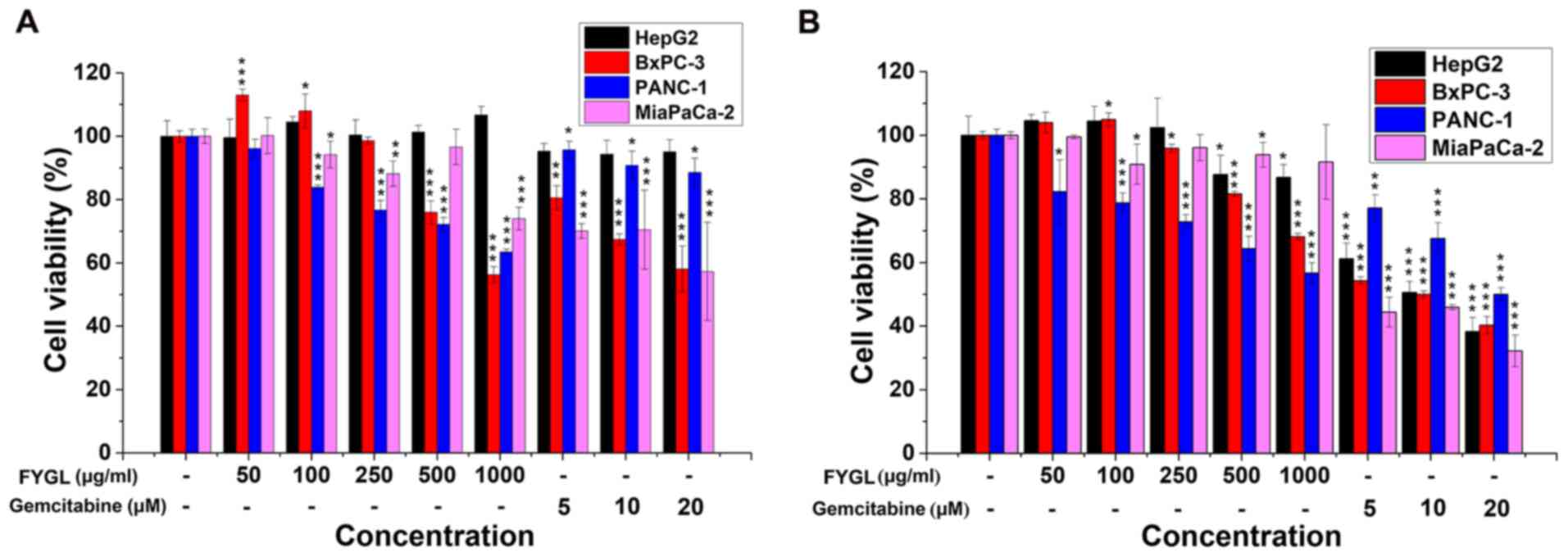
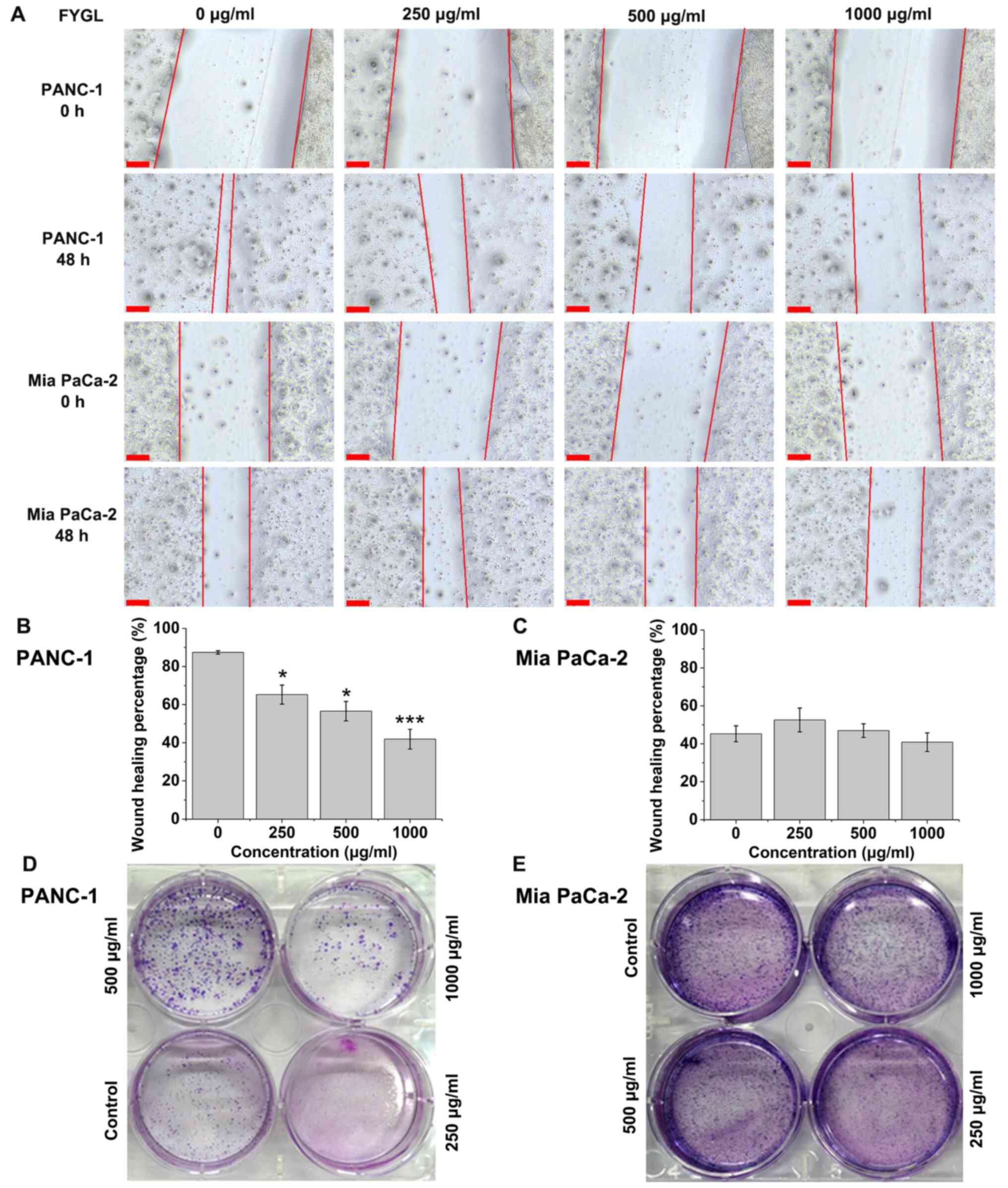
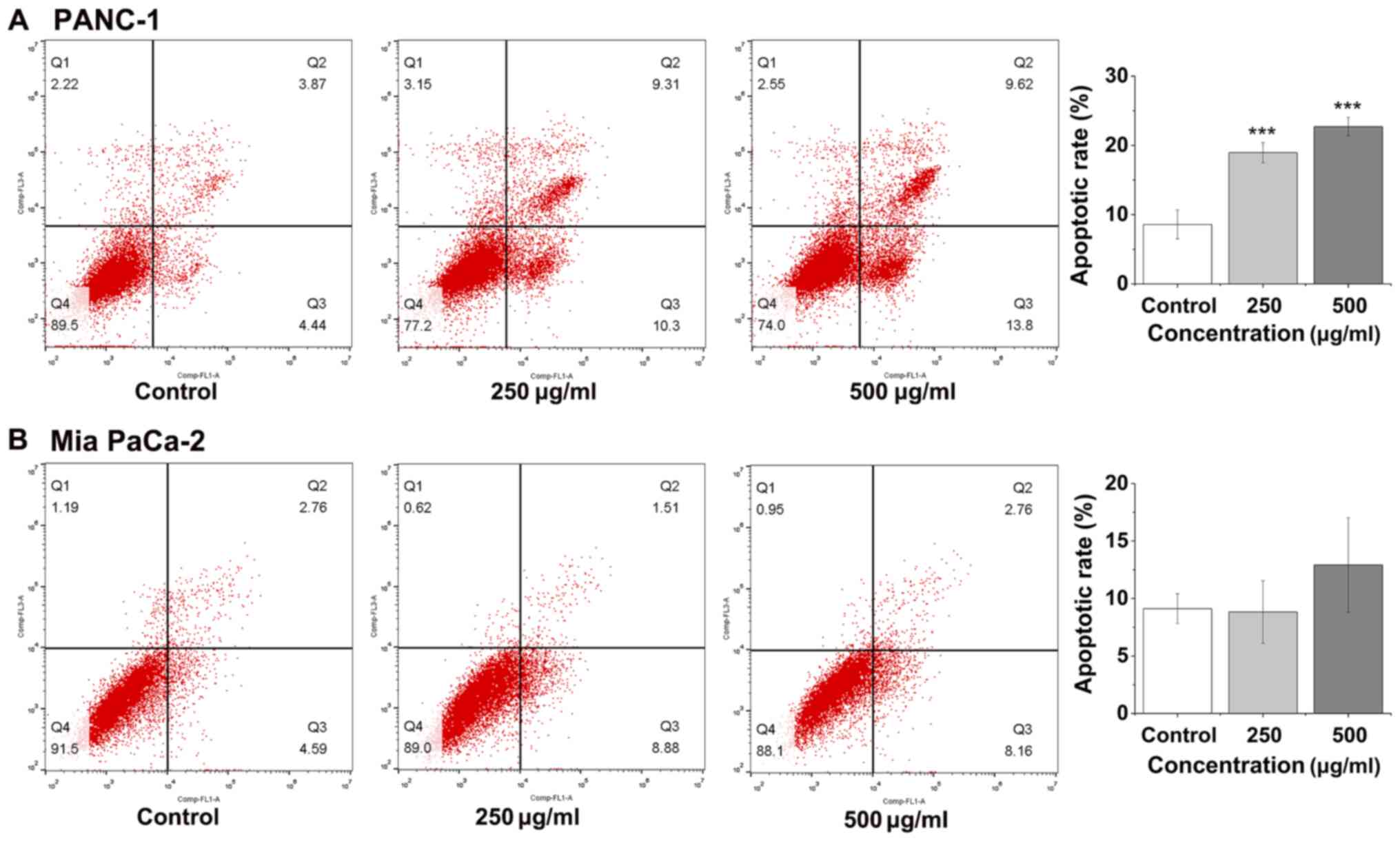
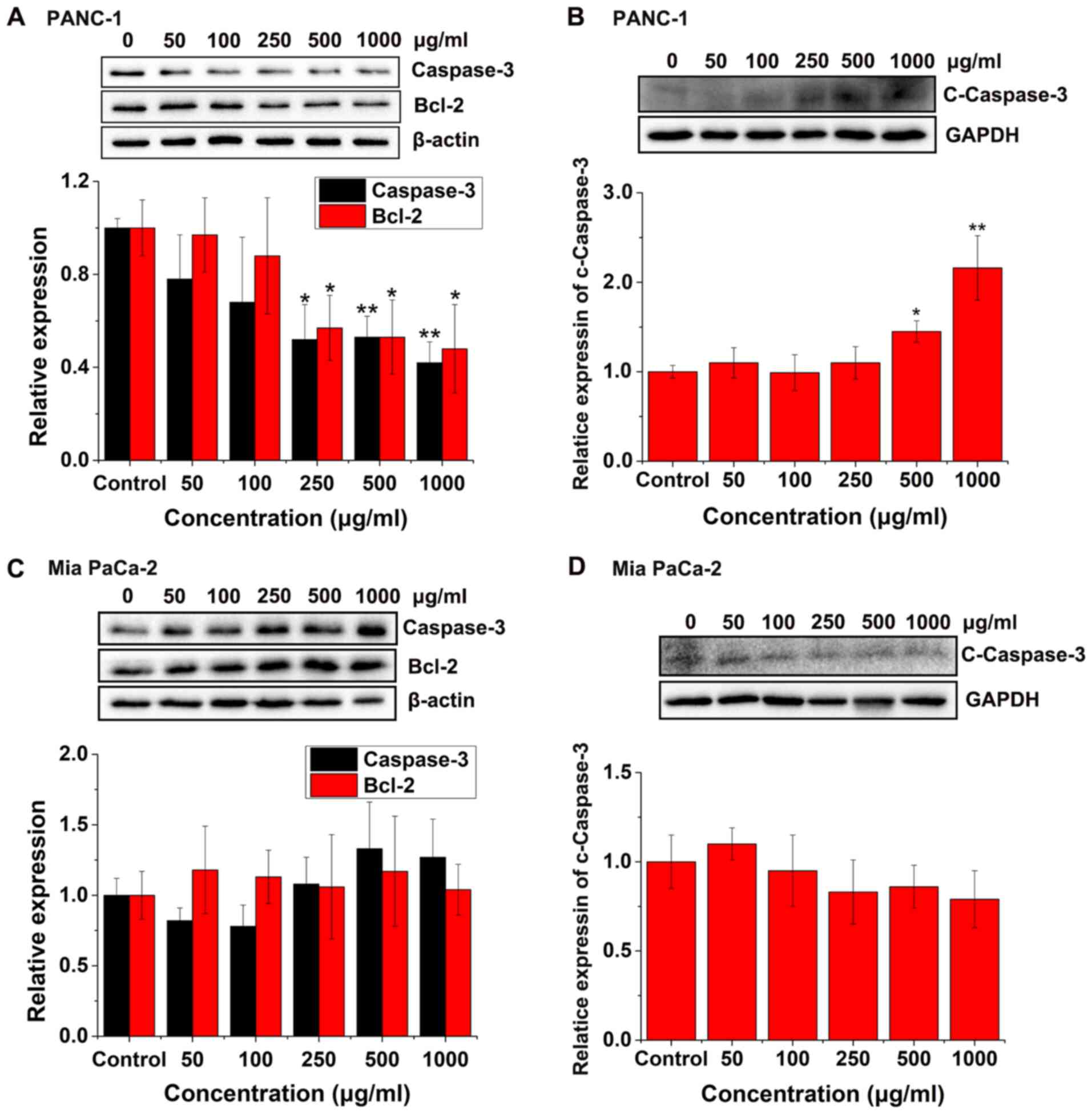
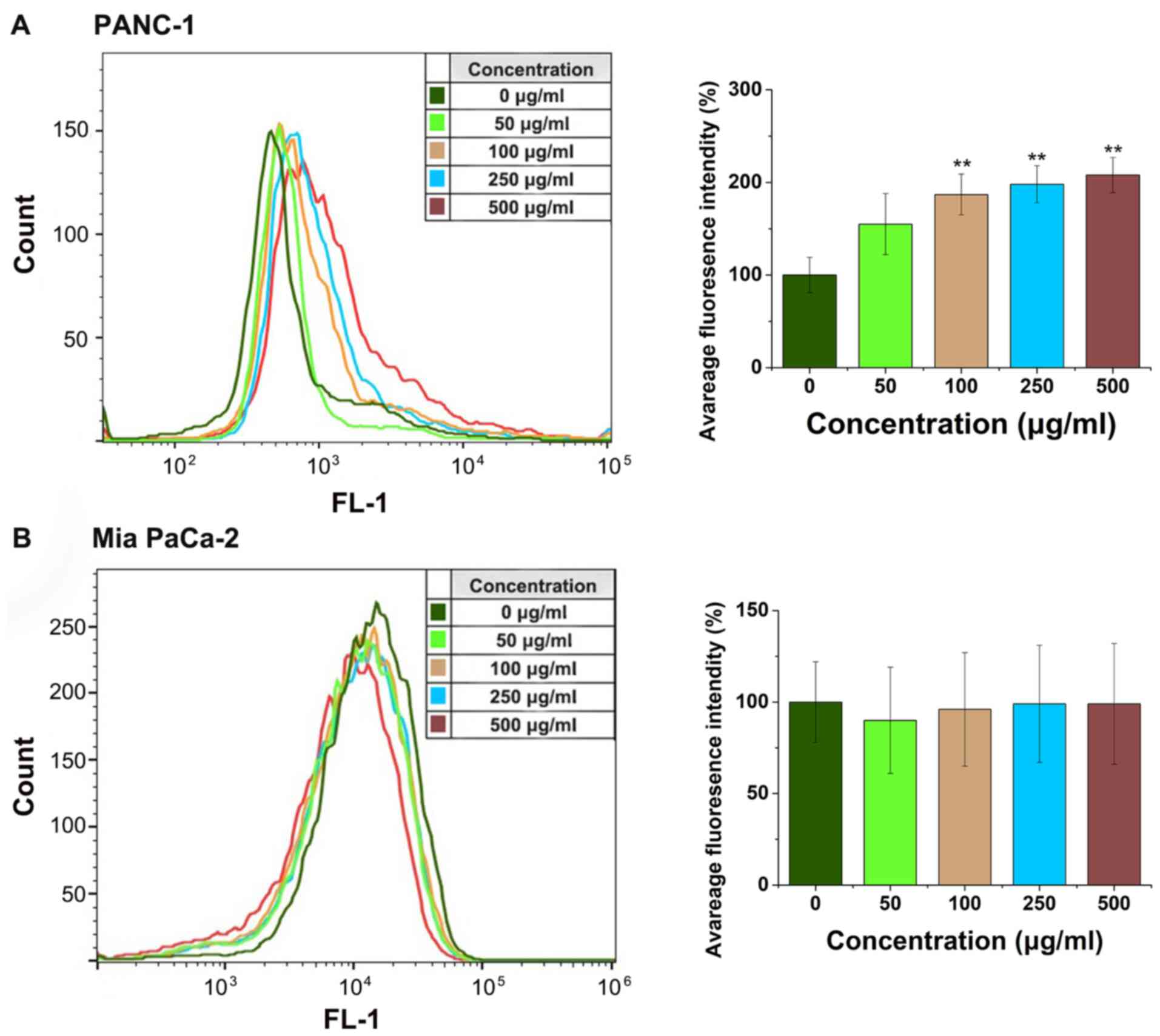
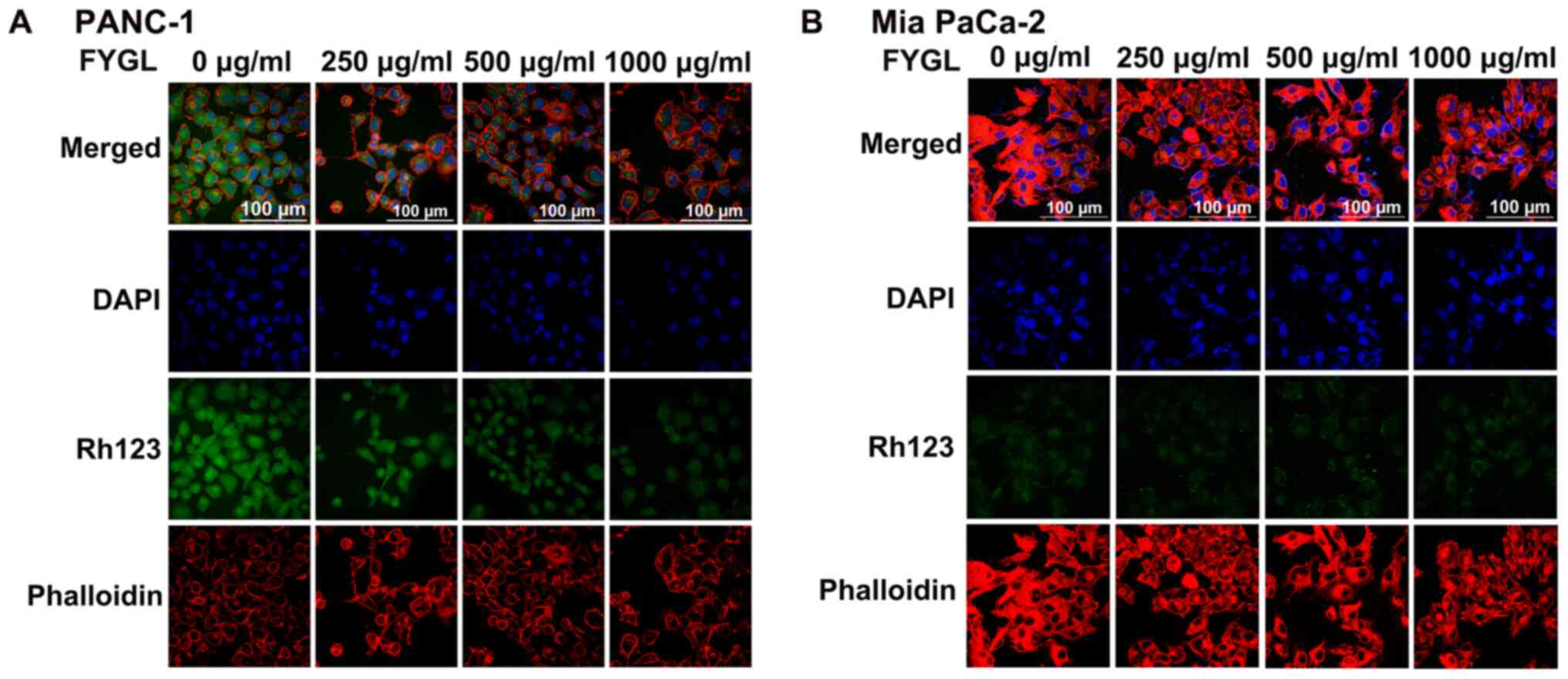
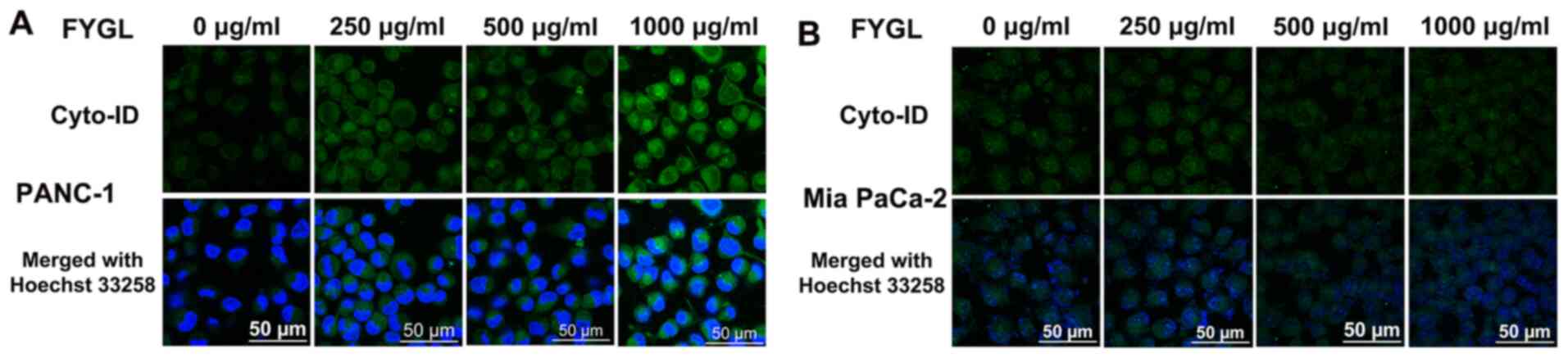
The Traditional Chinese Medicine, Ganoderma lucidum, has been widely used for its immunity-related and anti‑cancer effects. Fudan‑Yueyang‑Ganoderma lucidum (FYGL) is a proteoglycan, extracted from Ganoderma lucidum, that has shown safe anti‑diabetic activity in vivo. The present study demonstrated that FYGL could selectively inhibit the viability of PANC‑1 and BxPC‑3 pancreatic cancer cells in a dose dependent manner, but not in Mia PaCa‑2 pancreatic cancer cells and HepG2 liver cancer cells. In addition, FYGL could inhibit migration and colony formation, and promote apoptosis in PANC‑1 cells, but not in Mia PaCa‑2 cells. Further investigation into the underlying mechanism revealed that FYGL could inhibit the expression level of the Bcl‑2 protein in PANC‑1 cells, but not in Mia PaCa‑2 cells, leading to an increase in reactive oxygen species (ROS) and a reduction in the mitochondrial membrane potential and cell apoptosis. The increased ROS also promoted the formation of autophagosomes, along with an increase in the microtubule‑associated protein light chain 3 II/I ratio. However, FYGL halted autophagy by preventing the autophagosomes from entering the lysosomes. The inhibition of autophagy increased the accumulation of defective mitochondria, as well as the production of ROS. Taken together, the processes of ROS regulation and autophagy inhibition promoted apoptosis of PANC‑1 cells through the caspase‑3/cleaved caspase‑3 cascade. These results indicated that FYGL could be potentially used as an anti‑cancer agent in the treatment of pancreatic cancer.
View Figures

Figure 1

Figure 2

Figure 3

Figure 4

Figure 5

Figure 6

Figure 7

Figure 8

Figure 9

Figure 10

View References

1 

Siegel RL, Miller KD and Jemal A: Cancer statistics, 2019. CA Cancer J Clin. 69:7–34. 2019. View Article : Google Scholar : PubMed/NCBI

2 

Kamisawa T, Wood LD, Itoi T and Takaori K: Pancreatic cancer. Lancet. 388:73–85. 2016. View Article : Google Scholar : PubMed/NCBI

3 

Burris HR III, Moore MJ, Andersen J, Green MR, Rothenberg ML, Modiano MR, Cripps MC, Portenoy RK, Storniolo AM, Tarassoff P, et al: Improvements in survival and clinical benefit with gemcitabine as first-line therapy for patients with advanced pancreas cancer: A randomized trial. J Clin Oncol. 15:2403–2413. 1997. View Article : Google Scholar : PubMed/NCBI

4 

Shiao MS: Natural products of the medicinal fungus Ganoderma lucidum: Occurrence, biological activities, and pharmacological functions. Chem Rec. 3:172–180. 2003. View Article : Google Scholar : PubMed/NCBI

5 

Teng BS, Wang CD, Yang HJ, Wu JS, Zhang D, Zheng M, Fan ZH, Pan D and Zhou P: A protein tyrosine phosphatase 1B activity inhibitor from the fruiting bodies of Ganoderma lucidum (Fr.) Karst and its hypoglycemic potency on streptozotocin-induced type 2 diabetic mice. J Agric Food Chem. 59:6492–6500. 2011. View Article : Google Scholar : PubMed/NCBI

6 

Pan D, Wang L, Chen C, Hu B and Zhou P: Isolation and characterization of a hyperbranched proteoglycan from Ganoderma lucidum for anti-diabetes. Carbohyd Polym. 117:106–114. 2015. View Article : Google Scholar

7 

Pan D, Zhang D, Wu J, Chen C, Xu Z, Yang H and Zhou P: Antidiabetic, antihyperlipidemic and antioxidant activities of a novel proteoglycan from Ganoderma lucidum fruiting bodies on db/db mice and the possible mechanism. PLoS One. 8:e683322013. View Article : Google Scholar : PubMed/NCBI

8 

Teng BS, Wang CD, Zhang D, Wu JS, Pan D, Pan LF, Yang HJ and Zhou P: Hypoglycemic effect and mechanism of a proteoglycan from ganoderma lucidum on streptozotocin-induced type 2 diabetic rats. Eur Rev Med Pharmacol Sci. 16:166–175. 2012.PubMed/NCBI

9 

Gorrini C, Harris IS and Mak TW: Modulation of oxidative stress as an anticancer strategy. Nat Rev Drug Discov. 12:931–947. 2013. View Article : Google Scholar : PubMed/NCBI

10 

Chen Y, McMillan-Ward E, Kong J, Israels SJ and Gibson SB: Oxidative stress induces autophagic cell death independent of apoptosis in transformed and cancer cells. Cell Death Differ. 15:171–182. 2008. View Article : Google Scholar : PubMed/NCBI

11 

Khan M, Ding C, Rasul A, Yi F, Li T, Gao H, Gao R, Zhong L, Zhang K, Fang X and Ma T: Isoalantolactone induces reactive oxygen species mediated apoptosis in pancreatic carcinoma PANC-1 cells. Int J Biol Sci. 8:533–547. 2012. View Article : Google Scholar : PubMed/NCBI

12 

Schumacker PT: Reactive oxygen species in cancer cells: Live by the sword, die by the sword. Cancer Cell. 10:175–176. 2006. View Article : Google Scholar : PubMed/NCBI

13 

Li PF, Dietz R and von Harsdorf R: p53 regulates mitochondrial membrane potential through reactive oxygen species and induces cytochrome c-independent apoptosis blocked by Bcl-2. EMBO J. 18:6027–6036. 1999. View Article : Google Scholar : PubMed/NCBI

14 

de Vries HE, Witte M, Hondius D, Rozemuller AJ, Drukarch B, Hoozemans J and van Horssen J: Nrf2-induced antioxidant protection: A promising target to counteract ROS-mediated damage in neurodegenerative disease? Free Radic Biol Med. 45:1375–1383. 2008. View Article : Google Scholar : PubMed/NCBI

15 

Hur J, Sullivan KA, Schuyler AD, Hong Y, Pande M, States DJ, Jagadish HV and Feldman EL: Literature-based discovery of diabetes- and ROS-related targets. BMC Med Genomics. 3:492010. View Article : Google Scholar : PubMed/NCBI

16 

Pelicano H, Carney D and Huang P: ROS stress in cancer cells and therapeutic implications. Drug Resist Updat. 7:97–110. 2004. View Article : Google Scholar : PubMed/NCBI

17 

Liochev SI: Reactive oxygen species and the free radical theory of aging. Free Radic Biol Med. 60:1–4. 2013. View Article : Google Scholar : PubMed/NCBI

18 

Mizushima N: Autophagy: Process and function. Genes Dev. 21:2861–2873. 2007. View Article : Google Scholar : PubMed/NCBI

19 

Degenhardt K, Mathew R, Beaudoin B, Bray K, Anderson D, Chen G, Mukherjee C, Shi Y, Gélinas C, Fan Y, et al: Autophagy promotes tumor cell survival and restricts necrosis, inflammation, and tumorigenesis. Cancer Cell. 10:51–64. 2006. View Article : Google Scholar : PubMed/NCBI

20 

Guo JY, Chen HY, Mathew R, Fan J, Strohecker AM, Karsli-Uzunbas G, Kamphorst JJ, Chen G, Lemons JM, Karantza V, et al: Activated Ras requires autophagy to maintain oxidative metabolism and tumorigenesis. Genes Dev. 25:460–470. 2011. View Article : Google Scholar : PubMed/NCBI

21 

Yang S, Wang X, Contino G, Liesa M, Sahin E, Ying H, Bause A, Li Y, Stommel JM, Dell'Antonio G, et al: Pancreatic cancers require autophagy for tumor growth. Genes Dev. 25:717–729. 2011. View Article : Google Scholar : PubMed/NCBI

22 

Boya P, Gonzalez-Polo RA, Casares N, Perfettini JL, Dessen P, Larochette N, Metivier D, Meley D, Souquere S, Yoshimori T, et al: Inhibition of macroautophagy triggers apoptosis. Mol Cell Biol. 25:1025–1040. 2005. View Article : Google Scholar : PubMed/NCBI

23 

El-Khattouti A, Selimovic D, Haikel Y and Hassan M: Crosstalk between apoptosis and autophagy: Molecular mechanisms and therapeutic strategies in cancer. J Cell Death. 6:37–55. 2013. View Article : Google Scholar : PubMed/NCBI

24 

Chen S, Cheng AC, Wang MS and Peng X: Detection of apoptosis induced by new type gosling viral enteritis virus in vitro through fluorescein annexin V-FITC/PI double labeling. World J Gastroenterol. 14:2174–2178. 2008. View Article : Google Scholar : PubMed/NCBI

25 

Budihardjo I, Oliver H, Lutter M, Luo X and Wang X: Biochemical pathways of caspase activation during apoptosis. Annu Rev Cell Dev Biol. 15:269–290. 1999. View Article : Google Scholar : PubMed/NCBI

26 

Yang J, Liu X, Bhalla K, Kim CN, Ibrado AM, Cai J, Peng TI, Jones DP and Wang X: Prevention of apoptosis by Bcl-2: Release of cytochrome c from mitochondria blocked. Science. 275:1129–1132. 1997. View Article : Google Scholar : PubMed/NCBI

27 

Poupel F, Aghaei M, Movahedian A, Jafari SM and Shahrestanaki MK: Dihydroartemisinin induces apoptosis in human bladder cancer cell lines through reactive oxygen species, mitochondrial membrane potential, and cytochrome c pathway. Int J Prev Med. 8:782017. View Article : Google Scholar : PubMed/NCBI

28 

Kabeya Y, Mizushima N, Ueno T, Yamamoto A, Kirisako T, Noda T, Kominami E, Ohsumi Y and Yoshimori T: LC3, a mammalian homologue of yeast Apg8p, is localized in autophagosome membranes after processing. EMBO J. 19:5720–5728. 2000. View Article : Google Scholar : PubMed/NCBI

29 

Pankiv S, Clausen TH, Lamark T, Brech A, Bruun JA, Outzen H, Øvervatn A, Bjørkøy G and Johansen T: p62/SQSTM1 binds directly to Atg8/LC3 to facilitate degradation of ubiquitinated protein aggregates by autophagy. J Biol Chem. 282:24131–24145. 2007. View Article : Google Scholar : PubMed/NCBI

30 

Park SH, Sung JH, Kim EJ and Chung N: Berberine induces apoptosis via ROS generation in PANC-1 and MIA-PaCa2 pancreatic cell lines. Braz J Med Biol Res. 48:111–119. 2015. View Article : Google Scholar : PubMed/NCBI

31 

Duong HQ, Hwang JS, Kim HJ, Seong YS and Bae I: BML-275, an AMPK inhibitor, induces DNA damage, G2/M arrest and apoptosis in human pancreatic cancer cells. Int J Oncol. 41:2227–2236. 2012. View Article : Google Scholar : PubMed/NCBI

32 

Messner MC and Cabot MC: Cytotoxic responses to N-(4-hydroxyphenyl)retinamide in human pancreatic cancer cells. Cancer Chemother Pharmacol. 68:477–487. 2011. View Article : Google Scholar : PubMed/NCBI

33 

Vaquero EC, Edderkaoui M, Pandol SJ, Gukovsky I and Gukovskaya AS: Reactive oxygen species produced by NAD(P)H oxidase inhibit apoptosis in pancreatic cancer cells. J Biol Chem. 279:34643–34654. 2004. View Article : Google Scholar : PubMed/NCBI

34 

Cheng L, Yan B, Chen K, Jiang Z, Zhou C, Cao J, Qian W, Li J, Sun L, Ma J, et al: Resveratrol-induced downregulation of NAF-1 enhances the sensitivity of pancreatic cancer cells to gemcitabine via the ROS/Nrf2 signaling pathways. Oxid Med Cell Longev. 2018:94820182018. View Article : Google Scholar : PubMed/NCBI

35 

Scherz-Shouval R, Shvets E, Fass E, Shorer H, Gil L and Elazar Z: Reactive oxygen species are essential for autophagy and specifically regulate the activity of Atg4. EMBO J. 26:1749–1760. 2007. View Article : Google Scholar : PubMed/NCBI

36 

Scherz-Shouval R and Elazar Z: ROS, mitochondria and the regulation of autophagy. Trends Cell Biol. 17:422–427. 2007. View Article : Google Scholar : PubMed/NCBI

37 

Yang Z, Wu F, Yang H and Zhou P: Endocytosis mechanism of a novel proteoglycan, extracted from Ganoderma lucidum, in HepG2 cells. Rsc Adv. 7:41779–41786. 2017. View Article : Google Scholar

38 

Humpton TJ, Alagesan B, DeNicola GM, Lu D, Yordanov GN, Leonhardt CS, Yao MA, Alagesan P, Zaatari MN, Park Y, et al: Oncogenic KRAS induces NIX-mediated mitophagy to promote pancreatic cancer. Cancer Discov. 9:1268–1287. 2019. View Article : Google Scholar : PubMed/NCBI

39 

Zhang Y and Commisso C: Macropinocytosis in cancer: A complex signaling network. Trends Cancer. 5:332–334. 2019. View Article : Google Scholar : PubMed/NCBI

40 

Commisso C, Davidson SM, Soydaner-Azeloglu RG, Parker SJ, Kamphorst JJ, Hackett S, Grabocka E, Nofal M, Drebin JA, Thompson CB, et al: Macropinocytosis of protein is an amino acid supply route in Ras-transformed cells. Nature. 497:633–637. 2013. View Article : Google Scholar : PubMed/NCBI

41 

Florey O and Overholtzer M: Macropinocytosis and autophagy crosstalk in nutrient scavenging. Philos Trans R Soc Lond B Biol Sci. 374:201801542019. View Article : Google Scholar : PubMed/NCBI

42 

Palm W, Park Y, Wright K, Pavlova NN, Tuveson DA and Thompson CB: The utilization of extracellular proteins as nutrients is suppressed by mTORC1. Cell. 162:259–270. 2015. View Article : Google Scholar : PubMed/NCBI

Related Articles

  • Abstract
  • View
  • Download
  • Twitter
Copy and paste a formatted citation
Spandidos Publications style
Wu X, Jiang L, Zhang Z, He Y, Teng Y, Li J, Yuan S, Pan Y, Liang H, Yang H, Yang H, et al: Pancreatic cancer cell apoptosis is induced by a proteoglycan extracted from <em>Ganoderma&nbsp;lucidum</em>. Oncol Lett 21: 34, 2021.
APA
Wu, X., Jiang, L., Zhang, Z., He, Y., Teng, Y., Li, J. ... Zhou, P. (2021). Pancreatic cancer cell apoptosis is induced by a proteoglycan extracted from <em>Ganoderma&nbsp;lucidum</em>. Oncology Letters, 21, 34. https://doi.org/10.3892/ol.2020.12295
MLA
Wu, X., Jiang, L., Zhang, Z., He, Y., Teng, Y., Li, J., Yuan, S., Pan, Y., Liang, H., Yang, H., Zhou, P."Pancreatic cancer cell apoptosis is induced by a proteoglycan extracted from <em>Ganoderma&nbsp;lucidum</em>". Oncology Letters 21.1 (2021): 34.
Chicago
Wu, X., Jiang, L., Zhang, Z., He, Y., Teng, Y., Li, J., Yuan, S., Pan, Y., Liang, H., Yang, H., Zhou, P."Pancreatic cancer cell apoptosis is induced by a proteoglycan extracted from <em>Ganoderma&nbsp;lucidum</em>". Oncology Letters 21, no. 1 (2021): 34. https://doi.org/10.3892/ol.2020.12295
Copy and paste a formatted citation
x
Spandidos Publications style
Wu X, Jiang L, Zhang Z, He Y, Teng Y, Li J, Yuan S, Pan Y, Liang H, Yang H, Yang H, et al: Pancreatic cancer cell apoptosis is induced by a proteoglycan extracted from <em>Ganoderma&nbsp;lucidum</em>. Oncol Lett 21: 34, 2021.
APA
Wu, X., Jiang, L., Zhang, Z., He, Y., Teng, Y., Li, J. ... Zhou, P. (2021). Pancreatic cancer cell apoptosis is induced by a proteoglycan extracted from <em>Ganoderma&nbsp;lucidum</em>. Oncology Letters, 21, 34. https://doi.org/10.3892/ol.2020.12295
MLA
Wu, X., Jiang, L., Zhang, Z., He, Y., Teng, Y., Li, J., Yuan, S., Pan, Y., Liang, H., Yang, H., Zhou, P."Pancreatic cancer cell apoptosis is induced by a proteoglycan extracted from <em>Ganoderma&nbsp;lucidum</em>". Oncology Letters 21.1 (2021): 34.
Chicago
Wu, X., Jiang, L., Zhang, Z., He, Y., Teng, Y., Li, J., Yuan, S., Pan, Y., Liang, H., Yang, H., Zhou, P."Pancreatic cancer cell apoptosis is induced by a proteoglycan extracted from <em>Ganoderma&nbsp;lucidum</em>". Oncology Letters 21, no. 1 (2021): 34. https://doi.org/10.3892/ol.2020.12295
Follow us
  • Twitter
  • LinkedIn
  • Facebook
About
  • Spandidos Publications
  • Careers
  • Cookie Policy
  • Privacy Policy
How can we help?
  • Help
  • Live Chat
  • Contact
  • Email to our Support Team