Spandidos Publications Logo
  • About
    • About Spandidos
    • Aims and Scopes
    • Abstracting and Indexing
    • Editorial Policies
    • Reprints and Permissions
    • Job Opportunities
    • Terms and Conditions
    • Contact
  • Journals
    • All Journals
    • Oncology Letters
      • Oncology Letters
      • Information for Authors
      • Editorial Policies
      • Editorial Board
      • Aims and Scope
      • Abstracting and Indexing
      • Bibliographic Information
      • Archive
    • International Journal of Oncology
      • International Journal of Oncology
      • Information for Authors
      • Editorial Policies
      • Editorial Board
      • Aims and Scope
      • Abstracting and Indexing
      • Bibliographic Information
      • Archive
    • Molecular and Clinical Oncology
      • Molecular and Clinical Oncology
      • Information for Authors
      • Editorial Policies
      • Editorial Board
      • Aims and Scope
      • Abstracting and Indexing
      • Bibliographic Information
      • Archive
    • Experimental and Therapeutic Medicine
      • Experimental and Therapeutic Medicine
      • Information for Authors
      • Editorial Policies
      • Editorial Board
      • Aims and Scope
      • Abstracting and Indexing
      • Bibliographic Information
      • Archive
    • International Journal of Molecular Medicine
      • International Journal of Molecular Medicine
      • Information for Authors
      • Editorial Policies
      • Editorial Board
      • Aims and Scope
      • Abstracting and Indexing
      • Bibliographic Information
      • Archive
    • Biomedical Reports
      • Biomedical Reports
      • Information for Authors
      • Editorial Policies
      • Editorial Board
      • Aims and Scope
      • Abstracting and Indexing
      • Bibliographic Information
      • Archive
    • Oncology Reports
      • Oncology Reports
      • Information for Authors
      • Editorial Policies
      • Editorial Board
      • Aims and Scope
      • Abstracting and Indexing
      • Bibliographic Information
      • Archive
    • Molecular Medicine Reports
      • Molecular Medicine Reports
      • Information for Authors
      • Editorial Policies
      • Editorial Board
      • Aims and Scope
      • Abstracting and Indexing
      • Bibliographic Information
      • Archive
    • World Academy of Sciences Journal
      • World Academy of Sciences Journal
      • Information for Authors
      • Editorial Policies
      • Editorial Board
      • Aims and Scope
      • Abstracting and Indexing
      • Bibliographic Information
      • Archive
    • International Journal of Functional Nutrition
      • International Journal of Functional Nutrition
      • Information for Authors
      • Editorial Policies
      • Editorial Board
      • Aims and Scope
      • Abstracting and Indexing
      • Bibliographic Information
      • Archive
    • International Journal of Epigenetics
      • International Journal of Epigenetics
      • Information for Authors
      • Editorial Policies
      • Editorial Board
      • Aims and Scope
      • Abstracting and Indexing
      • Bibliographic Information
      • Archive
    • Medicine International
      • Medicine International
      • Information for Authors
      • Editorial Policies
      • Editorial Board
      • Aims and Scope
      • Abstracting and Indexing
      • Bibliographic Information
      • Archive
  • Articles
  • Information
    • Information for Authors
    • Information for Reviewers
    • Information for Librarians
    • Information for Advertisers
    • Conferences
  • Language Editing
Spandidos Publications Logo
  • About
    • About Spandidos
    • Aims and Scopes
    • Abstracting and Indexing
    • Editorial Policies
    • Reprints and Permissions
    • Job Opportunities
    • Terms and Conditions
    • Contact
  • Journals
    • All Journals
    • Biomedical Reports
      • Information for Authors
      • Editorial Policies
      • Editorial Board
      • Aims and Scope
      • Abstracting and Indexing
      • Bibliographic Information
      • Archive
    • Experimental and Therapeutic Medicine
      • Information for Authors
      • Editorial Policies
      • Editorial Board
      • Aims and Scope
      • Abstracting and Indexing
      • Bibliographic Information
      • Archive
    • International Journal of Epigenetics
      • Information for Authors
      • Editorial Policies
      • Editorial Board
      • Aims and Scope
      • Abstracting and Indexing
      • Bibliographic Information
      • Archive
    • International Journal of Functional Nutrition
      • Information for Authors
      • Editorial Policies
      • Editorial Board
      • Aims and Scope
      • Abstracting and Indexing
      • Bibliographic Information
      • Archive
    • International Journal of Molecular Medicine
      • Information for Authors
      • Editorial Policies
      • Editorial Board
      • Aims and Scope
      • Abstracting and Indexing
      • Bibliographic Information
      • Archive
    • International Journal of Oncology
      • Information for Authors
      • Editorial Policies
      • Editorial Board
      • Aims and Scope
      • Abstracting and Indexing
      • Bibliographic Information
      • Archive
    • Medicine International
      • Information for Authors
      • Editorial Policies
      • Editorial Board
      • Aims and Scope
      • Abstracting and Indexing
      • Bibliographic Information
      • Archive
    • Molecular and Clinical Oncology
      • Information for Authors
      • Editorial Policies
      • Editorial Board
      • Aims and Scope
      • Abstracting and Indexing
      • Bibliographic Information
      • Archive
    • Molecular Medicine Reports
      • Information for Authors
      • Editorial Policies
      • Editorial Board
      • Aims and Scope
      • Abstracting and Indexing
      • Bibliographic Information
      • Archive
    • Oncology Letters
      • Information for Authors
      • Editorial Policies
      • Editorial Board
      • Aims and Scope
      • Abstracting and Indexing
      • Bibliographic Information
      • Archive
    • Oncology Reports
      • Information for Authors
      • Editorial Policies
      • Editorial Board
      • Aims and Scope
      • Abstracting and Indexing
      • Bibliographic Information
      • Archive
    • World Academy of Sciences Journal
      • Information for Authors
      • Editorial Policies
      • Editorial Board
      • Aims and Scope
      • Abstracting and Indexing
      • Bibliographic Information
      • Archive
  • Articles
  • Information
    • For Authors
    • For Reviewers
    • For Librarians
    • For Advertisers
    • Conferences
  • Language Editing
Login Register Submit
  • This site uses cookies
  • You can change your cookie settings at any time by following the instructions in our Cookie Policy. To find out more, you may read our Privacy Policy.

    I agree
Search articles by DOI, keyword, author or affiliation
Search
Advanced Search
presentation
Oncology Letters
Join Editorial Board Propose a Special Issue
Print ISSN: 1792-1074 Online ISSN: 1792-1082
Journal Cover
January-2021 Volume 21 Issue 1

Full Size Image

Sign up for eToc alerts
Recommend to Library

Journals

International Journal of Molecular Medicine

International Journal of Molecular Medicine

International Journal of Molecular Medicine is an international journal devoted to molecular mechanisms of human disease.

International Journal of Oncology

International Journal of Oncology

International Journal of Oncology is an international journal devoted to oncology research and cancer treatment.

Molecular Medicine Reports

Molecular Medicine Reports

Covers molecular medicine topics such as pharmacology, pathology, genetics, neuroscience, infectious diseases, molecular cardiology, and molecular surgery.

Oncology Reports

Oncology Reports

Oncology Reports is an international journal devoted to fundamental and applied research in Oncology.

Experimental and Therapeutic Medicine

Experimental and Therapeutic Medicine

Experimental and Therapeutic Medicine is an international journal devoted to laboratory and clinical medicine.

Oncology Letters

Oncology Letters

Oncology Letters is an international journal devoted to Experimental and Clinical Oncology.

Biomedical Reports

Biomedical Reports

Explores a wide range of biological and medical fields, including pharmacology, genetics, microbiology, neuroscience, and molecular cardiology.

Molecular and Clinical Oncology

Molecular and Clinical Oncology

International journal addressing all aspects of oncology research, from tumorigenesis and oncogenes to chemotherapy and metastasis.

World Academy of Sciences Journal

World Academy of Sciences Journal

Multidisciplinary open-access journal spanning biochemistry, genetics, neuroscience, environmental health, and synthetic biology.

International Journal of Functional Nutrition

International Journal of Functional Nutrition

Open-access journal combining biochemistry, pharmacology, immunology, and genetics to advance health through functional nutrition.

International Journal of Epigenetics

International Journal of Epigenetics

Publishes open-access research on using epigenetics to advance understanding and treatment of human disease.

Medicine International

Medicine International

An International Open Access Journal Devoted to General Medicine.

Journal Cover
January-2021 Volume 21 Issue 1

Full Size Image

Sign up for eToc alerts
Recommend to Library

  • Article
  • Citations
    • Cite This Article
    • Download Citation
    • Create Citation Alert
    • Remove Citation Alert
    • Cited By
  • Similar Articles
    • Related Articles (in Spandidos Publications)
    • Similar Articles (Google Scholar)
    • Similar Articles (PubMed)
  • Download PDF
  • Download XML
  • View XML
Article Open Access

Expression levels of FBXW7 and MDM2 E3 ubiquitin ligases and their c‑Myc and p53 substrates in patients with dysplastic nevi or melanoma

  • Authors:
    • Julija Mozuraitiene
    • Zivile Gudleviciene
    • Ieva Vincerzevskiene
    • Aida Laurinaviciene
    • Justinas Pamedys
  • View Affiliations / Copyright

    Affiliations: Outpatient Clinic, National Cancer Institute, LT‑08660 Vilnius, Lithuania, Biobank, LT‑08660 Vilnius, Lithuania, Laboratory of Clinical Oncology, National Cancer Institute, LT‑08660 Vilnius, Lithuania, Department of Pathology, Forensic Medicine and Pharmacology, Faculty of Medicine, Vilnius University, LT‑03101 Vilnius, Lithuania, National Center of Pathology Affiliated to Vilnius University Hospital SantarosKlinikos, LT‑08406 Vilnius, Lithuania
    Copyright: © Mozuraitiene et al. This is an open access article distributed under the terms of Creative Commons Attribution License.
  • Article Number: 37
    |
    Published online on: November 12, 2020
       https://doi.org/10.3892/ol.2020.12298
  • Expand metrics +
Metrics: Total Views: 0 (Spandidos Publications: | PMC Statistics: )
Metrics: Total PDF Downloads: 0 (Spandidos Publications: | PMC Statistics: )
Cited By (CrossRef): 0 citations Loading Articles...

This article is mentioned in:


Abstract

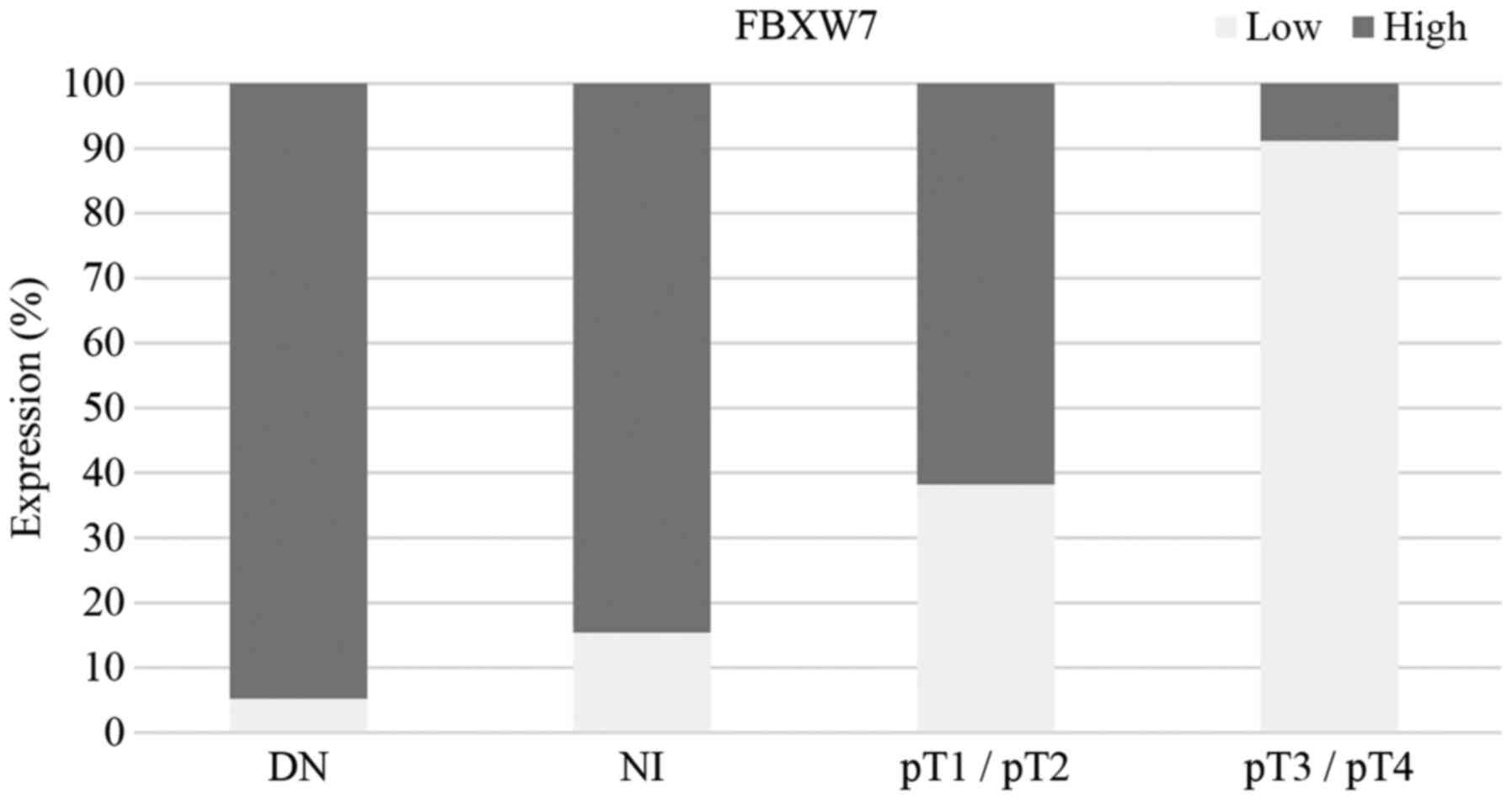
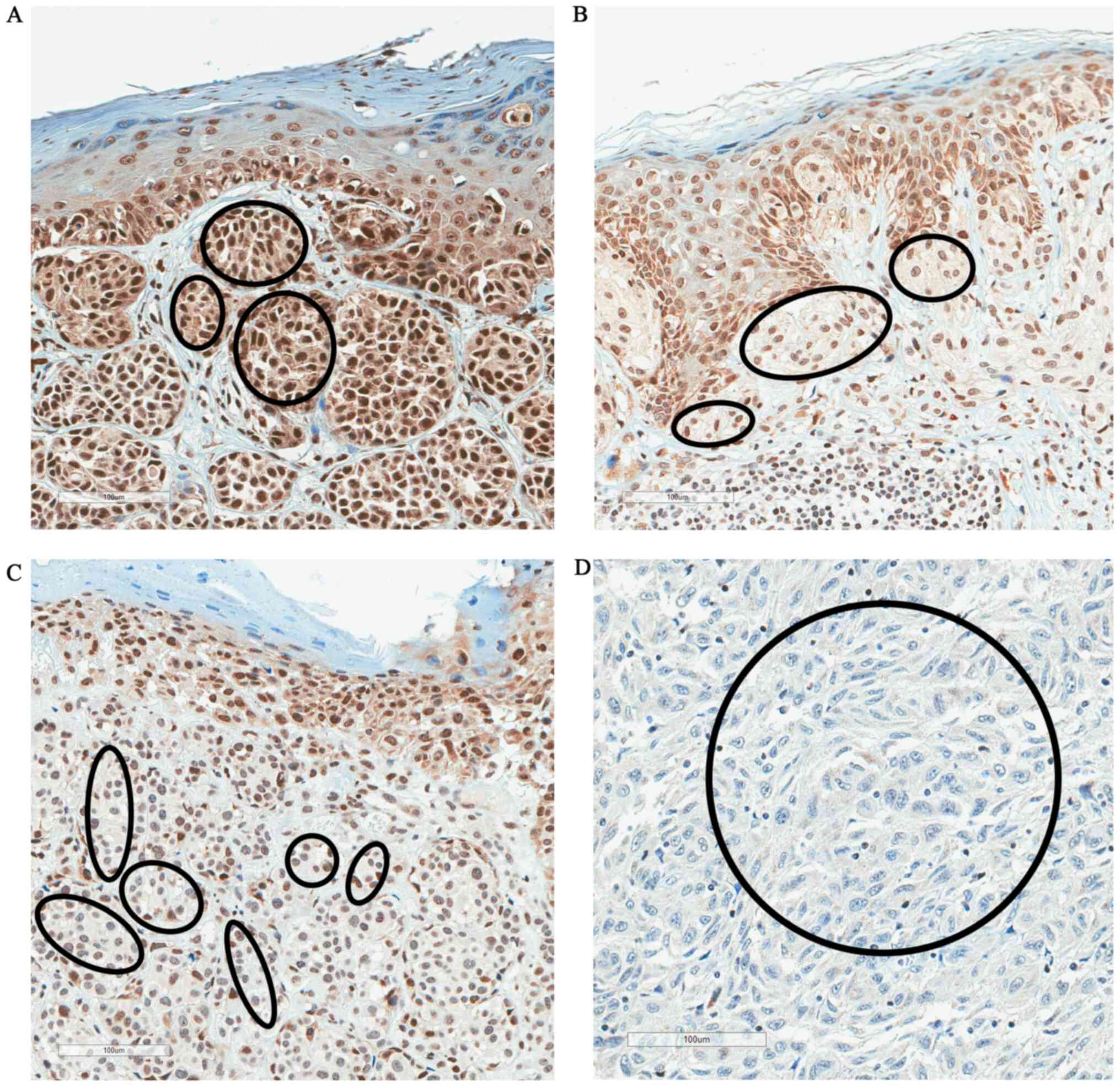
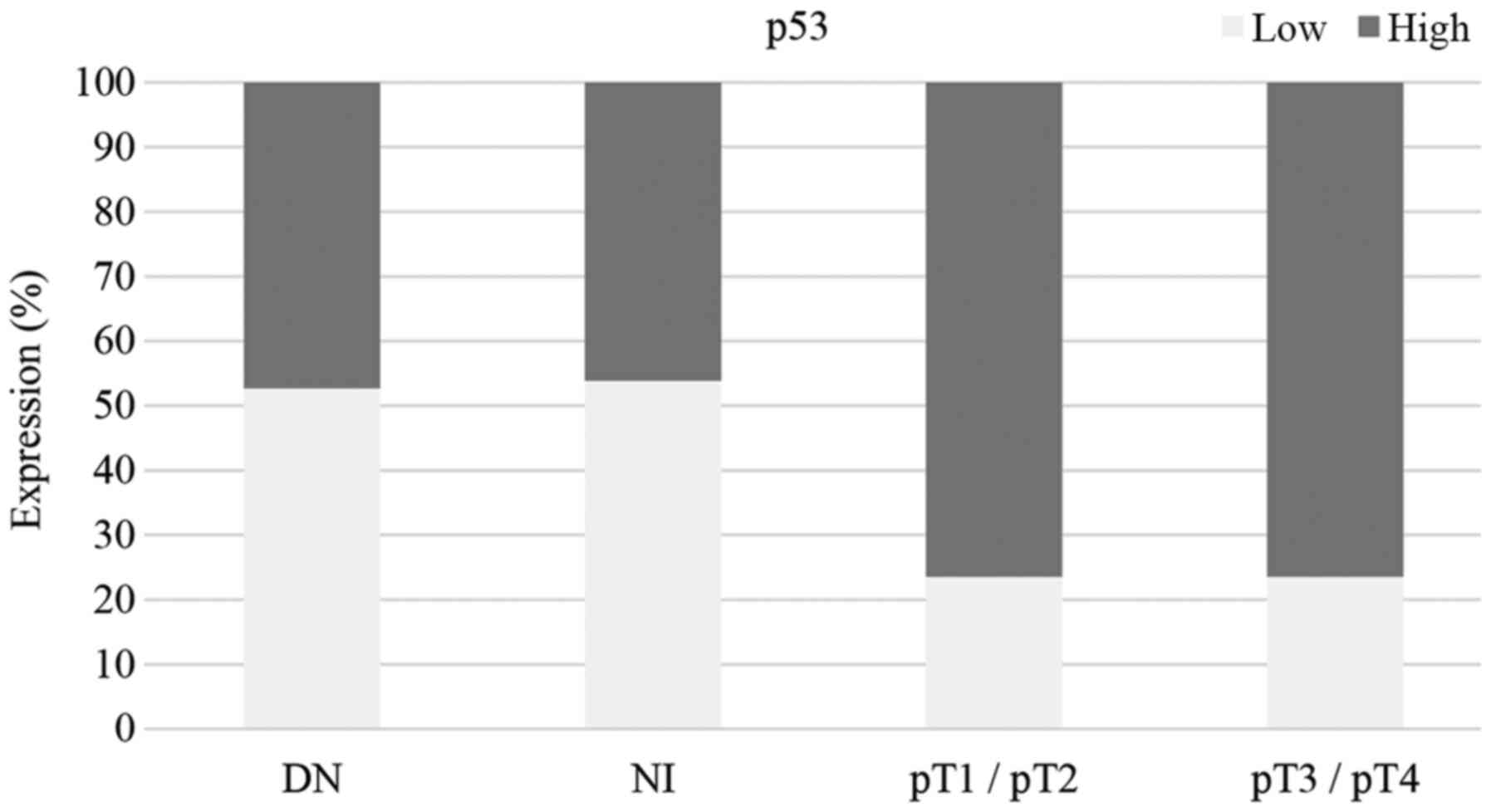
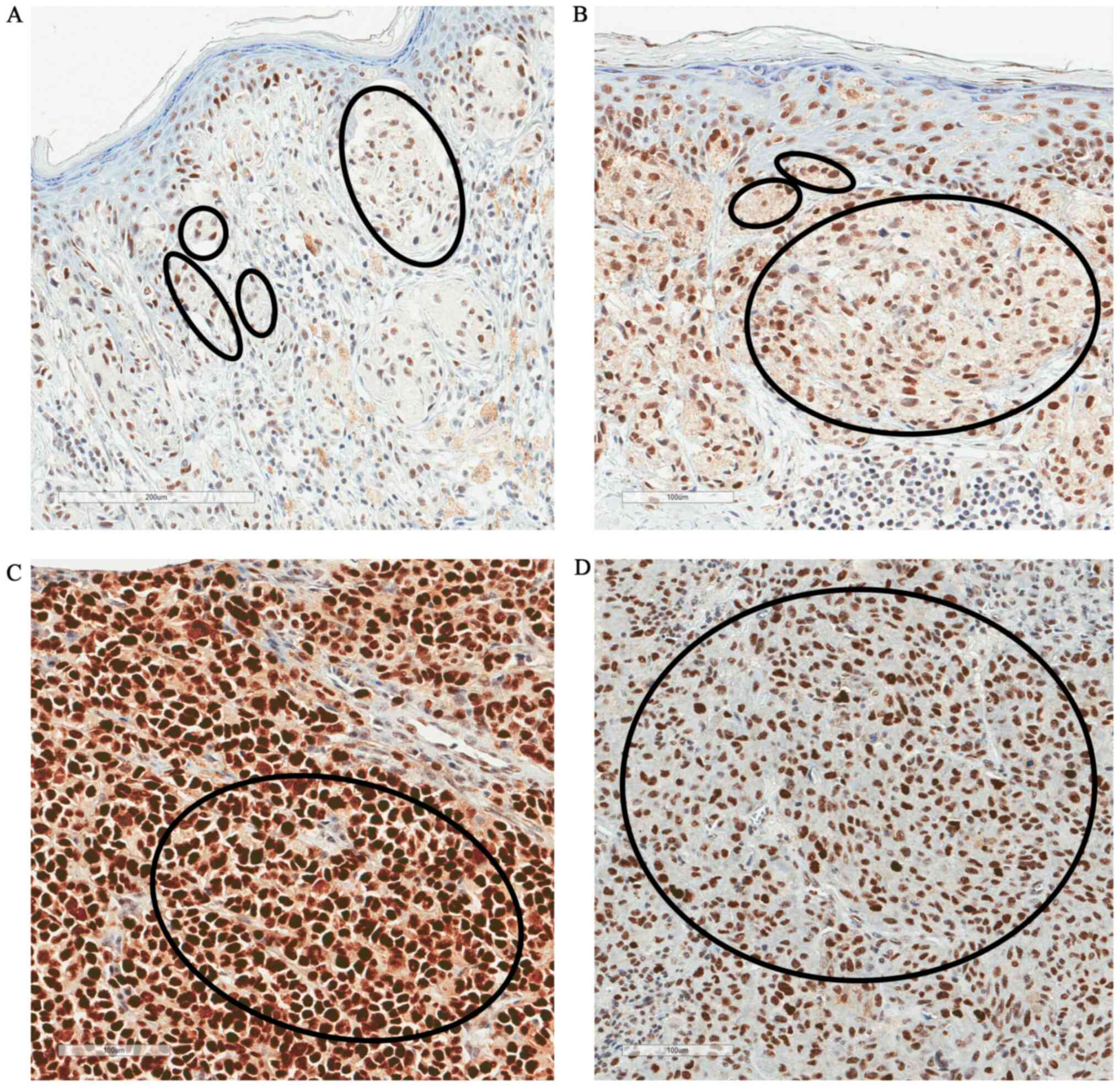
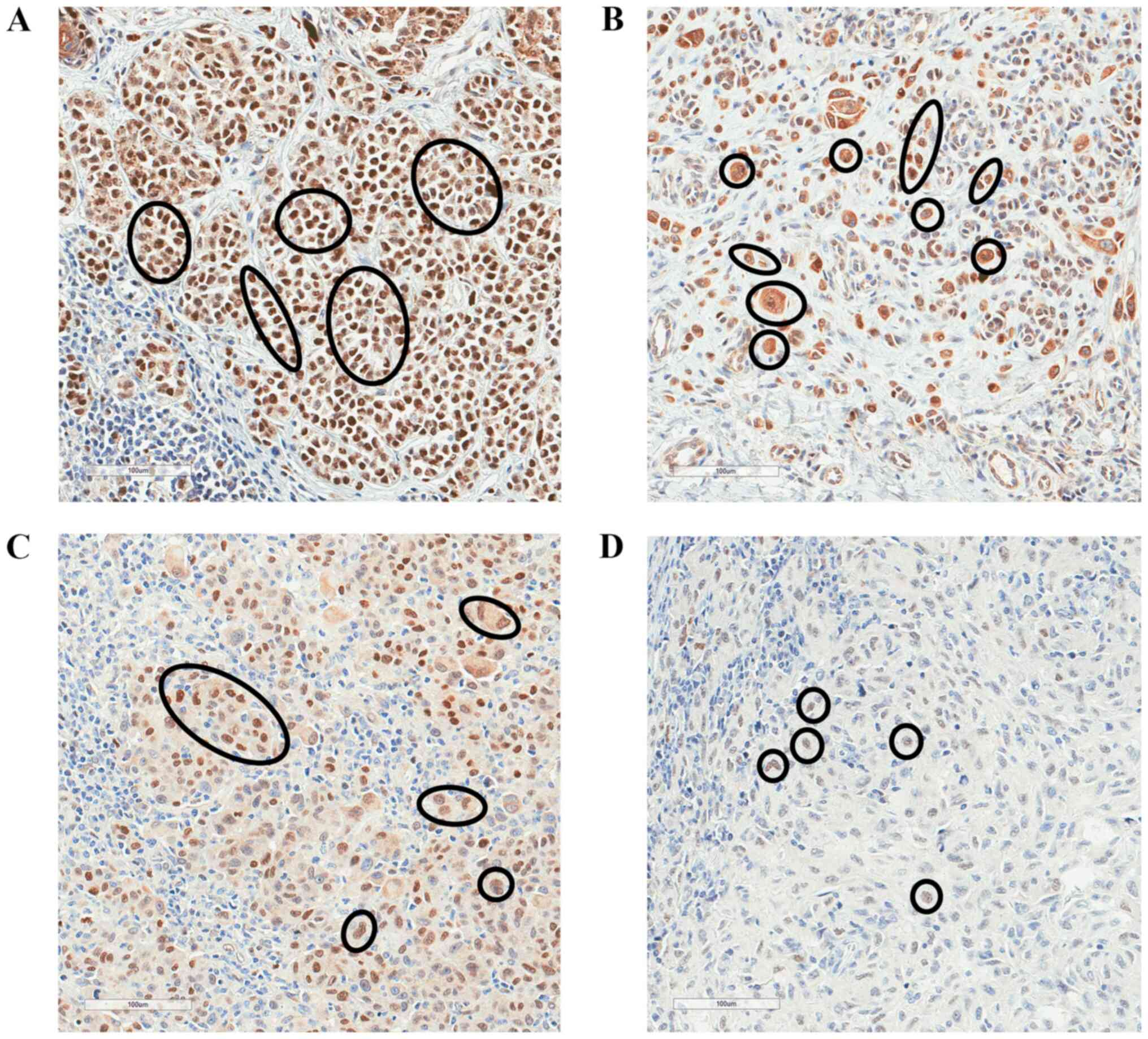
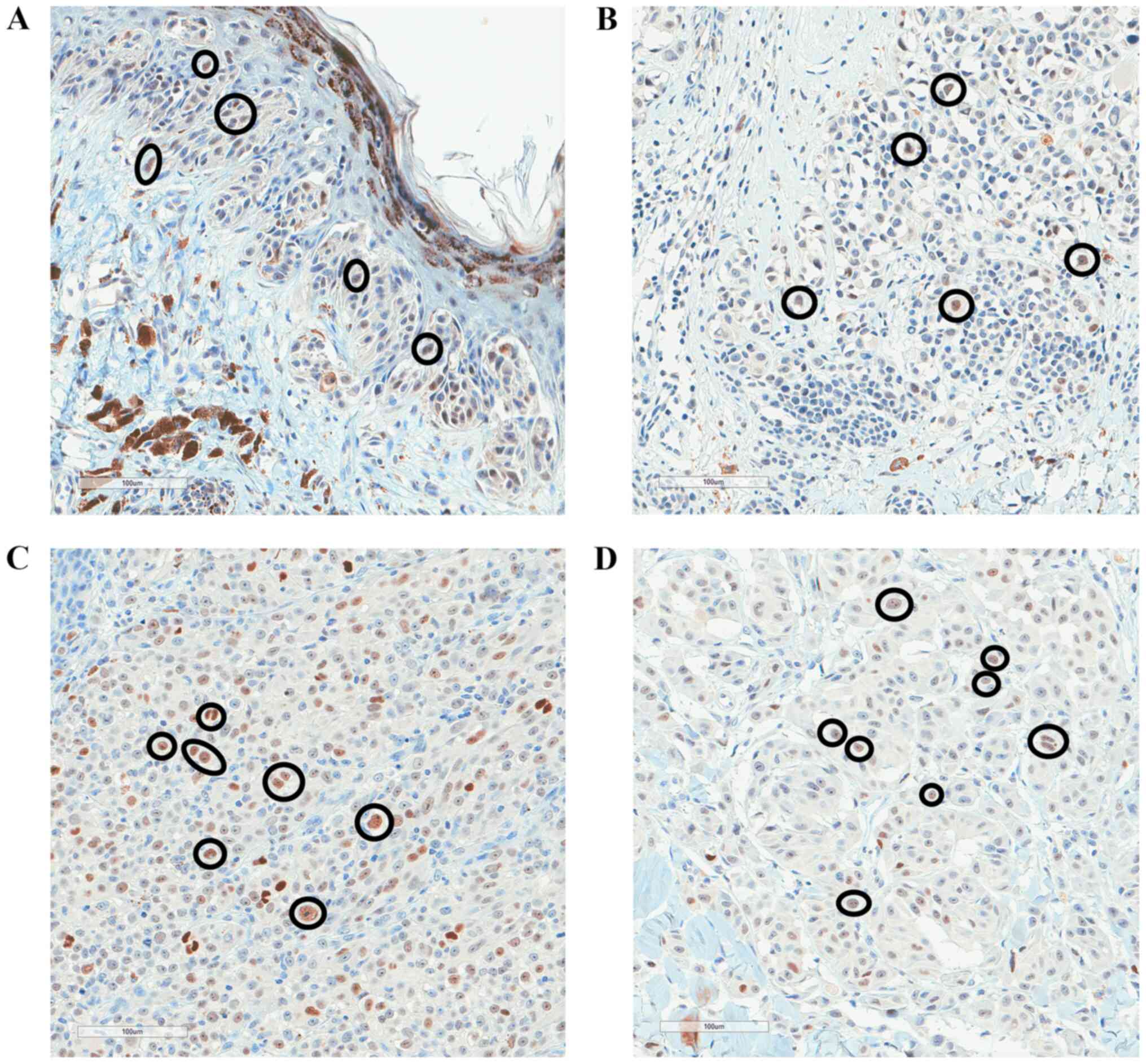
E3 ubiquitin ligases are of interest as drug targets due to their involvement in the regulation of the functions and interactions of several proteins. Various E3 ligase complexes are considered oncogenes or tumor suppressors associated with the development of melanoma. These proteins regulate the functions of various signaling pathways and proteins, such as p53 and Notch. The aim of the present study was to determine the expression levels of F‑box and WD repeat domain‑containing 7 (FBXW7), c‑Myc, MDM2 and p53 proteins in samples from patients with dysplastic nevi or melanoma, and to evaluate their association with clinicopathological parameters and prognosis of the disease. Paraffin blocks with postoperative material from 100 patients diagnosed with dysplastic moles or melanoma were used in the present study. Tissue microarrays and immunohistochemistry were used to examine FBXW7, c‑Myc, MDM2 and p53 protein expression. The results revealed that there was significantly lower FBXW7 expression in advanced melanoma compared with dysplastic nevus, melanoma in situ and stage pT1 melanoma (P<0.001). Additionally, there was a statistically significant association between the expression levels of FBXW7 and the morphological type of the tumor (P<0.001). In addition, there was a strong positive association between FBXW7 expression and the changes in c‑Myc expression (P<0.02), and a strong trend was observed between decreased FBXW7 expression and a higher risk of death in patients, with the major factor in patient mortality being the stages of melanoma. Additionally, p53 expression was associated with the depth of melanoma invasion and the morphological type of the tumor. In summary, FBXW7 expression exhibited the highest statistically significant prognostic value and associations with advanced melanoma. As the majority of FBXW7 substrates are oncoproteins, their degradation by FBXW7 may highlight these proteins as potential targets for the treatment of melanoma.
View Figures

Figure 1

Figure 2

Figure 3

Figure 4

Figure 5

Figure 6

View References

1 

Morrow JK, Lin HK, Sun SC and Zhang S: Targeting ubiquitination for cancer therapies. Future Med Chem. 7:2333–2350. 2015. View Article : Google Scholar : PubMed/NCBI

2 

Ma J, Guo W and Li C: Ubiquitination in melanoma pathogenesis and treatment. Cancer Med. 6:1362–1377. 2017. View Article : Google Scholar : PubMed/NCBI

3 

Aydin IT, Melamed RD, Adams SJ, Castillo-Martin M, Demir A, Bryk D, Brunner G, Cordon-Cardo C, Osman I, Rabadan R, et al: FBXW7 mutations in melanoma and a new therapeutic paradigm. J Natl Cancer Inst. 106:dju1072014. View Article : Google Scholar : PubMed/NCBI

4 

Xie CM, Wei W and Sun Y: Role of SKP1-CUL1-F-box-protein (SCF) E3 ubiquitin ligases in skin cancer. J Genet Genomics. 40:97–106. 2013. View Article : Google Scholar : PubMed/NCBI

5 

Welcker M and Clurman BE: FBW7 ubiquitin ligase: A tumour suppressor at the crossroads of cell division, growth and differentiation. Nat Rev Cancer. 8:83–93. 2008. View Article : Google Scholar : PubMed/NCBI

6 

Wang Z, Inuzuka H, Zhong J, Wan L, Fukushima H, Sarkar FH and Wei W: Tumor suppressor functions of FBW7 in cancer development and progression. FEBS Lett. 586:1409–1418. 2012. View Article : Google Scholar : PubMed/NCBI

7 

Huang HL, Weng HY, Wang LQ, Yu CH, Huang QJ, Zhao PP, Wen JZ, Zhou H and Qu LH: Triggering Fbw7-mediated proteasomal degradation of c-Myc by oridonin induces cell growth inhibition and apoptosis. Mol Cancer Ther. 11:1155–1165. 2012. View Article : Google Scholar : PubMed/NCBI

8 

Liu H, Wang K, Fu H and Song J: Low expression of the ubiquitin ligase FBXW7 correlates with poor prognosis of patients with colorectal cancer. Int J Clin Exp Pathol. 11:413–419. 2018.PubMed/NCBI

9 

Cheng Y, Chen G, Martinka M, Ho V and Li G: Prognostic significance of Fbw7 in human melanoma and its role in cell migration. J Invest Dermatol. 133:1794–1802. 2013. View Article : Google Scholar : PubMed/NCBI

10 

Wang L, Ye X, Liu Y, Wei W and Wang Z: Aberrant regulation of FBW7 in cancer. Oncotarget. 5:2000–2015. 2014. View Article : Google Scholar : PubMed/NCBI

11 

Mao JH, Perez-Losada J, Wu D, Delrosario R, Tsunematsu R, Nakayama KI, Brown K, Bryson S and Balmain A: Fbxw7/Cdc4 is a p53-dependent, haploinsufficient tumour suppressor gene. Nature. 432:775–779. 2004. View Article : Google Scholar : PubMed/NCBI

12 

Pei D, Zhang Y and Zheng J: Regulation of p53: A collaboration between Mdm2 and Mdmx. Oncotarget. 3:228–235. 2012. View Article : Google Scholar : PubMed/NCBI

13 

Madan E, Gogna R, Bhatt M, Pati U, Kuppusamy P and Mahdi AA: Regulation of glucose metabolism by p53: Emerging new roles for the tumor suppressor. Oncotarget. 2:948–957. 2011. View Article : Google Scholar : PubMed/NCBI

14 

Muller PAJ and Vousden KH: p53 mutations in cancer. Nat Cell Biol. 15:2–8. 2013. View Article : Google Scholar : PubMed/NCBI

15 

Wade M, Li Y and Wahl G: MDM2, MDMX and p53 in oncogenesis and cancer therapy. Nat Rev Cancer. 13:83–96. 2013. View Article : Google Scholar : PubMed/NCBI

16 

Olivier M, Goldgar DE, Sodha N, Ohgaki H, Kleihues P, Hainaut P and Eeles RA: Li-Fraumeni and related syndromes: Correlation between tumor type, family structure, and TP53 genotype. Cancer Res. 63:6643–6650. 2003.PubMed/NCBI

17 

Birch JM, Alston RD, McNally RJ, Evans DG, Kelsey AM, Harris M, Eden OB and Varley JM: Relative frequency and morphology of cancers in carriers of germline TP53 mutations. Oncogene. 20:4621–4628. 2001. View Article : Google Scholar : PubMed/NCBI

18 

Felsher DW and Bishop JM: Reversible tumorigenesis by MYC in hematopoietic lineages. Mol Cell. 4:199–207. 1999. View Article : Google Scholar : PubMed/NCBI

19 

Marinkovic D, Marinkovic T, Mahr B, Hess J and Wirth T: Reversible lymphomagenesis in conditionally c-MYC expressing mice. Int J Cancer. 110:336–342. 2004. View Article : Google Scholar : PubMed/NCBI

20 

Jain M, Arvanitis C, Chu K, Dewey W, Leonhardt E, Trinh M, Sundberg CD, Bishop JM and Felsher DW: Sustained loss of a neoplastic phenotype by brief inactivation of MYC. Science. 297:102–104. 2002. View Article : Google Scholar : PubMed/NCBI

21 

Gabay M, Li Y and Felsher DW: MYC activation is a hallmark of cancer initiation and maintenance. Cold Spring Harb Perspect Med. 4:1–14. 2014. View Article : Google Scholar

22 

Shachaf CM, Kopelman AM, Arvanitis C, Karlsson A, Beer S, Mandl S, Bachmann MH, Borowsky AD, Ruebner B, Cardiff RD, et al: MYC inactivation uncovers pluripotent differentiation and tumour dormancy in hepatocellular cancer. Nature. 431:1112–1117. 2004. View Article : Google Scholar : PubMed/NCBI

23 

Sato M, Rodriguez-Barrueco R, Yu J, Do C, Silva JM and Gautier J: MYC is a critical target of FBXW7. Oncotarget. 6:3292–3305. 2015. View Article : Google Scholar : PubMed/NCBI

24 

Meyer N and Penn LZ: Reflecting on 25 years with MYC. Nat Rev Cancer. 8:976–990. 2008. View Article : Google Scholar : PubMed/NCBI

25 

Ross DA and Wilson GD: Expression of c-myc oncoprotein represents a new prognostic marker in cutaneous melanoma. Br J Surg. 85:46–51. 1998. View Article : Google Scholar : PubMed/NCBI

26 

Greulich KM, Utikal J, Peter RU and Krähn G: c-MYC and nodular malignant melanoma. A case report. Cancer. 89:97–103. 2000. View Article : Google Scholar : PubMed/NCBI

27 

Kraehn GM, Utikal J, Udart M, Greulich KM, Bezold G, Kaskel P, Leiter U and Peter RU: Extra c-myc oncogene copies in high risk cutaneous malignant melanoma and melanoma metastases. Br J Cancer. 84:72–79. 2001. View Article : Google Scholar : PubMed/NCBI

28 

Kanzler MH and Mraz-Gernhard S: Primary cutaneous malignant melanoma and its precursor lesions: Diagnostic and therapeutic overview. J Am Acad Dermatol. 45:260–276. 2001. View Article : Google Scholar : PubMed/NCBI

29 

Lin X, Sun R, Zhao X, Zhu D, Zhao X, Gu Q, Dong X, Zhang D, Zhang Y, Li Y, et al: C-myc overexpression drives melanoma metastasis by promoting vasculogenic mimicry via c-myc/snail/Bax signaling. J Mol Med (Berl). 95:53–67. 2017. View Article : Google Scholar : PubMed/NCBI

30 

Nag S, Zhang X, Srivenugopal KS, Wang MH, Wang W and Zhang R: Targeting MDM2-p53 interaction for cancer therapy: Are we there yet? Curr Med Chem. 21:553–574. 2014. View Article : Google Scholar : PubMed/NCBI

31 

Freedman DA, Wu L and Levine AJ: Functions of the MDM2 oncoprotein. Cell Mol Life Sci. 55:96–107. 1999. View Article : Google Scholar : PubMed/NCBI

32 

Momand J, Wu HH and Dasgupta G: MDM2 - master regulator of the p53 tumor suppressor protein. Gene. 242:15–29. 2000. View Article : Google Scholar : PubMed/NCBI

33 

Oliner JD, Pietenpol JA, Thiagalingam S, Gyuris J, Kinzler KW and Vogelstein B: Oncoprotein MDM2 conceals the activation domain of tumour suppressor p53. Nature. 362:857–860. 1993. View Article : Google Scholar : PubMed/NCBI

34 

Momand J, Zambetti GP, Olson DC, George D and Levine AJ: The mdm-2 oncogene product forms a complex with the p53 protein and inhibits p53-mediated transactivation. Cell. 69:1237–1245. 1992. View Article : Google Scholar : PubMed/NCBI

35 

Li Q and Lozano G: Molecular pathways: Targeting Mdm2 and Mdm4 in cancer therapy. Clin Cancer Res. 19:34–41. 2013. View Article : Google Scholar : PubMed/NCBI

36 

Vassilev LT: MDM2 inhibitors for cancer therapy. Trends Mol Med. 13:23–31. 2007. View Article : Google Scholar : PubMed/NCBI

37 

Amin MB, Edge S, Greene F, Byrd DR, Brookland RK, Washington MK, Gershenwald JE, Compton CC, Hess KR, Sullivan DC, et al: AJCC Cancer Staging Manual, 8th edition. Springer; 2017

38 

Cheng Y and Li G: Role of the ubiquitin ligase Fbw7 in cancer progression. Cancer Metastasis Rev. 31:75–87. 2012. View Article : Google Scholar : PubMed/NCBI

39 

Busino L, Millman SE, Scotto L, Kyratsous CA, Basrur V, OConnor O, Hoffmann A, Elenitoba-Johnson KS and Pagano M: Fbxw7α- and GSK3-mediated degradation of p100 is a pro-survival mechanism in multiple myeloma. Nat Cell Biol. 14:375–385. 2012. View Article : Google Scholar : PubMed/NCBI

40 

Min SH, Lau AW, Lee TH, Inuzuka H, Wei S, Huang P, Shaik S, Lee DY, Finn G, Balastik M, et al: Negative regulation of the stability and tumor suppressor function of Fbw7 by the Pin1 prolyl isomerase. Mol Cell. 46:771–783. 2012. View Article : Google Scholar : PubMed/NCBI

41 

Yada M, Hatakeyama S, Kamura T, Nishiyama M, Tsunematsu R, Imaki H, Ishida N, Okumura F, Nakayama K and Nakayama KI: Phosphorylation-dependent degradation of c-Myc is mediated by the F-box protein Fbw7. EMBO J. 23:2116–2125. 2004. View Article : Google Scholar : PubMed/NCBI

42 

Davis RJ, Welcker M and Clurman BE: Tumor suppression by the Fbw7 ubiquitin ligase: Mechanisms and opportunities. Cancer Cell. 26:455–464. 2014. View Article : Google Scholar : PubMed/NCBI

43 

Bonetti P, Davoli T, Sironi C, Amati B, Pelicci PG and Colombo E: Nucleophosmin and its AML-associated mutant regulate c-Myc turnover through Fbw7γ. J Cell Biol. 182:19–26. 2008. View Article : Google Scholar : PubMed/NCBI

44 

Grim JE, Gustafson MP, Hirata RK, Hagar AC, Swanger J, Welcker M, Hwang HC, Ericsson J, Russell DW and Clurman BE: Isoform- and cell cycle-dependent substrate degradation by the Fbw7 ubiquitin ligase. J Cell Biol. 181:913–920. 2008. View Article : Google Scholar : PubMed/NCBI

45 

Welcker M, Orian A, Grim JE, Eisenman RN and Clurman BE: A nucleolar isoform of the Fbw7 ubiquitin ligase regulates c-Myc and cell size. Curr Biol. 14:1852–1857. 2004. View Article : Google Scholar : PubMed/NCBI

46 

Welcker M, Orian A, Jin J, Grim JE, Harper JW, Eisenman RN and Clurman BE: The Fbw7 tumor suppressor regulates glycogen synthase kinase 3 phosphorylation-dependent c-Myc protein degradation. Proc Natl Acad Sci USA. 101:9085–9090. 2004. View Article : Google Scholar : PubMed/NCBI

47 

Reavie L, Buckley SM, Loizou E, Takeishi S, Aranda-Orgilles B, Ndiaye-Lobry D, et al: Regulation of c-Myc ubiquitination controls CML initiation and progression. Cancer Cell. 23:362–375. 2013. View Article : Google Scholar : PubMed/NCBI

48 

Niezgoda A, Niezgoda P and Czajkowski R: Novel approaches to treatment of advanced melanoma: A review on targeted therapy and immunotherapy. Biomed Res Int. 2015:851382015. View Article : Google Scholar

49 

Kalkat M, De Melo J, Hickman KA, Lourenco C, Redel C, Resetca D, Tamachi A, Tu WB and Penn LZ: MYC deregulation in primary human cancers. Genes (Basel). 8:2–30. 2017. View Article : Google Scholar

50 

Cancer Genome Atlas Network: Comprehensive molecular portraits of human breast tumors. Nature. 490:61–70. 2012. View Article : Google Scholar : PubMed/NCBI

51 

Witkiewicz AK, McMillan EA, Balaji U, Baek G, Lin WC, Mansour J, Mollaee M, Wagner KU, Koduru P, Yopp A, et al: Whole-exome sequencing of pancreatic cancer defines genetic diversity and therapeutic targets. Nat Commun. 6:67442015. View Article : Google Scholar : PubMed/NCBI

52 

Cancer Genome Atlas Research Network, . Integrated genomic analyses of ovarian carcinoma. Nature. 474:609–615. 2011. View Article : Google Scholar : PubMed/NCBI

53 

Houben R, Hesbacher S, Schmid CP, Kauczok CS, Flohr U, Haferkamp S, Müller CS, Schrama D, Wischhusen J and Becker JC: High-level expression of wild-type p53 in melanoma cells is frequently associated with inactivity in p53 reporter gene assays. PLoS One. 6:e220962011. View Article : Google Scholar : PubMed/NCBI

54 

Winder M and Virós A: Mechanisms of drug resistance in melanoma. Handb Exp Pharmacol. 249:91–108. 2018. View Article : Google Scholar : PubMed/NCBI

55 

Webster MR, Fane ME, Alicea GM, Basu S, Kossenkov AV, Marino GE, Douglass SM, Kaur A, Ecker BL, Gnanapradeepan K, et al: Paradoxical role for wild-type p53 in driving therapy resistance in melanoma. Mol Cell. 77:633–644.e5. 2020. View Article : Google Scholar : PubMed/NCBI

56 

Soengas MS, Capodieci P, Polsky D, Mora J, Esteller M, Opitz-Araya X, McCombie R, Herman JG, Gerald WL, Lazebnik YA, et al: Inactivation of the apoptosis effector Apaf-1 in malignant melanoma. Nature. 409:207–211. 2001. View Article : Google Scholar : PubMed/NCBI

57 

Karst AM, Dai DL, Martinka M and Li G: PUMA expression is significantly reduced in human cutaneous melanomas. Oncogene. 24:1111–1116. 2005. View Article : Google Scholar : PubMed/NCBI

58 

Onel K and Cordon-Cardo C: MDM2 and prognosis. Mol Cancer Res. 2:1–8. 2004.PubMed/NCBI

59 

Sun Y: E3 ubiquitin ligases as cancer targets and biomarkers. Neoplasia. 8:645–654. 2006. View Article : Google Scholar : PubMed/NCBI

60 

Polsky D, Bastian B, Hazan C, Melzer K, Pack J, Houghton A, Busam K, Cordon-Cardo C and Osman I: HDM2 protein overexpression, but not gene amplification, is related to tumorigenesis of cutaneous melanoma. Cancer Res. 61:7642–7646. 2001.PubMed/NCBI

61 

Rajabi P, Karimian P and Heidarpour M: The relationship between MDM2 expression and tumor thickness and invasion in primary cutaneous malignant melanoma. J Res Med Sci. 17:452–455. 2012.PubMed/NCBI

62 

Polsky D, Melzer K, Hazan C, Panageas KS, Busam K, Drobnjak M, Kamino H, Spira JG, Kopf AW, Houghton A, et al: HDM2 protein overexpression and prognosis in primary malignant melanoma. J Natl Cancer Inst. 94:1803–1806. 2002. View Article : Google Scholar : PubMed/NCBI

63 

Kimura T, Gotoh M, Nakamura Y and Arakawa H: hCDC4b, a regulator of cyclin E, as a direct transcriptional target of p53. Cancer Sci. 94:431–436. 2003. View Article : Google Scholar : PubMed/NCBI

64 

Muthusamy V, Hobbs C, Nogueira C, Cordon-Cardo C, McKee PH, Chin L and Bosenberg MW: Amplification of CDK4 and MDM2 in malignant melanoma. Genes Chromosomes Cancer. 45:447–454. 2006. View Article : Google Scholar : PubMed/NCBI

Related Articles

  • Abstract
  • View
  • Download
  • Twitter
Copy and paste a formatted citation
Spandidos Publications style
Mozuraitiene J, Gudleviciene Z, Vincerzevskiene I, Laurinaviciene A and Pamedys J: Expression levels of FBXW7 and MDM2&nbsp;E3 ubiquitin ligases and their c‑Myc and p53 substrates in patients with dysplastic nevi or melanoma. Oncol Lett 21: 37, 2021.
APA
Mozuraitiene, J., Gudleviciene, Z., Vincerzevskiene, I., Laurinaviciene, A., & Pamedys, J. (2021). Expression levels of FBXW7 and MDM2&nbsp;E3 ubiquitin ligases and their c‑Myc and p53 substrates in patients with dysplastic nevi or melanoma. Oncology Letters, 21, 37. https://doi.org/10.3892/ol.2020.12298
MLA
Mozuraitiene, J., Gudleviciene, Z., Vincerzevskiene, I., Laurinaviciene, A., Pamedys, J."Expression levels of FBXW7 and MDM2&nbsp;E3 ubiquitin ligases and their c‑Myc and p53 substrates in patients with dysplastic nevi or melanoma". Oncology Letters 21.1 (2021): 37.
Chicago
Mozuraitiene, J., Gudleviciene, Z., Vincerzevskiene, I., Laurinaviciene, A., Pamedys, J."Expression levels of FBXW7 and MDM2&nbsp;E3 ubiquitin ligases and their c‑Myc and p53 substrates in patients with dysplastic nevi or melanoma". Oncology Letters 21, no. 1 (2021): 37. https://doi.org/10.3892/ol.2020.12298
Copy and paste a formatted citation
x
Spandidos Publications style
Mozuraitiene J, Gudleviciene Z, Vincerzevskiene I, Laurinaviciene A and Pamedys J: Expression levels of FBXW7 and MDM2&nbsp;E3 ubiquitin ligases and their c‑Myc and p53 substrates in patients with dysplastic nevi or melanoma. Oncol Lett 21: 37, 2021.
APA
Mozuraitiene, J., Gudleviciene, Z., Vincerzevskiene, I., Laurinaviciene, A., & Pamedys, J. (2021). Expression levels of FBXW7 and MDM2&nbsp;E3 ubiquitin ligases and their c‑Myc and p53 substrates in patients with dysplastic nevi or melanoma. Oncology Letters, 21, 37. https://doi.org/10.3892/ol.2020.12298
MLA
Mozuraitiene, J., Gudleviciene, Z., Vincerzevskiene, I., Laurinaviciene, A., Pamedys, J."Expression levels of FBXW7 and MDM2&nbsp;E3 ubiquitin ligases and their c‑Myc and p53 substrates in patients with dysplastic nevi or melanoma". Oncology Letters 21.1 (2021): 37.
Chicago
Mozuraitiene, J., Gudleviciene, Z., Vincerzevskiene, I., Laurinaviciene, A., Pamedys, J."Expression levels of FBXW7 and MDM2&nbsp;E3 ubiquitin ligases and their c‑Myc and p53 substrates in patients with dysplastic nevi or melanoma". Oncology Letters 21, no. 1 (2021): 37. https://doi.org/10.3892/ol.2020.12298
Follow us
  • Twitter
  • LinkedIn
  • Facebook
About
  • Spandidos Publications
  • Careers
  • Cookie Policy
  • Privacy Policy
How can we help?
  • Help
  • Live Chat
  • Contact
  • Email to our Support Team