Spandidos Publications Logo
  • About
    • About Spandidos
    • Aims and Scopes
    • Abstracting and Indexing
    • Editorial Policies
    • Reprints and Permissions
    • Job Opportunities
    • Terms and Conditions
    • Contact
  • Journals
    • All Journals
    • Oncology Letters
      • Oncology Letters
      • Information for Authors
      • Editorial Policies
      • Editorial Board
      • Aims and Scope
      • Abstracting and Indexing
      • Bibliographic Information
      • Archive
    • International Journal of Oncology
      • International Journal of Oncology
      • Information for Authors
      • Editorial Policies
      • Editorial Board
      • Aims and Scope
      • Abstracting and Indexing
      • Bibliographic Information
      • Archive
    • Molecular and Clinical Oncology
      • Molecular and Clinical Oncology
      • Information for Authors
      • Editorial Policies
      • Editorial Board
      • Aims and Scope
      • Abstracting and Indexing
      • Bibliographic Information
      • Archive
    • Experimental and Therapeutic Medicine
      • Experimental and Therapeutic Medicine
      • Information for Authors
      • Editorial Policies
      • Editorial Board
      • Aims and Scope
      • Abstracting and Indexing
      • Bibliographic Information
      • Archive
    • International Journal of Molecular Medicine
      • International Journal of Molecular Medicine
      • Information for Authors
      • Editorial Policies
      • Editorial Board
      • Aims and Scope
      • Abstracting and Indexing
      • Bibliographic Information
      • Archive
    • Biomedical Reports
      • Biomedical Reports
      • Information for Authors
      • Editorial Policies
      • Editorial Board
      • Aims and Scope
      • Abstracting and Indexing
      • Bibliographic Information
      • Archive
    • Oncology Reports
      • Oncology Reports
      • Information for Authors
      • Editorial Policies
      • Editorial Board
      • Aims and Scope
      • Abstracting and Indexing
      • Bibliographic Information
      • Archive
    • Molecular Medicine Reports
      • Molecular Medicine Reports
      • Information for Authors
      • Editorial Policies
      • Editorial Board
      • Aims and Scope
      • Abstracting and Indexing
      • Bibliographic Information
      • Archive
    • World Academy of Sciences Journal
      • World Academy of Sciences Journal
      • Information for Authors
      • Editorial Policies
      • Editorial Board
      • Aims and Scope
      • Abstracting and Indexing
      • Bibliographic Information
      • Archive
    • International Journal of Functional Nutrition
      • International Journal of Functional Nutrition
      • Information for Authors
      • Editorial Policies
      • Editorial Board
      • Aims and Scope
      • Abstracting and Indexing
      • Bibliographic Information
      • Archive
    • International Journal of Epigenetics
      • International Journal of Epigenetics
      • Information for Authors
      • Editorial Policies
      • Editorial Board
      • Aims and Scope
      • Abstracting and Indexing
      • Bibliographic Information
      • Archive
    • Medicine International
      • Medicine International
      • Information for Authors
      • Editorial Policies
      • Editorial Board
      • Aims and Scope
      • Abstracting and Indexing
      • Bibliographic Information
      • Archive
  • Articles
  • Information
    • Information for Authors
    • Information for Reviewers
    • Information for Librarians
    • Information for Advertisers
    • Conferences
  • Language Editing
Spandidos Publications Logo
  • About
    • About Spandidos
    • Aims and Scopes
    • Abstracting and Indexing
    • Editorial Policies
    • Reprints and Permissions
    • Job Opportunities
    • Terms and Conditions
    • Contact
  • Journals
    • All Journals
    • Biomedical Reports
      • Information for Authors
      • Editorial Policies
      • Editorial Board
      • Aims and Scope
      • Abstracting and Indexing
      • Bibliographic Information
      • Archive
    • Experimental and Therapeutic Medicine
      • Information for Authors
      • Editorial Policies
      • Editorial Board
      • Aims and Scope
      • Abstracting and Indexing
      • Bibliographic Information
      • Archive
    • International Journal of Epigenetics
      • Information for Authors
      • Editorial Policies
      • Editorial Board
      • Aims and Scope
      • Abstracting and Indexing
      • Bibliographic Information
      • Archive
    • International Journal of Functional Nutrition
      • Information for Authors
      • Editorial Policies
      • Editorial Board
      • Aims and Scope
      • Abstracting and Indexing
      • Bibliographic Information
      • Archive
    • International Journal of Molecular Medicine
      • Information for Authors
      • Editorial Policies
      • Editorial Board
      • Aims and Scope
      • Abstracting and Indexing
      • Bibliographic Information
      • Archive
    • International Journal of Oncology
      • Information for Authors
      • Editorial Policies
      • Editorial Board
      • Aims and Scope
      • Abstracting and Indexing
      • Bibliographic Information
      • Archive
    • Medicine International
      • Information for Authors
      • Editorial Policies
      • Editorial Board
      • Aims and Scope
      • Abstracting and Indexing
      • Bibliographic Information
      • Archive
    • Molecular and Clinical Oncology
      • Information for Authors
      • Editorial Policies
      • Editorial Board
      • Aims and Scope
      • Abstracting and Indexing
      • Bibliographic Information
      • Archive
    • Molecular Medicine Reports
      • Information for Authors
      • Editorial Policies
      • Editorial Board
      • Aims and Scope
      • Abstracting and Indexing
      • Bibliographic Information
      • Archive
    • Oncology Letters
      • Information for Authors
      • Editorial Policies
      • Editorial Board
      • Aims and Scope
      • Abstracting and Indexing
      • Bibliographic Information
      • Archive
    • Oncology Reports
      • Information for Authors
      • Editorial Policies
      • Editorial Board
      • Aims and Scope
      • Abstracting and Indexing
      • Bibliographic Information
      • Archive
    • World Academy of Sciences Journal
      • Information for Authors
      • Editorial Policies
      • Editorial Board
      • Aims and Scope
      • Abstracting and Indexing
      • Bibliographic Information
      • Archive
  • Articles
  • Information
    • For Authors
    • For Reviewers
    • For Librarians
    • For Advertisers
    • Conferences
  • Language Editing
Login Register Submit
  • This site uses cookies
  • You can change your cookie settings at any time by following the instructions in our Cookie Policy. To find out more, you may read our Privacy Policy.

    I agree
Search articles by DOI, keyword, author or affiliation
Search
Advanced Search
presentation
Oncology Letters
Join Editorial Board Propose a Special Issue
Print ISSN: 1792-1074 Online ISSN: 1792-1082
Journal Cover
May-2026 Volume 31 Issue 5

Full Size Image

Sign up for eToc alerts
Recommend to Library

Journals

International Journal of Molecular Medicine

International Journal of Molecular Medicine

International Journal of Molecular Medicine is an international journal devoted to molecular mechanisms of human disease.

International Journal of Oncology

International Journal of Oncology

International Journal of Oncology is an international journal devoted to oncology research and cancer treatment.

Molecular Medicine Reports

Molecular Medicine Reports

Covers molecular medicine topics such as pharmacology, pathology, genetics, neuroscience, infectious diseases, molecular cardiology, and molecular surgery.

Oncology Reports

Oncology Reports

Oncology Reports is an international journal devoted to fundamental and applied research in Oncology.

Experimental and Therapeutic Medicine

Experimental and Therapeutic Medicine

Experimental and Therapeutic Medicine is an international journal devoted to laboratory and clinical medicine.

Oncology Letters

Oncology Letters

Oncology Letters is an international journal devoted to Experimental and Clinical Oncology.

Biomedical Reports

Biomedical Reports

Explores a wide range of biological and medical fields, including pharmacology, genetics, microbiology, neuroscience, and molecular cardiology.

Molecular and Clinical Oncology

Molecular and Clinical Oncology

International journal addressing all aspects of oncology research, from tumorigenesis and oncogenes to chemotherapy and metastasis.

World Academy of Sciences Journal

World Academy of Sciences Journal

Multidisciplinary open-access journal spanning biochemistry, genetics, neuroscience, environmental health, and synthetic biology.

International Journal of Functional Nutrition

International Journal of Functional Nutrition

Open-access journal combining biochemistry, pharmacology, immunology, and genetics to advance health through functional nutrition.

International Journal of Epigenetics

International Journal of Epigenetics

Publishes open-access research on using epigenetics to advance understanding and treatment of human disease.

Medicine International

Medicine International

An International Open Access Journal Devoted to General Medicine.

Journal Cover
May-2026 Volume 31 Issue 5

Full Size Image

Sign up for eToc alerts
Recommend to Library

  • Article
  • Citations
    • Cite This Article
    • Download Citation
    • Create Citation Alert
    • Remove Citation Alert
    • Cited By
  • Similar Articles
    • Related Articles (in Spandidos Publications)
    • Similar Articles (Google Scholar)
    • Similar Articles (PubMed)
  • Download PDF
  • Download XML
  • View XML
Article Open Access

Integrated proteomic and metabolomic profiling reveals molecular signatures underlying invasiveness in non‑functioning pituitary adenomas

  • Authors:
    • Jianyao Mao
    • Xi Chen
    • Wentao Zheng
    • Bosen Liu
    • Zhangyu Li
    • Yukui Li
    • Ping Zhong
    • Sifang Chen
    • Guowei Tan
    • Chen Wang
    • Jinli Sun
  • View Affiliations / Copyright

    Affiliations: Department of Neurosurgery, The First Affiliated Hospital of Xiamen University, School of Medicine, Xiamen University, Xiamen, Fujian 361003, P.R. China, Department of Neurology, Xiamen Xianyue Hospital, Xianyue Hospital Affiliated with Xiamen Medical College, Fujian Psychiatric Center, Fujian Clinical Research Center for Mental Disorders, Xiamen, Fujian 361012, P.R. China, Department of Reproduction, The First Affiliated Hospital of Xiamen University, School of Medicine, Xiamen University, Xiamen, Fujian 361003, P.R. China
    Copyright: © Mao et al. This is an open access article distributed under the terms of Creative Commons Attribution License.
  • Article Number: 168
    |
    Published online on: March 10, 2026
       https://doi.org/10.3892/ol.2026.15521
  • Expand metrics +
Metrics: Total Views: 0 (Spandidos Publications: | PMC Statistics: )
Metrics: Total PDF Downloads: 0 (Spandidos Publications: | PMC Statistics: )
Cited By (CrossRef): 0 citations Loading Articles...

This article is mentioned in:


Abstract

Pituitary adenomas constitute 10 to 25% of intracranial tumors, rendering them one of the most prevalent types of brain tumors. While the majority of pituitary adenomas are benign, ~35% exhibit invasive behavior. Compared with their non‑invasive counterparts, invasive pituitary adenomas are more challenging to manage, highlighting the need to elucidate their underlying pathogenesis. However, the molecular mechanisms driving the invasive behavior of these tumors remain incompletely understood. Thus, the present study employed an integrated proteomic and metabolomic approach to investigate the molecular features associated with tumor invasiveness in pituitary adenomas. The investigation was performed at the First Affiliated Hospital of Xiamen University (Xiamen, China). Fresh‑frozen tumor specimens were collected from 16 patients diagnosed with clinically non‑functioning pituitary adenomas. These samples were divided into two groups based on invasiveness: Invasive tumors (n=8; Knosp grade ≥2) and non‑invasive tumors (n=8; Knosp grade <2). Using data‑­independent acquisition mass spectrometry (MS) in conjunction with liquid chromatography‑MS/MS metabolomics analysis, differentially expressed proteins (DEPs) and differentially expressed metabolites (DEMs) were identified. Comparative analysis identified 614 DEPs, including 286 proteins that were upregulated and 328 that were downregulated in invasive tumors relative to non‑invasive tumors. Additionally, 74 DEMs were found, comprising 42 increased and 32 decreased metabolites. Enrichment analysis of pathways revealed notable involvement of the cyclic adenosine monophosphate (cAMP) signaling cascade, pathways related to pathogenic Escherichia coli (E. coli) infection and the synaptic vesicle cycle. Integration of the proteomic and metabolomic data underscored consistent changes within these biological pathways. The present investigation represents a comprehensive effort to combine proteomic and metabolomic approaches to characterize the invasive phenotype of pituitary adenomas. The identification of enriched pathways associated with cAMP signaling, E. coli infection and synaptic vesicle cycling provides new mechanistic understanding and offers potential biomarkers or therapeutic targets for differentiating tumor aggressiveness.
View Figures

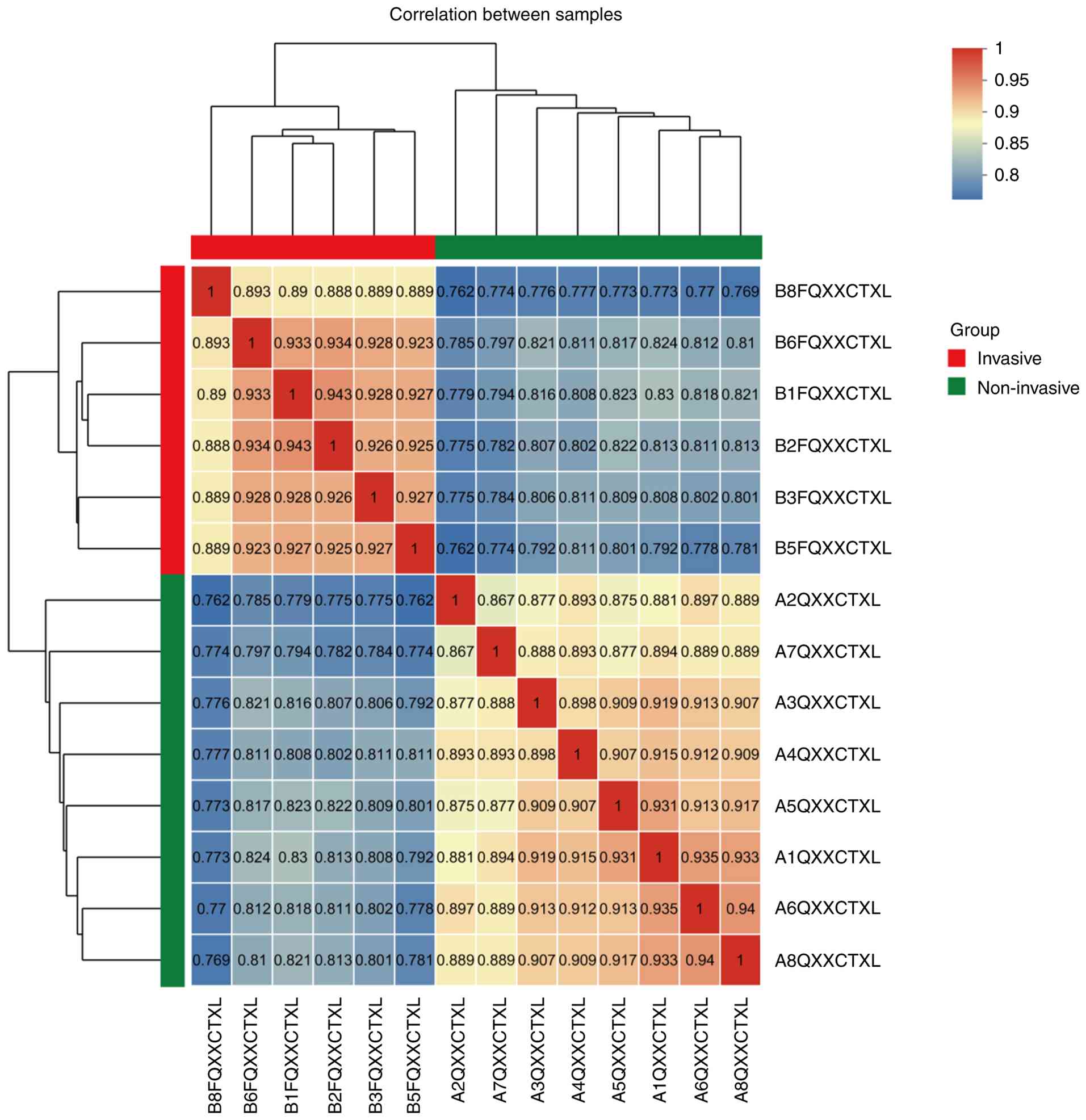
Figure 1

Correlation heat map of differential
protein samples between the invasive group and non-invasive
group.

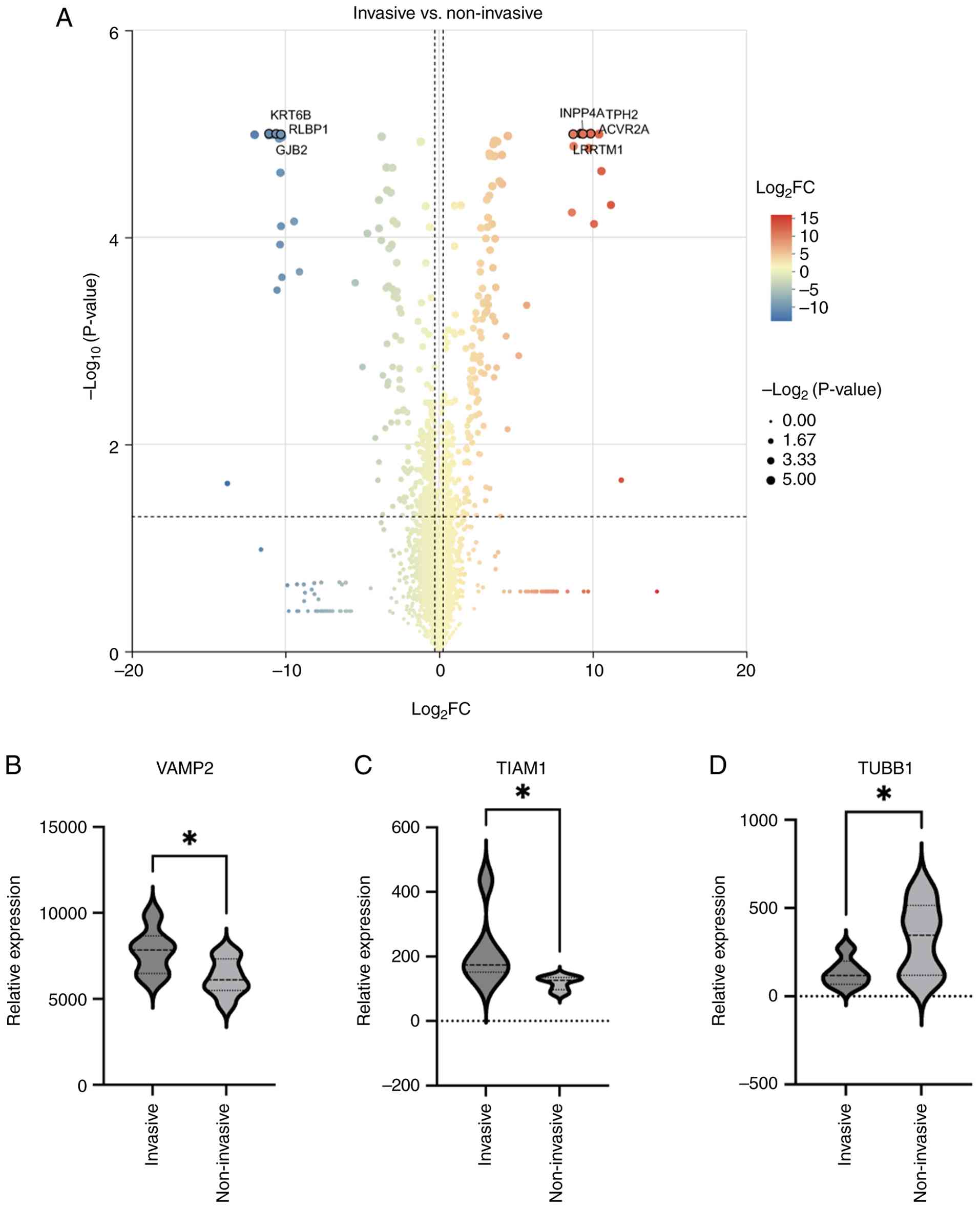
Figure 2

Statistics of differentially
expressed proteins between the invasive group and the non-invasive
group, and between the invasive group and the non-invasive group.
(A) A Volcano plot of P-value vs. log2(FC) in the
control group compared with the invasive group. Significantly
upregulated and downregulated proteins are highlighted (FC >1.2;
P≤0.05). Violin plot presenting differentially expressed proteins
(B) VAMP2, (C) TIAM1 and (D) TUBB1 between the invasive group and
the non-invasive groups. *P<0.05. FC, fold change.; VAMP2,
vesicle-associated membrane protein 2; TIAM1, T-cell lymphoma
invasion and metastasis-inducing protein 1; TUBB1, tubulin b1 class
VI.

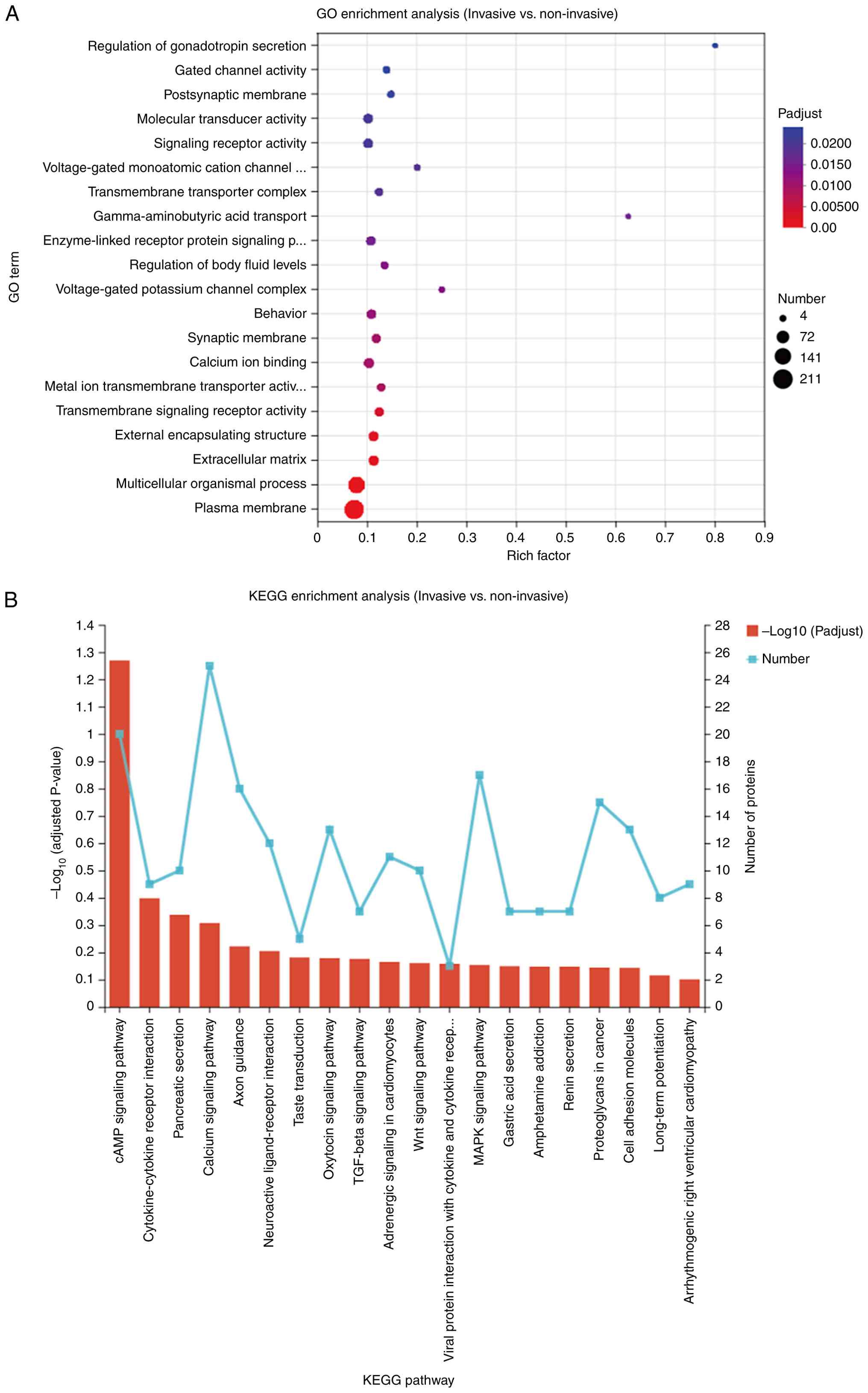
Figure 3

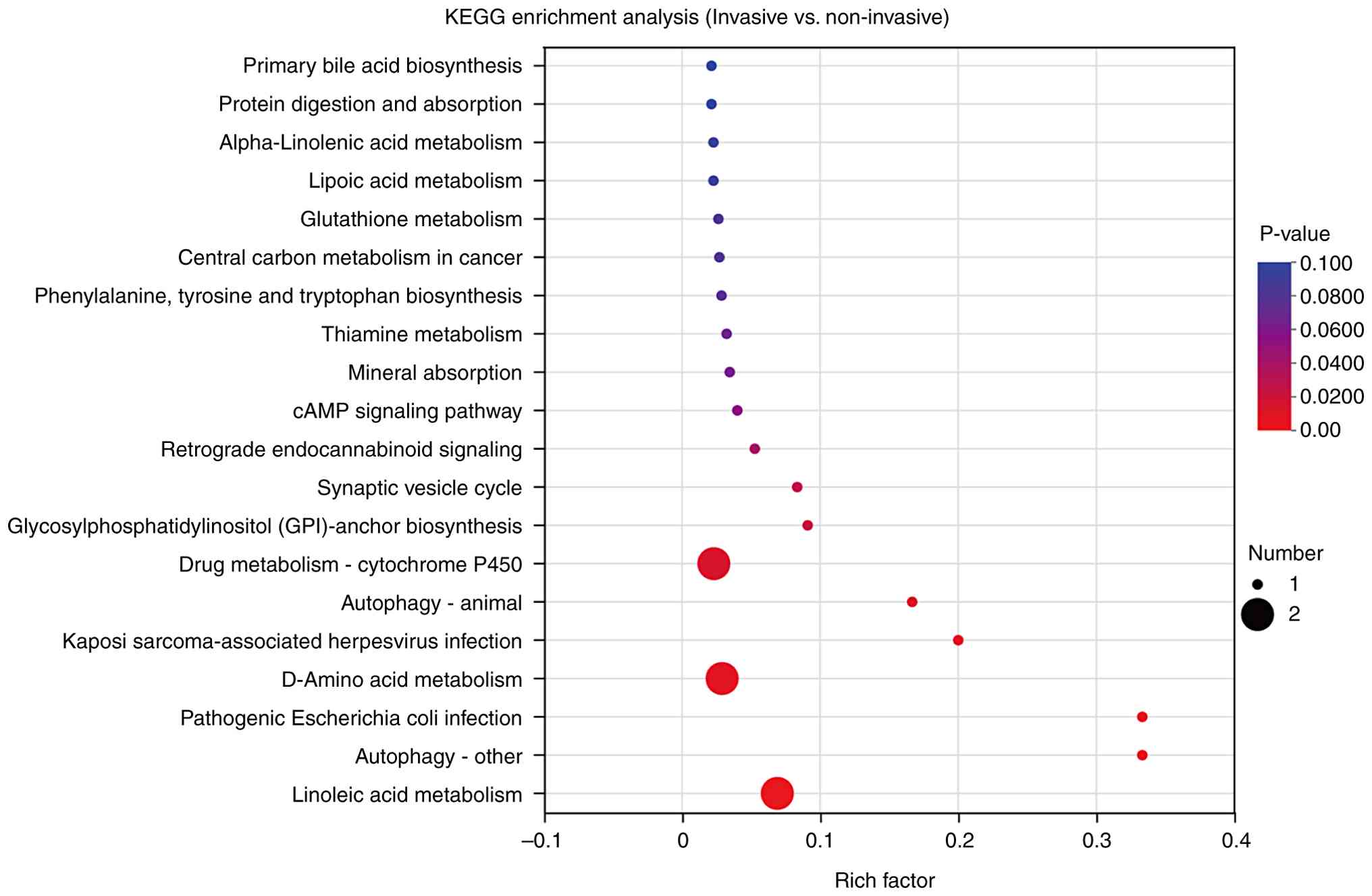
Functional enrichment analysis of
DEPs between the invasive group and the non-invasive group. (A) The
20 GO terms that are most enriched, based on the DEPs, display
significantly modified expression patterns (FC >1.2;
FDR-adjusted P≤0.05). The X-axis displays the Rich factor, with the
color of the dot reflecting the significance of the change in
expression (adjusted P-value). The size of the dot represents the
number of proteins linked to each GO term. (B) KEGG pathway
analysis of differentially expressed genes. DEPs, differentially
expressed proteins; FDR, false discovery rate; FC, fold change; GO,
Gene Ontology; KEGG, Kyoto Encyclopedia of Genes and Genomes.

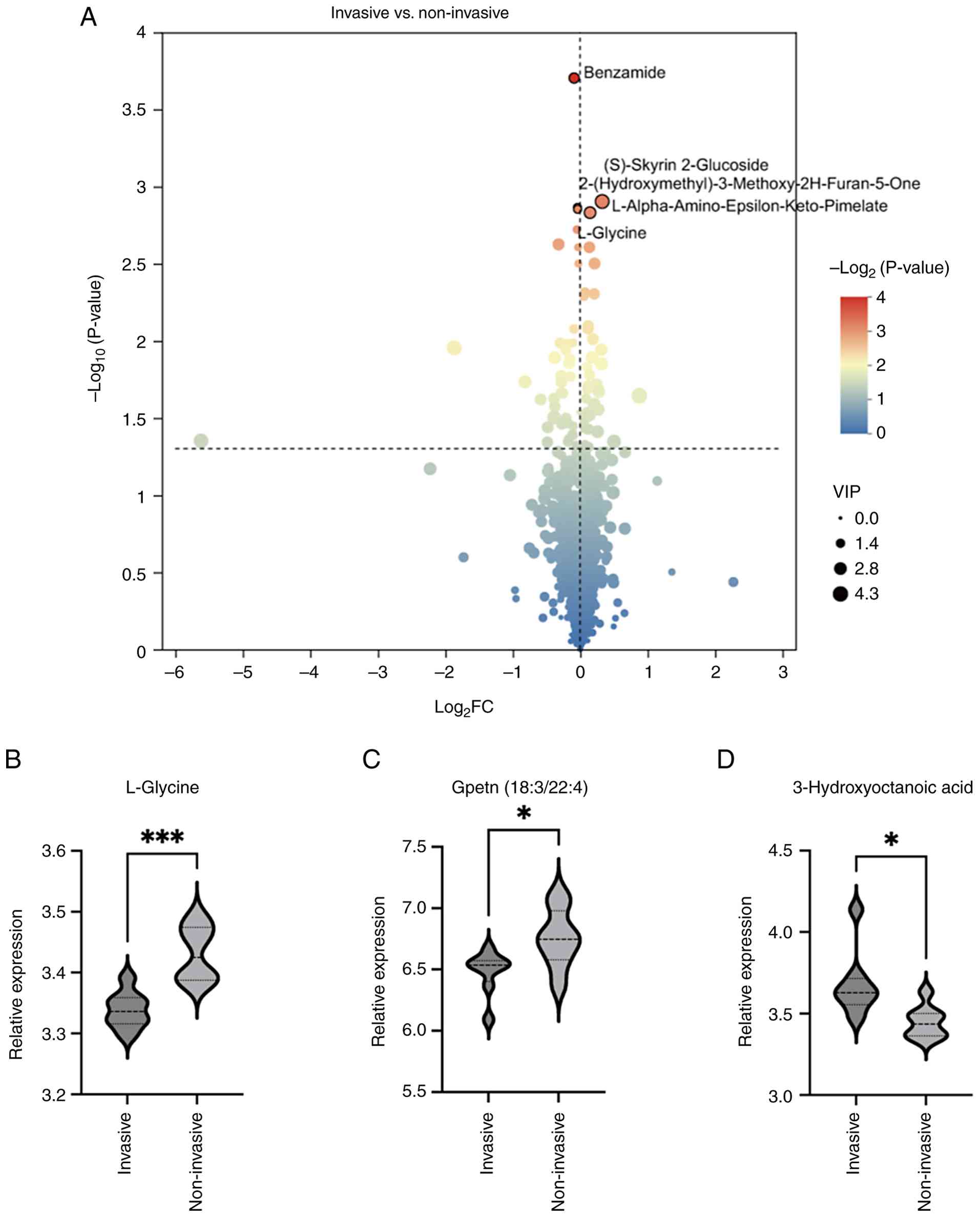
Figure 4

Identification and visualization of
differential metabolites in invasive vs. non-invasive pituitary
adenomas. (A) Overview of differential metabolites identified in
the invasive group compared with the non-invasive group. Violin
plots displaying metabolites (B) L-glycine, (C) Gpetn(18:3/22:4)
and (D) 3-hydroxyoctanoic acid that showed differential expression
across the invasive and non-invasive groups. *P<0.05 and
***P<0.001. FC, fold change.

Figure 5

Functional enrichment analysis of
differential metabolites between the invasive group and the
non-invasive group.

Figure 6

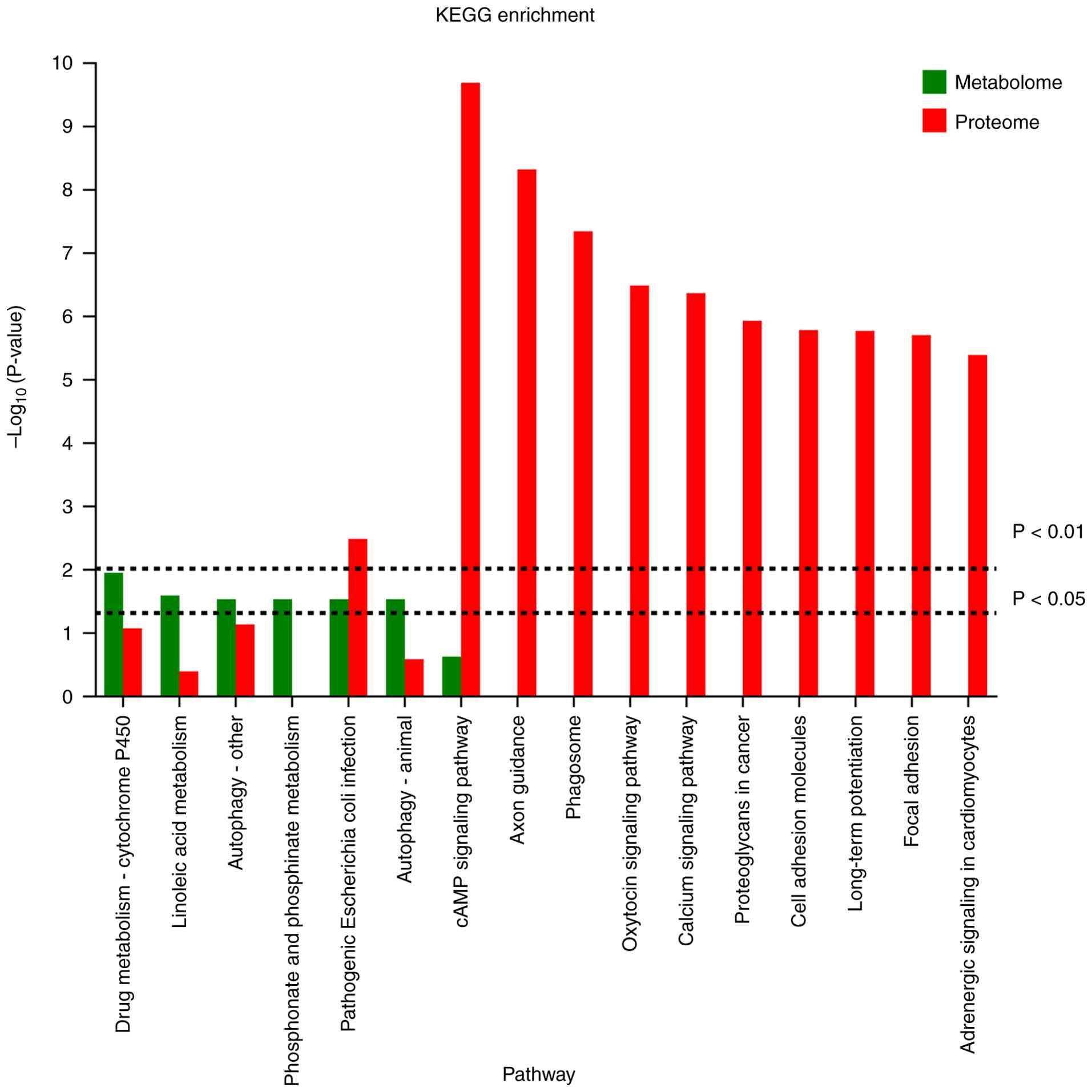
Combined analysis of differential
proteins and metabolites between the invasive group and the
non-invasive group. KEGG, Kyoto Encyclopedia of Genes and
Genomes.
View References

1 

Molitch ME: Diagnosis and treatment of pituitary adenomas: A review. JAMA. 317:516–524. 2017. View Article : Google Scholar : PubMed/NCBI

2 

Lefevre E, Chasseloup F, Hage M, Chanson P, Buchfelder M and Kamenický P: Clinical and therapeutic implications of cavernous sinus invasion in pituitary adenomas. Endocrine. 85:1058–1065. 2024. View Article : Google Scholar : PubMed/NCBI

3 

Lu L, Wan X, Xu Y, Chen J, Shu K and Lei T: Prognostic factors for recurrence in pituitary adenomas: Recent progress and future directions. Diagnostics (Basel). 12:9772022. View Article : Google Scholar : PubMed/NCBI

4 

Chen L, White WL, Spetzler RF and Xu B: A prospective study of nonfunctioning pituitary adenomas: Presentation, management, and clinical outcome. J Neurooncol. 102:129–138. 2011. View Article : Google Scholar : PubMed/NCBI

5 

Raverot G, Ilie MD, Lasolle H, Amodru V, Trouillas J, Castinetti F and Brue T: Aggressive pituitary tumours and pituitary carcinomas. Nat Rev Endocrinol. 17:671–684. 2021. View Article : Google Scholar : PubMed/NCBI

6 

James EL and Parkinson EK: Serum metabolomics in animal models and human disease. Curr Opin Clin Nutr Metabolic Care. 18:478–483. 2015.PubMed/NCBI

7 

Kwon YW, Jo HS, Bae S, Seo Y, Song P, Song M and Yoon JH: Application of proteomics in cancer: Recent trends and approaches for biomarkers discovery. Front Med. 8:7473332021. View Article : Google Scholar : PubMed/NCBI

8 

Knosp E, Steiner E, Kitz K and Matula C: Pituitary adenomas with invasion of the cavernous sinus space: A magnetic resonance imaging classification compared with surgical findings. Neurosurgery. 33:610–617. 1993. View Article : Google Scholar : PubMed/NCBI

9 

Cox J, Hein MY, Luber CA, Paron I, Nagaraj N and Mann M: Accurate proteome-wide label-free quantification by delayed normalization and maximal peptide ratio extraction, termed MaxLFQ. Mol Cell Proteomics. 13:2513–2526. 2014. View Article : Google Scholar : PubMed/NCBI

10 

Smyth GK: Linear models and empirical bayes methods for assessing differential expression in microarray experiments. Stat Appl Genet Mol Biol. 3:1–25. 2004. View Article : Google Scholar : PubMed/NCBI

11 

Szklarczyk D, Kirsch R, Koutrouli M, Nastou K, Mehryary F, Hachilif R, Gable AL, Fang T, Doncheva NT, Pyysalo S, et al: The STRING database in 2023: Protein-protein association networks and functional enrichment analyses for any sequenced genome of interest. Nucleic Acids Res. 51:D638–D646. 2023. View Article : Google Scholar : PubMed/NCBI

12 

Casado-Vela J, Cebrián A, del Pulgar MT and Lacal JC: Approaches for the study of cancer: Towards the integration of genomics, proteomics and metabolomics. Clin Transl Oncol. 13:617–628. 2011. View Article : Google Scholar : PubMed/NCBI

13 

Sassone-Corsi P: The cyclic AMP pathway. Cold Spring Harb Perspect Biol. 4:a0111482012. View Article : Google Scholar : PubMed/NCBI

14 

Steven A, Friedrich M, Jank P, Heimer N, Budczies J, Denkert C and Seliger B: What turns CREB on? And off? And why does it matter? Cell Mol Life Sci. 77:4049–4067. 2020. View Article : Google Scholar : PubMed/NCBI

15 

Häfner S, Adler HS, Mischak H, Janosch P, Heidecker G, Wolfman A, Pippig S, Lohse M, Ueffing M and Kolch W: Mechanism of inhibition of raf-1 by protein kinase a. Mo Cell Biol. 14:6696–6703. 1994. View Article : Google Scholar : PubMed/NCBI

16 

Jensen J, Brennesvik EO, Lai YC and Shepherd PR: GSK-3beta regulation in skeletal muscles by adrenaline and insulin: Evidence that PKA and PKB regulate different pools of GSK-3. Cell Signal. 19:204–210. 2007. View Article : Google Scholar : PubMed/NCBI

17 

Wang M, Li Y, Wang R, Wang Z, Chen K, Zhou B, Zhou Z and Sun X: PKA RIα/a-kinase anchoring proteins 10 signaling pathway and the prognosis of colorectal cancer. J Gastroenterol Hepatol. 30:496–503. 2015. View Article : Google Scholar : PubMed/NCBI

18 

Finger EC, Castellini L, Rankin EB, Vilalta M, Krieg AJ, Jiang D, Banh A, Zundel W, Powell MB and Giaccia AJ: Hypoxic induction of AKAP12 variant 2 shifts PKA-mediated protein phosphorylation to enhance migration and metastasis of melanoma cells. Proc Natl Acad Sci USA. 112:4441–4446. 2015. View Article : Google Scholar : PubMed/NCBI

19 

Shaikh D, Zhou Q, Chen T, Ibe JCF, Raj JU and Zhou G: cAMP-dependent protein kinase is essential for hypoxia-mediated epithelial-mesenchymal transition, migration, and invasion in lung cancer cells. Cell Signal. 24:2396–2406. 2012. View Article : Google Scholar : PubMed/NCBI

20 

Tonucci FM, Almada E, Borini-Etichetti C, Pariani A, Hidalgo F, Rico MJ, Girardini J, Favre C, Goldenring JR, Menacho-Marquez M and Larocca MC: Identification of a CIP4 PKA phosphorylation site involved in the regulation of cancer cell invasiveness and metastasis. Cancer Lett. 461:65–77. 2019. View Article : Google Scholar : PubMed/NCBI

21 

McKenzie AJ, Campbell SL and Howe AK: Protein kinase A activity and anchoring are required for ovarian cancer cell migration and invasion. PLoS One. 6:e265522011. View Article : Google Scholar : PubMed/NCBI

22 

Bizzi MF, Bolger GB, Korbonits M and Ribeiro-Oliveira Jr: Phosphodiesterases and cAMP pathway in pituitary diseases. Front Endocrinol (Lausanne). 10:1412019. View Article : Google Scholar : PubMed/NCBI

23 

Lania A, Mantovani G and Spada A: cAMP pathway and pituitary tumorigenesis. Ann Endocrinol (Paris). 73:73–75. 2012. View Article : Google Scholar : PubMed/NCBI

24 

Pertuit M, Barlier A, Enjalbert A and Gérard C: Signalling pathway alterations in pituitary adenomas: Involvement of gsα, cAMP and mitogen-activated protein kinases. J Neuroendocrinol. 21:869–877. 2009. View Article : Google Scholar : PubMed/NCBI

25 

Singh AP, Sharma S, Pagarware K, Siraji RA, Ansari I, Mandal A, Walling P and Aijaz S: Enteropathogenic E. coli effectors EspF and Map independently disrupt tight junctions through distinct mechanisms involving transcriptional and post-transcriptional regulation. Sci Rep. 8:37192018. View Article : Google Scholar : PubMed/NCBI

26 

Croxen MA and Finlay BB: Molecular mechanisms of escherichia coli pathogenicity. Nat Rev Microbiol. 8:26–38. 2010. View Article : Google Scholar : PubMed/NCBI

27 

Li X and Wang J: Mechanical tumor microenvironment and transduction: Cytoskeleton mediates cancer cell invasion and metastasis. Int J Biol Sci. 16:2014–2028. 2020. View Article : Google Scholar : PubMed/NCBI

28 

Aseervatham J: Cytoskeletal remodeling in cancer. Biology (Basel). 9:3852020.PubMed/NCBI

29 

Nejman D, Livyatan I, Fuks G, Gavert N, Zwang Y, Geller LT, Rotter-Maskowitz A, Weiser R, Mallel G, Gigi E, et al: The human tumor microbiome is composed of tumor type-specific intracellular bacteria. Science. 368:973–980. 2020. View Article : Google Scholar : PubMed/NCBI

30 

Niño JL, Wu H, LaCourse KD, Kempchinsky AG, Baryiames A, Barber B, Futran N, Houlton J, Sather C, Sicinska E, et al: Effect of the intratumoral microbiota on spatial and cellular heterogeneity in cancer. Nature. 611:810–817. 2022. View Article : Google Scholar : PubMed/NCBI

31 

Kalaora S, Nagler A, Nejman D, Alon M, Barbolin C, Barnea E, Ketelaars SLC, Cheng K, Vervier K, Shental N, et al: Identification of bacteria-derived HLA-bound peptides in melanoma. Nature. 592:138–143. 2021. View Article : Google Scholar : PubMed/NCBI

32 

Hu J, Yang J, Chen L, Meng X, Zhang X, Li W, Li Z and Huang G: Alterations of the gut microbiome in patients with pituitary adenoma. Pathol Oncol Res. 28:16104022022. View Article : Google Scholar : PubMed/NCBI

33 

Nie D, Li C and Zhang Y: PitNETs and the gut microbiota: Potential connections, future directions. Front Endocrinol (Lausanne). 14:12559112023. View Article : Google Scholar : PubMed/NCBI

34 

Südhof TC: The synaptic vesicle cycle. Ann Rev Neurosci. 27:509–547. 2004. View Article : Google Scholar : PubMed/NCBI

35 

Chanaday NL, Cousin MA, Milosevic I, Watanabe S and Morgan JR: The synaptic vesicle cycle revisited: New insights into the modes and mechanisms. J Neurosci. 39:8209–8216. 2019. View Article : Google Scholar : PubMed/NCBI

36 

Rizo J and Südhof TC: The membrane fusion enigma: SNAREs, Sec1/Munc18 proteins, and their accomplices-guilty as charged? Annu Rev Cell Dev Biol. 28:279–308. 2012. View Article : Google Scholar : PubMed/NCBI

37 

Sheng B, Jiang Y, Wu D, Lai N, Ye Z, Zhang B, Fang X and Xu S: RNAi-mediated SYT14 knockdown inhibits the growth of human glioma cell line U87MG. Brain Res Bull. 140:60–64. 2018. View Article : Google Scholar : PubMed/NCBI

38 

Taylor KR, Barron T, Hui A, Spitzer A, Yalçin B, Ivec AE, Geraghty AC, Hartmann GG, Arzt M, Gillespie SM, et al: Glioma synapses recruit mechanisms of adaptive plasticity. Nature. 623:366–374. 2023. View Article : Google Scholar : PubMed/NCBI

39 

Venkatesh HS, Morishita W, Geraghty AC, Silverbush D, Gillespie SM, Arzt M, Tam LT, Espenel C, Ponnuswami A, Ni L, et al: Electrical and synaptic integration of glioma into neural circuits. Nature. 573:539–545. 2019. View Article : Google Scholar : PubMed/NCBI

40 

Venkataramani V, Tanev DI, Strahle C, Studier-Fischer A, Fankhauser L, Kessler T, Körber C, Kardorff M, Ratliff M, Xie R, et al: Glutamatergic synaptic input to glioma cells drives brain tumour progression. Nature. 573:532–538. 2019. View Article : Google Scholar : PubMed/NCBI

41 

Winkler F, Venkatesh HS, Amit M, Batchelor T, Demir IE, Deneen B, Gutmann DH, Hervey-Jumper S, Kuner T, Mabbott D, et al: Cancer neuroscience: State of the field, emerging directions. Cell. 186:1689–1707. 2023. View Article : Google Scholar : PubMed/NCBI

42 

Greengard P, Valtorta F, Czernik AJ and Benfenati F: Synaptic vesicle phosphoproteins and regulation of synaptic function. Science. 259:780–785. 1993. View Article : Google Scholar : PubMed/NCBI

43 

Baba T, Sakisaka T, Mochida S and Takai Y: PKA-catalyzed phosphorylation of tomosyn and its implication in Ca2+-dependent exocytosis of neurotransmitter. J Cell Biol. 170:1113–1125. 2005. View Article : Google Scholar : PubMed/NCBI

44 

Chheda MG, Ashery U, Thakur P, Rettig J and Sheng ZH: Phosphorylation of Snapin by PKA modulates its interaction with the SNARE complex. Nat Cell Biol. 3:331–338. 2001. View Article : Google Scholar : PubMed/NCBI

45 

Clementi F, Fesce R, Meldolesi J, Valtorta F, Hilfiker S, Pieribone VA, Czernik AJ, Kao HT, Augustine GJ and Greengard P: Synapsins as regulators of neurotransmitter release. Philosophical Transactions of the Royal Society of London Series B: Biological Sciences. 354:269–279. 1999. View Article : Google Scholar

46 

Raja SA, Abbas S, Shah STA, Tariq A, Bibi N, Yousuf A, Khawaja A, Nawaz M, Mehmood A, Khan MJ and Hussain A: Increased expression levels of Syntaxin 1A and Synaptobrevin 2/vesicle-associated membrane protein-2 are associated with the progression of bladder cancer. Genet Mol Biol. 42:40–47. 2019. View Article : Google Scholar : PubMed/NCBI

47 

Hasan N and Hu C: Vesicle-associated membrane protein 2 mediates trafficking of alpha5beta1 integrin to the plasma membrane. Exp Cell Res. 316:12–23. 2010. View Article : Google Scholar : PubMed/NCBI

48 

Trisciuoglio D and Degrassi F: The tubulin code and tubulin-modifying enzymes in autophagy and cancer. Cancers (Basel). 14:62021. View Article : Google Scholar : PubMed/NCBI

49 

Peters A, Rabe P, Krumbholz P, Kalwa H, Kraft R, Schöneberg T and Stäubert C: Natural biased signaling of hydroxycarboxylic acid receptor 3 and G protein-coupled receptor 84. Cell Commun Signal. 18:312020. View Article : Google Scholar : PubMed/NCBI

50 

Cho-Chung YS and Nesterova MV: Tumor reversion: Protein kinase A isozyme switching. Ann N Y Acad Sci. 1058:76–86. 2005. View Article : Google Scholar : PubMed/NCBI

Related Articles

  • Abstract
  • View
  • Download
  • Twitter
Copy and paste a formatted citation
Spandidos Publications style
Mao J, Chen X, Zheng W, Liu B, Li Z, Li Y, Zhong P, Chen S, Tan G, Wang C, Wang C, et al: Integrated proteomic and metabolomic profiling reveals molecular signatures underlying invasiveness in non‑functioning pituitary adenomas. Oncol Lett 31: 168, 2026.
APA
Mao, J., Chen, X., Zheng, W., Liu, B., Li, Z., Li, Y. ... Sun, J. (2026). Integrated proteomic and metabolomic profiling reveals molecular signatures underlying invasiveness in non‑functioning pituitary adenomas. Oncology Letters, 31, 168. https://doi.org/10.3892/ol.2026.15521
MLA
Mao, J., Chen, X., Zheng, W., Liu, B., Li, Z., Li, Y., Zhong, P., Chen, S., Tan, G., Wang, C., Sun, J."Integrated proteomic and metabolomic profiling reveals molecular signatures underlying invasiveness in non‑functioning pituitary adenomas". Oncology Letters 31.5 (2026): 168.
Chicago
Mao, J., Chen, X., Zheng, W., Liu, B., Li, Z., Li, Y., Zhong, P., Chen, S., Tan, G., Wang, C., Sun, J."Integrated proteomic and metabolomic profiling reveals molecular signatures underlying invasiveness in non‑functioning pituitary adenomas". Oncology Letters 31, no. 5 (2026): 168. https://doi.org/10.3892/ol.2026.15521
Copy and paste a formatted citation
x
Spandidos Publications style
Mao J, Chen X, Zheng W, Liu B, Li Z, Li Y, Zhong P, Chen S, Tan G, Wang C, Wang C, et al: Integrated proteomic and metabolomic profiling reveals molecular signatures underlying invasiveness in non‑functioning pituitary adenomas. Oncol Lett 31: 168, 2026.
APA
Mao, J., Chen, X., Zheng, W., Liu, B., Li, Z., Li, Y. ... Sun, J. (2026). Integrated proteomic and metabolomic profiling reveals molecular signatures underlying invasiveness in non‑functioning pituitary adenomas. Oncology Letters, 31, 168. https://doi.org/10.3892/ol.2026.15521
MLA
Mao, J., Chen, X., Zheng, W., Liu, B., Li, Z., Li, Y., Zhong, P., Chen, S., Tan, G., Wang, C., Sun, J."Integrated proteomic and metabolomic profiling reveals molecular signatures underlying invasiveness in non‑functioning pituitary adenomas". Oncology Letters 31.5 (2026): 168.
Chicago
Mao, J., Chen, X., Zheng, W., Liu, B., Li, Z., Li, Y., Zhong, P., Chen, S., Tan, G., Wang, C., Sun, J."Integrated proteomic and metabolomic profiling reveals molecular signatures underlying invasiveness in non‑functioning pituitary adenomas". Oncology Letters 31, no. 5 (2026): 168. https://doi.org/10.3892/ol.2026.15521
Follow us
  • Twitter
  • LinkedIn
  • Facebook
About
  • Spandidos Publications
  • Careers
  • Cookie Policy
  • Privacy Policy
How can we help?
  • Help
  • Live Chat
  • Contact
  • Email to our Support Team