Spandidos Publications Logo
  • About
    • About Spandidos
    • Aims and Scopes
    • Abstracting and Indexing
    • Editorial Policies
    • Reprints and Permissions
    • Job Opportunities
    • Terms and Conditions
    • Contact
  • Journals
    • All Journals
    • Oncology Letters
      • Oncology Letters
      • Information for Authors
      • Editorial Policies
      • Editorial Board
      • Aims and Scope
      • Abstracting and Indexing
      • Bibliographic Information
      • Archive
    • International Journal of Oncology
      • International Journal of Oncology
      • Information for Authors
      • Editorial Policies
      • Editorial Board
      • Aims and Scope
      • Abstracting and Indexing
      • Bibliographic Information
      • Archive
    • Molecular and Clinical Oncology
      • Molecular and Clinical Oncology
      • Information for Authors
      • Editorial Policies
      • Editorial Board
      • Aims and Scope
      • Abstracting and Indexing
      • Bibliographic Information
      • Archive
    • Experimental and Therapeutic Medicine
      • Experimental and Therapeutic Medicine
      • Information for Authors
      • Editorial Policies
      • Editorial Board
      • Aims and Scope
      • Abstracting and Indexing
      • Bibliographic Information
      • Archive
    • International Journal of Molecular Medicine
      • International Journal of Molecular Medicine
      • Information for Authors
      • Editorial Policies
      • Editorial Board
      • Aims and Scope
      • Abstracting and Indexing
      • Bibliographic Information
      • Archive
    • Biomedical Reports
      • Biomedical Reports
      • Information for Authors
      • Editorial Policies
      • Editorial Board
      • Aims and Scope
      • Abstracting and Indexing
      • Bibliographic Information
      • Archive
    • Oncology Reports
      • Oncology Reports
      • Information for Authors
      • Editorial Policies
      • Editorial Board
      • Aims and Scope
      • Abstracting and Indexing
      • Bibliographic Information
      • Archive
    • Molecular Medicine Reports
      • Molecular Medicine Reports
      • Information for Authors
      • Editorial Policies
      • Editorial Board
      • Aims and Scope
      • Abstracting and Indexing
      • Bibliographic Information
      • Archive
    • World Academy of Sciences Journal
      • World Academy of Sciences Journal
      • Information for Authors
      • Editorial Policies
      • Editorial Board
      • Aims and Scope
      • Abstracting and Indexing
      • Bibliographic Information
      • Archive
    • International Journal of Functional Nutrition
      • International Journal of Functional Nutrition
      • Information for Authors
      • Editorial Policies
      • Editorial Board
      • Aims and Scope
      • Abstracting and Indexing
      • Bibliographic Information
      • Archive
    • International Journal of Epigenetics
      • International Journal of Epigenetics
      • Information for Authors
      • Editorial Policies
      • Editorial Board
      • Aims and Scope
      • Abstracting and Indexing
      • Bibliographic Information
      • Archive
    • Medicine International
      • Medicine International
      • Information for Authors
      • Editorial Policies
      • Editorial Board
      • Aims and Scope
      • Abstracting and Indexing
      • Bibliographic Information
      • Archive
  • Articles
  • Information
    • Information for Authors
    • Information for Reviewers
    • Information for Librarians
    • Information for Advertisers
    • Conferences
  • Language Editing
Spandidos Publications Logo
  • About
    • About Spandidos
    • Aims and Scopes
    • Abstracting and Indexing
    • Editorial Policies
    • Reprints and Permissions
    • Job Opportunities
    • Terms and Conditions
    • Contact
  • Journals
    • All Journals
    • Biomedical Reports
      • Information for Authors
      • Editorial Policies
      • Editorial Board
      • Aims and Scope
      • Abstracting and Indexing
      • Bibliographic Information
      • Archive
    • Experimental and Therapeutic Medicine
      • Information for Authors
      • Editorial Policies
      • Editorial Board
      • Aims and Scope
      • Abstracting and Indexing
      • Bibliographic Information
      • Archive
    • International Journal of Epigenetics
      • Information for Authors
      • Editorial Policies
      • Editorial Board
      • Aims and Scope
      • Abstracting and Indexing
      • Bibliographic Information
      • Archive
    • International Journal of Functional Nutrition
      • Information for Authors
      • Editorial Policies
      • Editorial Board
      • Aims and Scope
      • Abstracting and Indexing
      • Bibliographic Information
      • Archive
    • International Journal of Molecular Medicine
      • Information for Authors
      • Editorial Policies
      • Editorial Board
      • Aims and Scope
      • Abstracting and Indexing
      • Bibliographic Information
      • Archive
    • International Journal of Oncology
      • Information for Authors
      • Editorial Policies
      • Editorial Board
      • Aims and Scope
      • Abstracting and Indexing
      • Bibliographic Information
      • Archive
    • Medicine International
      • Information for Authors
      • Editorial Policies
      • Editorial Board
      • Aims and Scope
      • Abstracting and Indexing
      • Bibliographic Information
      • Archive
    • Molecular and Clinical Oncology
      • Information for Authors
      • Editorial Policies
      • Editorial Board
      • Aims and Scope
      • Abstracting and Indexing
      • Bibliographic Information
      • Archive
    • Molecular Medicine Reports
      • Information for Authors
      • Editorial Policies
      • Editorial Board
      • Aims and Scope
      • Abstracting and Indexing
      • Bibliographic Information
      • Archive
    • Oncology Letters
      • Information for Authors
      • Editorial Policies
      • Editorial Board
      • Aims and Scope
      • Abstracting and Indexing
      • Bibliographic Information
      • Archive
    • Oncology Reports
      • Information for Authors
      • Editorial Policies
      • Editorial Board
      • Aims and Scope
      • Abstracting and Indexing
      • Bibliographic Information
      • Archive
    • World Academy of Sciences Journal
      • Information for Authors
      • Editorial Policies
      • Editorial Board
      • Aims and Scope
      • Abstracting and Indexing
      • Bibliographic Information
      • Archive
  • Articles
  • Information
    • For Authors
    • For Reviewers
    • For Librarians
    • For Advertisers
    • Conferences
  • Language Editing
Login Register Submit
  • This site uses cookies
  • You can change your cookie settings at any time by following the instructions in our Cookie Policy. To find out more, you may read our Privacy Policy.

    I agree
Search articles by DOI, keyword, author or affiliation
Search
Advanced Search
presentation
Oncology Reports
Join Editorial Board Propose a Special Issue
Print ISSN: 1021-335X Online ISSN: 1791-2431
Journal Cover
November-2014 Volume 32 Issue 5

Full Size Image

Sign up for eToc alerts
Recommend to Library

Journals

International Journal of Molecular Medicine

International Journal of Molecular Medicine

International Journal of Molecular Medicine is an international journal devoted to molecular mechanisms of human disease.

International Journal of Oncology

International Journal of Oncology

International Journal of Oncology is an international journal devoted to oncology research and cancer treatment.

Molecular Medicine Reports

Molecular Medicine Reports

Covers molecular medicine topics such as pharmacology, pathology, genetics, neuroscience, infectious diseases, molecular cardiology, and molecular surgery.

Oncology Reports

Oncology Reports

Oncology Reports is an international journal devoted to fundamental and applied research in Oncology.

Experimental and Therapeutic Medicine

Experimental and Therapeutic Medicine

Experimental and Therapeutic Medicine is an international journal devoted to laboratory and clinical medicine.

Oncology Letters

Oncology Letters

Oncology Letters is an international journal devoted to Experimental and Clinical Oncology.

Biomedical Reports

Biomedical Reports

Explores a wide range of biological and medical fields, including pharmacology, genetics, microbiology, neuroscience, and molecular cardiology.

Molecular and Clinical Oncology

Molecular and Clinical Oncology

International journal addressing all aspects of oncology research, from tumorigenesis and oncogenes to chemotherapy and metastasis.

World Academy of Sciences Journal

World Academy of Sciences Journal

Multidisciplinary open-access journal spanning biochemistry, genetics, neuroscience, environmental health, and synthetic biology.

International Journal of Functional Nutrition

International Journal of Functional Nutrition

Open-access journal combining biochemistry, pharmacology, immunology, and genetics to advance health through functional nutrition.

International Journal of Epigenetics

International Journal of Epigenetics

Publishes open-access research on using epigenetics to advance understanding and treatment of human disease.

Medicine International

Medicine International

An International Open Access Journal Devoted to General Medicine.

Journal Cover
November-2014 Volume 32 Issue 5

Full Size Image

Sign up for eToc alerts
Recommend to Library

  • Article
  • Citations
    • Cite This Article
    • Download Citation
    • Create Citation Alert
    • Remove Citation Alert
    • Cited By
  • Similar Articles
    • Related Articles (in Spandidos Publications)
    • Similar Articles (Google Scholar)
    • Similar Articles (PubMed)
  • Download PDF
  • Download XML
  • View XML
Article

Reactive oxygen species promote ovarian cancer progression via the HIF-1α/LOX/E-cadherin pathway

  • Authors:
    • Yu Wang
    • Jun Ma
    • Haoran Shen
    • Chengjie  Wang
    • Yueping  Sun
    • Stephen B. Howell
    • Xinjian Lin
  • View Affiliations / Copyright

    Affiliations: Department of Obstetrics and Gynecology, Renji Hospital, School of Medicine, Shanghai Jiaotong University, Shanghai, P.R. China, Department of Cell Biology, Key Laboratory of the Education Ministry for Cell Differentiation and Apoptosis, Institutes of Medical Sciences, School of Medicine, Shanghai Jiaotong University, Shanghai, P.R. China, Department of Medicine and UC San Diego Moores Cancer Center, University of California-San Diego, La Jolla, CA, USA
  • Pages: 2150-2158
    |
    Published online on: August 28, 2014
       https://doi.org/10.3892/or.2014.3448
  • Expand metrics +
Metrics: Total Views: 0 (Spandidos Publications: | PMC Statistics: )
Metrics: Total PDF Downloads: 0 (Spandidos Publications: | PMC Statistics: )
Cited By (CrossRef): 0 citations Loading Articles...

This article is mentioned in:


Abstract

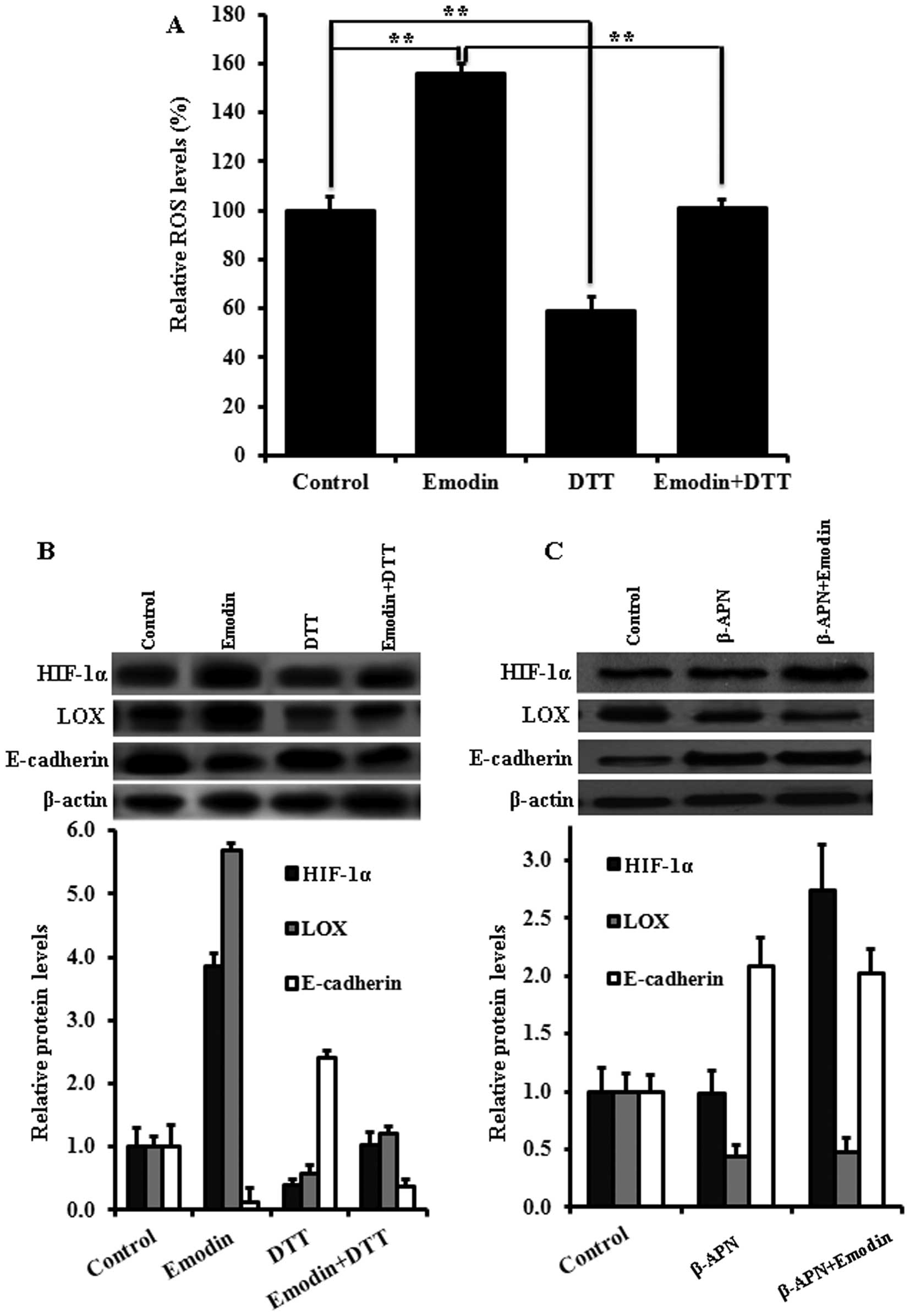
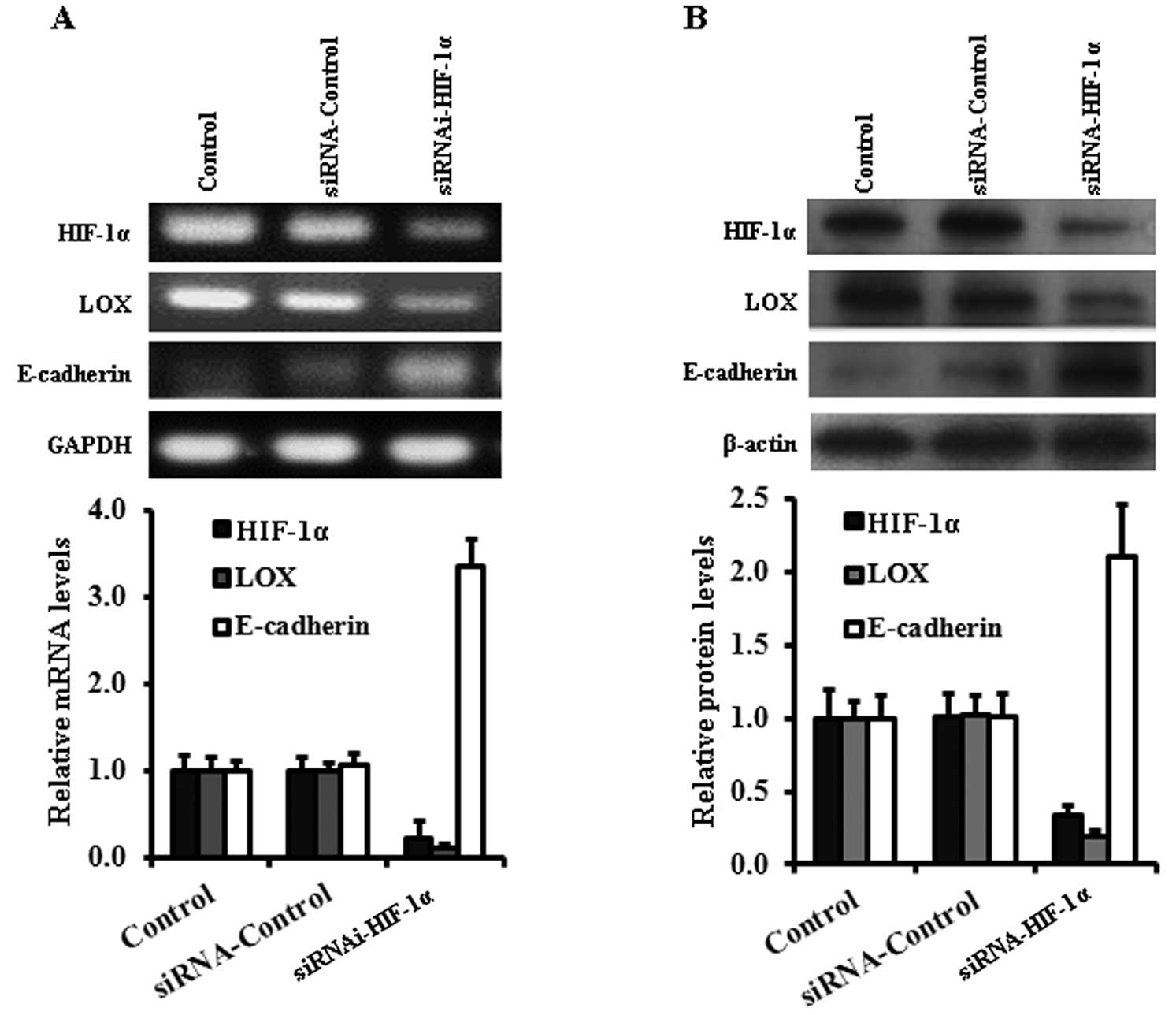
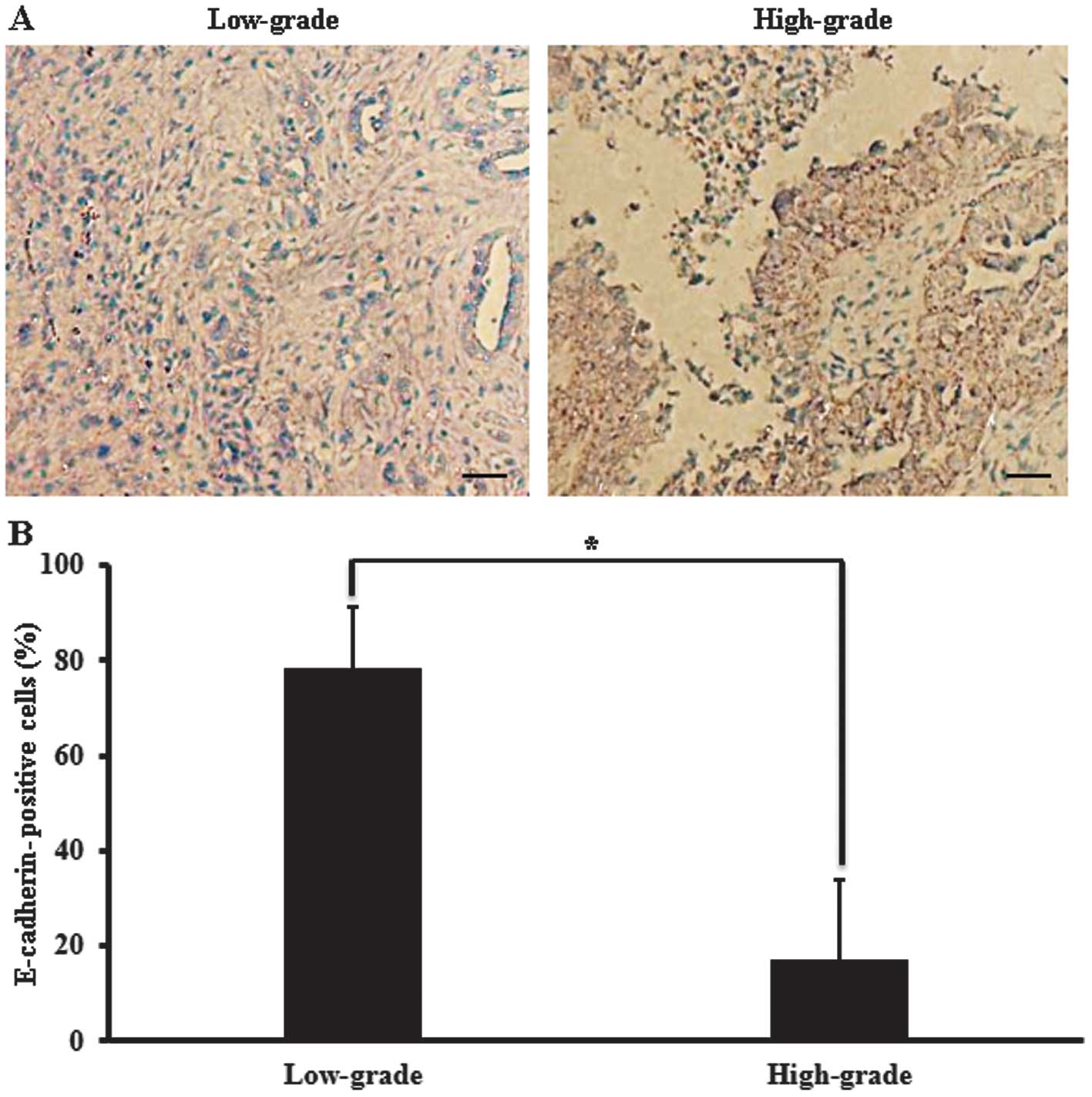
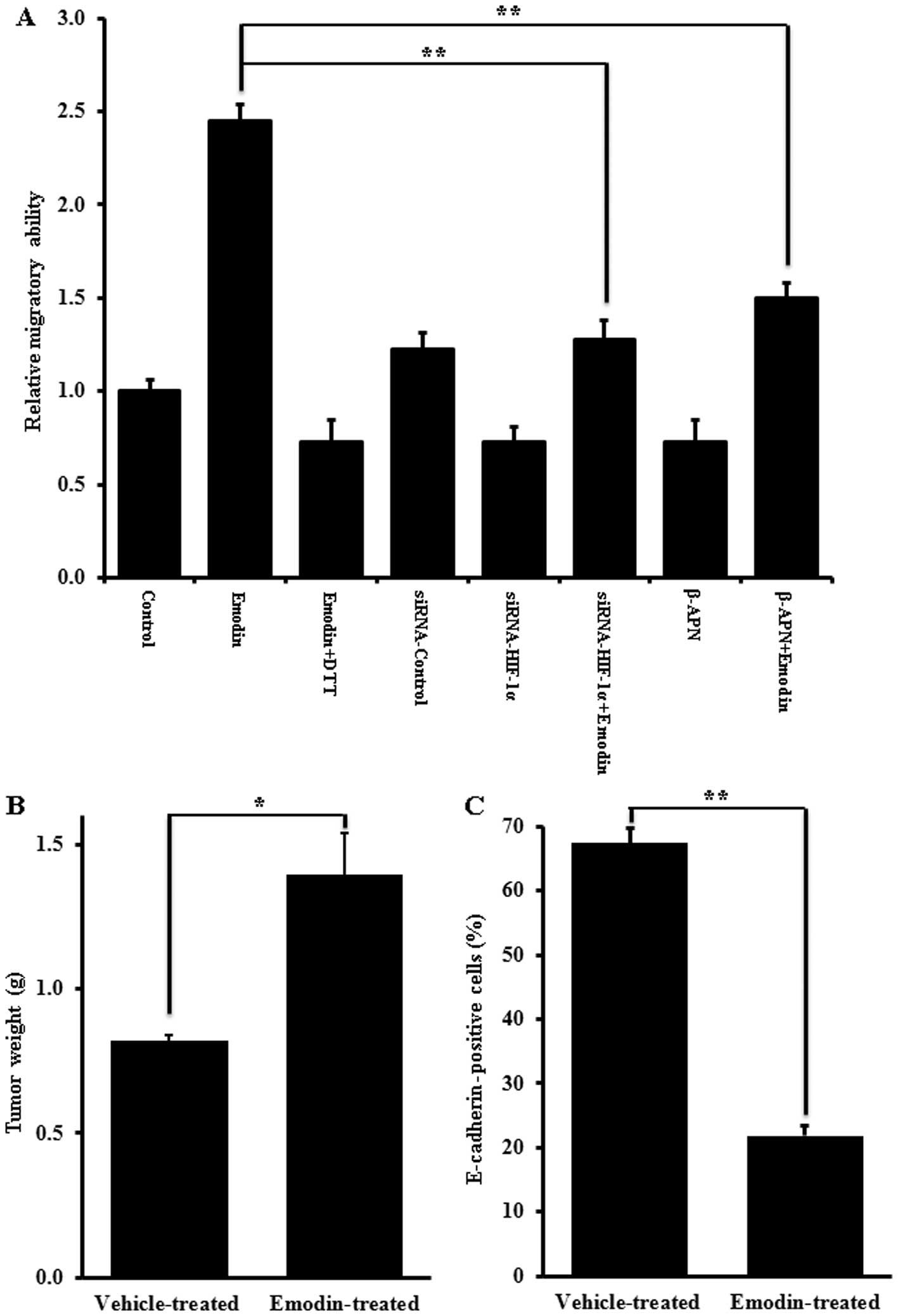
Reactive oxygen species (ROS) can drive the de‑differentiation of tumor cells leading to the process of epithelial-to-mesenchymal transition (EMT) to enhance invasion and metastasis. The invasive and metastatic phenotype of malignant cells is often linked to loss of E-cadherin expression, a hallmark of EMT. Recent studies have demonstrated that hypoxic exposure causes HIF-1-dependent repression of E-cadherin. However, the mechanism by which ROS and/or HIF suppresses E-cadherin expression remains less clear. In the present study, we found that ROS accumulation in ovarian carcinoma cells upregulated HIF-1α expression and subsequent transcriptional induction of lysyl oxidase (LOX) which repressed E-cadherin. Loss of E-cadherin facilitated ovarian cancer (OC) cell migration in vitro and promoted tumor growth in vivo. E-cadherin immunoreactivity correlated with International Federation of Gynecology and Obstetrics (FIGO) stage, tumor differentiation and metastasis. Negative E-cadherin expression along with FIGO stage, tumor differentiation and metastasis significantly predicted for a lower 5-year survival rate. These findings suggest that ROS play an important role in the initiation of metastatic growth of OC cells and support a molecular pathway from ROS to aggressive transformation which involves upregulation of HIF-1α and its downstream target LOX to suppress E-cadherin expression leading to an increase in cell motility and invasiveness.
View Figures

Figure 1

Figure 2

Figure 3

Figure 4

View References

1 

Siegel R, Naishadham D and Jemal A: Cancer statistics, 2013. CA Cancer J Clin. 63:11–30. 2013. View Article : Google Scholar

2 

Thibault B, Castells M, Delord JP and Couderc B: Ovarian cancer microenvironment: implications for cancer dissemination and chemoresistance acquisition. Cancer Metastasis Rev. Dec 20–2013.(Epub ahead of print).

3 

Ozols RF, Bundy BN, Greer BE, et al: Phase III trial of carboplatin and paclitaxel compared with cisplatin and paclitaxel in patients with optimally resected stage III ovarian cancer: a Gynecologic Oncology Group study. J Clin Oncol. 21:3194–3200. 2003. View Article : Google Scholar : PubMed/NCBI

4 

Garcia AA, Hirte H, Fleming G, et al: Phase II clinical trial of bevacizumab and low-dose metronomic oral cyclophosphamide in recurrent ovarian cancer: a trial of the California, Chicago, and Princess Margaret Hospital phase II consortia. J Clin Oncol. 26:76–82. 2008. View Article : Google Scholar

5 

Penson RT, Dizon DS, Cannistra SA, et al: Phase II study of carboplatin, paclitaxel, and bevacizumab with maintenance bevacizumab as first-line chemotherapy for advanced mullerian tumors. J Clin Oncol. 28:154–159. 2010. View Article : Google Scholar : PubMed/NCBI

6 

Berkenblit A, Seiden MV, Matulonis UA, et al: A phase II trial of weekly docetaxel in patients with platinum-resistant epithelial ovarian, primary peritoneal serous cancer, or fallopian tube cancer. Gynecol Oncol. 95:624–631. 2004. View Article : Google Scholar : PubMed/NCBI

7 

Agarwal R and Kaye SB: Ovarian cancer: strategies for overcoming resistance to chemotherapy. Nat Rev Cancer. 3:502–516. 2003. View Article : Google Scholar : PubMed/NCBI

8 

Cannistra SA: Cancer of the ovary. N Engl J Med. 351:2519–2529. 2004. View Article : Google Scholar : PubMed/NCBI

9 

Hennessy BT, Coleman RL and Markman M: Ovarian cancer. Lancet. 374:1371–1382. 2009. View Article : Google Scholar : PubMed/NCBI

10 

Joyce JA and Pollard JW: Microenvironmental regulation of metastasis. Nat Rev Cancer. 9:239–252. 2009. View Article : Google Scholar : PubMed/NCBI

11 

Vaupel P, Kallinowski F and Okunieff P: Blood flow, oxygen and nutrient supply, and metabolic microenvironment of human tumors: a review. Cancer Res. 49:6449–6465. 1989.PubMed/NCBI

12 

Anderson AR, Weaver AM, Cummings PT and Quaranta V: Tumor morphology and phenotypic evolution driven by selective pressure from the microenvironment. Cell. 127:905–915. 2006. View Article : Google Scholar : PubMed/NCBI

13 

Rademakers SE, Span PN, Kaanders JH, Sweep FC, van der Kogel AJ and Bussink J: Molecular aspects of tumour hypoxia. Mol Oncol. 2:41–53. 2008. View Article : Google Scholar

14 

Chan DA, Sutphin PD, Yen SE and Giaccia AJ: Coordinate regulation of the oxygen-dependent degradation domains of hypoxia-inducible factor 1α. Mol Cell Biol. 25:6415–6426. 2005.PubMed/NCBI

15 

Ratcliffe PJ, O’Rourke JF, Maxwell PH and Pugh CW: Oxygen sensing, hypoxia-inducible factor-1 and the regulation of mammalian gene expression. J Exp Biol. 201:1153–1162. 1998.PubMed/NCBI

16 

Semenza GL: Defining the role of hypoxia-inducible factor 1 in cancer biology and therapeutics. Oncogene. 29:625–634. 2010. View Article : Google Scholar : PubMed/NCBI

17 

Bell EL, Klimova TA, Eisenbart J, et al: The Qo site of the mitochondrial complex III is required for the transduction of hypoxic signaling via reactive oxygen species production. J Cell Biol. 177:1029–1036. 2007. View Article : Google Scholar : PubMed/NCBI

18 

Chandel NS, McClintock DS, Feliciano CE, et al: Reactive oxygen species generated at mitochondrial complex III stabilize hypoxia-inducible factor-1α during hypoxia: a mechanism of O2 sensing. J Biol Chem. 275:25130–25138. 2000.

19 

Callapina M, Zhou J, Schmid T, Köhl R and Brüne B: NO restores HIF-1α hydroxylation during hypoxia: role of reactive oxygen species. Free Radic Biol Med. 39:925–936. 2005.

20 

Erler JT, Bennewith KL, Nicolau M, et al: Lysyl oxidase is essential for hypoxia-induced metastasis. Nature. 440:1222–1226. 2006. View Article : Google Scholar : PubMed/NCBI

21 

Stewart GD, Gray K, Pennington CJ, et al: Analysis of hypoxia-associated gene expression in prostate cancer: lysyl oxidase and glucose transporter-1 expression correlate with Gleason score. Oncol Rep. 20:1561–1567. 2008.PubMed/NCBI

22 

Schietke R, Warnecke C, Wacker I, et al: The lysyl oxidases LOX and LOXL2 are necessary and sufficient to repress E-cadherin in hypoxia: insights into cellular transformation processes mediated by HIF-1. J Biol Chem. 285:6658–6669. 2010. View Article : Google Scholar : PubMed/NCBI

23 

Pez F, Dayan F, Durivault J, et al: The HIF-1-inducible lysyl oxidase activates HIF-1 via the Akt pathway in a positive regulation loop and synergizes with HIF-1 in promoting tumor cell growth. Cancer Res. 71:1647–1657. 2011. View Article : Google Scholar : PubMed/NCBI

24 

Ji F, Wang Y, Qiu L, et al: Hypoxia inducible factor 1α-mediated LOX expression correlates with migration and invasion in epithelial ovarian cancer. Int J Oncol. 42:1578–1588. 2013.

25 

Wang V, Davis DA, Haque M, Huang LE and Yarchoan R: Differential gene up-regulation by hypoxia-inducible factor-1α and hypoxia-inducible factor-2α in HEK293T cells. Cancer Res. 65:3299–3306. 2005.

26 

Elvidge GP, Glenny L, Appelhoff RJ, Ratcliffe PJ, Ragoussis J and Gleadle JM: Concordant regulation of gene expression by hypoxia and 2-oxoglutarate-dependent dioxygenase inhibition: the role of HIF-1α, HIF-2α, and other pathways. J Biol Chem. 281:15215–15226. 2006.PubMed/NCBI

27 

Warnecke C, Weidemann A, Volke M, et al: The specific contribution of hypoxia-inducible factor-2α to hypoxic gene expression in vitro is limited and modulated by cell type-specific and exogenous factors. Exp Cell Res. 314:2016–2027. 2008.

28 

Kagan HM and Li W: Lysyl oxidase: properties, specificity, and biological roles inside and outside of the cell. J Cell Biochem. 88:660–672. 2003. View Article : Google Scholar : PubMed/NCBI

29 

Payne SL, Hendrix MJ and Kirschmann DA: Paradoxical roles for lysyl oxidases in cancer - a prospect. J Cell Biochem. 101:1338–1354. 2007. View Article : Google Scholar : PubMed/NCBI

30 

Polgar N, Fogelgren B, Shipley JM and Csiszar K: Lysyl oxidase interacts with hormone placental lactogen and synergistically promotes breast epithelial cell proliferation and migration. J Biol Chem. 282:3262–3272. 2007. View Article : Google Scholar : PubMed/NCBI

31 

Sullivan R and Graham CH: Hypoxia-driven selection of the metastatic phenotype. Cancer Metastasis Rev. 26:319–331. 2007. View Article : Google Scholar : PubMed/NCBI

32 

Axelson H, Fredlund E, Ovenberger M, Landberg G and Påhlman S: Hypoxia-induced dedifferentiation of tumor cells - a mechanism behind heterogeneity and aggressiveness of solid tumors. Semin Cell Dev Biol. 16:554–563. 2005. View Article : Google Scholar : PubMed/NCBI

33 

Hanahan D and Weinberg RA: Hallmarks of cancer: the next generation. Cell. 144:646–674. 2011. View Article : Google Scholar : PubMed/NCBI

34 

Imai T, Horiuchi A, Wang C, et al: Hypoxia attenuates the expression of E-cadherin via up-regulation of SNAIL in ovarian carcinoma cells. Am J Pathol. 163:1437–1447. 2003. View Article : Google Scholar : PubMed/NCBI

35 

Esteban MA, Tran MG, Harten SK, et al: Regulation of E-cadherin expression by VHL and hypoxia-inducible factor. Cancer Res. 66:3567–3575. 2006. View Article : Google Scholar : PubMed/NCBI

36 

Krishnamachary B, Zagzag D, Nagasawa H, et al: Hypoxia-inducible factor-1-dependent repression of E-cadherin in von Hippel-Lindau tumor suppressor-null renal cell carcinoma mediated by TCF3, ZFHX1A, and ZFHX1B. Cancer Res. 66:2725–2731. 2006.PubMed/NCBI

37 

Peinado H, Del Carmen Iglesias-de la Cruz M, Olmeda D, et al: A molecular role for lysyl oxidase-like 2 enzyme in snail regulation and tumor progression. EMBO J. 24:3446–3458. 2005. View Article : Google Scholar : PubMed/NCBI

38 

Peng HL, He L and Zhao X: Association of reduced immunohistochemical expression of E-cadherin with a poor ovarian cancer prognosis - results of a meta-analysis. Asian Pac J Cancer Prev. 13:2003–2007. 2012. View Article : Google Scholar : PubMed/NCBI

39 

Cai J, Niu X, Chen Y, et al: Emodin-induced generation of reactive oxygen species inhibits RhoA activation to sensitize gastric carcinoma cells to anoikis. Neoplasia. 10:41–51. 2008. View Article : Google Scholar : PubMed/NCBI

40 

Dinh P, Harnett P, Piccart-Gebhart MJ and Awada A: New therapies for ovarian cancer: cytotoxics and molecularly targeted agents. Crit Rev Oncol Hematol. 67:103–112. 2008. View Article : Google Scholar : PubMed/NCBI

41 

Galanis A, Pappa A, Giannakakis A, Lanitis E, Dangaj D and Sandaltzopoulos R: Reactive oxygen species and HIF-1 signalling in cancer. Cancer Lett. 266:12–20. 2008. View Article : Google Scholar : PubMed/NCBI

42 

Kirschmann DA, Seftor EA, Fong SF, et al: A molecular role for lysyl oxidase in breast cancer invasion. Cancer Res. 62:4478–4483. 2002.PubMed/NCBI

43 

Yoon SO, Park SJ, Yoon SY, Yun CH and Chung AS: Sustained production of H2O2 activates pro-matrix metalloproteinase-2 through receptor tyrosine kinases/phosphatidylinositol 3-kinase/NF-κB pathway. J Biol Chem. 277:30271–30282. 2002.PubMed/NCBI

44 

Woznick AR, Braddock AL, Dulai M, et al: Lysyl oxidase expression in bronchogenic carcinoma. Am J Surg. 189:297–301. 2005. View Article : Google Scholar : PubMed/NCBI

Related Articles

  • Abstract
  • View
  • Download
  • Twitter
Copy and paste a formatted citation
Spandidos Publications style
Wang Y, Ma J, Shen H, Wang C, Sun Y, Howell SB and Lin X: Reactive oxygen species promote ovarian cancer progression via the HIF-1α/LOX/E-cadherin pathway. Oncol Rep 32: 2150-2158, 2014.
APA
Wang, Y., Ma, J., Shen, H., Wang, C., Sun, Y., Howell, S.B., & Lin, X. (2014). Reactive oxygen species promote ovarian cancer progression via the HIF-1α/LOX/E-cadherin pathway. Oncology Reports, 32, 2150-2158. https://doi.org/10.3892/or.2014.3448
MLA
Wang, Y., Ma, J., Shen, H., Wang, C., Sun, Y., Howell, S. B., Lin, X."Reactive oxygen species promote ovarian cancer progression via the HIF-1α/LOX/E-cadherin pathway". Oncology Reports 32.5 (2014): 2150-2158.
Chicago
Wang, Y., Ma, J., Shen, H., Wang, C., Sun, Y., Howell, S. B., Lin, X."Reactive oxygen species promote ovarian cancer progression via the HIF-1α/LOX/E-cadherin pathway". Oncology Reports 32, no. 5 (2014): 2150-2158. https://doi.org/10.3892/or.2014.3448
Copy and paste a formatted citation
x
Spandidos Publications style
Wang Y, Ma J, Shen H, Wang C, Sun Y, Howell SB and Lin X: Reactive oxygen species promote ovarian cancer progression via the HIF-1α/LOX/E-cadherin pathway. Oncol Rep 32: 2150-2158, 2014.
APA
Wang, Y., Ma, J., Shen, H., Wang, C., Sun, Y., Howell, S.B., & Lin, X. (2014). Reactive oxygen species promote ovarian cancer progression via the HIF-1α/LOX/E-cadherin pathway. Oncology Reports, 32, 2150-2158. https://doi.org/10.3892/or.2014.3448
MLA
Wang, Y., Ma, J., Shen, H., Wang, C., Sun, Y., Howell, S. B., Lin, X."Reactive oxygen species promote ovarian cancer progression via the HIF-1α/LOX/E-cadherin pathway". Oncology Reports 32.5 (2014): 2150-2158.
Chicago
Wang, Y., Ma, J., Shen, H., Wang, C., Sun, Y., Howell, S. B., Lin, X."Reactive oxygen species promote ovarian cancer progression via the HIF-1α/LOX/E-cadherin pathway". Oncology Reports 32, no. 5 (2014): 2150-2158. https://doi.org/10.3892/or.2014.3448
Follow us
  • Twitter
  • LinkedIn
  • Facebook
About
  • Spandidos Publications
  • Careers
  • Cookie Policy
  • Privacy Policy
How can we help?
  • Help
  • Live Chat
  • Contact
  • Email to our Support Team