Spandidos Publications Logo
  • About
    • About Spandidos
    • Aims and Scopes
    • Abstracting and Indexing
    • Editorial Policies
    • Reprints and Permissions
    • Job Opportunities
    • Terms and Conditions
    • Contact
  • Journals
    • All Journals
    • Oncology Letters
      • Oncology Letters
      • Information for Authors
      • Editorial Policies
      • Editorial Board
      • Aims and Scope
      • Abstracting and Indexing
      • Bibliographic Information
      • Archive
    • International Journal of Oncology
      • International Journal of Oncology
      • Information for Authors
      • Editorial Policies
      • Editorial Board
      • Aims and Scope
      • Abstracting and Indexing
      • Bibliographic Information
      • Archive
    • Molecular and Clinical Oncology
      • Molecular and Clinical Oncology
      • Information for Authors
      • Editorial Policies
      • Editorial Board
      • Aims and Scope
      • Abstracting and Indexing
      • Bibliographic Information
      • Archive
    • Experimental and Therapeutic Medicine
      • Experimental and Therapeutic Medicine
      • Information for Authors
      • Editorial Policies
      • Editorial Board
      • Aims and Scope
      • Abstracting and Indexing
      • Bibliographic Information
      • Archive
    • International Journal of Molecular Medicine
      • International Journal of Molecular Medicine
      • Information for Authors
      • Editorial Policies
      • Editorial Board
      • Aims and Scope
      • Abstracting and Indexing
      • Bibliographic Information
      • Archive
    • Biomedical Reports
      • Biomedical Reports
      • Information for Authors
      • Editorial Policies
      • Editorial Board
      • Aims and Scope
      • Abstracting and Indexing
      • Bibliographic Information
      • Archive
    • Oncology Reports
      • Oncology Reports
      • Information for Authors
      • Editorial Policies
      • Editorial Board
      • Aims and Scope
      • Abstracting and Indexing
      • Bibliographic Information
      • Archive
    • Molecular Medicine Reports
      • Molecular Medicine Reports
      • Information for Authors
      • Editorial Policies
      • Editorial Board
      • Aims and Scope
      • Abstracting and Indexing
      • Bibliographic Information
      • Archive
    • World Academy of Sciences Journal
      • World Academy of Sciences Journal
      • Information for Authors
      • Editorial Policies
      • Editorial Board
      • Aims and Scope
      • Abstracting and Indexing
      • Bibliographic Information
      • Archive
    • International Journal of Functional Nutrition
      • International Journal of Functional Nutrition
      • Information for Authors
      • Editorial Policies
      • Editorial Board
      • Aims and Scope
      • Abstracting and Indexing
      • Bibliographic Information
      • Archive
    • International Journal of Epigenetics
      • International Journal of Epigenetics
      • Information for Authors
      • Editorial Policies
      • Editorial Board
      • Aims and Scope
      • Abstracting and Indexing
      • Bibliographic Information
      • Archive
    • Medicine International
      • Medicine International
      • Information for Authors
      • Editorial Policies
      • Editorial Board
      • Aims and Scope
      • Abstracting and Indexing
      • Bibliographic Information
      • Archive
  • Articles
  • Information
    • Information for Authors
    • Information for Reviewers
    • Information for Librarians
    • Information for Advertisers
    • Conferences
  • Language Editing
Spandidos Publications Logo
  • About
    • About Spandidos
    • Aims and Scopes
    • Abstracting and Indexing
    • Editorial Policies
    • Reprints and Permissions
    • Job Opportunities
    • Terms and Conditions
    • Contact
  • Journals
    • All Journals
    • Biomedical Reports
      • Information for Authors
      • Editorial Policies
      • Editorial Board
      • Aims and Scope
      • Abstracting and Indexing
      • Bibliographic Information
      • Archive
    • Experimental and Therapeutic Medicine
      • Information for Authors
      • Editorial Policies
      • Editorial Board
      • Aims and Scope
      • Abstracting and Indexing
      • Bibliographic Information
      • Archive
    • International Journal of Epigenetics
      • Information for Authors
      • Editorial Policies
      • Editorial Board
      • Aims and Scope
      • Abstracting and Indexing
      • Bibliographic Information
      • Archive
    • International Journal of Functional Nutrition
      • Information for Authors
      • Editorial Policies
      • Editorial Board
      • Aims and Scope
      • Abstracting and Indexing
      • Bibliographic Information
      • Archive
    • International Journal of Molecular Medicine
      • Information for Authors
      • Editorial Policies
      • Editorial Board
      • Aims and Scope
      • Abstracting and Indexing
      • Bibliographic Information
      • Archive
    • International Journal of Oncology
      • Information for Authors
      • Editorial Policies
      • Editorial Board
      • Aims and Scope
      • Abstracting and Indexing
      • Bibliographic Information
      • Archive
    • Medicine International
      • Information for Authors
      • Editorial Policies
      • Editorial Board
      • Aims and Scope
      • Abstracting and Indexing
      • Bibliographic Information
      • Archive
    • Molecular and Clinical Oncology
      • Information for Authors
      • Editorial Policies
      • Editorial Board
      • Aims and Scope
      • Abstracting and Indexing
      • Bibliographic Information
      • Archive
    • Molecular Medicine Reports
      • Information for Authors
      • Editorial Policies
      • Editorial Board
      • Aims and Scope
      • Abstracting and Indexing
      • Bibliographic Information
      • Archive
    • Oncology Letters
      • Information for Authors
      • Editorial Policies
      • Editorial Board
      • Aims and Scope
      • Abstracting and Indexing
      • Bibliographic Information
      • Archive
    • Oncology Reports
      • Information for Authors
      • Editorial Policies
      • Editorial Board
      • Aims and Scope
      • Abstracting and Indexing
      • Bibliographic Information
      • Archive
    • World Academy of Sciences Journal
      • Information for Authors
      • Editorial Policies
      • Editorial Board
      • Aims and Scope
      • Abstracting and Indexing
      • Bibliographic Information
      • Archive
  • Articles
  • Information
    • For Authors
    • For Reviewers
    • For Librarians
    • For Advertisers
    • Conferences
  • Language Editing
Login Register Submit
  • This site uses cookies
  • You can change your cookie settings at any time by following the instructions in our Cookie Policy. To find out more, you may read our Privacy Policy.

    I agree
Search articles by DOI, keyword, author or affiliation
Search
Advanced Search
presentation
Oncology Reports
Join Editorial Board Propose a Special Issue
Print ISSN: 1021-335X Online ISSN: 1791-2431
Journal Cover
April-2015 Volume 33 Issue 4

Full Size Image

Sign up for eToc alerts
Recommend to Library

Journals

International Journal of Molecular Medicine

International Journal of Molecular Medicine

International Journal of Molecular Medicine is an international journal devoted to molecular mechanisms of human disease.

International Journal of Oncology

International Journal of Oncology

International Journal of Oncology is an international journal devoted to oncology research and cancer treatment.

Molecular Medicine Reports

Molecular Medicine Reports

Covers molecular medicine topics such as pharmacology, pathology, genetics, neuroscience, infectious diseases, molecular cardiology, and molecular surgery.

Oncology Reports

Oncology Reports

Oncology Reports is an international journal devoted to fundamental and applied research in Oncology.

Experimental and Therapeutic Medicine

Experimental and Therapeutic Medicine

Experimental and Therapeutic Medicine is an international journal devoted to laboratory and clinical medicine.

Oncology Letters

Oncology Letters

Oncology Letters is an international journal devoted to Experimental and Clinical Oncology.

Biomedical Reports

Biomedical Reports

Explores a wide range of biological and medical fields, including pharmacology, genetics, microbiology, neuroscience, and molecular cardiology.

Molecular and Clinical Oncology

Molecular and Clinical Oncology

International journal addressing all aspects of oncology research, from tumorigenesis and oncogenes to chemotherapy and metastasis.

World Academy of Sciences Journal

World Academy of Sciences Journal

Multidisciplinary open-access journal spanning biochemistry, genetics, neuroscience, environmental health, and synthetic biology.

International Journal of Functional Nutrition

International Journal of Functional Nutrition

Open-access journal combining biochemistry, pharmacology, immunology, and genetics to advance health through functional nutrition.

International Journal of Epigenetics

International Journal of Epigenetics

Publishes open-access research on using epigenetics to advance understanding and treatment of human disease.

Medicine International

Medicine International

An International Open Access Journal Devoted to General Medicine.

Journal Cover
April-2015 Volume 33 Issue 4

Full Size Image

Sign up for eToc alerts
Recommend to Library

  • Article
  • Citations
    • Cite This Article
    • Download Citation
    • Create Citation Alert
    • Remove Citation Alert
    • Cited By
  • Similar Articles
    • Related Articles (in Spandidos Publications)
    • Similar Articles (Google Scholar)
    • Similar Articles (PubMed)
  • Download PDF
  • Download XML
  • View XML
Article

Emodin attenuates radioresistance induced by hypoxia in HepG2 cells via the enhancement of PARP1 cleavage and inhibition of JMJD2B

  • Authors:
    • Sang Youn Hwang
    • Kyu Heo
    • Joon Seok Kim
    • Jung Woo Im
    • Sun Mi Lee
    • Mong Cho
    • Dae Hwan Kang
    • Jeong Heo
    • Jun Woo Lee
    • Cheol Won Choi
    • Kwangmo Yang
  • View Affiliations / Copyright

    Affiliations: Department of Internal Medicine, Dongnam Institute of Radiological and Medical Sciences, Busan, Republic of Korea, Department of Research Center, Dongnam Institute of Radiological and Medical Sciences, Busan, Republic of Korea, Department of Internal Medicine, Pusan National University College of Medicine, Busan, Republic of Korea, Department of Radiology, Pusan National University College of Medicine, Busan, Republic of Korea, Department of Radiation Oncology, Dongnam Institute of Radiological and Medical Sciences, Busan, Republic of Korea
  • Pages: 1691-1698
    |
    Published online on: January 21, 2015
       https://doi.org/10.3892/or.2015.3744
  • Expand metrics +
Metrics: Total Views: 0 (Spandidos Publications: | PMC Statistics: )
Metrics: Total PDF Downloads: 0 (Spandidos Publications: | PMC Statistics: )
Cited By (CrossRef): 0 citations Loading Articles...

This article is mentioned in:


Abstract

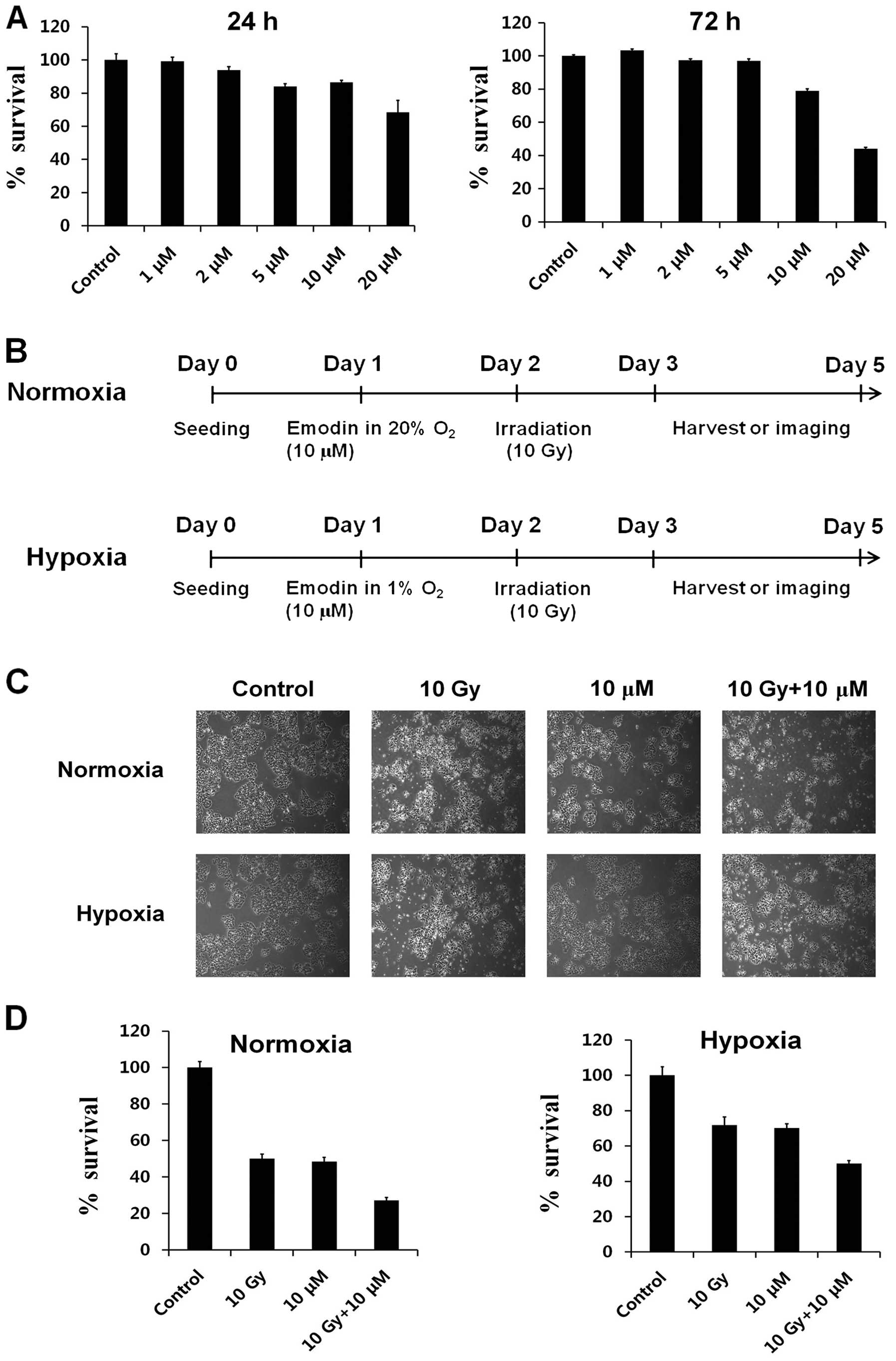
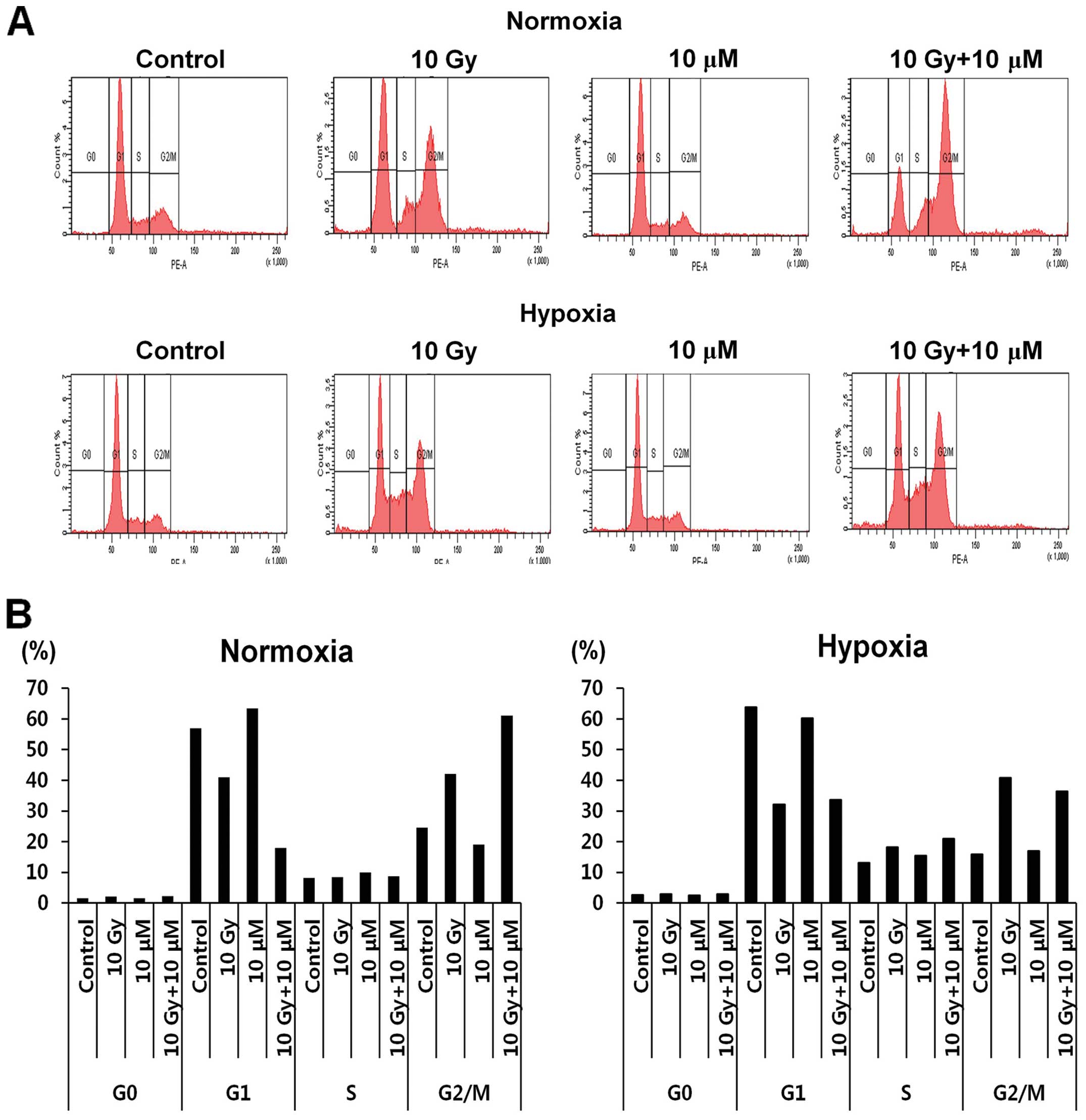
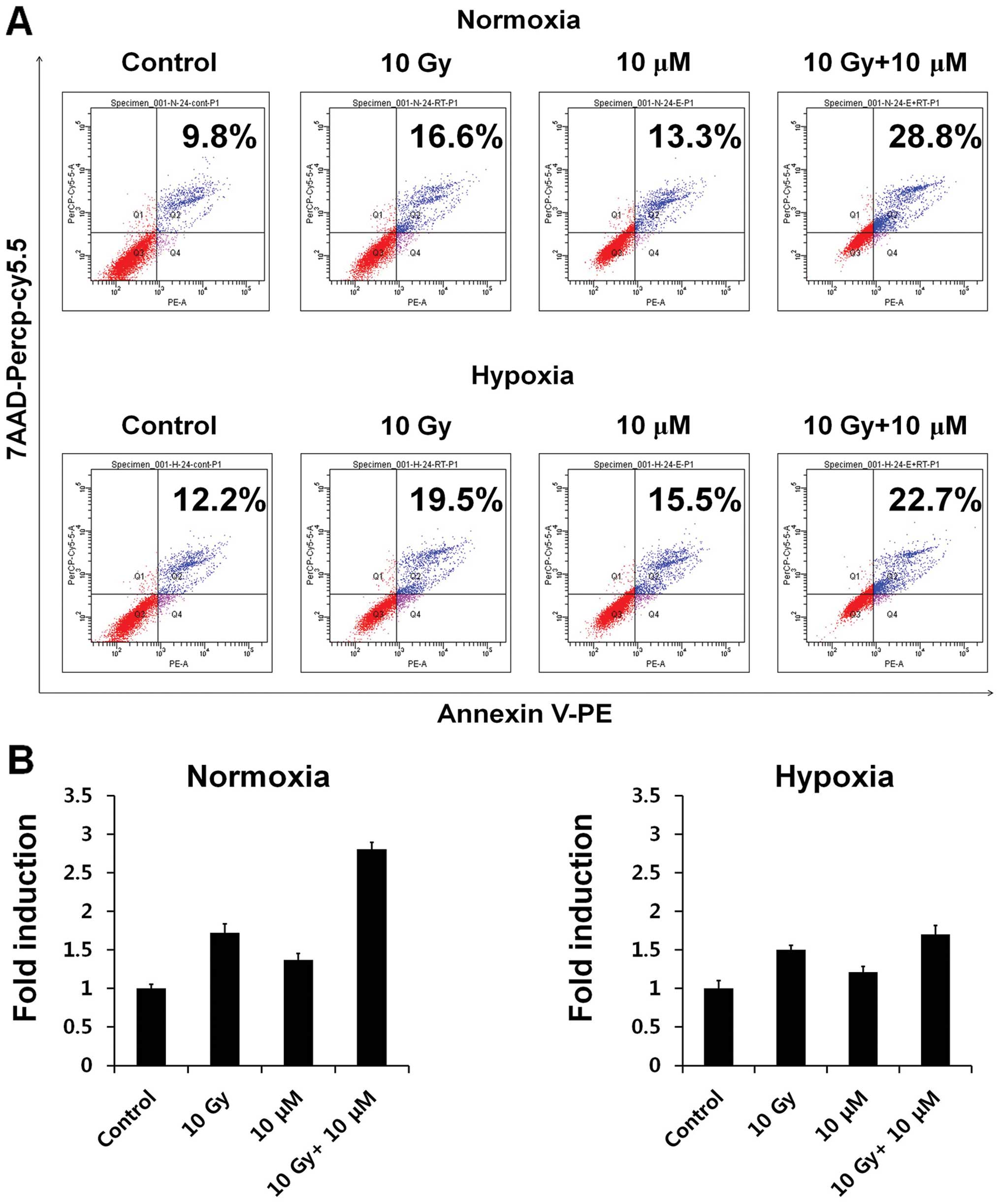
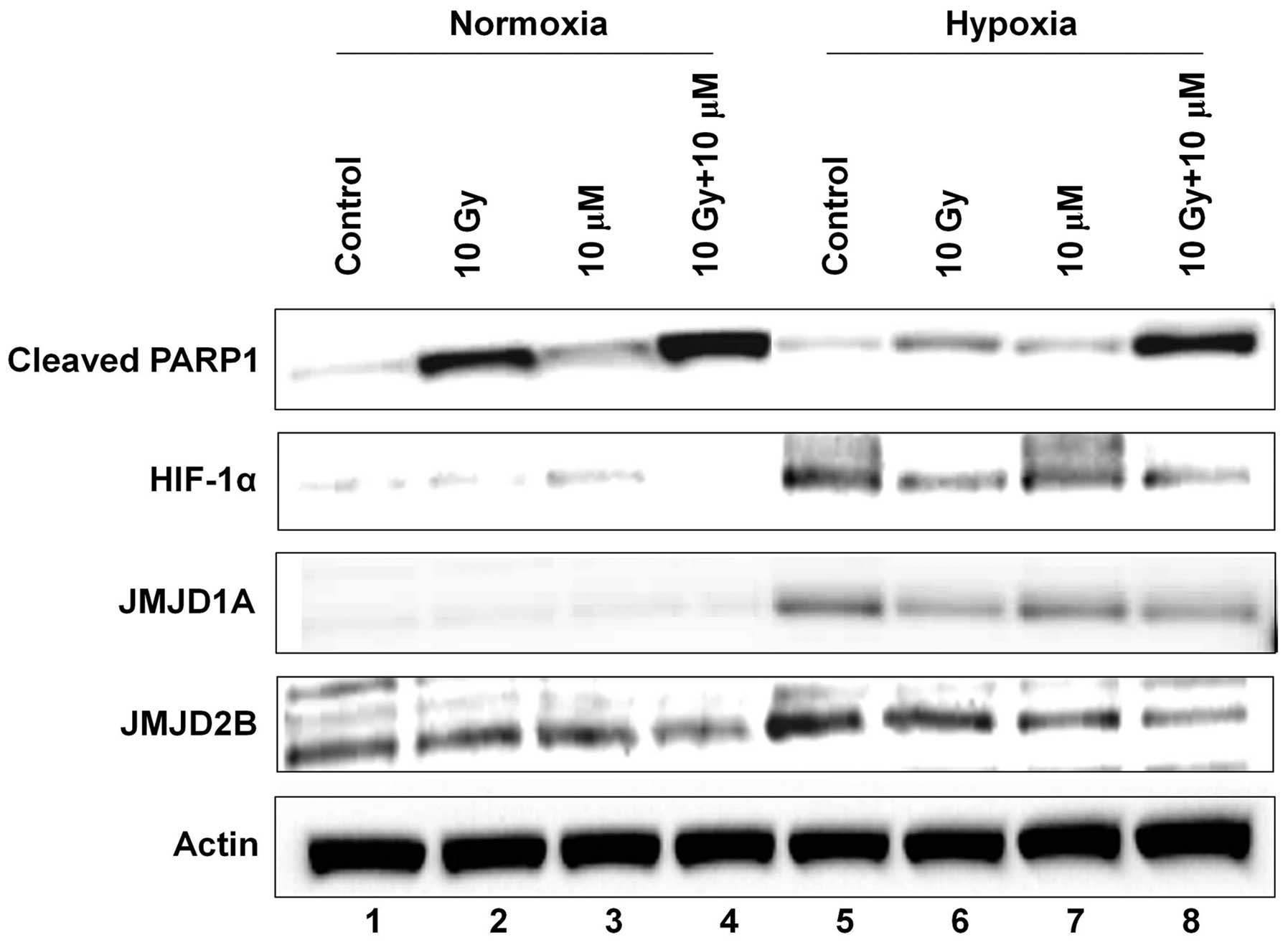
Radioresistance in the tumor and radiotoxicity in the non‑tumorous liver significantly restrict efficient radiotherapy of hepatocellular carcinoma (HCC). It is therefore important to study the radioresistance mechanism and development of radiosensitization to optimize the effect of irradiation on cancer cells. Emodin (1, 3, 8‑trihydroxy‑6‑methylanthraquinone) is a plant‑derived polyphenol, possessing anticancer properties. It is known to act as a radiosensitizer in human HCC cell lines. The aim of this study was to evaluate the role of emodin in radioresistance of human HCC cell lines as well as the underlying radiosensitization mechanism. The human HCC cell line (HepG2) was used in this study. Four different treatment groups, i.e., no treatment (control), irradiation (10 Gy, one fraction), emodin (10 µM), and a combination of irradiation and emodin (10 Gy +10 µM) were used for two environmental conditions: hypoxia (1% O2) and normoxia (20% O2). The cells were exposed to the respective treatments for 24 and 72 h. Following the treatment, the cell viability was determined by the 3‑(4,5‑dimethylthiazol‑2‑yl)‑2,5‑diphenyltetrazolium bromide (MTT) assay, and the radiosensitization mechanism was evaluated by western blotting. The proliferation of HepG2 cells was significantly suppressed in the treatment groups under hypoxic and normoxic conditions in the following order: combination of irradiation and emodin > irradiation only > emodin only. The combination of irradiation and emodin induced apoptotic signaling activities such as cleavage of poly (ADP‑ribose) polymerase (PARP)‑1 as well as the downregulation of epigenetic signaling such as JMJD1A and JMJD2B. Emodin attenuated radioresistance in the HepG2 cells via upregulation of the apoptotic signals and down­regulation of the proliferative signals. These results suggested that emodin is a potential candidate for the radiosensitization of HCC cells and can aid in identifying novel therapeutic strategies for HCC radiotherapy.
View Figures

Figure 1

Figure 2

Figure 3

Figure 4

View References

1 

Bruix J and Sherman M: Management of hepatocellular carcinoma. Hepatology. 42:1208–1236. 2005. View Article : Google Scholar : PubMed/NCBI

2 

Lee IJ and Seong J: Radiotherapeutic strategies in the management of hepatocellular carcinoma. Oncology. 81(Suppl 1): 123–133. 2011. View Article : Google Scholar

3 

Ursino S, Greco C, Cartei F, et al: Radiotherapy and hepatocellular carcinoma: update and review of the literature. Eur Rev Med Pharmacol Sci. 16:1599–1604. 2012.PubMed/NCBI

4 

Feng M and Ben-Josef E: Radiation therapy for hepatocellular carcinoma. Semin Radiat Oncol. 21:271–277. 2011. View Article : Google Scholar : PubMed/NCBI

5 

Kang JK, Kim MS, Cho CK, et al: Stereotactic body radiation therapy for inoperable hepatocellular carcinoma as a local salvage treatment after incomplete transarterial chemoembolization. Cancer. 118:5424–5431. 2012. View Article : Google Scholar : PubMed/NCBI

6 

Meng MB, Cui YL, Lu Y, et al: Transcatheter arterial chemo-embolization in combination with radiotherapy for unresectable hepatocellular carcinoma: a systematic review and meta-analysis. Radiother Oncol. 92:184–194. 2009. View Article : Google Scholar

7 

Deorukhkar A and Krishnan S: Targeting inflammatory pathways for tumor radiosensitization. Biochem Pharmacol. 80:1904–1914. 2010. View Article : Google Scholar : PubMed/NCBI

8 

Stea B and Gordon J: Clinically relevant biomarkers in targeted radiotherapy. Clin Exp Metastasis. 29:853–860. 2012. View Article : Google Scholar : PubMed/NCBI

9 

Meijer TW, Kaanders JH, Span PN and Bussink J: Targeting hypoxia, HIF-1, and tumor glucose metabolism to improve radiotherapy efficacy. Clin Cancer Res. 18:5585–5594. 2012. View Article : Google Scholar : PubMed/NCBI

10 

Lu HF, Lai KC, Hsu SC, et al: Involvement of matrix metallo-proteinases on the inhibition of cells invasion and migration by emodin in human neuroblastoma SH-SY5Y cells. Neurochem Res. 34:1575–1583. 2009. View Article : Google Scholar : PubMed/NCBI

11 

Wei WT, Lin SZ, Liu DL and Wang ZH: The distinct mechanisms of the antitumor activity of emodin in different types of cancer (Review). Oncol Rep. 30:2555–2562. 2013.PubMed/NCBI

12 

Hsu CM, Hsu YA, Tsai Y, et al: Emodin inhibits the growth of hepatoma cells: finding the common anti-cancer pathway using Huh7, Hep3B, and HepG2 cells. Biochem Biophys Res Commun. 392:473–478. 2010. View Article : Google Scholar

13 

Shieh DE, Chen YY, Yen MH, Chiang LC and Lin CC: Emodin-induced apoptosis through p53-dependent pathway in human hepatoma cells. Life Sci. 74:2279–2290. 2004. View Article : Google Scholar : PubMed/NCBI

14 

Park SC, Yoon JH, Lee JH, et al: Hypoxia-inducible adrenomedullin accelerates hepatocellular carcinoma cell growth. Cancer Lett. 271:314–322. 2008. View Article : Google Scholar : PubMed/NCBI

15 

Huang XZ, Wang J, Huang C, et al: Emodin enhances cyto-toxicity of chemotherapeutic drugs in prostate cancer cells: the mechanisms involve ROS-mediated suppression of multidrug resistance and hypoxia inducible factor-1. Cancer Biol Ther. 7:468–475. 2008. View Article : Google Scholar : PubMed/NCBI

16 

Park SJ, Kim JG, Son TG, et al: The histone demethylase JMJD1A regulates adrenomedullin-mediated cell proliferation in hepatocellular carcinoma under hypoxia. Biochem Biophys Res Commun. 434:722–727. 2013. View Article : Google Scholar : PubMed/NCBI

17 

Kim JG, Yi JM, Park SJ, et al: Histone demethylase JMJD2B-mediated cell proliferation regulated by hypoxia and radiation in gastric cancer cell. Biochim Biophys Acta. 1819:1200–1207. 2012. View Article : Google Scholar : PubMed/NCBI

18 

Schwarz RE and Smith DD: Trends in local therapy for hepatocellular carcinoma and survival outcomes in the US population. Am J Surg. 195:829–836. 2008. View Article : Google Scholar : PubMed/NCBI

19 

Cochrane AM, Murray-Lyon IM, Brinkley DM and Williams R: Quadruple chemotherapy versus radiotherapy in treatment of primary hepatocellular carcinoma. Cancer. 40:609–614. 1977. View Article : Google Scholar : PubMed/NCBI

20 

Ingold JA, Reed GB, Kaplan HS and Bagshaw MA: Radiation Hepatitis. Am J Roentgenol Radium Ther Nucl Med. 93:200–208. 1965.PubMed/NCBI

21 

Robertson JM, McGinn CJ, Walker S, et al: A phase I trial of hepatic arterial bromodeoxyuridine and conformal radiation therapy for patients with primary hepatobiliary cancers or colorectal liver metastases. Int J Radiat Oncol Biol Phys. 39:1087–1092. 1997. View Article : Google Scholar : PubMed/NCBI

22 

Seong J, Keum KC, Han KH, et al: Combined transcatheter arterial chemoembolization and local radiotherapy of unresectable hepatocellular carcinoma. Int J Radiat Oncol Biol Phys. 43:393–397. 1999. View Article : Google Scholar : PubMed/NCBI

23 

Shim SJ, Seong J, Han KH, Chon CY, Suh CO and Lee JT: Local radiotherapy as a complement to incomplete transcatheter arterial chemoembolization in locally advanced hepatocellular carcinoma. Liver Int. 25:1189–1196. 2005. View Article : Google Scholar : PubMed/NCBI

24 

Park W, Lim DH, Paik SW, et al: Local radiotherapy for patients with unresectable hepatocellular carcinoma. Int J Radiat Oncol Biol Phys. 61:1143–1150. 2005. View Article : Google Scholar : PubMed/NCBI

25 

Shin YJ, Kim MS, Yoo SY, et al: Pilot study of stereotactic body radiotherapy for huge hepatocellular carcinoma unsuitable for other therapies. Tumori. 96:65–70. 2010.PubMed/NCBI

26 

Seo YS, Kim MS, Yoo SY, et al: Preliminary result of stereotactic body radiotherapy as a local salvage treatment for inoperable hepatocellular carcinoma. J Surg Oncol. 102:209–214. 2010. View Article : Google Scholar : PubMed/NCBI

27 

Dawson LA: Overview: Where does radiation therapy fit in the spectrum of liver cancer local-regional therapies? Semin Radiat Oncol. 21:241–246. 2011. View Article : Google Scholar : PubMed/NCBI

28 

Veuger SJ, Hunter JE and Durkacz BW: Ionizingradiation-induced NF-kappaB activation requires PARP-1 function to confer radioresistance. Oncogene. 28:832–842. 2009. View Article : Google Scholar :

29 

Shimura T, Kakuda S, Ochiai Y, et al: Acquired radioresistance of human tumor cells by DNA-PK/AKT/GSK3beta-mediated cyclin D1 overexpression. Oncogene. 29:4826–4837. 2010. View Article : Google Scholar : PubMed/NCBI

30 

Chao Y, Li CP, Chau GY, et al: Prognostic significance of vascular endothelial growth factor, basic fibroblast growth factor, and angiogenin in patients with resectable hepatocellular carcinoma after surgery. Ann Surg Oncol. 10:355–362. 2003. View Article : Google Scholar : PubMed/NCBI

31 

Jeng KS, Sheen IS, Wang YC, et al: Prognostic significance of preoperative circulating vascular endothelial growth factor messenger RNA expression in resectable hepatocellular carcinoma: a prospective study. World J Gastroenterol. 10:643–648. 2004.PubMed/NCBI

32 

Poon RT, Ho JW, Tong CS, Lau C, Ng IO and Fan ST: Prognostic significance of serum vascular endothelial growth factor and endostatin in patients with hepatocellular carcinoma. Br J Surg. 91:1354–1360. 2004. View Article : Google Scholar : PubMed/NCBI

33 

Shim JH, Park JW, Kim JH, et al: Association between increment of serum VEGF level and prognosis after transcatheter arterial chemoembolization in hepatocellular carcinoma patients. Cancer Sci. 99:2037–2044. 2008.PubMed/NCBI

34 

Yang W, Sun T, Cao J and Fan S: Hypoxia-inducible factor-1α downregulation by small interfering RNA inhibits proliferation, induces apoptosis, and enhances radiosensitivity in chemical hypoxic human hepatoma SMMC-7721 cells. Cancer Biother Radiopharm. 26:565–571. 2011. View Article : Google Scholar : PubMed/NCBI

35 

Yamada D, Kobayashi S, Yamamoto H, et al: Role of the hypoxia-related gene, JMJD1A, in hepatocellular carcinoma: clinical impact on recurrence after hepatic resection. Ann Surg Oncol. 19(Suppl 3): 355–364. 2012. View Article : Google Scholar

36 

Krieg AJ, Rankin EB, Chan D, Razorenova O, Fernandez S and Giaccia AJ: Regulation of the histone demethylase JMJD1A by hypoxia-inducible factor 1 alpha enhances hypoxic gene expression and tumor growth. Mol Cell Biol. 30:344–353. 2010. View Article : Google Scholar

37 

Andersen DO, Weber ND, Wood SG, Hughes BG, Murray BK and North JA: In vitro virucidal activity of selected anthraquinones and anthraquinone derivatives. Antiviral Res. 16:185–196. 1991. View Article : Google Scholar : PubMed/NCBI

38 

Arosio B, Gagliano N, Fusaro LM, et al: Aloe-emodin quinone pretreatment reduces acute liver injury induced by carbon tetra-chloride. Pharmacol Toxicol. 87:229–233. 2000. View Article : Google Scholar : PubMed/NCBI

39 

Krumbiegel G and Schulz HU: Rhein and aloe-emodin kinetics from senna laxatives in man. Pharmacology. 47(Suppl 1): 120–124. 1993. View Article : Google Scholar : PubMed/NCBI

40 

Srinivas G, Babykutty S, Sathiadevan PP and Srinivas P: Molecular mechanism of emodin action: transition from laxative ingredient to an antitumor agent. Med Res Rev. 27:591–608. 2007. View Article : Google Scholar

41 

Srinivas G, Anto RJ, Srinivas P, Vidhyalakshmi S, Senan VP and Karunagaran D: Emodin induces apoptosis of human cervical cancer cells through poly(ADP-ribose) polymerase cleavage and activation of caspase-9. Eur J Pharmacol. 473:117–125. 2003. View Article : Google Scholar : PubMed/NCBI

42 

Lee KB, Kim KR, Huh TL and Lee YM: Proton induces apoptosis of hypoxic tumor cells by the p53-dependent and p38/JNK MAPK signaling pathways. Int J Oncol. 33:1247–1256. 2008.PubMed/NCBI

43 

Hennessey D, Martin LM, Atzberger A, Lynch TH, Hollywood D and Marignol L: Exposure to hypoxia following irradiation increases radioresistance in prostate cancer cells. Urol Oncol. 31:1106–1116. 2013. View Article : Google Scholar

44 

Wang M, Li X, Qu Y, Xu O and Sun Q: Hypoxia promotes radio-resistance of CD133-positive Hep-2 human laryngeal squamous carcinoma cells in vitro. Int J Oncol. 43:131–140. 2013.PubMed/NCBI

Related Articles

  • Abstract
  • View
  • Download
  • Twitter
Copy and paste a formatted citation
Spandidos Publications style
Hwang SY, Heo K, Kim JS, Im JW, Lee SM, Cho M, Kang DH, Heo J, Lee JW, Choi CW, Choi CW, et al: Emodin attenuates radioresistance induced by hypoxia in HepG2 cells via the enhancement of PARP1 cleavage and inhibition of JMJD2B. Oncol Rep 33: 1691-1698, 2015.
APA
Hwang, S.Y., Heo, K., Kim, J.S., Im, J.W., Lee, S.M., Cho, M. ... Yang, K. (2015). Emodin attenuates radioresistance induced by hypoxia in HepG2 cells via the enhancement of PARP1 cleavage and inhibition of JMJD2B. Oncology Reports, 33, 1691-1698. https://doi.org/10.3892/or.2015.3744
MLA
Hwang, S. Y., Heo, K., Kim, J. S., Im, J. W., Lee, S. M., Cho, M., Kang, D. H., Heo, J., Lee, J. W., Choi, C. W., Yang, K."Emodin attenuates radioresistance induced by hypoxia in HepG2 cells via the enhancement of PARP1 cleavage and inhibition of JMJD2B". Oncology Reports 33.4 (2015): 1691-1698.
Chicago
Hwang, S. Y., Heo, K., Kim, J. S., Im, J. W., Lee, S. M., Cho, M., Kang, D. H., Heo, J., Lee, J. W., Choi, C. W., Yang, K."Emodin attenuates radioresistance induced by hypoxia in HepG2 cells via the enhancement of PARP1 cleavage and inhibition of JMJD2B". Oncology Reports 33, no. 4 (2015): 1691-1698. https://doi.org/10.3892/or.2015.3744
Copy and paste a formatted citation
x
Spandidos Publications style
Hwang SY, Heo K, Kim JS, Im JW, Lee SM, Cho M, Kang DH, Heo J, Lee JW, Choi CW, Choi CW, et al: Emodin attenuates radioresistance induced by hypoxia in HepG2 cells via the enhancement of PARP1 cleavage and inhibition of JMJD2B. Oncol Rep 33: 1691-1698, 2015.
APA
Hwang, S.Y., Heo, K., Kim, J.S., Im, J.W., Lee, S.M., Cho, M. ... Yang, K. (2015). Emodin attenuates radioresistance induced by hypoxia in HepG2 cells via the enhancement of PARP1 cleavage and inhibition of JMJD2B. Oncology Reports, 33, 1691-1698. https://doi.org/10.3892/or.2015.3744
MLA
Hwang, S. Y., Heo, K., Kim, J. S., Im, J. W., Lee, S. M., Cho, M., Kang, D. H., Heo, J., Lee, J. W., Choi, C. W., Yang, K."Emodin attenuates radioresistance induced by hypoxia in HepG2 cells via the enhancement of PARP1 cleavage and inhibition of JMJD2B". Oncology Reports 33.4 (2015): 1691-1698.
Chicago
Hwang, S. Y., Heo, K., Kim, J. S., Im, J. W., Lee, S. M., Cho, M., Kang, D. H., Heo, J., Lee, J. W., Choi, C. W., Yang, K."Emodin attenuates radioresistance induced by hypoxia in HepG2 cells via the enhancement of PARP1 cleavage and inhibition of JMJD2B". Oncology Reports 33, no. 4 (2015): 1691-1698. https://doi.org/10.3892/or.2015.3744
Follow us
  • Twitter
  • LinkedIn
  • Facebook
About
  • Spandidos Publications
  • Careers
  • Cookie Policy
  • Privacy Policy
How can we help?
  • Help
  • Live Chat
  • Contact
  • Email to our Support Team