Spandidos Publications Logo
  • About
    • About Spandidos
    • Aims and Scopes
    • Abstracting and Indexing
    • Editorial Policies
    • Reprints and Permissions
    • Job Opportunities
    • Terms and Conditions
    • Contact
  • Journals
    • All Journals
    • Oncology Letters
      • Oncology Letters
      • Information for Authors
      • Editorial Policies
      • Editorial Board
      • Aims and Scope
      • Abstracting and Indexing
      • Bibliographic Information
      • Archive
    • International Journal of Oncology
      • International Journal of Oncology
      • Information for Authors
      • Editorial Policies
      • Editorial Board
      • Aims and Scope
      • Abstracting and Indexing
      • Bibliographic Information
      • Archive
    • Molecular and Clinical Oncology
      • Molecular and Clinical Oncology
      • Information for Authors
      • Editorial Policies
      • Editorial Board
      • Aims and Scope
      • Abstracting and Indexing
      • Bibliographic Information
      • Archive
    • Experimental and Therapeutic Medicine
      • Experimental and Therapeutic Medicine
      • Information for Authors
      • Editorial Policies
      • Editorial Board
      • Aims and Scope
      • Abstracting and Indexing
      • Bibliographic Information
      • Archive
    • International Journal of Molecular Medicine
      • International Journal of Molecular Medicine
      • Information for Authors
      • Editorial Policies
      • Editorial Board
      • Aims and Scope
      • Abstracting and Indexing
      • Bibliographic Information
      • Archive
    • Biomedical Reports
      • Biomedical Reports
      • Information for Authors
      • Editorial Policies
      • Editorial Board
      • Aims and Scope
      • Abstracting and Indexing
      • Bibliographic Information
      • Archive
    • Oncology Reports
      • Oncology Reports
      • Information for Authors
      • Editorial Policies
      • Editorial Board
      • Aims and Scope
      • Abstracting and Indexing
      • Bibliographic Information
      • Archive
    • Molecular Medicine Reports
      • Molecular Medicine Reports
      • Information for Authors
      • Editorial Policies
      • Editorial Board
      • Aims and Scope
      • Abstracting and Indexing
      • Bibliographic Information
      • Archive
    • World Academy of Sciences Journal
      • World Academy of Sciences Journal
      • Information for Authors
      • Editorial Policies
      • Editorial Board
      • Aims and Scope
      • Abstracting and Indexing
      • Bibliographic Information
      • Archive
    • International Journal of Functional Nutrition
      • International Journal of Functional Nutrition
      • Information for Authors
      • Editorial Policies
      • Editorial Board
      • Aims and Scope
      • Abstracting and Indexing
      • Bibliographic Information
      • Archive
    • International Journal of Epigenetics
      • International Journal of Epigenetics
      • Information for Authors
      • Editorial Policies
      • Editorial Board
      • Aims and Scope
      • Abstracting and Indexing
      • Bibliographic Information
      • Archive
    • Medicine International
      • Medicine International
      • Information for Authors
      • Editorial Policies
      • Editorial Board
      • Aims and Scope
      • Abstracting and Indexing
      • Bibliographic Information
      • Archive
  • Articles
  • Information
    • Information for Authors
    • Information for Reviewers
    • Information for Librarians
    • Information for Advertisers
    • Conferences
  • Language Editing
Spandidos Publications Logo
  • About
    • About Spandidos
    • Aims and Scopes
    • Abstracting and Indexing
    • Editorial Policies
    • Reprints and Permissions
    • Job Opportunities
    • Terms and Conditions
    • Contact
  • Journals
    • All Journals
    • Biomedical Reports
      • Information for Authors
      • Editorial Policies
      • Editorial Board
      • Aims and Scope
      • Abstracting and Indexing
      • Bibliographic Information
      • Archive
    • Experimental and Therapeutic Medicine
      • Information for Authors
      • Editorial Policies
      • Editorial Board
      • Aims and Scope
      • Abstracting and Indexing
      • Bibliographic Information
      • Archive
    • International Journal of Epigenetics
      • Information for Authors
      • Editorial Policies
      • Editorial Board
      • Aims and Scope
      • Abstracting and Indexing
      • Bibliographic Information
      • Archive
    • International Journal of Functional Nutrition
      • Information for Authors
      • Editorial Policies
      • Editorial Board
      • Aims and Scope
      • Abstracting and Indexing
      • Bibliographic Information
      • Archive
    • International Journal of Molecular Medicine
      • Information for Authors
      • Editorial Policies
      • Editorial Board
      • Aims and Scope
      • Abstracting and Indexing
      • Bibliographic Information
      • Archive
    • International Journal of Oncology
      • Information for Authors
      • Editorial Policies
      • Editorial Board
      • Aims and Scope
      • Abstracting and Indexing
      • Bibliographic Information
      • Archive
    • Medicine International
      • Information for Authors
      • Editorial Policies
      • Editorial Board
      • Aims and Scope
      • Abstracting and Indexing
      • Bibliographic Information
      • Archive
    • Molecular and Clinical Oncology
      • Information for Authors
      • Editorial Policies
      • Editorial Board
      • Aims and Scope
      • Abstracting and Indexing
      • Bibliographic Information
      • Archive
    • Molecular Medicine Reports
      • Information for Authors
      • Editorial Policies
      • Editorial Board
      • Aims and Scope
      • Abstracting and Indexing
      • Bibliographic Information
      • Archive
    • Oncology Letters
      • Information for Authors
      • Editorial Policies
      • Editorial Board
      • Aims and Scope
      • Abstracting and Indexing
      • Bibliographic Information
      • Archive
    • Oncology Reports
      • Information for Authors
      • Editorial Policies
      • Editorial Board
      • Aims and Scope
      • Abstracting and Indexing
      • Bibliographic Information
      • Archive
    • World Academy of Sciences Journal
      • Information for Authors
      • Editorial Policies
      • Editorial Board
      • Aims and Scope
      • Abstracting and Indexing
      • Bibliographic Information
      • Archive
  • Articles
  • Information
    • For Authors
    • For Reviewers
    • For Librarians
    • For Advertisers
    • Conferences
  • Language Editing
Login Register Submit
  • This site uses cookies
  • You can change your cookie settings at any time by following the instructions in our Cookie Policy. To find out more, you may read our Privacy Policy.

    I agree
Search articles by DOI, keyword, author or affiliation
Search
Advanced Search
presentation
Oncology Reports
Join Editorial Board Propose a Special Issue
Print ISSN: 1021-335X Online ISSN: 1791-2431
Journal Cover
May-2015 Volume 33 Issue 5

Full Size Image

Sign up for eToc alerts
Recommend to Library

Journals

International Journal of Molecular Medicine

International Journal of Molecular Medicine

International Journal of Molecular Medicine is an international journal devoted to molecular mechanisms of human disease.

International Journal of Oncology

International Journal of Oncology

International Journal of Oncology is an international journal devoted to oncology research and cancer treatment.

Molecular Medicine Reports

Molecular Medicine Reports

Covers molecular medicine topics such as pharmacology, pathology, genetics, neuroscience, infectious diseases, molecular cardiology, and molecular surgery.

Oncology Reports

Oncology Reports

Oncology Reports is an international journal devoted to fundamental and applied research in Oncology.

Experimental and Therapeutic Medicine

Experimental and Therapeutic Medicine

Experimental and Therapeutic Medicine is an international journal devoted to laboratory and clinical medicine.

Oncology Letters

Oncology Letters

Oncology Letters is an international journal devoted to Experimental and Clinical Oncology.

Biomedical Reports

Biomedical Reports

Explores a wide range of biological and medical fields, including pharmacology, genetics, microbiology, neuroscience, and molecular cardiology.

Molecular and Clinical Oncology

Molecular and Clinical Oncology

International journal addressing all aspects of oncology research, from tumorigenesis and oncogenes to chemotherapy and metastasis.

World Academy of Sciences Journal

World Academy of Sciences Journal

Multidisciplinary open-access journal spanning biochemistry, genetics, neuroscience, environmental health, and synthetic biology.

International Journal of Functional Nutrition

International Journal of Functional Nutrition

Open-access journal combining biochemistry, pharmacology, immunology, and genetics to advance health through functional nutrition.

International Journal of Epigenetics

International Journal of Epigenetics

Publishes open-access research on using epigenetics to advance understanding and treatment of human disease.

Medicine International

Medicine International

An International Open Access Journal Devoted to General Medicine.

Journal Cover
May-2015 Volume 33 Issue 5

Full Size Image

Sign up for eToc alerts
Recommend to Library

  • Article
  • Citations
    • Cite This Article
    • Download Citation
    • Create Citation Alert
    • Remove Citation Alert
    • Cited By
  • Similar Articles
    • Related Articles (in Spandidos Publications)
    • Similar Articles (Google Scholar)
    • Similar Articles (PubMed)
  • Download PDF
  • Download XML
  • View XML
Article

Identification of potential targets for diallyl disulfide in human gastric cancer MGC-803 cells using proteomics approaches

  • Authors:
    • Bo Su
    • Jian Su
    • Hui He
    • Youhua Wu
    • Hong Xia
    • Xi Zeng
    • Wenxiang Dai
    • Xiaohong Ai
    • Hui Ling
    • Hao Jiang
    • Qi Su
  • View Affiliations / Copyright

    Affiliations: Center for Gastric Cancer Research of Hunan Province, First Affiliated Hospital, University of South China, Hengyang, Hunan 421001, P.R. China
  • Pages: 2484-2494
    |
    Published online on: March 17, 2015
       https://doi.org/10.3892/or.2015.3859
  • Expand metrics +
Metrics: Total Views: 0 (Spandidos Publications: | PMC Statistics: )
Metrics: Total PDF Downloads: 0 (Spandidos Publications: | PMC Statistics: )
Cited By (CrossRef): 0 citations Loading Articles...

This article is mentioned in:


Abstract

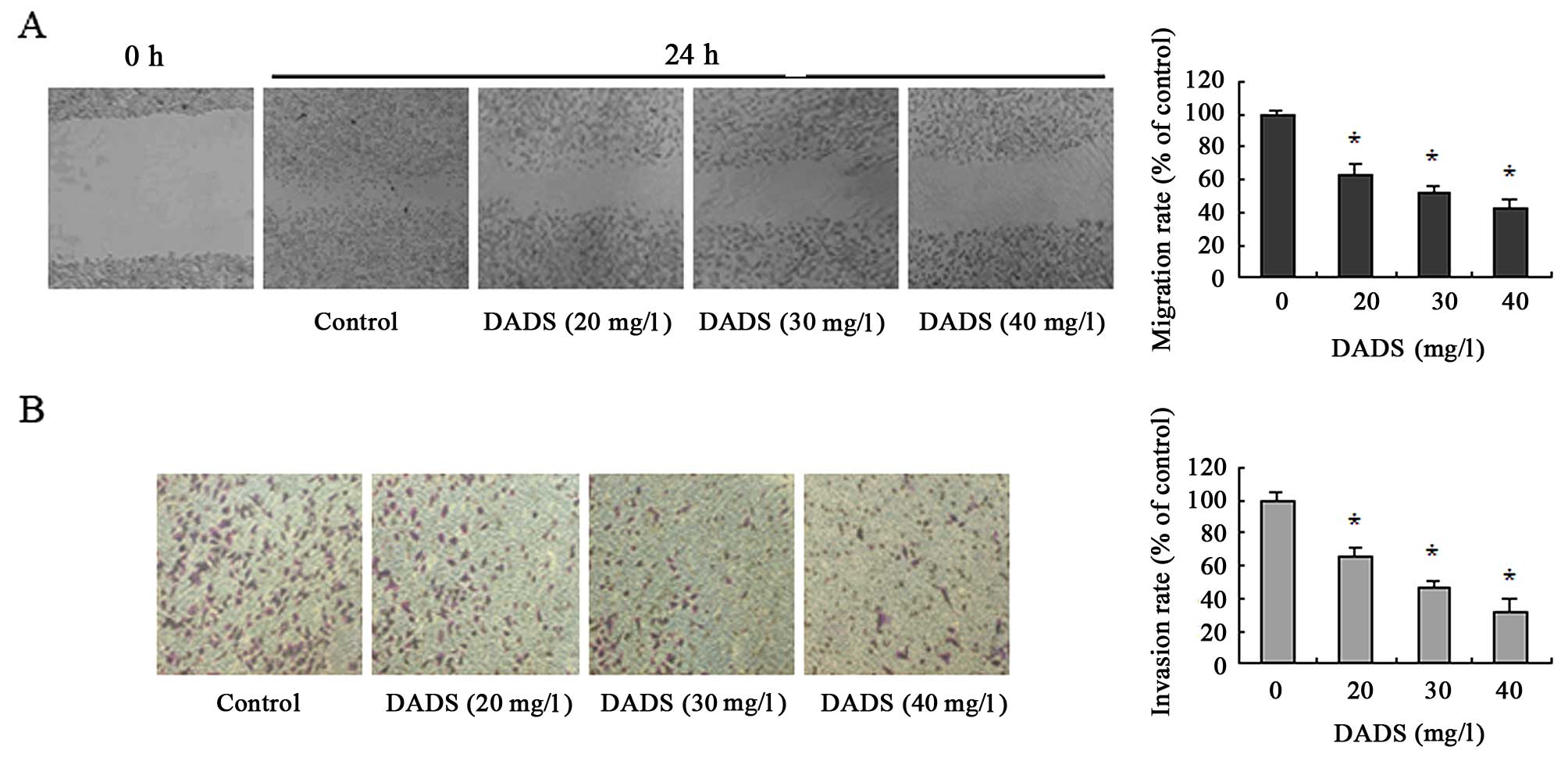
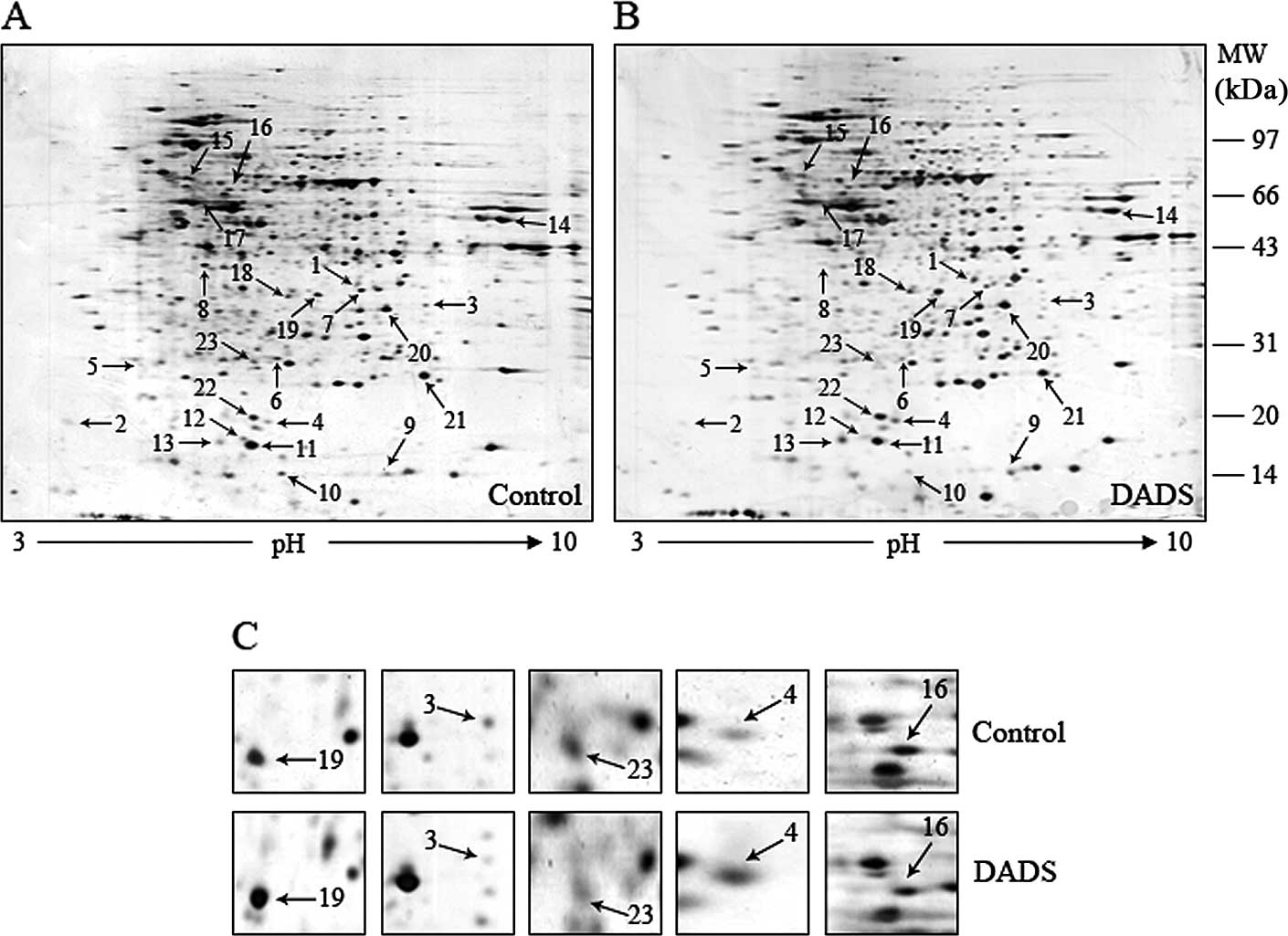
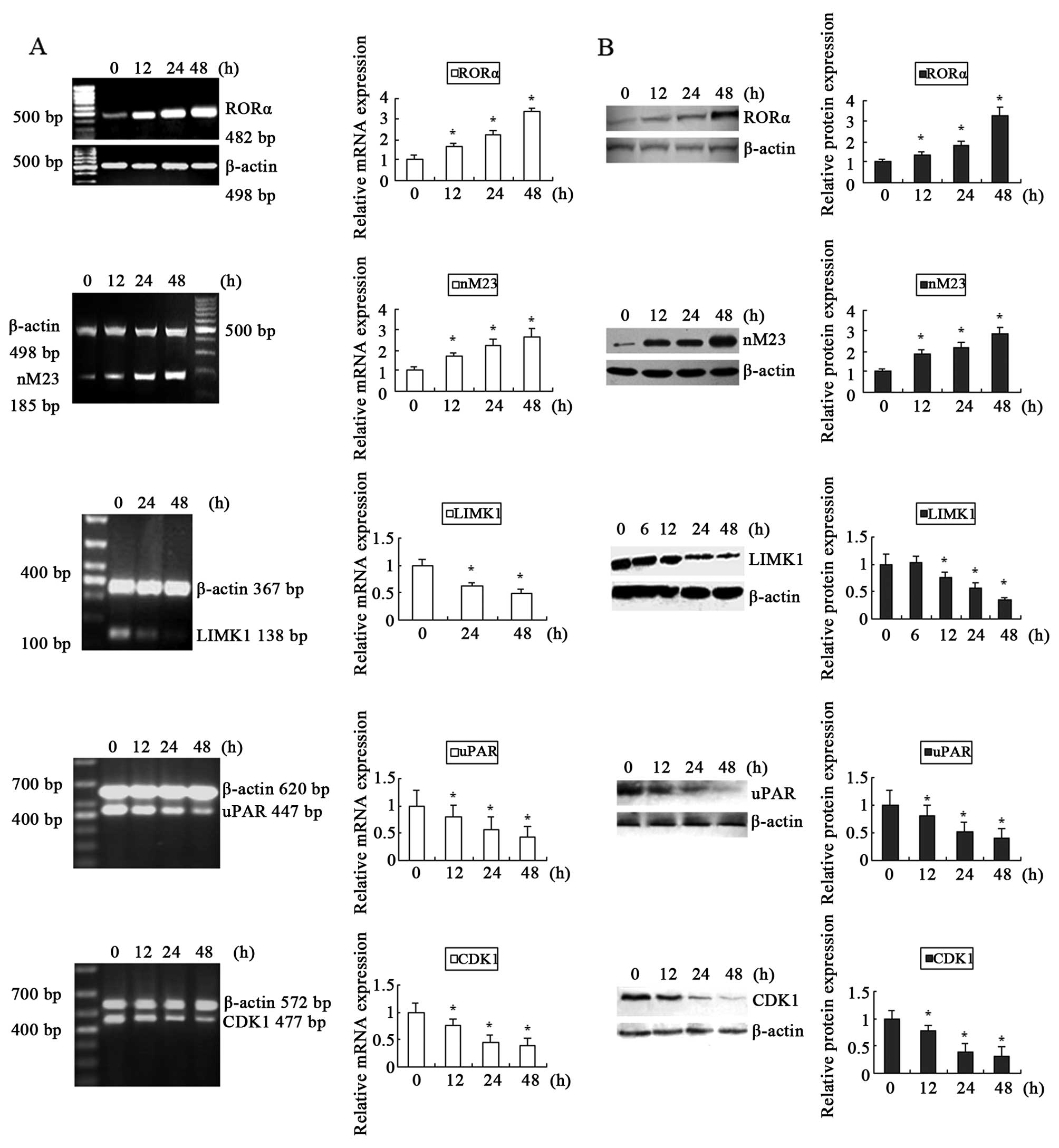
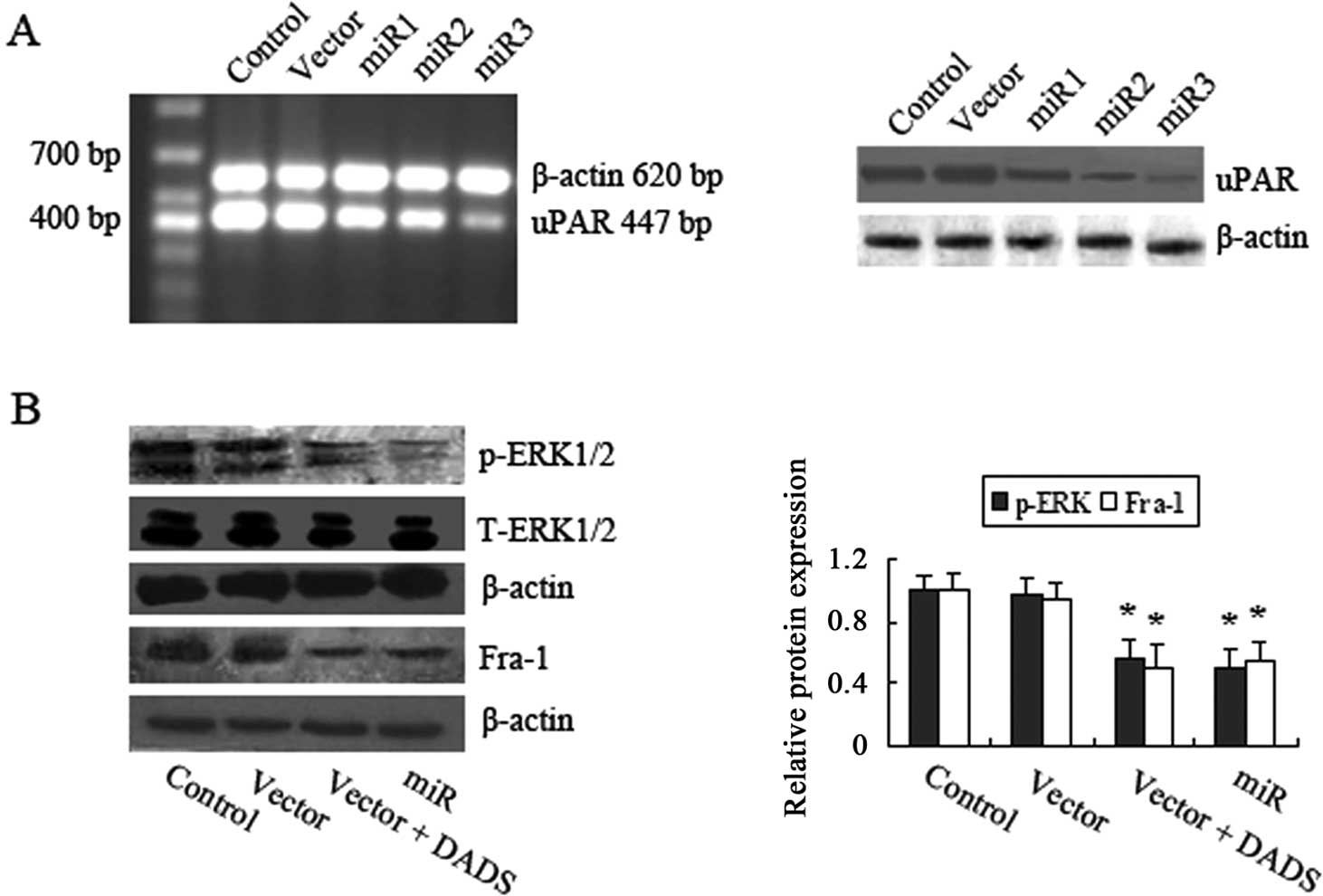
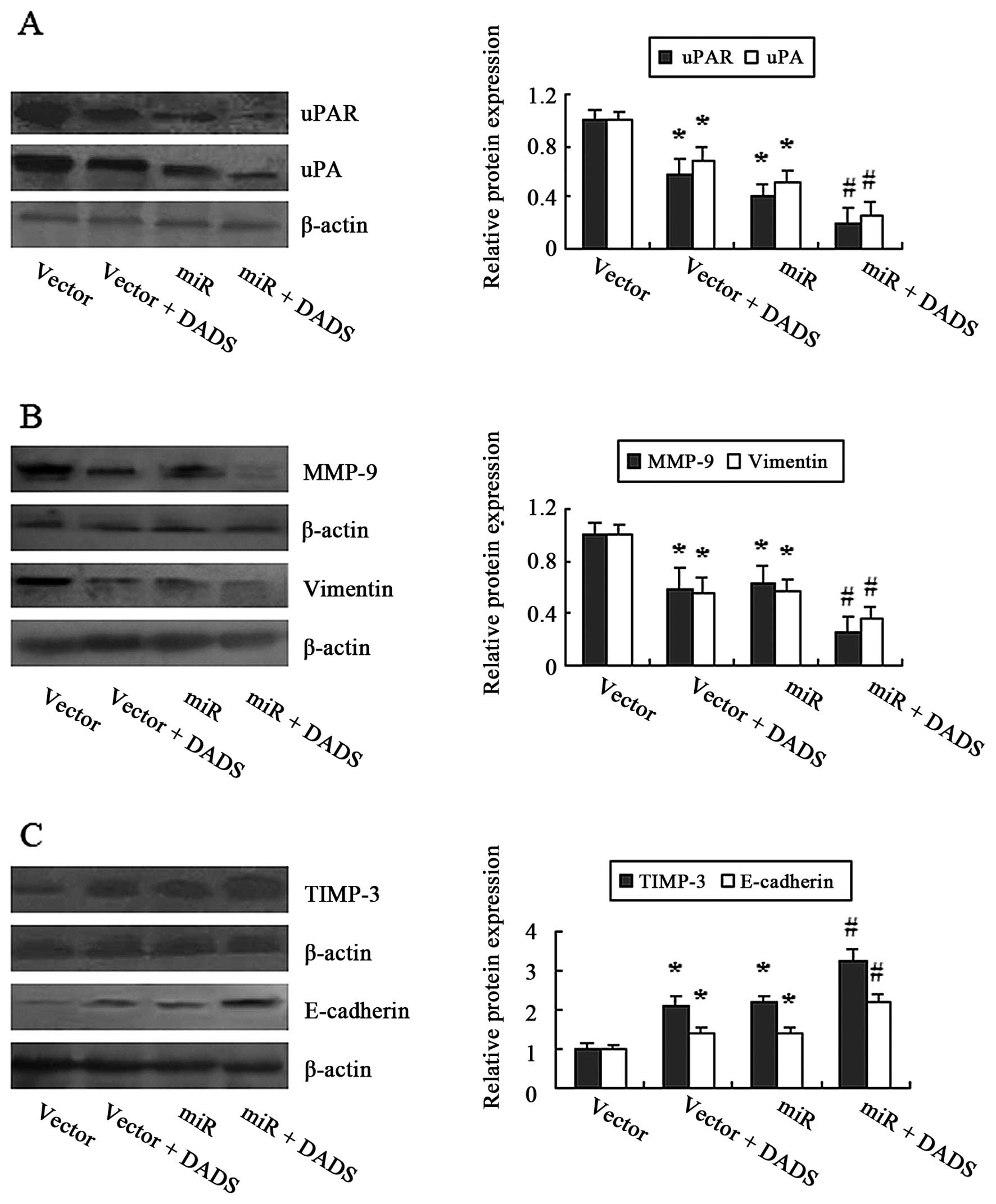
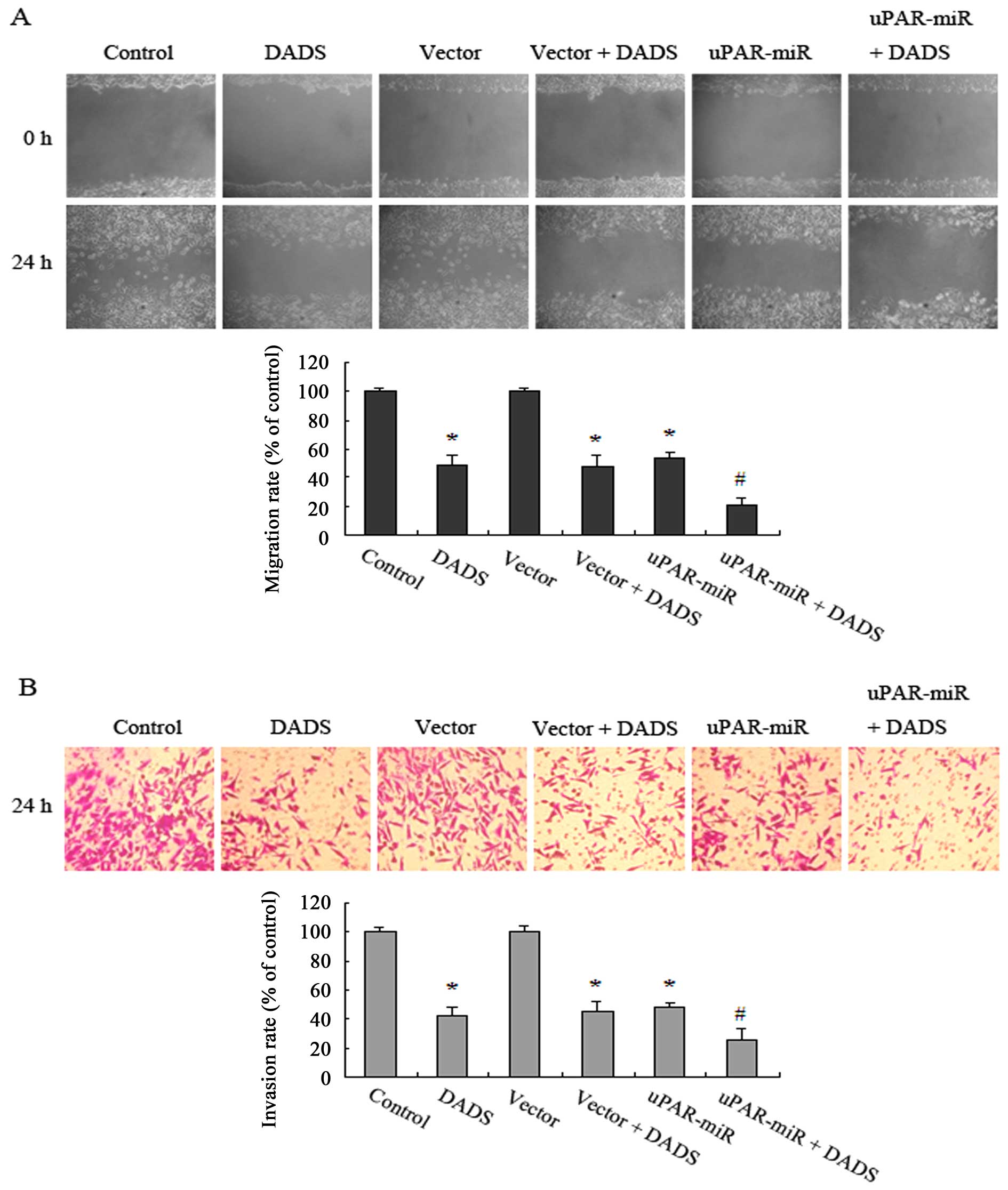
Diallyl disulfide (DADS) is characterized as an effective agent for the prevention and therapy of cancer, however, mechanisms regarding its anticancer effects are not fully clarified. In the present study, we compared the protein expression profile of gastric cancer MGC-803 cells subjected to DADS treatment with that of untreated control cells to explore potential molecules regulated by DADS. Using proteomic approaches, we identified 23 proteins showing statistically significant differences in expression, including 9 upregulated and 14 downregulated proteins. RT-PCR and western blot analysis confirmed that retinoid-related orphan nuclear receptor α (RORα) and nM23 were increased by DADS, whereas LIM kinase-1 (LIMK1), urokinase-type plasminogen activator receptor (uPAR) and cyclin-dependent kinase-1 (CDK1) were decreased. DADS treatment and knockdown of uPAR caused suppression of ERK/Fra-1 pathway, downregulation of urokinase-type plasminogen activator (uPA), matrix metalloproteinase-9 (MMP-9) and vimentin, and upregulation of tissue inhibitor of metalloproteinase-3 (TIMP-3) and E-cadherin, concomitant with inhibition of cell migration and invasion. Moreover, knockdown of uPAR potentiated the effects of DADS on MGC-803 cells. These data demonstrate that downregulation of uPAR may partially be responsible for DADS-induced inhibition of ERK/Fra-1 pathway, as well as cell migration and invasion. Thus, the discovery of DADS‑induced differential expression proteins is conducive to reveal unknown mechanisms of DADS anti‑gastric cancer.
View Figures

Figure 1

Figure 2

Figure 3

Figure 4

Figure 5

Figure 6

View References

1 

Jemal A, Bray F, Center MM, Ferlay J, Ward E and Forman D: Global cancer statistics. CA Cancer J Clin. 61:69–90. 2011. View Article : Google Scholar : PubMed/NCBI

2 

Yang L: Incidence and mortality of gastric cancer in China. World J Gastroenterol. 12:17–20. 2006.PubMed/NCBI

3 

Patel JN, Fuchs CS, Owzar K, Chen Z and McLeod HL: Gastric cancer pharmacogenetics: Progress or old tripe? Pharmacogenomics. 14:1053–1064. 2013. View Article : Google Scholar : PubMed/NCBI

4 

Powolny AA and Singh SV: Multitargeted prevention and therapy of cancer by diallyl trisulfide and related Allium vegetable-derived organosulfur compounds. Cancer Lett. 269:305–314. 2008. View Article : Google Scholar : PubMed/NCBI

5 

Yi L and Su Q: Molecular mechanisms for the anti-cancer effects of diallyl disulfide. Food Chem Toxicol. 57:362–370. 2013. View Article : Google Scholar : PubMed/NCBI

6 

Sundaram SG and Milner JA: Diallyl disulfide suppresses the growth of human colon tumor cell xenografts in athymic nude mice. J Nutr. 126:1355–1361. 1996.PubMed/NCBI

7 

Nakagawa H, Tsuta K, Kiuchi K, Senzaki H, Tanaka K, Hioki K and Tsubura A: Growth inhibitory effects of diallyl disulfide on human breast cancer cell lines. Carcinogenesis. 22:891–897. 2001. View Article : Google Scholar : PubMed/NCBI

8 

Shin DY, Kim GY, Kim JI, Yoon MK, Kwon TK, Lee SJ, Choi YW, Kang HS, Yoo YH and Choi YH: Anti-invasive activity of diallyl disulfide through tightening of tight junctions and inhibition of matrix metalloproteinase activities in LNCaP prostate cancer cells. Toxicol In Vitro. 24:1569–1576. 2010. View Article : Google Scholar : PubMed/NCBI

9 

Park HS, Kim GY, Choi IW, Kim ND, Hwang HJ, Choi YW and Choi YH: Inhibition of matrix metalloproteinase activities and tightening of tight junctions by diallyl disulfide in AGS human gastric carcinoma cells. J Food Sci. 76:T105–T111. 2011. View Article : Google Scholar

10 

Ling H, Wen L, Ji XX, Tang YL, He J, Tan H, Xia H, Zhou JG and Su Q: Growth inhibitory effect and Chk1-dependent signaling involved in G2/M arrest on human gastric cancer cells induced by diallyl disulfide. Braz J Med Biol Res. 43:271–278. 2010. View Article : Google Scholar : PubMed/NCBI

11 

Bo S, Hui H, Li W, Hui L, Hong X, Lin D, Dai WX, Wu YH, Ai XH, Hao J, et al: Chk1, but not Chk2, is responsible for G2/M phase arrest induced by diallyl disulfide in human gastric cancer BGC823 cells. Food Chem Toxicol. 68:61–70. 2014. View Article : Google Scholar : PubMed/NCBI

12 

Yuan JP, Wang GH, Ling H, Su Q, Yang YH, Song Y, Tang RJ, Liu Y and Huang C: Diallyl disulfide-induced G2/M arrest of human gastric cancer MGC803 cells involves activation of p38 MAP kinase pathways. World J Gastroenterol. 10:2731–2734. 2004.PubMed/NCBI

13 

Ling H, Zhang LY, Su Q, Song Y, Luo ZY, Zhou XT, Zeng X, He J, Tan H and Yuan JP: Erk is involved in the differentiation induced by diallyl disulfide in the human gastric cancer cell line MGC803. Cell Mol Biol Lett. 11:408–423. 2006. View Article : Google Scholar : PubMed/NCBI

14 

Tang H, Kong Y, Guo J, Tang Y and Xie X, Yang L, Su Q and Xie X: Diallyl disulfide suppresses proliferation and induces apoptosis in human gastric cancer through Wnt-1 signaling pathway by up-regulation of miR-200b and miR-22. Cancer Lett. 340:72–81. 2013. View Article : Google Scholar : PubMed/NCBI

15 

Gharahdaghi F, Weinberg CR, Meagher DA, Imai BS and Mische SM: Mass spectrometric identification of proteins from silver-stained polyacrylamide gel: A method for the removal of silver ions to enhance sensitivity. Electrophoresis. 20:601–605. 1999. View Article : Google Scholar : PubMed/NCBI

16 

Su B, Xiang B, Wang L, Cao L, Xiao L, Li X, Li X, Wu M and Li G: Profiling and comparing transcription factors activated in non-metastatic and metastatic nasopharyngeal carcinoma cells. J Cell Biochem. 109:173–183. 2010.

17 

Zhang LY, Ling H, Su Q, Song Y and Liang XQ: Inhibitory effect of diallyl disulfide on human gastric cancer cell line MGC803 in vitro. Shijie Huaren Xiaohua Zazhi. 11:1290–1293. 2003.In Chinese.

18 

Zhu Y, McAvoy S, Kuhn R and Smith DI: RORA, a large common fragile site gene, is involved in cellular stress response. Oncogene. 25:2901–2908. 2006. View Article : Google Scholar : PubMed/NCBI

19 

Lee JM, Kim IS, Kim H, Lee JS, Kim K, Yim HY, Jeong J, Kim JH, Kim JY, Lee H, et al: RORalpha attenuates Wnt/beta-catenin signaling by PKCalpha-dependent phosphorylation in colon cancer. Mol Cell. 37:183–195. 2010. View Article : Google Scholar : PubMed/NCBI

20 

Xiong G, Wang C, Evers BM, Zhou BP and Xu R: RORα suppresses breast tumor invasion by inducing SEMA3F expression. Cancer Res. 72:1728–1739. 2012. View Article : Google Scholar : PubMed/NCBI

21 

Yamashita S, Tsujino Y, Moriguchi K, Tatematsu M and Ushijima T: Chemical genomic screening for methylation-silenced genes in gastric cancer cell lines using 5-aza-2′-deoxycytidine treatment and oligonucleotide microarray. Cancer Sci. 97:64–71. 2006. View Article : Google Scholar

22 

Su B, Xiang SL, Su J, Tang HL, Liao QJ, Zhou YJ and Su Q: Diallyl disulfide increased histone acetylation and p21WAF1 expression in human gastric cancer cells in vivo and in vitro. Biochem Pharmacol. 1:1–10. 2012. View Article : Google Scholar

23 

Marino N, Nakayama J, Collins JW and Steeg PS: Insights into the biology and prevention of tumor metastasis provided by the Nm23 metastasis suppressor gene. Cancer Metastasis Rev. 31:593–603. 2012. View Article : Google Scholar : PubMed/NCBI

24 

Boissan M, De Wever O, Lizarraga F, Wendum D, Poincloux R, Chignard N, Desbois-Mouthon C, Dufour S, Nawrocki-Raby B, Birembaut P, et al: Implication of metastasis suppressor NM23-H1 in maintaining adherens junctions and limiting the invasive potential of human cancer cells. Cancer Res. 70:7710–7722. 2010. View Article : Google Scholar : PubMed/NCBI

25 

Che G, Chen J, Liu L, Wang Y, Li L, Qin Y and Zhou Q: Transfection of nm23-H1 increased expression of beta-catenin, E-cadherin and TIMP-1 and decreased the expression of MMP-2, CD44v6 and VEGF and inhibited the metastatic potential of human non-small cell lung cancer cell line L9981. Neoplasma. 53:530–537. 2006.PubMed/NCBI

26 

Horak CE, Mendoza A, Vega-Valle E, Albaugh M, Graff-Cherry C, McDermott WG, Hua E, Merino MJ, Steinberg SM, Khanna C, et al: Nm23-H1 suppresses metastasis by inhibiting expression of the lysophosphatidic acid receptor EDG2. Cancer Res. 67:11751–11759. 2007. View Article : Google Scholar : PubMed/NCBI

27 

Huang CS, Liao JW and Hu ML: Lycopene inhibits experimental metastasis of human hepatoma SK-Hep-1 cells in athymic nude mice. J Nutr. 138:538–543. 2008.PubMed/NCBI

28 

Guan-Zhen Y, Ying C, Can-Rong N, Guo-Dong W, Jian-Xin Q and Jie-Jun W: Reduced protein expression of metastasis-related genes (nm23, KISS1, KAI1 and p53) in lymph node and liver metastases of gastric cancer. Int J Exp Pathol. 88:175–183. 2007. View Article : Google Scholar : PubMed/NCBI

29 

Bernard O: Lim kinases, regulators of actin dynamics. Int J Biochem Cell Biol. 39:1071–1076. 2007. View Article : Google Scholar

30 

Wang W, Mouneimne G, Sidani M, Wyckoff J, Chen X, Makris A, Goswami S, Bresnick AR and Condeelis JS: The activity status of cofilin is directly related to invasion, intravasation, and metastasis of mammary tumors. J Cell Biol. 173:395–404. 2006. View Article : Google Scholar : PubMed/NCBI

31 

Scott RW, Hooper S, Crighton D, Li A, König I, Munro J, Trivier E, Wickman G, Morin P, Croft DR, et al: LIM kinases are required for invasive path generation by tumor and tumor-associated stromal cells. J Cell Biol. 191:169–185. 2010. View Article : Google Scholar : PubMed/NCBI

32 

Zhou Y, Su J, Shi L, Liao Q and Su Q: DADS downregulates the Rac1-ROCK1/PAK1-LIMK1-ADF/cofilin signaling pathway, inhibiting cell migration and invasion. Oncol Rep. 29:605–612. 2013.

33 

Laufs S, Schumacher J and Allgayer H: Urokinase-receptor (u-PAR): An essential player in multiple games of cancer: A review on its role in tumor progression, invasion, metastasis, proliferation/dormancy, clinical outcome and minimal residual disease. Cell Cycle. 5:1760–1771. 2006. View Article : Google Scholar : PubMed/NCBI

34 

Smith HW and Marshall CJ: Regulation of cell signalling by uPAR. Nat Rev Mol Cell Biol. 11:23–36. 2010. View Article : Google Scholar

35 

Lester RD, Jo M, Montel V, Takimoto S and Gonias SL: uPAR induces epithelial-mesenchymal transition in hypoxic breast cancer cells. J Cell Biol. 178:425–436. 2007. View Article : Google Scholar : PubMed/NCBI

36 

Jo M, Lester RD, Montel V, Eastman B, Takimoto S and Gonias SL: Reversibility of epithelial-mesenchymal transition (EMT) induced in breast cancer cells by activation of urokinase receptor-dependent cell signaling. J Biol Chem. 284:22825–22833. 2009. View Article : Google Scholar : PubMed/NCBI

37 

Ma YY and Tao HQ: Role of urokinase plasminogen activator receptor in gastric cancer: A potential therapeutic target. Cancer Biother Radiopharm. 27:285–290. 2012. View Article : Google Scholar : PubMed/NCBI

38 

Belguise K, Kersual N, Galtier F and Chalbos D: FRA-1 expression level regulates proliferation and invasiveness of breast cancer cells. Oncogene. 24:1434–1444. 2005. View Article : Google Scholar

39 

Diesch J, Sanij E, Gilan O, Love C, Tran H, Fleming NI, Ellul J, Amalia M, Haviv I, Pearson RB, et al: Widespread FRA1-dependent control of mesenchymal transdifferentiation programs in colorectal cancer cells. PLoS One. 9:e889502014. View Article : Google Scholar : PubMed/NCBI

40 

Huang XY, Ke AW, Shi GM, Zhang X, Zhang C, Shi YH, Wang XY, Ding ZB, Xiao YS, Yan J, et al: αB-crystallin complexes with 14–3–3ζ to induce epithelial-mesenchymal transition and resistance to sorafenib in hepatocellular carcinoma. Hepatology. 57:2235–2247. 2013. View Article : Google Scholar : PubMed/NCBI

41 

Andreolas C, Kalogeropoulou M, Voulgari A and Pintzas A: Fra-1 regulates vimentin during Ha-RAS-induced epithelial mesenchymal transition in human colon carcinoma cells. Int J Cancer. 122:1745–1756. 2008. View Article : Google Scholar

42 

Andersen H, Mejlvang J, Mahmood S, Gromova I, Gromov P, Lukanidin E, Kriajevska M, Mellon JK and Tulchinsky E: Immediate and delayed effects of E-cadherin inhibition on gene regulation and cell motility in human epidermoid carcinoma cells. Mol Cell Biol. 25:9138–9150. 2005. View Article : Google Scholar : PubMed/NCBI

43 

Mayes PA, Dolloff NG, Daniel CJ, Liu JJ, Hart LS, Kuribayashi K, Allen JE, Jee DI, Dorsey JF, Liu YY, et al: Overcoming hypoxia- induced apoptotic resistance through combinatorial inhibition of GSK-3β and CDK1. Cancer Res. 71:5265–5275. 2011. View Article : Google Scholar : PubMed/NCBI

44 

Wu W, Ye H, Wan L, Han X, Wang G, Hu J, Tang M, Duan X, Fan Y, He S, et al: Millepachine, a novel chalcone, induces G2/M arrest by inhibiting CDK1 activity and causing apoptosis via ROS-mitochondrial apoptotic pathway in human hepatocarcinoma cells in vitro and in vivo. Carcinogenesis. 34:1636–1643. 2013. View Article : Google Scholar : PubMed/NCBI

45 

Yi L, Ji XX, Tan H, Feng MY, Tang Y, Wen L and Su Q: Involvement of Mcl1 in diallyl disulfide-induced G2/M cell cycle arrest in HL-60 cells. Oncol Rep. 27:1911–1917. 2012.PubMed/NCBI

46 

Yasui W, Ayhan A, Kitadai Y, Nishimura K, Yokozaki H, Ito H and Tahara E: Increased expression of p34cdc2 and its kinase activity in human gastric and colonic carcinomas. Int J Cancer. 53:36–41. 1993. View Article : Google Scholar : PubMed/NCBI

Related Articles

  • Abstract
  • View
  • Download
  • Twitter
Copy and paste a formatted citation
Spandidos Publications style
Su B, Su J, He H, Wu Y, Xia H, Zeng X, Dai W, Ai X, Ling H, Jiang H, Jiang H, et al: Identification of potential targets for diallyl disulfide in human gastric cancer MGC-803 cells using proteomics approaches. Oncol Rep 33: 2484-2494, 2015.
APA
Su, B., Su, J., He, H., Wu, Y., Xia, H., Zeng, X. ... Su, Q. (2015). Identification of potential targets for diallyl disulfide in human gastric cancer MGC-803 cells using proteomics approaches. Oncology Reports, 33, 2484-2494. https://doi.org/10.3892/or.2015.3859
MLA
Su, B., Su, J., He, H., Wu, Y., Xia, H., Zeng, X., Dai, W., Ai, X., Ling, H., Jiang, H., Su, Q."Identification of potential targets for diallyl disulfide in human gastric cancer MGC-803 cells using proteomics approaches". Oncology Reports 33.5 (2015): 2484-2494.
Chicago
Su, B., Su, J., He, H., Wu, Y., Xia, H., Zeng, X., Dai, W., Ai, X., Ling, H., Jiang, H., Su, Q."Identification of potential targets for diallyl disulfide in human gastric cancer MGC-803 cells using proteomics approaches". Oncology Reports 33, no. 5 (2015): 2484-2494. https://doi.org/10.3892/or.2015.3859
Copy and paste a formatted citation
x
Spandidos Publications style
Su B, Su J, He H, Wu Y, Xia H, Zeng X, Dai W, Ai X, Ling H, Jiang H, Jiang H, et al: Identification of potential targets for diallyl disulfide in human gastric cancer MGC-803 cells using proteomics approaches. Oncol Rep 33: 2484-2494, 2015.
APA
Su, B., Su, J., He, H., Wu, Y., Xia, H., Zeng, X. ... Su, Q. (2015). Identification of potential targets for diallyl disulfide in human gastric cancer MGC-803 cells using proteomics approaches. Oncology Reports, 33, 2484-2494. https://doi.org/10.3892/or.2015.3859
MLA
Su, B., Su, J., He, H., Wu, Y., Xia, H., Zeng, X., Dai, W., Ai, X., Ling, H., Jiang, H., Su, Q."Identification of potential targets for diallyl disulfide in human gastric cancer MGC-803 cells using proteomics approaches". Oncology Reports 33.5 (2015): 2484-2494.
Chicago
Su, B., Su, J., He, H., Wu, Y., Xia, H., Zeng, X., Dai, W., Ai, X., Ling, H., Jiang, H., Su, Q."Identification of potential targets for diallyl disulfide in human gastric cancer MGC-803 cells using proteomics approaches". Oncology Reports 33, no. 5 (2015): 2484-2494. https://doi.org/10.3892/or.2015.3859
Follow us
  • Twitter
  • LinkedIn
  • Facebook
About
  • Spandidos Publications
  • Careers
  • Cookie Policy
  • Privacy Policy
How can we help?
  • Help
  • Live Chat
  • Contact
  • Email to our Support Team