Spandidos Publications Logo
  • About
    • About Spandidos
    • Aims and Scopes
    • Abstracting and Indexing
    • Editorial Policies
    • Reprints and Permissions
    • Job Opportunities
    • Terms and Conditions
    • Contact
  • Journals
    • All Journals
    • Oncology Letters
      • Oncology Letters
      • Information for Authors
      • Editorial Policies
      • Editorial Board
      • Aims and Scope
      • Abstracting and Indexing
      • Bibliographic Information
      • Archive
    • International Journal of Oncology
      • International Journal of Oncology
      • Information for Authors
      • Editorial Policies
      • Editorial Board
      • Aims and Scope
      • Abstracting and Indexing
      • Bibliographic Information
      • Archive
    • Molecular and Clinical Oncology
      • Molecular and Clinical Oncology
      • Information for Authors
      • Editorial Policies
      • Editorial Board
      • Aims and Scope
      • Abstracting and Indexing
      • Bibliographic Information
      • Archive
    • Experimental and Therapeutic Medicine
      • Experimental and Therapeutic Medicine
      • Information for Authors
      • Editorial Policies
      • Editorial Board
      • Aims and Scope
      • Abstracting and Indexing
      • Bibliographic Information
      • Archive
    • International Journal of Molecular Medicine
      • International Journal of Molecular Medicine
      • Information for Authors
      • Editorial Policies
      • Editorial Board
      • Aims and Scope
      • Abstracting and Indexing
      • Bibliographic Information
      • Archive
    • Biomedical Reports
      • Biomedical Reports
      • Information for Authors
      • Editorial Policies
      • Editorial Board
      • Aims and Scope
      • Abstracting and Indexing
      • Bibliographic Information
      • Archive
    • Oncology Reports
      • Oncology Reports
      • Information for Authors
      • Editorial Policies
      • Editorial Board
      • Aims and Scope
      • Abstracting and Indexing
      • Bibliographic Information
      • Archive
    • Molecular Medicine Reports
      • Molecular Medicine Reports
      • Information for Authors
      • Editorial Policies
      • Editorial Board
      • Aims and Scope
      • Abstracting and Indexing
      • Bibliographic Information
      • Archive
    • World Academy of Sciences Journal
      • World Academy of Sciences Journal
      • Information for Authors
      • Editorial Policies
      • Editorial Board
      • Aims and Scope
      • Abstracting and Indexing
      • Bibliographic Information
      • Archive
    • International Journal of Functional Nutrition
      • International Journal of Functional Nutrition
      • Information for Authors
      • Editorial Policies
      • Editorial Board
      • Aims and Scope
      • Abstracting and Indexing
      • Bibliographic Information
      • Archive
    • International Journal of Epigenetics
      • International Journal of Epigenetics
      • Information for Authors
      • Editorial Policies
      • Editorial Board
      • Aims and Scope
      • Abstracting and Indexing
      • Bibliographic Information
      • Archive
    • Medicine International
      • Medicine International
      • Information for Authors
      • Editorial Policies
      • Editorial Board
      • Aims and Scope
      • Abstracting and Indexing
      • Bibliographic Information
      • Archive
  • Articles
  • Information
    • Information for Authors
    • Information for Reviewers
    • Information for Librarians
    • Information for Advertisers
    • Conferences
  • Language Editing
Spandidos Publications Logo
  • About
    • About Spandidos
    • Aims and Scopes
    • Abstracting and Indexing
    • Editorial Policies
    • Reprints and Permissions
    • Job Opportunities
    • Terms and Conditions
    • Contact
  • Journals
    • All Journals
    • Biomedical Reports
      • Information for Authors
      • Editorial Policies
      • Editorial Board
      • Aims and Scope
      • Abstracting and Indexing
      • Bibliographic Information
      • Archive
    • Experimental and Therapeutic Medicine
      • Information for Authors
      • Editorial Policies
      • Editorial Board
      • Aims and Scope
      • Abstracting and Indexing
      • Bibliographic Information
      • Archive
    • International Journal of Epigenetics
      • Information for Authors
      • Editorial Policies
      • Editorial Board
      • Aims and Scope
      • Abstracting and Indexing
      • Bibliographic Information
      • Archive
    • International Journal of Functional Nutrition
      • Information for Authors
      • Editorial Policies
      • Editorial Board
      • Aims and Scope
      • Abstracting and Indexing
      • Bibliographic Information
      • Archive
    • International Journal of Molecular Medicine
      • Information for Authors
      • Editorial Policies
      • Editorial Board
      • Aims and Scope
      • Abstracting and Indexing
      • Bibliographic Information
      • Archive
    • International Journal of Oncology
      • Information for Authors
      • Editorial Policies
      • Editorial Board
      • Aims and Scope
      • Abstracting and Indexing
      • Bibliographic Information
      • Archive
    • Medicine International
      • Information for Authors
      • Editorial Policies
      • Editorial Board
      • Aims and Scope
      • Abstracting and Indexing
      • Bibliographic Information
      • Archive
    • Molecular and Clinical Oncology
      • Information for Authors
      • Editorial Policies
      • Editorial Board
      • Aims and Scope
      • Abstracting and Indexing
      • Bibliographic Information
      • Archive
    • Molecular Medicine Reports
      • Information for Authors
      • Editorial Policies
      • Editorial Board
      • Aims and Scope
      • Abstracting and Indexing
      • Bibliographic Information
      • Archive
    • Oncology Letters
      • Information for Authors
      • Editorial Policies
      • Editorial Board
      • Aims and Scope
      • Abstracting and Indexing
      • Bibliographic Information
      • Archive
    • Oncology Reports
      • Information for Authors
      • Editorial Policies
      • Editorial Board
      • Aims and Scope
      • Abstracting and Indexing
      • Bibliographic Information
      • Archive
    • World Academy of Sciences Journal
      • Information for Authors
      • Editorial Policies
      • Editorial Board
      • Aims and Scope
      • Abstracting and Indexing
      • Bibliographic Information
      • Archive
  • Articles
  • Information
    • For Authors
    • For Reviewers
    • For Librarians
    • For Advertisers
    • Conferences
  • Language Editing
Login Register Submit
  • This site uses cookies
  • You can change your cookie settings at any time by following the instructions in our Cookie Policy. To find out more, you may read our Privacy Policy.

    I agree
Search articles by DOI, keyword, author or affiliation
Search
Advanced Search
presentation
Oncology Reports
Join Editorial Board Propose a Special Issue
Print ISSN: 1021-335X Online ISSN: 1791-2431
Journal Cover
January-2016 Volume 35 Issue 1

Full Size Image

Sign up for eToc alerts
Recommend to Library

Journals

International Journal of Molecular Medicine

International Journal of Molecular Medicine

International Journal of Molecular Medicine is an international journal devoted to molecular mechanisms of human disease.

International Journal of Oncology

International Journal of Oncology

International Journal of Oncology is an international journal devoted to oncology research and cancer treatment.

Molecular Medicine Reports

Molecular Medicine Reports

Covers molecular medicine topics such as pharmacology, pathology, genetics, neuroscience, infectious diseases, molecular cardiology, and molecular surgery.

Oncology Reports

Oncology Reports

Oncology Reports is an international journal devoted to fundamental and applied research in Oncology.

Experimental and Therapeutic Medicine

Experimental and Therapeutic Medicine

Experimental and Therapeutic Medicine is an international journal devoted to laboratory and clinical medicine.

Oncology Letters

Oncology Letters

Oncology Letters is an international journal devoted to Experimental and Clinical Oncology.

Biomedical Reports

Biomedical Reports

Explores a wide range of biological and medical fields, including pharmacology, genetics, microbiology, neuroscience, and molecular cardiology.

Molecular and Clinical Oncology

Molecular and Clinical Oncology

International journal addressing all aspects of oncology research, from tumorigenesis and oncogenes to chemotherapy and metastasis.

World Academy of Sciences Journal

World Academy of Sciences Journal

Multidisciplinary open-access journal spanning biochemistry, genetics, neuroscience, environmental health, and synthetic biology.

International Journal of Functional Nutrition

International Journal of Functional Nutrition

Open-access journal combining biochemistry, pharmacology, immunology, and genetics to advance health through functional nutrition.

International Journal of Epigenetics

International Journal of Epigenetics

Publishes open-access research on using epigenetics to advance understanding and treatment of human disease.

Medicine International

Medicine International

An International Open Access Journal Devoted to General Medicine.

Journal Cover
January-2016 Volume 35 Issue 1

Full Size Image

Sign up for eToc alerts
Recommend to Library

  • Article
  • Citations
    • Cite This Article
    • Download Citation
    • Create Citation Alert
    • Remove Citation Alert
    • Cited By
  • Similar Articles
    • Related Articles (in Spandidos Publications)
    • Similar Articles (Google Scholar)
    • Similar Articles (PubMed)
  • Download PDF
  • Download XML
  • View XML
Article

Comparison of human gut microbiota in control subjects and patients with colorectal carcinoma in adenoma: Terminal restriction fragment length polymorphism and next-generation sequencing analyses

  • Authors:
    • Chika Kasai
    • Kazushi Sugimoto
    • Isao Moritani
    • Junichiro Tanaka
    • Yumi Oya
    • Hidekazu Inoue
    • Masahiko Tameda
    • Katsuya Shiraki
    • Masaaki Ito
    • Yoshiyuki Takei
    • Kojiro Takase
  • View Affiliations / Copyright

    Affiliations: Department of Gastroenterology, Mie Prefectural General Medical Center, Yokkaichi, Mie 510-8561, Japan, Department of Molecular and Laboratory Medicine, Mie University School of Medicine, Tsu, Mie 514-8507, Japan, Department of Gastroenterology and Hepatology, Mie University School of Medicine, Tsu, Mie 514-8507, Japan, Department of Cardiology and Nephrology, Tsu, Mie, Japan
  • Pages: 325-333
    |
    Published online on: November 4, 2015
       https://doi.org/10.3892/or.2015.4398
  • Expand metrics +
Metrics: Total Views: 0 (Spandidos Publications: | PMC Statistics: )
Metrics: Total PDF Downloads: 0 (Spandidos Publications: | PMC Statistics: )
Cited By (CrossRef): 0 citations Loading Articles...

This article is mentioned in:


Abstract

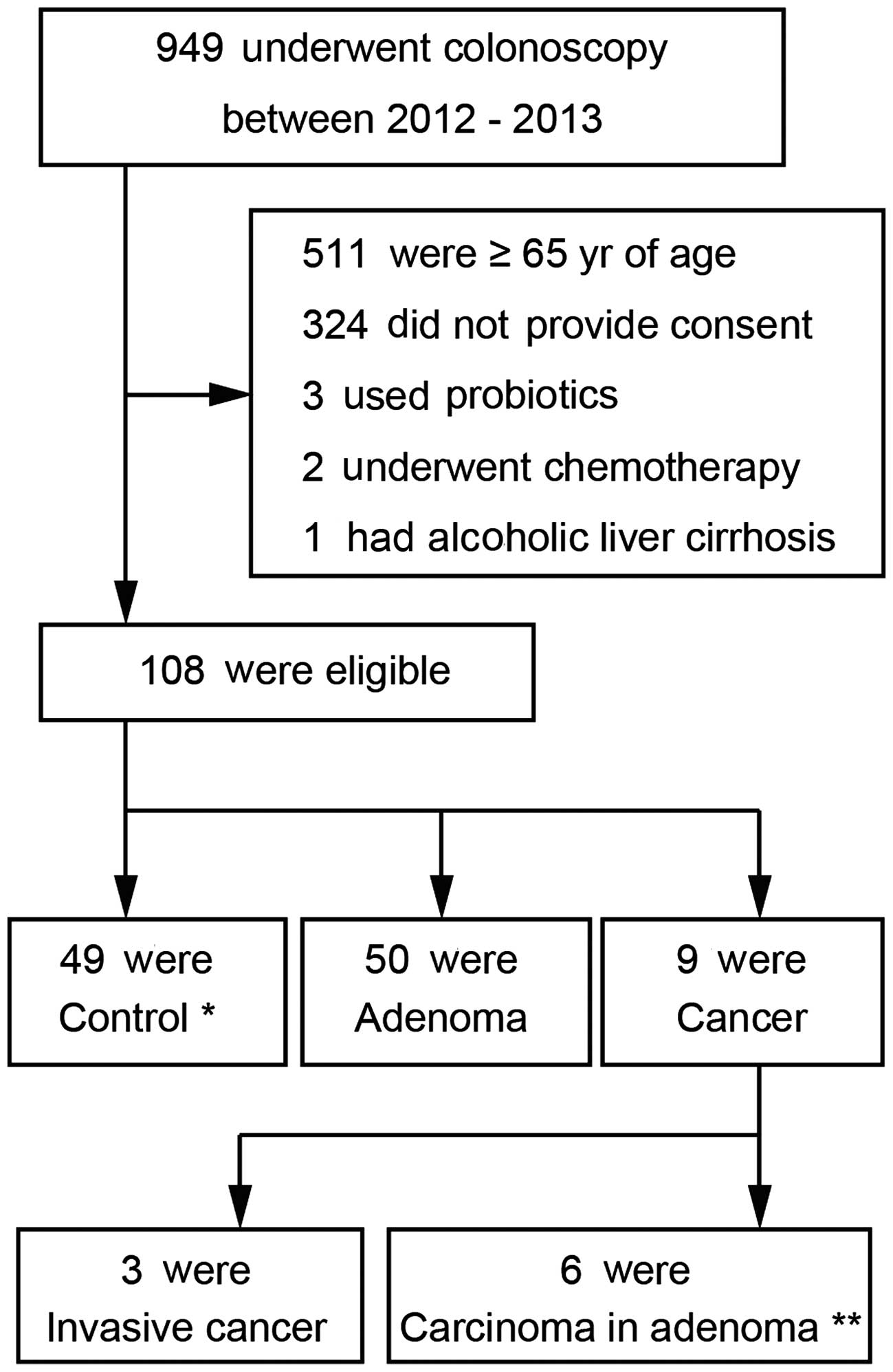
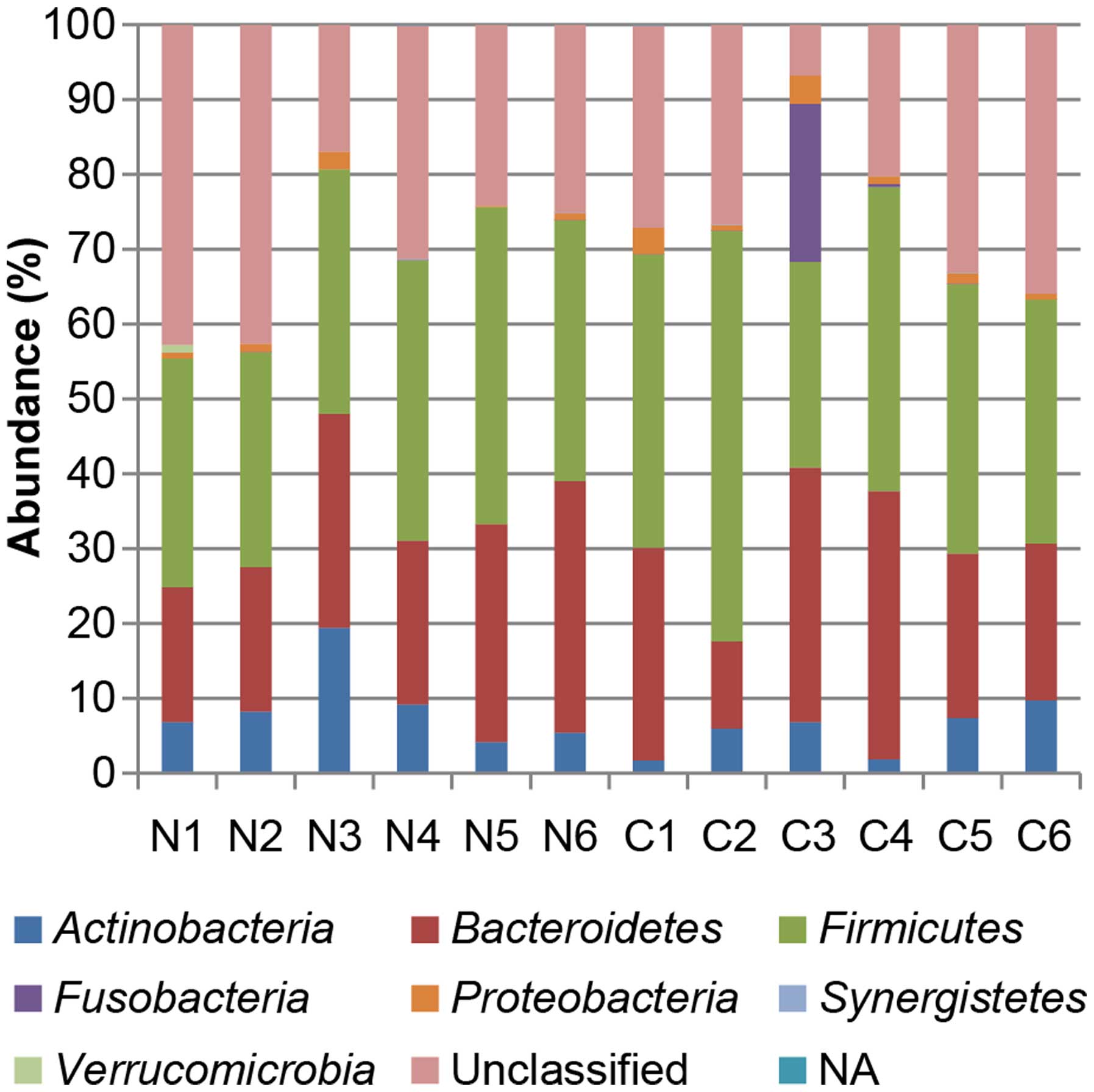
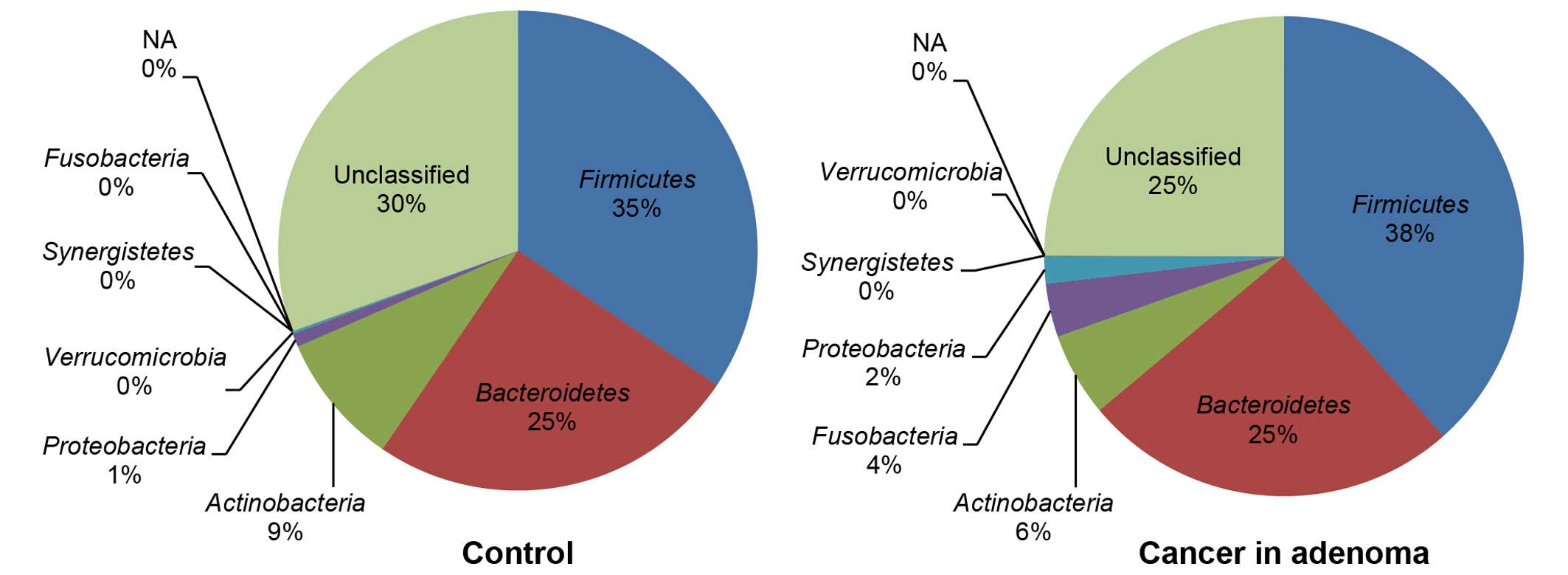
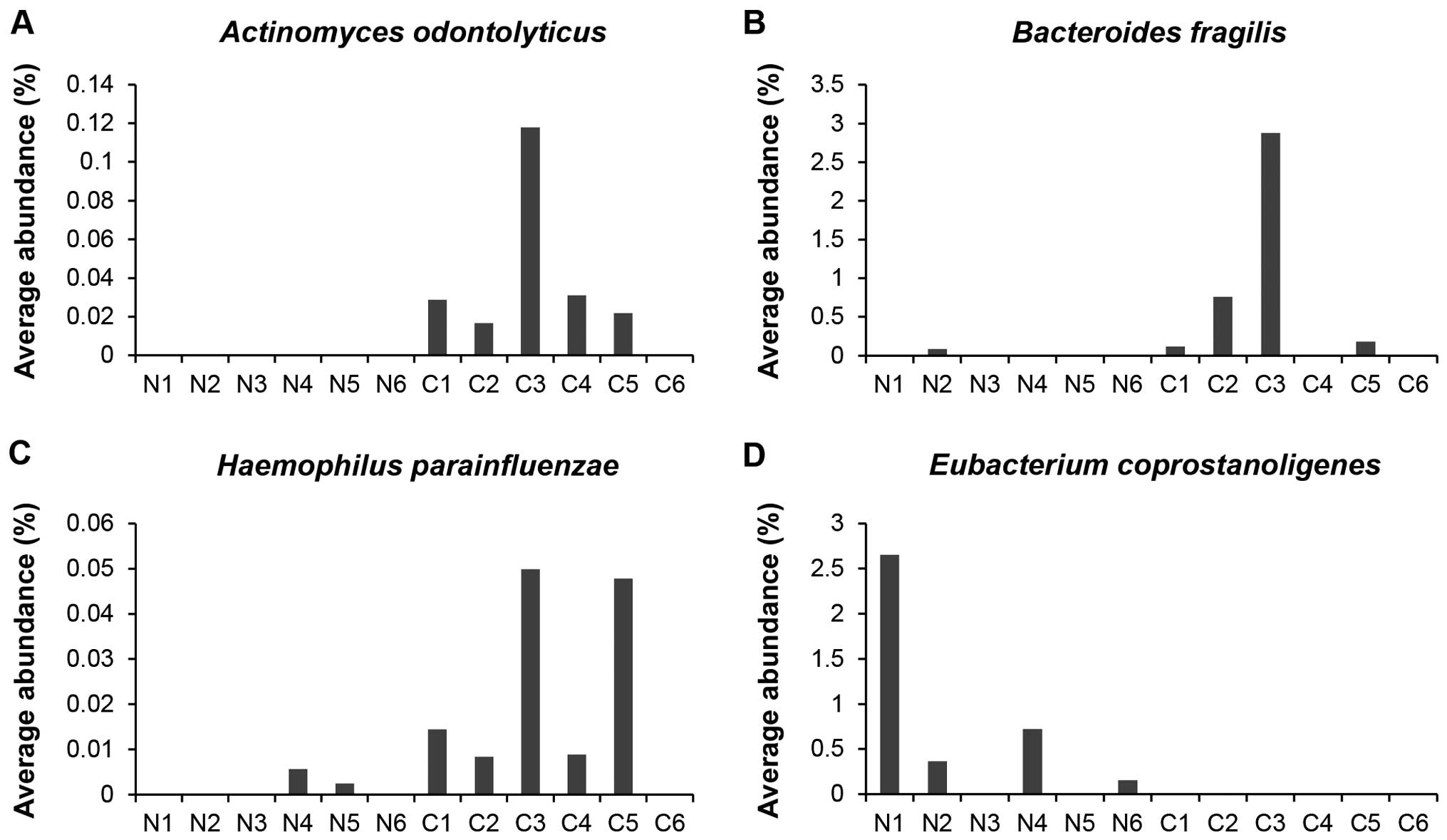
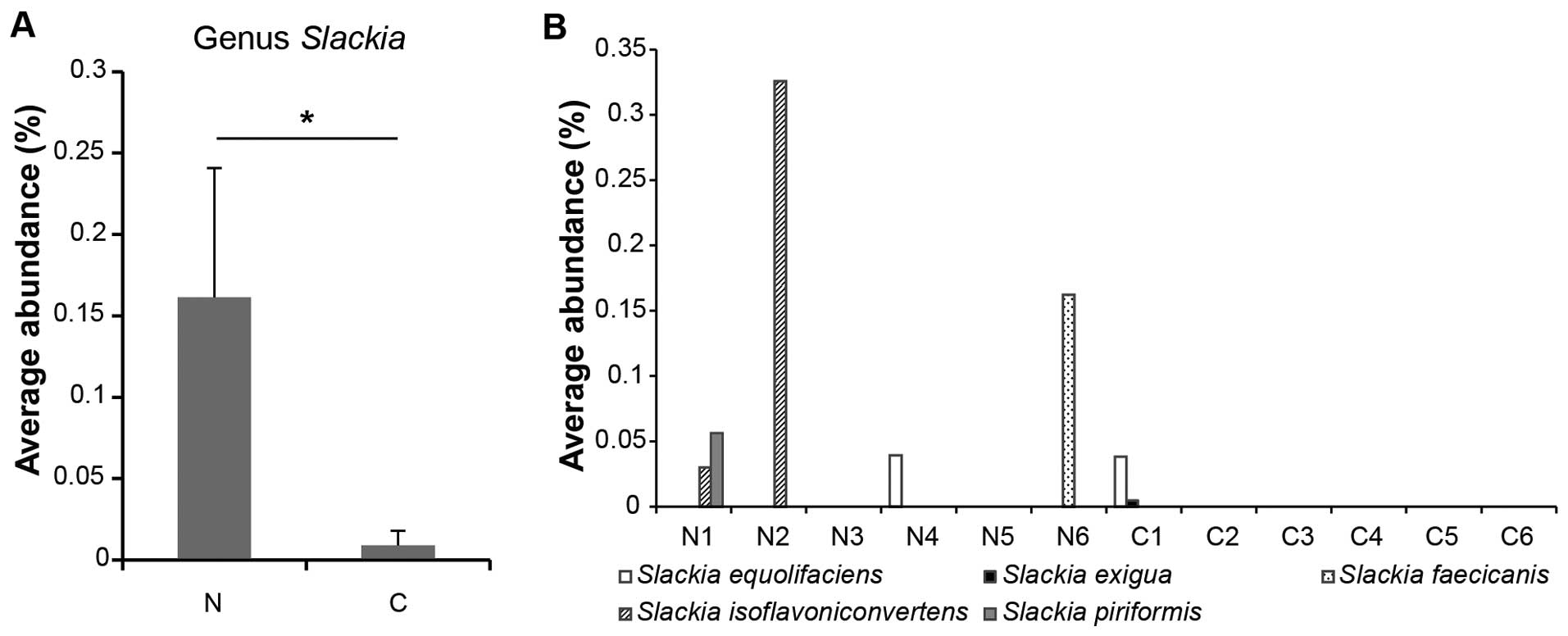
Colorectal cancer (CRC) is the third leading cause of cancer-related deaths in Japan. The etiology of CRC has been linked to numerous factors including genetic mutation, diet, life style, inflammation, and recently, the gut microbiota. However, CRC-associated gut microbiota is still largely unexamined. This study used terminal restriction fragment length polymorphism (T-RFLP) and next-generation sequencing (NGS) to analyze and compare gut microbiota of Japanese control subjects and Japanese patients with carcinoma in adenoma. Stool samples were collected from 49 control subjects, 50 patients with colon adenoma, and 9 patients with colorectal cancer (3/9 with invasive cancer and 6/9 with carcinoma in adenoma) immediately before colonoscopy; DNA was extracted from each stool sample. Based on T-RFLP analysis, 12 subjects (six control and six carcinoma in adenoma subjects) were selected; their samples were used for NGS and species-level analysis. T-RFLP analysis showed no significant differences in bacterial population between control, adenoma and cancer groups. However, NGS revealed that i), control and carcinoma in adenoma subjects had different gut microbiota compositions, ii), one bacterial genus (Slackia) was significantly associated with the control group and four bacterial genera (Actinomyces, Atopobium, Fusobacterium, and Haemophilus) were significantly associated with the carcinoma-in-adenoma group, and iii), several bacterial species were significantly associated with each type (control: Eubacterium coprostanoligens; carcinoma in adenoma: Actinomyces odontolyticus, Bacteroides fragiles, Clostridium nexile, Fusobacterium varium, Haemophilus parainfluenzae, Prevotella stercorea, Streptococcus gordonii, and Veillonella dispar). Gut microbial properties differ between control subjects and carcinoma-in-adenoma patients in this Japanese population, suggesting that gut microbiota is related to CRC prevention and development.
View Figures

Figure 1

Figure 2

Figure 3

Figure 4

Figure 5

View References

1 

Savage DC: Microbial ecology of the gastrointestinal tract. Annu Rev Microbiol. 31:107–133. 1977. View Article : Google Scholar : PubMed/NCBI

2 

Mitsuoka T and Hayakawa K: The fecal flora in man. I. Composition of the fecal flora of various age groups. Zentralbl Bakteriol Orig A. 223:333–342. 1973.In German. PubMed/NCBI

3 

Zoetendal EG, Akkermans AD and De Vos WM: Temperature gradient gel electrophoresis analysis of 16S rRNA from human fecal samples reveals stable and host-specific communities of active bacteria. Appl Environ Microbiol. 64:3854–3859. 1998.PubMed/NCBI

4 

Rajilić-Stojanović M, Heilig HG, Tims S, Zoetendal EG and de Vos WM: Long-term monitoring of the human intestinal microbiota composition. Environ Microbiol. 15:1146–1159. 2013. View Article : Google Scholar

5 

Frank DN, St Amand AL, Feldman RA, Boedeker EC, Harpaz N and Pace NR: Molecular-phylogenetic characterization of microbial community imbalances in human inflammatory bowel diseases. Proc Natl Acad Sci USA. 104:13780–13785. 2007. View Article : Google Scholar : PubMed/NCBI

6 

Martinez C, Antolin M, Santos J, Torrejon A, Casellas F, Borruel N, Guarner F and Malagelada JR: Unstable composition of the fecal microbiota in ulcerative colitis during clinical remission. Am J Gastroenterol. 103:643–648. 2008. View Article : Google Scholar : PubMed/NCBI

7 

Morgan XC, Tickle TL, Sokol H, Gevers D, Devaney KL, Ward DV, Reyes JA, Shah SA, LeLeiko N, Snapper SB, et al: Dysfunction of the intestinal microbiome in inflammatory bowel disease and treatment. Genome Biol. 13:R792012. View Article : Google Scholar : PubMed/NCBI

8 

Turnbaugh PJ, Ley RE, Mahowald MA, Magrini V, Mardis ER and Gordon JI: An obesity-associated gut microbiome with increased capacity for energy harvest. Nature. 444:1027–1031. 2006. View Article : Google Scholar : PubMed/NCBI

9 

Duncan SH, Lobley GE, Holtrop G, Ince J, Johnstone AM, Louis P and Flint HJ: Human colonic microbiota associated with diet, obesity and weight loss. Int J Obes. 32:1720–1724. 2008. View Article : Google Scholar

10 

Schwiertz A, Taras D, Schäfer K, Beijer S, Bos NA, Donus C and Hardt PD: Microbiota and SCFA in lean and overweight healthy subjects. Obesity (Silver Spring). 18:190–195. 2010. View Article : Google Scholar

11 

Irrazábal T, Belcheva A, Girardin SE, Martin A and Philpott DJ: The multifaceted role of the intestinal microbiota in colon cancer. Mol Cell. 54:309–320. 2014. View Article : Google Scholar : PubMed/NCBI

12 

Schwabe RF and Jobin C: The microbiome and cancer. Nat Rev Cancer. 13:800–812. 2013. View Article : Google Scholar : PubMed/NCBI

13 

Ernst M, Najdovska M, Grail D, Lundgren-May T, Buchert M, Tye H, Matthews VB, Armes J, Bhathal PS, Hughes NR, et al: STAT3 and STAT1 mediate IL-11-dependent and inflammation-associated gastric tumorigenesis in gp130 receptor mutant mice. J Clin Invest. 118:1727–1738. 2008.PubMed/NCBI

14 

Wu S, Rhee KJ, Albesiano E, Rabizadeh S, Wu X, Yen HR, Huso DL, Brancati FL, Wick E, McAllister F, et al: A human colonic commensal promotes colon tumorigenesis via activation of T helper type 17 T cell responses. Nat Med. 15:1016–1022. 2009. View Article : Google Scholar : PubMed/NCBI

15 

Winter SE, Lopez CA and Bäumler AJ: The dynamics of gut-associated microbial communities during inflammation. EMBO Rep. 14:319–327. 2013. View Article : Google Scholar : PubMed/NCBI

16 

Kuper H, Adami HO and Trichopoulos D: Infections as a major preventable cause of human cancer. J Intern Med. 248:171–183. 2000. View Article : Google Scholar : PubMed/NCBI

17 

Mantovani A, Garlanda C and Allavena P: Molecular pathways and targets in cancer-related inflammation. Ann Med. 42:161–170. 2010. View Article : Google Scholar : PubMed/NCBI

18 

Lundberg JO, Weitzberg E, Cole JA and Benjamin N: Nitrate, bacteria and human health. Nat Rev Microbiol. 2:593–602. 2004. View Article : Google Scholar : PubMed/NCBI

19 

Belcheva A, Green B, Weiss A, Streutker C and Martin A: Elevated incidence of polyp formation in APC(Min/+)Msh2−/− mice is independent of nitric oxide-induced DNA mutations. PLoS One. 8:e652042013. View Article : Google Scholar

20 

Cooke MS, Evans MD, Dizdaroglu M and Lunec J: Oxidative DNA damage: Mechanisms, mutation, and disease. FASEB J. 17:1195–1214. 2003. View Article : Google Scholar : PubMed/NCBI

21 

Evans MD, Dizdaroglu M and Cooke MS: Oxidative DNA damage and disease: Induction, repair and significance. Mutat Res. 567:1–61. 2004. View Article : Google Scholar : PubMed/NCBI

22 

Christl SU, Scheppach W and Kasper H: Hydrogen metabolism in the large intestine - physiology and clinical implications. Z Gastroenterol. 33:408–413. 1995.In German. PubMed/NCBI

23 

Deplancke B, Finster K, Graham WV, Collier CT, Thurmond JE and Gaskins HR: Gastrointestinal and microbial responses to sulfate-supplemented drinking water in mice. Exp Biol Med (Maywood). 228:424–433. 2003.

24 

Hughes R, Cross AJ, Pollock JR and Bingham S: Dose-dependent effect of dietary meat on endogenous colonic N-nitrosation. Carcinogenesis. 22:199–202. 2001. View Article : Google Scholar : PubMed/NCBI

25 

Norat T and Riboli E: Meat consumption and colorectal cancer: A review of epidemiologic evidence. Nutr Rev. 59:37–47. 2001. View Article : Google Scholar : PubMed/NCBI

26 

Hague A, Manning AM, Hanlon KA, Huschtscha LI, Hart D and Paraskeva C: Sodium butyrate induces apoptosis in human colonic tumour cell lines in a p53-independent pathway: Implications for the possible role of dietary fibre in the prevention of large-bowel cancer. Int J Cancer. 55:498–505. 1993. View Article : Google Scholar : PubMed/NCBI

27 

Heerdt BG, Houston MA and Augenlicht LH: Potentiation by specific short-chain fatty acids of differentiation and apoptosis in human colonic carcinoma cell lines. Cancer Res. 54:3288–3293. 1994.PubMed/NCBI

28 

Nagashima K, Mochizuki J, Hisada T, Suzuki S and Shimomura K: Phylogenetic analysis of 16S ribosomal RNA gene sequences from human fecal microbiota and improved utility of terminal restriction fragment length polymorphism profiling. Biosci Microflora. 25:99–107. 2006. View Article : Google Scholar

29 

Nagashima K, Hisada T, Sato M and Mochizuki J: Application of new primer-enzyme combinations to terminal restriction fragment length polymorphism profiling of bacterial populations in human feces. Appl Environ Microbiol. 69:1251–1262. 2003. View Article : Google Scholar : PubMed/NCBI

30 

Takahashi S, Tomita J, Nishioka K, Hisada T and Nishijima M: Development of a prokaryotic universal primer for simultaneous analysis of Bacteria and Archaea using next-generation sequencing. PLoS One. 9:e1055922014. View Article : Google Scholar : PubMed/NCBI

31 

Muyzer G, de Waal EC and Uitterlinden AG: Profiling of complex microbial populations by denaturing gradient gel electrophoresis analysis of polymerase chain reaction-amplified genes coding for 16S rRNA. Appl Environ Microbiol. 59:695–700. 1993.PubMed/NCBI

32 

Caporaso JG, Lauber CL, Walters WA, Berg-Lyons D, Lozupone CA, Turnbaugh PJ, Fierer N and Knight R: Global patterns of 16S rRNA diversity at a depth of millions of sequences per sample. Proc Natl Acad Sci USA. 108(Suppl 1): 4516–4522. 2011. View Article : Google Scholar :

33 

Castellarin M, Warren RL, Freeman JD, Dreolini L, Krzywinski M, Strauss J, Barnes R, Watson P, Allen-Vercoe E, Moore RA, et al: Fusobacterium nucleatum infection is prevalent in human colorectal carcinoma. Genome Res. 22:299–306. 2012. View Article : Google Scholar :

34 

Kostic AD, Gevers D, Pedamallu CS, Michaud M, Duke F, Earl AM, Ojesina AI, Jung J, Bass AJ, Tabernero J, et al: Genomic analysis identifies association of Fusobacterium with colorectal carcinoma. Genome Res. 22:292–298. 2012. View Article : Google Scholar :

35 

Kostic AD, Chun E, Robertson L, Glickman JN, Gallini CA, Michaud M, Clancy TE, Chung DC, Lochhead P, Hold GL, et al: Fusobacterium nucleatum potentiates intestinal tumorigenesis and modulates the tumor-immune microenvironment. Cell Host Microbe. 14:207–215. 2013. View Article : Google Scholar : PubMed/NCBI

36 

Rubinstein MR, Wang X, Liu W, Hao Y, Cai G and Han YW: Fusobacterium nucleatum promotes colorectal carcinogenesis by modulating E-cadherin/β-catenin signaling via its FadA adhesin. Cell Host Microbe. 14:195–206. 2013. View Article : Google Scholar : PubMed/NCBI

37 

Matthies A, Blaut M and Braune A: Isolation of a human intestinal bacterium capable of daidzein and genistein conversion. Appl Environ Microbiol. 75:1740–1744. 2009. View Article : Google Scholar : PubMed/NCBI

38 

Setchell KD and Clerici C: Equol: History, chemistry, and formation. J Nutr. 140:1355S–1362S. 2010. View Article : Google Scholar : PubMed/NCBI

39 

Watanabe S, Yamaguchi M, Sobue T, Takahashi T, Miura T, Arai Y, Mazur W, Wähälä K and Adlercreutz H: Pharmacokinetics of soybean isoflavones in plasma, urine and feces of men after ingestion of 60 g baked soybean powder (kinako). J Nutr. 128:1710–1715. 1998.PubMed/NCBI

40 

Setchell KD and Cole SJ: Method of defining equol-producer status and its frequency among vegetarians. J Nutr. 136:2188–2193. 2006.PubMed/NCBI

41 

Setchell KD, Zhao X, Shoaf SE and Ragland K: The pharmacokinetics of S-(−)equol administered as SE5-OH tablets to healthy postmenopausal women. J Nutr. 139:2037–2043. 2009. View Article : Google Scholar : PubMed/NCBI

42 

Song KB, Atkinson C, Frankenfeld CL, Jokela T, Wähälä K, Thomas WK and Lampe JW: Prevalence of daidzein-metabolizing phenotypes differs between Caucasian and Korean American women and girls. J Nutr. 136:1347–1351. 2006.PubMed/NCBI

43 

Setchell KD: Phytoestrogens: The biochemistry, physiology, and implications for human health of soy isoflavones. Am J Clin Nutr. 68(Suppl 6): 1333S–1346S. 1998.PubMed/NCBI

44 

Cai Y, Guo K, Chen C, Wang P, Zhang B, Zhou Q, Mei F and Su Y: Soya isoflavone consumption in relation to carotid intimamedia thickness in Chinese equol excretors aged 40–65 years. Br J Nutr. 108:1698–1704. 2012. View Article : Google Scholar : PubMed/NCBI

45 

Lund TD, Munson DJ, Haldy ME, Setchell KD, Lephart ED and Handa RJ: Equol is a novel anti-androgen that inhibits prostate growth and hormone feedback. Biol Reprod. 70:1188–1195. 2004. View Article : Google Scholar

46 

Brown NM, Belles CA, Lindley SL, Zimmer-Nechemias L, Witte DP, Kim MO and Setchell KD: Mammary gland differentiation by early life exposure to enantiomers of the soy isoflavone metabolite equol. Food Chem Toxicol. 48:3042–3050. 2010. View Article : Google Scholar : PubMed/NCBI

47 

Uematsu H, Sato N, Hossain MZ, Ikeda T and Hoshino E: Degradation of arginine and other amino acids by buty-rate-producing asaccharolytic anaerobic Gram-positive rods in periodontal pockets. Arch Oral Biol. 48:423–429. 2003. View Article : Google Scholar : PubMed/NCBI

48 

Barcenilla A, Pryde SE, Martin JC, Duncan SH, Stewart CS, Henderson C and Flint HJ: Phylogenetic relationships of butyrate-producing bacteria from the human gut. Appl Environ Microbiol. 66:1654–1661. 2000. View Article : Google Scholar : PubMed/NCBI

49 

Wong JM, de Souza R, Kendall CW, Emam A and Jenkins DJ: Colonic health: Fermentation and short chain fatty acids. J Clin Gastroenterol. 40:235–243. 2006. View Article : Google Scholar : PubMed/NCBI

50 

Dronamraju SS, Coxhead JM, Kelly SB and Mathers JC: Differential antineoplastic effects of butyrate in cells with and without a functioning DNA mismatch repair. Nutr Cancer. 62:105–115. 2010. View Article : Google Scholar : PubMed/NCBI

51 

Ooi CC, Good NM, Williams DB, Lewanowitsch T, Cosgrove LJ, Lockett TJ and Head RJ: Efficacy of butyrate analogues in HT-29 cancer cells. Clin Exp Pharmacol Physiol. 37:482–489. 2010. View Article : Google Scholar

52 

Roy MJ, Dionne S, Marx G, Qureshi I, Sarma D, Levy E and Seidman EG: In vitro studies on the inhibition of colon cancer by butyrate and carnitine. Nutrition. 25:1193–1201. 2009. View Article : Google Scholar : PubMed/NCBI

53 

Freier TA, Beitz DC, Li L and Hartman PA: Characterization of Eubacterium coprostanoligenes sp nov, a cholesterol-reducing anaerobe. Int J Syst Bacteriol. 44:137–142. 1994. View Article : Google Scholar : PubMed/NCBI

54 

Stadler J, Stern HS, Yeung KS, McGuire V, Furrer R, Marcon N and Bruce WR: Effect of high fat consumption on cell proliferation activity of colorectal mucosa and on soluble faecal bile acids. Gut. 29:1326–1331. 1988. View Article : Google Scholar : PubMed/NCBI

55 

Ou J, Carbonero F, Zoetendal EG, DeLany JP, Wang M, Newton K, Gaskins HR and O'Keefe SJ: Diet, microbiota, and microbial metabolites in colon cancer risk in rural Africans and African Americans. Am J Clin Nutr. 98:111–120. 2013. View Article : Google Scholar : PubMed/NCBI

56 

Mantovani A, Allavena P, Sica A and Balkwill F: Cancer-related inflammation. Nature. 454:436–444. 2008. View Article : Google Scholar : PubMed/NCBI

57 

Toprak NU, Yagci A, Gulluoglu BM, Akin ML, Demirkalem P, Celenk T and Soyletir G: A possible role of Bacteroides fragilis enterotoxin in the aetiology of colorectal cancer. Clin Microbiol Infect. 12:782–786. 2006. View Article : Google Scholar : PubMed/NCBI

Related Articles

  • Abstract
  • View
  • Download
  • Twitter
Copy and paste a formatted citation
Spandidos Publications style
Kasai C, Sugimoto K, Moritani I, Tanaka J, Oya Y, Inoue H, Tameda M, Shiraki K, Ito M, Takei Y, Takei Y, et al: Comparison of human gut microbiota in control subjects and patients with colorectal carcinoma in adenoma: Terminal restriction fragment length polymorphism and next-generation sequencing analyses. Oncol Rep 35: 325-333, 2016.
APA
Kasai, C., Sugimoto, K., Moritani, I., Tanaka, J., Oya, Y., Inoue, H. ... Takase, K. (2016). Comparison of human gut microbiota in control subjects and patients with colorectal carcinoma in adenoma: Terminal restriction fragment length polymorphism and next-generation sequencing analyses. Oncology Reports, 35, 325-333. https://doi.org/10.3892/or.2015.4398
MLA
Kasai, C., Sugimoto, K., Moritani, I., Tanaka, J., Oya, Y., Inoue, H., Tameda, M., Shiraki, K., Ito, M., Takei, Y., Takase, K."Comparison of human gut microbiota in control subjects and patients with colorectal carcinoma in adenoma: Terminal restriction fragment length polymorphism and next-generation sequencing analyses". Oncology Reports 35.1 (2016): 325-333.
Chicago
Kasai, C., Sugimoto, K., Moritani, I., Tanaka, J., Oya, Y., Inoue, H., Tameda, M., Shiraki, K., Ito, M., Takei, Y., Takase, K."Comparison of human gut microbiota in control subjects and patients with colorectal carcinoma in adenoma: Terminal restriction fragment length polymorphism and next-generation sequencing analyses". Oncology Reports 35, no. 1 (2016): 325-333. https://doi.org/10.3892/or.2015.4398
Copy and paste a formatted citation
x
Spandidos Publications style
Kasai C, Sugimoto K, Moritani I, Tanaka J, Oya Y, Inoue H, Tameda M, Shiraki K, Ito M, Takei Y, Takei Y, et al: Comparison of human gut microbiota in control subjects and patients with colorectal carcinoma in adenoma: Terminal restriction fragment length polymorphism and next-generation sequencing analyses. Oncol Rep 35: 325-333, 2016.
APA
Kasai, C., Sugimoto, K., Moritani, I., Tanaka, J., Oya, Y., Inoue, H. ... Takase, K. (2016). Comparison of human gut microbiota in control subjects and patients with colorectal carcinoma in adenoma: Terminal restriction fragment length polymorphism and next-generation sequencing analyses. Oncology Reports, 35, 325-333. https://doi.org/10.3892/or.2015.4398
MLA
Kasai, C., Sugimoto, K., Moritani, I., Tanaka, J., Oya, Y., Inoue, H., Tameda, M., Shiraki, K., Ito, M., Takei, Y., Takase, K."Comparison of human gut microbiota in control subjects and patients with colorectal carcinoma in adenoma: Terminal restriction fragment length polymorphism and next-generation sequencing analyses". Oncology Reports 35.1 (2016): 325-333.
Chicago
Kasai, C., Sugimoto, K., Moritani, I., Tanaka, J., Oya, Y., Inoue, H., Tameda, M., Shiraki, K., Ito, M., Takei, Y., Takase, K."Comparison of human gut microbiota in control subjects and patients with colorectal carcinoma in adenoma: Terminal restriction fragment length polymorphism and next-generation sequencing analyses". Oncology Reports 35, no. 1 (2016): 325-333. https://doi.org/10.3892/or.2015.4398
Follow us
  • Twitter
  • LinkedIn
  • Facebook
About
  • Spandidos Publications
  • Careers
  • Cookie Policy
  • Privacy Policy
How can we help?
  • Help
  • Live Chat
  • Contact
  • Email to our Support Team