Spandidos Publications Logo
  • About
    • About Spandidos
    • Aims and Scopes
    • Abstracting and Indexing
    • Editorial Policies
    • Reprints and Permissions
    • Job Opportunities
    • Terms and Conditions
    • Contact
  • Journals
    • All Journals
    • Oncology Letters
      • Oncology Letters
      • Information for Authors
      • Editorial Policies
      • Editorial Board
      • Aims and Scope
      • Abstracting and Indexing
      • Bibliographic Information
      • Archive
    • International Journal of Oncology
      • International Journal of Oncology
      • Information for Authors
      • Editorial Policies
      • Editorial Board
      • Aims and Scope
      • Abstracting and Indexing
      • Bibliographic Information
      • Archive
    • Molecular and Clinical Oncology
      • Molecular and Clinical Oncology
      • Information for Authors
      • Editorial Policies
      • Editorial Board
      • Aims and Scope
      • Abstracting and Indexing
      • Bibliographic Information
      • Archive
    • Experimental and Therapeutic Medicine
      • Experimental and Therapeutic Medicine
      • Information for Authors
      • Editorial Policies
      • Editorial Board
      • Aims and Scope
      • Abstracting and Indexing
      • Bibliographic Information
      • Archive
    • International Journal of Molecular Medicine
      • International Journal of Molecular Medicine
      • Information for Authors
      • Editorial Policies
      • Editorial Board
      • Aims and Scope
      • Abstracting and Indexing
      • Bibliographic Information
      • Archive
    • Biomedical Reports
      • Biomedical Reports
      • Information for Authors
      • Editorial Policies
      • Editorial Board
      • Aims and Scope
      • Abstracting and Indexing
      • Bibliographic Information
      • Archive
    • Oncology Reports
      • Oncology Reports
      • Information for Authors
      • Editorial Policies
      • Editorial Board
      • Aims and Scope
      • Abstracting and Indexing
      • Bibliographic Information
      • Archive
    • Molecular Medicine Reports
      • Molecular Medicine Reports
      • Information for Authors
      • Editorial Policies
      • Editorial Board
      • Aims and Scope
      • Abstracting and Indexing
      • Bibliographic Information
      • Archive
    • World Academy of Sciences Journal
      • World Academy of Sciences Journal
      • Information for Authors
      • Editorial Policies
      • Editorial Board
      • Aims and Scope
      • Abstracting and Indexing
      • Bibliographic Information
      • Archive
    • International Journal of Functional Nutrition
      • International Journal of Functional Nutrition
      • Information for Authors
      • Editorial Policies
      • Editorial Board
      • Aims and Scope
      • Abstracting and Indexing
      • Bibliographic Information
      • Archive
    • International Journal of Epigenetics
      • International Journal of Epigenetics
      • Information for Authors
      • Editorial Policies
      • Editorial Board
      • Aims and Scope
      • Abstracting and Indexing
      • Bibliographic Information
      • Archive
    • Medicine International
      • Medicine International
      • Information for Authors
      • Editorial Policies
      • Editorial Board
      • Aims and Scope
      • Abstracting and Indexing
      • Bibliographic Information
      • Archive
  • Articles
  • Information
    • Information for Authors
    • Information for Reviewers
    • Information for Librarians
    • Information for Advertisers
    • Conferences
  • Language Editing
Spandidos Publications Logo
  • About
    • About Spandidos
    • Aims and Scopes
    • Abstracting and Indexing
    • Editorial Policies
    • Reprints and Permissions
    • Job Opportunities
    • Terms and Conditions
    • Contact
  • Journals
    • All Journals
    • Biomedical Reports
      • Information for Authors
      • Editorial Policies
      • Editorial Board
      • Aims and Scope
      • Abstracting and Indexing
      • Bibliographic Information
      • Archive
    • Experimental and Therapeutic Medicine
      • Information for Authors
      • Editorial Policies
      • Editorial Board
      • Aims and Scope
      • Abstracting and Indexing
      • Bibliographic Information
      • Archive
    • International Journal of Epigenetics
      • Information for Authors
      • Editorial Policies
      • Editorial Board
      • Aims and Scope
      • Abstracting and Indexing
      • Bibliographic Information
      • Archive
    • International Journal of Functional Nutrition
      • Information for Authors
      • Editorial Policies
      • Editorial Board
      • Aims and Scope
      • Abstracting and Indexing
      • Bibliographic Information
      • Archive
    • International Journal of Molecular Medicine
      • Information for Authors
      • Editorial Policies
      • Editorial Board
      • Aims and Scope
      • Abstracting and Indexing
      • Bibliographic Information
      • Archive
    • International Journal of Oncology
      • Information for Authors
      • Editorial Policies
      • Editorial Board
      • Aims and Scope
      • Abstracting and Indexing
      • Bibliographic Information
      • Archive
    • Medicine International
      • Information for Authors
      • Editorial Policies
      • Editorial Board
      • Aims and Scope
      • Abstracting and Indexing
      • Bibliographic Information
      • Archive
    • Molecular and Clinical Oncology
      • Information for Authors
      • Editorial Policies
      • Editorial Board
      • Aims and Scope
      • Abstracting and Indexing
      • Bibliographic Information
      • Archive
    • Molecular Medicine Reports
      • Information for Authors
      • Editorial Policies
      • Editorial Board
      • Aims and Scope
      • Abstracting and Indexing
      • Bibliographic Information
      • Archive
    • Oncology Letters
      • Information for Authors
      • Editorial Policies
      • Editorial Board
      • Aims and Scope
      • Abstracting and Indexing
      • Bibliographic Information
      • Archive
    • Oncology Reports
      • Information for Authors
      • Editorial Policies
      • Editorial Board
      • Aims and Scope
      • Abstracting and Indexing
      • Bibliographic Information
      • Archive
    • World Academy of Sciences Journal
      • Information for Authors
      • Editorial Policies
      • Editorial Board
      • Aims and Scope
      • Abstracting and Indexing
      • Bibliographic Information
      • Archive
  • Articles
  • Information
    • For Authors
    • For Reviewers
    • For Librarians
    • For Advertisers
    • Conferences
  • Language Editing
Login Register Submit
  • This site uses cookies
  • You can change your cookie settings at any time by following the instructions in our Cookie Policy. To find out more, you may read our Privacy Policy.

    I agree
Search articles by DOI, keyword, author or affiliation
Search
Advanced Search
presentation
Oncology Reports
Join Editorial Board Propose a Special Issue
Print ISSN: 1021-335X Online ISSN: 1791-2431
Journal Cover
March-2016 Volume 35 Issue 3

Full Size Image

Sign up for eToc alerts
Recommend to Library

Journals

International Journal of Molecular Medicine

International Journal of Molecular Medicine

International Journal of Molecular Medicine is an international journal devoted to molecular mechanisms of human disease.

International Journal of Oncology

International Journal of Oncology

International Journal of Oncology is an international journal devoted to oncology research and cancer treatment.

Molecular Medicine Reports

Molecular Medicine Reports

Covers molecular medicine topics such as pharmacology, pathology, genetics, neuroscience, infectious diseases, molecular cardiology, and molecular surgery.

Oncology Reports

Oncology Reports

Oncology Reports is an international journal devoted to fundamental and applied research in Oncology.

Experimental and Therapeutic Medicine

Experimental and Therapeutic Medicine

Experimental and Therapeutic Medicine is an international journal devoted to laboratory and clinical medicine.

Oncology Letters

Oncology Letters

Oncology Letters is an international journal devoted to Experimental and Clinical Oncology.

Biomedical Reports

Biomedical Reports

Explores a wide range of biological and medical fields, including pharmacology, genetics, microbiology, neuroscience, and molecular cardiology.

Molecular and Clinical Oncology

Molecular and Clinical Oncology

International journal addressing all aspects of oncology research, from tumorigenesis and oncogenes to chemotherapy and metastasis.

World Academy of Sciences Journal

World Academy of Sciences Journal

Multidisciplinary open-access journal spanning biochemistry, genetics, neuroscience, environmental health, and synthetic biology.

International Journal of Functional Nutrition

International Journal of Functional Nutrition

Open-access journal combining biochemistry, pharmacology, immunology, and genetics to advance health through functional nutrition.

International Journal of Epigenetics

International Journal of Epigenetics

Publishes open-access research on using epigenetics to advance understanding and treatment of human disease.

Medicine International

Medicine International

An International Open Access Journal Devoted to General Medicine.

Journal Cover
March-2016 Volume 35 Issue 3

Full Size Image

Sign up for eToc alerts
Recommend to Library

  • Article
  • Citations
    • Cite This Article
    • Download Citation
    • Create Citation Alert
    • Remove Citation Alert
    • Cited By
  • Similar Articles
    • Related Articles (in Spandidos Publications)
    • Similar Articles (Google Scholar)
    • Similar Articles (PubMed)
  • Download PDF
  • Download XML
  • View XML
Article

Redox cycling of a copper complex with benzaldehyde nitrogen mustard-2-pyridine carboxylic acid hydrazone contributes to its enhanced antitumor activity, but no change in the mechanism of action occurs after chelation

  • Authors:
    • Yinli Yang
    • Cuiping Li
    • Yun Fu
    • Youxun Liu
    • Yu Zhang
    • Yanfang Zhang
    • Pingxin Zhou
    • Yanbin Yuan
    • Sufeng Zhou
    • Shaoshan Li
    • Changzheng Li
  • View Affiliations / Copyright

    Affiliations: Department of Molecular Biology and Biochemistry, Xinxiang Medical University, Xinxiang, Henan 453003, P.R. China, Department of Surgery, The Third Affiliated Hospital of Xinxiang Medical University, Xinxiang, Henan 453003, P.R. China, Henan Collaborative Innovation Center of Molecular Diagnostics and Laboratory Medicine, Xinxiang Medical University, Xinxiang, Henan 453003, P.R. China
  • Pages: 1636-1644
    |
    Published online on: December 29, 2015
       https://doi.org/10.3892/or.2015.4530
  • Expand metrics +
Metrics: Total Views: 0 (Spandidos Publications: | PMC Statistics: )
Metrics: Total PDF Downloads: 0 (Spandidos Publications: | PMC Statistics: )
Cited By (CrossRef): 0 citations Loading Articles...

This article is mentioned in:


Abstract

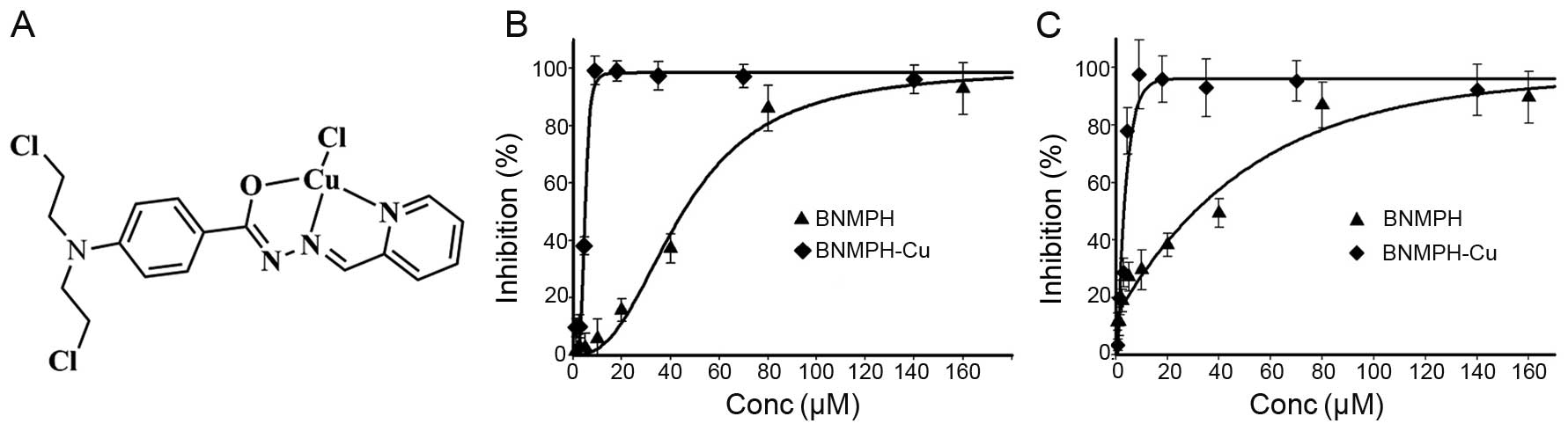
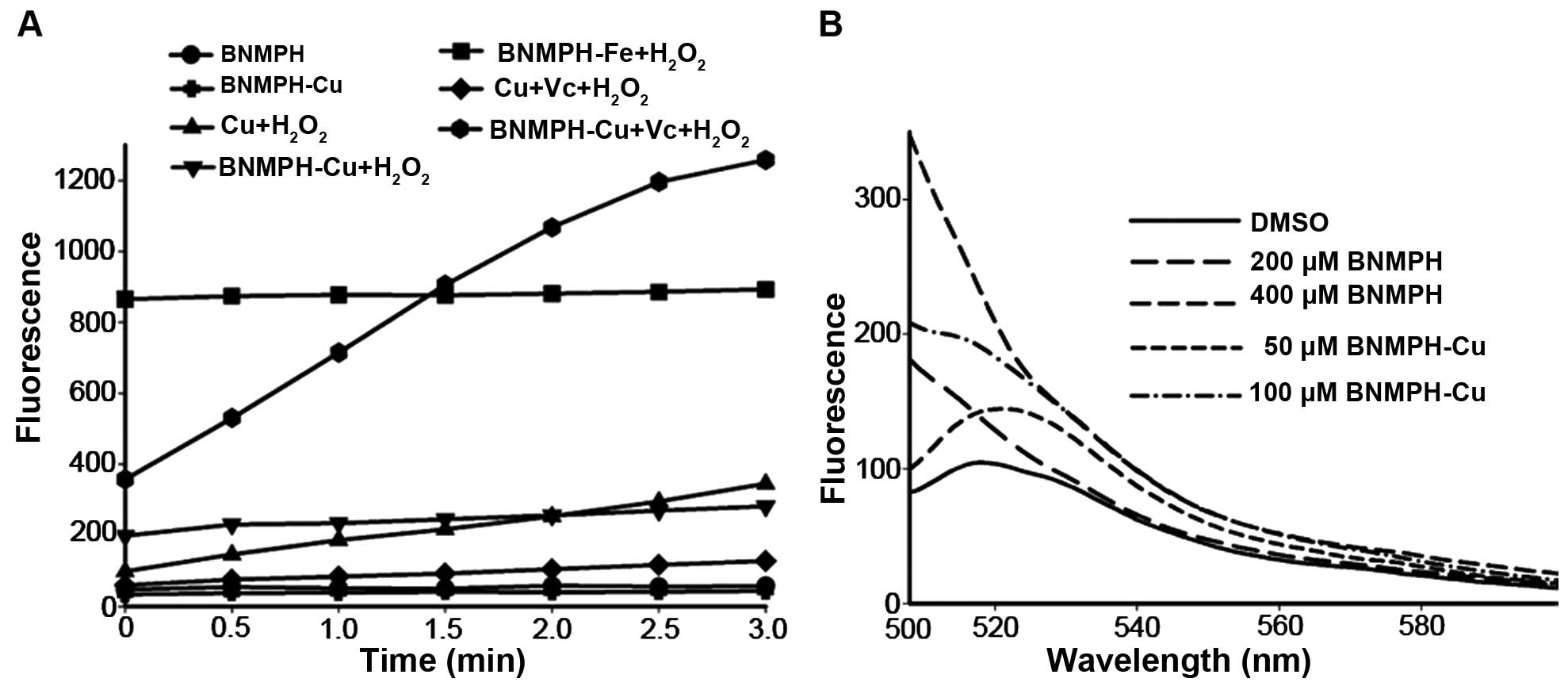
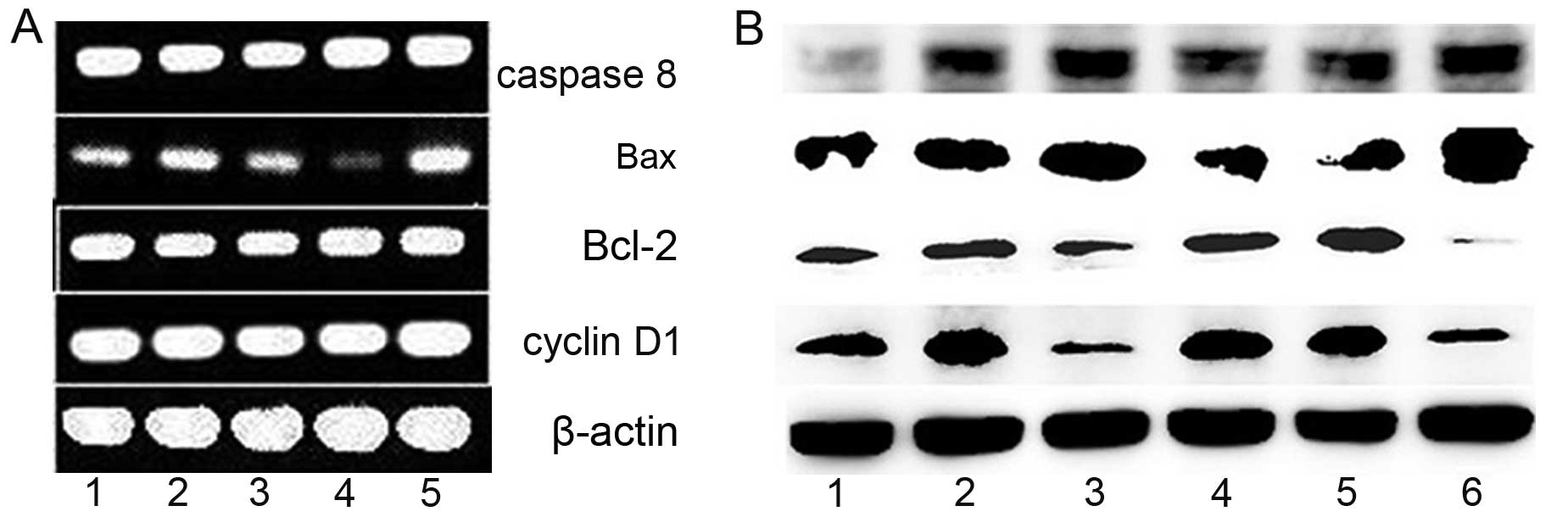
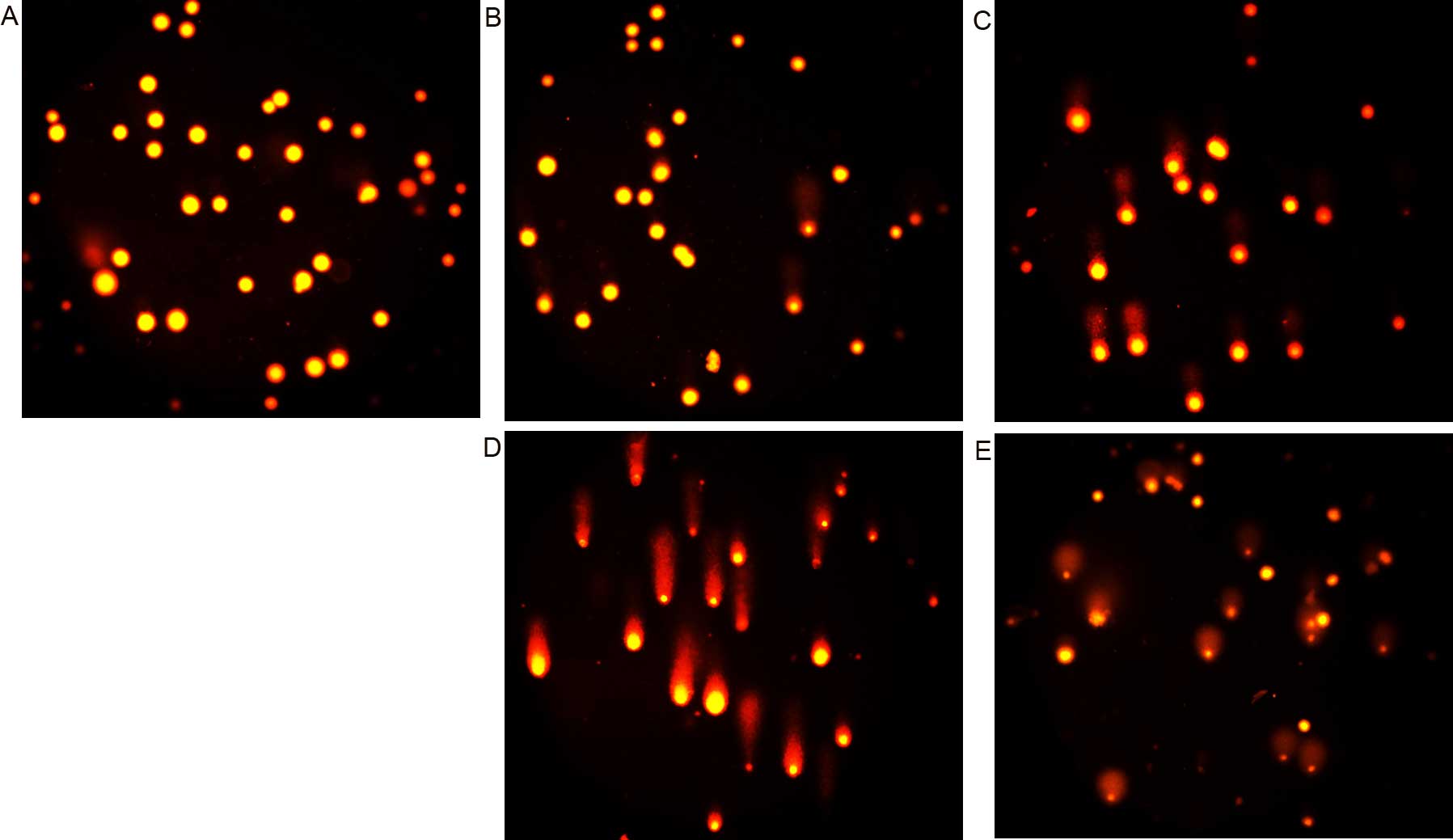
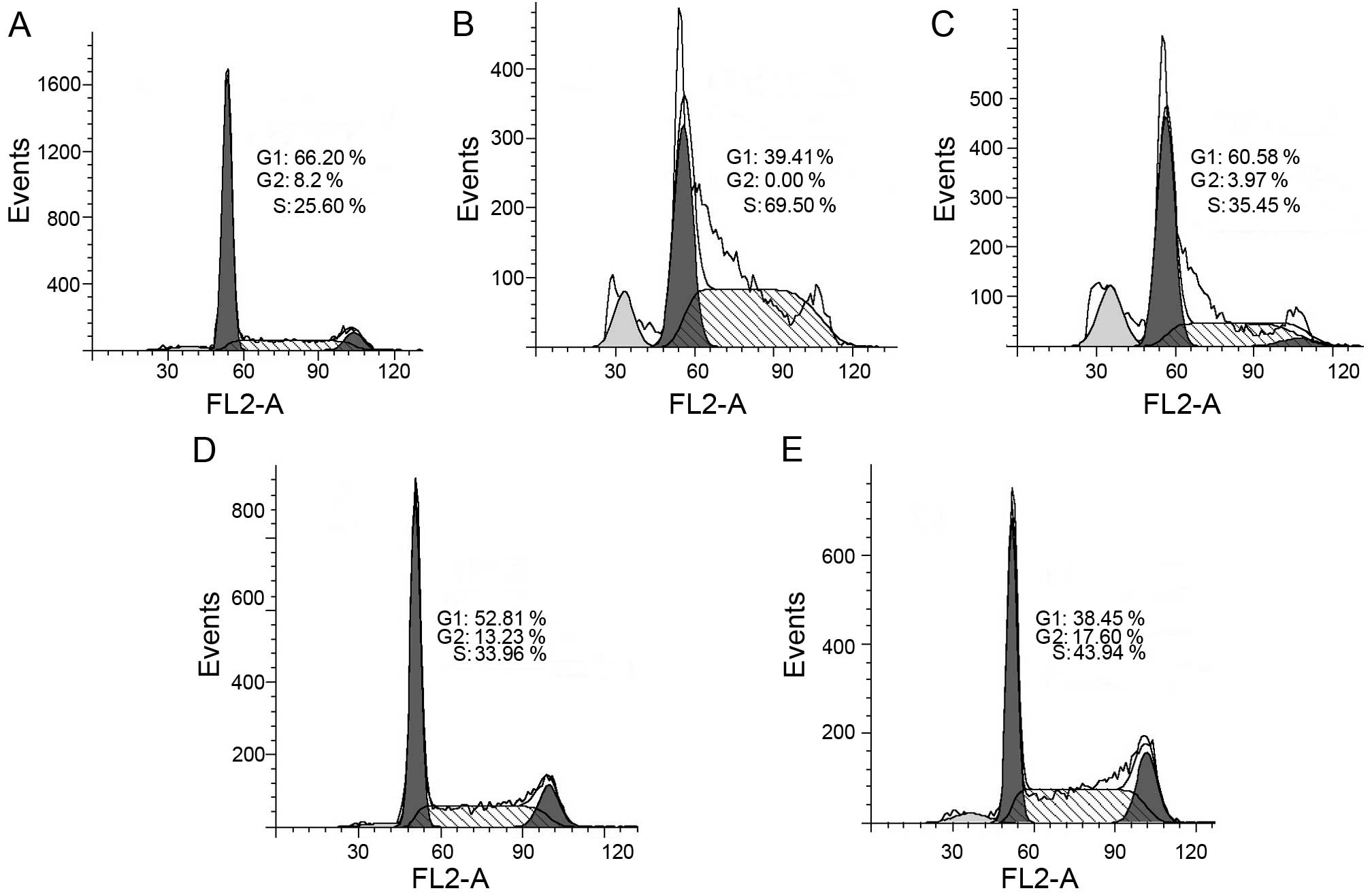
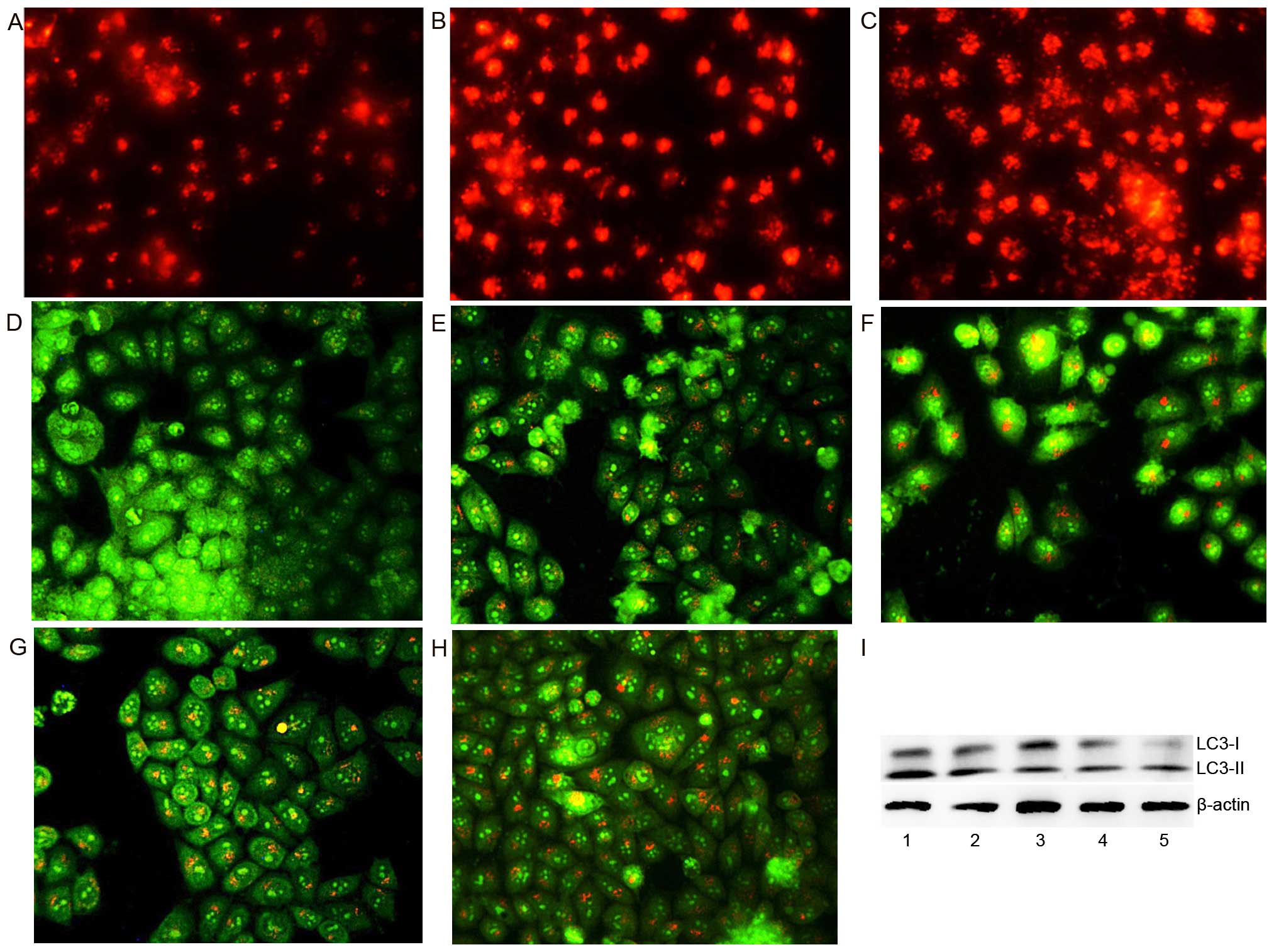
Many anticancer drugs used in the clinical have potent metal chelating ability. The formed metal complex(es) may exhibit improved (or antagonistic) antitumor activity. However, the underlying mechanism has received limited attention. Therefore, investigation of the mechanism involved in the change upon chelation is required to extend our understanding of the effects of various drugs. In the present study, the proliferation inhibition effect of benzaldehyde nitrogen mustard-2-pyridine carboxylic acid hydrazone (BNMPH) and its copper complex on tumor cell lines was investigated. The copper chelate exhibited almost a 10-fold increase in antitumor activity (with IC50 <5 µM). The results showed that both BNMPH and its copper complex induced reactive oxygen species (ROS) generation, and caused upregulation of caspase 8 and Bax as well as the downregulation of Bcl-2, indicating that apoptosis was involved in the cytotoxic effects. DNA fragmentation noted in the comet assay further supported ROS involvement. The present study indicated that BNMPH and its copper complex effectively induced S phase arrest and the cell cycle arrest was associated with the downregulation of cyclin D1. The formation of acidic vesicular organelles (AVOs) and an increase in cleaved LC3-II demonstrated that autophagy occurred in the HepG2 cells treated with the agents. Taken together, BNMPH and its copper complex exhibited proliferation inhibition via apoptosis, cell cycle arrest and autophagy, which was dependent on ROS. The enhanced antitumor activity of the copper complex was due to its redox-cycling ability, but the mechanism was not altered compared to BNMPH. Our findings may significantly contribute to the understanding of the anti-proliferative effect of BNMPH and its copper complex.
View Figures

Figure 1

Figure 2

Figure 3

Figure 4

Figure 5

Figure 6

View References

1 

Chen Y and Hu L: Design of anticancer prodrugs for reductive activation. Med Res Rev. 29:29–64. 2009. View Article : Google Scholar

2 

Marzano C, Pellei M, Tisato F and Santini C: Copper complexes as anticancer agents. Anticancer Agents Med Chem. 9:185–211. 2009. View Article : Google Scholar : PubMed/NCBI

3 

Kratz F: Albumin as a drug carrier: Design of prodrugs, drug conjugates and nanoparticles. J Control Release. 132:171–183. 2008. View Article : Google Scholar : PubMed/NCBI

4 

Firer MA and Gellerman G: Targeted drug delivery for cancer therapy: The other side of antibodies. J Hematol Oncol. 5:702012. View Article : Google Scholar : PubMed/NCBI

5 

Finlay GJ, Wilson WR and Baguley BC: Chemoprotection by 9-aminoacridine derivatives against the cytotoxicity of topoisomerase II-directed drugs. Eur J Cancer Clin Oncol. 25:1695–1701. 1989. View Article : Google Scholar : PubMed/NCBI

6 

Marvania B, Lee PC, Chaniyara R, Dong H, Suman S, Kakadiya R, Chou TC, Lee TC, Shah A and Su TL: Design, synthesis and antitumor evaluation of phenyl N-mustard-quinazoline conjugates. Bioorg Med Chem. 19:1987–1998. 2011. View Article : Google Scholar : PubMed/NCBI

7 

Abraham SA, Edwards K, Karlsson G, MacIntosh S, Mayer LD, McKenzie C and Bally MB: Formation of transition metal-doxorubicin complexes inside liposomes. Biochim Biophys Acta Biomembr. 1565:41–54. 2002. View Article : Google Scholar

8 

Cuin A, Massabni AC, Pereira GA, Leite CQ, Pavan FR, Sesti-Costa R, Heinrich TA and Costa-Neto CM: 6-Mercaptopurine complexes with silver and gold ions: Anti-tuberculosis and anti-cancer activities. Biomed Pharmacother. 65:334–338. 2011. View Article : Google Scholar : PubMed/NCBI

9 

Navarro M, Castro W, González S, Abad MJ and Taylor P: Synthesis and anticancer activity of gold(I)-chloroquine complexes. J Mex Chem Soc. 57:220–229. 2013.

10 

Martínez A, Suárez J, Shand T, Magliozzo RS and Sánchez-Delgado RA: Interactions of arene-Ru(II)-chloroquine complexes of known antimalarial and antitumor activity with human serum albumin (HSA) and transferrin. J Inorg Biochem. 105:39–45. 2011. View Article : Google Scholar

11 

Li W, Jiang GB, Yao JH, Wang XZ, Wang J, Han BJ, Xie YY, Lin GJ, Huang HL and Liu YJ: Ruthenium(II) complexes: DNA-binding, cytotoxicity, apoptosis, cellular localization, cell cycle arrest, reactive oxygen species, mitochondrial membrane potential and western blot analysis. J Photochem Photobiol B. 140:94–104. 2014. View Article : Google Scholar : PubMed/NCBI

12 

Li CZ, Wang LF, Meng XQ and Zhao H: Synthesis, characterization and antitumor activity of benzaldehyde nitrogen mustard picolinoyl hydrazone complexes. Transit Metab Chem. 24:206–209. 1999. View Article : Google Scholar

13 

Fu Y, Zhou SF, Liu YX, Yang YL, Sun XZ and Li CZ: The cytotoxicity of benzaldehyde nitrogen mustard-2-pyridine carboxylic acid hydrazone being, involved in topoisomerase IIα inhibition. Biomed Res Int. 2004:5270422014.

14 

Tan M, Zhu J, Pan Y, Chen Z, Liang H, Liu H and Wang H: Synthesis, cytotoxic activity, and DNA binding properties of copper (II) complexes with hesperetin, naringenin, and apigenin. Bioinorg Chem Appl. 347872:3478722009.

15 

Xu DF, Shen ZH, Shi Y, He Q and Xia QC: Synthesis, characterization, crystal structure, and biological activity of the copper complex. Russ J Coord Chem. 36:458–462. 2010. View Article : Google Scholar

16 

Ruan BF, Liang YK, Liu WD, Wu JY and Tian YP: Synthesis, characterization, and antitumor activities of two copper(II) complexes with pyrazole derivatives. J Coord Chem. 65:2127–2134. 2012. View Article : Google Scholar

17 

Hindo SS, Frezza M, Tomco D, Heeg MJ, Hryhorczuk L, McGarvey BR, Dou QP and Verani CN: Metals in anticancer therapy: Copper(II) complexes as inhibitors of the 20S proteasome. Eur J Med Chem. 44:4353–4361. 2009. View Article : Google Scholar : PubMed/NCBI

18 

Jakubowski W and Bartosz G: 2,7-Dichlorofluorescin oxidation and reactive oxygen species: What does it measure? Cell Biol Int. 24:757–760. 2000. View Article : Google Scholar : PubMed/NCBI

19 

Singh NP, McCoy MT, Tice RR and Schneider EL: A simple technique for quantitation of low levels of DNA damage in individual cells. Exp Cell Res. 175:184–191. 1988. View Article : Google Scholar : PubMed/NCBI

20 

Brodská B and Holoubek A: Generation of reactive oxygen species during apoptosis induced by DNA-damaging agents and/or histone deacetylase inhibitors. Oxid Med Cell Longev. 2011:2535292011. View Article : Google Scholar : PubMed/NCBI

21 

Johansson AC, Appelqvist H, Nilsson C, Kågedal K, Roberg K and Ollinger K: Regulation of apoptosis-associated lysosomal membrane permeabilization. Apoptosis. 15:527–540. 2010. View Article : Google Scholar : PubMed/NCBI

22 

Rehman SU, Zubair H, Sarwar T, Husain MA, Ishqi HM, Nehar S and Tabish M: Redox cycling of Cu(II) by 6-mercaptopurine leads to ROS generation and DNA breakage: Possible mechanism of anticancer activity. Tumour Biol. 36:1237–1244. 2015. View Article : Google Scholar

23 

Yang Y, Huang T, Zhou S, Fu Y, Liu Y, Yuan Y, Zhang Q, Li S and Li C: Antitumor activity of a 2-pyridinecarboxaldehyde 2-pyridinecarboxylic acid hydrazone copper complex and the related mechanism. Oncol Rep. 34:1311–1318. 2015.PubMed/NCBI

24 

Fu Y, Yang Y, Zhou S, Liu Y, Yuan Y, Li S, Li C and Li CZ: Ciprofloxacin containing Mannich base and its copper complex induce antitumor activity via different mechanism of action. Int J Oncol. 45:2092–2100. 2014.PubMed/NCBI

25 

Lovejoy DB, Jansson PJ, Brunk UT, Wong J, Ponka P and Richardson DR: Antitumor activity of metal-chelating compound Dp44mT is mediated by formation of a redox-active copper complex that accumulates in lysosomes. Cancer Res. 71:5871–5880. 2011. View Article : Google Scholar : PubMed/NCBI

26 

Fatfat M, Merhi RA, Rahal O, Stoyanovsky DA, Zaki A, Haidar H, Kagan VE, Gali-Muhtasib H and Machaca K: Copper chelation selectively kills colon cancer cells through redox cycling and generation of reactive oxygen species. BMC Cancer. 14:5272014. View Article : Google Scholar : PubMed/NCBI

27 

Fussell KC, Udasin RG, Gray JP, Mishin V, Smith PJ, Heck DE and Laskin JD: Redox cycling and increased oxygen utilization contribute to diquat-induced oxidative stress and cytotoxicity in Chinese hamster ovary cells overexpressing NADPH-cytochrome P450 reductase. Free Radic Biol Med. 50:874–882. 2011. View Article : Google Scholar : PubMed/NCBI

28 

Elmore S: Apoptosis: A review of programmed cell death. Toxicol Pathol. 35:495–516. 2007. View Article : Google Scholar : PubMed/NCBI

29 

Guerriero JL, Ditsworth D, Catanzaro JM, Sabino G, Furie MB, Kew RR, Crawford HC and Zong WX: DNA alkylating therapy induces tumor regression through an HMGB1-mediated activation of innate immunity. J Immunol. 186:3517–3526. 2011. View Article : Google Scholar : PubMed/NCBI

30 

Moungjaroen J, Nimmannit U, Callery PS, Wang L, Azad N, Lipipun V, Chanvorachote P and Rojanasakul Y: Reactive oxygen species mediate caspase activation and apoptosis induced by lipoic acid in human lung epithelial cancer cells through Bcl-2 down-regulation. J Pharmacol Exp Ther. 319:1062–1069. 2006. View Article : Google Scholar : PubMed/NCBI

31 

Chatterjee S, Kundu S, Sengupta S and Bhattacharyya A: Divergence to apoptosis from ROS induced cell cycle arrest: Effect of cadmium. Mutat Res. 663:22–31. 2009. View Article : Google Scholar : PubMed/NCBI

32 

Kumar R, Dwivedi PD, Dhawan A, Das M and Ansari KM: Citrinin-generated reactive oxygen species cause cell cycle arrest leading to apoptosis via the intrinsic mitochondrial pathway in mouse skin. Toxicol Sci. 122:557–566. 2011. View Article : Google Scholar : PubMed/NCBI

33 

Xiong Y, Zhang H and Beach D: D type cyclins associate with multiple protein kinases and the DNA replication and repair factor PCNA. Cell. 71:505–514. 1992. View Article : Google Scholar : PubMed/NCBI

34 

Dronkert ML and Kanaar R: Repair of DNA interstrand cross-links. Mutat Res. 486:217–247. 2001. View Article : Google Scholar : PubMed/NCBI

35 

Ben-Yehoyada M, Wang LC, Kozekov ID, Rizzo CJ, Gottesman ME and Gautier J: Checkpoint signaling from a single DNA interstrand crosslink. Mol Cell. 35:704–715. 2009. View Article : Google Scholar : PubMed/NCBI

36 

Zhou BB and Elledge SJ: The DNA damage response: Putting checkpoints in perspective. Nature. 408:433–439. 2000. View Article : Google Scholar : PubMed/NCBI

37 

Osawa T, Davies D and Hartley JA: Mechanism of cell death resulting from DNA interstrand cross-linking in mammalian cells. Cell Death Dis. 2:e1872011. View Article : Google Scholar : PubMed/NCBI

38 

Masta A, Gray PJ and Phillips DR: Nitrogen mustard inhibits transcription and translation in a cell free system. Nucleic Acids Res. 23:3508–3515. 1995. View Article : Google Scholar : PubMed/NCBI

39 

Chen Y, Azad MB and Gibson SB: Methods for detecting autophagy and determining autophagy-induced cell death. Can J Physiol Pharmacol. 88:285–295. 2010. View Article : Google Scholar : PubMed/NCBI

40 

Paglin S, Hollister T, Delohery T, Hackett N, McMahill M, Sphicas E, Domingo D and Yahalom J: A novel response of cancer cells to radiation involves autophagy and formation of acidic vesicles. Cancer Res. 61:439–444. 2001.PubMed/NCBI

41 

Li L, Ishdorj G and Gibson SB: Reactive oxygen species regulation of autophagy in cancer: Implications for cancer treatment. Free Radic Biol Med. 53:1399–1410. 2012. View Article : Google Scholar : PubMed/NCBI

42 

Kanematsu S, Uehara N, Miki H, Yoshizawa K, Kawanaka A, Yuri T and Tsubura A: Autophagy inhibition enhances sulforaphane-induced apoptosis in human breast cancer cells. Anticancer Res. 30:3381–3390. 2010.PubMed/NCBI

Related Articles

  • Abstract
  • View
  • Download
  • Twitter
Copy and paste a formatted citation
Spandidos Publications style
Yang Y, Li C, Fu Y, Liu Y, Zhang Y, Zhang Y, Zhou P, Yuan Y, Zhou S, Li S, Li S, et al: Redox cycling of a copper complex with benzaldehyde nitrogen mustard-2-pyridine carboxylic acid hydrazone contributes to its enhanced antitumor activity, but no change in the mechanism of action occurs after chelation. Oncol Rep 35: 1636-1644, 2016.
APA
Yang, Y., Li, C., Fu, Y., Liu, Y., Zhang, Y., Zhang, Y. ... Li, C. (2016). Redox cycling of a copper complex with benzaldehyde nitrogen mustard-2-pyridine carboxylic acid hydrazone contributes to its enhanced antitumor activity, but no change in the mechanism of action occurs after chelation. Oncology Reports, 35, 1636-1644. https://doi.org/10.3892/or.2015.4530
MLA
Yang, Y., Li, C., Fu, Y., Liu, Y., Zhang, Y., Zhang, Y., Zhou, P., Yuan, Y., Zhou, S., Li, S., Li, C."Redox cycling of a copper complex with benzaldehyde nitrogen mustard-2-pyridine carboxylic acid hydrazone contributes to its enhanced antitumor activity, but no change in the mechanism of action occurs after chelation". Oncology Reports 35.3 (2016): 1636-1644.
Chicago
Yang, Y., Li, C., Fu, Y., Liu, Y., Zhang, Y., Zhang, Y., Zhou, P., Yuan, Y., Zhou, S., Li, S., Li, C."Redox cycling of a copper complex with benzaldehyde nitrogen mustard-2-pyridine carboxylic acid hydrazone contributes to its enhanced antitumor activity, but no change in the mechanism of action occurs after chelation". Oncology Reports 35, no. 3 (2016): 1636-1644. https://doi.org/10.3892/or.2015.4530
Copy and paste a formatted citation
x
Spandidos Publications style
Yang Y, Li C, Fu Y, Liu Y, Zhang Y, Zhang Y, Zhou P, Yuan Y, Zhou S, Li S, Li S, et al: Redox cycling of a copper complex with benzaldehyde nitrogen mustard-2-pyridine carboxylic acid hydrazone contributes to its enhanced antitumor activity, but no change in the mechanism of action occurs after chelation. Oncol Rep 35: 1636-1644, 2016.
APA
Yang, Y., Li, C., Fu, Y., Liu, Y., Zhang, Y., Zhang, Y. ... Li, C. (2016). Redox cycling of a copper complex with benzaldehyde nitrogen mustard-2-pyridine carboxylic acid hydrazone contributes to its enhanced antitumor activity, but no change in the mechanism of action occurs after chelation. Oncology Reports, 35, 1636-1644. https://doi.org/10.3892/or.2015.4530
MLA
Yang, Y., Li, C., Fu, Y., Liu, Y., Zhang, Y., Zhang, Y., Zhou, P., Yuan, Y., Zhou, S., Li, S., Li, C."Redox cycling of a copper complex with benzaldehyde nitrogen mustard-2-pyridine carboxylic acid hydrazone contributes to its enhanced antitumor activity, but no change in the mechanism of action occurs after chelation". Oncology Reports 35.3 (2016): 1636-1644.
Chicago
Yang, Y., Li, C., Fu, Y., Liu, Y., Zhang, Y., Zhang, Y., Zhou, P., Yuan, Y., Zhou, S., Li, S., Li, C."Redox cycling of a copper complex with benzaldehyde nitrogen mustard-2-pyridine carboxylic acid hydrazone contributes to its enhanced antitumor activity, but no change in the mechanism of action occurs after chelation". Oncology Reports 35, no. 3 (2016): 1636-1644. https://doi.org/10.3892/or.2015.4530
Follow us
  • Twitter
  • LinkedIn
  • Facebook
About
  • Spandidos Publications
  • Careers
  • Cookie Policy
  • Privacy Policy
How can we help?
  • Help
  • Live Chat
  • Contact
  • Email to our Support Team