Spandidos Publications Logo
  • About
    • About Spandidos
    • Aims and Scopes
    • Abstracting and Indexing
    • Editorial Policies
    • Reprints and Permissions
    • Job Opportunities
    • Terms and Conditions
    • Contact
  • Journals
    • All Journals
    • Oncology Letters
      • Oncology Letters
      • Information for Authors
      • Editorial Policies
      • Editorial Board
      • Aims and Scope
      • Abstracting and Indexing
      • Bibliographic Information
      • Archive
    • International Journal of Oncology
      • International Journal of Oncology
      • Information for Authors
      • Editorial Policies
      • Editorial Board
      • Aims and Scope
      • Abstracting and Indexing
      • Bibliographic Information
      • Archive
    • Molecular and Clinical Oncology
      • Molecular and Clinical Oncology
      • Information for Authors
      • Editorial Policies
      • Editorial Board
      • Aims and Scope
      • Abstracting and Indexing
      • Bibliographic Information
      • Archive
    • Experimental and Therapeutic Medicine
      • Experimental and Therapeutic Medicine
      • Information for Authors
      • Editorial Policies
      • Editorial Board
      • Aims and Scope
      • Abstracting and Indexing
      • Bibliographic Information
      • Archive
    • International Journal of Molecular Medicine
      • International Journal of Molecular Medicine
      • Information for Authors
      • Editorial Policies
      • Editorial Board
      • Aims and Scope
      • Abstracting and Indexing
      • Bibliographic Information
      • Archive
    • Biomedical Reports
      • Biomedical Reports
      • Information for Authors
      • Editorial Policies
      • Editorial Board
      • Aims and Scope
      • Abstracting and Indexing
      • Bibliographic Information
      • Archive
    • Oncology Reports
      • Oncology Reports
      • Information for Authors
      • Editorial Policies
      • Editorial Board
      • Aims and Scope
      • Abstracting and Indexing
      • Bibliographic Information
      • Archive
    • Molecular Medicine Reports
      • Molecular Medicine Reports
      • Information for Authors
      • Editorial Policies
      • Editorial Board
      • Aims and Scope
      • Abstracting and Indexing
      • Bibliographic Information
      • Archive
    • World Academy of Sciences Journal
      • World Academy of Sciences Journal
      • Information for Authors
      • Editorial Policies
      • Editorial Board
      • Aims and Scope
      • Abstracting and Indexing
      • Bibliographic Information
      • Archive
    • International Journal of Functional Nutrition
      • International Journal of Functional Nutrition
      • Information for Authors
      • Editorial Policies
      • Editorial Board
      • Aims and Scope
      • Abstracting and Indexing
      • Bibliographic Information
      • Archive
    • International Journal of Epigenetics
      • International Journal of Epigenetics
      • Information for Authors
      • Editorial Policies
      • Editorial Board
      • Aims and Scope
      • Abstracting and Indexing
      • Bibliographic Information
      • Archive
    • Medicine International
      • Medicine International
      • Information for Authors
      • Editorial Policies
      • Editorial Board
      • Aims and Scope
      • Abstracting and Indexing
      • Bibliographic Information
      • Archive
  • Articles
  • Information
    • Information for Authors
    • Information for Reviewers
    • Information for Librarians
    • Information for Advertisers
    • Conferences
  • Language Editing
Spandidos Publications Logo
  • About
    • About Spandidos
    • Aims and Scopes
    • Abstracting and Indexing
    • Editorial Policies
    • Reprints and Permissions
    • Job Opportunities
    • Terms and Conditions
    • Contact
  • Journals
    • All Journals
    • Biomedical Reports
      • Information for Authors
      • Editorial Policies
      • Editorial Board
      • Aims and Scope
      • Abstracting and Indexing
      • Bibliographic Information
      • Archive
    • Experimental and Therapeutic Medicine
      • Information for Authors
      • Editorial Policies
      • Editorial Board
      • Aims and Scope
      • Abstracting and Indexing
      • Bibliographic Information
      • Archive
    • International Journal of Epigenetics
      • Information for Authors
      • Editorial Policies
      • Editorial Board
      • Aims and Scope
      • Abstracting and Indexing
      • Bibliographic Information
      • Archive
    • International Journal of Functional Nutrition
      • Information for Authors
      • Editorial Policies
      • Editorial Board
      • Aims and Scope
      • Abstracting and Indexing
      • Bibliographic Information
      • Archive
    • International Journal of Molecular Medicine
      • Information for Authors
      • Editorial Policies
      • Editorial Board
      • Aims and Scope
      • Abstracting and Indexing
      • Bibliographic Information
      • Archive
    • International Journal of Oncology
      • Information for Authors
      • Editorial Policies
      • Editorial Board
      • Aims and Scope
      • Abstracting and Indexing
      • Bibliographic Information
      • Archive
    • Medicine International
      • Information for Authors
      • Editorial Policies
      • Editorial Board
      • Aims and Scope
      • Abstracting and Indexing
      • Bibliographic Information
      • Archive
    • Molecular and Clinical Oncology
      • Information for Authors
      • Editorial Policies
      • Editorial Board
      • Aims and Scope
      • Abstracting and Indexing
      • Bibliographic Information
      • Archive
    • Molecular Medicine Reports
      • Information for Authors
      • Editorial Policies
      • Editorial Board
      • Aims and Scope
      • Abstracting and Indexing
      • Bibliographic Information
      • Archive
    • Oncology Letters
      • Information for Authors
      • Editorial Policies
      • Editorial Board
      • Aims and Scope
      • Abstracting and Indexing
      • Bibliographic Information
      • Archive
    • Oncology Reports
      • Information for Authors
      • Editorial Policies
      • Editorial Board
      • Aims and Scope
      • Abstracting and Indexing
      • Bibliographic Information
      • Archive
    • World Academy of Sciences Journal
      • Information for Authors
      • Editorial Policies
      • Editorial Board
      • Aims and Scope
      • Abstracting and Indexing
      • Bibliographic Information
      • Archive
  • Articles
  • Information
    • For Authors
    • For Reviewers
    • For Librarians
    • For Advertisers
    • Conferences
  • Language Editing
Login Register Submit
  • This site uses cookies
  • You can change your cookie settings at any time by following the instructions in our Cookie Policy. To find out more, you may read our Privacy Policy.

    I agree
Search articles by DOI, keyword, author or affiliation
Search
Advanced Search
presentation
Oncology Reports
Join Editorial Board Propose a Special Issue
Print ISSN: 1021-335X Online ISSN: 1791-2431
Journal Cover
January-2017 Volume 37 Issue 1

Full Size Image

Sign up for eToc alerts
Recommend to Library

Journals

International Journal of Molecular Medicine

International Journal of Molecular Medicine

International Journal of Molecular Medicine is an international journal devoted to molecular mechanisms of human disease.

International Journal of Oncology

International Journal of Oncology

International Journal of Oncology is an international journal devoted to oncology research and cancer treatment.

Molecular Medicine Reports

Molecular Medicine Reports

Covers molecular medicine topics such as pharmacology, pathology, genetics, neuroscience, infectious diseases, molecular cardiology, and molecular surgery.

Oncology Reports

Oncology Reports

Oncology Reports is an international journal devoted to fundamental and applied research in Oncology.

Experimental and Therapeutic Medicine

Experimental and Therapeutic Medicine

Experimental and Therapeutic Medicine is an international journal devoted to laboratory and clinical medicine.

Oncology Letters

Oncology Letters

Oncology Letters is an international journal devoted to Experimental and Clinical Oncology.

Biomedical Reports

Biomedical Reports

Explores a wide range of biological and medical fields, including pharmacology, genetics, microbiology, neuroscience, and molecular cardiology.

Molecular and Clinical Oncology

Molecular and Clinical Oncology

International journal addressing all aspects of oncology research, from tumorigenesis and oncogenes to chemotherapy and metastasis.

World Academy of Sciences Journal

World Academy of Sciences Journal

Multidisciplinary open-access journal spanning biochemistry, genetics, neuroscience, environmental health, and synthetic biology.

International Journal of Functional Nutrition

International Journal of Functional Nutrition

Open-access journal combining biochemistry, pharmacology, immunology, and genetics to advance health through functional nutrition.

International Journal of Epigenetics

International Journal of Epigenetics

Publishes open-access research on using epigenetics to advance understanding and treatment of human disease.

Medicine International

Medicine International

An International Open Access Journal Devoted to General Medicine.

Journal Cover
January-2017 Volume 37 Issue 1

Full Size Image

Sign up for eToc alerts
Recommend to Library

  • Article
  • Citations
    • Cite This Article
    • Download Citation
    • Create Citation Alert
    • Remove Citation Alert
    • Cited By
  • Similar Articles
    • Related Articles (in Spandidos Publications)
    • Similar Articles (Google Scholar)
    • Similar Articles (PubMed)
  • Download PDF
  • Download XML
  • View XML
Article

Antioxidant and antitumor activities of Capparis spinosa L. and the related mechanisms

  • Authors:
    • Lei Yu
    • Jinghui Yang
    • Xin Wang
    • Bo Jiang
    • Yongxue Sun
    • Yubin Ji
  • View Affiliations / Copyright

    Affiliations: Center of Research and Development on Life Sciences and Environmental Sciences, Harbin University of Commerce, Harbin 150076, P.R. China
  • Pages: 357-367
    |
    Published online on: November 16, 2016
       https://doi.org/10.3892/or.2016.5249
  • Expand metrics +
Metrics: Total Views: 0 (Spandidos Publications: | PMC Statistics: )
Metrics: Total PDF Downloads: 0 (Spandidos Publications: | PMC Statistics: )
Cited By (CrossRef): 0 citations Loading Articles...

This article is mentioned in:


Abstract

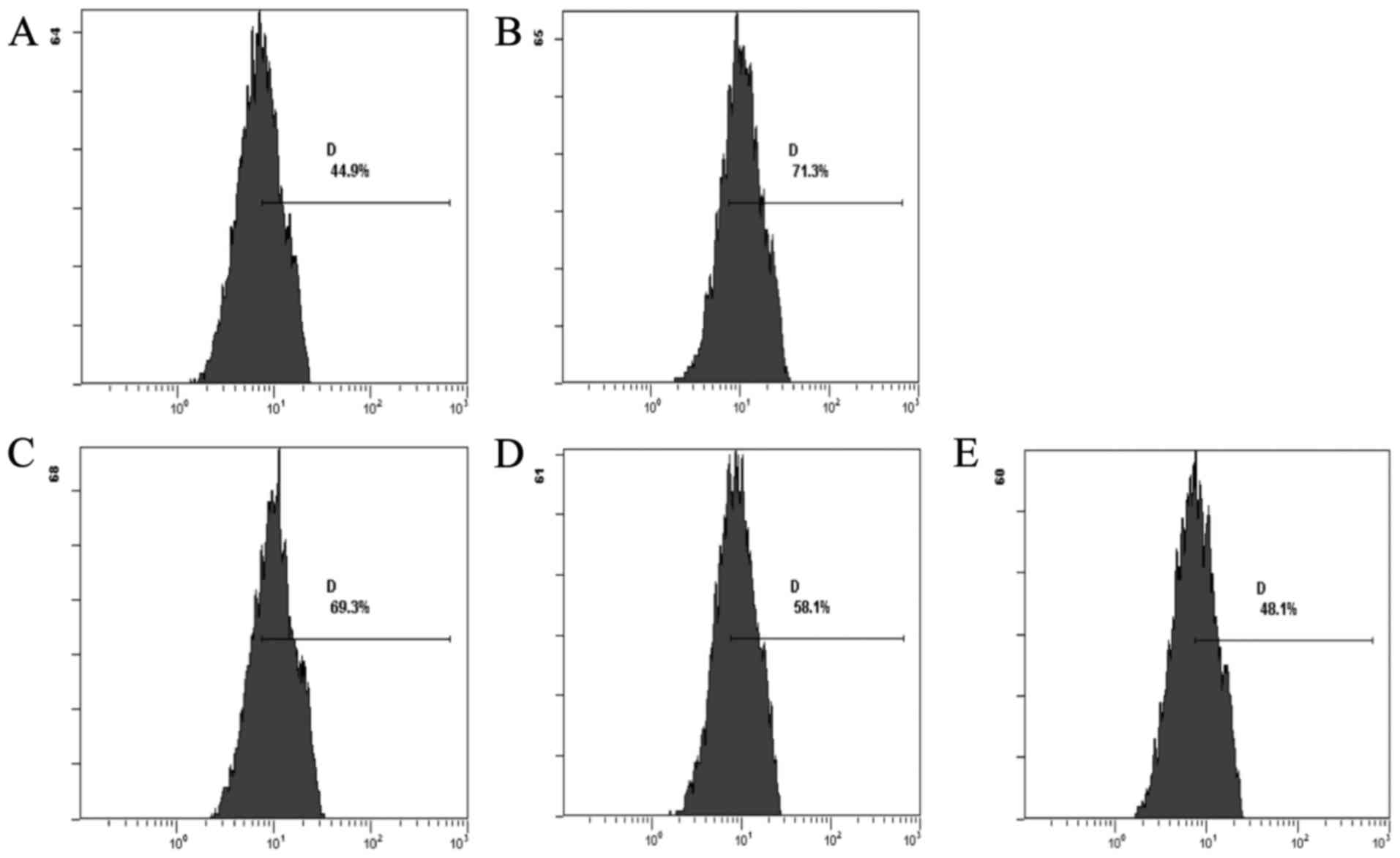
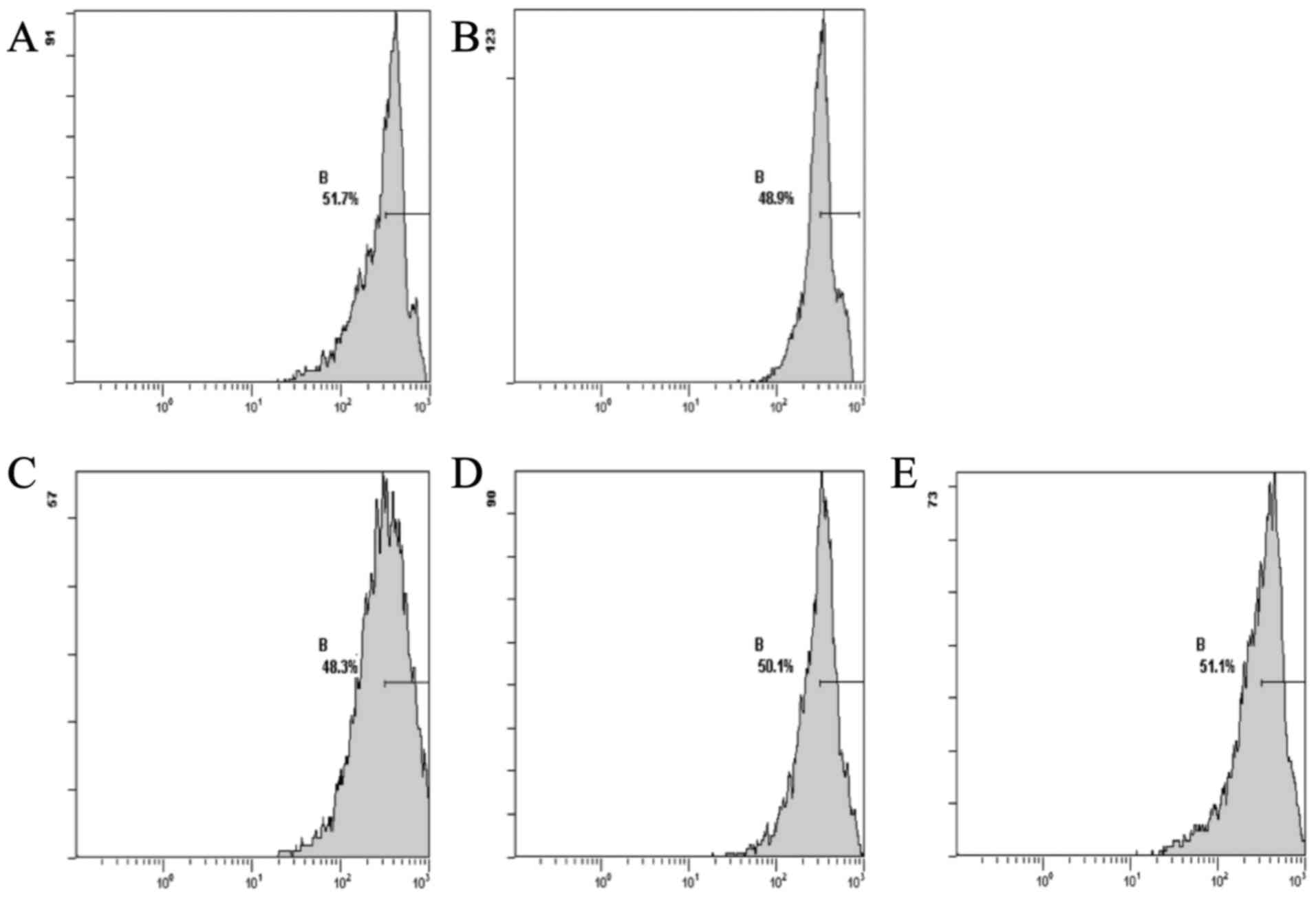
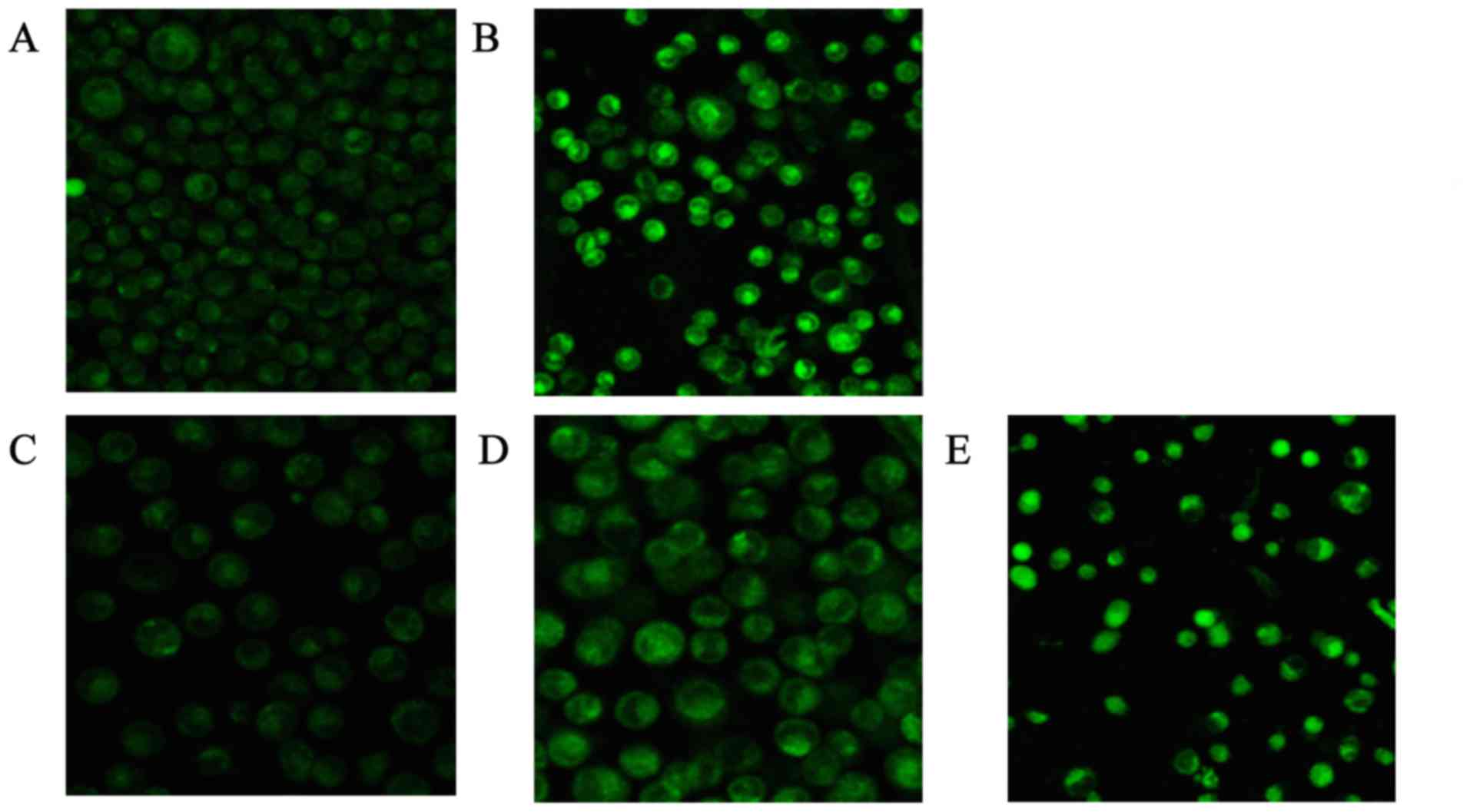
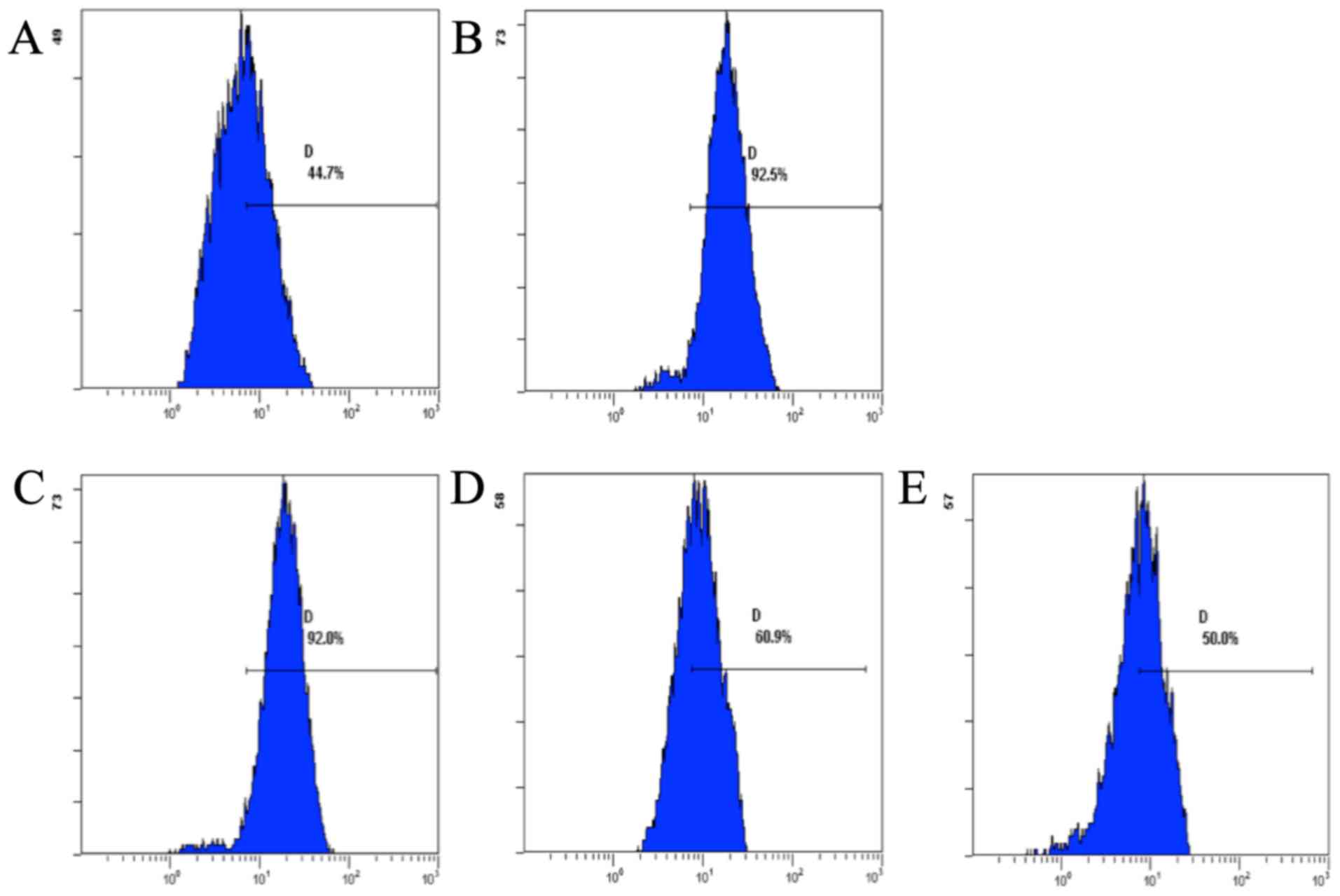
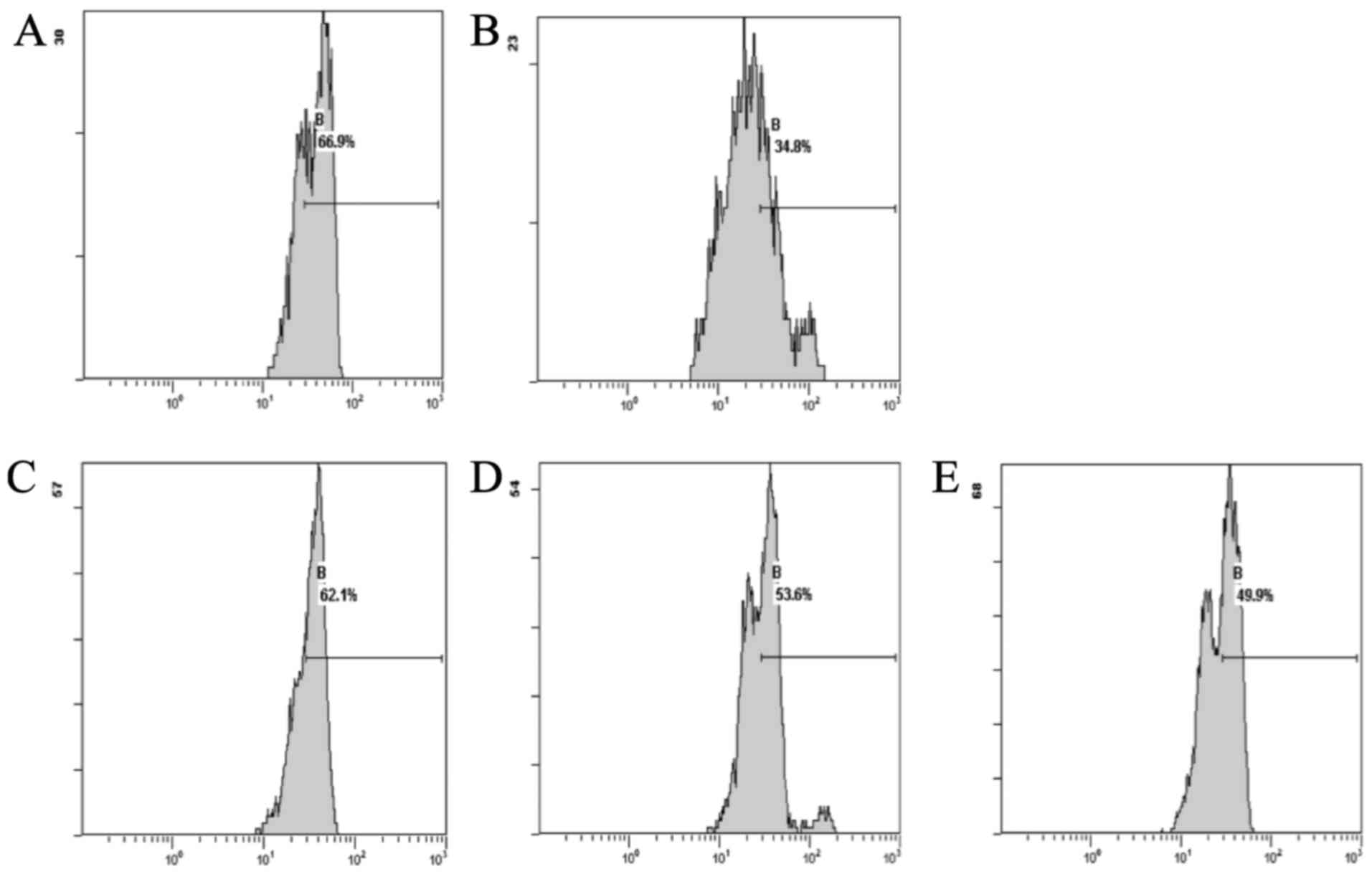
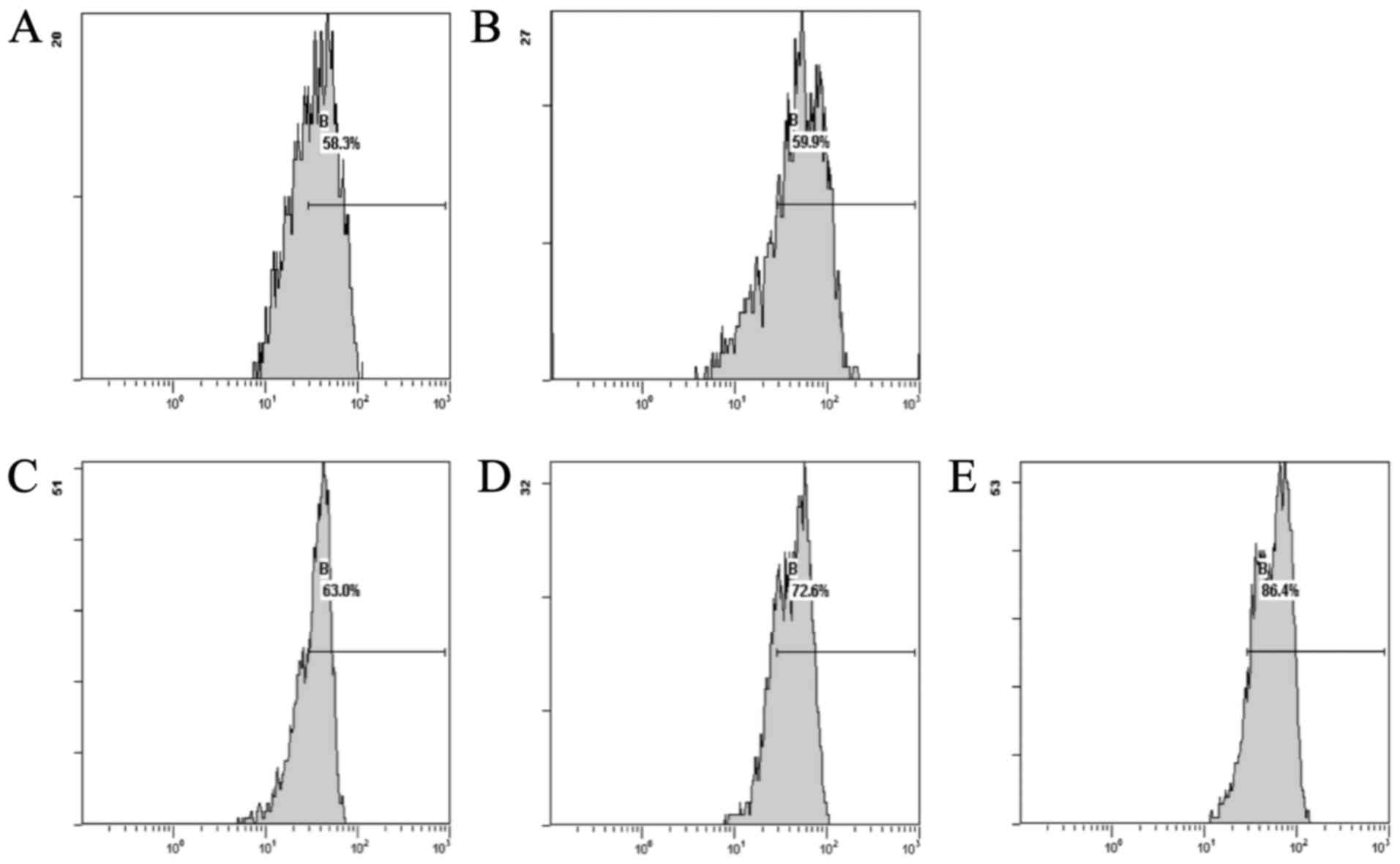
The ‘ethnodrug’ Capparis spinosa L. has several pharmacological activities. First, it was found in previous experiments that an ethyl acetate extract of Capparis spinosa L. (CSE) exhibited antioxidant activity. In order to further research this finding, the present study investigate the blood biochemical indices, injury, energy metabolism, oxidative damage and mitochondrial membrane potential (Δψm) level of cardiac cells to study the effect of CSE on doxorubicin-induced cardiac toxicity. CSE had protective effects on the cardiac toxic effect of doxorubicin, and decreased the activity of lactic dehydrogenase (LDH) and creatine kinase (CK). CSE increased the ability of myocardial tissue to scavenge free radicals, inhibited lipid peroxidation, increased recovery activity of antioxidant enzymes, adjusted the energy metabolism of myocardial tissue, inhibited the generation of a large number of ROS in the cells, raised the level of Δψm, and improved the metabolism of free radicals. CSE demonstrated protective effects on doxorubicin-induced myocardial damage. Second, the quaternary ammonium hydroxide of Capparis spinosa L. (CSQAH) was found to possess antitumor activity, such as antiproliferative and apoptosis-induced effects on HepG2 cells. We investigated the regulatory mechanism of HepG2 apoptosis induced by CSQAH. Laser scanning confocal microscope and Fluo-3/AM staining were utilized to detect the Ca2+ concentration in the HepG2 cells. A microplate reader was used to measure the changes in Ca2+-Mg2+-ATP enzyme. Then, flow cytometry was applied to analyze the activity of ROS and the expression levels of Bcl-2 and Bax. As a result, different concentrations of CSQAH increased the concentration of Ca2+ in the cytoplasm in a dosage-dependent manner. CSQAH decreased the Ca2+‑Mg2+‑ATPase activity in the HepG2 cells. The levels of ROS in the CSQAH groups were significantly higher than the level in the control group. Flow cytometric analysis showed that the Bcl-2 expression levels in the CSQAH-treated groups were downregulated, while Bax expression levels were upregulated, and the effects were dosage-dependent. The regulatory mechanism of HepG2 cell apoptosis induced by CSQAH involved the increase in Ca2+ concentration and ROS levels, a decrease in Ca2+-Mg2+-ATPase activity in the HepG2 cells, and downregulation of anti-apoptotic Bcl-2 expression, and upregulation of apoptotic Bax expression. In summary, the present study demonstrated the antioxidant and antitumor activities of CSE which may suppress tumor growth and alleviate the side-effects of DOX, which may facilitate tumor treatment in a dual manner.
View Figures

Figure 1

Figure 2

Figure 3

Figure 4

Figure 5

Figure 6

View References

1 

Germanò MP, De Pasquale R, D'Angelo V, Catania S, Silvari V and Costa C: Evaluation of extracts and isolated fraction from Capparis spinosa L. buds as an antioxidant source. J Agric Food Chem. 50:1168–1171. 2002.

2 

Orphanos PI: Germination of caper (Capparis spinosa L.) seeds. J Hortic Sci. 58:267–270. 1983. View Article : Google Scholar

3 

Higton RN and Akeroyd JR: Variation in Capparis spinosa L. in Europe. Bot J Linn Soc. 106:104–112. 1991.

4 

Castro Ramos RD and Nosti Vega M: The caper (Capparis spinosa L.). Grasas Aceites. 38:183–186. 1987.

5 

Aytaç Z and Kınaci Ceylan GA: Yield and some morphological characteristics of caper (Capparis spinosa L.) population cultivated at various slopes in Aegean ecological conditions. Pak J Bot. 2:591–596. 2009.

6 

Kulisic-Bilusic T, Schmöller I, Schnäbele K, Siracusa L and Ruberto G: The anticancerogenic potential of essential oil and aqueous infusion from caper (Capparis spinosa L.). Food Chem. 1:261–267. 2012. View Article : Google Scholar

7 

Tlili N, Khaldi A, Triki S and Munné-Bosch S: Phenolic compounds and vitamin antioxidants of caper (Capparis spinosa). Plant Foods Hum Nutr. 65:260–265. 2010. View Article : Google Scholar : PubMed/NCBI

8 

Bonina F, Puglia C, Ventura D, Aquino R, Tortora S, Sacchi A, Saija A, Tomaino A, Pellegrino ML and de Caprariis P: In vitro antioxidant and in vivo photoprotective effects of a lyophilized extract of Capparis spinosa L buds. J Cosmet Sci. 53:321–335. 2002.PubMed/NCBI

9 

Siracusa L, Kulisic-Bilusic T, Politeo O, Krause I, Dejanovic B and Ruberto G: Phenolic composition and antioxidant activity of aqueous infusions from Capparis spinosa L. and Crithmum maritimum L. before and after submission to a two-step in vitro digestion model. J Agric Food Chem. 59:12453–12459. 2011.

10 

Abraham SV Issac, Palani A, Ramaswamy BR, Shunmugiah KP and Arumugam VR: Antiquorum sensing and antibiofilm potential of Capparis spinosa. Arch Med Res. 42:658–668. 2011. View Article : Google Scholar : PubMed/NCBI

11 

al-Said MS, Abdelsattar EA, Khalifa SI and el-Feraly FS: Isolation and identification of an anti-inflammatory principle from Capparis spinosa. Pharmazie. 43:640–641. 1988.PubMed/NCBI

12 

Boga C, Forlani L, Calienni R, Hindley T, Hochkoeppler A, Tozzi S and Zanna N: On the antibacterial activity of roots of Capparis spinosa L. Nat Prod Res. 25:417–421. 2011. View Article : Google Scholar : PubMed/NCBI

13 

Gadgoli C and Mishra SH: Antihepatotoxic activity of p-methoxy benzoic acid from Capparis spinosa. J Ethnopharmacol. 66:187–192. 1999. View Article : Google Scholar : PubMed/NCBI

14 

Huseini HF, Hasani-Rnjbar S, Nayebi N, Heshmat R, Sigaroodi FK, Ahvazi M, Alaei BA and Kianbakht S: Capparis spinosa L. (Caper) fruit extract in treatment of type 2 diabetic patients: A randomized double-blind placebo-controlled clinical trial. Complement Ther Med. 21:447–452. 2013.

15 

Lam SK and Ng TB: A protein with antiproliferative, antifungal and HIV-1 reverse transcriptase inhibitory activities from caper (Capparis spinosa) seeds. Phytomedicine. 16:444–450. 2009. View Article : Google Scholar : PubMed/NCBI

16 

Eddouks M, Lemhadri A and Michel JB: Hypolipidemic activity of aqueous extract of Capparis spinosa L. in normal and diabetic rats. J Ethnopharmacol. 98:345–350. 2005. View Article : Google Scholar

17 

Ali-Shtayeh MS and Abu Ghdeib SI: Antifungal activity of plant extracts against dermatophytes. Mycoses. 42:665–672. 1999. View Article : Google Scholar : PubMed/NCBI

18 

Zhou HF, Xie C, Jian R, Kang J, Li Y, Zhuang CL, Yang F, Zhang LL, Lai L, Wu T, et al: Biflavonoids from caper (Capparis spinosa L.) fruits and their effects in inhibiting NF-kappa B activation. J Agric Food Chem. 59:3060–3065. 2011. View Article : Google Scholar : PubMed/NCBI

19 

Ziyyat A, Legssyer A, Mekhfi H, Dassouli A, Serhrouchni M and Benjelloun W: Phytotherapy of hypertension and diabetes in oriental Morocco. J Ethnopharmacol. 58:45–54. 1997. View Article : Google Scholar : PubMed/NCBI

20 

Houghton PJ, Hylands PJ, Mensah AY, Hensel A and Deters AM: In vitro tests and ethnopharmacological investigations: Wound healing as an example. J Ethnopharmacol. 100:100–107. 2005. View Article : Google Scholar : PubMed/NCBI

21 

Wu JB, Ye SF, Liang CL, Li YC, Yu YJ, Lai JM, Lin H, Zheng J and Zhou JY: Qi-Dan Fang ameliorates adriamycin-induced nephrotic syndrome rat model by enhancing renal function and inhibiting podocyte injury. J Ethnopharmacol. 151:1124–1132. 2014. View Article : Google Scholar : PubMed/NCBI

22 

Unverferth DV, Magorien RD, Leier CV and Balcerzak SP: Doxorubicin cardiotoxicity. Cancer Treat Rev. 9:149–164. 1982. View Article : Google Scholar : PubMed/NCBI

23 

Alexander J, Dainiak N, Berger HJ, Goldman L, Johnstone D, Reduto L, Duffy T, Schwartz P, Gottschalk A, Zaret BL, et al: Serial assessment of doxorubicin cardiotoxicity with quantitative radionuclide angiocardiography. N Engl J Med. 300:278–283. 1979. View Article : Google Scholar : PubMed/NCBI

24 

Legha SS, Benjamin RS, Mackay B, Ewer M, Wallace S, Valdivieso M, Rasmussen SL, Blumenschein GR and Freireich EJ: Reduction of doxorubicin cardiotoxicity by prolonged continuous intravenous infusion. Ann Intern Med. 96:133–139. 1982. View Article : Google Scholar : PubMed/NCBI

25 

Arola OJ, Saraste A, Pulkki K, Kallajoki M, Parvinen M and Voipio-Pulkki LM: Acute doxorubicin cardiotoxicity involves cardiomyocyte apoptosis. Cancer Res. 60:1789–1792. 2000.PubMed/NCBI

26 

Ji YB and Yu L: N-butanol extract of Capparis spinosa L. induces apoptosis primarily through a mitochondrial pathway involving mPTP open, cytochrome C release and caspase activation. Asian Pac J Cancer Prev. 15:9153–9157. 2014.

27 

Hossain MA and Rahma SMM: Total phenolics flavonoids and antioxidant activity of tropical fruit pineapple. Food Res Int. 3:672–676. 2011. View Article : Google Scholar

28 

Wallimann T, Wyss M, Brdiczka D, Nicolay K and Eppenberger HM: Intracellular compartmentation, structure and function of creatine kinase isoenzymes in tissues with high and fluctuating energy demands: The ‘phosphocreatine circuit’ for cellular energy homeostasis. Biochem J. 281:21–40. 1992. View Article : Google Scholar : PubMed/NCBI

29 

Obradovic M, Bjelogrlic P, Rizzo M, Katsiki N, Haidara M, Stewart AJ, Jovanovic A and Isenovic ER: Effects of obesity and estradiol on Na+/K+-ATPase and their relevance to cardiovascular diseases. J Endocrinol. 218:R13–R23. 2013. View Article : Google Scholar : PubMed/NCBI

30 

Pryor WA and Stanley JP: Letter: A suggested mechanism for the production of malonaldehyde during the autoxidation of polyunsaturated fatty acids. Nonenzymatic production of prostaglandin endoperoxides during autoxidation. J Org Chem. 40:3615–3617. 1975.

31 

Bani S, Gautam M, Sheikh FA, Khan B, Satti NK, Suri KA, Qazi GN and Patwardhan B: Selective Th1 up-regulating activity of Withania somnifera aqueous extract in an experimental system using flow cytometry. J Ethnopharmacol. 107:107–115. 2006. View Article : Google Scholar : PubMed/NCBI

32 

Jaiswal PK, Gupta J, Shahni S and Thakur IS: NADPH oxidase-mediated superoxide production by intermediary bacterial metabolites of dibenzofuran: A potential cause for trans-mitochondrial membrane potential (ΔΨm) collapse in human hepatoma cells. Toxicol Sci. 147:17–27. 2015. View Article : Google Scholar : PubMed/NCBI

33 

Hoffman A, Goetz M, Vieth M, Galle PR, Neurath MF and Kiesslich R: Confocal laser endomicroscopy: Technical status and current indications. Endoscopy. 38:1275–1283. 2006. View Article : Google Scholar : PubMed/NCBI

34 

Fernando KC and Barritt GJ: Pinocytosis in 2,5-di-tert-butylhydroquinone-stimulated hepatocytes and evaluation of its role in Ca2+ inflow. Mol Cell Biochem. 162:23–29. 1996. View Article : Google Scholar : PubMed/NCBI

35 

Devasagayam TPA, Tilak JC, Boloor KK, Sane KS, Ghaskadbi SS and Lele RD: Free radicals and antioxidants in human health: Current status and future prospects. J Assoc Physicians India. 52:794–804. 2004.PubMed/NCBI

36 

Lo K, Brinkman RR and Gottardo R: Automated gating of flow cytometry data via robust model-based clustering. Cytometry A. 73:321–332. 2008. View Article : Google Scholar : PubMed/NCBI

37 

Julius MH, Masuda T and Herzenberg LA: Demonstration that antigen-binding cells are precursors of antibody-producing cells after purification with a fluorescence-activated cell sorter. Proc Natl Acad Sci USA. 69:1934–1938. 1972. View Article : Google Scholar : PubMed/NCBI

38 

Basiji DA, Ortyn WE, Liang L, Venkatachalam V and Morrissey P: Cellular image analysis and imaging by flow cytometry. Clin Lab Med. 27653–670. (viii)2007. View Article : Google Scholar : PubMed/NCBI

39 

Schlattner U, Tokarska-Schlattner M and Wallimann T: Mitochondrial creatine kinase in human health and disease. Biochim Biophys Acta. 1762:164–180. 2006. View Article : Google Scholar : PubMed/NCBI

40 

Vlkovicová J, Javorková V, Mézesová L, Pechánová O, Andriantsitohaina R and Vrbjar N: Dual effect of polyphenolic compounds on cardiac Na+/K+-ATPase during development and persistence of hypertension in rats. Can J Physiol Pharmacol. 87:1046–1054. 2009. View Article : Google Scholar : PubMed/NCBI

41 

Ketzer LA, Arruda AP, Carvalho DP and de Meis L: Cardiac sarcoplasmic reticulum Ca2+-ATPase: Heat production and phospholamban alterations promoted by cold exposure and thyroid hormone. Am J Physiol Heart Circ Physiol. 297:H556–H563. 2009. View Article : Google Scholar : PubMed/NCBI

42 

Del Rio D, Stewart AJ and Pellegrini N: A review of recent studies on malondialdehyde as toxic molecule and biological marker of oxidative stress. Nutr Metab Cardiovasc Dis. 15:316–328. 2005. View Article : Google Scholar : PubMed/NCBI

43 

Marnett LJ: Lipid peroxidation-DNA damage by malondialdehyde. Mutat Res. 424:83–95. 1999. View Article : Google Scholar : PubMed/NCBI

44 

Buranrat B and Connor JR: Cytoprotective effects of ferritin on doxorubicin-induced breast cancer cell death. Oncol Rep. 34:2790–2796. 2015.PubMed/NCBI

45 

Han D, Williams E and Cadenas E: Mitochondrial respiratory chain-dependent generation of superoxide anion and its release into the intermembrane space. Biochem J. 353:411–416. 2001. View Article : Google Scholar : PubMed/NCBI

46 

Sheng B, Xu G, Chen D, Chen J, Gao W, Gao W, Li X, Yang J, Liu F, Gao Y, et al: TT-AOC, MDA, SOD, CAT and IL-6 levels in rat pulmonary edema induced by hypobaric hypoxia. J Third Mil Med Univ. 23:2364–2367. 2012.

47 

Kirby AJ and Schmidt RJ: The antioxidant activity of Chinese herbs for eczema and of placebo herbs - I. J Ethnopharmacol. 56:103–108. 1997. View Article : Google Scholar : PubMed/NCBI

48 

Szliszka E and Krol W: Soy isoflavones augment the effect of TRAIL-mediated apoptotic death in prostate cancer cells. Oncol Rep. 26:533–541. 2011.PubMed/NCBI

49 

Fernandez-Sanz C, Ruiz-Meana M, Castellano J, Miro-Casas E, Nuñez E, Inserte J, Vázquez J and Garcia-Dorado D: Altered FoF1 ATP synthase and susceptibility to mitochondrial permeability transition pore during ischaemia and reperfusion in aging cardiomyocytes. Thromb Haemost. 113:441–451. 2015. View Article : Google Scholar : PubMed/NCBI

50 

Watanabe T, Saotome M, Nobuhara M, Sakamoto A, Urushida T, Katoh H, Satoh H, Funaki M and Hayashi H: Roles of mitochondrial fragmentation and reactive oxygen species in mitochondrial dysfunction and myocardial insulin resistance. Exp Cell Res. 323:314–325. 2014. View Article : Google Scholar : PubMed/NCBI

51 

Gauthier LD, Greenstein JL, Cortassa S, O'Rourke B and Winslow RL: A computational model of reactive oxygen species and redox balance in cardiac mitochondria. Biophys J. 105:1045–1056. 2013. View Article : Google Scholar : PubMed/NCBI

52 

Slinchenko NM: Effect of fluoroaluminate on the ATP-hydrolysing and Ca2+-transporting activity of the purified Ca2+, Mg2+-ATPase of myometrium cell plasma membranes. Ukr Biokhim Zh. 75:95–98. 2003.(In Ukrainian).

53 

Toledo-Maciel A, Gonçalves-Gomes S, de Gouveia Castex M and Vieyra A: Progressive inactivation of plasma membrane (Ca2++Mg2+)ATPase by Cd2+ in the absence of ATP and reversible inhibition during catalysis. Biochemistry. 37:15261–15265. 1998. View Article : Google Scholar : PubMed/NCBI

54 

Monaco G, Decrock E, Arbel N, van Vliet AR, La Rovere RM, De Smedt H, Parys JB, Agostinis P, Leybaert L, Shoshan-Barmatz V, et al: The BH4 domain of anti-apoptotic Bcl-XL, but not that of the related Bcl-2, limits the voltage-dependent anion channel 1 (VDAC1)-mediated transfer of pro-apoptotic Ca2+ signals to mitochondria. J Biol Chem. 290:9150–9161. 2015. View Article : Google Scholar : PubMed/NCBI

55 

Barrezueta LF, Oshima CT, Lima FO, De Oliveira Costa H, Gomes TS, Neto RA and De Franco MF: The intrinsic apoptotic signaling pathway in gastric adenocarcinomas of Brazilian patients: Immunoexpression of the Bcl-2 family (Bcl-2, Bcl-x, Bak, Bax, Bad) determined by tissue microarray analysis. Mol Med Rep. 3:261–267. 2010. View Article : Google Scholar : PubMed/NCBI

56 

Rada B and Leto TL: Oxidative innate immune defenses by Nox/Duox family NADPH oxidases. Contrib Microbiol. 15:164–187. 2008. View Article : Google Scholar : PubMed/NCBI

57 

Sumiyoshi H, Matsushita A, Nakamura Y, Matsuda Y, Ishiwata T, Naito Z and Uchida E: Suppression of STAT5b in pancreatic cancer cells leads to attenuated gemcitabine chemoresistance, adhesion and invasion. Oncol Rep. 35:3216–3226. 2016.PubMed/NCBI

58 

Park SY, Kim JY, Lee SM, Jun CH, Cho SB, Park CH, Joo YE, Kim HS, Choi SK and Rew JS: Capsaicin induces apoptosis and modulates MAPK signaling in human gastric cancer cells. Mol Med Rep. 9:499–502. 2014.PubMed/NCBI

59 

Muchmore SW, Sattler M, Liang H, Meadows RP, Harlan JE, Yoon HS, Nettesheim D, Chang BS, Thompson CB, Wong SL, et al: X-ray and NMR structure of human Bcl-xL, an inhibitor of programmed cell death. Nature. 381:335–341. 1996. View Article : Google Scholar : PubMed/NCBI

60 

Sucha L, Hroch M, Rezacova M, Rudolf E, Havelek R, Sispera L, Cmielova J, Kohlerova R, Bezrouk A and Tomsik P: The cytotoxic effect of α-tomatine in MCF-7 human adenocarcinoma breast cancer cells depends on its interaction with cholesterol in incubation media and does not involve apoptosis induction. Oncol Rep. 30:2593–2602. 2013.PubMed/NCBI

Related Articles

  • Abstract
  • View
  • Download
  • Twitter
Copy and paste a formatted citation
Spandidos Publications style
Yu L, Yang J, Wang X, Jiang B, Sun Y and Ji Y: Antioxidant and antitumor activities of Capparis spinosa L. and the related mechanisms. Oncol Rep 37: 357-367, 2017.
APA
Yu, L., Yang, J., Wang, X., Jiang, B., Sun, Y., & Ji, Y. (2017). Antioxidant and antitumor activities of Capparis spinosa L. and the related mechanisms. Oncology Reports, 37, 357-367. https://doi.org/10.3892/or.2016.5249
MLA
Yu, L., Yang, J., Wang, X., Jiang, B., Sun, Y., Ji, Y."Antioxidant and antitumor activities of Capparis spinosa L. and the related mechanisms". Oncology Reports 37.1 (2017): 357-367.
Chicago
Yu, L., Yang, J., Wang, X., Jiang, B., Sun, Y., Ji, Y."Antioxidant and antitumor activities of Capparis spinosa L. and the related mechanisms". Oncology Reports 37, no. 1 (2017): 357-367. https://doi.org/10.3892/or.2016.5249
Copy and paste a formatted citation
x
Spandidos Publications style
Yu L, Yang J, Wang X, Jiang B, Sun Y and Ji Y: Antioxidant and antitumor activities of Capparis spinosa L. and the related mechanisms. Oncol Rep 37: 357-367, 2017.
APA
Yu, L., Yang, J., Wang, X., Jiang, B., Sun, Y., & Ji, Y. (2017). Antioxidant and antitumor activities of Capparis spinosa L. and the related mechanisms. Oncology Reports, 37, 357-367. https://doi.org/10.3892/or.2016.5249
MLA
Yu, L., Yang, J., Wang, X., Jiang, B., Sun, Y., Ji, Y."Antioxidant and antitumor activities of Capparis spinosa L. and the related mechanisms". Oncology Reports 37.1 (2017): 357-367.
Chicago
Yu, L., Yang, J., Wang, X., Jiang, B., Sun, Y., Ji, Y."Antioxidant and antitumor activities of Capparis spinosa L. and the related mechanisms". Oncology Reports 37, no. 1 (2017): 357-367. https://doi.org/10.3892/or.2016.5249
Follow us
  • Twitter
  • LinkedIn
  • Facebook
About
  • Spandidos Publications
  • Careers
  • Cookie Policy
  • Privacy Policy
How can we help?
  • Help
  • Live Chat
  • Contact
  • Email to our Support Team