Spandidos Publications Logo
  • About
    • About Spandidos
    • Aims and Scopes
    • Abstracting and Indexing
    • Editorial Policies
    • Reprints and Permissions
    • Job Opportunities
    • Terms and Conditions
    • Contact
  • Journals
    • All Journals
    • Oncology Letters
      • Oncology Letters
      • Information for Authors
      • Editorial Policies
      • Editorial Board
      • Aims and Scope
      • Abstracting and Indexing
      • Bibliographic Information
      • Archive
    • International Journal of Oncology
      • International Journal of Oncology
      • Information for Authors
      • Editorial Policies
      • Editorial Board
      • Aims and Scope
      • Abstracting and Indexing
      • Bibliographic Information
      • Archive
    • Molecular and Clinical Oncology
      • Molecular and Clinical Oncology
      • Information for Authors
      • Editorial Policies
      • Editorial Board
      • Aims and Scope
      • Abstracting and Indexing
      • Bibliographic Information
      • Archive
    • Experimental and Therapeutic Medicine
      • Experimental and Therapeutic Medicine
      • Information for Authors
      • Editorial Policies
      • Editorial Board
      • Aims and Scope
      • Abstracting and Indexing
      • Bibliographic Information
      • Archive
    • International Journal of Molecular Medicine
      • International Journal of Molecular Medicine
      • Information for Authors
      • Editorial Policies
      • Editorial Board
      • Aims and Scope
      • Abstracting and Indexing
      • Bibliographic Information
      • Archive
    • Biomedical Reports
      • Biomedical Reports
      • Information for Authors
      • Editorial Policies
      • Editorial Board
      • Aims and Scope
      • Abstracting and Indexing
      • Bibliographic Information
      • Archive
    • Oncology Reports
      • Oncology Reports
      • Information for Authors
      • Editorial Policies
      • Editorial Board
      • Aims and Scope
      • Abstracting and Indexing
      • Bibliographic Information
      • Archive
    • Molecular Medicine Reports
      • Molecular Medicine Reports
      • Information for Authors
      • Editorial Policies
      • Editorial Board
      • Aims and Scope
      • Abstracting and Indexing
      • Bibliographic Information
      • Archive
    • World Academy of Sciences Journal
      • World Academy of Sciences Journal
      • Information for Authors
      • Editorial Policies
      • Editorial Board
      • Aims and Scope
      • Abstracting and Indexing
      • Bibliographic Information
      • Archive
    • International Journal of Functional Nutrition
      • International Journal of Functional Nutrition
      • Information for Authors
      • Editorial Policies
      • Editorial Board
      • Aims and Scope
      • Abstracting and Indexing
      • Bibliographic Information
      • Archive
    • International Journal of Epigenetics
      • International Journal of Epigenetics
      • Information for Authors
      • Editorial Policies
      • Editorial Board
      • Aims and Scope
      • Abstracting and Indexing
      • Bibliographic Information
      • Archive
    • Medicine International
      • Medicine International
      • Information for Authors
      • Editorial Policies
      • Editorial Board
      • Aims and Scope
      • Abstracting and Indexing
      • Bibliographic Information
      • Archive
  • Articles
  • Information
    • Information for Authors
    • Information for Reviewers
    • Information for Librarians
    • Information for Advertisers
    • Conferences
  • Language Editing
Spandidos Publications Logo
  • About
    • About Spandidos
    • Aims and Scopes
    • Abstracting and Indexing
    • Editorial Policies
    • Reprints and Permissions
    • Job Opportunities
    • Terms and Conditions
    • Contact
  • Journals
    • All Journals
    • Biomedical Reports
      • Information for Authors
      • Editorial Policies
      • Editorial Board
      • Aims and Scope
      • Abstracting and Indexing
      • Bibliographic Information
      • Archive
    • Experimental and Therapeutic Medicine
      • Information for Authors
      • Editorial Policies
      • Editorial Board
      • Aims and Scope
      • Abstracting and Indexing
      • Bibliographic Information
      • Archive
    • International Journal of Epigenetics
      • Information for Authors
      • Editorial Policies
      • Editorial Board
      • Aims and Scope
      • Abstracting and Indexing
      • Bibliographic Information
      • Archive
    • International Journal of Functional Nutrition
      • Information for Authors
      • Editorial Policies
      • Editorial Board
      • Aims and Scope
      • Abstracting and Indexing
      • Bibliographic Information
      • Archive
    • International Journal of Molecular Medicine
      • Information for Authors
      • Editorial Policies
      • Editorial Board
      • Aims and Scope
      • Abstracting and Indexing
      • Bibliographic Information
      • Archive
    • International Journal of Oncology
      • Information for Authors
      • Editorial Policies
      • Editorial Board
      • Aims and Scope
      • Abstracting and Indexing
      • Bibliographic Information
      • Archive
    • Medicine International
      • Information for Authors
      • Editorial Policies
      • Editorial Board
      • Aims and Scope
      • Abstracting and Indexing
      • Bibliographic Information
      • Archive
    • Molecular and Clinical Oncology
      • Information for Authors
      • Editorial Policies
      • Editorial Board
      • Aims and Scope
      • Abstracting and Indexing
      • Bibliographic Information
      • Archive
    • Molecular Medicine Reports
      • Information for Authors
      • Editorial Policies
      • Editorial Board
      • Aims and Scope
      • Abstracting and Indexing
      • Bibliographic Information
      • Archive
    • Oncology Letters
      • Information for Authors
      • Editorial Policies
      • Editorial Board
      • Aims and Scope
      • Abstracting and Indexing
      • Bibliographic Information
      • Archive
    • Oncology Reports
      • Information for Authors
      • Editorial Policies
      • Editorial Board
      • Aims and Scope
      • Abstracting and Indexing
      • Bibliographic Information
      • Archive
    • World Academy of Sciences Journal
      • Information for Authors
      • Editorial Policies
      • Editorial Board
      • Aims and Scope
      • Abstracting and Indexing
      • Bibliographic Information
      • Archive
  • Articles
  • Information
    • For Authors
    • For Reviewers
    • For Librarians
    • For Advertisers
    • Conferences
  • Language Editing
Login Register Submit
  • This site uses cookies
  • You can change your cookie settings at any time by following the instructions in our Cookie Policy. To find out more, you may read our Privacy Policy.

    I agree
Search articles by DOI, keyword, author or affiliation
Search
Advanced Search
presentation
Oncology Reports
Join Editorial Board Propose a Special Issue
Print ISSN: 1021-335X Online ISSN: 1791-2431
Journal Cover
September-2017 Volume 38 Issue 3

Full Size Image

Sign up for eToc alerts
Recommend to Library

Journals

International Journal of Molecular Medicine

International Journal of Molecular Medicine

International Journal of Molecular Medicine is an international journal devoted to molecular mechanisms of human disease.

International Journal of Oncology

International Journal of Oncology

International Journal of Oncology is an international journal devoted to oncology research and cancer treatment.

Molecular Medicine Reports

Molecular Medicine Reports

Covers molecular medicine topics such as pharmacology, pathology, genetics, neuroscience, infectious diseases, molecular cardiology, and molecular surgery.

Oncology Reports

Oncology Reports

Oncology Reports is an international journal devoted to fundamental and applied research in Oncology.

Experimental and Therapeutic Medicine

Experimental and Therapeutic Medicine

Experimental and Therapeutic Medicine is an international journal devoted to laboratory and clinical medicine.

Oncology Letters

Oncology Letters

Oncology Letters is an international journal devoted to Experimental and Clinical Oncology.

Biomedical Reports

Biomedical Reports

Explores a wide range of biological and medical fields, including pharmacology, genetics, microbiology, neuroscience, and molecular cardiology.

Molecular and Clinical Oncology

Molecular and Clinical Oncology

International journal addressing all aspects of oncology research, from tumorigenesis and oncogenes to chemotherapy and metastasis.

World Academy of Sciences Journal

World Academy of Sciences Journal

Multidisciplinary open-access journal spanning biochemistry, genetics, neuroscience, environmental health, and synthetic biology.

International Journal of Functional Nutrition

International Journal of Functional Nutrition

Open-access journal combining biochemistry, pharmacology, immunology, and genetics to advance health through functional nutrition.

International Journal of Epigenetics

International Journal of Epigenetics

Publishes open-access research on using epigenetics to advance understanding and treatment of human disease.

Medicine International

Medicine International

An International Open Access Journal Devoted to General Medicine.

Journal Cover
September-2017 Volume 38 Issue 3

Full Size Image

Sign up for eToc alerts
Recommend to Library

  • Article
  • Citations
    • Cite This Article
    • Download Citation
    • Create Citation Alert
    • Remove Citation Alert
    • Cited By
  • Similar Articles
    • Related Articles (in Spandidos Publications)
    • Similar Articles (Google Scholar)
    • Similar Articles (PubMed)
  • Download PDF
  • Download XML
  • View XML
Article

Truncated apolipoprotein C-I induces apoptosis in neuroblastoma by activating caspases in the extrinsic and intrinsic pathways

  • Authors:
    • Fei Guo
    • Wei Zhao
    • Lin Yang
    • Yang Yang
    • Saiqi Wang
    • Yingjun Wang
    • Zhaoming Li
    • Jiaxiang Wang
  • View Affiliations / Copyright

    Affiliations: Department of Pediatric Surgery, The First Affiliated Hospital of Zhengzhou University, Zhengzhou, Henan 450052, P.R. China, College of Pharmacy, Zhengzhou University, Zhengzhou, Henan 450052, P.R. China, Department of Oncology, The First Affiliated Hospital of Zhengzhou University, Zhengzhou, Henan 450052, P.R. China
  • Pages: 1797-1805
    |
    Published online on: July 14, 2017
       https://doi.org/10.3892/or.2017.5819
  • Expand metrics +
Metrics: Total Views: 0 (Spandidos Publications: | PMC Statistics: )
Metrics: Total PDF Downloads: 0 (Spandidos Publications: | PMC Statistics: )
Cited By (CrossRef): 0 citations Loading Articles...

This article is mentioned in:


Abstract

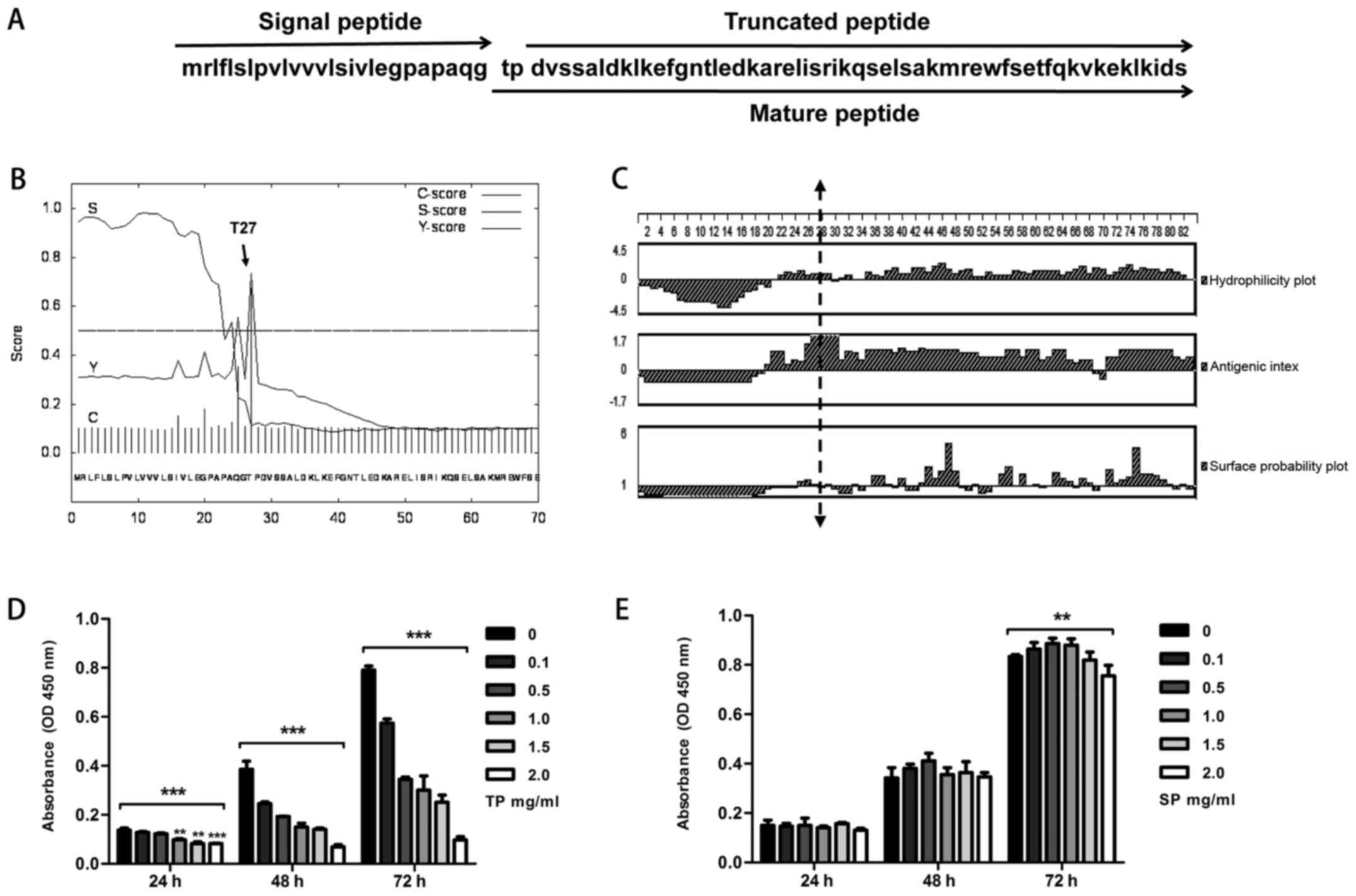
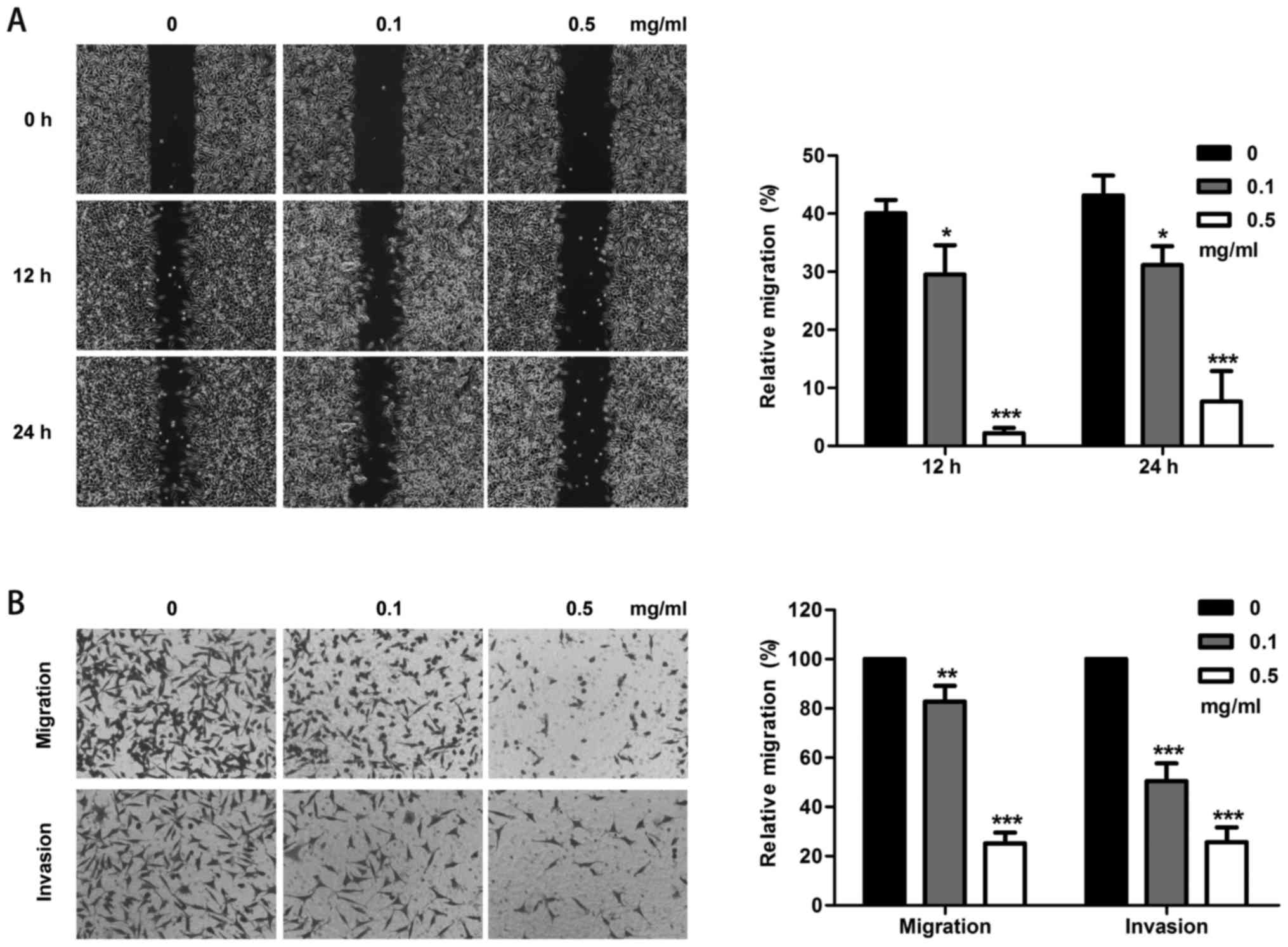
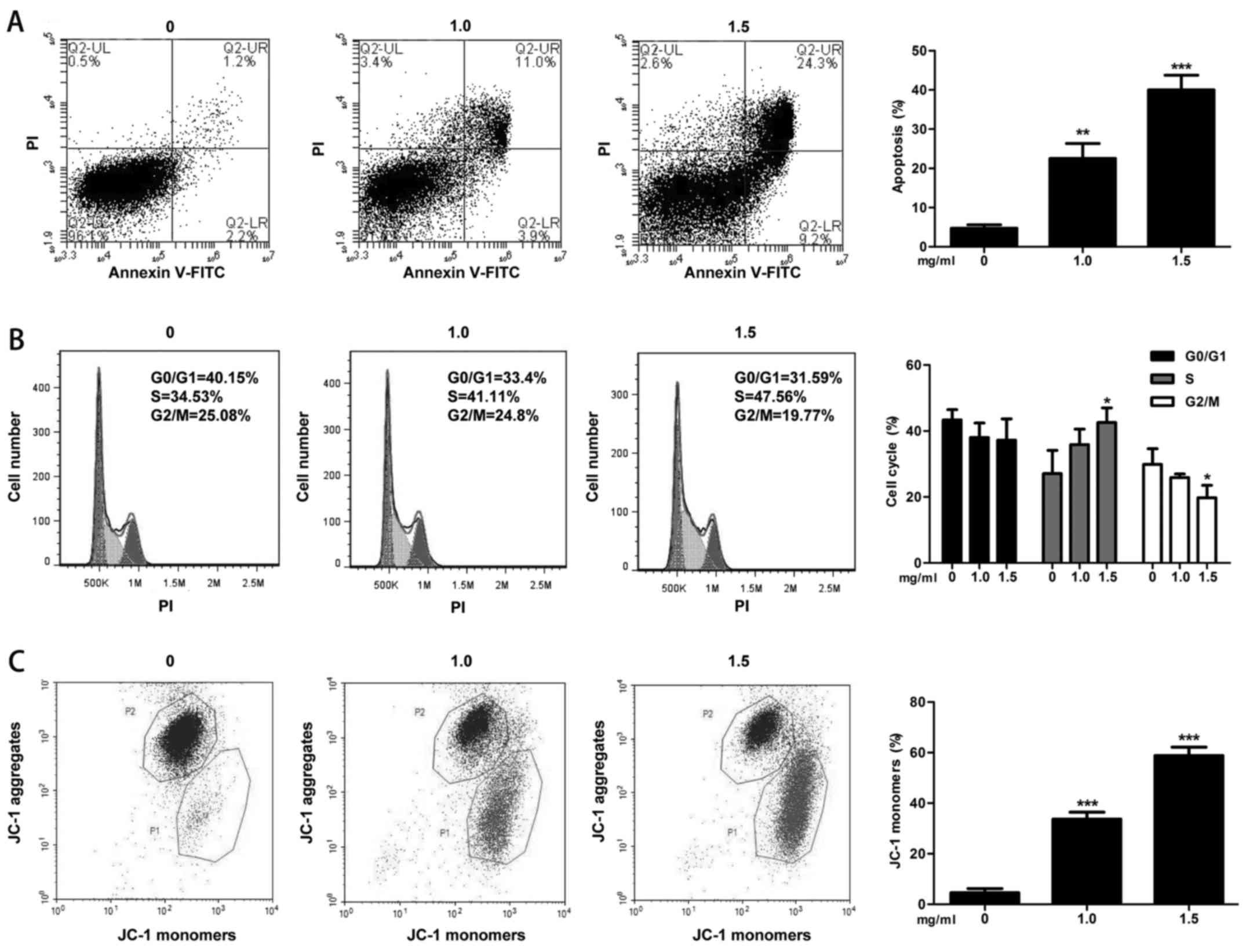
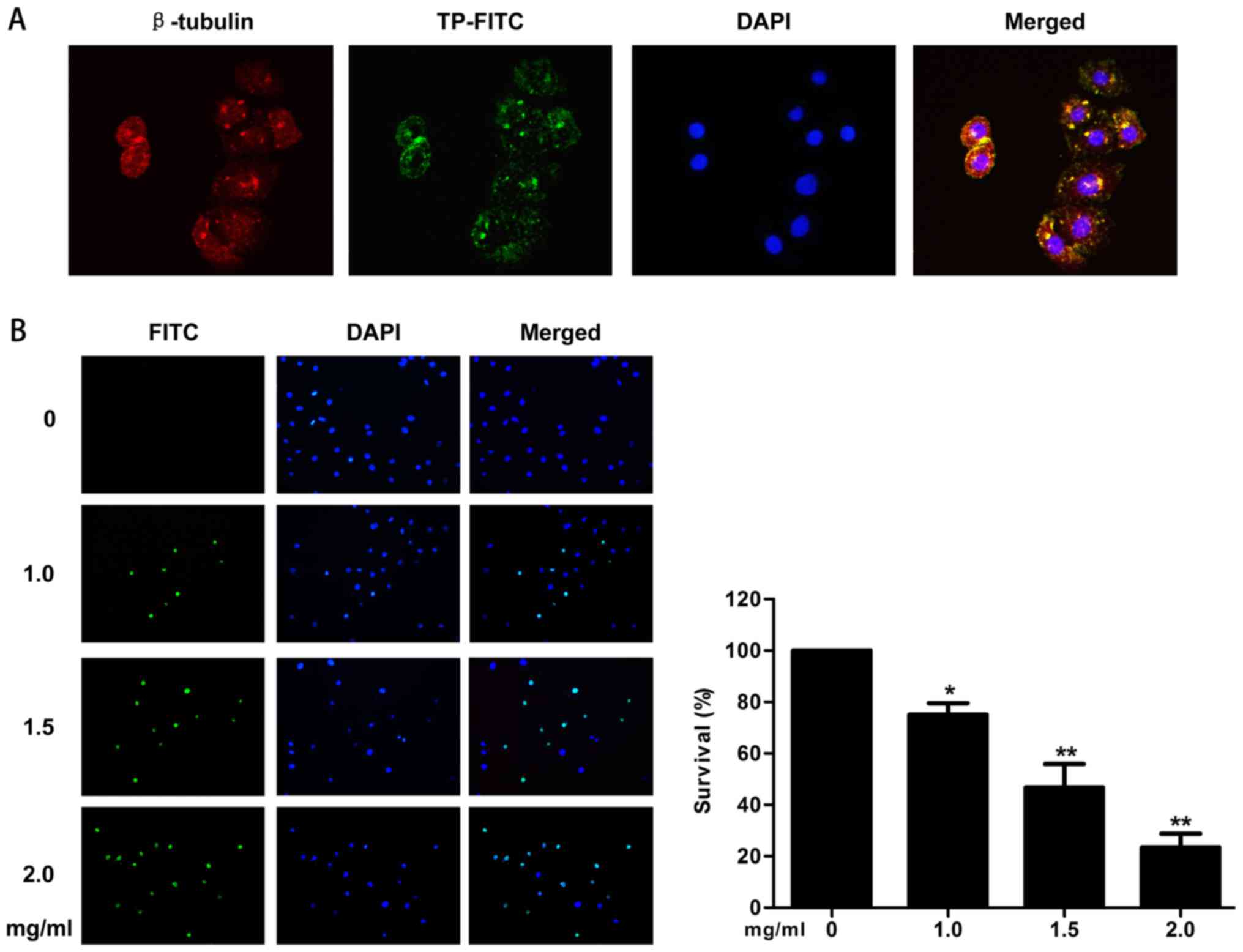
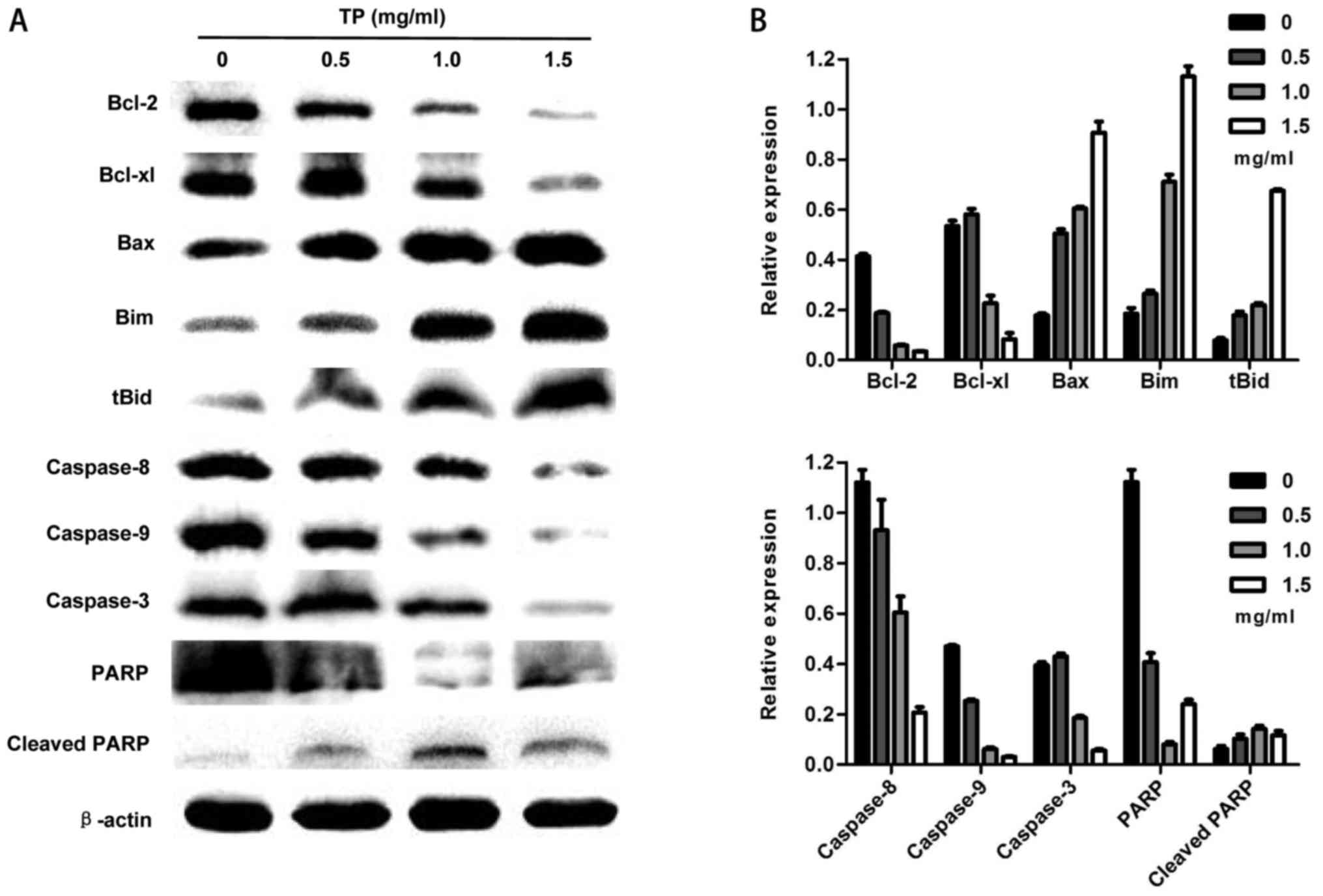
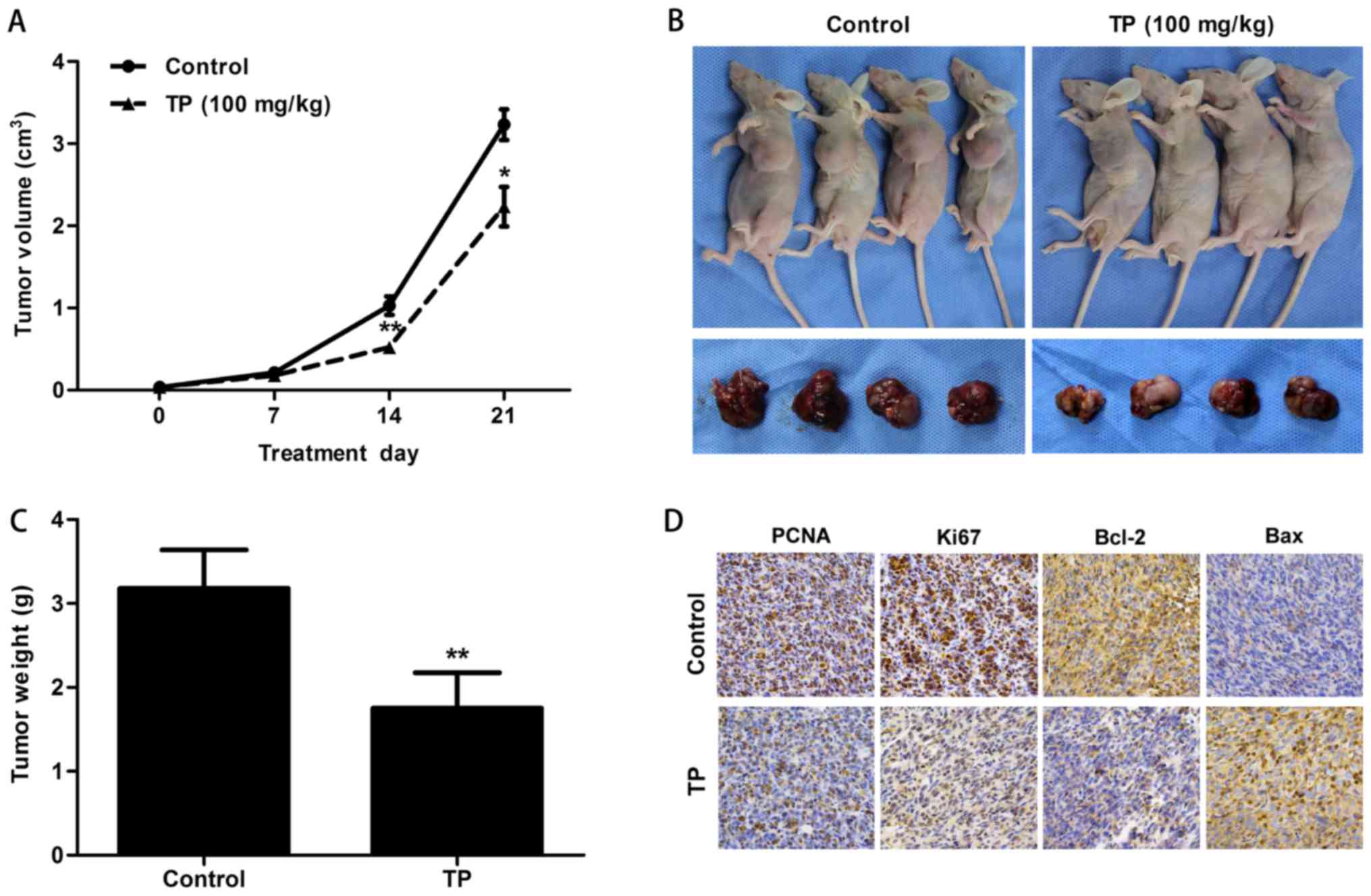
Truncated apolipoprotein C-I is a post-translationally modified protein characterized by the loss of threonine and proline residues from the N-terminus of the mature peptide. The truncated peptide is involved in many physiological and pathological processes in vivo and is related to malignant diseases. The aim of the present study was to assess the effects of the truncated peptide on tumorigenesis in neuroblastoma. The truncated peptide was chemically synthesized, and a signal peptide was used as the negative control. The results of the CCK-8 assay showed that the truncated peptide selectively inhibited cell proliferation compared with the signal peptide, and inhibited migration and invasion as determined by wound healing and Transwell assays. Flow cytometry analysis demonstrated that the truncated peptide induced apoptosis and cell cycle arrest in the S phase. Bax, Bim, and tBid upregulation, and Bcl‑2 and Bcl‑xl downregulation were associated with permeabilization of the mitochondrial membrane, as detected by the JC-1 assay and the release of cytochrome c and apoptosis. Activation of caspase‑8 was associated with activation of cell death receptors such as the tumor necrosis factor receptor. PARP cleavage indicated apoptosis, and DNA damage was observed in the TUNEL assay. The results showed that the truncated apoC-I induced apoptosis in neuroblastoma by the extrinsic and intrinsic pathways. The anticancer effects were confirmed in vivo in a xenograft mouse model. In conclusion, the endogenous protein apoC-I may be a new promising therapeutic target to suppress tumor growth.
View Figures

Figure 1

Figure 2

Figure 3

Figure 4

Figure 5

Figure 6

View References

1 

Puppione DL: Higher primates, but not New World monkeys, have a duplicate set of enhancers flanking their ApoC-I genes. Comp Biochem Physiol Part D Genomics Proteomics. 11:45–48. 2014. View Article : Google Scholar : PubMed/NCBI

2 

Puppione DL, Ryan CM, Bassilian S, Souda P, Xiao X, Ryder OA and Whitelegge JP: Detection of two distinct forms of ApoC-I in great apes. Comp Biochem Physiol Part D Genomics Proteomics. 5:73–79. 2010. View Article : Google Scholar : PubMed/NCBI

3 

Knott TJ, Robertson ME, Priestley LM, Urdea M, Wallis S and Scott J: Characterisation of mRNAs encoding the precursor for human apolipoprotein CI. Nucleic Acids Res. 12:3909–3915. 1984. View Article : Google Scholar : PubMed/NCBI

4 

Sabatini DD, Kreibich G, Morimoto T and Adesnik M: Mechanisms for the incorporation of proteins in membranes and organelles. J Cell Biol. 92:1–22. 1982. View Article : Google Scholar : PubMed/NCBI

5 

Jackson RL, Sparrow JT, Baker HN, Morrisett JD, Taunton OD and Gotto AM Jr: The primary structure of apolopoprotein-serine. J Biol Chem. 249:5308–5313. 1974.PubMed/NCBI

6 

Shulman RS, Herbert PN, Wehrly K and Fredrickson DS: Thf complete amino acid sequence of C-I (apoLp-Ser), an apolipoprotein from human very low density lipoproteins. J Biol Chem. 250:182–190. 1975.PubMed/NCBI

7 

Bondarenko PV, Cockrill SL, Watkins LK, Cruzado ID and Macfarlane RD: Mass spectral study of polymorphism of the apolipoproteins of very low density lipoprotein. J Lipid Res. 40:543–555. 1999.PubMed/NCBI

8 

Gotoh H, Hagihara M, Nagatsu T, Iwata H and Miura T: Activity of dipeptidyl peptidase IV and post-proline cleaving enzyme in sera from osteoporotic patients. Clin Chem. 34:2499–2501. 1988.PubMed/NCBI

9 

Krasteva V, Brodeur MR, Tremblay FL, Falstrault L and Brissette L: Apolipoprotein C-I reduces cholesteryl esters selective uptake from LDL and HDL by binding to HepG2 cells and lipoproteins. Biochim Biophys Acta. 1801:42–48. 2010. View Article : Google Scholar : PubMed/NCBI

10 

Westerterp M, Berbée JF, Delsing DJ, Jong MC, Gijbels MJ, Dahlmans VE, Offerman EH, Romijn JA, Havekes LM and Rensen PC: Apolipoprotein C-I binds free fatty acids and reduces their intracellular esterification. J Lipid Res. 48:1353–1361. 2007. View Article : Google Scholar : PubMed/NCBI

11 

Ko HL, Wang YS, Fong WL, Chi MS, Chi KH and Kao SJ: Apolipoprotein C1 (APOC1) as a novel diagnostic and prognostic biomarker for lung cancer: A marker phase I trial. Thorac Cancer. 5:500–508. 2014. View Article : Google Scholar : PubMed/NCBI

12 

Yamamoto-Ishikawa K, Suzuki H, Nezu M, Kamiya N, Imamoto T, Komiya A, Sogawa K, Tomonaga T, Nomura F and Ichikawa T: The isolation and identification of apolipoprotein C-I in hormone-refractory prostate cancer using surface-enhanced laser desorption/ionization time-of-flight mass spectrometry. Asian J Androl. 11:299–307. 2009. View Article : Google Scholar : PubMed/NCBI

13 

Takano S, Yoshitomi H, Togawa A, Sogawa K, Shida T, Kimura F, Shimizu H, Tomonaga T, Nomura F and Miyazaki M: Apolipoprotein C-1 maintains cell survival by preventing from apoptosis in pancreatic cancer cells. Oncogene. 27:2810–2822. 2008. View Article : Google Scholar : PubMed/NCBI

14 

Zhang J, Guo F, Wang L, Zhao W, Zhang D, Yang H, Yu J, Niu L, Yang F, Zheng S, et al: Identification of apolipoprotein C-I as a potential Wilms' tumor marker after excluding inflammatory factors. Int J Mol Sci. 15:16186–16195. 2014. View Article : Google Scholar : PubMed/NCBI

15 

Chang HH, Liu YL, Lu MY, Jou ST, Yang YL, Lin DT, Lin KH1, Tzen KY, Yen RF, Lu CC, et al: A multidisciplinary team care approach improves outcomes in high-risk pediatric neuroblastoma patients. Oncotarget. 17:4360–4372. 2017.

16 

Mao X, Chen Z, Zhao Y, Yu Y, Guan S, Woodfield SE, Vasudevan SA, Tao L, Pang JC, Lu J, et al: Novel multi-targeted ErbB family inhibitor afatinib blocks EGF-induced signaling and induces apoptosis in neuroblastoma. Oncotarget. 8:1555–1568. 2017.PubMed/NCBI

17 

Chen Z, Wang L, Yao D, Yang T, Cao WM, Dou J, Pang JC, Guan S, Zhang H, Yu Y, et al: Wip1 inhibitor GSK2830371 inhibits neuroblastoma growth by inducing Chk2/p53-mediated apoptosis. Sci Rep. 6:380112016. View Article : Google Scholar : PubMed/NCBI

18 

Zhang F, Kong DS, Zhang ZL, Lei N, Zhu XJ, Zhang XP, Chen L, Lu Y and Zheng SZ: Tetramethylpyrazine induces G0/G1 cell cycle arrest and stimulates mitochondrial-mediated and caspase-dependent apoptosis through modulating ERK/p53 signaling in hepatic stellate cells in vitro. Apoptosis. 18:135–149. 2013. View Article : Google Scholar : PubMed/NCBI

19 

Zhao P, Han T, Guo JJ, Zhu SL, Wang J, Ao F, Jing MZ, She YL, Wu ZH and Ye LB: HCV NS4B induces apoptosis through the mitochondrial death pathway. Virus Res. 169:1–7. 2012. View Article : Google Scholar : PubMed/NCBI

20 

Nagamine A, Hasegawa H, Hashimoto N, Yamada-Inagawa T, Hirose M, Kobara Y, Tadokoro H, Kobayashi Y and Takano H: The effects of DPP-4 inhibitor on hypoxia-induced apoptosis in human umbilical vein endothelial cells. J Pharmacol Sci. 133:42–48. 2017. View Article : Google Scholar : PubMed/NCBI

21 

Xu L, Deng Y, Feng L, Li D, Chen X, Ma C, Liu X, Yin J, Yang M, Teng F, et al: Cardio-protection of salvianolic acid B through inhibition of apoptosis network. PLoS One. 6:e240362011. View Article : Google Scholar : PubMed/NCBI

22 

Derakhshan A, Chen Z and Van Waes C: Therapeutic small molecules target inhibitor of apoptosis proteins in cancers with deregulation of extrinsic and intrinsic cell death pathways. Clin Cancer Res. 23:1379–1387. 2017. View Article : Google Scholar : PubMed/NCBI

23 

Cory S and Adams JM: The Bcl2 family: Regulators of the cellular life-or-death switch. Nat Rev Cancer. 2:647–656. 2002. View Article : Google Scholar : PubMed/NCBI

24 

Murphy KM, Ranganathan V, Farnsworth ML, Kavallaris M and Lock RB: Bcl-2 inhibits Bax translocation from cytosol to mitochondria during drug-induced apoptosis of human tumor cells. Cell Death Differ. 7:102–111. 2000. View Article : Google Scholar : PubMed/NCBI

25 

Bouillet P, Purton JF, Godfrey DI, Zhang LC, Coultas L, Puthalakath H, Pellegrini M, Cory S, Adams JM and Strasser A: BH3-only Bcl-2 family member Bim is required for apoptosis of autoreactive thymocytes. Nature. 415:922–926. 2002. View Article : Google Scholar : PubMed/NCBI

26 

Whitfield J, Neame SJ, Paquet L, Bernard O and Ham J: Dominant-negative c-Jun promotes neuronal survival by reducing BIM expression and inhibiting mitochondrial cytochrome c release. Neuron. 29:629–643. 2001. View Article : Google Scholar : PubMed/NCBI

27 

O'Connor L, Strasser A, O'Reilly LA, Hausmann G, Adams JM, Cory S and Huang DC: Bim: A novel member of the Bcl-2 family that promotes apoptosis. EMBO J. 17:384–395. 1998. View Article : Google Scholar : PubMed/NCBI

28 

Ley R, Balmanno K, Hadfield K, Weston C and Cook SJ: Activation of the ERK1/2 signaling pathway promotes phosphorylation and proteasome-dependent degradation of the BH3-only protein, Bim. J Biol Chem. 278:18811–18816. 2003. View Article : Google Scholar : PubMed/NCBI

29 

Lei K and Davis RJ: JNK phosphorylation of Bim-related members of the Bcl2 family induces Bax-dependent apoptosis. Proc Natl Acad Sci USA. 100:2432–2437. 2003. View Article : Google Scholar : PubMed/NCBI

30 

Liu JW, Chandra D, Tang SH, Chopra D and Tang DG: Identification and characterization of Bimgamma, a novel proapoptotic BH3-only splice variant of Bim. Cancer Res. 62:2976–2981. 2002.PubMed/NCBI

31 

Wei H, Li Z, Hu S, Chen X and Cong X: Apoptosis of mesenchymal stem cells induced by hydrogen peroxide concerns both endoplasmic reticulum stress and mitochondrial death pathway through regulation of caspases, p38 and JNK. J Cell Biochem. 111:967–978. 2010. View Article : Google Scholar : PubMed/NCBI

32 

Zou H, Li Y, Liu X and Wang X: An APAF-1.cytochrome c multimeric complex is a functional apoptosome that activates procaspase-9. J Biol Chem. 274:11549–11556. 1999. View Article : Google Scholar : PubMed/NCBI

33 

Strasser A, Jost PJ and Nagata S: The many roles of FAS receptor signaling in the immune system. Immunity. 30:180–192. 2009. View Article : Google Scholar : PubMed/NCBI

34 

Wei MC, Zong WX, Cheng EH, Lindsten T, Panoutsakopoulou V, Ross AJ, Roth KA, MacGregor GR, Thompson CB and Korsmeyer SJ: Proapoptotic BAX and BAK: A requisite gateway to mitochondrial dysfunction and death. Science. 292:727–730. 2001. View Article : Google Scholar : PubMed/NCBI

35 

Korsmeyer SJ, Wei MC, Saito M, Weiler S, Oh KJ and Schlesinger PH: Pro-apoptotic cascade activates BID, which oligomerizes BAK or BAX into pores that result in the release of cytochrome c. Cell Death Differ. 7:1166–1173. 2000. View Article : Google Scholar : PubMed/NCBI

36 

Bus P, Pierneef L, Bor R, Wolterbeek R, van Es LA, Rensen PC, de Heer E, Havekes LM, Bruijn JA, Berbée JF, et al: Apolipoprotein C-I plays a role in the pathogenesis of glomerulosclerosis. J Pathol. 241:589–599. 2017. View Article : Google Scholar : PubMed/NCBI

37 

Berbée JF, van der Hoogt CC, Kleemann R, Schippers EF, Kitchens RL, van Dissel JT, Bakker-Woudenberg IA, Havekes LM and Rensen PC: Apolipoprotein CI stimulates the response to lipopolysaccharide and reduces mortality in gram-negative sepsis. FASEB J. 20:2162–2164. 2006. View Article : Google Scholar : PubMed/NCBI

Related Articles

  • Abstract
  • View
  • Download
  • Twitter
Copy and paste a formatted citation
Spandidos Publications style
Guo F, Zhao W, Yang L, Yang Y, Wang S, Wang Y, Li Z and Wang J: Truncated apolipoprotein C-I induces apoptosis in neuroblastoma by activating caspases in the extrinsic and intrinsic pathways. Oncol Rep 38: 1797-1805, 2017.
APA
Guo, F., Zhao, W., Yang, L., Yang, Y., Wang, S., Wang, Y. ... Wang, J. (2017). Truncated apolipoprotein C-I induces apoptosis in neuroblastoma by activating caspases in the extrinsic and intrinsic pathways. Oncology Reports, 38, 1797-1805. https://doi.org/10.3892/or.2017.5819
MLA
Guo, F., Zhao, W., Yang, L., Yang, Y., Wang, S., Wang, Y., Li, Z., Wang, J."Truncated apolipoprotein C-I induces apoptosis in neuroblastoma by activating caspases in the extrinsic and intrinsic pathways". Oncology Reports 38.3 (2017): 1797-1805.
Chicago
Guo, F., Zhao, W., Yang, L., Yang, Y., Wang, S., Wang, Y., Li, Z., Wang, J."Truncated apolipoprotein C-I induces apoptosis in neuroblastoma by activating caspases in the extrinsic and intrinsic pathways". Oncology Reports 38, no. 3 (2017): 1797-1805. https://doi.org/10.3892/or.2017.5819
Copy and paste a formatted citation
x
Spandidos Publications style
Guo F, Zhao W, Yang L, Yang Y, Wang S, Wang Y, Li Z and Wang J: Truncated apolipoprotein C-I induces apoptosis in neuroblastoma by activating caspases in the extrinsic and intrinsic pathways. Oncol Rep 38: 1797-1805, 2017.
APA
Guo, F., Zhao, W., Yang, L., Yang, Y., Wang, S., Wang, Y. ... Wang, J. (2017). Truncated apolipoprotein C-I induces apoptosis in neuroblastoma by activating caspases in the extrinsic and intrinsic pathways. Oncology Reports, 38, 1797-1805. https://doi.org/10.3892/or.2017.5819
MLA
Guo, F., Zhao, W., Yang, L., Yang, Y., Wang, S., Wang, Y., Li, Z., Wang, J."Truncated apolipoprotein C-I induces apoptosis in neuroblastoma by activating caspases in the extrinsic and intrinsic pathways". Oncology Reports 38.3 (2017): 1797-1805.
Chicago
Guo, F., Zhao, W., Yang, L., Yang, Y., Wang, S., Wang, Y., Li, Z., Wang, J."Truncated apolipoprotein C-I induces apoptosis in neuroblastoma by activating caspases in the extrinsic and intrinsic pathways". Oncology Reports 38, no. 3 (2017): 1797-1805. https://doi.org/10.3892/or.2017.5819
Follow us
  • Twitter
  • LinkedIn
  • Facebook
About
  • Spandidos Publications
  • Careers
  • Cookie Policy
  • Privacy Policy
How can we help?
  • Help
  • Live Chat
  • Contact
  • Email to our Support Team