Spandidos Publications Logo
  • About
    • About Spandidos
    • Aims and Scopes
    • Abstracting and Indexing
    • Editorial Policies
    • Reprints and Permissions
    • Job Opportunities
    • Terms and Conditions
    • Contact
  • Journals
    • All Journals
    • Oncology Letters
      • Oncology Letters
      • Information for Authors
      • Editorial Policies
      • Editorial Board
      • Aims and Scope
      • Abstracting and Indexing
      • Bibliographic Information
      • Archive
    • International Journal of Oncology
      • International Journal of Oncology
      • Information for Authors
      • Editorial Policies
      • Editorial Board
      • Aims and Scope
      • Abstracting and Indexing
      • Bibliographic Information
      • Archive
    • Molecular and Clinical Oncology
      • Molecular and Clinical Oncology
      • Information for Authors
      • Editorial Policies
      • Editorial Board
      • Aims and Scope
      • Abstracting and Indexing
      • Bibliographic Information
      • Archive
    • Experimental and Therapeutic Medicine
      • Experimental and Therapeutic Medicine
      • Information for Authors
      • Editorial Policies
      • Editorial Board
      • Aims and Scope
      • Abstracting and Indexing
      • Bibliographic Information
      • Archive
    • International Journal of Molecular Medicine
      • International Journal of Molecular Medicine
      • Information for Authors
      • Editorial Policies
      • Editorial Board
      • Aims and Scope
      • Abstracting and Indexing
      • Bibliographic Information
      • Archive
    • Biomedical Reports
      • Biomedical Reports
      • Information for Authors
      • Editorial Policies
      • Editorial Board
      • Aims and Scope
      • Abstracting and Indexing
      • Bibliographic Information
      • Archive
    • Oncology Reports
      • Oncology Reports
      • Information for Authors
      • Editorial Policies
      • Editorial Board
      • Aims and Scope
      • Abstracting and Indexing
      • Bibliographic Information
      • Archive
    • Molecular Medicine Reports
      • Molecular Medicine Reports
      • Information for Authors
      • Editorial Policies
      • Editorial Board
      • Aims and Scope
      • Abstracting and Indexing
      • Bibliographic Information
      • Archive
    • World Academy of Sciences Journal
      • World Academy of Sciences Journal
      • Information for Authors
      • Editorial Policies
      • Editorial Board
      • Aims and Scope
      • Abstracting and Indexing
      • Bibliographic Information
      • Archive
    • International Journal of Functional Nutrition
      • International Journal of Functional Nutrition
      • Information for Authors
      • Editorial Policies
      • Editorial Board
      • Aims and Scope
      • Abstracting and Indexing
      • Bibliographic Information
      • Archive
    • International Journal of Epigenetics
      • International Journal of Epigenetics
      • Information for Authors
      • Editorial Policies
      • Editorial Board
      • Aims and Scope
      • Abstracting and Indexing
      • Bibliographic Information
      • Archive
    • Medicine International
      • Medicine International
      • Information for Authors
      • Editorial Policies
      • Editorial Board
      • Aims and Scope
      • Abstracting and Indexing
      • Bibliographic Information
      • Archive
  • Articles
  • Information
    • Information for Authors
    • Information for Reviewers
    • Information for Librarians
    • Information for Advertisers
    • Conferences
  • Language Editing
Spandidos Publications Logo
  • About
    • About Spandidos
    • Aims and Scopes
    • Abstracting and Indexing
    • Editorial Policies
    • Reprints and Permissions
    • Job Opportunities
    • Terms and Conditions
    • Contact
  • Journals
    • All Journals
    • Biomedical Reports
      • Information for Authors
      • Editorial Policies
      • Editorial Board
      • Aims and Scope
      • Abstracting and Indexing
      • Bibliographic Information
      • Archive
    • Experimental and Therapeutic Medicine
      • Information for Authors
      • Editorial Policies
      • Editorial Board
      • Aims and Scope
      • Abstracting and Indexing
      • Bibliographic Information
      • Archive
    • International Journal of Epigenetics
      • Information for Authors
      • Editorial Policies
      • Editorial Board
      • Aims and Scope
      • Abstracting and Indexing
      • Bibliographic Information
      • Archive
    • International Journal of Functional Nutrition
      • Information for Authors
      • Editorial Policies
      • Editorial Board
      • Aims and Scope
      • Abstracting and Indexing
      • Bibliographic Information
      • Archive
    • International Journal of Molecular Medicine
      • Information for Authors
      • Editorial Policies
      • Editorial Board
      • Aims and Scope
      • Abstracting and Indexing
      • Bibliographic Information
      • Archive
    • International Journal of Oncology
      • Information for Authors
      • Editorial Policies
      • Editorial Board
      • Aims and Scope
      • Abstracting and Indexing
      • Bibliographic Information
      • Archive
    • Medicine International
      • Information for Authors
      • Editorial Policies
      • Editorial Board
      • Aims and Scope
      • Abstracting and Indexing
      • Bibliographic Information
      • Archive
    • Molecular and Clinical Oncology
      • Information for Authors
      • Editorial Policies
      • Editorial Board
      • Aims and Scope
      • Abstracting and Indexing
      • Bibliographic Information
      • Archive
    • Molecular Medicine Reports
      • Information for Authors
      • Editorial Policies
      • Editorial Board
      • Aims and Scope
      • Abstracting and Indexing
      • Bibliographic Information
      • Archive
    • Oncology Letters
      • Information for Authors
      • Editorial Policies
      • Editorial Board
      • Aims and Scope
      • Abstracting and Indexing
      • Bibliographic Information
      • Archive
    • Oncology Reports
      • Information for Authors
      • Editorial Policies
      • Editorial Board
      • Aims and Scope
      • Abstracting and Indexing
      • Bibliographic Information
      • Archive
    • World Academy of Sciences Journal
      • Information for Authors
      • Editorial Policies
      • Editorial Board
      • Aims and Scope
      • Abstracting and Indexing
      • Bibliographic Information
      • Archive
  • Articles
  • Information
    • For Authors
    • For Reviewers
    • For Librarians
    • For Advertisers
    • Conferences
  • Language Editing
Login Register Submit
  • This site uses cookies
  • You can change your cookie settings at any time by following the instructions in our Cookie Policy. To find out more, you may read our Privacy Policy.

    I agree
Search articles by DOI, keyword, author or affiliation
Search
Advanced Search
presentation
Oncology Reports
Join Editorial Board Propose a Special Issue
Print ISSN: 1021-335X Online ISSN: 1791-2431
Journal Cover
November-2017 Volume 38 Issue 5

Full Size Image

Sign up for eToc alerts
Recommend to Library

Journals

International Journal of Molecular Medicine

International Journal of Molecular Medicine

International Journal of Molecular Medicine is an international journal devoted to molecular mechanisms of human disease.

International Journal of Oncology

International Journal of Oncology

International Journal of Oncology is an international journal devoted to oncology research and cancer treatment.

Molecular Medicine Reports

Molecular Medicine Reports

Covers molecular medicine topics such as pharmacology, pathology, genetics, neuroscience, infectious diseases, molecular cardiology, and molecular surgery.

Oncology Reports

Oncology Reports

Oncology Reports is an international journal devoted to fundamental and applied research in Oncology.

Experimental and Therapeutic Medicine

Experimental and Therapeutic Medicine

Experimental and Therapeutic Medicine is an international journal devoted to laboratory and clinical medicine.

Oncology Letters

Oncology Letters

Oncology Letters is an international journal devoted to Experimental and Clinical Oncology.

Biomedical Reports

Biomedical Reports

Explores a wide range of biological and medical fields, including pharmacology, genetics, microbiology, neuroscience, and molecular cardiology.

Molecular and Clinical Oncology

Molecular and Clinical Oncology

International journal addressing all aspects of oncology research, from tumorigenesis and oncogenes to chemotherapy and metastasis.

World Academy of Sciences Journal

World Academy of Sciences Journal

Multidisciplinary open-access journal spanning biochemistry, genetics, neuroscience, environmental health, and synthetic biology.

International Journal of Functional Nutrition

International Journal of Functional Nutrition

Open-access journal combining biochemistry, pharmacology, immunology, and genetics to advance health through functional nutrition.

International Journal of Epigenetics

International Journal of Epigenetics

Publishes open-access research on using epigenetics to advance understanding and treatment of human disease.

Medicine International

Medicine International

An International Open Access Journal Devoted to General Medicine.

Journal Cover
November-2017 Volume 38 Issue 5

Full Size Image

Sign up for eToc alerts
Recommend to Library

  • Article
  • Citations
    • Cite This Article
    • Download Citation
    • Create Citation Alert
    • Remove Citation Alert
    • Cited By
  • Similar Articles
    • Related Articles (in Spandidos Publications)
    • Similar Articles (Google Scholar)
    • Similar Articles (PubMed)
  • Download PDF
  • Download XML
  • View XML
Article Open Access

Capsaicin inhibits proliferation and induces apoptosis in osteosarcoma cell lines via the mitogen‑activated protein kinase pathway

  • Authors:
    • Yuan Zhang
    • Xu Deng
    • Tao Lei
    • Chang Yu
    • Yang Wang
    • Guosheng Zhao
    • Xiaoji Luo
    • Ke Tang
    • Zhengxue Quan
    • Dianming Jiang
  • View Affiliations / Copyright

    Affiliations: Department of Orthopedic Surgery, The First Affiliated Hospital of Chongqing Medical University, Chongqing 400016, P.R. China
    Copyright: © Zhang et al. This is an open access article distributed under the terms of Creative Commons Attribution License.
  • Pages: 2685-2696
    |
    Published online on: September 18, 2017
       https://doi.org/10.3892/or.2017.5960
  • Expand metrics +
Metrics: Total Views: 0 (Spandidos Publications: | PMC Statistics: )
Metrics: Total PDF Downloads: 0 (Spandidos Publications: | PMC Statistics: )
Cited By (CrossRef): 0 citations Loading Articles...

This article is mentioned in:


Abstract

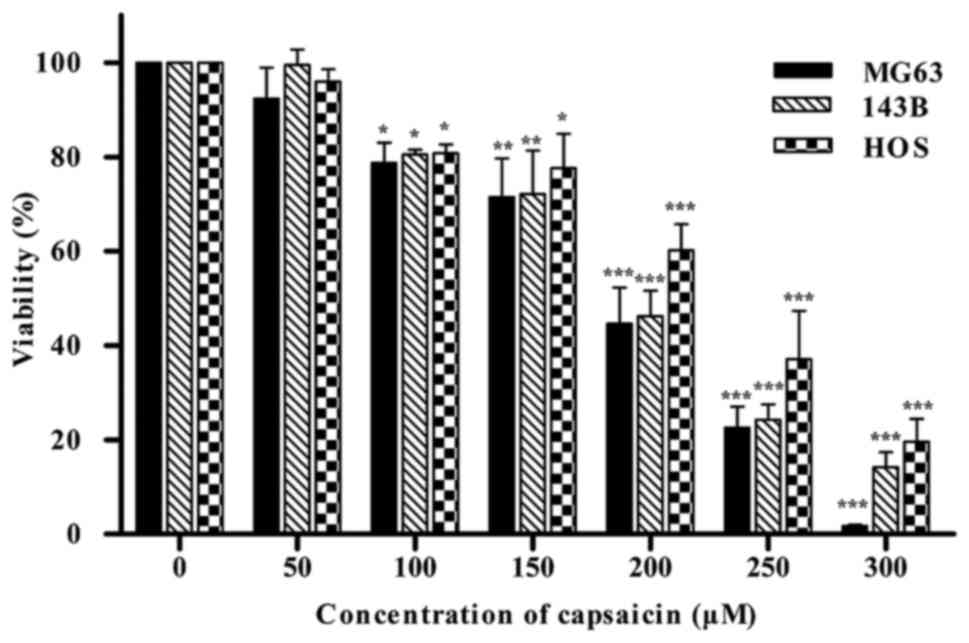
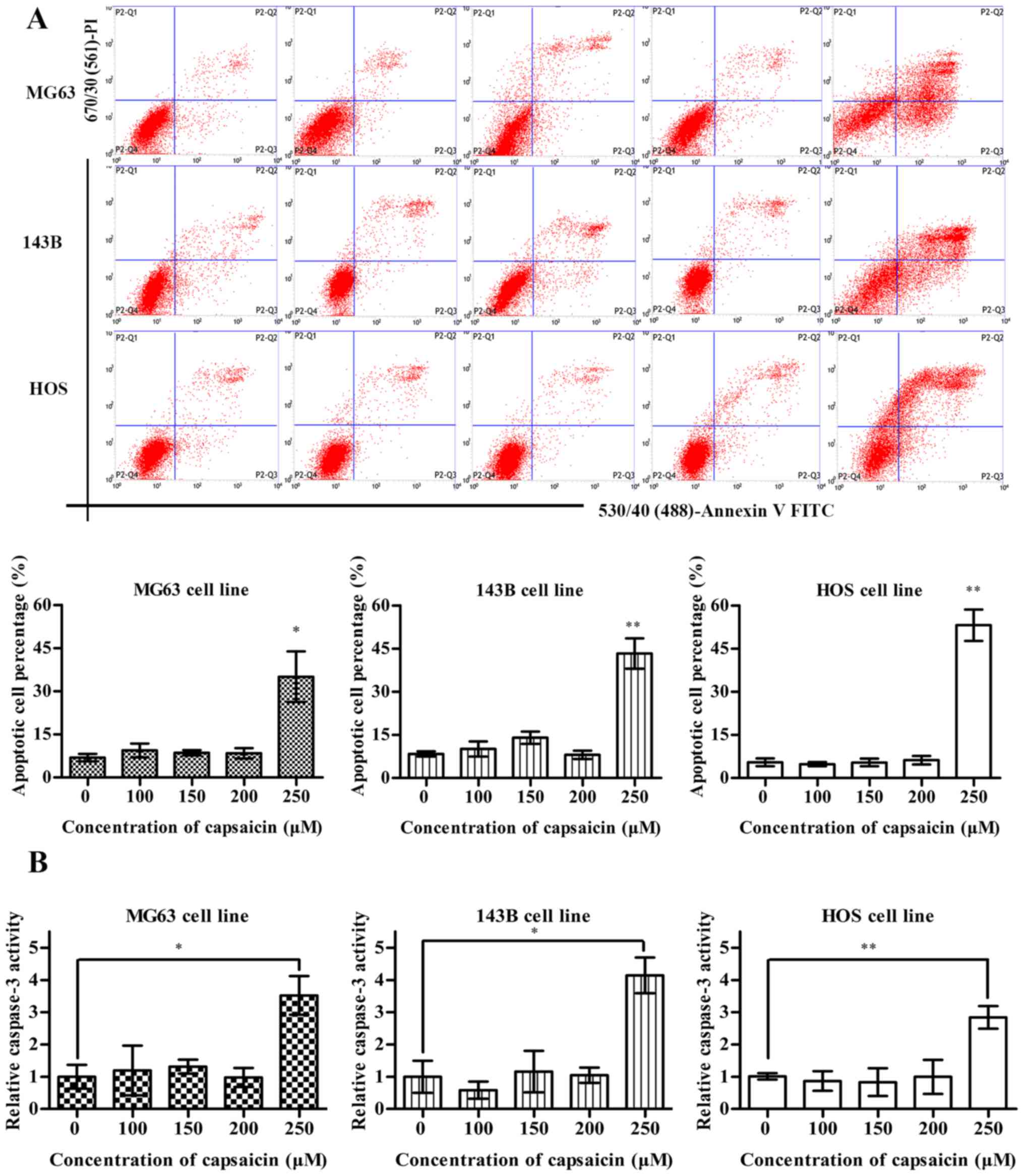
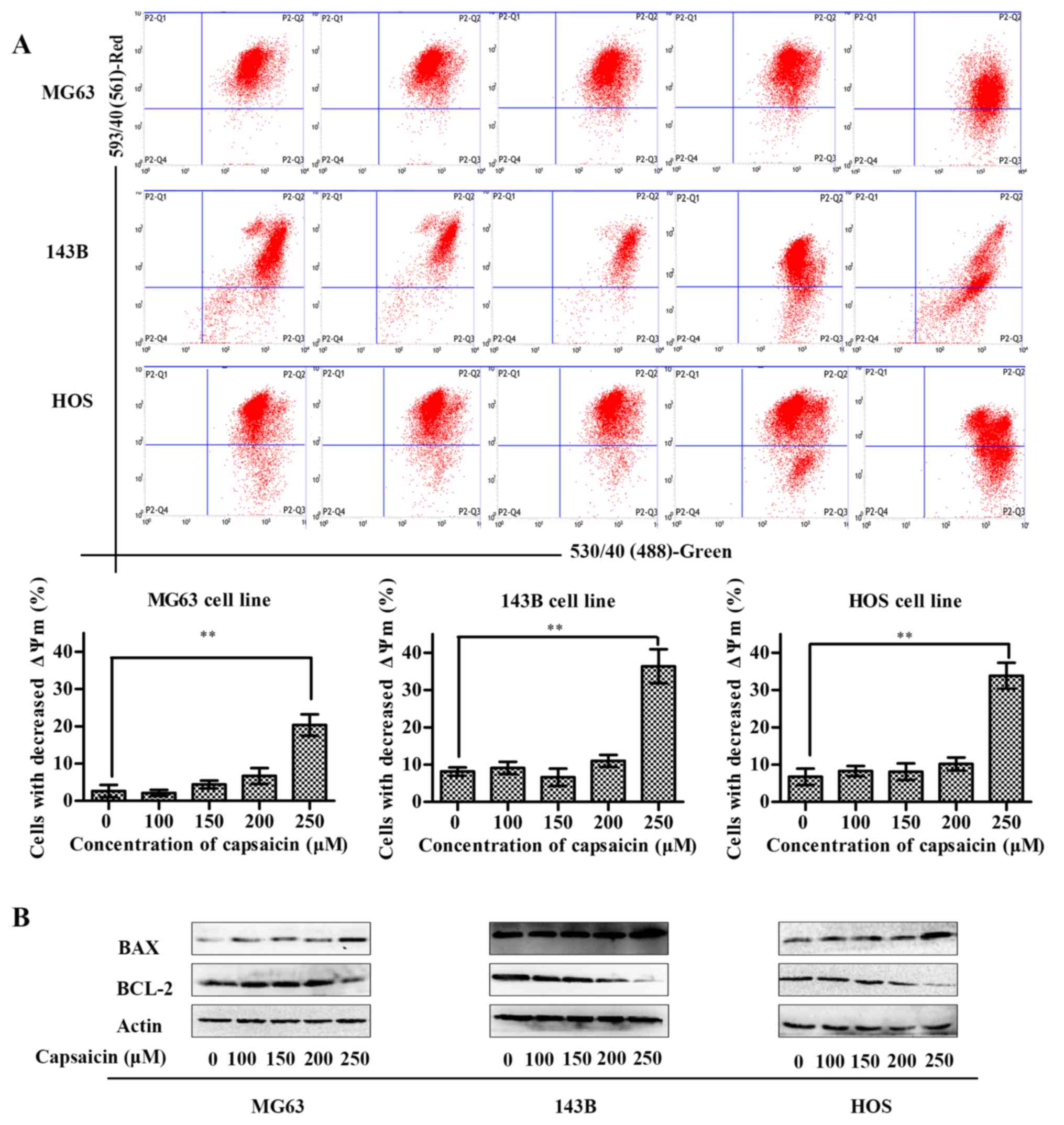
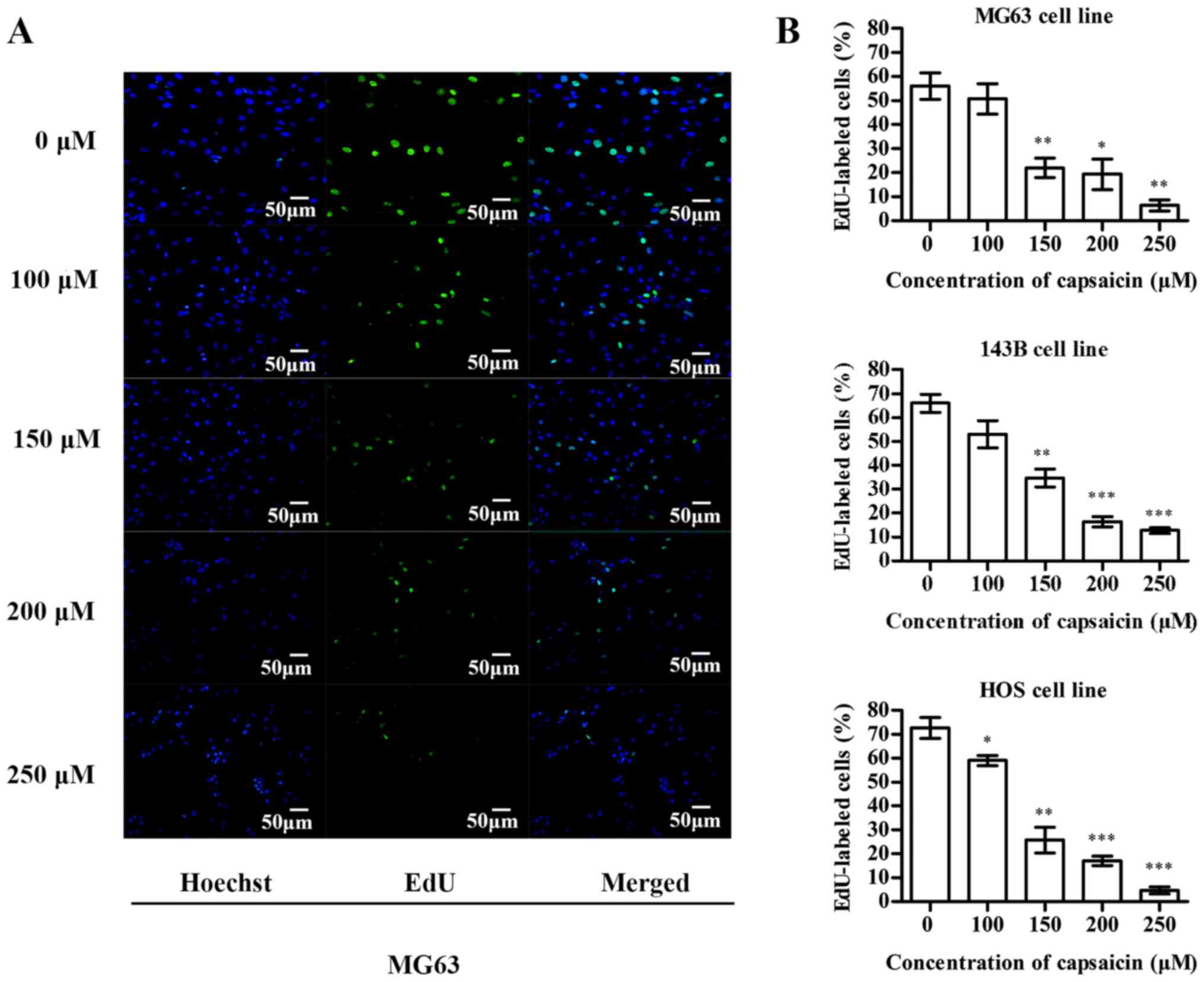
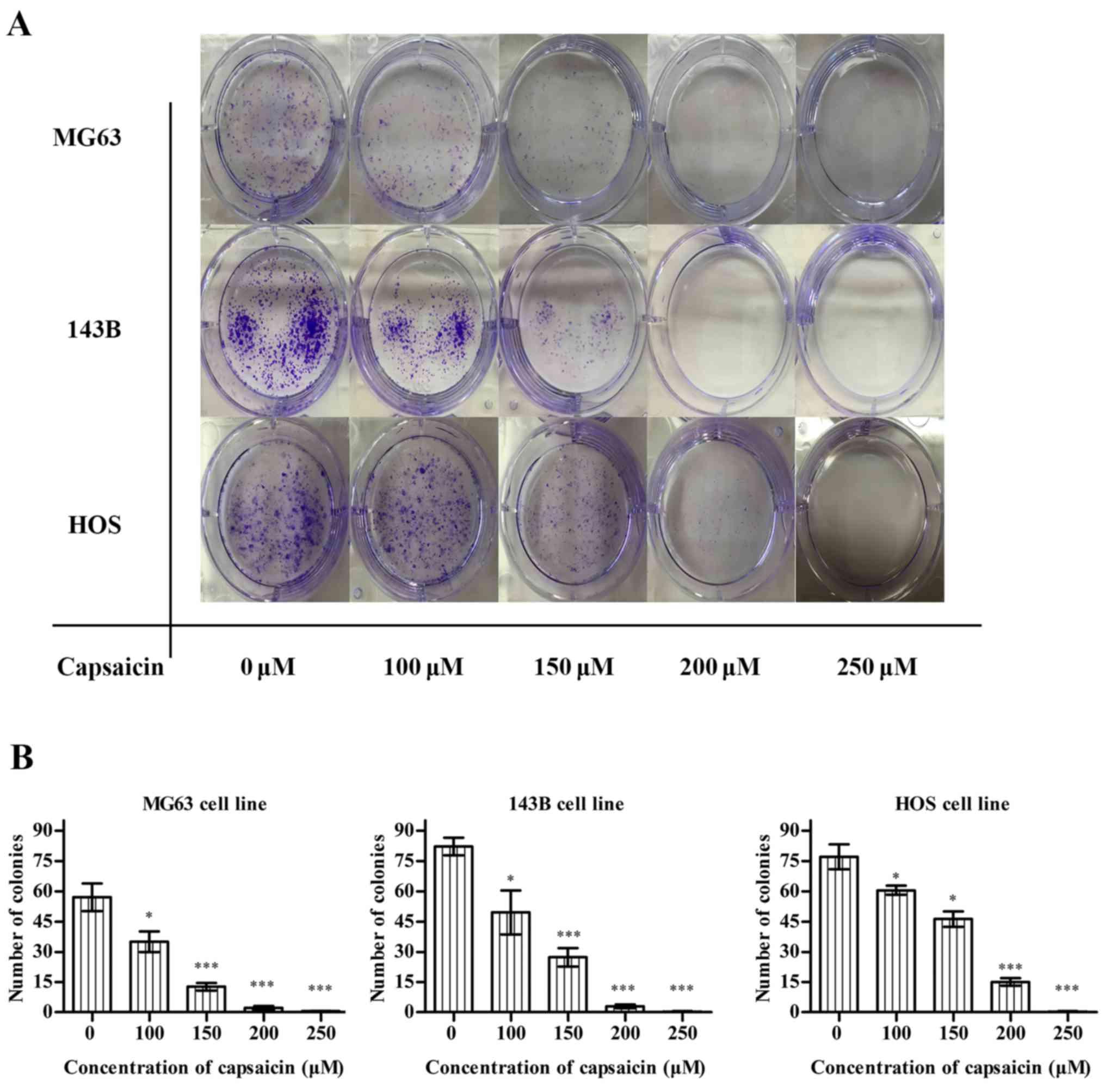
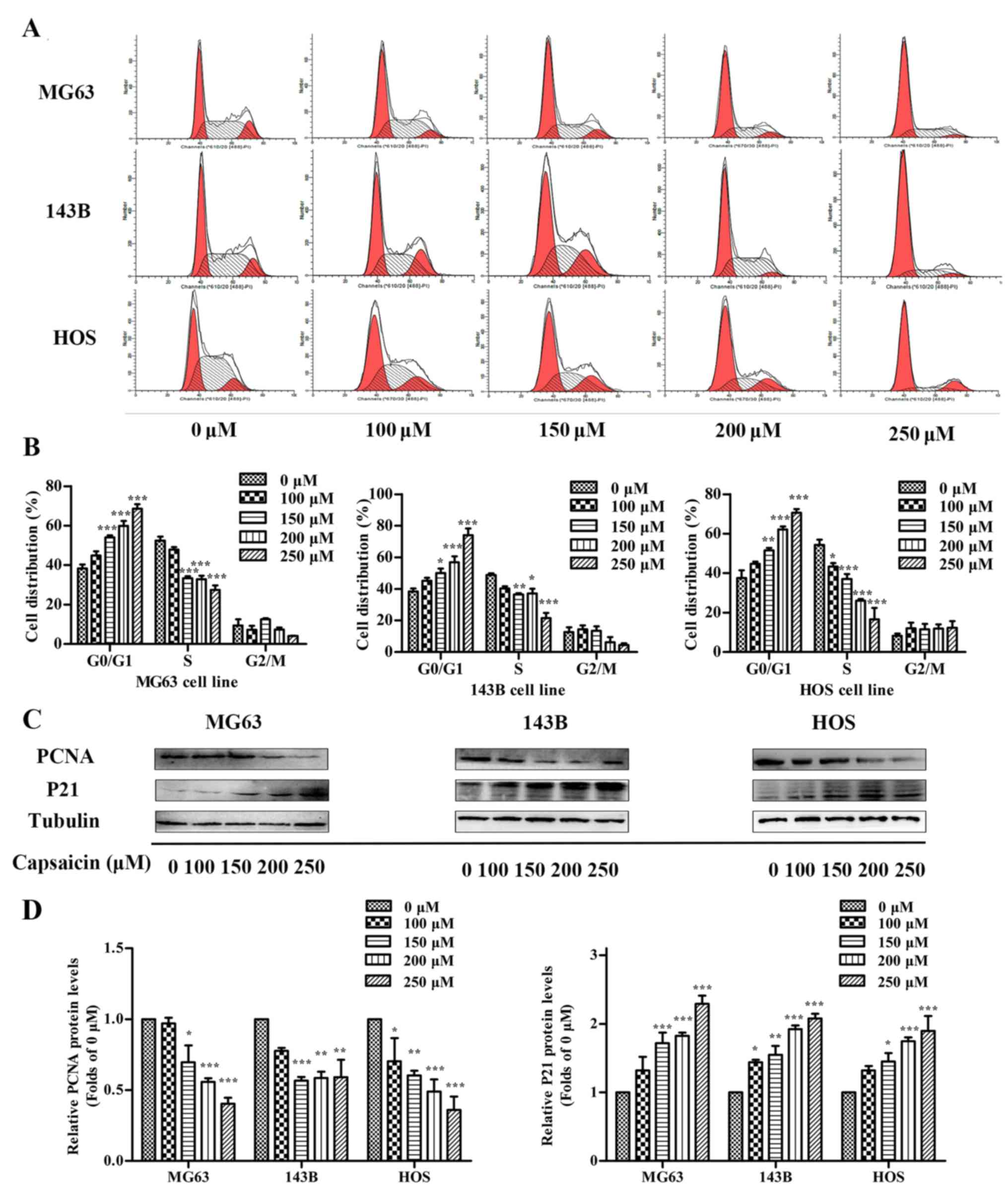
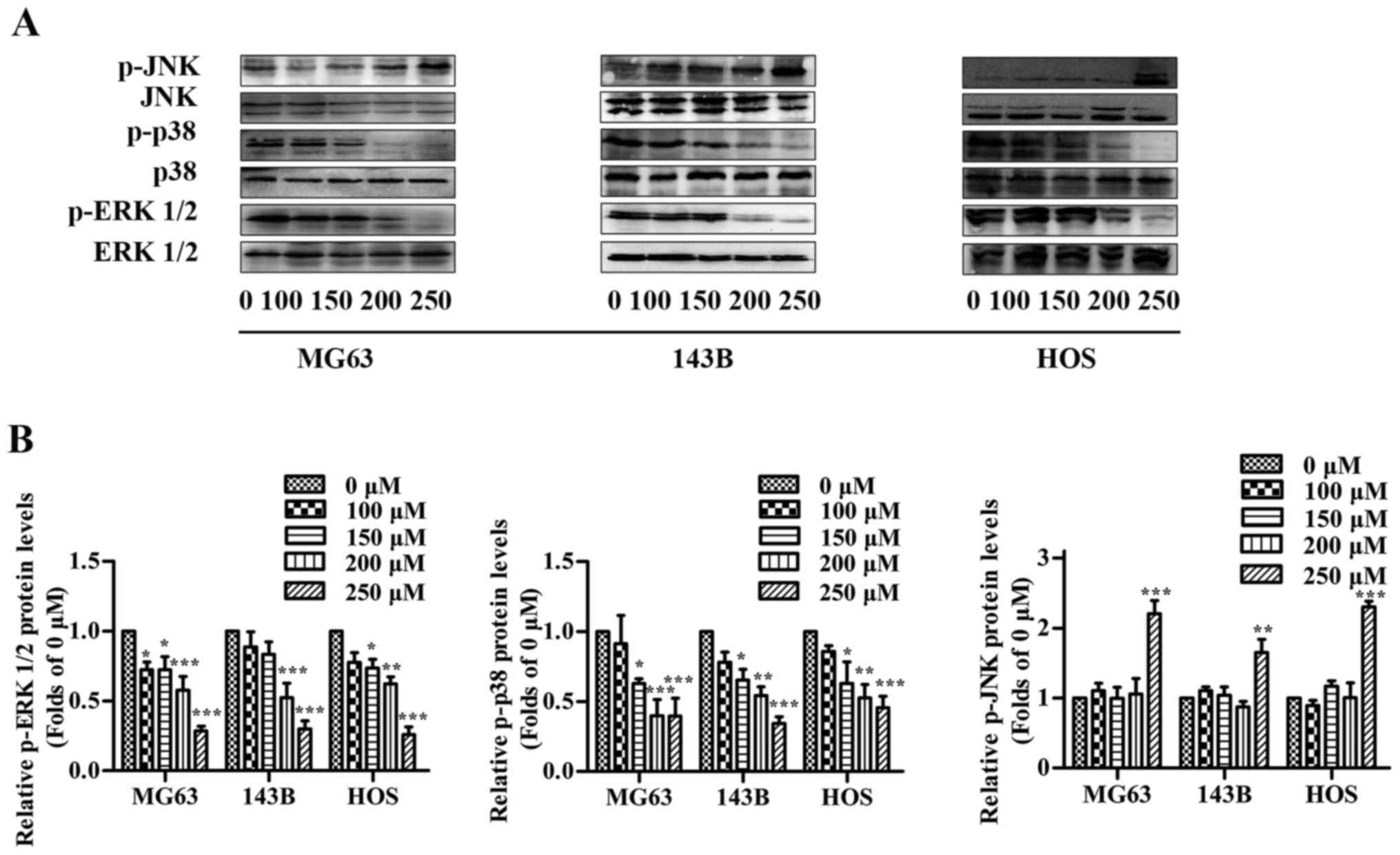
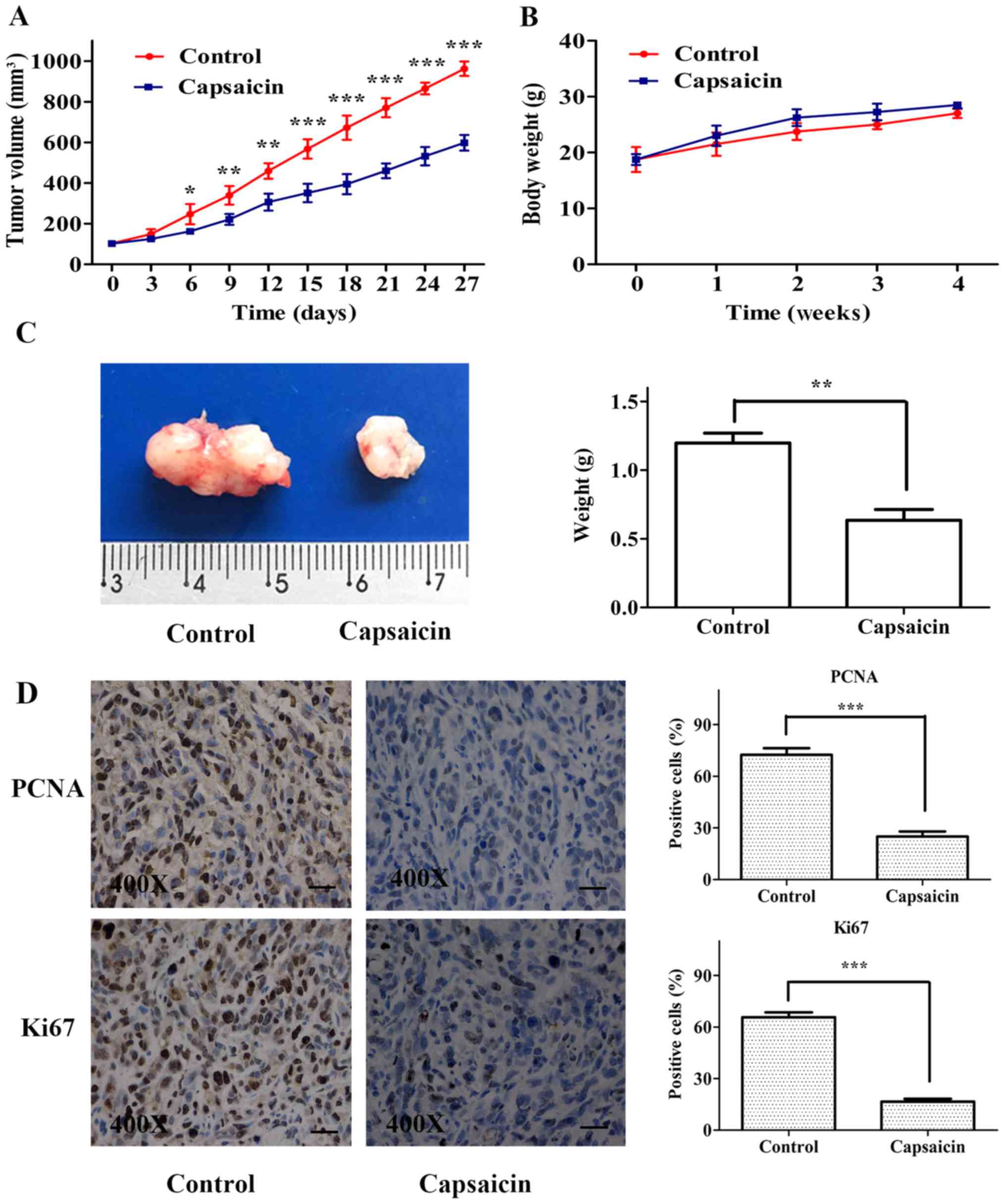
Capsaicin, a pungent molecular compound present in many hot peppers, exerts anticancer activities against various human cancer cell lines by inducing apoptosis. However, the effects of capsaicin on human osteosarcoma (OS) as well as the related mechanisms remain to be fully elucidated. In the present study, the anticancer effects of capsaicin on 3 human OS cell lines (MG63, 143B and HOS) were investigated. Various concentrations of capsaicin (50-300 µM) effectively decreased cell viability in all 3 OS cell lines in a dose-dependent manner. Notably, capsaicin-induced apoptosis was observed when OS cells were treated with relatively high concentrations of capsaicin (starting at 250 µM). In addition, the mitochondrial apoptotic pathway was involved in the capsaicin-induced apoptosis in the OS cells. Meanwhile, our results also indicated that at relatively low concentrations (e.g., 100 µM), capsaicin could inhibit the proliferation, decrease the colony forming ability and induce G0/G1 phase cell cycle arrest of OS cells in a dose-dependent manner. Moreover, our results revealed that the anticancer effects induced by capsaicin on OS cell lines involved multiple MAPK signaling pathways as indicated by inactivation of the ERK1/2 and p38 pathways and activation of the JNK pathway. Furthermore, the results of animal experiments showed that capsaicin inhibited tumor growth in a xenograft model of human OS. In conclusion, these results indicate that capsaicin may exert therapeutic benefits as an adjunct to current cancer therapies but not as an independent anticancer agent.
View Figures

Figure 1

Figure 2

Figure 3

Figure 4

Figure 5

Figure 6

Figure 7

Figure 8

View References

1 

Murphey MD, Robbin MR, McRae GA, Flemming DJ, Temple HT and Kransdorf MJ: The many faces of osteosarcoma. Radiographics. 17:1205–1231. 1997. View Article : Google Scholar : PubMed/NCBI

2 

Chou AJ, Geller DS and Gorlick R: Therapy for osteosarcoma: Where do we go from here? Paediatr Drugs. 10:315–327. 2008. View Article : Google Scholar : PubMed/NCBI

3 

Kempf-Bielack B, Bielack SS, Jürgens H, Branscheid D, Berdel WE, Exner GU, Göbel U, Helmke K, Jundt G, Kabisch H, et al: Osteosarcoma relapse after combined modality therapy: An analysis of unselected patients in the Cooperative Osteosarcoma Study Group (COSS). J Clin Oncol. 23:559–568. 2005. View Article : Google Scholar : PubMed/NCBI

4 

Kuijjer ML, Hogendoorn PC and Cleton-Jansen AM: Genome-wide analyses on high-grade osteosarcoma: Making sense of a genomically most unstable tumor. Int J Cancer. 133:2512–2521. 2013.PubMed/NCBI

5 

Anninga JK, Gelderblom H, Fiocco M, Kroep JR, Taminiau AH, Hogendoorn PC and Egeler RM: Chemotherapeutic adjuvant treatment for osteosarcoma: Where do we stand? Eur J Cancer. 47:2431–2445. 2011. View Article : Google Scholar : PubMed/NCBI

6 

Chen KG and Sikic BI: Molecular pathways: Regulation and therapeutic implications of multidrug resistance. Clin Cancer Res. 18:1863–1869. 2012. View Article : Google Scholar : PubMed/NCBI

7 

Gali-Muhtasib H, Hmadi R, Kareh M, Tohme R and Darwiche N: Cell death mechanisms of plant-derived anticancer drugs: Beyond apoptosis. Apoptosis. 20:1531–1562. 2015. View Article : Google Scholar : PubMed/NCBI

8 

Marina N, Gebhardt M, Teot L and Gorlick R: Biology and therapeutic advances for pediatric osteosarcoma. Oncologist. 9:422–441. 2004. View Article : Google Scholar : PubMed/NCBI

9 

Jin S, Shen JN, Wang J, Huang G and Zhou JG: Oridonin induced apoptosis through Akt and MAPKs signaling pathways in human osteosarcoma cells. Cancer Biol Ther. 6:261–268. 2007. View Article : Google Scholar : PubMed/NCBI

10 

Kim S, Park M, Yeom SI, Kim YM, Lee JM, Lee HA, Seo E, Choi J, Cheong K, Kim KT, et al: Genome sequence of the hot pepper provides insights into the evolution of pungency in Capsicum species. Nat Genet. 46:270–278. 2014. View Article : Google Scholar : PubMed/NCBI

11 

Fattori V, Hohmann MS, Rossaneis AC, Pinho-Ribeiro FA and Verri WA: Capsaicin: Current understanding of its mechanisms and therapy of pain and other pre-clinical and clinical uses. Molecules. 21:8442016. View Article : Google Scholar

12 

Mori A, Lehmann S, O'Kelly J, Kumagai T, Desmond JC, Pervan M, McBride WH, Kizaki M and Koeffler HP: Capsaicin, a component of red peppers, inhibits the growth of androgen-independent, p53 mutant prostate cancer cells. Cancer Res. 66:3222–3229. 2006. View Article : Google Scholar : PubMed/NCBI

13 

Ito K, Nakazato T, Yamato K, Miyakawa Y, Yamada T, Hozumi N, Segawa K, Ikeda Y and Kizaki M: Induction of apoptosis in leukemic cells by homovanillic acid derivative, capsaicin, through oxidative stress: Implication of phosphorylation of p53 at Ser-15 residue by reactive oxygen species. Cancer Res. 64:1071–1078. 2004. View Article : Google Scholar : PubMed/NCBI

14 

Kim JD, Kim JM, Pyo JO, Kim SY, Kim BS, Yu R and Han IS: Capsaicin can alter the expression of tumor forming-related genes which may be followed by induction of apoptosis of a Korean stomach cancer cell line, SNU-1. Cancer Lett. 120:235–241. 1997. View Article : Google Scholar : PubMed/NCBI

15 

Jung MY, Kang HJ and Moon A: Capsaicin-induced apoptosis in SK-Hep-1 hepatocarcinoma cells involves Bcl-2 downregulation and caspase-3 activation. Cancer Lett. 165:139–145. 2001. View Article : Google Scholar : PubMed/NCBI

16 

Qiao S, Li W, Tsubouchi R, Haneda M, Murakami K and Yoshino M: Involvement of peroxynitrite in capsaicin-induced apoptosis of C6 glioma cells. Neurosci Res. 51:175–183. 2005. View Article : Google Scholar : PubMed/NCBI

17 

Choi CH, Jung YK and Oh SH: Autophagy induction by capsaicin in malignant human breast cells is modulated by p38 and extracellular signal-regulated mitogen-activated protein kinases and retards cell death by suppressing endoplasmic reticulum stress-mediated apoptosis. Mol Pharmacol. 78:114–125. 2010. View Article : Google Scholar : PubMed/NCBI

18 

Chien CS, Ma KH, Lee HS, Liu PS, Li YH, Huang YS and Chueh SH: Dual effect of capsaicin on cell death in human osteosarcoma G292 cells. Eur J Pharmacol. 718:350–360. 2013. View Article : Google Scholar : PubMed/NCBI

19 

Ying H, Wang Z, Zhang Y, Yang TY, Ding ZH, Liu SY, Shao J, Liu Y and Fan XB: Capsaicin induces apoptosis in human osteosarcoma cells through AMPK-dependent and AMPK-independent signaling pathways. Mol Cell Biochem. 384:229–237. 2013. View Article : Google Scholar : PubMed/NCBI

20 

Cho WH, Lee HJ, Choi YJ, Oh JH, Kim HS and Cho HS: Capsaicin induces apoptosis in MG63 human osteosarcoma cells via the caspase cascade and the antioxidant enzyme system. Mol Med Rep. 8:1655–1662. 2013. View Article : Google Scholar : PubMed/NCBI

21 

Jin T, Wu H, Wang Y and Peng H: Capsaicin induces immunogenic cell death in human osteosarcoma cells. Exp Ther Med. 12:765–770. 2016. View Article : Google Scholar : PubMed/NCBI

22 

Hensley P, Mishra M and Kyprianou N: Targeting caspases in cancer therapeutics. Biol Chem. 394:831–843. 2013. View Article : Google Scholar : PubMed/NCBI

23 

Smiley ST, Reers M, Mottola-Hartshorn C, Lin M, Chen A, Smith TW, Steele GD Jr and Chen LB: Intracellular heterogeneity in mitochondrial membrane potentials revealed by a J-aggregate-forming lipophilic cation JC-1. Proc Natl Acad Sci USA. 88:pp. 3671–3675. 1991; View Article : Google Scholar : PubMed/NCBI

24 

Cazzalini O, Scovassi AI, Savio M, Stivala LA and Prosperi E: Multiple roles of the cell cycle inhibitor p21(CDKN1A) in the DNA damage response. Mutat Res. 704:12–20. 2010. View Article : Google Scholar : PubMed/NCBI

25 

Park SY, Kim JY, Lee SM, Jun CH, Cho SB, Park CH, Joo YE, Kim HS, Choi SK and Rew JS: Capsaicin induces apoptosis and modulates MAPK signaling in human gastric cancer cells. Mol Med Rep. 9:499–502. 2014. View Article : Google Scholar : PubMed/NCBI

26 

Ledgerwood EC and Morison IM: Targeting the apoptosome for cancer therapy. Clin Cancer Res. 15:420–424. 2009. View Article : Google Scholar : PubMed/NCBI

27 

Giménez-Bonafé P, Tortosa A and Pérez-Tomás R: Overcoming drug resistance by enhancing apoptosis of tumor cells. Curr Cancer Drug Targets. 9:320–340. 2009. View Article : Google Scholar : PubMed/NCBI

28 

Bley K, Boorman G, Mohammad B, McKenzie D and Babbar S: A comprehensive review of the carcinogenic and anticarcinogenic potential of capsaicin. Toxicol Pathol. 40:847–873. 2012. View Article : Google Scholar : PubMed/NCBI

29 

Lee YS, Kang YS, Lee JS, Nicolova S and Kim JA: Involvement of NADPH oxidase-mediated generation of reactive oxygen species in the apototic cell death by capsaicin in HepG2 human hepatoma cells. Free Radic Res. 38:405–412. 2004. View Article : Google Scholar : PubMed/NCBI

30 

Lee YS, Nam DH and Kim JA: Induction of apoptosis by capsaicin in A172 human glioblastoma cells. Cancer Lett. 161:121–130. 2000. View Article : Google Scholar : PubMed/NCBI

31 

Okada H and Mak TW: Pathways of apoptotic and non-apoptotic death in tumour cells. Nat Rev Cancer. 4:592–603. 2004. View Article : Google Scholar : PubMed/NCBI

32 

Lewinska A, Jarosz P, Czech J, Rzeszutek I, Bielak-Zmijewska A, Grabowska W and Wnuk M: Capsaicin-induced genotoxic stress does not promote apoptosis in A549 human lung and DU145 prostate cancer cells. Mutat Res Genet Toxicol Environ Mutagen. 779:23–34. 2015. View Article : Google Scholar : PubMed/NCBI

33 

Salic A and Mitchison TJ: A chemical method for fast and sensitive detection of DNA synthesis in vivo. Proc Natl Acad Sci USA. 105:pp. 2415–2420. 2008; View Article : Google Scholar : PubMed/NCBI

34 

Eccles SA and Welch DR: Metastasis: Recent discoveries and novel treatment strategies. Lancet. 369:1742–1757. 2007. View Article : Google Scholar : PubMed/NCBI

35 

Aggarwal BB and Shishodia S: Molecular targets of dietary agents for prevention and therapy of cancer. Biochem Pharmacol. 71:1397–1421. 2006. View Article : Google Scholar : PubMed/NCBI

36 

Jin J, Lin G, Huang H, Xu D, Yu H, Ma X, Zhu L, Ma D and Jiang H: Capsaicin mediates cell cycle arrest and apoptosis in human colon cancer cells via stabilizing and activating p53. Int J Biol Sci. 10:285–295. 2014. View Article : Google Scholar : PubMed/NCBI

37 

Lin CH, Lu WC, Wang CW, Chan YC and Chen MK: Capsaicin induces cell cycle arrest and apoptosis in human KB cancer cells. BMC Complement Altern Med. 13:46. 2013. View Article : Google Scholar : PubMed/NCBI

38 

Lehen'kyi V, Flourakis M, Skryma R and Prevarskaya N: TRPV6 channel controls prostate cancer cell proliferation via Ca2+/NFAT-dependent pathways. Oncogene. 26:7380–7385. 2007. View Article : Google Scholar : PubMed/NCBI

39 

Thoennissen NH, O'Kelly J, Lu D, Iwanski GB, La DT, Abbassi S, Leiter A, Karlan B, Mehta R and Koeffler HP: Capsaicin causes cell-cycle arrest and apoptosis in ER-positive and -negative breast cancer cells by modulating the EGFR/HER-2 pathway. Oncogene. 29:285–296. 2010. View Article : Google Scholar : PubMed/NCBI

40 

Tong Q, Zeng F, Lin C, Zhao J and Lu G: Growth inhibiting effects of antisense eukaryotic expression vector of proliferating cell nuclear antigen gene on human bladder cancer cells. Chin Med J. 116:1203–1206. 2003.PubMed/NCBI

41 

Liu T, Wang G, Tao H, Yang Z, Wang Y, Meng Z, Cao R, Xiao Y, Wang X and Zhou J: Capsaicin mediates caspases activation and induces apoptosis through P38 and JNK MAPK pathways in human renal carcinoma. BMC Cancer. 16:7902016. View Article : Google Scholar : PubMed/NCBI

42 

Chambard JC, Lefloch R, Pouysségur J and Lenormand P: ERK implication in cell cycle regulation. Biochim Biophys Acta. 1773:1299–1310. 2007. View Article : Google Scholar : PubMed/NCBI

43 

Meloche S and Pouysségur J: The ERK1/2 mitogen-activated protein kinase pathway as a master regulator of the G1- to S-phase transition. Oncogene. 26:3227–3239. 2007. View Article : Google Scholar : PubMed/NCBI

44 

Hwang YP, Yun HJ, Choi JH, Han EH, Kim HG, Song GY, Kwon KI, Jeong TC and Jeong HG: Suppression of EGF-induced tumor cell migration and matrix metalloproteinase-9 expression by capsaicin via the inhibition of EGFR-mediated FAK/Akt, PKC/Raf/ERK, p38 MAPK, and AP-1 signaling. Mol Nutr Food Res. 55:594–605. 2011. View Article : Google Scholar : PubMed/NCBI

45 

Kuo WH, Chen JH, Lin HH, Chen BC, Hsu JD and Wang CJ: Induction of apoptosis in the lung tissue from rats exposed to cigarette smoke involves p38/JNK MAPK pathway. Chem Biol Interact. 155:31–42. 2005. View Article : Google Scholar : PubMed/NCBI

46 

Li HY, Zhang J, Sun LL, Li BH, Gao HL, Xie T, Zhang N and Ye ZM: Celastrol induces apoptosis and autophagy via the ROS/JNK signaling pathway in human osteosarcoma cells: An in vitro and in vivo study. Cell Death Dis. 6:e16042015. View Article : Google Scholar : PubMed/NCBI

47 

Sánchez AM, Malagarie-Cazenave S, Olea N, Vara D, Chiloeches A and Díaz-Laviada I: Apoptosis induced by capsaicin in prostate PC-3 cells involves ceramide accumulation, neutral sphingomyelinase, and JNK activation. Apoptosis. 12:2013–2024. 2007. View Article : Google Scholar : PubMed/NCBI

Related Articles

  • Abstract
  • View
  • Download
  • Twitter
Copy and paste a formatted citation
Spandidos Publications style
Zhang Y, Deng X, Lei T, Yu C, Wang Y, Zhao G, Luo X, Tang K, Quan Z, Jiang D, Jiang D, et al: Capsaicin inhibits proliferation and induces apoptosis in osteosarcoma cell lines via the mitogen‑activated protein kinase pathway. Oncol Rep 38: 2685-2696, 2017.
APA
Zhang, Y., Deng, X., Lei, T., Yu, C., Wang, Y., Zhao, G. ... Jiang, D. (2017). Capsaicin inhibits proliferation and induces apoptosis in osteosarcoma cell lines via the mitogen‑activated protein kinase pathway. Oncology Reports, 38, 2685-2696. https://doi.org/10.3892/or.2017.5960
MLA
Zhang, Y., Deng, X., Lei, T., Yu, C., Wang, Y., Zhao, G., Luo, X., Tang, K., Quan, Z., Jiang, D."Capsaicin inhibits proliferation and induces apoptosis in osteosarcoma cell lines via the mitogen‑activated protein kinase pathway". Oncology Reports 38.5 (2017): 2685-2696.
Chicago
Zhang, Y., Deng, X., Lei, T., Yu, C., Wang, Y., Zhao, G., Luo, X., Tang, K., Quan, Z., Jiang, D."Capsaicin inhibits proliferation and induces apoptosis in osteosarcoma cell lines via the mitogen‑activated protein kinase pathway". Oncology Reports 38, no. 5 (2017): 2685-2696. https://doi.org/10.3892/or.2017.5960
Copy and paste a formatted citation
x
Spandidos Publications style
Zhang Y, Deng X, Lei T, Yu C, Wang Y, Zhao G, Luo X, Tang K, Quan Z, Jiang D, Jiang D, et al: Capsaicin inhibits proliferation and induces apoptosis in osteosarcoma cell lines via the mitogen‑activated protein kinase pathway. Oncol Rep 38: 2685-2696, 2017.
APA
Zhang, Y., Deng, X., Lei, T., Yu, C., Wang, Y., Zhao, G. ... Jiang, D. (2017). Capsaicin inhibits proliferation and induces apoptosis in osteosarcoma cell lines via the mitogen‑activated protein kinase pathway. Oncology Reports, 38, 2685-2696. https://doi.org/10.3892/or.2017.5960
MLA
Zhang, Y., Deng, X., Lei, T., Yu, C., Wang, Y., Zhao, G., Luo, X., Tang, K., Quan, Z., Jiang, D."Capsaicin inhibits proliferation and induces apoptosis in osteosarcoma cell lines via the mitogen‑activated protein kinase pathway". Oncology Reports 38.5 (2017): 2685-2696.
Chicago
Zhang, Y., Deng, X., Lei, T., Yu, C., Wang, Y., Zhao, G., Luo, X., Tang, K., Quan, Z., Jiang, D."Capsaicin inhibits proliferation and induces apoptosis in osteosarcoma cell lines via the mitogen‑activated protein kinase pathway". Oncology Reports 38, no. 5 (2017): 2685-2696. https://doi.org/10.3892/or.2017.5960
Follow us
  • Twitter
  • LinkedIn
  • Facebook
About
  • Spandidos Publications
  • Careers
  • Cookie Policy
  • Privacy Policy
How can we help?
  • Help
  • Live Chat
  • Contact
  • Email to our Support Team