Spandidos Publications Logo
  • About
    • About Spandidos
    • Aims and Scopes
    • Abstracting and Indexing
    • Editorial Policies
    • Reprints and Permissions
    • Job Opportunities
    • Terms and Conditions
    • Contact
  • Journals
    • All Journals
    • Oncology Letters
      • Oncology Letters
      • Information for Authors
      • Editorial Policies
      • Editorial Board
      • Aims and Scope
      • Abstracting and Indexing
      • Bibliographic Information
      • Archive
    • International Journal of Oncology
      • International Journal of Oncology
      • Information for Authors
      • Editorial Policies
      • Editorial Board
      • Aims and Scope
      • Abstracting and Indexing
      • Bibliographic Information
      • Archive
    • Molecular and Clinical Oncology
      • Molecular and Clinical Oncology
      • Information for Authors
      • Editorial Policies
      • Editorial Board
      • Aims and Scope
      • Abstracting and Indexing
      • Bibliographic Information
      • Archive
    • Experimental and Therapeutic Medicine
      • Experimental and Therapeutic Medicine
      • Information for Authors
      • Editorial Policies
      • Editorial Board
      • Aims and Scope
      • Abstracting and Indexing
      • Bibliographic Information
      • Archive
    • International Journal of Molecular Medicine
      • International Journal of Molecular Medicine
      • Information for Authors
      • Editorial Policies
      • Editorial Board
      • Aims and Scope
      • Abstracting and Indexing
      • Bibliographic Information
      • Archive
    • Biomedical Reports
      • Biomedical Reports
      • Information for Authors
      • Editorial Policies
      • Editorial Board
      • Aims and Scope
      • Abstracting and Indexing
      • Bibliographic Information
      • Archive
    • Oncology Reports
      • Oncology Reports
      • Information for Authors
      • Editorial Policies
      • Editorial Board
      • Aims and Scope
      • Abstracting and Indexing
      • Bibliographic Information
      • Archive
    • Molecular Medicine Reports
      • Molecular Medicine Reports
      • Information for Authors
      • Editorial Policies
      • Editorial Board
      • Aims and Scope
      • Abstracting and Indexing
      • Bibliographic Information
      • Archive
    • World Academy of Sciences Journal
      • World Academy of Sciences Journal
      • Information for Authors
      • Editorial Policies
      • Editorial Board
      • Aims and Scope
      • Abstracting and Indexing
      • Bibliographic Information
      • Archive
    • International Journal of Functional Nutrition
      • International Journal of Functional Nutrition
      • Information for Authors
      • Editorial Policies
      • Editorial Board
      • Aims and Scope
      • Abstracting and Indexing
      • Bibliographic Information
      • Archive
    • International Journal of Epigenetics
      • International Journal of Epigenetics
      • Information for Authors
      • Editorial Policies
      • Editorial Board
      • Aims and Scope
      • Abstracting and Indexing
      • Bibliographic Information
      • Archive
    • Medicine International
      • Medicine International
      • Information for Authors
      • Editorial Policies
      • Editorial Board
      • Aims and Scope
      • Abstracting and Indexing
      • Bibliographic Information
      • Archive
  • Articles
  • Information
    • Information for Authors
    • Information for Reviewers
    • Information for Librarians
    • Information for Advertisers
    • Conferences
  • Language Editing
Spandidos Publications Logo
  • About
    • About Spandidos
    • Aims and Scopes
    • Abstracting and Indexing
    • Editorial Policies
    • Reprints and Permissions
    • Job Opportunities
    • Terms and Conditions
    • Contact
  • Journals
    • All Journals
    • Biomedical Reports
      • Information for Authors
      • Editorial Policies
      • Editorial Board
      • Aims and Scope
      • Abstracting and Indexing
      • Bibliographic Information
      • Archive
    • Experimental and Therapeutic Medicine
      • Information for Authors
      • Editorial Policies
      • Editorial Board
      • Aims and Scope
      • Abstracting and Indexing
      • Bibliographic Information
      • Archive
    • International Journal of Epigenetics
      • Information for Authors
      • Editorial Policies
      • Editorial Board
      • Aims and Scope
      • Abstracting and Indexing
      • Bibliographic Information
      • Archive
    • International Journal of Functional Nutrition
      • Information for Authors
      • Editorial Policies
      • Editorial Board
      • Aims and Scope
      • Abstracting and Indexing
      • Bibliographic Information
      • Archive
    • International Journal of Molecular Medicine
      • Information for Authors
      • Editorial Policies
      • Editorial Board
      • Aims and Scope
      • Abstracting and Indexing
      • Bibliographic Information
      • Archive
    • International Journal of Oncology
      • Information for Authors
      • Editorial Policies
      • Editorial Board
      • Aims and Scope
      • Abstracting and Indexing
      • Bibliographic Information
      • Archive
    • Medicine International
      • Information for Authors
      • Editorial Policies
      • Editorial Board
      • Aims and Scope
      • Abstracting and Indexing
      • Bibliographic Information
      • Archive
    • Molecular and Clinical Oncology
      • Information for Authors
      • Editorial Policies
      • Editorial Board
      • Aims and Scope
      • Abstracting and Indexing
      • Bibliographic Information
      • Archive
    • Molecular Medicine Reports
      • Information for Authors
      • Editorial Policies
      • Editorial Board
      • Aims and Scope
      • Abstracting and Indexing
      • Bibliographic Information
      • Archive
    • Oncology Letters
      • Information for Authors
      • Editorial Policies
      • Editorial Board
      • Aims and Scope
      • Abstracting and Indexing
      • Bibliographic Information
      • Archive
    • Oncology Reports
      • Information for Authors
      • Editorial Policies
      • Editorial Board
      • Aims and Scope
      • Abstracting and Indexing
      • Bibliographic Information
      • Archive
    • World Academy of Sciences Journal
      • Information for Authors
      • Editorial Policies
      • Editorial Board
      • Aims and Scope
      • Abstracting and Indexing
      • Bibliographic Information
      • Archive
  • Articles
  • Information
    • For Authors
    • For Reviewers
    • For Librarians
    • For Advertisers
    • Conferences
  • Language Editing
Login Register Submit
  • This site uses cookies
  • You can change your cookie settings at any time by following the instructions in our Cookie Policy. To find out more, you may read our Privacy Policy.

    I agree
Search articles by DOI, keyword, author or affiliation
Search
Advanced Search
presentation
Oncology Reports
Join Editorial Board Propose a Special Issue
Print ISSN: 1021-335X Online ISSN: 1791-2431
Journal Cover
March-2018 Volume 39 Issue 3

Full Size Image

Sign up for eToc alerts
Recommend to Library

Journals

International Journal of Molecular Medicine

International Journal of Molecular Medicine

International Journal of Molecular Medicine is an international journal devoted to molecular mechanisms of human disease.

International Journal of Oncology

International Journal of Oncology

International Journal of Oncology is an international journal devoted to oncology research and cancer treatment.

Molecular Medicine Reports

Molecular Medicine Reports

Covers molecular medicine topics such as pharmacology, pathology, genetics, neuroscience, infectious diseases, molecular cardiology, and molecular surgery.

Oncology Reports

Oncology Reports

Oncology Reports is an international journal devoted to fundamental and applied research in Oncology.

Experimental and Therapeutic Medicine

Experimental and Therapeutic Medicine

Experimental and Therapeutic Medicine is an international journal devoted to laboratory and clinical medicine.

Oncology Letters

Oncology Letters

Oncology Letters is an international journal devoted to Experimental and Clinical Oncology.

Biomedical Reports

Biomedical Reports

Explores a wide range of biological and medical fields, including pharmacology, genetics, microbiology, neuroscience, and molecular cardiology.

Molecular and Clinical Oncology

Molecular and Clinical Oncology

International journal addressing all aspects of oncology research, from tumorigenesis and oncogenes to chemotherapy and metastasis.

World Academy of Sciences Journal

World Academy of Sciences Journal

Multidisciplinary open-access journal spanning biochemistry, genetics, neuroscience, environmental health, and synthetic biology.

International Journal of Functional Nutrition

International Journal of Functional Nutrition

Open-access journal combining biochemistry, pharmacology, immunology, and genetics to advance health through functional nutrition.

International Journal of Epigenetics

International Journal of Epigenetics

Publishes open-access research on using epigenetics to advance understanding and treatment of human disease.

Medicine International

Medicine International

An International Open Access Journal Devoted to General Medicine.

Journal Cover
March-2018 Volume 39 Issue 3

Full Size Image

Sign up for eToc alerts
Recommend to Library

  • Article
  • Citations
    • Cite This Article
    • Download Citation
    • Create Citation Alert
    • Remove Citation Alert
    • Cited By
  • Similar Articles
    • Related Articles (in Spandidos Publications)
    • Similar Articles (Google Scholar)
    • Similar Articles (PubMed)
  • Download PDF
  • Download XML
  • View XML
Article Open Access

Paeoniflorin exerts antitumor effects by inactivating S phase kinase-associated protein 2 in glioma cells

  • Authors:
    • Jia Ouyang
    • Hui Xu
    • Ming Li
    • Xingliang Dai
    • Fengqing Fu
    • Xueguang Zhang
    • Qing Lan
  • View Affiliations / Copyright

    Affiliations: Department of Neurosurgery, the Second Affiliated Hospital of Soochow University, Suzhou, Jiangsu 215004, P.R. China, Clinical Immunology Institute, The First Affiliated Hospital of Soochow University, Suzhou, Jiangsu 215006, P.R. China
    Copyright: © Ouyang et al. This is an open access article distributed under the terms of Creative Commons Attribution License.
  • Pages: 1052-1062
    |
    Published online on: December 28, 2017
       https://doi.org/10.3892/or.2017.6175
  • Expand metrics +
Metrics: Total Views: 0 (Spandidos Publications: | PMC Statistics: )
Metrics: Total PDF Downloads: 0 (Spandidos Publications: | PMC Statistics: )
Cited By (CrossRef): 0 citations Loading Articles...

This article is mentioned in:


Abstract

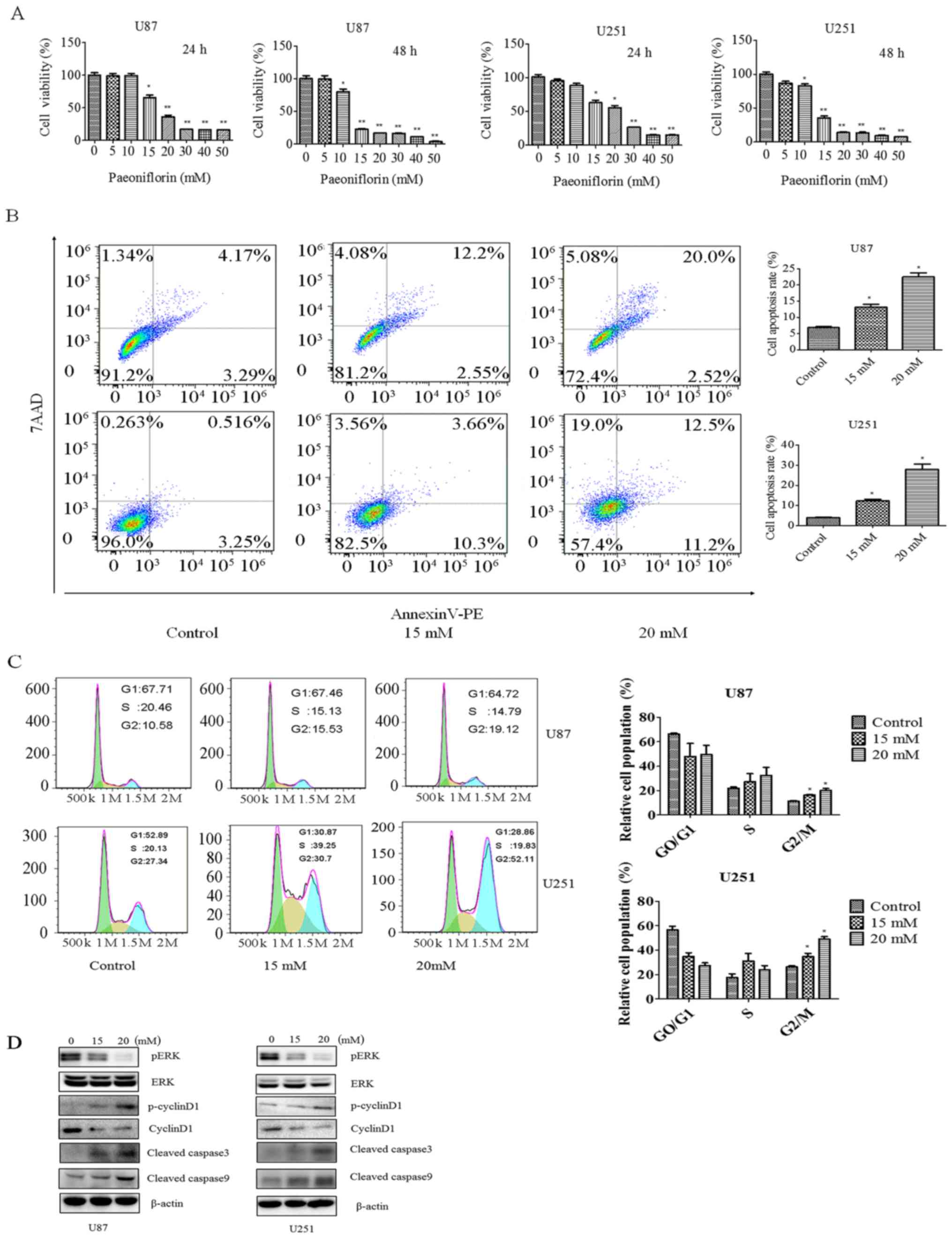
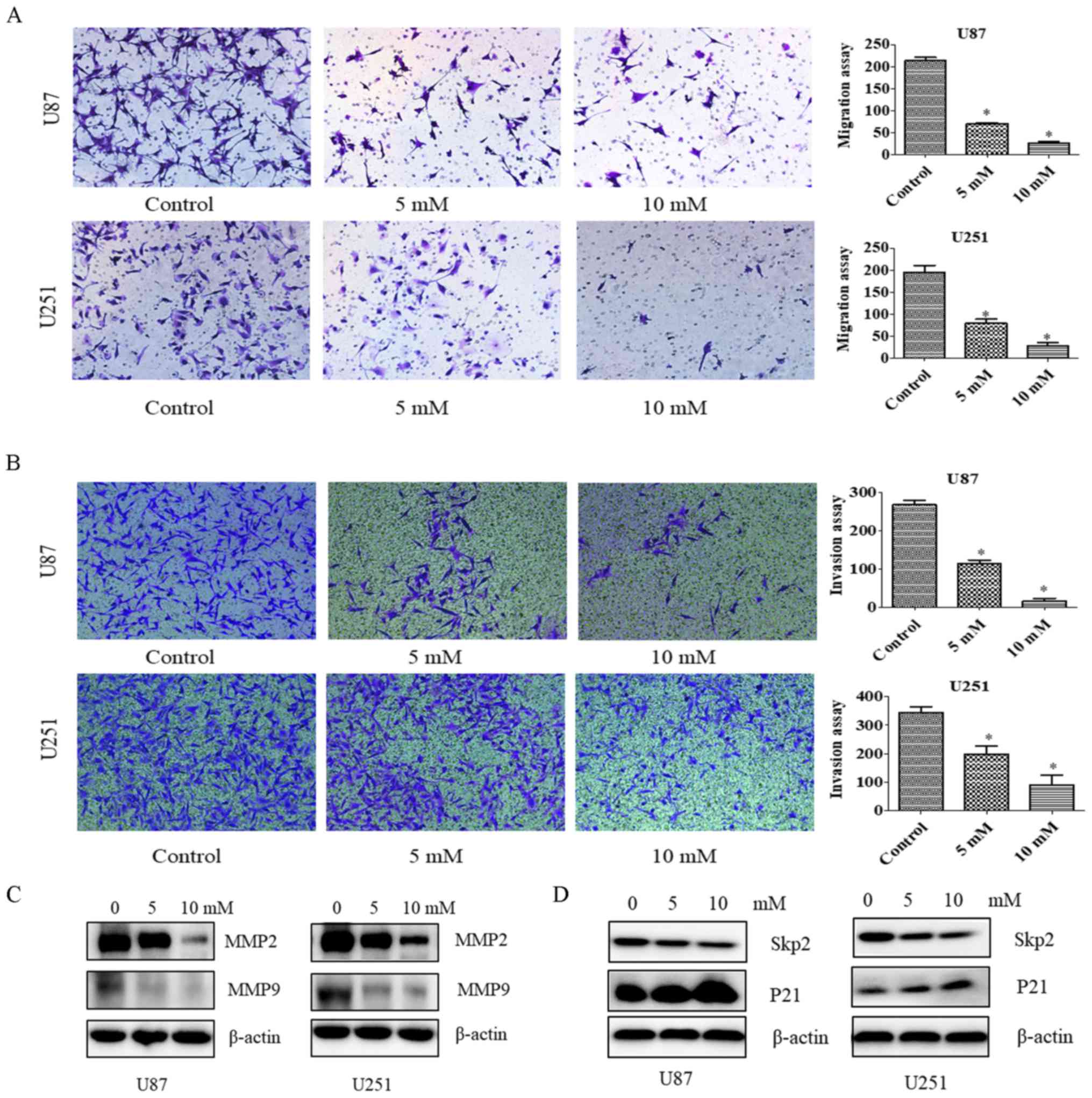
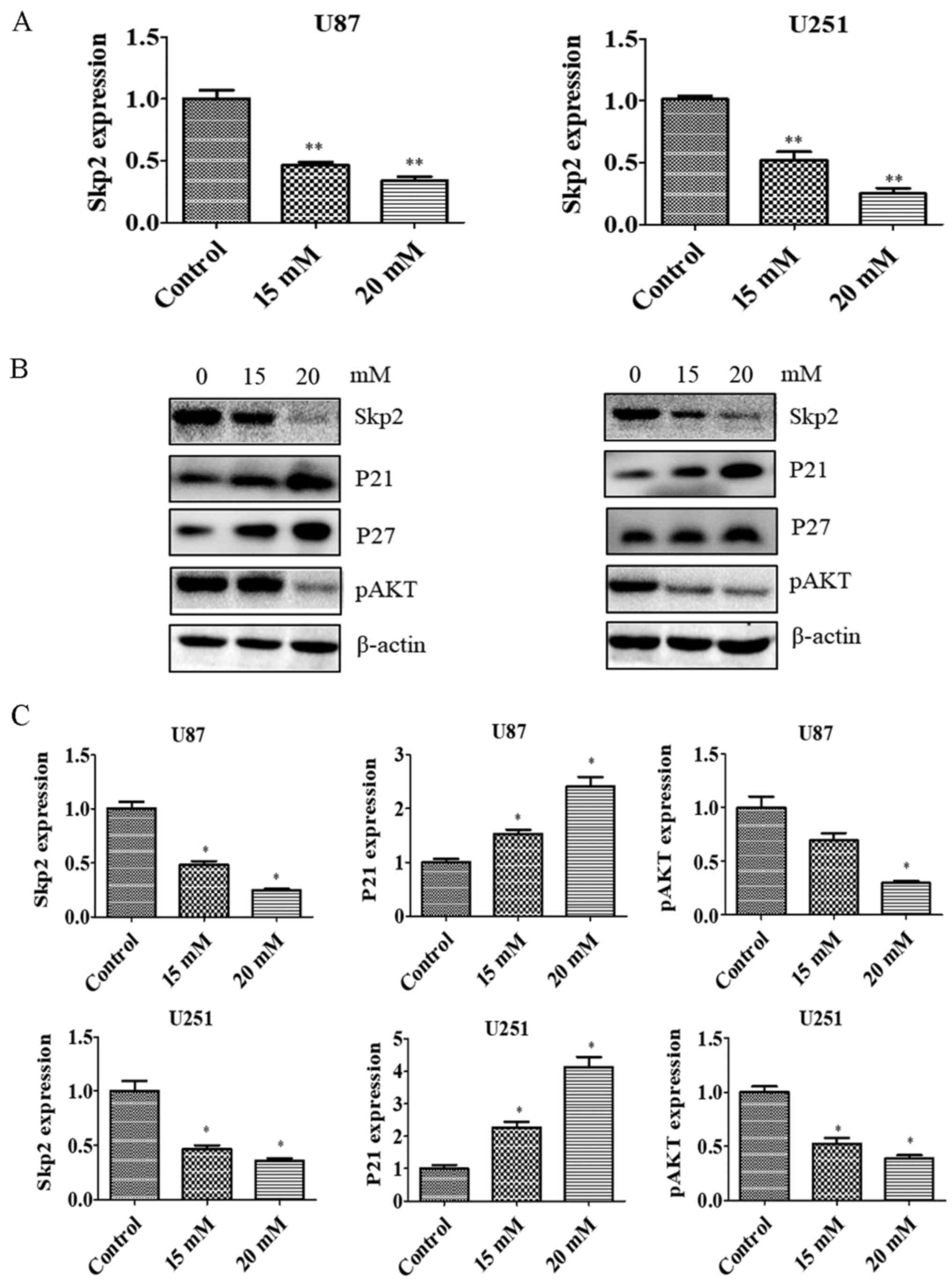
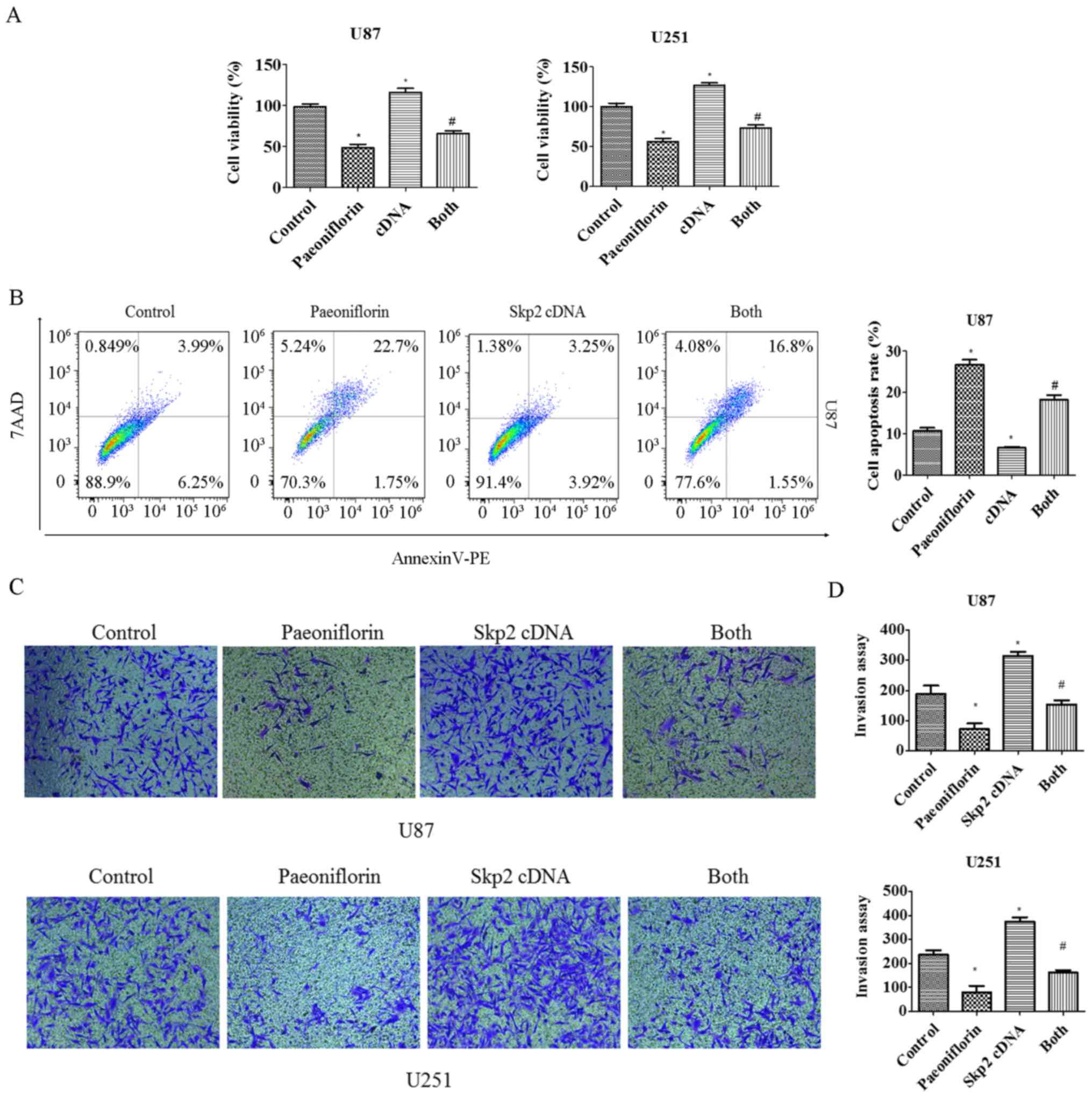
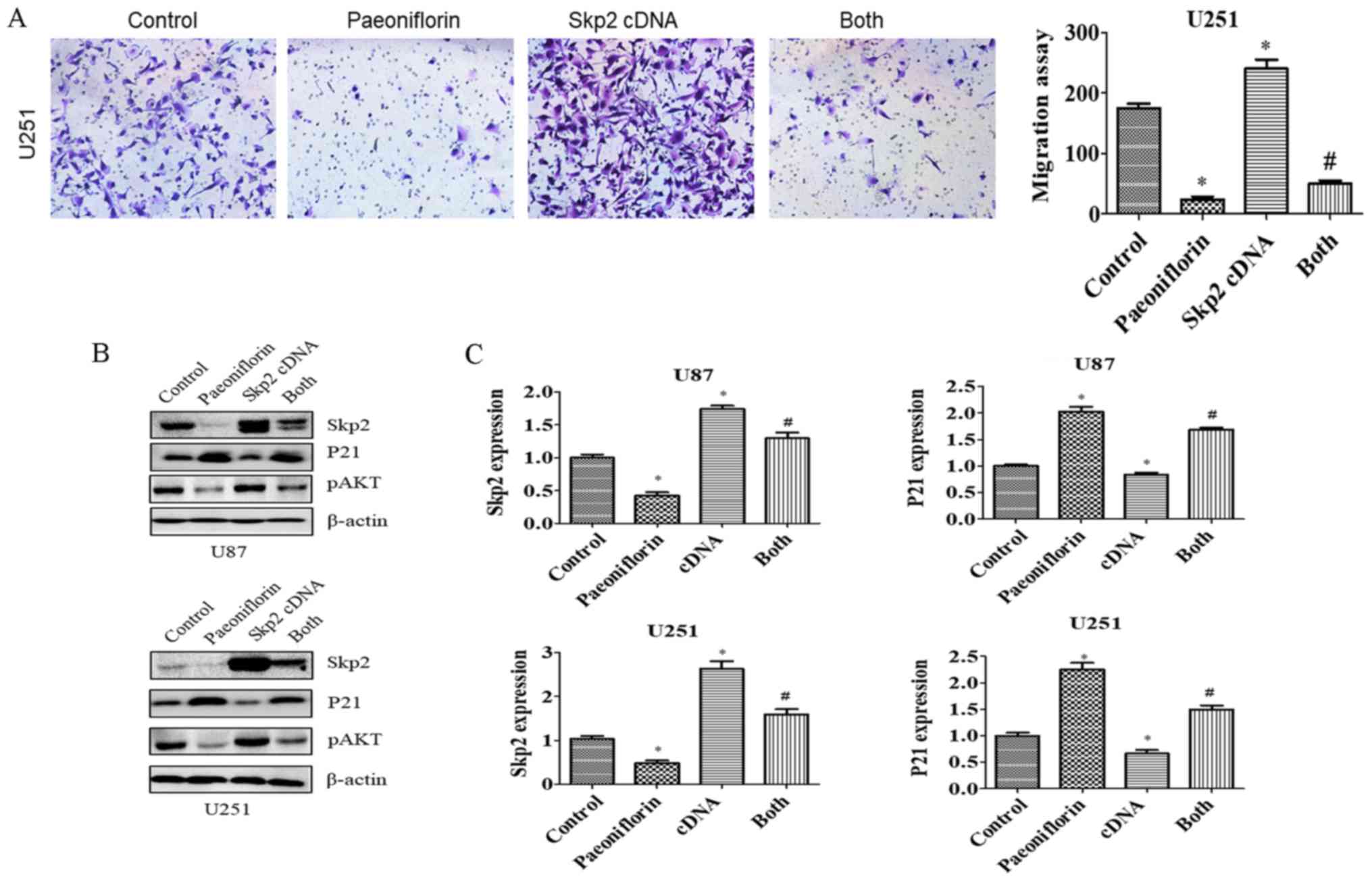
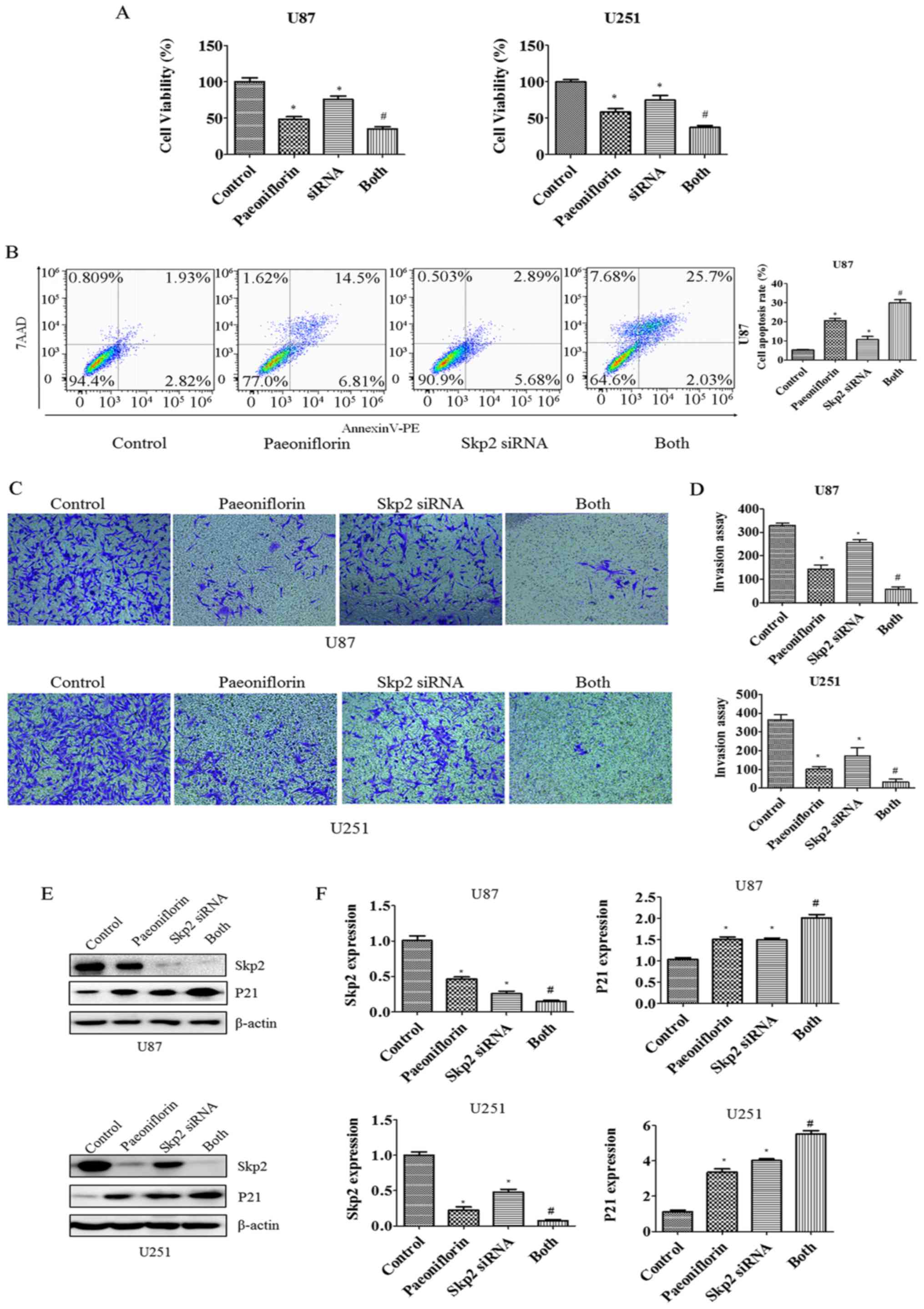
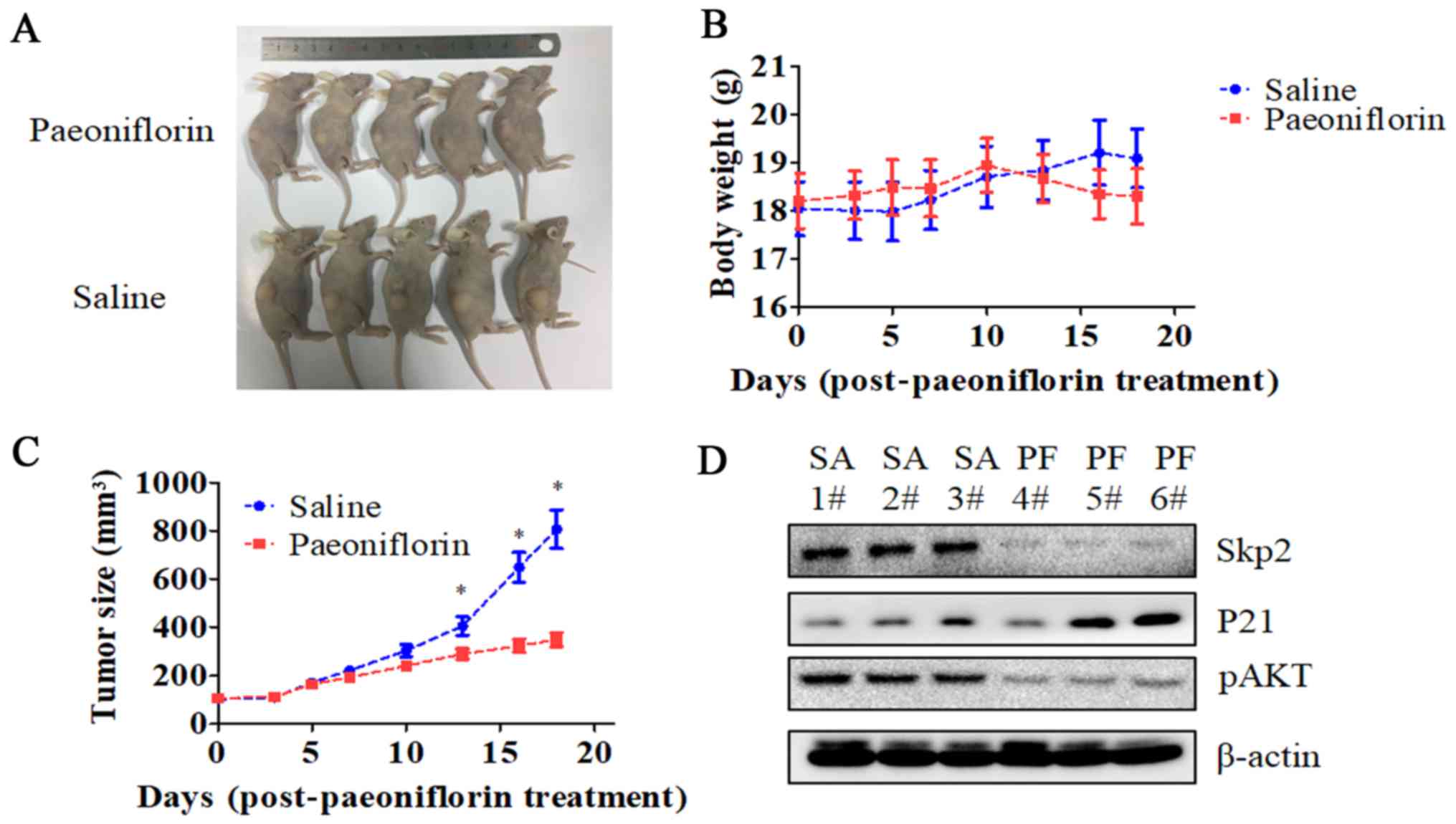
Paeoniflorin (PF), a natural compound isolated from Paeoniae radix, has been shown to exert antitumor effects in various types of human cancers including glioma. However, the mechanism of action is not well understood. S-phase kinase-associated protein (Skp)2 functions as an oncogene in many cancers. In the present study, we investigated whether Skp2 mediates the anti-glioma activity of PF. We found that PF inhibited glioma cell proliferation, migration and invasion, and induced G2/M arrest and apoptosis. Skp2 expression was downregulated in glioma cells treated with PF. PF-induced antitumor effects in glioma cells were abolished by Skp2 overexpression but were enhanced by RNA interference of Skp2. Moreover, PF treatment inhibited U87 cell-derived tumor growth in a xenograft mouse model. These results demonstrate that PF exerts its antitumor effects in part by inhibiting Skp2 expression in glioma cells and could be a promising therapeutic agent for glioma therapy.
View Figures

Figure 1

Figure 2

Figure 3

Figure 4

Figure 5

Figure 6

Figure 7

View References

1 

Ahmed R, Oborski MJ, Hwang M, Lieberman FS and Mountz JM: Malignant gliomas: Current perspectives in diagnosis, treatment, and early response assessment using advanced quantitative imaging methods. Cancer Manag Res. 6:149–170. 2014.PubMed/NCBI

2 

Stupp R, Mason WP, Van den Bent MJ, Weller M, Fisher B, Taphoorn MJ, Belanger K, Brandes AA, Marosi C, Bogdahn U, et al European Organisation for Research and Treatment of Cancer Brain Tumor and Radiotherapy Groups, ; National Cancer Institute of Canada Clinical Trials Group, : Radiotherapy plus concomitant and adjuvant temozolomide for glioblastoma. N Engl J Med. 352:987–996. 2005. View Article : Google Scholar : PubMed/NCBI

3 

Fine HA: New strategies in glioblastoma: Exploiting the new biology. Clin Cancer Res. 21:1984–1988. 2015. View Article : Google Scholar : PubMed/NCBI

4 

Ostrom QT, Bauchet L, Davis FG, Deltour I, Fisher JL, Langer CE, Pekmezci M, Schwartzbaum JA, Turner MC, Walsh KM, et al: The epidemiology of glioma in adults: A ‘state of the science’ review. Neuro Oncol. 16:896–913. 2014. View Article : Google Scholar : PubMed/NCBI

5 

Wang L, Ye X, Cai X, Su J, Ma R, Yin X, Zhou X, Li H and Wang Z: Curcumin suppresses cell growth and invasion and induces apoptosis by down-regulation of Skp2 pathway in glioma cells. Oncotarget. 6:18027–18037. 2015.PubMed/NCBI

6 

Walbert T and Chasteen K: Palliative and supportive care for glioma patients. Cancer Treat Res. 163:171–184. 2015. View Article : Google Scholar : PubMed/NCBI

7 

Ma Z, Chu L, Liu H, Wang W, Li J, Yao W, Yi J and Gao Y: Beneficial effects of paeoniflorin on non-alcoholic fatty liver disease induced by high-fat diet in rats. Sci Rep. 7:448192017. View Article : Google Scholar : PubMed/NCBI

8 

Zhang H, Qi Y, Yuan Y, Cai L, Xu H, Zhang L, Su B and Nie H: Paeoniflorin ameliorates experimental autoimmune encephalomyelitis via inhibition of dendritic cell function and Th17 cell differentiation. Sci Rep. 7:418872017. View Article : Google Scholar : PubMed/NCBI

9 

Chen YF, Wu KJ and Wood WG: Paeonia lactiflora extract attenuating cerebral ischemia and arterial intimal hyperplasia is mediated by paeoniflorin via modulation of VSMC migration and Ras/MEK/ERK signaling pathway. Evid Based Complement Alternat Med. 2013:4824282013.PubMed/NCBI

10 

Wang K, Zhu L, Zhu X, Zhang K, Huang B, Zhang J, Zhang Y, Zhu L, Zhou B and Zhou F: Protective effect of paeoniflorin on Aβ25–35-induced SH-SY5Y cell injury by preventing mitochondrial dysfunction. Cell Mol Neurobiol. 34:227–234. 2014. View Article : Google Scholar : PubMed/NCBI

11 

Chen T, Fu LX, Zhang LW, Yin B, Zhou PM, Cao N and Lu YH: Paeoniflorin suppresses inflammatory response in imiquimod-induced psoriasis-like mice and peripheral blood mononuclear cells (PBMCs) from psoriasis patients. Can J Physiol Pharmacol. 94:888–894. 2016. View Article : Google Scholar : PubMed/NCBI

12 

Li J, Huang S, Huang W, Wang W, Wen G, Gao L, Fu X, Wang M, Liang W, Kwan HY, et al: Paeoniflorin ameliorates interferon-alpha-induced neuroinflammation and depressive-like behaviors in mice. Oncotarget. 8:8264–8282. 2017.PubMed/NCBI

13 

Zhai T, Sun Y, Li H, Zhang J, Huo R, Li H, Shen B and Li N: Unique immunomodulatory effect of paeoniflorin on type I and II macrophages activities. J Pharmacol Sci. 130:143–150. 2016. View Article : Google Scholar : PubMed/NCBI

14 

He DY and Dai SM: Anti-inflammatory and immunomodulatory effects of paeonia lactiflora pall., a traditional Chinese herbal medicine. Front Pharmacol. 2:102011. View Article : Google Scholar : PubMed/NCBI

15 

Zhang Q, Yuan Y, Cui J, Xiao T and Jiang D: Paeoniflorin inhibits proliferation and invasion of breast cancer cells through suppressing Notch-1 signaling pathway. Biomed Pharmacother. 78:197–203. 2016. View Article : Google Scholar : PubMed/NCBI

16 

Wang S and Liu W: Paeoniflorin inhibits proliferation and promotes apoptosis of multiple myeloma cells via its effects on microRNA-29b and matrix metalloproteinase-2. Mol Med Rep. 14:2143–2149. 2016. View Article : Google Scholar : PubMed/NCBI

17 

Lu JT, He W, Song SS and Wei W: Paeoniflorin inhibited the tumor invasion and metastasis in human hepatocellular carcinoma cells. Bratisl Lek Listy. 115:427–433. 2014.PubMed/NCBI

18 

Li W, Qi Z, Wei Z, Liu S, Wang P, Chen Y and Zhao Y: Paeoniflorin inhibits proliferation and induces apoptosis of human glioma cells via microRNA-16 upregulation and matrix metalloproteinase-9 downregulation. Mol Med Rep. 12:2735–2740. 2015. View Article : Google Scholar : PubMed/NCBI

19 

Nie XH, Ou-yang J, Xing Y, Li DY, Dong XY, Liu RE and Xu RX: Paeoniflorin inhibits human glioma cells via STAT3 degradation by the ubiquitin-proteasome pathway. Drug Des Devel Ther. 9:5611–5622. 2015.PubMed/NCBI

20 

Wang Z, Inuzuka H, Zhong J, Liu P, Sarkar FH, Sun Y and Wei W: Identification of acetylation-dependent regulatory mechanisms that govern the oncogenic functions of Skp2. Oncotarget. 3:1294–1300. 2012. View Article : Google Scholar : PubMed/NCBI

21 

Wang Z, Fukushima H, Inuzuka H, Wan L, Liu P, Gao D, Sarkar FH and Wei W: Skp2 is a promising therapeutic target in breast cancer. Front Oncol. 1:572011.

22 

Seki R, Ohshima K and Okamura T: Prognostic significance of Skp2 and p27kip in diffuse large B cell lymphoma. Rinsho Ketsueki. 51:1741–1747. 2010.(In Japanese). PubMed/NCBI

23 

Frescas D and Pagano M: Deregulated proteolysis by the F-box proteins SKP2 and beta-TrCP: Tipping the scales of cancer. Nat Rev Cancer. 8:438–449. 2008. View Article : Google Scholar : PubMed/NCBI

24 

Bornstein G, Bloom J, Sitry-Shevah D, Nakayama K, Pagano M and Hershko A: Role of the SCFSkp2 ubiquitin ligase in the degradation of p21Cip1 in S phase. J Biol Chem. 278:25752–25757. 2003. View Article : Google Scholar : PubMed/NCBI

25 

Tsvetkov LM, Yeh KH, Lee SJ, Sun H and Zhang H: p27Kip1 ubiquitination and degradation is regulated by the SCFSkp2 complex through phosphorylated Thr187 in p27. Curr Biol. 9:661–664. 1999. View Article : Google Scholar : PubMed/NCBI

26 

Kamura T, Hara T, Kotoshiba S, Yada M, Ishida N, Imaki H, Hatakeyama S, Nakayama K and Nakayama KI: Degradation of p57Kip2 mediated by SCFSkp2-dependent ubiquitylation. Proc Natl Acad Sci USA. 100:pp. 10231–10236. 2003; View Article : Google Scholar : PubMed/NCBI

27 

Shin E, Kim SH, Jeong HY, Jang JJ and Lee K: Nuclear expression of S-phase kinase-associated protein 2 predicts poor prognosis of hepatocellular carcinoma. APMIS. 120:349–357. 2012. View Article : Google Scholar : PubMed/NCBI

28 

Liu J, Wei XL, Huang WH, Chen CF, Bai JW and Zhang GJ: Cytoplasmic Skp2 expression is associated with p-Akt1 and predicts poor prognosis in human breast carcinomas. PLoS One. 7:e526752012. View Article : Google Scholar : PubMed/NCBI

29 

Chen G, Cheng Y, Zhang Z, Martinka M and Li G: Cytoplasmic Skp2 expression is increased in human melanoma and correlated with patient survival. PLoS One. 6:e175782011. View Article : Google Scholar : PubMed/NCBI

30 

Saigusa K, Hashimoto N, Tsuda H, Yokoi S, Maruno M, Yoshimine T, Aoyagi M, Ohno K, Imoto I and Inazawa J: Overexpressed Skp2 within 5p amplification detected by array-based comparative genomic hybridization is associated with poor prognosis of glioblastomas. Cancer Sci. 96:676–683. 2005. View Article : Google Scholar : PubMed/NCBI

31 

Chan CH, Li CF, Yang WL, Gao Y, Lee SW, Feng Z, Huang HY, Tsai KK, Flores LG, Shao Y, et al: The Skp2-SCF E3 ligase regulates Akt ubiquitination, glycolysis, herceptin sensitivity, and tumorigenesis. Cell. 149:1098–1111. 2012. View Article : Google Scholar : PubMed/NCBI

32 

Lin HK, Chen Z, Wang G, Nardella C, Lee SW, Chan CH, Yang WL, Wang J, Egia A, Nakayama KI, et al: Skp2 targeting suppresses tumorigenesis by Arf-p53-independent cellular senescence. Nature. 464:374–379. 2010. View Article : Google Scholar : PubMed/NCBI

33 

Chan CH, Morrow JK, Li CF, Gao Y, Jin G, Moten A, Stagg LJ, Ladbury JE, Cai Z, Xu D, et al: Pharmacological inactivation of Skp2 SCF ubiquitin ligase restricts cancer stem cell traits and cancer progression. Cell. 154:556–568. 2013. View Article : Google Scholar : PubMed/NCBI

34 

Lin HK, Wang G, Chen Z, Teruya-Feldstein J, Liu Y, Chan CH, Yang WL, Erdjument-Bromage H, Nakayama KI, Nimer S, et al: Phosphorylation-dependent regulation of cytosolic localization and oncogenic function of Skp2 by Akt/PKB. Nat Cell Biol. 11:420–432. 2009. View Article : Google Scholar : PubMed/NCBI

35 

Schiffer D, Cavalla P, Fiano V, Ghimenti C and Piva R: Inverse relationship between p27/Kip.1 and the F-box protein Skp2 in human astrocytic gliomas by immunohistochemistry and Western blot. Neurosci Lett. 328:125–128. 2002. View Article : Google Scholar : PubMed/NCBI

36 

Lee SH and McCormick F: Downregulation of Skp2 and p27/Kip1 synergistically induces apoptosis in T98G glioblastoma cells. J Mol Med (Berl). 83:296–307. 2005. View Article : Google Scholar : PubMed/NCBI

37 

Wang J, Huang Y, Guan Z, Zhang JL, Su HK, Zhang W, Yue CF, Yan M, Guan S and Liu QQ: E3-ligase Skp2 predicts poor prognosis and maintains cancer stem cell pool in nasopharyngeal carcinoma. Oncotarget. 5:5591–5601. 2014. View Article : Google Scholar : PubMed/NCBI

38 

Hung WC, Tseng WL, Shiea J and Chang HC: Skp2 overexpression increases the expression of MMP-2 and MMP-9 and invasion of lung cancer cells. Cancer Lett. 288:156–161. 2010. View Article : Google Scholar : PubMed/NCBI

39 

Chan CH, Morrow JK, Zhang S and Lin HK: Skp2: A dream target in the coming age of cancer therapy. Cell Cycle. 13:679–680. 2014. View Article : Google Scholar : PubMed/NCBI

40 

Nakayama K, Nagahama H, Minamishima YA, Matsumoto M, Nakamichi I, Kitagawa K, Shirane M, Tsunematsu R, Tsukiyama T, Ishida N, et al: Targeted disruption of Skp2 results in accumulation of cyclin E and p27Kip1, polyploidy and centrosome overduplication. EMBO J. 19:2069–2081. 2000. View Article : Google Scholar : PubMed/NCBI

41 

Halfter H, Friedrich M, Resch A, Kullmann M, Stögbauer F, Ringelstein EB and Hengst L: Oncostatin M induces growth arrest by inhibition of Skp2, Cks1, and cyclin A expression and induced p21 expression. Cancer Res. 66:6530–6539. 2006. View Article : Google Scholar : PubMed/NCBI

42 

Singh SK, Hawkins C, Clarke ID, Squire JA, Bayani J, Hide T, Henkelman RM, Cusimano MD and Dirks PB: Identification of human brain tumour initiating cells. Nature. 432:396–401. 2004. View Article : Google Scholar : PubMed/NCBI

43 

Galli R, Binda E, Orfanelli U, Cipelletti B, Gritti A, De Vitis S, Fiocco R, Foroni C, Dimeco F and Vescovi A: Isolation and characterization of tumorigenic, stem-like neural precursors from human glioblastoma. Cancer Res. 64:7011–7021. 2004. View Article : Google Scholar : PubMed/NCBI

44 

Chen J, Li Y, Yu TS, McKay RM, Burns DK, Kernie SG and Parada LF: A restricted cell population propagates glioblastoma growth after chemotherapy. Nature. 488:522–526. 2012. View Article : Google Scholar : PubMed/NCBI

45 

Vosper J, Masuccio A, Kullmann M, Ploner C, Geley S and Hengst L: Statin-induced depletion of geranylgeranyl pyrophosphate inhibits cell proliferation by a novel pathway of Skp2 degradation. Oncotarget. 6:2889–2902. 2015. View Article : Google Scholar : PubMed/NCBI

46 

Wu L, Wang G, Wei J, Huang N, Zhang S, Yang F, Li M, Zhou G and Wang L: Matrine derivative YF-18 inhibits lung cancer cell proliferation and migration through down-regulating Skp2. Oncotarget. 8:11729–11738. 2017.PubMed/NCBI

47 

Liao YJ, Bai HY, Li ZH, Zou J, Chen JW, Zheng F, Zhang JX, Mai SJ, Zeng MS, Sun HD, et al: Longikaurin A, a natural ent-kaurane, induces G2/M phase arrest via downregulation of Skp2 and apoptosis induction through ROS/JNK/c-Jun pathway in hepatocellular carcinoma cells. Cell Death Dis. 5:e11372014. View Article : Google Scholar : PubMed/NCBI

48 

Su J, Zhou X, Wang L, Yin X and Wang Z: Curcumin inhibits cell growth and invasion and induces apoptosis through down-regulation of Skp2 in pancreatic cancer cells. Am J Cancer Res. 6:1949–1962. 2016.PubMed/NCBI

49 

Yin X, Zhang Y, Su J, Hou Y, Wang L, Ye X, Zhao Z, Zhou X, Li Y and Wang Z: Rottlerin exerts its anti-tumor activity through inhibition of Skp2 in breast cancer cells. Oncotarget. 7:66512–66524. 2016. View Article : Google Scholar : PubMed/NCBI

50 

Su J, Wang L, Yin X, Zhao Z, Hou Y, Ye X, Zhou X and Wang Z: Rottlerin exhibits anti-cancer effect through inactivation of S phase kinase-associated protein 2 in pancreatic cancer cells. Am J Cancer Res. 6:2178–2191. 2016.PubMed/NCBI

51 

Gao D, Inuzuka H, Tseng A, Chin RY, Toker A and Wei W: Phosphorylation by Akt1 promotes cytoplasmic localization of Skp2 and impairs APCCdh1-mediated Skp2 destruction. Nat Cell Biol. 11:397–408. 2009. View Article : Google Scholar : PubMed/NCBI

52 

Huang H, Zhao W and Yang D: Stat3 induces oncogenic Skp2 expression in human cervical carcinoma cells. Biochem Biophys Res Commun. 418:186–190. 2012. View Article : Google Scholar : PubMed/NCBI

53 

Wei Z, Jiang X, Qiao H, Zhai B, Zhang L, Zhang Q, Wu Y, Jiang H and Sun X: STAT3 interacts with Skp2/p27/p21 pathway to regulate the motility and invasion of gastric cancer cells. Cell Signal. 25:931–938. 2013. View Article : Google Scholar : PubMed/NCBI

54 

Wang ST, Ho HJ, Lin JT, Shieh JJ and Wu CY: Simvastatin-induced cell cycle arrest through inhibition of STAT3/SKP2 axis and activation of AMPK to promote p27 and p21 accumulation in hepatocellular carcinoma cells. Cell Death Dis. 8:e26262017. View Article : Google Scholar : PubMed/NCBI

55 

He X, Xing D, Ding Y, Li Y, Xiang L, Wang W and Du L: Determination of paeoniflorin in rat hippocampus by high-performance liquid chromatography after intravenous administration of Paeoniae Radix extract. J Chromatogr B Analyt Technol Biomed Life Sci. 802:277–281. 2004. View Article : Google Scholar : PubMed/NCBI

Related Articles

  • Abstract
  • View
  • Download
  • Twitter
Copy and paste a formatted citation
Spandidos Publications style
Ouyang J, Xu H, Li M, Dai X, Fu F, Zhang X and Lan Q: Paeoniflorin exerts antitumor effects by inactivating S phase kinase-associated protein 2 in glioma cells. Oncol Rep 39: 1052-1062, 2018.
APA
Ouyang, J., Xu, H., Li, M., Dai, X., Fu, F., Zhang, X., & Lan, Q. (2018). Paeoniflorin exerts antitumor effects by inactivating S phase kinase-associated protein 2 in glioma cells. Oncology Reports, 39, 1052-1062. https://doi.org/10.3892/or.2017.6175
MLA
Ouyang, J., Xu, H., Li, M., Dai, X., Fu, F., Zhang, X., Lan, Q."Paeoniflorin exerts antitumor effects by inactivating S phase kinase-associated protein 2 in glioma cells". Oncology Reports 39.3 (2018): 1052-1062.
Chicago
Ouyang, J., Xu, H., Li, M., Dai, X., Fu, F., Zhang, X., Lan, Q."Paeoniflorin exerts antitumor effects by inactivating S phase kinase-associated protein 2 in glioma cells". Oncology Reports 39, no. 3 (2018): 1052-1062. https://doi.org/10.3892/or.2017.6175
Copy and paste a formatted citation
x
Spandidos Publications style
Ouyang J, Xu H, Li M, Dai X, Fu F, Zhang X and Lan Q: Paeoniflorin exerts antitumor effects by inactivating S phase kinase-associated protein 2 in glioma cells. Oncol Rep 39: 1052-1062, 2018.
APA
Ouyang, J., Xu, H., Li, M., Dai, X., Fu, F., Zhang, X., & Lan, Q. (2018). Paeoniflorin exerts antitumor effects by inactivating S phase kinase-associated protein 2 in glioma cells. Oncology Reports, 39, 1052-1062. https://doi.org/10.3892/or.2017.6175
MLA
Ouyang, J., Xu, H., Li, M., Dai, X., Fu, F., Zhang, X., Lan, Q."Paeoniflorin exerts antitumor effects by inactivating S phase kinase-associated protein 2 in glioma cells". Oncology Reports 39.3 (2018): 1052-1062.
Chicago
Ouyang, J., Xu, H., Li, M., Dai, X., Fu, F., Zhang, X., Lan, Q."Paeoniflorin exerts antitumor effects by inactivating S phase kinase-associated protein 2 in glioma cells". Oncology Reports 39, no. 3 (2018): 1052-1062. https://doi.org/10.3892/or.2017.6175
Follow us
  • Twitter
  • LinkedIn
  • Facebook
About
  • Spandidos Publications
  • Careers
  • Cookie Policy
  • Privacy Policy
How can we help?
  • Help
  • Live Chat
  • Contact
  • Email to our Support Team