Spandidos Publications Logo
  • About
    • About Spandidos
    • Aims and Scopes
    • Abstracting and Indexing
    • Editorial Policies
    • Reprints and Permissions
    • Job Opportunities
    • Terms and Conditions
    • Contact
  • Journals
    • All Journals
    • Oncology Letters
      • Oncology Letters
      • Information for Authors
      • Editorial Policies
      • Editorial Board
      • Aims and Scope
      • Abstracting and Indexing
      • Bibliographic Information
      • Archive
    • International Journal of Oncology
      • International Journal of Oncology
      • Information for Authors
      • Editorial Policies
      • Editorial Board
      • Aims and Scope
      • Abstracting and Indexing
      • Bibliographic Information
      • Archive
    • Molecular and Clinical Oncology
      • Molecular and Clinical Oncology
      • Information for Authors
      • Editorial Policies
      • Editorial Board
      • Aims and Scope
      • Abstracting and Indexing
      • Bibliographic Information
      • Archive
    • Experimental and Therapeutic Medicine
      • Experimental and Therapeutic Medicine
      • Information for Authors
      • Editorial Policies
      • Editorial Board
      • Aims and Scope
      • Abstracting and Indexing
      • Bibliographic Information
      • Archive
    • International Journal of Molecular Medicine
      • International Journal of Molecular Medicine
      • Information for Authors
      • Editorial Policies
      • Editorial Board
      • Aims and Scope
      • Abstracting and Indexing
      • Bibliographic Information
      • Archive
    • Biomedical Reports
      • Biomedical Reports
      • Information for Authors
      • Editorial Policies
      • Editorial Board
      • Aims and Scope
      • Abstracting and Indexing
      • Bibliographic Information
      • Archive
    • Oncology Reports
      • Oncology Reports
      • Information for Authors
      • Editorial Policies
      • Editorial Board
      • Aims and Scope
      • Abstracting and Indexing
      • Bibliographic Information
      • Archive
    • Molecular Medicine Reports
      • Molecular Medicine Reports
      • Information for Authors
      • Editorial Policies
      • Editorial Board
      • Aims and Scope
      • Abstracting and Indexing
      • Bibliographic Information
      • Archive
    • World Academy of Sciences Journal
      • World Academy of Sciences Journal
      • Information for Authors
      • Editorial Policies
      • Editorial Board
      • Aims and Scope
      • Abstracting and Indexing
      • Bibliographic Information
      • Archive
    • International Journal of Functional Nutrition
      • International Journal of Functional Nutrition
      • Information for Authors
      • Editorial Policies
      • Editorial Board
      • Aims and Scope
      • Abstracting and Indexing
      • Bibliographic Information
      • Archive
    • International Journal of Epigenetics
      • International Journal of Epigenetics
      • Information for Authors
      • Editorial Policies
      • Editorial Board
      • Aims and Scope
      • Abstracting and Indexing
      • Bibliographic Information
      • Archive
    • Medicine International
      • Medicine International
      • Information for Authors
      • Editorial Policies
      • Editorial Board
      • Aims and Scope
      • Abstracting and Indexing
      • Bibliographic Information
      • Archive
  • Articles
  • Information
    • Information for Authors
    • Information for Reviewers
    • Information for Librarians
    • Information for Advertisers
    • Conferences
  • Language Editing
Spandidos Publications Logo
  • About
    • About Spandidos
    • Aims and Scopes
    • Abstracting and Indexing
    • Editorial Policies
    • Reprints and Permissions
    • Job Opportunities
    • Terms and Conditions
    • Contact
  • Journals
    • All Journals
    • Biomedical Reports
      • Information for Authors
      • Editorial Policies
      • Editorial Board
      • Aims and Scope
      • Abstracting and Indexing
      • Bibliographic Information
      • Archive
    • Experimental and Therapeutic Medicine
      • Information for Authors
      • Editorial Policies
      • Editorial Board
      • Aims and Scope
      • Abstracting and Indexing
      • Bibliographic Information
      • Archive
    • International Journal of Epigenetics
      • Information for Authors
      • Editorial Policies
      • Editorial Board
      • Aims and Scope
      • Abstracting and Indexing
      • Bibliographic Information
      • Archive
    • International Journal of Functional Nutrition
      • Information for Authors
      • Editorial Policies
      • Editorial Board
      • Aims and Scope
      • Abstracting and Indexing
      • Bibliographic Information
      • Archive
    • International Journal of Molecular Medicine
      • Information for Authors
      • Editorial Policies
      • Editorial Board
      • Aims and Scope
      • Abstracting and Indexing
      • Bibliographic Information
      • Archive
    • International Journal of Oncology
      • Information for Authors
      • Editorial Policies
      • Editorial Board
      • Aims and Scope
      • Abstracting and Indexing
      • Bibliographic Information
      • Archive
    • Medicine International
      • Information for Authors
      • Editorial Policies
      • Editorial Board
      • Aims and Scope
      • Abstracting and Indexing
      • Bibliographic Information
      • Archive
    • Molecular and Clinical Oncology
      • Information for Authors
      • Editorial Policies
      • Editorial Board
      • Aims and Scope
      • Abstracting and Indexing
      • Bibliographic Information
      • Archive
    • Molecular Medicine Reports
      • Information for Authors
      • Editorial Policies
      • Editorial Board
      • Aims and Scope
      • Abstracting and Indexing
      • Bibliographic Information
      • Archive
    • Oncology Letters
      • Information for Authors
      • Editorial Policies
      • Editorial Board
      • Aims and Scope
      • Abstracting and Indexing
      • Bibliographic Information
      • Archive
    • Oncology Reports
      • Information for Authors
      • Editorial Policies
      • Editorial Board
      • Aims and Scope
      • Abstracting and Indexing
      • Bibliographic Information
      • Archive
    • World Academy of Sciences Journal
      • Information for Authors
      • Editorial Policies
      • Editorial Board
      • Aims and Scope
      • Abstracting and Indexing
      • Bibliographic Information
      • Archive
  • Articles
  • Information
    • For Authors
    • For Reviewers
    • For Librarians
    • For Advertisers
    • Conferences
  • Language Editing
Login Register Submit
  • This site uses cookies
  • You can change your cookie settings at any time by following the instructions in our Cookie Policy. To find out more, you may read our Privacy Policy.

    I agree
Search articles by DOI, keyword, author or affiliation
Search
Advanced Search
presentation
Oncology Reports
Join Editorial Board Propose a Special Issue
Print ISSN: 1021-335X Online ISSN: 1791-2431
Journal Cover
April-2018 Volume 39 Issue 4

Full Size Image

Sign up for eToc alerts
Recommend to Library

Journals

International Journal of Molecular Medicine

International Journal of Molecular Medicine

International Journal of Molecular Medicine is an international journal devoted to molecular mechanisms of human disease.

International Journal of Oncology

International Journal of Oncology

International Journal of Oncology is an international journal devoted to oncology research and cancer treatment.

Molecular Medicine Reports

Molecular Medicine Reports

Covers molecular medicine topics such as pharmacology, pathology, genetics, neuroscience, infectious diseases, molecular cardiology, and molecular surgery.

Oncology Reports

Oncology Reports

Oncology Reports is an international journal devoted to fundamental and applied research in Oncology.

Experimental and Therapeutic Medicine

Experimental and Therapeutic Medicine

Experimental and Therapeutic Medicine is an international journal devoted to laboratory and clinical medicine.

Oncology Letters

Oncology Letters

Oncology Letters is an international journal devoted to Experimental and Clinical Oncology.

Biomedical Reports

Biomedical Reports

Explores a wide range of biological and medical fields, including pharmacology, genetics, microbiology, neuroscience, and molecular cardiology.

Molecular and Clinical Oncology

Molecular and Clinical Oncology

International journal addressing all aspects of oncology research, from tumorigenesis and oncogenes to chemotherapy and metastasis.

World Academy of Sciences Journal

World Academy of Sciences Journal

Multidisciplinary open-access journal spanning biochemistry, genetics, neuroscience, environmental health, and synthetic biology.

International Journal of Functional Nutrition

International Journal of Functional Nutrition

Open-access journal combining biochemistry, pharmacology, immunology, and genetics to advance health through functional nutrition.

International Journal of Epigenetics

International Journal of Epigenetics

Publishes open-access research on using epigenetics to advance understanding and treatment of human disease.

Medicine International

Medicine International

An International Open Access Journal Devoted to General Medicine.

Journal Cover
April-2018 Volume 39 Issue 4

Full Size Image

Sign up for eToc alerts
Recommend to Library

  • Article
  • Citations
    • Cite This Article
    • Download Citation
    • Create Citation Alert
    • Remove Citation Alert
    • Cited By
  • Similar Articles
    • Related Articles (in Spandidos Publications)
    • Similar Articles (Google Scholar)
    • Similar Articles (PubMed)
  • Download PDF
  • Download XML
  • View XML
Article

Autophagy‑mediated adaptation of hepatocellular carcinoma cells to hypoxia‑mimicking conditions constitutes an attractive therapeutic target

  • Authors:
    • Satoshi Owada
    • Hitoshi Endo
    • Yukari Shida
    • Chisa Okada
    • Kanako Ito
    • Takahiro Nezu
    • Masayuki Tatemichi
  • View Affiliations / Copyright

    Affiliations: Center for Molecular Prevention and Environmental Medicine, Department of Preventive Medicine, Tokai University School of Medicine, Isehara, Kanagawa 259‑1193, Japan, Support Center for Medical Research and Education, Tokai University, Isehara, Kanagawa 259‑1193, Japan
  • Pages: 1805-1812
    |
    Published online on: February 23, 2018
       https://doi.org/10.3892/or.2018.6279
  • Expand metrics +
Metrics: Total Views: 0 (Spandidos Publications: | PMC Statistics: )
Metrics: Total PDF Downloads: 0 (Spandidos Publications: | PMC Statistics: )
Cited By (CrossRef): 0 citations Loading Articles...

This article is mentioned in:


Abstract

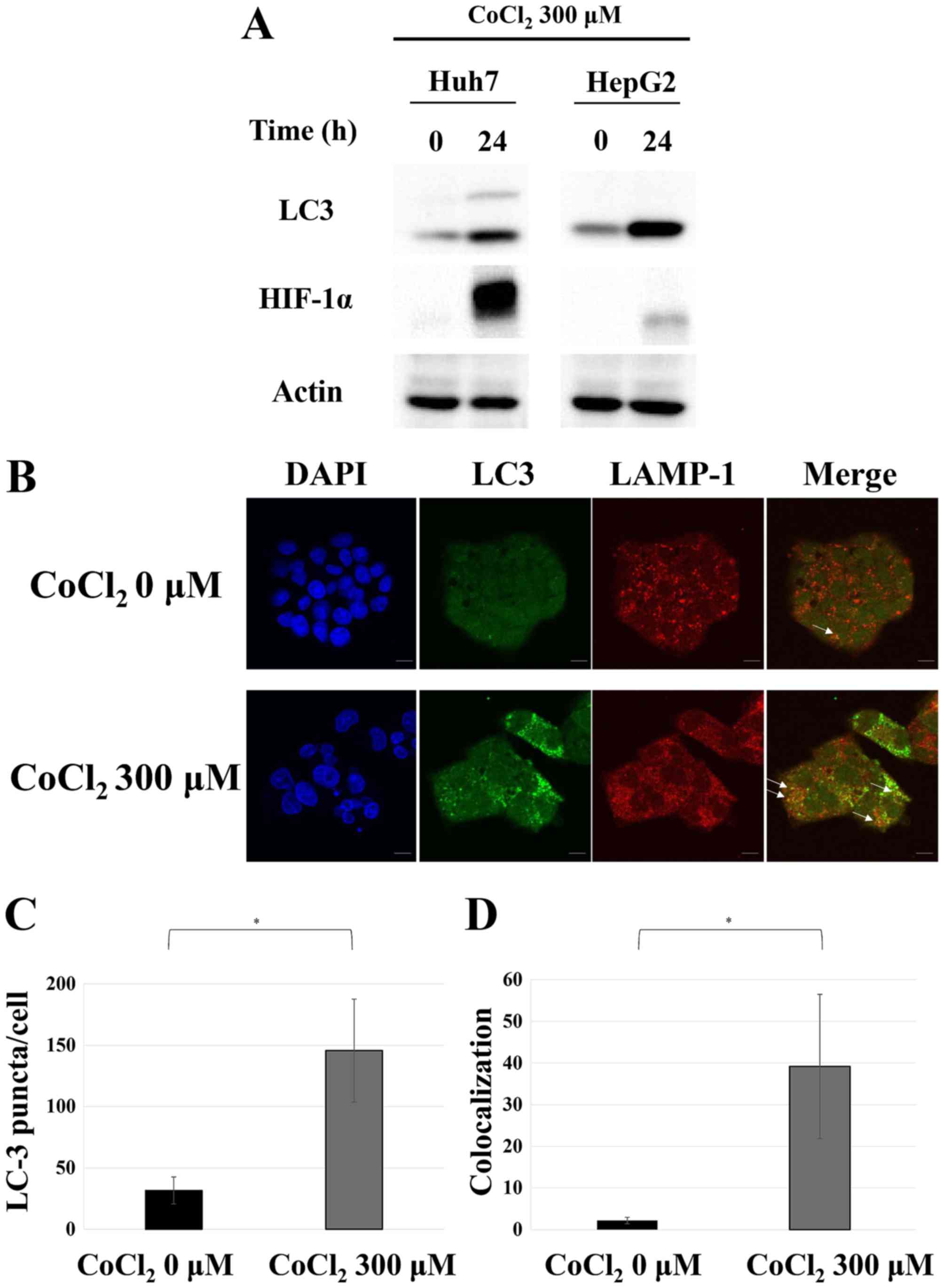
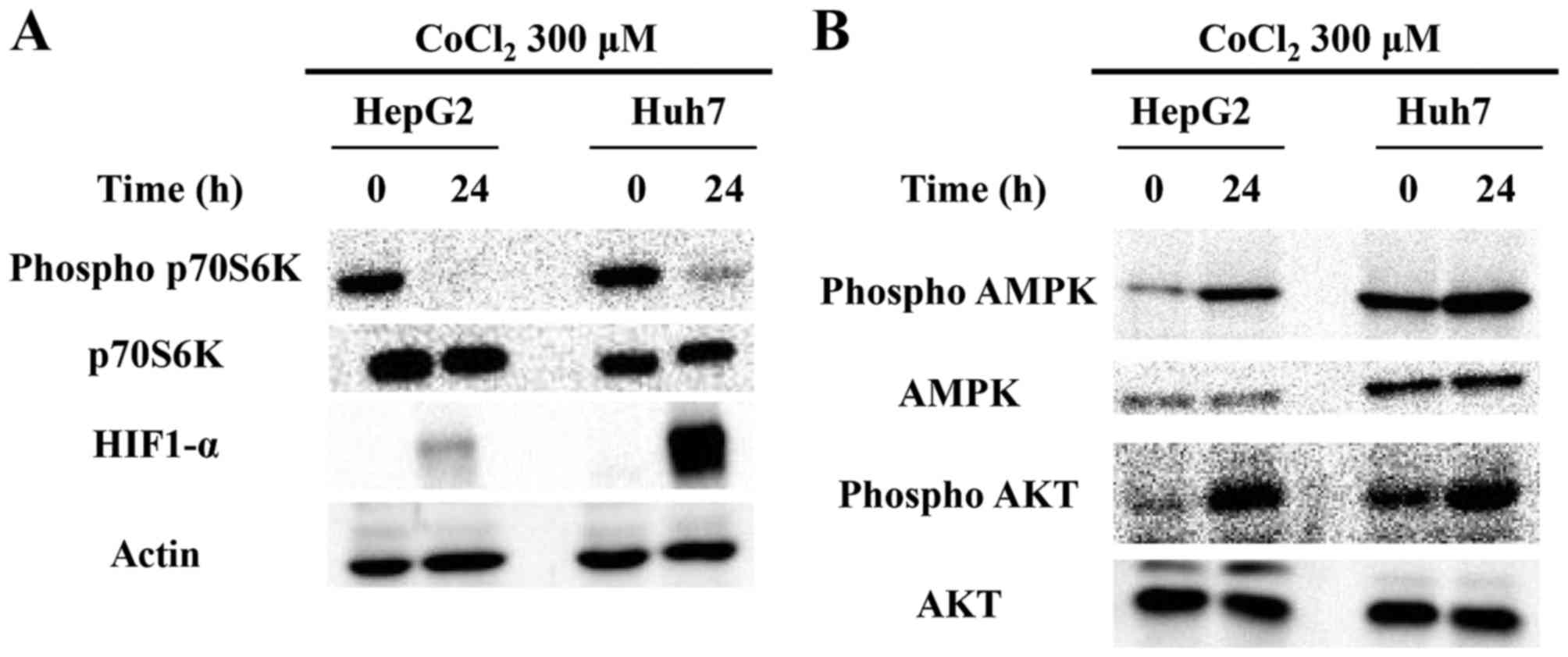
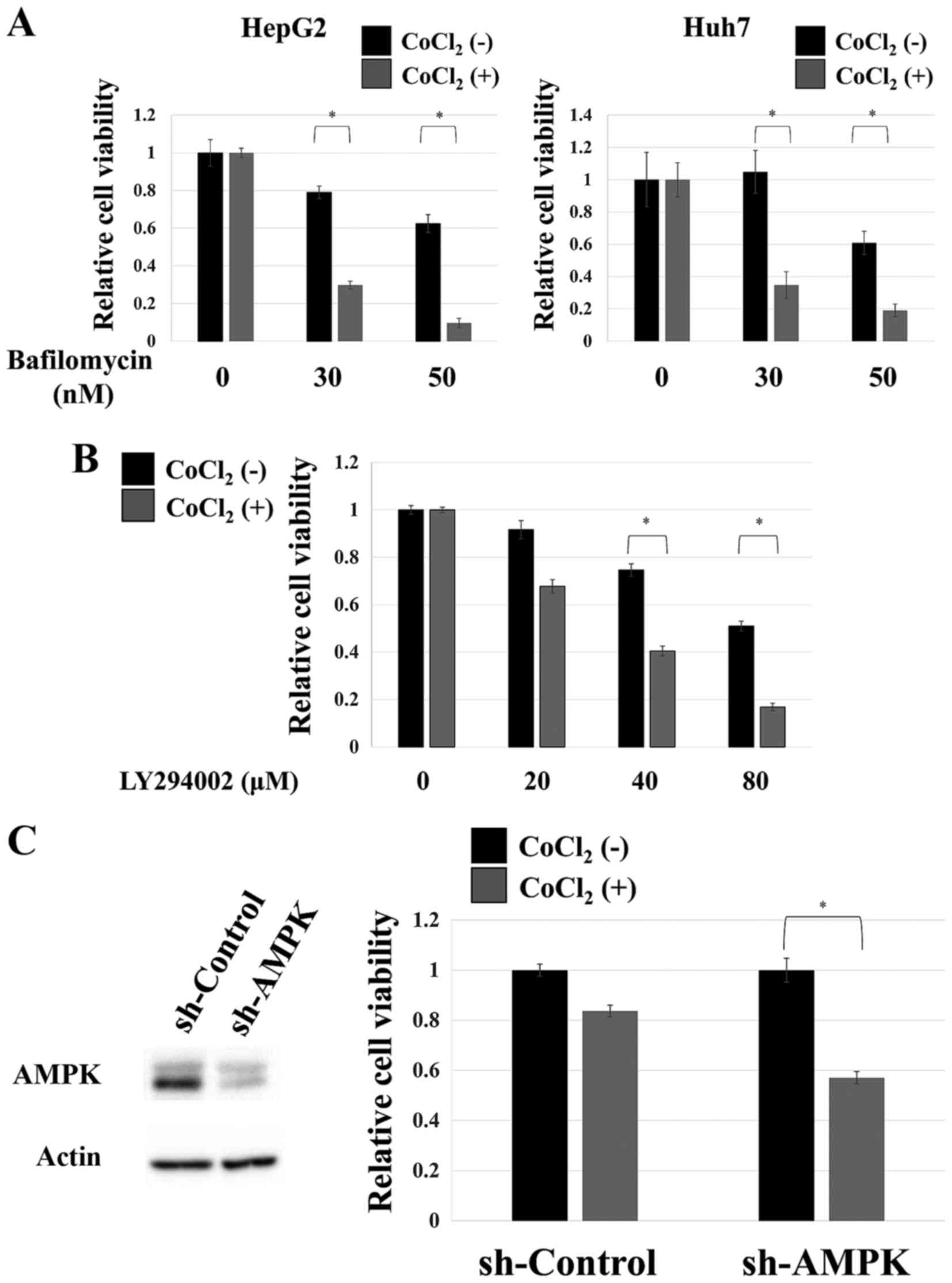
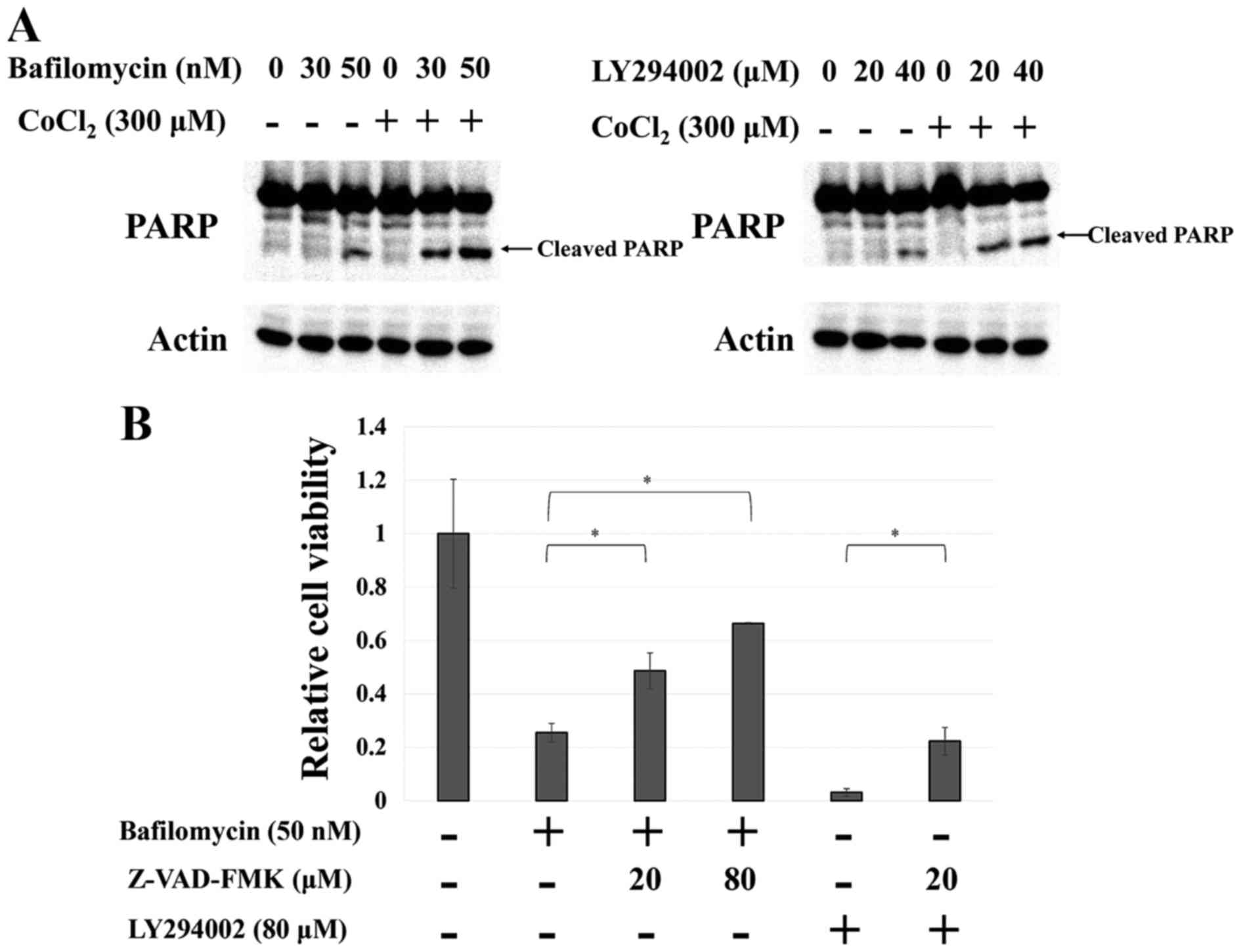
Hepatocellular carcinoma has extremely poor prognosis. In cancerous liver tissues, aberrant proliferation of cancer cells leads to the creation of an area where an immature vascular network is formed. Since oxygen is supplied to cancer tissues through the bloodstream, a part of the tumor is exposed to hypoxic conditions. As hypoxia is known to severely reduce the effectiveness of existing anticancer agents, novel valid therapeutic targets must be identified for the treatment of hepatocellular carcinoma. Generally, autophagy has been reported to play an important role in the adaptation of cancer cells to hypoxia. However, the exact role and significance of this process vary depending on the cancer type, requiring detailed analysis in individual primary tumors and cell lines. In the present study, we examined autophagy induced by cobalt chloride, a hypoxia‑mimicking agent, in hepatocellular carcinoma cells with the aim to evaluate the validity of this process as a potential therapeutic target. We observed that treatment with cobalt chloride induced autophagy, including the intracellular quality control mechanism, in an AMPK‑dependent manner. Furthermore, treatment with autophagy inhibitors (bafilomycin and LY294002) resulted in significant, highly‑selective cytotoxicity and apoptosis activation under hypoxia‑mimicking conditions. The knockdown of AMPK also revealed significant cytotoxicity in hypoxia‑mimicking conditions. These results clearly demonstrated that autophagy, especially mitophagy, was induced by the AMPK pathway when hepatocellular carcinoma cells were subjected to hypoxic conditions and played an important role in the adaptation of these cells to such conditions. Thus, autophagy may constitute an attractive therapeutic target for the treatment of hepatocellular carcinoma.
View Figures

Figure 1

Figure 2

Figure 3

Figure 4

Figure 5

View References

1 

Ferlay J, Soerjomataram I, Dikshit R, Eser S, Mathers C, Rebelo M, Parkin DM, Forman D and Bray F: Cancer incidence and mortality worldwide: Sources, methods and major patterns in GLOBOCAN 2012. Int J Cancer. 136:E359–E386. 2015. View Article : Google Scholar : PubMed/NCBI

2 

Llovet JM, Ricci S, Mazzaferro V, Hilgard P, Gane E, Blanc JF, de Oliveira AC, Santoro A, Raoul JL, Forner A, et al: Sorafenib in advanced hepatocellular carcinoma. N Engl J Med. 359:378–390. 2008. View Article : Google Scholar : PubMed/NCBI

3 

Wörns M and Galle PR: HCC therapies-lessons learned. Nat Rev Gastroenterol Hepatol. 11:447–452. 2014. View Article : Google Scholar : PubMed/NCBI

4 

Brown JM and Giaccia AJ: The unique physiology of solid tumors: Opportunities (and problems) for cancer therapy. Cancer Res. 58:1408–1416. 1998.PubMed/NCBI

5 

Jain RK: Molecular regulation of vessel maturation. Nat Med. 9:685–693. 2003. View Article : Google Scholar : PubMed/NCBI

6 

Less JR, Skalak TC, Sevick EM and Jain RK: Microvascular architecture in a mammary carcinoma: Branching patterns and vessel dimensions. Cancer Res. 51:265–273. 1991.PubMed/NCBI

7 

Thomlinson RH and Gray LH: The histological structure of some human lung cancers and the possible implications for radiotherapy. Br J Cancer. 9:539–549. 1955. View Article : Google Scholar : PubMed/NCBI

8 

Helmlinger G, Yuan F, Dellian M and Jain RK: Interstitial pH and pO2 gradients in solid tumors in vivo: High-resolution measurements reveal a lack of correlation. Nat Med. 3:177–182. 1997. View Article : Google Scholar : PubMed/NCBI

9 

Vaupel P, Höckel M and Mayer A: Detection and characterization of tumor hypoxia using pO2 histography. Antioxid Redox Signal. 9:1221–1235. 2007. View Article : Google Scholar : PubMed/NCBI

10 

Heindryckx F, Mertens K, Charette N, Vandeghinste B, Casteleyn C, Van Steenkiste C, Slaets D, Libbrecht L, Staelens S, Starkel P, et al: Kinetics of angiogenic changes in a new mouse model for hepatocellular carcinoma. Mol Cancer. 9:2192010. View Article : Google Scholar : PubMed/NCBI

11 

Liu L, Ning X, Sun L, Zhang H, Shi Y, Guo C, Han S, Liu J, Sun S, Han Z, et al: Hypoxia-inducible factor-1 alpha contributes to hypoxia-induced chemoresistance in gastric cancer. Cancer Sci. 99:121–128. 2008.PubMed/NCBI

12 

Song J, Qu Z, Guo X, Zhao Q, Zhao X, Gao L, Sun K, Shen F, Wu M and Wei L: Hypoxia-induced autophagy contributes to the chemoresistance of hepatocellular carcinoma cells. Autophagy. 5:1131–1144. 2009. View Article : Google Scholar : PubMed/NCBI

13 

Sullivan R, Paré GC, Frederiksen LJ, Semenza GL and Graham CH: Hypoxia-induced resistance to anticancer drugs is associated with decreased senescence and requires hypoxia-inducible factor-1 activity. Mol Cancer Ther. 7:1961–1973. 2008. View Article : Google Scholar : PubMed/NCBI

14 

Yokoi K and Fidler IJ: Hypoxia increases resistance of human pancreatic cancer cells to apoptosis induced by gemcitabine. Clin Cancer Res. 10:2299–2306. 2004. View Article : Google Scholar : PubMed/NCBI

15 

Semenza GL: Hypoxia-inducible factor 1: Master regulator of O2 homeostasis. Curr Opin Genet Dev. 8:588–594. 1998. View Article : Google Scholar : PubMed/NCBI

16 

Semenza GL: HIF-1 and tumor progression: Pathophysiology and therapeutics. Trends Mol Med. 8:S62–S67. 2002. View Article : Google Scholar : PubMed/NCBI

17 

Zhang H, Bosch-Marce M, Shimoda LA, Tan YS, Baek JH, Wesley JB, Gonzalez FJ and Semenza GL: Mitochondrial autophagy is an HIF-1-dependent adaptive metabolic response to hypoxia. J Biol Chem. 283:10892–10903. 2008. View Article : Google Scholar : PubMed/NCBI

18 

Mizushima N, Yamamoto A, Matsui M, Yoshimori T and Ohsumi Y: In vivo analysis of autophagy in response to nutrient starvation using transgenic mice expressing a fluorescent autophagosome marker. Mol Biol Cell. 15:1101–1111. 2004. View Article : Google Scholar : PubMed/NCBI

19 

Lum JJ, Bauer DE, Kong M, Harris MH, Li C, Lindsten T and Thompson CB: Growth factor regulation of autophagy and cell survival in the absence of apoptosis. Cell. 120:237–248. 2005. View Article : Google Scholar : PubMed/NCBI

20 

Bursch W, Ellinger A, Kienzl H, Török L, Pandey S, Sikorska M, Walker R and Hermann RS: Active cell death induced by the anti-estrogens tamoxifen and ICI 164 384 in human mammary carcinoma cells (MCF-7) in culture: The role of autophagy. Carcinogenesis. 17:1595–1607. 1996. View Article : Google Scholar : PubMed/NCBI

21 

Azad MB, Chen Y, Henson ES, Cizeau J, McMillan-Ward E, Israels SJ and Gibson SB: Hypoxia induces autophagic cell death in apoptosis-competent cells through a mechanism involving BNIP3. Autophagy. 4:195–204. 2008. View Article : Google Scholar : PubMed/NCBI

22 

Tasdemir E, Maiuri MC, Galluzzi L, Vitale I, Djavaheri-Mergny M, D'Amelio M, Criollo A, Morselli E, Zhu C, Harper F, et al: Regulation of autophagy by cytoplasmic p53. Nat Cell Biol. 10:676–687. 2008. View Article : Google Scholar : PubMed/NCBI

23 

Zhang R, Zhu F, Ren J, Huang L, Liu P and Wu G: Beclin1/PI3K-mediated autophagy prevents hypoxia-induced apoptosis in EAhy926 cell line. Cancer Biother Radiopharm. 26:335–343. 2011. View Article : Google Scholar : PubMed/NCBI

24 

Endo H, Niioka M, Kobayashi N, Tanaka M and Watanabe T: Butyrate-producing probiotics reduce nonalcoholic fatty liver disease progression in rats: New insight into the probiotics for the gut-liver axis. PLoS One. 8:e633882013. View Article : Google Scholar : PubMed/NCBI

25 

Fan RH, Chen PS, Zhao D and Zhang WD: Hypoxia induced by CoCl2 influencing the expression and the activity of matrix metalloproteinase-2 in rat hepatic stellate cells. Zhonghua Gan Zang Bing Za Zhi. 15:654–657. 2007.(In Chinese). PubMed/NCBI

26 

Karovic O, Tonazzini I, Rebola N, Edström E, Lövdahl C, Fredholm BB and Daré E: Toxic effects of cobalt in primary cultures of mouse astrocytes. Similarities with hypoxia and role of HIF-1alpha. Biochem Pharmacol. 73:694–708. 2007. View Article : Google Scholar : PubMed/NCBI

27 

Blommaart EF, Luiken JJ, Blommaart PJ, van Woerkom GM and Meijer AJ: Phosphorylation of ribosomal protein S6 is inhibitory for autophagy in isolated rat hepatocytes. J Biol Chem. 270:2320–2326. 1995. View Article : Google Scholar : PubMed/NCBI

28 

Hahn-Windgassen A, Nogueira V, Chen CC, Skeen JE, Sonenberg N and Hay N: Akt activates the mammalian target of rapamycin by regulating cellular ATP level and AMPK activity. J Biol Chem. 280:32081–32089. 2005. View Article : Google Scholar : PubMed/NCBI

29 

Inoki K, Zhu T and Guan K: TSC2 mediates cellular energy response to control cell growth and survival. Cell. 115:577–590. 2003. View Article : Google Scholar : PubMed/NCBI

30 

Zhou Q, Liu H, Sun Q, Zhang L, Lin H, Yuan G, Zhang L and Chen Z: Adenosine monophosphate-activated protein kinase/mammalian target of rapamycin-dependent autophagy protects human dental pulp cells against hypoxia. J Endod. 39:768–773. 2013. View Article : Google Scholar : PubMed/NCBI

31 

Bowman EJ, Siebers A and Altendorf K: Bafilomycins: A class of inhibitors of membrane ATPases from microorganisms, animal cells, and plant cells. Proc Natl Acad Sci USA. 85:pp. 7972–7976. 1988; View Article : Google Scholar : PubMed/NCBI

32 

Yoshimori T, Yamamoto A, Moriyama Y, Futai M and Tashiro Y: Bafilomycin A1, a specific inhibitor of vacuolar-type H(+)-ATPase, inhibits acidification and protein degradation in lysosomes of cultured cells. J Biol Chem. 266:17707–17712. 1991.PubMed/NCBI

33 

Blommaart EF, Krause U, Schellens JP, Vreeling-Sindelárová H and Meijer AJ: The phosphatidylinositol 3-kinase inhibitors wortmannin and LY294002 inhibit autophagy in isolated rat hepatocytes. Eur J Biochem. 243:240–246. 1997. View Article : Google Scholar : PubMed/NCBI

34 

Kim SE, Park HJ, Jeong HK, Kim MJ, Kim M, Bae ON and Baek SH: Autophagy sustains the survival of human pancreatic cancer PANC-1 cells under extreme nutrient deprivation conditions. Biochem Biophys Res Commun. 463:205–210. 2015. View Article : Google Scholar : PubMed/NCBI

35 

Murphy MP and Smith RA: Targeting antioxidants to mitochondria by conjugation to lipophilic cations. Annu Rev Pharmacol Toxicol. 47:629–656. 2007. View Article : Google Scholar : PubMed/NCBI

36 

Hardie DG, Ross FA and Hawley SA: AMPK: A nutrient and energy sensor that maintains energy homeostasis. Nat Rev Mol Cell Biology. 13:251–262. 2012. View Article : Google Scholar

37 

Heerlein K, Schulze A, Hotz L, Bärtsch P and Mairbäurl H: Hypoxia decreases cellular ATP demand and inhibits mitochondrial respiration of a549 cells. Am J Respir Cell Mol Biol. 32:44–51. 2005. View Article : Google Scholar : PubMed/NCBI

38 

Owada S, Shimoda Y, Tsuchihara K and Esumi H: Critical role of H2O2 generated by NOX4 during cellular response under glucose deprivation. PLoS One. 8:e566282013. View Article : Google Scholar : PubMed/NCBI

39 

Nogueira V and Hay N: Molecular pathways: Reactive oxygen species homeostasis in cancer cells and implications for cancer therapy. Clin Cancer Res. 19:4309–4314. 2013. View Article : Google Scholar : PubMed/NCBI

40 

Chandel NS, McClintock DS, Feliciano CE, Wood TM, Melendez JA, Rodriguez AM and Schumacker PT: Reactive oxygen species generated at mitochondrial complex III stabilize hypoxia-inducible factor-1alpha during hypoxia: A mechanism of O2 sensing. J Biol Chem. 275:25130–25138. 2000. View Article : Google Scholar : PubMed/NCBI

41 

Diebold I, Petry A, Hess J and Görlach A: The NADPH oxidase subunit NOX4 is a new target gene of the hypoxia-inducible factor-1. Mol Biol Cell. 21:2087–2096. 2010. View Article : Google Scholar : PubMed/NCBI

42 

Mansfield KD, Simon MC and Keith B: Hypoxic reduction in cellular glutathione levels requires mitochondrial reactive oxygen species. J Appl Physiol (1985). 97:1358–1366. 2004. View Article : Google Scholar : PubMed/NCBI

43 

Hirayama A, Kami K, Sugimoto M, Sugawara M, Toki N, Onozuka H, Kinoshita T, Saito N, Ochiai A, Tomita M, et al: Quantitative metabolome profiling of colon and stomach cancer microenvironment by capillary electrophoresis time-of-flight mass spectrometry. Cancer Res. 69:4918–4925. 2009. View Article : Google Scholar : PubMed/NCBI

Related Articles

  • Abstract
  • View
  • Download
  • Twitter
Copy and paste a formatted citation
Spandidos Publications style
Owada S, Endo H, Shida Y, Okada C, Ito K, Nezu T and Tatemichi M: Autophagy‑mediated adaptation of hepatocellular carcinoma cells to hypoxia‑mimicking conditions constitutes an attractive therapeutic target. Oncol Rep 39: 1805-1812, 2018.
APA
Owada, S., Endo, H., Shida, Y., Okada, C., Ito, K., Nezu, T., & Tatemichi, M. (2018). Autophagy‑mediated adaptation of hepatocellular carcinoma cells to hypoxia‑mimicking conditions constitutes an attractive therapeutic target. Oncology Reports, 39, 1805-1812. https://doi.org/10.3892/or.2018.6279
MLA
Owada, S., Endo, H., Shida, Y., Okada, C., Ito, K., Nezu, T., Tatemichi, M."Autophagy‑mediated adaptation of hepatocellular carcinoma cells to hypoxia‑mimicking conditions constitutes an attractive therapeutic target". Oncology Reports 39.4 (2018): 1805-1812.
Chicago
Owada, S., Endo, H., Shida, Y., Okada, C., Ito, K., Nezu, T., Tatemichi, M."Autophagy‑mediated adaptation of hepatocellular carcinoma cells to hypoxia‑mimicking conditions constitutes an attractive therapeutic target". Oncology Reports 39, no. 4 (2018): 1805-1812. https://doi.org/10.3892/or.2018.6279
Copy and paste a formatted citation
x
Spandidos Publications style
Owada S, Endo H, Shida Y, Okada C, Ito K, Nezu T and Tatemichi M: Autophagy‑mediated adaptation of hepatocellular carcinoma cells to hypoxia‑mimicking conditions constitutes an attractive therapeutic target. Oncol Rep 39: 1805-1812, 2018.
APA
Owada, S., Endo, H., Shida, Y., Okada, C., Ito, K., Nezu, T., & Tatemichi, M. (2018). Autophagy‑mediated adaptation of hepatocellular carcinoma cells to hypoxia‑mimicking conditions constitutes an attractive therapeutic target. Oncology Reports, 39, 1805-1812. https://doi.org/10.3892/or.2018.6279
MLA
Owada, S., Endo, H., Shida, Y., Okada, C., Ito, K., Nezu, T., Tatemichi, M."Autophagy‑mediated adaptation of hepatocellular carcinoma cells to hypoxia‑mimicking conditions constitutes an attractive therapeutic target". Oncology Reports 39.4 (2018): 1805-1812.
Chicago
Owada, S., Endo, H., Shida, Y., Okada, C., Ito, K., Nezu, T., Tatemichi, M."Autophagy‑mediated adaptation of hepatocellular carcinoma cells to hypoxia‑mimicking conditions constitutes an attractive therapeutic target". Oncology Reports 39, no. 4 (2018): 1805-1812. https://doi.org/10.3892/or.2018.6279
Follow us
  • Twitter
  • LinkedIn
  • Facebook
About
  • Spandidos Publications
  • Careers
  • Cookie Policy
  • Privacy Policy
How can we help?
  • Help
  • Live Chat
  • Contact
  • Email to our Support Team