Spandidos Publications Logo
  • About
    • About Spandidos
    • Aims and Scopes
    • Abstracting and Indexing
    • Editorial Policies
    • Reprints and Permissions
    • Job Opportunities
    • Terms and Conditions
    • Contact
  • Journals
    • All Journals
    • Oncology Letters
      • Oncology Letters
      • Information for Authors
      • Editorial Policies
      • Editorial Board
      • Aims and Scope
      • Abstracting and Indexing
      • Bibliographic Information
      • Archive
    • International Journal of Oncology
      • International Journal of Oncology
      • Information for Authors
      • Editorial Policies
      • Editorial Board
      • Aims and Scope
      • Abstracting and Indexing
      • Bibliographic Information
      • Archive
    • Molecular and Clinical Oncology
      • Molecular and Clinical Oncology
      • Information for Authors
      • Editorial Policies
      • Editorial Board
      • Aims and Scope
      • Abstracting and Indexing
      • Bibliographic Information
      • Archive
    • Experimental and Therapeutic Medicine
      • Experimental and Therapeutic Medicine
      • Information for Authors
      • Editorial Policies
      • Editorial Board
      • Aims and Scope
      • Abstracting and Indexing
      • Bibliographic Information
      • Archive
    • International Journal of Molecular Medicine
      • International Journal of Molecular Medicine
      • Information for Authors
      • Editorial Policies
      • Editorial Board
      • Aims and Scope
      • Abstracting and Indexing
      • Bibliographic Information
      • Archive
    • Biomedical Reports
      • Biomedical Reports
      • Information for Authors
      • Editorial Policies
      • Editorial Board
      • Aims and Scope
      • Abstracting and Indexing
      • Bibliographic Information
      • Archive
    • Oncology Reports
      • Oncology Reports
      • Information for Authors
      • Editorial Policies
      • Editorial Board
      • Aims and Scope
      • Abstracting and Indexing
      • Bibliographic Information
      • Archive
    • Molecular Medicine Reports
      • Molecular Medicine Reports
      • Information for Authors
      • Editorial Policies
      • Editorial Board
      • Aims and Scope
      • Abstracting and Indexing
      • Bibliographic Information
      • Archive
    • World Academy of Sciences Journal
      • World Academy of Sciences Journal
      • Information for Authors
      • Editorial Policies
      • Editorial Board
      • Aims and Scope
      • Abstracting and Indexing
      • Bibliographic Information
      • Archive
    • International Journal of Functional Nutrition
      • International Journal of Functional Nutrition
      • Information for Authors
      • Editorial Policies
      • Editorial Board
      • Aims and Scope
      • Abstracting and Indexing
      • Bibliographic Information
      • Archive
    • International Journal of Epigenetics
      • International Journal of Epigenetics
      • Information for Authors
      • Editorial Policies
      • Editorial Board
      • Aims and Scope
      • Abstracting and Indexing
      • Bibliographic Information
      • Archive
    • Medicine International
      • Medicine International
      • Information for Authors
      • Editorial Policies
      • Editorial Board
      • Aims and Scope
      • Abstracting and Indexing
      • Bibliographic Information
      • Archive
  • Articles
  • Information
    • Information for Authors
    • Information for Reviewers
    • Information for Librarians
    • Information for Advertisers
    • Conferences
  • Language Editing
Spandidos Publications Logo
  • About
    • About Spandidos
    • Aims and Scopes
    • Abstracting and Indexing
    • Editorial Policies
    • Reprints and Permissions
    • Job Opportunities
    • Terms and Conditions
    • Contact
  • Journals
    • All Journals
    • Biomedical Reports
      • Information for Authors
      • Editorial Policies
      • Editorial Board
      • Aims and Scope
      • Abstracting and Indexing
      • Bibliographic Information
      • Archive
    • Experimental and Therapeutic Medicine
      • Information for Authors
      • Editorial Policies
      • Editorial Board
      • Aims and Scope
      • Abstracting and Indexing
      • Bibliographic Information
      • Archive
    • International Journal of Epigenetics
      • Information for Authors
      • Editorial Policies
      • Editorial Board
      • Aims and Scope
      • Abstracting and Indexing
      • Bibliographic Information
      • Archive
    • International Journal of Functional Nutrition
      • Information for Authors
      • Editorial Policies
      • Editorial Board
      • Aims and Scope
      • Abstracting and Indexing
      • Bibliographic Information
      • Archive
    • International Journal of Molecular Medicine
      • Information for Authors
      • Editorial Policies
      • Editorial Board
      • Aims and Scope
      • Abstracting and Indexing
      • Bibliographic Information
      • Archive
    • International Journal of Oncology
      • Information for Authors
      • Editorial Policies
      • Editorial Board
      • Aims and Scope
      • Abstracting and Indexing
      • Bibliographic Information
      • Archive
    • Medicine International
      • Information for Authors
      • Editorial Policies
      • Editorial Board
      • Aims and Scope
      • Abstracting and Indexing
      • Bibliographic Information
      • Archive
    • Molecular and Clinical Oncology
      • Information for Authors
      • Editorial Policies
      • Editorial Board
      • Aims and Scope
      • Abstracting and Indexing
      • Bibliographic Information
      • Archive
    • Molecular Medicine Reports
      • Information for Authors
      • Editorial Policies
      • Editorial Board
      • Aims and Scope
      • Abstracting and Indexing
      • Bibliographic Information
      • Archive
    • Oncology Letters
      • Information for Authors
      • Editorial Policies
      • Editorial Board
      • Aims and Scope
      • Abstracting and Indexing
      • Bibliographic Information
      • Archive
    • Oncology Reports
      • Information for Authors
      • Editorial Policies
      • Editorial Board
      • Aims and Scope
      • Abstracting and Indexing
      • Bibliographic Information
      • Archive
    • World Academy of Sciences Journal
      • Information for Authors
      • Editorial Policies
      • Editorial Board
      • Aims and Scope
      • Abstracting and Indexing
      • Bibliographic Information
      • Archive
  • Articles
  • Information
    • For Authors
    • For Reviewers
    • For Librarians
    • For Advertisers
    • Conferences
  • Language Editing
Login Register Submit
  • This site uses cookies
  • You can change your cookie settings at any time by following the instructions in our Cookie Policy. To find out more, you may read our Privacy Policy.

    I agree
Search articles by DOI, keyword, author or affiliation
Search
Advanced Search
presentation
Oncology Reports
Join Editorial Board Propose a Special Issue
Print ISSN: 1021-335X Online ISSN: 1791-2431
Journal Cover
June-2018 Volume 39 Issue 6

Full Size Image

Sign up for eToc alerts
Recommend to Library

Journals

International Journal of Molecular Medicine

International Journal of Molecular Medicine

International Journal of Molecular Medicine is an international journal devoted to molecular mechanisms of human disease.

International Journal of Oncology

International Journal of Oncology

International Journal of Oncology is an international journal devoted to oncology research and cancer treatment.

Molecular Medicine Reports

Molecular Medicine Reports

Covers molecular medicine topics such as pharmacology, pathology, genetics, neuroscience, infectious diseases, molecular cardiology, and molecular surgery.

Oncology Reports

Oncology Reports

Oncology Reports is an international journal devoted to fundamental and applied research in Oncology.

Experimental and Therapeutic Medicine

Experimental and Therapeutic Medicine

Experimental and Therapeutic Medicine is an international journal devoted to laboratory and clinical medicine.

Oncology Letters

Oncology Letters

Oncology Letters is an international journal devoted to Experimental and Clinical Oncology.

Biomedical Reports

Biomedical Reports

Explores a wide range of biological and medical fields, including pharmacology, genetics, microbiology, neuroscience, and molecular cardiology.

Molecular and Clinical Oncology

Molecular and Clinical Oncology

International journal addressing all aspects of oncology research, from tumorigenesis and oncogenes to chemotherapy and metastasis.

World Academy of Sciences Journal

World Academy of Sciences Journal

Multidisciplinary open-access journal spanning biochemistry, genetics, neuroscience, environmental health, and synthetic biology.

International Journal of Functional Nutrition

International Journal of Functional Nutrition

Open-access journal combining biochemistry, pharmacology, immunology, and genetics to advance health through functional nutrition.

International Journal of Epigenetics

International Journal of Epigenetics

Publishes open-access research on using epigenetics to advance understanding and treatment of human disease.

Medicine International

Medicine International

An International Open Access Journal Devoted to General Medicine.

Journal Cover
June-2018 Volume 39 Issue 6

Full Size Image

Sign up for eToc alerts
Recommend to Library

  • Article
  • Citations
    • Cite This Article
    • Download Citation
    • Create Citation Alert
    • Remove Citation Alert
    • Cited By
  • Similar Articles
    • Related Articles (in Spandidos Publications)
    • Similar Articles (Google Scholar)
    • Similar Articles (PubMed)
  • Download PDF
  • Download XML
  • View XML
Article

Nodal induced by hypoxia exposure contributes to dacarbazine resistance and the maintenance of stemness in melanoma cancer stem‑like cells

  • Authors:
    • Hong Li
    • Junjie Chen
    • Xiao Wang
    • Mei He
    • Zhenyu Zhang
    • Ying Cen
  • View Affiliations / Copyright

    Affiliations: Department of Burns and Plastic Surgery Unit, West China Hospital of Sichuan University, Chengdu, Sichuan 610041, P.R. China, Department of Burns and Plastic Surgery Unit, West China Hospital of Sichuan University, Chengdu, Sichuan 610041, P.R. China, Department of Burns and Plastic Surgery, The Second People's Hospital of Chengdu, Chengdu, Sichuan 610017, P.R. China
  • Pages: 2855-2864
    |
    Published online on: April 23, 2018
       https://doi.org/10.3892/or.2018.6387
  • Expand metrics +
Metrics: Total Views: 0 (Spandidos Publications: | PMC Statistics: )
Metrics: Total PDF Downloads: 0 (Spandidos Publications: | PMC Statistics: )
Cited By (CrossRef): 0 citations Loading Articles...

This article is mentioned in:


Abstract

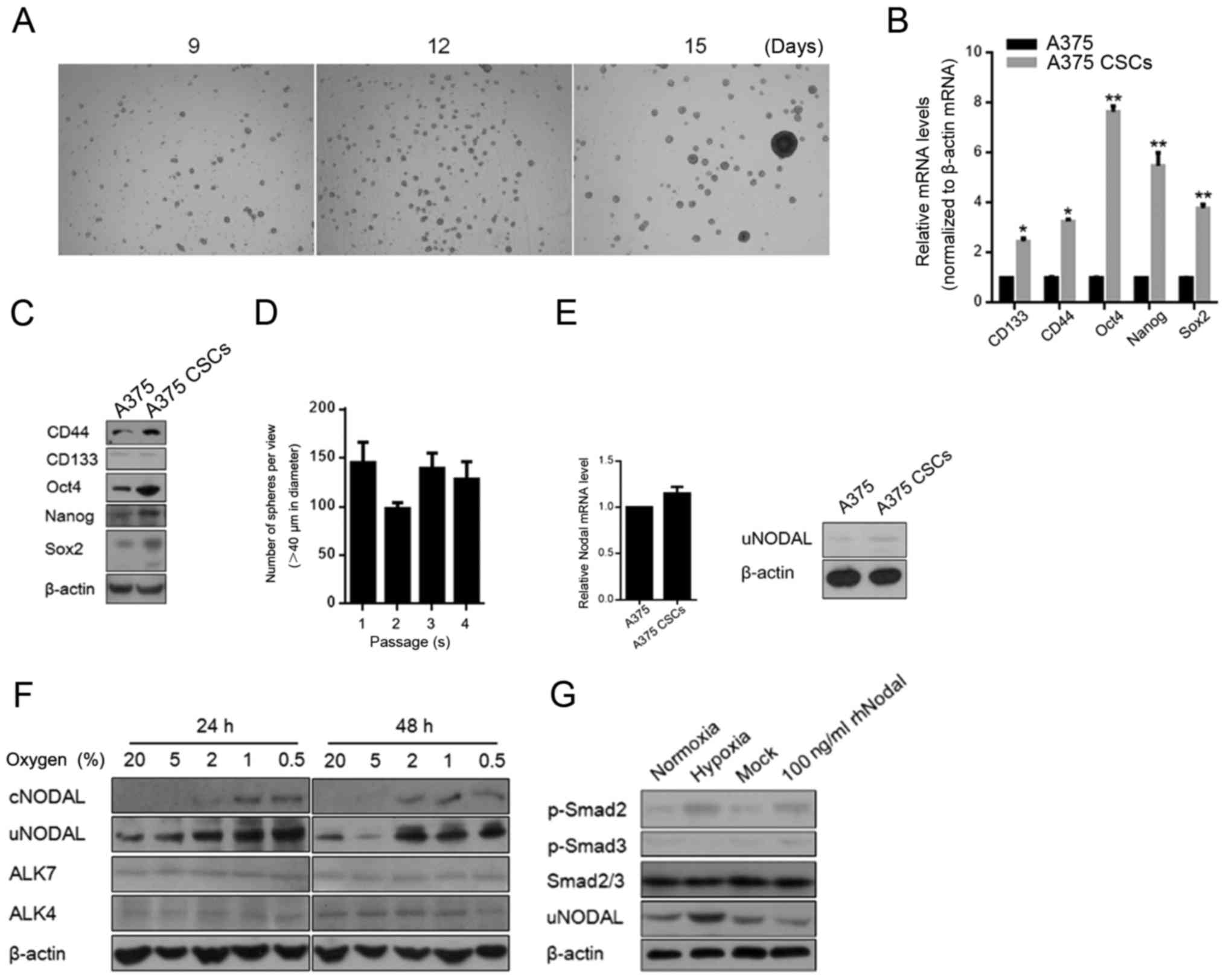
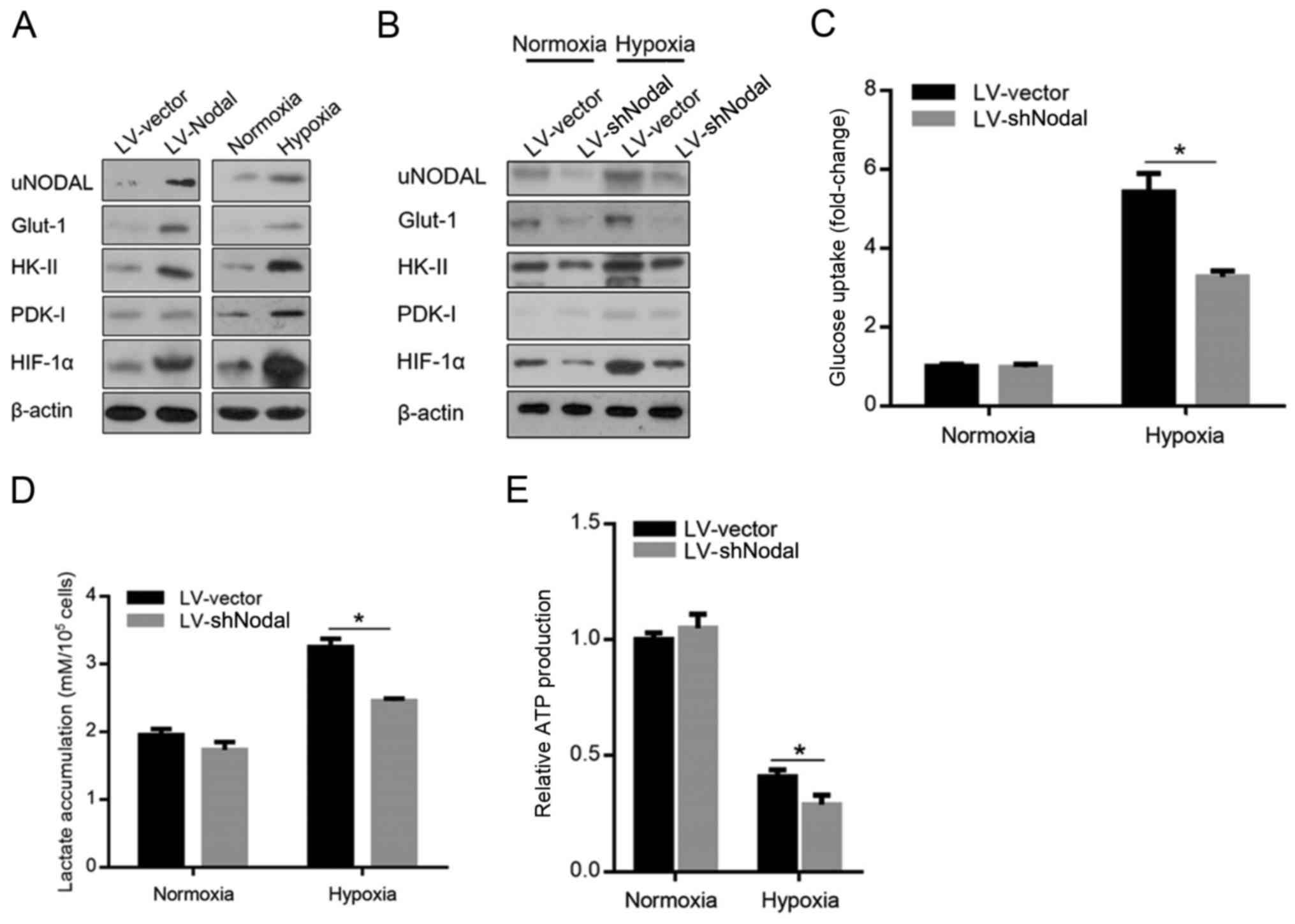
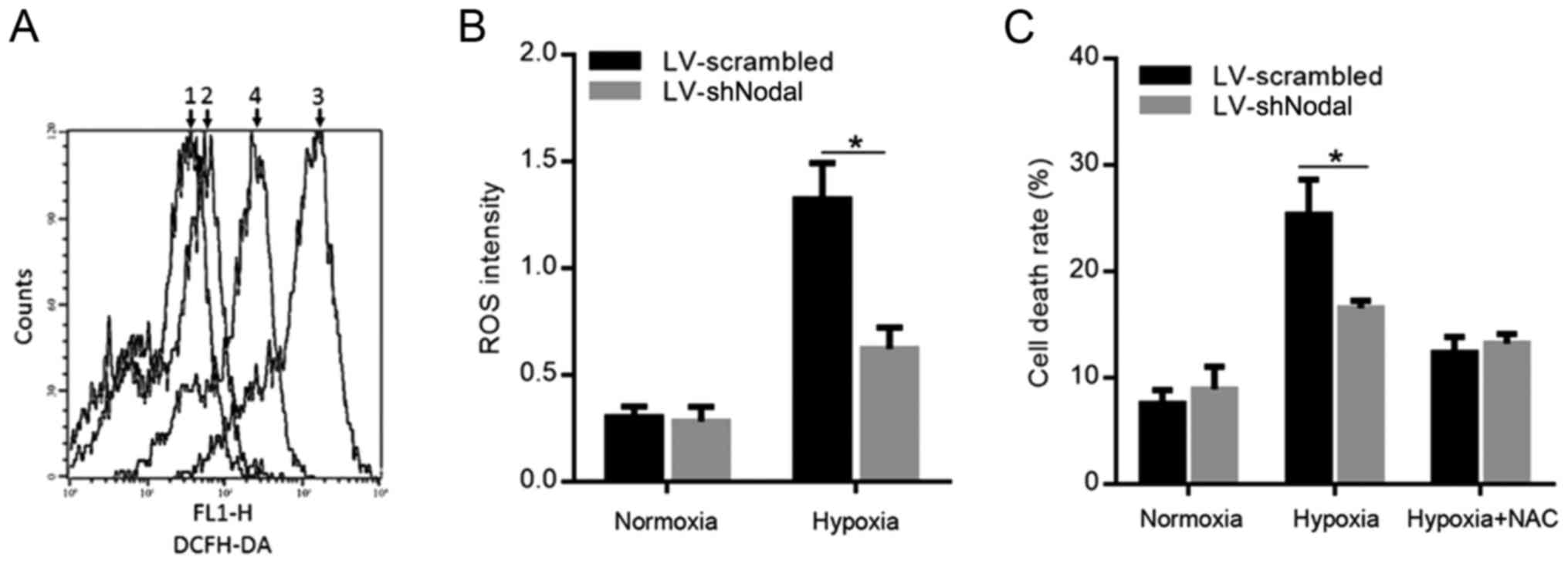
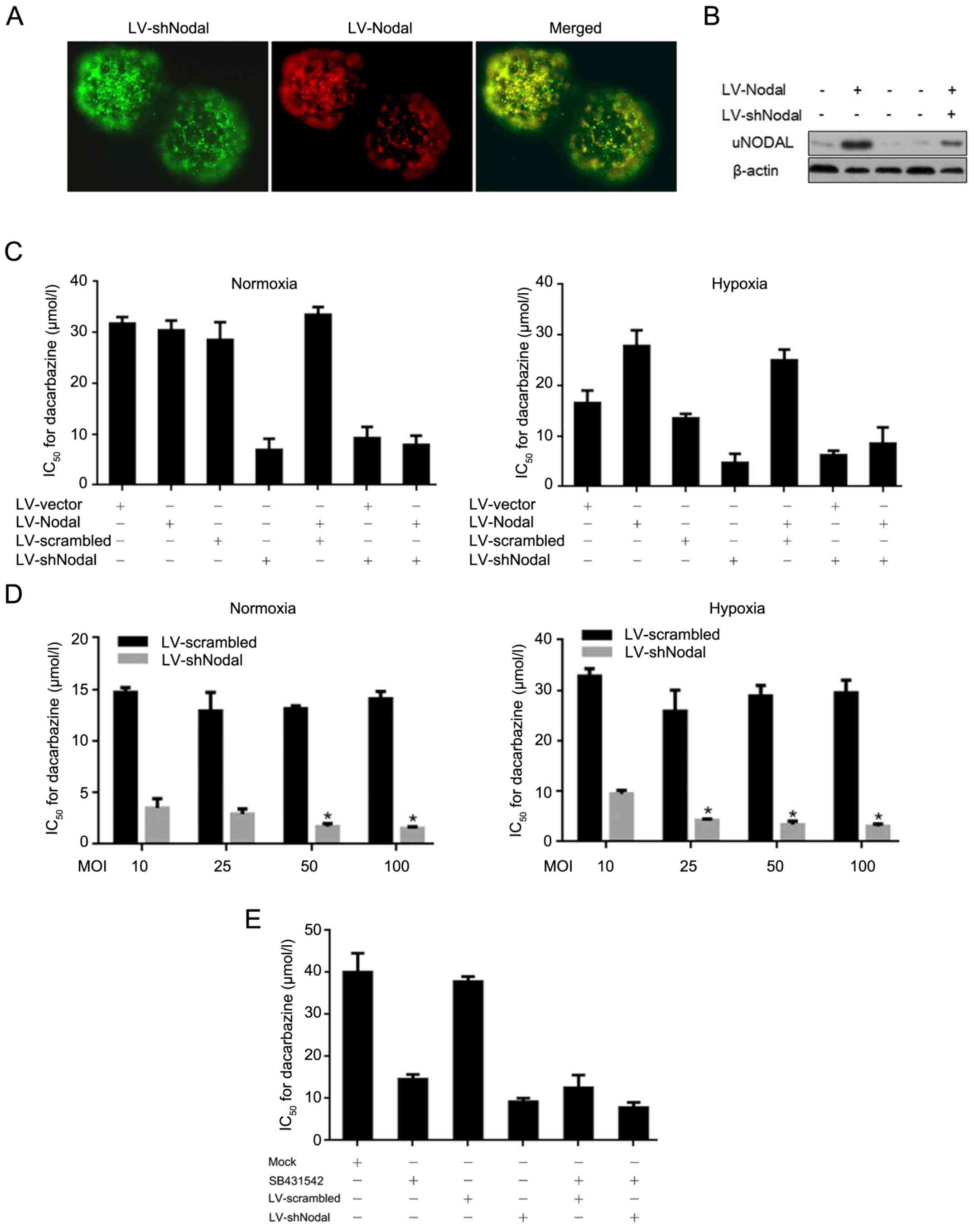
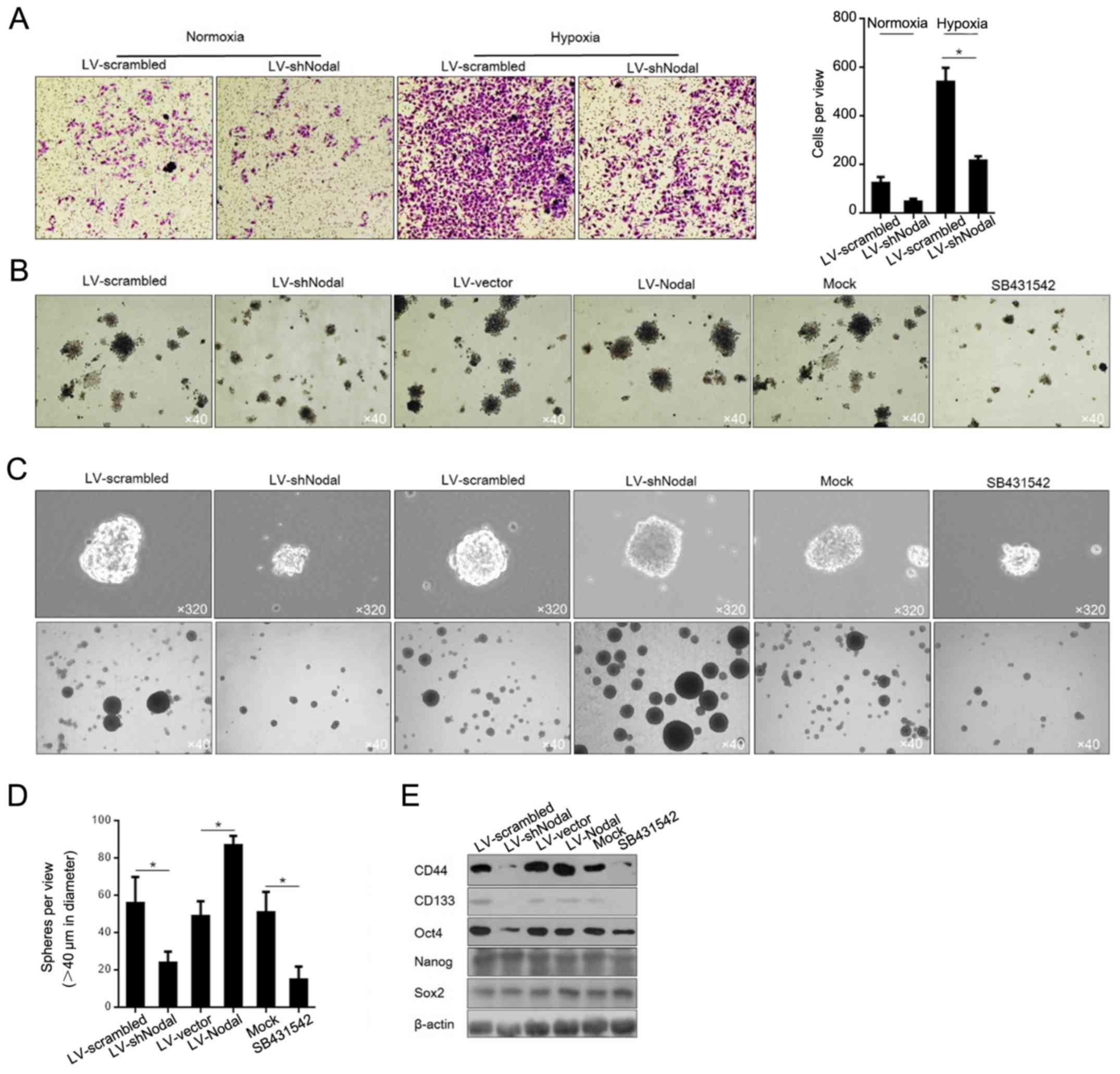
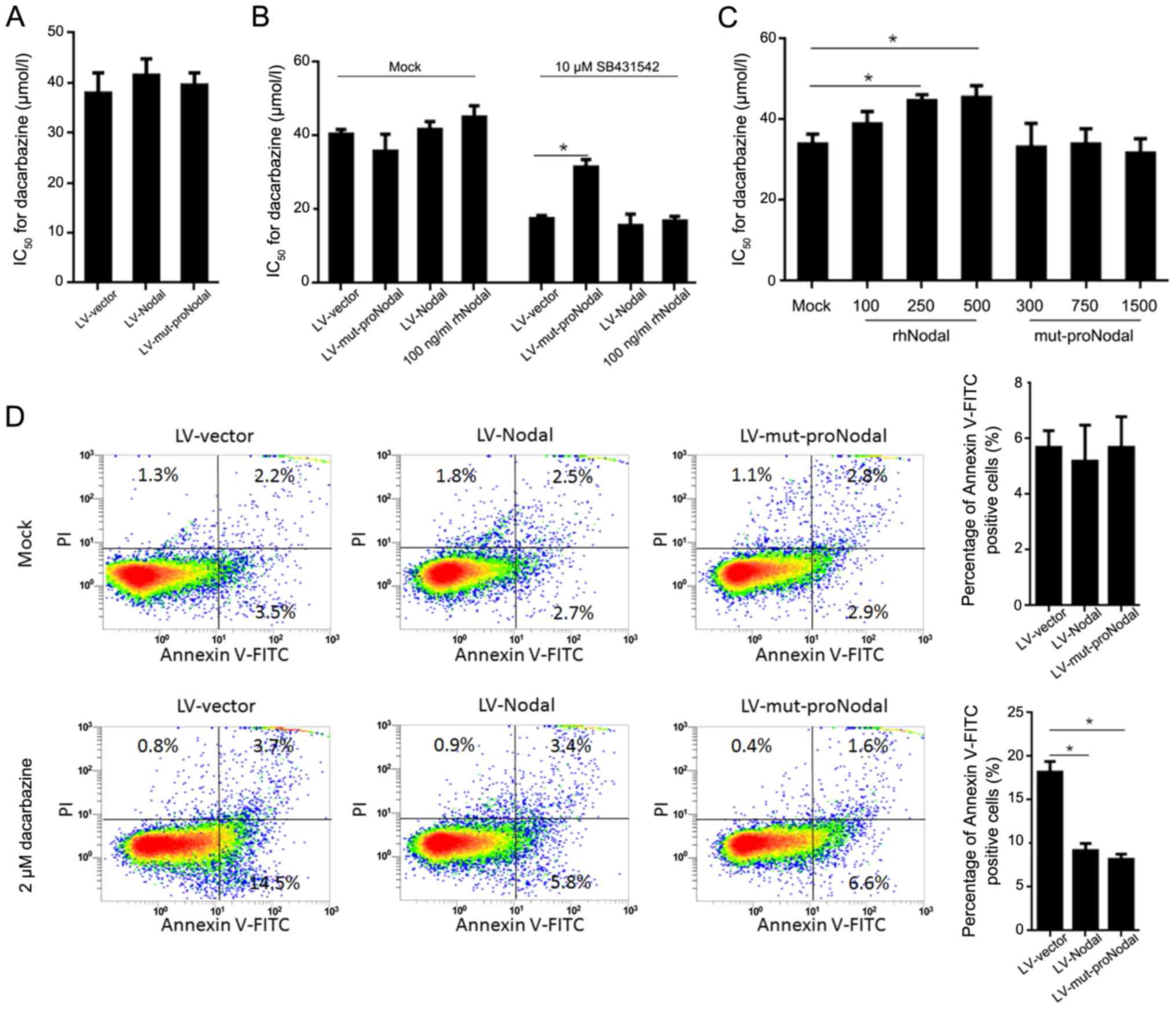
Nodal signaling has a critical role in the processes of embryogenesis and is necessary for maintaining cell stemness. However, its upregulation in melanoma is positively correlated with malignant potential, including cancer progression, metastasis and recurrence, and a recent report has revealed its role in promoting self‑renewal capacity in melanoma. Our study aimed to explore the effects of hypoxia exposure, which is one of the main causes of chemoresistance in melanoma, on the physiological processes of melanoma cancer stem‑like cells (CSCs) via regulating Nodal. A375 CSCs were enriched by culturing in serum‑free medium (SFM) and were analyzed for the expression levels of Nodal and its correlated proteins by semi‑quantitative western blotting. Lentiviral‑packaged Nodal coding sequence or short‑hairpin RNA (shRNA) was employed. After hypoxia exposure, the effects on glucose uptake, ATP production and O2 consumption were detected, and whether Nodal contributed to the proliferation, invasion, colony formation, self‑renewal capacity and chemoresistance was evaluated. We demonstrated that hypoxia exposure induced Nodal expression and activated the Smad2/3 pathway in A375 CSCs. Hypoxic‑induced Nodal partially promoted dacarbazine resistance, promoted invasion and self‑renewal capacity, but not proliferation which was further confirmed using Nodal knockdown. Blockage of Nodal signaling activity with the small‑molecule inhibitor SB431542 partially reversed Nodal‑induced chemoresistance. Nodal knockdown further sensitized A375 CSCs to dacarbazine after SB431542 pretreatment, indicating the involvement of proNodal in dacarbazine resistance. The introduction of mut‑proNodal induced chemoresistance further confirming the role of proNodal in this process. Taken together, our results demonstrated that Nodal induced by hypoxia exposure induced a malignant phenotype and chemoresistance in A375 CSCs, and proNodal also contributed to these processes, indicating that Nodal may be a potential therapeutic target for melanoma.
View Figures

Figure 1

Figure 2

Figure 3

Figure 4

Figure 5

Figure 6

View References

1 

Miller AJ and Mihm MC: Melanoma. N Engl J Med. 355:51–65. 2006. View Article : Google Scholar : PubMed/NCBI

2 

Godar DE: Worldwide increasing incidences of cutaneous malignant melanoma. J Skin Cancer. 2011:8584252011. View Article : Google Scholar : PubMed/NCBI

3 

Reed KB, Brewer JD, Lohse CM, Bringe KE, Pruitt CN and Gibson LE: Increasing incidence of melanoma among young adults: An epidemiological study in Olmsted County, Minnesota. Mayo Clin Proc. 87:328–334. 2012. View Article : Google Scholar : PubMed/NCBI

4 

Bedia C, Casas J, Andrieu-Abadie N, Fabriàs G and Levade T: Acid ceramidase expression modulates the sensitivity of A375 melanoma cells to decarbazine. J Biol Chem. 286:28200–28209. 2011. View Article : Google Scholar : PubMed/NCBI

5 

Mouawad R, Sebert M, Michels J, Bloch J, Spano JP and Khayat D: Treatment for metastatic malignant melanoma: Old drugs and new strategies. Crit Rev Oncol Hematol. 74:27–39. 2010. View Article : Google Scholar : PubMed/NCBI

6 

Brennan J, Norris DP and Robertson EJ: Nodal activity in the node governs left-right asymmetry. Genes Dev. 16:2339–2344. 2002. View Article : Google Scholar : PubMed/NCBI

7 

Takenaga M, Fukumoto M and Hori Y: Regulated nodal signaling promotes differentiation of the definitive endoderm and mesoderm from ES cells. J Cell Sci. 120:2078–2090. 2007. View Article : Google Scholar : PubMed/NCBI

8 

Topczewska JM, Postovit LM, Margaryan NV, Sam A, Hess AR, Wheaton WW, Nickoloff BJ, Topczewski J and Hendrix MJ: Embryonic and tumorigenic pathways converge via Nodal signaling: Role in melanoma aggressiveness. Nat Med. 12:925–932. 2006. View Article : Google Scholar : PubMed/NCBI

9 

Lee CC, Jan HJ, Lai JH, Ma HI, Hueng DY, Lee YC, Cheng YY, Liu LW, Wei HW and Lee HM: Nodal promotes growth and invasion in human gliomas. Oncogene. 29:3110–3123. 2010. View Article : Google Scholar : PubMed/NCBI

10 

Lawrence MG, Margaryan NV, Loessner D, Collins A, Kerr KM, Turner M, Seftor EA, Stephens CR, Lai J; APC BioResource, ; et al: Reactivation of embryonic nodal signaling is associated with tumor progression and promotes the growth of prostate cancer cells. Prostate. 71:1198–1209. 2011. View Article : Google Scholar : PubMed/NCBI

11 

Quail DF, Zhang G, Walsh LA, Siegers GM, Dieters-Castator DZ, Findlay SD, Broughton H, Putman DM, Hess DA and Postovit LM: Embryonic morphogen nodal promotes breast cancer growth and progression. PLoS One. 7:e482372012. View Article : Google Scholar : PubMed/NCBI

12 

Papageorgiou I, Nicholls PK, Wang F, Lackmann M, Makanji Y, Salamonsen LA, Robertson DM and Harrison CA: Expression of nodal signalling components in cycling human endometrium and in endometrial cancer. Reprod Biol Endocrinol. 7:1222009. View Article : Google Scholar : PubMed/NCBI

13 

Lonardo E, Hermann PC, Mueller MT, Huber S, Balic A, Miranda-Lorenzo I, Zagorac S, Alcala S, Rodriguez-Arabaolaza I, Ramirez JC, et al: Nodal/Activin signaling drives self-renewal and tumorigenicity of pancreatic cancer stem cells and provides a target for combined drug therapy. Cell Stem Cell. 9:433–446. 2011. View Article : Google Scholar : PubMed/NCBI

14 

Fuerer C, Nostro MC and Constam DB: Nodal·Gdf1 heterodimers with bound prodomains enable serum-independent nodal signaling and endoderm differentiation. J Biol Chem. 289:17854–17871. 2014. View Article : Google Scholar : PubMed/NCBI

15 

Ellis PS, Burbridge S, Soubes S, Ohyama K, Ben-Haim N, Chen C, Dale K, Shen MM, Constam D and Placzek M: ProNodal acts via FGFR3 to govern duration of Shh expression in the prechordal mesoderm. Development. 142:3821–3832. 2015. View Article : Google Scholar : PubMed/NCBI

16 

Cabarcas SM, Mathews LA and Farrar WL: The cancer stem cell niche-there goes the neighborhood? Int J Cancer. 129:2315–2327. 2011. View Article : Google Scholar : PubMed/NCBI

17 

Hanahan D and Weinberg RA: Hallmarks of cancer: The next generation. Cell. 144:646–674. 2011. View Article : Google Scholar : PubMed/NCBI

18 

Zhu H, Wang D, Liu Y, Su Z, Zhang L, Chen F, Zhou Y, Wu Y, Yu M, Zhang Z and Shao G: Role of the Hypoxia-inducible factor-1 alpha induced autophagy in the conversion of non-stem pancreatic cancer cells into CD133+ pancreatic cancer stem-like cells. Cancer Cell Int. 13:1192013. View Article : Google Scholar : PubMed/NCBI

19 

Quail DF, Taylor MJ, Walsh LA, Dieters-Castator D, Das P, Jewer M, Zhang G and Postovit LM: Low oxygen levels induce the expression of the embryonic morphogen Nodal. Mol Biol Cell. 22:4809–4821. 2011. View Article : Google Scholar : PubMed/NCBI

20 

Zhou S, Kurt-Jones EA, Cerny AM, Chan M, Bronson RT and Finberg RW: MyD88 intrinsically regulates CD4 T-cell responses. J Virol. 83:1625–1634. 2009. View Article : Google Scholar : PubMed/NCBI

21 

dos Santos SC, Tenreiro S, Palma M, Becker J and Sá-Correia I: Transcriptomic profiling of the Saccharomyces cerevisiae response to quinine reveals a glucose limitation response attributable to drug-induced inhibition of glucose uptake. Antimicrob Agents Chemother. 53:5213–5223. 2009. View Article : Google Scholar : PubMed/NCBI

22 

Walsh MC, Smits HP, Scholte M and van Dam K: Affinity of glucose transport in Saccharomyces cerevisiae is modulated during growth on glucose. J Bacteriol. 176:953–958. 1994. View Article : Google Scholar : PubMed/NCBI

23 

Constam DB and Robertson EJ: Regulation of bone morphogenetic protein activities by prodomains and proprotein convertases. J Cell Biol. 144:139–149. 1999. View Article : Google Scholar : PubMed/NCBI

24 

Vo BT and Khan SA: Expression of nodal and nodal receptors in prostate stem cells and prostate cancer cells: Autocrine effects on cell proliferation and migration. Prostate. 71:1084–1096. 2011. View Article : Google Scholar : PubMed/NCBI

25 

Lai JH, Jan HJ, Liu LW, Lee CC, Wang SG, Hueng DY, Cheng YY, Lee HM and Ma HI: Nodal regulates energy metabolism in glioma cells by inducing expression of hypoxia-inducible factor 1α. Neuro Oncol. 15:1330–1341. 2013. View Article : Google Scholar : PubMed/NCBI

26 

Papandreou I, Cairns RA, Fontana L, Lim AL and Denko NC: HIF-1 mediates adaptation to hypoxia by actively downregulating mitochondrial oxygen consumption. Cell Metab. 3:187–197. 2006. View Article : Google Scholar : PubMed/NCBI

27 

Wang F, Zhang GY, Xing T, Lu ZY, Li JH, Peng C, Liu GH and Wang NS: Renalase contributes to the renal protection of delayed ischaemic preconditioning via the regulation of hypoxia-inducible factor-1α. J Cell Mol Med. 19:1400–1409. 2015. View Article : Google Scholar : PubMed/NCBI

28 

Jian SL, Chen WW, Su YC, Su YW, Chuang TH, Hsu SC and Huang LR: Glycolysis regulates the expansion of myeloid-derived suppressor cells in tumor-bearing hosts through prevention of ROS-mediated apoptosis. Cell Death Dis. 8:e27792017. View Article : Google Scholar : PubMed/NCBI

29 

Elliott RL and Blobe GC: Role of transforming growth factor beta in human cancer. J Clin Oncol. 23:2078–2093. 2005. View Article : Google Scholar : PubMed/NCBI

30 

Glasgow E and Mishra L: Transforming growth factor-beta signaling and ubiquitinators in cancer. Endocr Relat Cancer. 15:59–72. 2008. View Article : Google Scholar : PubMed/NCBI

31 

Beck S, Le Good JA, Guzman M, Ben Haim N, Roy K, Beermann F and Constam DB: Extraembryonic proteases regulate nodal signaling during gastrulation. Nat Cell Biol. 4:981–985. 2002. View Article : Google Scholar : PubMed/NCBI

32 

Ben-Haim N, Lu C, Guzman-Ayala M, Pescatore L, Mesnard D, Bischofberger M, Naef F, Robertson EJ and Constam DB: The nodal precursor acting via activing receptors induces mesoderm by maintaining a source of its convertases and BMP4. Dev Cell. 11:313–323. 2006. View Article : Google Scholar : PubMed/NCBI

33 

Eimon PM and Harland RM: Effects of heterodimerization and proteolytic processing on derriere and nodal activity: Implications for mesoderm induction in xenopus. Development. 129:3089–3103. 2002.PubMed/NCBI

34 

Strizzi L, Postovit LM, Margaryan NV, Seftor EA, Abbott DE, Seftor RE, Salomon DS and Hendrix MJ: Emerging roles of nodal and Cripto-1: From embryogenesis to breast cancer progression. Breast Dis. 29:91–103. 2008. View Article : Google Scholar : PubMed/NCBI

35 

Shen MM: Nodal signaling: Developmental roles and regulation. Development. 134:1023–1034. 2007. View Article : Google Scholar : PubMed/NCBI

36 

Duan W, Li R, Ma J, Lei J, Xu Q, Jiang Z, Nan L, Li X, Wang Z, Huo X, et al: Overexpression of nodal induces a metastatic phenotype in pancreatic cancer cells via the Smad2/3 pathway. Oncotarget. 6:1490–1506. 2015. View Article : Google Scholar : PubMed/NCBI

37 

Strizzi L, Postovit LM, Margaryan NV, Lipavsky A, Gadiot J, Blank C, Seftor RE, Seftor EA and Hendrix MJ: Nodal as a biomarker for melanoma progression and a new therapeutic target for clinical intervention. Expert Rev Dermatol. 4:67–78. 2009. View Article : Google Scholar : PubMed/NCBI

38 

Postovit LM, Margaryan NV, Seftor EA, Kirschmann DA, Lipavsky A, Wheaton WW, Abbott DE, Seftor RE and Hendrix MJ: Human embryonic stem cell microenvironment suppresses the tumorigenic phenotype of aggressive cancer cells. Proc Natl Acad Sci USA. 105:4329–4334. 2008. View Article : Google Scholar : PubMed/NCBI

39 

Brennan J, Lu CC, Norris DP, Rodriguez TA, Beddington RS and Robertson EJ: Nodal signaling in the epiblast patterns the early mouse embryo. Nature. 411:965–969. 2001. View Article : Google Scholar : PubMed/NCBI

40 

Cioffi M, Trabulo SM, Sanchez-Ripoll Y, Miranda-Lorenzo I, Lonardo E, Dorado J, Vieira Reis C, Ramirez JC, Hidalgo M, Aicher A, et al: The miR-17-92 cluster counteracts quiescence and chemoresistance in a distinct subpopulation of pancreatic cancer stem cells. Gut. 64:1936–1948. 2015. View Article : Google Scholar : PubMed/NCBI

Related Articles

  • Abstract
  • View
  • Download
  • Twitter
Copy and paste a formatted citation
Spandidos Publications style
Li H, Chen J, Wang X, He M, Zhang Z and Cen Y: Nodal induced by hypoxia exposure contributes to dacarbazine resistance and the maintenance of stemness in melanoma cancer stem‑like cells. Oncol Rep 39: 2855-2864, 2018.
APA
Li, H., Chen, J., Wang, X., He, M., Zhang, Z., & Cen, Y. (2018). Nodal induced by hypoxia exposure contributes to dacarbazine resistance and the maintenance of stemness in melanoma cancer stem‑like cells. Oncology Reports, 39, 2855-2864. https://doi.org/10.3892/or.2018.6387
MLA
Li, H., Chen, J., Wang, X., He, M., Zhang, Z., Cen, Y."Nodal induced by hypoxia exposure contributes to dacarbazine resistance and the maintenance of stemness in melanoma cancer stem‑like cells". Oncology Reports 39.6 (2018): 2855-2864.
Chicago
Li, H., Chen, J., Wang, X., He, M., Zhang, Z., Cen, Y."Nodal induced by hypoxia exposure contributes to dacarbazine resistance and the maintenance of stemness in melanoma cancer stem‑like cells". Oncology Reports 39, no. 6 (2018): 2855-2864. https://doi.org/10.3892/or.2018.6387
Copy and paste a formatted citation
x
Spandidos Publications style
Li H, Chen J, Wang X, He M, Zhang Z and Cen Y: Nodal induced by hypoxia exposure contributes to dacarbazine resistance and the maintenance of stemness in melanoma cancer stem‑like cells. Oncol Rep 39: 2855-2864, 2018.
APA
Li, H., Chen, J., Wang, X., He, M., Zhang, Z., & Cen, Y. (2018). Nodal induced by hypoxia exposure contributes to dacarbazine resistance and the maintenance of stemness in melanoma cancer stem‑like cells. Oncology Reports, 39, 2855-2864. https://doi.org/10.3892/or.2018.6387
MLA
Li, H., Chen, J., Wang, X., He, M., Zhang, Z., Cen, Y."Nodal induced by hypoxia exposure contributes to dacarbazine resistance and the maintenance of stemness in melanoma cancer stem‑like cells". Oncology Reports 39.6 (2018): 2855-2864.
Chicago
Li, H., Chen, J., Wang, X., He, M., Zhang, Z., Cen, Y."Nodal induced by hypoxia exposure contributes to dacarbazine resistance and the maintenance of stemness in melanoma cancer stem‑like cells". Oncology Reports 39, no. 6 (2018): 2855-2864. https://doi.org/10.3892/or.2018.6387
Follow us
  • Twitter
  • LinkedIn
  • Facebook
About
  • Spandidos Publications
  • Careers
  • Cookie Policy
  • Privacy Policy
How can we help?
  • Help
  • Live Chat
  • Contact
  • Email to our Support Team