Spandidos Publications Logo
  • About
    • About Spandidos
    • Aims and Scopes
    • Abstracting and Indexing
    • Editorial Policies
    • Reprints and Permissions
    • Job Opportunities
    • Terms and Conditions
    • Contact
  • Journals
    • All Journals
    • Oncology Letters
      • Oncology Letters
      • Information for Authors
      • Editorial Policies
      • Editorial Board
      • Aims and Scope
      • Abstracting and Indexing
      • Bibliographic Information
      • Archive
    • International Journal of Oncology
      • International Journal of Oncology
      • Information for Authors
      • Editorial Policies
      • Editorial Board
      • Aims and Scope
      • Abstracting and Indexing
      • Bibliographic Information
      • Archive
    • Molecular and Clinical Oncology
      • Molecular and Clinical Oncology
      • Information for Authors
      • Editorial Policies
      • Editorial Board
      • Aims and Scope
      • Abstracting and Indexing
      • Bibliographic Information
      • Archive
    • Experimental and Therapeutic Medicine
      • Experimental and Therapeutic Medicine
      • Information for Authors
      • Editorial Policies
      • Editorial Board
      • Aims and Scope
      • Abstracting and Indexing
      • Bibliographic Information
      • Archive
    • International Journal of Molecular Medicine
      • International Journal of Molecular Medicine
      • Information for Authors
      • Editorial Policies
      • Editorial Board
      • Aims and Scope
      • Abstracting and Indexing
      • Bibliographic Information
      • Archive
    • Biomedical Reports
      • Biomedical Reports
      • Information for Authors
      • Editorial Policies
      • Editorial Board
      • Aims and Scope
      • Abstracting and Indexing
      • Bibliographic Information
      • Archive
    • Oncology Reports
      • Oncology Reports
      • Information for Authors
      • Editorial Policies
      • Editorial Board
      • Aims and Scope
      • Abstracting and Indexing
      • Bibliographic Information
      • Archive
    • Molecular Medicine Reports
      • Molecular Medicine Reports
      • Information for Authors
      • Editorial Policies
      • Editorial Board
      • Aims and Scope
      • Abstracting and Indexing
      • Bibliographic Information
      • Archive
    • World Academy of Sciences Journal
      • World Academy of Sciences Journal
      • Information for Authors
      • Editorial Policies
      • Editorial Board
      • Aims and Scope
      • Abstracting and Indexing
      • Bibliographic Information
      • Archive
    • International Journal of Functional Nutrition
      • International Journal of Functional Nutrition
      • Information for Authors
      • Editorial Policies
      • Editorial Board
      • Aims and Scope
      • Abstracting and Indexing
      • Bibliographic Information
      • Archive
    • International Journal of Epigenetics
      • International Journal of Epigenetics
      • Information for Authors
      • Editorial Policies
      • Editorial Board
      • Aims and Scope
      • Abstracting and Indexing
      • Bibliographic Information
      • Archive
    • Medicine International
      • Medicine International
      • Information for Authors
      • Editorial Policies
      • Editorial Board
      • Aims and Scope
      • Abstracting and Indexing
      • Bibliographic Information
      • Archive
  • Articles
  • Information
    • Information for Authors
    • Information for Reviewers
    • Information for Librarians
    • Information for Advertisers
    • Conferences
  • Language Editing
Spandidos Publications Logo
  • About
    • About Spandidos
    • Aims and Scopes
    • Abstracting and Indexing
    • Editorial Policies
    • Reprints and Permissions
    • Job Opportunities
    • Terms and Conditions
    • Contact
  • Journals
    • All Journals
    • Biomedical Reports
      • Information for Authors
      • Editorial Policies
      • Editorial Board
      • Aims and Scope
      • Abstracting and Indexing
      • Bibliographic Information
      • Archive
    • Experimental and Therapeutic Medicine
      • Information for Authors
      • Editorial Policies
      • Editorial Board
      • Aims and Scope
      • Abstracting and Indexing
      • Bibliographic Information
      • Archive
    • International Journal of Epigenetics
      • Information for Authors
      • Editorial Policies
      • Editorial Board
      • Aims and Scope
      • Abstracting and Indexing
      • Bibliographic Information
      • Archive
    • International Journal of Functional Nutrition
      • Information for Authors
      • Editorial Policies
      • Editorial Board
      • Aims and Scope
      • Abstracting and Indexing
      • Bibliographic Information
      • Archive
    • International Journal of Molecular Medicine
      • Information for Authors
      • Editorial Policies
      • Editorial Board
      • Aims and Scope
      • Abstracting and Indexing
      • Bibliographic Information
      • Archive
    • International Journal of Oncology
      • Information for Authors
      • Editorial Policies
      • Editorial Board
      • Aims and Scope
      • Abstracting and Indexing
      • Bibliographic Information
      • Archive
    • Medicine International
      • Information for Authors
      • Editorial Policies
      • Editorial Board
      • Aims and Scope
      • Abstracting and Indexing
      • Bibliographic Information
      • Archive
    • Molecular and Clinical Oncology
      • Information for Authors
      • Editorial Policies
      • Editorial Board
      • Aims and Scope
      • Abstracting and Indexing
      • Bibliographic Information
      • Archive
    • Molecular Medicine Reports
      • Information for Authors
      • Editorial Policies
      • Editorial Board
      • Aims and Scope
      • Abstracting and Indexing
      • Bibliographic Information
      • Archive
    • Oncology Letters
      • Information for Authors
      • Editorial Policies
      • Editorial Board
      • Aims and Scope
      • Abstracting and Indexing
      • Bibliographic Information
      • Archive
    • Oncology Reports
      • Information for Authors
      • Editorial Policies
      • Editorial Board
      • Aims and Scope
      • Abstracting and Indexing
      • Bibliographic Information
      • Archive
    • World Academy of Sciences Journal
      • Information for Authors
      • Editorial Policies
      • Editorial Board
      • Aims and Scope
      • Abstracting and Indexing
      • Bibliographic Information
      • Archive
  • Articles
  • Information
    • For Authors
    • For Reviewers
    • For Librarians
    • For Advertisers
    • Conferences
  • Language Editing
Login Register Submit
  • This site uses cookies
  • You can change your cookie settings at any time by following the instructions in our Cookie Policy. To find out more, you may read our Privacy Policy.

    I agree
Search articles by DOI, keyword, author or affiliation
Search
Advanced Search
presentation
Oncology Reports
Join Editorial Board Propose a Special Issue
Print ISSN: 1021-335X Online ISSN: 1791-2431
Journal Cover
October-2018 Volume 40 Issue 4

Full Size Image

Sign up for eToc alerts
Recommend to Library

Journals

International Journal of Molecular Medicine

International Journal of Molecular Medicine

International Journal of Molecular Medicine is an international journal devoted to molecular mechanisms of human disease.

International Journal of Oncology

International Journal of Oncology

International Journal of Oncology is an international journal devoted to oncology research and cancer treatment.

Molecular Medicine Reports

Molecular Medicine Reports

Covers molecular medicine topics such as pharmacology, pathology, genetics, neuroscience, infectious diseases, molecular cardiology, and molecular surgery.

Oncology Reports

Oncology Reports

Oncology Reports is an international journal devoted to fundamental and applied research in Oncology.

Experimental and Therapeutic Medicine

Experimental and Therapeutic Medicine

Experimental and Therapeutic Medicine is an international journal devoted to laboratory and clinical medicine.

Oncology Letters

Oncology Letters

Oncology Letters is an international journal devoted to Experimental and Clinical Oncology.

Biomedical Reports

Biomedical Reports

Explores a wide range of biological and medical fields, including pharmacology, genetics, microbiology, neuroscience, and molecular cardiology.

Molecular and Clinical Oncology

Molecular and Clinical Oncology

International journal addressing all aspects of oncology research, from tumorigenesis and oncogenes to chemotherapy and metastasis.

World Academy of Sciences Journal

World Academy of Sciences Journal

Multidisciplinary open-access journal spanning biochemistry, genetics, neuroscience, environmental health, and synthetic biology.

International Journal of Functional Nutrition

International Journal of Functional Nutrition

Open-access journal combining biochemistry, pharmacology, immunology, and genetics to advance health through functional nutrition.

International Journal of Epigenetics

International Journal of Epigenetics

Publishes open-access research on using epigenetics to advance understanding and treatment of human disease.

Medicine International

Medicine International

An International Open Access Journal Devoted to General Medicine.

Journal Cover
October-2018 Volume 40 Issue 4

Full Size Image

Sign up for eToc alerts
Recommend to Library

  • Article
  • Citations
    • Cite This Article
    • Download Citation
    • Create Citation Alert
    • Remove Citation Alert
    • Cited By
  • Similar Articles
    • Related Articles (in Spandidos Publications)
    • Similar Articles (Google Scholar)
    • Similar Articles (PubMed)
  • Download PDF
  • Download XML
  • View XML
Article

Decreasing O-GlcNAcylation affects the malignant transformation of MCF-7 cells via Hsp27 expression and its O-GlcNAc modification

  • Authors:
    • Pukkavadee Netsirisawan
    • Parunya Chaiyawat
    • Daranee Chokchaichamnankit
    • Kriengsak Lirdprapamongkol
    • Chantragan Srisomsap
    • Jisnuson Svasti
    • Voraratt Champattanachai
  • View Affiliations / Copyright

    Affiliations: Laboratory of Biochemistry, Chulabhorn Research Institute, Chulabhorn Graduate Institute, Bangkok 10210, Thailand, Applied Biological Sciences Program, Chulabhorn Graduate Institute, Bangkok 10210, Thailand
  • Pages: 2193-2205
    |
    Published online on: August 1, 2018
       https://doi.org/10.3892/or.2018.6617
  • Expand metrics +
Metrics: Total Views: 0 (Spandidos Publications: | PMC Statistics: )
Metrics: Total PDF Downloads: 0 (Spandidos Publications: | PMC Statistics: )
Cited By (CrossRef): 0 citations Loading Articles...

This article is mentioned in:


Abstract

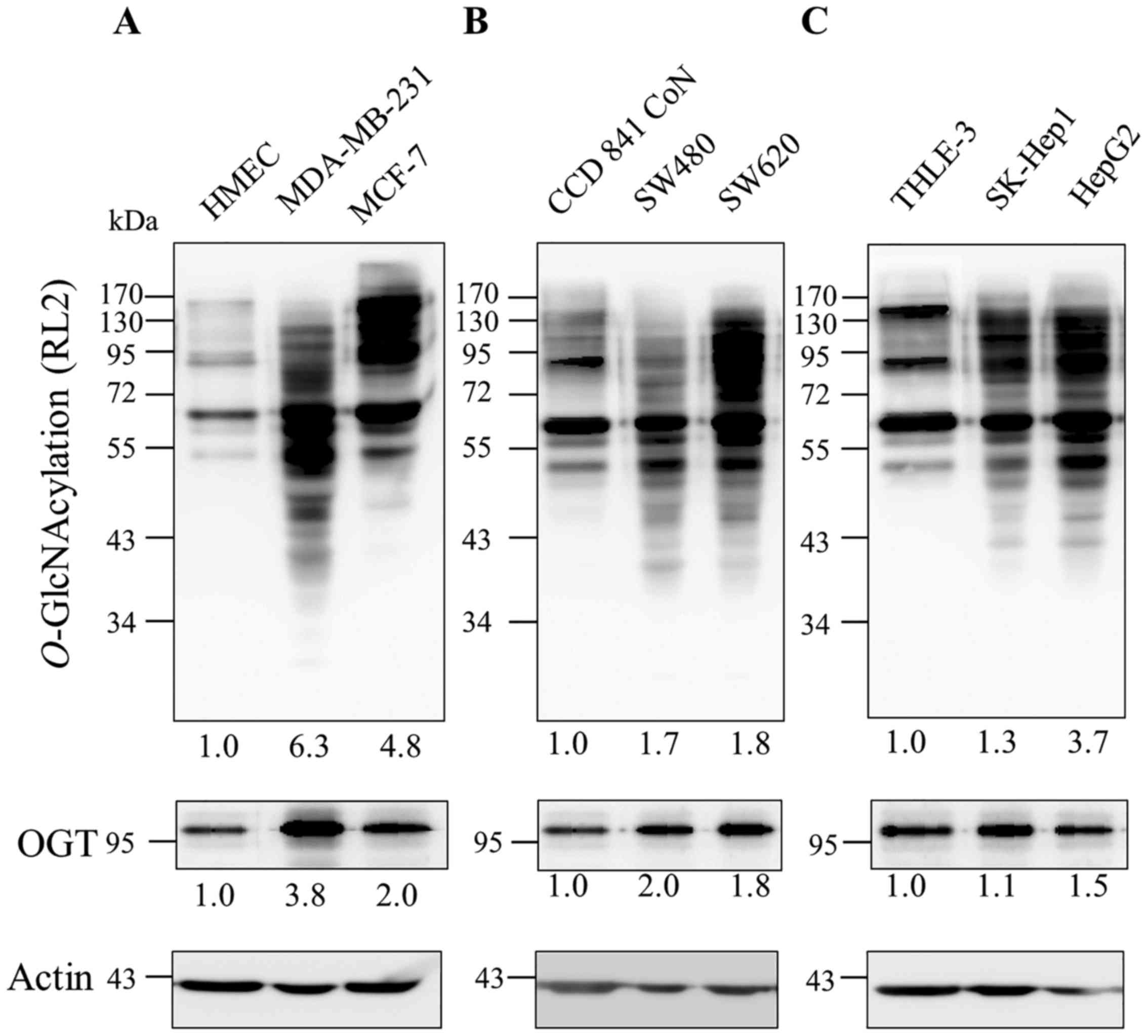
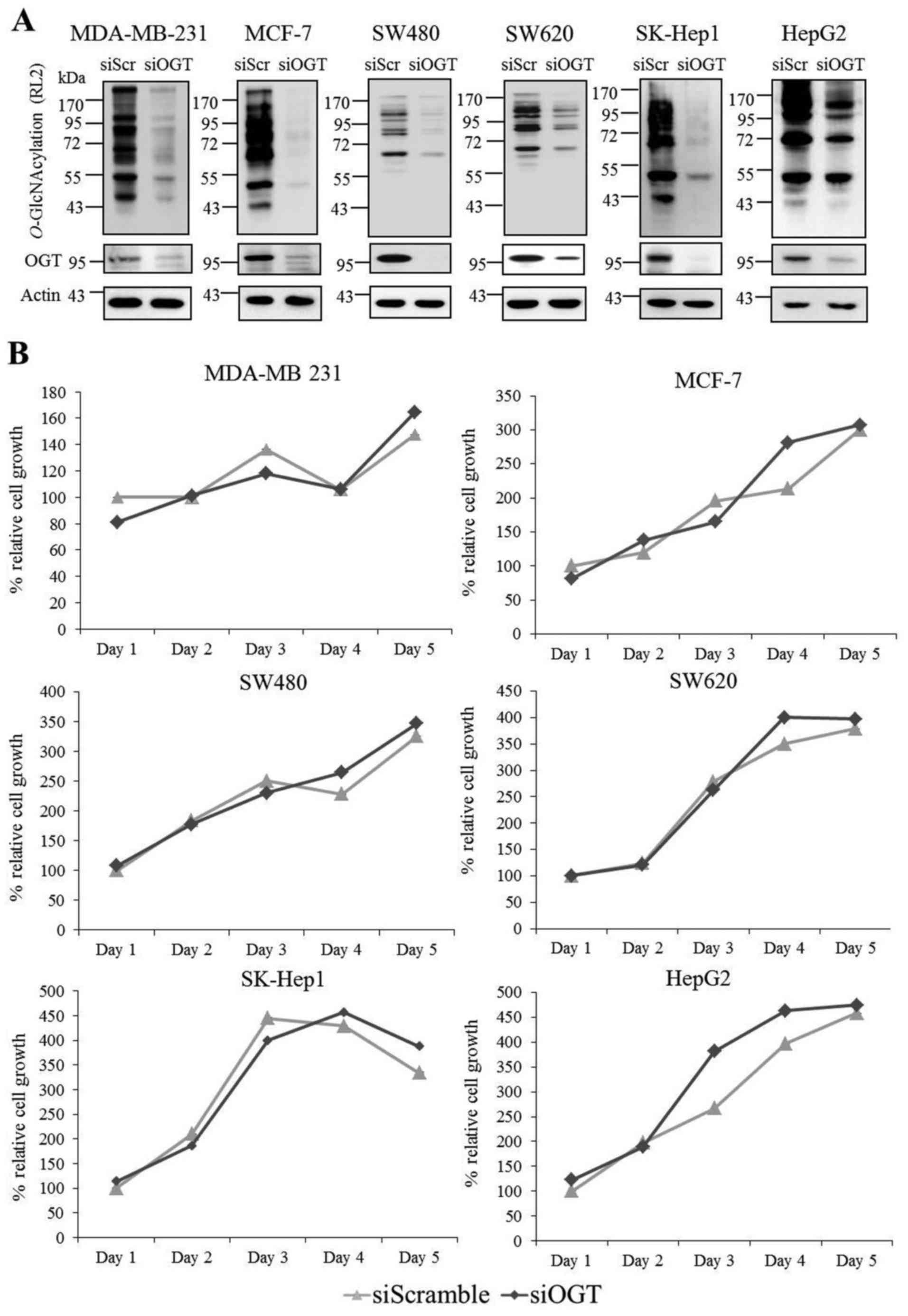
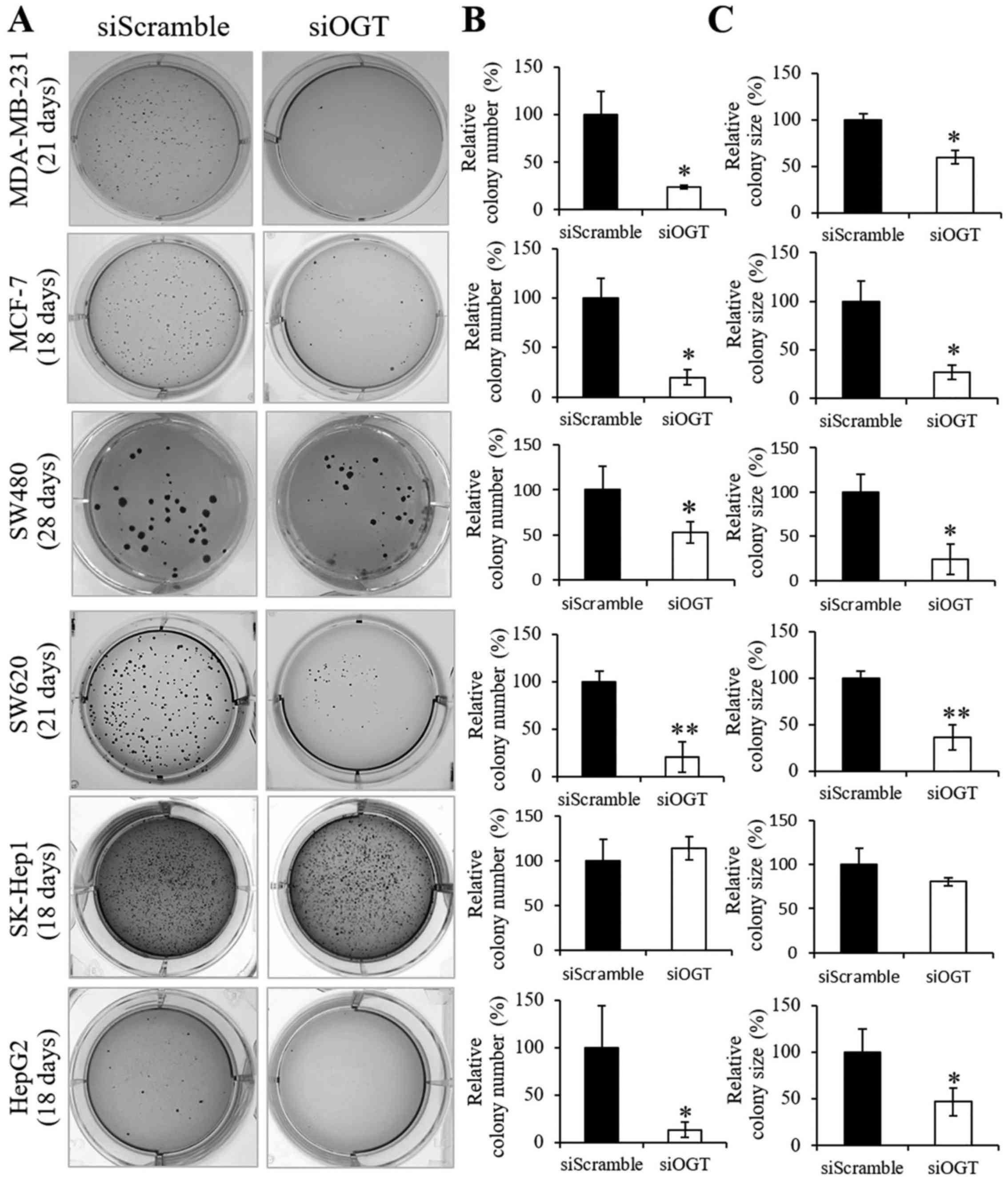
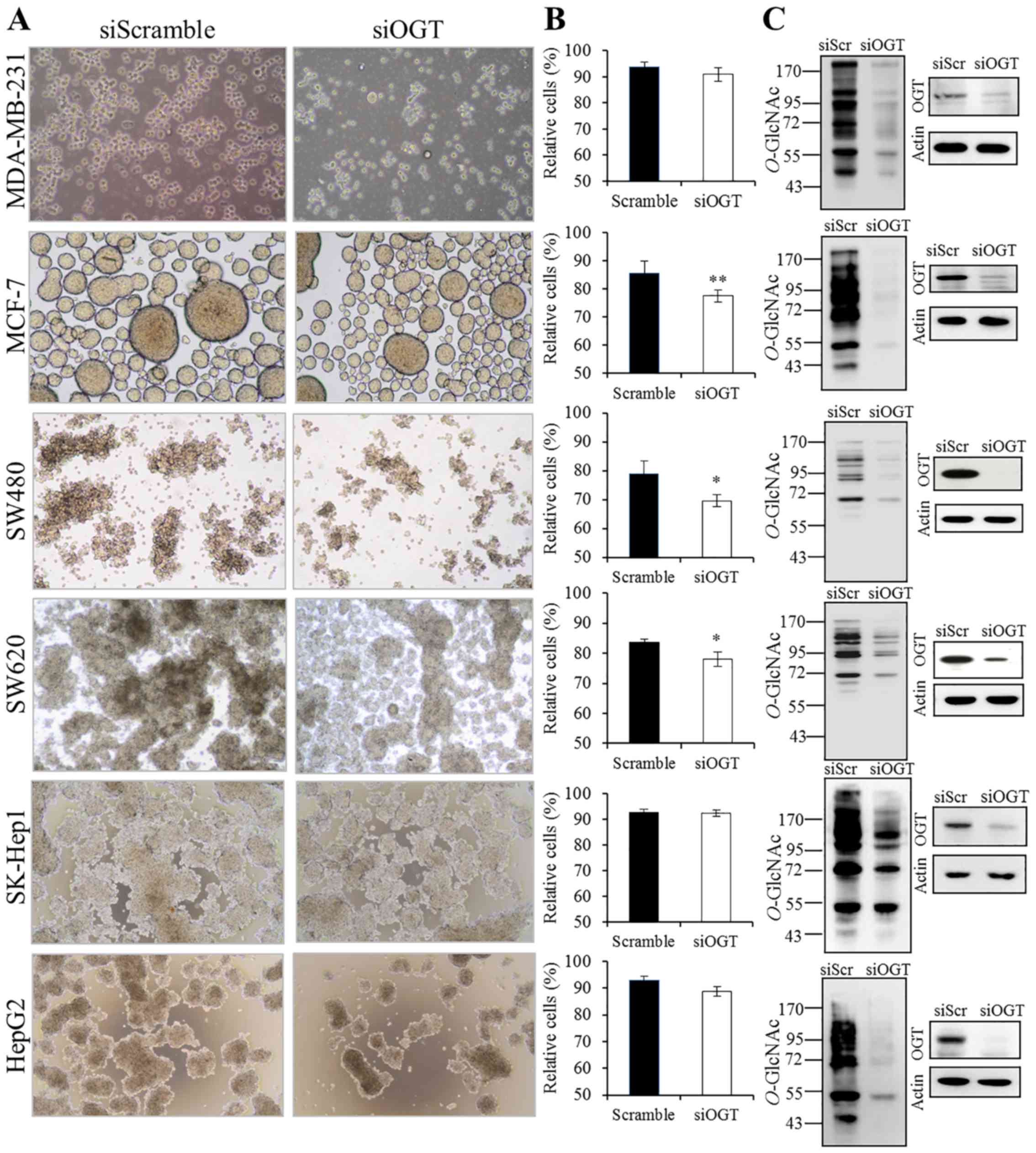
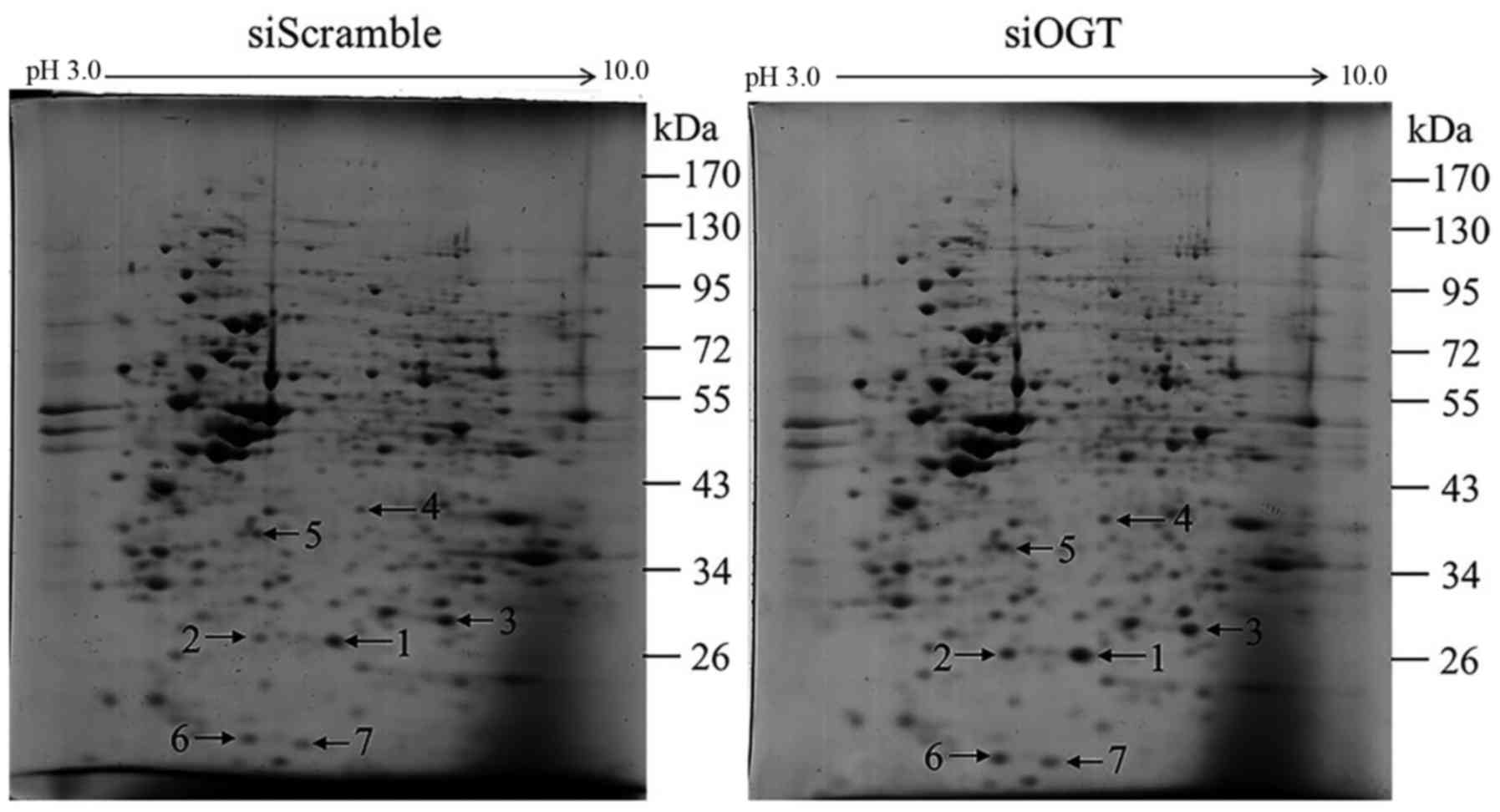
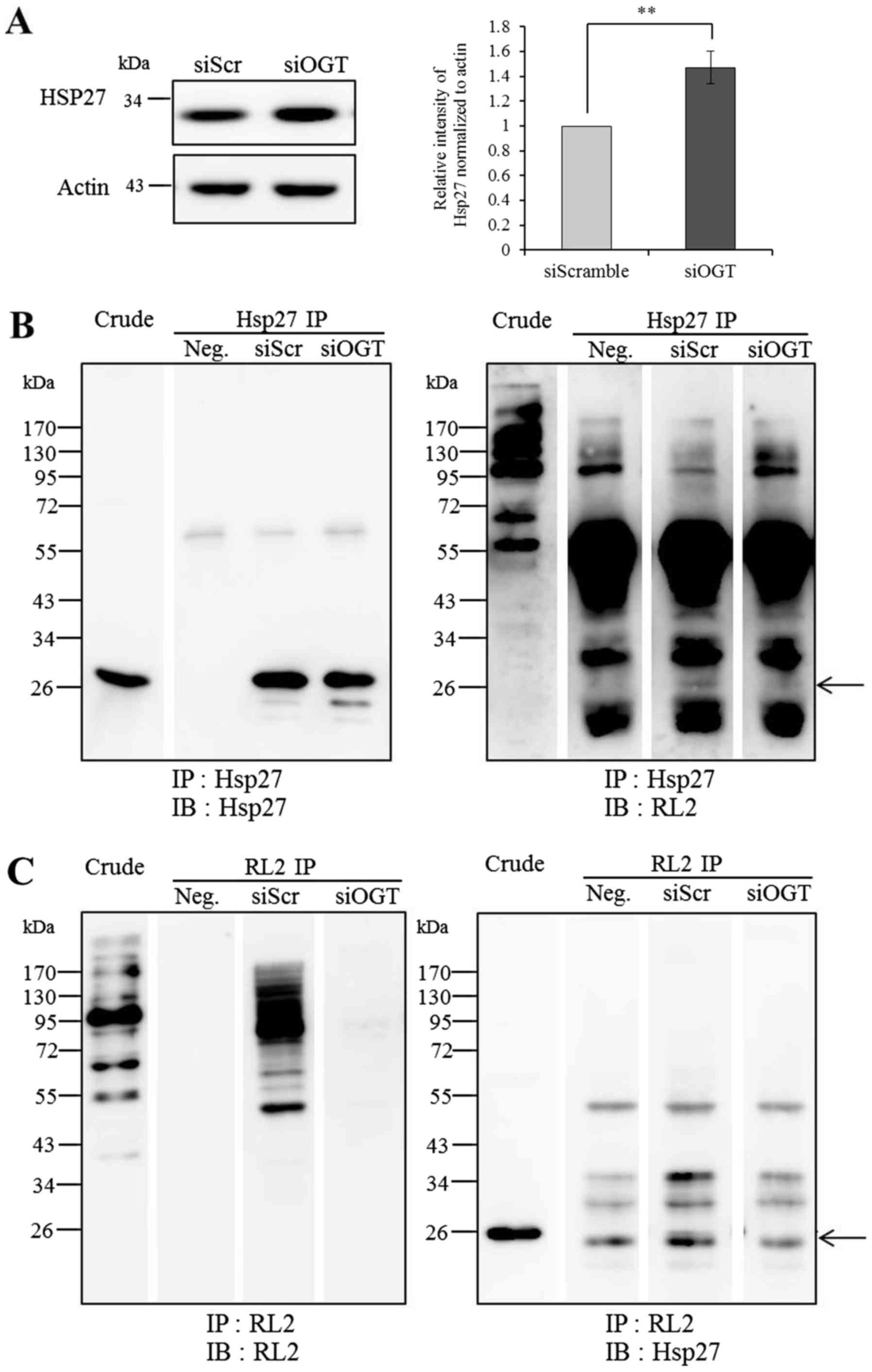
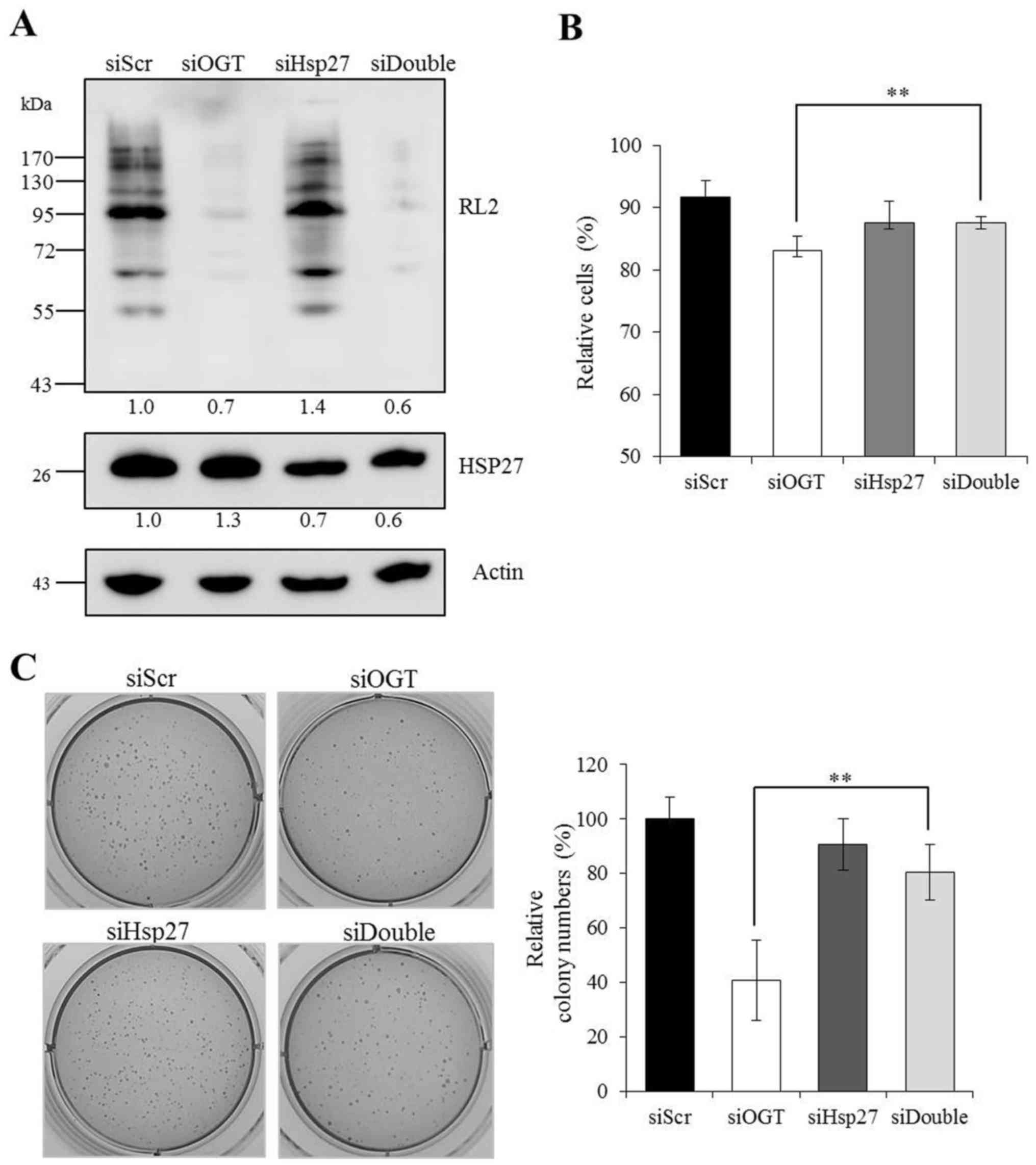
O-GlcNAcylation is a dynamic posttranslational modification of nucleoplasmic proteins. Previously, we reported that the O-GlcNAcylation level was increased in primary breast and colorectal cancer tissues. However, its precise roles in cancer development and progression are still largely unexplored. The aim of the present study was to investigate the roles of O-GlcNAcylation in the malignant transformation of cancer cell lines. O-GlcNAcylation level was examined in six cancer cell lines including breast (MCF-7 and MDA-MB-231), colorectal (SW480 and SW620), and liver (SK-Hep1 and HepG2). We found that the levels of O-GlcNAcylation and O-GlcNAc transferase (OGT), an O-GlcNAc catalyzing enzyme, were obviously increased in all cancerous cells, except SK-Hep1, when compared to normal cells. Reducing O-GlcNAcylation using RNA interference against OGT showed a marked reduction in OGT and O-GlcNAcylation levels. Surprisingly, siOGT had no effect on cell growth under conventional monolayer cultures. However, it inhibited anchorage-independent growth in soft agar cultures of all cancer cells, except SK-Hep1. Under anoikis resistance conditions performed by spheroid cultures, siOGT treatment decreased viability only in MCF-7, SW480, and SW620 cells. Among them, OGT knockdown in MCF-7 cells revealed a high inhibitory effect on colony and spheroid cultures. Using two-dimensional gel electrophoresis and mass spectrometric analysis, heat shock protein 27 (Hsp27) was found to be the highest upregulated protein upon OGT knockdown. Immunoblots revealed that the Hsp27 protein level was increased but its O-GlcNAc modification level was decreased in siOGT-treated cells. These changes were associated with the inhibition of MCF-7 cell transformation. Notably, double knockdown of OGT and Hsp27 showed a reversal in the inhibitory effect on colony and spheroid cultures. Collectively, these results indicate that O-GlcNAcylation is required for anoikis resistance and anchorage-independent growth of MCF-7 cells. Blocking this glycosylation by OGT knockdown may regulate both Hsp27 protein expression and its O-GlcNAc modification levels. This alteration may play vital roles in malignant transformation.
View Figures

Figure 1

Figure 2

Figure 3

Figure 4

Figure 5

Figure 6

Figure 7

View References

1 

Howard EW, Leung SC, Yuen HF, Chua CW, Lee DT, Chan KW, Wang X and Wong YC: Decreased adhesiveness, resistance to anoikis and suppression of GRP94 are integral to the survival of circulating tumor cells in prostate cancer. Clin Exp Metastasis. 25:497–508. 2008. View Article : Google Scholar : PubMed/NCBI

2 

Khongmanee A, Lirdprapamongkol K, Tit-oon P, Chokchaichamnankit D, Svasti J and Srisomsap C: Proteomic analysis reveals important role of 14-3-3σ in anoikis resistance of cholangiocarcinoma cells. Proteomics. 13:3157–3166. 2013. View Article : Google Scholar : PubMed/NCBI

3 

Kim JB, Yu JH, Ko E, Lee KW, Song AK, Park SY, Shin I, Han W and Noh DY: The alkaloid Berberine inhibits the growth of Anoikis-resistant MCF-7 and MDA-MB-231 breast cancer cell lines by inducing cell cycle arrest. Phytomedicine. 17:436–440. 2010. View Article : Google Scholar : PubMed/NCBI

4 

Mori S, Chang JT, Andrechek ER, Matsumura N, Baba T, Yao G, Kim JW, Gatza M, Murphy S and Nevins JR: Anchorage-independent cell growth signature identifies tumors with metastatic potential. Oncogene. 28:2796–2805. 2009. View Article : Google Scholar : PubMed/NCBI

5 

Hart GW, Housley MP and Slawson C: Cycling of O-linked beta-N-acetylglucosamine on nucleocytoplasmic proteins. Nature. 446:1017–1022. 2007. View Article : Google Scholar : PubMed/NCBI

6 

Kreppel LK, Blomberg MA and Hart GW: Dynamic glycosylation of nuclear and cytosolic proteins. Cloning and characterization of a unique O-GlcNAc transferase with multiple tetratricopeptide repeats. J Biol Chem. 272:9308–9315. 1997. View Article : Google Scholar : PubMed/NCBI

7 

Gao Y, Wells L, Comer FI, Parker GJ and Hart GW: Dynamic O-glycosylation of nuclear and cytosolic proteins: Cloning and characterization of a neutral, cytosolic beta-N-acetylglucosaminidase from human brain. J Biol Chem. 276:9838–9845. 2001. View Article : Google Scholar : PubMed/NCBI

8 

Ma Z and Vosseller K: O-GlcNAc in cancer biology. Amino Acids. 45:719–733. 2013. View Article : Google Scholar : PubMed/NCBI

9 

Fardini Y, Dehennaut V, Lefebvre T and Issad T: O-GlcNAcylation: A New Cancer Hallmark? Front Endocrinol (Lausanne). 4:992013.PubMed/NCBI

10 

Chaiyawat P, Netsirisawan P, Svasti J and Champattanachai V: Aberrant O-GlcNAcylated proteins: New perspectives in breast and colorectal cancer. Front Endocrinol (Lausanne). 5:1932014.PubMed/NCBI

11 

Champattanachai V, Netsirisawan P, Chaiyawat P, Phueaouan T, Charoenwattanasatien R, Chokchaichamnankit D, Punyarit P, Srisomsap C and Svasti J: Proteomic analysis and abrogated expression of O-GlcNAcylated proteins associated with primary breast cancer. Proteomics. 13:2088–2099. 2013. View Article : Google Scholar : PubMed/NCBI

12 

Phueaouan T, Chaiyawat P, Netsirisawan P, Chokchaichamnankit D, Punyarit P, Srisomsap C, Svasti J and Champattanachai V: Aberrant O-GlcNAc-modified proteins expressed in primary colorectal cancer. Oncol Rep. 30:2929–2936. 2013. View Article : Google Scholar : PubMed/NCBI

13 

Chaiyawat P, Chokchaichamnankit D, Lirdprapamongkol K, Srisomsap C, Svasti J and Champattanachai V: Alteration of O-GlcNAcylation affects serine phosphorylation and regulates gene expression and activity of pyruvate kinase M2 in colorectal cancer cells. Oncol Rep. 34:1933–1942. 2015. View Article : Google Scholar : PubMed/NCBI

14 

Chiablaem K, Lirdprapamongkol K, Keeratichamroen S, Surarit R and Svasti J: Curcumin suppresses vasculogenic mimicry capacity of hepatocellular carcinoma cells through STAT3 and PI3K/AKT inhibition. Anticancer Res. 34:1857–1864. 2014.PubMed/NCBI

15 

Caldwell SA, Jackson SR, Shahriari KS, Lynch TP, Sethi G, Walker S, Vosseller K and Reginato MJ: Nutrient sensor O-GlcNAc transferase regulates breast cancer tumorigenesis through targeting of the oncogenic transcription factor FoxM1. Oncogene. 29:2831–2842. 2010. View Article : Google Scholar : PubMed/NCBI

16 

Steenackers A, Olivier-Van Stichelen S, Baldini SF, Dehennaut V, Toillon RA, Le Bourhis X, El Yazidi-Belkoura I and Lefebvre T: Silencing the nucleocytoplasmic O-GlcNAc transferase reduces proliferation, adhesion, and migration of cancer and fetal human colon cell lines. Front Endocrinol (Lausanne). 7:462016.PubMed/NCBI

17 

Mi W, Gu Y, Han C, Liu H, Fan Q, Zhang X, Cong Q and Yu W: O-GlcNAcylation is a novel regulator of lung and colon cancer malignancy. Biochim Biophys Acta. 1812:514–519. 2011. View Article : Google Scholar : PubMed/NCBI

18 

Zhang X, Qiao Y, Wu Q, Chen Y, Zou S, Liu X, Zhu G, Zhao Y, Chen Y, Yu Y, et al: The essential role of YAP O-GlcNAcylation in high-glucose-stimulated liver tumorigenesis. Nat Commun. 8:152802017. View Article : Google Scholar : PubMed/NCBI

19 

Liu Q, Tao T, Liu F, Ni R, Lu C and Shen A: Hyper-O-GlcNAcylation of YB-1 affects Ser102 phosphorylation and promotes cell proliferation in hepatocellular carcinoma. Exp Cell Res. 349:230–238. 2016. View Article : Google Scholar : PubMed/NCBI

20 

Zhu G, Tao T, Zhang D, Liu X, Qiu H, Han L, Xu Z, Xiao Y, Cheng C and Shen A: O-GlcNAcylation of histone deacetylases 1 in hepatocellular carcinoma promotes cancer progression. Glycobiology. 26:820–833. 2016. View Article : Google Scholar : PubMed/NCBI

21 

Itkonen HM, Gorad SS, Duveau DY, Martin SE, Barkovskaya A, Bathen TF, Moestue SA and Mills IG: Inhibition of O-GlcNAc transferase activity reprograms prostate cancer cell metabolism. Oncotarget. 7:12464–12476. 2016. View Article : Google Scholar : PubMed/NCBI

22 

Gu Y, Gao J, Han C, Zhang X, Liu H, Ma L, Sun X and Yu W: O-GlcNAcylation is increased in prostate cancer tissues and enhances malignancy of prostate cancer cells. Mol Med Rep. 10:897–904. 2014. View Article : Google Scholar : PubMed/NCBI

23 

Yang X and Qian K: Protein O-GlcNAcylation: Emerging mechanisms and functions. Nat Rev Mol Cell Biol. 18:452–465. 2017. View Article : Google Scholar : PubMed/NCBI

24 

O'Donnell N, Zachara NE, Hart GW and Marth JD: Ogt-dependent X-chromosome-linked protein glycosylation is a requisite modification in somatic cell function and embryo viability. Mol Cell Biol. 24:1680–1690. 2004. View Article : Google Scholar : PubMed/NCBI

25 

Zachara NE, O'Donnell N, Cheung WD, Mercer JJ, Marth JD and Hart GW: Dynamic O-GlcNAc modification of nucleocytoplasmic proteins in response to stress. A survival response of mammalian cells. J Biol Chem. 279:30133–30142. 2004. View Article : Google Scholar : PubMed/NCBI

26 

Gu Y, Mi W, Ge Y, Liu H, Fan Q, Han C, Yang J, Han F, Lu X and Yu W: GlcNAcylation plays an essential role in breast cancer metastasis. Cancer Res. 70:6344–6351. 2010. View Article : Google Scholar : PubMed/NCBI

27 

Ma Z, Vocadlo DJ and Vosseller K: Hyper-O-GlcNAcylation is anti-apoptotic and maintains constitutive NF-κB activity in pancreatic cancer cells. J Biol Chem. 288:15121–15130. 2013. View Article : Google Scholar : PubMed/NCBI

28 

Arrigo AP and Gibert B: HspB1, HspB5 and HspB4 in human cancers: Potent oncogenic role of some of their client proteins. Cancers (Basel). 6:333–365. 2014. View Article : Google Scholar : PubMed/NCBI

29 

Hung CS, Huang CY, Lee CH, Chen WY, Huang MT, Wei PL and Chang YJ: IGFBP2 plays an important role in heat shock protein 27-mediated cancer progression and metastasis. Oncotarget. 8:54978–54992. 2017. View Article : Google Scholar : PubMed/NCBI

30 

Cordonnier T, Bishop JL, Shiota M, Nip KM, Thaper D, Vahid S, Heroux D, Gleave M and Zoubeidi A: Hsp27 regulates EGF/β-catenin mediated epithelial to mesenchymal transition in prostate cancer. Int J Cancer. 136:E496–E507. 2015. View Article : Google Scholar : PubMed/NCBI

31 

Gibert B, Eckel B, Gonin V, Goldschneider D, Fombonne J, Deux B, Mehlen P, Arrigo AP, Clézardin P and Diaz-Latoud C: Targeting heat shock protein 27 (HspB1) interferes with bone metastasis and tumour formation in vivo. Br J Cancer. 107:63–70. 2012. View Article : Google Scholar : PubMed/NCBI

32 

Choi SH, Nam JK, Kim BY, Jang J, Jin YB, Lee HJ, Park S, Ji YH, Cho J and Lee YJ: HSPB1 inhibits the endothelial-to-mesenchymal transition to suppress pulmonary fibrosis and lung tumorigenesis. Cancer Res. 76:1019–1030. 2016. View Article : Google Scholar : PubMed/NCBI

33 

Lee YJ, Lee HJ, Choi SH, Jin YB, An HJ, Kang JH, Yoon SS and Lee YS: Soluble HSPB1 regulates VEGF-mediated angiogenesis through their direct interaction. Angiogenesis. 15:229–242. 2012. View Article : Google Scholar : PubMed/NCBI

34 

Wang G, Gu X, Chen L, Wang Y and Cao B; E Q, : Comparison of the expression of 5 heat shock proteins in benign and malignant salivary gland tumor tissues. Oncol Lett. 5:1363–1369. 2013. View Article : Google Scholar : PubMed/NCBI

35 

Mo XM, Li L, Zhu P, Dai YJ, Zhao TT, Liao LY, Chen GG and Liu ZM: Up-regulation of Hsp27 by ERα/Sp1 facilitates proliferation and confers resistance to apoptosis in human papillary thyroid cancer cells. Mol Cell Endocrinol. 431:71–87. 2016. View Article : Google Scholar : PubMed/NCBI

36 

Yang X, Su K, Roos MD, Chang Q, Paterson AJ and Kudlow JE: O-linkage of N-acetylglucosamine to Sp1 activation domain inhibits its transcriptional capability. Proc Natl Acad Sci USA. 98:6611–6616. 2001. View Article : Google Scholar : PubMed/NCBI

37 

Guo K, Gan L, Zhang S, Cui FJ, Cun W, Li Y, Kang NX, Gao MD and Liu KY: Translocation of HSP27 into liver cancer cell nucleus may be associated with phosphorylation and O-GlcNAc glycosylation. Oncol Rep. 28:494–500. 2012. View Article : Google Scholar : PubMed/NCBI

Related Articles

  • Abstract
  • View
  • Download
  • Twitter
Copy and paste a formatted citation
Spandidos Publications style
Netsirisawan P, Chaiyawat P, Chokchaichamnankit D, Lirdprapamongkol K, Srisomsap C, Svasti J and Champattanachai V: Decreasing O-GlcNAcylation affects the malignant transformation of MCF-7 cells via Hsp27 expression and its O-GlcNAc modification. Oncol Rep 40: 2193-2205, 2018.
APA
Netsirisawan, P., Chaiyawat, P., Chokchaichamnankit, D., Lirdprapamongkol, K., Srisomsap, C., Svasti, J., & Champattanachai, V. (2018). Decreasing O-GlcNAcylation affects the malignant transformation of MCF-7 cells via Hsp27 expression and its O-GlcNAc modification. Oncology Reports, 40, 2193-2205. https://doi.org/10.3892/or.2018.6617
MLA
Netsirisawan, P., Chaiyawat, P., Chokchaichamnankit, D., Lirdprapamongkol, K., Srisomsap, C., Svasti, J., Champattanachai, V."Decreasing O-GlcNAcylation affects the malignant transformation of MCF-7 cells via Hsp27 expression and its O-GlcNAc modification". Oncology Reports 40.4 (2018): 2193-2205.
Chicago
Netsirisawan, P., Chaiyawat, P., Chokchaichamnankit, D., Lirdprapamongkol, K., Srisomsap, C., Svasti, J., Champattanachai, V."Decreasing O-GlcNAcylation affects the malignant transformation of MCF-7 cells via Hsp27 expression and its O-GlcNAc modification". Oncology Reports 40, no. 4 (2018): 2193-2205. https://doi.org/10.3892/or.2018.6617
Copy and paste a formatted citation
x
Spandidos Publications style
Netsirisawan P, Chaiyawat P, Chokchaichamnankit D, Lirdprapamongkol K, Srisomsap C, Svasti J and Champattanachai V: Decreasing O-GlcNAcylation affects the malignant transformation of MCF-7 cells via Hsp27 expression and its O-GlcNAc modification. Oncol Rep 40: 2193-2205, 2018.
APA
Netsirisawan, P., Chaiyawat, P., Chokchaichamnankit, D., Lirdprapamongkol, K., Srisomsap, C., Svasti, J., & Champattanachai, V. (2018). Decreasing O-GlcNAcylation affects the malignant transformation of MCF-7 cells via Hsp27 expression and its O-GlcNAc modification. Oncology Reports, 40, 2193-2205. https://doi.org/10.3892/or.2018.6617
MLA
Netsirisawan, P., Chaiyawat, P., Chokchaichamnankit, D., Lirdprapamongkol, K., Srisomsap, C., Svasti, J., Champattanachai, V."Decreasing O-GlcNAcylation affects the malignant transformation of MCF-7 cells via Hsp27 expression and its O-GlcNAc modification". Oncology Reports 40.4 (2018): 2193-2205.
Chicago
Netsirisawan, P., Chaiyawat, P., Chokchaichamnankit, D., Lirdprapamongkol, K., Srisomsap, C., Svasti, J., Champattanachai, V."Decreasing O-GlcNAcylation affects the malignant transformation of MCF-7 cells via Hsp27 expression and its O-GlcNAc modification". Oncology Reports 40, no. 4 (2018): 2193-2205. https://doi.org/10.3892/or.2018.6617
Follow us
  • Twitter
  • LinkedIn
  • Facebook
About
  • Spandidos Publications
  • Careers
  • Cookie Policy
  • Privacy Policy
How can we help?
  • Help
  • Live Chat
  • Contact
  • Email to our Support Team