Spandidos Publications Logo
  • About
    • About Spandidos
    • Aims and Scopes
    • Abstracting and Indexing
    • Editorial Policies
    • Reprints and Permissions
    • Job Opportunities
    • Terms and Conditions
    • Contact
  • Journals
    • All Journals
    • Oncology Letters
      • Oncology Letters
      • Information for Authors
      • Editorial Policies
      • Editorial Board
      • Aims and Scope
      • Abstracting and Indexing
      • Bibliographic Information
      • Archive
    • International Journal of Oncology
      • International Journal of Oncology
      • Information for Authors
      • Editorial Policies
      • Editorial Board
      • Aims and Scope
      • Abstracting and Indexing
      • Bibliographic Information
      • Archive
    • Molecular and Clinical Oncology
      • Molecular and Clinical Oncology
      • Information for Authors
      • Editorial Policies
      • Editorial Board
      • Aims and Scope
      • Abstracting and Indexing
      • Bibliographic Information
      • Archive
    • Experimental and Therapeutic Medicine
      • Experimental and Therapeutic Medicine
      • Information for Authors
      • Editorial Policies
      • Editorial Board
      • Aims and Scope
      • Abstracting and Indexing
      • Bibliographic Information
      • Archive
    • International Journal of Molecular Medicine
      • International Journal of Molecular Medicine
      • Information for Authors
      • Editorial Policies
      • Editorial Board
      • Aims and Scope
      • Abstracting and Indexing
      • Bibliographic Information
      • Archive
    • Biomedical Reports
      • Biomedical Reports
      • Information for Authors
      • Editorial Policies
      • Editorial Board
      • Aims and Scope
      • Abstracting and Indexing
      • Bibliographic Information
      • Archive
    • Oncology Reports
      • Oncology Reports
      • Information for Authors
      • Editorial Policies
      • Editorial Board
      • Aims and Scope
      • Abstracting and Indexing
      • Bibliographic Information
      • Archive
    • Molecular Medicine Reports
      • Molecular Medicine Reports
      • Information for Authors
      • Editorial Policies
      • Editorial Board
      • Aims and Scope
      • Abstracting and Indexing
      • Bibliographic Information
      • Archive
    • World Academy of Sciences Journal
      • World Academy of Sciences Journal
      • Information for Authors
      • Editorial Policies
      • Editorial Board
      • Aims and Scope
      • Abstracting and Indexing
      • Bibliographic Information
      • Archive
    • International Journal of Functional Nutrition
      • International Journal of Functional Nutrition
      • Information for Authors
      • Editorial Policies
      • Editorial Board
      • Aims and Scope
      • Abstracting and Indexing
      • Bibliographic Information
      • Archive
    • International Journal of Epigenetics
      • International Journal of Epigenetics
      • Information for Authors
      • Editorial Policies
      • Editorial Board
      • Aims and Scope
      • Abstracting and Indexing
      • Bibliographic Information
      • Archive
    • Medicine International
      • Medicine International
      • Information for Authors
      • Editorial Policies
      • Editorial Board
      • Aims and Scope
      • Abstracting and Indexing
      • Bibliographic Information
      • Archive
  • Articles
  • Information
    • Information for Authors
    • Information for Reviewers
    • Information for Librarians
    • Information for Advertisers
    • Conferences
  • Language Editing
Spandidos Publications Logo
  • About
    • About Spandidos
    • Aims and Scopes
    • Abstracting and Indexing
    • Editorial Policies
    • Reprints and Permissions
    • Job Opportunities
    • Terms and Conditions
    • Contact
  • Journals
    • All Journals
    • Biomedical Reports
      • Information for Authors
      • Editorial Policies
      • Editorial Board
      • Aims and Scope
      • Abstracting and Indexing
      • Bibliographic Information
      • Archive
    • Experimental and Therapeutic Medicine
      • Information for Authors
      • Editorial Policies
      • Editorial Board
      • Aims and Scope
      • Abstracting and Indexing
      • Bibliographic Information
      • Archive
    • International Journal of Epigenetics
      • Information for Authors
      • Editorial Policies
      • Editorial Board
      • Aims and Scope
      • Abstracting and Indexing
      • Bibliographic Information
      • Archive
    • International Journal of Functional Nutrition
      • Information for Authors
      • Editorial Policies
      • Editorial Board
      • Aims and Scope
      • Abstracting and Indexing
      • Bibliographic Information
      • Archive
    • International Journal of Molecular Medicine
      • Information for Authors
      • Editorial Policies
      • Editorial Board
      • Aims and Scope
      • Abstracting and Indexing
      • Bibliographic Information
      • Archive
    • International Journal of Oncology
      • Information for Authors
      • Editorial Policies
      • Editorial Board
      • Aims and Scope
      • Abstracting and Indexing
      • Bibliographic Information
      • Archive
    • Medicine International
      • Information for Authors
      • Editorial Policies
      • Editorial Board
      • Aims and Scope
      • Abstracting and Indexing
      • Bibliographic Information
      • Archive
    • Molecular and Clinical Oncology
      • Information for Authors
      • Editorial Policies
      • Editorial Board
      • Aims and Scope
      • Abstracting and Indexing
      • Bibliographic Information
      • Archive
    • Molecular Medicine Reports
      • Information for Authors
      • Editorial Policies
      • Editorial Board
      • Aims and Scope
      • Abstracting and Indexing
      • Bibliographic Information
      • Archive
    • Oncology Letters
      • Information for Authors
      • Editorial Policies
      • Editorial Board
      • Aims and Scope
      • Abstracting and Indexing
      • Bibliographic Information
      • Archive
    • Oncology Reports
      • Information for Authors
      • Editorial Policies
      • Editorial Board
      • Aims and Scope
      • Abstracting and Indexing
      • Bibliographic Information
      • Archive
    • World Academy of Sciences Journal
      • Information for Authors
      • Editorial Policies
      • Editorial Board
      • Aims and Scope
      • Abstracting and Indexing
      • Bibliographic Information
      • Archive
  • Articles
  • Information
    • For Authors
    • For Reviewers
    • For Librarians
    • For Advertisers
    • Conferences
  • Language Editing
Login Register Submit
  • This site uses cookies
  • You can change your cookie settings at any time by following the instructions in our Cookie Policy. To find out more, you may read our Privacy Policy.

    I agree
Search articles by DOI, keyword, author or affiliation
Search
Advanced Search
presentation
Oncology Reports
Join Editorial Board Propose a Special Issue
Print ISSN: 1021-335X Online ISSN: 1791-2431
Journal Cover
February-2019 Volume 41 Issue 2

Full Size Image

Sign up for eToc alerts
Recommend to Library

Journals

International Journal of Molecular Medicine

International Journal of Molecular Medicine

International Journal of Molecular Medicine is an international journal devoted to molecular mechanisms of human disease.

International Journal of Oncology

International Journal of Oncology

International Journal of Oncology is an international journal devoted to oncology research and cancer treatment.

Molecular Medicine Reports

Molecular Medicine Reports

Covers molecular medicine topics such as pharmacology, pathology, genetics, neuroscience, infectious diseases, molecular cardiology, and molecular surgery.

Oncology Reports

Oncology Reports

Oncology Reports is an international journal devoted to fundamental and applied research in Oncology.

Experimental and Therapeutic Medicine

Experimental and Therapeutic Medicine

Experimental and Therapeutic Medicine is an international journal devoted to laboratory and clinical medicine.

Oncology Letters

Oncology Letters

Oncology Letters is an international journal devoted to Experimental and Clinical Oncology.

Biomedical Reports

Biomedical Reports

Explores a wide range of biological and medical fields, including pharmacology, genetics, microbiology, neuroscience, and molecular cardiology.

Molecular and Clinical Oncology

Molecular and Clinical Oncology

International journal addressing all aspects of oncology research, from tumorigenesis and oncogenes to chemotherapy and metastasis.

World Academy of Sciences Journal

World Academy of Sciences Journal

Multidisciplinary open-access journal spanning biochemistry, genetics, neuroscience, environmental health, and synthetic biology.

International Journal of Functional Nutrition

International Journal of Functional Nutrition

Open-access journal combining biochemistry, pharmacology, immunology, and genetics to advance health through functional nutrition.

International Journal of Epigenetics

International Journal of Epigenetics

Publishes open-access research on using epigenetics to advance understanding and treatment of human disease.

Medicine International

Medicine International

An International Open Access Journal Devoted to General Medicine.

Journal Cover
February-2019 Volume 41 Issue 2

Full Size Image

Sign up for eToc alerts
Recommend to Library

  • Article
  • Citations
    • Cite This Article
    • Download Citation
    • Create Citation Alert
    • Remove Citation Alert
    • Cited By
  • Similar Articles
    • Related Articles (in Spandidos Publications)
    • Similar Articles (Google Scholar)
    • Similar Articles (PubMed)
  • Download PDF
  • Download XML
  • View XML
Article Open Access

Carvedilol suppresses malignant proliferation of mammary epithelial cells through inhibition of the ROS‑mediated PI3K/AKT signaling pathway

  • Authors:
    • Zhongbing Ma
    • Xingli Liu
    • Qiang Zhang
    • Zhigang Yu
    • Dezong Gao
  • View Affiliations / Copyright

    Affiliations: The Second Hospital of Shandong University, Jinan, Shandong 250033, P.R. China, Qilu Children's Hospital of Shandong University, Jinan, Shandong 250040, P.R. China
    Copyright: © Ma et al. This is an open access article distributed under the terms of Creative Commons Attribution License.
  • Pages: 811-818
    |
    Published online on: November 19, 2018
       https://doi.org/10.3892/or.2018.6873
  • Expand metrics +
Metrics: Total Views: 0 (Spandidos Publications: | PMC Statistics: )
Metrics: Total PDF Downloads: 0 (Spandidos Publications: | PMC Statistics: )
Cited By (CrossRef): 0 citations Loading Articles...

This article is mentioned in:


Abstract

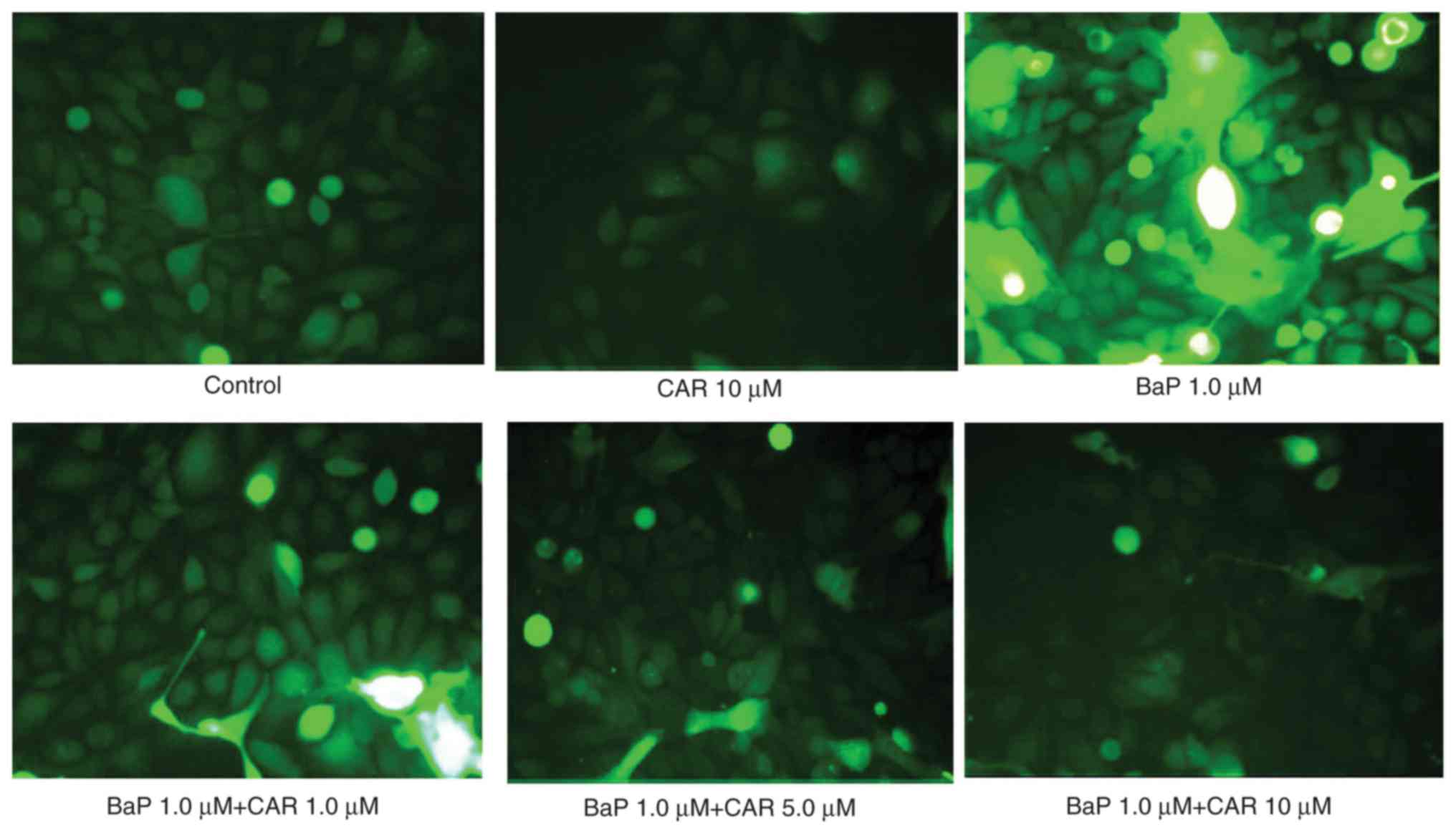
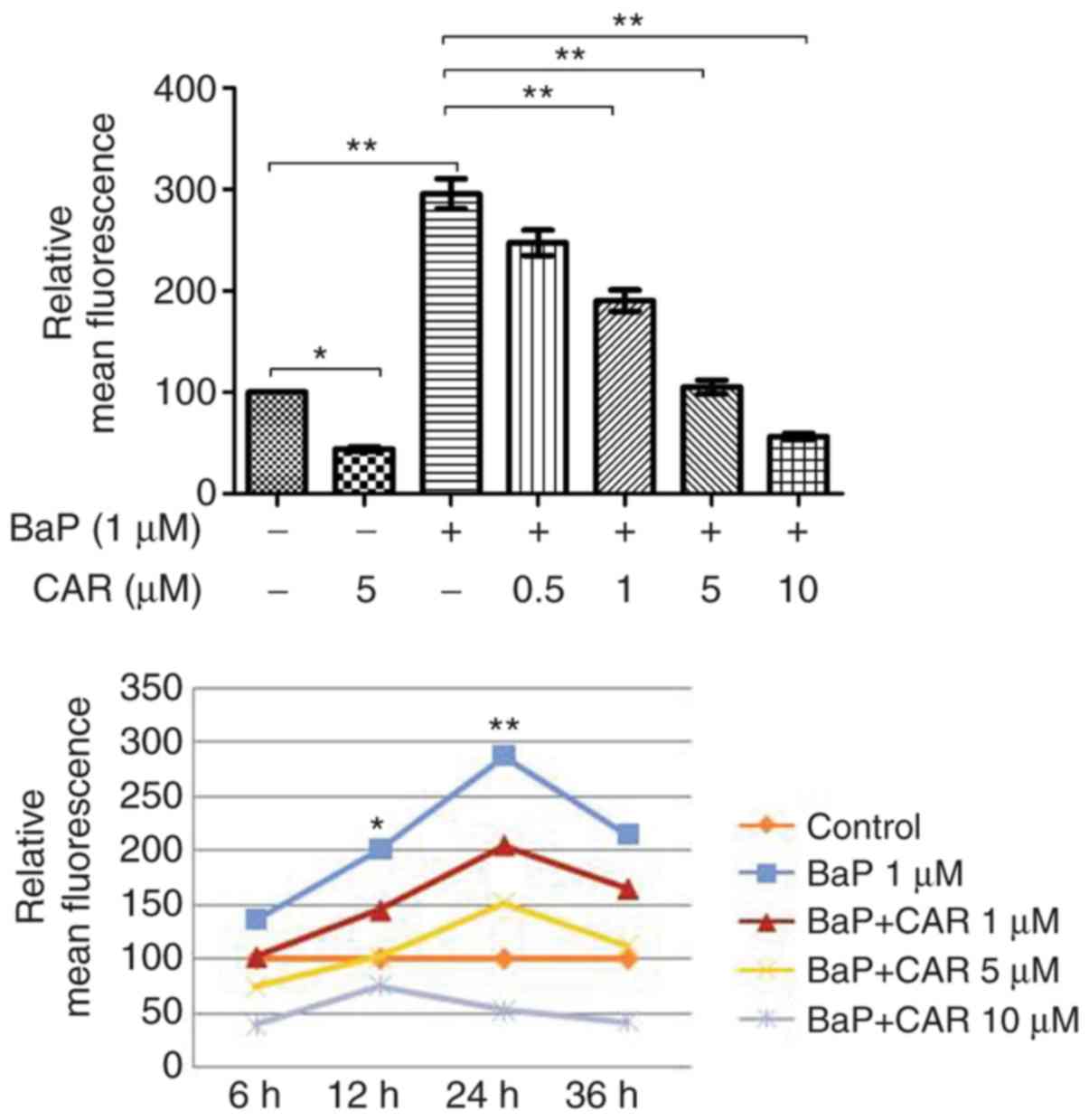
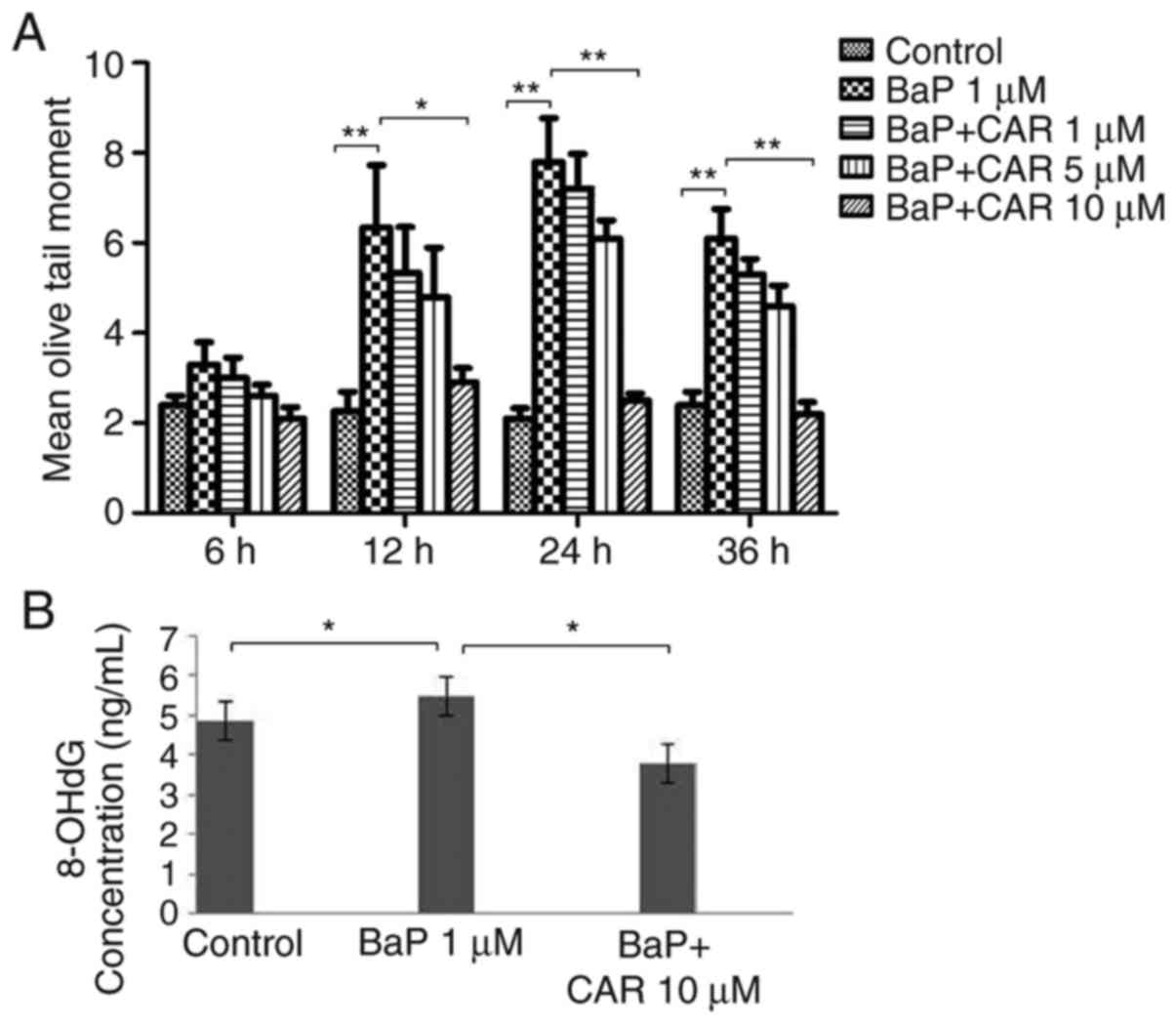
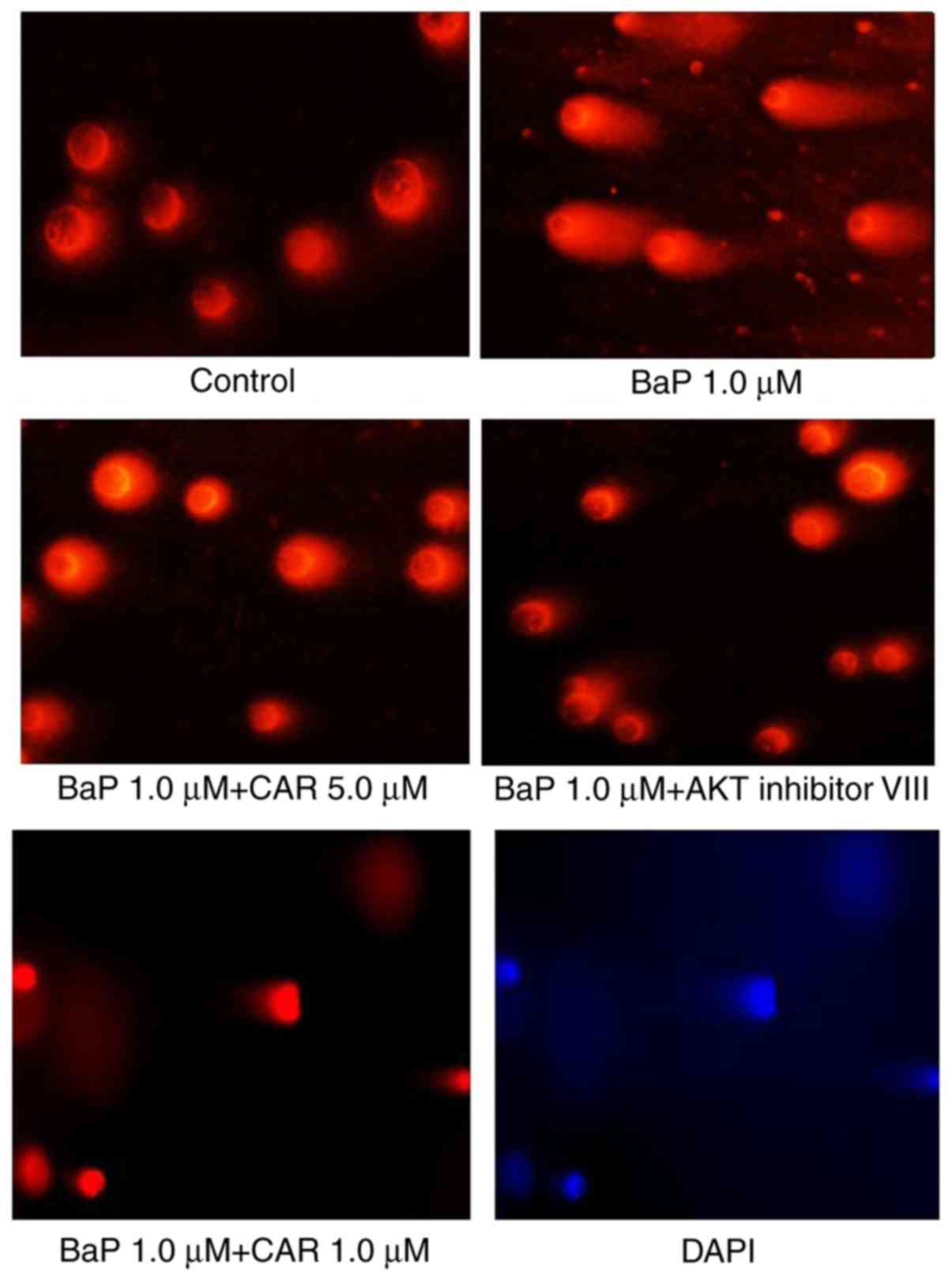
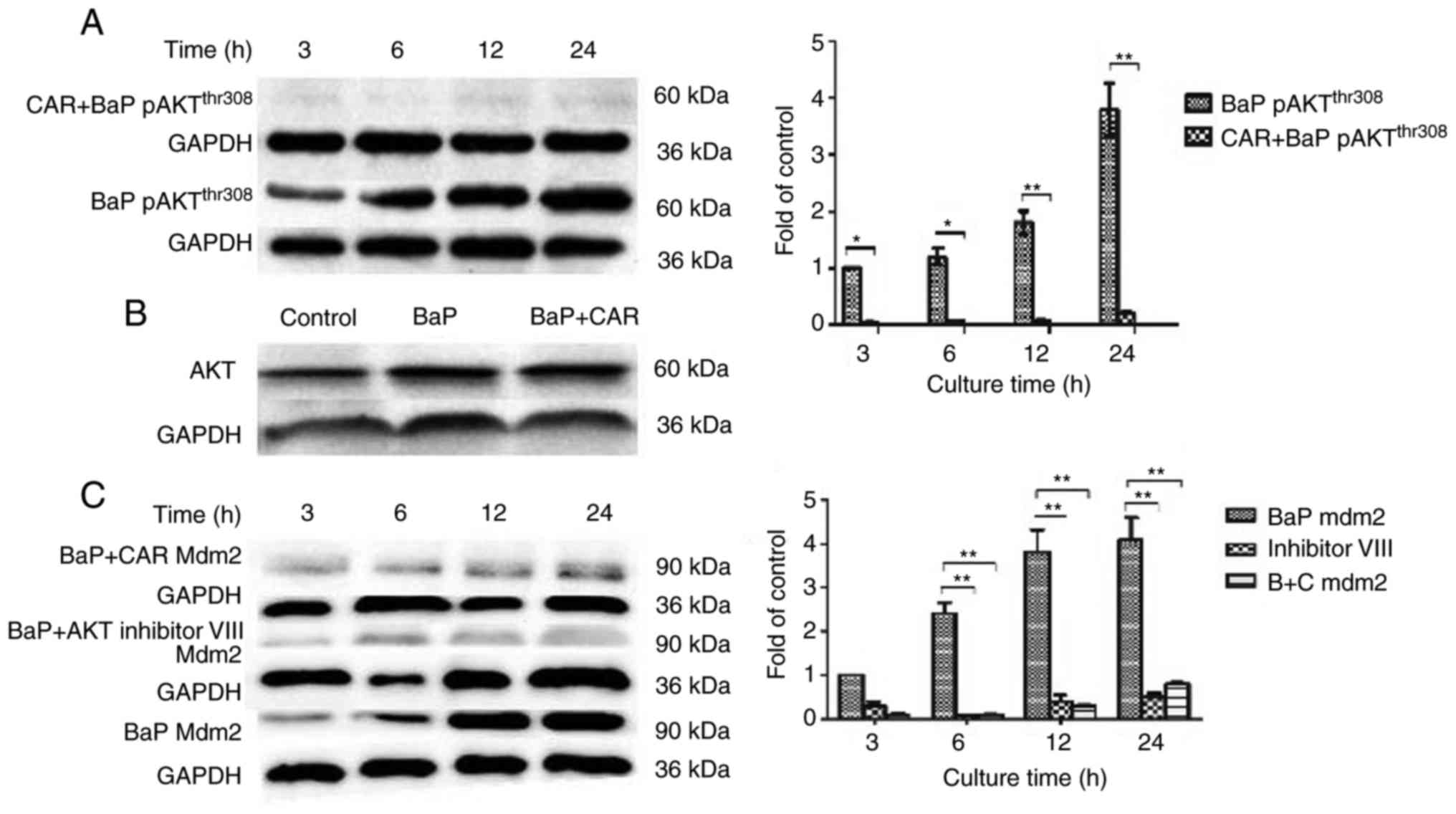
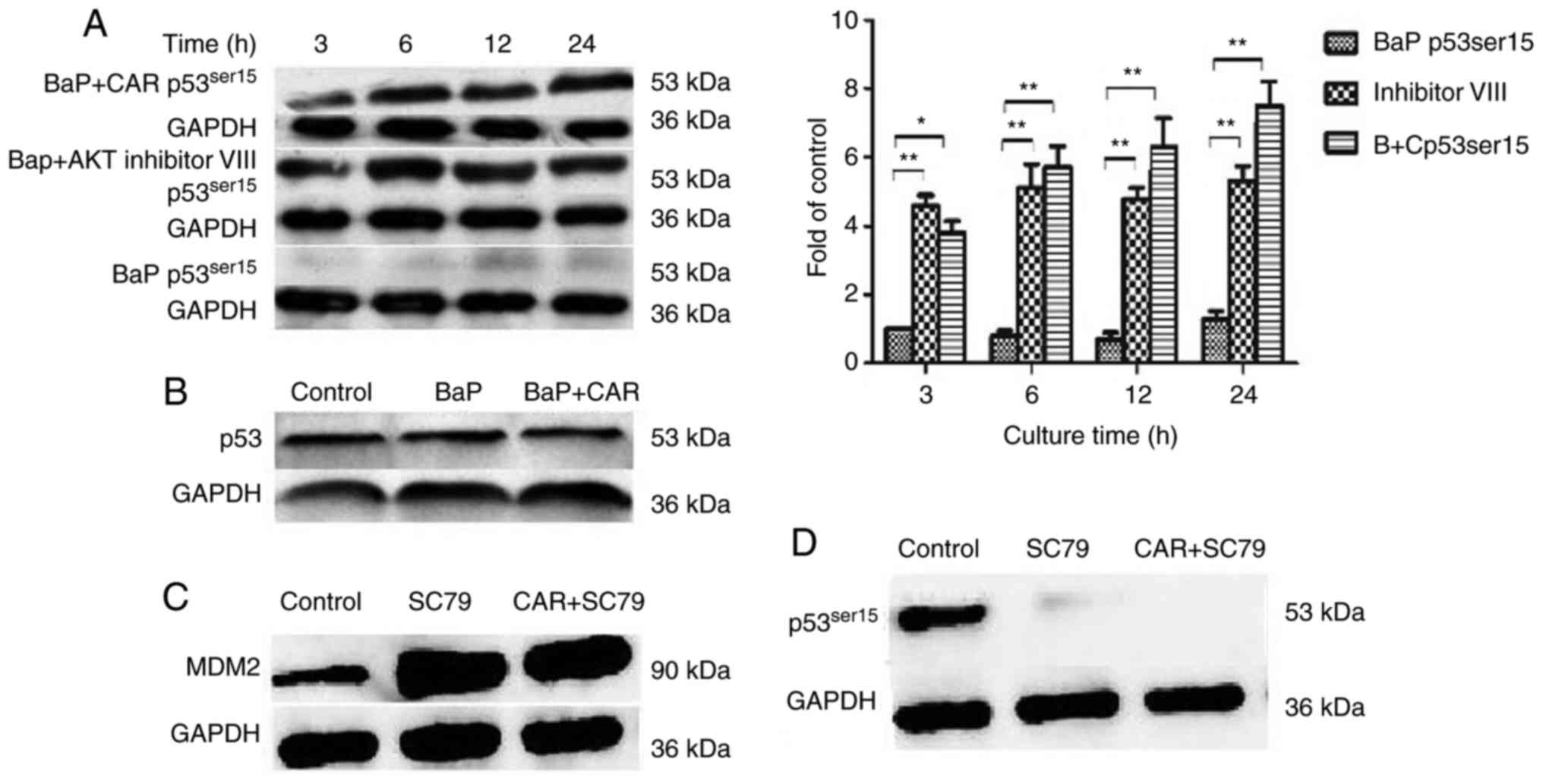
Reactive oxygen species (ROS) cause oncogenic mutations through direct interaction with DNA. Carvedilol (CAR) exhibits antioxidative activity, and pre‑clinical studies have identified that CAR may prevent malignant transformation in certain carcinogenic models. This suggests that CAR may be a potential agent in cancer prevention. In the present study, non‑cancerous MCF‑10A cells were used as a model to investigate the chemopreventive effect of CAR on benzo(a)pyrene (BaP)‑induced cellular carcinogenesis. It was identified that CAR had the ability to eliminate BaP‑induced ROS production and subsequent DNA damage. CAR/BaP activated the ROS‑mediated phosphoinositide 3‑kinase (PI3K)/protein kinase B (AKT)Thr308 signaling pathway, whereas the effectors of the PI3K/AKT signaling pathway, murine double minute 2 (MDM2) and p53Ser15, served important functions in the BaP/CAR‑mediated MCF10A cellular transformation. The results of the present study indicated that CAR may be a novel chemopreventive agent, notably in the prevention of estrogen receptor‑negative breast cancer. The antioxidant effects of CAR may contribute to its chemopreventive activity.
View Figures

Figure 1

Figure 2

Figure 3

Figure 4

Figure 5

Figure 6

View References

1 

Wu Q and Ni X: ROS-mediated DNA methylation pattern alterations in carcinogenesis. Curr Drug Targets. 16:13–19. 2015. View Article : Google Scholar : PubMed/NCBI

2 

Cooke MS, Evans MD, Dizdaroglu M and Lunec J: Oxidative DNA damage: Mechanisms, mutation, and disease. FASEB J. 17:1195–1214. 2003. View Article : Google Scholar : PubMed/NCBI

3 

Oliveira PJ, Goncalves L, Monteiro P, Providencia LA and Moreno AJ: Are the antioxidant properties of carvedilol important for the protection of cardiac mitochondria? Curr Vasc Pharmacol. 3:147–158. 2005. View Article : Google Scholar : PubMed/NCBI

4 

Erguven M, Yazihan N, Aktas E, Sabanci A, Li CJ, Oktem G and Bilir A: Carvedilol in glioma treatment alone and with imatinib in vitro. Int J Oncol. 36:857–866. 2010. View Article : Google Scholar : PubMed/NCBI

5 

Dezong G, Zhongbing M, Qinye F and Zhigang Y: Carvedilol suppresses migration and invasion of malignant breast cells by inactivating Src involving cAMP/PKA and PKCδ signaling pathway. J Cancer Res Ther. 10:998–1003. 2014. View Article : Google Scholar : PubMed/NCBI

6 

Lin CS, Lin WS, Lin CL and Kao CH: Carvedilol use is associated with reduced cancer risk: A nationwide population-based cohort study. Int J Cardiol. 184:9–13. 2015. View Article : Google Scholar : PubMed/NCBI

7 

Chang A, Yeung S, Thakkar A, Huang KM, Liu MM, Kanassatega RS, Parsa C, Orlando R, Jackson EK, Andresen BT, et al: Prevention of skin carcinogenesis by the β-blocker carvedilol. Cancer Prev Res (Phila). 8:27–36. 2015. View Article : Google Scholar : PubMed/NCBI

8 

Kastrati I, Edirisinghe PD, Hemachandra LP, Chandrasena ER, Choi J, Wang YT, Bolton JL and Thatcher GR: Raloxifene and desmethylarzoxifene block estrogen-induced malignant transformation of human breast epithelial cells. PLoS One. 6:e278762011. View Article : Google Scholar : PubMed/NCBI

9 

Nkrumah-Elie YM, Reuben JS, Hudson A, Taka E, Badisa R, Ardley T, Israel B, Sadrud-Din SY, Oriaku E and Darling-Reed SF: Diallyl trisulfide as an inhibitor of benzo(a)pyrene-induced precancerous carcinogenesis in MCF-10A cells. Food Chem Toxicol. 50:2524–2530. 2012. View Article : Google Scholar : PubMed/NCBI

10 

Song X, Siriwardhana N, Rathore K, Lin D and Wang HC: Grape seed proanthocyanidin suppression of breast cell carcinogenesis induced by chronic exposure to combined 4-(methylnitrosamino)-1-(3-pyridyl)-1-butanone and benzo[a]pyrene. Mol Carcinog. 49:450–463. 2010.PubMed/NCBI

11 

Yue TL, McKenna PJ, Lysko PG, Gu JL, Lysko KA, Ruffolo RR Jr and Feuerstein GZ: SB211475, a metabolite of carvedilol, a novel antihypertensive agent, is a potent antioxidant. Eur J Pharmacol. 251:237–243. 1994. View Article : Google Scholar : PubMed/NCBI

12 

Mohapatra P, Preet R, Das D, Satapathy SR, Siddharth S, Choudhuri T, Wyatt MD and Kundu CN: The contribution of heavy metals in cigarette smoke condensate to malignant transformation of breast epithelial cells and in vivo initiation of neoplasia through induction of a PI3K-AKT-NFκB cascade. Toxicol Appl Pharmacol. 274:168–179. 2014. View Article : Google Scholar : PubMed/NCBI

13 

Son YO, Pratheeshkumar P, Wang L, Wang X, Fan J, Kim DH, Lee JY, Zhang Z, Lee JC and Shi X: Reactive oxygen species mediate Cr(VI)-induced carcinogenesis through PI3K/AKT-dependent activation of GSK-3β/β-catenin signaling. Toxicol Appl Pharmacol. 271:239–248. 2013. View Article : Google Scholar : PubMed/NCBI

14 

Astle MV, Hannan KM, Ng PY, Lee RS, George AJ, Hsu AK, Haupt Y, Hannan RD and Pearson RB: AKT induces senescence in human cells via mTORC1 and p53 in the absence of DNA damage: Implications for targeting mTOR during malignancy. Oncogene. 31:1949–1962. 2012. View Article : Google Scholar : PubMed/NCBI

15 

He J, Zhu G, Gao L, Chen P, Long Y, Liao S, Yi H, Yi W, Pei Z, Wu M, et al: Fra-1 is upregulated in gastric cancer tissues and affects the PI3K/Akt and p53 signaling pathway in gastric cancer. Int J Oncol. 47:1725–1734. 2015. View Article : Google Scholar : PubMed/NCBI

16 

Wojtovich AP and Foster TH: Optogenetic control of ROS production. Redox Biol. 2:368–376. 2014. View Article : Google Scholar : PubMed/NCBI

17 

Gupta SC, Hevia D, Patchva S, Park B, Koh W and Aggarwal BB: Upsides and downsides of reactive oxygen species for cancer: The roles of reactive oxygen species in tumorigenesis, prevention, and therapy. Antioxid Redox Signal. 16:1295–1322. 2012. View Article : Google Scholar : PubMed/NCBI

18 

Zhang C, Cao S, Toole BP and Xu Y: Cancer may be a pathway to cell survival under persistent hypoxia and elevated ROS A model for solid-cancer initiation and early development. Int J Cancer. 136:2001–2011. 2015. View Article : Google Scholar : PubMed/NCBI

19 

Cichon MA and Radisky DC: ROS-induced epithelial-mesenchymal transition in mammary epithelial cells is mediated by NF-κB-dependent activation of Snail. Oncotarget. 5:2827–2838. 2014. View Article : Google Scholar : PubMed/NCBI

20 

Nourazarian AR, Kangari P and Salmaninejad A: Roles of oxidative stress in the development and progression of breast cancer. Asian Pac J Cancer Prev. 15:4745–4751. 2014. View Article : Google Scholar : PubMed/NCBI

21 

Pluchino LA, Liu AK and Wang HC: Reactive oxygen species-mediated breast cell carcinogenesis enhanced by multiple carcinogens and intervened by dietary ergosterol and mimosine. Free Radic Biol Med. 80:12–26. 2015. View Article : Google Scholar : PubMed/NCBI

22 

Yue TL, Cheng HY, Lysko PG, McKenna PJ, Feuerstein R, Gu JL, Lysko KA, Davis LL and Feuerstein G: Carvedilol, a new vasodilator and beta adrenoceptor antagonist, is an antioxidant and free radical scavenger. J Pharmacol Exp Ther. 263:92–98. 1992.PubMed/NCBI

23 

Sigounas G, Hairr JW, Cooke CD, Owen JR, Asch AS, Weidner DA and Wiley JE: Role of benzo[a]pha]pyrene in generation of clustered DNA damage in human breast tissue. Free Radic Biol Med. 49:77–87. 2010. View Article : Google Scholar : PubMed/NCBI

24 

Siriwardhana N and Wang HC: Precancerous carcinogenesis of human breast epithelial cells by chronic exposure to benzo[a]pyrene. Mol Carcinog. 47:338–348. 2008. View Article : Google Scholar : PubMed/NCBI

25 

Petrulea MS, Plantinga TS, Smit JW, Georgescu CE and NeteaMaier RT: PI3K/Akt/mTOR: A promising therapeutic target for non-medullary thyroid carcinoma. Cancer Treat Rev. 41:707–713. 2015. View Article : Google Scholar : PubMed/NCBI

26 

Su CH, Wang CY, Lan KH, Li CP, Chao Y, Lin HC, Lee SD and Lee WP: Akt phosphorylation at Thr308 and Ser473 is required for CHIP-mediated ubiquitination of the kinase. Cell Signal. 23:1824–1830. 2011. View Article : Google Scholar : PubMed/NCBI

27 

Vincent EE, Elder DJ, Thomas EC, Phillips L, Morgan C, Pawade J, Sohail M, May MT, Hetzel MR and Tavaré JM: Akt phosphorylation on Thr308 but not on Ser473 correlates with Akt protein kinase activity in human non-small cell lung cancer. Br J Cancer. 104:1755–1761. 2011. View Article : Google Scholar : PubMed/NCBI

28 

Mayo LD and Donner DB: A phosphatidylinositol 3-kinase/Akt pathway promotes translocation of Mdm2 from the cytoplasm to the nucleus. Proc Natl Acad Sci USA. 98:11598–11603. 2001. View Article : Google Scholar : PubMed/NCBI

29 

Umannová L, Machala M, Topinka J, Schmuczerová J, Krčmář P, Neča J, Šujanová K, Kozubík A and Vondráček J: Benzo[a]pyrene and tumor necrosis factor-α coordinately increase genotoxic damage and the production of proinflammatory mediators in alveolar epithelial type II cells. Toxicol Lett. 206:121–129. 2011. View Article : Google Scholar : PubMed/NCBI

30 

Cromie MM, Liu Z and Gao W: Epigallocatechin-3-gallate augments the therapeutic effects of benzo[a]pyrene-mediated lung carcinogenesis. Biofactors. 43:529–539. 2017. View Article : Google Scholar : PubMed/NCBI

31 

Pääjärvi G, Jernström B, Seidel A and Stenius U: Anti-diol epoxide of benzo[a]pyrene induces transient Mdm2 and p53 Ser15 phosphorylation, while anti-diol epoxide of dibenzo[a,l]pyrene induces a nontransient p53 Ser15 phosphorylation. Mol Carcinog. 47:301–309. 2008. View Article : Google Scholar : PubMed/NCBI

32 

Lambert PF, Kashanchi F, Radonovich MF, Shiekhattar R and Brady JN: Phosphorylation of p53 serine 15 increases interaction with CBP. J Biol Chem. 273:33048–33053. 1998. View Article : Google Scholar : PubMed/NCBI

33 

Zhou BP, Liao Y, Xia W, Zou Y, Spohn B and Hung MC: HER-2/neu induces p53 ubiquitination via Akt-mediated MDM2 phosphorylation. Nat Cell Biol. 3:973–982. 2001. View Article : Google Scholar : PubMed/NCBI

34 

Freedman AN, Yu B, Gail MH, Costantino JP, Graubard BI, Vogel VG, Anderson GL and McCaskill-Stevens W: Benefit/risk assessment for breast cancer chemoprevention with raloxifene or tamoxifen for women age 50 years or older. J Clin Oncol. 29:2327–2333. 2011. View Article : Google Scholar : PubMed/NCBI

35 

Hemachandra LP, Patel H, Chandrasena RE, Choi J, Piyankarage SC, Wang S, Wang Y, Thayer EN, Scism RA, Michalsen BT, et al: SERMs attenuate estrogen-induced malignant transformation of human mammary epithelial cells by up-regulating detoxification of oxidative metabolites. Cancer Prev Res (Phila). 7:505–515. 2014. View Article : Google Scholar : PubMed/NCBI

36 

Balaha M, Kandeel S and Barakat W: Carvedilol suppresses circulating and hepatic IL-6 responsible for hepatocarcinogenesis of chronically damaged liver in rats. Toxicol Appl Pharmacol. 311:1–11. 2016. View Article : Google Scholar : PubMed/NCBI

Related Articles

  • Abstract
  • View
  • Download
  • Twitter
Copy and paste a formatted citation
Spandidos Publications style
Ma Z, Liu X, Zhang Q, Yu Z and Gao D: Carvedilol suppresses malignant proliferation of mammary epithelial cells through inhibition of the ROS‑mediated PI3K/AKT signaling pathway. Oncol Rep 41: 811-818, 2019.
APA
Ma, Z., Liu, X., Zhang, Q., Yu, Z., & Gao, D. (2019). Carvedilol suppresses malignant proliferation of mammary epithelial cells through inhibition of the ROS‑mediated PI3K/AKT signaling pathway. Oncology Reports, 41, 811-818. https://doi.org/10.3892/or.2018.6873
MLA
Ma, Z., Liu, X., Zhang, Q., Yu, Z., Gao, D."Carvedilol suppresses malignant proliferation of mammary epithelial cells through inhibition of the ROS‑mediated PI3K/AKT signaling pathway". Oncology Reports 41.2 (2019): 811-818.
Chicago
Ma, Z., Liu, X., Zhang, Q., Yu, Z., Gao, D."Carvedilol suppresses malignant proliferation of mammary epithelial cells through inhibition of the ROS‑mediated PI3K/AKT signaling pathway". Oncology Reports 41, no. 2 (2019): 811-818. https://doi.org/10.3892/or.2018.6873
Copy and paste a formatted citation
x
Spandidos Publications style
Ma Z, Liu X, Zhang Q, Yu Z and Gao D: Carvedilol suppresses malignant proliferation of mammary epithelial cells through inhibition of the ROS‑mediated PI3K/AKT signaling pathway. Oncol Rep 41: 811-818, 2019.
APA
Ma, Z., Liu, X., Zhang, Q., Yu, Z., & Gao, D. (2019). Carvedilol suppresses malignant proliferation of mammary epithelial cells through inhibition of the ROS‑mediated PI3K/AKT signaling pathway. Oncology Reports, 41, 811-818. https://doi.org/10.3892/or.2018.6873
MLA
Ma, Z., Liu, X., Zhang, Q., Yu, Z., Gao, D."Carvedilol suppresses malignant proliferation of mammary epithelial cells through inhibition of the ROS‑mediated PI3K/AKT signaling pathway". Oncology Reports 41.2 (2019): 811-818.
Chicago
Ma, Z., Liu, X., Zhang, Q., Yu, Z., Gao, D."Carvedilol suppresses malignant proliferation of mammary epithelial cells through inhibition of the ROS‑mediated PI3K/AKT signaling pathway". Oncology Reports 41, no. 2 (2019): 811-818. https://doi.org/10.3892/or.2018.6873
Follow us
  • Twitter
  • LinkedIn
  • Facebook
About
  • Spandidos Publications
  • Careers
  • Cookie Policy
  • Privacy Policy
How can we help?
  • Help
  • Live Chat
  • Contact
  • Email to our Support Team