Spandidos Publications Logo
  • About
    • About Spandidos
    • Aims and Scopes
    • Abstracting and Indexing
    • Editorial Policies
    • Reprints and Permissions
    • Job Opportunities
    • Terms and Conditions
    • Contact
  • Journals
    • All Journals
    • Oncology Letters
      • Oncology Letters
      • Information for Authors
      • Editorial Policies
      • Editorial Board
      • Aims and Scope
      • Abstracting and Indexing
      • Bibliographic Information
      • Archive
    • International Journal of Oncology
      • International Journal of Oncology
      • Information for Authors
      • Editorial Policies
      • Editorial Board
      • Aims and Scope
      • Abstracting and Indexing
      • Bibliographic Information
      • Archive
    • Molecular and Clinical Oncology
      • Molecular and Clinical Oncology
      • Information for Authors
      • Editorial Policies
      • Editorial Board
      • Aims and Scope
      • Abstracting and Indexing
      • Bibliographic Information
      • Archive
    • Experimental and Therapeutic Medicine
      • Experimental and Therapeutic Medicine
      • Information for Authors
      • Editorial Policies
      • Editorial Board
      • Aims and Scope
      • Abstracting and Indexing
      • Bibliographic Information
      • Archive
    • International Journal of Molecular Medicine
      • International Journal of Molecular Medicine
      • Information for Authors
      • Editorial Policies
      • Editorial Board
      • Aims and Scope
      • Abstracting and Indexing
      • Bibliographic Information
      • Archive
    • Biomedical Reports
      • Biomedical Reports
      • Information for Authors
      • Editorial Policies
      • Editorial Board
      • Aims and Scope
      • Abstracting and Indexing
      • Bibliographic Information
      • Archive
    • Oncology Reports
      • Oncology Reports
      • Information for Authors
      • Editorial Policies
      • Editorial Board
      • Aims and Scope
      • Abstracting and Indexing
      • Bibliographic Information
      • Archive
    • Molecular Medicine Reports
      • Molecular Medicine Reports
      • Information for Authors
      • Editorial Policies
      • Editorial Board
      • Aims and Scope
      • Abstracting and Indexing
      • Bibliographic Information
      • Archive
    • World Academy of Sciences Journal
      • World Academy of Sciences Journal
      • Information for Authors
      • Editorial Policies
      • Editorial Board
      • Aims and Scope
      • Abstracting and Indexing
      • Bibliographic Information
      • Archive
    • International Journal of Functional Nutrition
      • International Journal of Functional Nutrition
      • Information for Authors
      • Editorial Policies
      • Editorial Board
      • Aims and Scope
      • Abstracting and Indexing
      • Bibliographic Information
      • Archive
    • International Journal of Epigenetics
      • International Journal of Epigenetics
      • Information for Authors
      • Editorial Policies
      • Editorial Board
      • Aims and Scope
      • Abstracting and Indexing
      • Bibliographic Information
      • Archive
    • Medicine International
      • Medicine International
      • Information for Authors
      • Editorial Policies
      • Editorial Board
      • Aims and Scope
      • Abstracting and Indexing
      • Bibliographic Information
      • Archive
  • Articles
  • Information
    • Information for Authors
    • Information for Reviewers
    • Information for Librarians
    • Information for Advertisers
    • Conferences
  • Language Editing
Spandidos Publications Logo
  • About
    • About Spandidos
    • Aims and Scopes
    • Abstracting and Indexing
    • Editorial Policies
    • Reprints and Permissions
    • Job Opportunities
    • Terms and Conditions
    • Contact
  • Journals
    • All Journals
    • Biomedical Reports
      • Information for Authors
      • Editorial Policies
      • Editorial Board
      • Aims and Scope
      • Abstracting and Indexing
      • Bibliographic Information
      • Archive
    • Experimental and Therapeutic Medicine
      • Information for Authors
      • Editorial Policies
      • Editorial Board
      • Aims and Scope
      • Abstracting and Indexing
      • Bibliographic Information
      • Archive
    • International Journal of Epigenetics
      • Information for Authors
      • Editorial Policies
      • Editorial Board
      • Aims and Scope
      • Abstracting and Indexing
      • Bibliographic Information
      • Archive
    • International Journal of Functional Nutrition
      • Information for Authors
      • Editorial Policies
      • Editorial Board
      • Aims and Scope
      • Abstracting and Indexing
      • Bibliographic Information
      • Archive
    • International Journal of Molecular Medicine
      • Information for Authors
      • Editorial Policies
      • Editorial Board
      • Aims and Scope
      • Abstracting and Indexing
      • Bibliographic Information
      • Archive
    • International Journal of Oncology
      • Information for Authors
      • Editorial Policies
      • Editorial Board
      • Aims and Scope
      • Abstracting and Indexing
      • Bibliographic Information
      • Archive
    • Medicine International
      • Information for Authors
      • Editorial Policies
      • Editorial Board
      • Aims and Scope
      • Abstracting and Indexing
      • Bibliographic Information
      • Archive
    • Molecular and Clinical Oncology
      • Information for Authors
      • Editorial Policies
      • Editorial Board
      • Aims and Scope
      • Abstracting and Indexing
      • Bibliographic Information
      • Archive
    • Molecular Medicine Reports
      • Information for Authors
      • Editorial Policies
      • Editorial Board
      • Aims and Scope
      • Abstracting and Indexing
      • Bibliographic Information
      • Archive
    • Oncology Letters
      • Information for Authors
      • Editorial Policies
      • Editorial Board
      • Aims and Scope
      • Abstracting and Indexing
      • Bibliographic Information
      • Archive
    • Oncology Reports
      • Information for Authors
      • Editorial Policies
      • Editorial Board
      • Aims and Scope
      • Abstracting and Indexing
      • Bibliographic Information
      • Archive
    • World Academy of Sciences Journal
      • Information for Authors
      • Editorial Policies
      • Editorial Board
      • Aims and Scope
      • Abstracting and Indexing
      • Bibliographic Information
      • Archive
  • Articles
  • Information
    • For Authors
    • For Reviewers
    • For Librarians
    • For Advertisers
    • Conferences
  • Language Editing
Login Register Submit
  • This site uses cookies
  • You can change your cookie settings at any time by following the instructions in our Cookie Policy. To find out more, you may read our Privacy Policy.

    I agree
Search articles by DOI, keyword, author or affiliation
Search
Advanced Search
presentation
Oncology Reports
Join Editorial Board Propose a Special Issue
Print ISSN: 1021-335X Online ISSN: 1791-2431
Journal Cover
March-2019 Volume 41 Issue 3

Full Size Image

Sign up for eToc alerts
Recommend to Library

Journals

International Journal of Molecular Medicine

International Journal of Molecular Medicine

International Journal of Molecular Medicine is an international journal devoted to molecular mechanisms of human disease.

International Journal of Oncology

International Journal of Oncology

International Journal of Oncology is an international journal devoted to oncology research and cancer treatment.

Molecular Medicine Reports

Molecular Medicine Reports

Covers molecular medicine topics such as pharmacology, pathology, genetics, neuroscience, infectious diseases, molecular cardiology, and molecular surgery.

Oncology Reports

Oncology Reports

Oncology Reports is an international journal devoted to fundamental and applied research in Oncology.

Experimental and Therapeutic Medicine

Experimental and Therapeutic Medicine

Experimental and Therapeutic Medicine is an international journal devoted to laboratory and clinical medicine.

Oncology Letters

Oncology Letters

Oncology Letters is an international journal devoted to Experimental and Clinical Oncology.

Biomedical Reports

Biomedical Reports

Explores a wide range of biological and medical fields, including pharmacology, genetics, microbiology, neuroscience, and molecular cardiology.

Molecular and Clinical Oncology

Molecular and Clinical Oncology

International journal addressing all aspects of oncology research, from tumorigenesis and oncogenes to chemotherapy and metastasis.

World Academy of Sciences Journal

World Academy of Sciences Journal

Multidisciplinary open-access journal spanning biochemistry, genetics, neuroscience, environmental health, and synthetic biology.

International Journal of Functional Nutrition

International Journal of Functional Nutrition

Open-access journal combining biochemistry, pharmacology, immunology, and genetics to advance health through functional nutrition.

International Journal of Epigenetics

International Journal of Epigenetics

Publishes open-access research on using epigenetics to advance understanding and treatment of human disease.

Medicine International

Medicine International

An International Open Access Journal Devoted to General Medicine.

Journal Cover
March-2019 Volume 41 Issue 3

Full Size Image

Sign up for eToc alerts
Recommend to Library

  • Article
  • Citations
    • Cite This Article
    • Download Citation
    • Create Citation Alert
    • Remove Citation Alert
    • Cited By
  • Similar Articles
    • Related Articles (in Spandidos Publications)
    • Similar Articles (Google Scholar)
    • Similar Articles (PubMed)
  • Download PDF
  • Download XML
  • View XML
Article Open Access

Bromodomain‑containing protein 7 sensitizes breast cancer cells to paclitaxel by activating Bcl2‑antagonist/killer protein

  • Authors:
    • Jinqi Ma
    • Weihong Niu
    • Xinye Wang
    • Yao Zhou
    • Heran Wang
    • Fengxia Liu
    • Yukun Liu
    • Jie Guo
    • Wei Xiong
    • Zhaoyang Zeng
    • Songqing Fan
    • Xiaoling Li
    • Xinmin Nie
    • Guiyuan Li
    • Rong Gui
    • Yanwei Luo
    • Ming Zhou
  • View Affiliations / Copyright

    Affiliations: The Key Laboratory of Carcinogenesis of The Chinese Ministry of Health and The Key Laboratory of Carcinogenesis and Cancer Invasion of the Chinese Ministry of Education, Xiangya Hospital, Central South University, Changsha, Hunan 410078, P.R. China, Cancer Research Institute and School of Basic Medical Sciences, Central South University, Changsha, Hunan 410078, P.R. China, Department of Blood Transfusion, The Third Xiang‑Ya Hospital, Central South University, Changsha, Hunan 410013, P.R. China, National Institution of Drug Clinical Trial, Xiangya Hospital, Central South University, Changsha, Hunan 410078, P.R. China, Department of Pathology, The Second Xiang‑Ya Hospital, Central South University, Changsha, Hunan 410011, P.R. China
    Copyright: © Ma et al. This is an open access article distributed under the terms of Creative Commons Attribution License.
  • Pages: 1487-1496
    |
    Published online on: December 21, 2018
       https://doi.org/10.3892/or.2018.6951
  • Expand metrics +
Metrics: Total Views: 0 (Spandidos Publications: | PMC Statistics: )
Metrics: Total PDF Downloads: 0 (Spandidos Publications: | PMC Statistics: )
Cited By (CrossRef): 0 citations Loading Articles...

This article is mentioned in:


Abstract

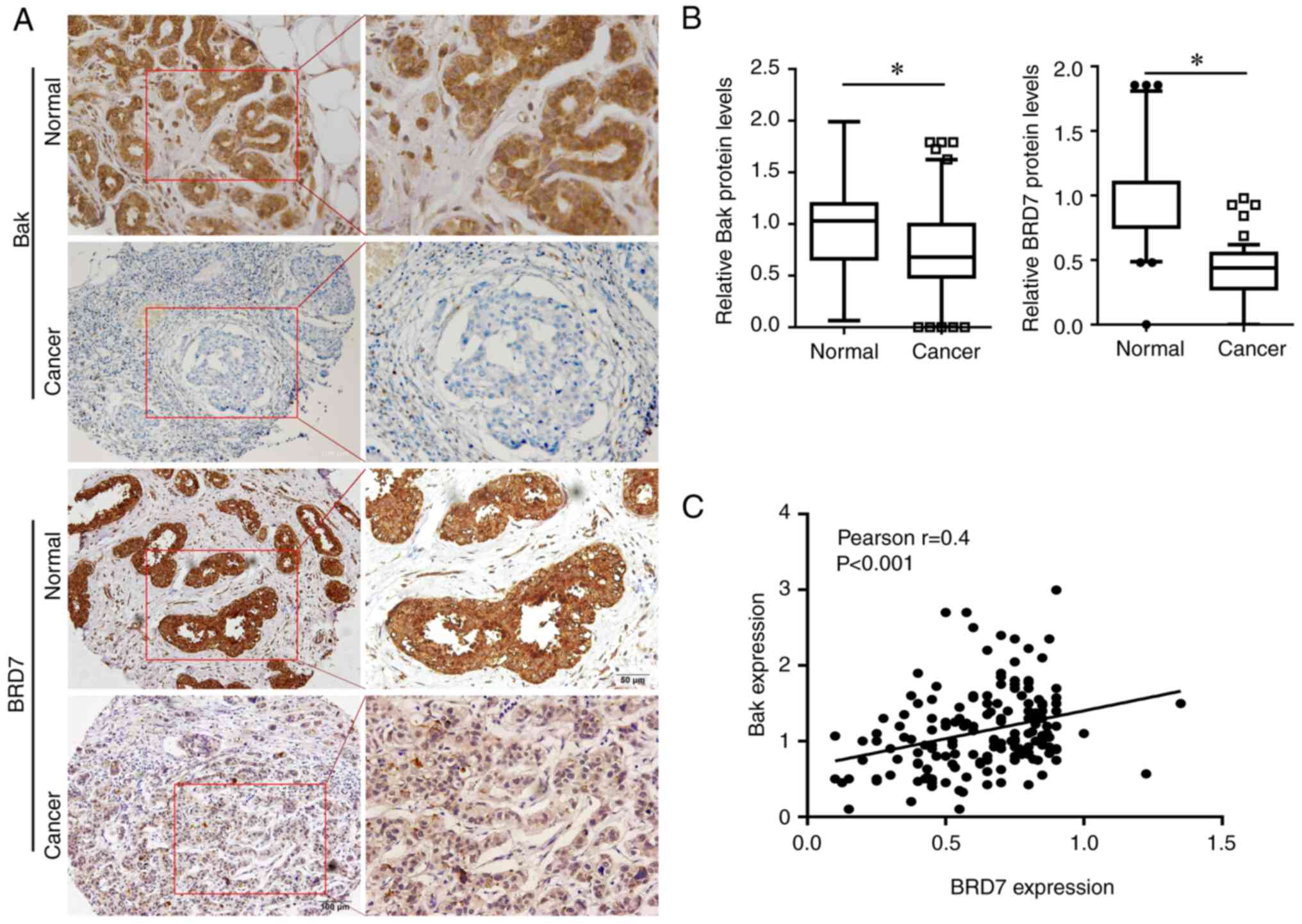
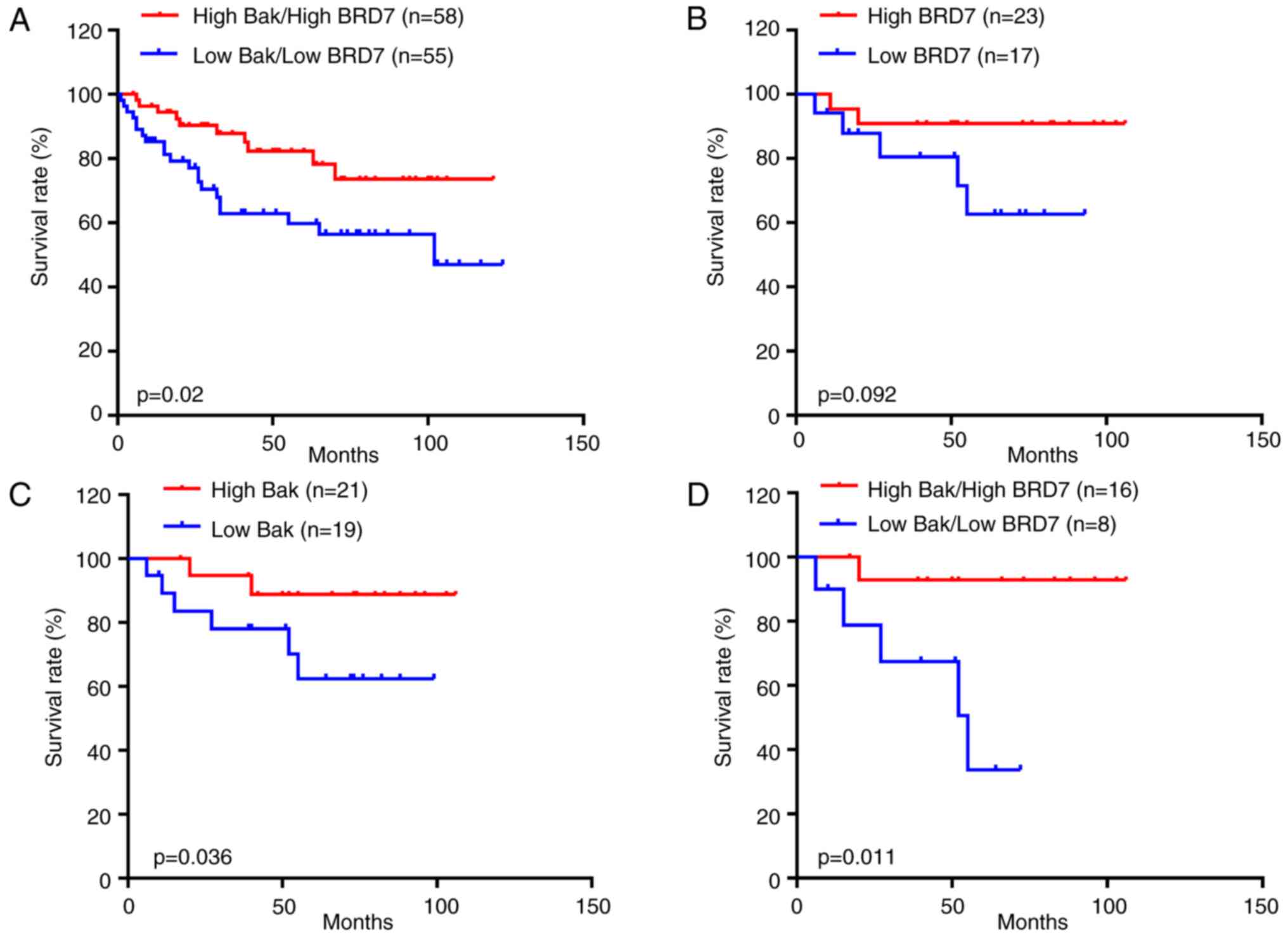
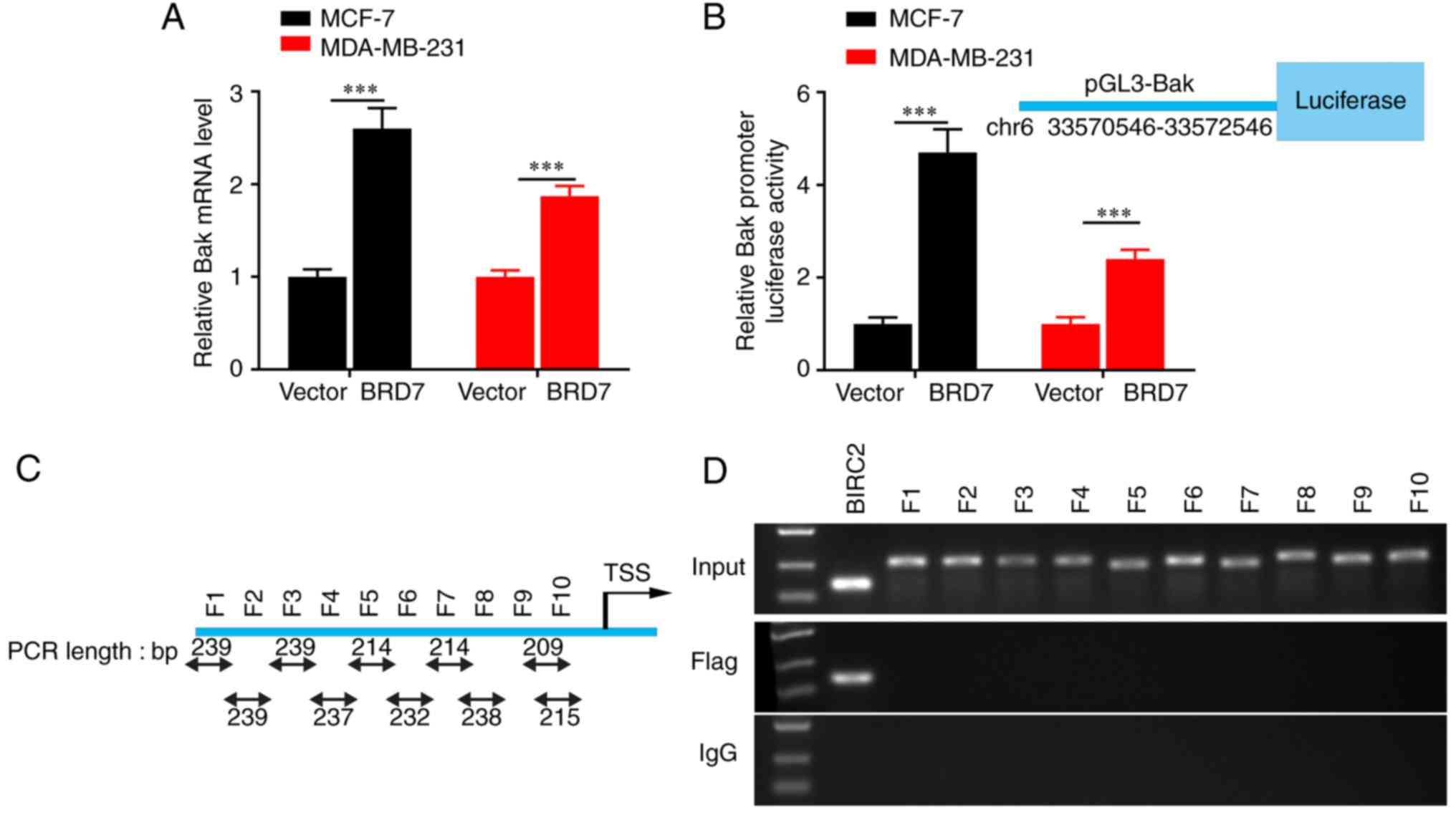
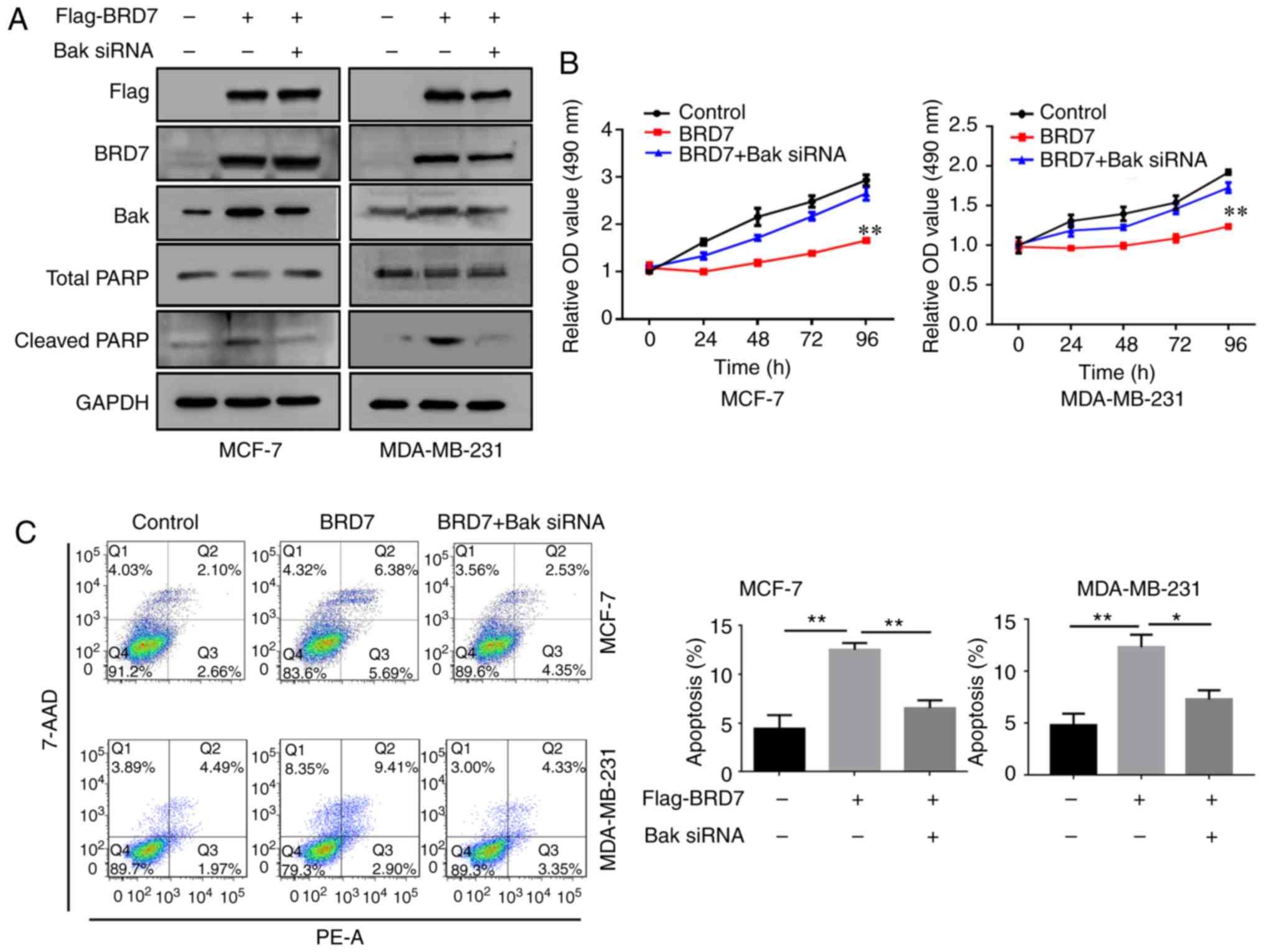
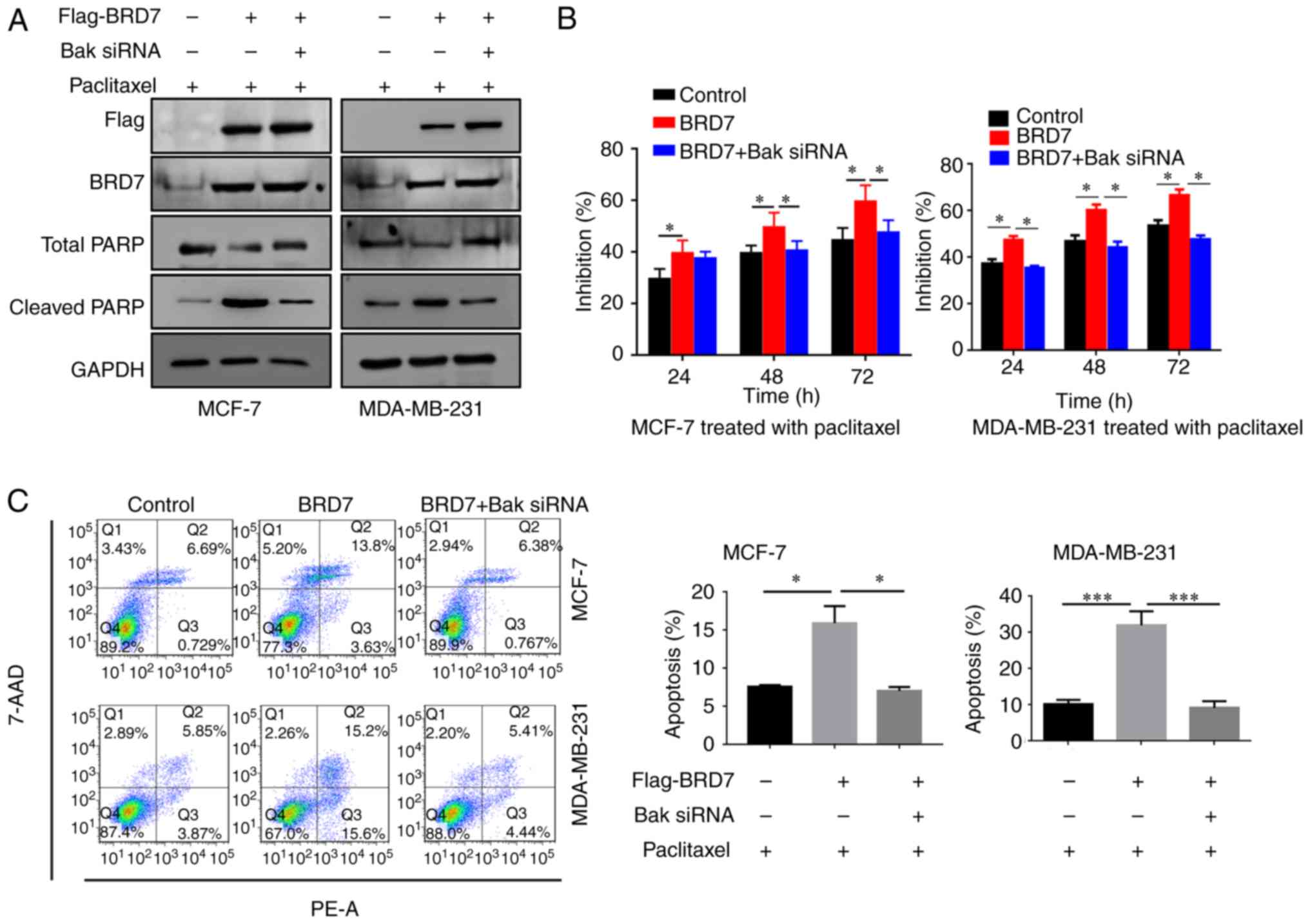
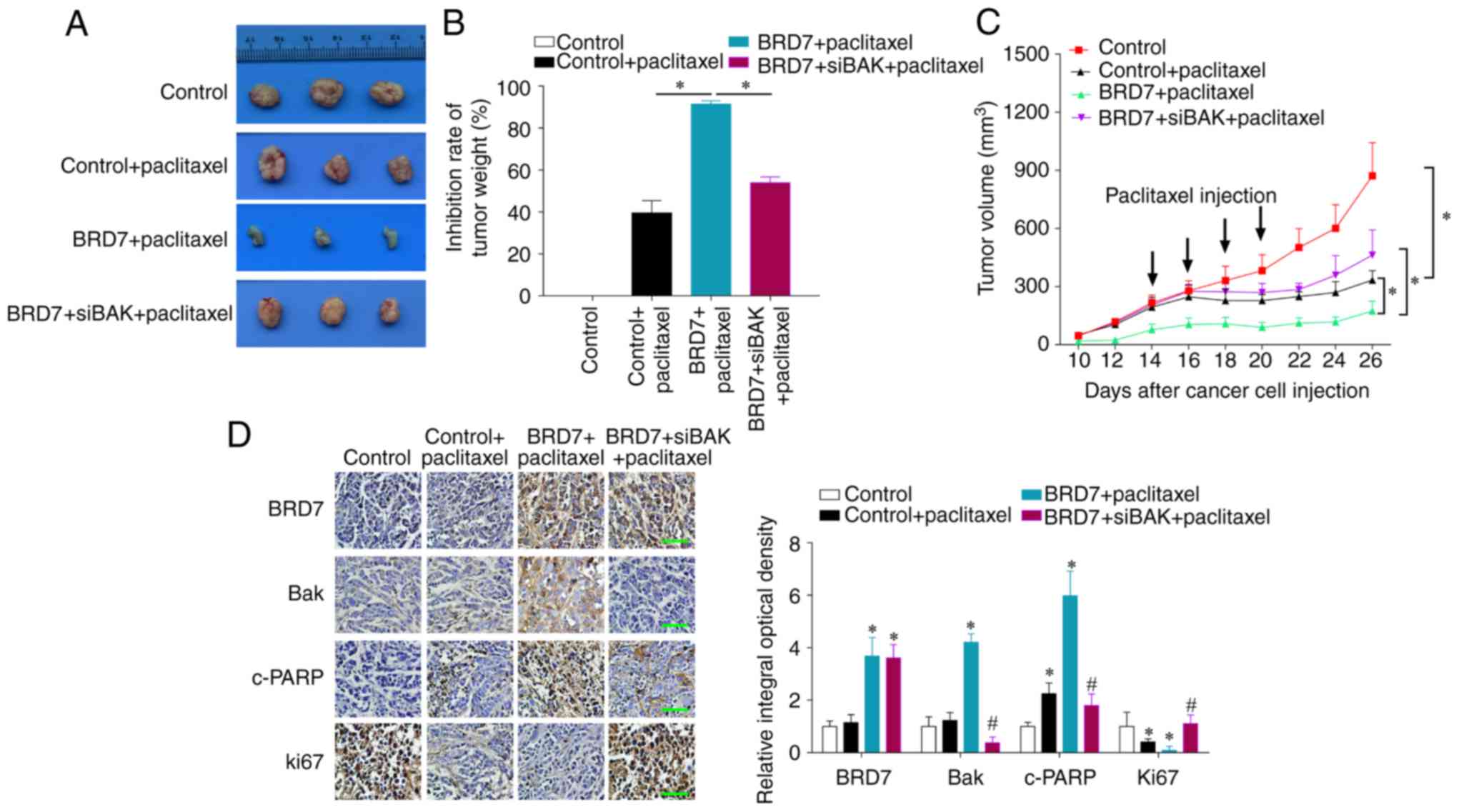
Our previous study demonstrated that bromodomain‑containing protein 7 (BRD7) inhibits cell proliferation and tumor growth, restoring the expression of B‑cell lymphoma 2 antagonist/killer (Bak) sensitized breast cancer cells to paclitaxel. However, the association between BRD7 and paclitaxel sensitization, as well as BRD7 and Bak in breast cancer remains unknown. In the present study, immunochemical staining was performed to measure the expression of BRD7 and Bak in breast cancer tissues. Cell Counting Kit‑8 assay, flow cytometry and tumor xenograft procedures were performed to evaluate the biological role of BRD7 and Bak in breast cancer cells. Western blotting, reverse transcription‑quantitative polymerase chain reaction, chromatin immunoprecipitation and luciferase reporter assays were also performed. BRD7 was positively correlated with Bak levels in breast cancer tissues, and the survival rate of patients with low Bak and BRD7 expression was significantly lower than that of patients with high Bak and BRD7 expression. In addition, BRD7 activated Bak promoter activity and induced Bak expression in an indirect manner. Furthermore, ectopic expression of BRD7 inhibited cell proliferation, tumor growth and sensitized cancer cells to paclitaxel, while knockdown of Bak abolished BRD7‑mediated inhibitory effects on cell proliferation and paclitaxel sensitization in breast cancer cells whether in vitro and in vivo. The results demonstrated that BRD7 inhibits cell proliferation and sensitizes breast cancer cells to paclitaxel by activating Bak; they also provide promising targets for the diagnosis and treatment of breast cancer.
View Figures

Figure 1

Figure 2

Figure 3

Figure 4

Figure 5

Figure 6

View References

1 

Lomonosova E and Chinnadurai G: BH3-only proteins in apoptosis and beyond: An overview. Oncogene. 27 Suppl 1:S2–S19. 2008. View Article : Google Scholar : PubMed/NCBI

2 

Shamas-Din A, Brahmbhatt H, Leber B and Andrews DW: BH3-only proteins: Orchestrators of apoptosis. Biochim Biophys Acta 1813. 508–520. 2011.

3 

Ghiotto F, Fais F and Bruno S: BH3-only proteins: The death-puppeteer's wires. Cytometry A. 77:11–21. 2010.PubMed/NCBI

4 

Luo Y, Wang X, Wang H, Xu Y, Wen Q, Fan S, Zhao R, Jiang S, Yang J, Liu Y, et al: High Bak expression is associated with a favorable prognosis in breast cancer and sensitizes breast cancer cells to paclitaxel. PLoS One. 10:e1389552015. View Article : Google Scholar

5 

Birkinshaw RW and Czabotar PE: The BCL-2 family of proteins and mitochondrial outer membrane permeabilisation. Semin Cell Dev Biol. 72:152–162. 2017. View Article : Google Scholar : PubMed/NCBI

6 

Yu X, Li Z and Shen J: BRD7: A novel tumor suppressor gene in different cancers. Am J Transl Res. 8:742–748. 2016.PubMed/NCBI

7 

Liu Y, Zhao R, Wang H, Luo Y, Wang X, Niu W, Zhou Y, Wen Q, Fan S, Li X, et al: miR-141 is involved in BRD7-mediated cell proliferation and tumor formation through suppression of the PTEN/AKT pathway in nasopharyngeal carcinoma. Cell Death Dis. 7:e21562016. View Article : Google Scholar : PubMed/NCBI

8 

Chen CL, Wang Y, Pan QZ, Tang Y, Wang QJ, Pan K, Huang LX, He J, Zhao JJ, Jiang SS, et al: Bromodomain-containing protein 7 (BRD7) as a potential tumor suppressor in hepatocellular carcinoma. Oncotarget. 7:16248–16261. 2016.PubMed/NCBI

9 

Zhang Q, Wei L, Yang H, Yang W, Yang Q, Zhang Z, Wu K and Wu J: Bromodomain containing protein represses the Ras/Raf/MEK/ERK pathway to attenuate human hepatoma cell proliferation during HCV infection. Cancer Lett. 371:107–116. 2016. View Article : Google Scholar : PubMed/NCBI

10 

Chiu YH, Lee JY and Cantley LC: BRD7, a tumor suppressor, interacts with p85α and regulates PI3K activity. Mol Cell. 54:193–202. 2014. View Article : Google Scholar : PubMed/NCBI

11 

Liu Y, Zhao R, Wei Y, Li M, Wang H, Niu W, Zhou Y, Qiu Y, Fan S, Zhan Y, et al: BRD7 expression and c-Myc activation forms a double-negative feedback loop that controls the cell proliferation and tumor growth of nasopharyngeal carcinoma by targeting oncogenic miR-141. J Exp Clin Cancer Res. 37:642018. View Article : Google Scholar : PubMed/NCBI

12 

Zhao R, Liu Y, Wang H, Yang J, Niu W, Fan S, Xiong W, Ma J, Li X, Phillips JB, et al: BRD7 plays an anti-inflammatory role during early acute inflammation by inhibiting activation of the NF-κB signaling pathway. Cell Mol Immunol. 14:830–841. 2017. View Article : Google Scholar : PubMed/NCBI

13 

Wang H, Zhao R, Guo C, Jiang S, Yang J, Xu Y, Liu Y, Fan L, Xiong W, Ma J, et al: Knockout of BRD7 results in impaired spermatogenesis and male infertility. Sci Rep. 6:217762016. View Article : Google Scholar : PubMed/NCBI

14 

Burrows AE, Smogorzewska A and Elledge SJ: Polybromo-associated BRG1-associated factor components BRD7 and BAF180 are critical regulators of p53 required for induction of replicative senescence. Proc Natl Acad Sci USA. 107:14280–14285. 2010. View Article : Google Scholar : PubMed/NCBI

15 

Drost J, Mantovani F, Tocco F, Elkon R, Comel A, Holstege H, Kerkhoven R, Jonkers J, Voorhoeve PM, Agami R, et al: BRD7 is a candidate tumour suppressor gene required for p53 function. Nat Cell Biol. 12:380–389. 2010. View Article : Google Scholar : PubMed/NCBI

16 

Harte MT, O'Brien GJ, Ryan NM, Gorski JJ, Savage KI, Crawford NT, Mullan PB and Harkin DP: BRD7, a subunit of SWI/SNF complexes, binds directly to BRCA1 and regulates BRCA1-dependent transcription. Cancer Res. 70:2538–2547. 2010. View Article : Google Scholar : PubMed/NCBI

17 

Matissek KJ, Okal A, Mossalam M and Lim CS: Delivery of a monomeric p53 subdomain with mitochondrial targeting signals from pro-apoptotic Bak or Bax. Pharm Res. 31:2503–2515. 2014. View Article : Google Scholar : PubMed/NCBI

18 

Wang J, Guo W, Zhou H, Luo N, Nie C, Zhao X, Yuan Z, Liu X and Wei Y: Mitochondrial p53 phosphorylation induces Bak-mediated and caspase-independent cell death. Oncotarget. 6:17192–17205. 2015.PubMed/NCBI

19 

Nieminen AI, Eskelinen VM, Haikala HM, Tervonen TA, Yan Y, Partanen JI and Klefström J: Myc-induced AMPK-phospho p53 pathway activates Bak to sensitize mitochondrial apoptosis. Proc Natl Acad Sci USA. 110:E1839–E1848. 2013. View Article : Google Scholar : PubMed/NCBI

20 

Livak KJ and Schmittgen TD: Analysis of relative gene expression data using real-time quantitative PCR and the 2ΔΔCT method. Methods. 25:402–408. 2001. View Article : Google Scholar : PubMed/NCBI

21 

Xu K, Xiong W, Zhou M, Wang H, Yang J, Li X, Chen P, Liao Q, Deng H, Li X, et al: Integrating ChIP-sequencing and digital gene expression profiling to identify BRD7 downstream genes and construct their regulating network. Mol Cell Biochem. 411:57–71. 2016. View Article : Google Scholar : PubMed/NCBI

22 

Shapter FM and Waters DL: Genome walking. Methods Mol Biol 1099. 133–146. 2014. View Article : Google Scholar

23 

Liu H, Zhou M, Luo X, Zhang L, Niu Z, Peng C, Ma J, Peng S, Zhou H, Xiang B, et al: Transcriptional regulation of BRD7 expression by Sp1 and c-Myc. BMC Mol Biol. 9:1112008. View Article : Google Scholar : PubMed/NCBI

24 

Zhou M, Liu Z, Zhao Y, Ding Y, Liu H, Xi Y, Xiong W, Li G, Lu J, Fodstad O, et al: MicroRNA-125b confers the resistance of breast cancer cells to paclitaxel through suppression of pro-apoptotic Bcl-2 antagonist killer 1 (Bak1) expression. J Biol Chem. 285:21496–21507. 2010. View Article : Google Scholar : PubMed/NCBI

25 

Luo Y, Wang X, Niu W, Wang H, Wen Q, Fan S, Zhao R, Li Z, Xiong W, Peng S, et al: Elevated microRNA-125b levels predict a worse prognosis in HER2-positive breast cancer patients. Oncol Lett. 13:867–874. 2017. View Article : Google Scholar : PubMed/NCBI

26 

Iida K, Fukushi J, Matsumoto Y, Oda Y, Takahashi Y, Fujiwara T, Fujiwara-Okada Y, Hatano M, Nabashima A, Kamura S, et al: miR-125b develops chemoresistance in Ewing sarcoma/primitive neuroectodermal tumor. Cancer Cell Int. 13:212013. View Article : Google Scholar : PubMed/NCBI

27 

Dai Y, Jin S, Li X and Wang D: The involvement of Bcl-2 family proteins in AKT-regulated cell survival in cisplatin resistant epithelial ovarian cancer. Oncotarget. 8:1354–1368. 2017.PubMed/NCBI

28 

Ma J, Zhao Z, Wu K, Xu Z and Liu K: MCL-1 is the key target of adjuvant chemotherapy to reverse the cisplatin-resistance in NSCLC. Gene. 587:147–154. 2016. View Article : Google Scholar : PubMed/NCBI

29 

Kubo T, Kawano Y, Himuro N, Sugita S, Sato Y, Ishikawa K, Takada K, Murase K, Miyanishi K, Sato T, et al: BAK is a predictive and prognostic biomarker for the therapeutic effect of docetaxel treatment in patients with advanced gastric cancer. Gastric Cancer. 19:827–838. 2016. View Article : Google Scholar : PubMed/NCBI

30 

Dai H, Ding H, Meng XW, Peterson KL, Schneider PA, Karp JE and Kaufmann SH: Constitutive BAK activation as a determinant of drug sensitivity in malignant lymphohematopoietic cells. Genes Dev. 29:2140–2152. 2015. View Article : Google Scholar : PubMed/NCBI

31 

Xiang J, Wang Z, Liu Q, Li X, Sun J, Fung KP and Liu F: DMFC (3,5-dimethyl-7H-furo[3,2-g]chromen-7-one) regulates Bim to trigger Bax and Bak activation to suppress drug-resistant human hepatoma. Apoptosis. 22:381–392. 2017. View Article : Google Scholar : PubMed/NCBI

32 

Sehrawat A, Kim SH, Hahm ER, Arlotti JA, Eiseman J, Shiva SS, Rigatti LH and Singh SV: Cancer-selective death of human breast cancer cells by leelamine is mediated by bax and bak activation. Mol Carcinog. 56:337–348. 2017. View Article : Google Scholar : PubMed/NCBI

33 

Liguori L, Pastorino F, Rousset X, Alfano S, Cortes S, Emionite L, Daga A and Ponzoni M: Anti-tumor effects of Bak-proteoliposomes against glioblastoma. Molecules. 20:15893–15909. 2015. View Article : Google Scholar : PubMed/NCBI

34 

Gao Y, Wang B and Gao S: BRD7 Acts as a tumor suppressor gene in lung adenocarcinoma. PLoS One. 11:e1567012016.

35 

Li D, Yang Y, Zhu G, Liu X, Zhao M, Li X and Yang Q: MicroRNA-410 promotes cell proliferation by targeting BRD7 in non-small cell lung cancer. FEBS Lett. 589:2218–2223. 2015. View Article : Google Scholar : PubMed/NCBI

36 

Niu W, Luo Y, Wang X, Zhou Y, Li H, Wang H, Fu Y, Liu S, Yin S, Li J, et al: BRD7 inhibits the Warburg effect and tumor progression through inactivation of HIF1α/LDHA axis in breast cancer. Cell Death Dis. 9:5192018. View Article : Google Scholar : PubMed/NCBI

37 

Golick L, Han Y, Kim Y and Park SW: BRD7 regulates the insulin-signaling pathway by increasing phosphorylation of GSK3β. Cell Mol Life Sci. 75:1857–1869. 2018. View Article : Google Scholar : PubMed/NCBI

38 

Park SW, Herrema H, Salazar M, Cakir I, Cabi S, Basibuyuk Sahin F, Chiu YH, Cantley LC and Ozcan U: BRD7 regulates XBP1s' activity and glucose homeostasis through its interaction with the regulatory subunits of PI3K. Cell Metab. 20:73–84. 2014. View Article : Google Scholar : PubMed/NCBI

39 

Huang L, Li A, Liao G, Yang F, Yang J, Chen X and Jiang X: Curcumol triggers apoptosis of p53 mutant triple-negative human breast cancer MDA-MB 231 cells via activation of p73 and PUMA. Oncol Lett. 14:1080–1088. 2017. View Article : Google Scholar : PubMed/NCBI

40 

Bean GR, Ganesan YT, Dong Y, Takeda S, Liu H, Chan PM, Huang Y, Chodosh LA, Zambetti GP, Hsieh JJ, et al: PUMA and BIM are required for oncogene inactivation-induced apoptosis. Sci Signal. 6:ra202013. View Article : Google Scholar : PubMed/NCBI

41 

Rahmani M, Aust MM, Attkisson E, Williams DJ Jr, Ferreira-Gonzalez A and Grant S: Dual inhibition of Bcl-2 and Bcl-xL strikingly enhances PI3K inhibition-induced apoptosis in human myeloid leukemia cells through a GSK3- and Bim-dependent mechanism. Cancer Res. 73:1340–1351. 2013. View Article : Google Scholar : PubMed/NCBI

42 

Zhang J, Huang K, O'Neill KL, Pang X and Luo X: Bax/Bak activation in the absence of Bid, Bim, Puma, and p53. Cell Death Dis. 7:e22662016. View Article : Google Scholar : PubMed/NCBI

43 

Ren D, Tu HC, Kim H, Wang GX, Bean GR, Takeuchi O, Jeffers JR, Zambetti GP, Hsieh JJ and Cheng EH: BID, BIM, and PUMA are essential for activation of the BAX- and BAK-dependent cell death program. Science. 330:1390–1393. 2010. View Article : Google Scholar : PubMed/NCBI

44 

Jones NA, Turner J, McIlwrath AJ, Brown R and Dive C: Cisplatin- and paclitaxel-induced apoptosis of ovarian carcinoma cells and the relationship between bax and bak up-regulation and the functional status of p53. Mol Pharmacol. 53:819–826. 1998.PubMed/NCBI

Related Articles

  • Abstract
  • View
  • Download
  • Twitter
Copy and paste a formatted citation
Spandidos Publications style
Ma J, Niu W, Wang X, Zhou Y, Wang H, Liu F, Liu Y, Guo J, Xiong W, Zeng Z, Zeng Z, et al: Bromodomain‑containing protein 7 sensitizes breast cancer cells to paclitaxel by activating Bcl2‑antagonist/killer protein. Oncol Rep 41: 1487-1496, 2019.
APA
Ma, J., Niu, W., Wang, X., Zhou, Y., Wang, H., Liu, F. ... Zhou, M. (2019). Bromodomain‑containing protein 7 sensitizes breast cancer cells to paclitaxel by activating Bcl2‑antagonist/killer protein. Oncology Reports, 41, 1487-1496. https://doi.org/10.3892/or.2018.6951
MLA
Ma, J., Niu, W., Wang, X., Zhou, Y., Wang, H., Liu, F., Liu, Y., Guo, J., Xiong, W., Zeng, Z., Fan, S., Li, X., Nie, X., Li, G., Gui, R., Luo, Y., Zhou, M."Bromodomain‑containing protein 7 sensitizes breast cancer cells to paclitaxel by activating Bcl2‑antagonist/killer protein". Oncology Reports 41.3 (2019): 1487-1496.
Chicago
Ma, J., Niu, W., Wang, X., Zhou, Y., Wang, H., Liu, F., Liu, Y., Guo, J., Xiong, W., Zeng, Z., Fan, S., Li, X., Nie, X., Li, G., Gui, R., Luo, Y., Zhou, M."Bromodomain‑containing protein 7 sensitizes breast cancer cells to paclitaxel by activating Bcl2‑antagonist/killer protein". Oncology Reports 41, no. 3 (2019): 1487-1496. https://doi.org/10.3892/or.2018.6951
Copy and paste a formatted citation
x
Spandidos Publications style
Ma J, Niu W, Wang X, Zhou Y, Wang H, Liu F, Liu Y, Guo J, Xiong W, Zeng Z, Zeng Z, et al: Bromodomain‑containing protein 7 sensitizes breast cancer cells to paclitaxel by activating Bcl2‑antagonist/killer protein. Oncol Rep 41: 1487-1496, 2019.
APA
Ma, J., Niu, W., Wang, X., Zhou, Y., Wang, H., Liu, F. ... Zhou, M. (2019). Bromodomain‑containing protein 7 sensitizes breast cancer cells to paclitaxel by activating Bcl2‑antagonist/killer protein. Oncology Reports, 41, 1487-1496. https://doi.org/10.3892/or.2018.6951
MLA
Ma, J., Niu, W., Wang, X., Zhou, Y., Wang, H., Liu, F., Liu, Y., Guo, J., Xiong, W., Zeng, Z., Fan, S., Li, X., Nie, X., Li, G., Gui, R., Luo, Y., Zhou, M."Bromodomain‑containing protein 7 sensitizes breast cancer cells to paclitaxel by activating Bcl2‑antagonist/killer protein". Oncology Reports 41.3 (2019): 1487-1496.
Chicago
Ma, J., Niu, W., Wang, X., Zhou, Y., Wang, H., Liu, F., Liu, Y., Guo, J., Xiong, W., Zeng, Z., Fan, S., Li, X., Nie, X., Li, G., Gui, R., Luo, Y., Zhou, M."Bromodomain‑containing protein 7 sensitizes breast cancer cells to paclitaxel by activating Bcl2‑antagonist/killer protein". Oncology Reports 41, no. 3 (2019): 1487-1496. https://doi.org/10.3892/or.2018.6951
Follow us
  • Twitter
  • LinkedIn
  • Facebook
About
  • Spandidos Publications
  • Careers
  • Cookie Policy
  • Privacy Policy
How can we help?
  • Help
  • Live Chat
  • Contact
  • Email to our Support Team