Spandidos Publications Logo
  • About
    • About Spandidos
    • Aims and Scopes
    • Abstracting and Indexing
    • Editorial Policies
    • Reprints and Permissions
    • Job Opportunities
    • Terms and Conditions
    • Contact
  • Journals
    • All Journals
    • Oncology Letters
      • Oncology Letters
      • Information for Authors
      • Editorial Policies
      • Editorial Board
      • Aims and Scope
      • Abstracting and Indexing
      • Bibliographic Information
      • Archive
    • International Journal of Oncology
      • International Journal of Oncology
      • Information for Authors
      • Editorial Policies
      • Editorial Board
      • Aims and Scope
      • Abstracting and Indexing
      • Bibliographic Information
      • Archive
    • Molecular and Clinical Oncology
      • Molecular and Clinical Oncology
      • Information for Authors
      • Editorial Policies
      • Editorial Board
      • Aims and Scope
      • Abstracting and Indexing
      • Bibliographic Information
      • Archive
    • Experimental and Therapeutic Medicine
      • Experimental and Therapeutic Medicine
      • Information for Authors
      • Editorial Policies
      • Editorial Board
      • Aims and Scope
      • Abstracting and Indexing
      • Bibliographic Information
      • Archive
    • International Journal of Molecular Medicine
      • International Journal of Molecular Medicine
      • Information for Authors
      • Editorial Policies
      • Editorial Board
      • Aims and Scope
      • Abstracting and Indexing
      • Bibliographic Information
      • Archive
    • Biomedical Reports
      • Biomedical Reports
      • Information for Authors
      • Editorial Policies
      • Editorial Board
      • Aims and Scope
      • Abstracting and Indexing
      • Bibliographic Information
      • Archive
    • Oncology Reports
      • Oncology Reports
      • Information for Authors
      • Editorial Policies
      • Editorial Board
      • Aims and Scope
      • Abstracting and Indexing
      • Bibliographic Information
      • Archive
    • Molecular Medicine Reports
      • Molecular Medicine Reports
      • Information for Authors
      • Editorial Policies
      • Editorial Board
      • Aims and Scope
      • Abstracting and Indexing
      • Bibliographic Information
      • Archive
    • World Academy of Sciences Journal
      • World Academy of Sciences Journal
      • Information for Authors
      • Editorial Policies
      • Editorial Board
      • Aims and Scope
      • Abstracting and Indexing
      • Bibliographic Information
      • Archive
    • International Journal of Functional Nutrition
      • International Journal of Functional Nutrition
      • Information for Authors
      • Editorial Policies
      • Editorial Board
      • Aims and Scope
      • Abstracting and Indexing
      • Bibliographic Information
      • Archive
    • International Journal of Epigenetics
      • International Journal of Epigenetics
      • Information for Authors
      • Editorial Policies
      • Editorial Board
      • Aims and Scope
      • Abstracting and Indexing
      • Bibliographic Information
      • Archive
    • Medicine International
      • Medicine International
      • Information for Authors
      • Editorial Policies
      • Editorial Board
      • Aims and Scope
      • Abstracting and Indexing
      • Bibliographic Information
      • Archive
  • Articles
  • Information
    • Information for Authors
    • Information for Reviewers
    • Information for Librarians
    • Information for Advertisers
    • Conferences
  • Language Editing
Spandidos Publications Logo
  • About
    • About Spandidos
    • Aims and Scopes
    • Abstracting and Indexing
    • Editorial Policies
    • Reprints and Permissions
    • Job Opportunities
    • Terms and Conditions
    • Contact
  • Journals
    • All Journals
    • Biomedical Reports
      • Information for Authors
      • Editorial Policies
      • Editorial Board
      • Aims and Scope
      • Abstracting and Indexing
      • Bibliographic Information
      • Archive
    • Experimental and Therapeutic Medicine
      • Information for Authors
      • Editorial Policies
      • Editorial Board
      • Aims and Scope
      • Abstracting and Indexing
      • Bibliographic Information
      • Archive
    • International Journal of Epigenetics
      • Information for Authors
      • Editorial Policies
      • Editorial Board
      • Aims and Scope
      • Abstracting and Indexing
      • Bibliographic Information
      • Archive
    • International Journal of Functional Nutrition
      • Information for Authors
      • Editorial Policies
      • Editorial Board
      • Aims and Scope
      • Abstracting and Indexing
      • Bibliographic Information
      • Archive
    • International Journal of Molecular Medicine
      • Information for Authors
      • Editorial Policies
      • Editorial Board
      • Aims and Scope
      • Abstracting and Indexing
      • Bibliographic Information
      • Archive
    • International Journal of Oncology
      • Information for Authors
      • Editorial Policies
      • Editorial Board
      • Aims and Scope
      • Abstracting and Indexing
      • Bibliographic Information
      • Archive
    • Medicine International
      • Information for Authors
      • Editorial Policies
      • Editorial Board
      • Aims and Scope
      • Abstracting and Indexing
      • Bibliographic Information
      • Archive
    • Molecular and Clinical Oncology
      • Information for Authors
      • Editorial Policies
      • Editorial Board
      • Aims and Scope
      • Abstracting and Indexing
      • Bibliographic Information
      • Archive
    • Molecular Medicine Reports
      • Information for Authors
      • Editorial Policies
      • Editorial Board
      • Aims and Scope
      • Abstracting and Indexing
      • Bibliographic Information
      • Archive
    • Oncology Letters
      • Information for Authors
      • Editorial Policies
      • Editorial Board
      • Aims and Scope
      • Abstracting and Indexing
      • Bibliographic Information
      • Archive
    • Oncology Reports
      • Information for Authors
      • Editorial Policies
      • Editorial Board
      • Aims and Scope
      • Abstracting and Indexing
      • Bibliographic Information
      • Archive
    • World Academy of Sciences Journal
      • Information for Authors
      • Editorial Policies
      • Editorial Board
      • Aims and Scope
      • Abstracting and Indexing
      • Bibliographic Information
      • Archive
  • Articles
  • Information
    • For Authors
    • For Reviewers
    • For Librarians
    • For Advertisers
    • Conferences
  • Language Editing
Login Register Submit
  • This site uses cookies
  • You can change your cookie settings at any time by following the instructions in our Cookie Policy. To find out more, you may read our Privacy Policy.

    I agree
Search articles by DOI, keyword, author or affiliation
Search
Advanced Search
presentation
Oncology Reports
Join Editorial Board Propose a Special Issue
Print ISSN: 1021-335X Online ISSN: 1791-2431
Journal Cover
August-2019 Volume 42 Issue 2

Full Size Image

Sign up for eToc alerts
Recommend to Library

Journals

International Journal of Molecular Medicine

International Journal of Molecular Medicine

International Journal of Molecular Medicine is an international journal devoted to molecular mechanisms of human disease.

International Journal of Oncology

International Journal of Oncology

International Journal of Oncology is an international journal devoted to oncology research and cancer treatment.

Molecular Medicine Reports

Molecular Medicine Reports

Covers molecular medicine topics such as pharmacology, pathology, genetics, neuroscience, infectious diseases, molecular cardiology, and molecular surgery.

Oncology Reports

Oncology Reports

Oncology Reports is an international journal devoted to fundamental and applied research in Oncology.

Experimental and Therapeutic Medicine

Experimental and Therapeutic Medicine

Experimental and Therapeutic Medicine is an international journal devoted to laboratory and clinical medicine.

Oncology Letters

Oncology Letters

Oncology Letters is an international journal devoted to Experimental and Clinical Oncology.

Biomedical Reports

Biomedical Reports

Explores a wide range of biological and medical fields, including pharmacology, genetics, microbiology, neuroscience, and molecular cardiology.

Molecular and Clinical Oncology

Molecular and Clinical Oncology

International journal addressing all aspects of oncology research, from tumorigenesis and oncogenes to chemotherapy and metastasis.

World Academy of Sciences Journal

World Academy of Sciences Journal

Multidisciplinary open-access journal spanning biochemistry, genetics, neuroscience, environmental health, and synthetic biology.

International Journal of Functional Nutrition

International Journal of Functional Nutrition

Open-access journal combining biochemistry, pharmacology, immunology, and genetics to advance health through functional nutrition.

International Journal of Epigenetics

International Journal of Epigenetics

Publishes open-access research on using epigenetics to advance understanding and treatment of human disease.

Medicine International

Medicine International

An International Open Access Journal Devoted to General Medicine.

Journal Cover
August-2019 Volume 42 Issue 2

Full Size Image

Sign up for eToc alerts
Recommend to Library

  • Article
  • Citations
    • Cite This Article
    • Download Citation
    • Create Citation Alert
    • Remove Citation Alert
    • Cited By
  • Similar Articles
    • Related Articles (in Spandidos Publications)
    • Similar Articles (Google Scholar)
    • Similar Articles (PubMed)
  • Download PDF
  • Download XML
  • View XML
Article

CD8+ T cells stimulated by exosomes derived from RenCa cells mediate specific immune responses through the FasL/Fas signaling pathway and, combined with GM‑CSF and IL‑12, enhance the anti‑renal cortical adenocarcinoma effect

  • Authors:
    • Hao‑Yu Xu
    • Nan Li
    • Nan Yao
    • Xiao‑Feng Xu
    • He‑Xi Wang
    • Xue‑Yang Liu
    • Yao Zhang
  • View Affiliations / Copyright

    Affiliations: Department of Urology, The First Affiliated Hospital, Chongqing Medical University, Chongqing 400016, P.R. China
  • Pages: 866-879
    |
    Published online on: June 20, 2019
       https://doi.org/10.3892/or.2019.7208
  • Expand metrics +
Metrics: Total Views: 0 (Spandidos Publications: | PMC Statistics: )
Metrics: Total PDF Downloads: 0 (Spandidos Publications: | PMC Statistics: )
Cited By (CrossRef): 0 citations Loading Articles...

This article is mentioned in:


Abstract

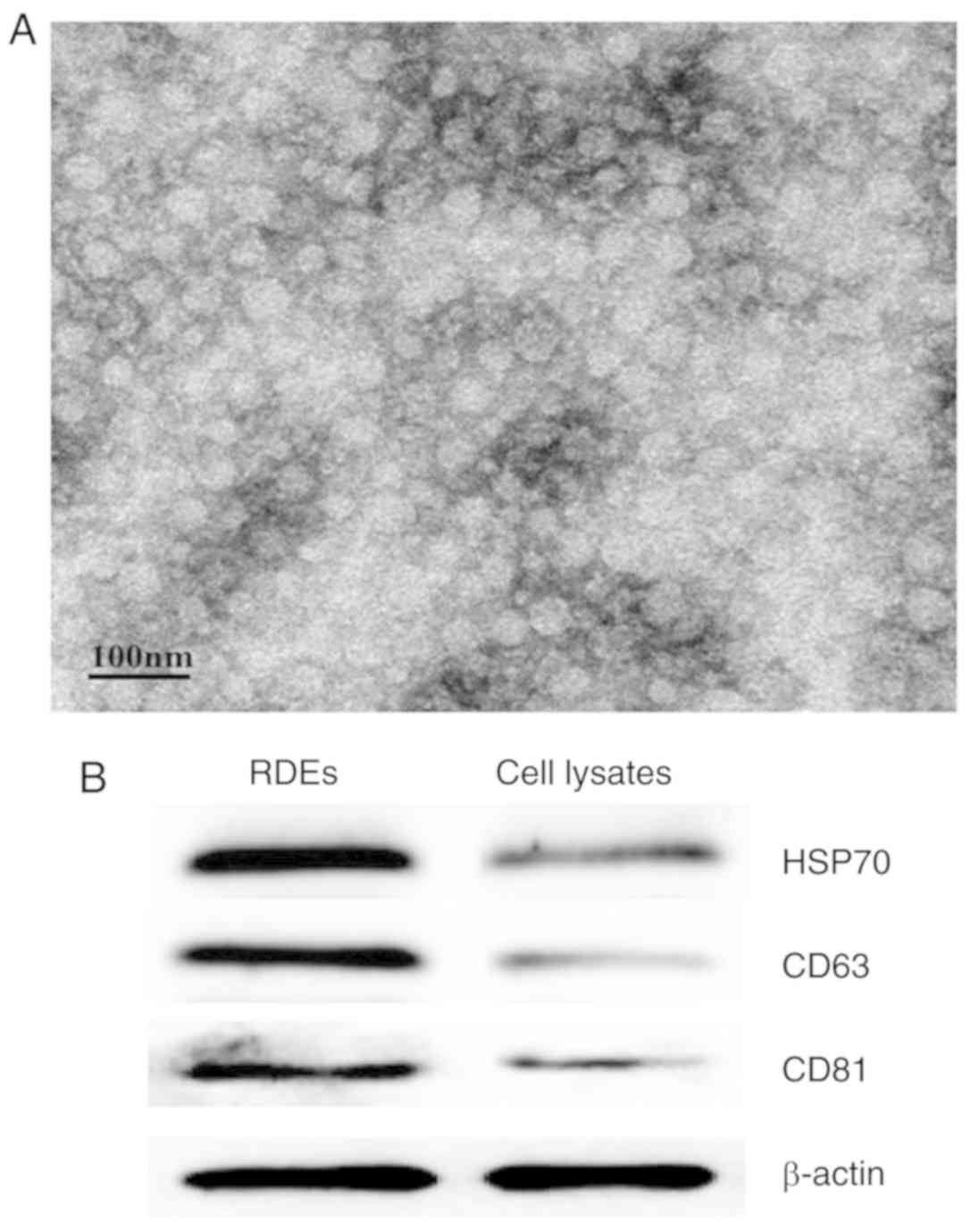
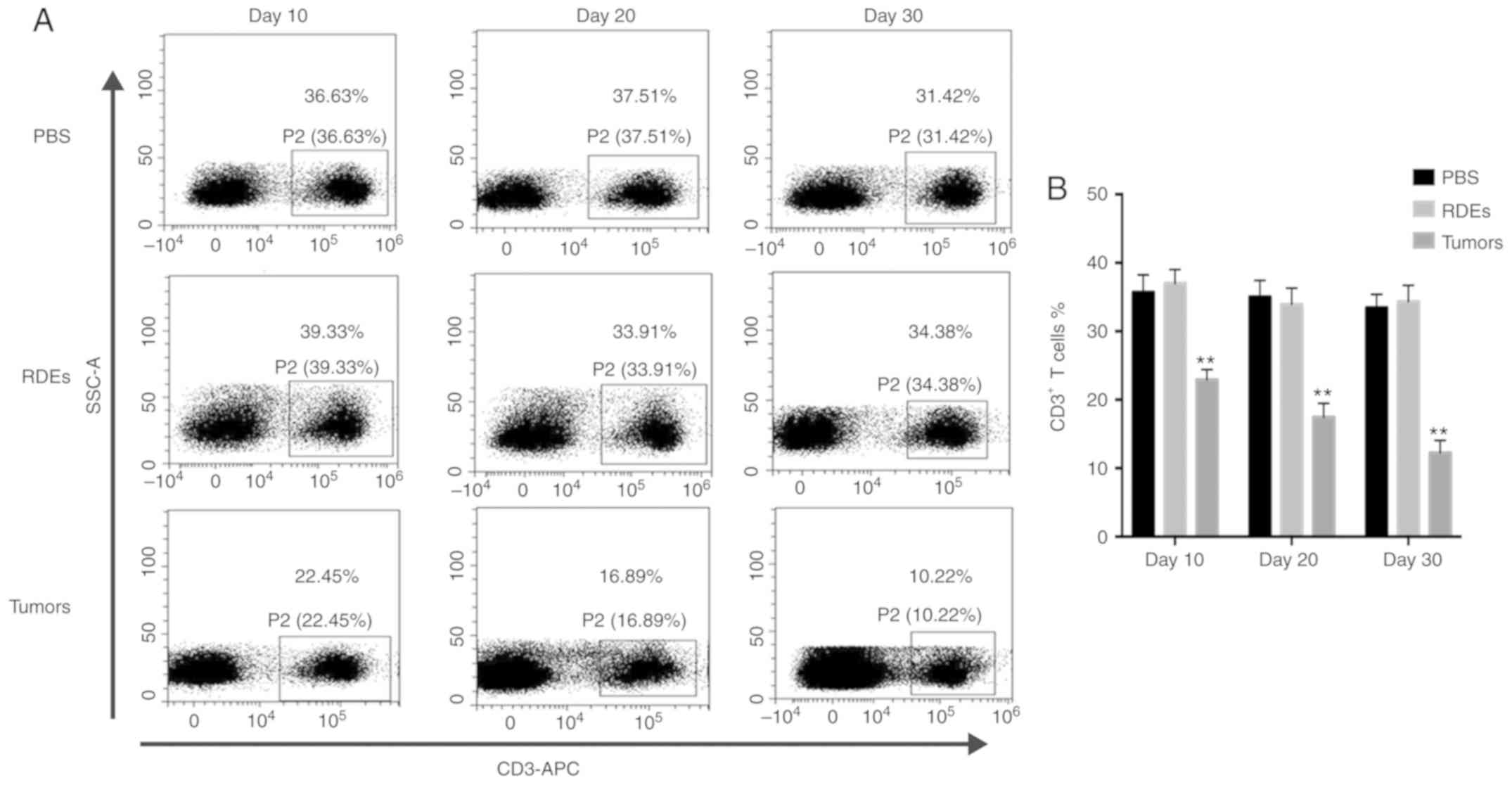
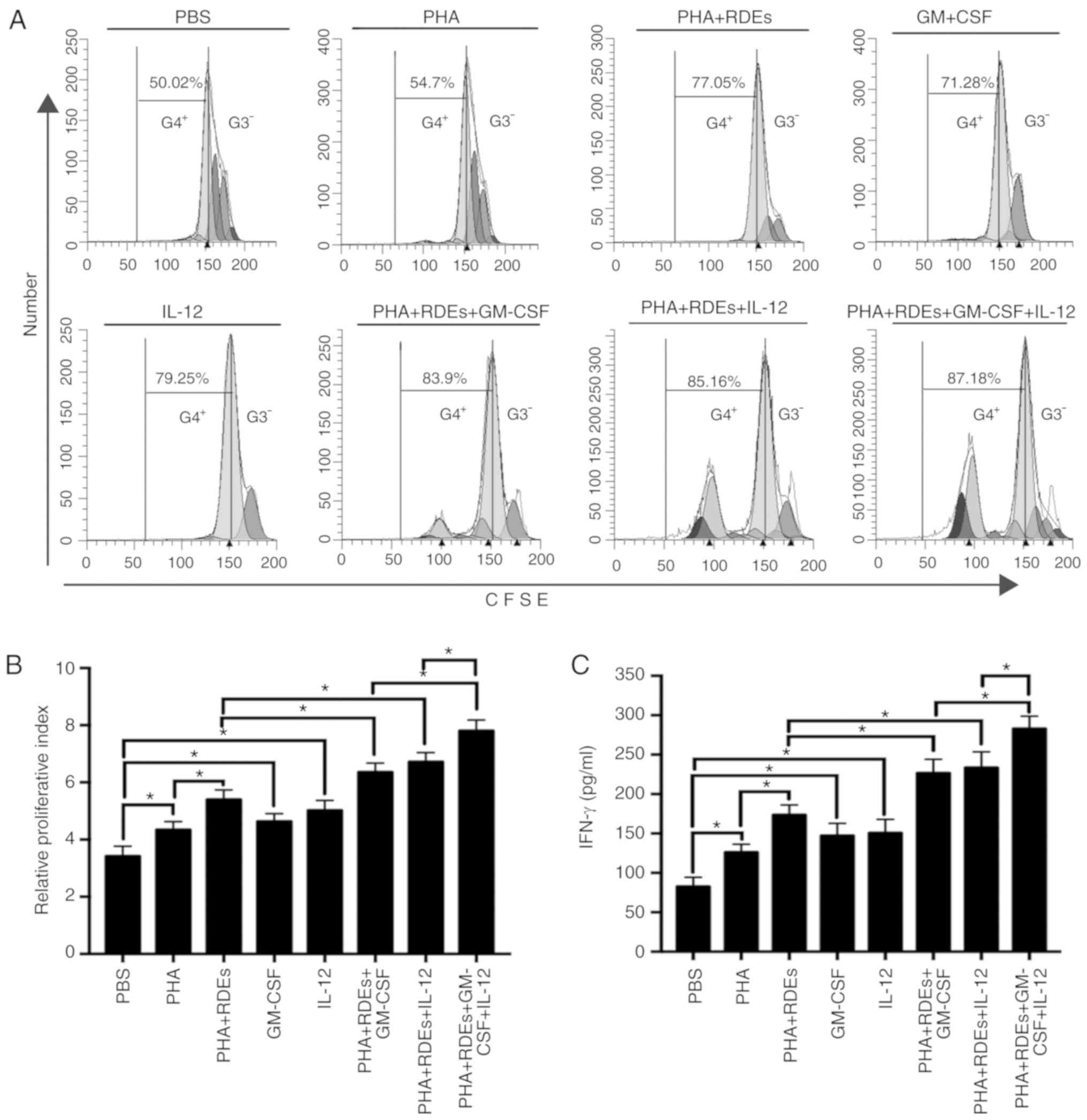
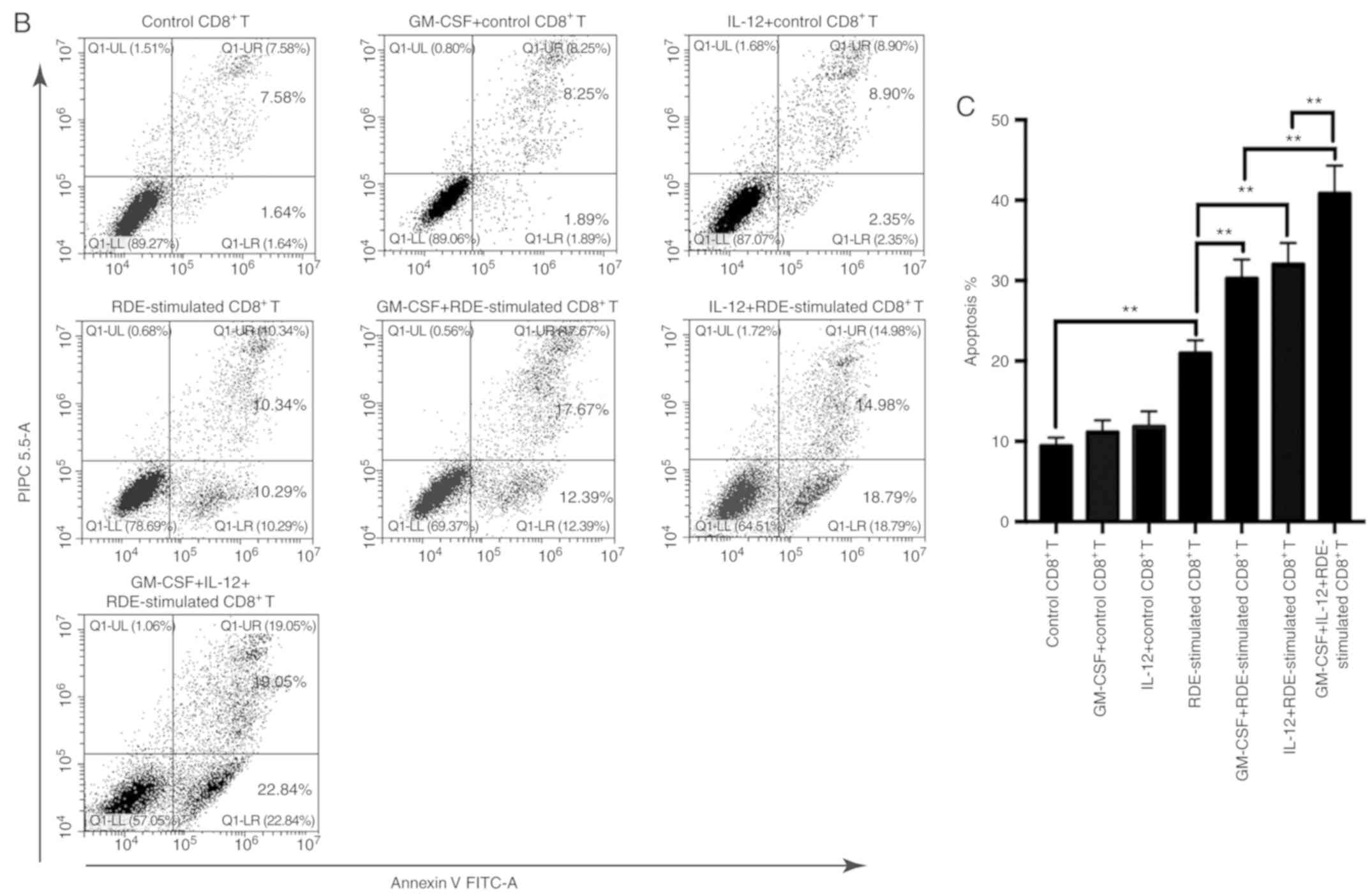
A satisfactory cure rate for renal cell carcinoma (RCC) is difficult to achieve through traditional immunotherapy. RCC has a relatively high spontaneous regression rate due to tumor immune escape. However, tumor‑derived exosomes (TEXs), which effectively carry tumor‑associated antigens (TAAs) and trigger stronger antigen‑specific tumor immunity against autologous tumors than against other tumors, have been widely viewed as attractive potential vaccines for tumor treatment, although improvements are needed. Therefore, in our study, we determined whether RenCa cell‑derived exosome (RDE)‑stimulated CD8+ T cells exert a stronger specific cytotoxic effect on autologous tumor cells than on other types of tumor cells through the Fas ligand (FasL)/Fas signaling pathway, and whether the combination of RDE‑stimulated CD8+ T cells with GM‑CSF and IL‑12 enhances the anticancer effect. The results showed that RDEs were isolated, as expected, and promoted an increased percentage of CD8+/CD4+ T cells. RDE‑stimulated CD8+ T cells also more effectively facilitated cytotoxicity against RenCa cells when combined with GM‑CSF and IL‑12 in vitro. Furthermore, immunization with RDEs restrained the growth of RenCa tumors in mouse models, and facilitated the stimulation of a stronger specific cytotoxic CD8+ T cell response via the FasL/Fas signaling pathway in vitro. However, these results were observed less frequently for other types of tumor cells after treatment with RDEs, suggesting that RDEs depend on their antigen specificity to trigger antitumor immune responses. These findings revealed that RDE‑stimulated CD8+ T cells combined with GM‑CSF and IL‑12 can more effectively exert a stronger cytotoxic effect than RDEs alone and that RDEs can induce immunization more effectively against renal cortical adenocarcinoma than against other types of cancer. Therefore, according to our study, exosomes are promising potential vaccines, and the combination of exosome‑stimulated CD8+ T cells with GM‑CSF and IL‑12 may be a novel strategy for the treatment of RCC.
View Figures

Figure 1

Figure 2

Figure 3

Figure 4

Figure 5

Figure 6

View References

1 

Siegel RL, Miller KD and Jemal A: Cancer statistics, 2017. CA Cancer J Clin. 67:7–30. 2017. View Article : Google Scholar : PubMed/NCBI

2 

Ljungberg B, Cowan NC, Hanbury DC, Hora M, Kuczyk MA, Merseburger AS, Patard JJ, Mulders PF and Sinescu IC; European association of urology guideline group, : EAU guidelines on renal cell carcinoma: The 2010 update. Eur Urol. 58:398–406. 2010. View Article : Google Scholar : PubMed/NCBI

3 

Colombo M, Raposo G and Théry C: Biogenesis, secretion, and intercellular interactions of exosomes and other extracellular vesicles. Annu Rev Cell Dev Biol. 30:255–289. 2014. View Article : Google Scholar : PubMed/NCBI

4 

Sundararajan V, Sarkar FH and Ramasamy TS: Correction to: The versatile role of exosomes in cancer progression: Diagnostic and therapeutic implications. Cell Oncol (Dordr). 41:223–252. 2018. View Article : Google Scholar : PubMed/NCBI

5 

Gu X, Erb U, Büchler MW and Zöller M: Improved vaccine efficacy of tumor exosome compared to tumor lysate loaded dendritic cells in mice. Int J Cancer. 136:E74–E84. 2015. View Article : Google Scholar : PubMed/NCBI

6 

Stenqvist AC, Nagaeva O, Baranov V and Mincheva-Nilsson L: Exosomes secreted by human placenta carry functional Fas ligand and TRAIL molecules and convey apoptosis in activated immune cells, suggesting exosome-mediated immune privilege of the fetus. J Immunol. 191:5515–5523. 2013. View Article : Google Scholar : PubMed/NCBI

7 

Chen G, Huang AC, Zhang W, Zhang G, Wu M, Xu W, Yu Z, Yang J, Wang B, Sun H, et al: Exosomal PD-L1 contributes to immunosuppression and is associated with anti-PD-1 response. Nature. 560:382–386. 2018. View Article : Google Scholar : PubMed/NCBI

8 

Wieckowski EU, Visus C, Szajnik M, Szczepanski MJ, Storkus WJ and Whiteside TL: Tumor-derived microvesicles promote regulatory T cell expansion and induce apoptosis in tumor-reactive activated CD8+ T lymphocytes. J Immunol. 183:3720–3730. 2009. View Article : Google Scholar : PubMed/NCBI

9 

Valenti R, Huber V, Filipazzi P, Pilla L, Sovena G, Villa A, Corbelli A, Fais S, Parmiani G and Rivoltini L: Human tumor-released microvesicles promote the differentiation of myeloid cells with transforming growth factor-beta-mediated suppressive activity on T lymphocytes. Cancer Res. 66:9290–9298. 2006. View Article : Google Scholar : PubMed/NCBI

10 

Huang F, Wan J, Hao S, Deng X, Chen L and Ma L: TGF-β1-silenced leukemia cell-derived exosomes target dendritic cells to induce potent anti-leukemic immunity in a mouse model. Cancer Immunol Immunother. 66:1321–1331. 2017. View Article : Google Scholar : PubMed/NCBI

11 

Huang F, Wan J, Hu W and Hao S: Enhancement of anti-leukemia immunity by leukemia-derived exosomes via downregulation of TGF-β1 expression. Cell Physiol Biochem. 44:240–254. 2017. View Article : Google Scholar : PubMed/NCBI

12 

Chalmin F, Ladoire S, Mignot G, Vincent J, Bruchard M, Remy-Martin JP, Boireau W, Rouleau A, Simon B, Lanneau D, et al: Membrane-associated Hsp72 from tumor-derived exosomes mediates STAT3-dependent immunosuppressive function of mouse and human myeloid-derived suppressor cells. J Clin Invest. 120:457–471. 2010.PubMed/NCBI

13 

Yang MQ, Du Q, Varley PR, Goswami J, Liang Z, Wang R, Li H, Stolz DB and Geller DA: Interferon regulatory factor 1 priming of tumour-derived exosomes enhances the antitumour immune response. Br J Cancer. 118:62–71. 2018. View Article : Google Scholar : PubMed/NCBI

14 

Escola JM, Kleijmeer MJ, Stoorvogel W, Griffith JM, Yoshie O and Geuze HJ: Selective enrichment of tetraspan proteins on the internal vesicles of multivesicular endosomes and on exosomes secreted by human B-lymphocytes. J Biol Chem. 273:20121–20127. 1998. View Article : Google Scholar : PubMed/NCBI

15 

Xie Y, Bai O, Zhang H, Yuan J, Zong S, Chibbar R, Slattery K, Qureshi M, Wei Y, Deng Y and Xiang J: Membrane-bound HSP70-engineered myeloma cell-derived exosomes stimulate more efficient CD8(+) CTL- and NK-mediated antitumour immunity than exosomes released from heat-shocked tumour cells expressing cytoplasmic HSP70. J Cell Mol Med. 14:2655–2666. 2010. View Article : Google Scholar : PubMed/NCBI

16 

Bu N, Wu H, Sun B, Zhang G, Zhan S, Zhang R and Zhou L: Exosome-loaded dendritic cells elicit tumor-specific CD8+ cytotoxic T cells in patients with glioma. J Neurooncol. 104:659–667. 2011. View Article : Google Scholar : PubMed/NCBI

17 

Hao S, Bai O, Yuan J, Qureshi M and Xiang J: Dendritic cell-derived exosomes stimulate stronger CD8+ CTL responses and antitumor immunity than tumor cell-derived exosomes. Cell Mol Immunol. 3:205–211. 2006.PubMed/NCBI

18 

Yao Y, Chen L, Wei W, Deng X, Ma L and Hao S: Tumor cell-derived exosome-targeted dendritic cells stimulate stronger CD8+ CTL responses and antitumor immunities. Biochem Biophys Res Commun. 436:60–65. 2013. View Article : Google Scholar : PubMed/NCBI

19 

Kreuwel HT, Morgan DJ, Krahl T, Ko A, Sarvetnick N and Sherman LA: Comparing the relative role of perforin/granzyme versus Fas/Fas ligand cytotoxic pathways in CD8+ T cell-mediated insulin-dependent diabetes mellitus. J Immunol. 163:4335–4341. 1999.PubMed/NCBI

20 

Sayers TJ, Brooks AD, Lee JK, Fenton RG, Komschlies KL, Wigginton JM, Winkler-Pickett R and Wiltrout RH: Molecular mechanisms of immune-mediated lysis of murine renal cancer: Differential contributions of perforin-dependent versus Fas-mediated pathways in lysis by NK and T cells. J Immunol. 161:3957–3965. 1998.PubMed/NCBI

21 

Seki N, Brooks AD, Carter CR, Back TC, Parsoneault EM, Smyth MJ, Wiltrout RH and Sayers TJ: Tumor-specific CTL kill murine renal cancer cells using both perforin and Fas ligand-mediated lysis in vitro, but cause tumor regression in vivo in the absence of perforin. J Immunol. 168:3484–3492. 2002. View Article : Google Scholar : PubMed/NCBI

22 

Zhang Y, Luo CL, He BC, Zhang JM, Cheng G and Wu XH: Exosomes derived from IL-12-anchored renal cancer cells increase induction of specific antitumor response in vitro: A novel vaccine for renal cell carcinoma. Int J Oncol. 36:133–140. 2010.PubMed/NCBI

23 

Wang J, De Veirman K, Faict S, Frassanito MA, Ribatti D, Vacca A and Menu E: Multiple myeloma exosomes establish a favourable bone marrow microenvironment with enhanced angiogenesis and immunosuppression. J Pathol. 239:162–173. 2016. View Article : Google Scholar : PubMed/NCBI

24 

Baldan V, Griffiths R, Hawkins RE and Gilham DE: Efficient and reproducible generation of tumour-infiltrating lymphocytes for renal cell carcinoma. Br J Cancer. 112:1510–1518. 2015. View Article : Google Scholar : PubMed/NCBI

25 

Yuan Y, Zhang Y, Zhao S, Chen J, Yang J, Wang T, Zou H, Wang Y, Gu J, Liu X, et al: Cadmium-induced apoptosis in neuronal cells is mediated by Fas/FasL-mediated mitochondrial apoptotic signaling pathway. Sci Rep. 8:88372018. View Article : Google Scholar : PubMed/NCBI

26 

Junker K, Heinzelmann J, Beckham C, Ochiya T and Jenster G: Extracellular vesicles and their role in urologic malignancies. Eur Urol. 70:323–331. 2016. View Article : Google Scholar : PubMed/NCBI

27 

Graner MW, Schnell S and Olin MR: Tumor-derived exosomes, microRNAs, and cancer immune suppression. Semin Immunopathol. 40:505–515. 2018. View Article : Google Scholar : PubMed/NCBI

28 

Barros FM, Carneiro F, Machado JC and Melo SA: Exosomes and immune response in cancer: Friends or foes? Front Immunol. 9:7302018. View Article : Google Scholar : PubMed/NCBI

29 

Ludwig S, Floros T, Theodoraki MN, Hong CS, Jackson EK, Lang S and Whiteside TL: Suppression of lymphocyte functions by plasma exosomes correlates with disease activity in patients with head and neck cancer. Clin Cancer Res. 23:4843–4854. 2017. View Article : Google Scholar : PubMed/NCBI

30 

Troyer RM, Ruby CE, Goodall CP, Yang L, Maier CS, Albarqi HA, Brady JV, Bathke K, Taratula O, Mourich D and Bracha S: Exosomes from osteosarcoma and normal osteoblast differ in proteomic cargo and immunomodulatory effects on T cells. Exp Cell Res. 358:369–376. 2017. View Article : Google Scholar : PubMed/NCBI

31 

Szczepanski MJ, Szajnik M, Welsh A, Whiteside TL and Boyiadzis M: Blast-derived microvesicles in sera from patients with acute myeloid leukemia suppress natural killer cell function via membrane-associated transforming growth factor-beta1. Haematologica. 96:1302–1309. 2011. View Article : Google Scholar : PubMed/NCBI

32 

Kunigelis KE and Graner MW: The dichotomy of tumor exosomes (TEX) in cancer immunity: Is it all in the ConTEXt? Vaccines (Basel). 3:1019–1051. 2015. View Article : Google Scholar : PubMed/NCBI

33 

Mignot G, Roux S, Thery C, Ségura E and Zitvogel L: Prospects for exosomes in immunotherapy of cancer. J Cell Mol Med. 10:376–388. 2006. View Article : Google Scholar : PubMed/NCBI

34 

Rao Q, Zuo B, Lu Z, Gao X, You A, Wu C, Du Z and Yin H: Tumor-derived exosomes elicit tumor suppression in murine hepatocellular carcinoma models and humans in vitro. Hepatology. 64:456–472. 2016. View Article : Google Scholar : PubMed/NCBI

35 

Ichim TE, Zhong Z, Kaushal S, Zheng X, Ren X, Hao X, Joyce JA, Hanley HH, Riordan NH, Koropatnick J, et al: Exosomes as a tumor immune escape mechanism: Possible therapeutic implications. J Transl Med. 6:372008. View Article : Google Scholar : PubMed/NCBI

36 

Vignaux F, Vivier E, Malissen B, Depraetere V, Nagata S and Golstein P: TCR/CD3 coupling to Fas-based cytotoxicity. J Exp Med. 181:781–786. 1995. View Article : Google Scholar : PubMed/NCBI

37 

Lenardo M, Chan KM, Hornung F, McFarland H, Siegel R, Wang J and Zheng L: Mature T lymphocyte apoptosis-immune regulation in a dynamic and unpredictable antigenic environment. Annu Rev Immunol. 17:221–253. 1999. View Article : Google Scholar : PubMed/NCBI

38 

Kang YT, Kim YJ, Bu J, Cho YH, Han SW and Moon BI: High-purity capture and release of circulating exosomes using an exosome-specific dual-patterned immunofiltration (ExoDIF) device. Nanoscale. 9:13495–13505. 2017. View Article : Google Scholar : PubMed/NCBI

39 

Dai S, Wei D, Wu Z, Zhou X, Wei X and Huang H: Phase I clinical trial of autologous ascites-derived exosomes combined with GM-CSF for colorectal cancer. Mol Ther. 16:782–790. 2008. View Article : Google Scholar : PubMed/NCBI

Related Articles

  • Abstract
  • View
  • Download
  • Twitter
Copy and paste a formatted citation
Spandidos Publications style
Xu HY, Li N, Yao N, Xu XF, Wang HX, Liu XY and Zhang Y: CD8+ T cells stimulated by exosomes derived from RenCa cells mediate specific immune responses through the FasL/Fas signaling pathway and, combined with GM‑CSF and IL‑12, enhance the anti‑renal cortical adenocarcinoma effect. Oncol Rep 42: 866-879, 2019.
APA
Xu, H., Li, N., Yao, N., Xu, X., Wang, H., Liu, X., & Zhang, Y. (2019). CD8+ T cells stimulated by exosomes derived from RenCa cells mediate specific immune responses through the FasL/Fas signaling pathway and, combined with GM‑CSF and IL‑12, enhance the anti‑renal cortical adenocarcinoma effect. Oncology Reports, 42, 866-879. https://doi.org/10.3892/or.2019.7208
MLA
Xu, H., Li, N., Yao, N., Xu, X., Wang, H., Liu, X., Zhang, Y."CD8+ T cells stimulated by exosomes derived from RenCa cells mediate specific immune responses through the FasL/Fas signaling pathway and, combined with GM‑CSF and IL‑12, enhance the anti‑renal cortical adenocarcinoma effect". Oncology Reports 42.2 (2019): 866-879.
Chicago
Xu, H., Li, N., Yao, N., Xu, X., Wang, H., Liu, X., Zhang, Y."CD8+ T cells stimulated by exosomes derived from RenCa cells mediate specific immune responses through the FasL/Fas signaling pathway and, combined with GM‑CSF and IL‑12, enhance the anti‑renal cortical adenocarcinoma effect". Oncology Reports 42, no. 2 (2019): 866-879. https://doi.org/10.3892/or.2019.7208
Copy and paste a formatted citation
x
Spandidos Publications style
Xu HY, Li N, Yao N, Xu XF, Wang HX, Liu XY and Zhang Y: CD8+ T cells stimulated by exosomes derived from RenCa cells mediate specific immune responses through the FasL/Fas signaling pathway and, combined with GM‑CSF and IL‑12, enhance the anti‑renal cortical adenocarcinoma effect. Oncol Rep 42: 866-879, 2019.
APA
Xu, H., Li, N., Yao, N., Xu, X., Wang, H., Liu, X., & Zhang, Y. (2019). CD8+ T cells stimulated by exosomes derived from RenCa cells mediate specific immune responses through the FasL/Fas signaling pathway and, combined with GM‑CSF and IL‑12, enhance the anti‑renal cortical adenocarcinoma effect. Oncology Reports, 42, 866-879. https://doi.org/10.3892/or.2019.7208
MLA
Xu, H., Li, N., Yao, N., Xu, X., Wang, H., Liu, X., Zhang, Y."CD8+ T cells stimulated by exosomes derived from RenCa cells mediate specific immune responses through the FasL/Fas signaling pathway and, combined with GM‑CSF and IL‑12, enhance the anti‑renal cortical adenocarcinoma effect". Oncology Reports 42.2 (2019): 866-879.
Chicago
Xu, H., Li, N., Yao, N., Xu, X., Wang, H., Liu, X., Zhang, Y."CD8+ T cells stimulated by exosomes derived from RenCa cells mediate specific immune responses through the FasL/Fas signaling pathway and, combined with GM‑CSF and IL‑12, enhance the anti‑renal cortical adenocarcinoma effect". Oncology Reports 42, no. 2 (2019): 866-879. https://doi.org/10.3892/or.2019.7208
Follow us
  • Twitter
  • LinkedIn
  • Facebook
About
  • Spandidos Publications
  • Careers
  • Cookie Policy
  • Privacy Policy
How can we help?
  • Help
  • Live Chat
  • Contact
  • Email to our Support Team