Spandidos Publications Logo
  • About
    • About Spandidos
    • Aims and Scopes
    • Abstracting and Indexing
    • Editorial Policies
    • Reprints and Permissions
    • Job Opportunities
    • Terms and Conditions
    • Contact
  • Journals
    • All Journals
    • Oncology Letters
      • Oncology Letters
      • Information for Authors
      • Editorial Policies
      • Editorial Board
      • Aims and Scope
      • Abstracting and Indexing
      • Bibliographic Information
      • Archive
    • International Journal of Oncology
      • International Journal of Oncology
      • Information for Authors
      • Editorial Policies
      • Editorial Board
      • Aims and Scope
      • Abstracting and Indexing
      • Bibliographic Information
      • Archive
    • Molecular and Clinical Oncology
      • Molecular and Clinical Oncology
      • Information for Authors
      • Editorial Policies
      • Editorial Board
      • Aims and Scope
      • Abstracting and Indexing
      • Bibliographic Information
      • Archive
    • Experimental and Therapeutic Medicine
      • Experimental and Therapeutic Medicine
      • Information for Authors
      • Editorial Policies
      • Editorial Board
      • Aims and Scope
      • Abstracting and Indexing
      • Bibliographic Information
      • Archive
    • International Journal of Molecular Medicine
      • International Journal of Molecular Medicine
      • Information for Authors
      • Editorial Policies
      • Editorial Board
      • Aims and Scope
      • Abstracting and Indexing
      • Bibliographic Information
      • Archive
    • Biomedical Reports
      • Biomedical Reports
      • Information for Authors
      • Editorial Policies
      • Editorial Board
      • Aims and Scope
      • Abstracting and Indexing
      • Bibliographic Information
      • Archive
    • Oncology Reports
      • Oncology Reports
      • Information for Authors
      • Editorial Policies
      • Editorial Board
      • Aims and Scope
      • Abstracting and Indexing
      • Bibliographic Information
      • Archive
    • Molecular Medicine Reports
      • Molecular Medicine Reports
      • Information for Authors
      • Editorial Policies
      • Editorial Board
      • Aims and Scope
      • Abstracting and Indexing
      • Bibliographic Information
      • Archive
    • World Academy of Sciences Journal
      • World Academy of Sciences Journal
      • Information for Authors
      • Editorial Policies
      • Editorial Board
      • Aims and Scope
      • Abstracting and Indexing
      • Bibliographic Information
      • Archive
    • International Journal of Functional Nutrition
      • International Journal of Functional Nutrition
      • Information for Authors
      • Editorial Policies
      • Editorial Board
      • Aims and Scope
      • Abstracting and Indexing
      • Bibliographic Information
      • Archive
    • International Journal of Epigenetics
      • International Journal of Epigenetics
      • Information for Authors
      • Editorial Policies
      • Editorial Board
      • Aims and Scope
      • Abstracting and Indexing
      • Bibliographic Information
      • Archive
    • Medicine International
      • Medicine International
      • Information for Authors
      • Editorial Policies
      • Editorial Board
      • Aims and Scope
      • Abstracting and Indexing
      • Bibliographic Information
      • Archive
  • Articles
  • Information
    • Information for Authors
    • Information for Reviewers
    • Information for Librarians
    • Information for Advertisers
    • Conferences
  • Language Editing
Spandidos Publications Logo
  • About
    • About Spandidos
    • Aims and Scopes
    • Abstracting and Indexing
    • Editorial Policies
    • Reprints and Permissions
    • Job Opportunities
    • Terms and Conditions
    • Contact
  • Journals
    • All Journals
    • Biomedical Reports
      • Information for Authors
      • Editorial Policies
      • Editorial Board
      • Aims and Scope
      • Abstracting and Indexing
      • Bibliographic Information
      • Archive
    • Experimental and Therapeutic Medicine
      • Information for Authors
      • Editorial Policies
      • Editorial Board
      • Aims and Scope
      • Abstracting and Indexing
      • Bibliographic Information
      • Archive
    • International Journal of Epigenetics
      • Information for Authors
      • Editorial Policies
      • Editorial Board
      • Aims and Scope
      • Abstracting and Indexing
      • Bibliographic Information
      • Archive
    • International Journal of Functional Nutrition
      • Information for Authors
      • Editorial Policies
      • Editorial Board
      • Aims and Scope
      • Abstracting and Indexing
      • Bibliographic Information
      • Archive
    • International Journal of Molecular Medicine
      • Information for Authors
      • Editorial Policies
      • Editorial Board
      • Aims and Scope
      • Abstracting and Indexing
      • Bibliographic Information
      • Archive
    • International Journal of Oncology
      • Information for Authors
      • Editorial Policies
      • Editorial Board
      • Aims and Scope
      • Abstracting and Indexing
      • Bibliographic Information
      • Archive
    • Medicine International
      • Information for Authors
      • Editorial Policies
      • Editorial Board
      • Aims and Scope
      • Abstracting and Indexing
      • Bibliographic Information
      • Archive
    • Molecular and Clinical Oncology
      • Information for Authors
      • Editorial Policies
      • Editorial Board
      • Aims and Scope
      • Abstracting and Indexing
      • Bibliographic Information
      • Archive
    • Molecular Medicine Reports
      • Information for Authors
      • Editorial Policies
      • Editorial Board
      • Aims and Scope
      • Abstracting and Indexing
      • Bibliographic Information
      • Archive
    • Oncology Letters
      • Information for Authors
      • Editorial Policies
      • Editorial Board
      • Aims and Scope
      • Abstracting and Indexing
      • Bibliographic Information
      • Archive
    • Oncology Reports
      • Information for Authors
      • Editorial Policies
      • Editorial Board
      • Aims and Scope
      • Abstracting and Indexing
      • Bibliographic Information
      • Archive
    • World Academy of Sciences Journal
      • Information for Authors
      • Editorial Policies
      • Editorial Board
      • Aims and Scope
      • Abstracting and Indexing
      • Bibliographic Information
      • Archive
  • Articles
  • Information
    • For Authors
    • For Reviewers
    • For Librarians
    • For Advertisers
    • Conferences
  • Language Editing
Login Register Submit
  • This site uses cookies
  • You can change your cookie settings at any time by following the instructions in our Cookie Policy. To find out more, you may read our Privacy Policy.

    I agree
Search articles by DOI, keyword, author or affiliation
Search
Advanced Search
presentation
Oncology Reports
Join Editorial Board Propose a Special Issue
Print ISSN: 1021-335X Online ISSN: 1791-2431
Journal Cover
April-2021 Volume 45 Issue 4

Full Size Image

Sign up for eToc alerts
Recommend to Library

Journals

International Journal of Molecular Medicine

International Journal of Molecular Medicine

International Journal of Molecular Medicine is an international journal devoted to molecular mechanisms of human disease.

International Journal of Oncology

International Journal of Oncology

International Journal of Oncology is an international journal devoted to oncology research and cancer treatment.

Molecular Medicine Reports

Molecular Medicine Reports

Covers molecular medicine topics such as pharmacology, pathology, genetics, neuroscience, infectious diseases, molecular cardiology, and molecular surgery.

Oncology Reports

Oncology Reports

Oncology Reports is an international journal devoted to fundamental and applied research in Oncology.

Experimental and Therapeutic Medicine

Experimental and Therapeutic Medicine

Experimental and Therapeutic Medicine is an international journal devoted to laboratory and clinical medicine.

Oncology Letters

Oncology Letters

Oncology Letters is an international journal devoted to Experimental and Clinical Oncology.

Biomedical Reports

Biomedical Reports

Explores a wide range of biological and medical fields, including pharmacology, genetics, microbiology, neuroscience, and molecular cardiology.

Molecular and Clinical Oncology

Molecular and Clinical Oncology

International journal addressing all aspects of oncology research, from tumorigenesis and oncogenes to chemotherapy and metastasis.

World Academy of Sciences Journal

World Academy of Sciences Journal

Multidisciplinary open-access journal spanning biochemistry, genetics, neuroscience, environmental health, and synthetic biology.

International Journal of Functional Nutrition

International Journal of Functional Nutrition

Open-access journal combining biochemistry, pharmacology, immunology, and genetics to advance health through functional nutrition.

International Journal of Epigenetics

International Journal of Epigenetics

Publishes open-access research on using epigenetics to advance understanding and treatment of human disease.

Medicine International

Medicine International

An International Open Access Journal Devoted to General Medicine.

Journal Cover
April-2021 Volume 45 Issue 4

Full Size Image

Sign up for eToc alerts
Recommend to Library

  • Article
  • Citations
    • Cite This Article
    • Download Citation
    • Create Citation Alert
    • Remove Citation Alert
    • Cited By
  • Similar Articles
    • Related Articles (in Spandidos Publications)
    • Similar Articles (Google Scholar)
    • Similar Articles (PubMed)
  • Download PDF
  • Download XML
  • View XML

  • Supplementary Files
    • Supplementary_Data1.pdf
    • Supplementary_Data2.mpg
    • Supplementary_Data3.mpg
Article Open Access

Exosome-mediated radiosensitizing effect on neighboring cancer cells via increase in intracellular levels of reactive oxygen species

  • Authors:
    • Ai Nakaoka
    • Makiko Nakahana
    • Sachiko Inubushi
    • Hiroaki Akasaka
    • Mohammed Salah
    • Yoshiko Fujita
    • Hikaru Kubota
    • Mennaallah Hassan
    • Ryo Nishikawa
    • Naritoshi Mukumoto
    • Takeaki Ishihara
    • Daisuke Miyawaki
    • Takashi Sasayama
    • Ryohei Sasaki
  • View Affiliations / Copyright

    Affiliations: Division of Radiation Oncology, Kobe University Graduate School of Medicine, Kobe 650-0017, Japan, Department of Neurosurgery, Kobe University Graduate School of Medicine, Kobe 650-0017, Japan
    Copyright: © Nakaoka et al. This is an open access article distributed under the terms of Creative Commons Attribution License.
  • Article Number: 13
    |
    Published online on: February 2, 2021
       https://doi.org/10.3892/or.2021.7964
  • Expand metrics +
Metrics: Total Views: 0 (Spandidos Publications: | PMC Statistics: )
Metrics: Total PDF Downloads: 0 (Spandidos Publications: | PMC Statistics: )
Cited By (CrossRef): 0 citations Loading Articles...

This article is mentioned in:


Abstract

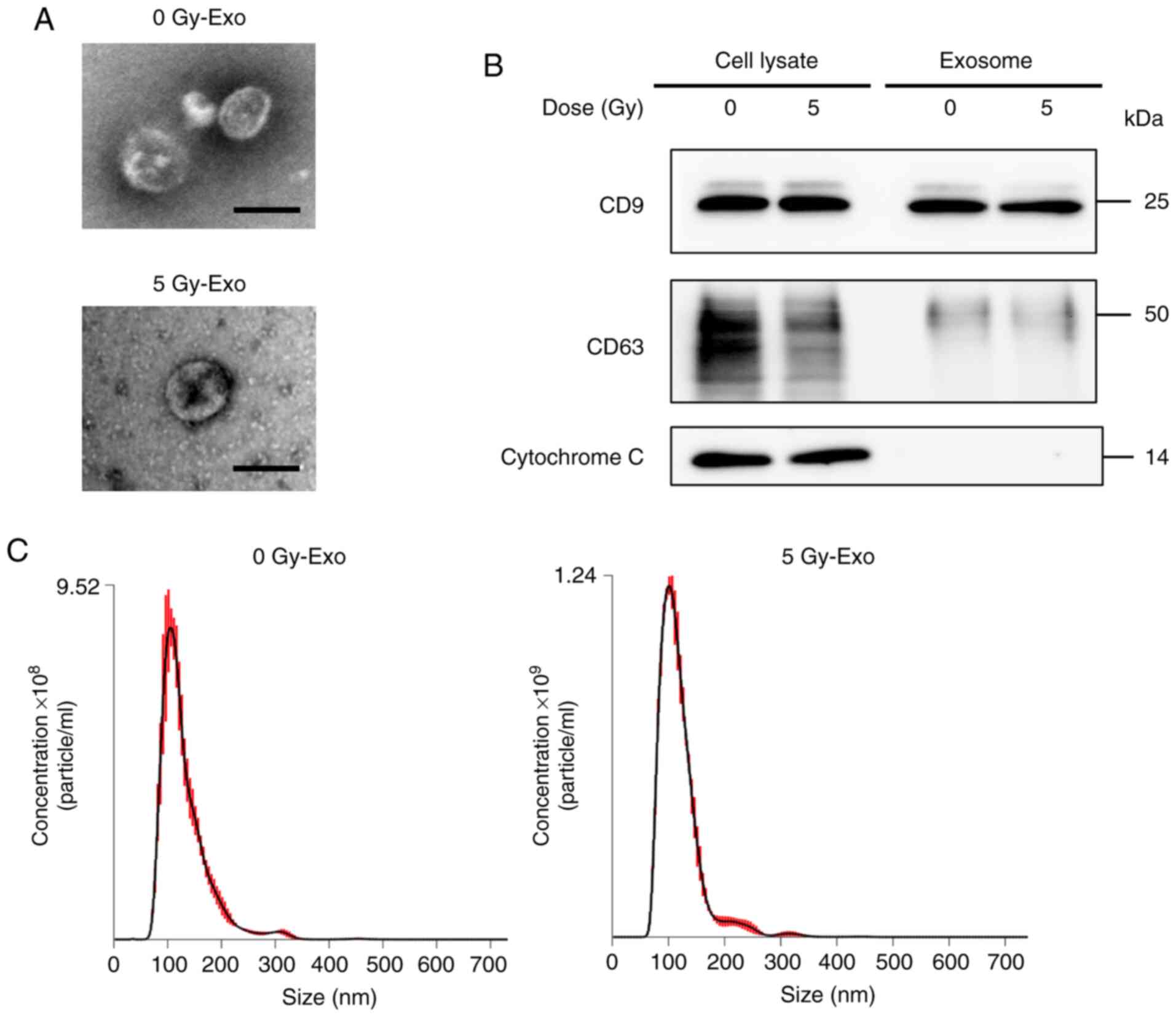
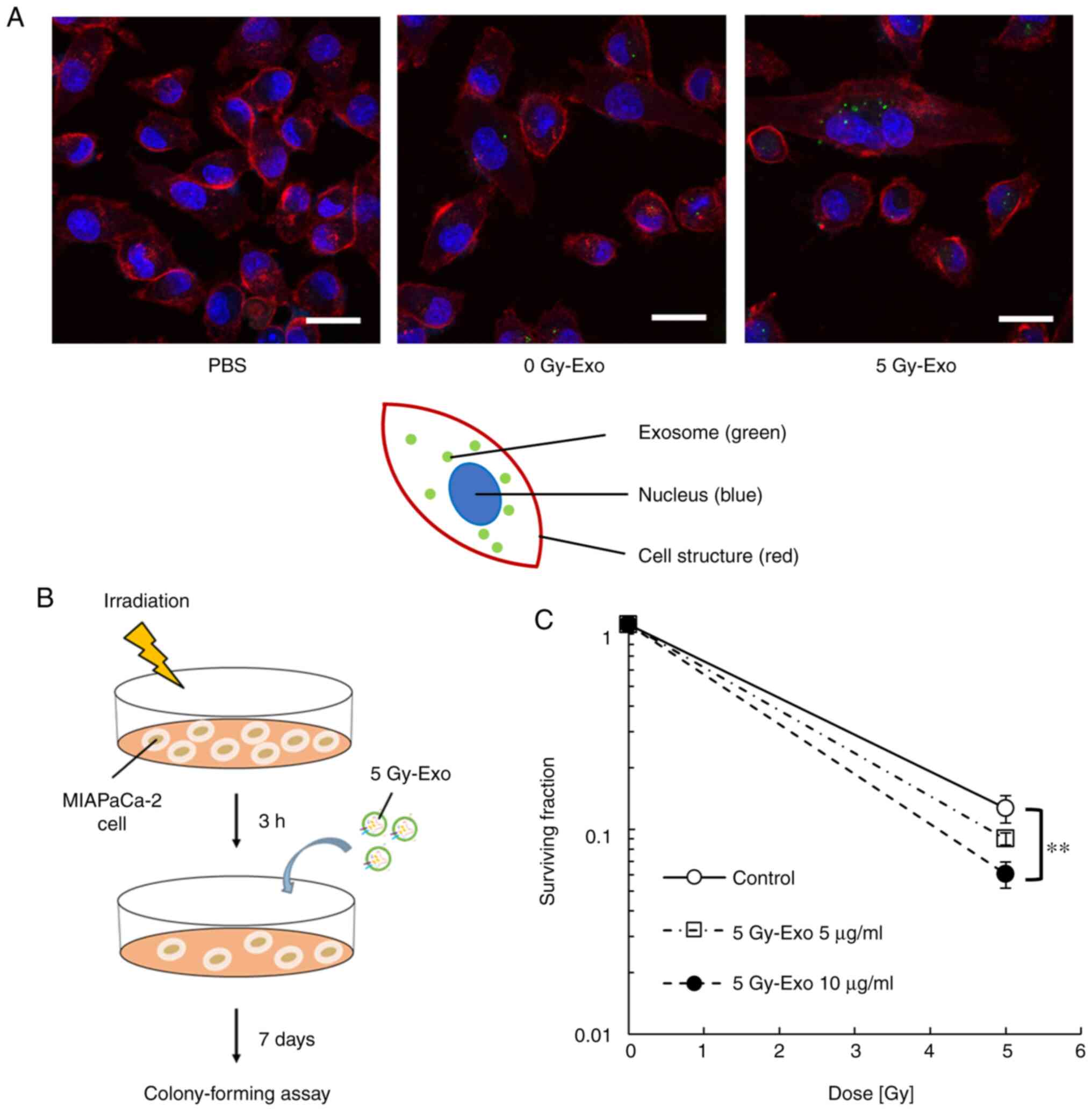
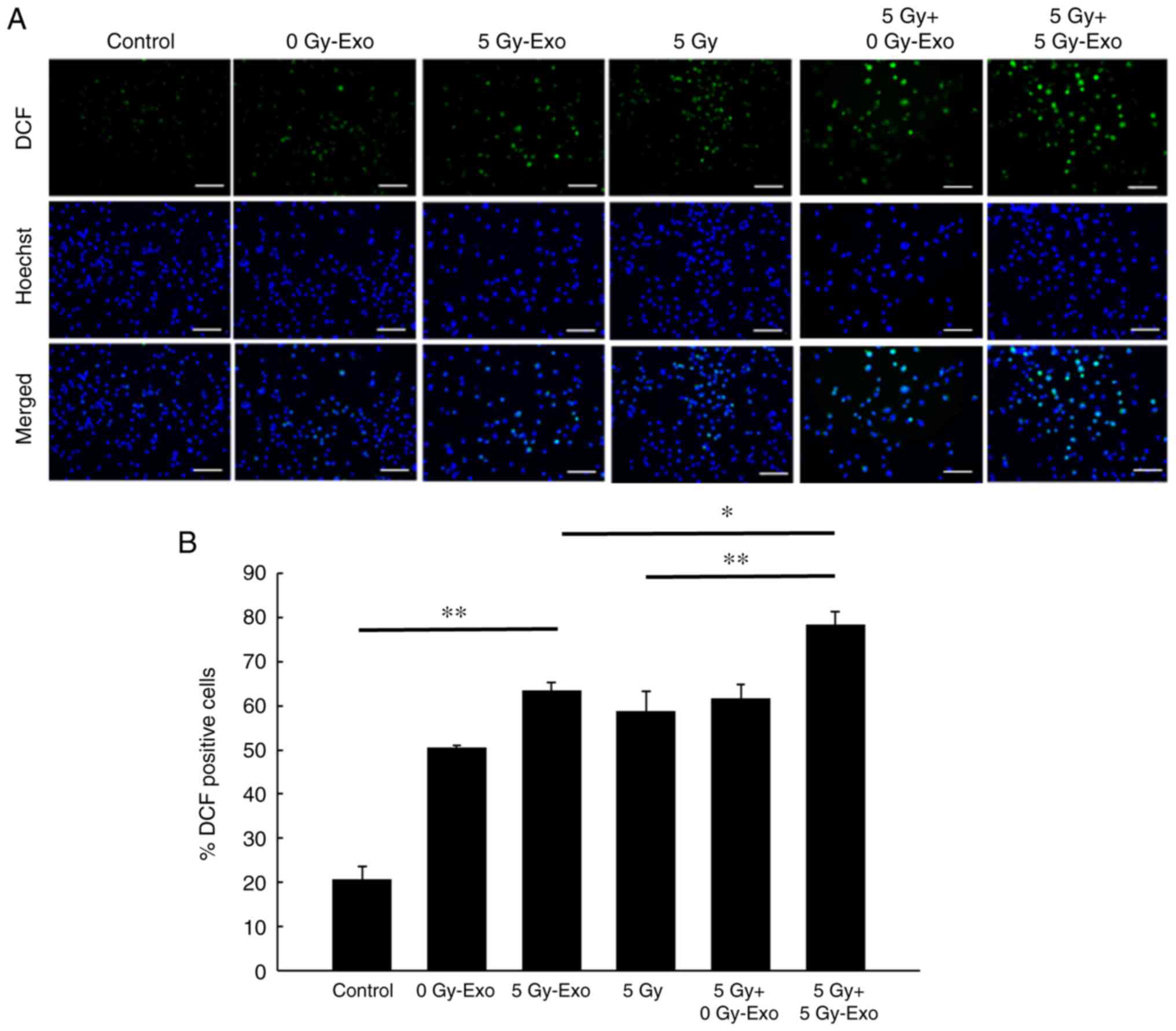
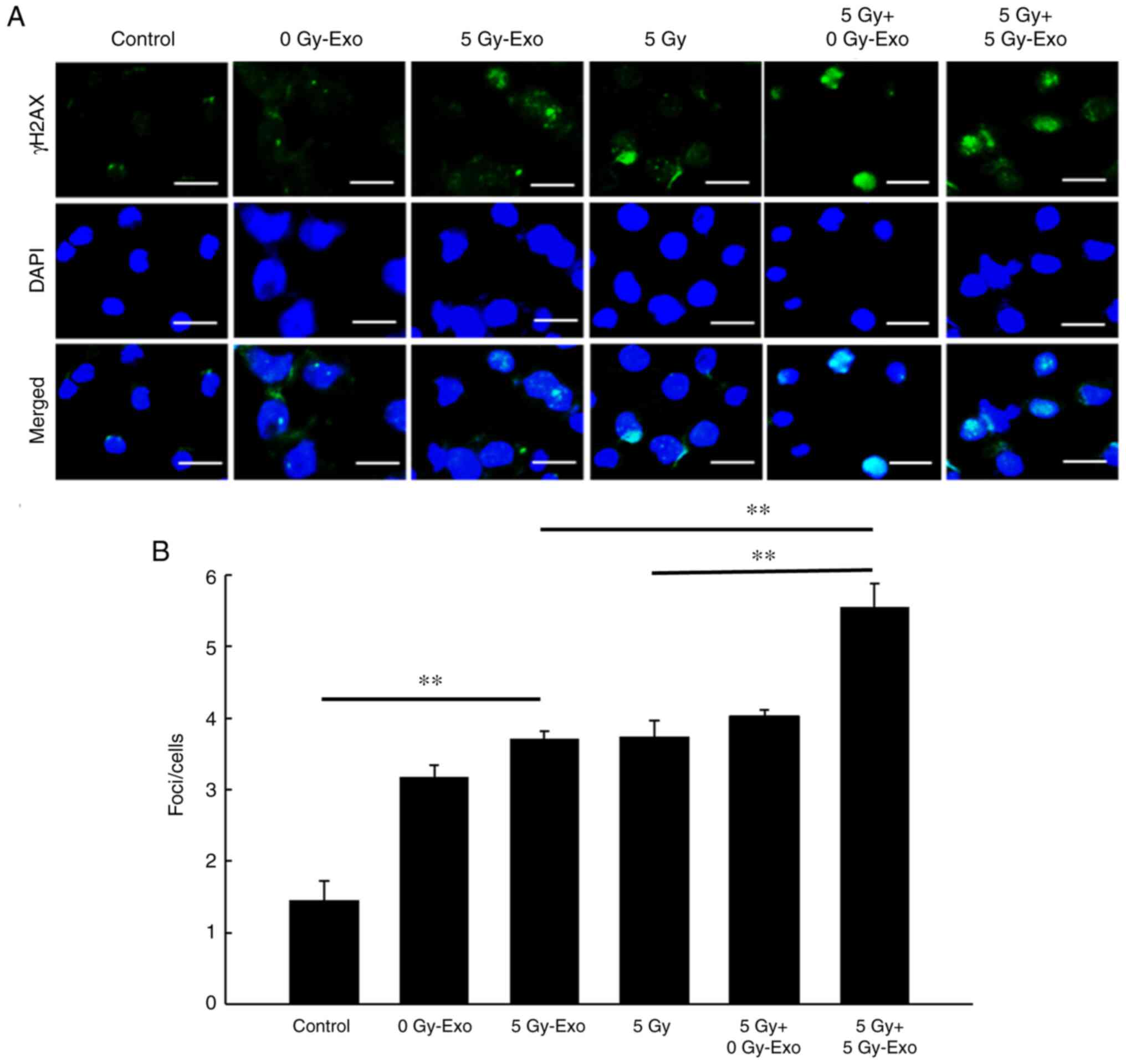
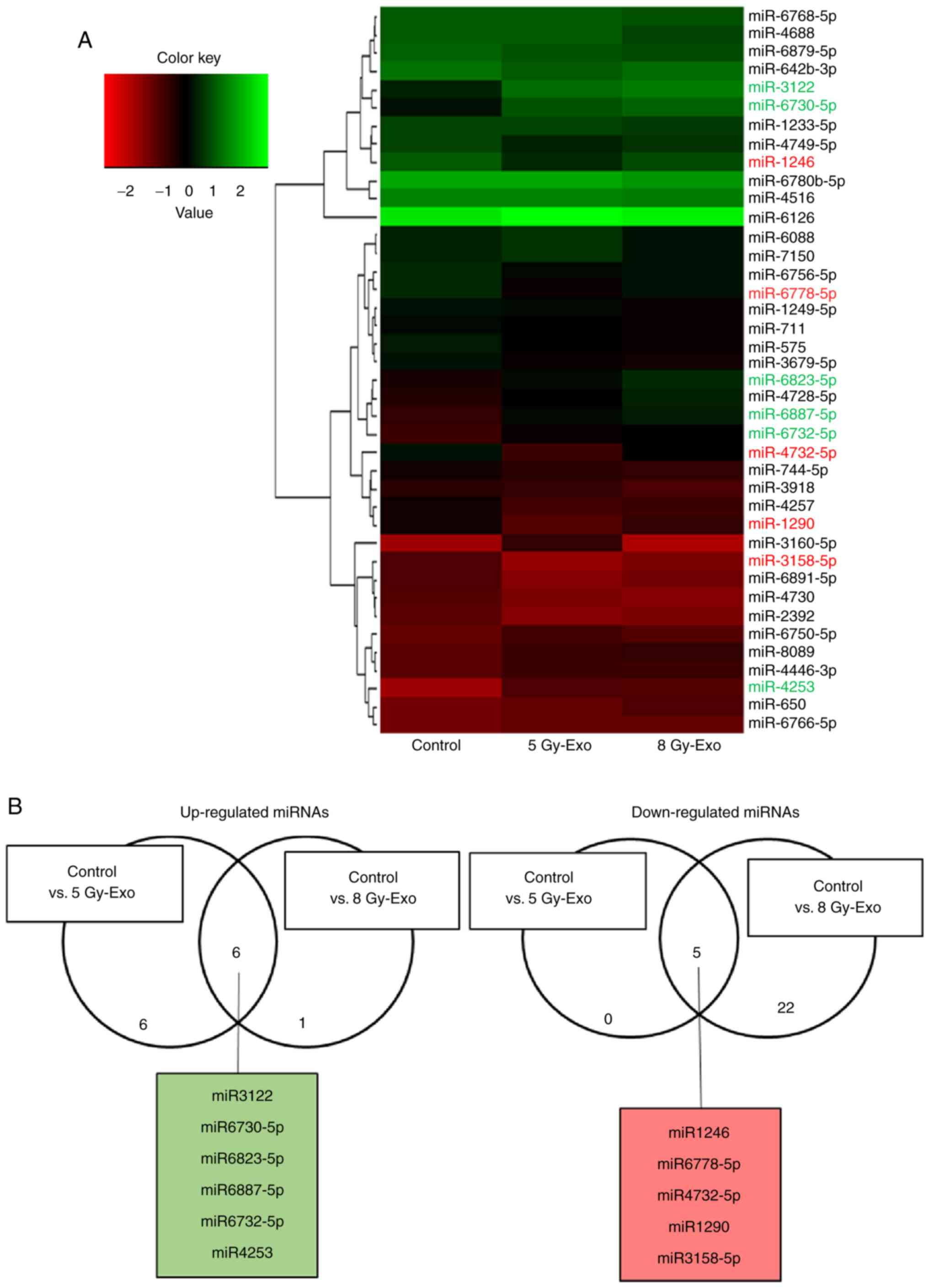
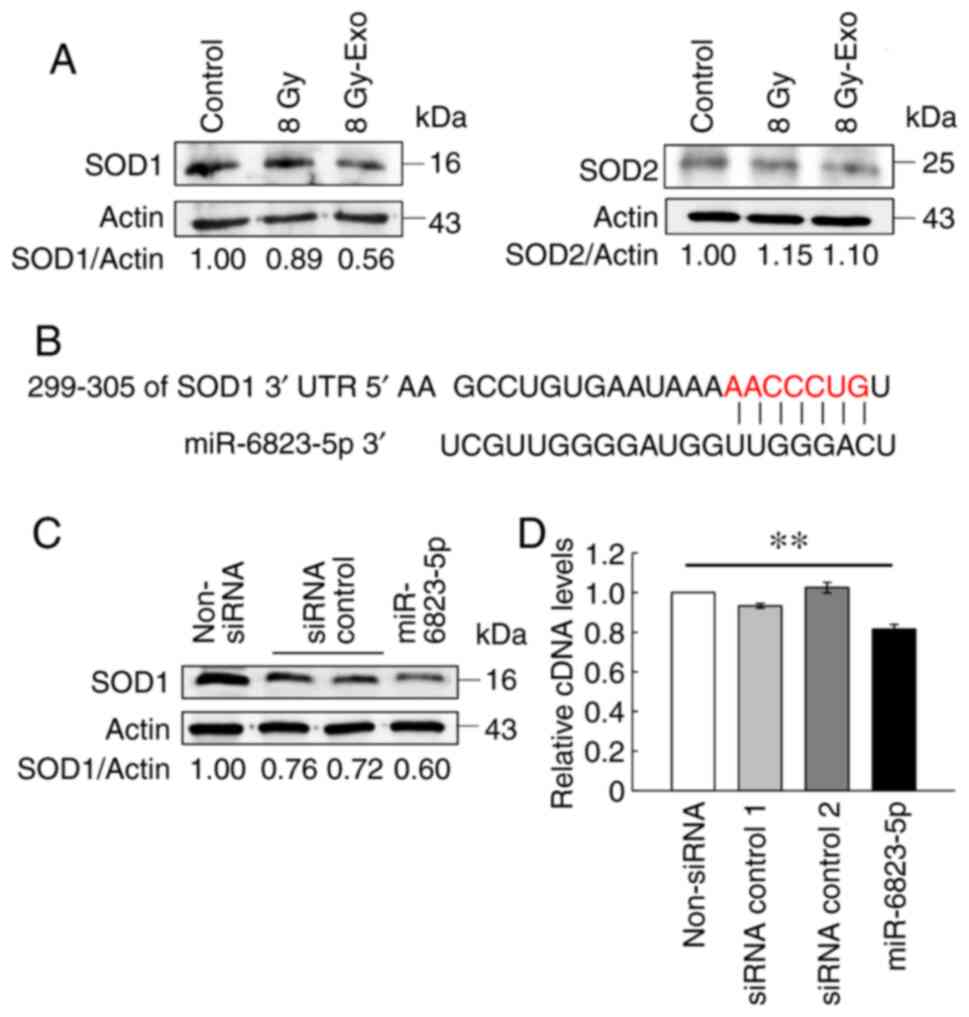
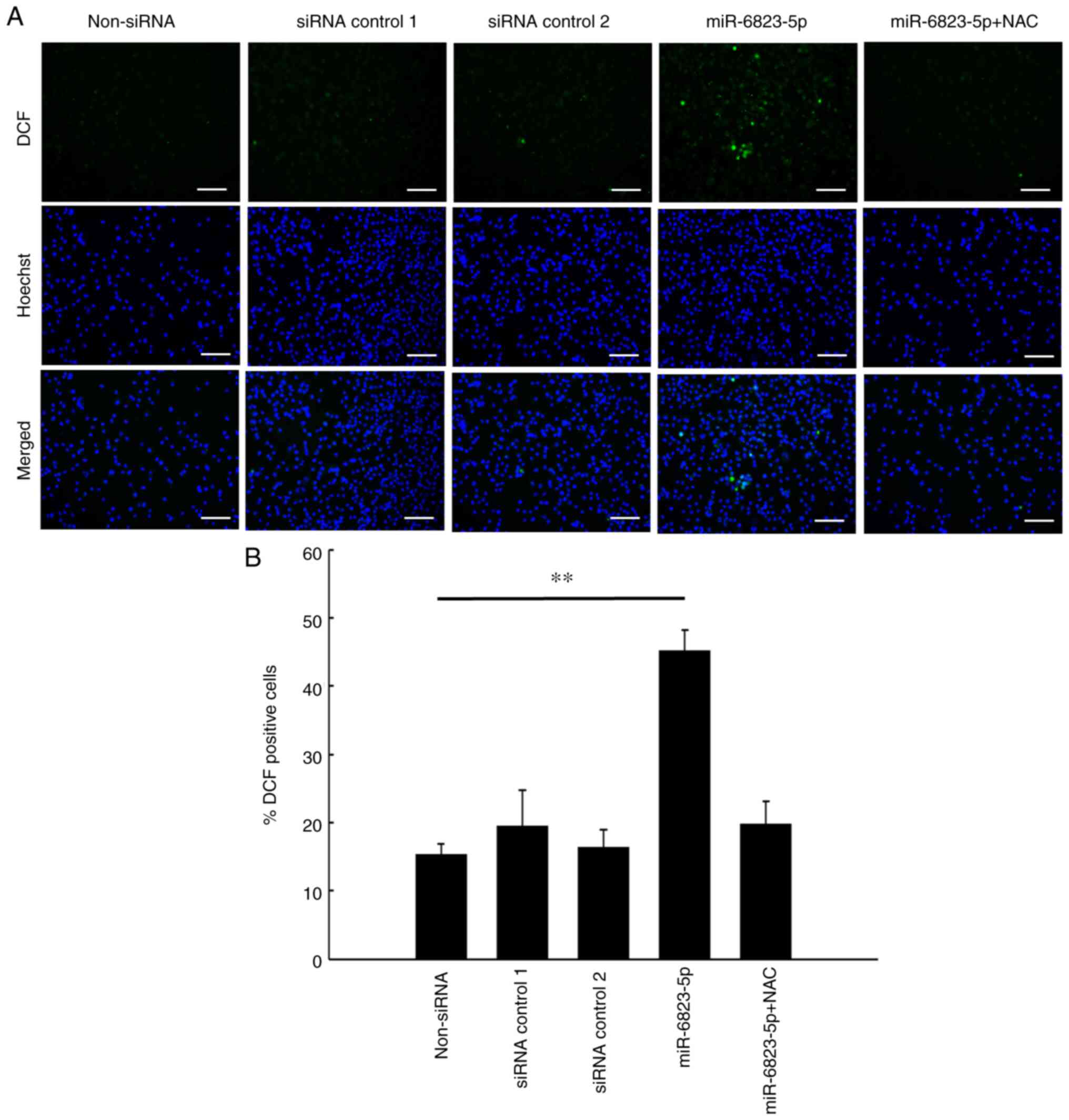
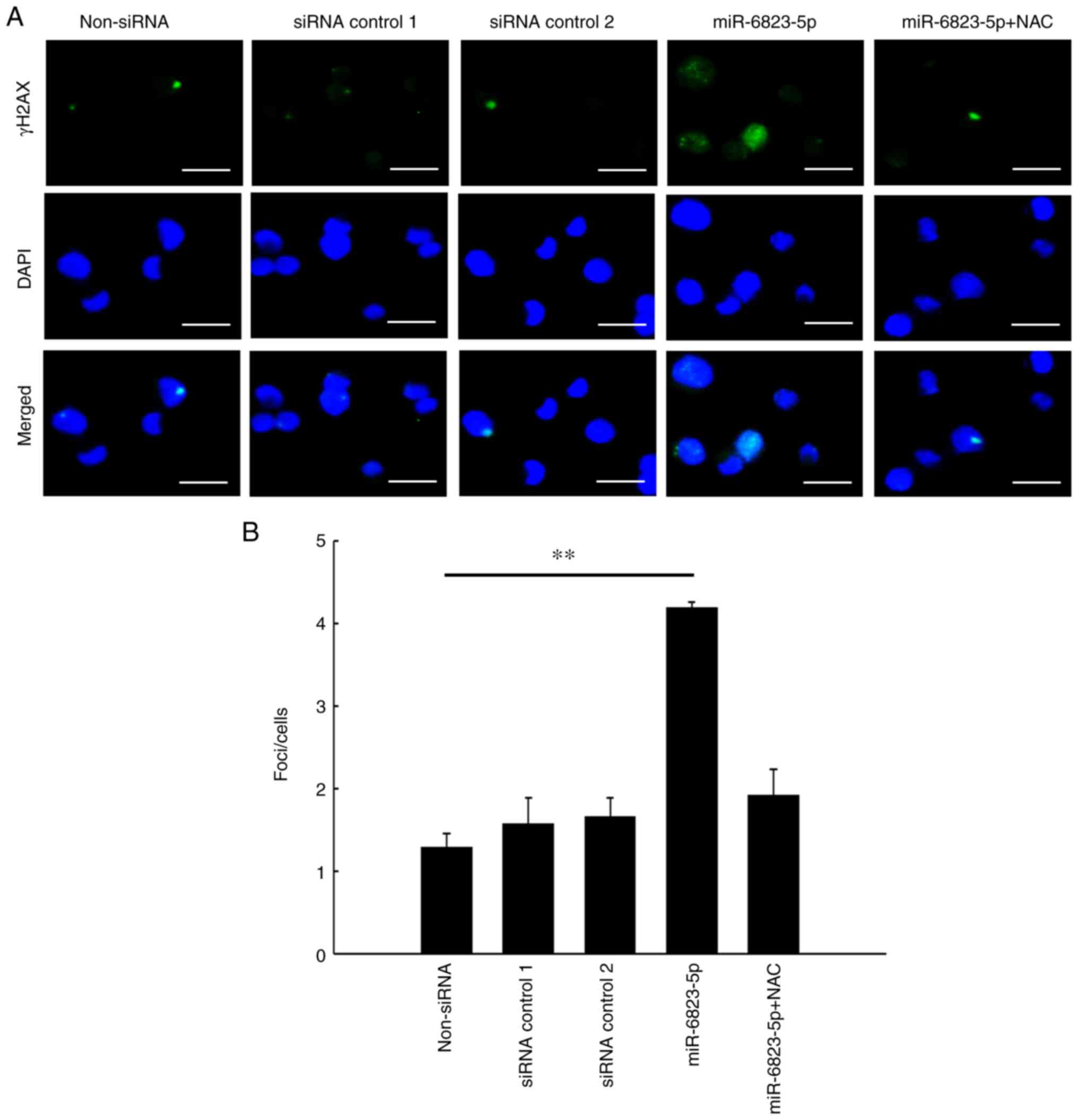
The precise mechanism of intercellular communication between cancer cells following radiation exposure is unclear. Exosomes are membrane‑enclosed small vesicles comprising lipid bilayers and are mediators of intercellular communication that transport a variety of intracellular components, including microRNAs (miRNAs or miRs). The present study aimed to identify novel roles of exosomes released from irradiated cells to neighboring cancer cells. In order to confirm the presence of exosomes in the human pancreatic cancer cell line MIAPaCa‑2, ultracentrifugation was performed followed by transmission electron microscopy and nanoparticle tracking analysis (NanoSight) using the exosome‑specific surface markers CD9 and CD63. Subsequent endocytosis of exosomes was confirmed by fluorescent microscopy. Cell survival following irradiation and the addition of exosomes was evaluated by colony forming assay. Expression levels of miRNAs in exosomes were then quantified by microarray analysis, while protein expression levels of Cu/Zn‑ and Mn‑superoxide dismutase (SOD1 and 2, respectively) enzymes in MIAPaCa‑2 cells were evaluated by western blotting. Results showed that the uptake of irradiated exosomes was significantly higher than that of non‑irradiated exosomes. Notably, irradiated exosomes induced higher intracellular levels of reactive oxygen species (ROS) and a higher frequency of DNA damage in MIAPaCa‑2 cells, as determined by fluorescent microscopy and immunocytochemistry, respectively. Moreover, six up‑ and five downregulated miRNAs were identified in 5 and 8 Gy‑irradiated cells using miRNA microarray analyses. Further analysis using miRNA mimics and reverse transcription‑quantitative PCR identified miR‑6823‑5p as a potential candidate to inhibit SOD1, leading to increased intracellular ROS levels and DNA damage. To the best of our knowledge, the present study is the first to demonstrate that irradiated exosomes enhance the radiation effect via increasing intracellular ROS levels in cancer cells. This contributes to improved understanding of the bystander effect of neighboring cancer cells.
View Figures

Figure 1

Figure 2

Figure 3

Figure 4

Figure 5

Figure 6

Figure 7

Figure 8

View References

1 

Tkach M and Théry C: Communication by extracellular vesicles: Where we are and where we need to go. Cell. 164:1226–1232. 2016. View Article : Google Scholar : PubMed/NCBI

2 

Hessvik NP and Llorente A: Current knowledge on exosome biogenesis and release. Cell Mol Life Sci. 75:193–208. 2018. View Article : Google Scholar : PubMed/NCBI

3 

Greening DW, Gopal SK, Xu R, Simpson RJ and Chen W: Exosomes and their roles in immune regulation and cancer. Semin Cell Dev Biol. 40:72–81. 2015. View Article : Google Scholar : PubMed/NCBI

4 

Yankovskaya V, Horsefield R, Törnroth S, Chavez CL, Miyoshi H, Léger C, Byrne B, Cecchini G and Iwata S: Architecture of succinate dehydrogenase and reactive oxygen species generation. Science. 299:700–704. 2003. View Article : Google Scholar : PubMed/NCBI

5 

Nùkhet AB, Iman MA, Yueming Z, Larry WO and Douglas RS: Increased levels of superoxide and hydrogen peroxide mediate the differential susceptibility of cancer cells vs. normal cells to glucose deprivation. Biochem J. 418:29–37. 2009. View Article : Google Scholar : PubMed/NCBI

6 

Szatrowski TP and Nathan CF: Production of large amounts of hydrogen peroxide by human tumor cells. Cancer Res. 51:794–798. 1991.PubMed/NCBI

7 

Boonstra J and Post JA: Molecular events associated with reactive oxygen species and cell cycle progression in mammalian cells. Gene. 337:1–13. 2004. View Article : Google Scholar : PubMed/NCBI

8 

Miao L and St Clair DK: Regulation of superoxide dismutase genes: Implications in disease. Free Radic Biol Med. 47:344–356. 2009. View Article : Google Scholar : PubMed/NCBI

9 

Srinivas US, Tan BWQ, Vellayappan BA and Jeyasekharan AD: ROS and the DNA damage response in cancer. Redox Biol. 25:1010842019. View Article : Google Scholar : PubMed/NCBI

10 

Zou Z, Chang H, Li H and Wang S: Induction of reactive oxygen species: An emerging approach for cancer therapy. Apoptosis. 22:1321–1335. 2017. View Article : Google Scholar : PubMed/NCBI

11 

Mukubou H, Tsujimura T, Sasaki R and Ku Y: The role of autophagy in the treatment of pancreatic cancer with gemcitabine and ionizing radiation. Int J Oncol. 37:821–828. 2010.PubMed/NCBI

12 

Doskey CM, Buranasudja V, Wagner BA, Wilkes JG, Du J, Cullen JJ and Buettner GR: Tumor cells have decreased ability to metabolize H2O2: Implications for pharmacological ascorbate in cancer therapy. Redox Biol. 10:274–284. 2016. View Article : Google Scholar : PubMed/NCBI

13 

Shea A, Harish V, Afzal Z, Chijioke J, Kedir H, Dusmatova S, Roy A, Ramalinga M, Harris B, Blancato J, et al: MicroRNAs in glioblastoma multiforme pathogenesis and therapeutics. Cancer Med. 5:1917–1946. 2016. View Article : Google Scholar : PubMed/NCBI

14 

Bracken CP, Scott HS and Goodall GJ: A network-biology perspective of microRNA function and dysfunction in cancer. Nat Rev Genet. 17:719–732. 2016. View Article : Google Scholar : PubMed/NCBI

15 

Di Francesco A, De Pittà C, Moret F, Barbieri V, Celotti L and Mognato M: The DNA-damage response to γ-radiation is affected by miR-27a in A549 cells. Int J Mol Sci. 14:17881–17896. 2013. View Article : Google Scholar : PubMed/NCBI

16 

Zhang B, Chen J, Ren Z, Chen Y, Li J, Miao X, Song Y, Zhao T, Li Y, Shi Y, et al: A specific miRNA signature promotes radioresistance of human cervical cancer cells. Cancer Cell Int. 13:1182013. View Article : Google Scholar : PubMed/NCBI

17 

Shin S, Cha HJ, Lee EM, Lee SJ, Seo SK, Jin HO, Park IC, Jin YW and An S: Alteration of miRNA profiles by ionizing radiation in A549 human non-small cell lung cancer cells. Int J Oncol. 35:81–86. 2009.PubMed/NCBI

18 

Simone BA, Ly D, Savage JE, Hewitt SM, Dan TD, Ylaya K, Shankavaram U, Lim M, Jin L, Camphausen K, et al: MicroRNA alterations driving acute and late stages of radiation-induced fibrosis in a murine skin model. Int J Radiat Oncol Biol Phys. 90:44–52. 2014. View Article : Google Scholar : PubMed/NCBI

19 

Hou J, Wang F, Kong P, Yu PK, Wang H and Han W: Gene profiling characteristics of radioadaptive response in AG01522 normal human fibroblasts. PLoS One. 10:e01233162015. View Article : Google Scholar : PubMed/NCBI

20 

Sharma V and Misteli T: Non-coding RNAs in DNA damage and repair. FEBS Lett. 587:1832–1839. 2013. View Article : Google Scholar : PubMed/NCBI

21 

Zhang C and Peng G: Non-coding RNAs: An emerging player in DNA damage response. Mutat Res. 763:202–211. 2015. View Article : Google Scholar

22 

Lyng FM, Maguire P, McClean B, Seymour C and Mothersill C: The involvement of calcium and MAP kinase signaling pathways in the production of radiation-induced bystander effects. Radiat Res. 165:400–409. 2006. View Article : Google Scholar : PubMed/NCBI

23 

Iyer R, Lehnert BE and Svensson R: Factors underlying the cell growth-related bystander responses to alpha particles. Cancer Res. 60:1290–1298. 2000.PubMed/NCBI

24 

Gow MD, Seymour CB, Ryan LA and Mothersill CE: Induction of bystander response in human glioma cells using high-energy electrons: A role for TGF-beta1. Radiat Res. 173:769–778. 2010. View Article : Google Scholar : PubMed/NCBI

25 

Al-Mayah AHJ, Irons SL, Pink RC, Carter DRF and Kadhim MA: Possible role of exosomes containing RNA in mediating nontargeted effect of ionizing radiation. Radiat Res. 177:539–545. 2012. View Article : Google Scholar : PubMed/NCBI

26 

JCRB Cell Bank, . Cell information. Available from. cellbank.nibiohn.go.jp/~cellbank/cgi-bin/search_res_det.cgi?ID=245

27 

Thery C, Amigorena S, Raposo G and Clayton A: Isolation and characterization of exosomes from cell culture supernatants and biological fluids. Curr Protoc Cell Biol Chapter. 3:Unit 3.22. 2006.

28 

Pegtel DM, Cosmopoulos K, Thorley-Lawson DA, van Eijndhoven MA, Hopmans ES, Lindenberg JL, de Gruijl TD, Würdinger T and Middeldorp JA: Functional delivery of viral miRNAs via exosomes. Proc Natl Acad Sci USA. 107:6328–6333. 2010. View Article : Google Scholar : PubMed/NCBI

29 

Rasband WS: ImageJ, U.S. Available from. https://imagej.nih.gov/ij/1997-2018

30 

Shimizu Y, Mukumoto N, Idrus N, Akasaka H, Inubushi S, Yoshida K, Mikawaki D, Ishihara T, Okamoto Y, Yasuda T, et al: Amelioration of radiation enteropathy by dietary supplementation with reduced coenzyme Q10. Adv Radiat Oncol. 4:237–245. 2019. View Article : Google Scholar : PubMed/NCBI

31 

Achanta G, Sasaki R, Feng L, Carew JS, Lu W, Pelicano H, Keating MJ and Huang P: Novel role of p53 in maintaining mitochondrial genetic stability through interaction with DNA Pol gamma. EMBO J. 24:3482–3492. 2005. View Article : Google Scholar : PubMed/NCBI

32 

Dutta S, Warshall C, Bandyopadhyay C, Dutta D and Chandran B: Interactions between exosomes from breast cancer cells and primary mammary epithelial cells leads to generation of reactive oxygen species which induce DNA damage response, stabilization of p53 and autophagy in epithelial cells. PLoS One. 9:e975802014. View Article : Google Scholar : PubMed/NCBI

33 

Sasaki R, Suzuki Y, Yonezawa Y, Ota Y, Okamoto Y, Demizu Y, Huang P, Yoshida H, Sugimura K and Mizushina Y: DNA polymerase gamma inhibition by vitamin K3 induces mitochondria-mediated cytotoxicity in human cancer cells. Cancer Sci. 99:1040–1048. 2008. View Article : Google Scholar : PubMed/NCBI

34 

Nakayama M, Sasaki R, Ogino C, Tanaka T, Morita K, Umetsu M, Ohara S, Tan Z, Nishimura Y, Akasaka H, et al: Titanium peroxide nanoparticles enhanced cytotoxic effects of X-ray irradiation against pancreatic cancer model through reactive oxygen species generation in vitro and in vivo. Radiat Oncol. 11:912016. View Article : Google Scholar : PubMed/NCBI

35 

Bonner WM, Redon CE, Dickey JS, Nakamura AJ, Sedelnikova OA, Solier S and Pommier Y: GammaH2AX and cancer. Nat Rev Cancer. 8:957–967. 2008. View Article : Google Scholar : PubMed/NCBI

36 

Inubushi S, Kawaguchi H, Mizumoto S, Kunihisa T, Baba M, Kitayama Y, Takeuchi T, Hoffman RM, Tanino H and Sasaki R: Oncogenic miRNAs identified in tear exosomes from metastatic breast cancer patients. Anticancer Res. 40:3091–3096. 2020. View Article : Google Scholar : PubMed/NCBI

37 

R Core Team (2018), . R: A language and environment for statical computing. 2018.

38 

Warnes GR, Bolker B, Bonebakker L, Gentleman R, Huber W, Liaw A, Lumley T, Maechler M, Magnusson A and Moeller S: gplots: Various R programming tools for plotting data. 2018.

39 

Agarwal V, Bell GW, Nam J and Bartel DP: Predicting effective microRNA target sites in mammalian mRNAs. ELife. 4:e050052015. View Article : Google Scholar

40 

Hsu SD, Lin FM, Wu WY, Liang C, Huang WC, Chan WL, Tsai WT, Chen GZ, Lee CJ, Chiu CM, et al: miRTarBase: A database curates experimentally validated microRNA-target interactions. Nucleic Acids Rese. 39:163–169. 2011. View Article : Google Scholar

41 

Livak KJ and Schmittgen TD: Analysis of relative gene expression data using real-time quantitative PCR and the 2(-Delta Delta C(T)) method. Methods. 25:402–408. 2001. View Article : Google Scholar : PubMed/NCBI

42 

Gomez ML, Shah N, Kenny CT, Jenkins CE Jr and Germain D: SOD1 is essential for oncogene-driven mammary tumor formation but dispensable for normal development and proliferation. Oncogene. 38:5751–5765. 2019. View Article : Google Scholar : PubMed/NCBI

43 

Liu S, Li B, Xu J, Hu S, Zhan N, Wang H, Gao C, Li J and Xu X: SOD1 promotes cell proliferation and metastasis in non-small cell lung cancer via an miR-409-3p/SOD1/SETDB1 epigenetic regulatory feedforward loop. Front Cell Dev Biol. 8:2132020. View Article : Google Scholar : PubMed/NCBI

44 

Papa L, Manfredi G and Germain D: SOD1, an unexpected novel target for cancer therapy. Genes Cancer. 5:15–21. 2014. View Article : Google Scholar : PubMed/NCBI

45 

Valko M, Rhodes CJ, Moncol J, Izakovic M and Mazur M: Free radicals, metals and antioxidants in oxidative stress-induced cancer. Chem Biol Interact. 160:1–40. 2006. View Article : Google Scholar : PubMed/NCBI

46 

Koskenkorva-Frank ST, Weiss G, Koppenol HW and Burckhardt S: The complex interplay of iron metabolism, reactive oxygen species, and reactive nitrogen species: Insights into the potential of various iron therapies to induce oxidative and nitrosative stress. Free Radic Biol Med. 65:1174–1194. 2013. View Article : Google Scholar : PubMed/NCBI

47 

Gomes SE, Pereira DM, Roma-Rodrigues C, Fernandes AR, Borralho PM and Rodrigues CM: Convergence of miR-143 overexpression, oxidative stress and cell death in HCT116 human colon cancer cells. PLoS One. 13:e01916072018. View Article : Google Scholar : PubMed/NCBI

48 

Glasauer A, Sena LA, Diebold LP, Mazar AP and Chandel NS: Targeting SOD1 reduces experimental non-small-cell lung cancer. J Clin Invest. 124:117–128. 2013. View Article : Google Scholar

49 

Yang H, Assad N and Held KD: Medium-mediated intercellular communication is involved in bystander responses of X-ray-irradiated normal human fibroblasts. Oncogene. 24:2096–2103. 2005. View Article : Google Scholar : PubMed/NCBI

50 

Zhou H, Randers-Pehrson G, Waldren CA, Vannais D, Hall EJ and Hei TH: Induction of a bystander mutagenic effect of alpha particles in mammalian cells. Proc Natl Acad Sci USA. 97:2099–2104. 2000. View Article : Google Scholar : PubMed/NCBI

51 

Huo L, Nagasawa H and Little JB: HPRT mutants induced in bystander cells by very low fluences of alpha particles result primarily from point mutations. Radiat Res. 156:521–525. 2001. View Article : Google Scholar : PubMed/NCBI

52 

Lyng FM, Seymour CB and Mothersill C: Initiation of apoptosis in cells exposed to medium from the progeny of irradiated cells: A possible mechanism for bystander-induced genomic instability? Radiat Res. 157:365–370. 2002. View Article : Google Scholar : PubMed/NCBI

53 

Kovalchuk O, Zemp FJ, Filkowski JN, Altamirano AM, Dickey JS, Jenkins-Baker G, Marino SA, Brenner DJ, Bonner WM and Sedelnikova OA: MicroRNAome changes in bystander three-dimensional human tissue models suggest priming of apoptotic pathways. Carcinogenesis. 31:1882–1888. 2010. View Article : Google Scholar : PubMed/NCBI

54 

Koturbash I, Zemp F, Kolb B and Kovalchuk O: Sex-specific radiation-induced microRNAome responses in the hippocampus, cerebellum and frontal cortex in a mouse model. Mutat Res. 722:114–118. 2011. View Article : Google Scholar : PubMed/NCBI

55 

Maes OC, An J, Sarojini H, Wu HL and Wang E: Changes in microRNA expression patterns in human fibroblasts after low-LET radiation. J Cell Biochem. 105:824–834. 2008. View Article : Google Scholar : PubMed/NCBI

56 

Niemoeller OM, Niyazi M, Corradini S, Zehentmayr F, Li M, Lauber K and Belka C: MicroRNA expression profiles in human cancer cells after ionizing radiation. Radiat Oncol. 6:292011. View Article : Google Scholar : PubMed/NCBI

57 

Zhang X, Ng WL, Wang P, Tian L, Werner E, Wang H, Doetsch P and Wang Y: MicroRNA-21 modulates the levels of reactive oxygen species by targeting SOD3 and TNFα. Cancer Res. 72:4707–4713. 2012. View Article : Google Scholar : PubMed/NCBI

58 

Fan PC, Zhang Y, Wang Y, Wei W, Zhou YX, Xie Y, Wang X, Qi YZ, Chang L, Jia ZP, et al: Quantitative proteomics reveals mitochondrial respiratory chain as a dominant target for carbon ion radiation: Delayed reactive oxygen species generation caused DNA damage. Free Radic Biol Med. 130:436–445. 2019. View Article : Google Scholar : PubMed/NCBI

59 

Zulato E, Ciccarese F, Agnusdei V, Pinazza M, Nardo G, Iorio E, Curtarello M, Silic-Benussi M, Rossi E, Venturoli C, et al: LKB1 loss is associated with glutathione deficiency under oxidative stress and sensitivity of cancer cells to cytotoxic drugs and γ-irradiation. Biochem Pharmacol. 156:479–490. 2018. View Article : Google Scholar : PubMed/NCBI

60 

Urbanelli L, Magini A, Buratta S, Brozzi A, Sagini K and Polchi A: Signaling pathways in exosomes biogenesis, secretion and fate. Genes. 4:152–170. 2013. View Article : Google Scholar : PubMed/NCBI

61 

Cardiello C, Cavallini L, Spinelli C, Yang J, Reis-Sobreiro M, de Candia P, Minciacchi VR and Di VD: Focus on extracellular vesicles: New frontiers of cell-to-cell communication in cancer. Int J Mol Sci. 17:1752016. View Article : Google Scholar : PubMed/NCBI

62 

Liu LS, Sun P, Li Y, Liu SS and Lu Y: Exosomes as critical mediators of cell-to-cell communication in cancer pathogenesis and their potential clinical application. Transl Cancer Res. 8:298–311. 2019. View Article : Google Scholar

63 

Mutschelknaus L, Peters C, Winkler K, Yentrapalli R, Heider T, Atkinson MJ and Moertl S: Exosomes derived from squamous head and neck cancer promote cell survival after ionizing radiation. PLoS One. 11:e01522132016. View Article : Google Scholar : PubMed/NCBI

64 

Arscott WT, Tandle AT, Zhao S, Shabason JE, Gordon IK, Schlaff CD, Zhang G, Tofilon PJ and Camphausen KA: Ionizing radiation and glioblastoma exosomes: Implications in tumor biology and cell migration. Transl Oncol. 6:638–648. 2013. View Article : Google Scholar : PubMed/NCBI

65 

Hazawa M, Tomiyama K, Saotome-Nakamura A, Obara C, Yasuda T, Gotoh T, Tanaka I, Yakumaru H, Ishihara H and Tajima K: Radiation increases the cellular uptake of exosomes through CD29/CD81 complex formation. Biochem Biophys Res Commun. 446:1165–1171. 2014. View Article : Google Scholar : PubMed/NCBI

66 

O'Brien K, Rani S, Corcoran C, Wallace R, Hughes L, Friel AM, McDonnell S, Crown J, Radomski MW and O'Driscoll L: Exosomes from triple-negative breast cancer cells can transfer phenotypic traits representing their cells of origin to secondary cells. Eur J Cancer. 49:1845–1859. 2013. View Article : Google Scholar : PubMed/NCBI

67 

Costa-Silva B, Aiello NM, Ocean AJ, Singh S, Zhang H, Thakur BK, Becker A, Hoshino A, Mark MT, Molina H, et al: Pancreatic cancer exosomes initiate pre-metastatic niche formation in the liver. Nat Cell Biol. 17:816–826. 2015. View Article : Google Scholar : PubMed/NCBI

Related Articles

  • Abstract
  • View
  • Download
  • Twitter
Copy and paste a formatted citation
Spandidos Publications style
Nakaoka A, Nakahana M, Inubushi S, Akasaka H, Salah M, Fujita Y, Kubota H, Hassan M, Nishikawa R, Mukumoto N, Mukumoto N, et al: Exosome-mediated radiosensitizing effect on neighboring cancer cells via increase in intracellular levels of reactive oxygen species. Oncol Rep 45: 13, 2021.
APA
Nakaoka, A., Nakahana, M., Inubushi, S., Akasaka, H., Salah, M., Fujita, Y. ... Sasaki, R. (2021). Exosome-mediated radiosensitizing effect on neighboring cancer cells via increase in intracellular levels of reactive oxygen species. Oncology Reports, 45, 13. https://doi.org/10.3892/or.2021.7964
MLA
Nakaoka, A., Nakahana, M., Inubushi, S., Akasaka, H., Salah, M., Fujita, Y., Kubota, H., Hassan, M., Nishikawa, R., Mukumoto, N., Ishihara, T., Miyawaki, D., Sasayama, T., Sasaki, R."Exosome-mediated radiosensitizing effect on neighboring cancer cells via increase in intracellular levels of reactive oxygen species". Oncology Reports 45.4 (2021): 13.
Chicago
Nakaoka, A., Nakahana, M., Inubushi, S., Akasaka, H., Salah, M., Fujita, Y., Kubota, H., Hassan, M., Nishikawa, R., Mukumoto, N., Ishihara, T., Miyawaki, D., Sasayama, T., Sasaki, R."Exosome-mediated radiosensitizing effect on neighboring cancer cells via increase in intracellular levels of reactive oxygen species". Oncology Reports 45, no. 4 (2021): 13. https://doi.org/10.3892/or.2021.7964
Copy and paste a formatted citation
x
Spandidos Publications style
Nakaoka A, Nakahana M, Inubushi S, Akasaka H, Salah M, Fujita Y, Kubota H, Hassan M, Nishikawa R, Mukumoto N, Mukumoto N, et al: Exosome-mediated radiosensitizing effect on neighboring cancer cells via increase in intracellular levels of reactive oxygen species. Oncol Rep 45: 13, 2021.
APA
Nakaoka, A., Nakahana, M., Inubushi, S., Akasaka, H., Salah, M., Fujita, Y. ... Sasaki, R. (2021). Exosome-mediated radiosensitizing effect on neighboring cancer cells via increase in intracellular levels of reactive oxygen species. Oncology Reports, 45, 13. https://doi.org/10.3892/or.2021.7964
MLA
Nakaoka, A., Nakahana, M., Inubushi, S., Akasaka, H., Salah, M., Fujita, Y., Kubota, H., Hassan, M., Nishikawa, R., Mukumoto, N., Ishihara, T., Miyawaki, D., Sasayama, T., Sasaki, R."Exosome-mediated radiosensitizing effect on neighboring cancer cells via increase in intracellular levels of reactive oxygen species". Oncology Reports 45.4 (2021): 13.
Chicago
Nakaoka, A., Nakahana, M., Inubushi, S., Akasaka, H., Salah, M., Fujita, Y., Kubota, H., Hassan, M., Nishikawa, R., Mukumoto, N., Ishihara, T., Miyawaki, D., Sasayama, T., Sasaki, R."Exosome-mediated radiosensitizing effect on neighboring cancer cells via increase in intracellular levels of reactive oxygen species". Oncology Reports 45, no. 4 (2021): 13. https://doi.org/10.3892/or.2021.7964
Follow us
  • Twitter
  • LinkedIn
  • Facebook
About
  • Spandidos Publications
  • Careers
  • Cookie Policy
  • Privacy Policy
How can we help?
  • Help
  • Live Chat
  • Contact
  • Email to our Support Team